There’s something deeply comforting about a small home. The feeling of closing the door behind you and immediately being wrapped in your own cozy little world is hard to beat. But let’s be honest—smaller homes come with challenges too. Limited storage, awkward corners, and narrow rooms can quickly turn “charming” into “cramped.”
- 1. Let Natural Light Do the Heavy Lifting
- 2. Keep the Colour Palette Soft and Cohesive
- 3. Choose Furniture That Works Twice as Hard
- 4. Vertical Space Is Your Secret Weapon
- 5. Decluttering Isn’t a Trend—It’s a Tool
- 6. Play With Scale (Not Everything Needs to Be Tiny)
- 7. Add Depth With Textures and Layering
- 8. Use Smart Zoning to Create “Rooms” Within a Room
- 9. Bring Nature Indoors
- 10. Finally: Start With the Home That Fits Your Life
- Final Thoughts
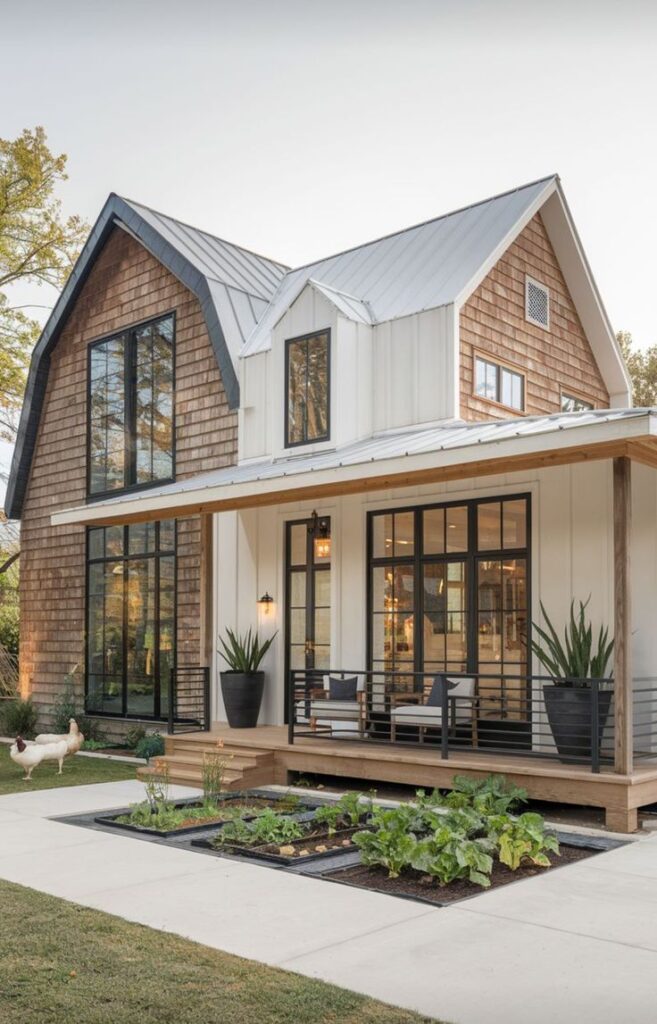
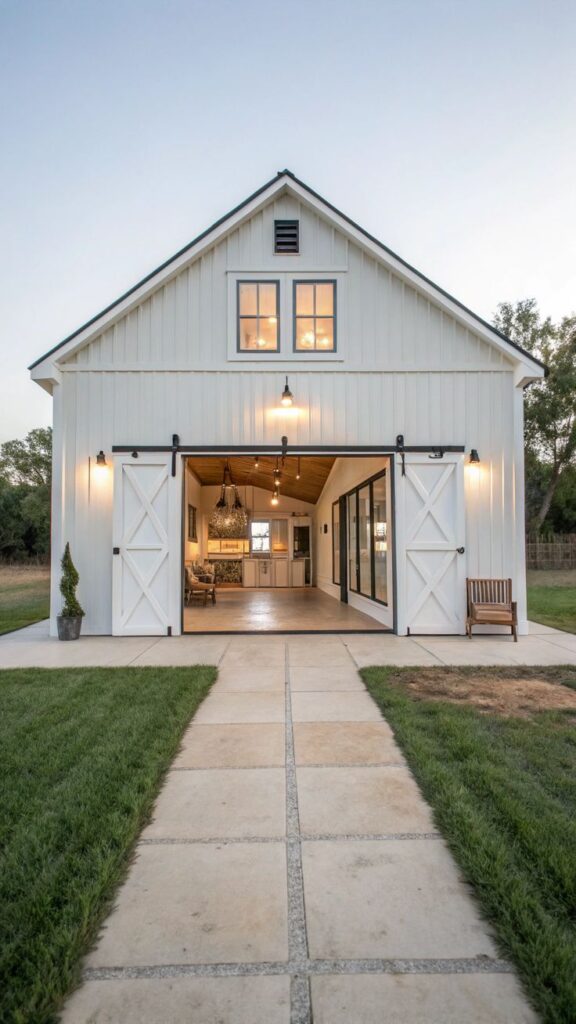
The good news? Clever design can completely transform how a space feels—regardless of its size or price tag. In fact, some of the most creative interiors in the world come from small, affordable homes, where every choice truly counts.
Whether you’re living in a compact apartment, a tiny house, or a budget-friendly fixer-upper, here are design ideas that deliver big impact without demanding big money.
| Design Technique | Primary Visual Impact | Target Rooms | Implementation Cost |
|---|---|---|---|
| Maximizing Light | Expands visual horizons, removes cramped feeling | Living Room, Kitchen | Low (Curtains, Mirrors) |
| Double-Duty Furniture | Eliminates physical clutter, opens up floor space | Bedroom, Living Room | Medium (Multipurpose Pieces) |
| Vertical Shelving | Draws the eye upward, utilizes unused walls | Home Office, Kitchen | Low to Medium |
| Smart Zoning | Creates distinct, organized “rooms within a room” | Studio Apartments, Open-Concept | Low (Rugs, Consoles) |
1. Let Natural Light Do the Heavy Lifting
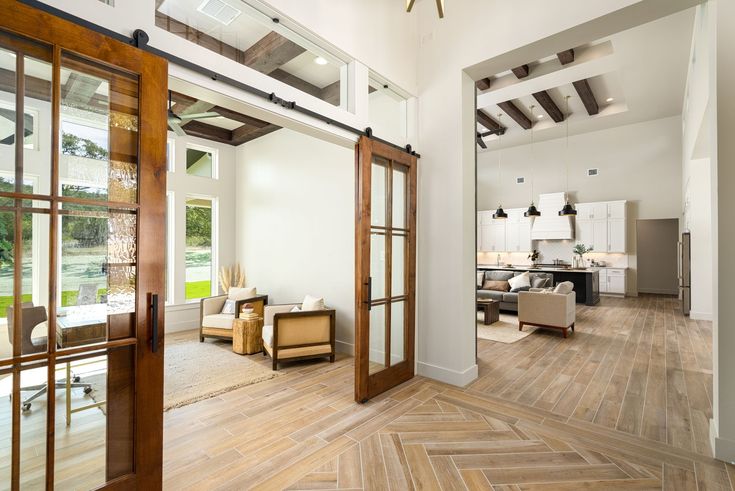
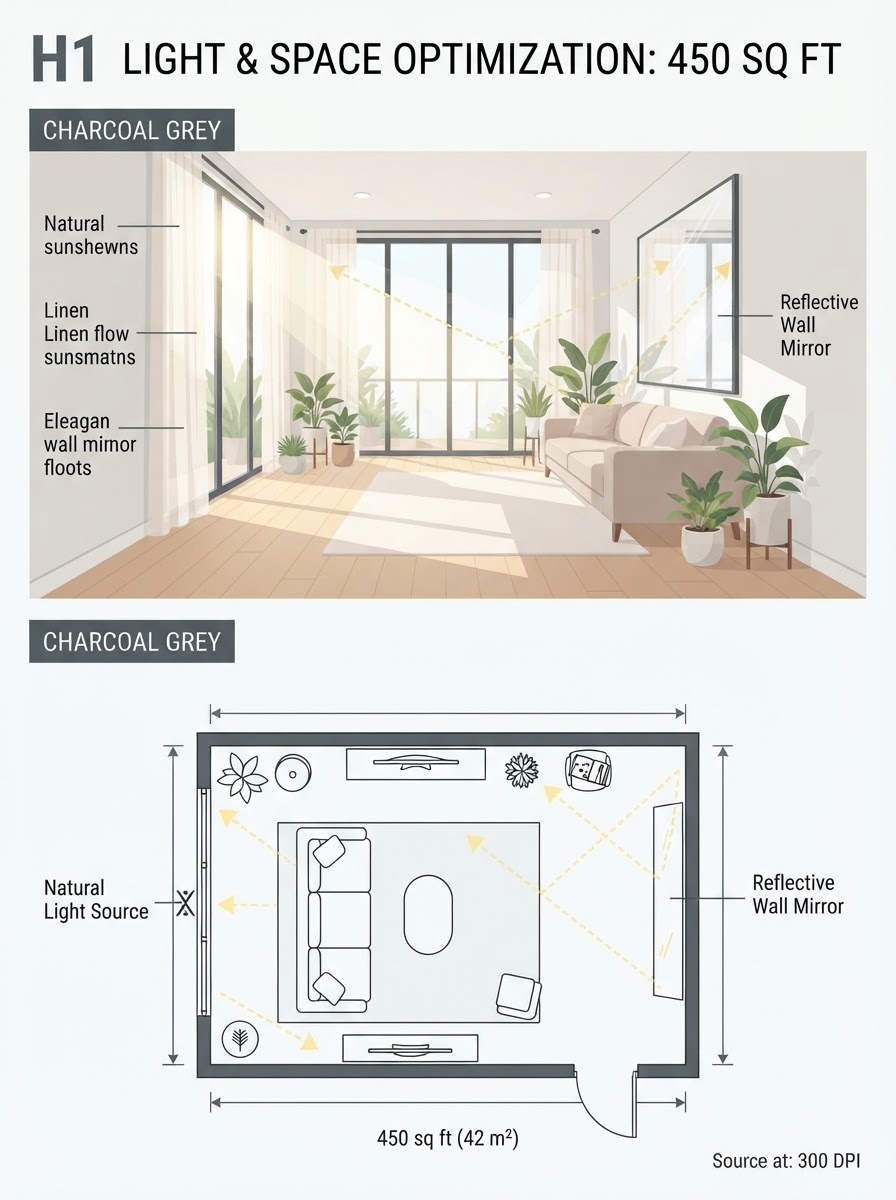
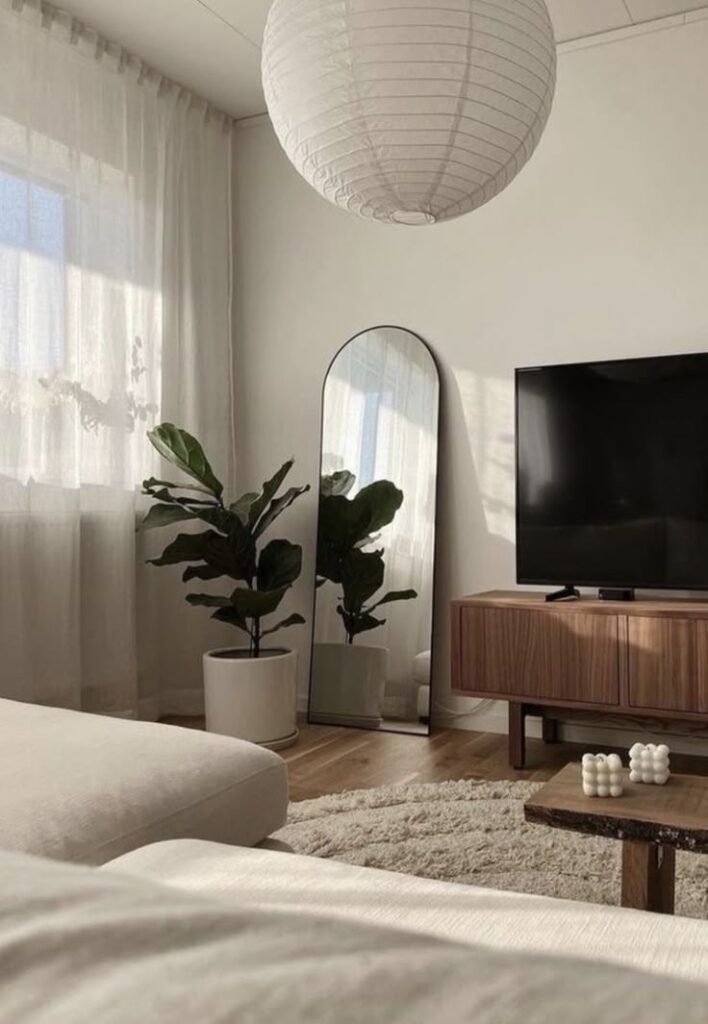
Natural light is arguably the most effective tool in architectural design for making compact, budget-friendly homes feel open and unconfined. In narrow or low-ceilinged rooms, dark corners visually contract the walls, amplifying any feeling of cramped confinement. Maximizing daylight instantly expands a room’s visual boundaries, creating a bright and airy atmosphere. You can achieve this on a limited budget by replacing heavy, light-blocking draperies with sheer fabrics or light linens that diffuse sunbeams into the room.
Additionally, hanging large wall mirrors directly opposite windows bounces natural light deep into narrow corridors and living areas, tricking the eye into believing the space is twice its actual size. To further enhance this luminous effect, pair mirror placements with a semi-gloss ceiling paint that reflects upward-flowing light, making ceilings appear taller and transforming small layouts into bright, inviting environments.
2. Keep the Colour Palette Soft and Cohesive
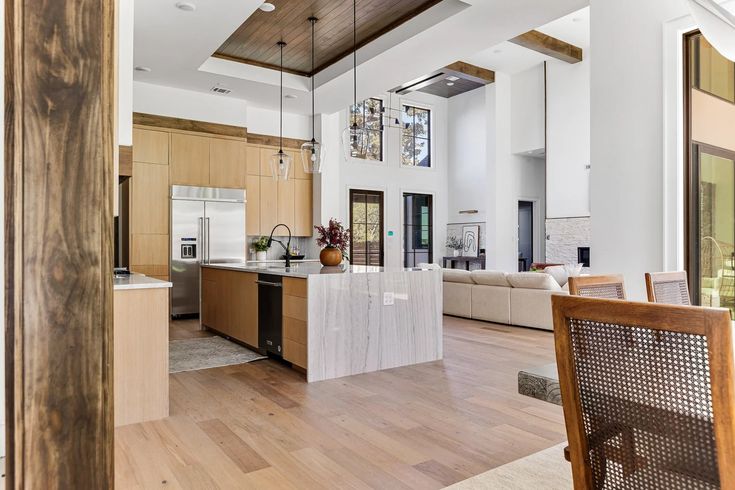
Bold colours are fun, but small rooms benefit most from harmony and flow.
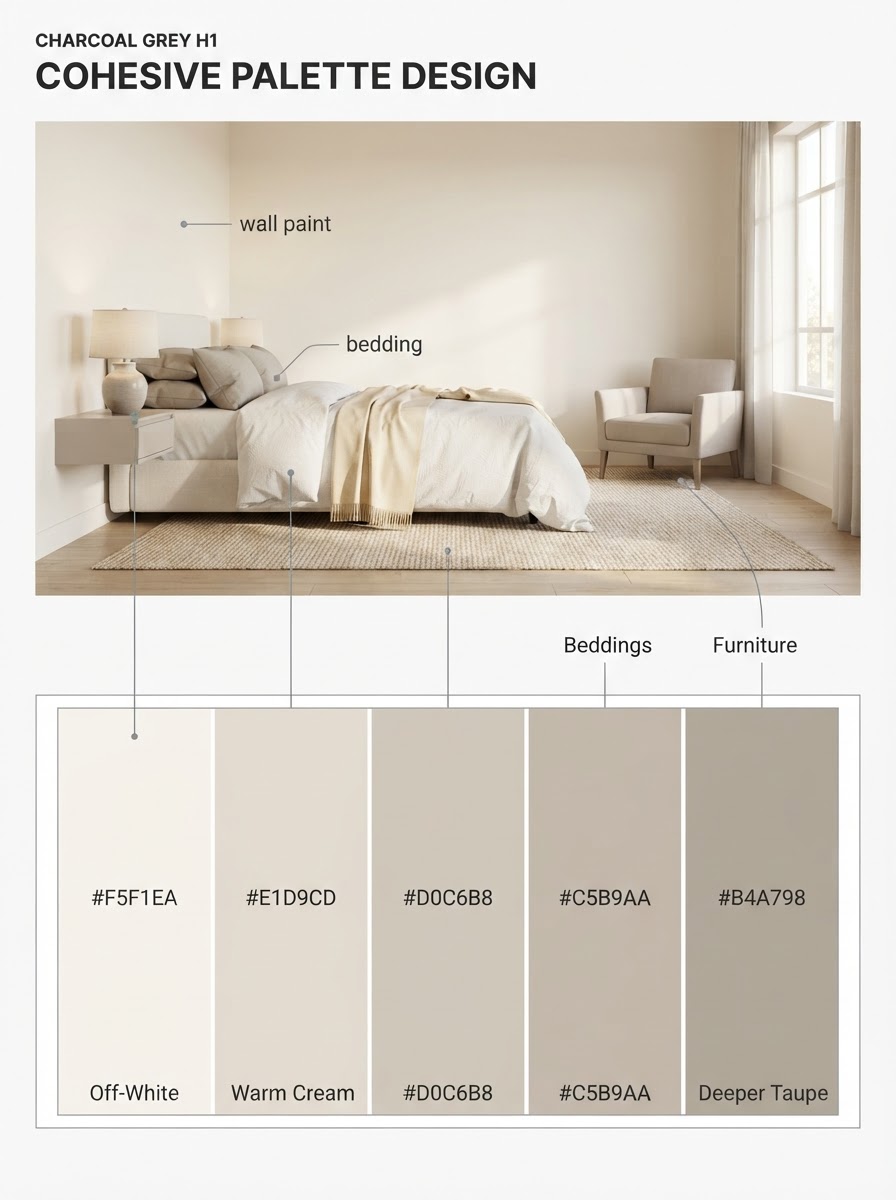
- Light neutrals (soft white, warm beige, pale grey) expand visual space.
- Add accents through cushions, art, or rugs rather than painting entire walls dark.
- Keep the colour drip consistent from one room to the next—it avoids visual “breaks” that make a home feel chopped up.
Think of it like creating a calm backdrop that makes small details shine.
3. Choose Furniture That Works Twice as Hard
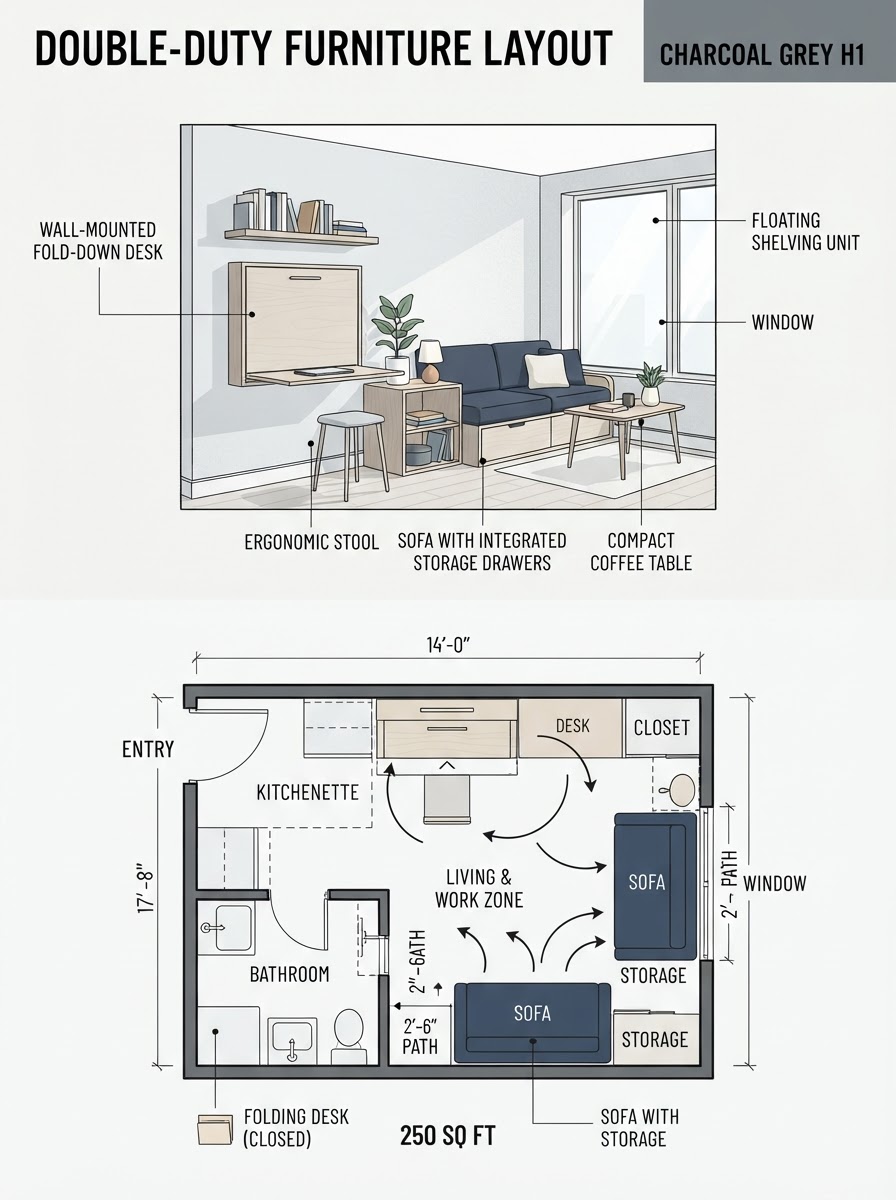
In smaller residential layouts, furniture selection must shift from simple decoration to active spatial utility. Opting for double-duty or multi-functional furniture is a brilliant space-saving strategy that keeps floor plans uncluttered and highly functional. Rather than crowding a small bedroom or living room with multiple single-purpose items, homeowners should invest in storage beds with integrated drawer systems, drop-leaf dining tables that fold flat when not in use, and storage ottomans that serve as both seating and hidden containers.
Wall-mounted desks that fold flat against the wall are also ideal for carving out home offices without sacrificing daily foot-traffic space. Homeowners can also integrate modular sofas for small spaces, which can be rearranged to fit any room. By prioritizing fewer, smarter, high-quality pieces over a collection of smaller, mismatched furniture items, you can maintain clear sightlines throughout the room, allowing the natural layout to feel far more cohesive, structured, and spacious.
4. Vertical Space Is Your Secret Weapon
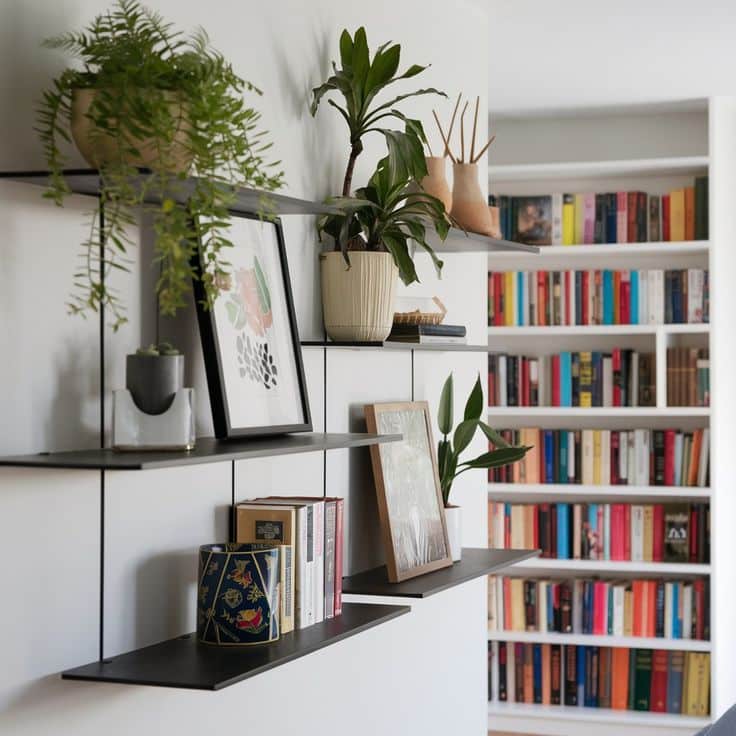
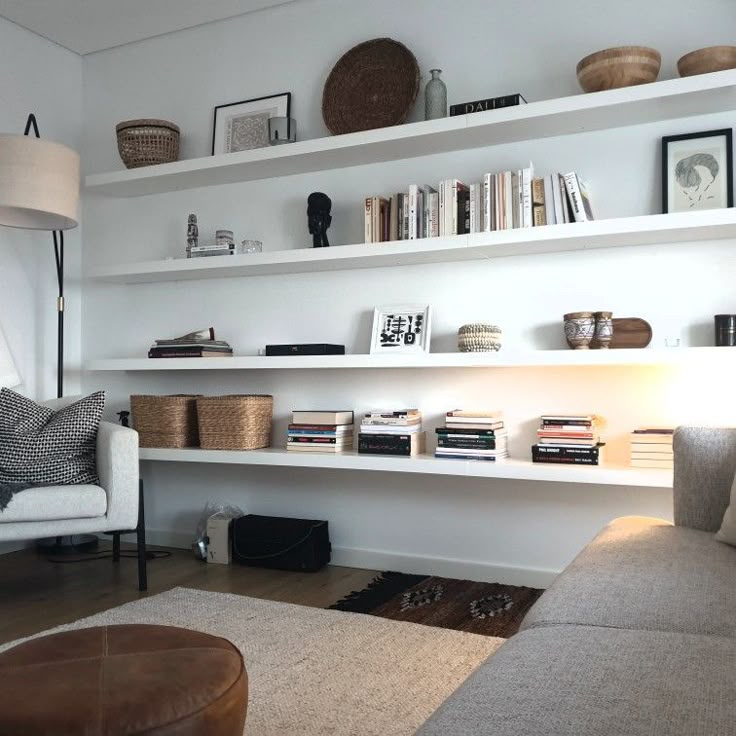
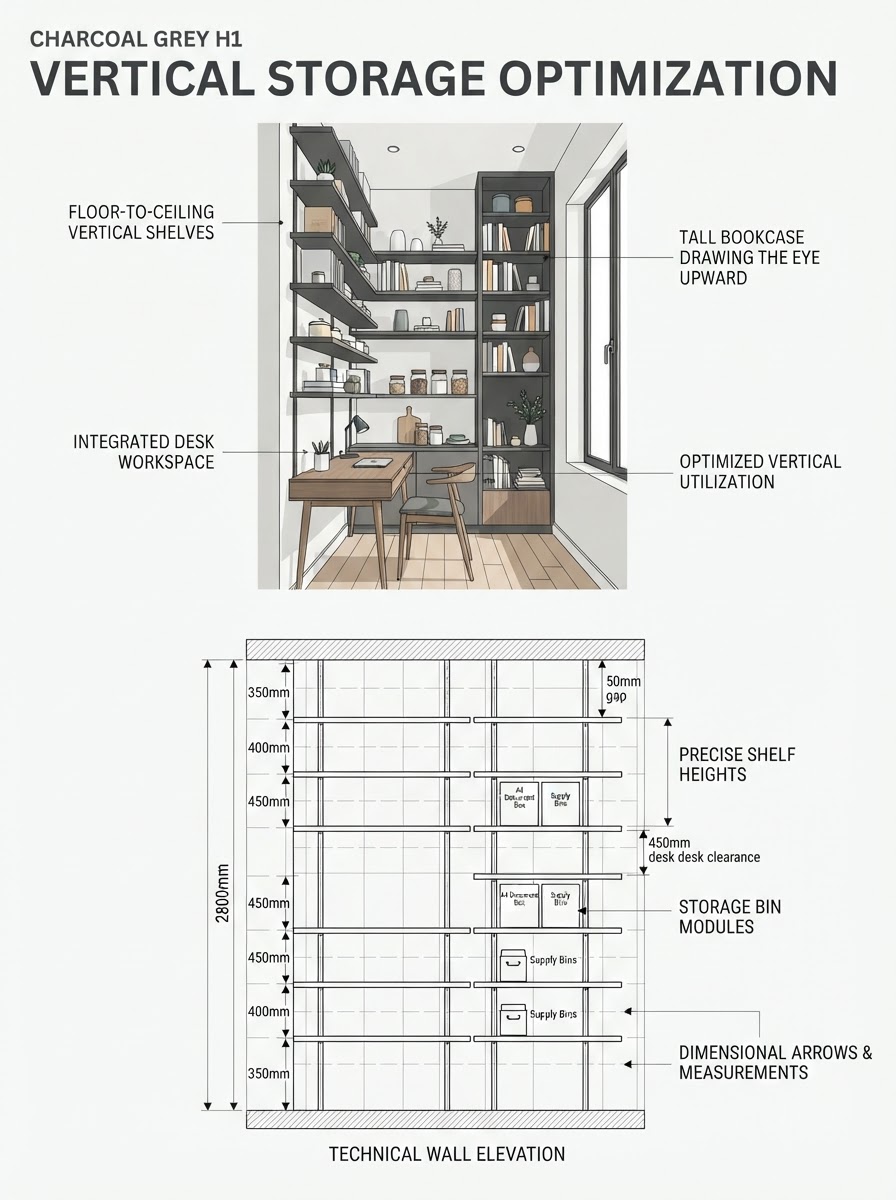
When physical square footage is limited, vertical wall space becomes an invaluable asset for expansion and creative organization. Utilizing tall, ceiling-height bookcases draws the human eye upward, shifting the visual focus from a narrow floor plan to the room’s vertical volume and creating an illusion of loftiness. Floating wall shelves are exceptionally beneficial because they provide essential storage for books, art, and plants without consuming precious floor space.
According to space-planning studies, vertical storage systems are particularly advantageous in older, affordable homes with unusual or narrow layouts but surprisingly tall ceilings. By installing vertical pegboards, rail systems, and wall-mounted organizers in kitchens and laundry rooms, you keep countertops tidy and clean, which dramatically reduces visual clutter and makes any compact living area feel far more expansive, light, and airy.
5. Decluttering Isn’t a Trend—It’s a Tool
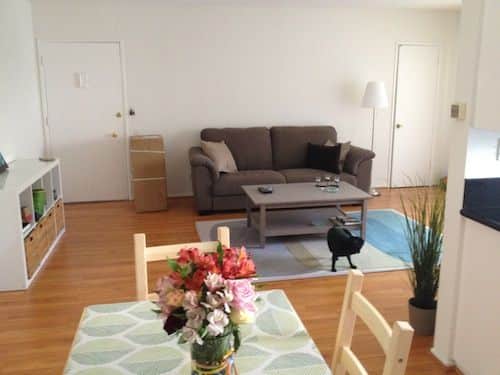
Small spaces amplify everything: the good and the bad.
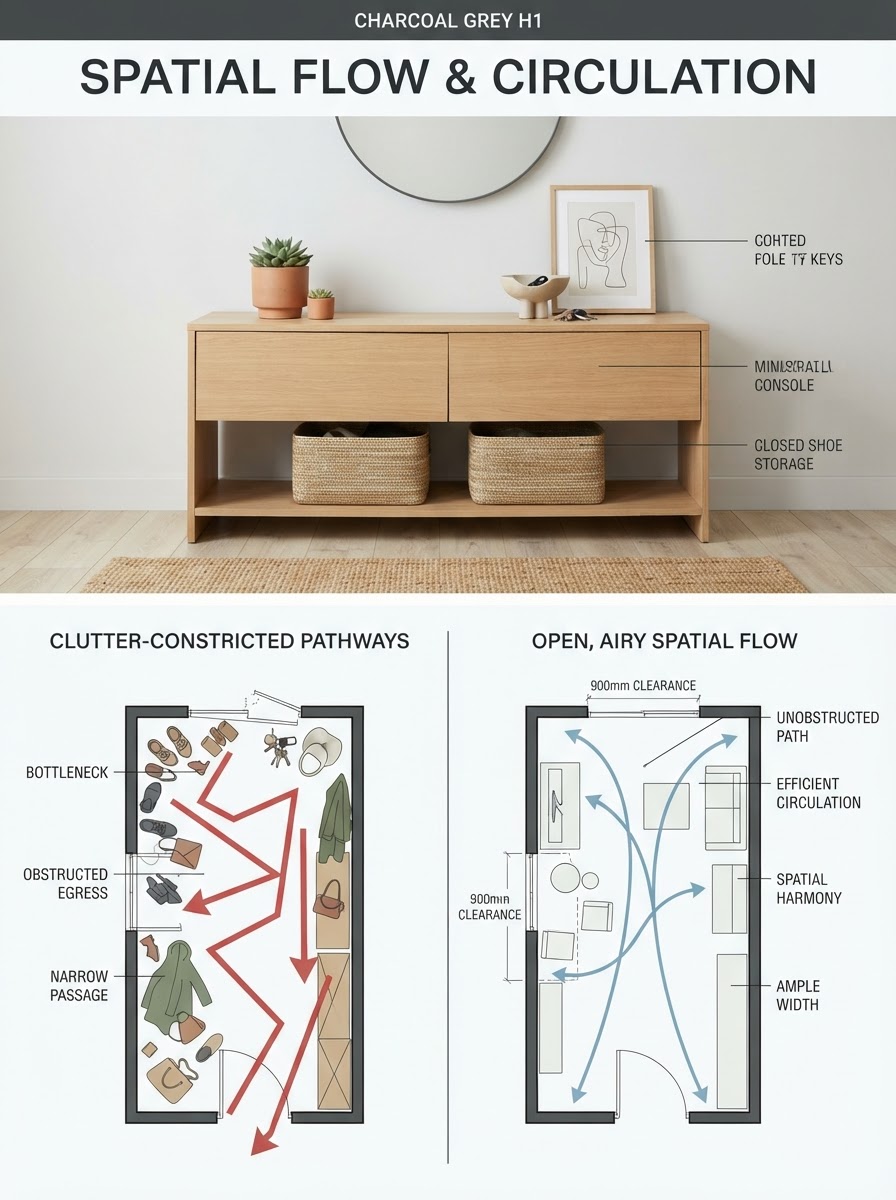
A single table filled with random items can make a whole room feel chaotic. The solution isn’t minimalism for the sake of minimalism; it’s intentional living.
Ask yourself:
- Do I use this weekly?
- Does this item support the way I actually live?
- Is it stealing space without adding value?
The calmer the room, the more spacious it feels.
6. Play With Scale (Not Everything Needs to Be Tiny)
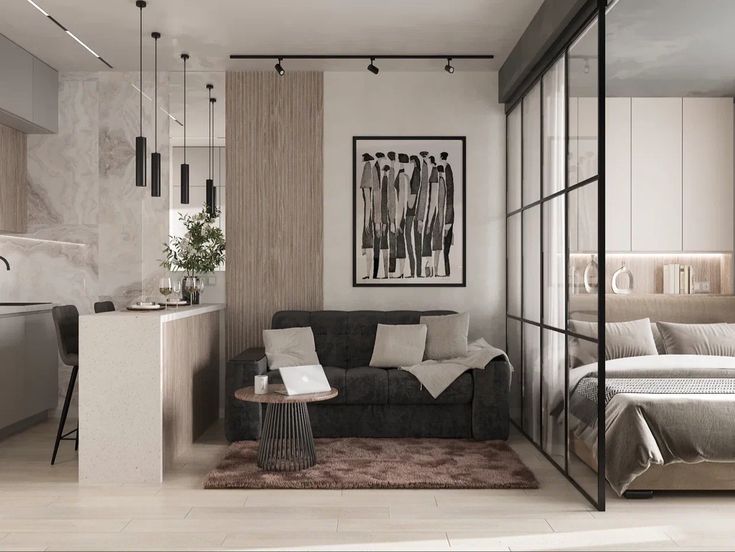
Many people assume small rooms require small furniture.
Surprisingly, the opposite often works better.
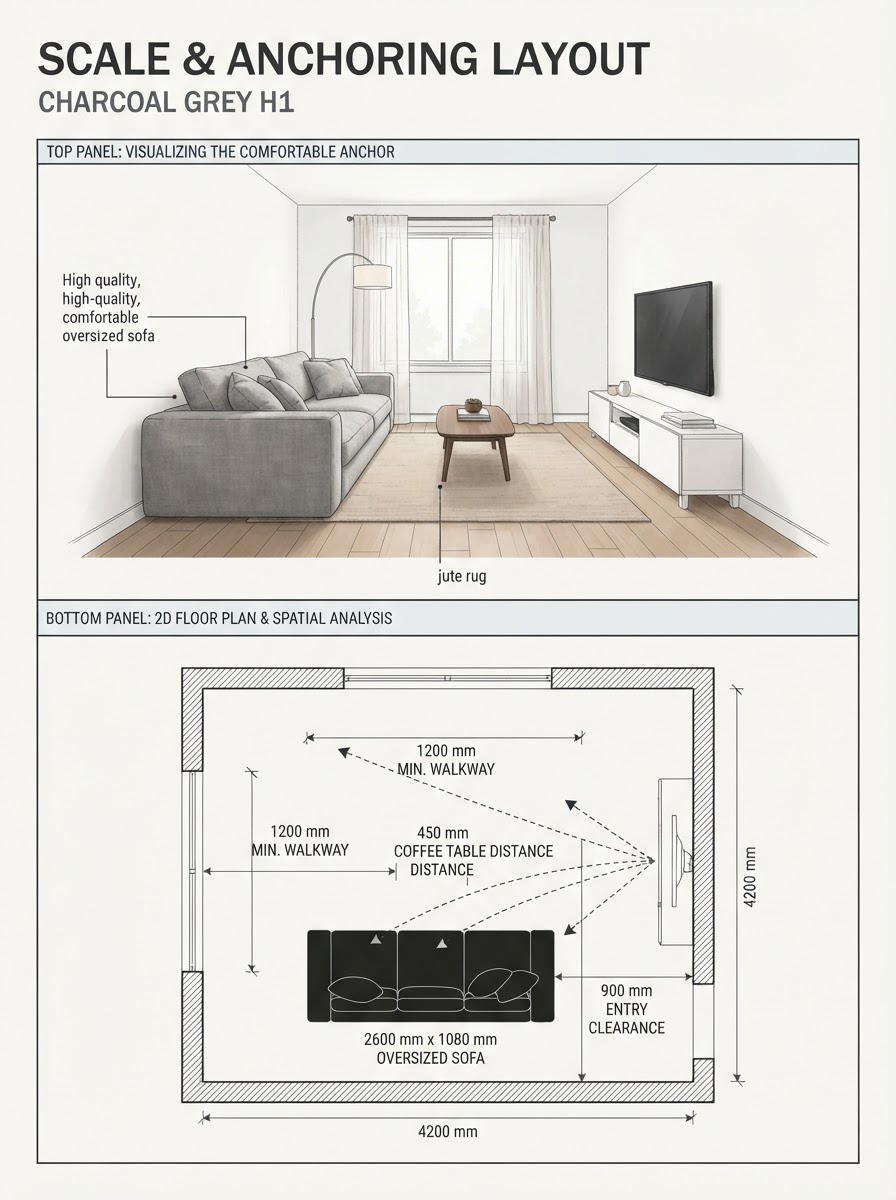
A thoughtfully chosen large piece (like a statement sofa or a bold artwork) can anchor a room and make it feel more structured and intentional. Several small pieces, on the other hand, can create visual clutter.
Try one or two generously sized items and keep the rest of the room streamlined.
7. Add Depth With Textures and Layering
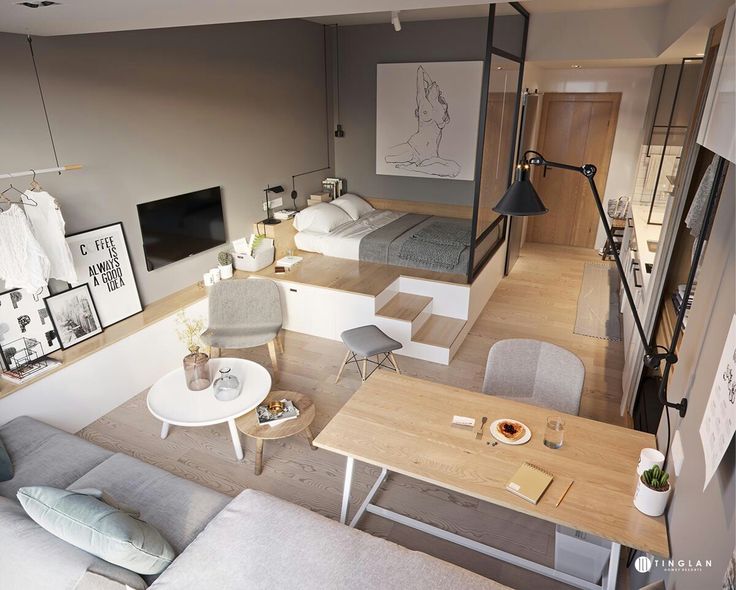
Texture adds richness without shrinking space.
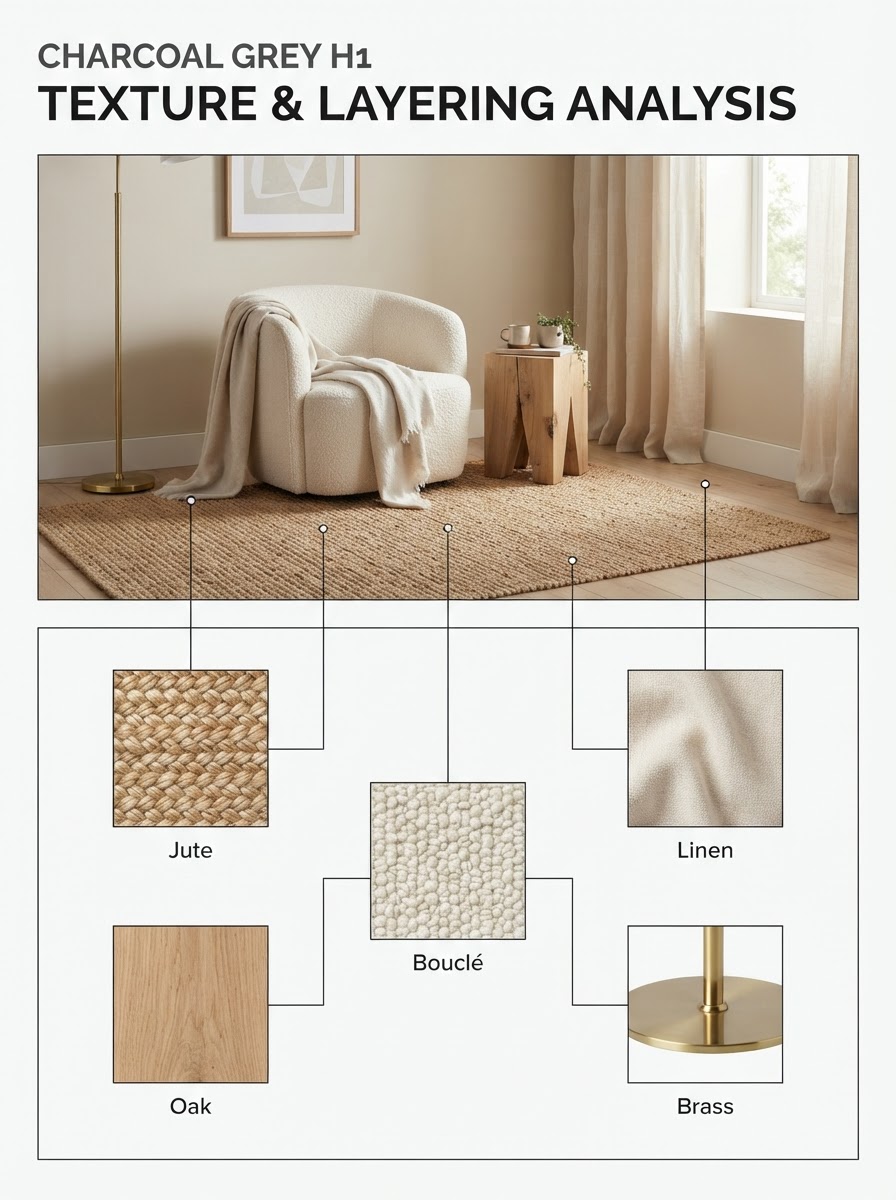
- Light cotton curtains paired with a jute rug
- A smooth sofa with a chunky knit throw
- Wooden side tables next to metal lamps
Layering textures creates a sense of warmth and dimension without introducing visual heaviness.
8. Use Smart Zoning to Create “Rooms” Within a Room
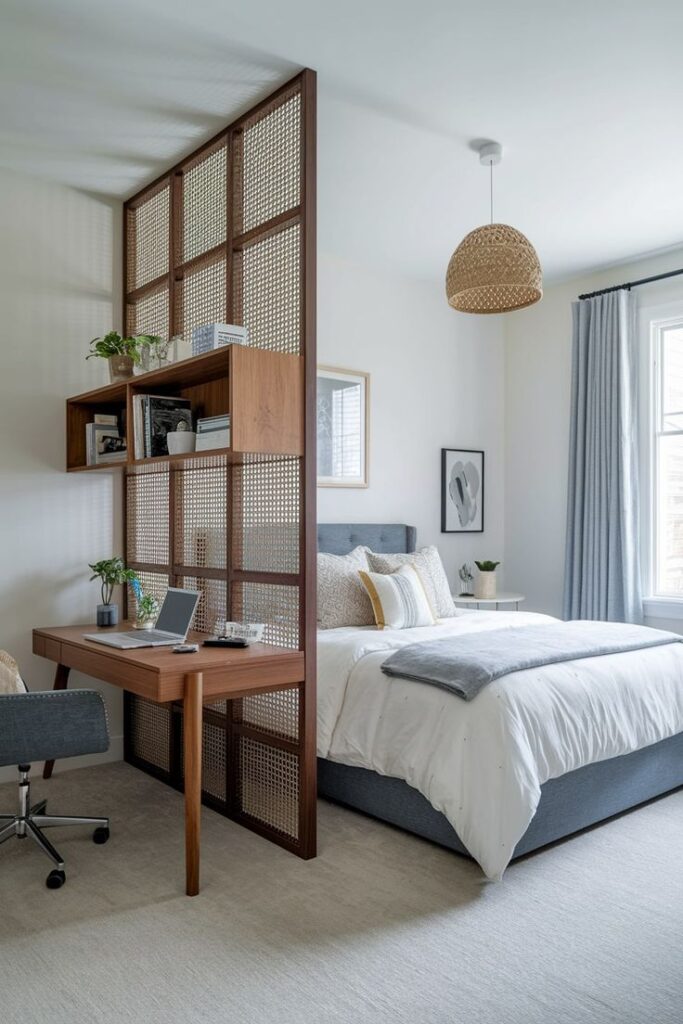
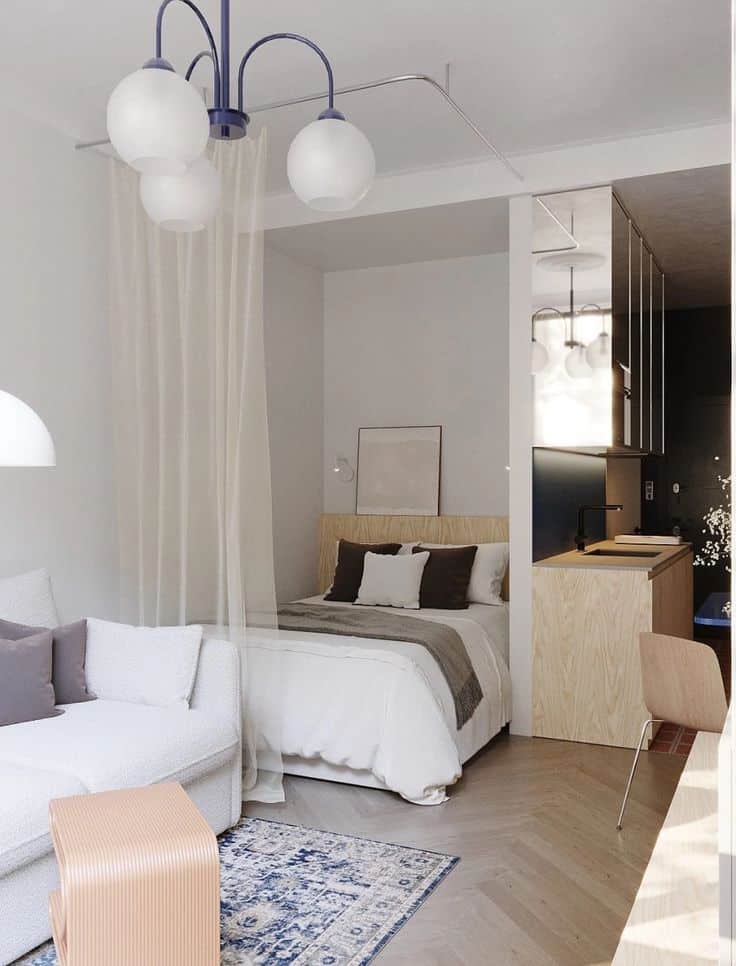
Small homes often have open layouts. Instead of fighting them, embrace zones.
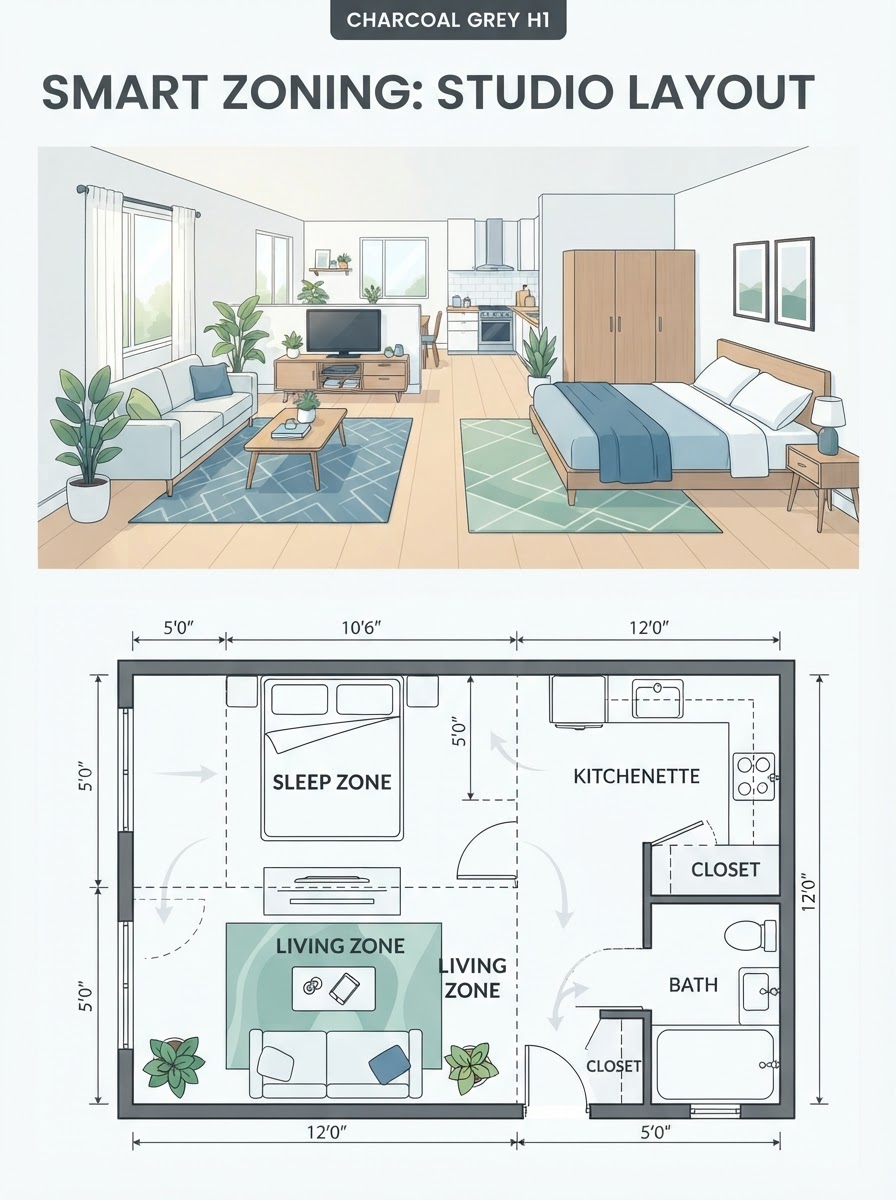
- A rug under the dining table defines a “dining area.”
- A standing lamp and single armchair can create a quiet reading corner.
- A slim console behind the sofa marks a living space without blocking it.
Zoning helps a small home feel intentional, not accidental.
9. Bring Nature Indoors
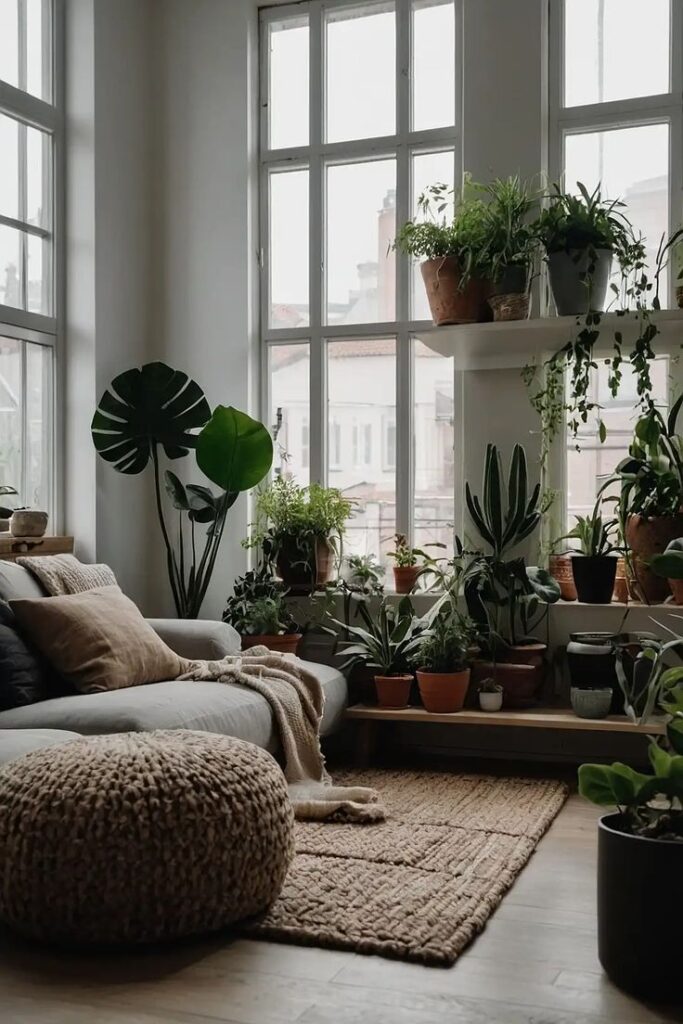
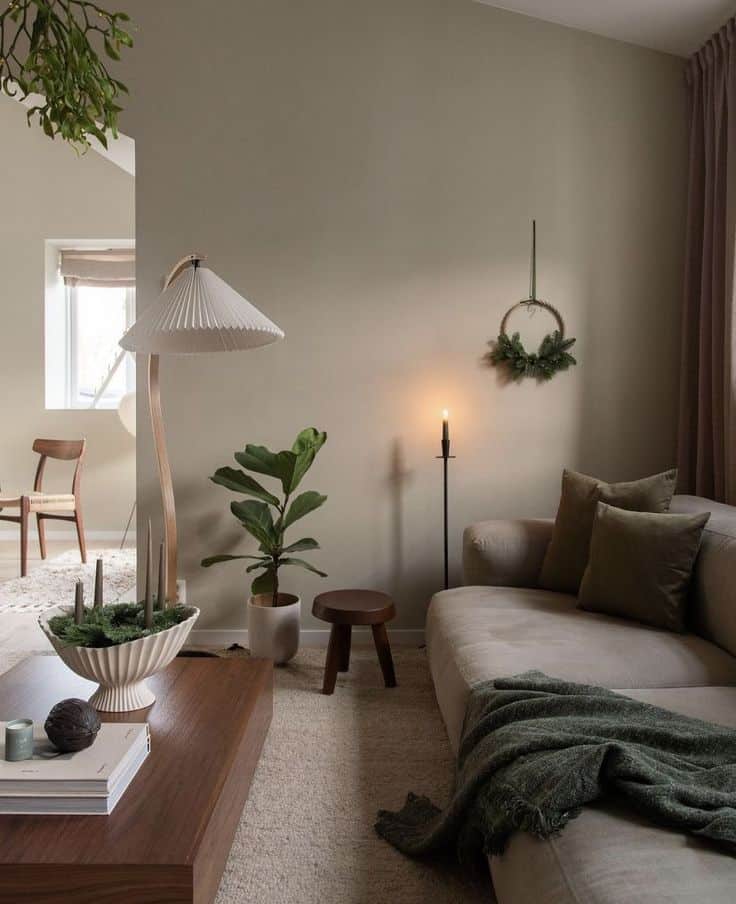
A few well-placed plants instantly soften a small home. They add life, colour, and a feeling of freshness.
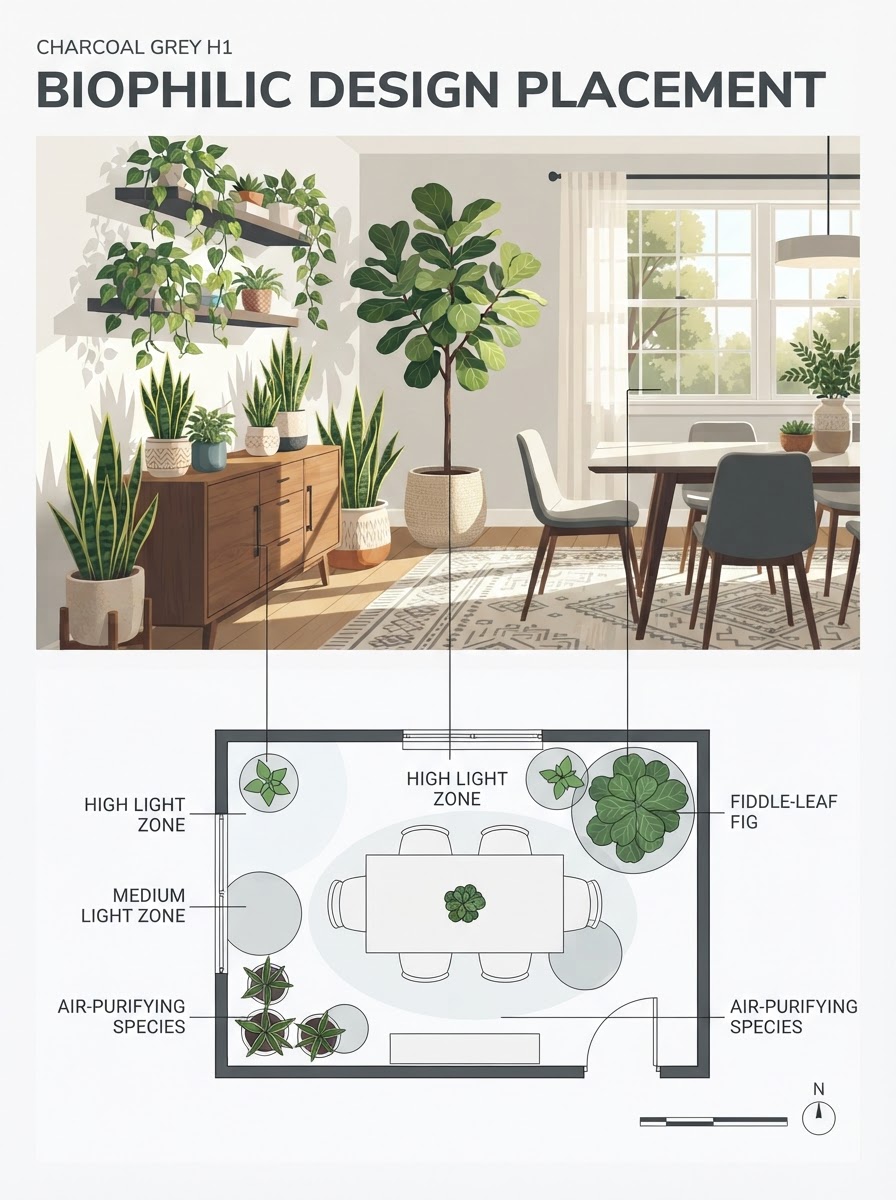
Stick to:
- One tall plant in a corner
- A few medium plants grouped together
- Small, low-maintenance greens on shelves
Avoid dozens of tiny pots scattered everywhere—they quickly become clutter.
10. Finally: Start With the Home That Fits Your Life
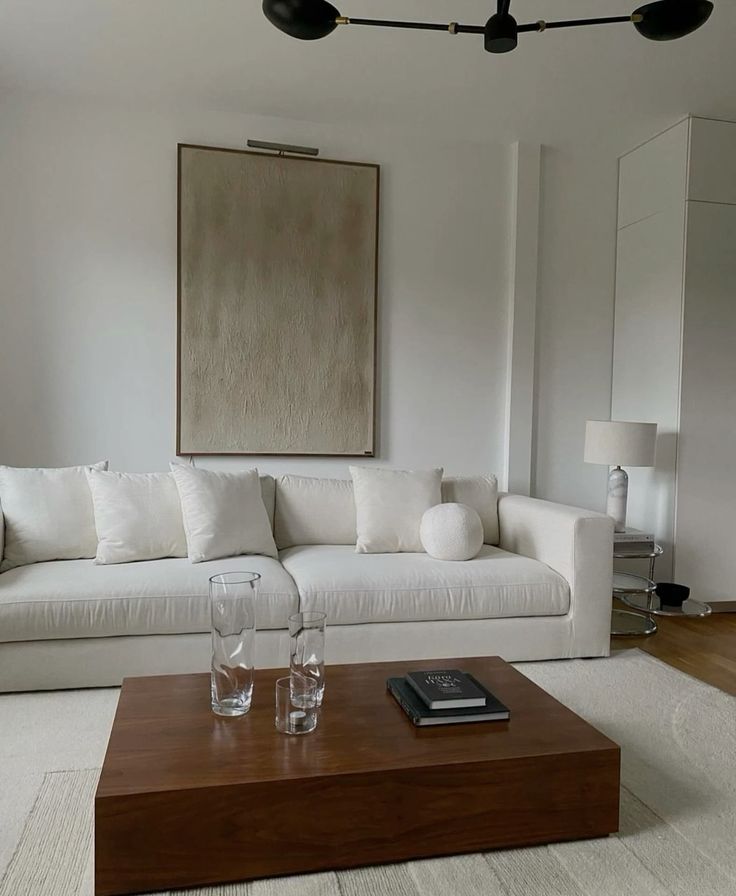
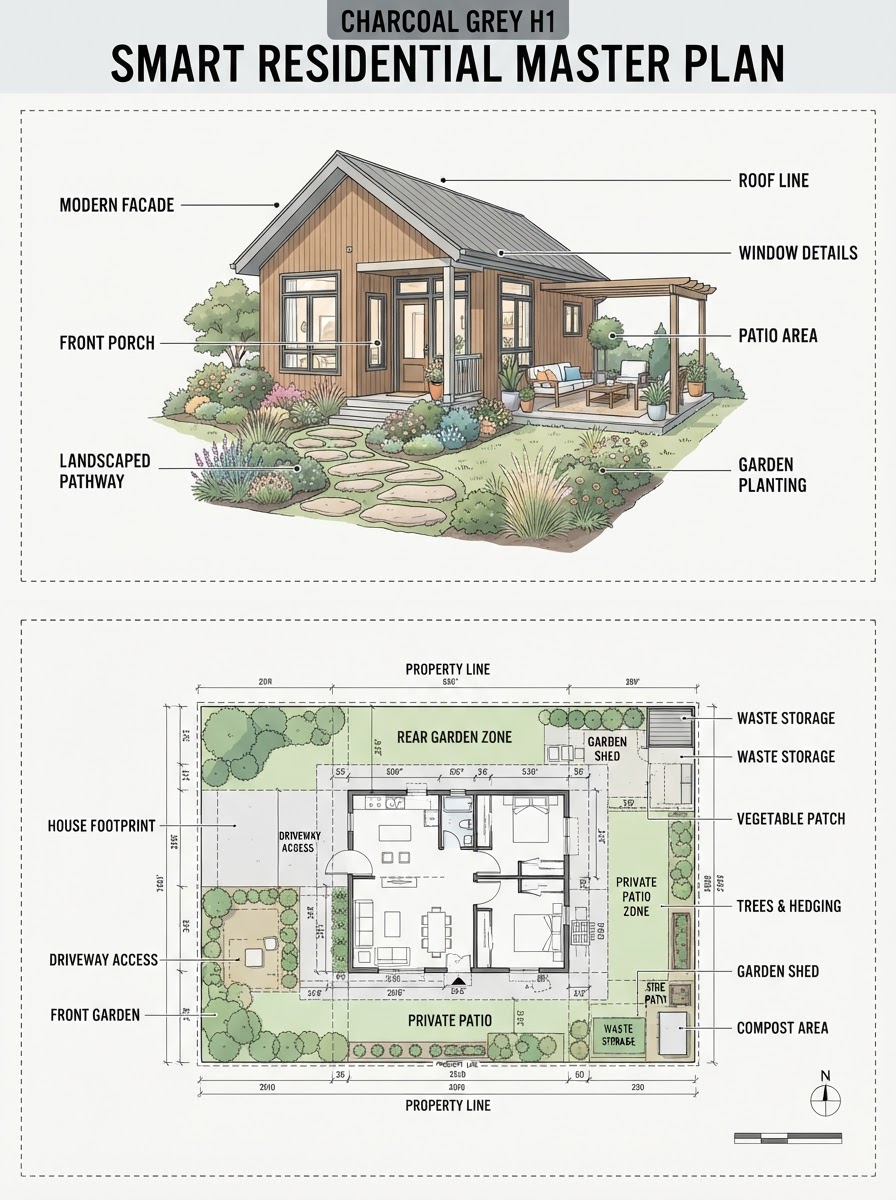
Design can transform any space, but choosing the right home from the start makes things even easier. Affordable properties around the world often come with unique layouts, charming details, or flexible renovation potential. Sites like All Real Estate are useful for browsing these kinds of homes—whether you’re searching for something small and character-filled, or simply exploring what’s possible in different regions.
Final Thoughts
Even compact city layouts can utilize high ceilings and large windows, features that made famous Victorian buildings feel incredibly open.
A small home isn’t a limitation—it’s an opportunity.
It pushes you to get creative, to think more intentionally, and to fall in love with the details that truly matter. With a few clever design choices, even the tiniest home can feel spacious, elegant, and entirely your own.
If you approach it with imagination, you’ll quickly discover:
the size of the space is never as important as the way you shape it.
To see how window selection contributes to this spacious feeling, explore our complete design guide on utilizing elegant bay windows to maximize both natural light and functional square footage.
Related home update idea
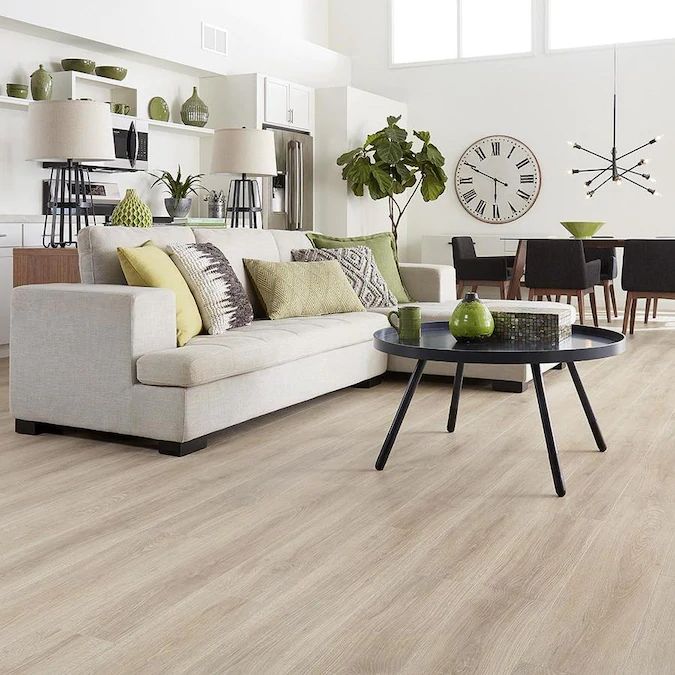
Light, continuous surfaces can make a compact home feel calmer and more open. Use these simple flooring ideas when you want the floor to support the same spacious effect as lighting and furniture layout.
A compact home coffee corner is another small-space upgrade that can make an affordable home feel more intentional without adding a full renovation.
Small homes feel better when every comfort choice has a job. I would also use this guide on how to make your home cozy before buying extra decor for a room that still feels cold or unfinished.
- 349shares
- Facebook0
- Pinterest348
- Twitter1
- Reddit0