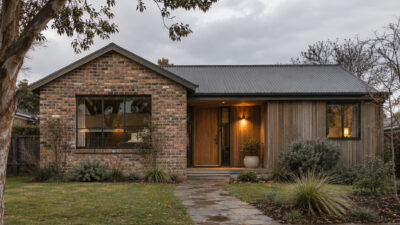
A small Miami home can feel larger when the eye can travel without interruption. That means usable daylight without harsh glare, furniture that stays below the view line, storage that can handle humidity, and a clear path from the entry to the brightest opening. None of these changes requires an addition. Most don't even require a renovation.
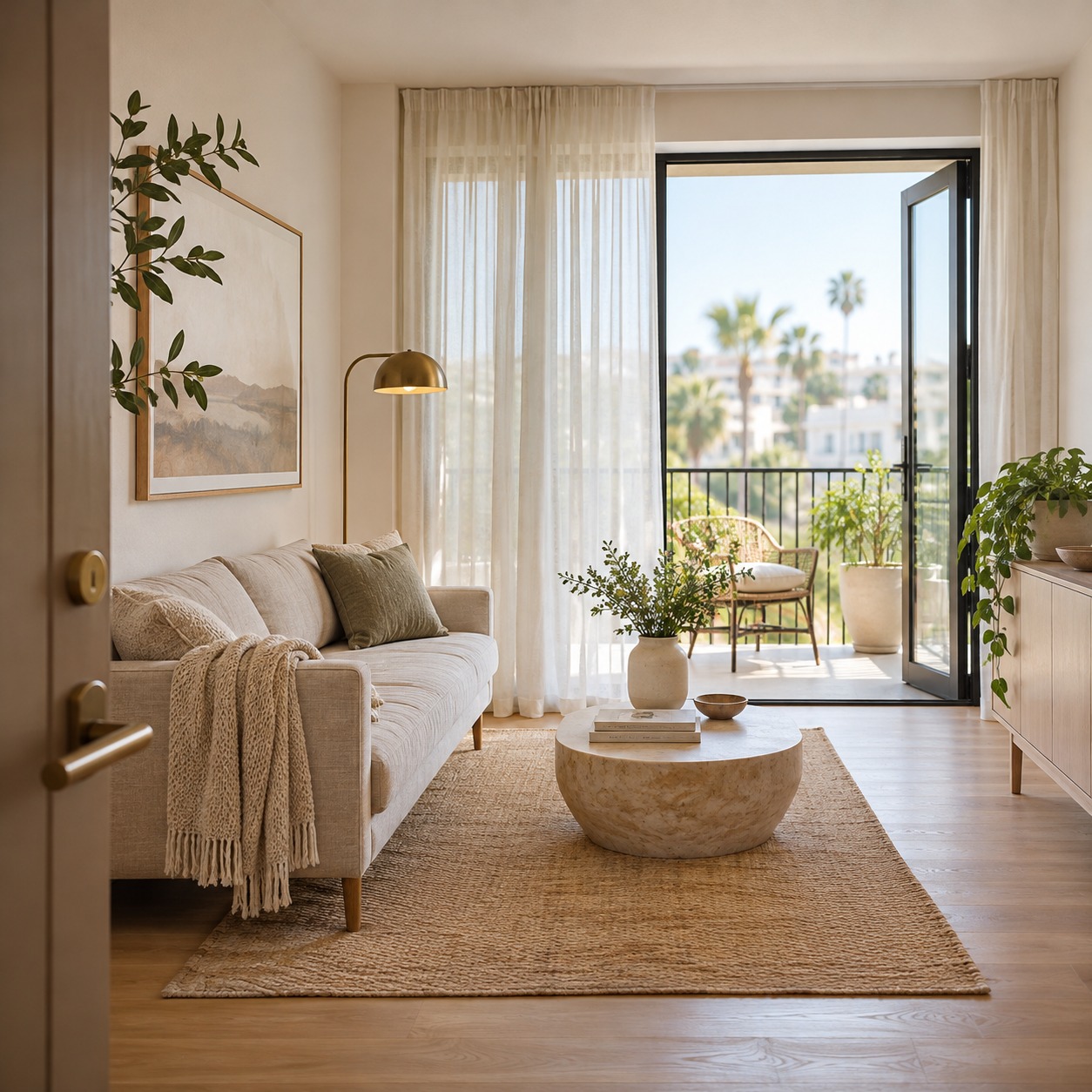
Living in Miami has plenty of advantages, from the beaches to the neighborhoods to year-round sun. Space is often the trade-off. Whether you have a compact condo in Brickell or a smaller house near Little Havana, the same principles apply. The details shift with your home's exposure, building rules and storage conditions. This guide covers the Miami-specific decisions. For general principles, see our broader small-space design ideas.
Read the room before you change anything
Before buying furniture or paint, stand at the front door and note three things.
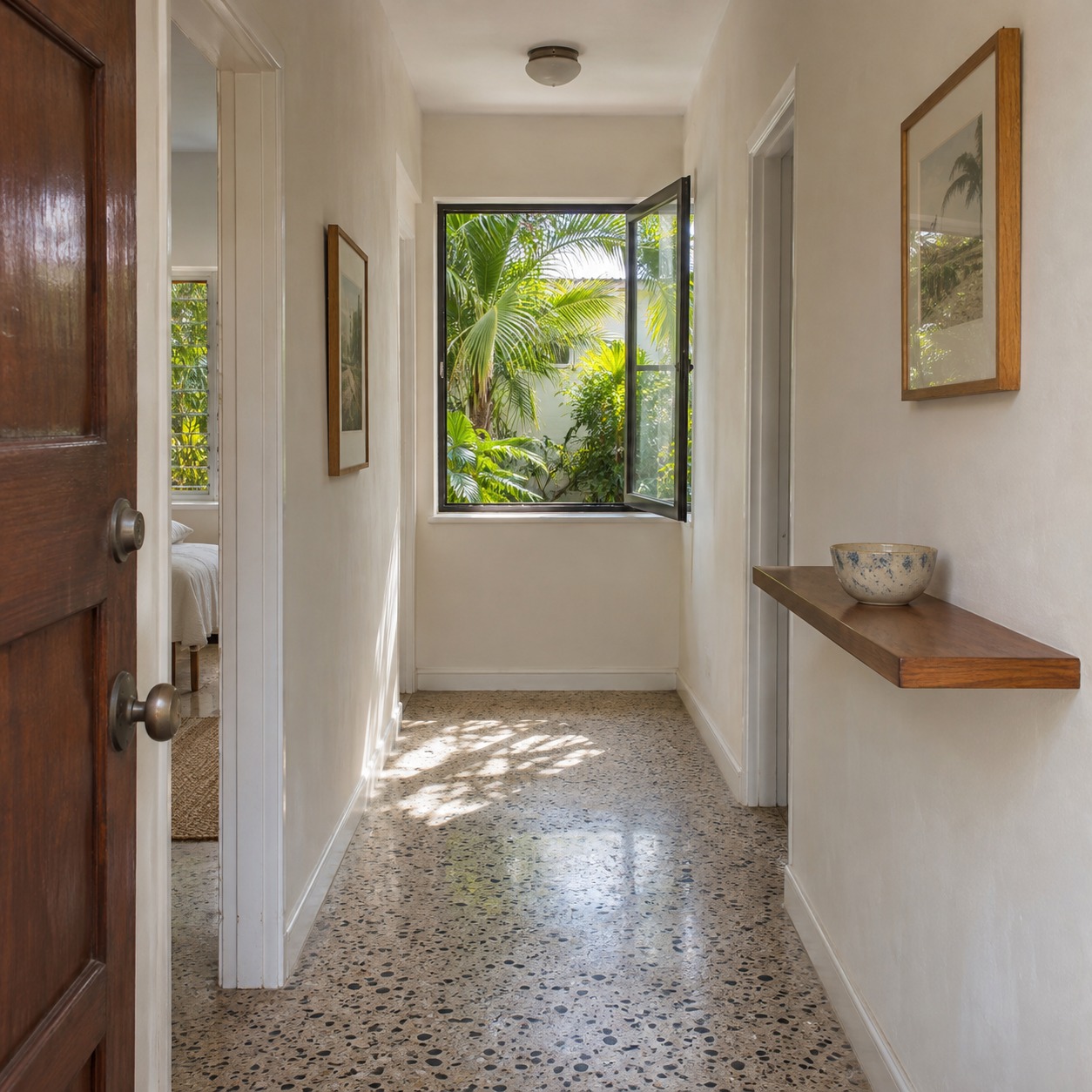
- Where your eye lands first. If it hits the back of a sofa, a cluttered counter or a dark corner, the room will feel smaller than it is. The aim is for the first view to reach a window, balcony or the far wall.
- Where the light comes from, and when. Homes face different directions, and some look onto water, pale walls or glass towers. Others are shaded by trees or neighboring buildings. Check the room in the morning, at midday and in late afternoon. Note when the light is pleasant and when it becomes glare.
- What breaks the view. Tall bookcases, a dark accent wall, mismatched wood tones or a high-backed chair can each cut the room into smaller pieces. You don't need to remove every contrast. Just keep it deliberate.
These notes will guide each of the decisions below.
Use daylight and lighter colors, but control the glare
Strong daylight can make a small room feel open, but only if you can live with it. If glare forces you to close the blinds all afternoon, the room feels smaller than it would with gentler light.
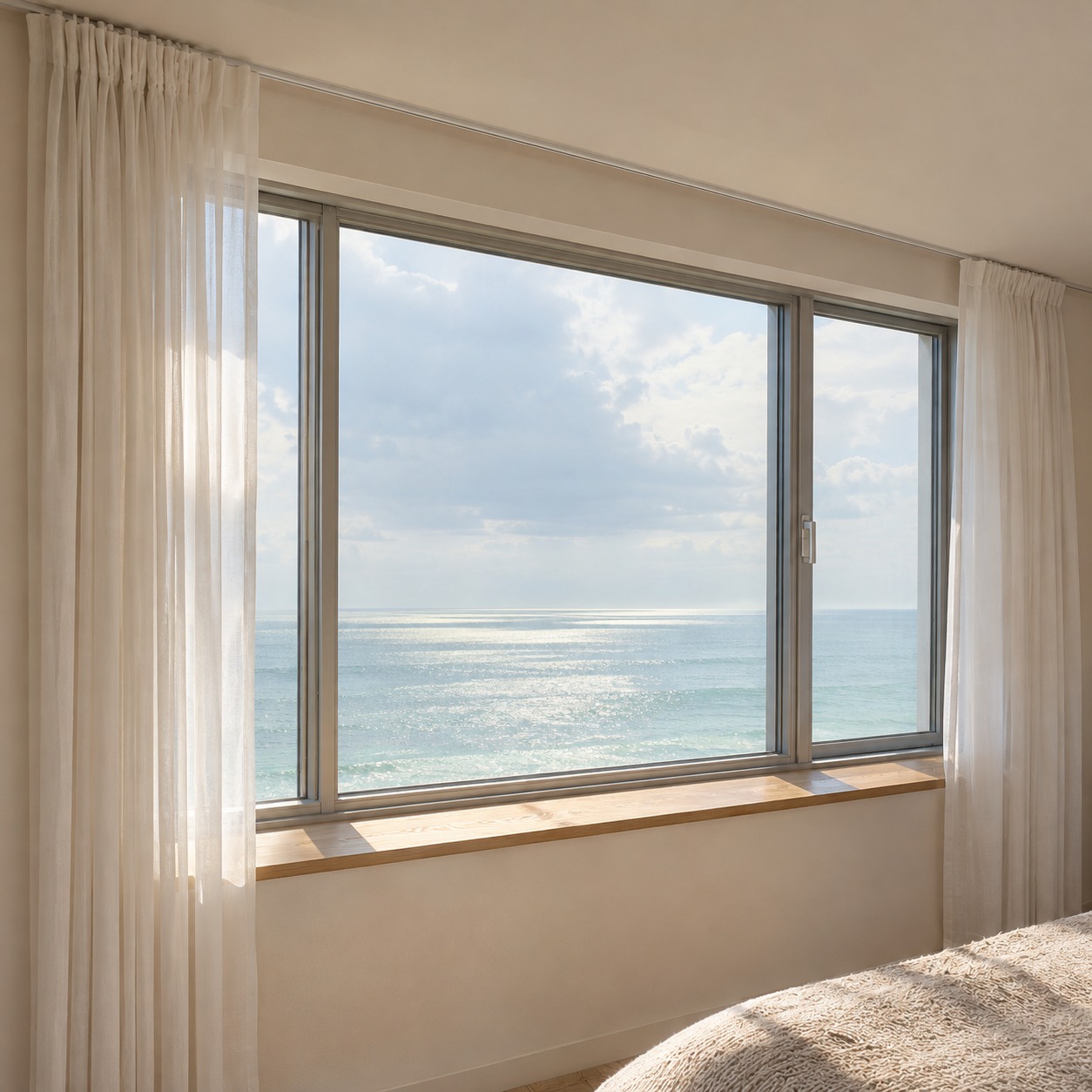
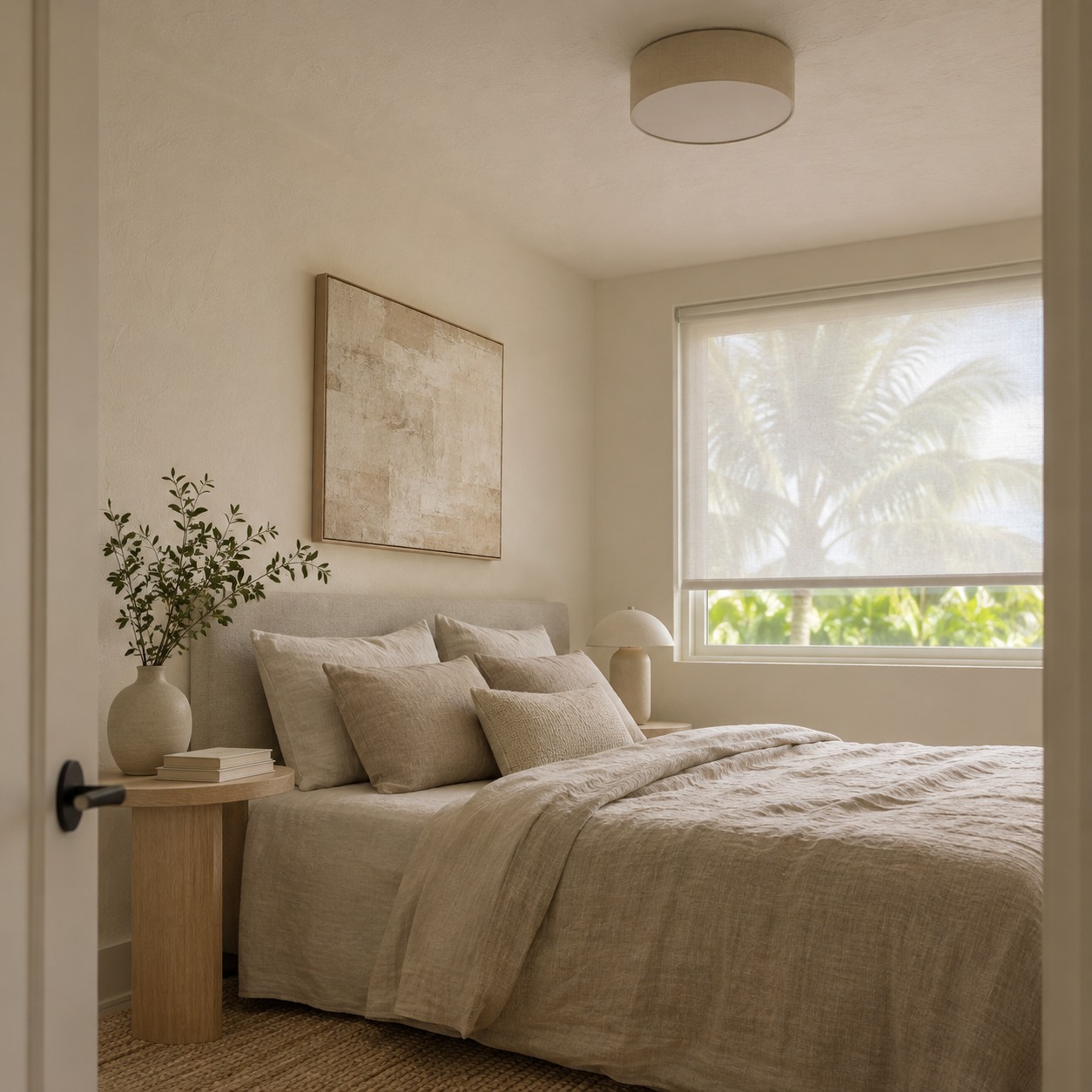
Replace heavy curtains with sheers, light-filtering solar shades or adjustable blinds. Mount the hardware above the window frame and extend it past the sides, so open panels sit against the wall instead of the glass. This keeps the full window in view and makes it look larger. For rooms that take hard sun at certain hours, look for ways to manage afternoon sun without darkening the room.
Mirrors need more care in bright rooms. A mirror directly opposite a window can spread daylight, but it can also double the glare. A better rule is to place the mirror so it reflects the view or a softly lit wall, not the sun itself. Then check it at the brightest time of day before you hang it permanently. Floor lamps and wall sconces can lift dark corners after sunset, so the room doesn't shrink once the daylight goes.
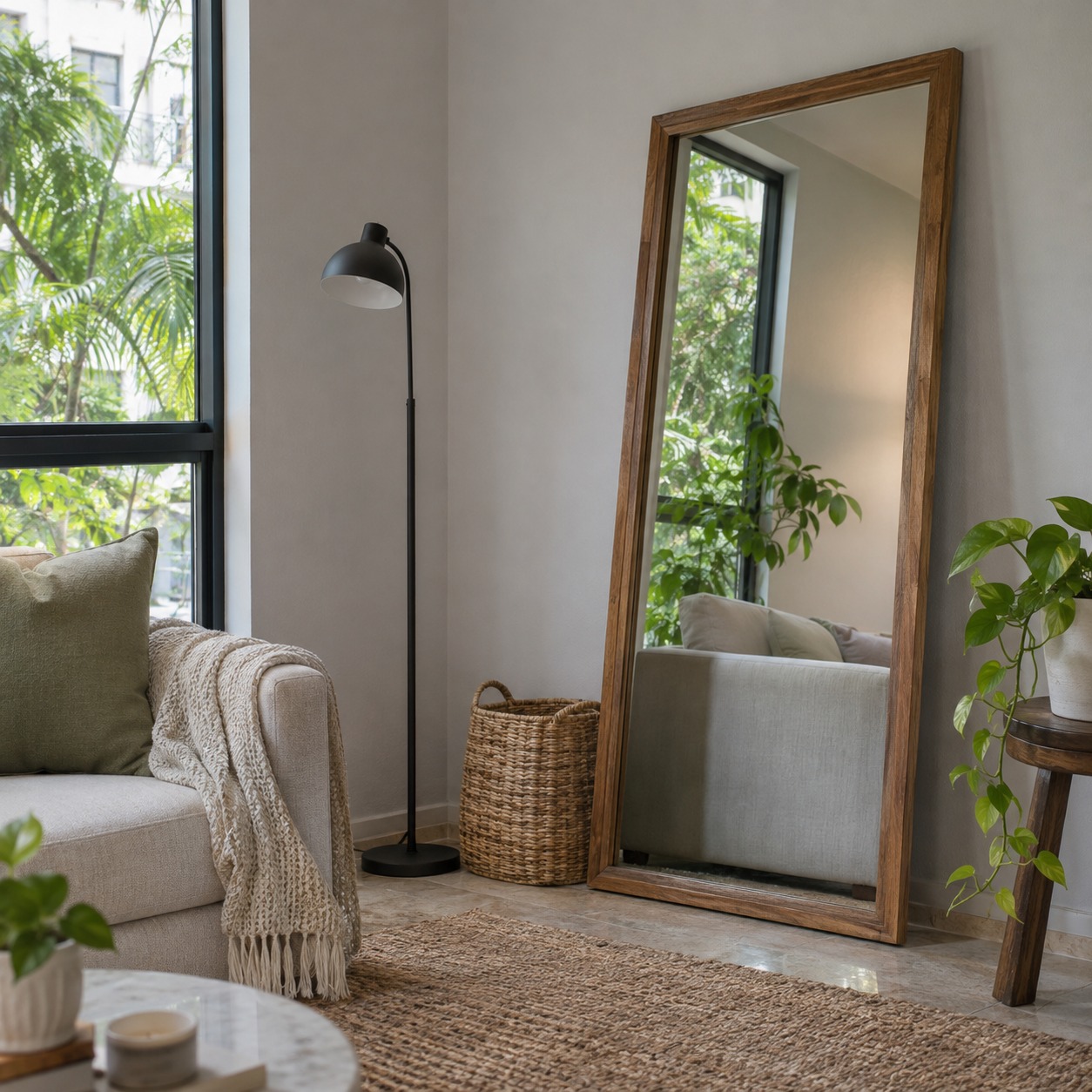
Light-colored walls help, but the brightest white isn't always the best choice. In intense sun, a stark white with a shiny finish can glare. Soft whites, warm beige and pale gray tend to be calmer, and a matte or eggshell finish reflects less harsh light. Run one shade across the walls, ceiling and trim. Fewer color breaks mean fewer visual edges, so the room reads as one larger volume.

Choose furniture and storage that suit a humid climate
In a small condo, each large piece should do more than one job. Storage ottomans, expandable dining tables and sofa beds cover more needs without taking more floor space.
Shape matters as much as size. Furniture on exposed legs shows more floor, which makes the room feel lighter. A low-back sofa that sits below the windowsill keeps the outdoor view whole. A glass or acrylic coffee table takes up less visual space than a solid block of wood. It's also usually better to have one well-proportioned piece than several small ones, since many small objects read as clutter.
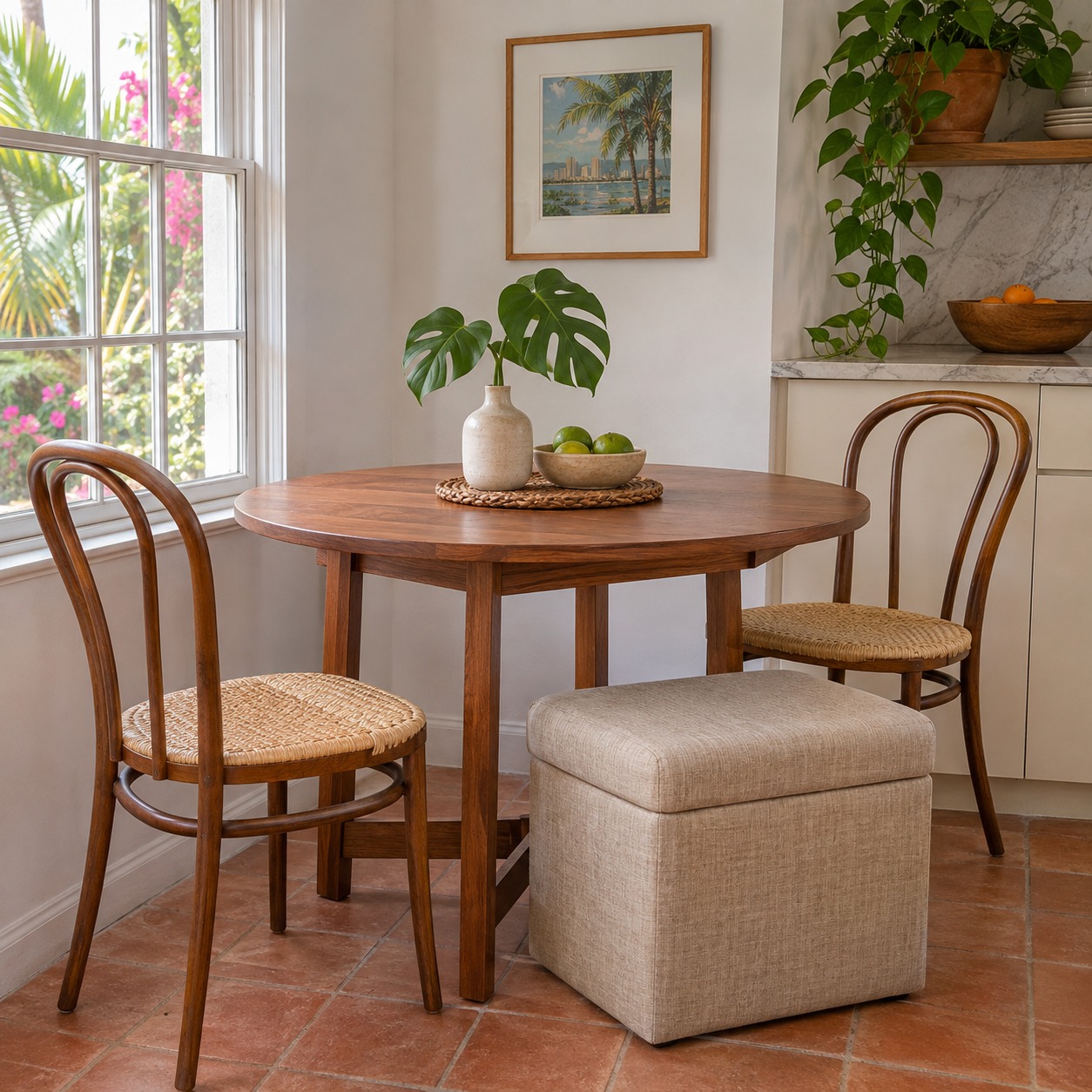
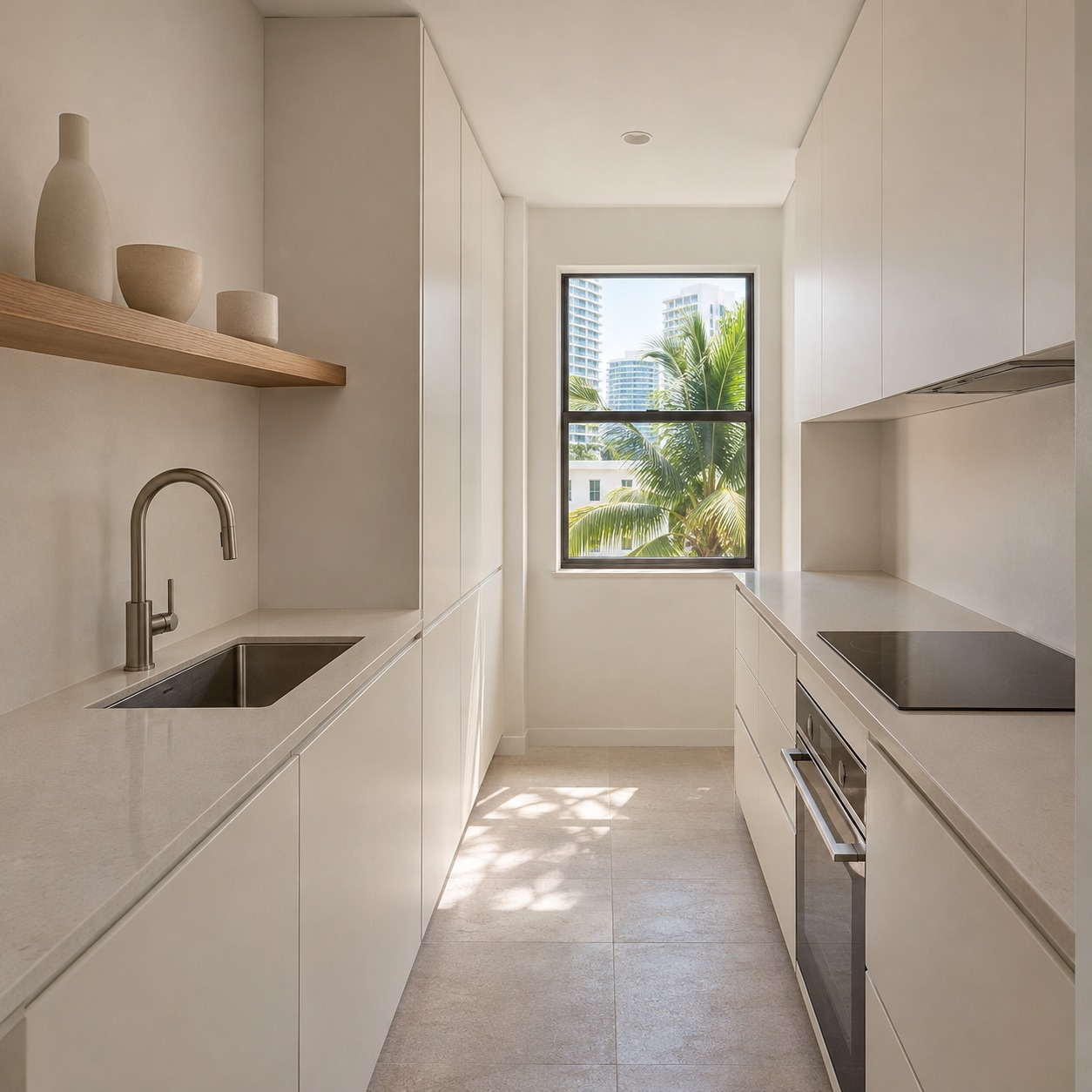
Vertical storage frees up floors and counters. Floating shelves, tall cabinets and wall-mounted organizers all help. Decide what stays visible, though. Open shelves can look calm or busy depending on what they hold. Closed fronts in the wall color tend to fade into the background.
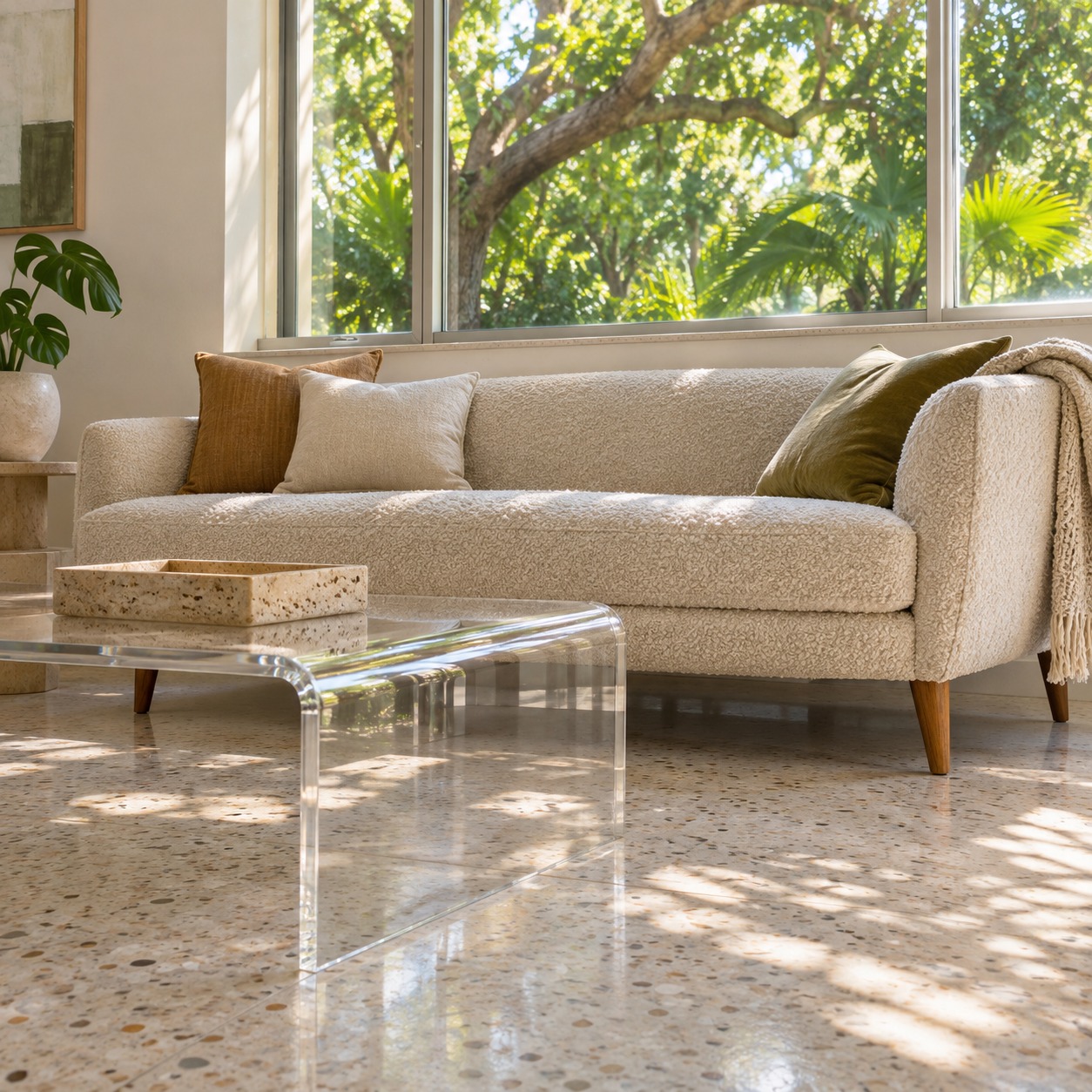
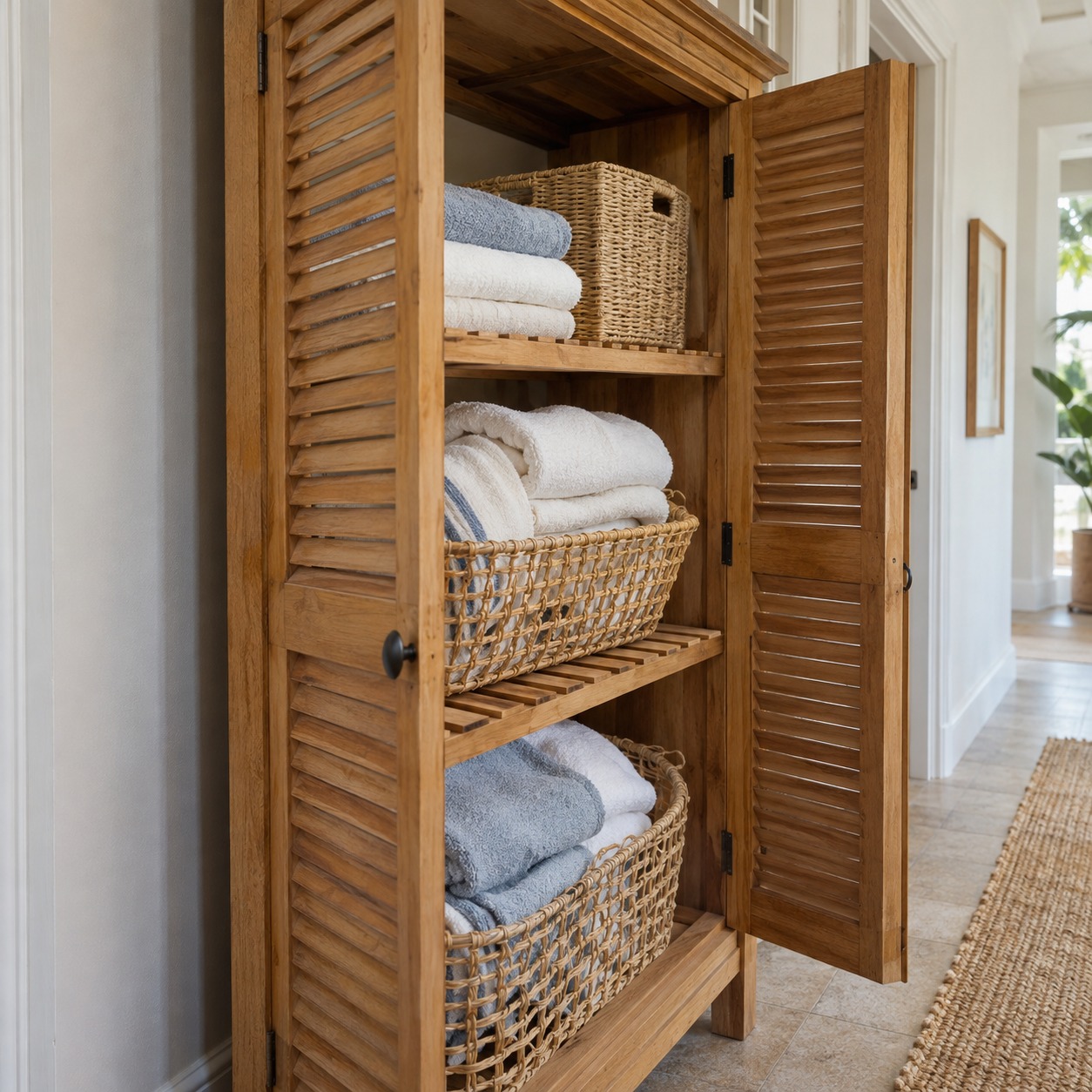
Humidity changes how you should store things. Choose moisture-resistant materials, especially in bathrooms and kitchens. Leave a small gap between tall cabinets and exterior walls, and avoid packing fabric, paper or leather into closed spaces with no airflow. If a closet or cabinet often smells musty, treat that as a sign to plan for indoor moisture and airflow before you add more storage there.
Protect the path and the balcony sightline
A badly arranged room feels cramped no matter its size. The fix is to decide which routes matter most and keep them clear.
Start with the line from the entry to the balcony, patio or main window. In many compact Miami homes, this is the most important line in the plan, both as a walking path and as a view. Keep furniture out of it. Turn seating so it faces the outdoor space rather than blocking it. If you can't keep the full path clear, at least keep the view clear at eye level.
Where living and dining share one room, use rugs to define each zone instead of adding screens or dividers. Size each rug so the main furniture in that zone sits at least partly on it. Small rugs scattered around chop up the floor.
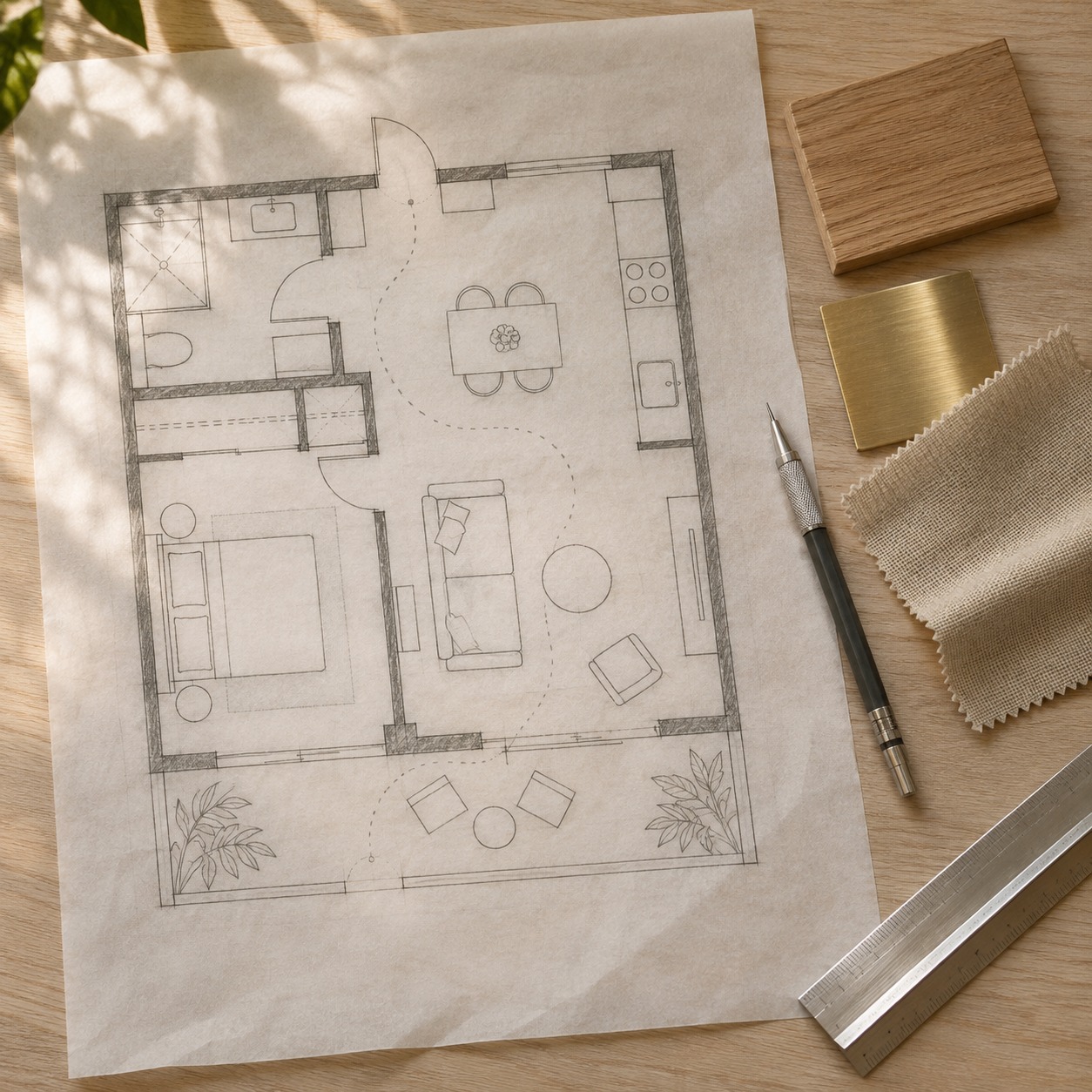
Pick a small, repeatable material palette, such as one wood tone, one metal finish and one textile color, and use it across the connected rooms. Consistent finishes make separate areas read as one larger space. Before you buy anything large, sketch the room layout to scale so you can test the walking paths and sightlines on paper.
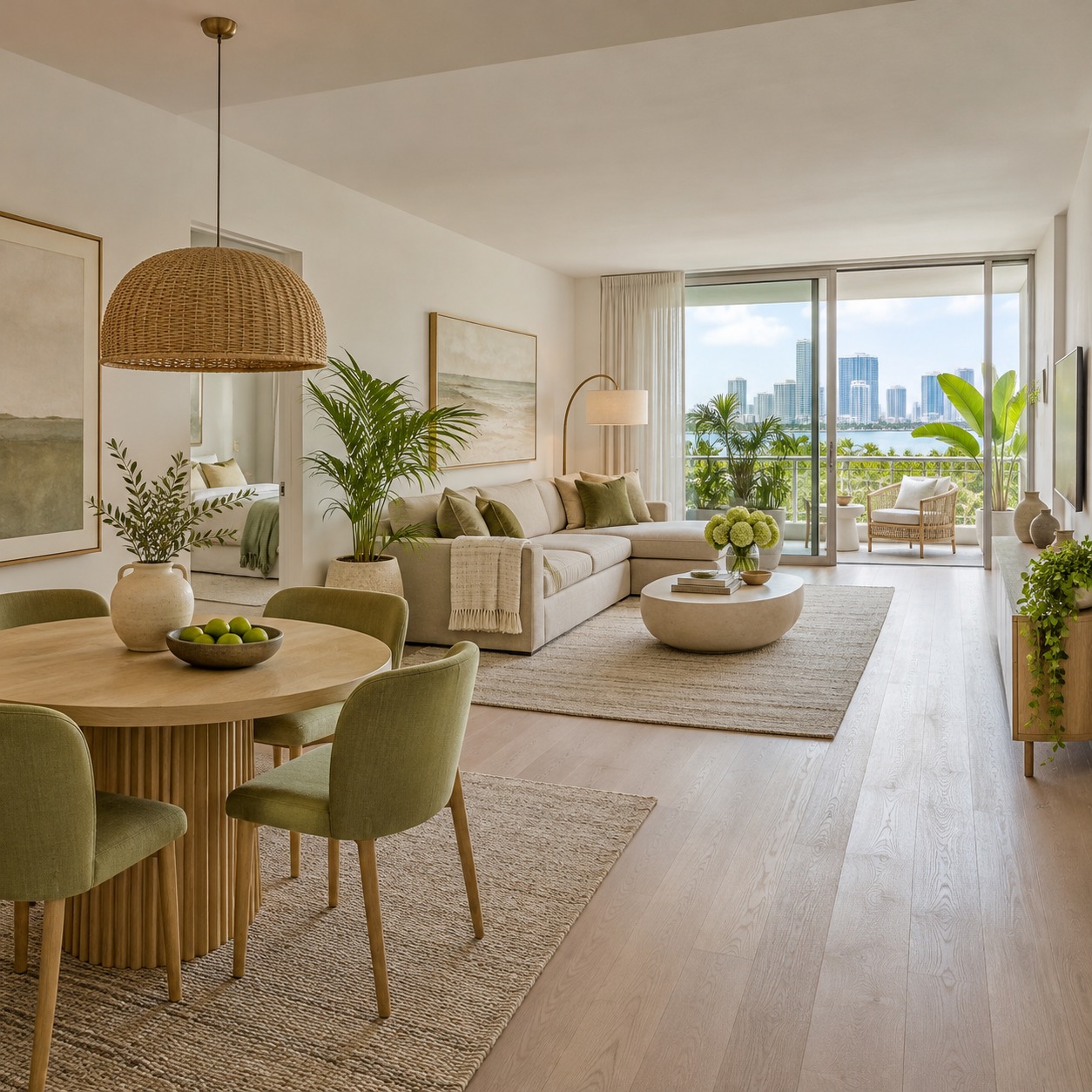
Treat the balcony as part of the view, too. A balcony full of stored items, oversized furniture or mismatched pieces pulls the eye back indoors. Keep it simple, and repeat a color or material from inside so the two spaces feel connected.
Find space in the corners you already have
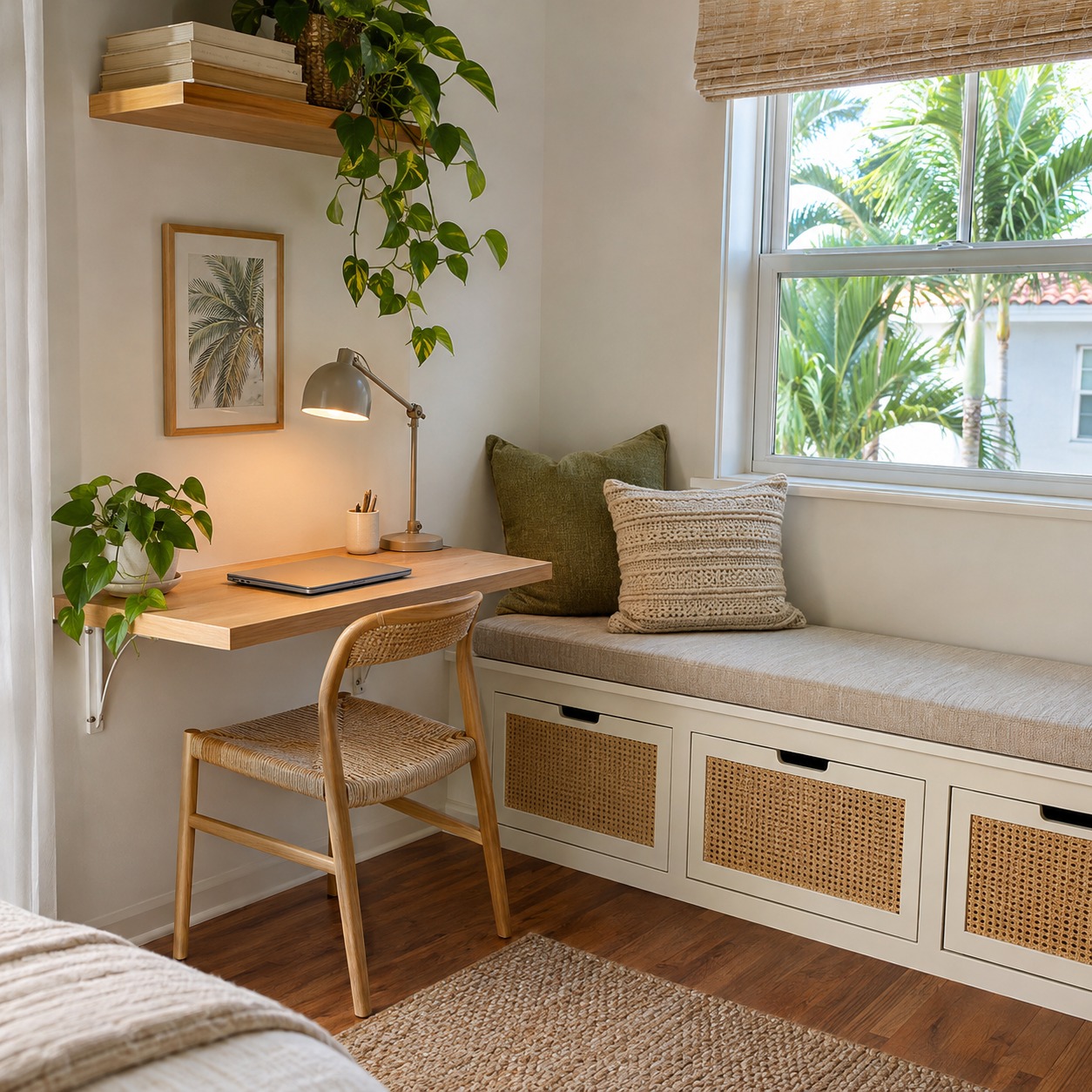
Before looking at an addition, look for underused spots. An empty corner might hold a compact desk. A wide hallway might take shallow cabinets. The space under a window could fit a low bench with storage, as long as it stays below the sill.
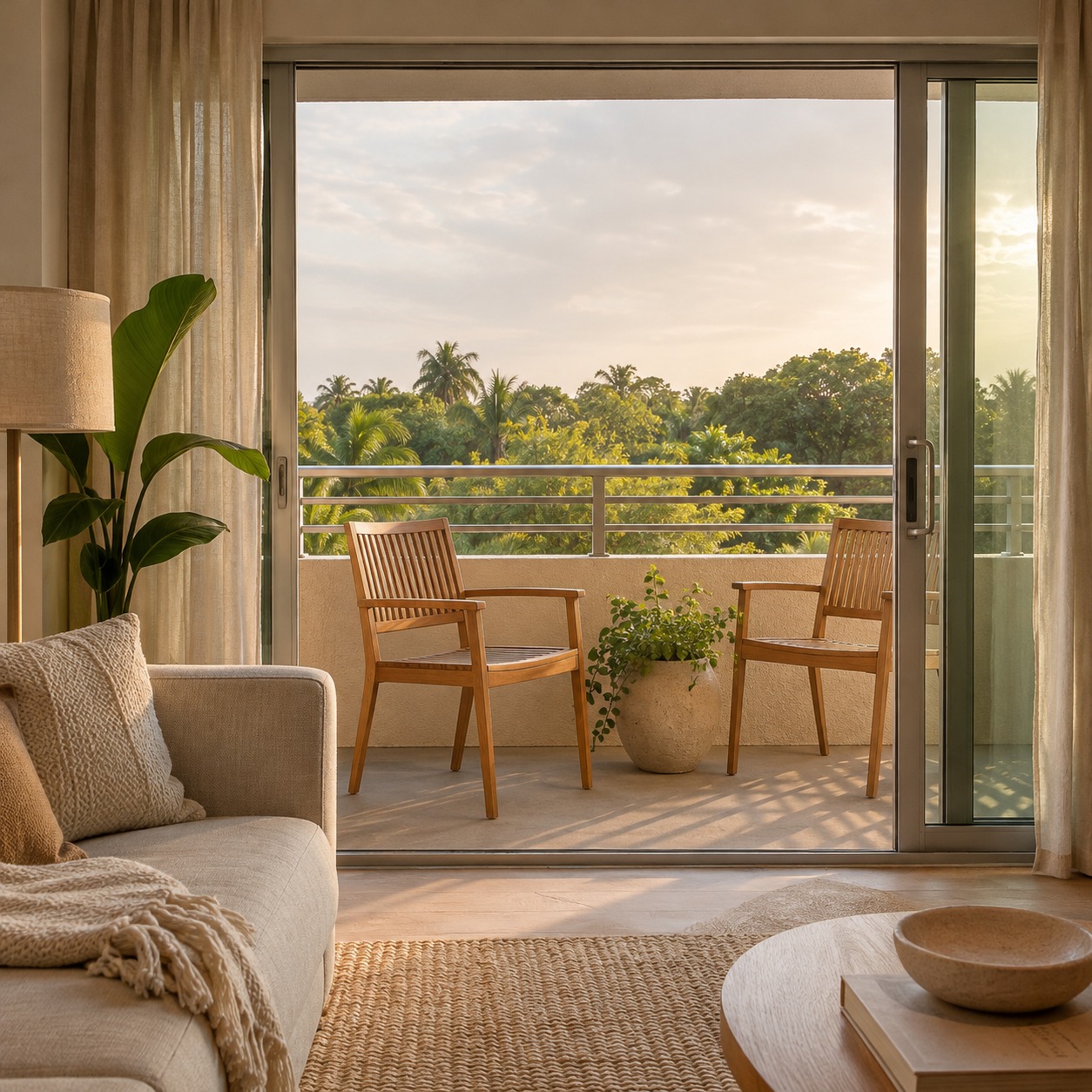
Built-in storage often makes the biggest difference, because it uses odd dimensions that freestanding furniture can't. In a condo, check your association's rules before you commit. Rules differ by building. Before drilling into walls, changing floors or windows, installing fixed cabinetry or placing furniture on a balcony, check the association documents and ask whether approval is required. For houses, construction costs and permit needs are also reasons to try layout and storage changes before planning any expansion.
Decide whether design is enough, or the home is
Sometimes these changes are enough to make a smaller home comfortable. Other times, a growing household, remote work or other changes mean the space no longer fits, however well it's arranged. That isn't a design question. It's a property decision.
Consulting Miami’s Top Real Estate Agents can help homeowners evaluate whether improving their existing space, purchasing a larger property, or pursuing new construction makes financial sense. An experienced agent can help with neighborhood comparisons, lot selection, builder recommendations and understanding local property values.
Homeowners considering selling can also explore alternatives. We buy houses Florida companies offer quicker transactions, although their offers may be lower than what a traditional sale could bring. Compare speed, certainty and price before choosing either route.
A first-pass checklist
Use this before spending money:
- From the front door, can your eye reach a window or the far wall?
- Have you checked the main room at its brightest hour, and does anything create glare?
- Do your window treatments clear the glass when open?
- Does any large piece of furniture rise above the windowsill in the main sightline?
- Is the path from the entry to the balcony or main window clear?
- Are walls, ceiling and trim one color family, with one wood tone and one metal finish?
- Does any closed storage smell musty or sit tight against an exterior wall?
- Have you checked your condo association's rules before planning built-ins or balcony changes?
Making a small Miami home feel more spacious usually comes down to a handful of decisions made in the right order. Control the light, keep the view clear, store things in a way that suits the climate, and work within your building's rules. Get those right, and the home can feel larger without adding a single square foot.
- 7shares
- Facebook0
- Pinterest7
- Twitter0
- Reddit0