A cooler home is not only about the air conditioner. Window treatments, airflow, materials, room layout, and shade all change how a room feels during hot weather.
Most summer discomfort comes down to a handful of design decisions made — or skipped — long before the heat arrives. Here’s how to make them.
I learned this the slow way, redesigning a top-floor apartment with west-facing glass that turned into a greenhouse every July, no matter how low I set the thermostat. The fix wasn’t a bigger unit. It was rethinking what the room was actually doing with light, air, and fabric before the compressor ever kicked on.
Start with the windows
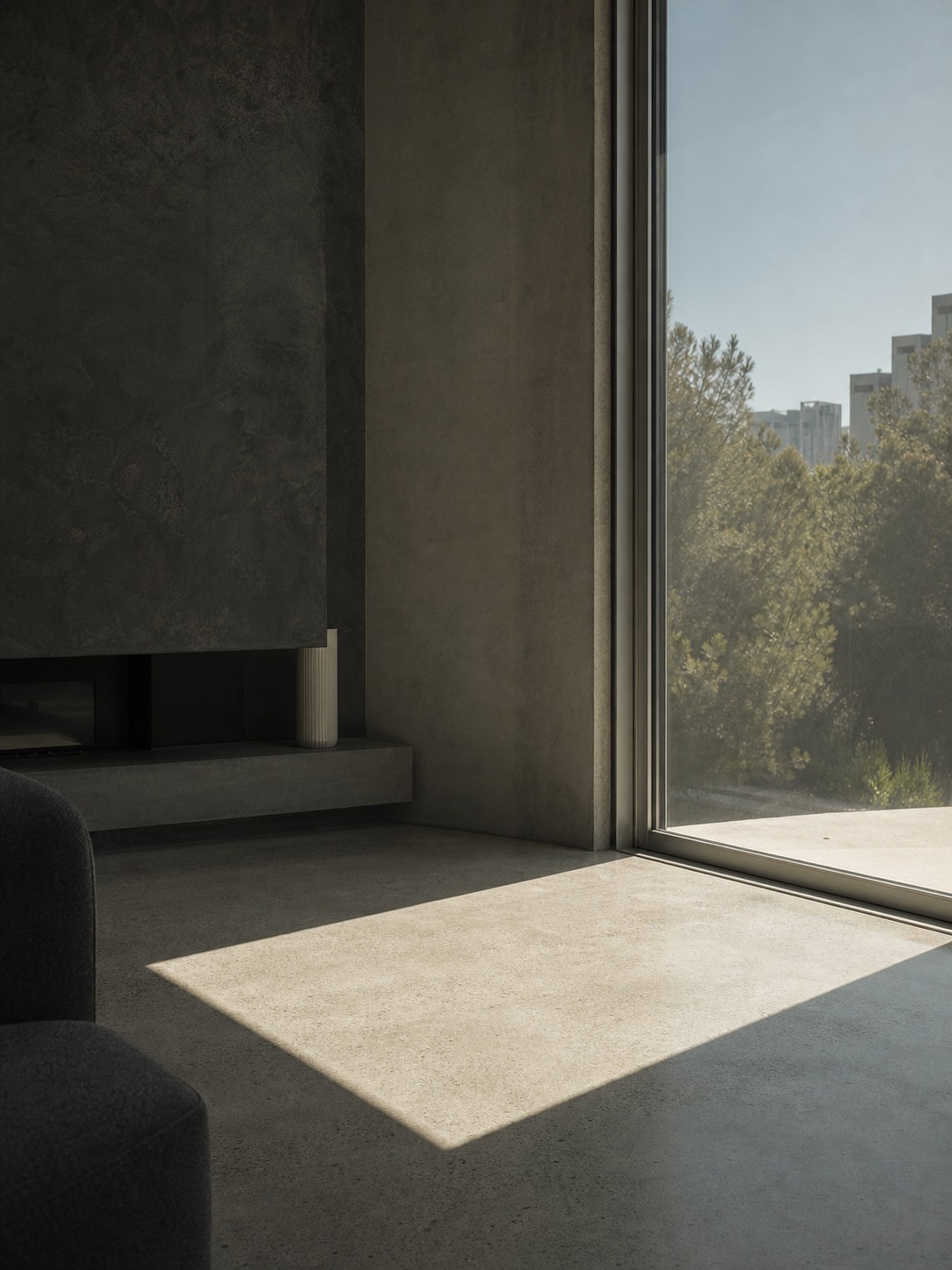
Glass is where summer heat gets in, and it’s the first thing worth auditing before you touch a thermostat. A single-pane west-facing window with no film or coating can push a room’s surface temperature up several degrees on its own, independent of anything the HVAC system is doing.
Low-E window film is the quiet fix most people skip. It’s a thin coated layer applied directly to existing glass — no replacement, no construction — and it can block a meaningful share of solar heat gain while barely changing how the glass looks from outside. I’ve specified it on renovation projects where full window replacement wasn’t in the budget, and the difference in afternoon room temperature was noticeable within the first week.
Window placement and orientation matter just as much as the glass itself. A room with east-facing windows heats up early and cools by afternoon. A west-facing room does the opposite, and it’s usually the one that feels unbearable at 5 p.m. Once you know which rooms carry that load, everything else in this list — treatments, airflow, textiles — gets easier to plan around.
Use layered window treatments
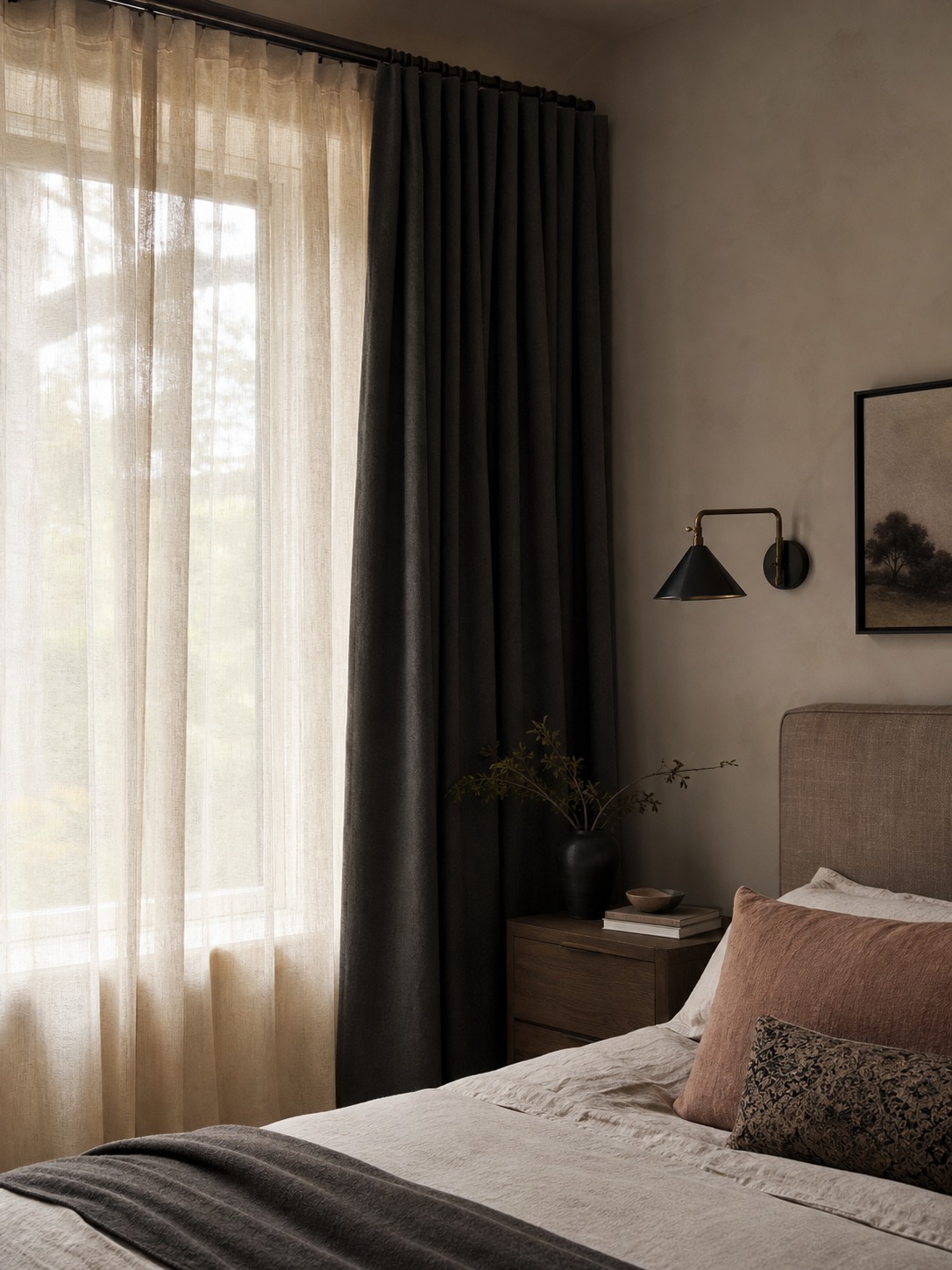
One curtain panel rarely does enough work on its own. The rooms that stay coolest use layers: a sheer or solar shade closest to the glass, then a heavier blackout or thermal-lined curtain in front of it. The sheer diffuses and filters direct light through the day. The heavier layer closes off the heat entirely when a room needs to go dark and cool fast.
Fabric weight matters more than color here, though light colors do help reflect radiant heat rather than absorb it. A mid-weight linen sheer around 150–180 GSM lets air move through while still cutting glare. Pair it with a thermal-backed drape — most home stores carry a lined option in the $60–$120 range per panel — and you get both filtration and a hard stop when you actually need the room dark.
Cellular shades are worth a look too, particularly the double-cell versions. The trapped air pocket inside the honeycomb structure works as genuine insulation, not just shade — it’s one of the few window treatments that actively slows heat transfer rather than only blocking light. I use them often in bedrooms where morning light and afternoon heat are both a problem on the same wall.
Keep airflow paths clear
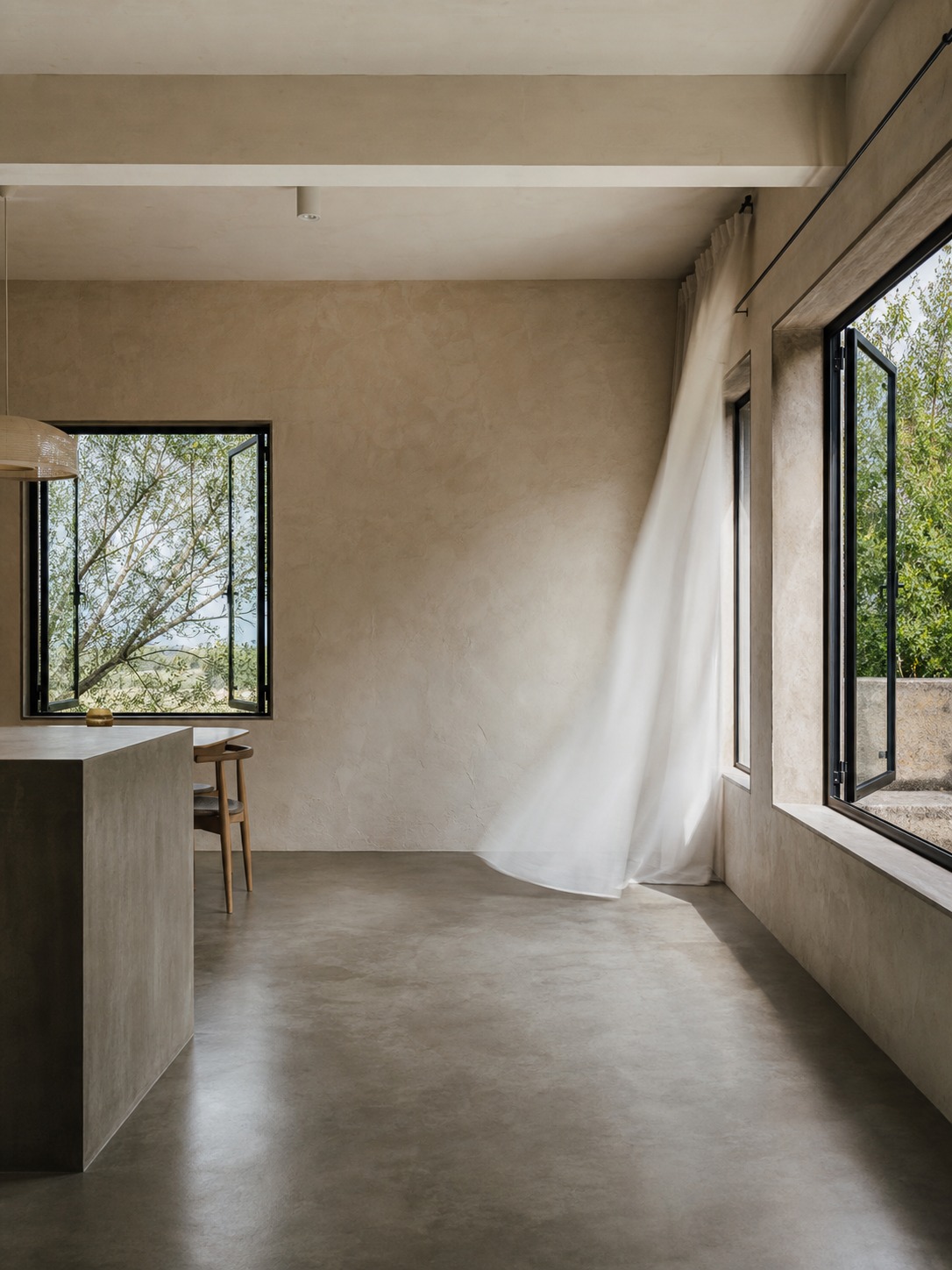
Air needs a route through a house, and most homes accidentally block it without anyone noticing. Furniture pushed in front of a return vent, a rug covering a floor register, curtains pooling over a supply grille — each one forces the system to work harder for a room that never actually gets its share of conditioned air.
Cross-ventilation is the design principle behind this, and it’s older than air conditioning itself. Opening windows on opposite sides of a room, or opposite ends of a house, creates a pressure difference that pulls air straight through rather than letting it stall. On cooler mornings and evenings, this alone can delay turning the AC on at all. I’ve walked through Mediterranean stone houses built entirely around this idea — deep-set windows on opposing walls, no mechanical cooling at all — and the logic still holds in a modern apartment.
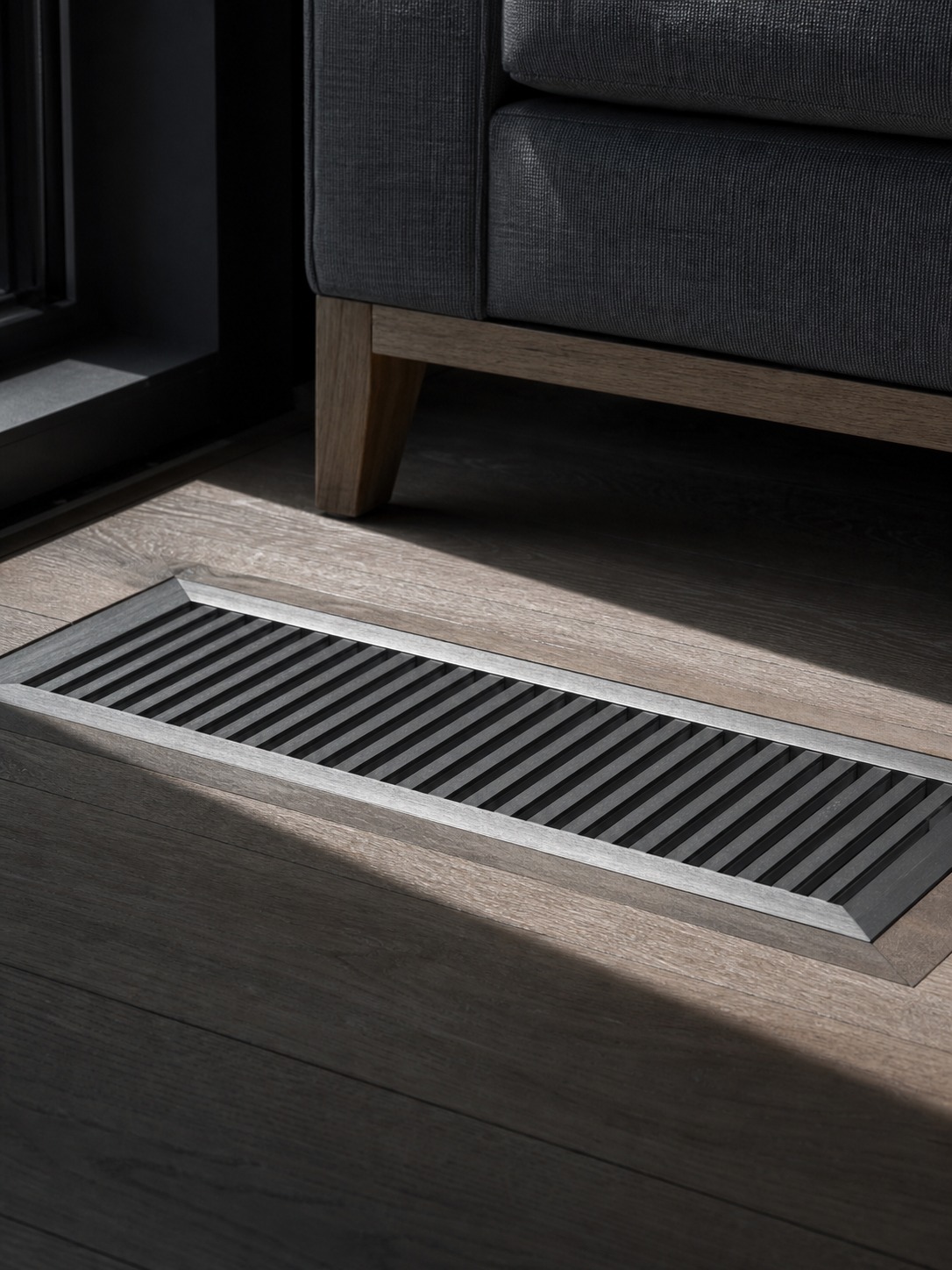
Inside the room, keep a clear path between supply vents and the space you actually occupy. A sofa doesn’t need to sit directly over a floor register, but it shouldn’t block one either. Small adjustment, real difference over a full season.
Choose cooler summer textiles
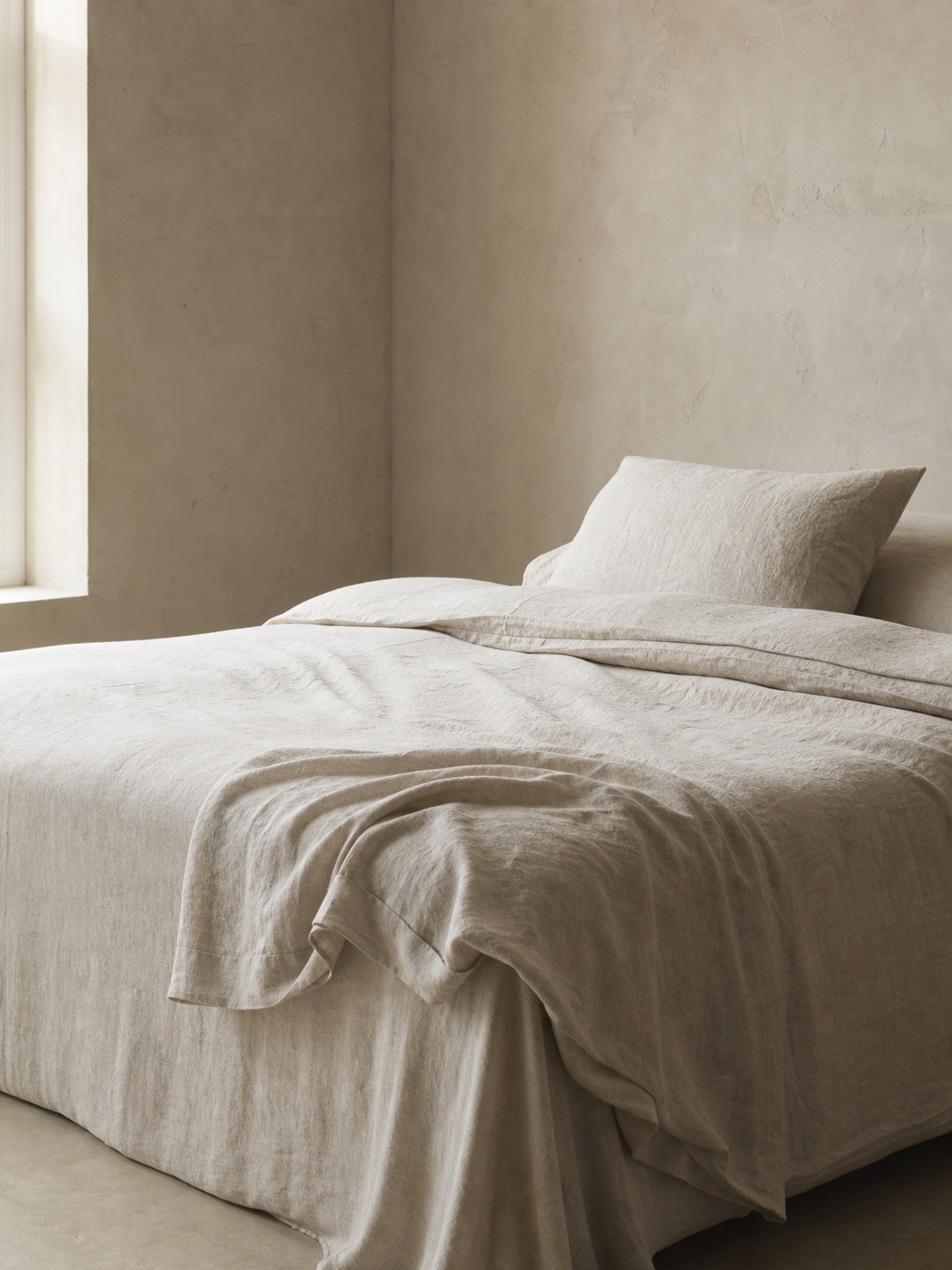
What’s on your bed and your sofa changes how a room feels even when the air temperature hasn’t moved. Heavy velvet upholstery and flannel sheets trap heat against skin and fabric alike. Linen, cotton percale, and lightweight wool do the opposite — they breathe, wick moisture, and feel several degrees cooler to the touch even in an identical room.
I switch bedding seasonally on most of my own projects now, not just for aesthetics but for actual thermal comfort. A crisp cotton percale sheet around 300 thread count moves heat away from the body far faster than a heavier sateen weave. Linen goes a step further — its fiber structure holds less humidity against skin, which matters more than people expect once a room gets warm and humid together.
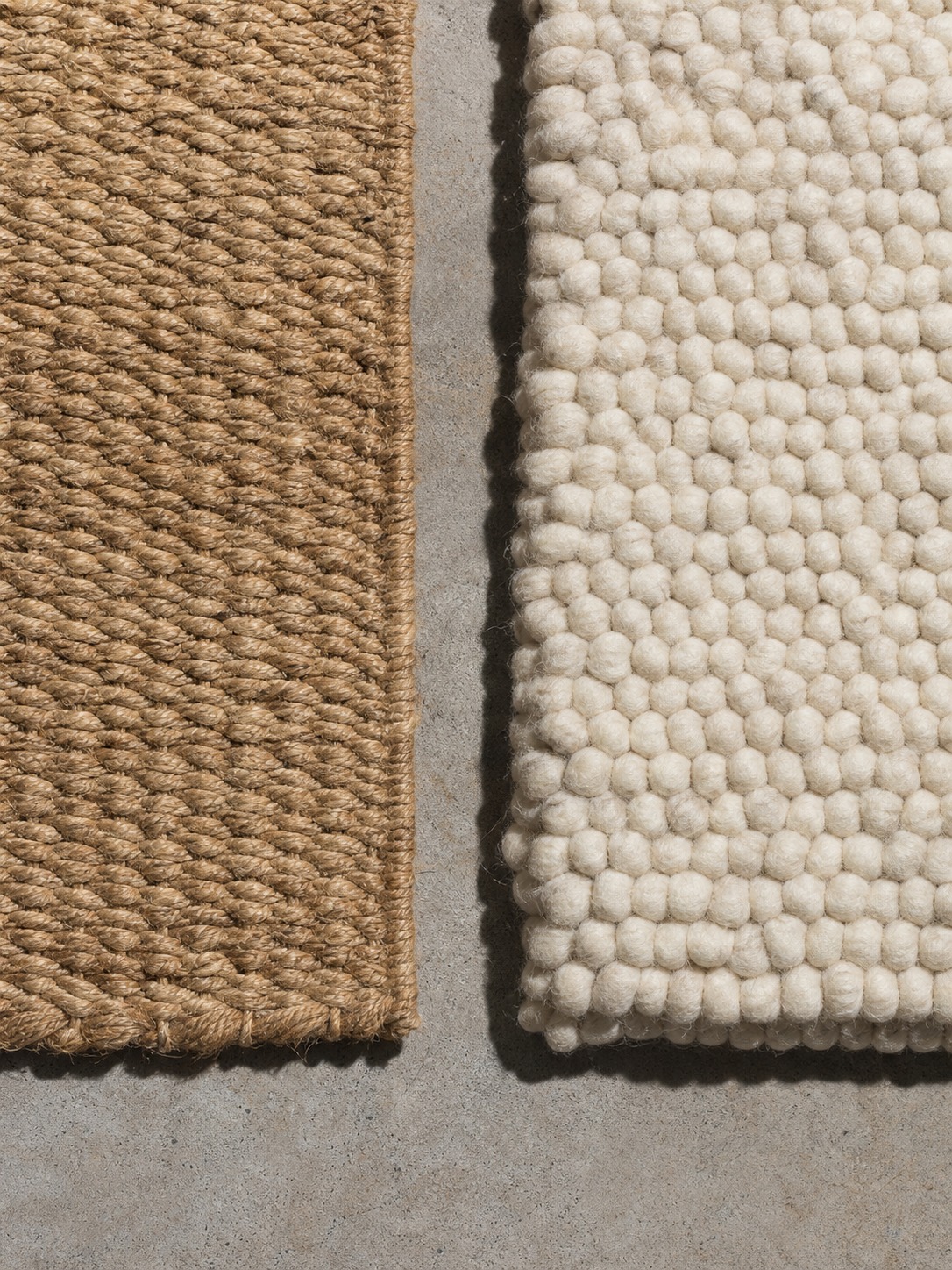
Rugs play a role too. A thick wool or shag rug holds heat in a room that already runs warm. A woven jute or sisal rug in the same space stays cooler underfoot and doesn’t insulate the floor the way heavier pile does. It’s a small swap, but in a room that gets afternoon sun, it changes how the whole space reads — visually lighter and physically cooler at the same time.
Move heat-heavy routines out of the main rooms
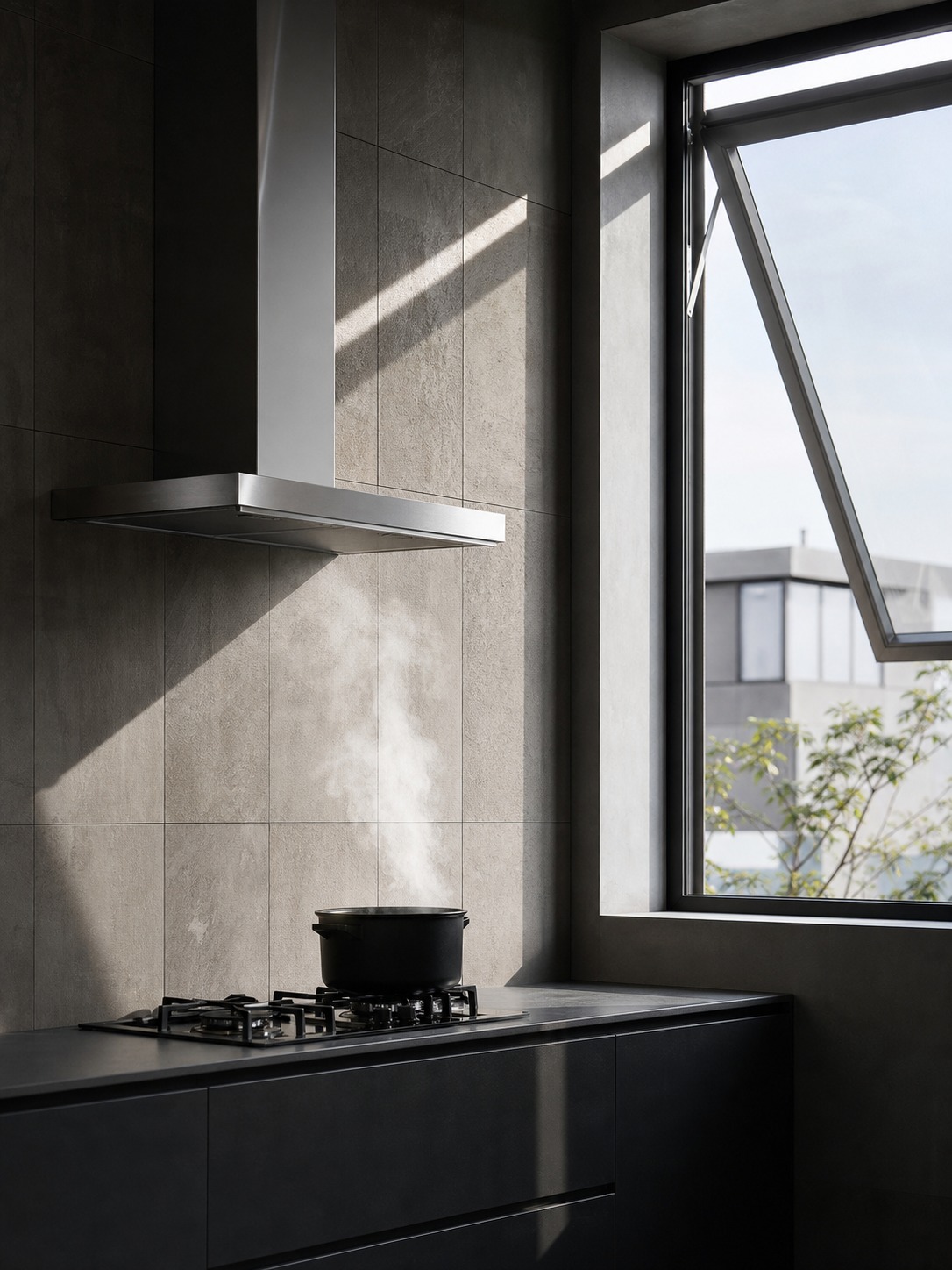
Some of the heat in a hot house doesn’t come from outside at all. Ovens, dryers, and even a bank of laptop chargers running all afternoon add real thermal load to a room, and in a smaller home that load doesn’t stay contained to the kitchen.
I’ve reworked kitchen layouts specifically around this — pulling the cooktop and oven toward an exterior wall with better ventilation, rather than centered on an island where heat radiates into the main living space. It’s a spatial decision as much as a design one: heat-producing appliances placed near openable windows or a range hood that actually vents outside, not just recirculates, keep that load from spreading into rooms meant to stay cool.
On the hottest days, this becomes a scheduling question more than a construction one. Running the dryer or oven in the early evening, when the house is already carrying peak heat, compounds the problem. Shifting those tasks to morning or late night, when outdoor and indoor temperatures are both lower, is a habit change that costs nothing and measurably reduces how hard the rest of the house has to work.
Create one cool retreat room
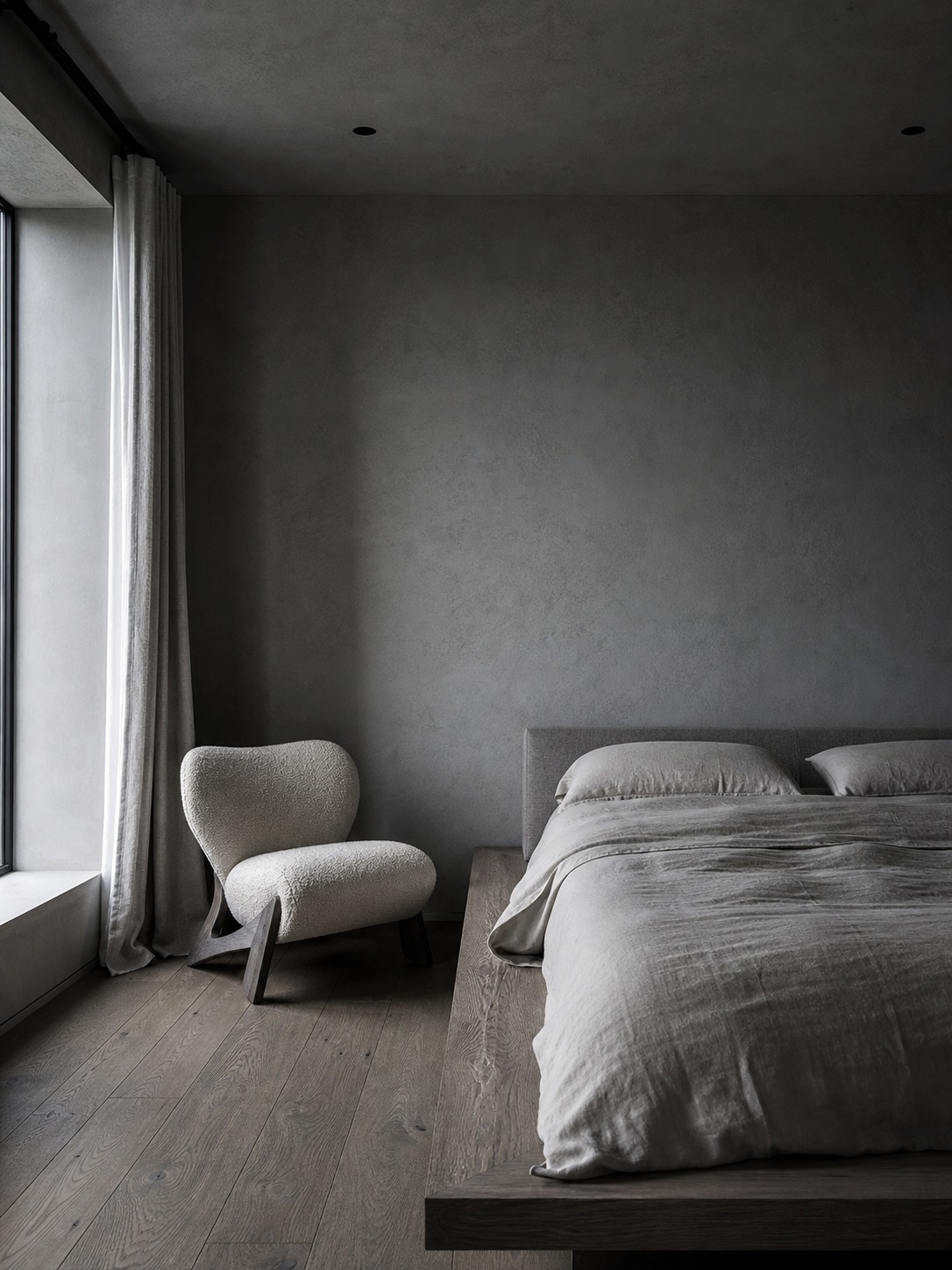
Not every room needs equal cooling priority, and treating them that way usually means the whole system runs harder than it needs to. I’ve had better results designing one room — a bedroom, a reading nook, a den — as the deliberate cool retreat, and letting the rest of the house run slightly warmer during peak heat.
That room gets the best window treatment, the clearest airflow path, and the lightest textiles of anywhere in the house. It’s also worth positioning it away from west-facing glass and heat-producing appliances if the floor plan allows any flexibility at all. In a renovation I worked on outside Kyiv, we shifted the primary bedroom to the north side of the house specifically for this reason — the room that used to be the guest bedroom became the one everyone actually wanted to be in by August.

This isn’t about isolating comfort to one space out of neglect for the rest of the house. It’s about being honest that a home rarely needs uniform cooling at every hour, and one well-designed room gives you somewhere reliably comfortable to retreat to without asking the entire system to fight the hottest hours everywhere at once.
Use exterior shade as part of the architecture
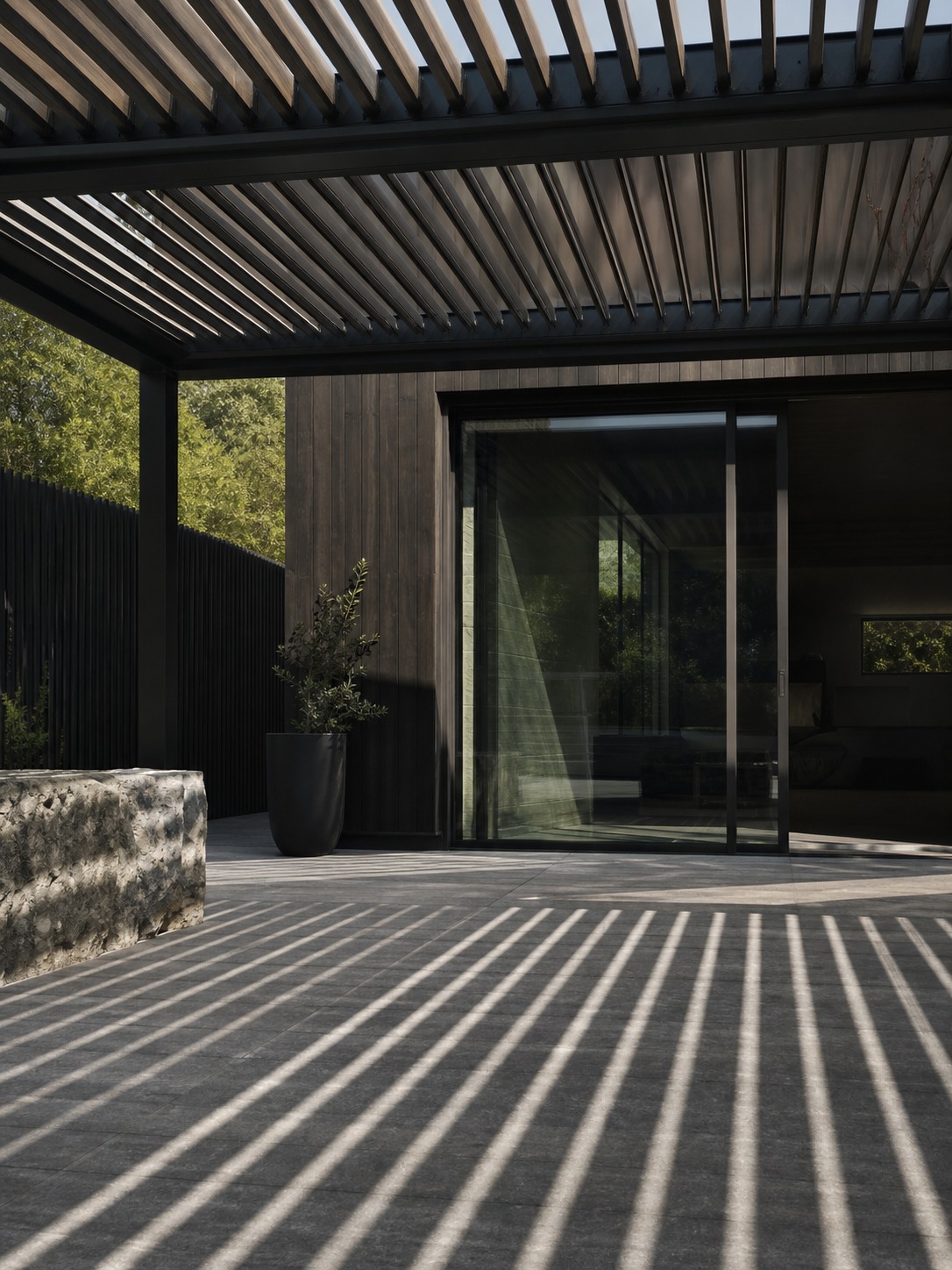
The most effective heat-blocking happens before sunlight ever reaches the glass. Interior curtains and film help, but exterior shade — awnings, pergolas, deciduous trees, even a well-placed trellis with climbing vines — stops solar heat before it becomes a problem inside at all.
A pergola with slatted louvers over a west-facing patio door can drop the surface temperature of that glass noticeably compared to full sun exposure, simply by breaking direct light into filtered shade for several hours a day. Retractable awnings do similar work on a smaller budget, and they give you the flexibility to open the exposure back up on cooler, overcast days when the shade isn’t needed.
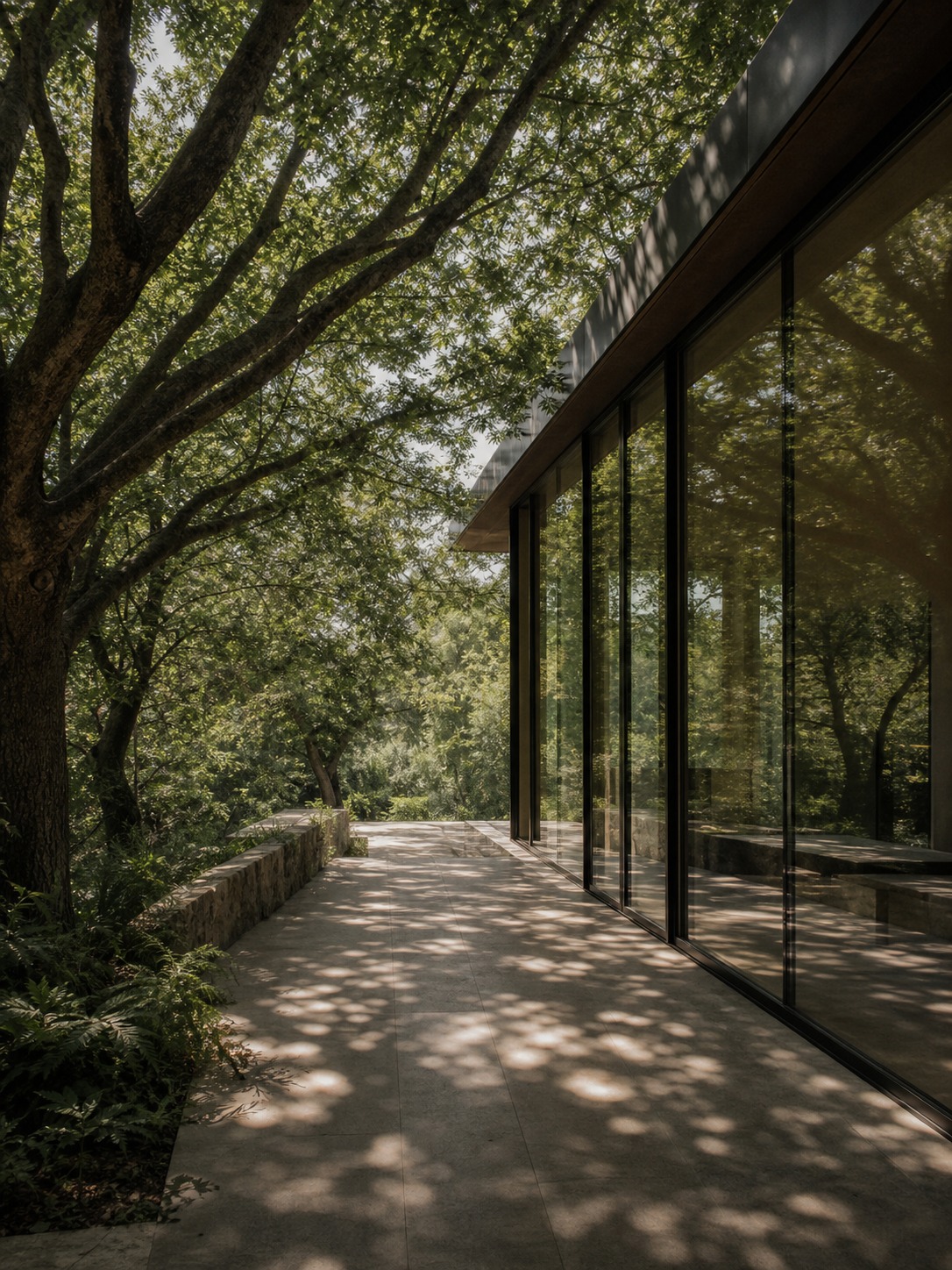
Deciduous trees are the slower, more architectural version of the same idea — full canopy in summer, bare branches letting winter light through once the heat isn’t the concern anymore. I favor this approach whenever a project has the timeline for it, because it’s shade that works with the seasons instead of needing to be adjusted twice a day.

None of this replaces mechanical cooling. It just means the system isn’t fighting direct, unfiltered sun on top of everything else.
Let the AC support the design, not rescue it
Every choice above exists to reduce how much work your cooling system has to do, not to replace it. A well-shaded, well-ventilated room with the right textiles still needs mechanical cooling on the hottest days. The difference is that the system is supporting a space that’s already working with the heat instead of fighting it from a standing start.
This is where the design conversation and the maintenance conversation meet. A system that’s been carrying more load than it should — because vents were blocked, or a west-facing room never got treated — tends to show it first through small signs: weaker airflow, uneven cooling between rooms, longer run times for the same result.
If your home has been designed with these principles in mind and the system still can’t keep up, that’s usually a sign worth having looked at rather than adjusted around. For homes in the area, AC repair in Carrollwood is worth scheduling before a small strain turns into a full breakdown during the hottest stretch of the season.
- 211shares
- Facebook0
- Pinterest211
- Twitter0
- Reddit0