Three years ago I rented a stone cottage outside Kyiv for a summer project — thick walls, low beams, one window that caught the morning light just right. Everyone who saw the photos asked the same thing: how do I get that look in my own place? Most tried buying their way there. Floral wallpaper, a basket of dried lavender, a “farmhouse” sign from a big-box store. It never worked, and I understood why the moment I started sketching the room instead of shopping for it.
- What cottage interior design actually means in 2026
- The core elements every cottage interior needs
- How to design a cottage interior in your space
- Small cottage interior design ideas that don't feel cramped
- Modern cottage vs. English cottage vs. cottagecore — choosing your version
- Common cottage design mistakes (and how I fixed mine)
- Cottage interior design on a budget
- Getting it right
- Frequently asked questions
Cottage interior design isn’t a mood board. It’s proportion, material honesty, and restraint — the same principles I learned drawing from life before I ever touched a car sketch or a floor plan. And in 2026, the aesthetic is shifting: cottagecore’s maximalist florals are cooling off, while a quieter, edited “modern cottage” look is climbing.
This guide skips the shopping list. You’ll get the actual structural logic — what makes a space read as cottage, how to apply it in five practical steps, and where most people get it wrong (myself included).
What cottage interior design actually means in 2026
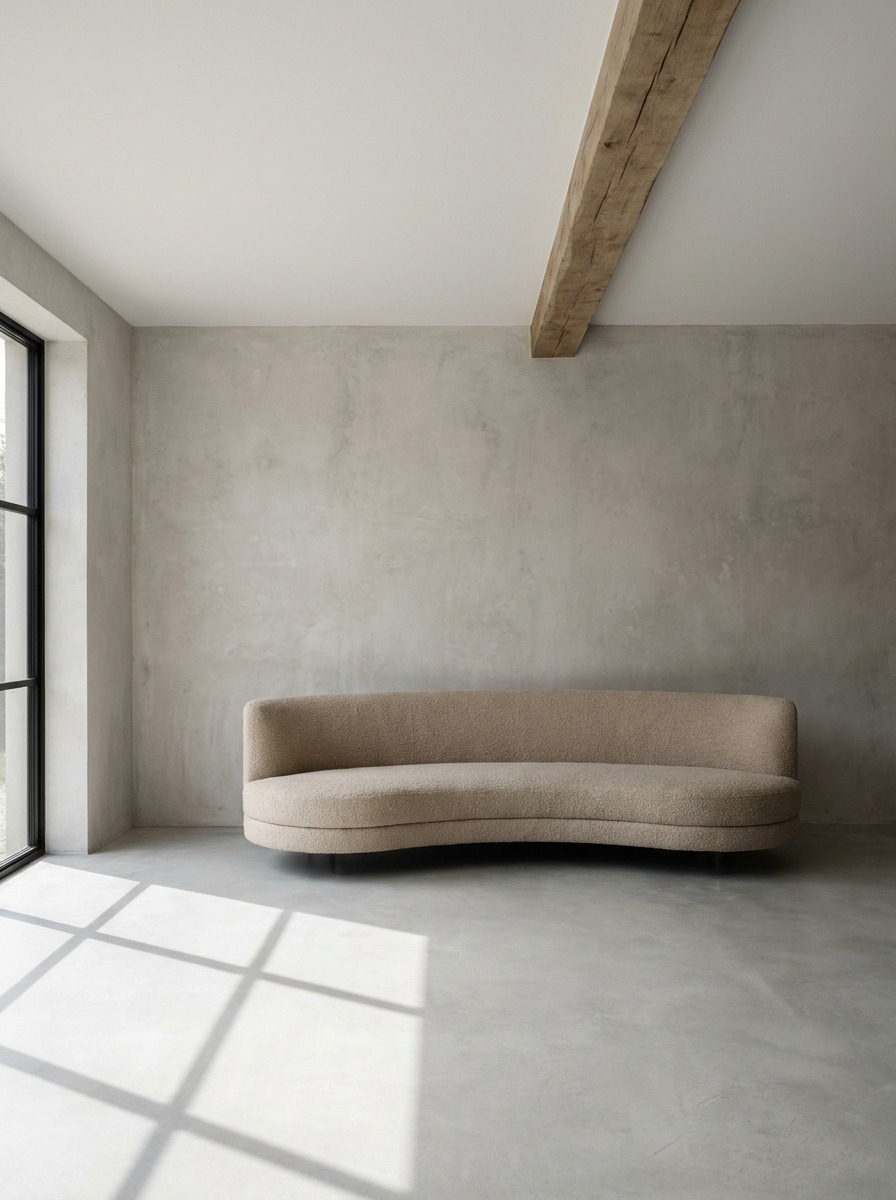
Search “cottage interior design” and you’ll get two completely different rooms. One is stuffed with dried flowers, gingham, and a dozen framed botanical prints. The other has three pieces of furniture, a linen sofa, and nothing on the walls but light. Both call themselves cottage. Only one is actually where the market is heading.
Cottagecore vs. modern cottage — the real difference
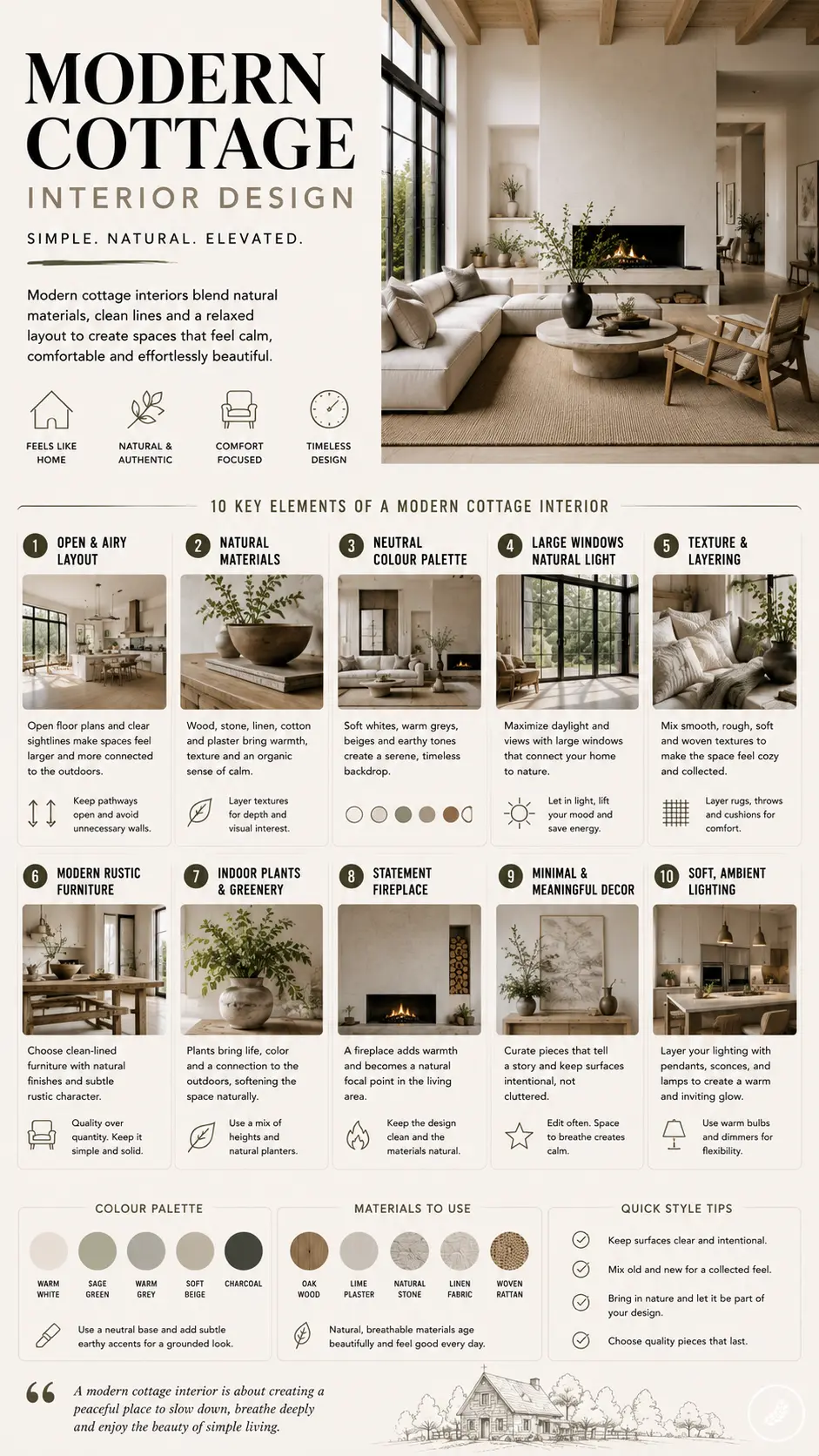
Cottagecore is a costume. It’s maximalist by design — florals stacked on florals, vintage china displayed like a museum case, every surface doing something. It borrowed heavily from English country houses and turned the volume up. Modern cottage strips that back down. Same bones — exposed wood, natural materials, low ceilings treated as a feature instead of a flaw — but the styling gets edited. One antique chair instead of five. A single wood tone instead of a patchwork.
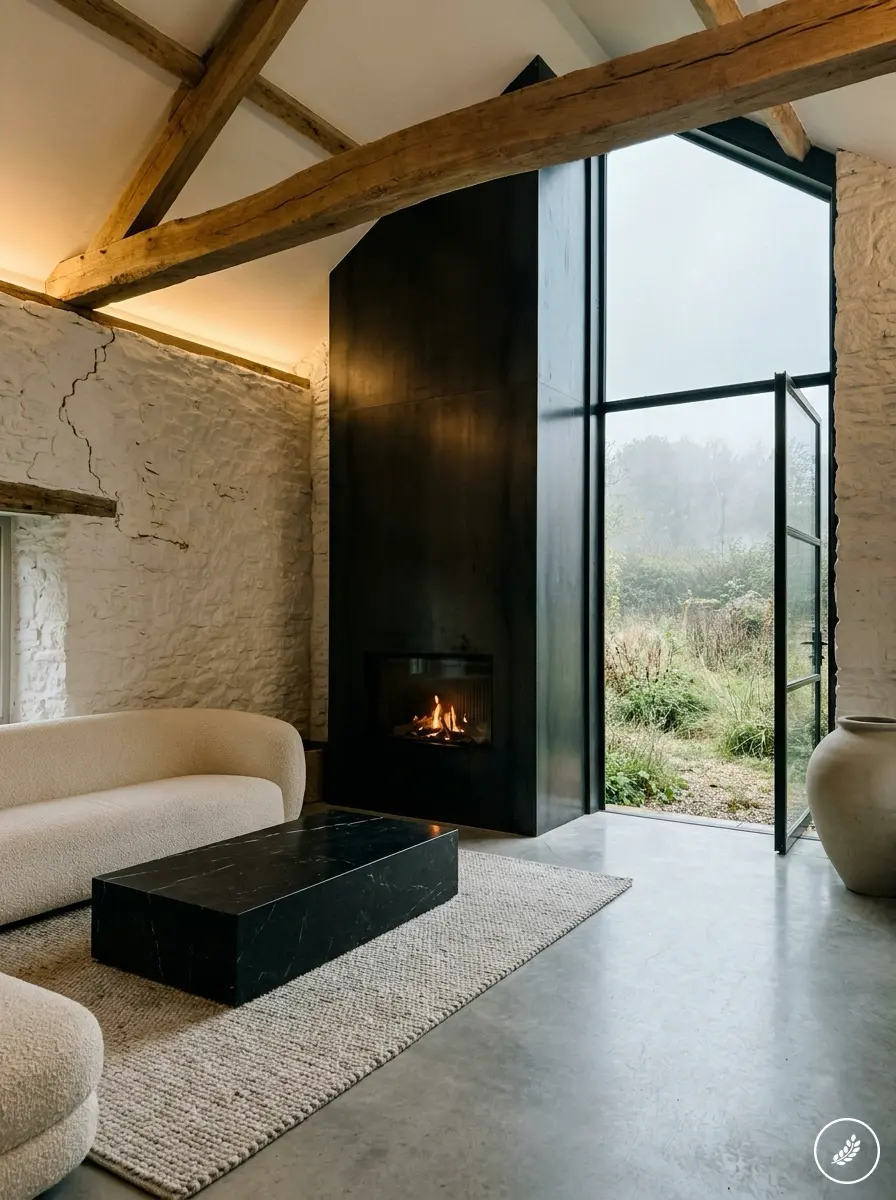
I see this constantly in client walkthroughs: someone bought the “cottage kit” — the wreath, the plaid throw, the mason jars — and the room still feels like a rental. It’s because the styling never addressed the actual architecture. A low beam ceiling reads as charming when the furniture underneath respects its scale. It reads as cramped when you pile a five-foot armoire under it.
Why the aesthetic is shrinking, not disappearing
Search interest in “cottage interior design” has dropped nearly 40% year over year, and cottagecore specifically is cooling fast. That’s not the style dying — it’s the market correcting itself. People got tired of the Instagram version and started asking for something they could actually live in. Modern cottage searches, meanwhile, are climbing. Same DNA, less noise.
That’s the version worth building toward in 2026: cottage as a material and proportion decision, not a decorating theme you shop for in one weekend. The rest of this guide works from that definition.
The core elements every cottage interior needs
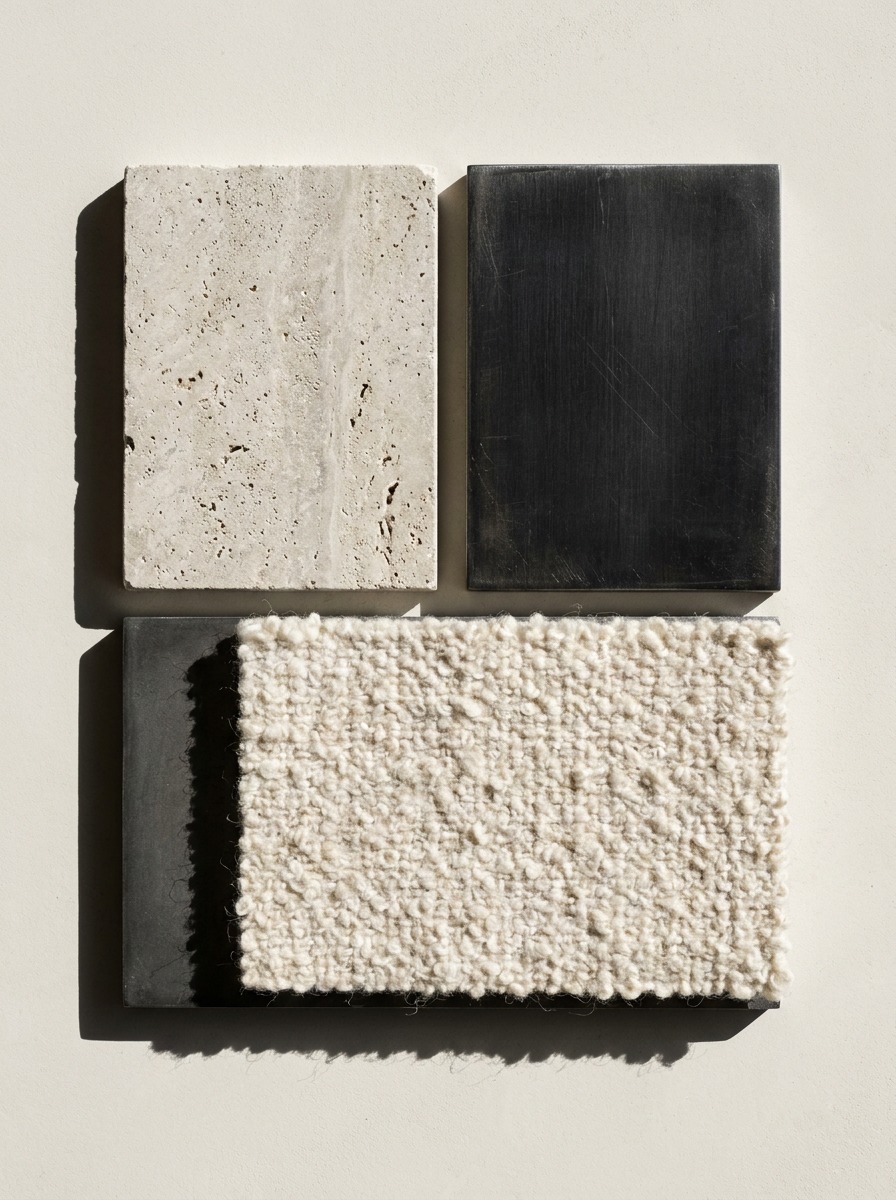
Strip away the styling and every cottage interior — modern or traditional — runs on the same four decisions: material palette, color logic, texture layering, and restraint. Get these right and the “cottage feel” shows up on its own. Skip them and no amount of gingham fixes it.
Material palette (wood, linen, plaster, iron)
Four materials do almost all the work: unfinished or lightly oiled wood, natural linen or cotton, lime-washed or textured plaster, and hand-forged or blackened iron.
That’s it. I’ve watched people layer in acrylic, high-gloss laminate, or chrome hardware and wonder why the room reads “farmhouse cosplay” instead of cottage — the materials are fighting each other. Pottery Barn’s washed-oak dining pieces (roughly $800–$1,400 for a table) work because the wood stays matte and unrefined. A glossy veneer piece at the same price point wouldn’t.
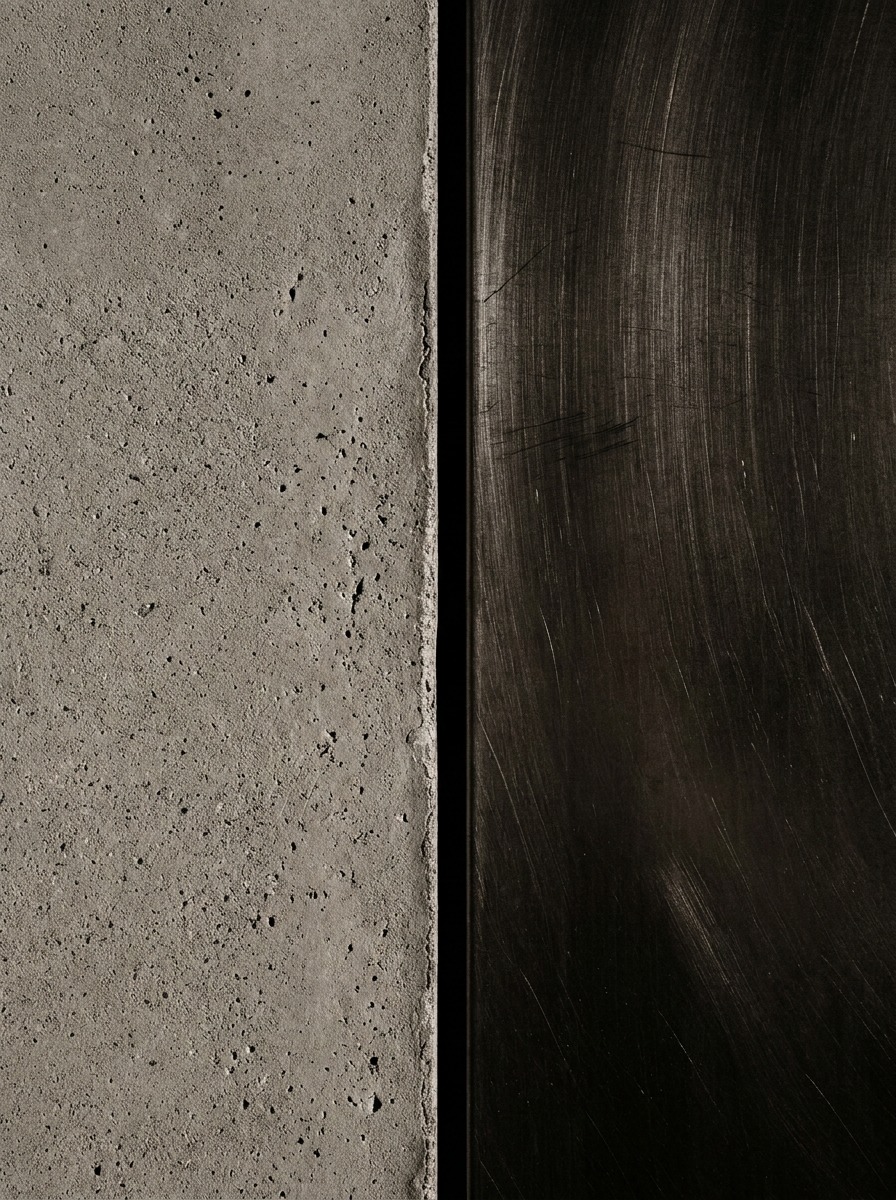
Color logic — muted, not saturated
Cottage color isn’t beige-and-done. It’s muted versions of real colors — a dusty sage instead of kelly green, a buttery cream instead of stark white, a faded terracotta instead of orange. Farrow & Ball’s “Setting Plaster” and “Green Smoke” get used constantly for exactly this reason: they’re saturated enough to have presence but muted enough to feel weathered. Bright, clean colors read modern-minimalist. Muted, slightly greyed colors read cottage, every time.
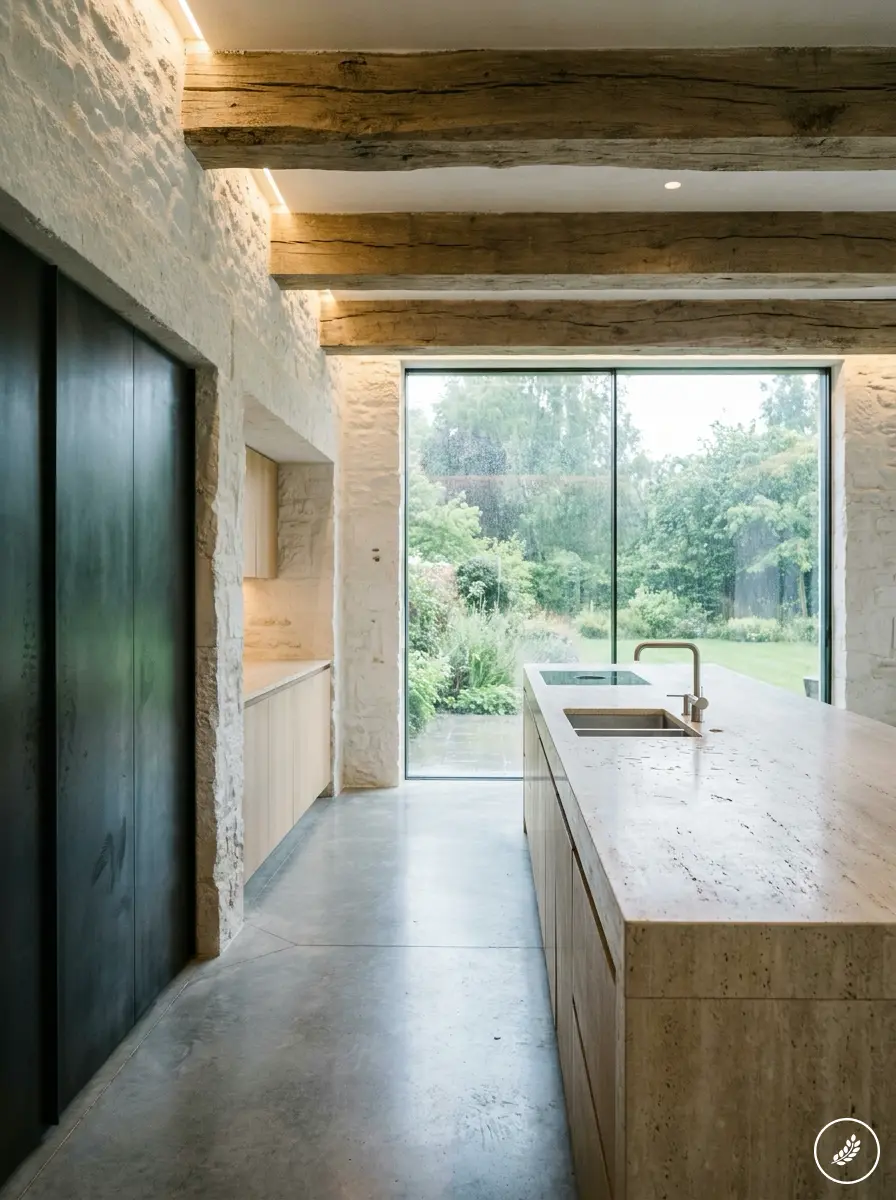
Texture layering without clutter
This is where most DIY attempts collapse. Texture layering means combining two or three tactile surfaces — a nubby linen throw, a woven jute rug, a raw-edge wood shelf — not combining ten. I usually cap it at three textures per surface grouping. Add a fourth and the eye stops resting; it starts hunting for where to look next.
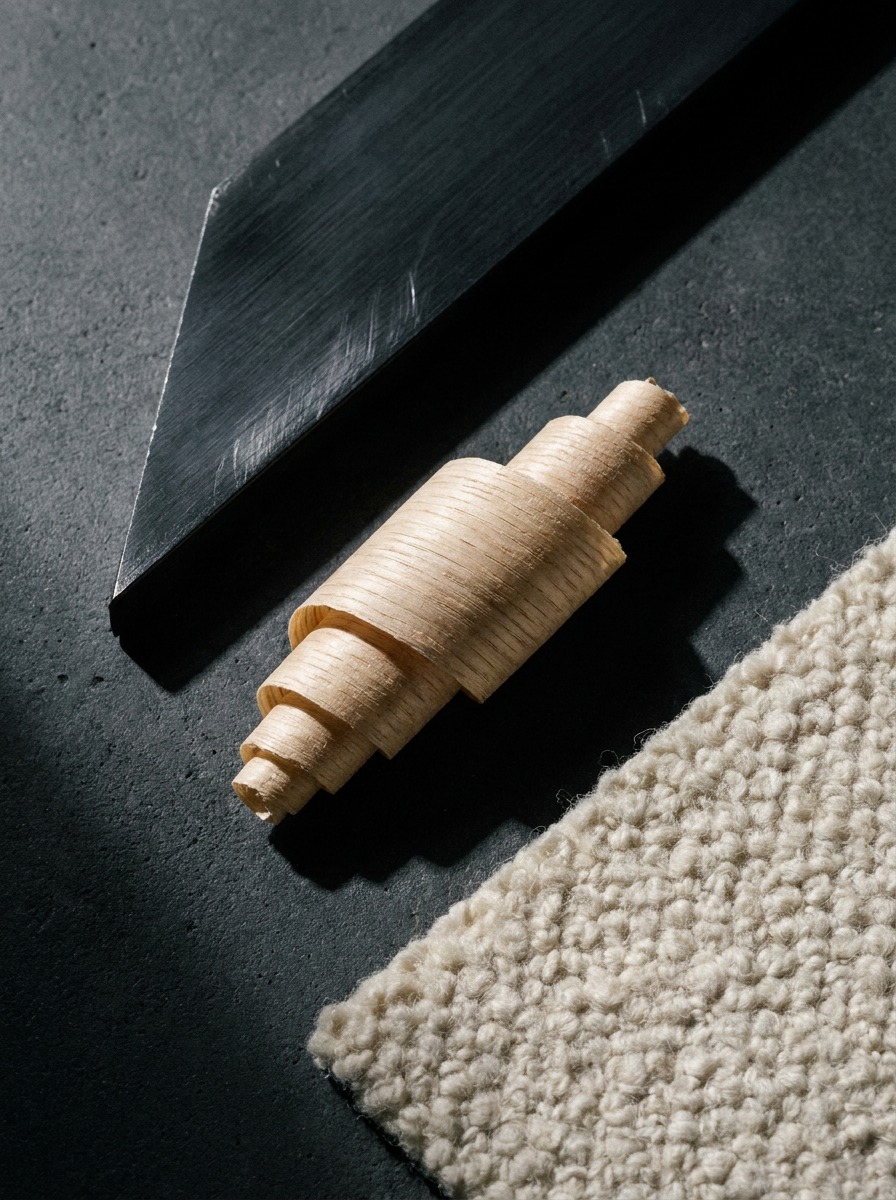
Designer tip: For every object you add to a surface, ask what you’d remove to keep it balanced. A shelf with one ceramic pitcher and a stack of linen napkins reads intentional. The same shelf with twelve trinkets reads like storage that got decorated.
Get these four right, and you’ve built the foundation the next section walks through step by step.
How to design a cottage interior in your space
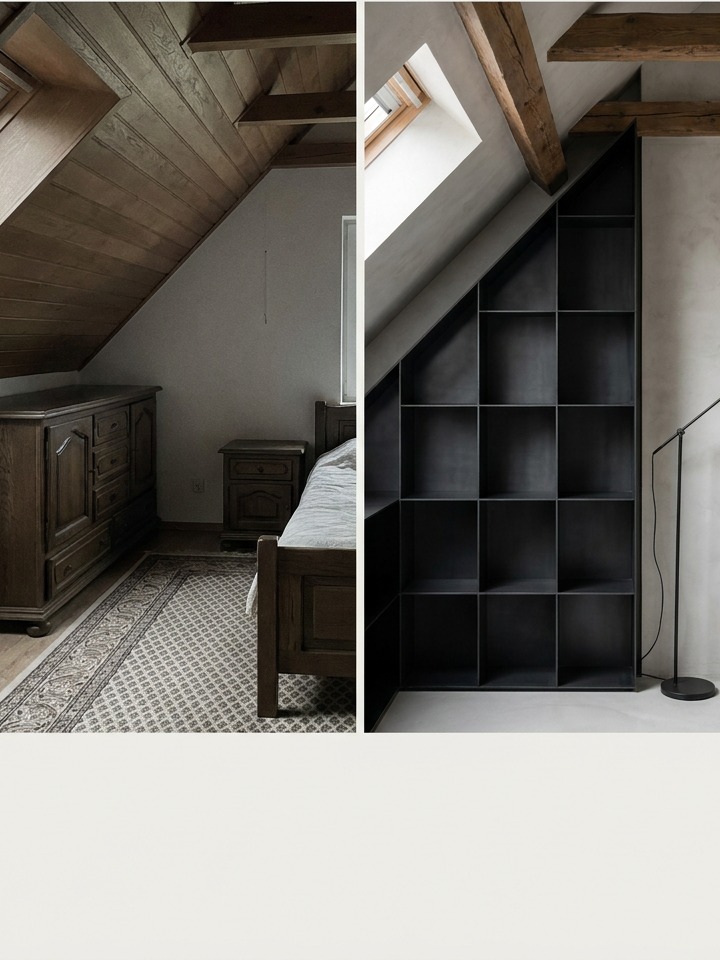
Forget the moodboard. Here’s the order I actually work in when a client wants a cottage interior that holds up past the first six months.
Step 1 — Start with the floor plan and light
Before anything else, walk the room at three different times of day and note where the light lands. Cottage rooms lean on natural light doing visual work that fixtures can’t replicate — a beam of afternoon sun across a wood floor reads as “cottage” more effectively than any decor object you could buy. Pull furniture away from the darkest corner and let the brightest wall stay bare, or nearly bare. I made the opposite mistake once — pushed a bookshelf against the one wall catching morning light — and the room felt flat until I moved it.
Step 2 — Pick one wood tone and stick to it
Choose a single wood tone — warm oak, weathered pine, whatever’s already in your flooring or beams — and match every new wood piece to it. Not identical, just the same family: warm-to-warm, cool-to-cool. Mixing a honey-oak table with a grey-washed bench is the single fastest way to make a room look unplanned. This is the step people skip because it feels restrictive. It’s the step that does the most work.
Step 3 — Layer textiles before you buy furniture
Buy the linen, wool throw, and jute rug before you buy the sofa. It sounds backwards, but textiles set the palette and texture ceiling for everything else — it’s far easier to find furniture that matches fabric you already own than the reverse. I keep a small swatch card in my bag for exactly this; ten minutes at a furniture showroom saves a return shipment later.
Step 4 — Add one antique or vintage anchor piece
Every convincing cottage room has one object with actual age to it — a flea-market mirror, an inherited side table, a chipped ceramic jug repurposed as a vase. It doesn’t need to be expensive; a $40 estate-sale find does the job. This single piece carries more authenticity than a dozen new “vintage-style” reproductions, because it’s the real thing sitting next to intentionally simple furniture.
Step 5 — Edit down — remove 20% of what you added
Once the room is “done,” walk out, come back in ten minutes, and remove roughly one in five objects. This is non-negotiable and it’s where most cottage interiors either succeed or slide into clutter. I do this on every project, including my own place — the shelf almost always looks better with the third candlestick gone.
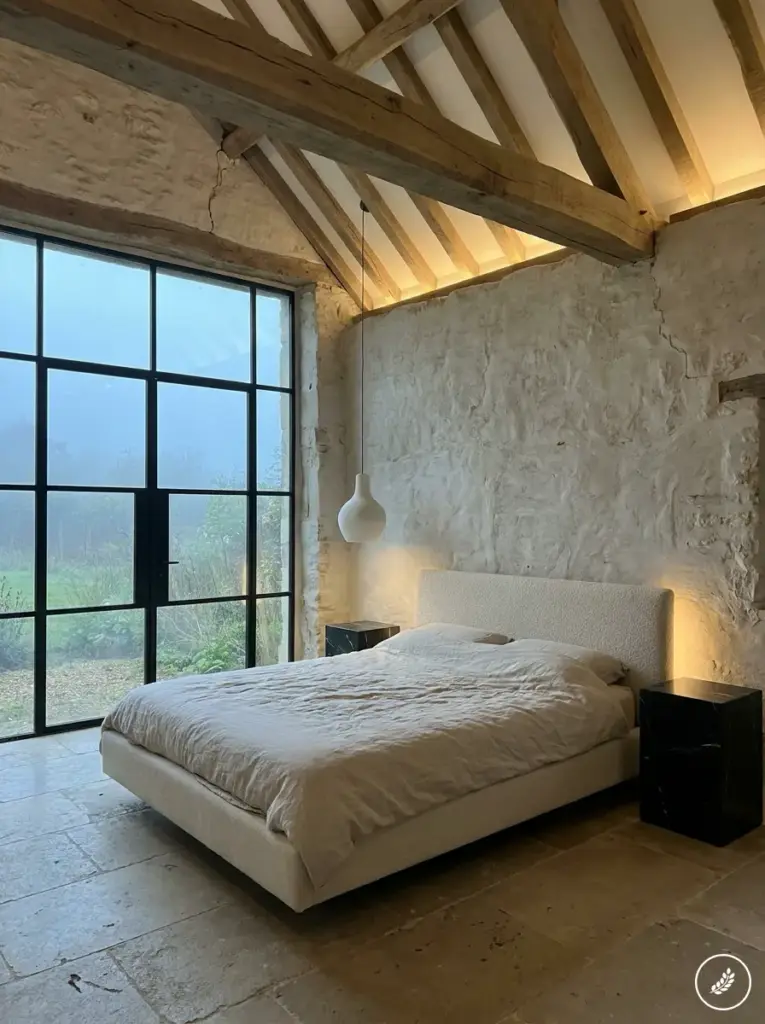
Follow these five in order and the room builds logically instead of accumulating randomly. Skip Step 5 and you’ll end up back at cottagecore, which — per the last section — isn’t where 2026 is heading.
Small cottage interior design ideas that don’t feel cramped
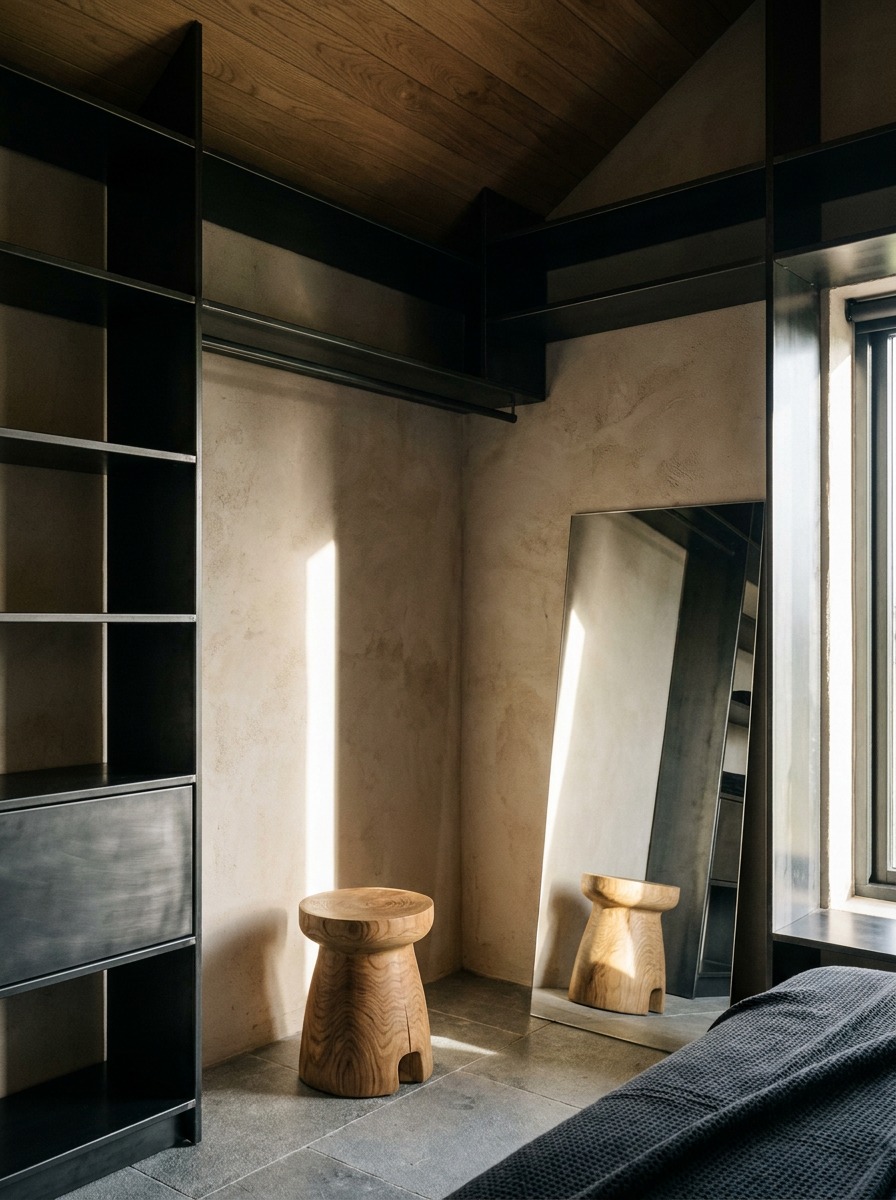
Low ceilings and small footprints are the two things every real cottage has and every Pinterest photo conveniently avoids showing. Here’s how to work with both instead of fighting them.
Vertical storage over floor storage
The instinct in a small cottage room is to buy low, squat furniture to “make the ceiling feel higher.” It does the opposite — it leaves a big empty gap of wall above and draws the eye down to clutter at floor level. Go vertical instead: floor-to-ceiling open shelving, a tall narrow armoire, hooks mounted high near the ceiling line. I redid a client’s 90-square-foot cottage bedroom this way — swapped a low dresser for a slim vertical wardrobe — and the room read noticeably larger without moving a single wall.
Mirror placement and light bounce
One well-placed mirror opposite a window does more for a small cottage room than three smaller decorative ones scattered around. Position it to catch and bounce the window light back across the room, not to reflect a wall. A simple $60–$120 vintage-style mirror in a thin wood frame works better here than an ornate gilt one — it stays quiet and lets the light do the work.
Furniture scale rules for low ceilings
Under a beamed ceiling below 7.5 feet, keep upholstered pieces low-backed and legs visible — a sofa with exposed wood legs reads lighter than one with a skirted base, even at the same footprint. I’ve noticed clients resist this at first; a low-back sofa feels “less cozy” in the showroom. In the actual room, under a low beam, it’s the difference between cottage and cave.
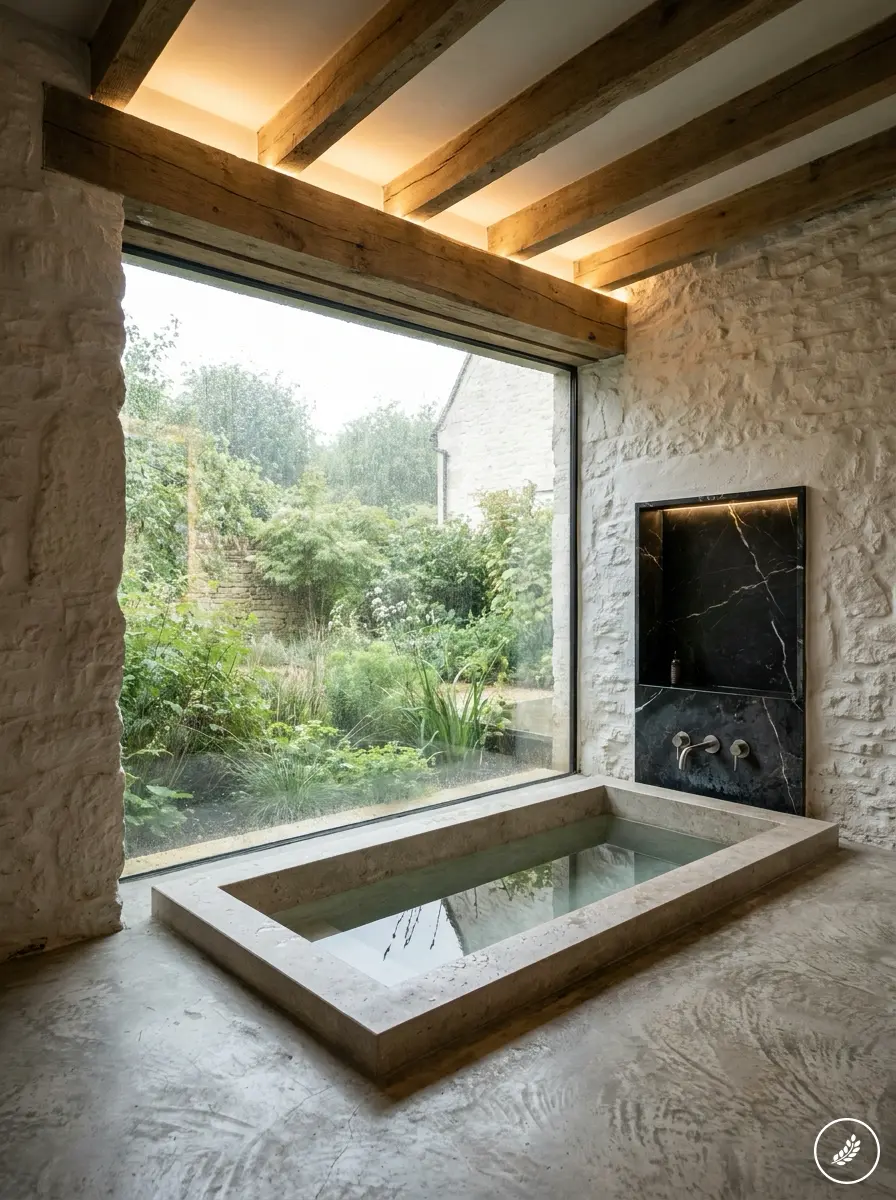
Small cottage spaces punish excess faster than large ones — there’s nowhere for a mistake to hide. But the upside is real: get the scale and light right, and a small cottage room often ends up feeling more intentional than a bigger one where the same rules got ignored.
Modern cottage vs. English cottage vs. cottagecore — choosing your version
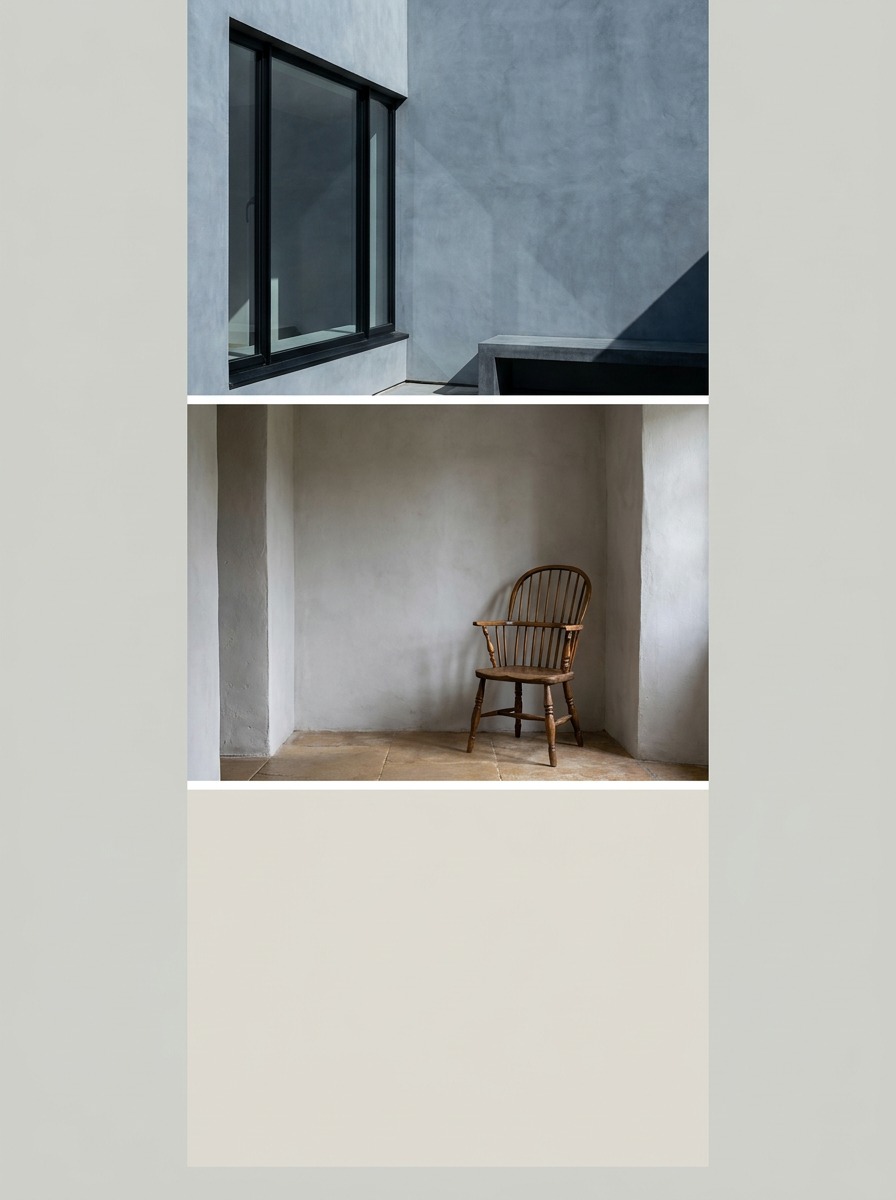
These three get lumped together constantly, but they’re built on different rules. Picking the wrong one for your space — or mixing all three without meaning to — is where a lot of cottage projects go sideways.
Modern cottage (clean lines + warmth)
This is the version gaining ground right now. Same natural materials — wood, linen, plaster — but styled with restraint: solid-color textiles instead of print, simple hardware, minimal wall decor. Think of it as cottage architecture styled by someone who also likes Scandinavian minimalism. It reads well in smaller spaces because there’s less visual competition for the eye. If your ceiling height and light are already limited, this is usually the version I recommend — it doesn’t ask the room to do more than it can handle.
English cottage (chintz, antiques, layered pattern)
The traditional version — florals and stripes mixed deliberately, inherited or antique furniture as the centerpiece, layered rugs, a slightly worn patina treated as a feature rather than a flaw. This works best in rooms with genuine architectural age — real exposed beams, uneven plaster, an actual fireplace. Applying English cottage styling to a new-build room with straight drywall corners tends to look like a costume, because the “wear” has nothing authentic underneath it to reference.
Cottagecore (maximalist, floral, nostalgic)
The internet-native version — dense floral pattern, dried flower arrangements, vintage china displayed rather than used, a deliberately romantic, almost theatrical feel. It photographs beautifully and lives less comfortably; it’s demanding to maintain and can tip into clutter fast. It’s not dead, but it’s a smaller audience now — people wanting a specific, curated look rather than an everyday living room.
Match the version to your architecture and your patience for upkeep, not to what’s trending. A small apartment with drywall and low light: modern cottage. An actual stone or timber-frame cottage with real age: English cottage suits it. A dedicated craft room or guest space where you want maximum charm and don’t mind the maintenance: cottagecore still has a place there. Most rooms I’ve worked on land somewhere between modern and English cottage — restrained styling on a base of a few real antique pieces.
Common cottage design mistakes (and how I fixed mine)
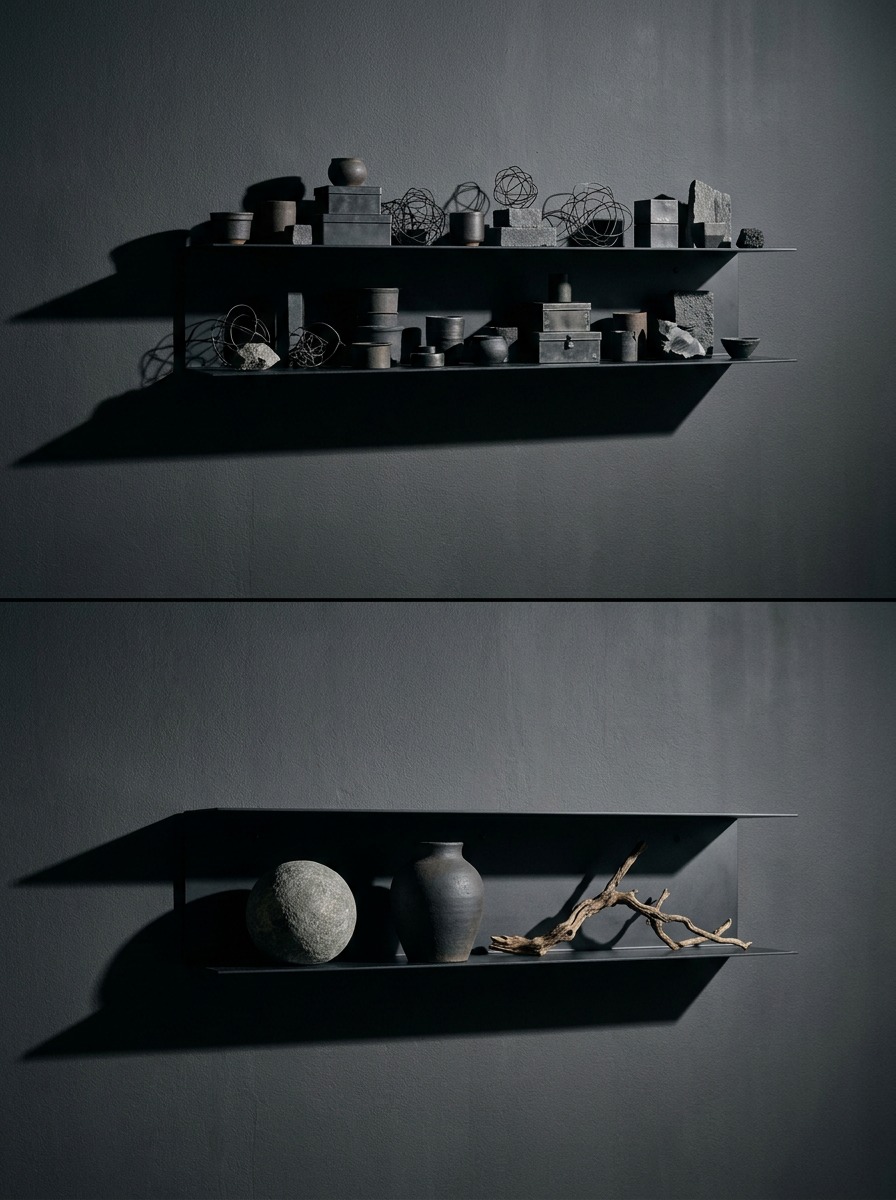
Every one of these I’ve either made myself or watched a client make in the first pass at a cottage room. None of them are hard to fix once you see the pattern.
Over-decorating with florals
The single most common mistake: treating floral pattern as the entire personality of the room instead of one texture among several. Floral wallpaper, floral throw pillows, and a floral rug in the same space fight each other for attention, and the room stops feeling calm — it starts feeling busy. I did exactly this in an early project, a guest bedroom with floral wallpaper and a matching floral duvet. It looked like a fabric showroom, not a bedroom. The fix was simple: kept the wallpaper, swapped the duvet for solid natural linen, and the floral finally had room to actually register instead of drowning in itself.
Ignoring the ceiling height problem
Cottage rooms often have low, sloped, or beamed ceilings, and a lot of people decorate as if the ceiling is a standard eight feet. Tall lamps, oversized art hung high, floor-to-ceiling curtains on a low window — all of it fights the actual proportions of the room. Measure your ceiling height before buying anything vertical. Under 7.5 feet, keep art and lighting at or below eye level; let the low ceiling feel cozy instead of cramped.
Mixing too many wood tones
I covered this briefly in the step-by-step section, but it deserves its own callout because it’s the mistake I see most often in finished rooms that still feel “off” without an obvious reason. A honey-oak floor, a grey-washed coffee table, and a dark walnut bookshelf in the same room reads as unplanned, even when each piece is individually nice. Pick one wood family and stay in it — warm woods together, cool woods together. It’s the fastest fix with the biggest visual payoff, and it costs nothing to correct if you catch it before buying.
The pattern behind all three mistakes is the same: adding without checking against what’s already there. Slow down between purchases, walk the room, and ask whether the new piece matches the wood tone, the ceiling scale, and the texture count you’ve already committed to.
Cottage interior design on a budget
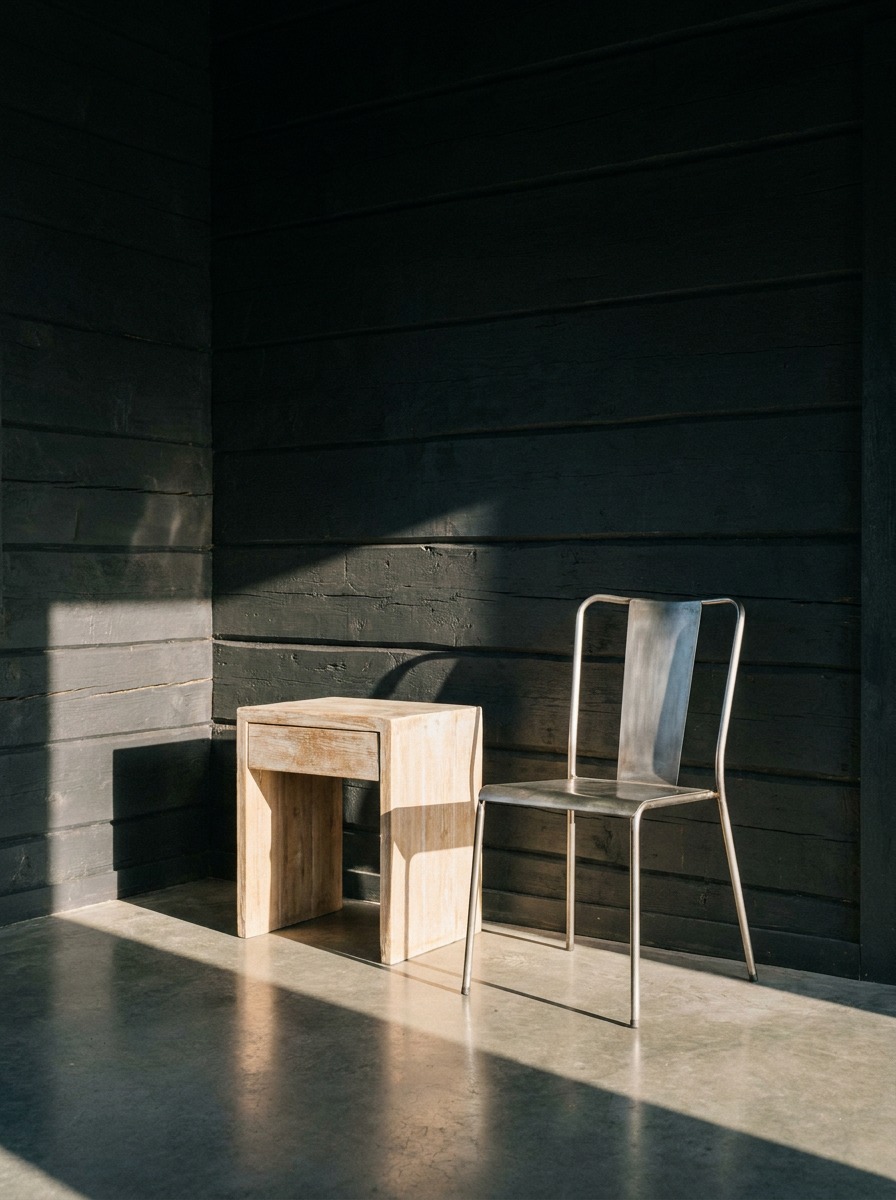
You don’t need a renovation budget to get this right — most of what makes a cottage interior work costs nothing but attention. The mistakes that get expensive are almost always about buying the wrong things, not about not having enough money.
Where to spend vs. where to save
Spend on the things you touch and see up close every day: bedding, throw pillows, the sofa fabric. Save on the things a coat of paint or a slipcover can fix: an outdated coffee table frame, a dated dresser, a plain mirror frame you can refinish yourself. I’ve reused the same $30 flea-market side table across three different projects just by changing the finish — sanded and lime-washed for one client, left raw for another.
Thrift and vintage sourcing strategy
Estate sales beat thrift stores for cottage sourcing, and both beat “vintage-style” retail reproductions, which usually cost more than the real thing. Go early on the first morning of an estate sale — the good ceramic pieces and the solid-wood side tables disappear fast. A genuine chipped ironstone pitcher for $8 does more for a shelf than a $45 “farmhouse style” one from a home goods chain, because it actually has the wear the style is imitating.
DIY texture hacks (limewash, linen swaps)
Limewash paint runs about $40–$60 a gallon and turns a flat, builder-grade wall into something with real texture and depth in an afternoon — it’s the single best budget upgrade for a cottage room I know of. Pair it with swapping synthetic throw pillow covers for linen ones (roughly $15–$25 each) and you’ve addressed both the color logic and the texture layering from earlier sections without touching furniture at all.
Budget cottage design isn’t the compromised version of the “real” thing — done with attention to material and restraint, it often looks more considered than a room where everything came new from the same catalog page. Start with the wall and the textiles; furniture can wait.
Getting it right
The cottage interiors that actually hold up — the ones that still look right two years in, not just in the first photo — aren’t built on a shopping list. They’re built on four decisions repeated consistently: one wood tone, muted color, three textures max, and the discipline to remove before you’re done adding. Everything else in this guide is just that logic applied to a specific problem, whether it’s a low ceiling, a tight budget, or too many florals fighting each other.
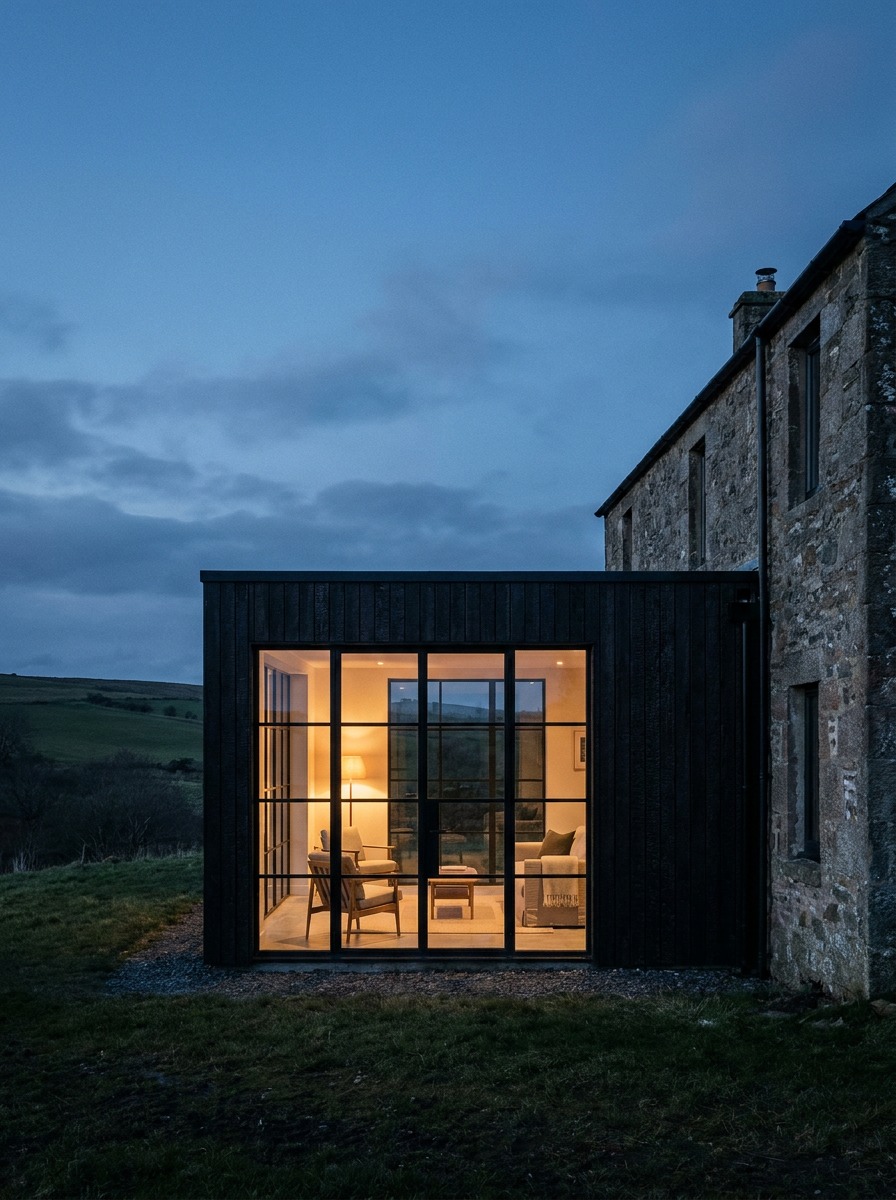
Pick one room. Walk it at three times of day before you buy anything. Apply the five steps in order, and when you think you’re finished, remove one object in five. That last step is the one almost everyone skips — and the one that separates a cottage room from a cottage costume.
Frequently asked questions
What is a cottage style house interior?
It’s an interior built around natural materials — unfinished wood, linen, plaster, iron — with a muted color palette and a lived-in, slightly imperfect feel. Traditionally tied to actual cottage architecture (low ceilings, exposed beams, small rooms), but the style now gets applied to apartments and new-builds too. The 2026 version leans restrained rather than maximalist.
What is the 3-5-7 rule in interior design?
It’s a styling formula for arranging objects on a shelf or vignette: group items in odd numbers — typically a set of 3, 5, or 7 — and vary their heights. In a cottage interior, this keeps a mantel or open shelf feeling intentional instead of either bare or cluttered. I use groups of 3 most often; anything past 5 starts competing for attention.
How do you make a room look like a cottage?
Start with one consistent wood tone, add natural textiles (linen, wool, jute), keep the color palette muted rather than bright, and include one genuinely old or vintage piece as an anchor. Then edit — remove roughly a fifth of what you added. Skipping that last step is the most common reason a cottage attempt ends up looking cluttered instead of cozy.
What’s the best layout for a small cottage?
Pull furniture away from your darkest corner and let the brightest wall stay open. Go vertical with storage — tall narrow pieces instead of low, wide ones — and keep upholstered furniture low-backed with visible legs so it reads lighter under a low ceiling. A single mirror opposite a window does more for the space than several smaller decorative ones.
Is cottagecore still popular in 2026?
It’s smaller than it was, but not gone. Search interest in cottagecore specifically has cooled, while a quieter “modern cottage” look — same natural materials, far less maximalist florals — has grown instead. Cottagecore still suits a dedicated space, like a craft room or guest bedroom, where the upkeep and theatrical feel fit the room’s purpose.
What makes a cottage interior look outdated?
Usually one of three things: mixed wood tones that were never planned together, floral pattern layered on floral pattern until the room feels busy, or “vintage-style” reproduction pieces standing in for the real, worn thing. None of these require a renovation to fix — swapping mismatched wood pieces or thinning out the pattern usually does it.
If you like the lived-in softness of cottage rooms, compare it with this warm interior design guide, which focuses on heating, gathering spaces, material texture, and everyday comfort.
- 47shares
- Facebook0
- Pinterest47
- Twitter0
- Reddit0