I spend a lot of time looking at facades — it’s a habit from architectural training that never really turns off — and in home window design, windows are almost always where a house’s design either holds together or quietly falls apart. Not the walls, not the roofline. The windows. They’re the one element that does double duty as both a functional system and the single biggest factor in how a facade reads from the street.
- How windows set the character of a facade
- The signs your windows are working against the design
- What natural light actually does to a room
- Comfort as a design problem, not just an energy bill
- Choosing window style as a proportion decision
- Reading the signals before they become a bigger problem
- The actual takeaway
Most homeowners never think about their windows as a design decision at all. They think about them as glass that either works or doesn’t. That’s a mistake, because by the time a window is failing mechanically, it’s usually already been failing as a design element for years — dimming the light in a room, throwing off the proportion of a facade, making a well-built house look tired for reasons nobody can quite name. Here’s how to actually read those signals, and what they’re telling you about your home’s design, not just its energy bill.
How windows set the character of a facade
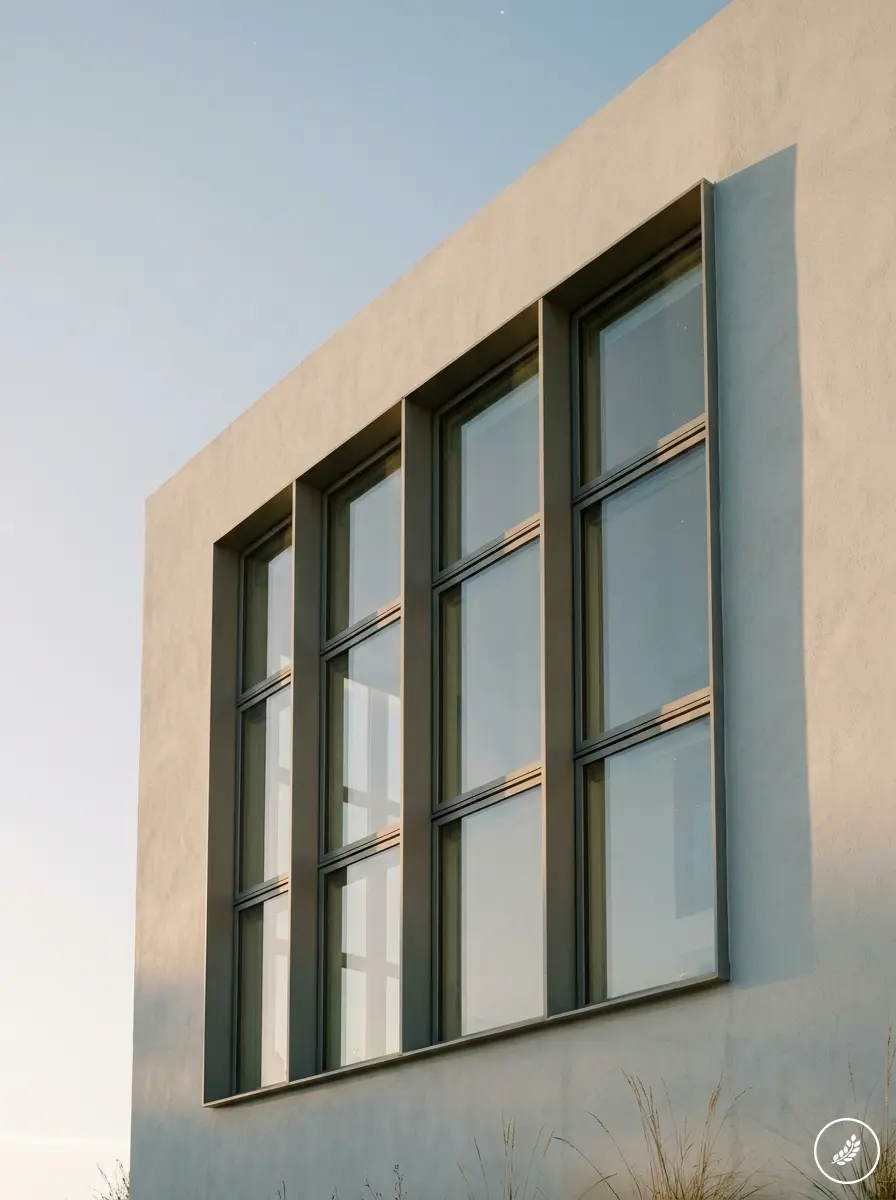
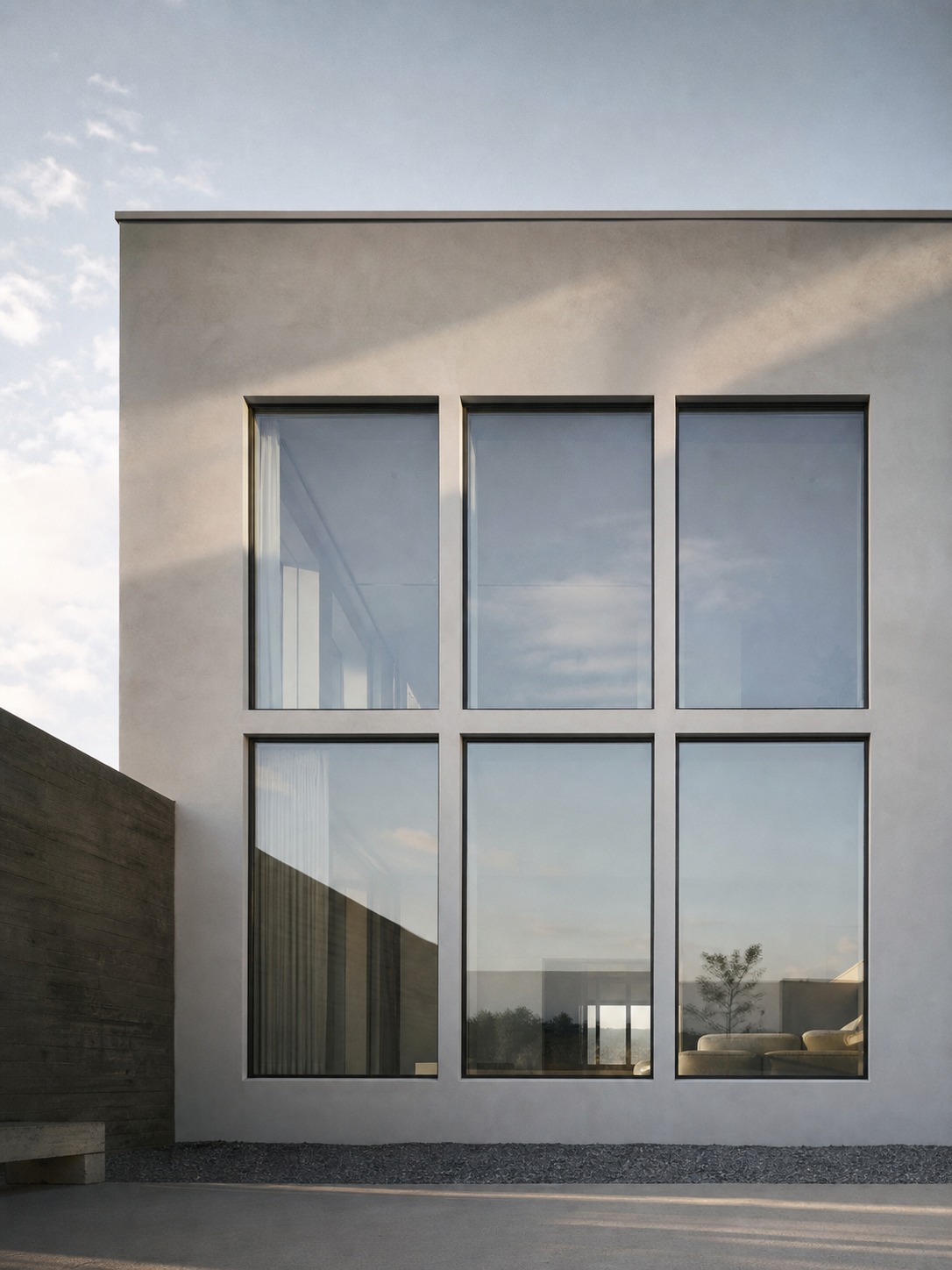
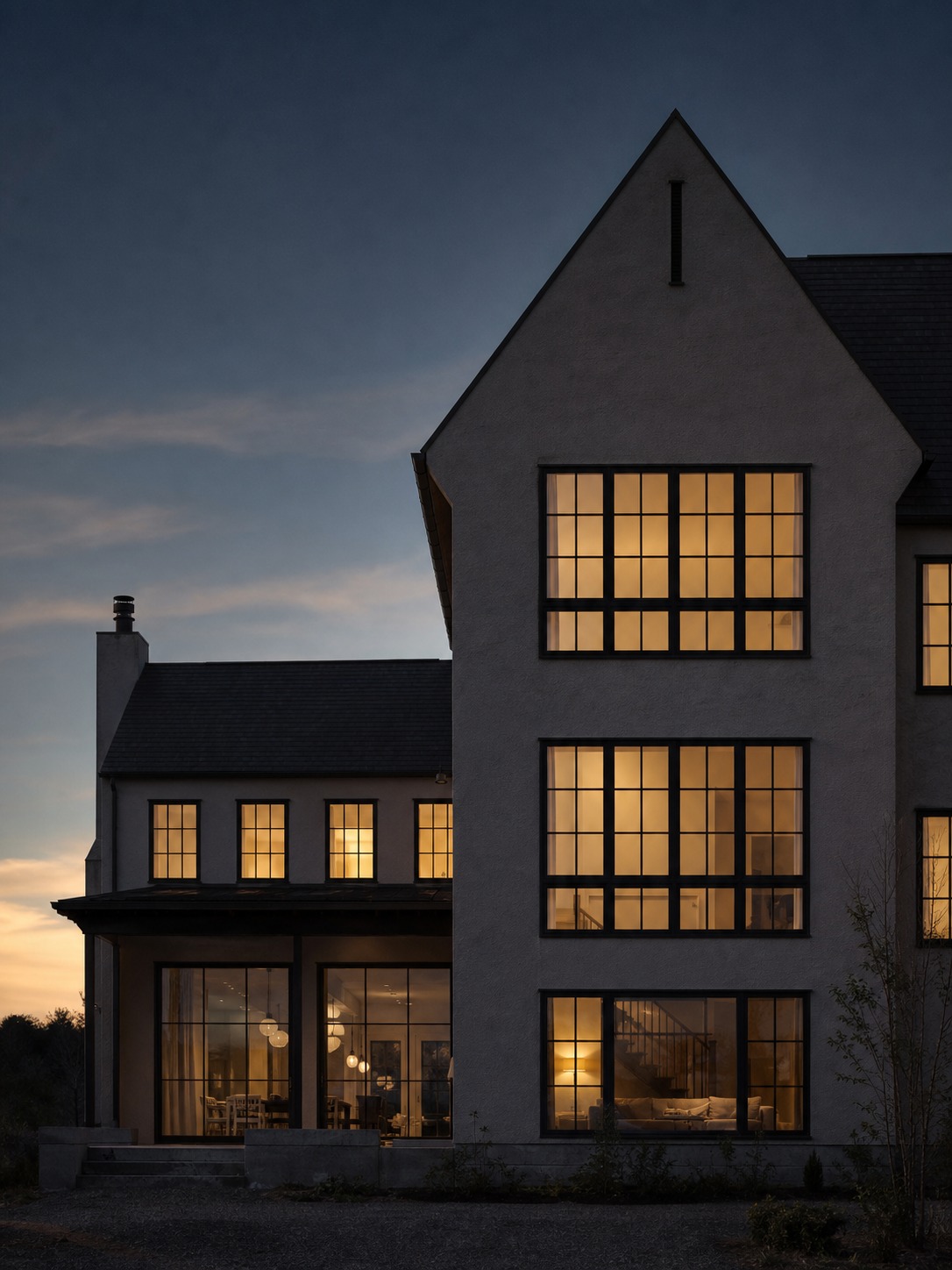
A facade is really just a composition of solids and voids — wall and window, mass and opening — and windows are doing almost all the compositional work in that equation. The size, spacing, and proportion of window openings determine whether a house reads as balanced or slightly off, the same way a window grid on a modern building tells you everything about the architect’s intent before you’ve noticed a single material choice.
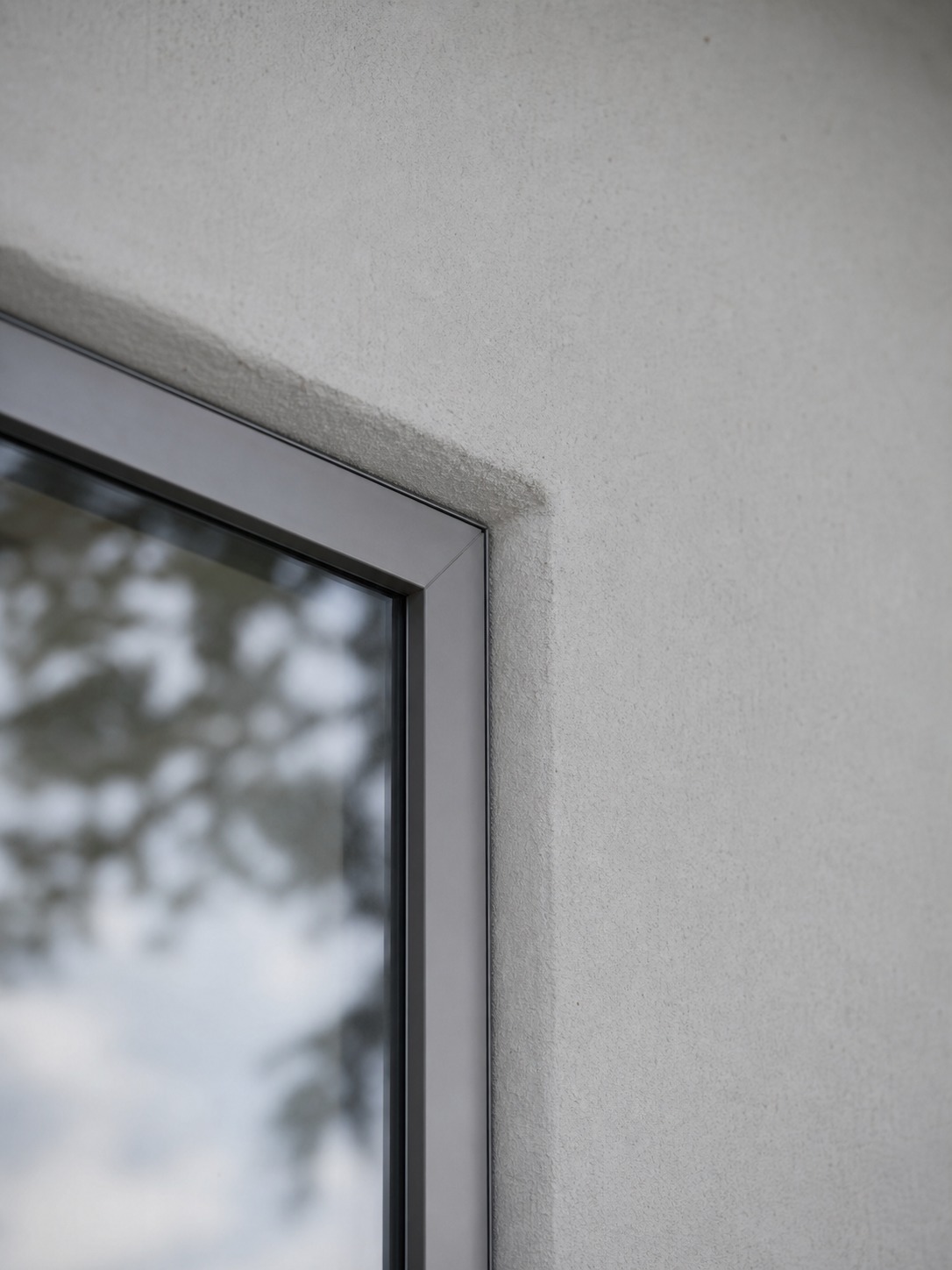
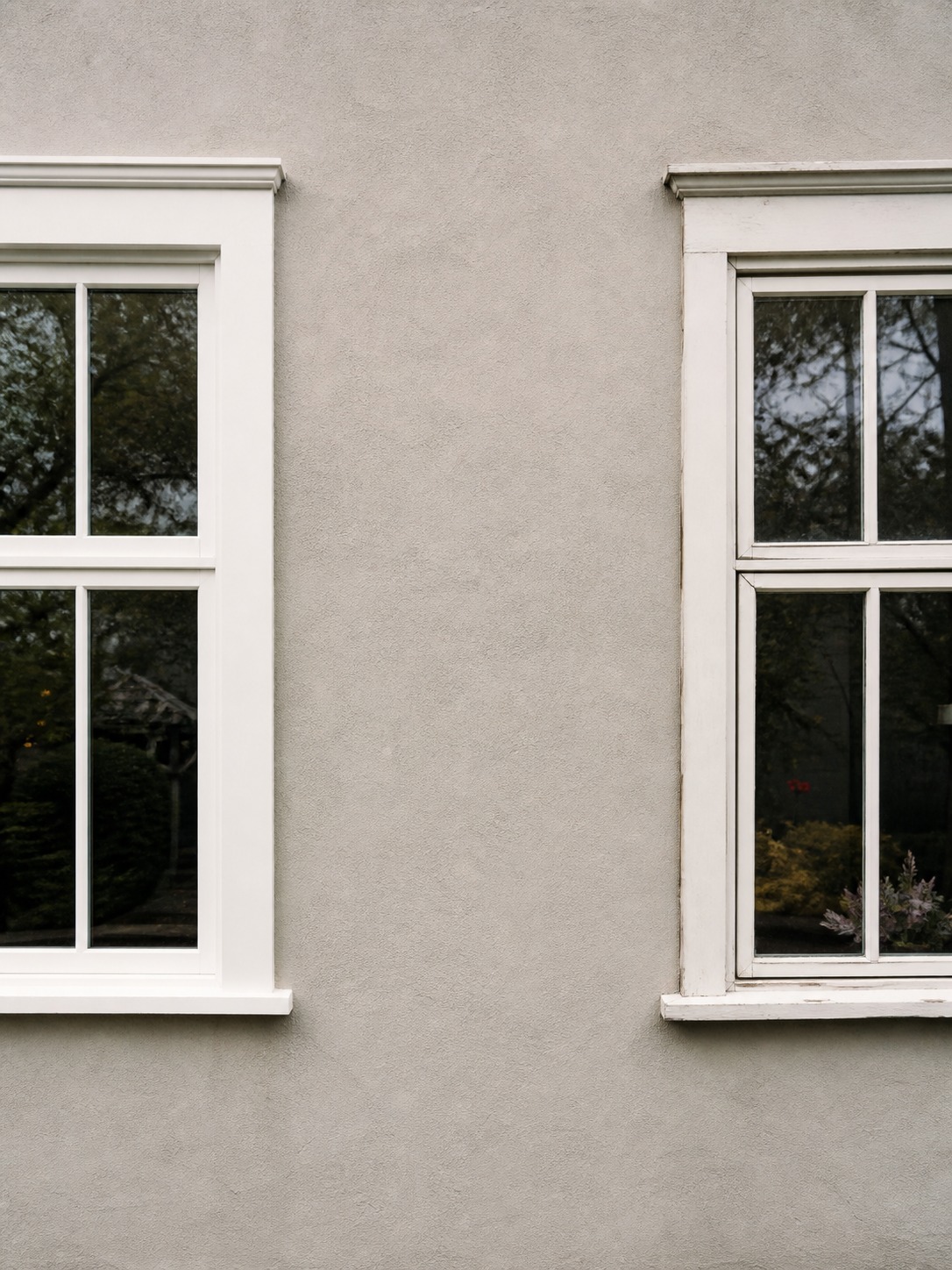
When windows age, they don’t just lose performance — they lose the crispness that made that composition work in the first place. A sightline that was once a clean, thin frame around glass turns bulky as old vinyl warps or wood swells. Trim that used to sit flush starts pulling away at the corners. None of this happens all at once, which is exactly why most homeowners don’t notice their facade’s proportion has quietly degraded until they see an old photo of the house and can’t immediately explain what looks different.
The signs your windows are working against the design
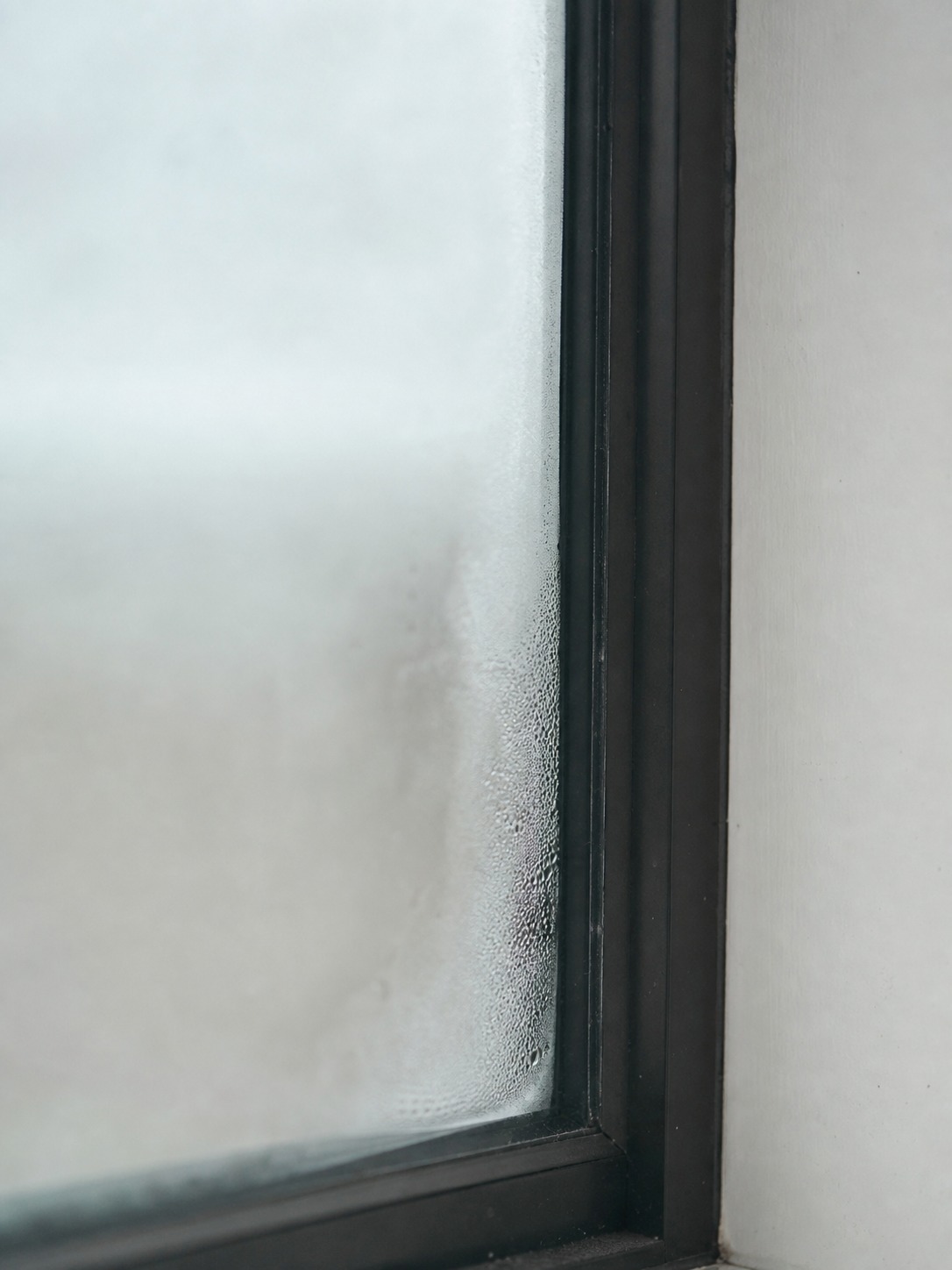
Most warning signs show up in ordinary moments rather than dramatic failures, which is exactly why they’re easy to miss. A foggy film trapped between panes of glass isn’t just a performance issue — it’s a design failure, because it means the window can no longer do the one thing glass is supposed to do: disappear and let a view read clearly. Once that seal fails, no amount of good light outside will read cleanly from inside the room.
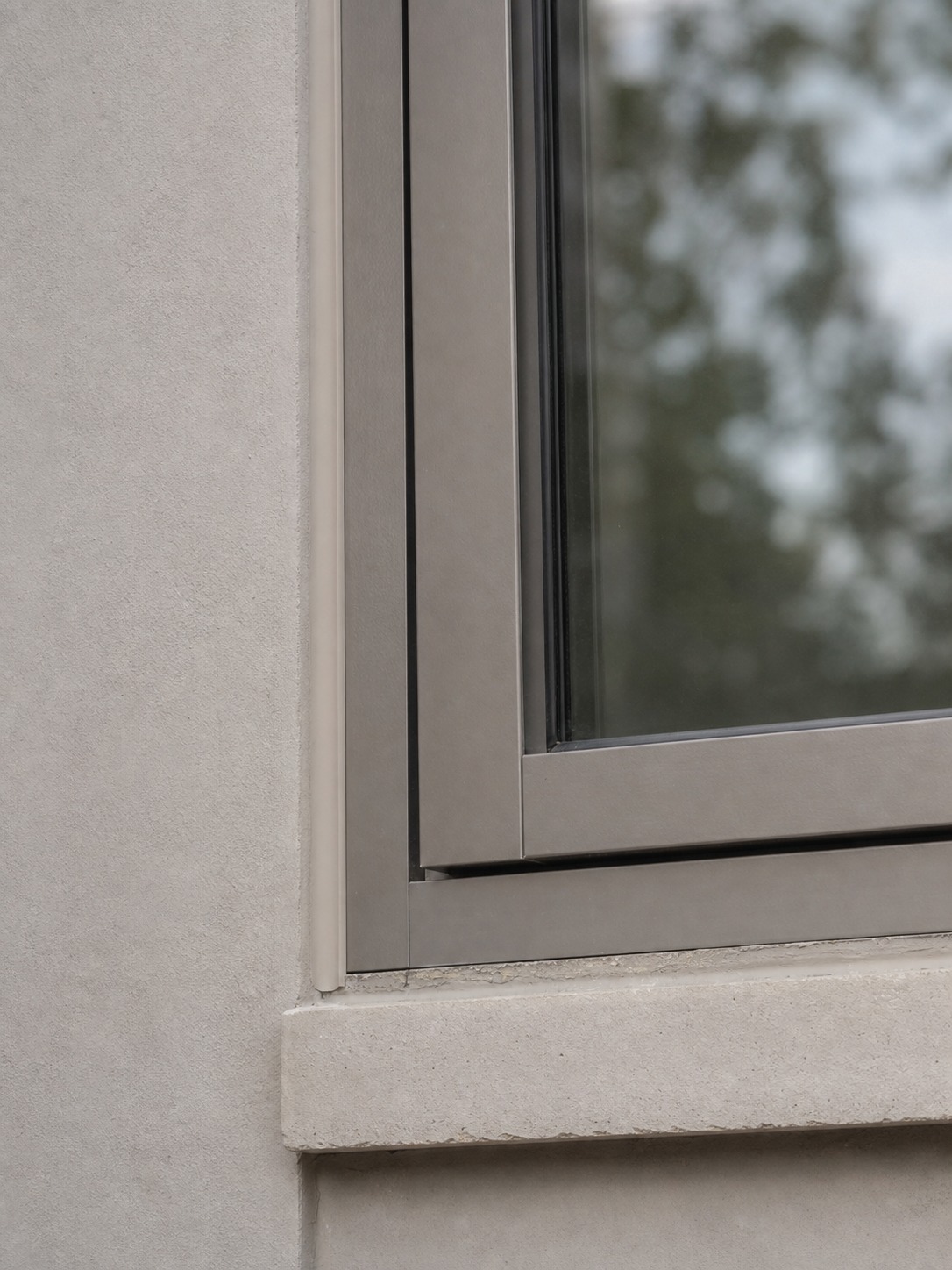
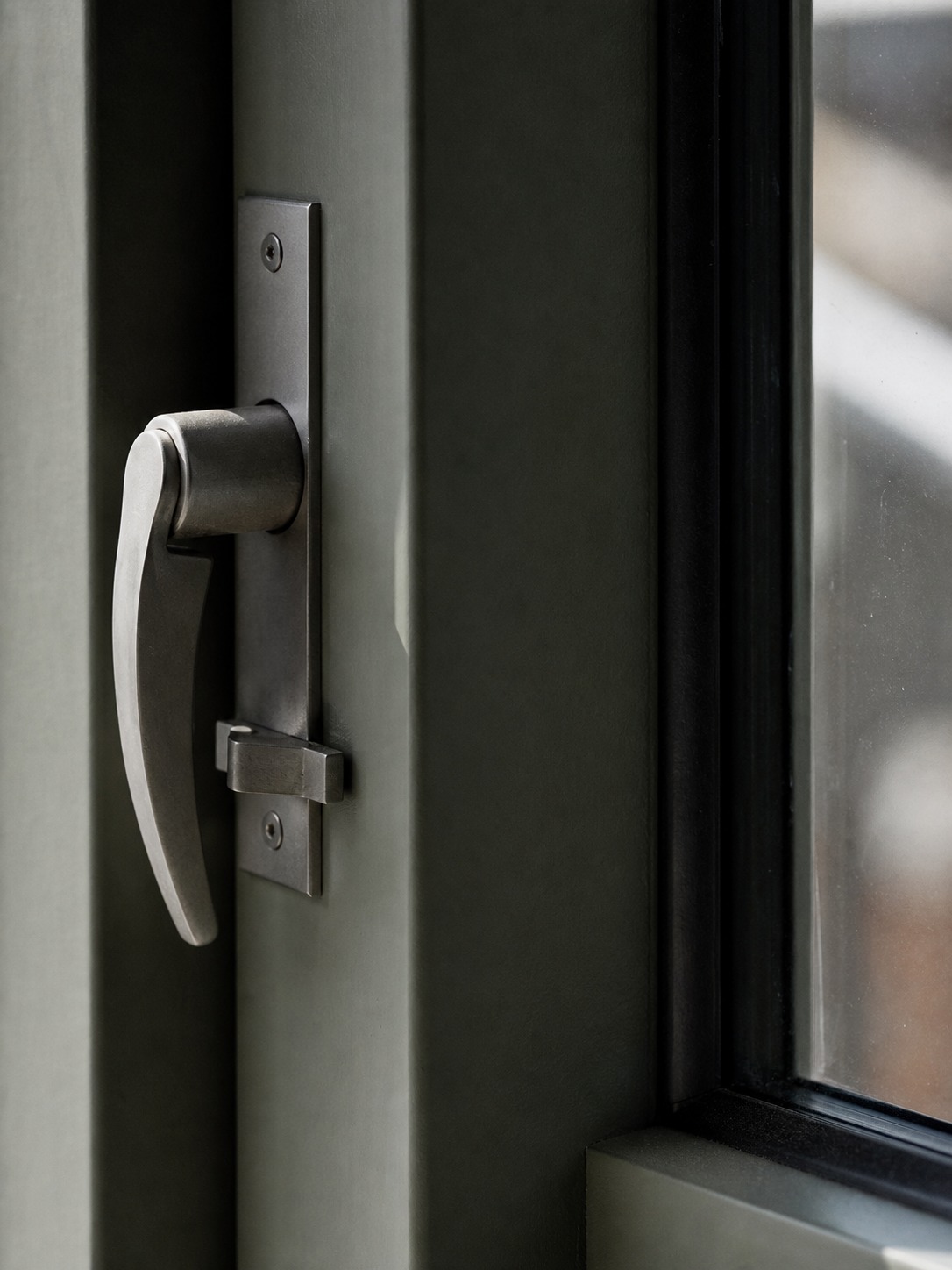
Frames that feel soft under a fingertip, or paint that’s started flaking, are usually hiding moisture damage working beneath the surface, and that damage nearly always shows up first as a subtle warp in the frame line — the kind of thing that throws off the crisp geometry a well-designed window opening depends on. Sashes that stick, rattle in their tracks, or won’t stay raised are wear signals too, but they’re also proportion problems in motion: a window that doesn’t sit correctly in its frame throws off the clean horizontal and vertical lines the whole opening was designed around.
Even sound bleeding through more than it used to is worth noticing. A window that’s stopped sealing acoustically has usually stopped sealing thermally and visually too — the same failure in the frame or seal tends to show up across all three at once. Taken together, these aren’t just maintenance items. They’re the physical evidence that a design decision made years ago — the proportion, the sightlines, the quality of light a room was meant to have — is quietly coming undone.
What natural light actually does to a room
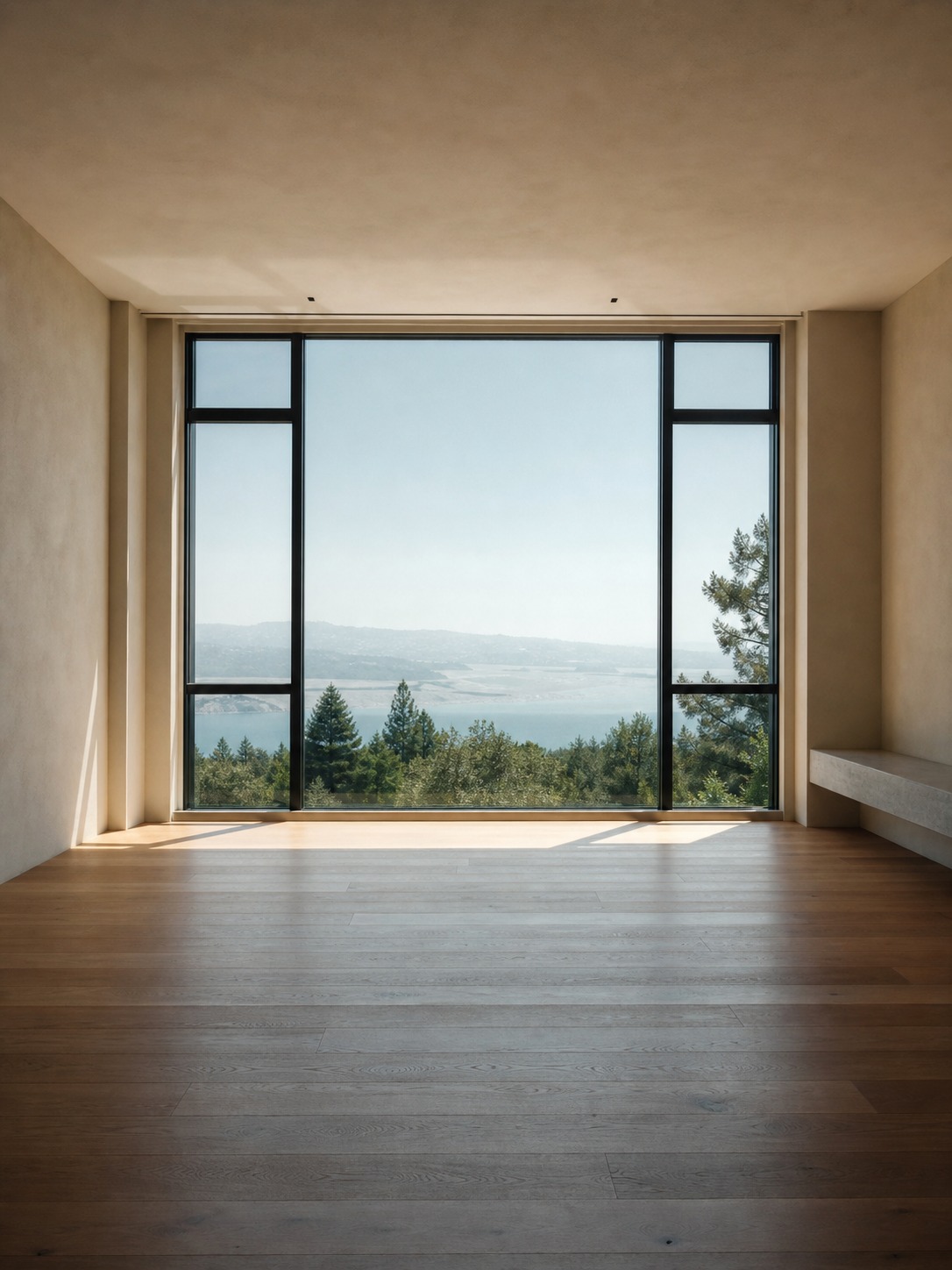
Light is the material nobody budgets for, and it’s the one that changes a room’s character more than any finish choice. Clear, high-performing glass doesn’t just brighten a space — it changes how large a room feels, how colors read on the walls, and how the architecture of the room itself gets perceived. I’ve walked into rooms with excellent proportions and beautiful materials that still felt flat and uninviting, and the culprit was almost always glass that had gone slightly cloudy or yellowed with age, dulling everything the room was actually designed to show off.
This is where window condition stops being a maintenance question and becomes a design question. A room’s light quality is as much a material decision as the flooring or the paint color — it’s just one homeowners rarely think to evaluate on its own terms. When glass clarity degrades, it doesn’t announce itself the way a cracked tile does. It just slowly mutes the room, and most people adjust to the dimmer version without registering that anything changed.
Comfort as a design problem, not just an energy bill
Cold air sneaking in around an old frame on a winter morning gets treated as a heating problem, and it is one — but it’s also a spatial design problem, because it means a room isn’t performing the way its design intended. A window wall meant to be the brightest, most comfortable spot in the house becomes the coldest chair in the room instead, and the space stops being used the way it was designed to be used.
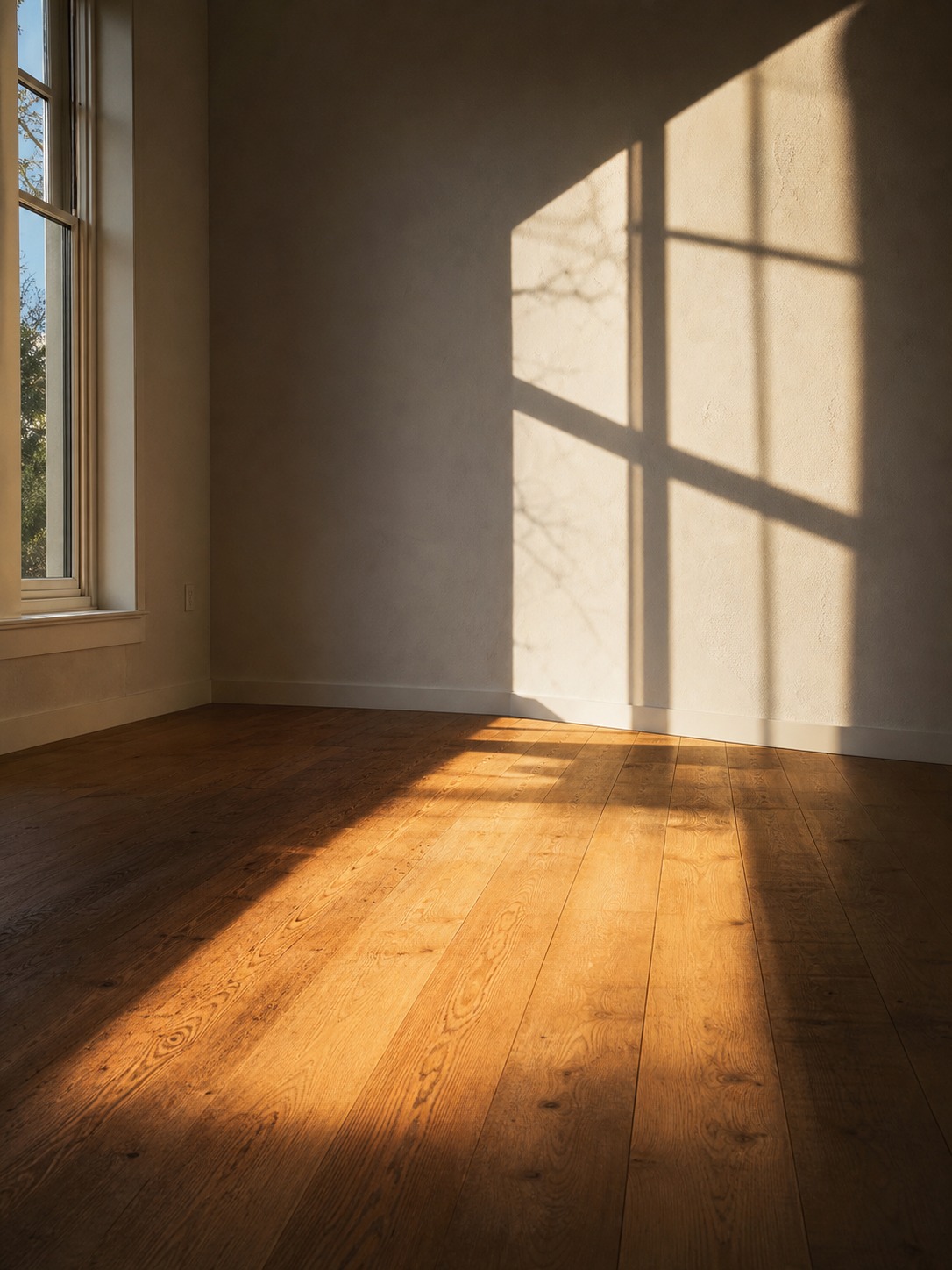
That’s the part that gets lost when window performance is discussed purely in terms of utility bills. A room with uneven temperature isn’t just costing money — it’s failing at its actual job, which is being a comfortable, usable part of the house. New glass and properly sealed frames solve both problems at once, because thermal performance and spatial comfort are really the same issue looked at from two angles. A house that holds a steady temperature across every room is a house where the original floor plan and light design can finally do what they were meant to do.
When windows reach that stage, working with an experienced window replacement service means the fix addresses both sides of the problem together — correcting the thermal failure and restoring the proportion and sightlines the opening was designed around, rather than treating it as a purely mechanical swap.
Choosing window style as a proportion decision
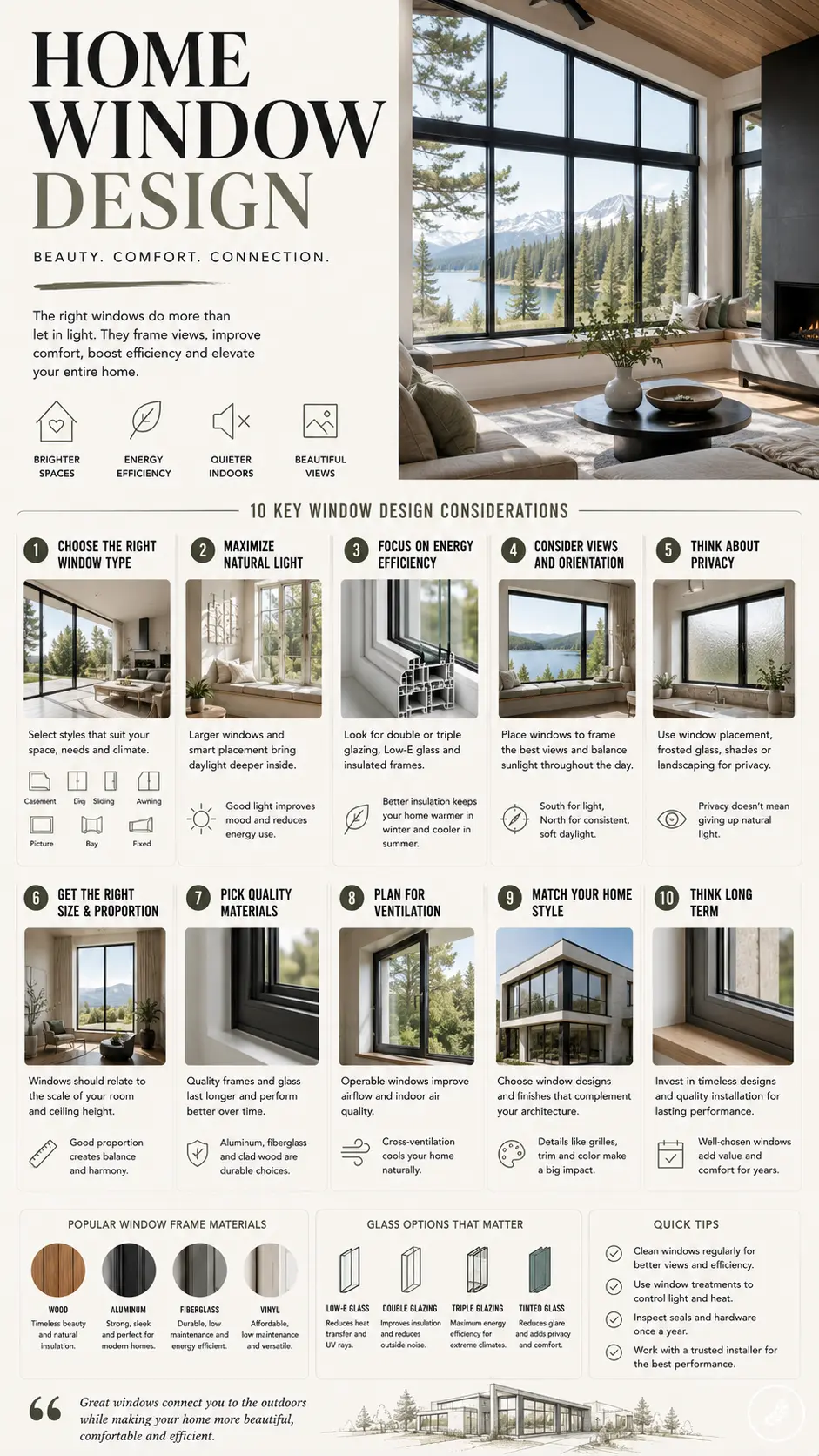
When it does come time to replace a window, the style choice is a proportion decision before it’s a functional one. Double hung, casement, sliding, and bay windows all carry a different visual weight and a different relationship to the wall around them, and matching that choice to the character of the house matters as much as any performance spec.
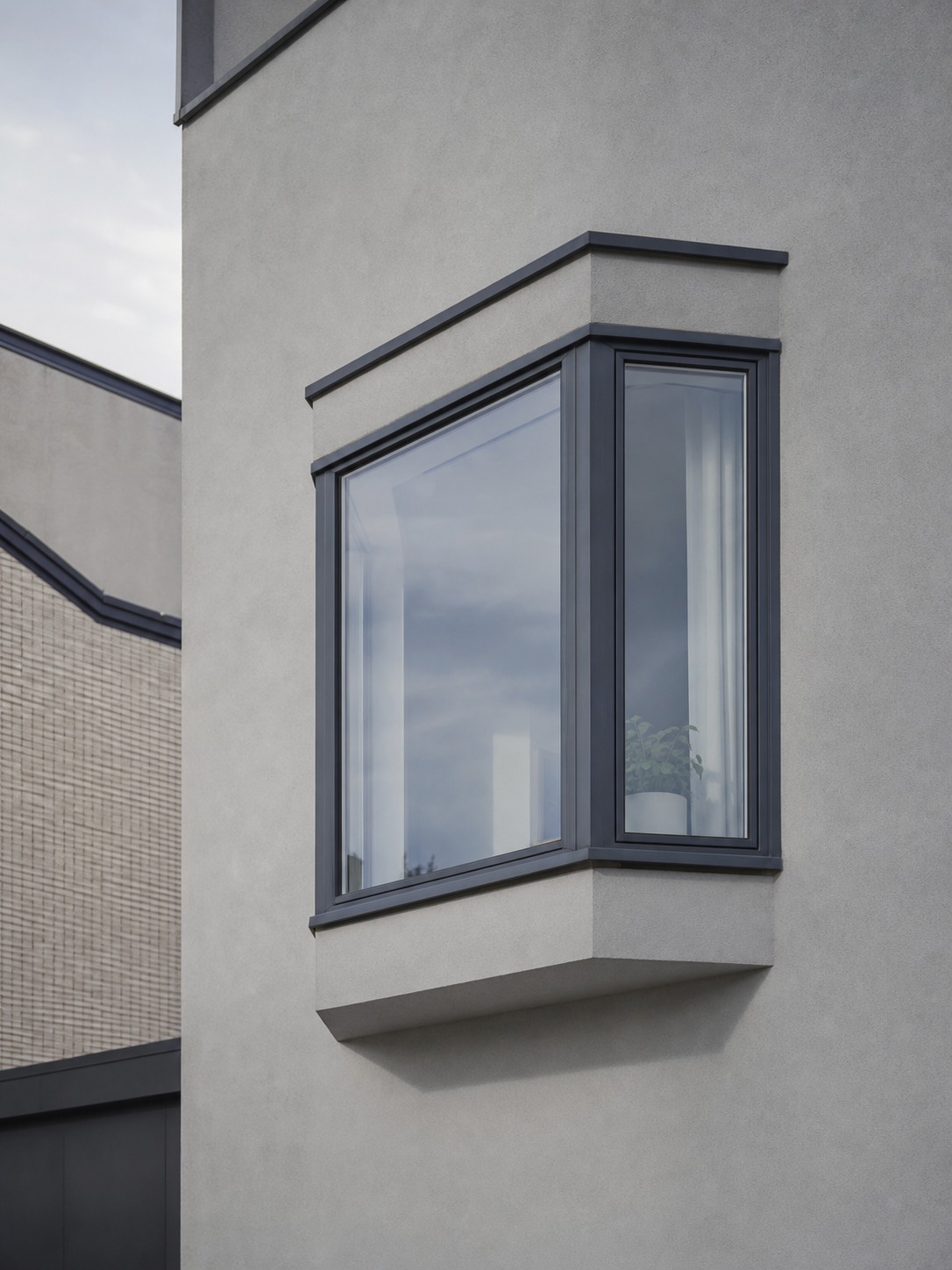
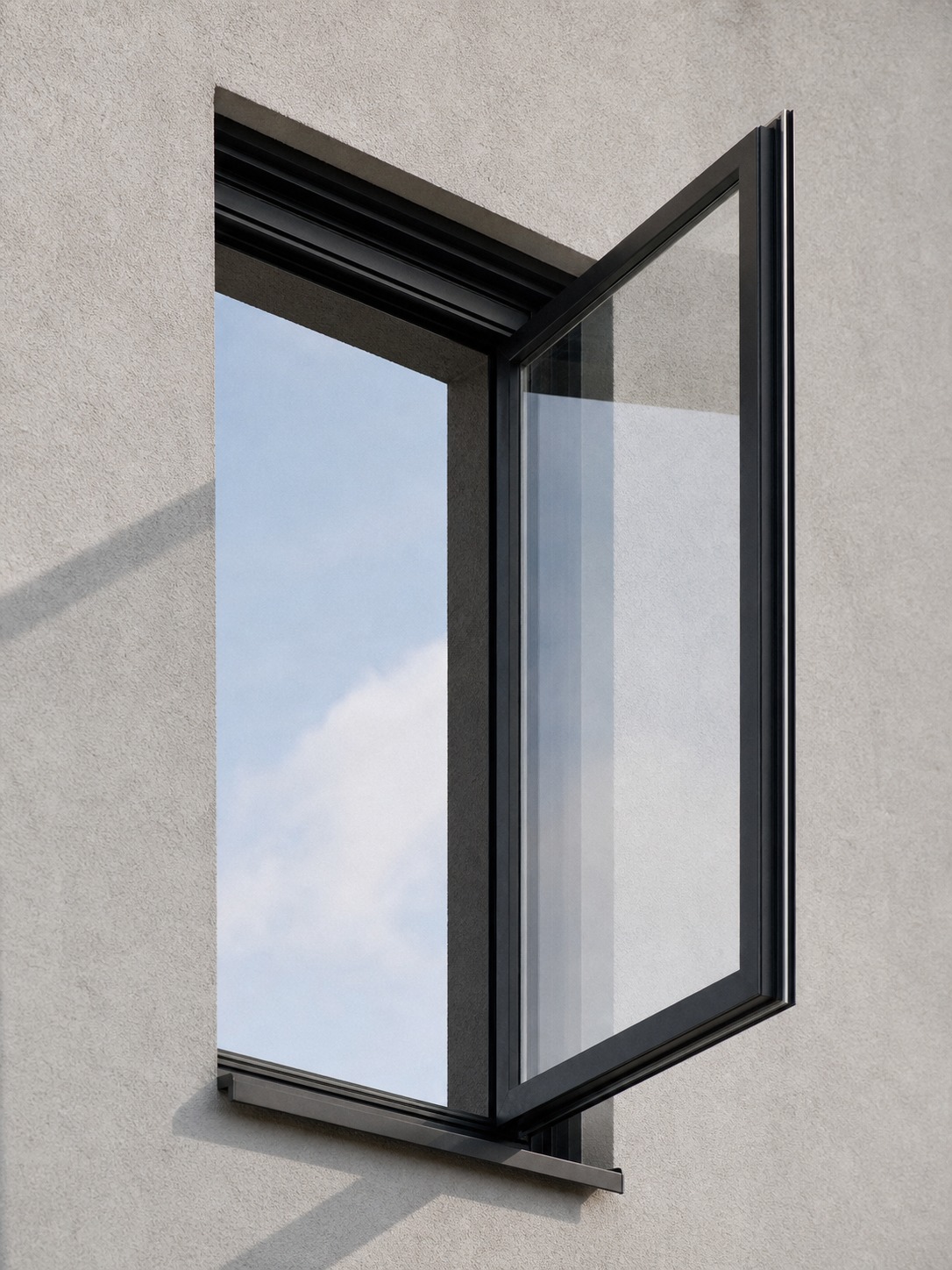
A casement window reads as a cleaner, more architectural opening — a single uninterrupted pane, minimal visual interruption, well suited to a more modern or minimalist facade. Double hung windows carry more traditional visual weight, with the horizontal rail through the middle becoming part of the facade’s rhythm rather than something to hide. Bay windows change the geometry entirely, pushing volume outward and creating a genuinely different spatial experience inside the room, not just a bigger opening. None of these is inherently better. The mistake is picking a style because it’s popular right now rather than because it actually matches the proportion language the rest of the house is already speaking.
I’d rather see a homeowner keep an older window style that suits the house’s character and simply upgrade its performance, than swap in a trendier profile that fights the facade’s original proportions. Style consistency across a facade reads as intentional even when individual window units are getting replaced one project at a time.
Reading the signals before they become a bigger problem
The advantage of understanding windows this way — as a design element rather than a fixture you simply endure — is that you get to act on your own schedule instead of waiting for a failure on the coldest night of the year. A quiet seasonal check, a few minutes spent actually looking at each opening rather than through it, turns these small visual and comfort signals into information you can plan around.
That’s really the shift worth making: from treating window condition as a maintenance checklist to treating it as an ongoing part of the home’s design. A house that keeps its light, proportion, and comfort intact stays legible as the design it was meant to be. One that lets those signals slide slowly loses that legibility, one degraded seal and one slightly warped sightline at a time, until the house looks tired for reasons nobody in the family can quite name.
The actual takeaway
Windows are never just glass and frame. They’re the part of a house doing the most compositional work on the facade, the material controlling how light behaves in every room, and the system determining whether a space feels genuinely comfortable or is quietly working against its own design. Read the signals — the dulled light, the soft frame, the sticking sash, the draft that’s become part of the room’s personality — as design information rather than background noise, and updating the windows stops being a chore and starts being what it actually is: restoring the house to the design it was always meant to have.
- 50shares
- Facebook0
- Pinterest50
- Twitter0
- Reddit0