A neighbor of mine once covered a hairline crack in a living room window with a strip of clear tape and left it there for months. After one windy afternoon, the crack ran clean across the pane like a lightning bolt, and a five-minute fix turned into a full pane replacement. Glass gives you warning before it fails. Most people just aren’t looking for it.
Damaged glass and a failed seal don’t only affect how a window performs, they change how a room feels: the quality of daylight coming through, the view, the temperature near the glass, even the sound of the street outside. I think about windows the same way I think about any other piece of a building’s skin, and once you start reading the signs, you notice them everywhere.
- Why glass condition is part of home design, not just maintenance
- Visible cracks, chips, and distorted reflections
- Fog or condensation between panes
- Drafty windows, rattling panes, and loose glazing
- Temperature swings near glass walls, doors, and large windows
- Water marks, swollen frames, and leaks around glass
- Scratches, glare, and view quality
- Repair, reseal, or replace?
- Maintenance checklist for healthier windows and glass doors
- FAQ
- Read the glass before it fails completely
Most homeowners only think about glass when something’s already visibly wrong: a crack, a draft they can feel with their hand, a window that won’t latch. By then the seal or the pane has usually been failing quietly for a while. This piece walks through what to actually look for, room by room, before a minor flaw turns into a full pane swap.
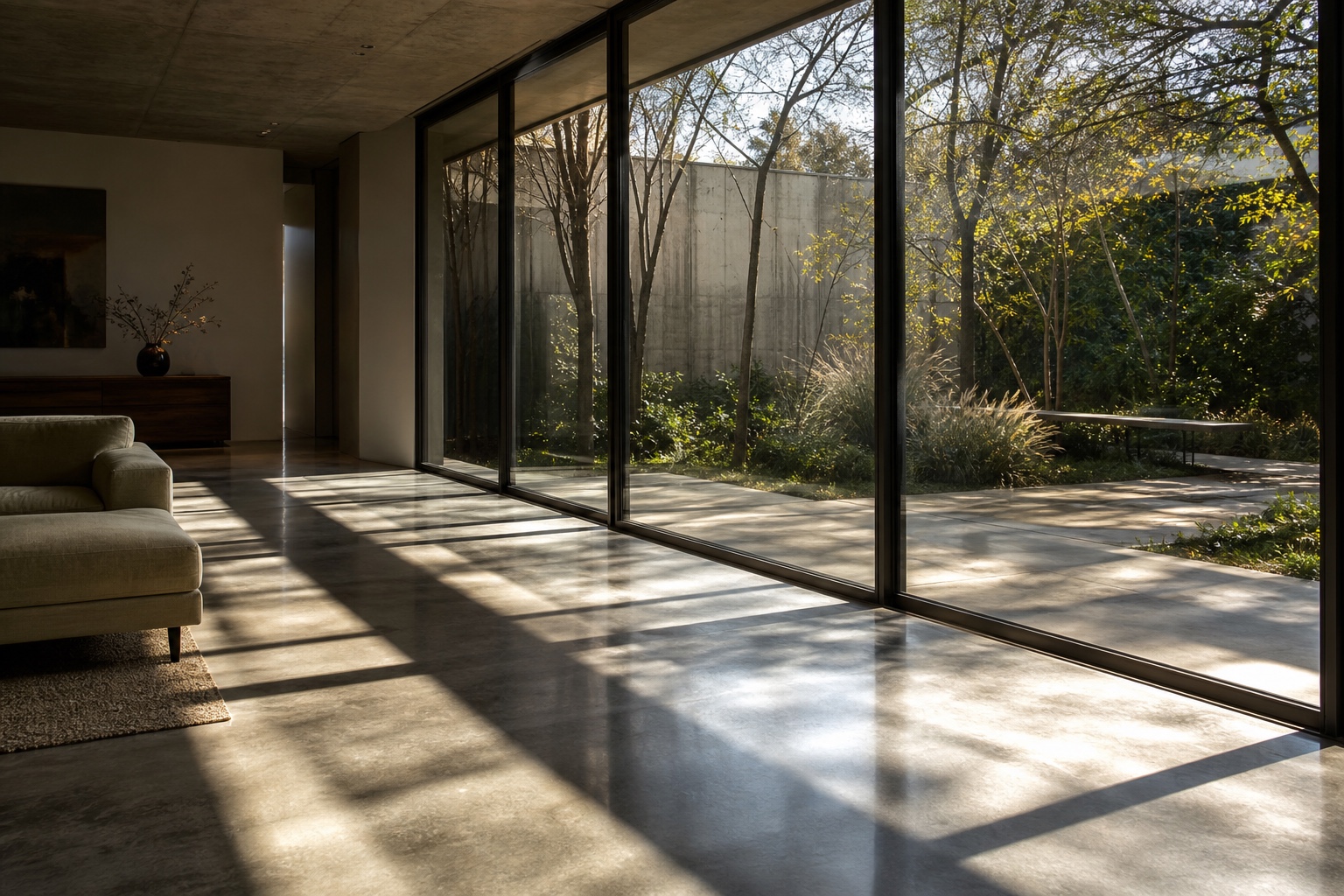
Why glass condition is part of home design, not just maintenance
Daylight clarity, facade finish, temperature balance, security, and energy performance
A window does five jobs at once: it lets light in clean, it holds its place in the facade, it keeps indoor temperature where you set it, it locks up securely, and it does all of that quietly enough that you forget it’s working. Glass that’s cracked, clouded or loose in the frame is failing at least one of those jobs, usually more than one, long before it fails completely. I’ve written about this from the design side in home window design, but the diagnostic side matters just as much as the styling choices: a beautifully proportioned window with a failed seal still reads as neglected from the street.
Think of a window the way you’d think of a car’s glasswork. A windshield with a stone chip isn’t just a cosmetic flaw; it’s a structural weak point that changes how the whole panel handles stress. House glass works the same way, just on a slower timeline. The pane that looks fine today is the one that’s already started its decline, and by the time damage is obvious from across the room, it’s usually been visible up close for months.
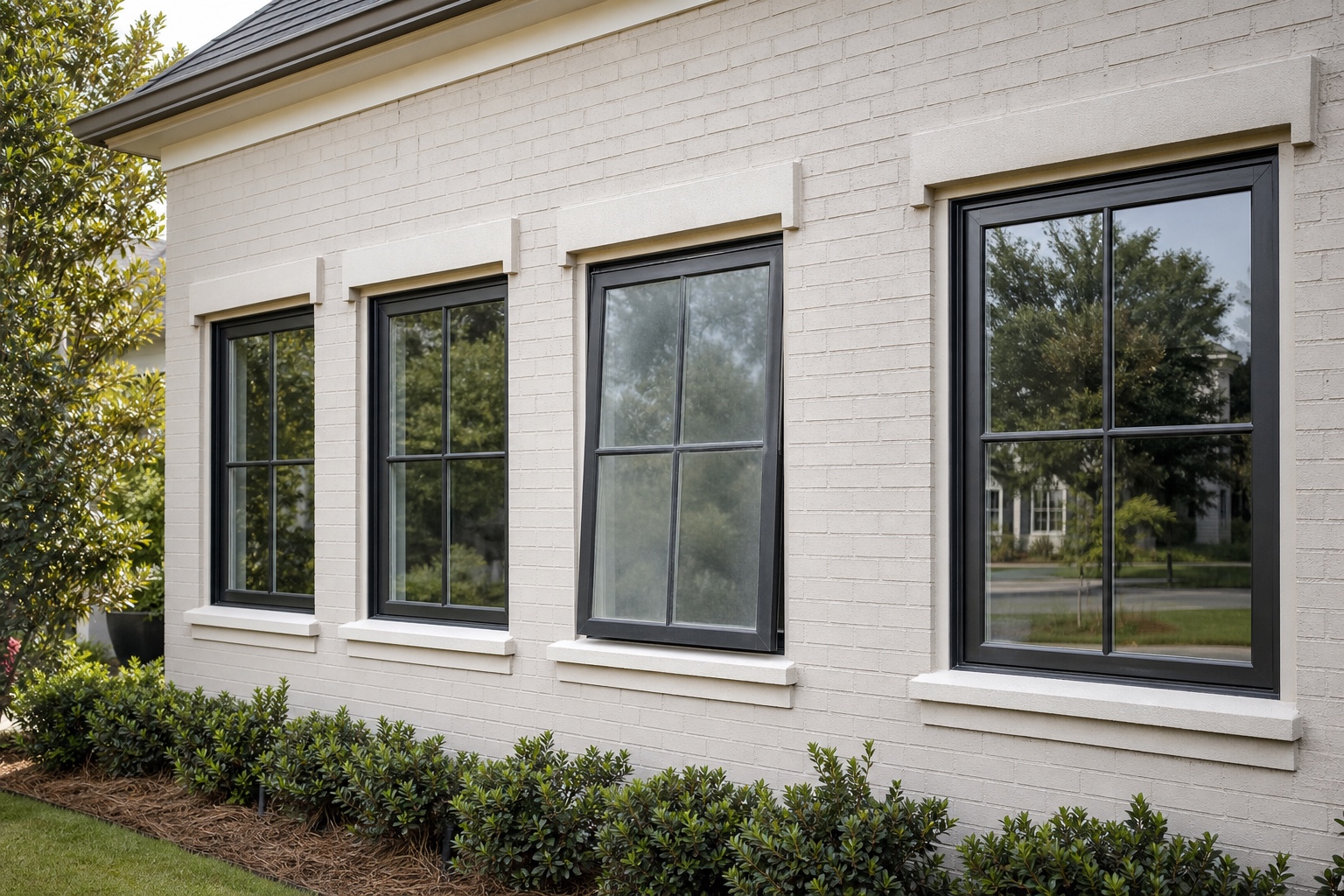
Visible cracks, chips, and distorted reflections
When damage changes the look and safety of a room
A hairline crack often shows up first in reflection, not in direct light, so check a window at an angle in the evening as well as head-on at midday. Star-shaped impact marks, long cracks running from an edge, and small chips near sliding door tracks are the ones I’d flag immediately rather than wait on. Vibration from a slammed door, a passing truck or a storm can turn a stable-looking chip into a spreading crack within days.
Chips near a corner are worse than chips in the middle of a pane; corners carry more stress, and that’s where a small flaw is most likely to travel. If the damaged glass sits in a door, a balustrade or anywhere near a walking path, treat it as a safety issue first and a cosmetic one second.

A monthly walk-around takes maybe ten minutes and catches most of this early. Check each pane from a couple of different angles, since a crack that’s invisible head-on can show up clearly once you catch it in reflected evening light. I do this the same way I’d walk a car body before a photoshoot, moving my head slightly to let raking light reveal what a straight-on look misses entirely.
Keep a mental note of which panes get the most sun and which take the most physical use, sliding doors especially. Those are the panes worth checking first on any given month, since stress and wear concentrate on the glass that works hardest, not evenly across every window in the house.
Fog or condensation between panes
What failed double glazing tells you about insulation and comfort
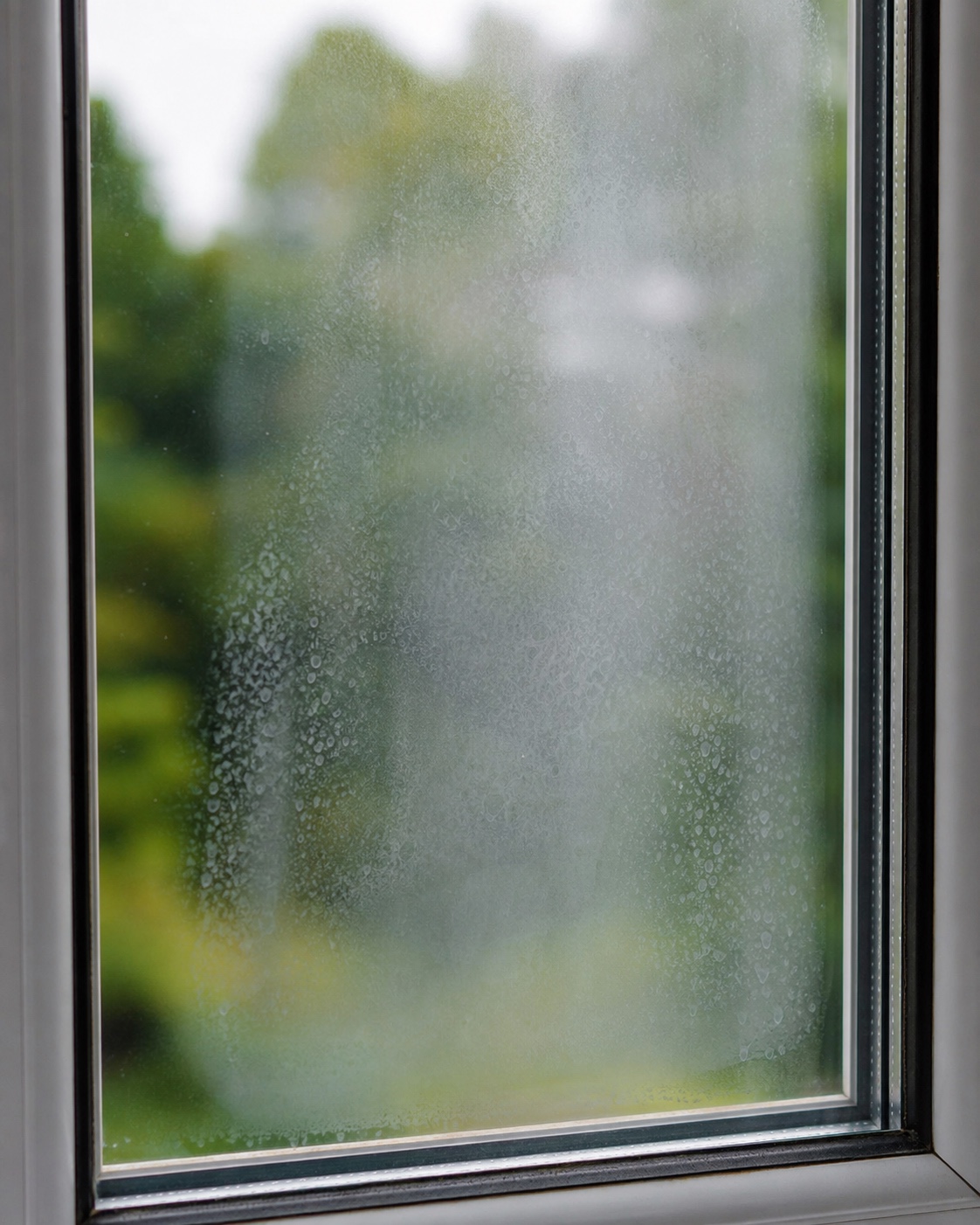
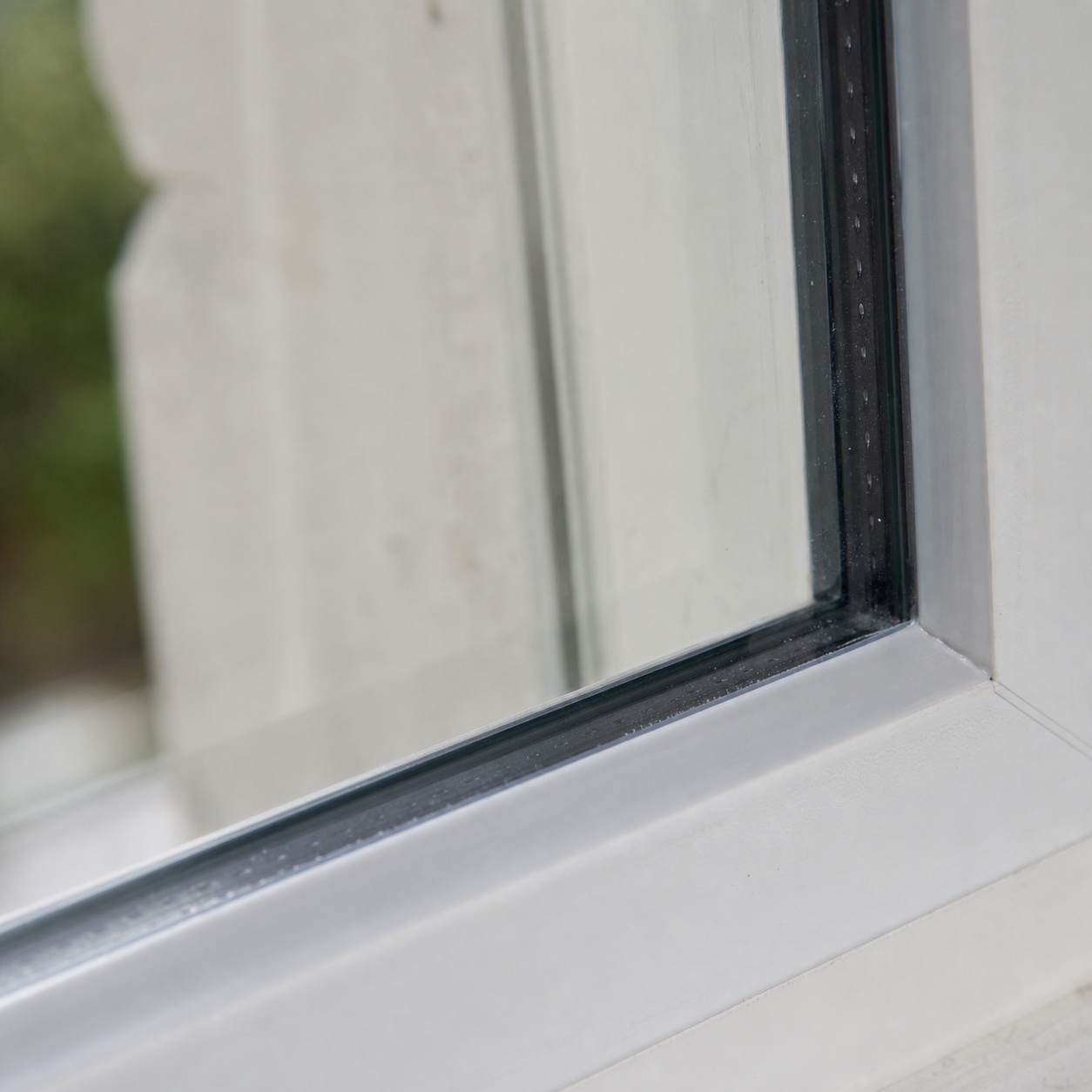
Condensation on the room-facing side of a window is usually about indoor humidity and ventilation. Moisture trapped between two panes of double glazing is a different problem entirely: it means the sealed unit has failed and outside air has worked its way into the gap that used to hold insulating gas or dry air. Once that seal breaks, the window loses a meaningful share of its thermal performance, even on days when the fog itself isn’t visible.
A milky or hazy look that comes and goes with the weather, mineral spotting between the panes, or a window that feels noticeably colder near the glass in winter, all point the same direction. I’ve covered the physics of why insulated units work at all in insulating glass in architecture, and a failed seal is essentially that system quietly switching itself off.
The frustrating part is that this kind of failure often looks worse on some days than others. A cold, still morning can make a marginal seal fog up clearly, while a warmer, breezier afternoon can make the same window look almost normal. That inconsistency is exactly why people put off dealing with it. If you’ve noticed the fog even once, on even one day, treat that as the real answer rather than waiting for it to appear every time.
Drafty windows, rattling panes, and loose glazing
Small air leaks that change how a room feels
A window that rattles in the wind or shifts when you press lightly against the glass has a seal, putty or frame component that’s given up its grip. Loose glazing is more likely to crack under sudden temperature swings, and the same gap that lets the pane move also lets outside air leak in around the edges. None of this shows up as an obvious hole. It shows up as a room that never quite settles at the temperature you set the thermostat to.
A simple test: hold a thin strip of tissue near the edge of a closed window on a breezy day. If it moves, air is getting through somewhere along that frame, even if the glass itself looks fine.
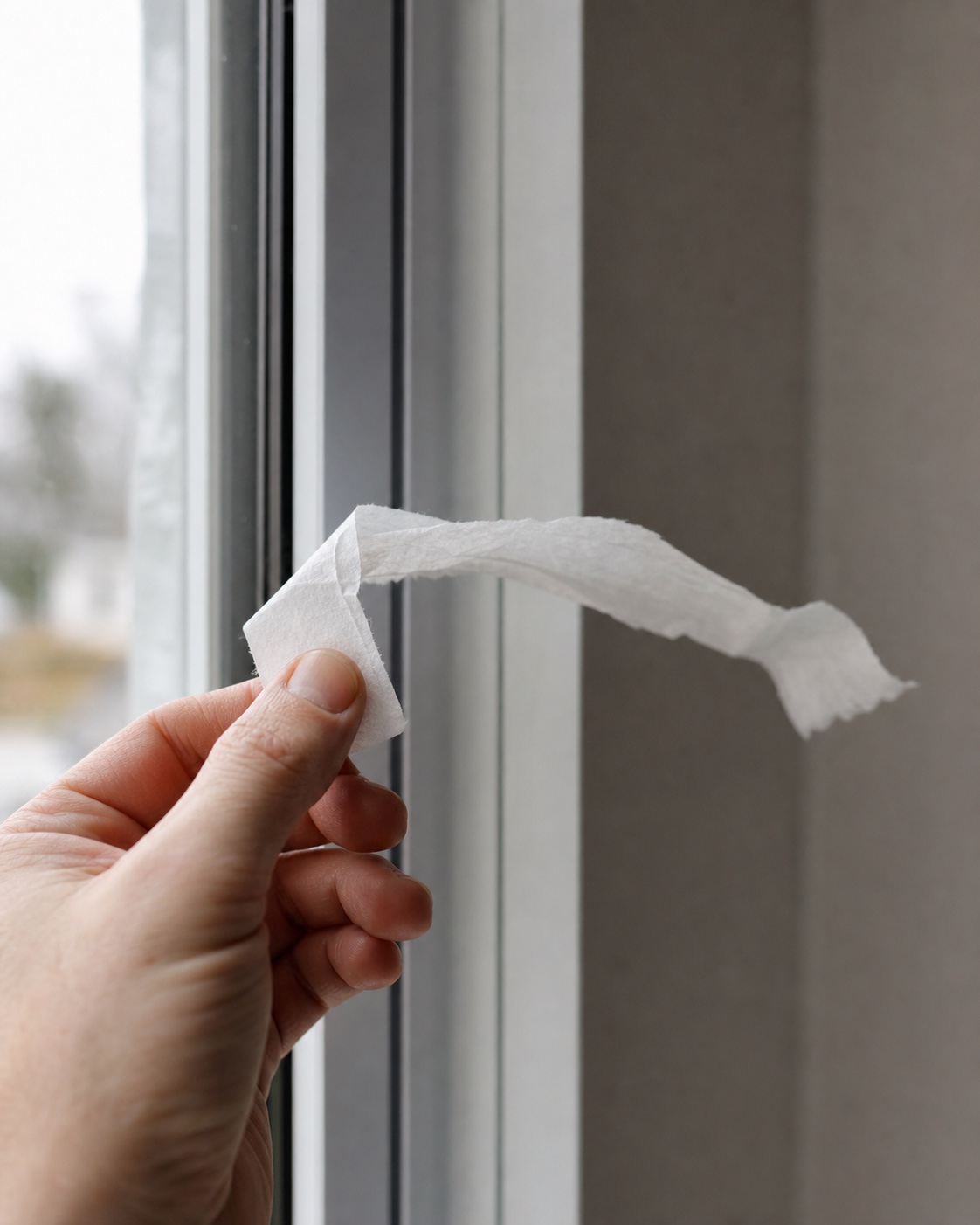
Older sash and casement windows are especially prone to this, since the mechanisms that hold the glass in place have more moving parts to wear out than a fixed pane does. If you can hear a window before you can feel the draft from it, that’s usually the earlier warning sign; the sound means something’s already loose enough to move.
Temperature swings near glass walls, doors, and large windows
How damaged glass can reduce the value of solar and efficiency upgrades
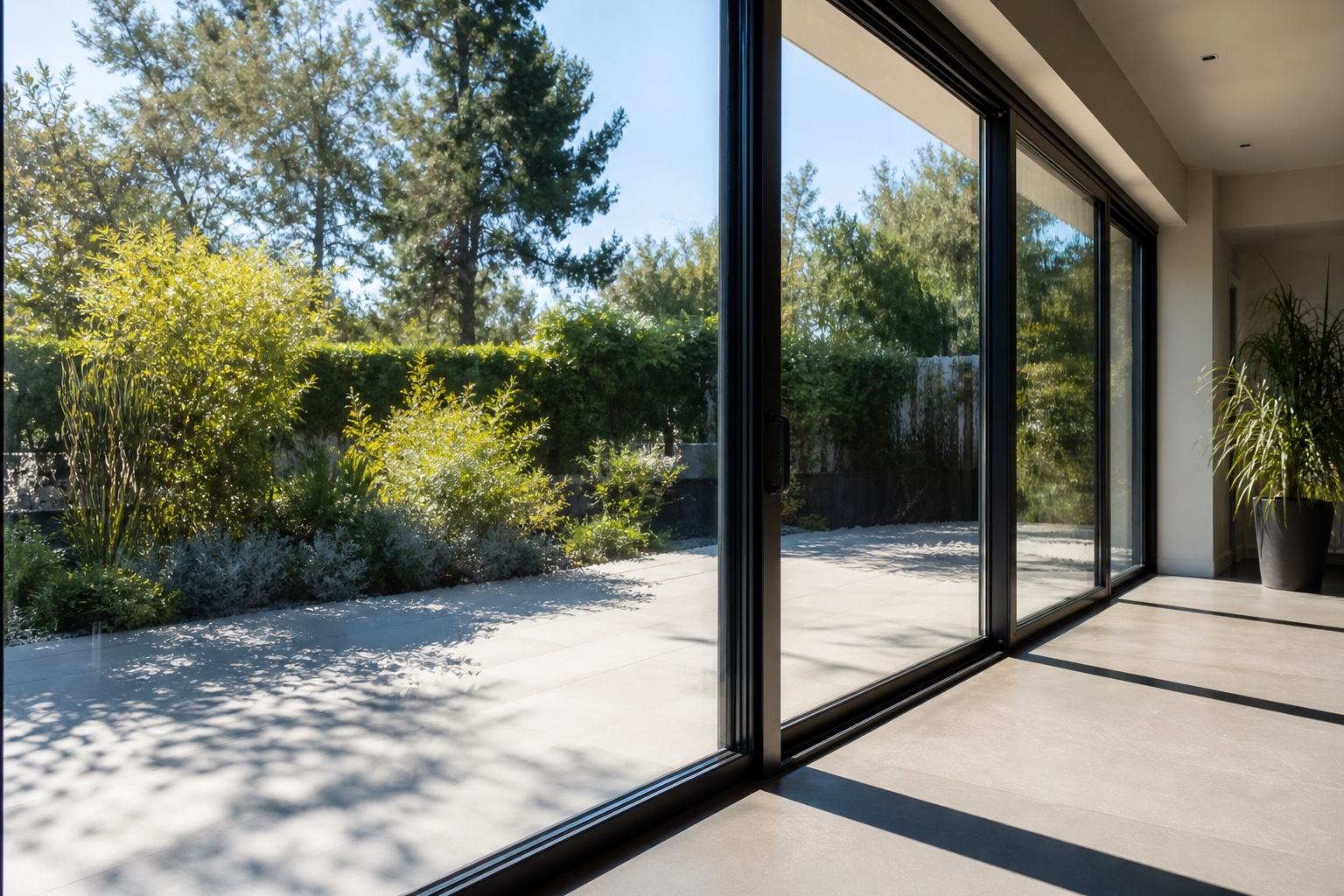
A room that runs noticeably hotter in summer or colder in winter than the rest of the house often has a glazing problem rather than an insulation problem. This shows up most near large glass doors, sunrooms and north-facing walls, where the sheer surface area of glass makes any seal failure obvious fast.
If the home has rooftop solar, this matters even more than it would otherwise. Solar panels produce electricity during the day regardless of how the windows are performing, but a home leaking conditioned air through failed seals ends up spending more of that generated power on heating and cooling, leaving less for everything else. I go into how window specs interact with a home’s broader energy numbers in the importance of window energy ratings during home upgrades, which is worth a read before any bigger energy investment.
An easy way to spot this room by room: stand near the glass for thirty seconds on a hot or cold day and compare how it feels to standing in the middle of the same room. A well-sealed window barely changes that comparison. A failing one makes the difference obvious almost immediately, especially near a large sliding door or a floor-to-ceiling glass wall.
Water marks, swollen frames, and leaks around glass
Moisture as a design, structure, and indoor-air-quality issue
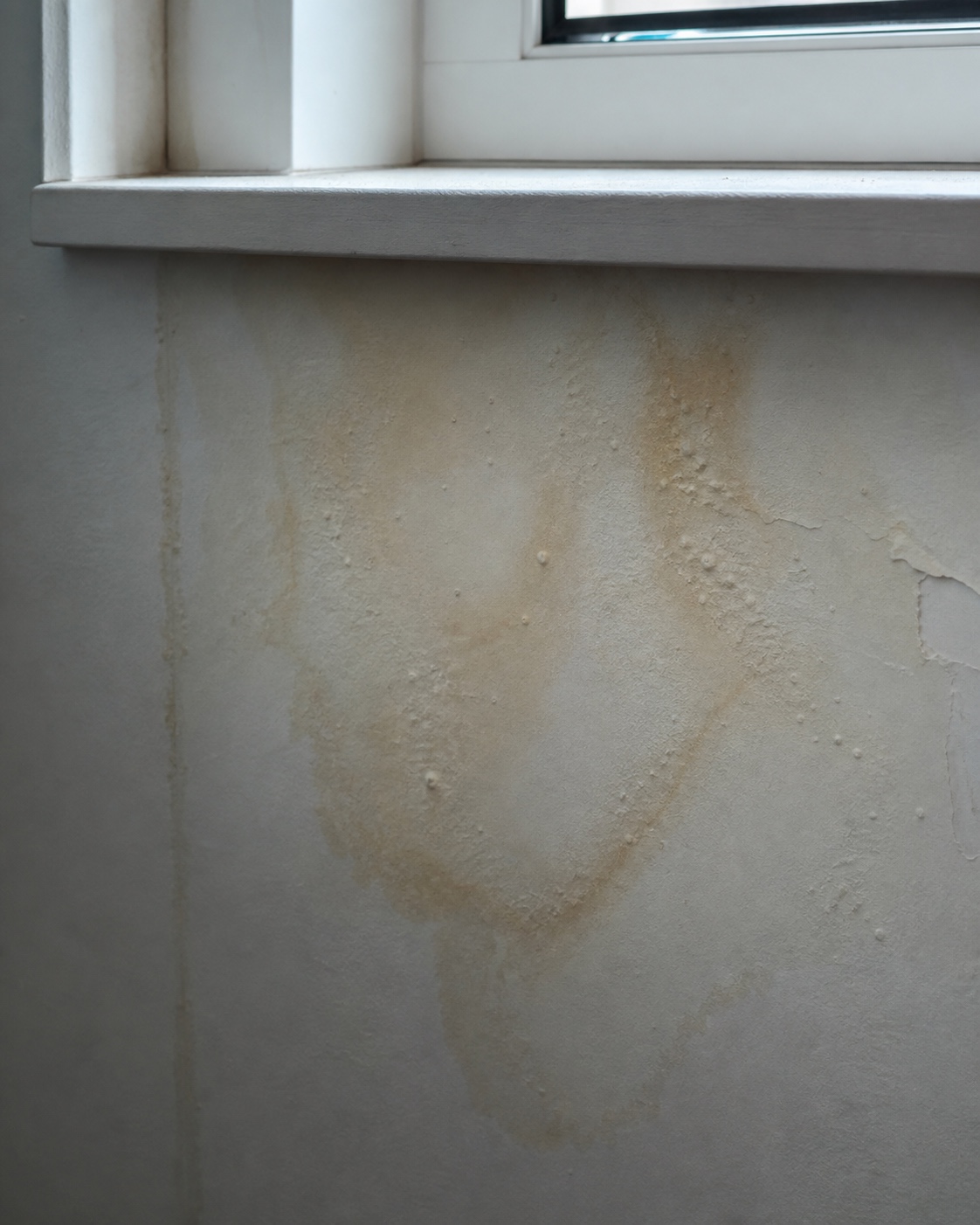
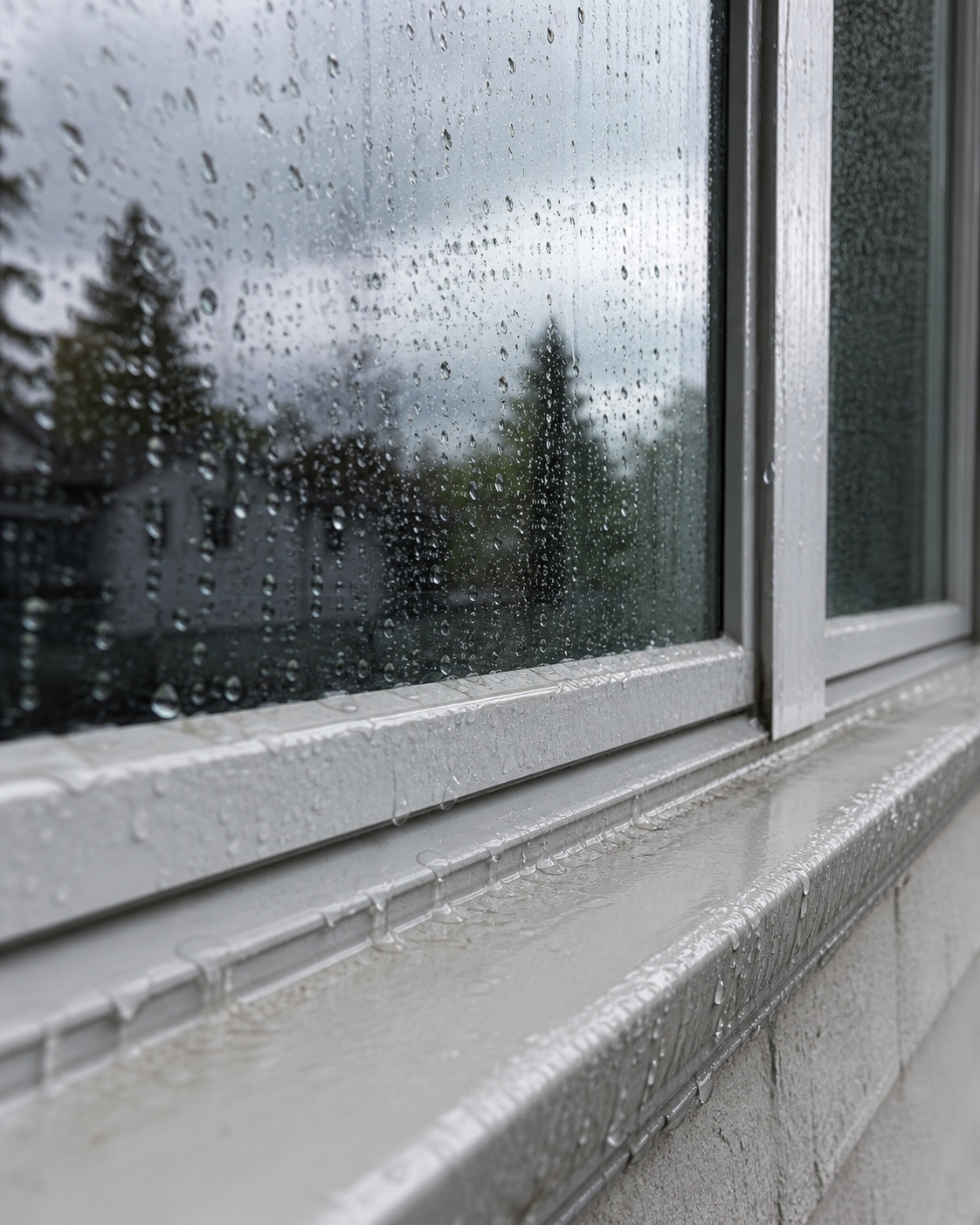
Water appearing near a window after rain can trace back to split sealant, damaged flashing, a gap in the frame or a crack in the glass itself, and it doesn’t always show up directly below where it’s entering. It can travel along a frame or through a wall cavity before it appears as a stain indoors.
Watch for bubbling paint near a frame, discolored plaster or timber below a sill, a musty smell after rain, or water sitting in a window track that never fully dries. Left alone, moisture like this doesn’t stay a window problem. It becomes a frame problem, then a wall problem, and eventually an indoor air quality problem for anyone in the room.
I’ve seen a leak that started as a barely-visible gap in exterior sealant show up two rooms away, tracking along a header before it finally found a low point in the drywall to stain. If you find water indoors after rain, don’t assume the source is directly above the mark; trace the frame and the wall cavity outward from there before you decide what actually needs fixing.
Scratches, glare, and view quality
When glass damage affects daylight, visibility, and polish
A light surface mark is usually cosmetic. A scratch deep enough to catch a fingernail is a different matter: it can scatter incoming light, throw glare at certain times of day, and make an otherwise well-designed room feel rougher than it is. I notice this most in west-facing rooms at golden hour, where a scratched pane turns a nice warm light into something closer to a windshield glare on the highway.
If glare from a bright window has become a daily annoyance rather than an occasional one, it’s worth looking at how window films can improve comfort in sun-exposed rooms before assuming the glass itself needs replacing. Deep scratches on safety glass, in particular, shouldn’t be corrected with aggressive DIY polishing; uneven grinding can weaken the pane in ways you won’t see until it’s under stress.
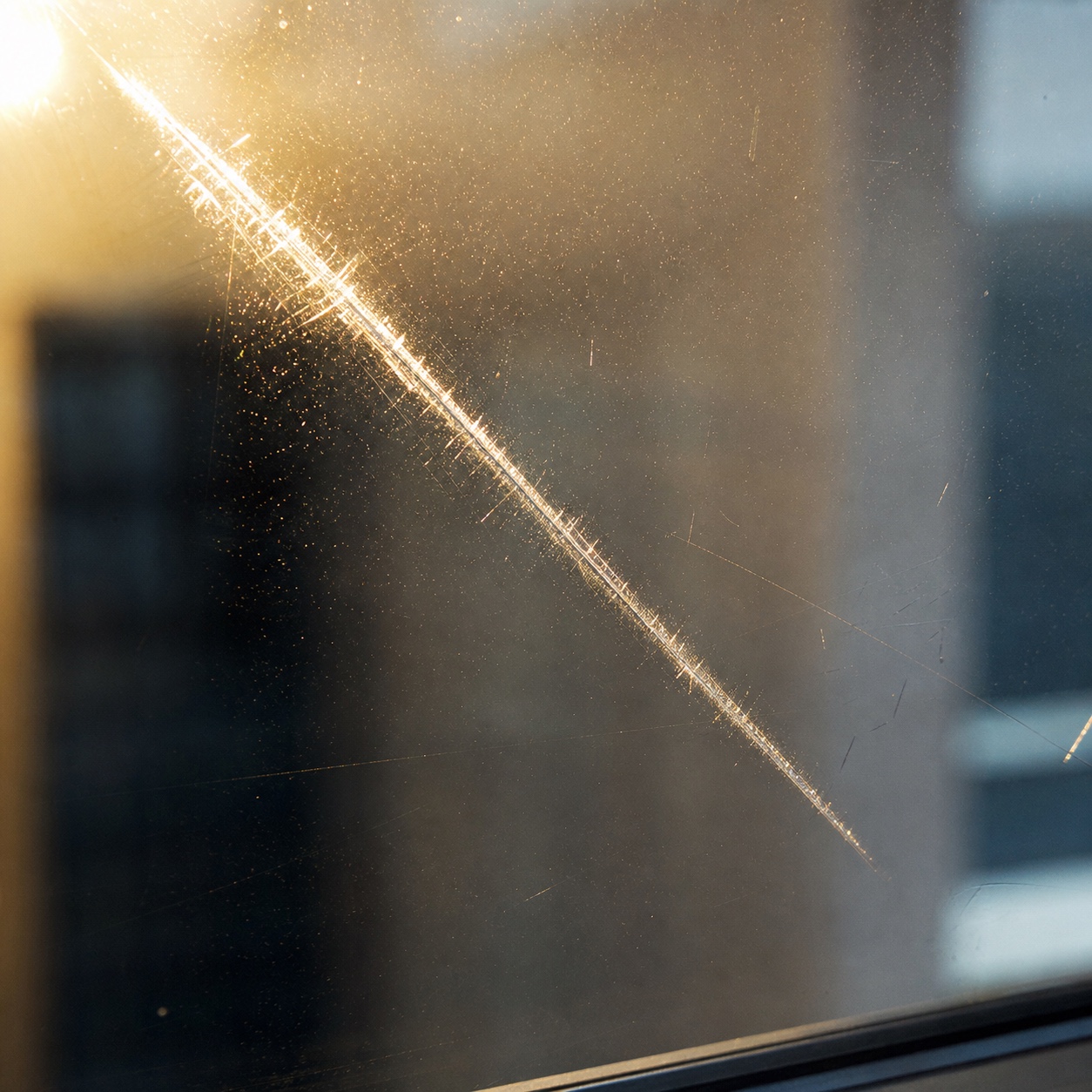
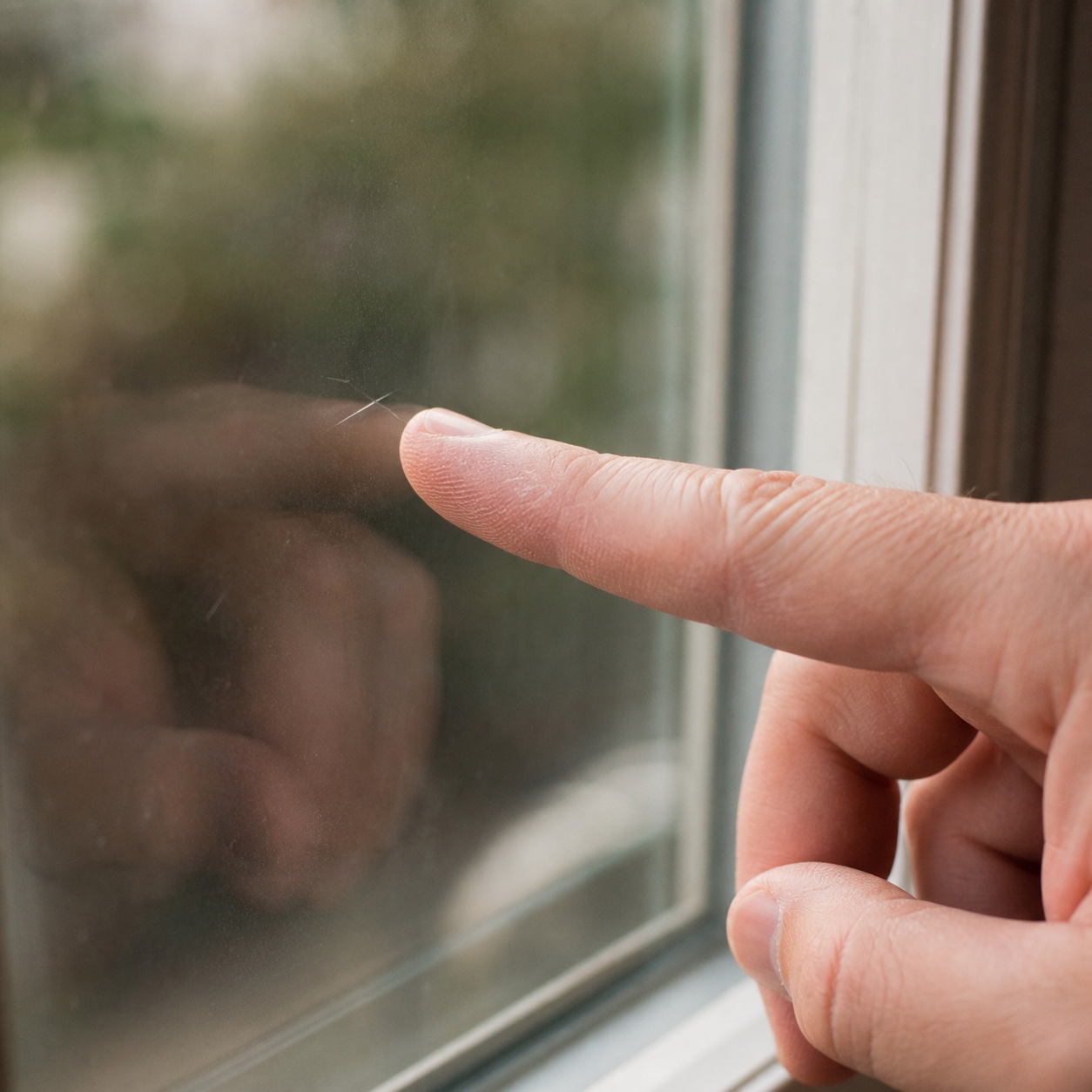
Test a scratch the way a jeweler would test a stone surface: run a fingernail across it lightly. If the nail catches, the mark has enough depth to matter structurally, not just visually. A scratch you can only see, not feel, is almost always safe to leave alone.
Repair, reseal, or replace?
How to decide without turning the article into a contractor-service page
Not every damaged pane needs a full replacement. Minor chips, a worn seal, or loose glazing putty are often repairable on their own, and the right call depends on the type of glass, where the damage sits, the age of the unit, and how much safety risk is involved. Replacement tends to make more sense once a crack is actively spreading, once double glazing has failed, or once the pane no longer meets the safety standard for its location, like a shower screen or a low-level balustrade.
If you’re weighing options and want an outside opinion before committing either way, a same-day assessment from a specialist like Glass Repair in Sydney can usually tell you within minutes which category a given pane falls into. For homes considering a broader glazing upgrade rather than a like-for-like fix, I’ve written separately about newer options in window innovations redesigning homes for style and efficiency, and it’s worth reading before you commit to matching what’s already there.
A few questions are worth asking whoever inspects the pane: is the damage limited to the surface, or has it affected structural strength? Is the frame itself putting pressure on the glass? Does the current pane still meet safety requirements for its location? The cheapest fix isn’t always the most economical one over a few years, especially if a patched repair on an already-stressed pane ends up failing again within a season.
Maintenance checklist for healthier windows and glass doors
A little regular attention goes a long way here. Clean the tracks and drainage holes so debris doesn’t put pressure on sliding doors, check silicone and rubber seals for cracking once or twice a year, and avoid slamming glass doors, since the shock travels straight into the pane edge. After any severe storm, walk the house and look at every window from both inside and outside; damage that’s easy to miss from one angle is often obvious from the other.
I keep this on the same seasonal rhythm as the rest of the house, and it pairs naturally with a broader look at maintaining your home’s vital entry points, since doors and windows tend to age at a similar rate and show similar warning signs. If a window is old enough that you’re unsure whether repair still makes sense, these signs it’s time to update your windows is a useful gut check before you spend money on either path.
Keep a short record too: which pane, what you noticed, and when. Two lines in a notes app is enough. When you eventually do call someone in, having a simple timeline of when a fog or a rattle first appeared makes the diagnosis faster and usually cheaper, since it rules out guesswork about how long a seal has actually been failing.

FAQ
What are the first signs of window seal failure?
The earliest signs are usually subtle: a faint haze between double-glazed panes that comes and goes with the weather, a slight draft you can only feel with your hand right against the frame, or a window that rattles slightly in wind it never used to react to. None of these look urgent on their own, which is exactly why they get ignored the longest.
Is condensation between panes always a failed seal?
Condensation on the inside surface of a single pane usually points to indoor humidity, not a seal problem, and often improves with better ventilation. Moisture trapped between two panes of a double-glazed unit is different: that almost always means the seal has failed and outside air has entered the insulating gap.
Can damaged glass affect energy efficiency?
Yes, and often more than people expect. A cracked pane or a failed seal lets conditioned air escape and outside air in, which forces heating and cooling systems to work harder to hold the same indoor temperature. In homes with solar panels, that extra load quietly eats into the savings the system was installed to deliver.
When should glass be replaced instead of repaired?
Replacement usually makes more sense once a crack is actively spreading, once a double-glazed unit has fogged permanently, once safety glass is damaged in a door or balustrade, or once repeated repairs on the same pane stop holding. A repair that fails again within a year often ends up costing more than replacing the unit properly the first time.
How often should homeowners inspect window seals?
A simple visual check twice a year, in spring and after the harshest stretch of winter or summer weather, catches most problems while they’re still small. Add an extra look after any major storm, since wind-driven debris and pressure changes are common triggers for seals and glass that were already starting to fail.
Does a failed window seal affect resale value?
It can, especially if fogged or cracked panes are visible during a home inspection. Buyers and inspectors both notice glass condition quickly, since it’s one of the few defects that’s obvious without special equipment. Fixing failed seals before listing a property is usually cheaper than the price reduction a buyer will negotiate for once they’ve spotted the same issue themselves.
Read the glass before it fails completely
Glass rarely breaks without warning. Cracks, rattling panes, trapped condensation, drafts, water stains and stubborn frames are all the same message delivered in different ways: something in the seal or the glass itself has started to give. Walk the house in daylight, look at each window from an angle as well as head-on, and treat anything unusual as worth a closer look rather than something to tape over and forget.

Catch it early and a window stays what it’s supposed to be: a clean piece of the facade that lets light in on your terms, not a slow leak in your comfort and your energy bill.
None of the checks in this piece need special tools or training, just a few minutes and a willingness to actually look closely instead of glancing past the glass on your way to something else. Do that twice a year, and the next crack, fog patch or draft you find will be small enough to fix on your own terms, not a surprise that shows up mid-storm.
- 19shares
- Facebook0
- Pinterest19
- Twitter0
- Reddit0