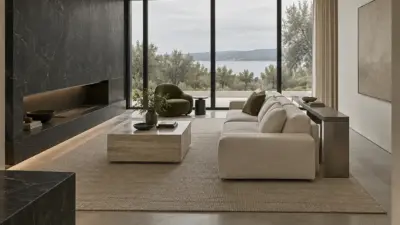
A beautiful bay window does more than open up your living space—it floods your home with natural light and adds valuable square footage. Whether you want to design a cozy reading nook with scenic views or explore distinct styles like bow, box, or oriel windows, getting the proportions right is key. Here is what you need to know about choosing, styling, and installing the perfect bay window for your home.
Projecting outward from the exterior wall of a house, bay windows add real interior space, a greater feeling of openness, and more roominess. In the process, they invite plenty of natural light from multiple directions, optimizing light and warmth throughout the day. Custom bay windows also provide the freedom to select frame materials, grid patterns, and glass types, achieving a perfect architectural match for your home’s unique style.
UBrothers Construction is the Massachusetts area’s premier bay window designer and installer, where craftsmanship meets energy efficiency and green value.
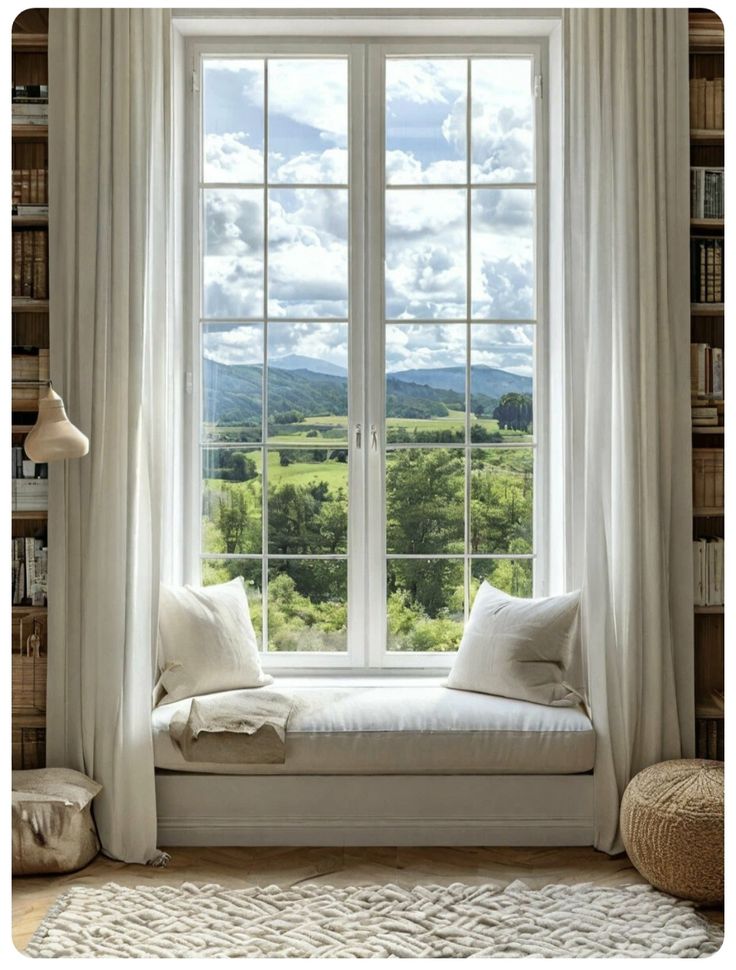
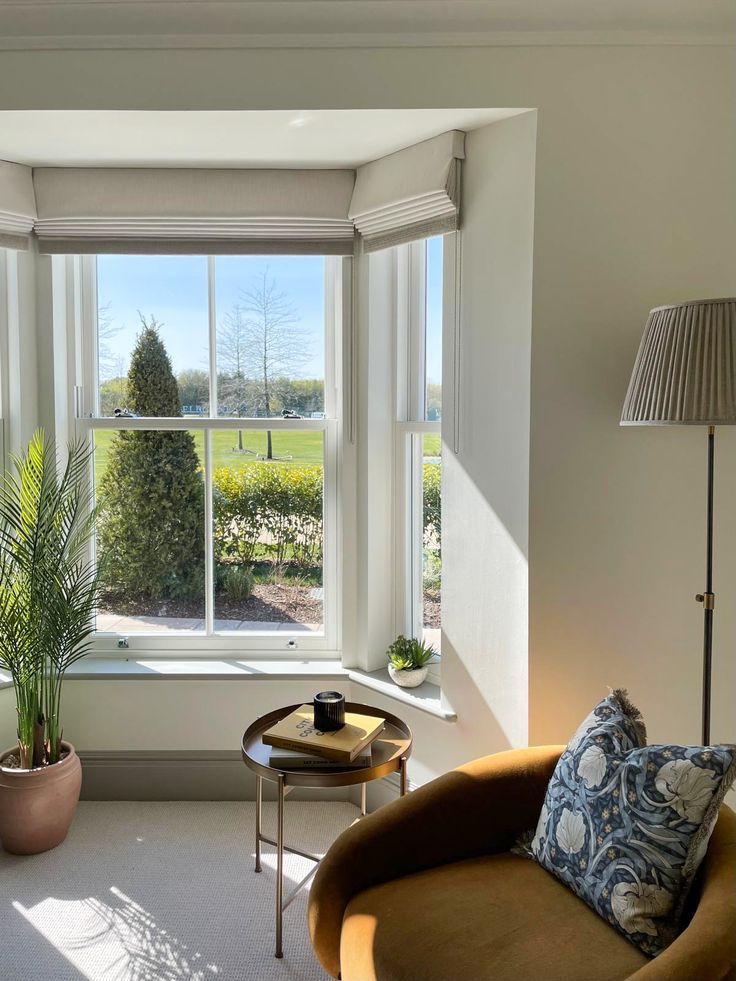
Popular Bay Window Ideas & Architectural Styles
When planning your renovation, there are several bay window ideas and structural designs to explore. From traditional three-pane configurations to custom shapes, the right style can transform both your interior comfort and exterior aesthetic:
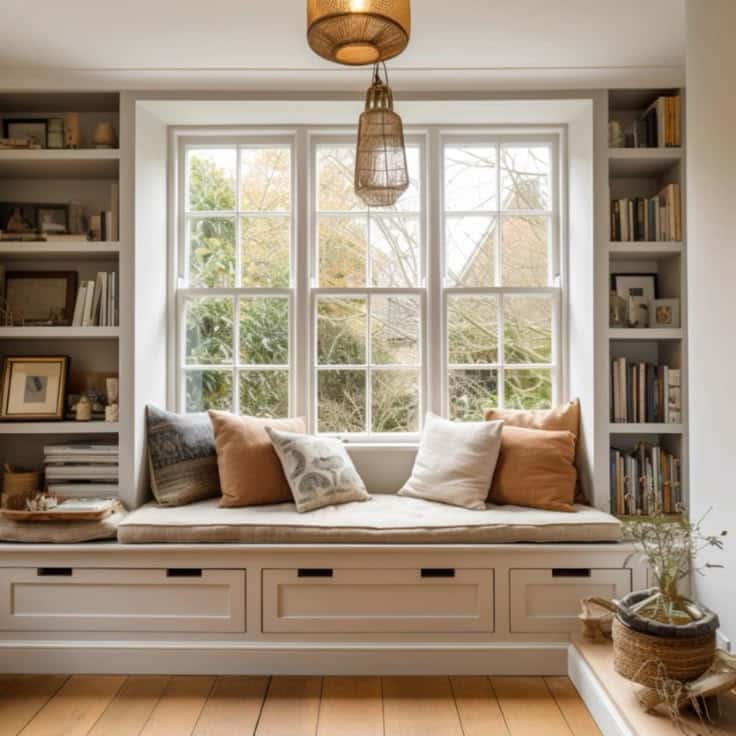
- Box Bay Windows: Featuring a rectangular 90-degree projection, box bay models are perfect for deep window seats or under-seat storage. If you want to maximize space efficiency, explore our guide on making small spaces feel larger to see how smart design choices expand your living area.
- Oriel Windows: Projected from upper stories without touching the ground, oriel units are supported by brackets or corbels, adding unique historical character. A well-planned creative home art studio design can benefit immensely from the focused, multi-directional light that these elevated styles provide.
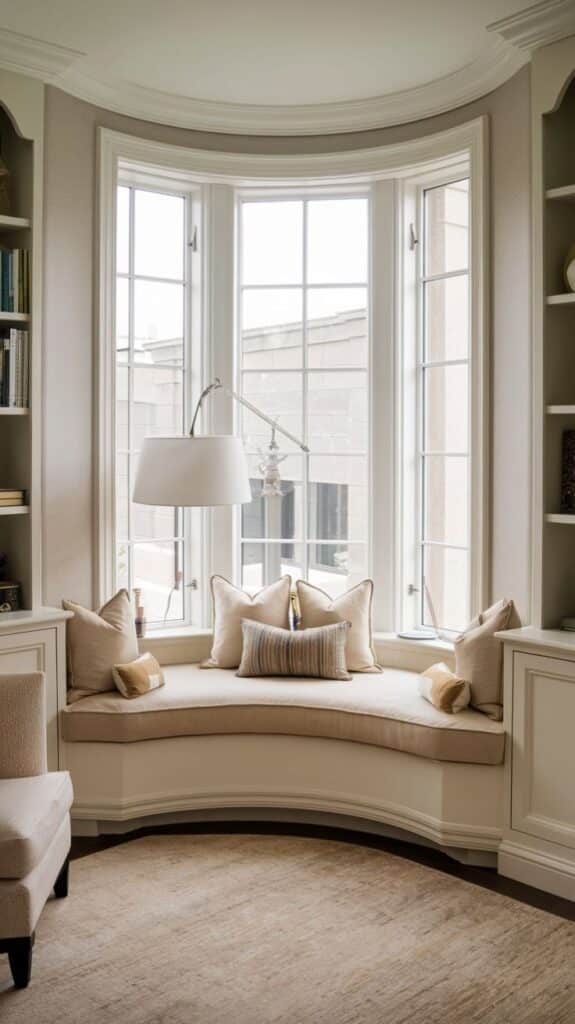
- Curved Windows (Bow): Using four to six panels to create a gentle, sweeping curve, bow models offer expansive panoramic views and are perfect for spacious living rooms.
| Window Type | Projection Angle | Number of Panes | Best For |
|---|---|---|---|
| Bay Window | 30 to 45 degrees | 3 panes (large center, 2 angled sides) | Cozy window seats, maximum space addition |
| Bow Window | Gentle sweeping curve | 4 to 6 panes | Panoramic views, elegant modern aesthetics |
| Box Bay | 90 degrees (rectangular) | 3 panes (flat front, 90-degree sides) | Herb gardens, deep interior shelves, modern spaces |
| Oriel Window | Projected on upper floors | Variable | Historic character, maximizing upper-story light |
Bay Window vs Bow Window: Key Differences & Styles
When deciding between a bay window vs a bow window, homeowners need to consider both function and form. Bow and bay windows have their first difference in structure: bay windows typically feature three panels set at sharp angles, while bow windows are composed of four or more panels arranged in a smooth curve. If you want to complement the traditional charm of wooden frames, many homeowners pair them with English cottage aesthetics for a timeless, rustic look.
Functionally, bay units are more likely to provide extra interior shelf or seating space due to their deeper projection, while bow windows allow more light in due to their larger surface area. If aesthetics and high performance are of utmost importance, Andersen bow windows and custom configurations can help achieve your dream look.
Bay Window Installation: Styles, Custom Options, and Cost
Homeowners can shop both locally and online to find bay and bow windows for sale. Locally based window professionals typically provide design consultations and custom installation, whereas online retailers provide an assortment of styles and prices. When budgeting for custom renovations, it’s wise to plan your entire project, from practical bathroom storage hacks to window replacement, to keep expenses under control.
Where there are options, material makes a difference. Vinyl bay windows are durable, low-maintenance, and insulated, so they are a favorite for modern homes. Wood bay windows bring the warmth of nature and can be stained or painted to blend with any decor—but will need a bit more maintenance. For high-end design, aluminum and composite options offer excellent structural support.
Homeowners can expect to pay between $1,200 and $3,500 for standard bay windows, depending on size, material, and features. Bow windows start at around $2,000 in larger, curved sizes and can exceed $6,000 in high-end models. Bay window installation cost can be higher than regular replacements due to the support structure required, but the added square footage and beauty are well worth the investment.
Professional installation is critical for airtight performance and structural integrity. Incorrect installations can lead to water penetration, drafts, and eventual repair costs. For this reason, bay window replacement and bow units installation should be handled by professional contractors. Proper execution is just as important as choosing the right style; whether drawing blueprints or planning structural changes, understanding simple architecture drawing ideas can help you visualize the final result.
Additional services, such as window repair and maintenance following garage door installation service, can be bundled to optimize home improvement costs in one cohesive package.
The Importance of Window Maintenance
While choosing the right bay or bow window is a major investment, keeping them well-maintained is just as essential for preserving their beauty and efficiency. Over time, dirt, pollen, and hard water stains can dull the glass and reduce the amount of natural light that enters. Clean windows do wonders for your well-being, which is why creating a low-stress home environment often starts with simple, bright spaces that connect you to the outdoors.
To preserve glass clarity, scheduling a professional residential window cleaning twice a year is a smart strategy. In addition to washing, inspect the frame caulk and weatherstripping regularly. Resolving small gaps early prevents water infiltration, structural rot, and drafts, keeping your home warm and cozy for years to come.
Boosting Efficiency and Home Value with Window Upgrades
Apart from the aesthetics and space value, new energy-efficient windows pay dividends in the form of lower monthly bills and improved home comfort. New windows reduce heat loss in winter and keep unwanted summer heat out, lessening the load on your HVAC. Adding high-performance glazing works hand-in-hand with external upgrades like landscaping styles for modern homes to boost your property’s overall curb appeal and resale value.
For the best value, discuss with window companies in your area for professional advice and local pricing. Compare, ask about warranties, and don’t hesitate to obtain multiple quotes to ensure your home receives the best.
Common Bay Window Design Mistakes to Avoid
When integrating a bay or bow window, small planning errors can lead to long-term frustration. Avoid these common pitfalls to ensure your investment stands the test of time:
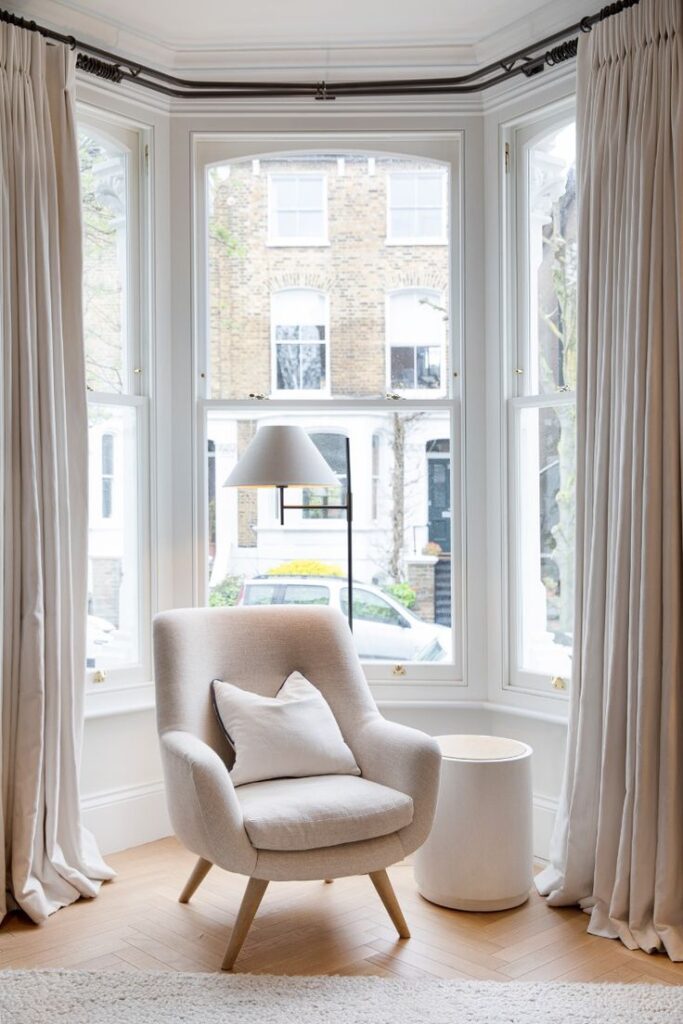
- Ignoring Window Treatment Clearances: Because panels project at angles, custom blinds or drapery rods need careful planning. Without enough clearance, window treatments can overlap, block light, or prevent the windows from opening smoothly.
- Choosing the Wrong Frame Material: While wood offers premium traditional aesthetics, putting it in moisture-prone rooms without proper sealing can lead to rot. For high-humidity or high-exposure areas, consider durable vinyl or aluminum-clad frames.
- Skimping on Under-Seat Insulation: A bay window seat acts as a cantilevered projection, meaning it is exposed to outdoor temperatures from below. Without thick insulation under the seat platform, your cozy reading nook can become a cold draft source in winter.
Related home update idea
Natural light changes how every surface reads. If you want flooring that catches that light without stretching the budget, these cheap flooring ideas are a useful next step.
Bay Windows & Style Inspiration FAQ
Have questions about choosing and styling bay windows? Explore our quick guide to finding the right match for your home:
Q: What is the primary difference between a bay window vs a bow window?
A: A bay window consists of three panels set at sharp angles (typically 30 or 45 degrees), projecting further outward to add interior shelf or seating space. A bow window uses four to six panels arranged in a gentle, sweeping curve, providing broader panoramic views and letting in more natural light due to its larger glass surface area.
Q: What is an oriel window, and how does it compare?
A: An oriel window is a type of bay window that is projected from the upper stories of a building and is supported by corbels, brackets, or masonry. Unlike standard bay windows, which rest on the home’s foundation or are cantilevered at the ground level, oriel windows are elevated, adding a classic, historic touch to home facades.
Q: What is a box bay window style?
A: A box bay window is structured with a rectangular 90-degree projection (a flat front panel and two side panels meeting at right angles). Because of its flat rectangular base, the box bay window is one of the most popular bay window ideas for creating comfortable built-in window seats, under-seat storage, or displaying potted herb gardens.
Q: What are some popular bay window treatments and ideas?
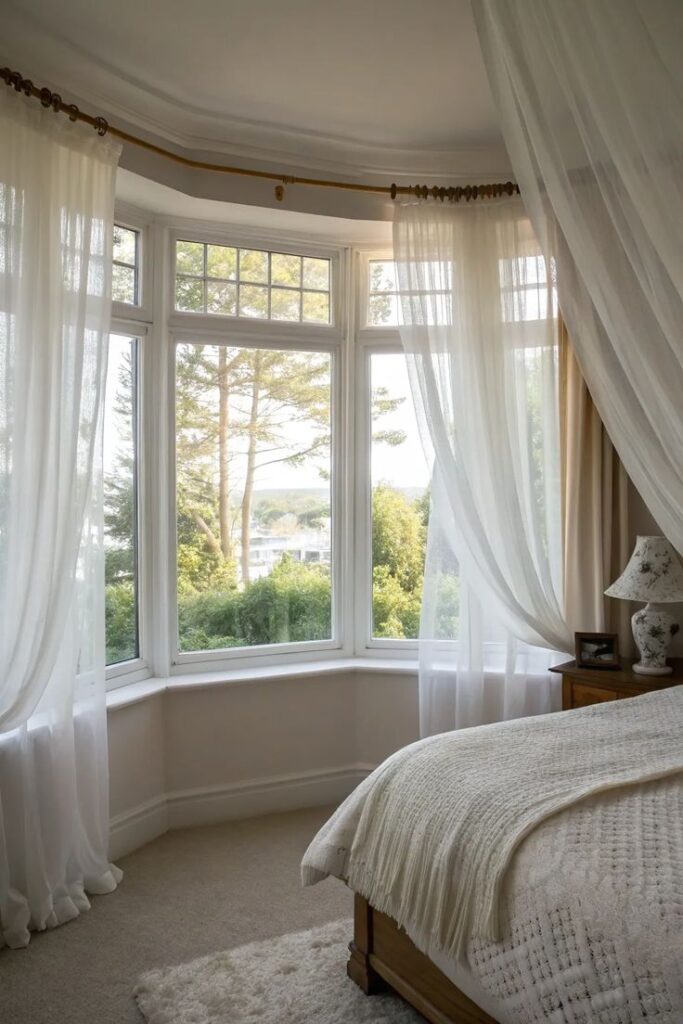
A: Decorating bay windows requires smart solutions. Popular bay window treatments include custom-fitted roman shades, cellular blinds on individual panes, or a continuous curved drapery rod with airy linen curtains. These choices frame the scenic view while managing sunlight and privacy effectively.
Q: How much do bay windows cost to install?
A: On average, a standard bay window replacement costs between $1,200 and $3,500. High-end, larger wood or custom aluminum models can exceed $5,000. Bow windows are generally more expensive, ranging from $2,000 to over $6,000, because they involve more individual panes and a complex curved structure.
Q: How do you prevent drafts near a bay window seat?
A: To keep your bay window seat warm and draft-free, ensure the cantilevered floor platform is fully insulated from underneath with high-R-value rigid foam or spray foam. Using triple-pane or double-pane low-E glass, sealing any micro-gaps with high-quality exterior caulk, and using thick window seat cushions will also block drafts effectively.
Related Practice & Next Steps
If you love creating cozy, light-filled corners in your home, interior upgrades shouldn’t stop with windows. Bringing more comfort into your private quarters is a wonderful next step; browse our curated bed canopy bedroom ideas to discover how to design a dreamy, relaxing retreat that perfectly complements your home’s architecture.
- 8shares
- Facebook0
- Pinterest8
- Twitter0
- Reddit0