
The best time to buy a house is usually the moment when three things overlap: the market gives you some negotiating room, the monthly payment still fits your budget, and the home itself will not punish you with avoidable repairs. Season matters, but it is only one part of the timing decision. A quiet winter listing can be a bargain, or it can be a house everyone else already rejected.
I look at home purchase timing the same way I look at a design project: the first read matters, but the hidden structure decides whether the choice holds up. For a buyer, that hidden structure is inventory, mortgage rates, inspection risk, repair budget, and personal readiness.
What is the best time to buy a house?
The best time to buy a house is often late summer through fall, especially September and October, because many markets still have listings left from the busy season while buyer competition starts to cool. Winter can give serious buyers even more leverage, but the tradeoff is thinner inventory. Spring usually gives you the most choice, and often the most competition. The smartest timing is not just the cheapest month. It is the point where price, selection, mortgage payment, inspection quality, and your cash reserves line up.

Seasonal home buying timing by goal
DataForSEO live SERP research for “best time to buy a house” showed Google AI Overview favoring pages that answer with a seasonal breakdown, not vague market-cycle theory. Sources such as NAR, Zillow, and Rocket Mortgage all point to the same broad pattern: spring brings choice, late summer and fall bring better balance, and winter can reward patient buyers.
| Season | Best for | Tradeoff | Buyer move |
|---|---|---|---|
| Spring | Maximum inventory and fresh listings | More competition and fewer discounts | Get preapproved early and decide fast only when the house is genuinely strong |
| Summer | Families moving before school and broad neighborhood choice | Still competitive in many markets | Watch for listings that sit past the first two weekends |
| Fall | Balanced inventory, softer demand, more negotiation | Some best homes are already gone | Use inspection and closing flexibility as leverage |
| Winter | Lower competition and motivated sellers | Limited inventory and weather complications | Inspect roof, drainage, heating, windows, and access carefully |
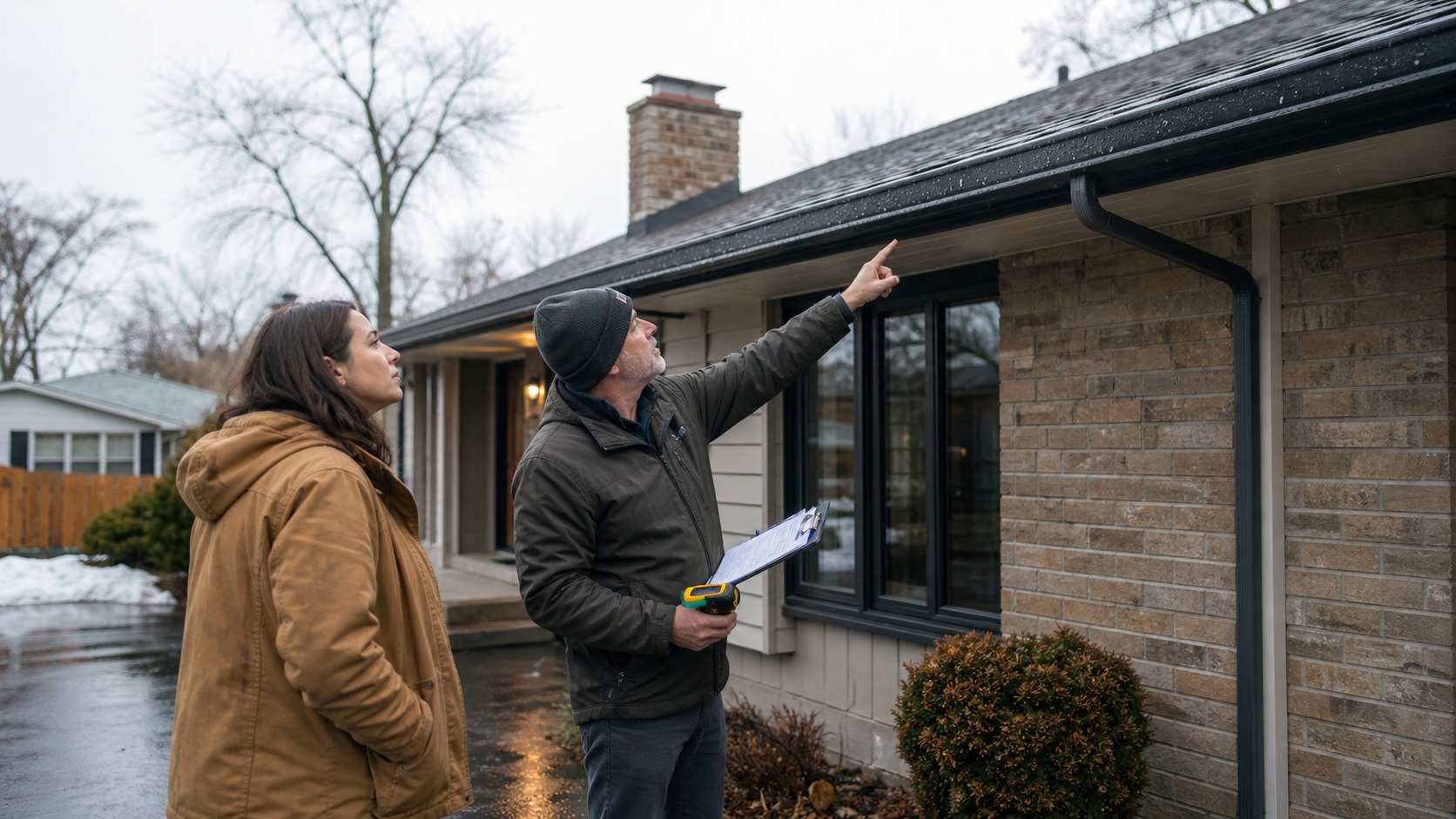
If you are buying with renovation in mind, study the condition of the house before you fall for the price.

Market signals that matter more than the calendar
The calendar can open the door, but market signals tell you whether to step through it. Track price reductions, days on market, inventory depth, mortgage rates, and the gap between list price and final sale price. Freddie Mac’s mortgage rate survey is useful for rate context, while CNBC’s month-by-month homebuying coverage shows why national averages can still hide local differences.
- Inventory: More listings give you options, but they also attract more buyers.
- Days on market: A good house sitting longer than similar homes may create room for negotiation.
- Price cuts: Repeated reductions can signal seller motivation, overpricing, or a property condition issue.
- Mortgage payment: A small rate change can matter more than a small discount if you plan to hold the loan for years.
- Inspection findings: A lower price is not enough if the house needs structural, roof, water, or HVAC work immediately.
For design-minded buyers, the most valuable house is often not the one with the trendiest finish package.

Financial readiness checklist before you make an offer
The worst time to buy is when the house works only on paper. Before making an offer, check the full monthly cost: principal, interest, taxes, insurance, HOA fees, utilities, maintenance, and the repairs you already know are coming. The CFPB Loan Estimate guide is a good reference for understanding the real loan costs before you compare offers.

- Keep emergency savings after the down payment and closing costs.
- Price the first-year fixes before you stretch for a larger home.
- Do not ignore moving costs, furniture, tools, landscaping, and utility setup.
- Ask whether the home still works if one income dips, rates stay high, or repairs arrive early.
This is also where downsizing, upsizing, or buying for lifestyle needs should become practical. A smaller home can save money only if the layout works. A larger home can add value only if you can maintain it. If your move is more about right-sizing than chasing square footage, compare the decision with downsizing home design before you shop.
Common timing mistakes buyers make
The biggest mistake is treating “best time” as a universal date. A motivated seller in November can be useful. A badly maintained house in November is still a badly maintained house. Another mistake is waiting for perfect rates while ignoring good homes that fit the budget now. Timing should improve your leverage, not replace your judgment.
- Chasing the lowest price only: Cheap can become expensive after inspection.
- Shopping before preapproval: You lose speed in competitive moments and confidence in slower ones.
- Ignoring local seasonality: School calendars, climate, tourism, and job markets change the pattern by city.
- Underpricing maintenance: A great mortgage payment can still feel heavy if the house needs immediate work.
Moving and settling in after the purchase
After the offer is accepted, timing shifts from market strategy to logistics. Book movers early, compare written estimates, and check insurance details before moving day. If you are searching locally, a query such as moving company Overland Park is one example of how buyers often start narrowing options by location.



Home purchase timing FAQ
Q: What is the best time to buy a house?
A: For many buyers, the best time to buy a house is late summer through fall, when inventory is still useful but buyer competition usually cools. October often gets mentioned because sellers who listed earlier in the year may be more willing to negotiate. The right answer still depends on your local market, mortgage rate, cash reserves, and how flexible you can be on move-in timing.
Q: What is the cheapest month to buy a home?
A: There is no cheapest month that works in every city, but winter and parts of late fall often produce better negotiation conditions. Fewer buyers are touring homes, sellers may not want to carry the listing into another season, and price reductions are easier to spot. The tradeoff is selection: you may see fewer homes, especially in family-heavy neighborhoods tied to school calendars.
Q: Is fall or winter better for buying a house?
A: Fall is usually better if you want a balance of choice and leverage. Winter can be better if price is the priority and you are comfortable working with lower inventory, holiday schedules, and weather-related inspection issues. I would treat fall as the cleaner search window and winter as the patient buyer's negotiation window.
Q: Should I wait for mortgage rates to drop before buying?
A: Do not base the whole decision on a rate prediction. Lower rates can improve monthly affordability, but they can also bring more buyers back into the market and push prices or competition higher. A cleaner test is whether today's payment, taxes, insurance, maintenance, and emergency reserve still leave your budget stable. If the numbers only work under a hoped-for lower rate, wait.
Q: How do I know if I am financially ready to buy a home?
A: You are closer to ready when you have stable income, manageable debt, cash for the down payment and closing costs, and a separate emergency fund after the move. Also budget for repairs, furniture, utilities, insurance, property taxes, and the boring fixes that show up in the first year. A home that empties every reserve is not a bargain.
Q: What salary do you need to afford a $400,000 house?
A: The salary needed for a $400,000 house depends on mortgage rate, down payment, property taxes, insurance, debts, and local costs. Two buyers with the same income can qualify for very different payments if one has student loans or a smaller down payment. Use a lender preapproval and a payment calculator, then stress-test the payment against your real monthly spending.
Q: What is the 20% rule when buying a house?
A: The 20% rule means saving a 20% down payment, which can reduce the loan size and may help avoid private mortgage insurance on many conventional loans. It is useful, but it is not the only responsible path. Some buyers use smaller down payments and keep more cash for repairs, moving, and emergencies. The safer choice is the one that keeps the full housing payment comfortable.
Final take
The best time to buy a house is not a magic month. It is the point where the market is giving you enough choice or leverage, your mortgage payment is still comfortable, and the property makes sense after inspection. If those three things line up in October, move. If they line up in February, move. If they do not line up yet, waiting is not hesitation. It is design discipline applied to one of the biggest purchases you will make.
- 72shares
- Facebook0
- Pinterest72
- Twitter0
- Reddit0