Selecting the right landscape style is crucial to ensuring your outdoor space enhances—rather than diminishes—the sleek, minimalist aesthetics of contemporary architecture. While traditional gardens with flowing, wild flowerbeds clash with clean structural lines, modern landscaping styles focus on geometric forms, neutral materials, and low-maintenance greenery. In this guide, you will learn the top three landscaping styles for modern houses: minimalist designs, Japanese Zen gardens, and water-efficient xeriscaping. Each style offers a clean, elegant, and sustainable solution to elevate your home’s curb appeal while aligning perfectly with a modern lifestyle.
| Landscaping Style | Visual Aesthetic | Maintenance Level | Water Efficiency | Typical Materials |
|---|---|---|---|---|
| Minimalist | Ultra-sleek, geometric, balanced | Low | Medium | Concrete, gravel, neutral stones |
| Japanese Zen | Tranquil, natural, flowing | Medium-Low | Medium-High | Moss, raked sand, river rocks, timber |
| Xeriscaping | Simple, organic, raw, sustainable | Extremely Low | Very High (90%+) | Native shrubs, wood mulch, drip lines |

1. Minimalist Landscapes
What are the Key Features of Minimalist Landscapes?
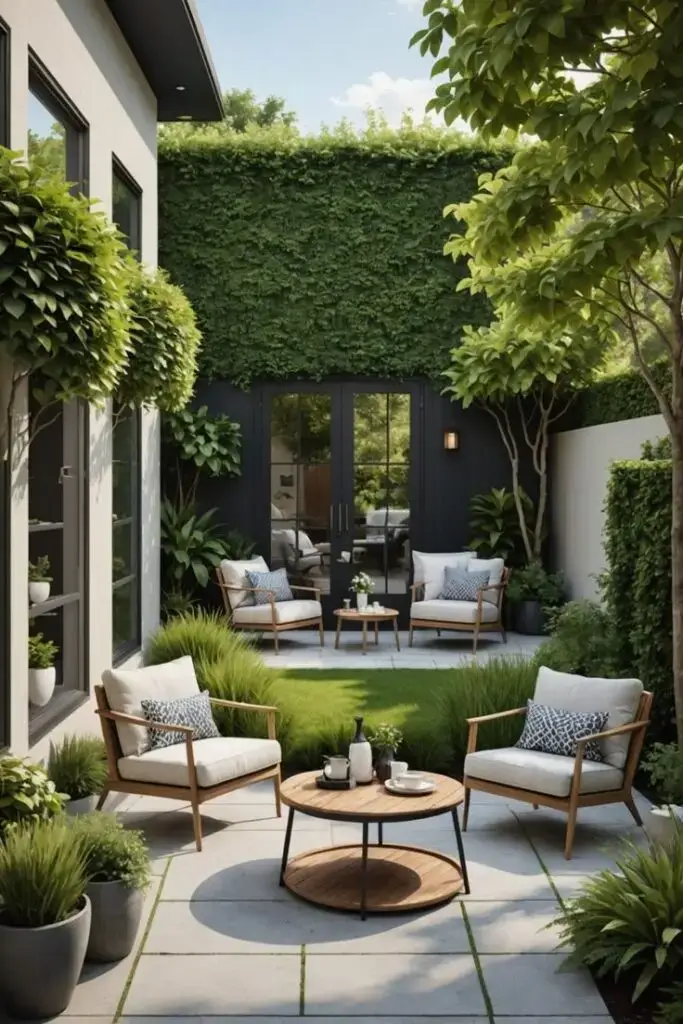
Minimalist landscapes are characterized by their clean structural lines, restricted color palettes, and geometric simplicity, making them exceptionally well-suited for contemporary residential architecture. By utilizing a restrained color range limited to neutral tones like white, black, and gray, minimalist landscape design brings an ultra-sleek, cohesive aesthetic that echoes the home’s modern facade. A core tenet of this style is “less is more,” prioritizing hardscape features like concrete walkways, stone pathways, and gravel beds over high-maintenance softscapes. Trimming evergreen plants, structural ornamental grasses, and specimens into neat, well-defined shapes preserves the sleek architectural vibe. From a lifestyle perspective, these gardens are highly practical for modern homeowners who prioritize convenience, as the limited planting and durable hard materials drastically reduce the required time and effort for ongoing maintenance, pruning, and watering compared to traditional flower-heavy gardens.

2. Japanese Zen Gardens
What are the Key Elements of a Modern Japanese Zen Garden?
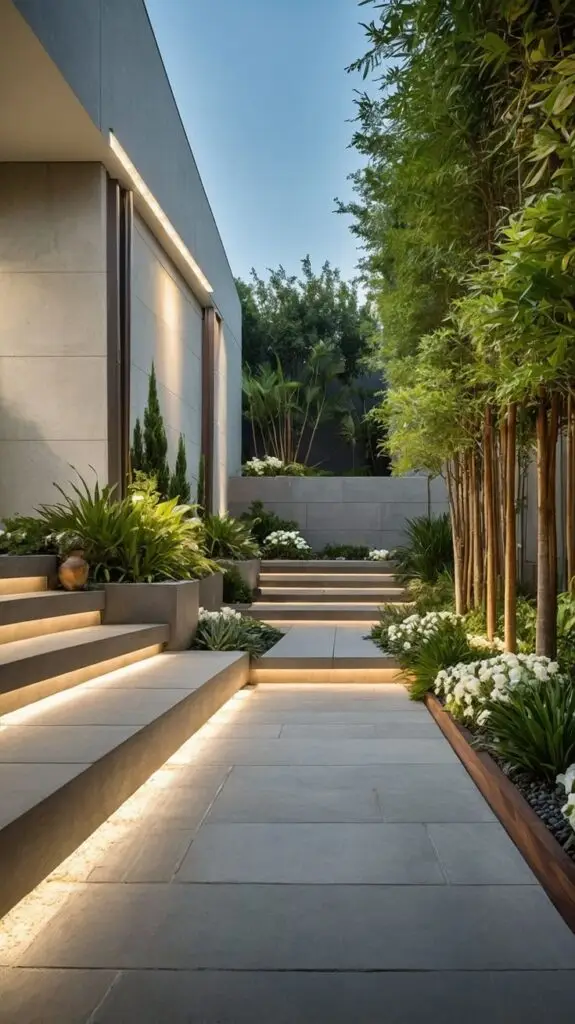
Japanese Zen gardens, also known as karesansui, represent another landscape style that is exceptionally well-suited for modern outdoor spaces. Emphasizing simplicity, natural materials, and minimalism, Zen gardens are designed to foster a sense of tranquility, contemplation, and mindful relaxation. Unlike sleek, geometric minimalist yards, Zen garden design incorporates organic flow and natural stone compositions to evoke water patterns and mountain forms. Raked gravel or sand beds represent water, while carefully positioned boulders denote landmasses or islands, encouraging viewers to slow down and reflect. Groundcovers like moss and structural green accents are selected over vibrant, seasonal flowers to preserve the timeless, organic palette. This aesthetic pairs perfectly with the clean lines of contemporary residential architecture, offering a balanced, natural sanctuary that requires less maintenance than a traditional western garden while delivering high visual and mental harmony.


3. Xeriscaping
What are the Main Benefits of Xeriscaping?
Xeriscaping is a specialized low-maintenance landscaping style designed specifically for arid climates or water-conscious homeowners seeking to minimize supplemental irrigation and upkeep. Unlike traditional water-intensive turf lawns, xeriscaping relies on three foundational elements: native vegetation, efficient drip irrigation infrastructure, and water-retaining organic mulches or inorganic hardscapes. Native plants are highly advantageous because they have adapted naturally to local soil and weather patterns over centuries, allowing them to thrive primarily on natural rainwater once fully established. This biological resistance dramatically decreases the need for synthetic fertilizers, chemical pesticides, and weekly watering. According to regional studies, transitioning to a professionally designed xeriscape can reduce residential outdoor water consumption by 50 to 70 percent, providing massive cost savings while contributing to climate resilience. The resulting outdoor space is highly sustainable, functional, and clean, ensuring a clean aesthetic that complements modern architectural styles without requiring intensive labor.


For remote sites, planting can also screen tanks, treatment plants, and drainage runs. That is where it helps to study how architects hide rural home infrastructure in the landscape before the garden plan is locked.
Frequently Asked Questions
Q: What is the best landscaping style for a modern house?
A: The most suitable styles are Minimalist Landscapes, Japanese Zen Gardens, and Xeriscaping. Each of these styles emphasizes simplicity, neutral colors, geometric structures, and clean lines that naturally complement modern residential architecture.
Q: How do you make a modern landscape low-maintenance?
A: You can reduce ongoing maintenance by increasing hardscape elements (such as concrete pathways, stone pavers, and decorative gravel), installing automated subsurface drip irrigation, and utilizing native plant species that thrive on natural rainfall.
Q: What are the core materials used in modern hardscaping?
A: Modern hardscapes rely heavily on neutral-colored structural materials such as poured architectural concrete, limestone or slate slabs, dark river rocks, pea gravel, powder-coated aluminum accents, and sustainable hardwood timber decks.
Q: Is a Japanese Zen garden considered minimalist?
A: While they share core values like simplicity and uncluttered spaces, Japanese Zen gardens focus more on organic flow, natural asymmetric stone patterns, and contemplative spiritual elements rather than the strict geometric lines and flat color schemes of standard minimalist yards.
Q: What are the main advantages of xeriscaping?
A: Xeriscaping dramatically lowers outdoor water consumption, cuts irrigation utility costs, eliminates the need for constant mowing or chemical pesticides, and builds climate resilience by relying on drought-resistant native flora.
Q: How much water does xeriscaping save compared to traditional turf lawns?
A: Transitioning from a traditional grass turf lawn to a professionally designed xeriscape can reduce your residential outdoor water consumption by 50% to 70% while maintaining a clean, contemporary aesthetic.
Related home update idea
A polished yard improves curb appeal, but the interior surfaces shape daily comfort. These easy flooring options can help you carry the same practical design thinking indoors.
Conclusion
So when it comes to modern landscaping, you have a few landscaping styles to choose from. You can either choose a super sleek look, a more elegant look, or go for a more low-maintenance landscape.
Either way, it’s always a good idea to hire professionals who know what they’re doing to guarantee you a beautiful, well-done outdoor space.
For example, Louisville Landscape Pros is an excellent landscaping company that specializes in landscaping Louisville homes, so Louisville residents should opt for companies like that.
Similarly, wherever you stay, make sure to do your research and choose a reputable local landscaper like Louisville Landscape Pros.
- 1.0Kshares
- Facebook0
- Pinterest1.0K
- Twitter0
- Reddit0