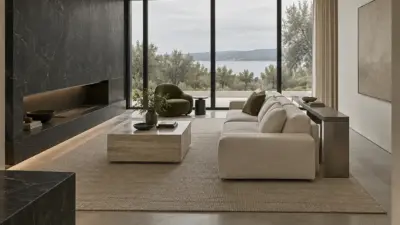
Cozy interior design starts before the cushions and candles. A room feels warm when the light is gentle, the seating makes sense, the heating works quietly, and the materials have enough texture to slow the eye down. If one of those basics is wrong, the space can look styled in photos and still feel cold when you actually live in it.
I like to judge a room with a simple test: where would I naturally sit for ten minutes without reaching for my phone? If the answer is unclear, the room probably needs a stronger comfort anchor. In this guide, that means heat, a gathering point, kitchen rituals, and the smaller layers that turn a polished house into a home sanctuary.
What makes cozy interior design feel warm and livable?
Cozy interior design feels warm and livable when the practical layer and the visual layer support each other. Start with comfort systems: steady heat, controlled drafts, dimmable lighting, and furniture that lets people sit close enough to talk. Then add sensory texture through wood, wool, linen, ceramic, stone, plants, and warm metal finishes. Finally, give the room a clear reason to gather, such as a fireplace, a generous table, a reading chair, or a kitchen surface that invites slow cooking. The best cozy homes are not crowded. They are edited. Every object has either a job, a memory, or a tactile quality that makes the room feel more human.
| Cozy layer | What to check | Why it matters |
| Heat | Cold corners, drafts, uneven rooms | A beautiful room still feels wrong if your body is uncomfortable. |
| Light | Warm bulbs, shaded lamps, dimming | Soft light makes texture visible and reduces the showroom feeling. |
| Texture | Wood, linen, wool, ceramic, matte finishes | Tactile surfaces make a room feel used, not staged. |
| Gathering point | Fireplace, table, reading chair, low seating group | People need an obvious place to settle. |
| Daily ritual | Tea, cooking, books, music, quiet work | A cozy home is built around repeated moments, not one photo angle. |
Rethinking home heating as part of cozy interior design
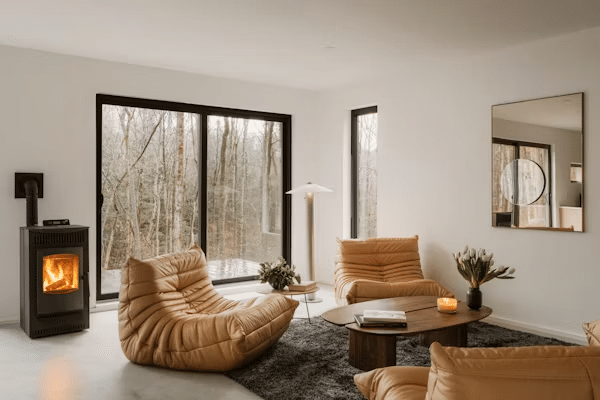
Heating is one of the least glamorous design decisions, but it shapes the whole mood of a room. If the air is dry, the floor is cold, or one chair is always in a draft, no amount of styling will make the space feel settled. In a cozy home design plan, I would treat heat the same way I treat lighting: quietly, early, and room by room.
Traditional convection heaters warm the air first. That can work, but it often creates layers of comfort: warm near the heater, cold near the window, stuffy at head height, chilly around the feet. Radiant heat feels different because it warms surfaces and people more directly, closer to how sunlight feels on skin on a cool morning.
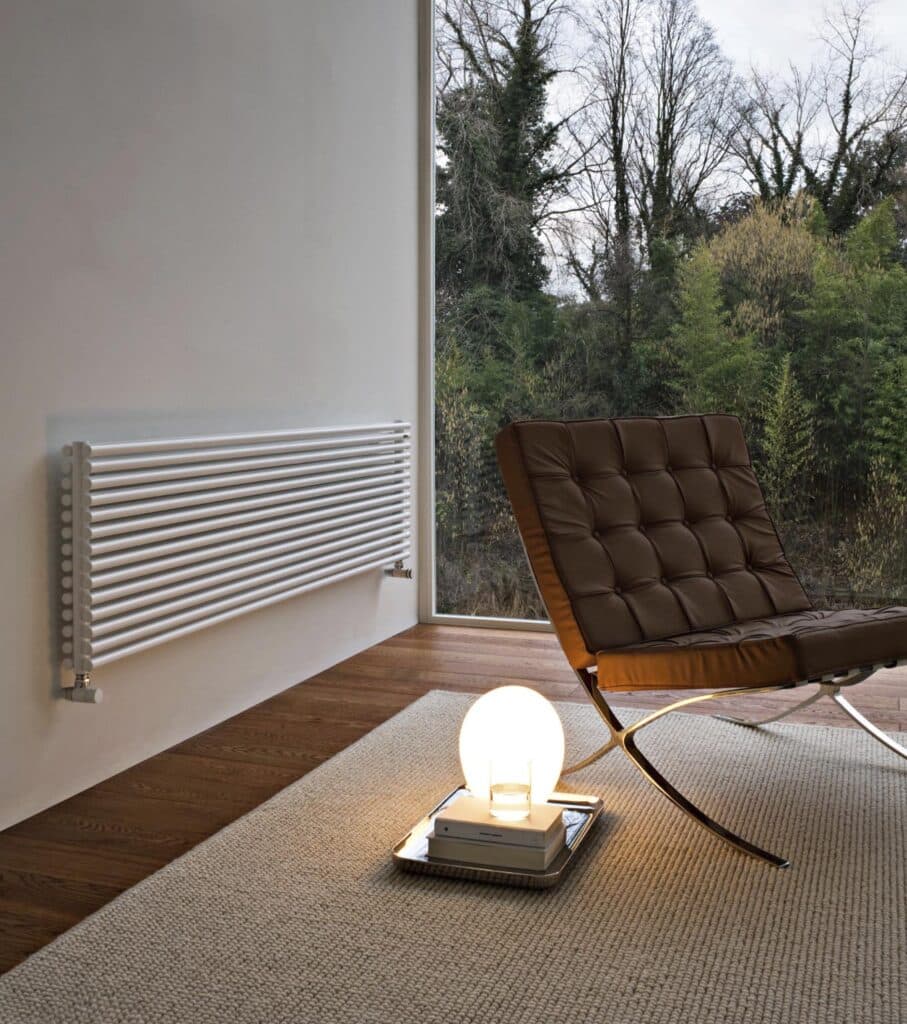
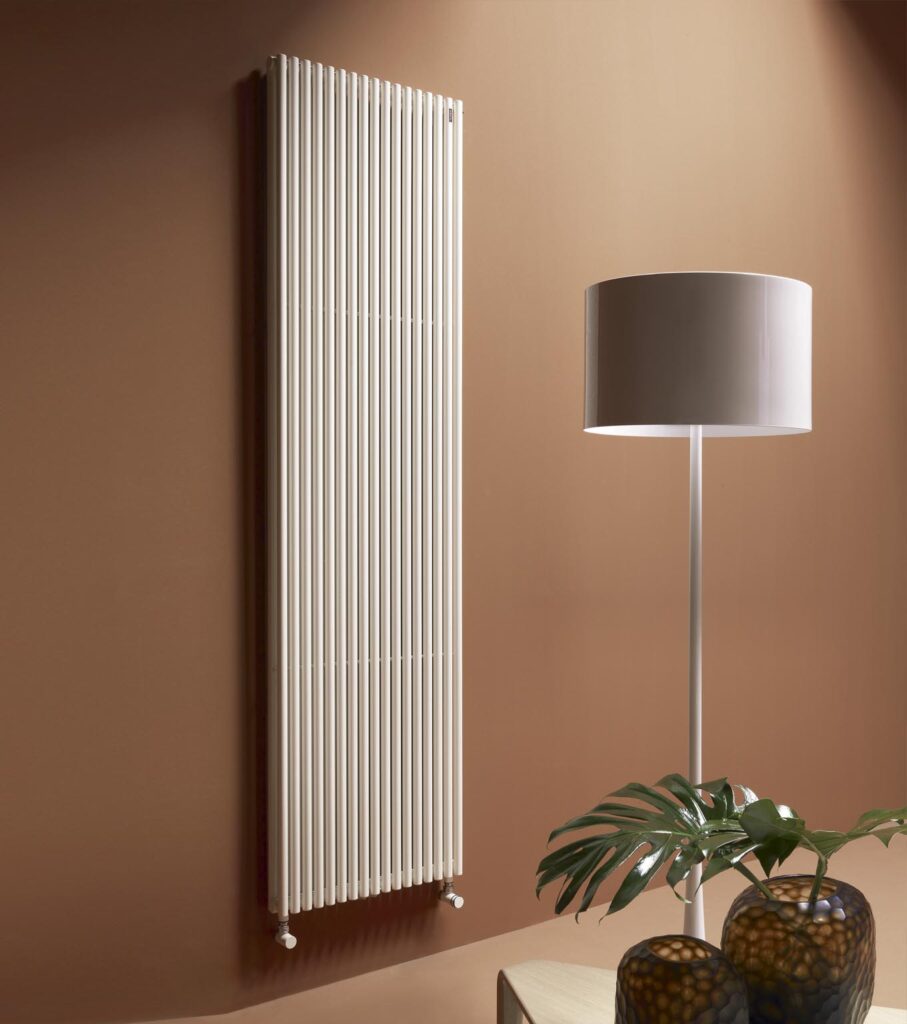
When you are renovating or building, considering hydronic radiators can open up options that forced-air systems cannot match. These systems circulate heated water through sealed panels, then radiate warmth into the room. The best part is the quietness: no blown dust, no loud fan, and no dramatic hot-and-cold cycle.
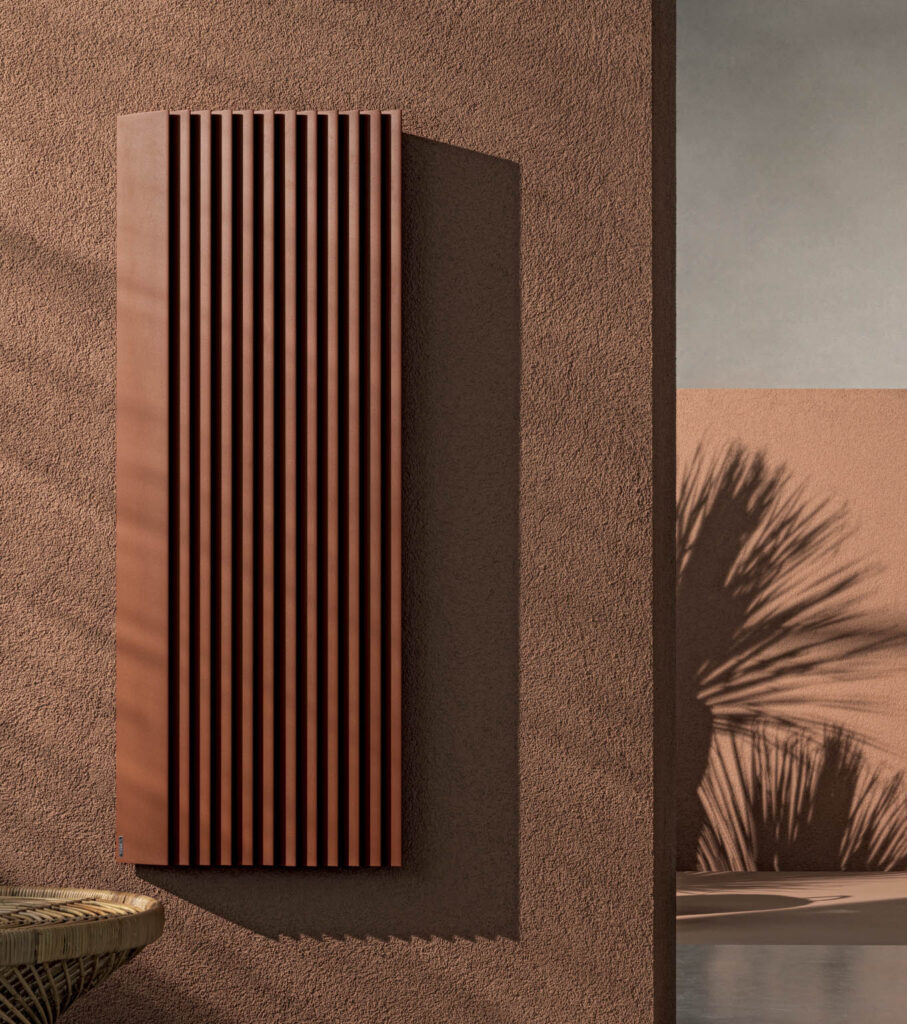
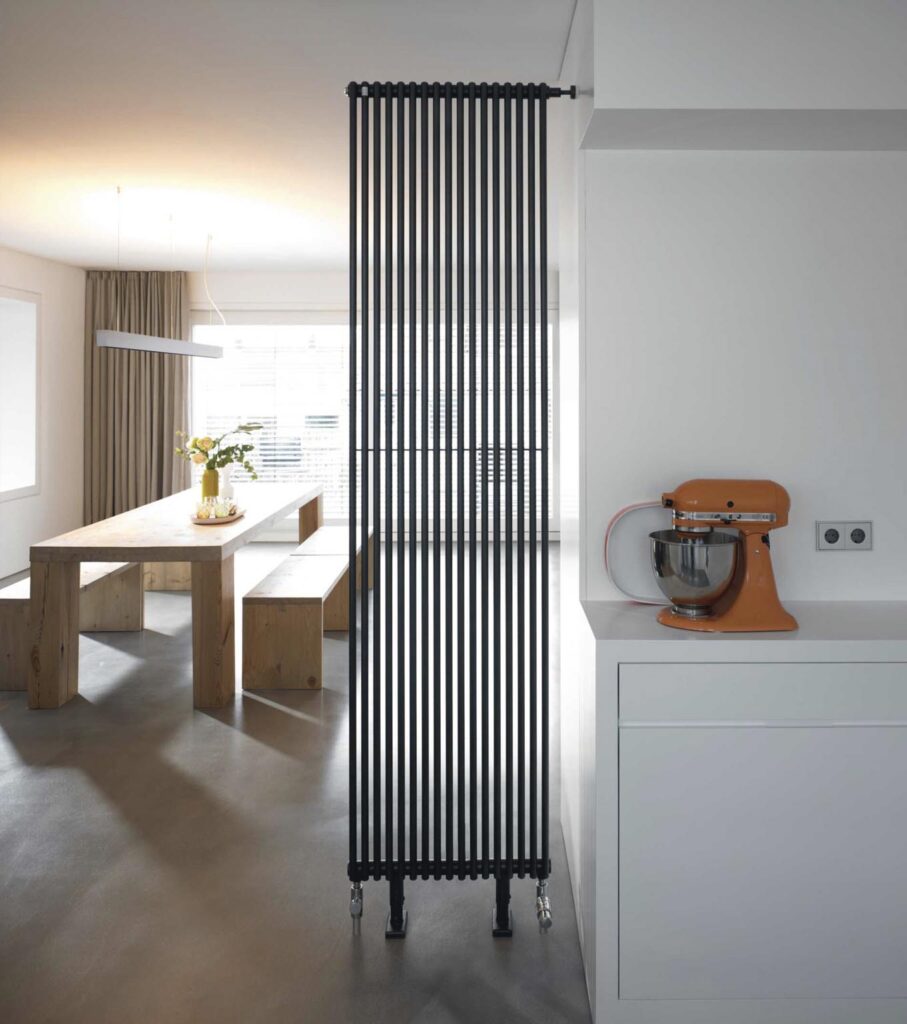
The design advantage matters too. Modern radiators can be slim vertical panels, low units below windows, or colored architectural details rather than clumsy metal objects you try to hide. If your room is compact, pair this with smart circulation ideas from downsizing home design so warmth, storage, and movement work together instead of fighting for space.
For a cleaner interior direction, use heat as part of the material palette. A warm wall color behind a radiator, a wool rug nearby, and a lamp with a fabric shade can make the heating zone feel intentional. This is also where warm minimalism interior design becomes useful: it keeps the room edited without letting it turn sterile.
Create a gathering point that pulls people into the room
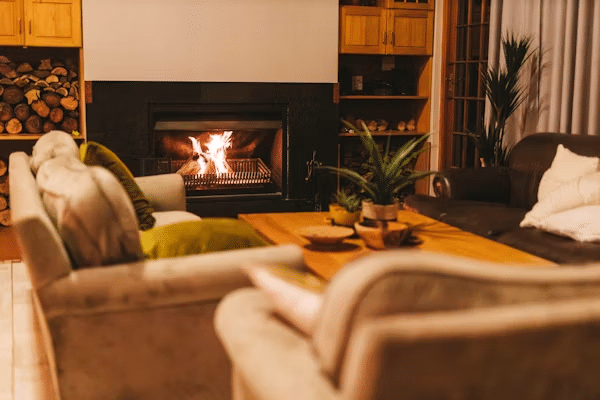
The living area needs a center of gravity. That does not always mean a fireplace, but it does mean the room needs one clear place where people naturally pause. A sofa pointed at a blank wall can feel like a waiting room. The same sofa angled toward firelight, a low table, and two lamps begins to feel like a place to stay.
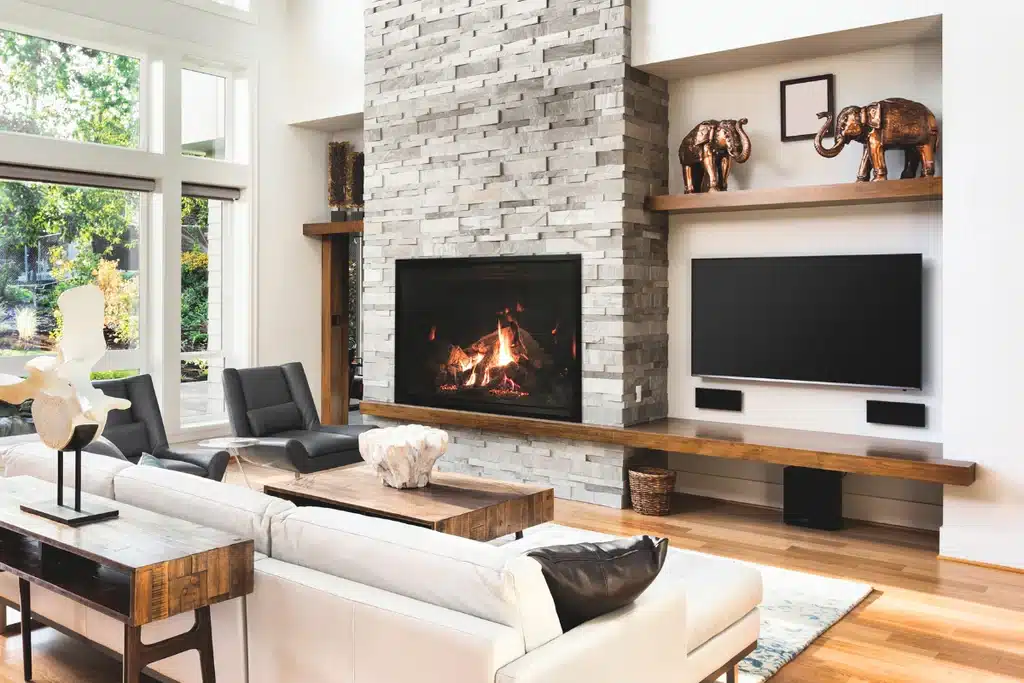
For many homes, a fireplace still does this job better than almost anything else. Traditional wood fires have a beautiful ritual, but they also bring ash, smoke, storage, and maintenance. Contemporary gas fireplaces simplify the experience: instant flame, controlled heat, less cleanup, and more layout flexibility.
The layout is where people often go wrong. A fireplace should not be treated as a decorative screen. Give it breathing room, balance it with seating, and keep the nearest table low enough that the flame line remains visible. If the fireplace is already the room anchor, use fireplace decor ideas carefully, with fewer, larger pieces instead of a crowded mantel.
Some designs can also extend the cozy interior mood outside. A covered patio, courtyard, or outdoor hearth can make the home feel larger without making the interior busier. For that next layer, compare the fireplace zone with outdoor living room ideas so the inside and outside read as one connected comfort story.
Make the kitchen part of the home sanctuary

The kitchen creates a different kind of warmth. It is the smell of onions softening in a pan, tea steam near a window, bread on a cutting board, or a heavy pot set in the middle of the table. A cozy home is not only about sitting still. It is also about the small rituals that make daily life feel less mechanical.
The tools matter because they change your patience. Thin pans scorch food and make cooking feel nervous. Heavier cookware asks you to slow down, preheat properly, and let the material do its job. Enamel cast iron cookware is useful here because it holds heat steadily, handles acidic foods, and can move from oven to table without looking out of place.
From a design perspective, cookware can become part of the room rather than visual noise. A deep colored Dutch oven on a shelf, a timber board near the stove, and a linen towel over the oven handle do more for warmth than five purely decorative objects. If the kitchen itself needs a bigger rethink, start with kitchen remodel ideas that improve flow and storage before chasing finishes.
Layer texture, light, and daily rituals
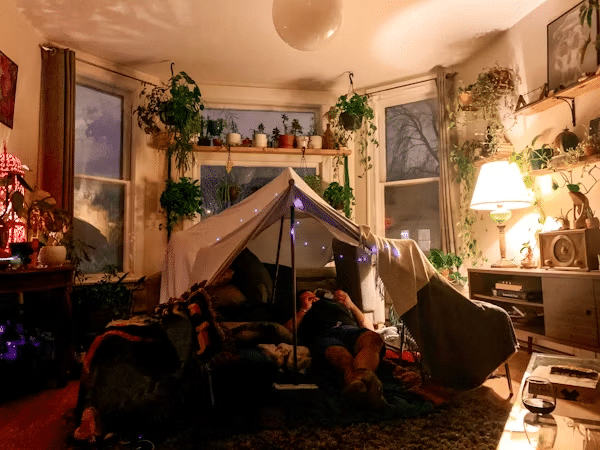
The strongest cozy rooms usually have a practical base and a sensory top layer. Heat keeps the body comfortable. Light makes the room forgiving. Texture gives the eye somewhere to land. Ritual gives the space a reason to exist. When those four work together, the room does not need much decoration to feel complete.
I usually look for contrast first. Smooth walls need woven fabric. A large sofa needs a smaller chair or stool nearby. A shiny kitchen needs something matte, like wood, ceramic, or linen. This is why cottage rooms often feel warm even when they are imperfect; cottage interior design understands wear, softness, and irregularity better than overly polished rooms do.
Lighting is the fastest low-risk fix. Use shaded lamps instead of relying only on ceiling lights, keep bulbs in a warmer range, and give task areas their own glow. A desk, reading chair, or studio corner can still feel calm if the light is handled well. The same thinking shows up in home art studio ideas, where comfort depends on useful light rather than decoration alone.
Build your home sanctuary in the right order
Transforming a house into a home that embraces you does not require a full renovation or unlimited budget. It requires a better order of decisions. Start with the discomfort you actually feel: cold rooms, harsh light, awkward seating, a kitchen that makes cooking annoying, or a living area nobody uses unless the TV is on.
Then fix the layer that causes the problem. Do not buy more cushions for a room that needs warmer lamps. Do not buy a new coffee table if the seating is too far apart. Do not repaint before you understand whether the room feels cold because of color, drafts, or bad lighting. This is where the broader living room interior design ideas framework can help you check layout, focal points, and comfort together.
I would keep one small rule in mind: a cozy home should feel easy to return to. If an upgrade makes the room prettier but harder to use, it is probably the wrong upgrade. If it makes you cook more often, sit longer, talk more easily, or notice the light at the end of the day, it is doing real design work.
Related cozy home design guides
- For a softer color and material direction, read warm minimalism interior design.
- For smaller rooms, start with downsizing home design before adding decor.
- For hearth styling, use fireplace decor ideas as the next step.
- For a gathered backyard or patio, compare this with outdoor living room ideas.
- For a lived-in traditional mood, explore cottage interior design.
- For room layout and furniture balance, revisit living room interior design ideas.
- For creative corners and useful light, see home art studio ideas.
- For visual warmth through buildings and materials, browse architecture inspiration ideas for creative homes.
Cozy interior design FAQ
Q: What is cozy interior design?
A: Cozy interior design is a way of planning rooms so they feel warm, settled, and easy to use. It is not only soft pillows or beige paint. The stronger version combines steady heat, layered lighting, comfortable seating, natural texture, useful kitchen tools, and a clear focal point so the room supports real daily life.
Q: How do you make a home feel warmer without clutter?
A: Start with lighting, texture, and layout before buying more decor. Use warmer bulbs, add one or two tactile materials such as wool, linen, wood, or ceramic, and pull seating into a clearer conversation zone. If a room still feels cold, check the heating pattern and window drafts before adding more small accessories.
Q: What colors work best for a cozy home?
A: Warm whites, clay, terracotta, muted olive, tobacco brown, honeyed wood, mushroom grey, and soft charcoal all work well. The trick is undertone. A room can be pale and still feel cozy if the whites are creamy, the metals are not too icy, and the fabrics have enough texture to catch light softly.
Q: Is a fireplace necessary for cozy interior design?
A: No, but a fireplace is an easy focal point when the room supports one. You can create a similar feeling with a strong lamp, a textured wall, a generous rug, a low table, and seating that faces inward. The goal is a place where the eye can rest and people naturally want to sit.
Q: How can I make a modern home feel cozy?
A: Balance clean lines with warmer materials. A modern room usually needs fewer objects, not colder ones. Use timber, woven fabric, matte ceramics, warm metal finishes, soft light, and one strong comfort anchor such as a fireplace, reading chair, or dining table where people actually linger.
Q: What is the biggest cozy home design mistake?
A: The most common mistake is decorating the surface while ignoring comfort systems. If the room is drafty, badly lit, noisy, or awkward to sit in, more cushions will not fix it. Solve heat, glare, seating distance, circulation, and storage first. Then the decorative layers finally have something solid to sit on.
A cozy interior is not a shopping list. It is a set of decisions that make the house easier to inhabit: steady warmth, forgiving light, materials with touch, and places where daily rituals can happen without friction. Get those right first, and the decorative layer becomes much simpler.
- 16shares
- Facebook0
- Pinterest16
- Twitter0
- Reddit0