When you draw every day, it is easy to fall into a rut. Your hand goes on autopilot, repeating the same shapes and angles, and your creative spark can start to feel a bit dull. Over my 15+ years of design and composition work, I have found that technical skill is only half the battle—the other half is keeping your imagination agile and playful.
Engaging in targeted drawing exercises is one of the most effective ways to break those automatic habits, challenge your brain, and inject some genuine fun back into your studio routine. These drills aren’t about producing a masterpiece for a museum wall; they are about opening up a pressure-free space in your sketchbook where you can fail, experiment, and grow.
Why Practice Drawing Exercises?
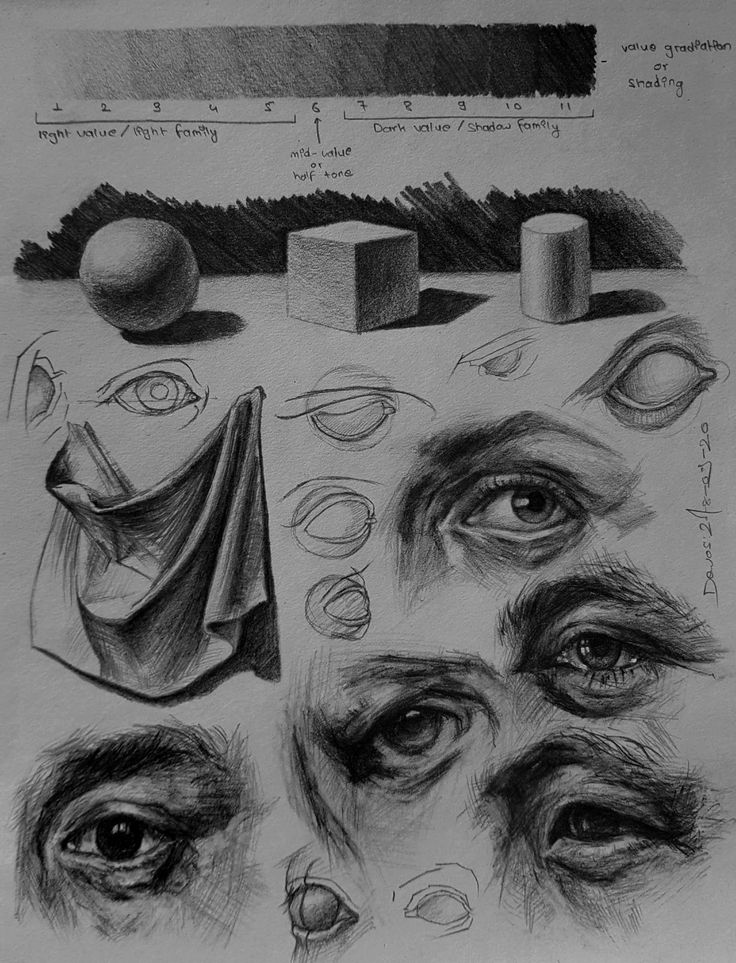
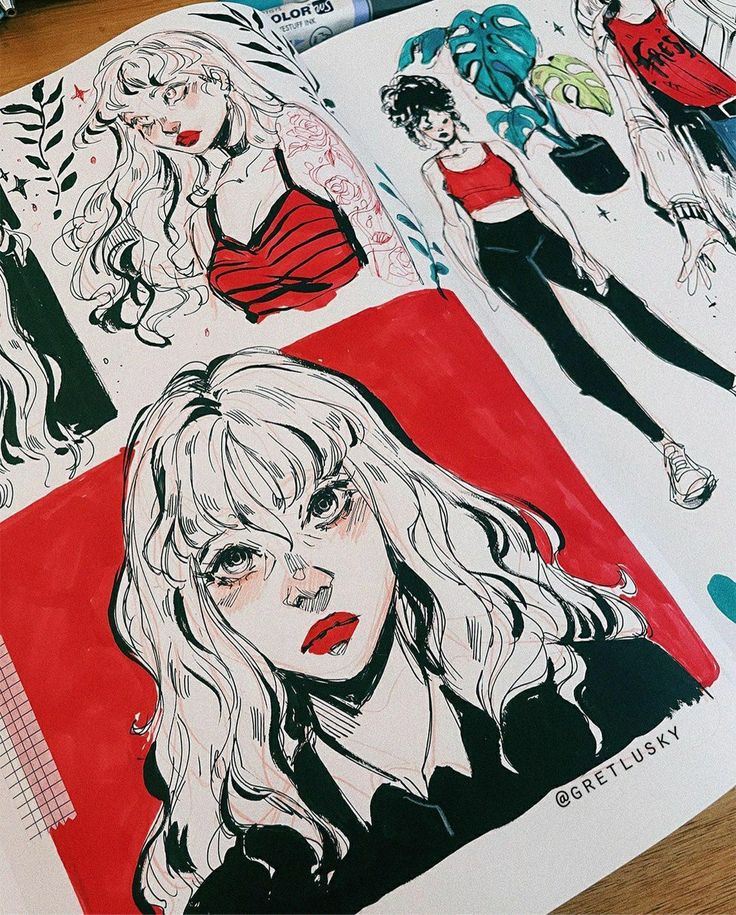
Most artists think they need more hours of rigid technical practice to improve. But repetitive training without play often leads to stiff, uninspired linework. Daily drawing exercises act like neural cross-training. By forcing you to work under artificial constraints—such as drawing without looking, or using your non-dominant hand—you bypass the strict inner critic that stalls your progress. These sketching drills train your eye to see pure forms, establish better hand-eye coordination, and help you discover expressive line weights you would never find during standard sketching.
| Exercise | Focus Area | Difficulty | Recommended Tool |
|---|---|---|---|
| Blind Contour Drawing | Observational skills & trust | Medium | Fineliner or 2B Pencil |
| Doodle a Monster | Imagination & free form | Low | Felt-tip Pen or Marker |
| Create a Mandala | Mindfulness & geometric control | Medium | Fineliner & Compass |
| Opposite Hand Drawing | Neural pathways & letting go | High | Charcoal or Soft Pencil |
| 30-Second Sketches | Proportion, gesture & form | Medium-High | Graphite or 4B Pencil |
1) Blind Contour Drawing
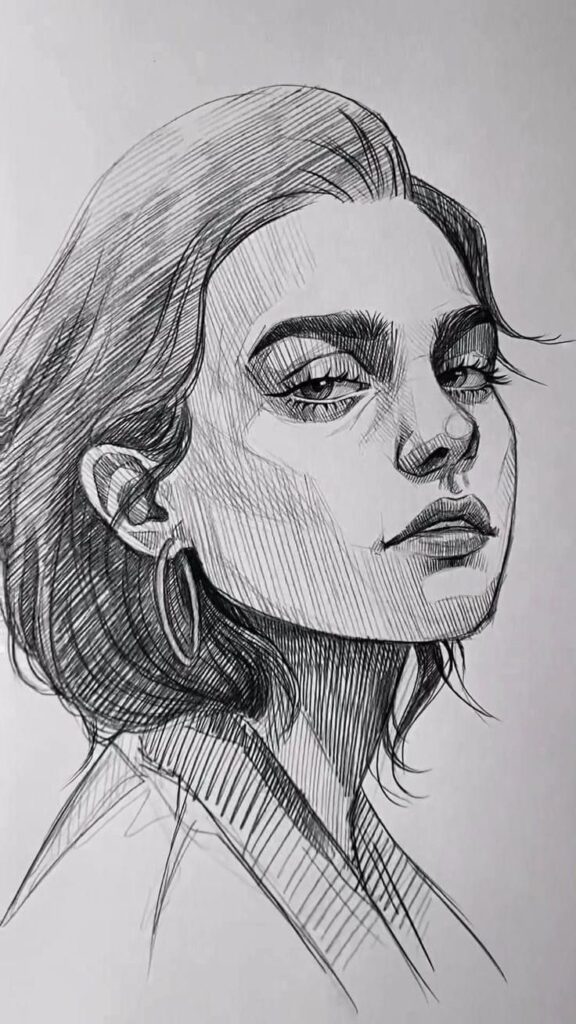
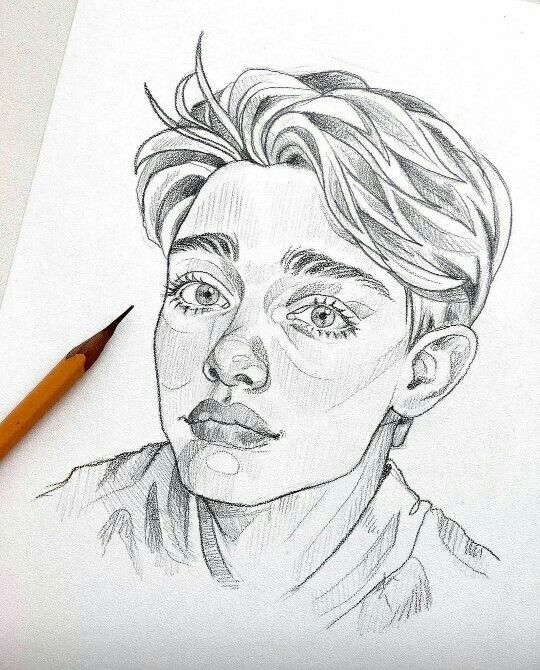
Blind contour drawing is a classic academic drill where you draw the outline of a subject without looking at your paper. You lock your eyes onto your subject and let your hand follow its contours, keeping your pencil moving in sync with your gaze. This force-shifts your brain from symbolic drawing (drawing what you think an object looks like) to pure observation.
It might feel incredibly awkward at first, and the resulting sketch will look distorted. But that is exactly the point. The charming, shaky, and highly expressive linework forces you to trust your hand and accept mistakes. This exercise develops excellent hand-eye coordination over time.
Choose a simple subject, like a potted plant or your own hand, set a timer for three minutes, and keep your pen on the page. Remember, do not sneak a peek! For more ideas on expanding your skills, you can check out our detailed eye drawing tutorials or our complete guide on how to overcome artist’s block to get past that blank-page anxiety.
2) Doodle a Monster
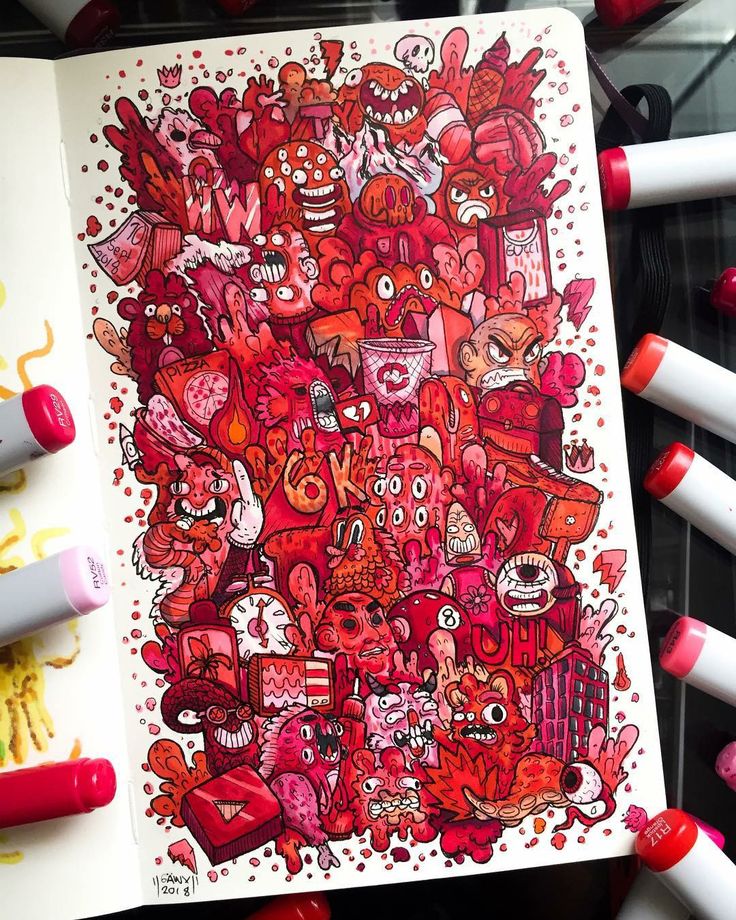
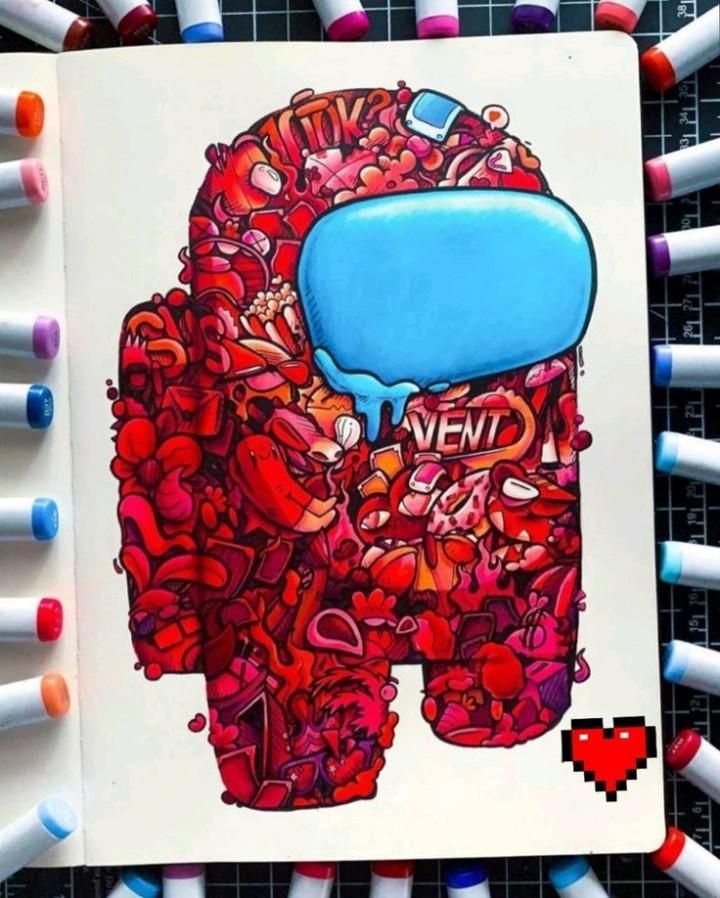
Doodling a monster is an excellent way to unleash your imagination and let your pencils flow freely. Unlike figure drawing, there are no anatomical rules to break. If a leg is too long or an eye is out of place, it simply becomes a feature of your creature.
I love this exercise because it completely removes the fear of failure. Start with a random shape on the paper—a blob, a triangle, or a jagged line—and begin building outward. Give your monster three eyes, detailed fur textures, or strange wings. Let one stroke suggest the next without any premeditated plan.
Setting a timer for ten minutes is a great way to prevent overthinking. When you stop worrying about perfection, you focus entirely on the playful act of mark-making. This drill pairs beautifully with other fantasy drawing techniques to build rich, magical worlds from simple sketchbook doodles.
3) Create a Mandala
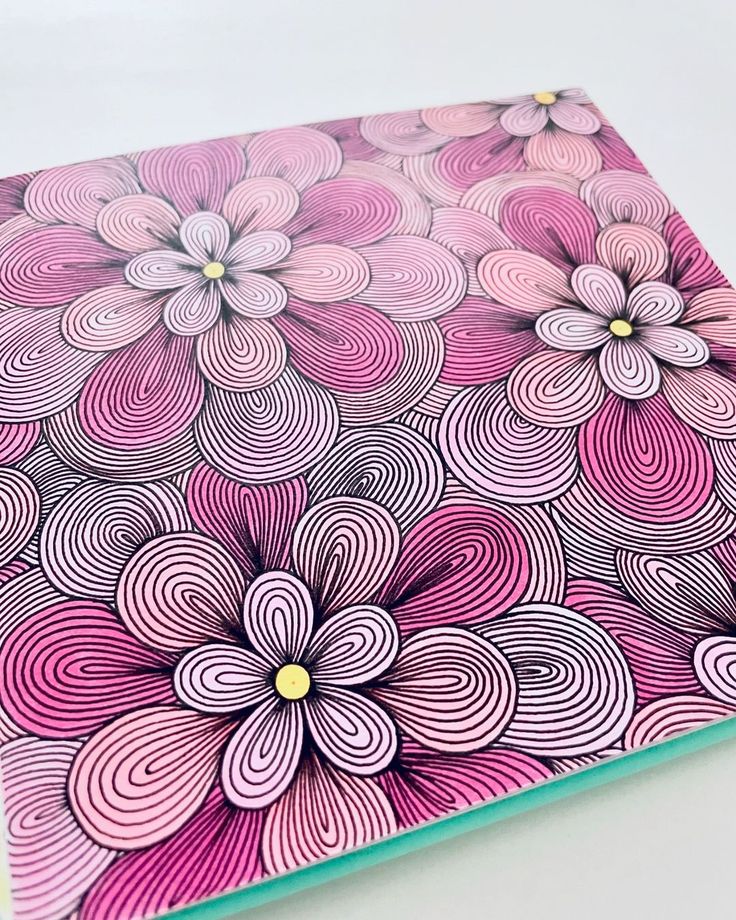
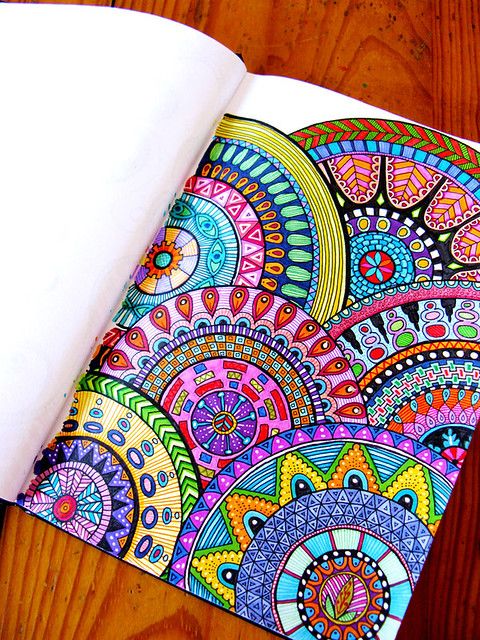
Mandalas are symmetrical, geometric patterns that radiate from a central point. While they look complex, creating a mandala is highly therapeutic and accessible. You can use a compass and ruler for precise grids, or simply freehand your lines for an organic feel.
If the mandala exercise sparks more small drawings, this doodle inspiration guide offers 40 prompts, pattern ideas, and a seven-day plan without requiring a finished composition.
Start with a central circle and build outward in repeating rings. Add simple shapes—petals, triangles, dots, or waves. The repetitive, rhythmic nature of this exercise acts as mindfulness practice, calming your mind and allowing creative ideas to settle.
As you build your patterns, try experimenting with different colored pencils, markers, or shading techniques. The focus is entirely on structural balance and color. It is a fantastic way to develop fine motor control and populate your sketchbook. You can find more inspiration in our curated list of sketchbook drawing ideas or try your hand at drawing flowers to integrate organic patterns into your mandalas.
4) Opposite Hand Drawing
Nothing challenges your brain’s muscle memory like opposite hand drawing. By forcing yourself to draw with your non-dominant hand, you immediately disrupt your standard drawing habits and style.
Because your non-dominant hand lacks the fine motor precision of your dominant one, your lines will be wobbly, loose, and raw. Embrace this wobbliness! It introduces an organic, primitive quality to your sketches that is hard to replicate intentionally. It forces you to look at the overall gesture and broad forms rather than get bogged down in tiny details.
Try drawing a quick self-portrait or a simple coffee mug. If you find your lines are too stiff, focus on moving your whole arm from the shoulder. To practice manual control, you can read our guide on how to draw a hand or explore mastering shading techniques to add form and depth to these loose, expressive sketches.
5) 30-Second Sketches
If you want to train yourself to capture the essence of a pose or object instantly, 30-second sketches are unmatched. This rapid-fire drill forces you to ignore detail entirely and focus solely on the line of action, proportions, and overall gesture.
Set a timer to repeat every 30 seconds, pull up a series of reference photos, and draw as fast as you can. You only have time for three or four lines—make them count. This exercise is incredible for loosening up stiff drawings and training your hand-eye coordination.
With regular practice, you will notice your observational skills sharpening and your lines becoming much more confident. To take your quick sketches further, explore our guide on advanced sketching techniques to elevate your loose forms into fully realized drawings.
The Importance of Fun in Creativity
Play and enjoyment are not just nice-to-have additions to your art; they are the foundation of creative growth. Engaging in fun drawing activities reduces performance anxiety, which is the single biggest block to artistic expression. When you enjoy the process, your mind remains open to new discoveries and happy accidents.
How Fun Enhances Artistic Expression
When you play, you let go of expectations. This mental shift allows you to:
- Reduce Stress: Lower anxiety levels keep your hand relaxed and your lines fluid, bypassing technical friction.
- Increase Motivation: Fun projects build a positive feedback loop, making you eager to open your sketchbook daily.
- Explore Styles: Bypassing strict realism helps you discover your unique, personal style.
The Role of Playfulness in Innovation
Every major artistic breakthrough starts with play. When you ask “What if I did this?” instead of “How do I make this perfect?”, you invite innovation:
- Breakthrough Concepts: Playful combinations lead to unique fantasy characters and visual stories.
- Greater Confidence: Seeing beauty in quick, imperfect sketches helps you trust your artistic choices.
Integrating Drawing Exercises into Your Daily Routine
The key to making these exercises work is consistency. You don’t need hours of free time; even ten minutes of daily drawing practice can yield massive results over a few weeks. The goal is to balance structured skill-building with pure recreational sketching. To make integration easier, you can browse our curated sketchbook drawing ideas for endless daily inspiration.
Balancing Skill Development and Enjoyment
A good routine alternates between learning and playing. For example:
- Monday & Wednesday: Technical practice, like value scales or anatomical studies.
- Friday & Saturday: Fun, pressure-free drawing exercises like monsters or blind contours.
By structuring your week this way, you keep your skills sharp without burning out.
Setting Up a Creative Space
An inviting drawing corner can make daily practice effortless. You don’t need a massive studio—just a quiet desk with:
- Good Lighting: A simple desk lamp or natural window light.
- Comfortable Seating: A chair that supports good drawing posture.
- Easy Access: Keep your favorite sketchbooks, 2B/4B graphite pencils, and fineliners ready to go.
A dedicated space makes it easy to sit down and sketch whenever inspiration strikes.
A useful warm-up is to take one of these exercises and repeat it with anime character poses, changing only the gesture, camera angle, or balance point each time.
When a creative warm-up needs more structure, turn it into a human figure drawing exercise: block in the head, torso, pelvis, and limb rhythm first, then let the character, costume, or funny idea grow from that simple body map.
For a playful five-minute exercise, use a dinosaur drawing warm-up and redraw the same creature as cute, realistic, and motion-focused.
For a gentler practice list, pair these exercises with easy pencil drawing ideas that let you focus on one graphite skill at a time.
Drawing Exercises FAQ
Q: What are the best drawing exercises for beginners?
A: For beginners, blind contour drawing and doodle-a-monster drills are the absolute best starting points. These creative drawing exercises remove the high pressure of producing a “perfect” piece, building visual confidence and hand muscle control in a lighthearted, pressure-free environment.
Q: How often should I practice drawing exercises?
A: Aim for 10 to 15 minutes of drawing practice daily. Consistent, short drills are far more effective for building hand-eye coordination and spatial perception than a single, long weekly session that feels more like an chore.
Q: Can drawing exercises really improve my creativity?
A: Absolutely. Drawing exercises break your routine motor habits, disrupt automatic sketching patterns, and force you to solve visual problems under creative constraints. This makes your imagination agile and keeps your layout sketches fresh.
Q: What pencils are best for sketching exercises?
A: Soft graphite pencils like 2B, 4B, or 6B are ideal for quick sketching drills because they respond dynamically to pressure. Fine-point fineliners (such as Micron 03) are also excellent for contour drawing because they force you to stick to your lines.
Q: How do I stop overthinking my drawings?
A: Practice fast-paced gesture sketches (like 30-second drills). By working under tight, artificial time limits, your cognitive brain bypasses the internal editor and focuses purely on capture, motion, and form.
As you build muscle memory through active doodling, applying these drills directly to character design drawing ideas is a perfect way to expand your art portfolio.
Q: What is the point of opposite hand drawing?
A: Opposite hand drawing activates new neural pathways and forces you to focus on raw shapes and gestures rather than tiny details. It helps you accept organic wobbliness and make drawings look more authentic and raw.
For further reading on drawing fundamentals, explore the educational resources on Artists Network. To learn more about the science of perception and observational drawing, visit Betty Edwards’ Drawing on the Right Side of the Brain.
If you want a quick perspective challenge after these warmups, try easy 3D drawing practice with paper illusions and cast shadows.
For a two-character warm-up, try five-minute couple pose drawing practice: choose one contact point, redraw it three times, and change only the line of action each round.
For a color-focused drill after warm-ups, try a small pastel drawing practice study using one dark, one mid-tone, and one light pastel on toned paper.
- 102shares
- Facebook0
- Pinterest102
- Twitter0
- Reddit0