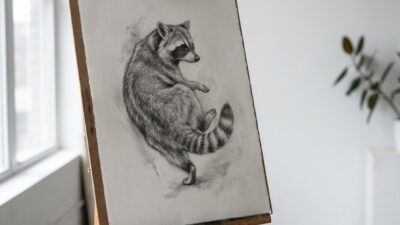
Poses are where most anime drawings fall apart. I’m serious. You can spend an hour on the face, get every strand of hair right, shade the jacket perfectly — and then the character is just standing there like they’re waiting in line at the post office. Stiff arms, straight spine, zero weight shift. Dead.
Learning poses fixed more of my character art than any shading tutorial ever did. There are a few categories worth drilling separately: action poses, casual/everyday stances, emotional beats (think a character slumping after bad news), and power poses for fight scenes or dramatic reveals.
A confident character doesn’t just smile differently — they stand differently. Wider stance, chin up, shoulders open. A nervous character compresses. Shoulders in, hands close to the body. Try drawing both from imagination right now and you’ll probably default to the same pose with a different face. That’s the problem.

References help more than anything here. I keep a folder of anime screenshots organized by pose type — it’s ugly and disorganized but it works. Clip Studio’s 3D models are solid for checking angles. DesignDoll if you want to pose a figure fast without drawing it first. None of this is cheating. The artists you admire use references too. They’re just quiet about it.


Key Takeaways
- Anime poses define character expression and storytelling.
- Practicing a range of poses helps improve drawing skills.
- Tools and references support creating stronger, more natural poses.
What Are Anime Poses?
Anime poses show how a character’s body language communicates mood, action, and personality. They balance stylized exaggeration with recognizable human movement, giving you tools to make your drawings feel expressive and dynamic.
Defining Anime Poses


Anime poses are the specific stances and gestures you see characters take in anime and manga. They can be as simple as a character standing casually or as dramatic as a battle-ready attack stance.

These poses often highlight emotion and intention. For example, a clenched fist and forward lean can show determination, while a slouched posture with lowered eyes suggests sadness.
When you draw anime poses, you’re not just copying anatomy—you’re shaping a visual language. This language uses angles, body proportions, and gestures to tell the viewer something quickly.
Think of them as shortcuts for storytelling. In a single frame, you can show energy, tension, or even comedy without needing dialogue.

How Anime Poses Differ from Realistic Poses

Realistic poses usually follow natural human anatomy and balance. Anime poses, while inspired by real movement, often push or exaggerate these rules.
For example, an anime character might lean far forward in a running pose with arms flung back. In reality, that position would be unstable, but in anime it signals speed and intensity.

Facial expressions also work hand in hand with body language. A small tilt of the head combined with oversized eyes can make a pose feel more dramatic than it would in real life.


You’ll also notice proportions change depending on style. Long limbs, sharp angles, or even chibi forms all affect how a pose is read. This flexibility gives you more freedom than traditional figure drawing.

Importance of Poses in Anime Art
The pose is often the first thing a viewer notices about a character drawing. It sets the stage for how the character feels and what they might do next.
Strong poses help you avoid stiff or lifeless artwork. They add rhythm and flow, guiding the eye across the page.
In anime, poses also serve as iconic markers. Think of recognizable stances like a fighter preparing an attack or a character striking a victory pose. These become part of the character’s identity.
When you practice anime poses, you learn how to combine anatomy, exaggeration, and storytelling. This skill makes your drawings more engaging and helps you capture the expressive spirit of anime art.


Popular Categories of Anime Poses
Anime poses often fall into recognizable categories that highlight movement, emotion, or personality. By understanding these categories, you can capture the essence of a character more effectively and make your drawings or references feel authentic.
Dynamic and Action Poses

Dynamic poses show motion and energy. You’ll often see characters mid-attack, leaping into the air, or bracing for impact. These stances emphasize speed, strength, or power, making them common in shonen series and action-heavy moments.


When you draw or study these poses, focus on line of action. This invisible curve runs through the character’s body and helps you show flow and direction. For example, a fighter throwing a punch will have their torso and arm aligned along a strong curve.

Some well-known examples include:
- Martial arts stances like wide-legged fighting positions.
- Signature attacks such as energy blasts or sword swings.
- Running or sprinting forms that exaggerate motion, like the forward-leaning “Naruto run.”
These poses work best when you exaggerate angles and avoid stiff lines. Even small tilts in the shoulders or hips can make the action feel more alive.
Cute and Expressive Poses
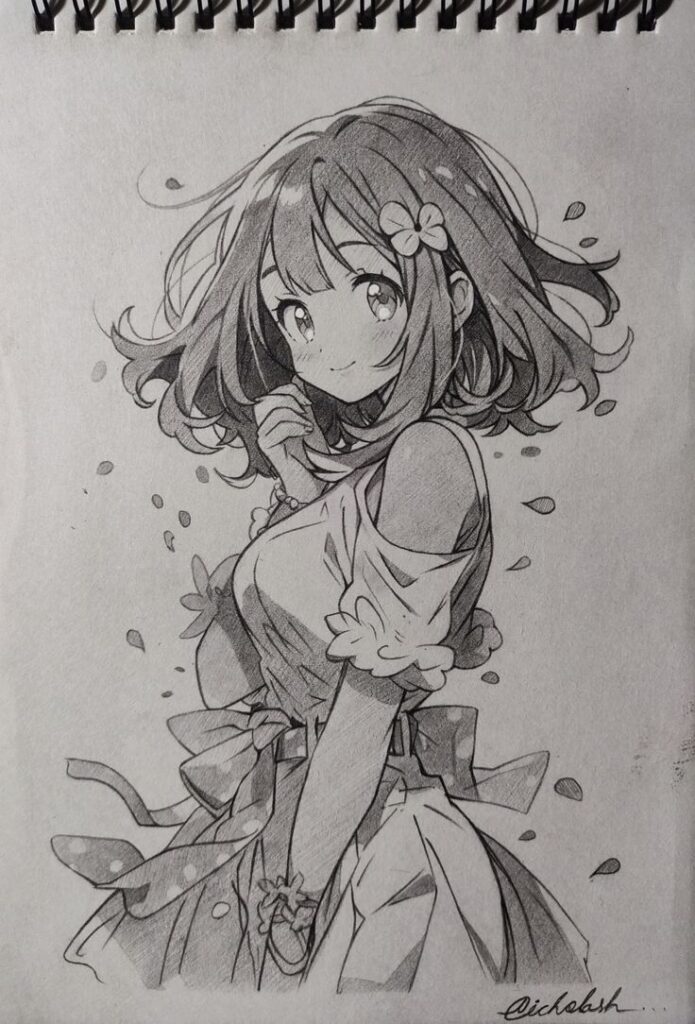
Expressive poses highlight personality rather than action. They often show characters reacting to situations with body language that matches their emotions. A cheerful wave, a shy hand-over-mouth, or an exaggerated victory pose all fall into this category.

You’ll notice common elements such as tilted heads, hands near the face, or oversized gestures. These details make the character appear approachable or endearing. In slice-of-life or comedy anime, these poses are used frequently to emphasize charm or humor.


Consider how you can use small changes in posture to shift mood. For instance, crossing arms tightly can show frustration, while a relaxed open stance conveys friendliness. Even subtle movements, like leaning slightly forward, can create a sense of eagerness or curiosity.
These poses are especially useful if you want to capture emotional variety in your art or cosplay.
Standing and Sitting Poses

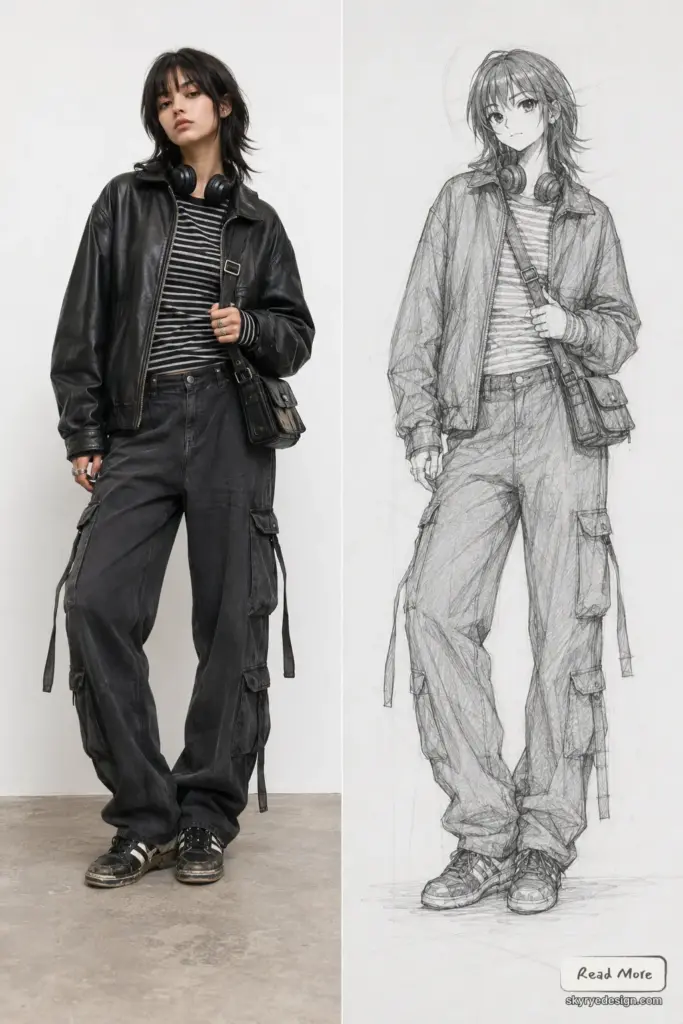
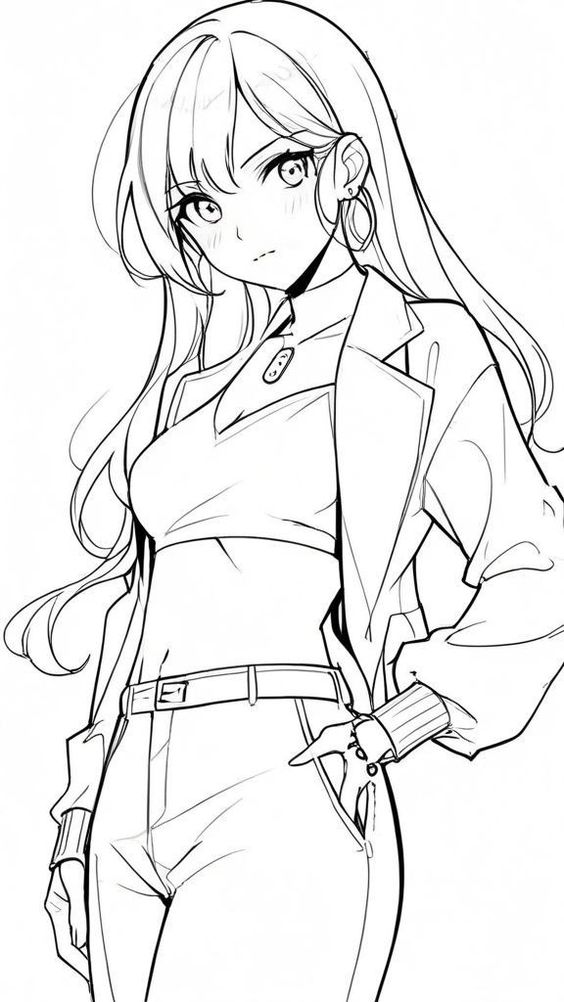
Standing and sitting poses are simple but versatile. They often serve as default stances that reveal a character’s personality without dramatic movement. A confident character may stand tall with arms crossed, while a timid one might keep their shoulders hunched and hands clasped.
When sitting, posture plays an important role. A relaxed sprawl across a chair communicates ease, while a straight-backed position suggests discipline or seriousness. These subtle differences can say a lot about a character before they even speak.


You can experiment with variations:
- Casual standing with weight shifted to one leg.
- Formal sitting with knees together and hands resting neatly.
- Relaxed sitting with legs stretched or crossed.
These poses may not be flashy, but they help you ground your character designs and make them feel more believable in everyday contexts.


Techniques for Drawing Anime Poses
When you draw anime poses, you need to balance accuracy with creativity. Good results come from studying real movement, simplifying the body into basic forms, and then adjusting details to fit the anime style.
Using Reference Images
Reference images show you things you genuinely can’t invent. Weight distribution, joint angles, the way a spine curves mid-sprint — memory doesn’t cut it here. You need something real to look at.
That said, copying isn’t the goal. You’re borrowing structure: proportions, perspective, the way a body holds itself. A running reference tells you the torso tilts forward and the legs spread wide. You take that, and you draw your version.
I keep a reference folder sorted by action — standing, sitting, fighting, hands, feet. Anime screenshots, athlete photos, a few poses I’ve sketched from life. Sounds like overkill. It isn’t, especially when you’re 20 minutes into a drawing and can’t figure out how an elbow bends under tension.
Comparing multiple references for the same action is where things get interesting. Pull four different photos of a punch. Each person throws it differently — but the shoulder rotation and the back leg do basically the same thing every time. That overlap is what you’re looking for.
Breaking Down the Figure
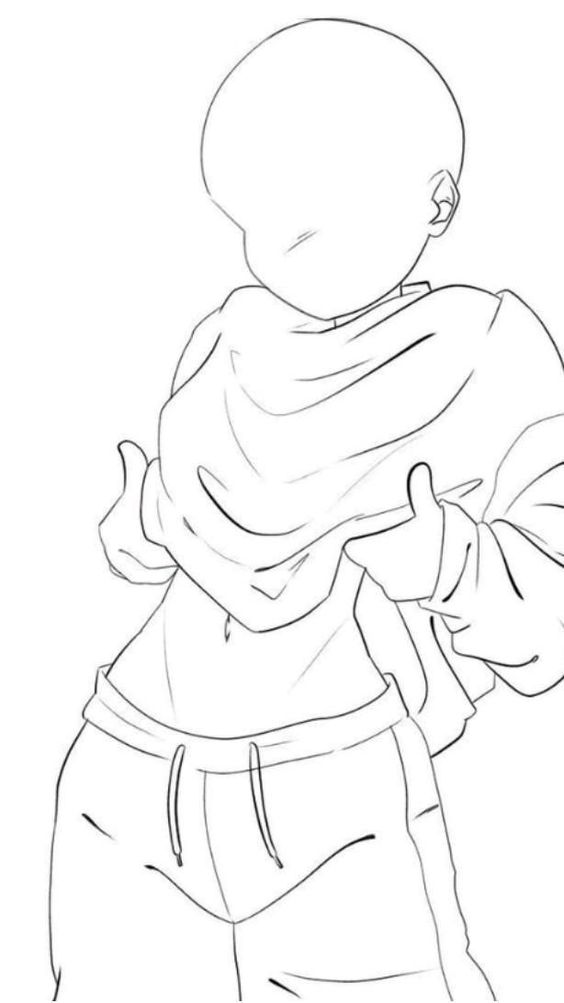
Before adding details, break the figure into simple shapes. Start with a stick figure or gesture line to capture the flow of movement. This step keeps the pose dynamic and avoids stiffness.
Next, add basic forms such as cylinders for arms, spheres for joints, and boxes for the torso. These shapes make it easier to check proportions and perspective. You can also rotate them in space to test different angles.
Think of this stage as building a framework. Once the structure feels solid, you can layer muscles, clothing, and facial expressions on top. This method also makes it easier to adjust poses without redrawing everything.
Quick breakdown example:
- Gesture line → captures energy
- Stick figure → sets proportions
- 3D forms → adds volume and perspective
Stylization and Exaggeration
Anime poses often push beyond realism to highlight emotion or action. You can stretch limbs, tilt the torso, or enlarge hand gestures to emphasize movement. For example, exaggerating a jump by raising the arms higher makes the character look more energetic.

Stylization also comes from simplifying anatomy. Instead of drawing every muscle, you can use clean lines and smooth curves to keep the design consistent with anime aesthetics. This makes the pose easier to read at a glance.


Pay attention to balance between exaggeration and believability. A pose that is too distorted may confuse the viewer, while a subtle exaggeration enhances clarity. Test this by comparing your sketch against a realistic reference, then adjusting only the parts that need extra emphasis.
Common exaggeration areas:
- Arms and legs → longer stretch for action
- Torso twists → stronger motion lines
- Facial expressions → paired with body language for impact


Resources and Tools for Anime Pose References
You can find practical tools that let you adjust poses in 3D, browse curated libraries of figure references, and even use AI-powered systems to generate unique anime drawing poses. Each option helps you practice anatomy, test different perspectives, and create more consistent character designs.
3D Pose Generators
3D pose generators let you move a virtual mannequin into nearly any position. You can rotate the model, adjust limb angles, and view the pose from multiple perspectives. This makes it easier to understand proportions and foreshortening when drawing anime characters.
Tools like SetPose and PoseMy.Art provide anime-style models that you can customize. You can either start with preset poses or create your own by dragging body parts into position. Some platforms even offer premade animations that freeze into reference frames.
These tools are especially useful when you want dynamic action stances or complex camera angles. Instead of guessing how a body might look, you can test it in 3D and then sketch directly from the model.
Pose Reference Websites
Pose reference websites give you large collections of ready-to-use images. Many of these sites focus on anime poses, showing characters in standing, sitting, or action positions. You can use them to practice sketching quickly or to find inspiration for your own designs.


Posemaniacs offers royalty-free 3D figure references, while other sites like Anime Reference Poses and curated Pinterest boards provide static photo collections. These resources are helpful if you want to study a wide variety of drawing poses without setting them up yourself.
A quick way to use them is to select a pose, sketch it in a few minutes, then repeat with another. This builds speed and helps you recognize recurring shapes in anime anatomy.
AI and Digital Tools
AI-based tools and digital platforms are becoming more common for generating pose references. Some allow you to type in a description, such as “anime character jumping forward,” and receive a pose suggestion you can refine.
Digital art programs also integrate pose libraries and adjustable mannequins. For example, apps like Clip Studio Paint include built-in 3D models that you can manipulate directly on your canvas. This reduces the need to switch between different programs.
AI tools are useful when you want variety or quick inspiration. They won’t replace manual study, but they can spark ideas and give you new drawing poses to practice in your anime artwork.


Tips for Improving Your Anime Character Poses
When you draw anime poses, the details that make them stand out often come from how you handle anatomy, perspective, and expression. Focusing on body variety, angle choices, and subtle gestures will help your characters feel more natural and engaging.
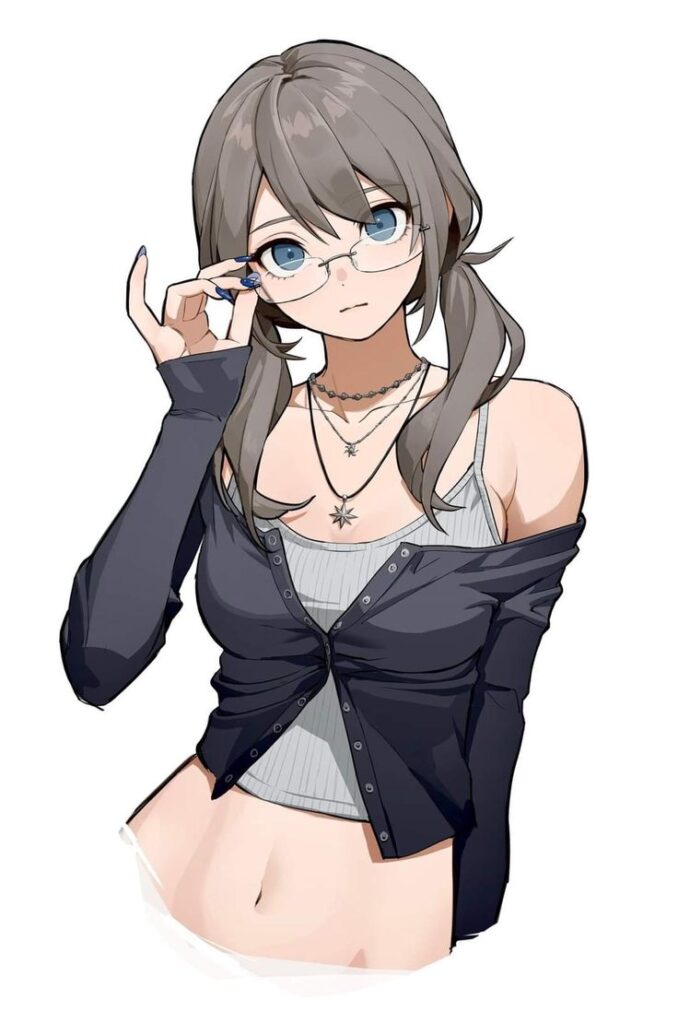
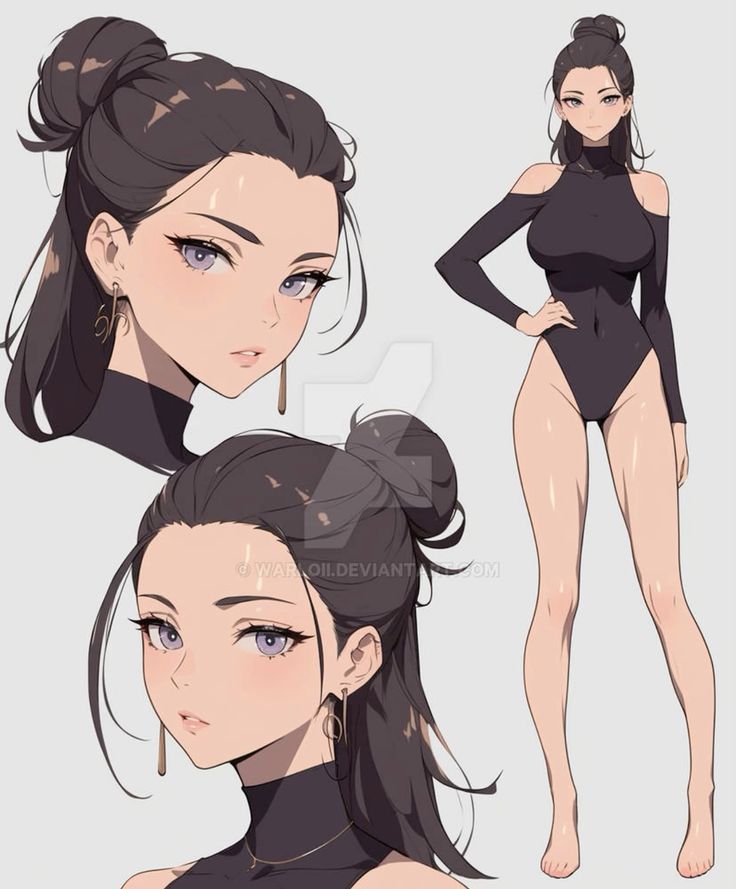
Practicing with Different Body Types
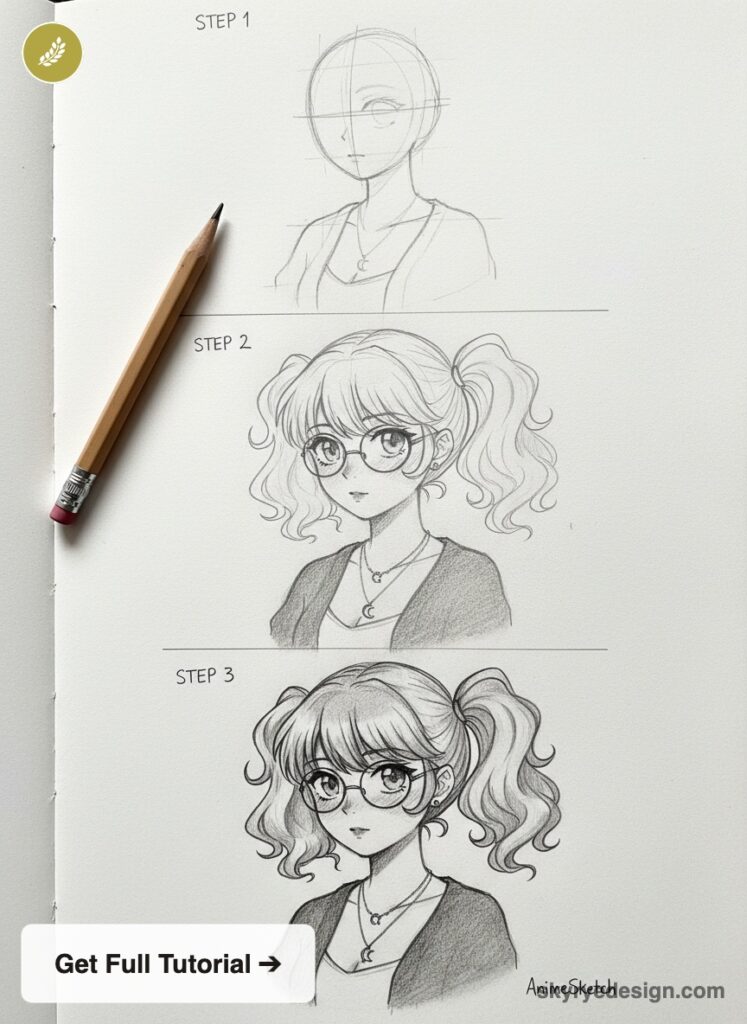
If you only practice with one body type, your character poses may start to look repetitive. Try sketching characters with different heights, builds, and proportions. A tall, slender figure will move and stand differently than a short, stocky one.
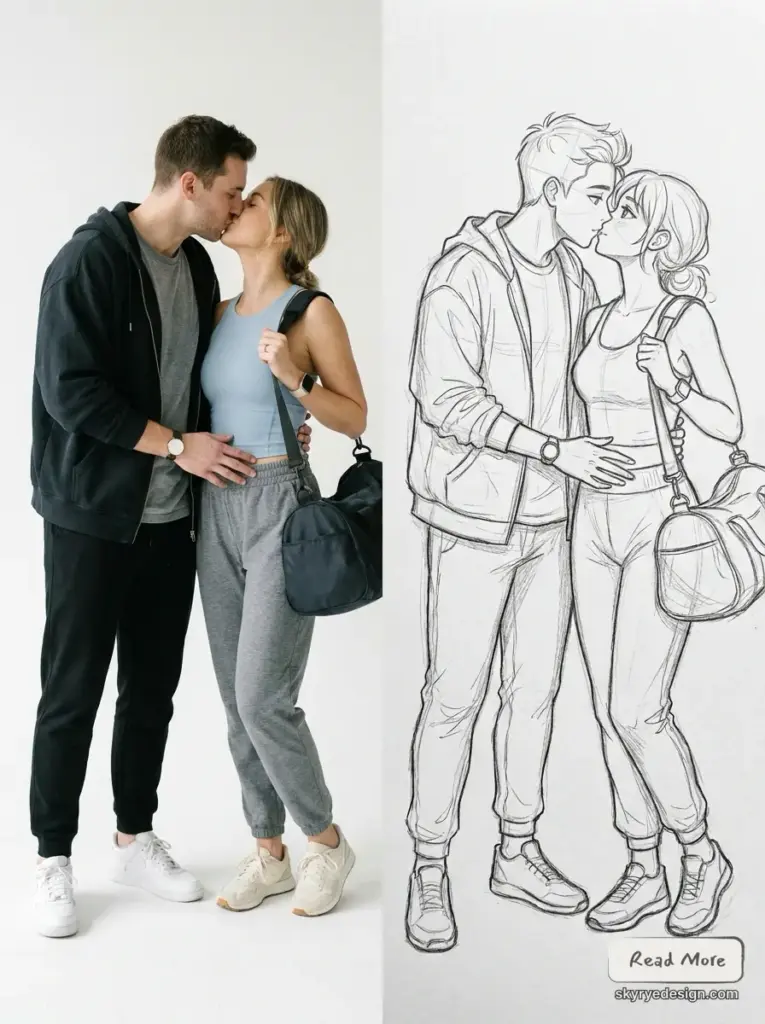
You can make this easier by creating a simple chart of body types. For example:
| Body Type | Key Traits | Pose Considerations |
|---|---|---|
| Slim | Long limbs | Emphasize flow and stretch |
| Muscular | Broad chest, defined arms | Show weight and strength in stance |
| Petite | Shorter frame | Highlight agility or lightness |
By practicing across this range, you’ll learn how weight distribution and posture shift with each figure. This makes your drawing poses more believable and varied.
Experimenting with Camera Angles
How you place the “camera” changes the impact of your anime poses. A low-angle view can make a character look powerful, while a high-angle view might make them appear vulnerable. Even a slight tilt can add energy to an otherwise static stance.
Start by sketching the same pose from at least three different angles. For example:
- Front view for clarity and balance
- Low angle for drama and scale
- Over-the-shoulder for perspective and depth
This practice helps you understand foreshortening and perspective. You’ll notice how limbs shorten or stretch depending on the angle, which can make your poses feel dynamic instead of flat.
Adding Personality Through Gestures
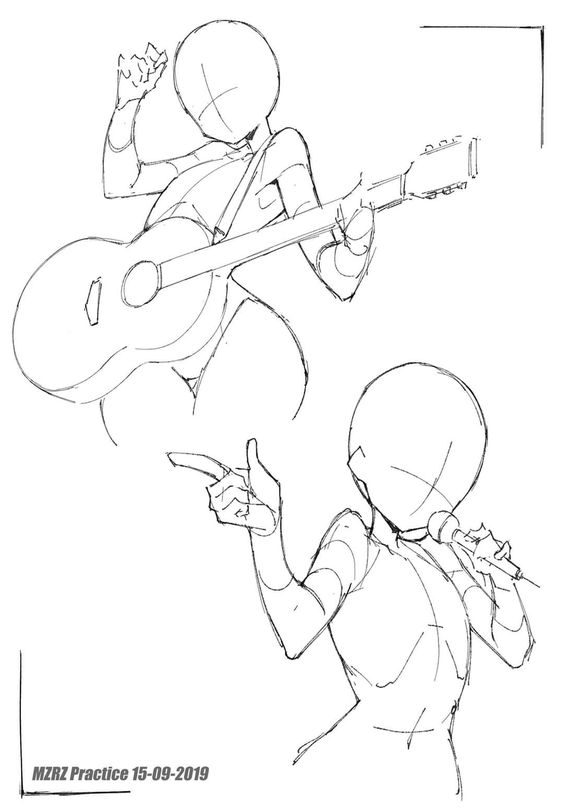

Small gestures often say more than a full action pose. A character crossing their arms, tilting their head, or shifting weight onto one leg can express mood instantly. These details bring out personality without needing exaggerated movement.
Think about how posture reflects emotion:
- Open arms → welcoming or confident
- Hands in pockets → casual or reserved
- Leaning forward → curious or attentive
When you combine gestures with facial expressions, your poses become more expressive. Even simple standing positions can feel alive if you adjust the shoulders, hands, or tilt of the hips to match the character’s mood.
- 686shares
- Facebook0
- Pinterest683
- Twitter3
- Reddit0