Drawing face expressions gets easier when you stop copying a finished face and start asking what is moving. The brows, eyelids, mouth corners, cheeks, and jaw all shift when a character feels happy, angry, sad, surprised, worried, or disgusted. This guide breaks expression drawing into readable cues you can use for portraits, comics, anime, and character sheets.
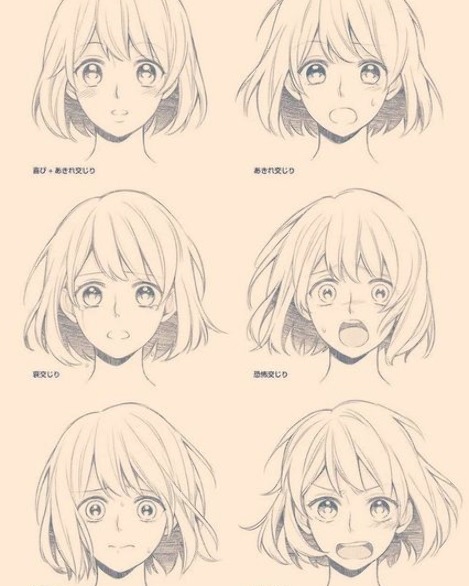
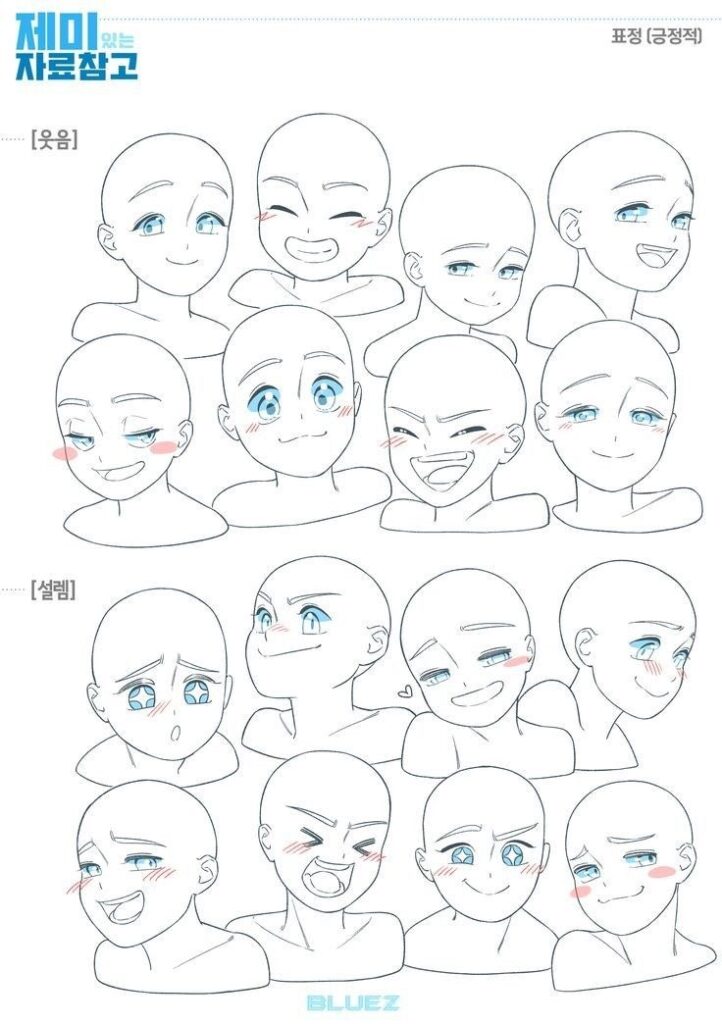
To learn how to draw facial expressions, it’s important to first understand the anatomy of the face. The position and movement of each facial feature, such as the eyes, mouth, and eyebrows, can drastically change the expression on a character’s face. By studying reference images and practicing drawing different expressions, an artist can develop their understanding of facial anatomy and improve their ability to accurately depict emotions.
With practice and dedication, an artist can become proficient in drawing facial expressions and bring their characters to life on the page. Whether it’s a simple smile or a complex combination of emotions, the ability to accurately convey emotions through the expressions on a character’s face is a valuable skill for any artist to have.
How to draw face expressions step by step
To draw face expressions, choose the emotion first, then adjust the brows, eyes, mouth, cheeks, and jaw around that emotion. A happy face usually lifts the cheeks and mouth corners. Anger pulls the brows down and tightens the eyes. Sadness often raises the inner brows while the mouth loses tension. Surprise opens the eyes, raises the brows, and drops the jaw. I like to test the expression with only three marks first: brow angle, eye shape, and mouth line. If those marks read clearly, the final drawing has a much better chance of feeling alive.
| Expression cue | What changes | Sketching tip |
|---|---|---|
| Brows | Angle, height, and distance between them | Use brow angle before adding wrinkles. |
| Eyes | Lid opening, squint, pupil direction | Make the eyes carry the first read of the emotion. |
| Mouth | Corner direction, tension, open or closed shape | Check the mouth from a distance before detailing lips. |
| Cheeks | Lift, compression, soft shadow | Raised cheeks make smiles feel more believable. |
| Jaw and neck | Clench, drop, tilt, or relaxation | Use the jaw to support anger, fear, and surprise. |
Quick expression sketch checklist
- Pick one clear emotion before drawing details.
- Test the brows, eyes, and mouth as simple shapes first.
- Push the expression slightly, then pull it back if it looks too exaggerated.
- Use asymmetry so the face does not look frozen.
- Add wrinkles, shadows, and skin folds only after the emotion reads clearly.
Understanding Facial Expressions
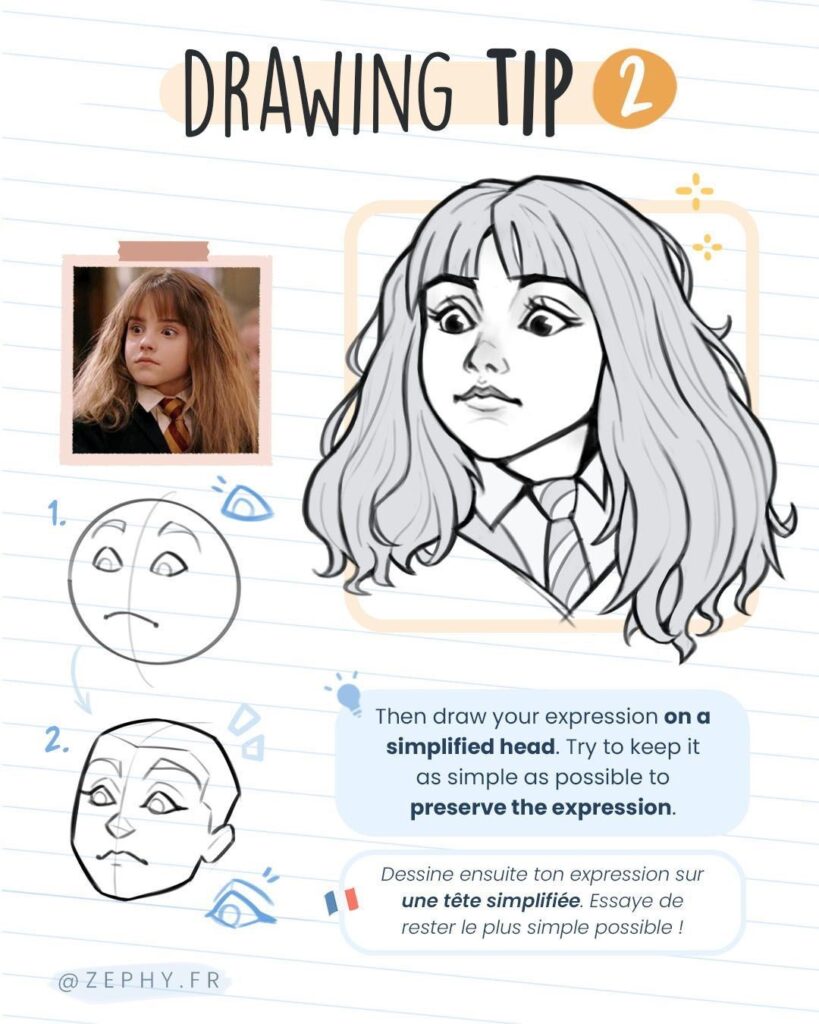
The Basics of Human Emotion
Facial expressions are an essential part of human communication. They are the primary way to convey emotions and express oneself. Humans are capable of recognizing and interpreting a wide range of facial expressions, from the subtlest eye twitches to the most expressive smiles.
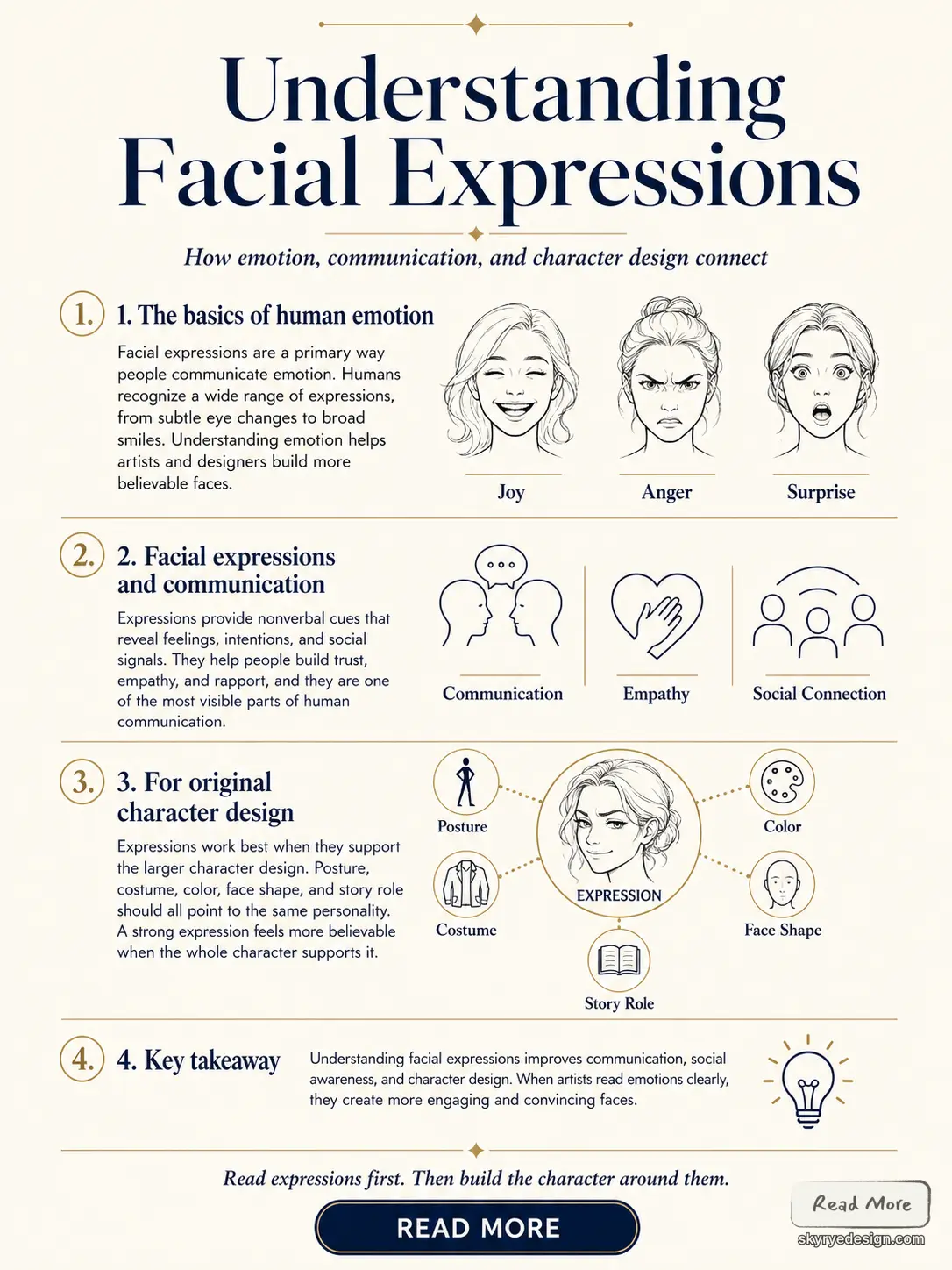
Emotions are complex psychological states that are expressed through a combination of physiological and behavioral responses. They are an integral part of human experience and play a significant role in shaping our personality and behavior. Understanding the basics of human emotion is crucial to understanding facial expressions.
For original characters, expressions work best when they support the larger female character design guide: posture, costume, color, face shape, and story role should all point to the same personality.
Facial Expressions and Communication
Facial expressions are the most expressive and visible aspect of human communication. They provide nonverbal cues that convey emotions and intentions, which are essential for effective communication. Facial expressions are universal, and people from different cultures and backgrounds can recognize and interpret them.
Facial expressions are not only essential for communication, but they also play a significant role in social interaction and relationships. The ability to read and interpret facial expressions is critical for building trust, empathy, and rapport with others.
In conclusion, understanding facial expressions is crucial for effective communication and social interaction. By recognizing and interpreting facial expressions, one can better understand the emotions and intentions of others, and improve their own communication skills.
Anatomy of the Face
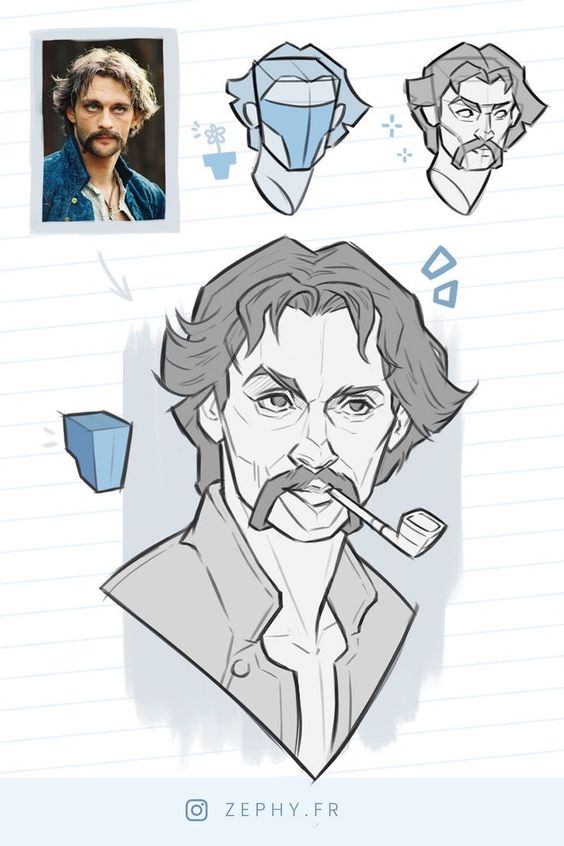
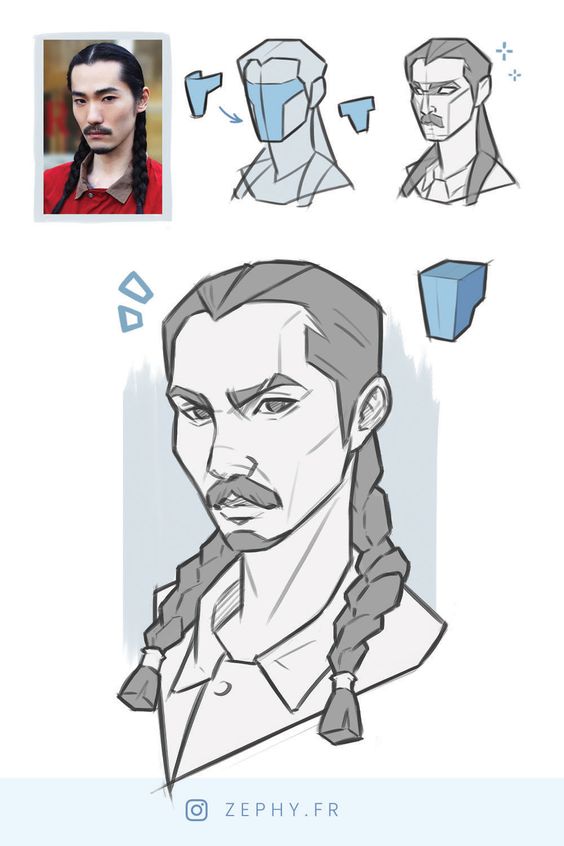
Understanding the anatomy of the face is essential for drawing accurate and expressive facial expressions. The face is composed of several key features, each with its own unique characteristics that contribute to the overall expression. The following subsections will explore the muscle movement and points of tension, as well as the key facial features for expressions.
Muscle Movement and Points of Tension
Facial expressions are created by the movement of muscles in the face. There are over 40 muscles in the face, each responsible for a specific movement. These muscles are attached to the bones of the skull and are controlled by the facial nerve. When a muscle contracts, it pulls on the skin, causing a specific facial expression.
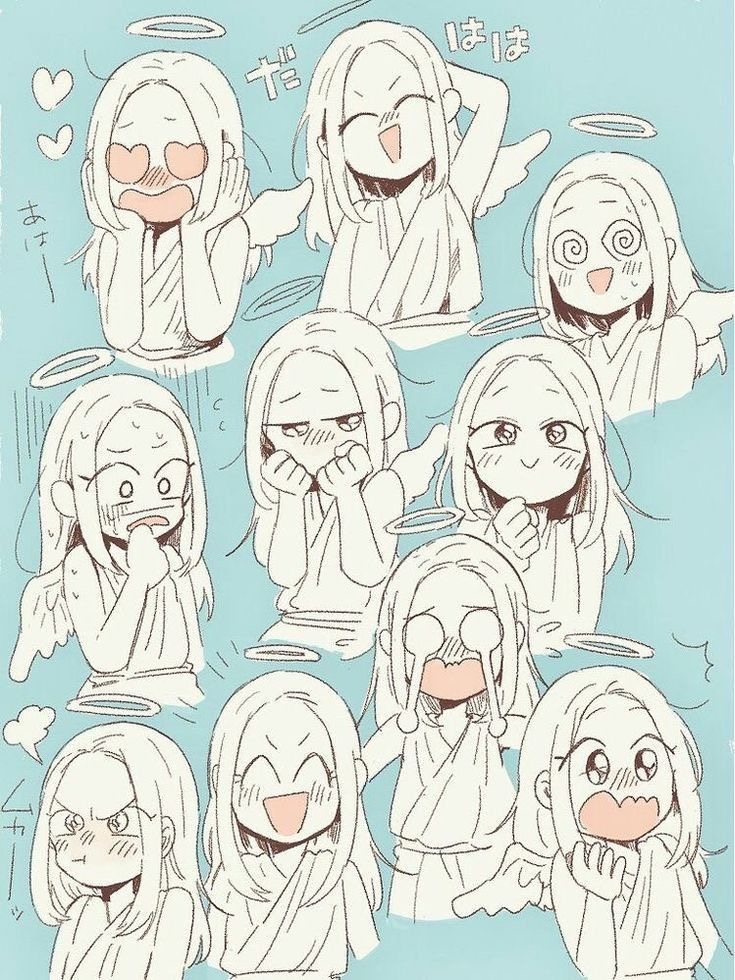
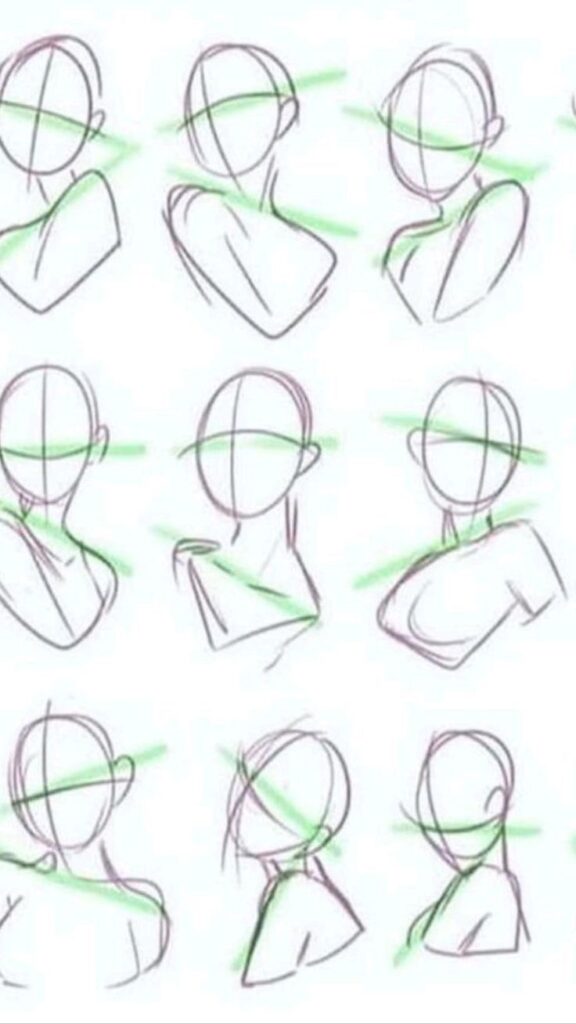
Points of tension are areas on the face where muscles come together and create a visible indentation or line. These points are essential for creating believable expressions. For example, the area between the eyebrows is a common point of tension when someone is angry or frustrated. Similarly, the corners of the mouth are a point of tension when someone is smiling.
Key Facial Features for Expressions
The eyes, nose, mouth, eyebrows, forehead, jaw, cheeks, nostrils, and teeth are all essential facial features that contribute to the overall expression. The eyes are often referred to as the “window to the soul” and are a crucial element in expressing emotions such as happiness, sadness, and surprise. The nose can also play a significant role in expressing emotions, particularly disgust.
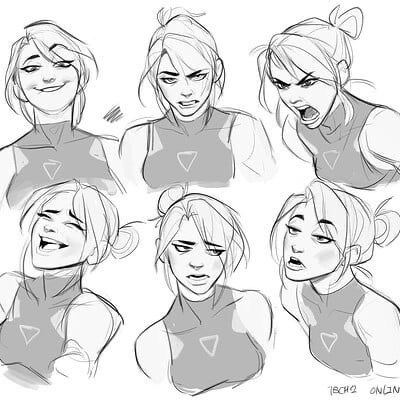
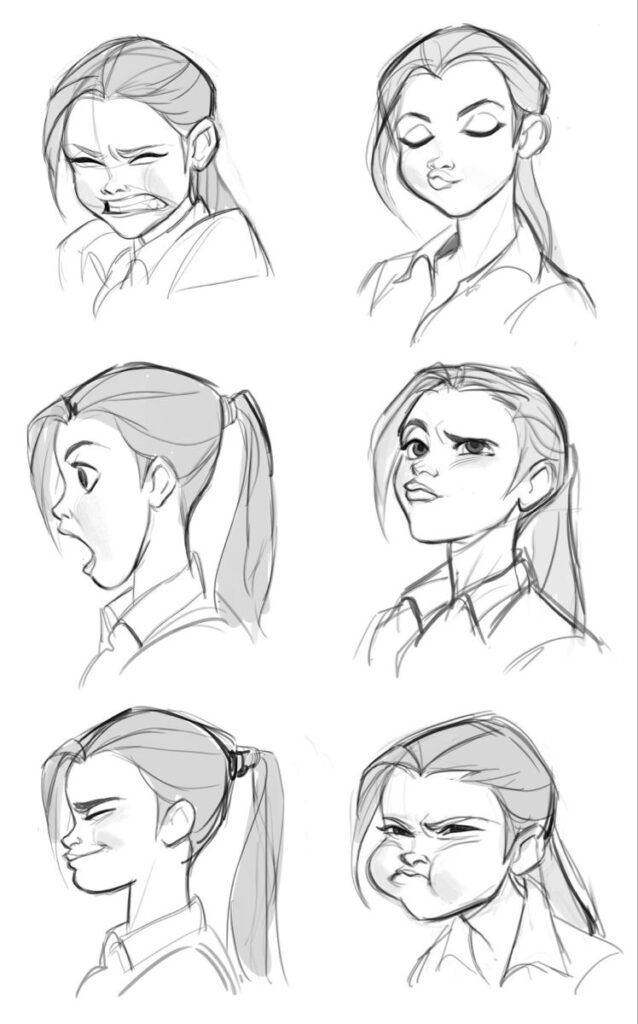
The mouth is perhaps the most crucial feature when it comes to expressing emotions. The position of the lips and teeth can convey a wide range of emotions, from a smile to a frown. The eyebrows are also essential for expressing emotions such as surprise, anger, and sadness. The forehead and jaw can also contribute to the overall expression, particularly when it comes to conveying tension or relaxation.
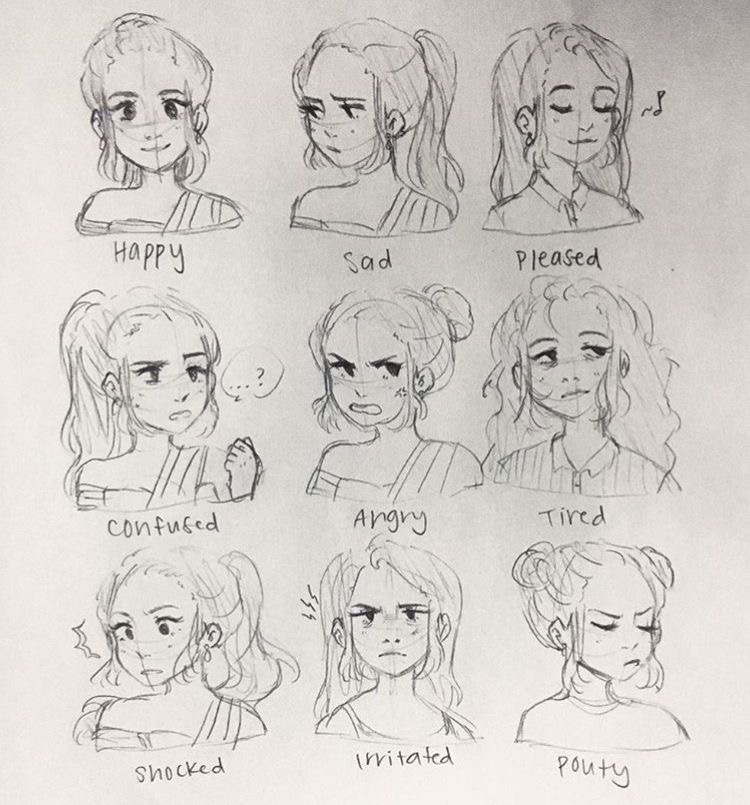
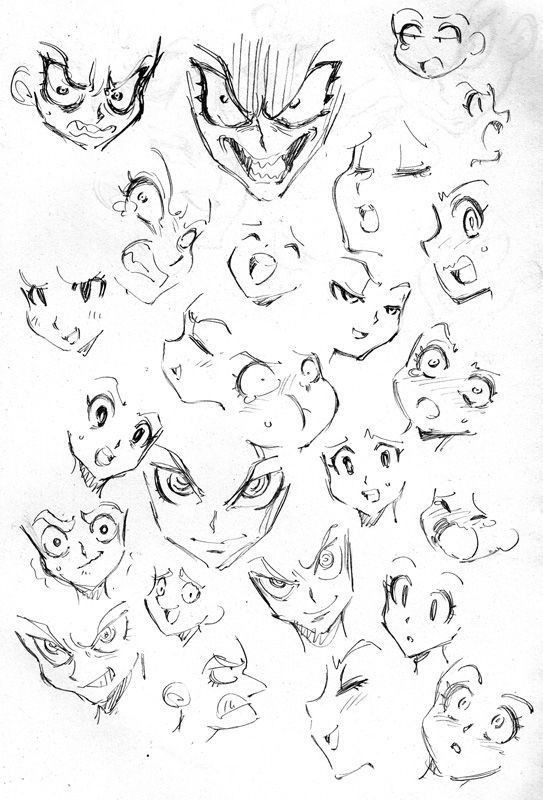
In conclusion, understanding the anatomy of the face is crucial for drawing accurate and expressive facial expressions. By understanding the muscle movement and points of tension, as well as the key facial features for expressions, artists can create believable and impactful drawings.
Conveying Emotions through the Eyes
Importance of the Eyes in Expressions
The eyes are often referred to as the windows to the soul, and for good reason. They play a vital role in conveying emotions and expressions. The way a person’s eyes move, their shape, and the size of their pupils can all communicate different emotions.
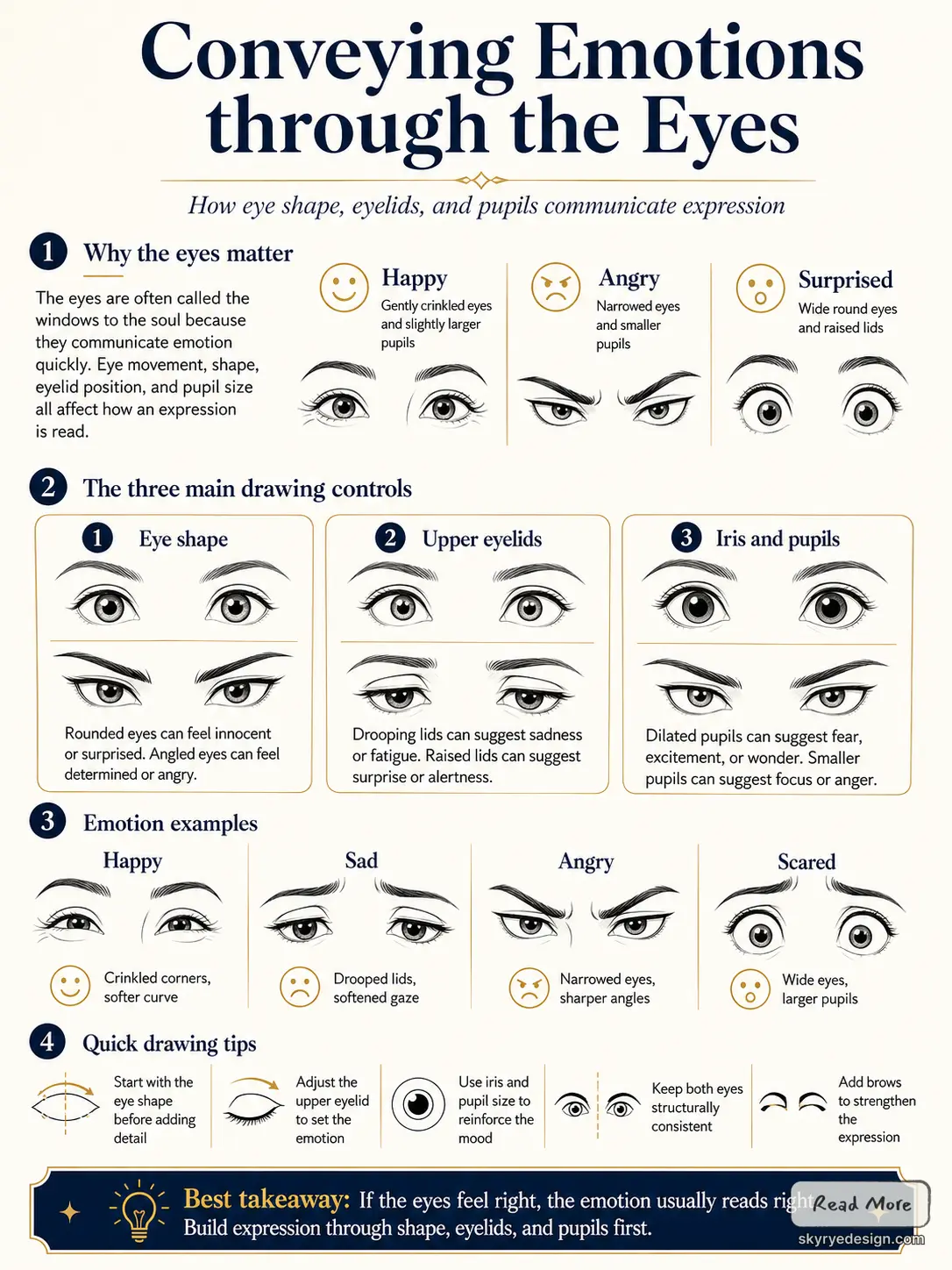
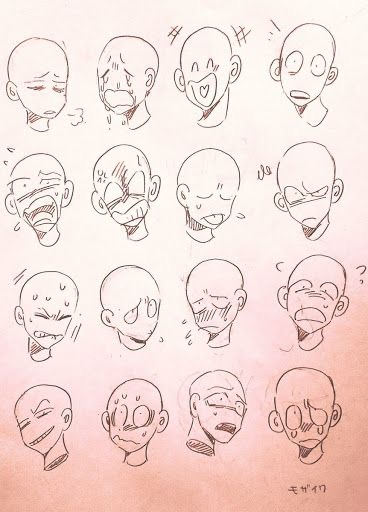
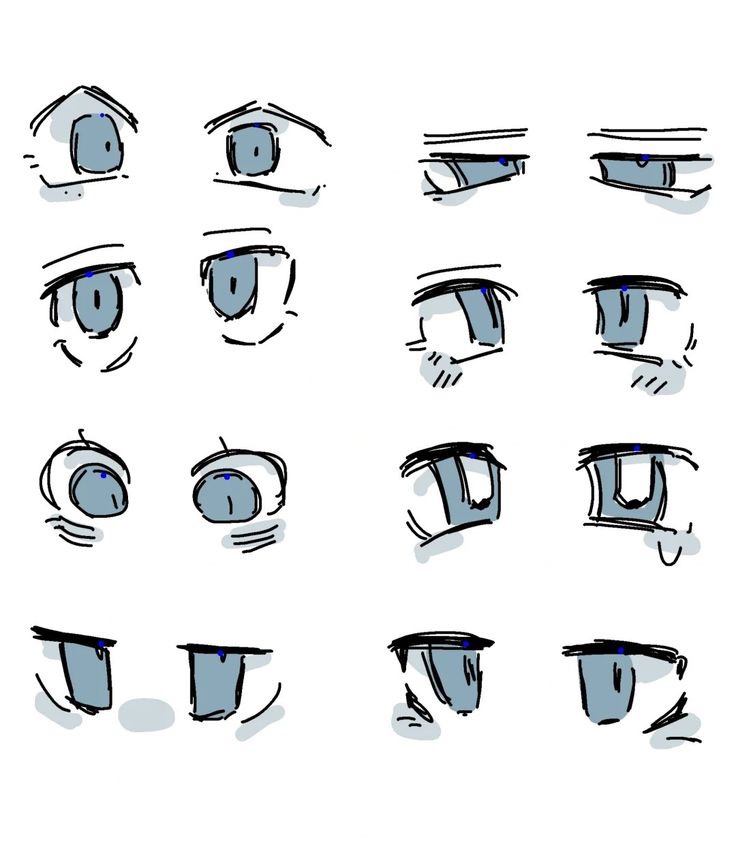
For example, when a person is happy, their eyes tend to crinkle at the corners, and their pupils may dilate slightly. On the other hand, when a person is angry, their eyes may narrow, and their pupils may become smaller.
Drawing the Eyes to Reflect Emotions
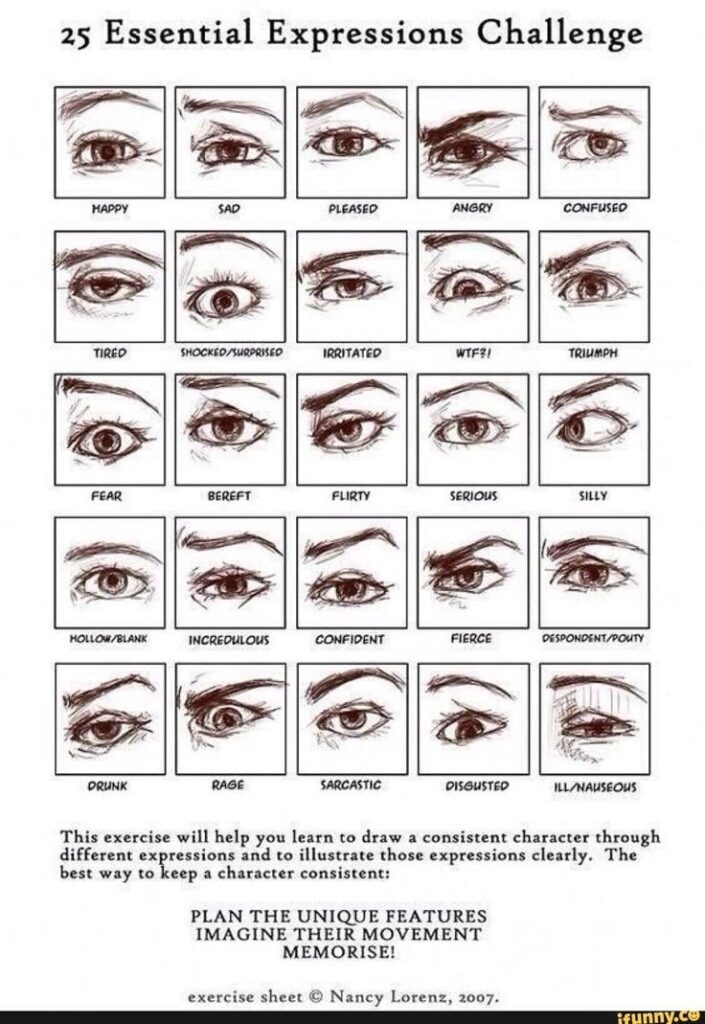
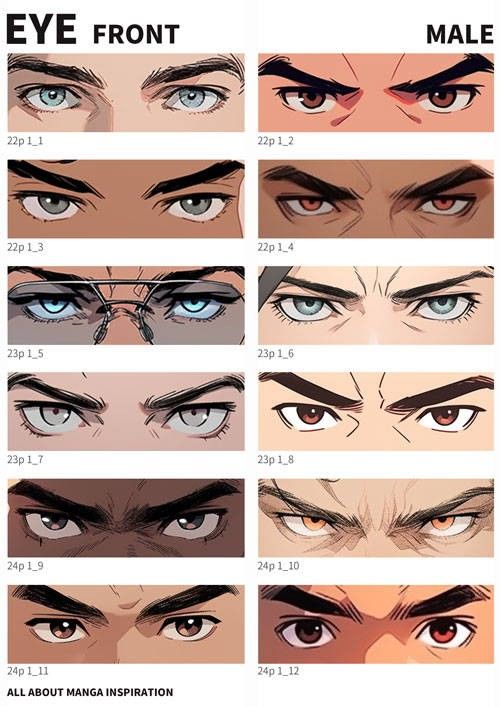
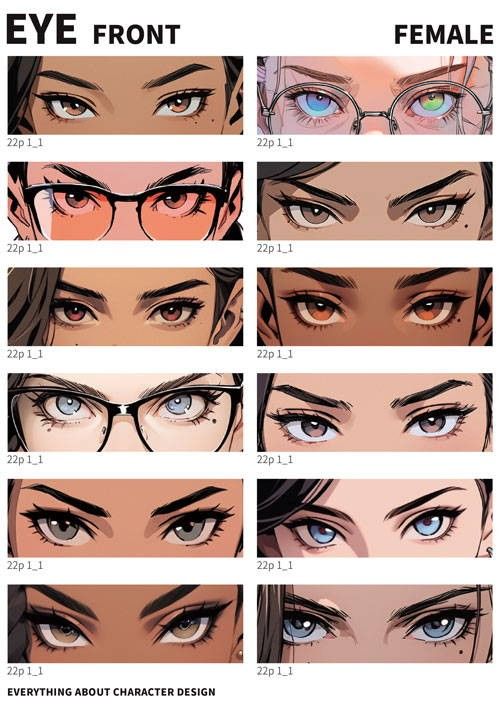
When drawing facial expressions, it is important to pay close attention to the eyes. Here are some tips for drawing eyes that accurately reflect emotions:
For full-character studies, pair the expression with a spicy drawing pose reference so the eyes, hands, shoulders, and body language tell the same story.
Eye Shape: The shape of the eye can convey different emotions. For example, a rounded eye shape can make a character look innocent or surprised, while a more angled shape can make them look angry or determined.
Upper Eyelids: The position of the upper eyelids can also communicate different emotions. For example, when a person is sad, their eyelids may droop slightly, while when they are surprised, their eyelids may be raised.
Iris and Pupils: The size and shape of the iris and pupils can also communicate different emotions. For example, when a person is scared, their pupils may dilate, while when they are focused, their pupils may become smaller.
Overall, by paying close attention to the eyes and their various components, artists can accurately convey a wide range of emotions in their drawings.
Mouth and Nose Expressions
Drawing the Mouth to Show Emotion
The mouth is a crucial part of facial expressions, and it can convey a wide range of emotions. Drawing the mouth to show emotion requires an understanding of how the lips, teeth, and corners of the mouth move.
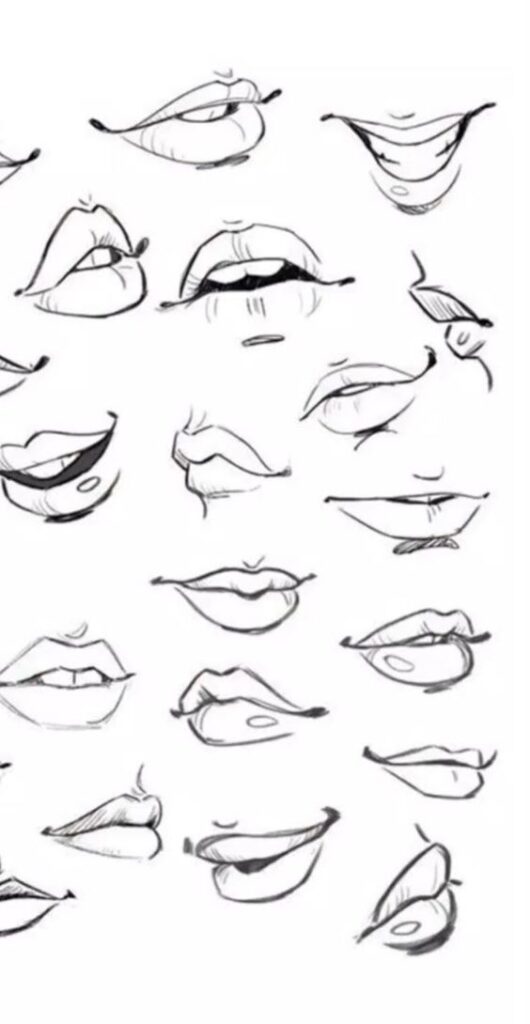
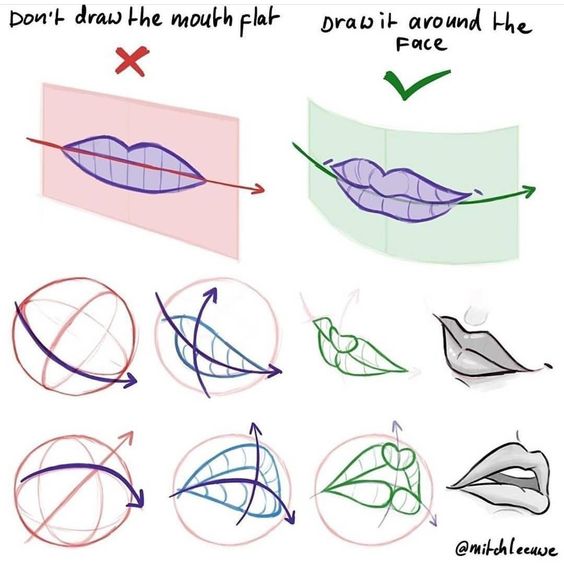
To draw a happy expression, the corners of the mouth should be turned up, and the top lip can be curved slightly upwards. For a sad expression, the corners of the mouth should be turned down, and the top lip can be slightly lowered. An angry expression can be conveyed by drawing the corners of the mouth down and the top lip pushed forward.
The size and shape of the mouth can also affect the emotion being portrayed. A small, tight-lipped mouth can indicate tension or anger, while a wide-open mouth can indicate surprise or shock.
The Role of the Nose in Expressions
While the nose may not be as expressive as the mouth, it still plays a role in facial expressions. The nostrils can flare when a person is angry or excited, and the shape of the nose can indicate different emotions.
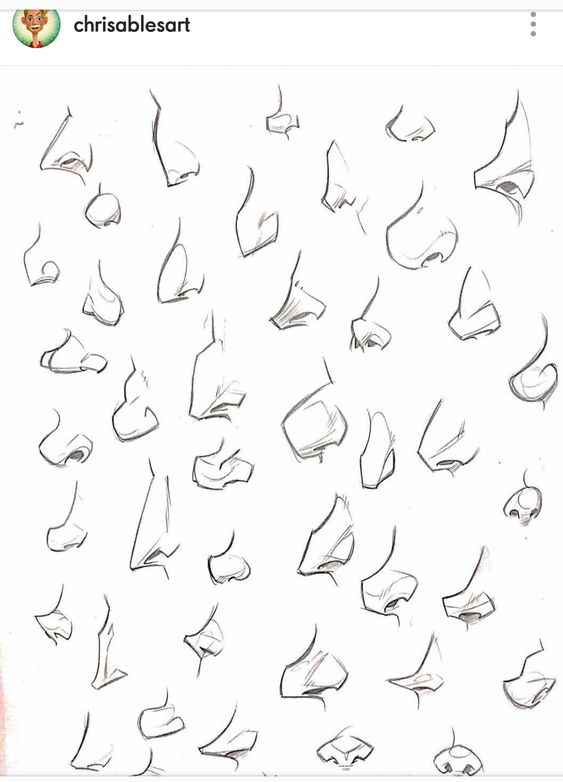
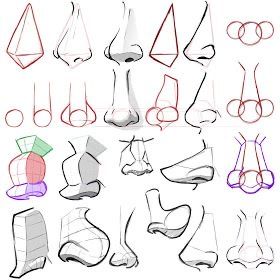
A scrunched-up nose can indicate disgust or disapproval, while a wrinkled nose can indicate confusion or uncertainty. The position of the nose can also affect the expression being portrayed. A nose that is wrinkled and pushed up can indicate surprise or confusion, while a nose that is pushed down can indicate sadness or disappointment.
Overall, understanding how to draw the mouth and nose to show emotion is essential for creating realistic and expressive faces. By paying attention to the shape and movement of these features, an artist can create more nuanced and impactful expressions.
Facial Expressions Across Cultures
Cultural Differences in Expression
A smile doesn’t mean the same thing everywhere, and that trips people up more than they expect. Same face, same muscles, wildly different message depending on where you grew up.
In Japan, a smile can be politeness more than joy — sometimes it’s actively covering something, anger or sadness tucked behind a pleasant expression because showing the real emotion isn’t the move. I’ve read about Japanese service workers smiling through genuinely frustrating customer interactions, and it’s not fake exactly — it’s just doing a different job than a Western smile does. Some African cultures use a smile as deference, a kind of respect signal, not necessarily “I’m happy right now.” Western cultures default hard to the happy-and-friendly reading, which is precisely why cross-cultural mixups happen so often — everyone assumes their own decoding is universal.
Eye contact flips the pattern. Hold someone’s gaze in most Western contexts and you read as confident, maybe honest. Do the same thing in several Asian cultures and you can come across as confrontational. Looking away there isn’t avoidance — it’s the polite move, sometimes the only respectful one. Knowing this matters way more than people think, especially the moment you’re in a room with someone whose nonverbal rulebook isn’t yours.
Universal Expressions and Their Interpretations
Despite cultural differences in expression, some facial expressions are recognized and interpreted similarly across cultures. These are called universal expressions. The six universal expressions are happiness, sadness, anger, fear, surprise, and disgust.
Research has shown that these expressions are innate and can be recognized by people from different cultures, even in remote areas of the world. However, the intensity and interpretation of these expressions can still vary depending on the cultural context.
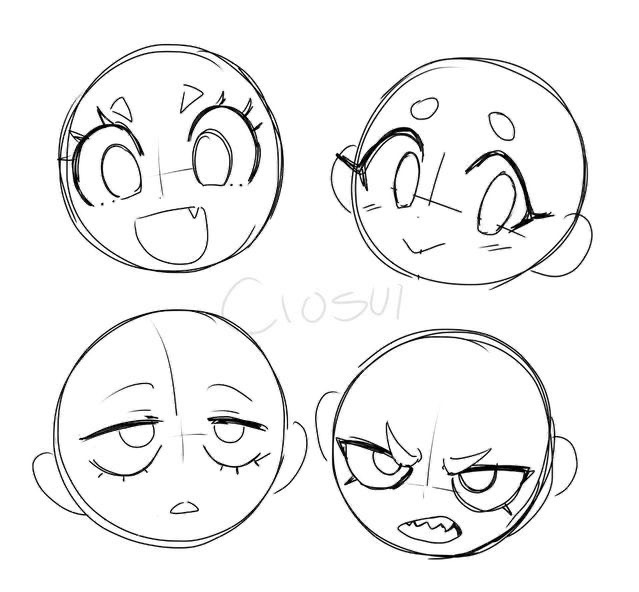
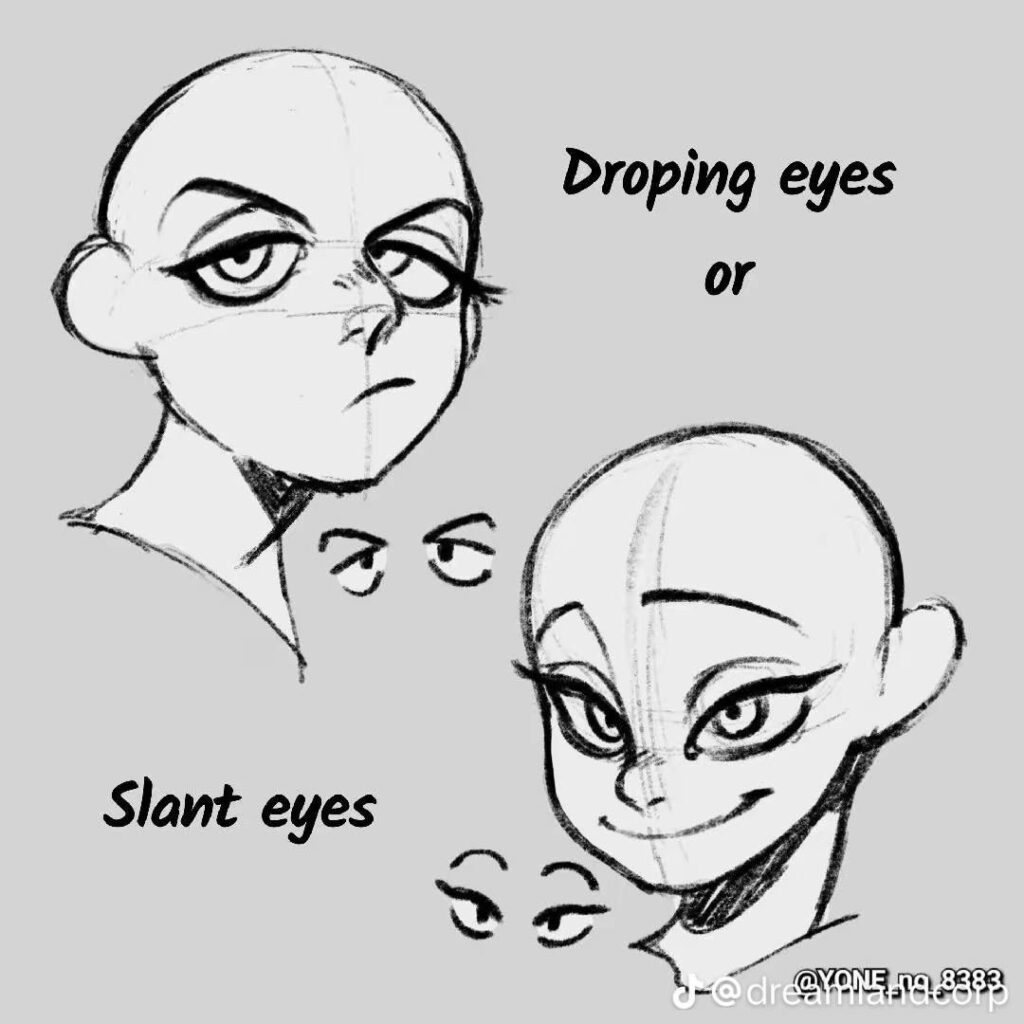
Once the expression reads clearly, place it in a full character sketch; these girl expression drawing ideas are a simple way to keep practicing without starting from a blank page.
Facial expressions read stronger when the head and torso agree, so use a simple human figure drawing base before tightening the eyes, mouth, and gesture.
For example, in some cultures, the display of emotions is discouraged, and people may try to suppress their facial expressions. In contrast, in other cultures, such as Mediterranean cultures, people tend to be more expressive and use exaggerated facial expressions to communicate their emotions.
A strong Simba facial expression depends on the same basics as human expressions: eye tilt, mouth curve, and cheek shape.
A raised brow, relaxed mouth, or side glance can make baddie girl coloring pages feel more expressive without making the line art harder to color.
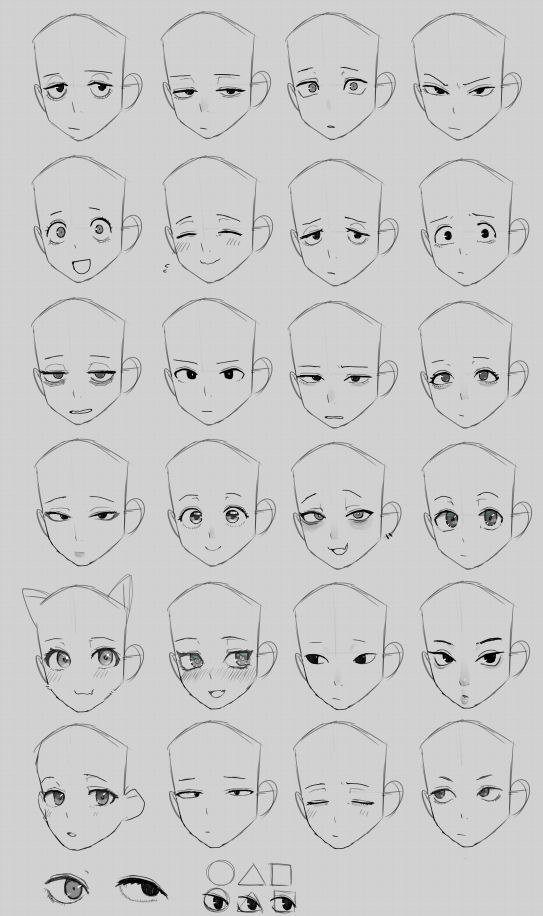
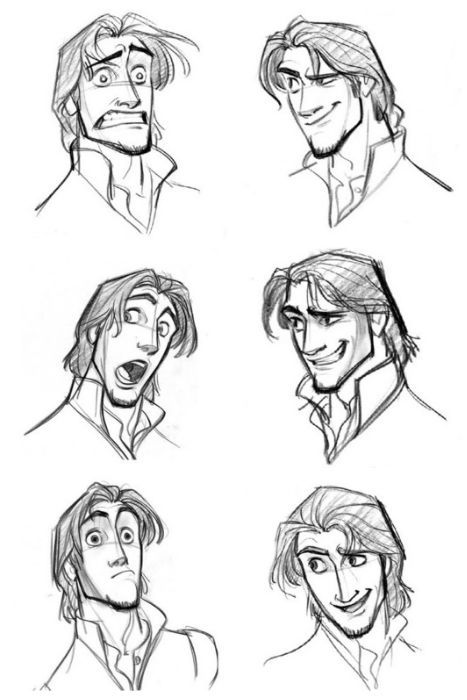
In conclusion, facial expressions are an essential aspect of communication across cultures. While some expressions are universal, others may have different interpretations depending on the cultural context. It is crucial to be aware of these differences to avoid misunderstandings and communicate effectively.
Emotion-Specific Facial Expressions
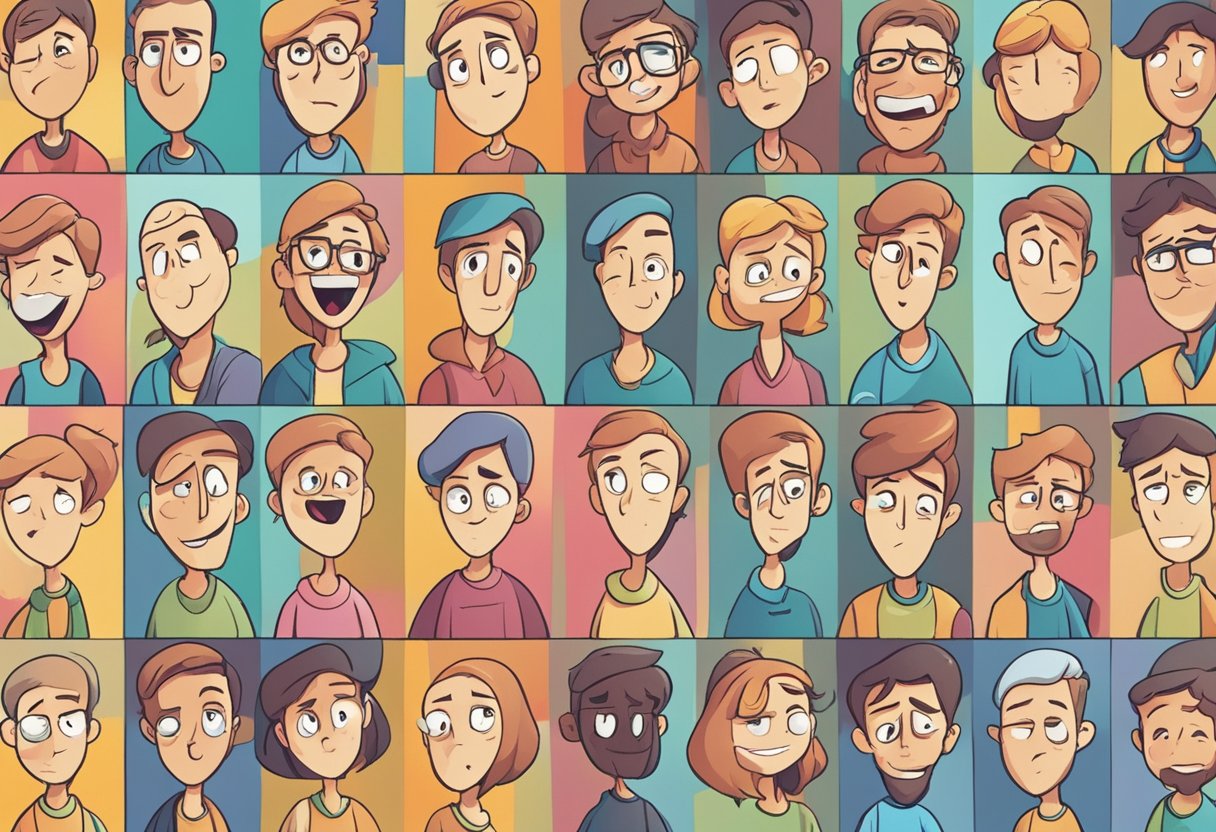
When it comes to drawing facial expressions, it’s important to consider the emotions you want to convey. Emotion-specific facial expressions can help you create more realistic and believable characters. Here are some tips for drawing different emotions:
Drawing Happiness and Joy
When drawing happiness or joy, the key is to focus on the eyes and mouth. The eyes should be wide and bright, with the eyebrows slightly raised. The mouth should be curved upwards into a smile, with the cheeks lifted.
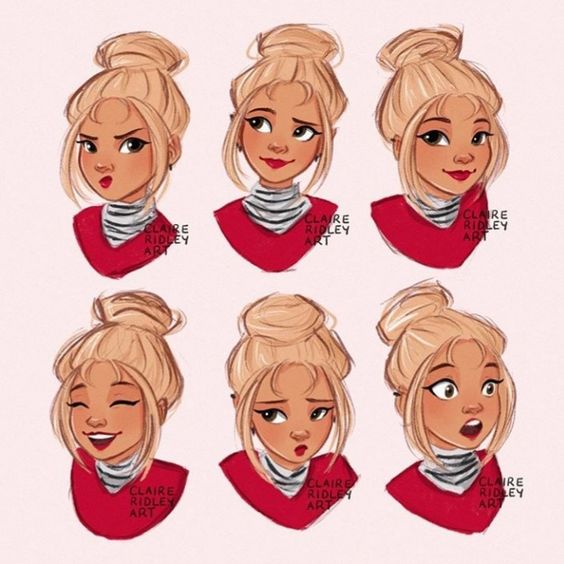
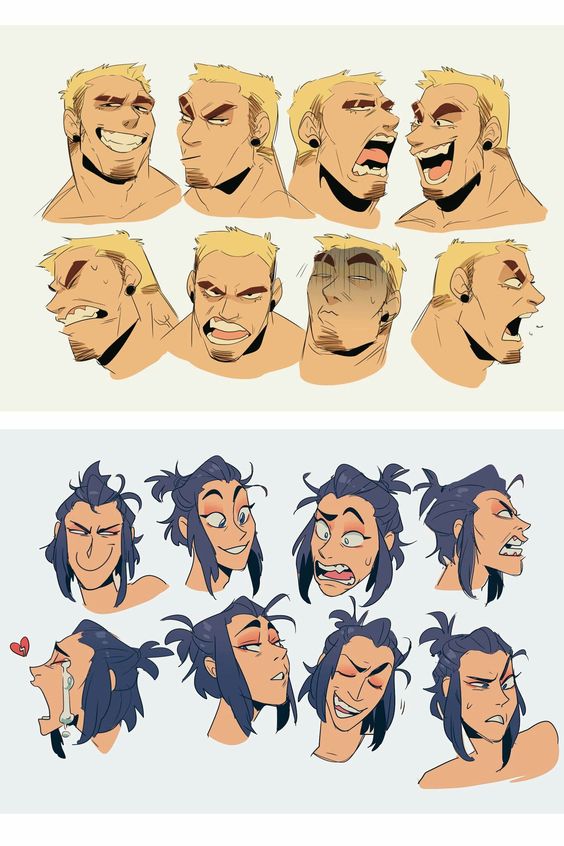
To emphasize the happiness further, you can add some blush to the cheeks and some shine to the eyes. Adding some details like dimples or wrinkles around the eyes and mouth can also help make the expression more realistic.
Capturing Sadness and Grief
To draw sadness or grief, focus on the eyes and mouth again. The eyes should be slightly closed and the eyebrows lowered. The mouth should be downturned, with the corners pulled slightly downwards.
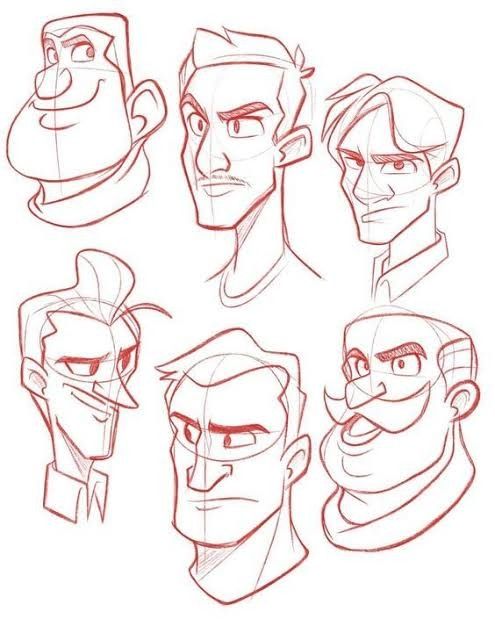
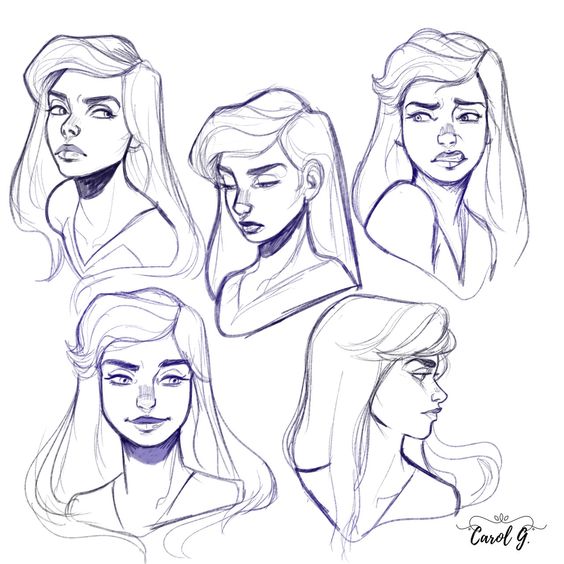
To emphasize the sadness, you can add some shadows under the eyes and make the eyes look watery. Adding some wrinkles around the eyes and mouth can also help make the expression more realistic.
Illustrating Anger and Annoyance
When drawing anger or annoyance, the key is to focus on the eyebrows and mouth. The eyebrows should be lowered and pulled together, creating a furrowed brow. The mouth should be pressed together into a thin line or a scowl.
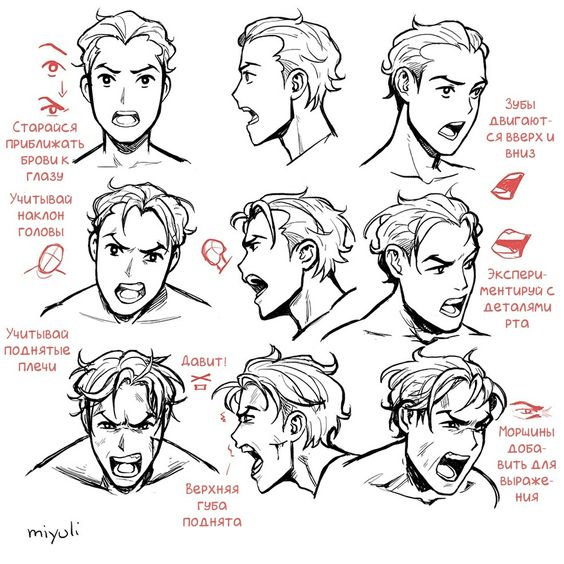
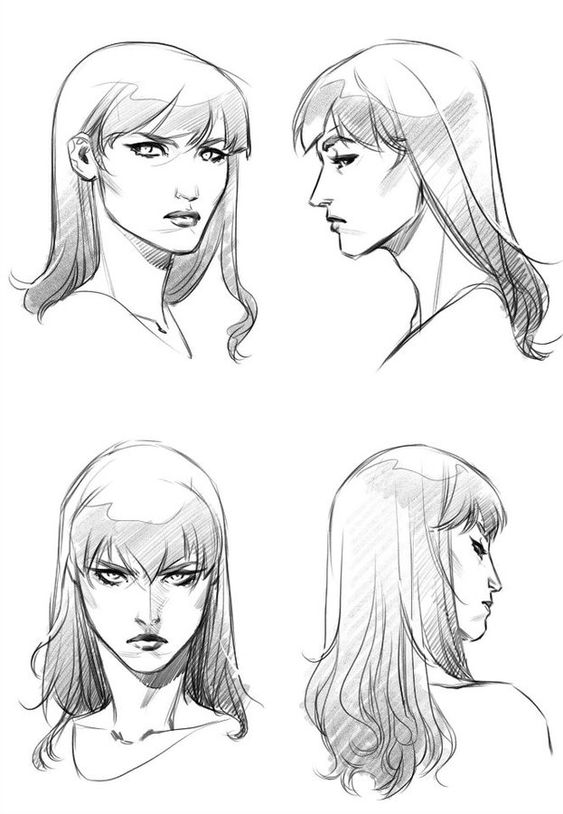
To emphasize the anger, you can add some shadows around the eyes and make them look narrowed. Adding some wrinkles around the forehead and between the eyebrows can also help make the expression more realistic.
Conveying Surprise and Fear
To draw surprise or fear, focus on the eyes and mouth once again. The eyes should be wide open, with the eyebrows raised. The mouth should be slightly open, with the corners pulled back.
To emphasize the surprise or fear, you can add some shadows around the eyes and make them look bigger. Adding some wrinkles around the forehead and between the eyebrows can also help make the expression more realistic.
A small sheet of anime mouth expressions is a useful warm-up before you commit to the final face expression.
Depicting Disgust and Disappointment
When drawing disgust or disappointment, the key is to focus on the mouth and nose. The mouth should be turned downwards into a frown or a sneer. The nose should be wrinkled, with the nostrils flared.
To emphasize the disgust or disappointment, you can add some shadows around the mouth and nose. Adding some wrinkles around the mouth and between the eyebrows can also help make the expression more realistic.
By focusing on these emotion-specific facial expressions, you can create more realistic and believable characters in your drawings. Remember to pay attention to the details and use the right techniques to convey the right emotions.
Lighting and Shadows
How Light Affects Facial Expressions
The way light hits a person’s face can greatly affect the way their facial expressions are perceived. Light can create shadows and highlights that emphasize certain features and add depth to the face. For example, if the light is coming from above, it will create shadows under the eyebrows, nose, and chin, which can make a person appear more serious or contemplative. On the other hand, if the light is coming from below, it can create shadows on the cheeks and forehead, which can make a person appear more ominous or mysterious.
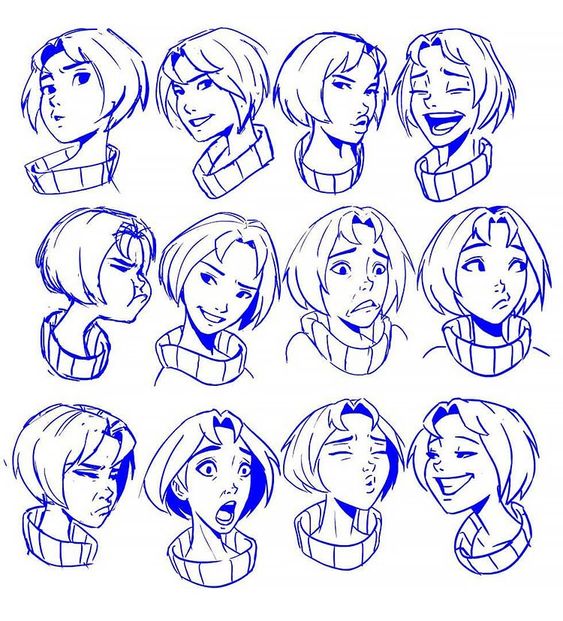
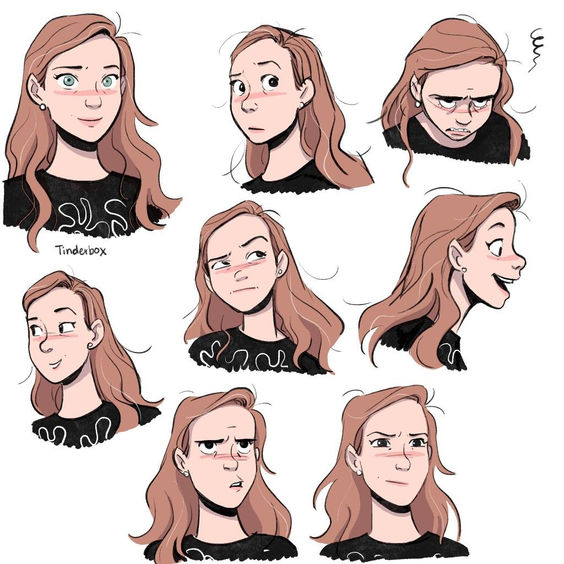
When drawing facial expressions, it’s important to consider the direction of the light source and how it will affect the shadows and highlights on the face. By using shading techniques, an artist can create the illusion of depth and bring the facial features to life.
Using Shadows to Enhance Emotion
Shadows can also be used to enhance the emotional impact of a facial expression. For example, deep shadows can be used to create a sense of mystery or danger, while softer shadows can create a more peaceful or gentle mood. Shadows can also be used to emphasize wrinkles and other facial lines, which can add character and depth to the drawing.
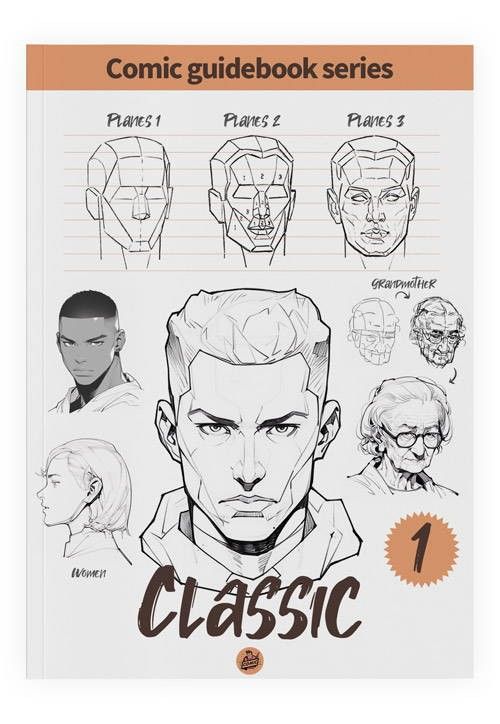
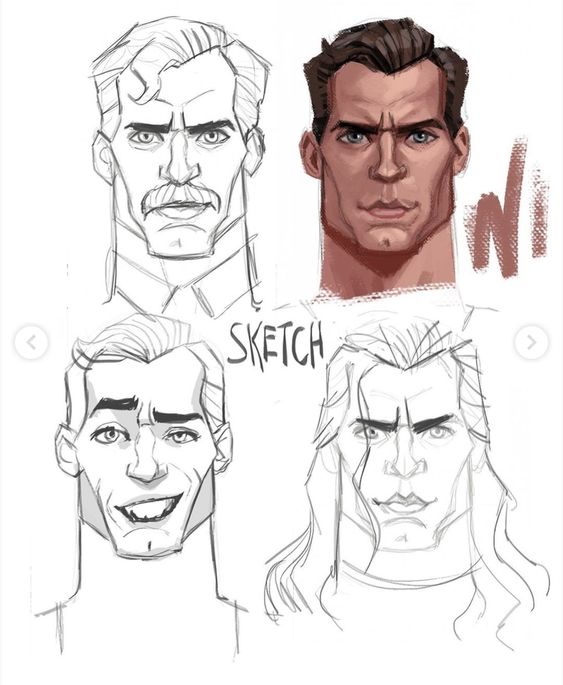
When using shadows to convey emotion, it’s important to consider the overall mood of the drawing and how the shadows will contribute to it. By carefully controlling the placement and intensity of the shadows, an artist can create a powerful and evocative image that captures the essence of the subject’s emotional state.
Overall, lighting and shadows are important tools for creating realistic and emotionally expressive facial expressions in drawings. By understanding how light affects the face and using shading techniques to create depth and mood, an artist can bring their drawings to life and capture the full range of human emotion.
Techniques for Drawing Expressions
When it comes to drawing facial expressions, it’s important to have a solid understanding of the underlying emotions and how they manifest physically. However, it’s equally important to have a range of techniques at your disposal to effectively capture those emotions on paper. Here are a few techniques to consider:
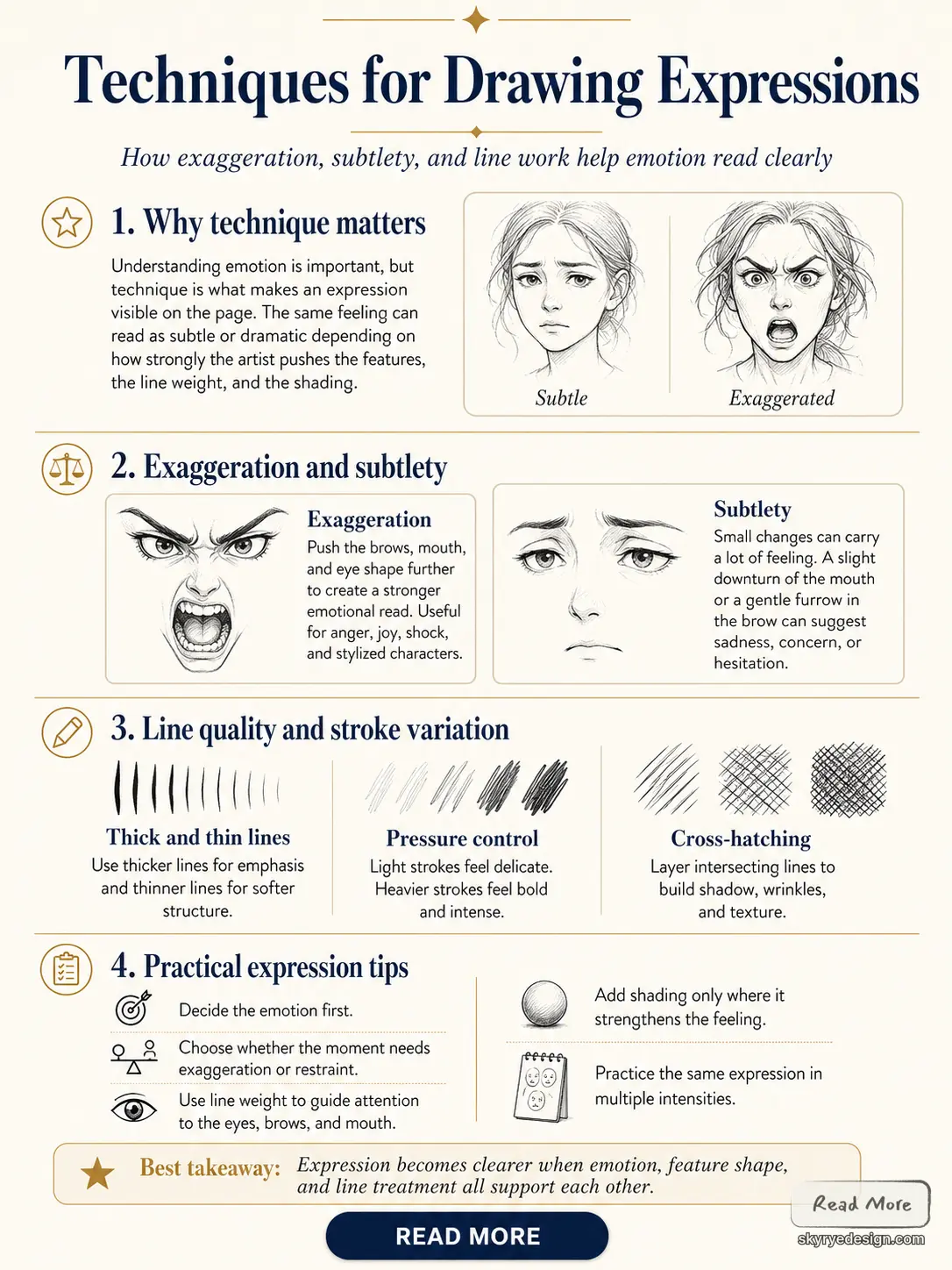
Exaggeration and Subtlety
One effective technique for conveying emotions is exaggeration. By exaggerating certain facial features, you can create a more pronounced and dramatic expression. For example, if you want to convey anger, you might exaggerate the eyebrows and mouth, making them more intense and pronounced.
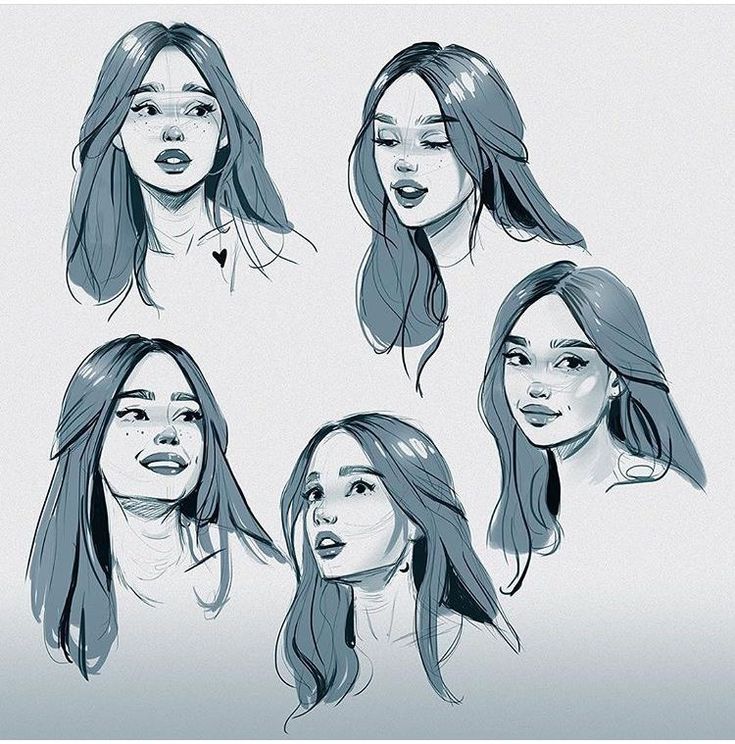

On the other hand, subtlety can also be effective in conveying emotions. Sometimes the smallest changes in facial expression can have a big impact. For example, a slight downturn of the mouth or a furrowed brow can convey sadness or concern.
Line Quality and Stroke Variation
The quality of your lines and the variation in your strokes can also have a big impact on the effectiveness of your facial expressions. Experiment with different types of lines, such as thick and thin lines, to create depth and texture. Vary the pressure you apply to your pencil or pen to create a range of strokes, from light and delicate to bold and intense.
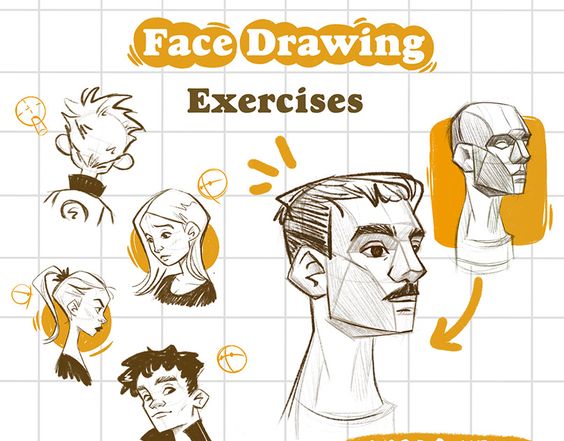

Another technique to consider is cross-hatching, which involves creating a series of intersecting lines to create shading and texture. This can be particularly effective when drawing expressions that involve a lot of shadows or wrinkles, such as a frown or a smile.
By incorporating these techniques into your drawings, you can create more expressive and impactful facial expressions that effectively convey a range of emotions.
Character Design and Expressions
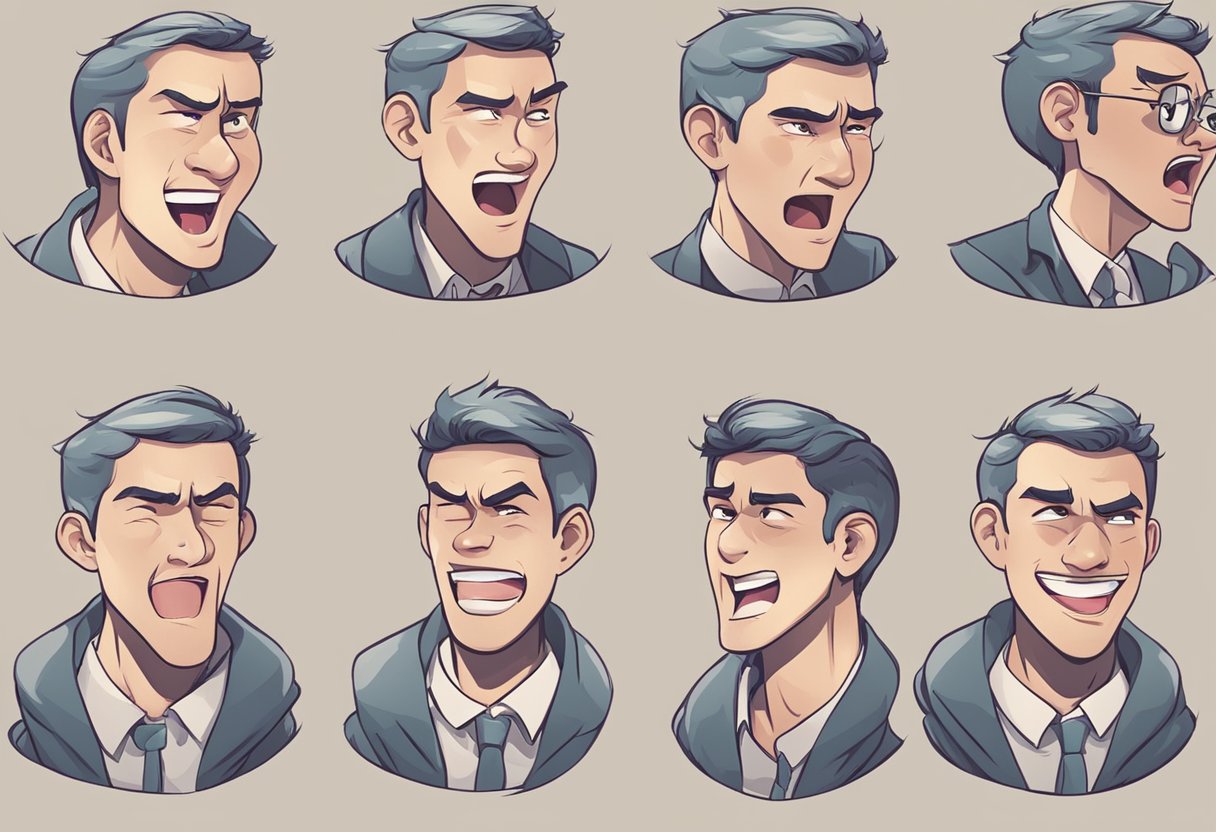
Incorporating Expressions into Character Sheets
When designing a character, it’s essential to consider their expressions as they can convey emotions and personality traits. Including a variety of expressions in a character sheet can help make the character feel more real and relatable. A character sheet is a document that outlines the physical characteristics of a character, including their expressions.
To incorporate expressions into a character sheet, one can use tables or lists to categorize different expressions and their corresponding emotions. For example, a table could include expressions such as happy, sad, angry, and surprised, with descriptions of the associated emotions. It’s also important to consider the context and personality of the character when selecting and designing expressions.
Using Expressions to Define Personality
Expressions can be a powerful tool for defining a character’s personality. A character who frequently smiles may be perceived as friendly and approachable, while a character who often scowls may come across as intimidating or unfriendly.
When using expressions to define personality, it’s important to consider the consistency of the character’s expressions. If a character is typically reserved and stoic, a sudden outburst of emotion may feel out of place or inconsistent. Conversely, a character who is generally expressive may feel flat or one-dimensional if they never display any emotion.
Overall, incorporating a variety of expressions into a character sheet and using them to define personality can help make a character feel more dynamic and relatable. By considering the context and consistency of expressions, a character can be designed to convey a range of emotions and personality traits.
Once the face starts working, this cartoon character expressions guide is a useful next step for practicing how eyes, mouths, and silhouettes carry personality.
Useful references for facial expressions
For more grounded expression studies, compare your sketches with real facial movement references. Paul Ekman’s overview of universal emotions and the Facial Action Coding System are useful starting points when you want to understand brows, eyes, mouth tension, and subtle muscle changes.
Expression practice gets sharper when you study manga facial-expression shortcuts, because manga often uses symbolic shortcuts that anime has to translate into moving faces.
Expressions read much stronger when the body supports them, so use an anime pose reference to match the face with posture, hand position, and shoulder tension.
When practicing gentle facial expressions, a cute Winnie the Pooh drawing helps you study tiny eyes, lifted brows, and a small smile without overcomplicating the face.
Drawing face expressions FAQ
What is the easiest way to draw face expressions?
A: The easiest way to draw face expressions is to start with the eyes, eyebrows, and mouth before adding small details. Raise or lower the brows, change the eyelid shape, then adjust the mouth corners. Once the emotion reads in a simple sketch, add cheeks, nose tension, wrinkles, and shadows.
How do you draw facial expressions step by step?
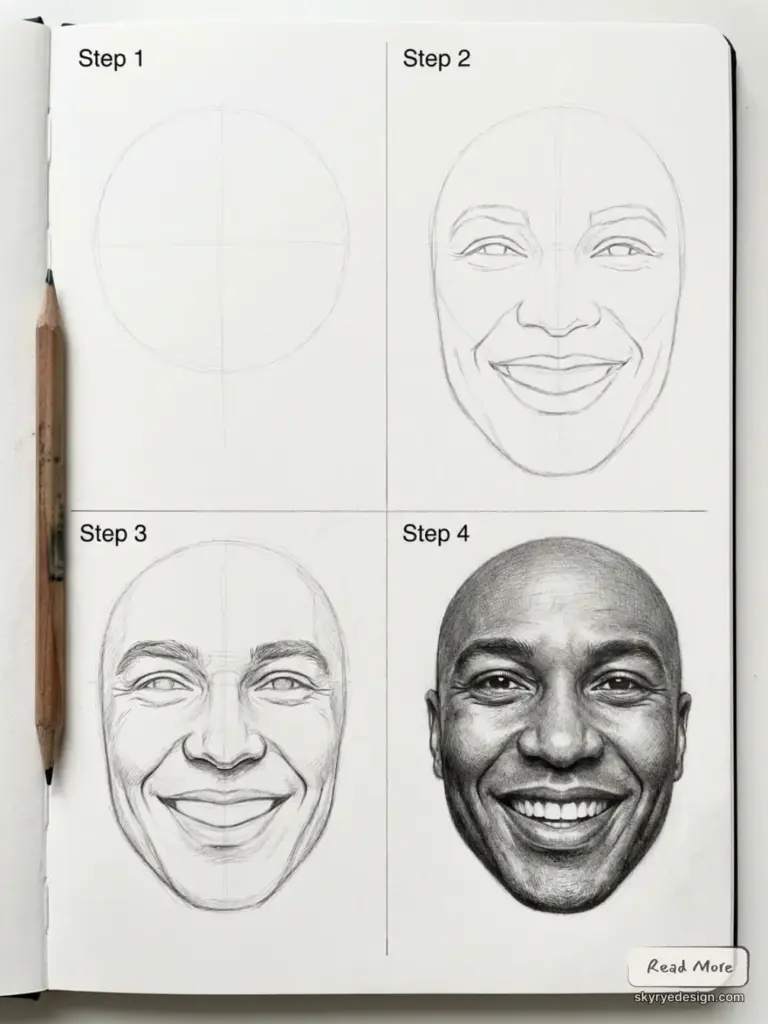
A: Sketch the head lightly, mark the eye line and mouth line, then choose the emotion before drawing details. Block in the brows, eyes, mouth, and jaw angle first. After that, add tension marks, cheek shapes, eyelid folds, and shadows. Keep checking whether the expression reads from a distance.
Which facial features show emotion the most?
A: The eyes, eyebrows, and mouth usually show emotion the most. Brows can signal anger, worry, surprise, or sadness with small angle changes. The mouth shows whether the face is relaxed, smiling, tense, or upset. Cheeks, eyelids, nose wrinkles, and jaw tension make the expression feel more specific.
How do you make a face expression look less stiff?
A: To make a face expression look less stiff, avoid making both sides perfectly identical. Tilt the brows slightly, vary the eyelids, and let the mouth corners move at different heights. Real expressions are rarely symmetrical. A small head tilt or shoulder angle can also make the emotion feel more natural.
Should beginners draw realistic or cartoon expressions first?
A: Beginners often learn faster with simplified cartoon expressions because the emotion is easier to read. Once you understand the big shapes, study realistic faces to add subtle eyelids, cheeks, skin folds, and softer mouth corners. The best practice is to switch between both styles.
How do you draw sad, angry, or surprised expressions?
A: For sadness, lift the inner brows, soften the eyes, and turn the mouth downward. For anger, pull the brows down and inward, narrow the eyes, and tense the jaw. For surprise, open the eyes, raise the brows, and drop the jaw. Keep the pose and lighting consistent with the emotion.
Related face and character drawing practice
Keep the practice going with nearby tutorials that support expression drawing from different angles:
- anime eyes drawing for making the eyes carry more emotion.
- side profile drawing for expressions from a turned head angle.
- drawing portraits for likeness, shadows, and subtle face structure.
- cartoon character drawing for simplified, readable expression practice.
- female character design for connecting facial emotion with posture, costume, and personality.
- crying face drawing for focused practice with tears, brows, and mouth tension.
A character is only as strong as the emotions they show; try combining different facial angles with expressive character drawing ideas to show anger, joy, or surprise.
When you want the brow to carry more of the emotion, the separate how to draw eyebrows guide breaks down arch, tail, and hair direction in more detail.
Expression practice gets stronger when you compare pencil structure with watercolor face and portrait studies, especially around brows, mouths, and cheek shadows.
Related realism study: For quieter expression studies, Marco Grassi portraits show how a face can feel emotional without an exaggerated pose.
When the emotion depends on the gaze, use this eye sketch drawing guide to check iris placement, lid shadow, and matching pupils before you finish the expression.
- 4.8Kshares
- Facebook0
- Pinterest4.8K
- Twitter3
- Reddit0