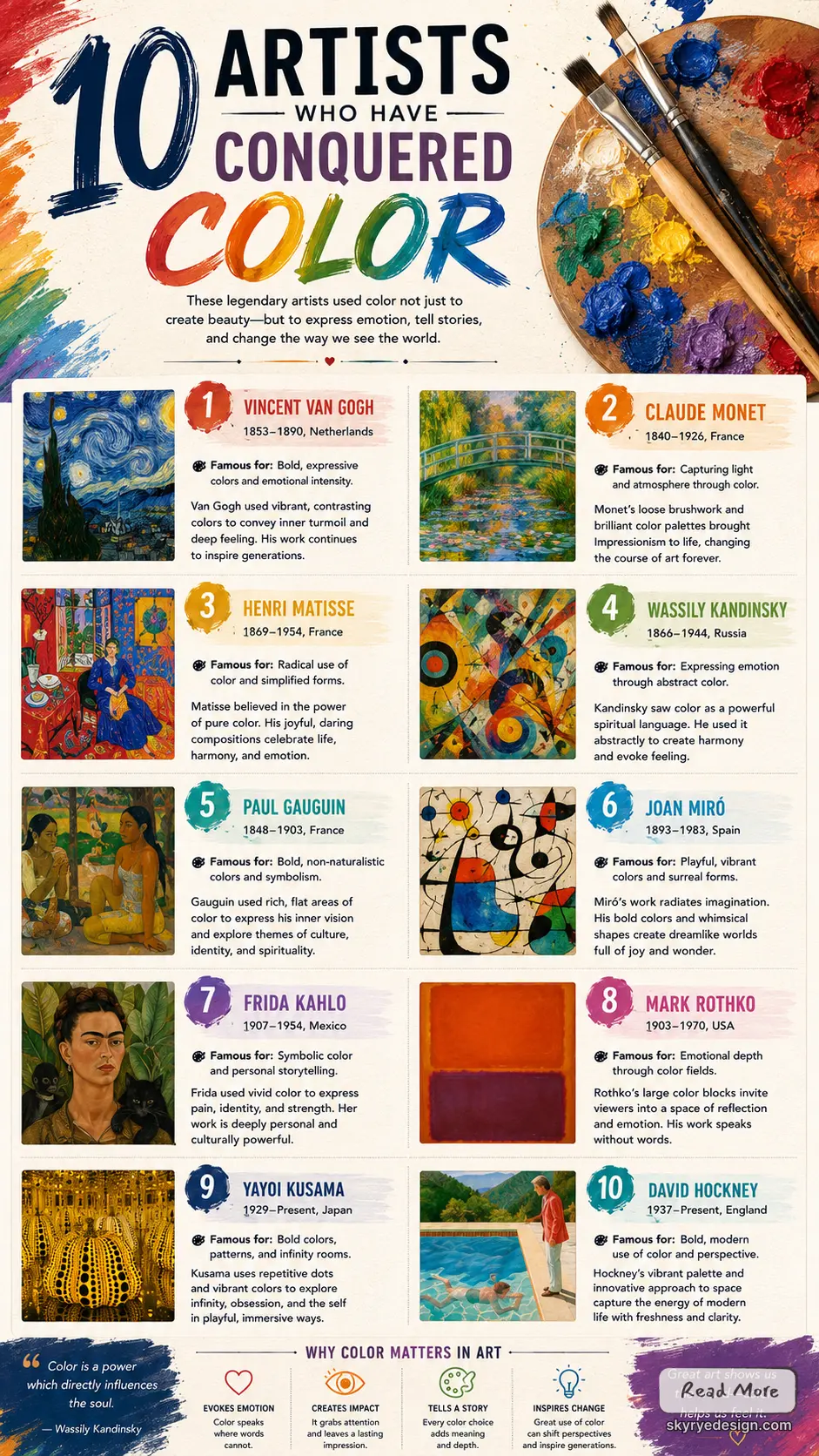
Color is the thing most people ignore right up until they try to actually control it themselves, and that’s why I put this gallery together. Ten artists, ten completely different relationships with hue and contrast — Van Gogh’s saturated, almost feverish landscapes sitting next to someone using palette-knife texture to build light instead of paint it, next to a city scene that glows like it’s lit from inside the canvas.
- William Henrits
- Hovik Zohrabyan
- Linda Wilder
- Ken Hong Leung
- Johan Messel
- Leonid Afremov
- Yuri Petrenko
- Tsviatko Kinchev
- Jill Charuk
- Eugene J. Paproski
- Final thoughts on artists who use color
- FAQ
- Q: What makes an artist good with color?
- Q: Which artists in this gallery are best for studying bold color?
- Q: How can beginners learn from famous artists who use color?
- Q: Why do colorful paintings often feel more emotional?
- Q: Are these artists useful for watercolor inspiration?
- Q: What should I notice first when studying color in a painting?
Flip through it when a painting feels flat and you can’t figure out why. Half the time the problem isn’t composition or subject — it’s that the color is doing nothing, sitting at one temperature with no contrast to push the eye anywhere.
These ten show what it looks like when color is actually doing the work.
William Henrits
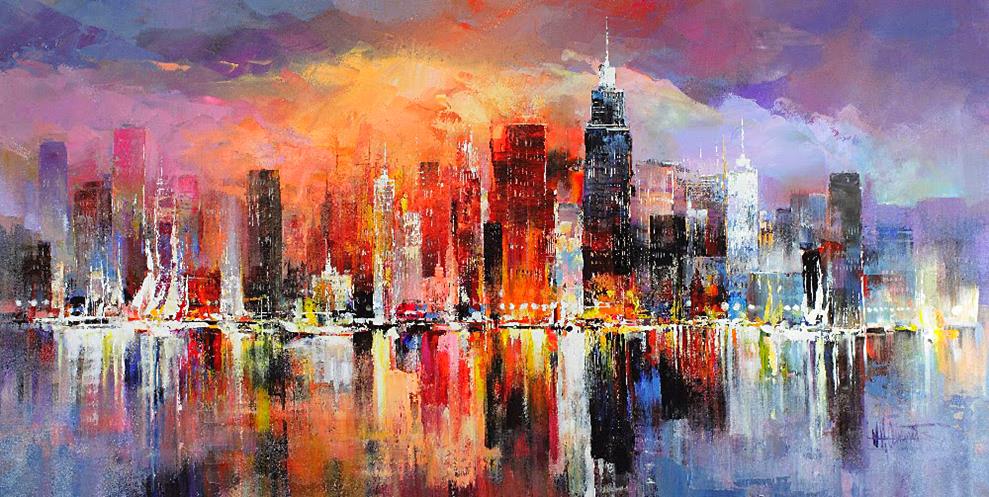
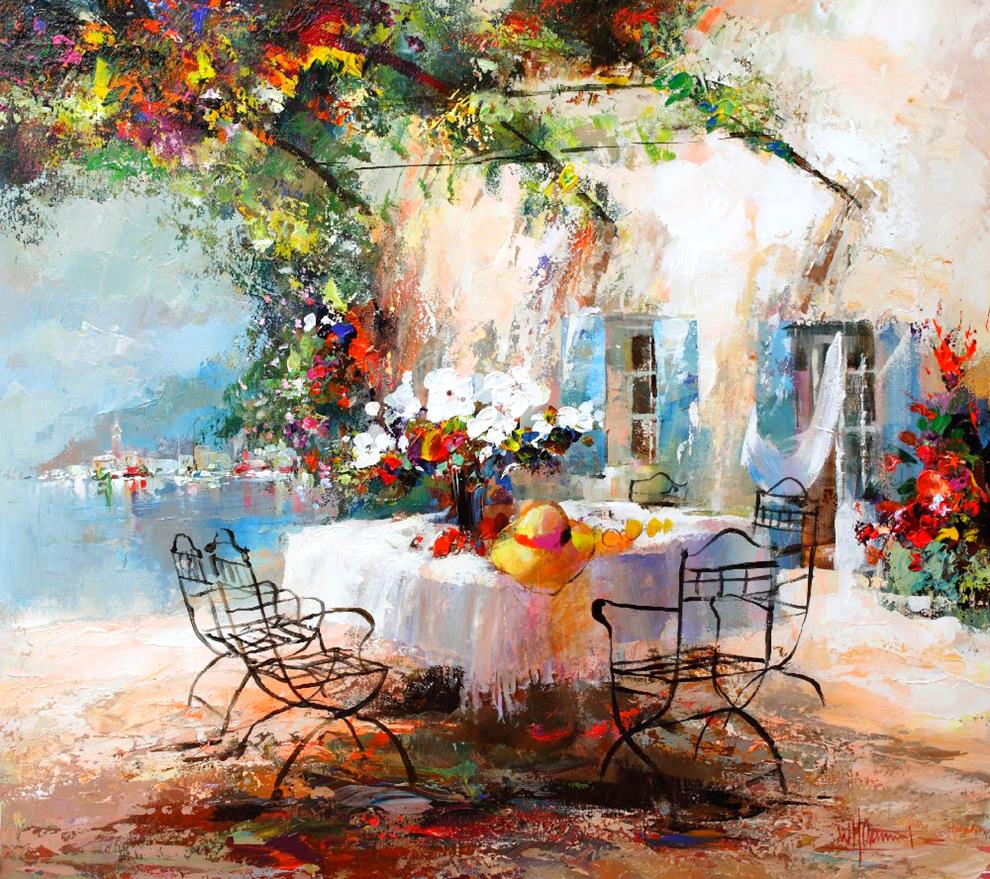

Hovik Zohrabyan


Linda Wilder
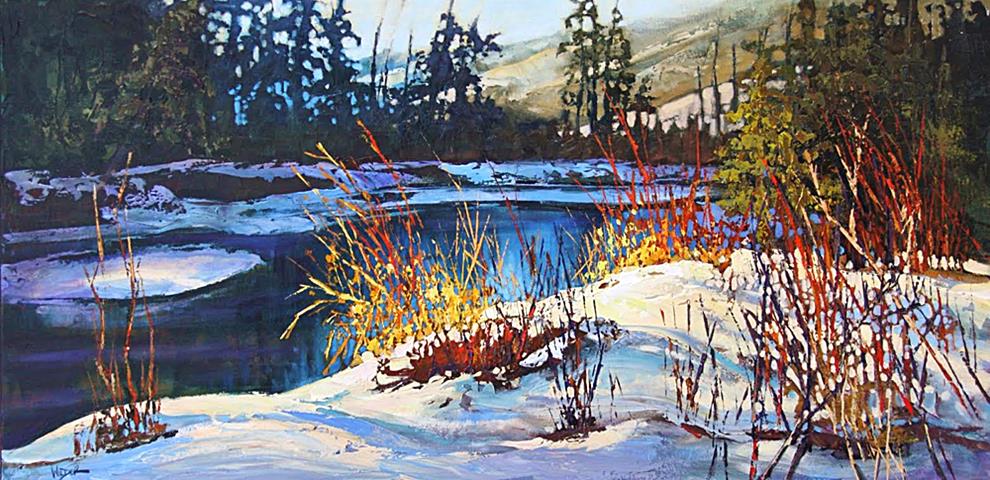

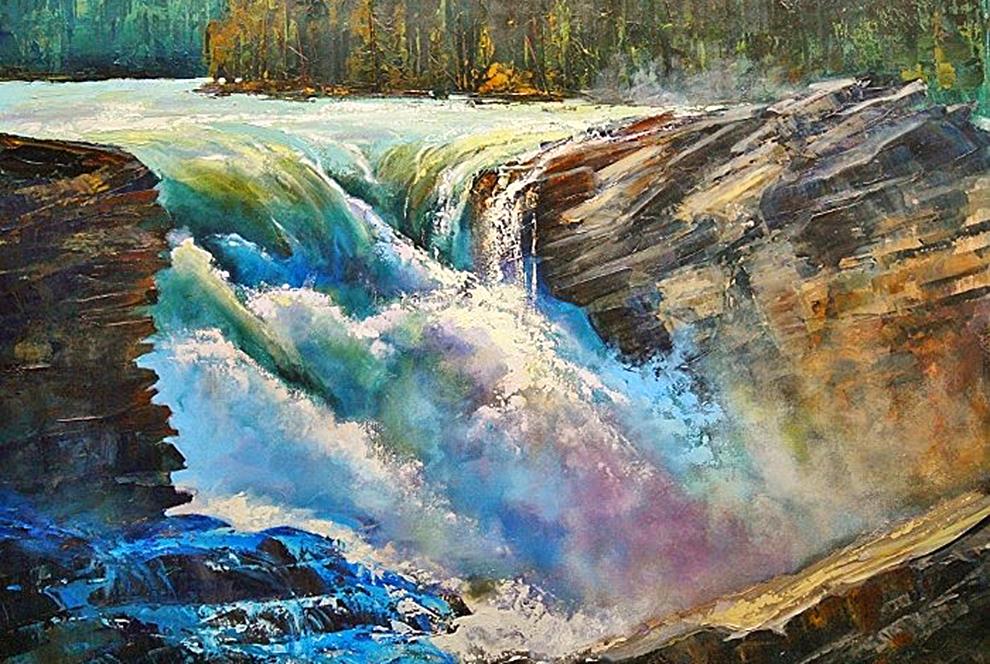
Linda Wilder – Canadian artist. Linda loves to paint landscapes and spatula – one of her favorite instruments.
Ken Hong Leung

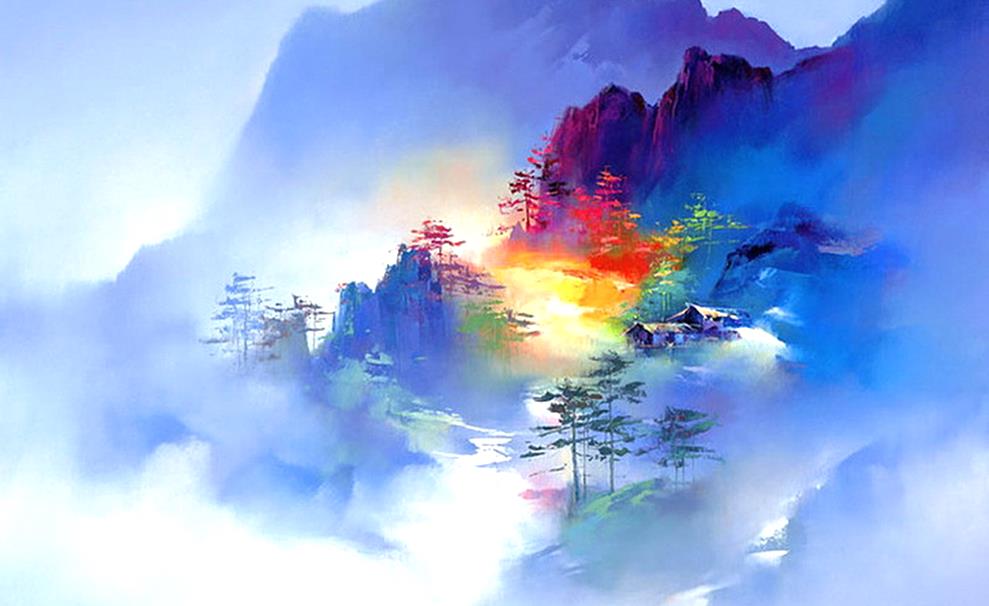

Johan Messel


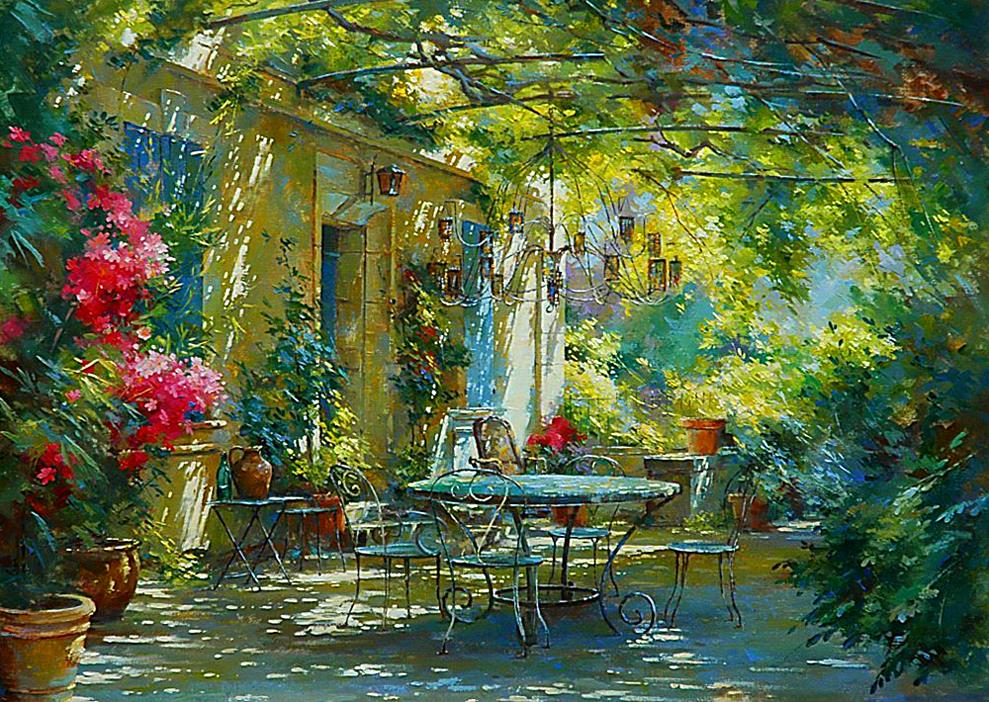
Leonid Afremov
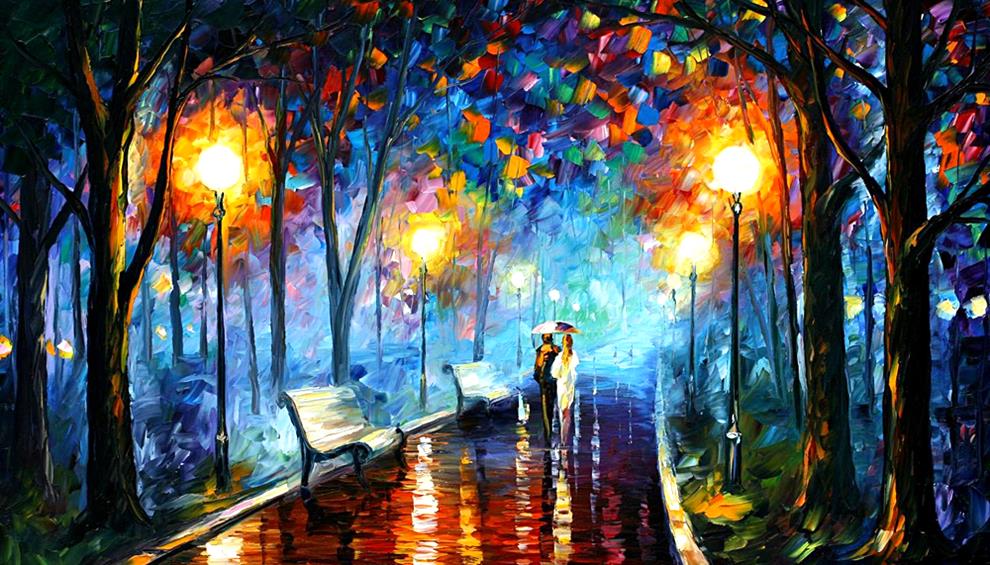
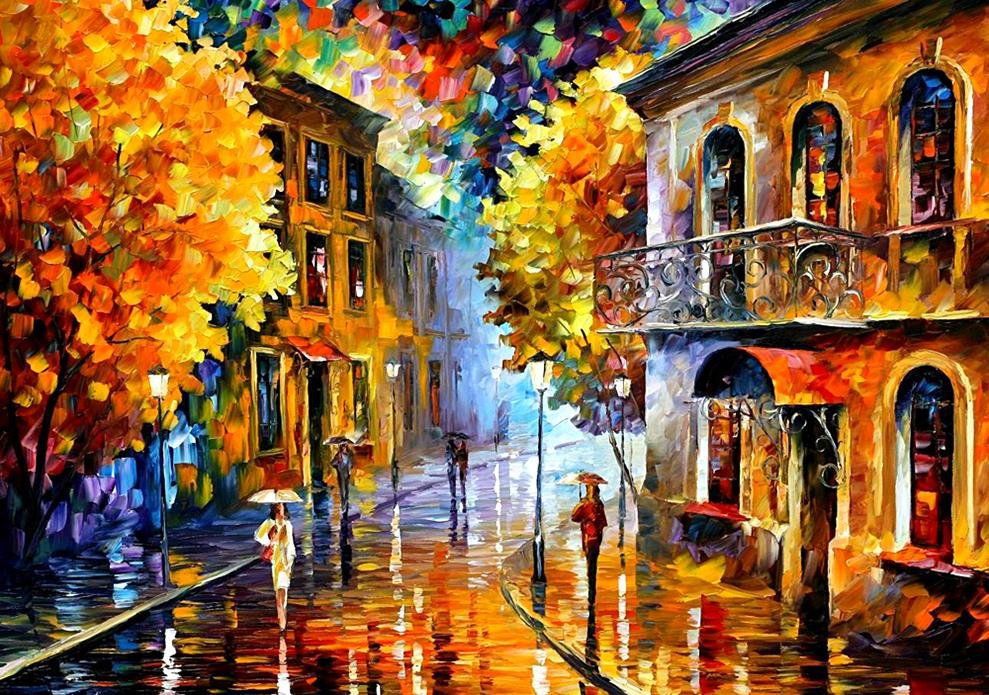

Yuri Petrenko


Tsviatko Kinchev


Jill Charuk
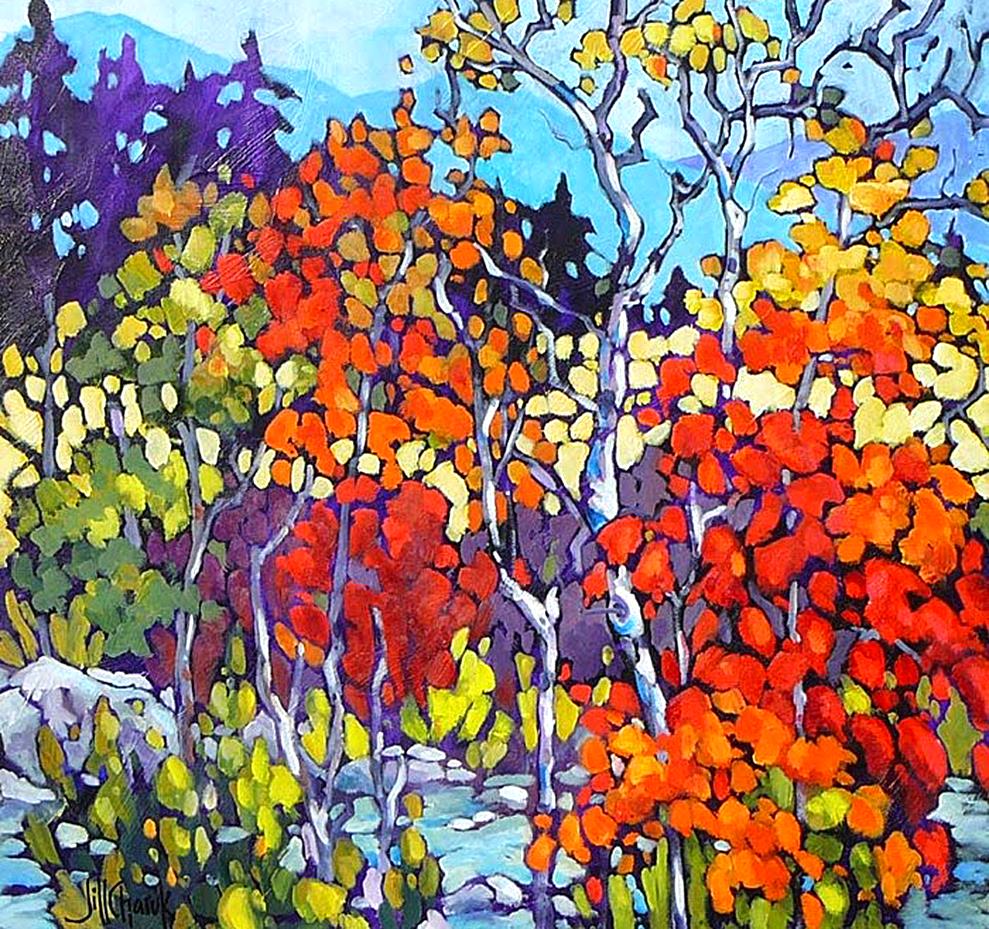


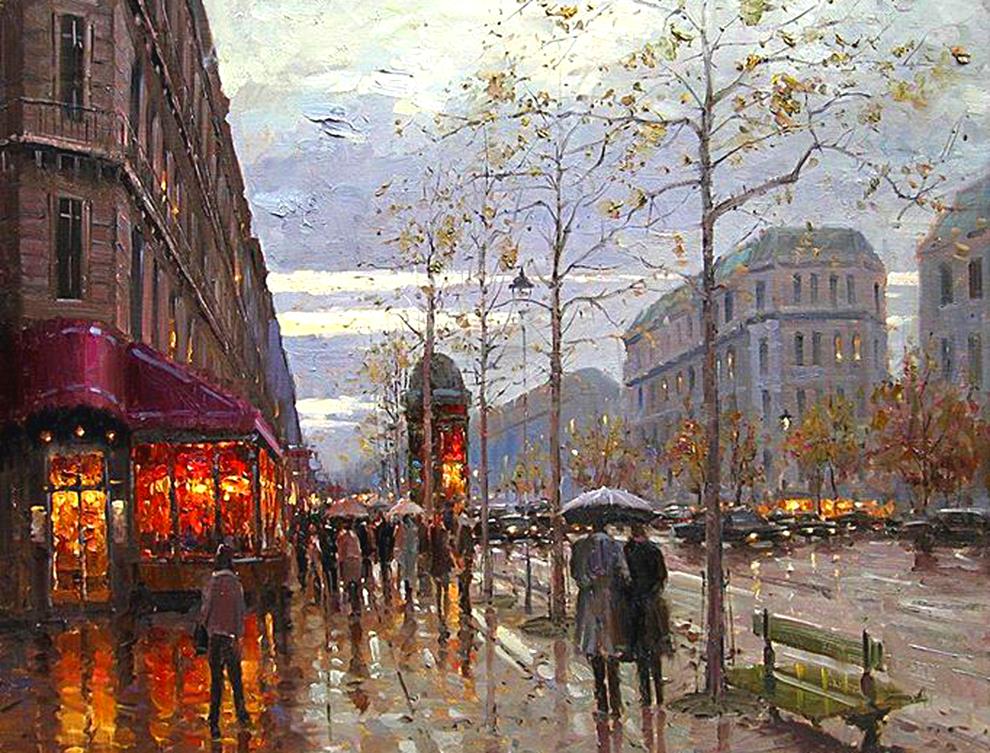
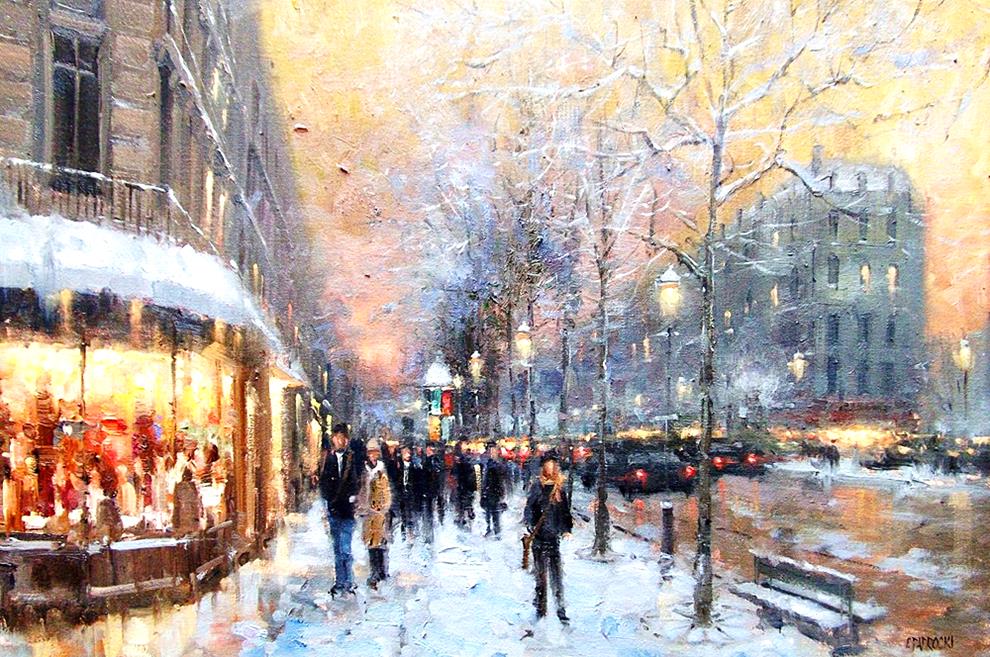
Eugene J. Paproski
Final thoughts on artists who use color
What makes these artists worth studying isn’t the bright paint. Anyone can squeeze saturated color straight from the tube and call it bold. What actually separates them is control — warm against cool, saturated against quiet, sharp light slammed next to a soft shadow. That tension is where the mood comes from, not the hue itself.
So if you’re trying to build your own palette, don’t start by picking apart the brushstrokes. Pick one painting from this list — Van Gogh’s wheat fields work well for this — and just trace where the warm color sits against the cool, where it goes quiet, where the contrast gets loud again.
Once you can see that structure, the details stop mattering as much as you think they do.
For a beginner color study, try Hispanic Heritage Month drawings that use a limited palette and strong silhouette.
FAQ
Q: What makes an artist good with color?
A: An artist is good with color when the palette supports the mood instead of simply looking bright. Strong color work usually has clear value contrast, repeated color notes, and a controlled temperature shift between warm and cool areas.
Q: Which artists in this gallery are best for studying bold color?
A: Leonid Afremov, Ken Hong Leung, Linda Wilder, and Tsviatko Kinchev are useful starting points if you want bold color ideas. Look at how each artist balances saturated passages with darker shapes, softer neutrals, or glowing highlights.
Q: How can beginners learn from famous artists who use color?
A: Start by copying the palette, not the whole painting. Pick three to five main colors from one artwork, make small thumbnail studies, and notice where the artist keeps the strongest contrast. This trains your eye without turning practice into a slow reproduction.
Q: Why do colorful paintings often feel more emotional?
A: Color changes the emotional temperature of a scene quickly. Warm yellows and reds can make a street feel alive, while blues and violets can make a landscape feel quieter. The effect comes from contrast, placement, and repetition, not from saturation alone.
Q: Are these artists useful for watercolor inspiration?
A: Yes, especially if you are looking for loose edges, transparent washes, landscape color, or expressive light. Even when a painting uses heavier texture, you can still borrow the palette structure and translate it into watercolor layers.
Q: What should I notice first when studying color in a painting?
A: Look at the value pattern first: where the darkest dark, lightest light, and strongest color sit. After that, study how often the same hue returns across the image. Good color usually feels intentional because it repeats with variation.
Browse the Art archive for more color theory, painting inspiration, and artist-focused references.

For color-focused study, add these watercolor portrait reference ideas to your list and compare how each painter handles warm skin, cool shadows, and strong contrast.
Kobra is worth studying beside other color-driven artists because his colorful mural work uses hard geometric blocks without losing the human face underneath.
- 11.3Kshares
- Facebook0
- Pinterest11.3K
- Twitter0
- Reddit0