Fantasy drawing ideas work best when they give your hand a clear first move. Instead of trying to “draw fantasy” as a whole genre, start with one specific subject: a dragon curled around a tower, a fairy door in a tree, a floating island, a moonlit archer, or a potion shelf with one strange object glowing in the corner.
When I thumbnail a fantasy scene, I look for the silhouette before the details. If the big shape is weak, scales, runes, armor, and sparkles will not save it. Use the prompts below as small sketchbook assignments: choose one subject, decide the light direction, then add only the details that support the story.
- How to use fantasy drawing ideas without getting stuck
- Fantasy drawing ideas to start with
- Fantasy character drawing ideas
- Magical beings to sketch
- Magical object drawing ideas
- Fantasy landscape drawing ideas
- Fantasy creature action scenes
- Mix fantasy with other genres
- Advanced fantasy drawing inspiration
- Fantasy drawing ideas FAQ
- What are the best fantasy drawing ideas for beginners?
- How do I make a fantasy drawing look less flat?
- What should I draw if I want an easy fantasy scene?
- How do you design a believable fantasy creature?
- What are good fantasy character drawing ideas?
- Can I use pencil for fantasy drawing ideas?
- How do I turn a fantasy drawing idea into a full scene?
- Related fantasy drawing practice
- Outside references for fantasy art study
- Final fantasy drawing practice plan
A small footwear study can also sharpen character design. If a boot, sneaker, or slipper belongs in your fantasy sketchbook, use these shoe drawing ideas to practice soles, straps, and silhouettes before adding costume detail.
How to use fantasy drawing ideas without getting stuck
Start with a narrow prompt, not a finished illustration. A useful fantasy drawing idea names the subject, setting, and visual hook in one sentence: “a swamp dragon guarding a half-sunken boat” is easier to draw than “a cool dragon.” Block the largest shapes first, keep the first sketch loose, and save costume patterns, scales, symbols, and texture until the pose and composition read clearly. For a beginner, one finished 30-minute sketch teaches more than an abandoned epic battle scene.
| Prompt type | Best first move |
|---|---|
| Creature | Choose a real animal base, then add one fantasy feature. |
| Character | Draw the pose and silhouette before armor or costume detail. |
| Landscape | Set foreground, middle ground, and background before adding texture. |
| Object | Give the item one material, one flaw, and one magical rule. |
The highest-value GSC query for this page is fantasy drawing ideas, but the same page also shows up for unique drawing ideas, easy fantasy drawings, fantasy sketch ideas, and fantasy things to draw. That is the right intent: people want visual prompts they can actually start today.
Fantasy drawing ideas to start with
These ideas show clear subjects, strong mood, and simple story hooks you can draw right away. Focus on lighting, scale, and a few strong details to make each scene feel real.
Dragon fantasy drawing ideas in different environments

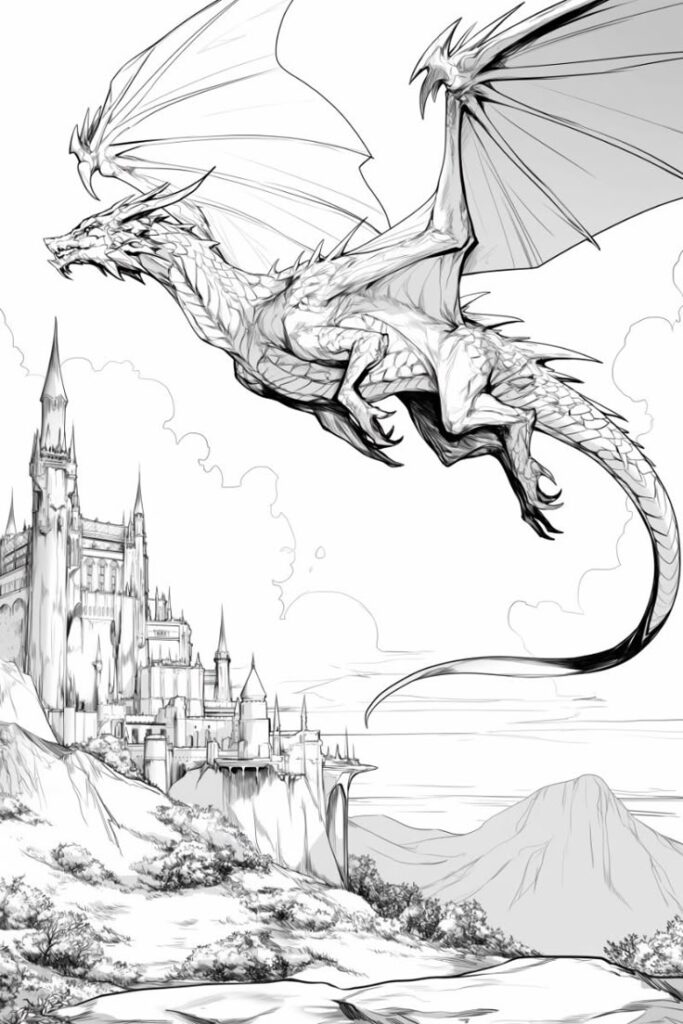
Draw a mountain wyrm curled around a jagged peak, scales catching sunrise light. Use large shapes for the body and small shapes for the horns and claws. Add distant hikers or a broken flag to show scale and tell a short story.
Try a swamp dragon with moss-covered wings and glowing eyes. Keep the water reflections soft and use muted greens and browns. Place reeds or a half-sunken boat near the dragon to add depth.
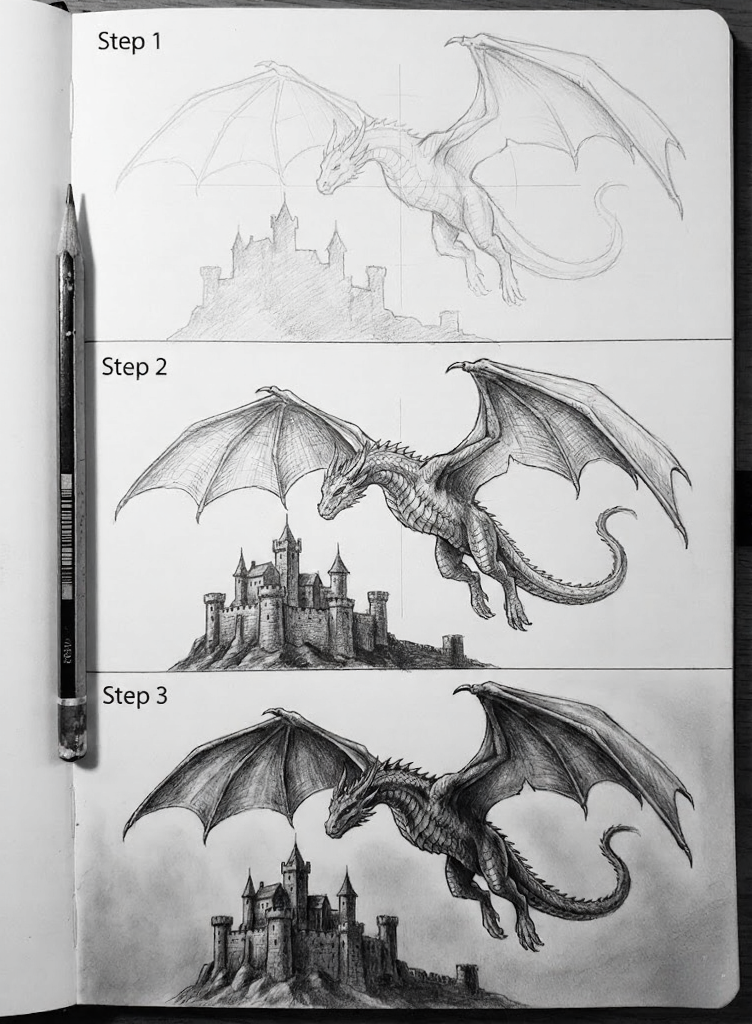
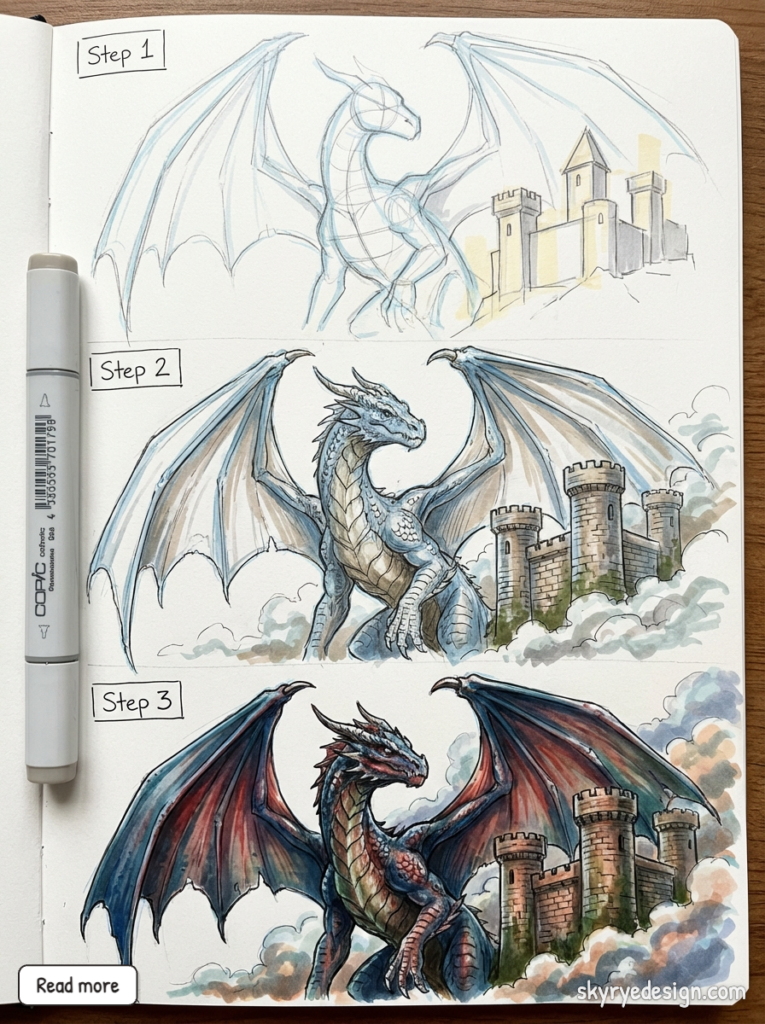
For a city dragon, sketch rooftops, chimneys, and narrow alleys under its shadow. Use hard edges and cast shadows to show how it blocks light. Add rooftop details like antennas or hanging laundry for character.
Vary the dragon’s posture to change mood: coiled and sleeping feels calm, rearing and roaring feels dangerous, perched and watchful feels noble. Choose one clear light source—moon, sun, or fire—to unify the scene.
For a related creative prompt, see 10 Airplane Drawing Ideas for Budding Aviation Artists.
Enchanted forest fantasy drawings
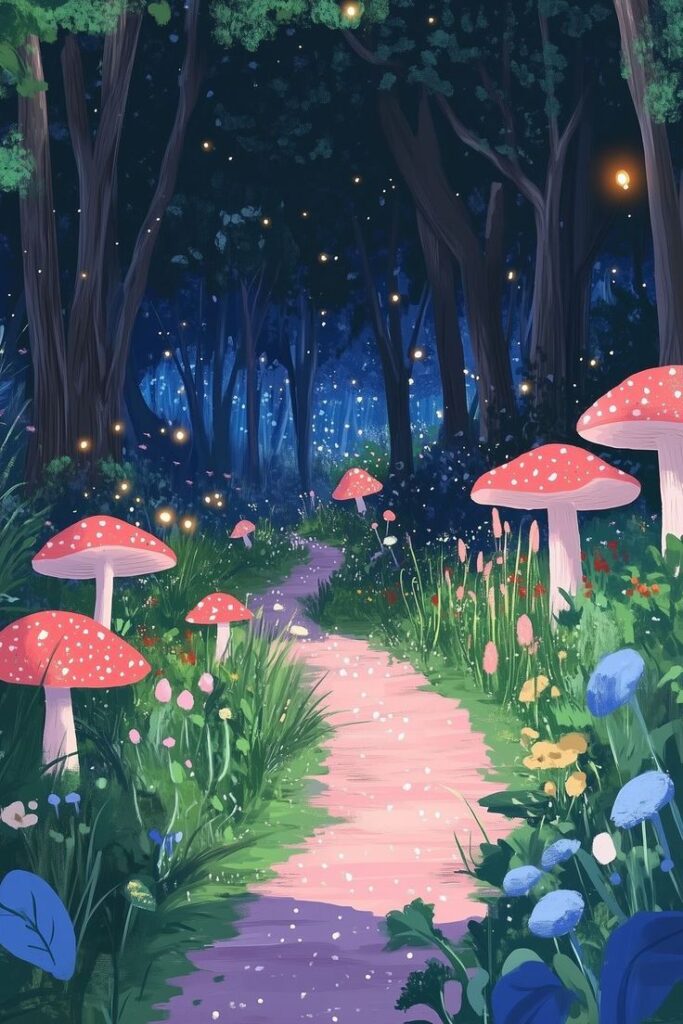
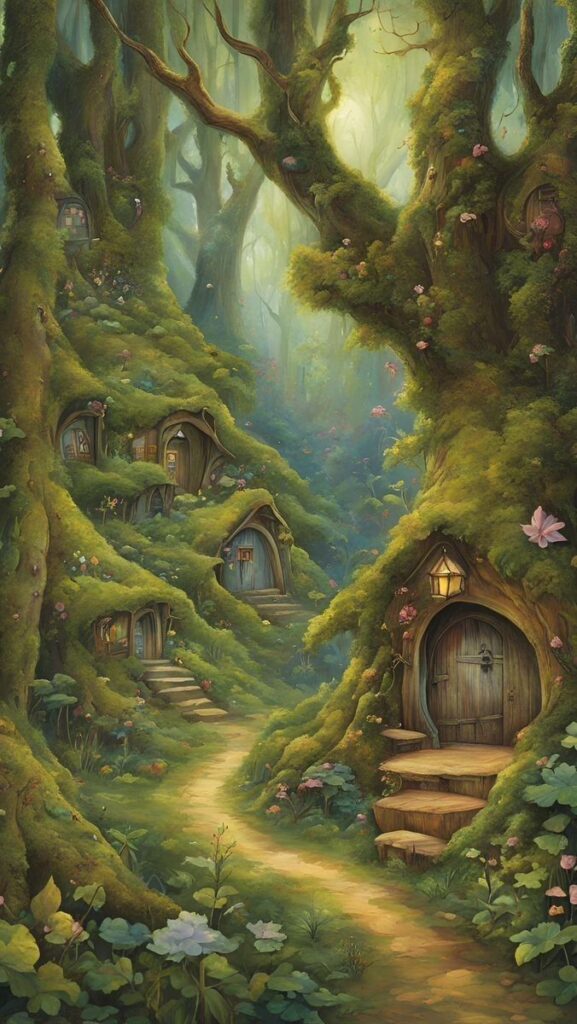
Start with a strong foreground object like a twisted tree or glowing mushroom to anchor the view. Layer midground trees and background mist to create depth. Keep branch shapes varied to look natural and magical.
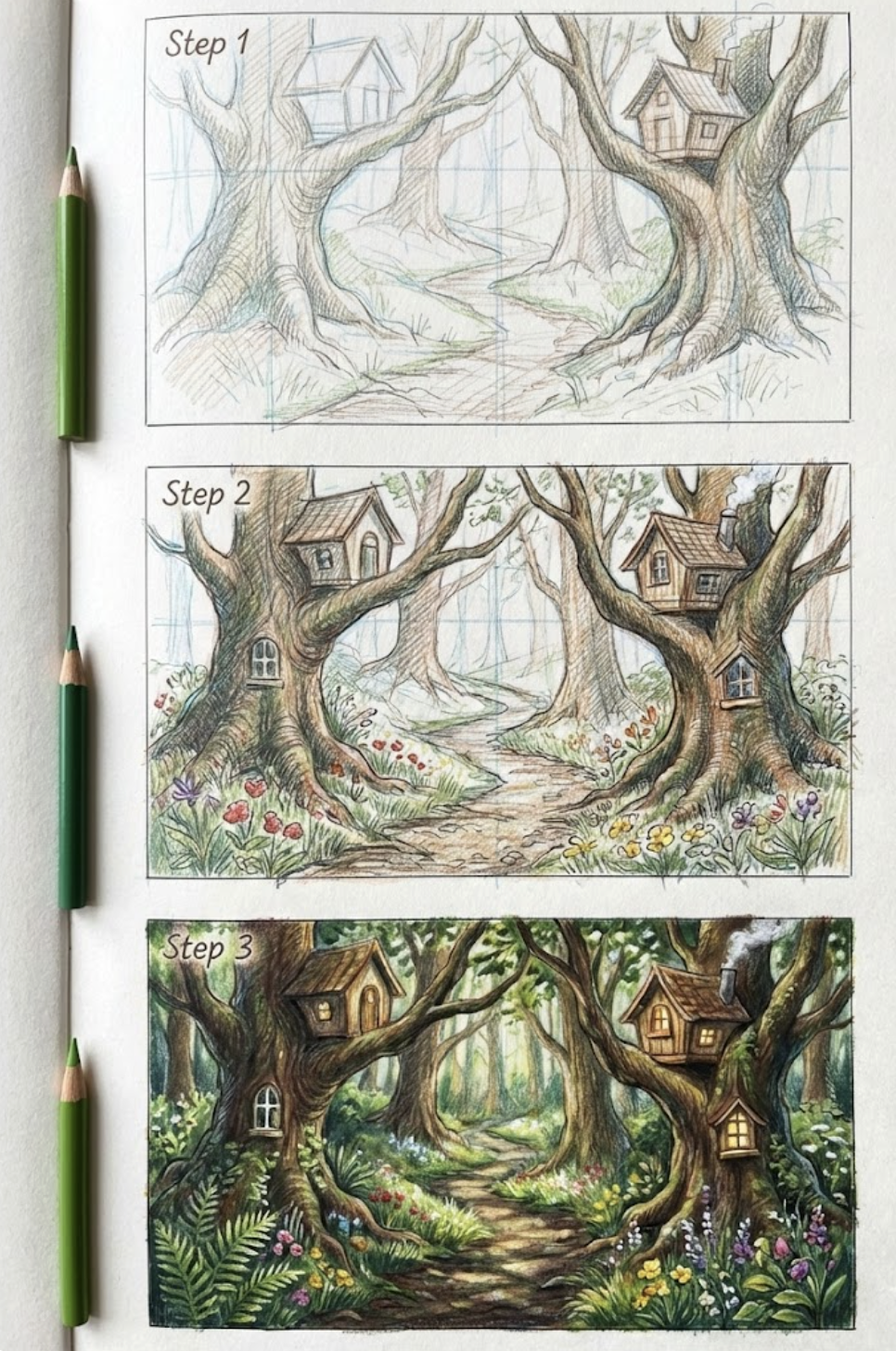
Add bioluminescent plants or floating lights to make the forest feel enchanted. Use cool blues and teals for glow, and warm accents for lanterns or campfires. Include small creatures—fairies, foxes with runes, or owl-like spirits—to give the scene life.
Create paths that curve out of sight to invite the viewer in. Scatter fallen leaves, stones, and broken statues to hint at history. Use dappled light through the canopy to create contrast and focus on a single area of interest.
For a related creative prompt, see Mastering Kaiju Art.
Magical castle and kingdom drawing ideas
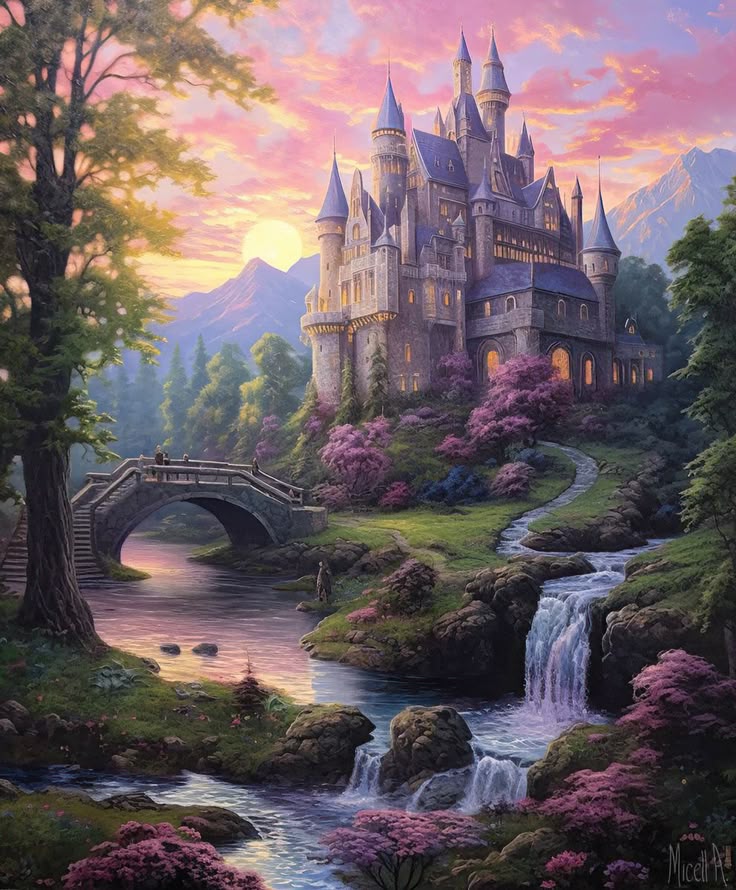
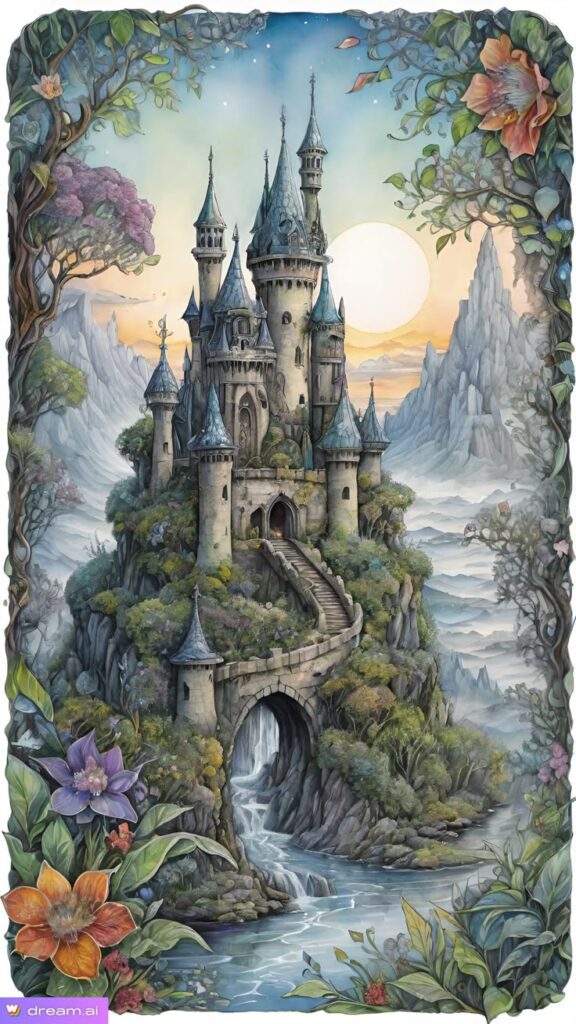
Place the castle on an interesting base: cliff, island, or giant turtle. Show how people or creatures reach it—suspension bridges, airships, or winding stairways—to suggest function and scale.
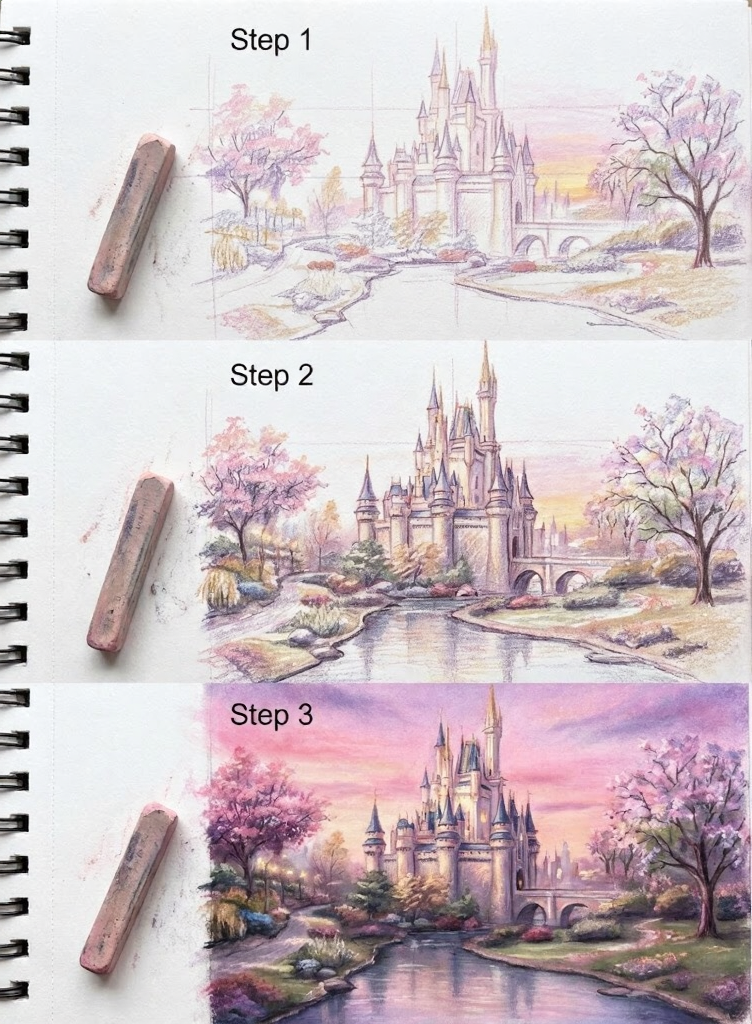
Design towers with different roof shapes, flags, and windows to break monotony. Add banners, carved reliefs, or glowing crystals to indicate culture and magic level. Use perspective lines from a road or river to lead the eye toward the main gate.
Include everyday kingdom details: market stalls, guard patrols, or a ferry crossing a moat. Those small elements give life and make the castle feel used. Keep silhouettes readable at a distance and add sharper detail near focal points.
Fantasy character drawing ideas
These ideas give you clear starting points: distinct traits, visual hooks, and a few story seeds to build on. Each concept emphasizes a strong silhouette, a clear color or texture motif, and one emotional beat that defines the character.
Hero and heroine concepts
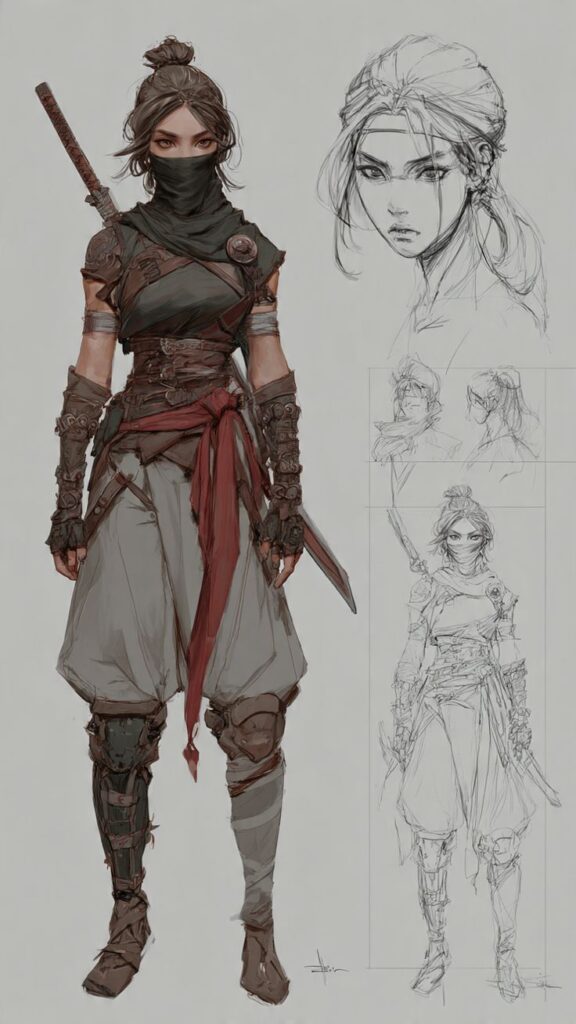
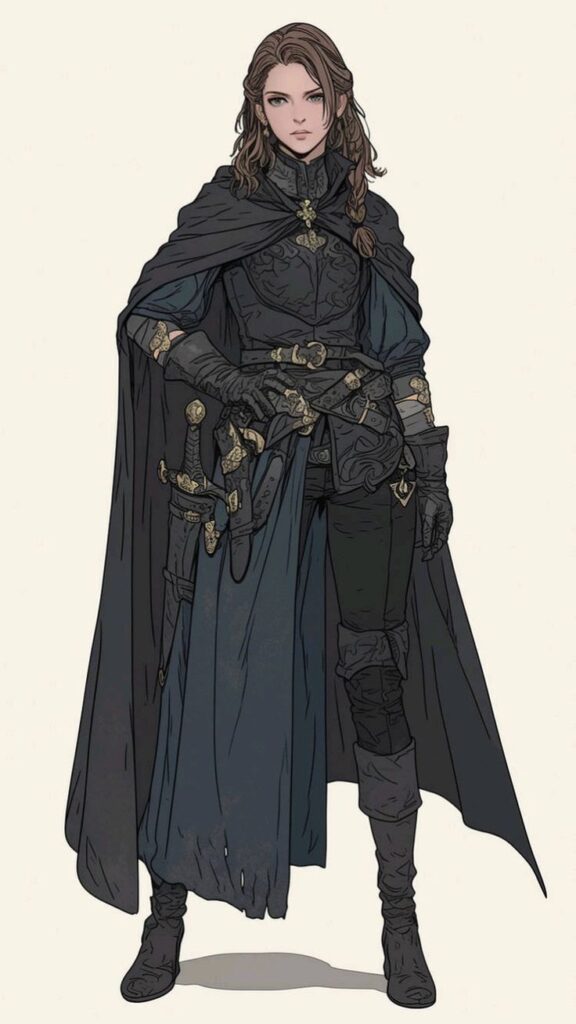
Think of a hero whose tools and flaws shape their look. For example, a cartographer who lost an arm and now wears a brass prosthetic filled with tiny maps and a compass. Show the prosthetic’s gears, smudged ink stains, and notches that record past journeys. Give them worn travel clothes patched with fabric collected from different cultures.
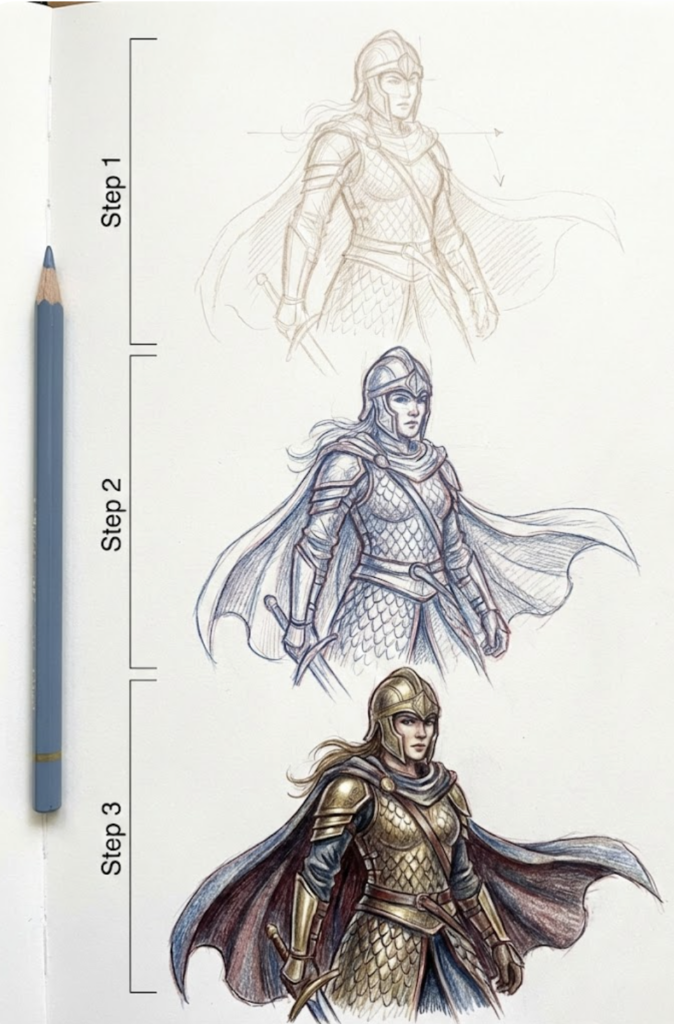
Focus on one potent trait: courage tempered by doubt. Give a visual cue for that doubt — a locket with a faded photo, a torn sleeve, a scar. Let your palette reflect their arc: muted earth tones that gain brighter accents as they grow. Pose them holding a map or tracing a route; small props tell big stories.
1000 Drawing Ideas for Artists
Get a free PDF packed with easy drawing ideas, anime prompts, character concepts, nature inspiration, and fantasy sketchbook challenges.
Download Free PDFVillain concepts with stronger silhouettes
Design villains with motivations tied to their appearance. A ruler who feeds on harvested memories could have translucent skin threaded with glowing filaments where memories flow. Show jars, memory tags, and a crown made of clock parts to suggest time and control.
Make the villain’s power visible but not obvious. Use asymmetry—one glove immaculate, the other stained—to hint at hypocrisy. Choose a dominant texture: cracked porcelain, slick obsidian, or hanging moss. Give them a private detail that humanizes them, like a child’s drawing pinned to their chamber, to add contrast and depth that you can reveal in close-up studies.
Mythical creature drawing ideas
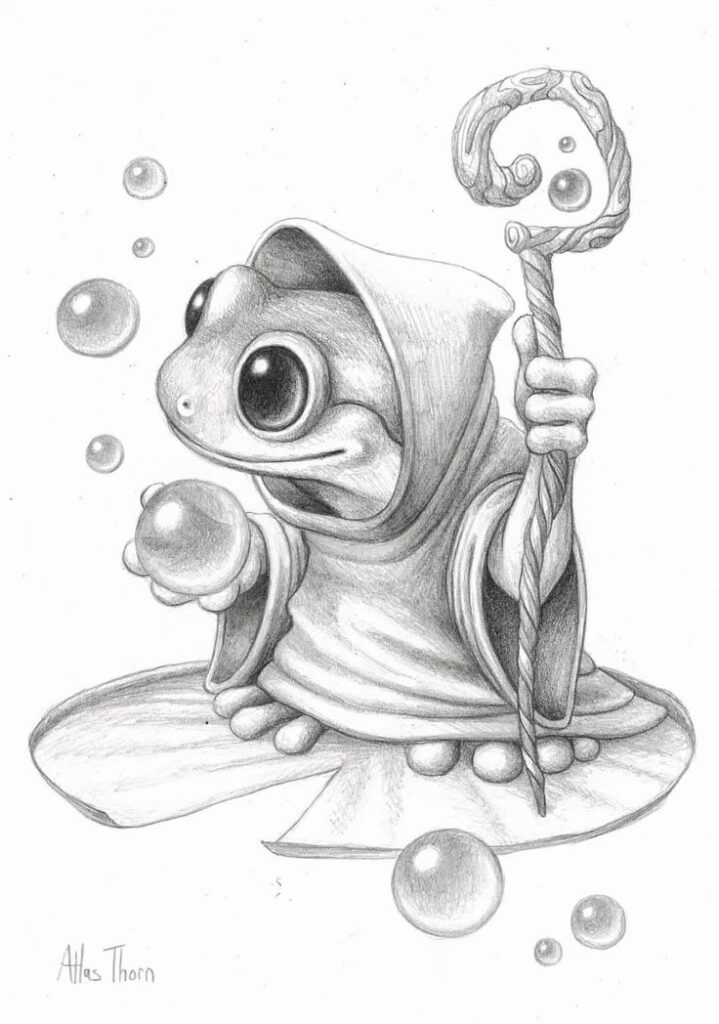
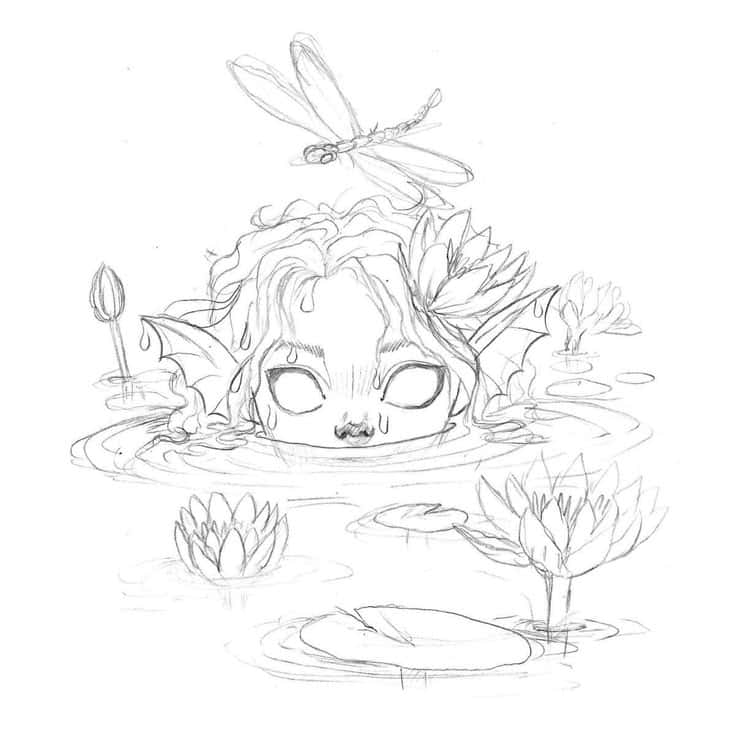
Blend anatomy and function to make creatures feel real. A skywhale that grazes on cloud-lichen might have broad, translucent fins like stained glass and barnacle-like beaks for feeding. Sketch how air sacs shift when it dives, and show scale patterns that channel wind.
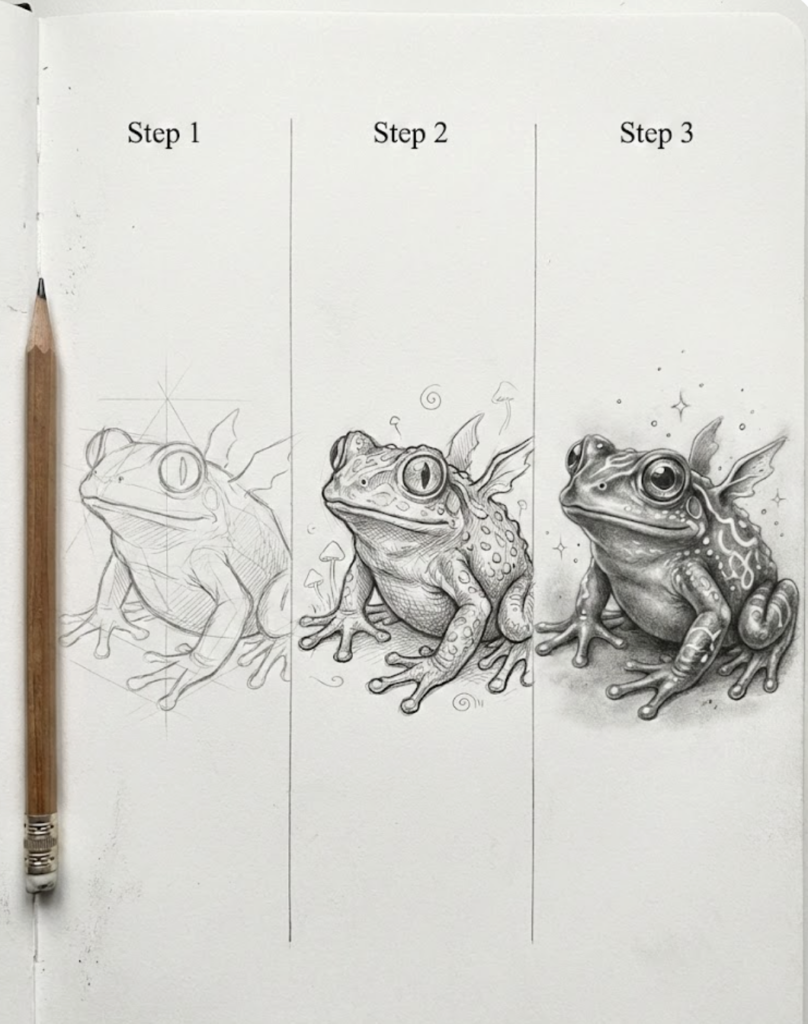
Add ecological clues: feathers that shimmer with condensation, bioluminescent patches used for mating displays, or hoofs adapted to rocky spires. Give each creature a single unusual habit—nesting in abandoned clocktowers, harvesting lightning, or singing in three tones. Those habits guide posture, facial expressions, and habitat details you can draw repeatedly.
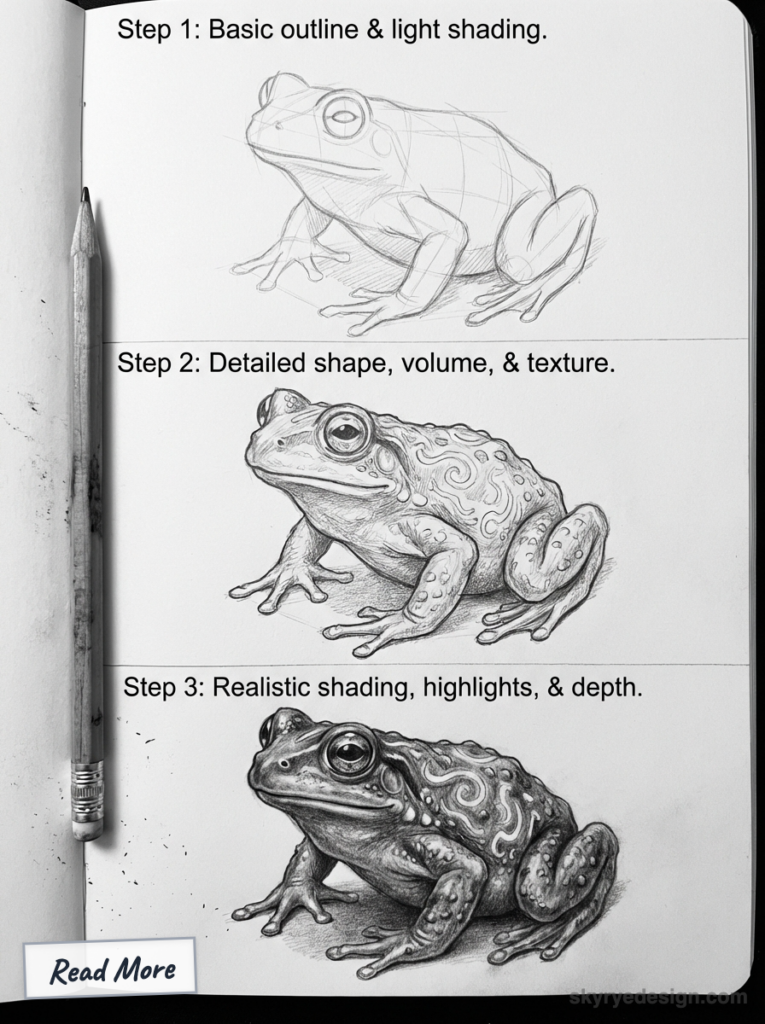
Magical beings to sketch
You’ll explore small, nature-tied folk and water-dwelling peoples with features that affect how you draw them. Focus on body shape, clothing, and how their habitats influence details such as skin, hair, and gear.
Elf and fairy drawing ideas
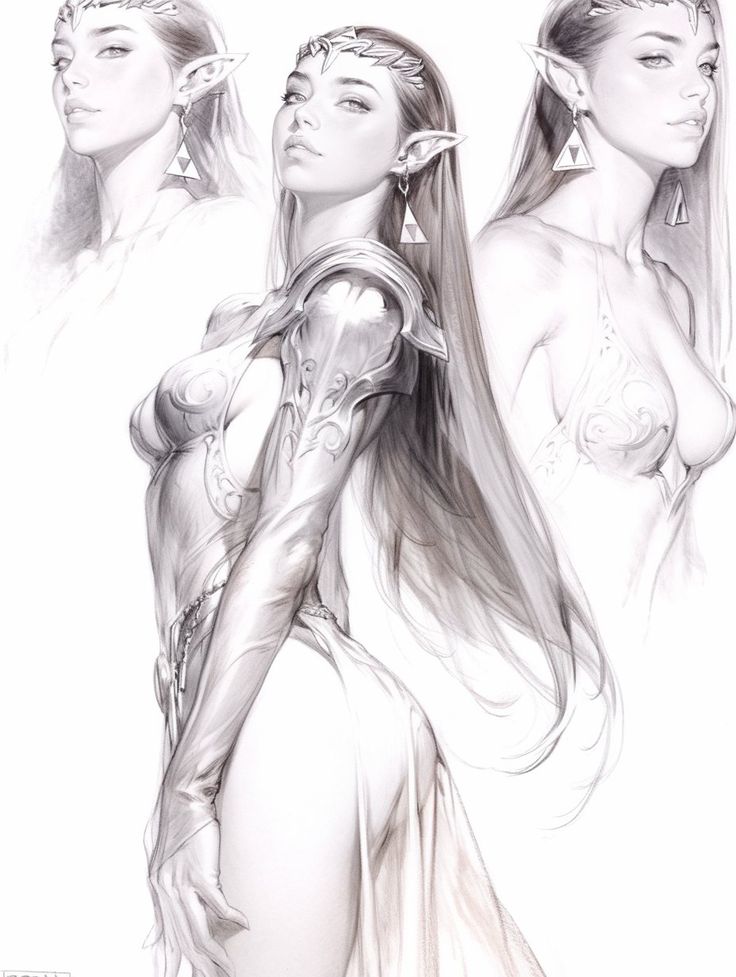
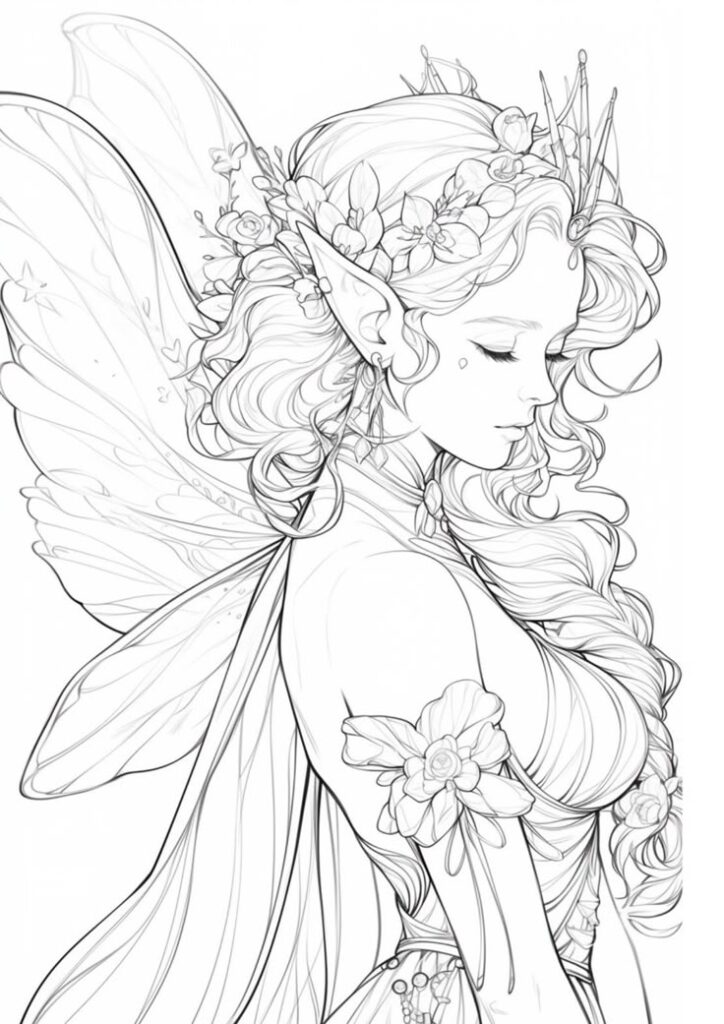
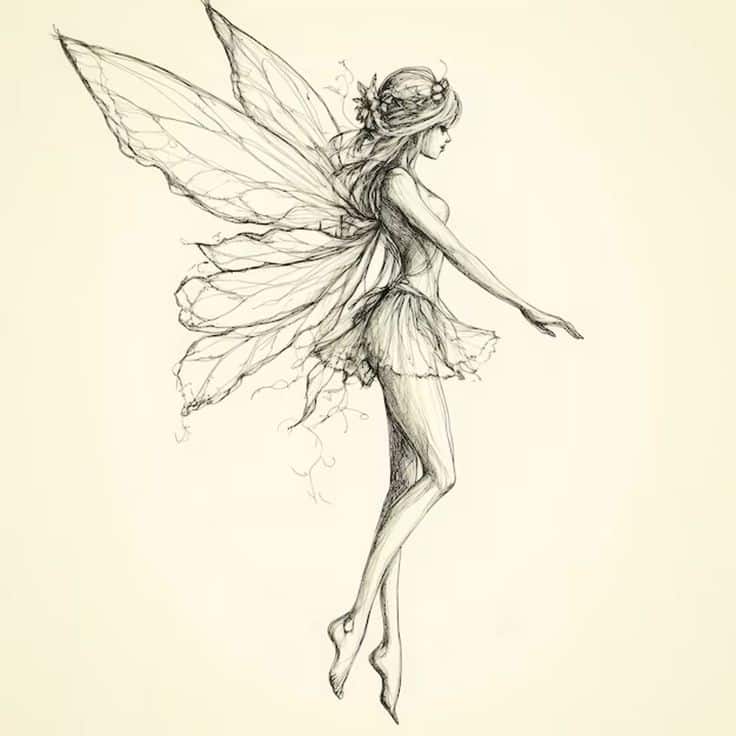
Elves often have slender builds, long limbs, and angular faces. When you draw elves, emphasize graceful posture, pointed ears, and clothing that echoes their culture—leaf motifs, flowing fabrics, or light armor. Use thin, elegant line work for hair and garments to show refinement.
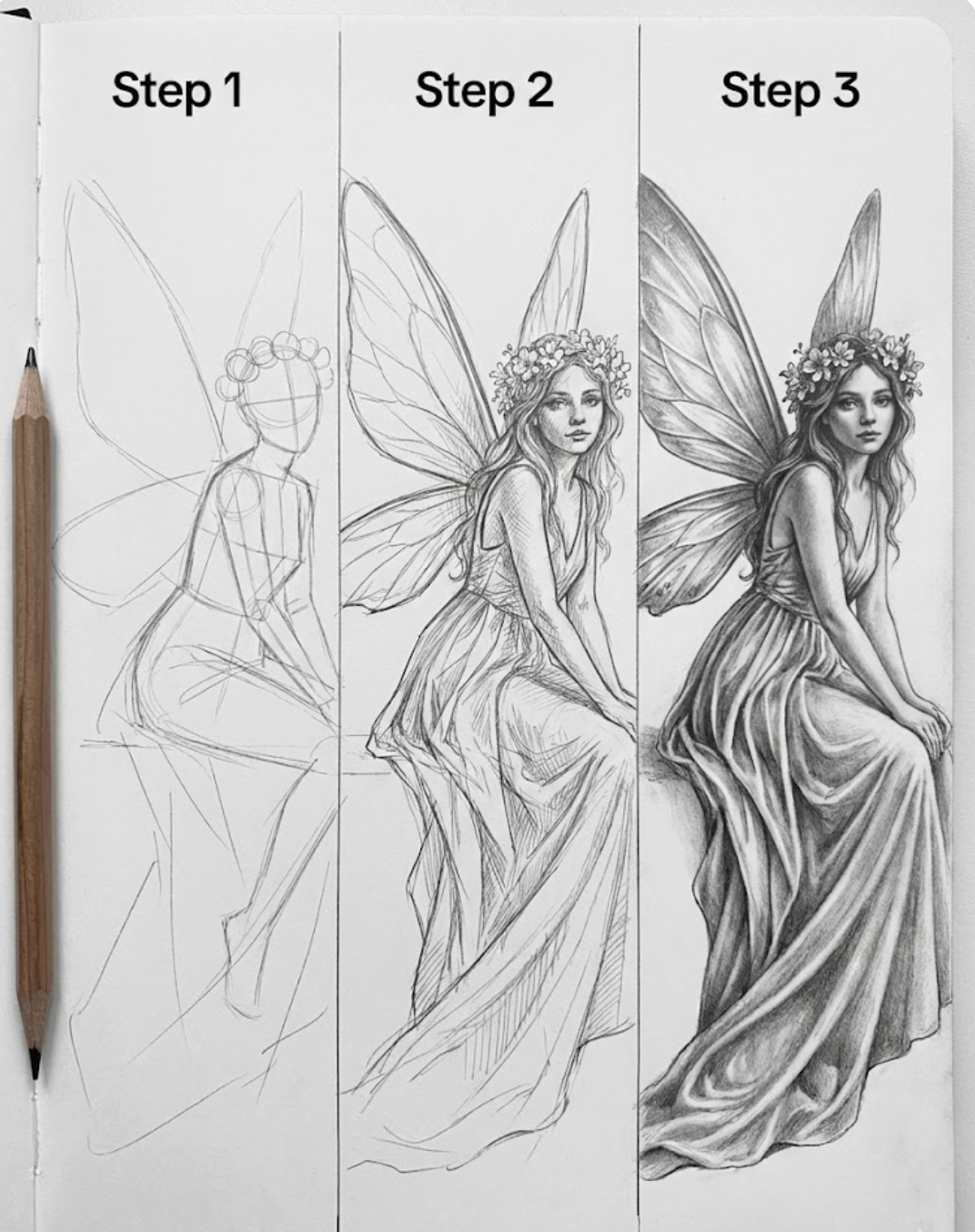
Fairies are smaller and more varied. Decide if they have insect wings, leaf-like appendages, or no wings at all. Scale matters: sketch them interacting with plants or common objects to show size. For personality, give each fairy a clear silhouette—rounded for playful, sharp for mischievous.
Color choices tell stories. Greens and browns suit forest dwellers, while bright, iridescent hues fit trickster fairies. Add props: a tiny lantern, a seed pouch, or a staff can hint at role and magic.
Mermaid and aquatic fantasy races
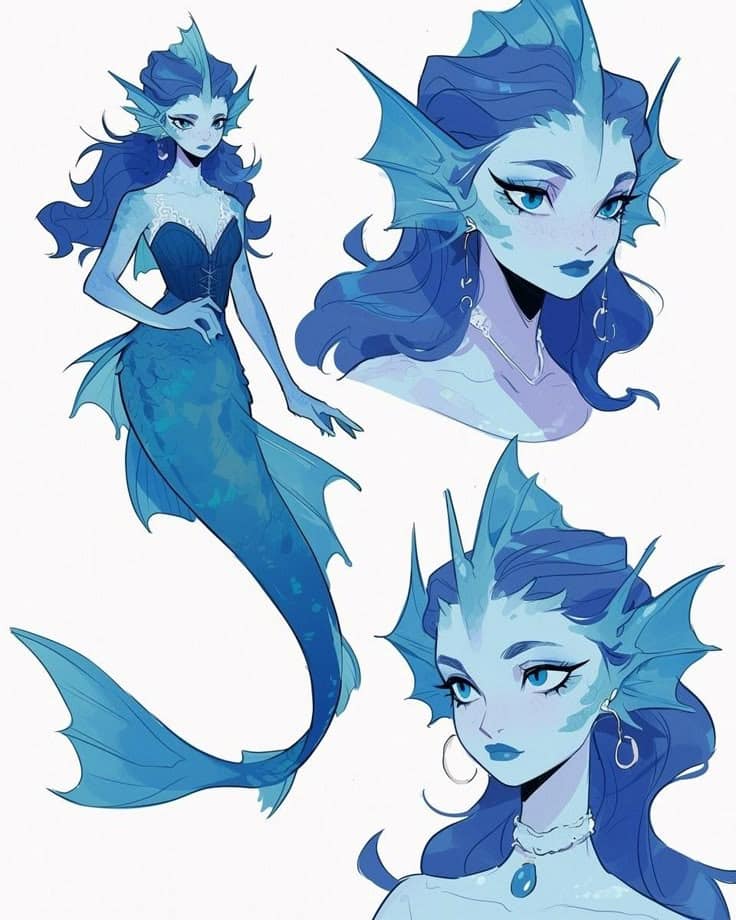
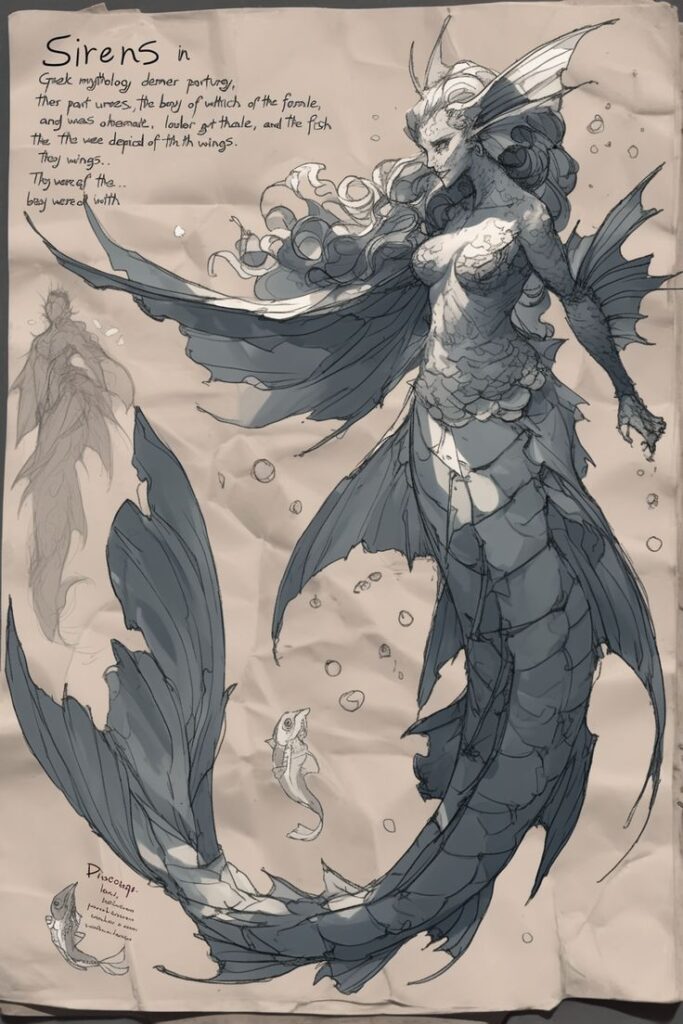
Merfolk combine human features with fishlike tails or webbed limbs. Start with torso proportions similar to humans, then design tails with different fin shapes—broad for powerful swimmers, split-tailed for agility. Consider scale texture and how light reflects underwater when shading.
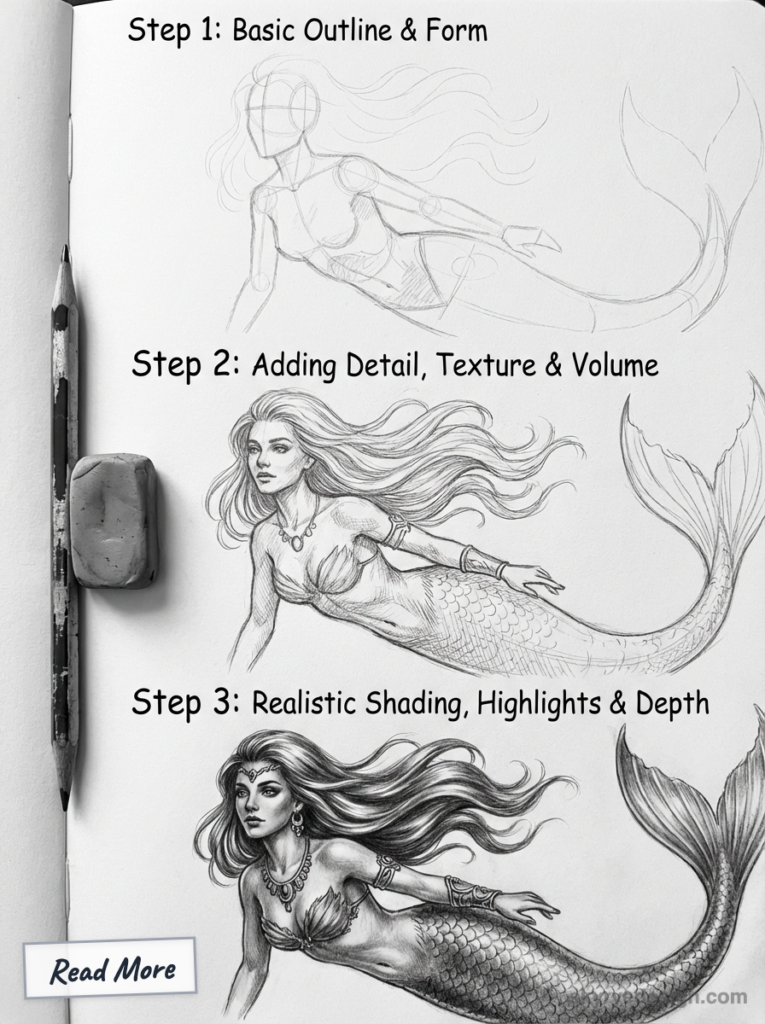
Facial details reveal adaptation: larger eyes for low-light conditions, gills on the neck, or nostrils that close. Clothing should be reef-safe—woven seaweed, shell armor, or coral jewelry. Tools and weapons often float, so show secure straps or weighted items.
Think about environment-driven traits. Deep-sea folk might glow or have bioluminescent patterns. Shallow-water communities could wear kelp cloaks and carry fishing implements. Use motion lines and flowing hair to convey movement through water.
Magical object drawing ideas
You can design items that tell a story at a glance. Think about shape, material, and a single strange detail that makes each object feel used and specific.
Legendary weapon sketches
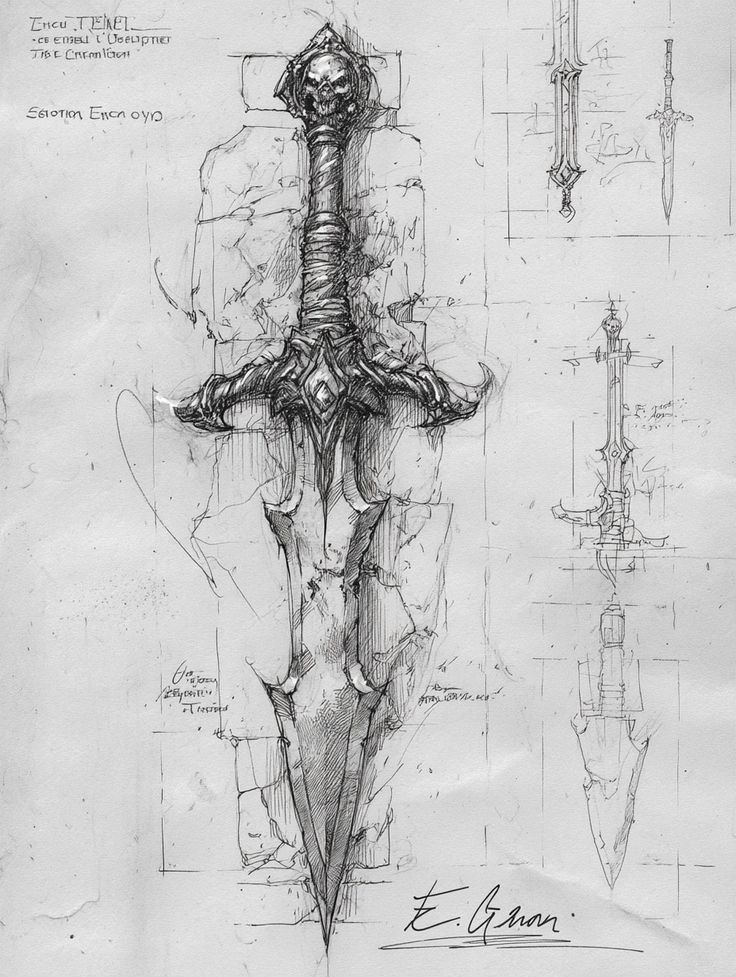
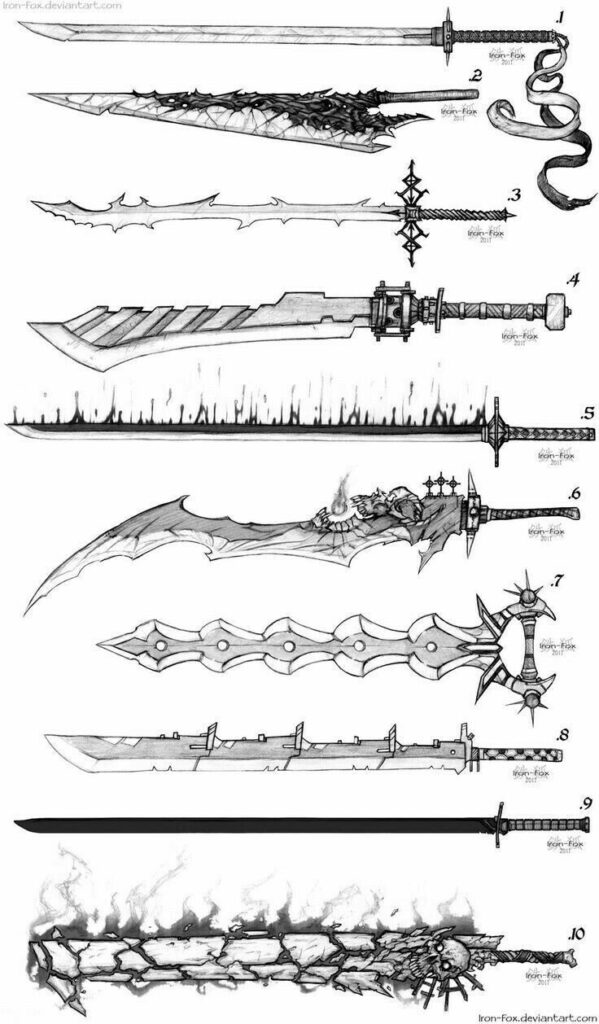
Create weapons that look used and meaningful. Give a sword a chipped guard, a faint rune near the hilt, and a slight curve that hints it was forged for a sailor. Make the blade texture show age—rust spots, hairline scratches, and a subtle glow where magic lingers. For a bow, sketch asymmetrical limbs and carved animal motifs where the grip meets the wood. Add a string made of woven silver threads or moonlight to suggest special power.
These fire drawing ideas work especially well for fantasy prompts such as torch-lit ruins, dragon breath, magical fireballs, and glowing spirits.
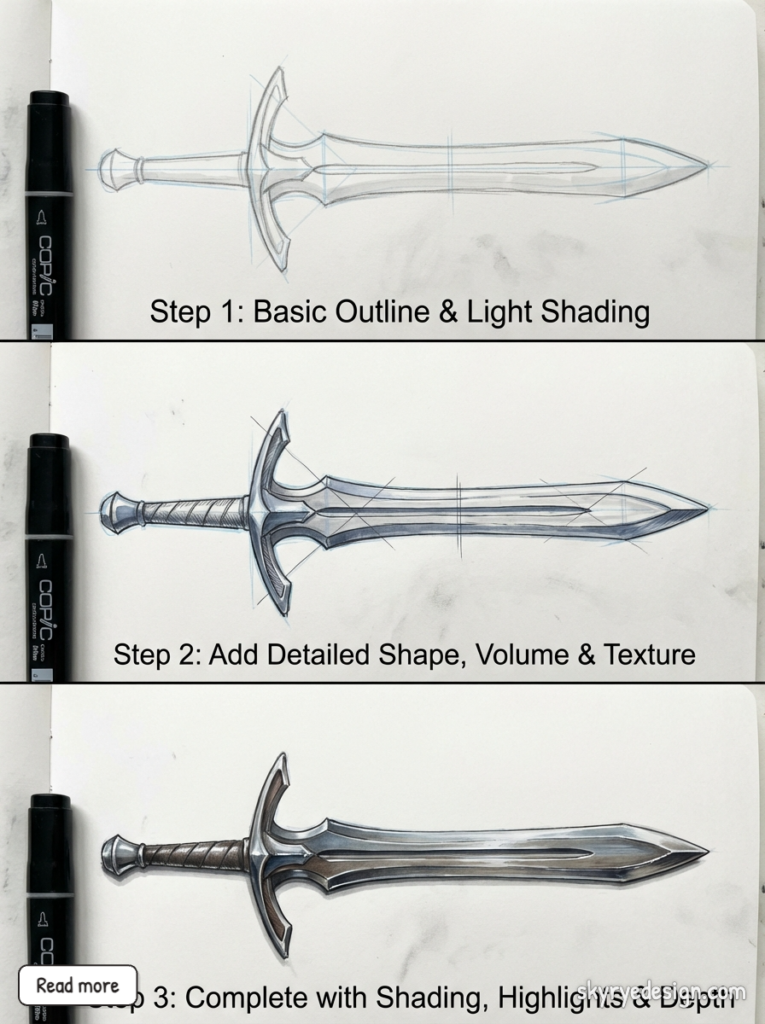
Focus on how the weapon was carried and used. Scabbards, sling attachments, and worn leather wraps tell a warrior’s habits. Include small, personal marks: an etched name, a luck charm tied with twine, or dried blood stains. Those details make the weapon feel real and important.
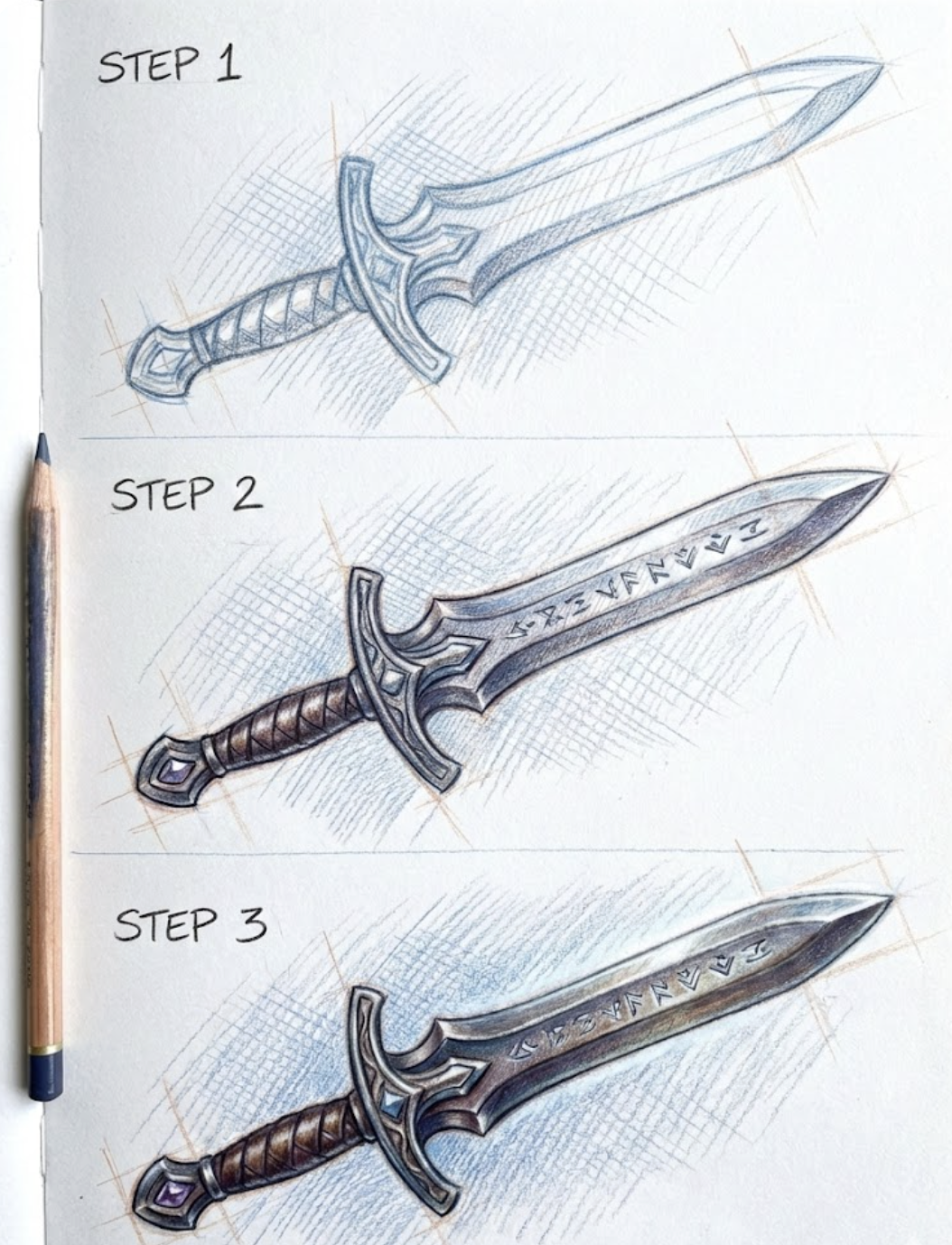
A minecraft sword drawing keeps the fantasy brief simple: one iconic object, a strict grid, and a readable silhouette.
Enchanted relic prompts
Design relics as curious mixes of mundane and magical. A lantern might hold a tiny captured star that casts patterned shadows. A pocket compass could point to lost memories instead of north. Use materials that contrast—polished brass with cracked amber, soft velvet with carved bone—to show age and purpose.
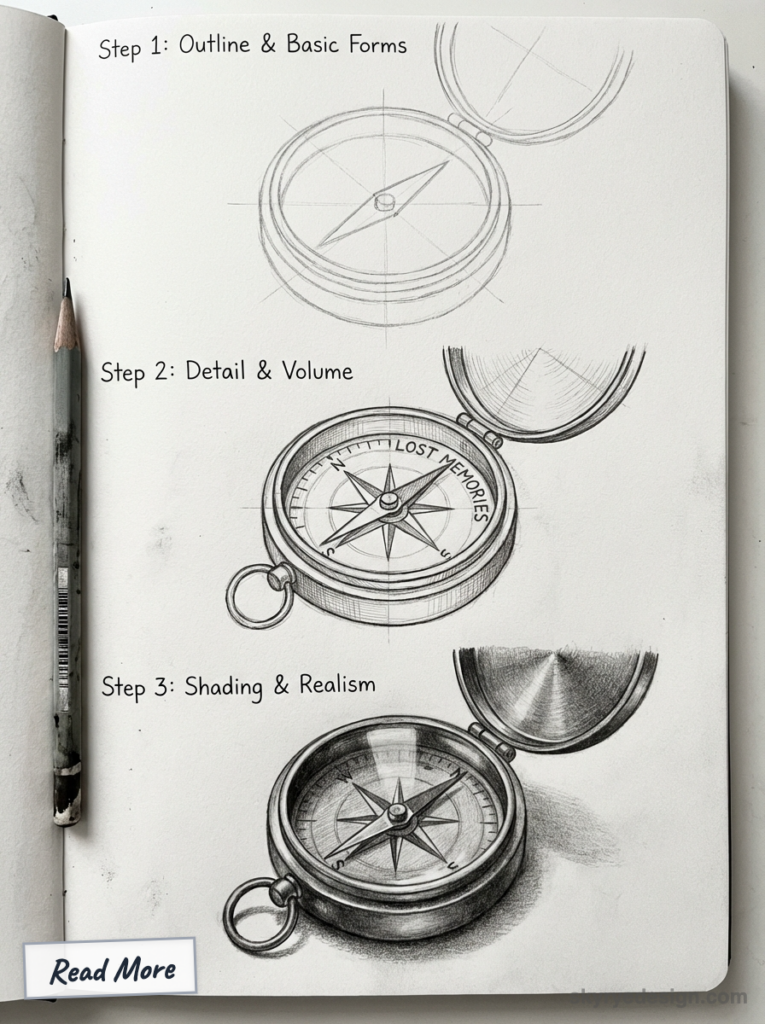
Think about scale and function when you draw. Relics often have moving parts: rotating lenses, hidden compartments, or chains that unwind. Show those details with close-up sketches or small thumbnail diagrams. Add small symbols or sigils to hint at ritual use. Those marks make viewers ask who used it and why.
Mystical book ideas
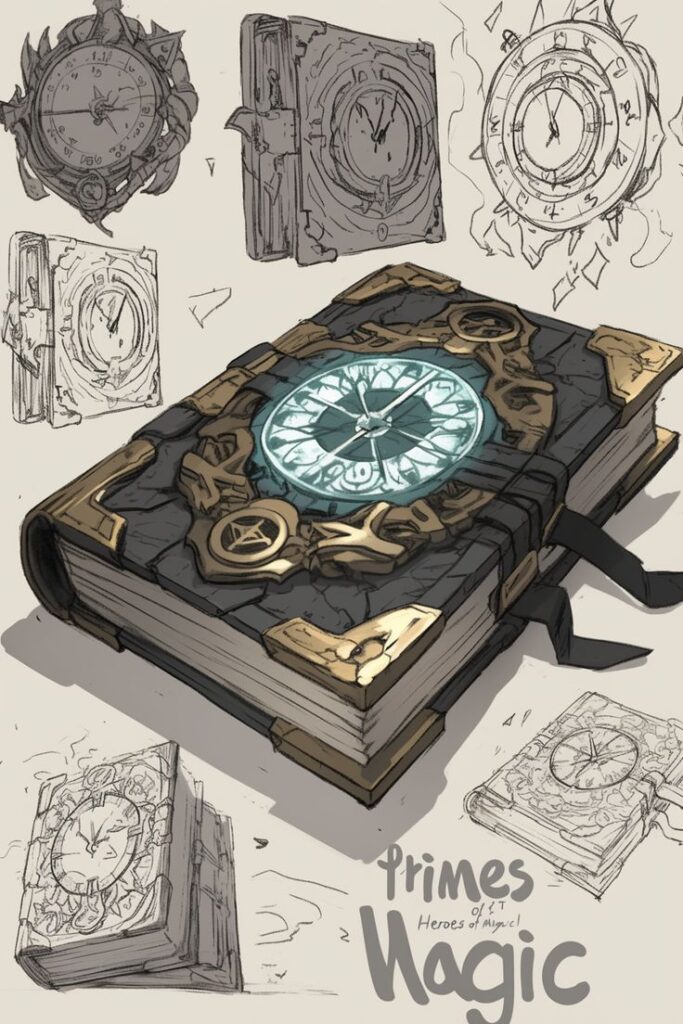
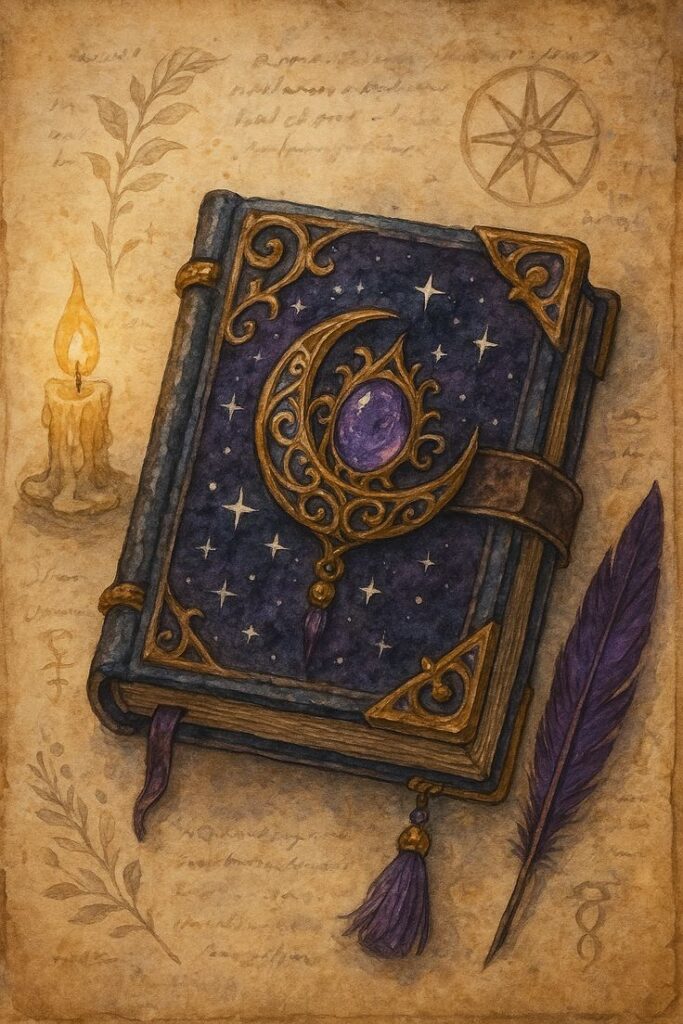
Make spellbooks that look unique to their owner. Give a book an odd cover—scales, stitched skin, or tree bark—with a clasp shaped like an animal tooth or an iron keyhole. Page edges can be singed, inked with bright pigments, or written in cramped, looping handwriting. Insert bookmarks made from feathers, bone, or folded maps.
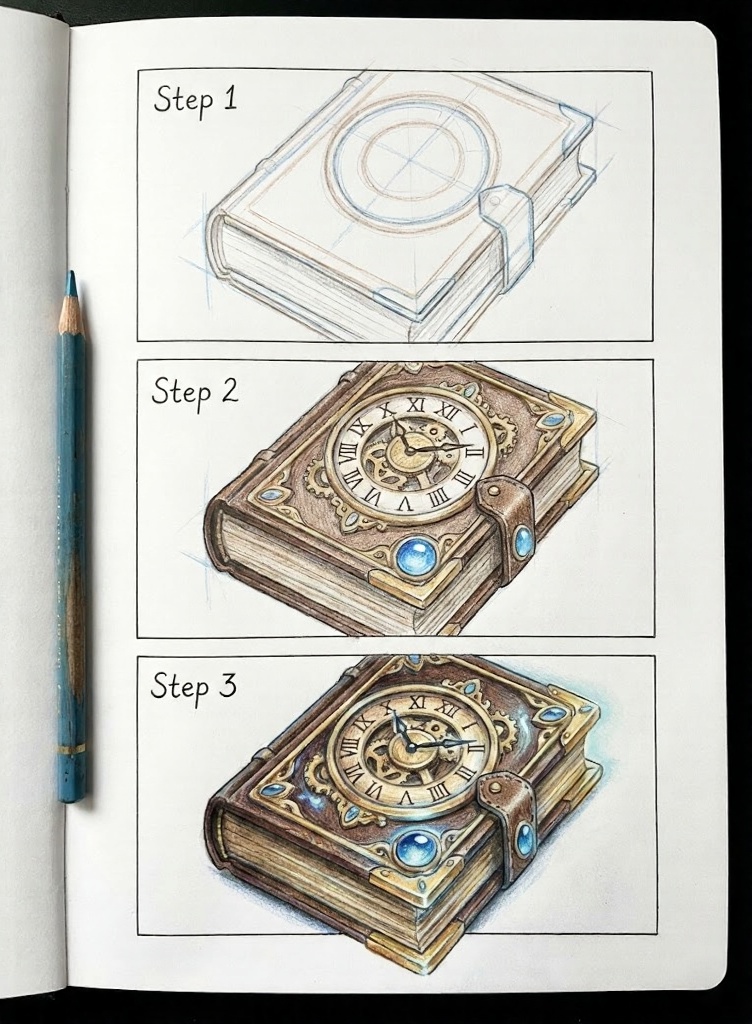
Show how the book interacts with its reader. Draw glowing script on open pages, marginal notes in different hands, or pressed items between pages like dried herbs or a faded ticket. Consider the book’s weight and size: tiny pocket grimoires feel different from giant tomes with straps. Those choices change how people use the book and what kind of magic it holds.
Fantasy landscape drawing ideas
You will learn how to design dramatic scenes that guide the eye and tell a story. Focus on clear shapes, strong light sources, and a few bold elements that define the mood.
Floating island scenes
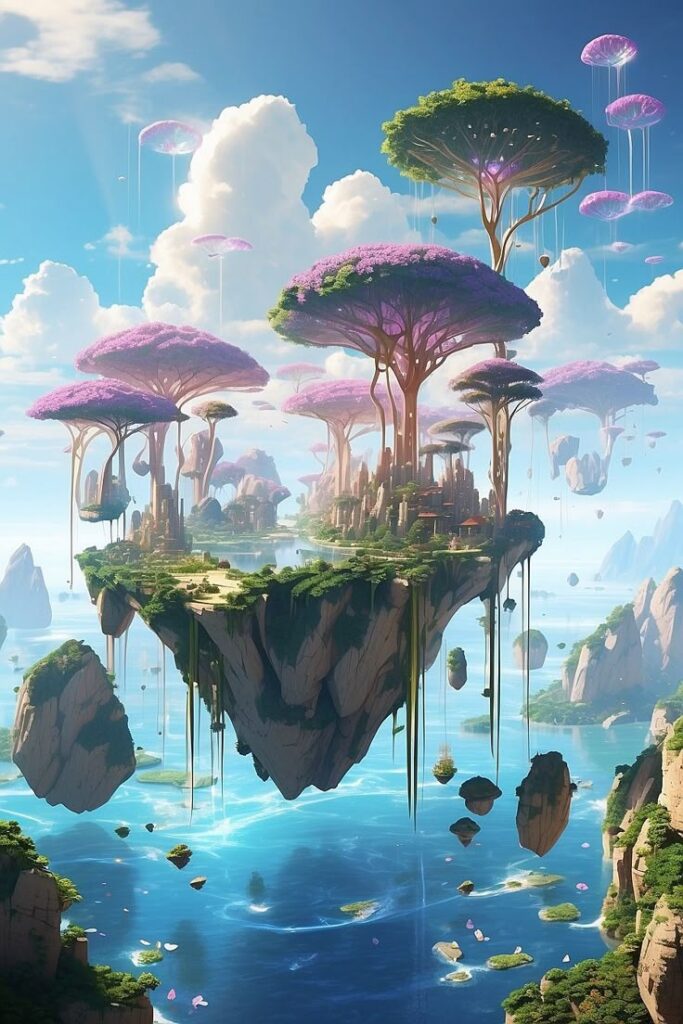
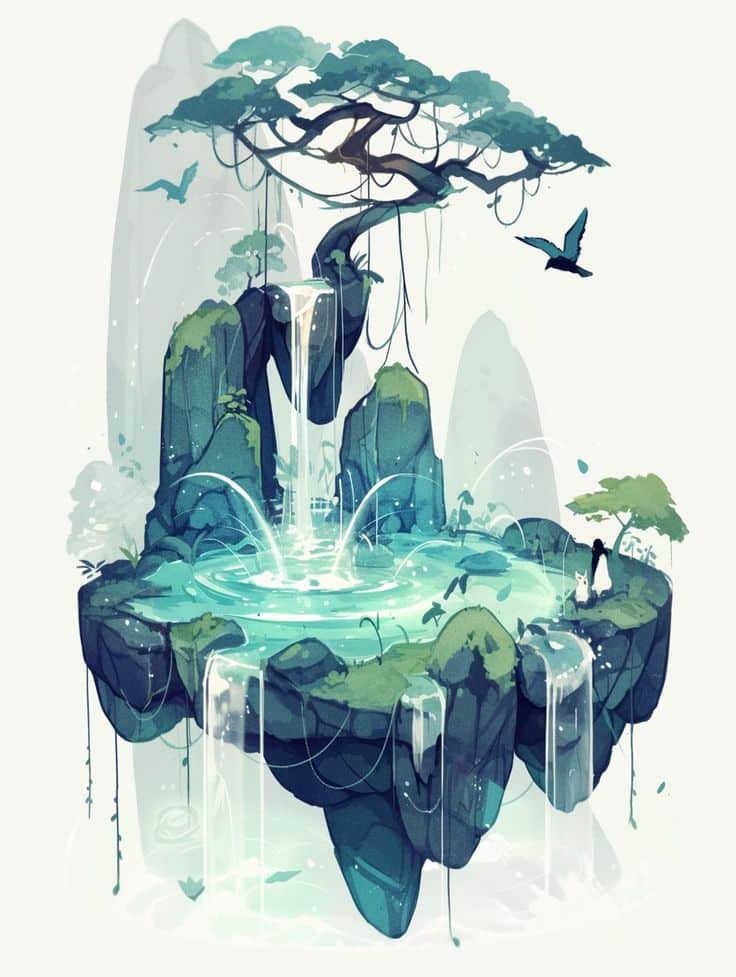
Imagine chunks of land suspended in the sky with roots and waterfalls dangling beneath them. Place a main island with a clear silhouette—towering tree, ruined tower, or village—to act as your focal point. Use smaller satellites to create depth and a sense of scale.
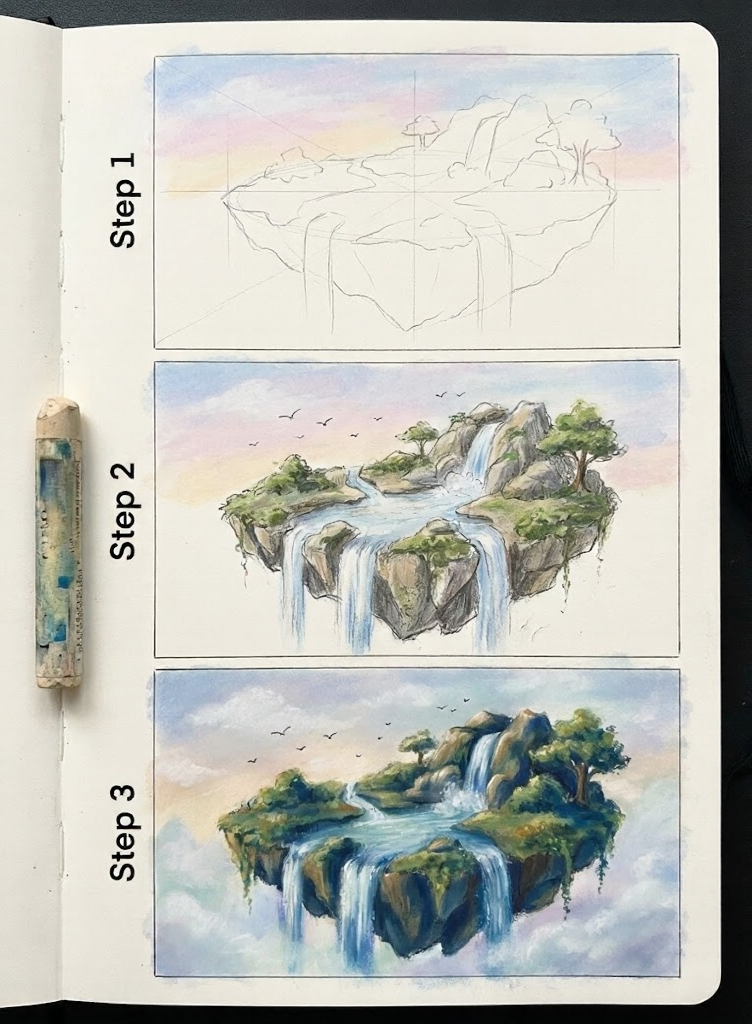
Decide how they float. Magic crystals, ancient machinery, or anti-gravity vegetation each suggest different textures and colors. Show wind effects: banners, birds, or torn banners that curve around the undersides. That motion sells realism.
For lighting, pick one strong source like a low sun or a glowing crystal field. Cast long shadows across the islands and use rim light to separate surfaces from the sky. Add details such as hanging gardens, rope bridges, and mist-filled gaps to make the scene feel lived-in.
Hidden realm prompts
Design secret valleys, bioluminescent caves, or walled enclaves tucked beneath giant roots. Start with a narrow entrance—arch of stone, waterfall curtain, or a slit between cliffs—to give a sense of discovery. Then expand into wider chambers with distinct zones.
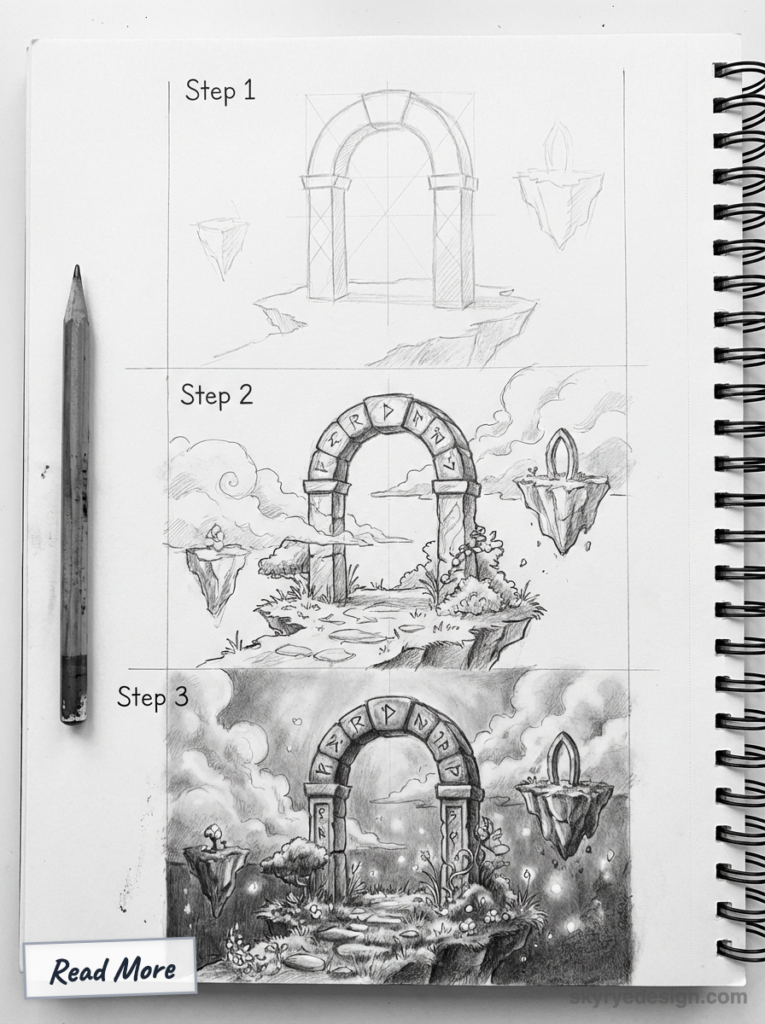
Contrast helps: pair dark, mossy foregrounds with bright, strange flora deeper inside. Use layered lighting—soft ambient glow plus bright accents on key objects like a crystalline pool or an altar. Include pathways and landmarks so the viewer’s eye can travel through the space.
Add cultural touches to imply inhabitants: carved totems, hanging lanterns, or weathered bridges. Keep textures varied—slick stone, soft moss, and rough bark—to suggest tactile difference. These choices make the realm feel hidden but believable.
Fantasy creature action scenes
You will learn how to place creatures into dynamic moments and peaceful interactions. Focus on clear poses, believable movement, and small details that tell a story.
Battle scene thumbnails
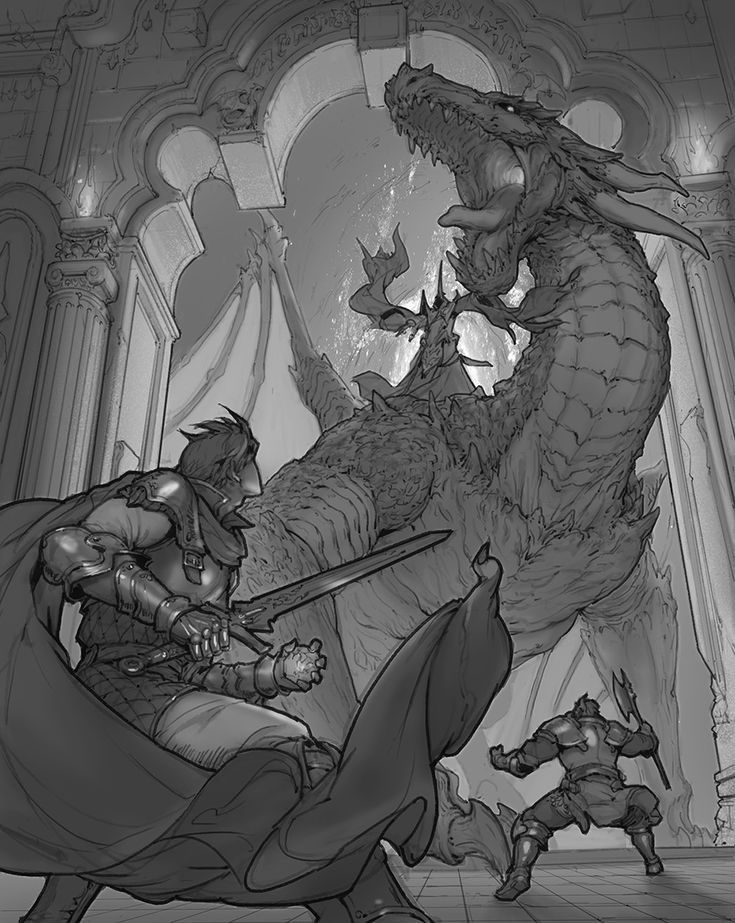

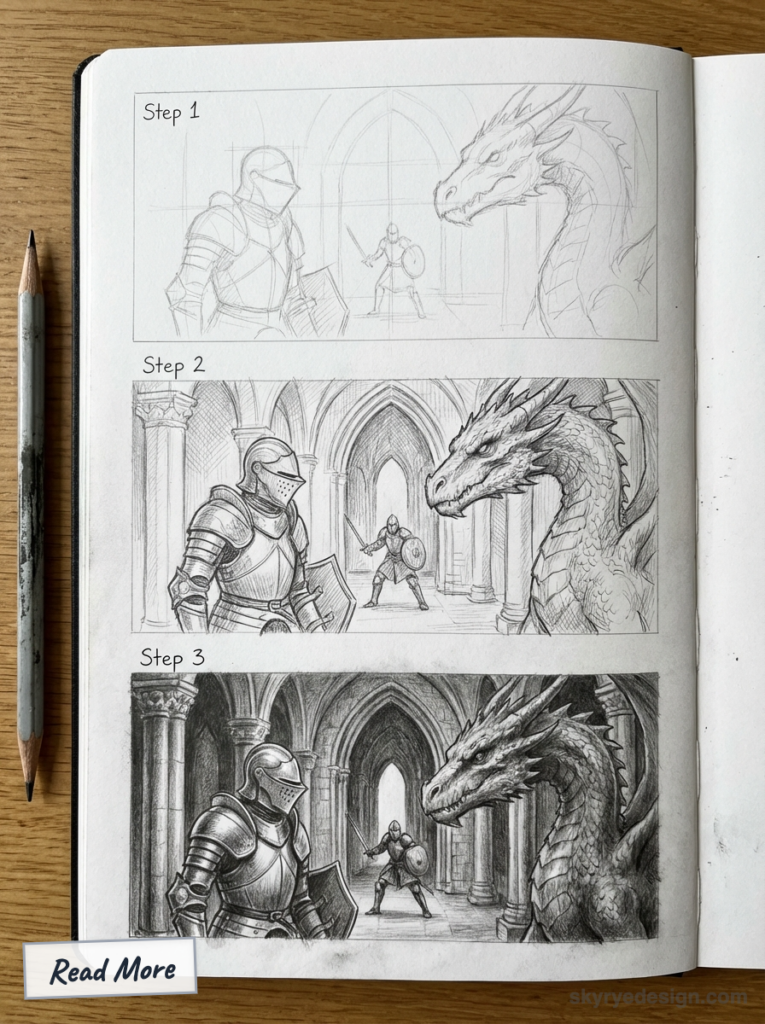
Show clear goals for each combatant: what they want and what’s in the way. Give your dragon a raised wing to block light, a knight bracing a shield, or an archer drawing a bow. Use strong silhouettes so each figure reads even from a distance.
Break action into a few readable beats: wind, impact, and reaction. Add motion lines, flying debris, or clipped shadows to suggest force. Consider camera angles — low views make monsters feel huge, high angles show vulnerability.
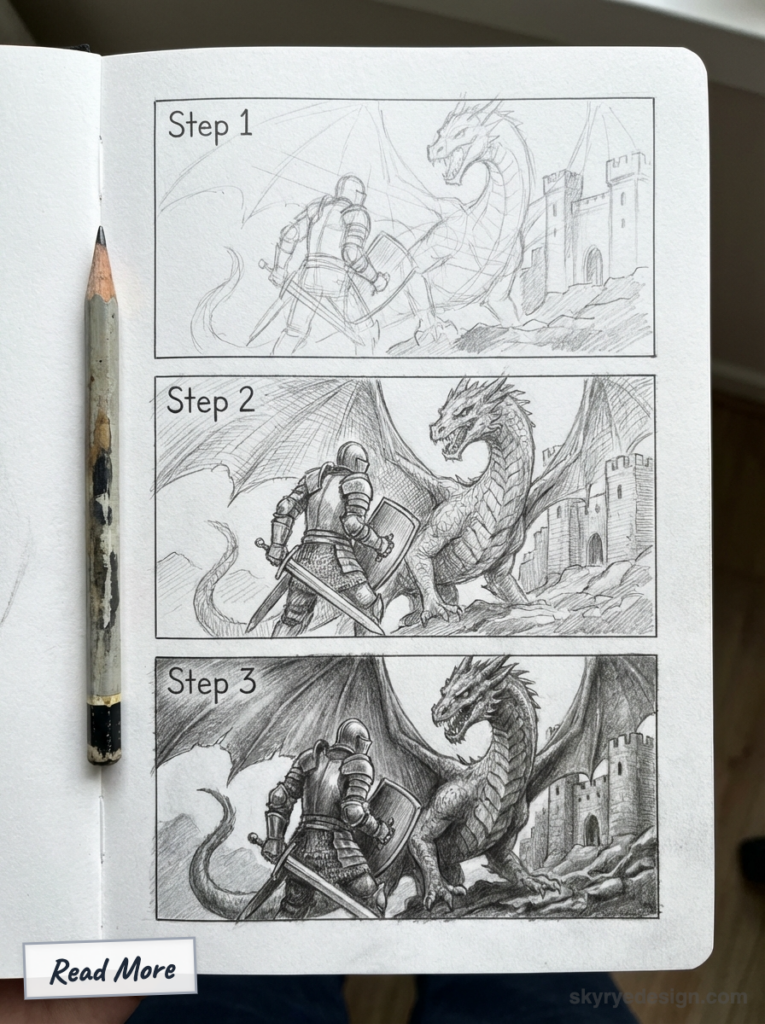
Choose materials and marks that match the mood. Heavy, textured strokes suit muddy melee. Fine, crisp lines work for lightning-fast duels. Use color pops (a glowing sword, blood-red eyes) to guide the viewer’s attention.
Peaceful creature interactions
Show small, believable behaviors to make calm scenes feel used and specific. Draw a giant tortoise grazing while tiny sprites clean its shell. Put subtle eye contact or a tilt of the head to show emotion.
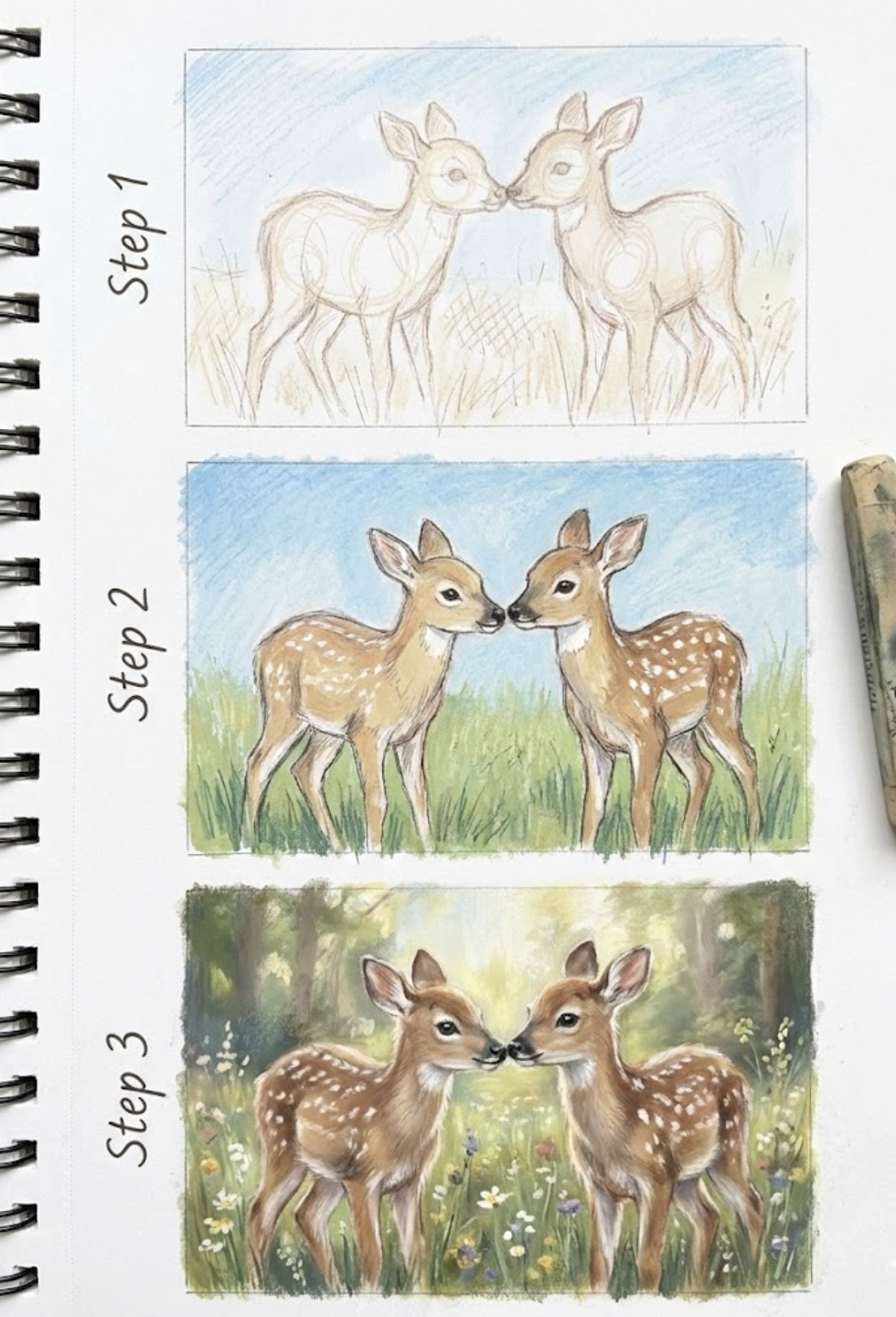
Focus on touch and scale. Let a fox-sized griffin nudge a child’s hand, or have deer-like creatures move in a synchronized pattern. Use soft edges, lighter palettes, and gentle linework to convey calm.
Add environmental cues: a rippled pond reflecting a unicorn’s horn, a pile of fallen leaves that show where a creature rested. These little details make peaceful moments feel lived-in and real.
Mix fantasy with other genres
Mixing fantasy with other genres can give you fresh visual hooks, new color palettes, and unique creature designs. Focus on specific tech, mood, and cultural details to make each hybrid world feel real.
Steampunk Fantasy Worlds
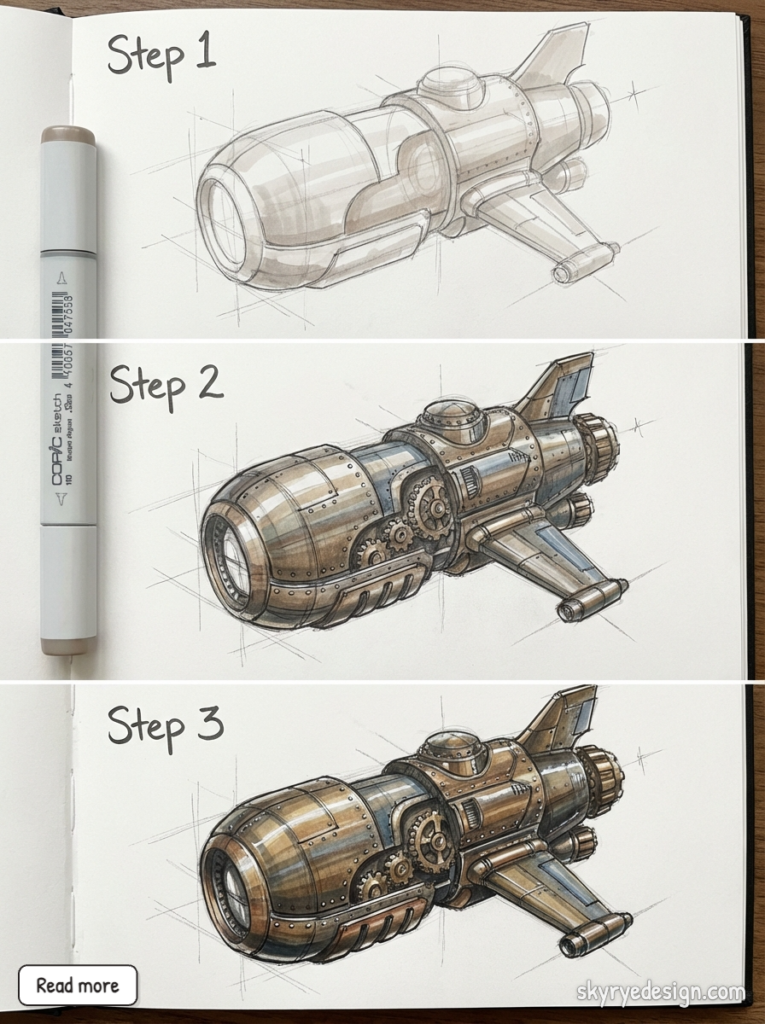
Think gears, brass, and steam alongside elves, dragons, or rune magic. Show how technology runs on arcane power: glowing runes etched into pipes, pressure gauges with sigils, and clockwork familiars. Use a limited palette—burnt umber, brass, and soot—to unify metal and magic in your scenes.
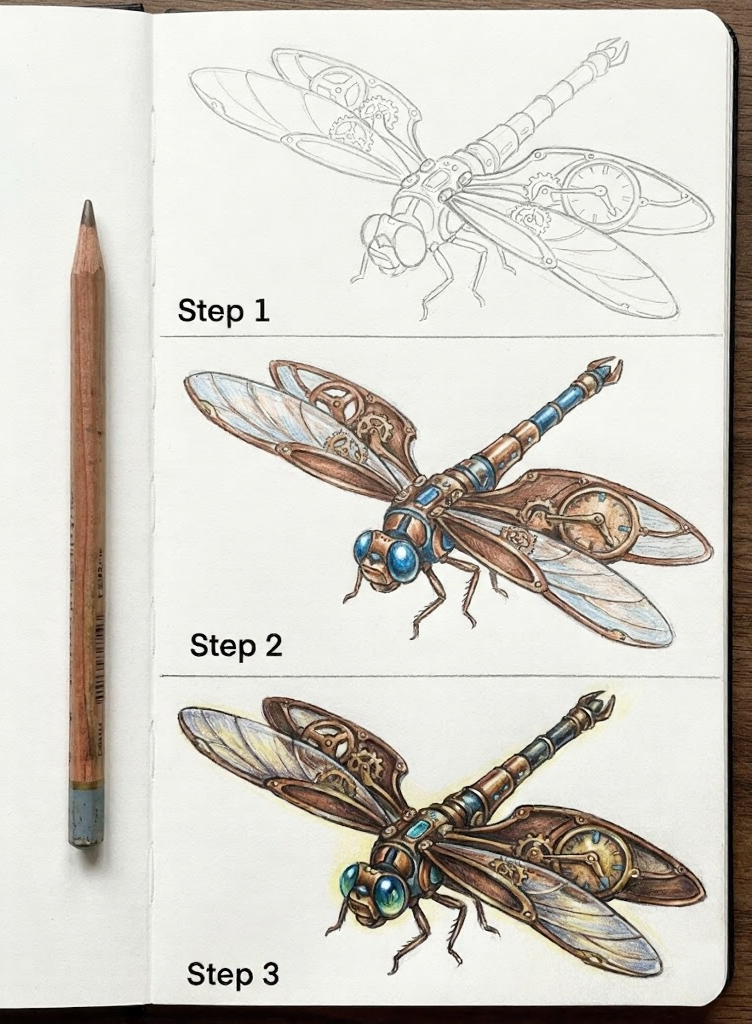
You can design vehicles that blend old and new: airships with stained-glass figureheads, steam carriages pulled by mechanical griffins, or armored suits with crystal cores. Small details help sell the idea—rivets that hide spell slots, leather flight goggles with enchantment lenses, or cobbled city streets lit by enchanted gas lamps.
Use contrasting textures to create depth. Pair polished metal with worn wood and cracked stone. That contrast makes characters and props feel used and lived-in, not just ornamental.
Cosmic fantasy drawing ideas
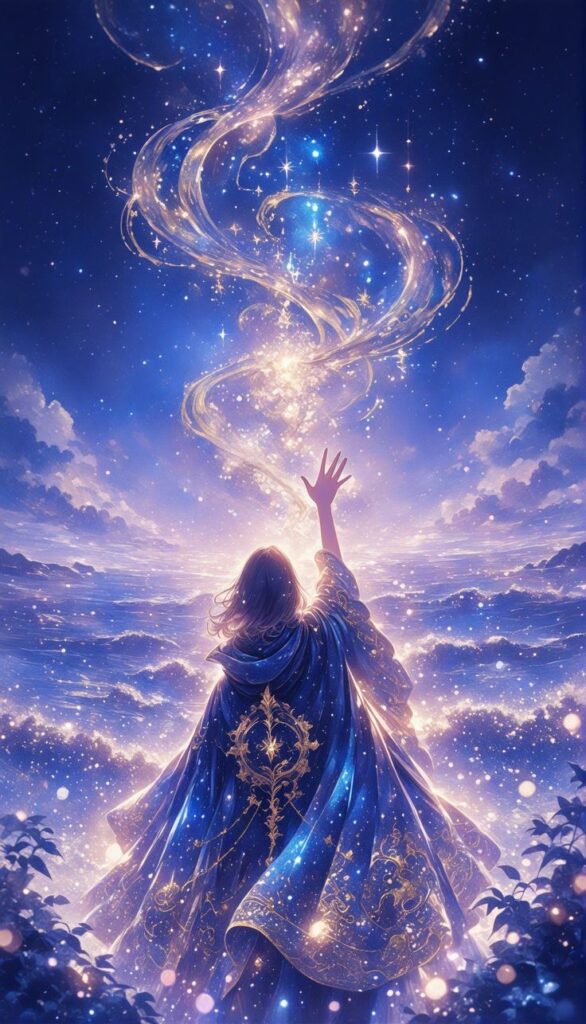
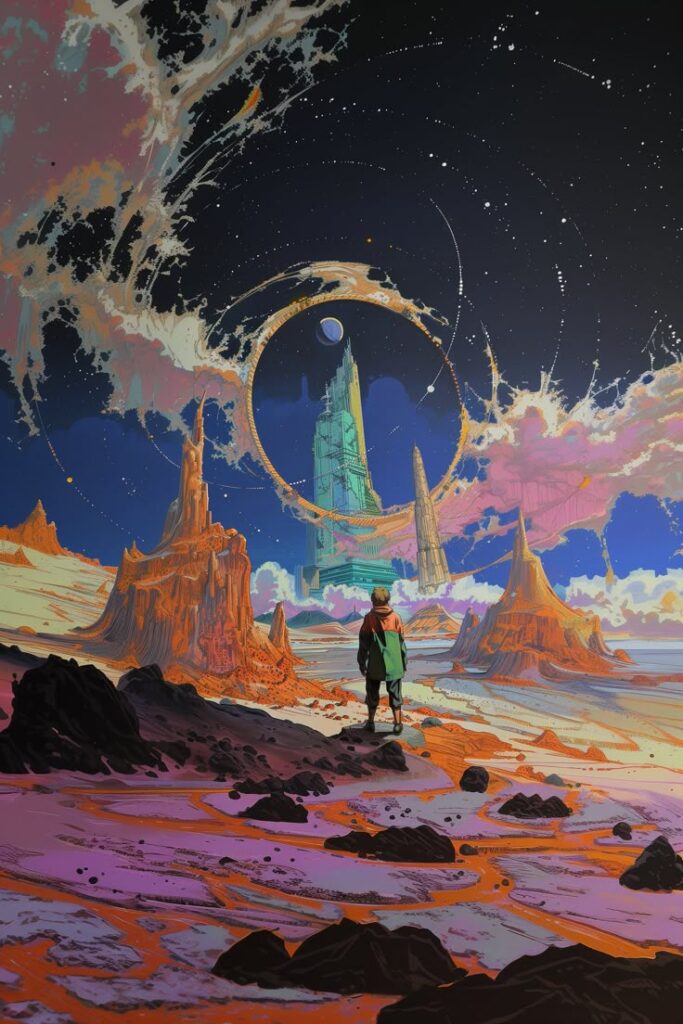
Combine space motifs with spellcasting rules and alien ecosystems. Put your mages on orbital stations, with spellbooks that double as star charts and constellations that influence spell effects. Think about gravity wells, nebula fog, and bioluminescent flora when designing landscapes.
Create species that evolved under different suns: translucent skin that refracts light, antennae that read cosmic currents, or symbiotic star-creatures used as mounts. For equipment, mix sleek sci-fi silhouettes with sigil patterns—helmets etched with planetary glyphs, or staves that channel solar wind.
Play with color temperature: cool cosmic blues and violet nebulae against warm rune glows. That contrast helps your focal points pop and guides the viewer’s eye through the scene.
Advanced fantasy drawing inspiration
Video note: Use this knight-versus-dragon timelapse as a composition study. Watch the big diagonals first: the dragon wing, the weapon angle, and the direction of the figures. Those movement lines matter more than the finished texture.
These ideas push your skills with striking contrasts, odd juxtapositions, and clever time-play. Focus on mood, light, and small, believable details to make strange scenes feel lived-in.
Dreamlike surreal fantasy scenes
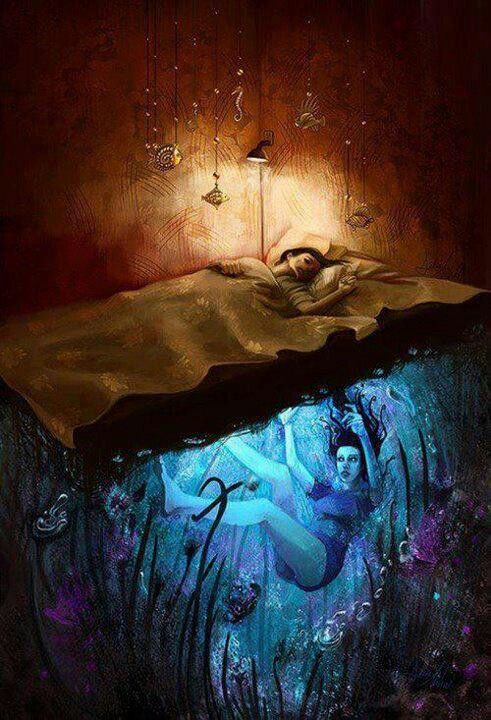
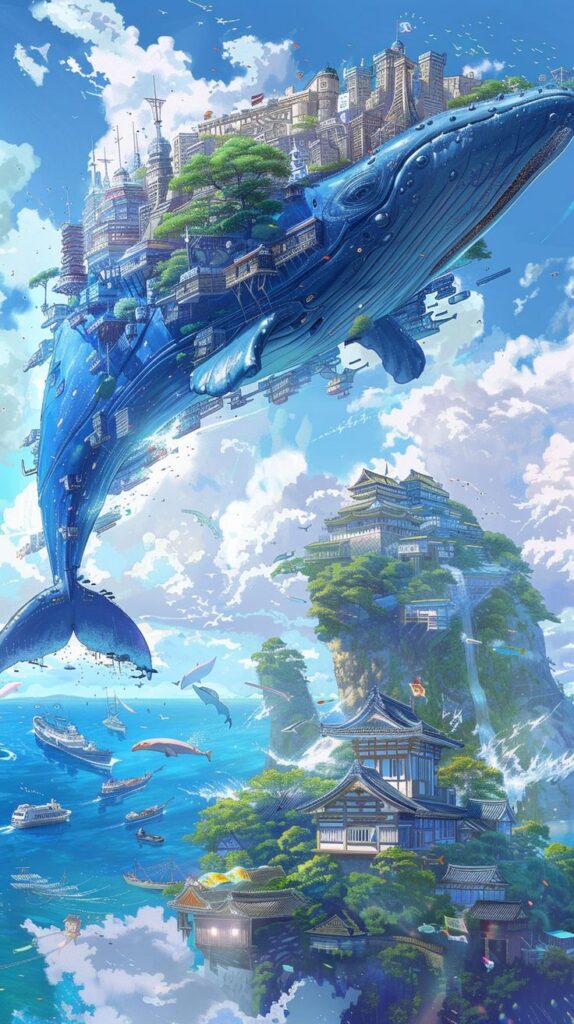
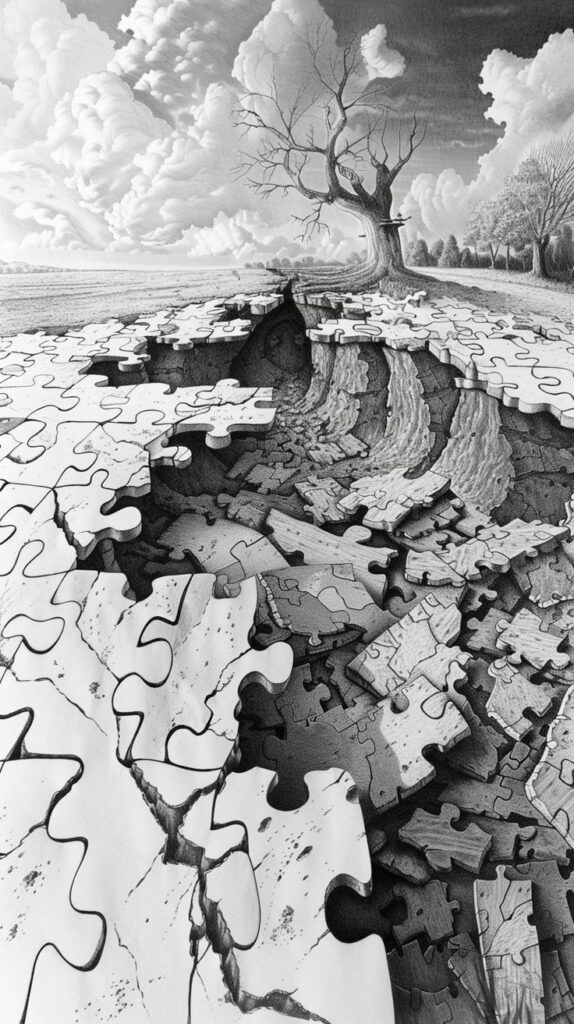
Place ordinary objects in unexpected roles to make the dream feel real. Draw a cityscape where rivers flow up into the sky or a bedroom whose lamps bloom into bioluminescent flowers. Keep one anchor — a human figure, a worn chair, or a clock — so viewers have a point to relate to.
Work on soft, blended lighting and unusual color pairs like teal and rust to sell the otherworldly mood. Use thin, careful linework for detailed focal points and looser strokes for fog or drifting elements. Add tiny, believable textures: peeling paint, threadbare fabric, or water droplets on glass to ground surreal ideas.
Try thumbnail studies first. Make 6 small sketches exploring scale and placement before committing. That way, you test bold shifts without wasting time on a full drawing.
Time-bending fantasy ideas
Show time as a physical element you can reshape. Draw a street where shadows move ahead of people, or a tree whose rings open like doors into different ages. Use repeated motifs — clocks, hourglasses, frozen leaves — to signal time’s presence across the scene.
Use layering to suggest different eras at once. Overlay translucent figures in period clothing, or paint one hand holding a stone tool while the other holds a glowing device. Keep perspective consistent so the viewer reads the layers as parts of one coherent world.
Focus on motion cues: blurred limbs, falling sand trails, or fragmented reflections. These small details make the time shift readable and dramatic without confusing the viewer.
Fantasy drawing ideas FAQ
What are the best fantasy drawing ideas for beginners?
The best beginner fantasy drawing ideas are specific and small enough to finish: a baby dragon on a book, a tiny castle on a hill, a fairy door in a tree, a magic sword, or a simple wizard portrait. Start with one clear silhouette before adding texture, costume details, or glowing effects.
How do I make a fantasy drawing look less flat?
Use three value groups: a light area, a middle tone, and a dark anchor. Then add overlap, cast shadows, and scale cues such as a small figure near a dragon or castle. Fantasy drawings feel more believable when the lighting and perspective are simple but consistent.
What should I draw if I want an easy fantasy scene?
Try an enchanted forest path, a floating island, a castle gate, a potion shelf, or a dragon sleeping beside a campfire. These scenes give you a clear foreground, middle ground, and background without requiring a crowded battle composition.
How do you design a believable fantasy creature?
Start with a real animal structure, then change only a few features. A dragon can borrow from lizards, bats, birds, and big cats; a merfolk design can borrow from fish anatomy and human gesture. Function matters: wings, fins, horns, and claws should look like they could support the creature.
What are good fantasy character drawing ideas?
Good fantasy character drawing ideas include a tired cartographer with living maps, a mushroom knight, a moonlit archer, a swamp witch, a sky pirate, or a healer carrying glowing jars. Give each character one strong prop and one readable pose before designing the costume.
Can I use pencil for fantasy drawing ideas?
Yes. Pencil is often the best starting point for fantasy drawing because you can test shape, value, and composition quickly. Use a light 2H or HB sketch for construction, then build darker shadows with a 2B or 4B pencil once the main forms feel right.
How do I turn a fantasy drawing idea into a full scene?
Turn the prompt into a scene by asking three questions: who is here, what changed, and where is the light coming from? A plain dragon becomes a story when it guards a broken bridge at sunrise while a tiny traveler waits below. Story, scale, and light do most of the work.
Related fantasy drawing practice
Once you finish a few prompts from this list, move sideways into a tighter practice page. These internal links keep the cluster connected without forcing every sketch into the same article.
- dragon drawing ideas
- dragon eye drawing
- unicorn drawing ideas
- magical garden drawing
- surreal drawing prompts
- sketchbook drawing ideas
- Pegasus drawing guide
Outside references for fantasy art study
For extra context, these outside references are useful when you want to sharpen a specific part of a fantasy drawing: perspective, surreal mood, dragons in art history, fairy-tale imagery, and the basic elements of art.
- Tate surrealism glossary
- National Gallery perspective glossary
- National Gallery of Art elements of art
- Met Museum notes on dragons in art
- Library of Congress fantasy and fairy tales collection
- Getty elements of art resources
Final fantasy drawing practice plan
Fantasy drawing rewards the specific over the vague. “Draw something magical” is too broad; “draw a cartographer with a brass prosthetic arm full of tiny maps” gives your pencil a direction. Pick one character, one creature, and one object from this guide, then spend 30 minutes on each.
Keep the first pass simple. Look for a clear silhouette, one value pattern, and one memorable detail. Once those pieces work, you can build larger scenes with castles, forests, dragons, relics, and strange worlds that feel like they belong together.
- 7.9Kshares
- Facebook0
- Pinterest7.9K
- Twitter0
- Reddit0