Surreal drawing ideas work best when one ordinary thing follows an impossible rule. Draw a familiar face, room, hand, or object so it feels solid, then change its scale, material, gravity, reflection, or surroundings. The contrast is the point: a fish bowl can hold a storm, a staircase can loop forever, or an eye can contain a horizon. You do not need a page full of strange symbols. One clearly drawn contradiction gives the viewer a place to start and a reason to look again.
Use the prompts below as building blocks, not pictures to copy. Pick an anchor you can already draw, choose one transformation, and make the lighting and perspective support it. That small bit of discipline is what separates a dreamlike image from a random pile of objects.
- What makes a drawing surreal?
- 20 surreal drawing ideas to adapt
- 1. A person with a landscape inside their profile
- 2. An everyday object with one impossible job
- 3. A tiny traveller in an oversized ordinary world
- 4. Two objects sharing one shadow
- 5. A reflection that tells a different story
- 6. A tree growing through a living room
- 7. A pencil drawing where the object grows into another form
- 8. A door that opens into a different time of day
- 9. A face made from objects you can still name
- 10. A calm landscape with one impossible architecture rule
- 11. An ocean where the sky should be
- 12. A hand holding a miniature world
- 13. An eye that contains a second horizon
- 14. A floating focal object with an honest shadow
- 15. A window that behaves like a page
- 16. A portrait with seasons moving through it
- 17. A still life where one material is wrong
- 18. A map that becomes a body
- 19. A room with a horizon line through it
- 20. A missing object described by negative space
- How to make a surreal drawing in five steps
- Surreal drawing techniques that keep the idea clear
- Artists to study for visual problem-solving
- Keep the surreal idea personal
- Surreal drawing ideas FAQ
- How do you make a drawing surreal?
- What makes an image look surreal?
- What are easy surreal drawings for beginners?
- What techniques are used in surrealism drawing?
- Can I make surreal art with pencil only?
- How do I stop a surreal drawing from looking random?
- What should I draw first in a surreal composition?
- Start with one impossible change
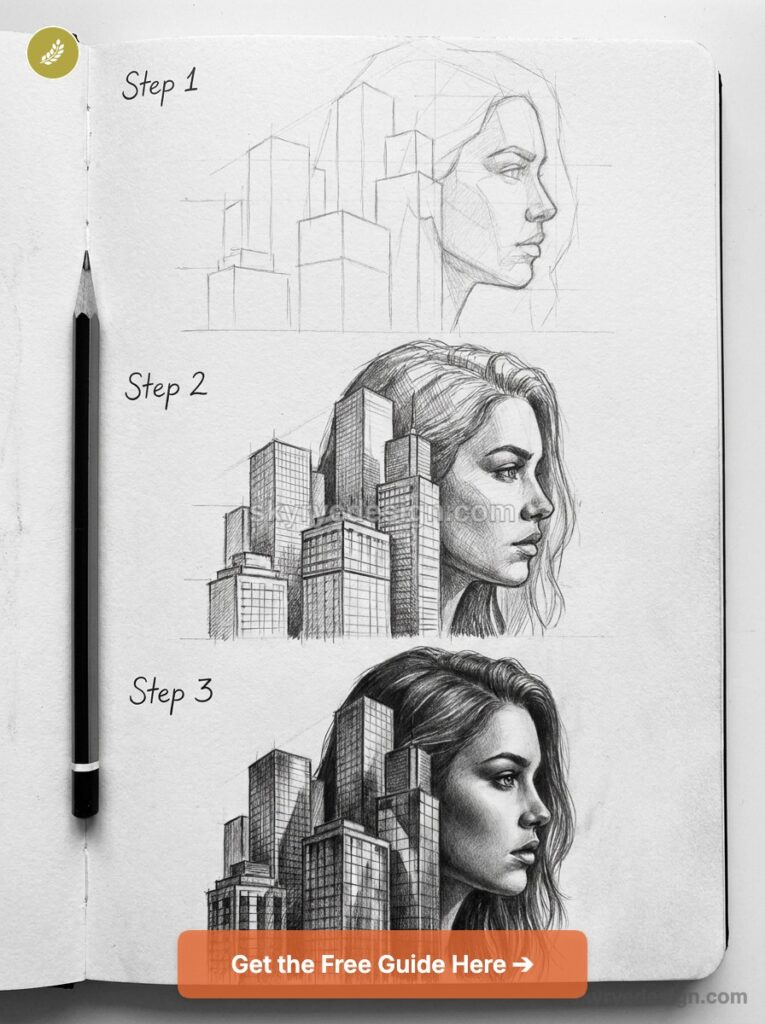
What makes a drawing surreal?
A surreal drawing sets up reality, then quietly breaks it. The anchor might be a human profile, a table, a doorway, or a landscape. The break can be an unexpected pairing, a transformation, a scale shift, or an impossible space. Keep at least one part of the scene believable, because that is what makes the altered part land. If every surface bends at once, the viewer has no rule to notice being broken.
| Move | What changes | A practical check |
|---|---|---|
| Juxtaposition | Two things that do not normally belong together | Give them one shared light source or cast shadow. |
| Metamorphosis | One form becomes another | Choose a clear transition point, such as a sleeve becoming a river. |
| Scale shift | A familiar thing becomes tiny or enormous | Keep a horizon, hand, or doorway for scale. |
| Changed reflection | A mirror, window, or water shows another reality | Make the reflected shape echo the original before it diverges. |
| Impossible space | Perspective or gravity follows a new rule | Build the normal perspective first, then bend only one route through it. |
Surrealism has a long, varied history, but for drawing practice the useful takeaway is direct: choose an image that feels recognisable before you ask it to behave differently. The Met’s overview of Surrealism and its Surrealism exhibition materials offer useful context when you want to study the movement beyond a list of visual tricks.
20 surreal drawing ideas to adapt
These prompts are deliberately specific. Give each one a single visual sentence, then decide where the viewer should look first. You can keep the drawing in pencil, use collage, or add colour later; the composition comes before the finish.
1. A person with a landscape inside their profile
Keep the outer profile nearly empty, then let a horizon or city emerge only in the cutaway space. The face remains the anchor; the interior becomes the surprise.
2. An everyday object with one impossible job
Turn a teacup into a weather system, a key into a growing root, or a book into a doorway. Do not change every property. One altered function is enough.
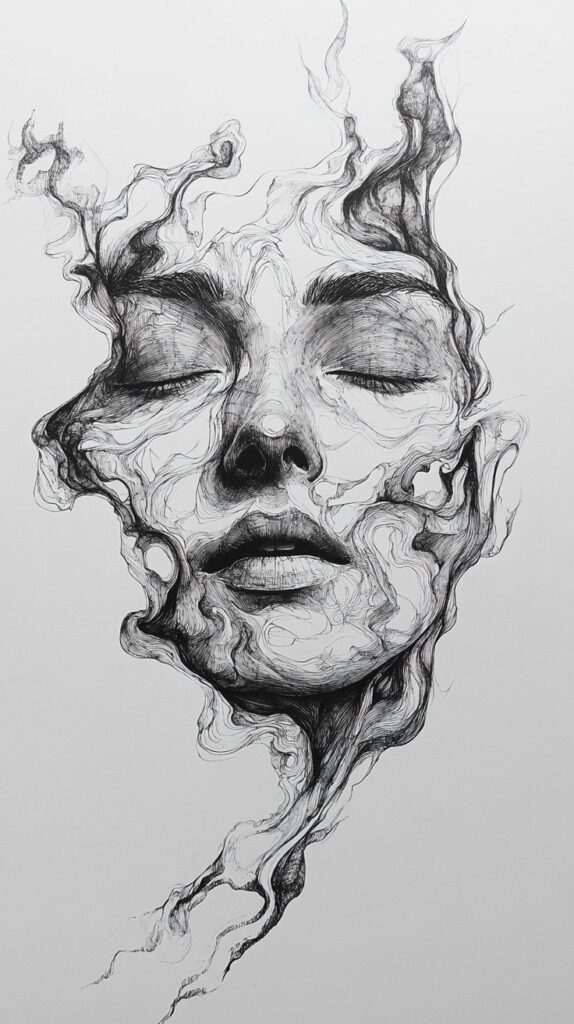
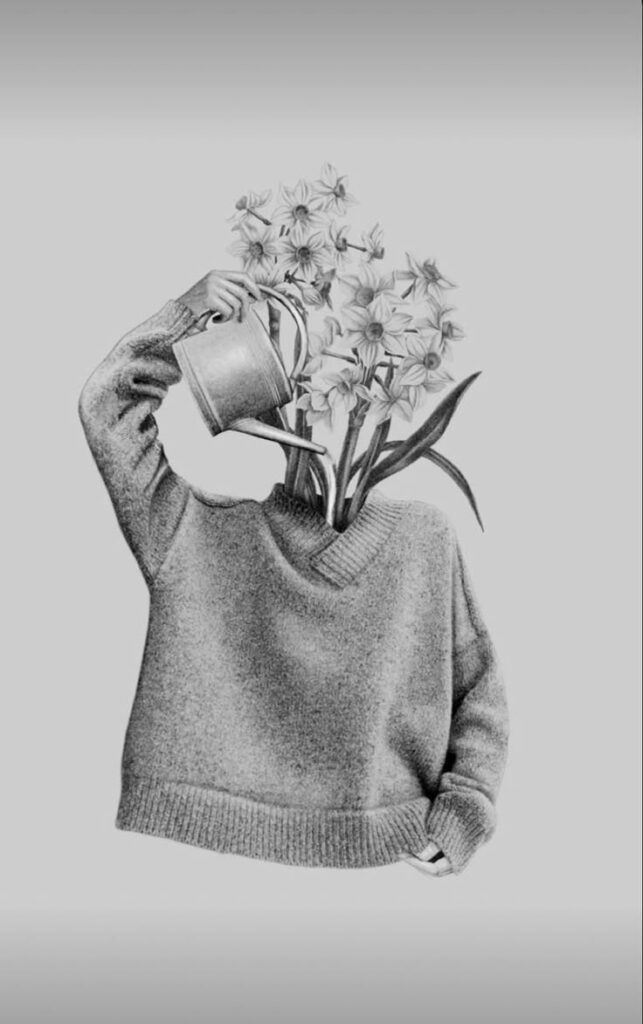
3. A tiny traveller in an oversized ordinary world
A small figure crossing a giant desk, shoe, or spoon gives you scale instantly. Add only one or two size clues so the page stays readable.
4. Two objects sharing one shadow
Draw a chair and an apple, then let them cast the shadow of a third object. This is a low-complexity prompt with a strong payoff because the shadow feels physically persuasive.
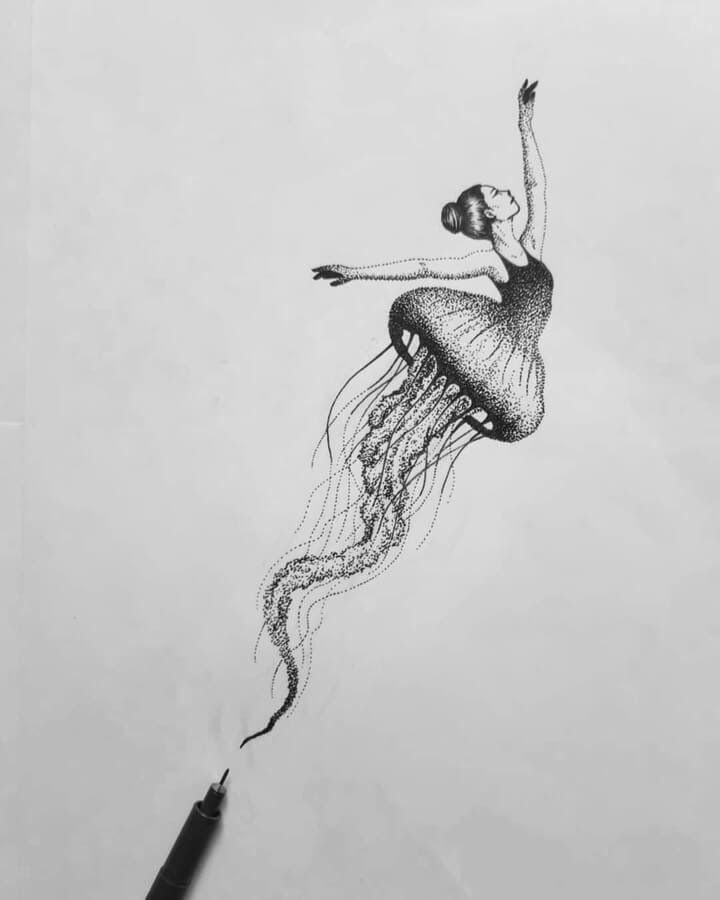
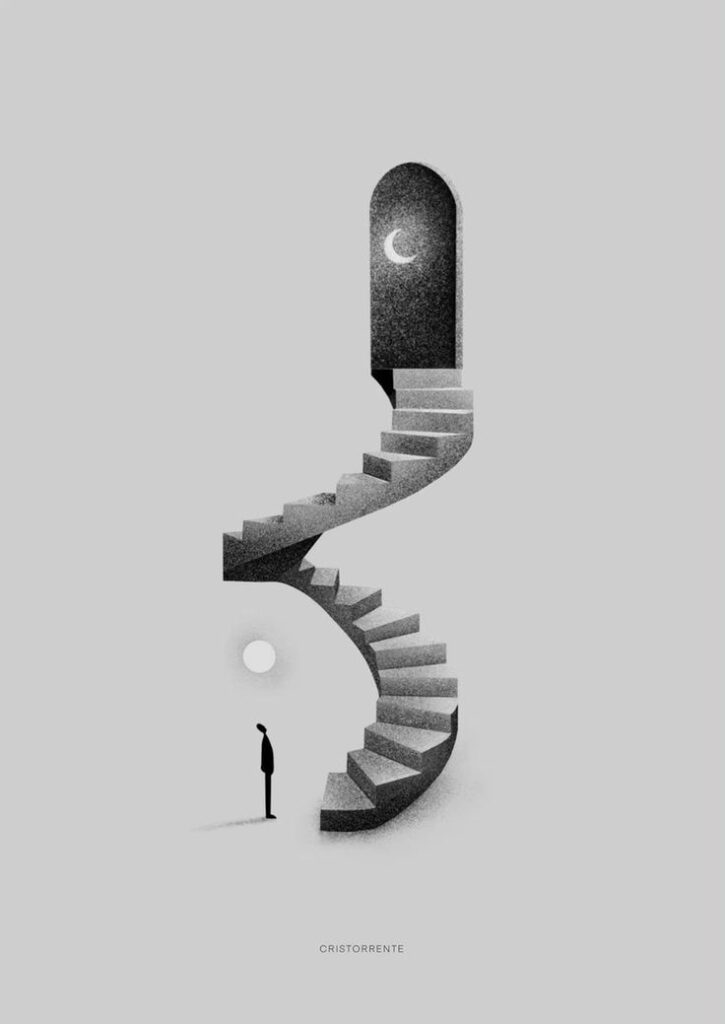
5. A reflection that tells a different story
Use water, a mirror, a phone screen, or a shop window. Above it, draw the expected scene; below it, change one figure, season, or location.
6. A tree growing through a living room
Keep the furniture and window perspective ordinary. The strange part is the tree entering through one precise boundary, not an overload of decorative detail.
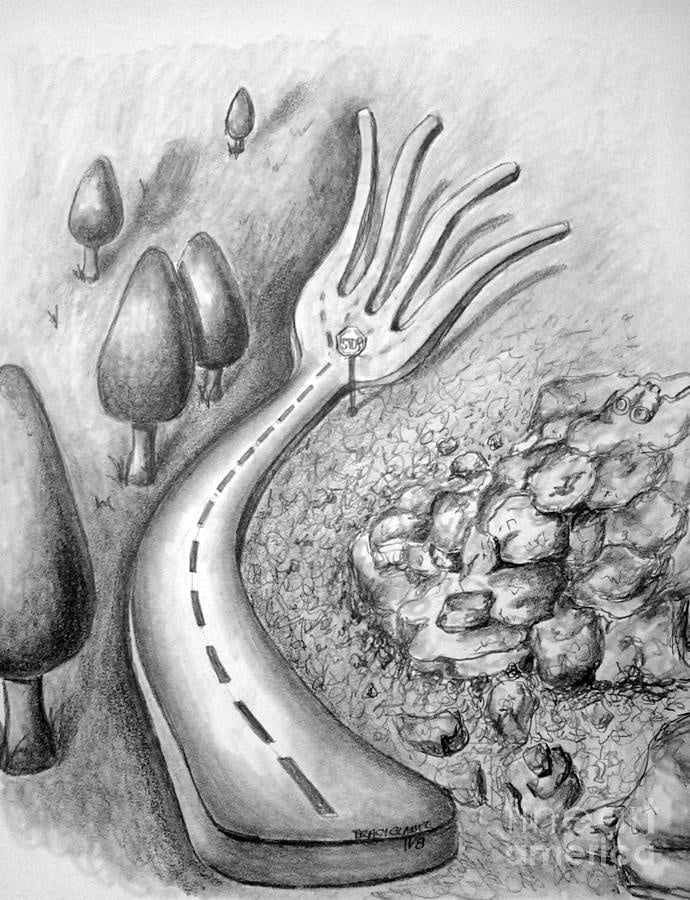
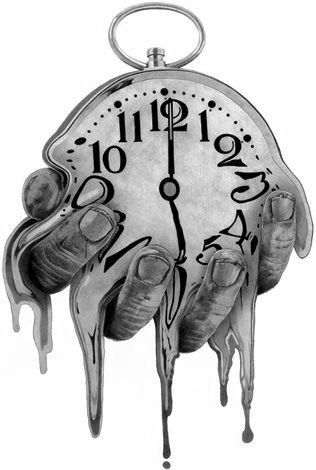
7. A pencil drawing where the object grows into another form
Let the rim of a cup become a crescent moon, or a lamp cord become a vine. Use repeated curve or texture to make the transition feel earned.
8. A door that opens into a different time of day
Set a quiet room at noon, then let the open door reveal night, snow, or a moonlit sea. The doorframe gives the shift a clean edge.
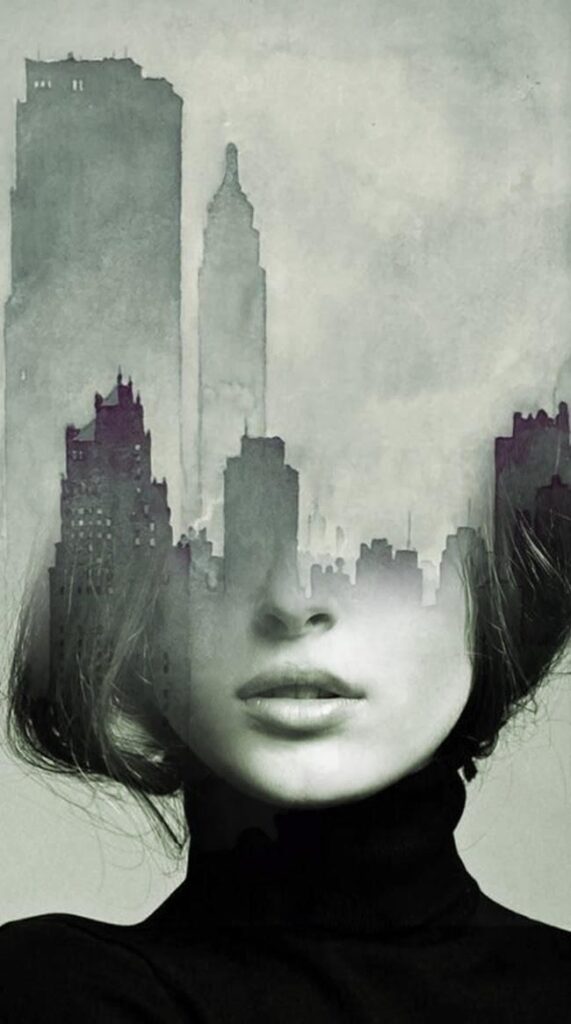
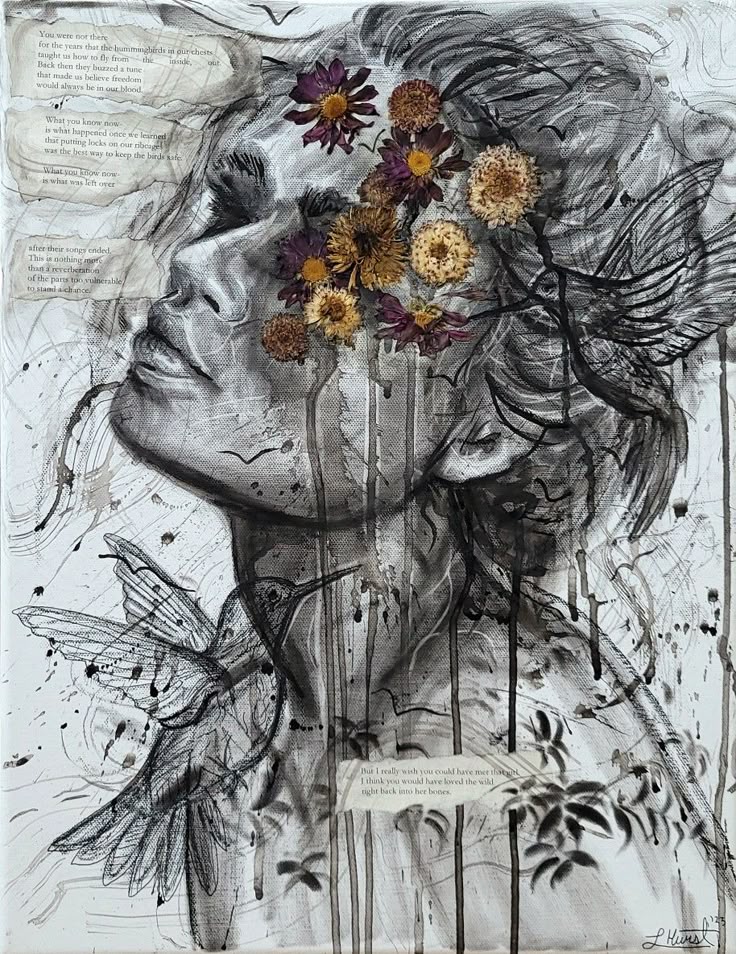
9. A face made from objects you can still name
Build a face from clouds, curtains, fruit, shells, or folded paper. Check the silhouette at thumbnail size so it still reads as a face before you add texture.
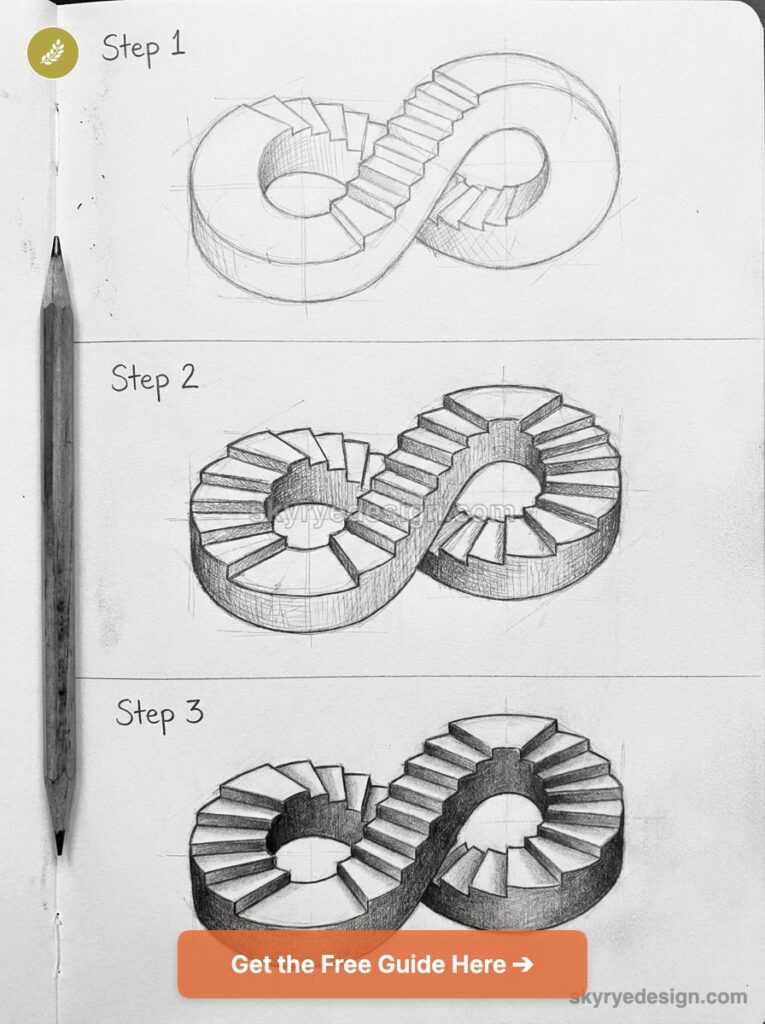
10. A calm landscape with one impossible architecture rule
Make a staircase return to its first landing or send windows into the sky. Begin with a believable vanishing point, then break one route through the building.
11. An ocean where the sky should be
Put waves above a landscape, then use a normal horizon to hold the image together. Contrast between a quiet ground and active water makes the swap clearer.
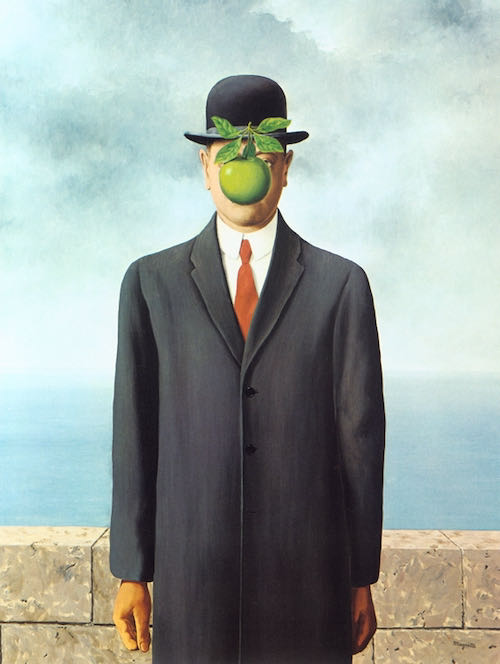
12. A hand holding a miniature world
Hands are persuasive scale tools. Draw the hand carefully, then let a small city, storm, or forest rest in the palm as though it has real weight.
13. An eye that contains a second horizon
Keep the eyelids and iris structure convincing before placing a landscape in the pupil or reflection. A dark limbal ring helps the eye remain readable.
14. A floating focal object with an honest shadow
A single apple, house, or chair can float above the ground if its shadow says where the light is coming from. The honest shadow sells the impossible lift.
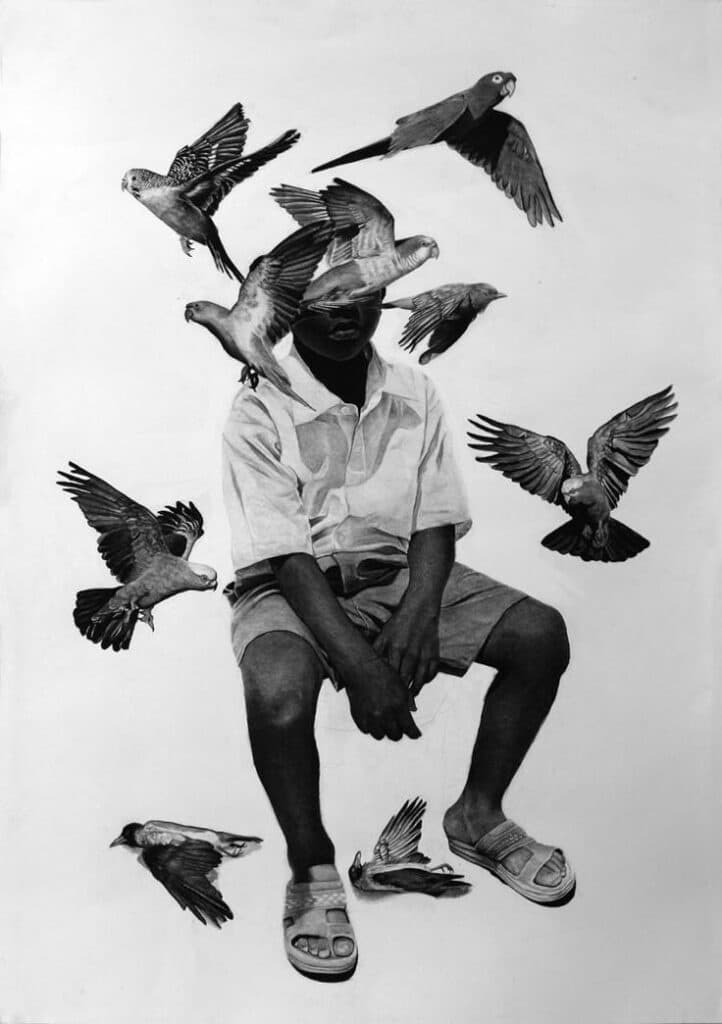

15. A window that behaves like a page
Let a figure fold back the window view as if it were paper. Use a crisp edge and a slightly different value range on each side to separate the two spaces.
16. A portrait with seasons moving through it
Divide the face with a slow transition from bare branches to leaves, rain to sun, or winter clothes to a warm landscape. The shift should follow the form of the head.
17. A still life where one material is wrong
Draw a familiar fruit in glass, stone, or smoke while keeping the rest of the table ordinary. Study the expected material first so the changed version has something to resist.
18. A map that becomes a body
Let roads trace an arm, a coastline become a shoulder, or a transit line continue into a vein-like pattern. Keep one portion recognisably map-like and one recognisably human.
19. A room with a horizon line through it
Place a beach, desert, or cloud bank exactly where a wall should be. Retain the room’s floor line so the interior and exterior can meet without visual confusion.
20. A missing object described by negative space
Draw a table setting, frame, or shelf, then use the empty area to imply the thing that should be there. This prompt relies on restraint, so leave the central absence uncluttered.
How to make a surreal drawing in five steps
- Choose an ordinary anchor. Use something you can draw without hesitation: a face, stair, cup, hand, room, or horizon.
- Name one broken rule. Change scale, gravity, material, location, reflection, or function. Keep this sentence short enough to test while you draw.
- Set the structure. Establish the silhouette, horizon, perspective, and largest value shapes before drawing details.
- Build the transition. Show where the ordinary object turns into the impossible one. Repeated line direction, texture, or shadow makes the change feel connected.
- Remove competing surprises. Step back and delete anything that does not strengthen the first contradiction the viewer notices.
If the page feels stiff at the start, make three thumbnail versions in two minutes each: move the focal point left, center, and right. This companion guide to drawing hacks can help with quick value checks and cleaner construction before you commit to a detailed study.
Surreal drawing techniques that keep the idea clear
Technique should support the contradiction, not decorate around it. Pencil shading is useful when you need a believable object beside an impossible event. Collage logic works when parts have intentionally different textures. Digital drawing is handy for moving a composition around, but the same decisions still matter: value hierarchy, edge control, and a focal point.
| Technique | Use it for | Keep an eye on |
|---|---|---|
| Pencil value | A convincing object, portrait, or architectural anchor | Reserve your darkest dark for the focal change. |
| Contour transfer | A form becoming another form | Match the direction of key curves across the transition. |
| Collage thinking | Abrupt changes in texture or scale | Limit the number of competing materials. |
| Cropping | Making an ordinary scene feel off-balance | Crop with intention; leave a clear visual route back to the focal point. |
| Digital layers | Testing alternatives before final rendering | Flatten the hierarchy mentally: the drawing must work without effects. |
For a pencil-first workflow, start with controlled line and value rather than chasing novelty. These sketching ideas for your sketchbook are useful warm-ups when you need a solid ordinary subject before you twist it into a surreal one.
Artists to study for visual problem-solving
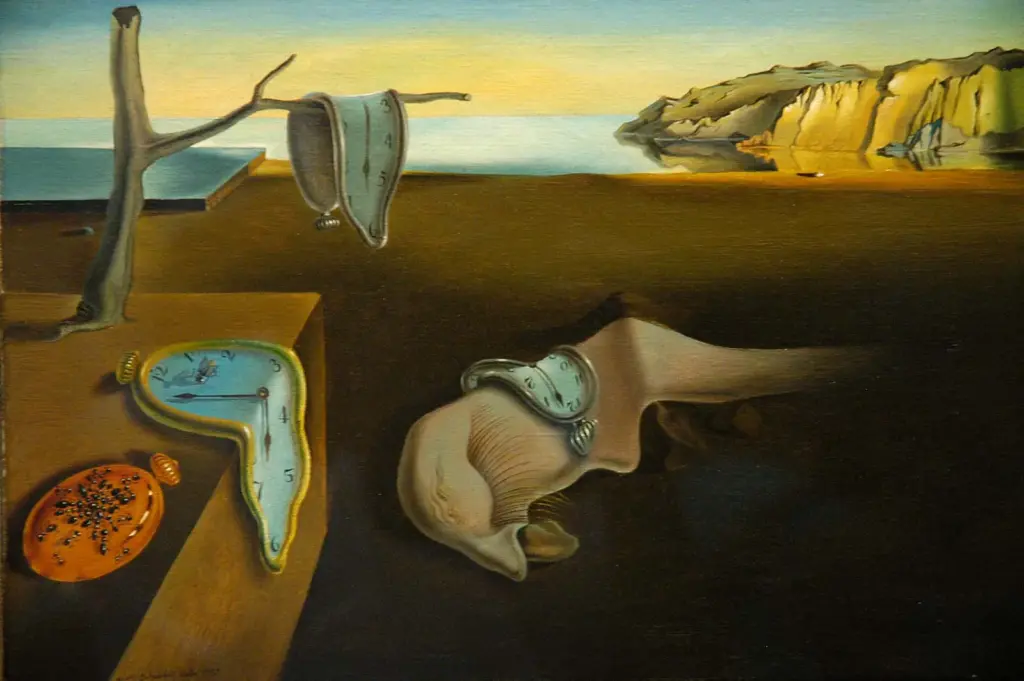
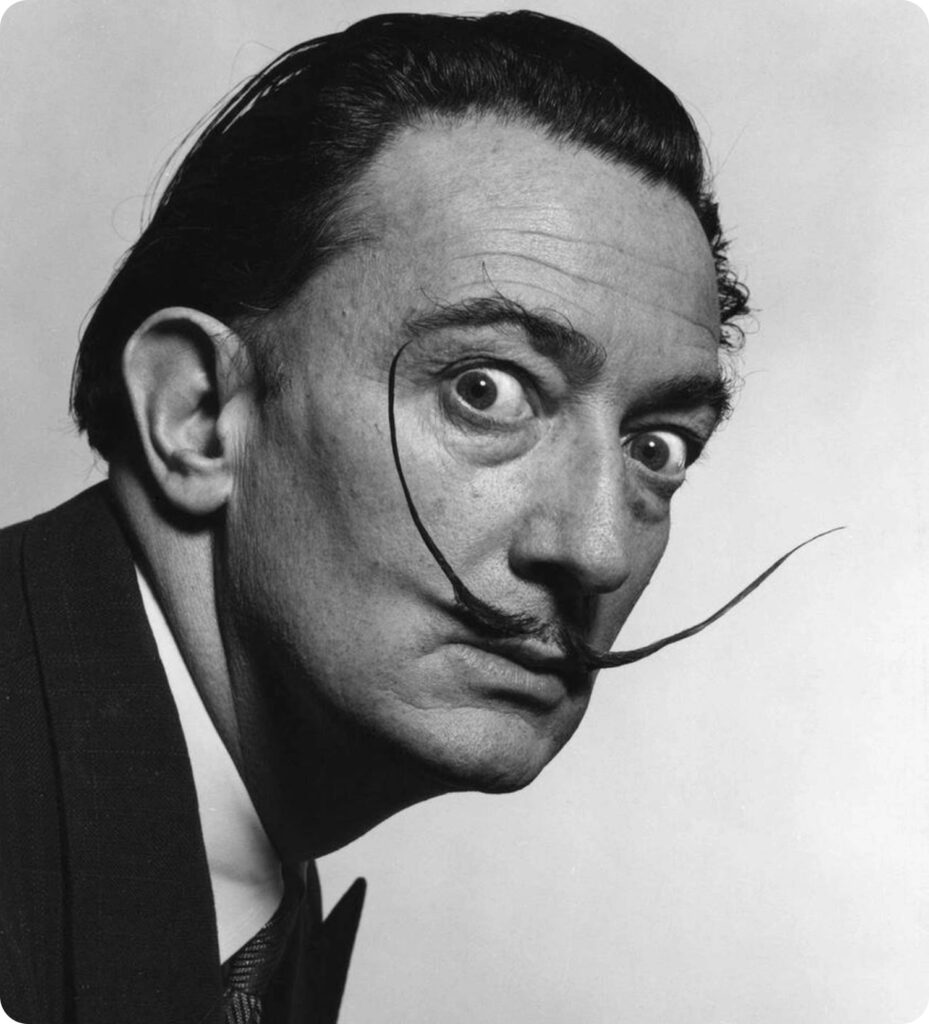
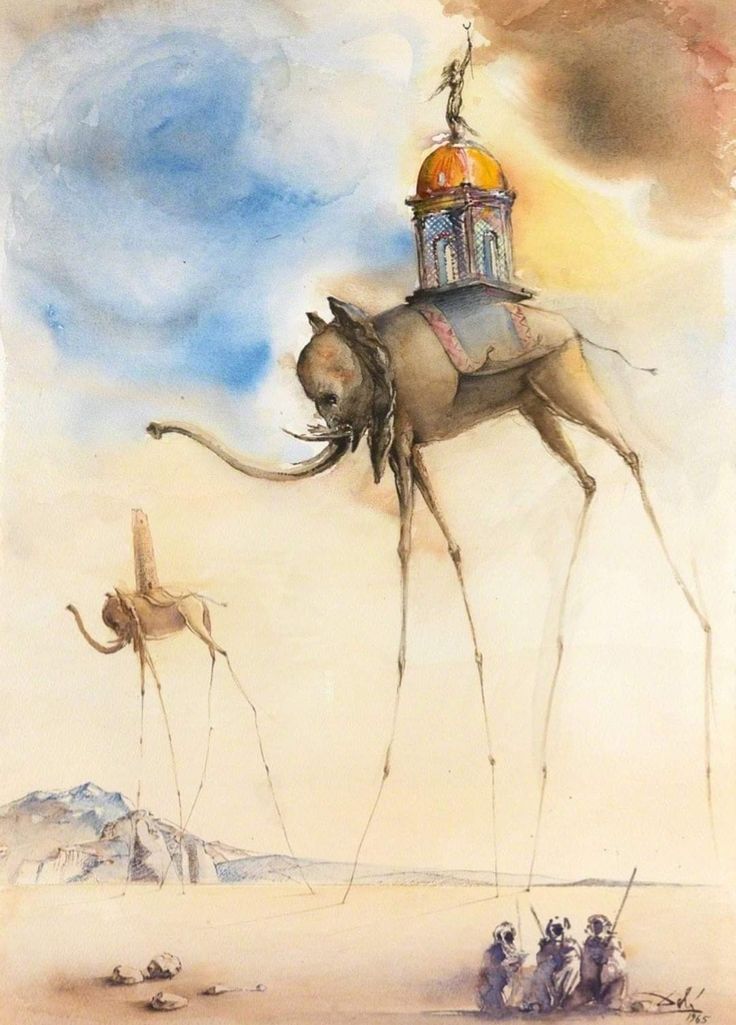
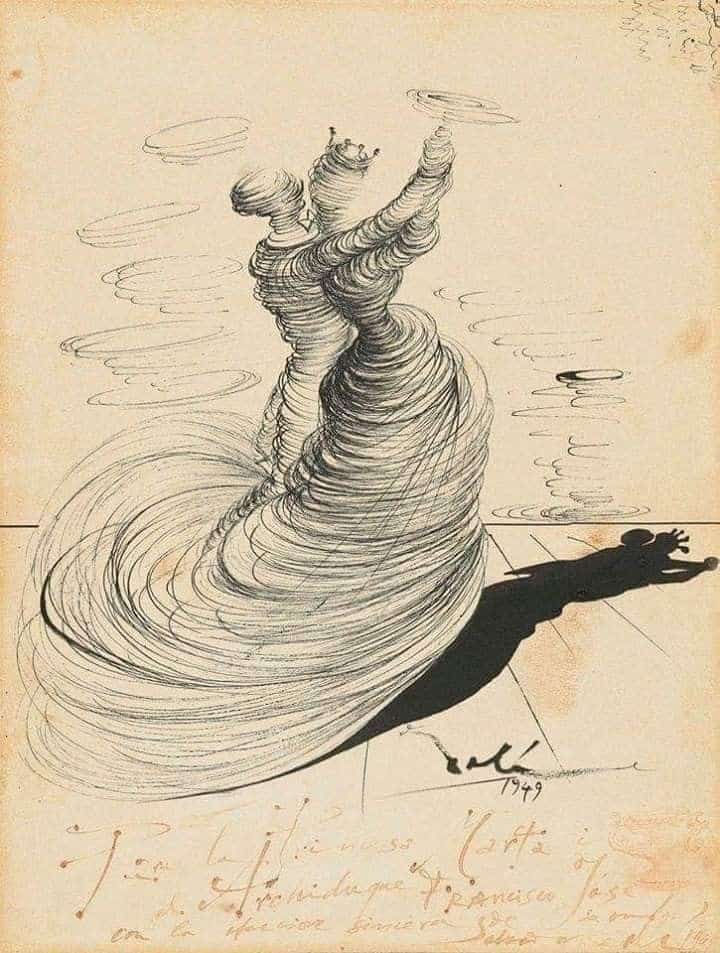
Study artists for their decisions, not for motifs to copy. Salvador Dali’s The Persistence of Memory at MoMA is a useful lesson in rendering familiar forms with enough conviction that altered objects feel unsettling. MoMA’s Dali artist record is a good starting point for connecting the work to a larger practice.
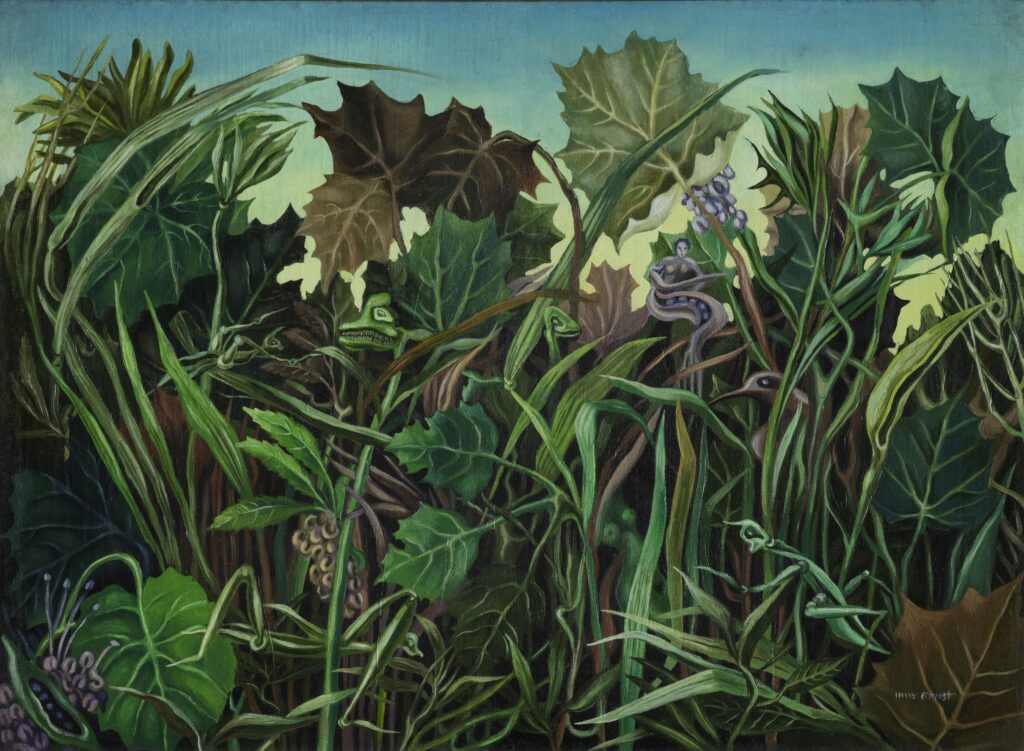
Max Ernst is worth studying for texture, chance, and transformed forms; the Guggenheim’s Max Ernst retrospective catalogue offers deeper context. For a different kind of economy, look at how Joan Miro’s work in the Met’s essay uses reduced signs and colour to make space feel strange without rendering every surface realistically.
When you want an artist’s own voice in the mix, MoMA’s audio material on Surrealism gives another route into the movement. Take notes on compositional choices: what stays normal, what changes, and where your eye lands first.
Keep the surreal idea personal
The best source material is often close at hand: a room you know, an object you use, a route you walk, or a memory you cannot quite explain. Start there, then change one rule. A more personal anchor gives the viewer a believable world before your drawing invites them to question it.
For more prompt fuel without repeating the same visual recipe, browse fantasy drawing ideas, try focused eye drawing ideas, or return to a practical set of ways to find inspiration for drawing. These drawing inspirations for creative artists can help when you need a subject before you decide on the surreal transformation. Let one source help with the subject and another with technique, then make the final combination your own.
Surreal drawing ideas FAQ
How do you make a drawing surreal?
Draw one familiar subject clearly, then change one rule the viewer expects: scale, location, gravity, material, or what appears in a reflection. Keep the lighting, perspective, or silhouette consistent so the impossible change has something believable to push against.
What makes an image look surreal?
A surreal image joins recognisable things through dream logic rather than everyday logic. It might place unrelated objects together, let one form transform into another, or make a small object enormous. The scene still needs a visual anchor, such as a horizon, a face, or a convincing shadow.
What are easy surreal drawings for beginners?
Try a cloud trapped in a jar, an eye reflecting a landscape, a house with an ocean behind its door, or a teacup casting the shadow of an animal. Start with a simple object you can already draw, then make one precise impossible change.
What techniques are used in surrealism drawing?
Useful techniques include unexpected juxtaposition, metamorphosis, altered scale, double images, visual puns, changed reflections, collage logic, and impossible perspective. You do not need to use all of them. One technique, carried through clearly, is usually stronger than a page full of unrelated effects.
Can I make surreal art with pencil only?
Yes. Pencil is especially good for building believable form before you introduce an impossible relationship. Use a full value range, keep the focal edge sharper than the background, and leave highlights clean. Colour is optional; the idea and the structure do most of the work.
How do I stop a surreal drawing from looking random?
Give the drawing one visual rule. For example, every object might be reflected as something else, or a landscape may only appear inside circular forms. Repeat that rule once or twice, keep one clear focal point, and remove details that do not help the main contrast.
What should I draw first in a surreal composition?
Start with the ordinary anchor: a face, room, hand, fruit, staircase, or horizon. Establish its silhouette and light source first. Then add the impossible element where it creates the most useful contrast, often at an edge, opening, reflection, or point of contact.
Start with one impossible change
A surreal drawing does not need to explain a dream in full. It needs one believable anchor and one rule that changes. Begin with the subject you already know how to draw, decide what will behave impossibly, and let light, scale, and composition make that decision feel deliberate.
- 111shares
- Facebook0
- Pinterest108
- Twitter3
- Reddit0