A small agency I once did brand work alongside lost a pitch, not because the creative was weak, but because a prospective client asked one uncomfortable question during due diligence: who’s responsible for security if something goes wrong with our files? Nobody at the agency had a clean answer. Not because they were careless, but because nobody had ever been assigned to own that question in the first place, and “we’re careful” isn’t actually a security policy.
Cybersecurity is one operational risk, but resilient companies also watch finance, contracts, people, data and continuity. These business risks that deserve more attention summarize six areas that are easy to postpone until a problem occurs.
That gap is common, and it’s specific to how small and mid-sized creative agencies actually operate. A five-to-twenty-person studio rarely has a security lead. It has designers, a project manager maybe, someone handling accounts, and a stack of tools, Figma, Adobe Creative Cloud, cloud storage, client portals, freelancer logins, none of which came with a security policy attached. Cybersecurity outsourcing exists specifically to fill that gap, without requiring a creative studio to hire a role it doesn’t have the size or budget to justify.
- Why remote creative agencies need a different cybersecurity model
- What cybersecurity outsourcing means for a design studio
- The creative assets that create real security risk
- Which cybersecurity tasks should be outsourced first
- How to choose a cybersecurity outsourcing partner for a creative agency
- How outsourced cybersecurity supports creative workflow
- FAQ
- Q: What is cybersecurity outsourcing?
- Q: Why do remote creative agencies need cybersecurity outsourcing?
- Q: Which cybersecurity tasks should a creative agency outsource first?
- Q: How is cybersecurity outsourcing different from general IT outsourcing?
- Q: What should a creative agency look for in a cybersecurity outsourcing partner?
This isn’t a general security checklist, the site already has one. This is about the outsourcing decision itself: which security functions actually make sense to hand to an outside partner, which ones a studio should keep close, how to evaluate a partner who understands creative tools rather than generic office IT, and how getting this right actually protects deadlines and client trust rather than just checking a compliance box.
None of what follows assumes a studio has to outsource everything at once, or that outsourcing means giving up control. The strongest setups keep specific decisions internal, who gets access to what, which projects carry the highest sensitivity, while handing the ongoing, repetitive work of monitoring and enforcement to someone whose actual job is doing it consistently.
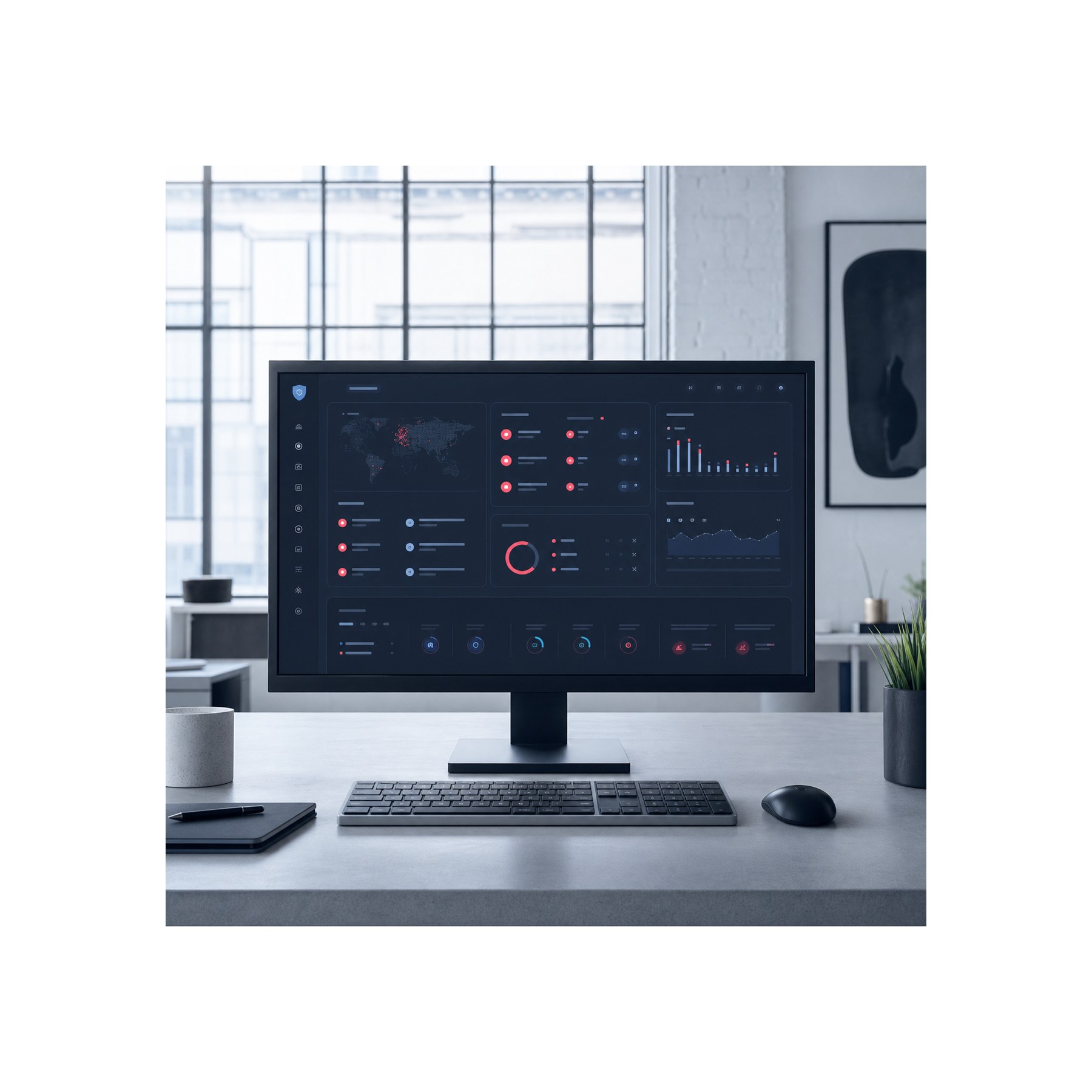
Why remote creative agencies need a different cybersecurity model
Generic small-business cybersecurity advice assumes a fairly uniform environment, company laptops, a handful of core applications, employees working from an office network. A remote creative agency looks nothing like that. Designers work from personal devices as often as company ones. Freelancers and contractors rotate in and out of active projects, each one needing scoped access to specific client folders for a few weeks and then needing that access removed cleanly. The toolset itself, Figma, Adobe Creative Cloud, cloud rendering services, client review portals, spans far more third-party services than a typical small business touches.
That combination, distributed people, distributed devices, and a wide surface of connected creative tools, creates a genuinely different risk profile than the one most off-the-shelf security packages are built around. A security model built for a law firm or an accounting practice doesn’t map cleanly onto a studio where half the team logs into a client’s Figma file from a laptop that also has three other clients’ work sitting in local cache.
The stakes are also different in a way that’s easy to underrate. A leaked spreadsheet at a typical small business is embarrassing. A leaked, unreleased brand campaign or product design at a creative agency can genuinely damage a client’s competitive position, which is exactly the kind of consequence that shows up in a client contract’s confidentiality clauses long before it shows up in any generic risk assessment.
What cybersecurity outsourcing means for a design studio
Cybersecurity outsourcing, specifically, means handing off the ongoing work of monitoring, hardening, and responding to security issues to an outside partner, distinct from general IT support that keeps software running and hardware working.
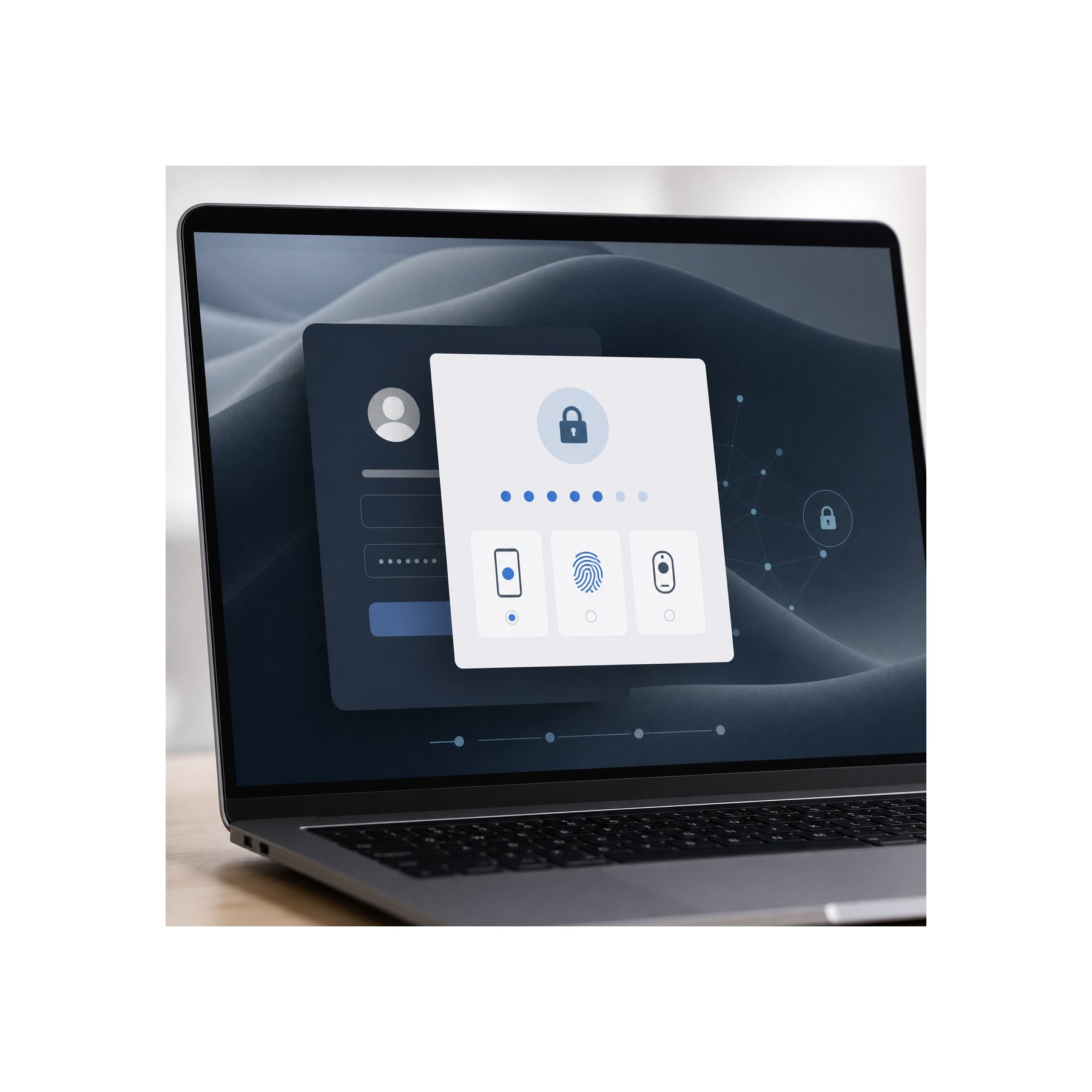
Security monitoring, endpoint protection, MFA, backups, and access reviews
The core functions worth outsourcing are fairly consistent across creative agencies: ongoing monitoring for suspicious account activity, endpoint protection on every device touching client work, multi-factor authentication enforced across every account rather than optional per person, verified backups rather than assumed ones, and periodic access reviews confirming that permissions still match who’s actually working on what. None of these require creative judgment. All of them require consistent attention most studios don’t have spare capacity for internally.
What ties these five functions together is that each one is a small task done correctly and repeatedly, not a single project finished once. That rhythm, doing the same unglamorous check every week or every month without fail, is exactly the kind of work an outside partner with dedicated tooling and accountability handles more reliably than a creative team squeezing it in around client deadlines.
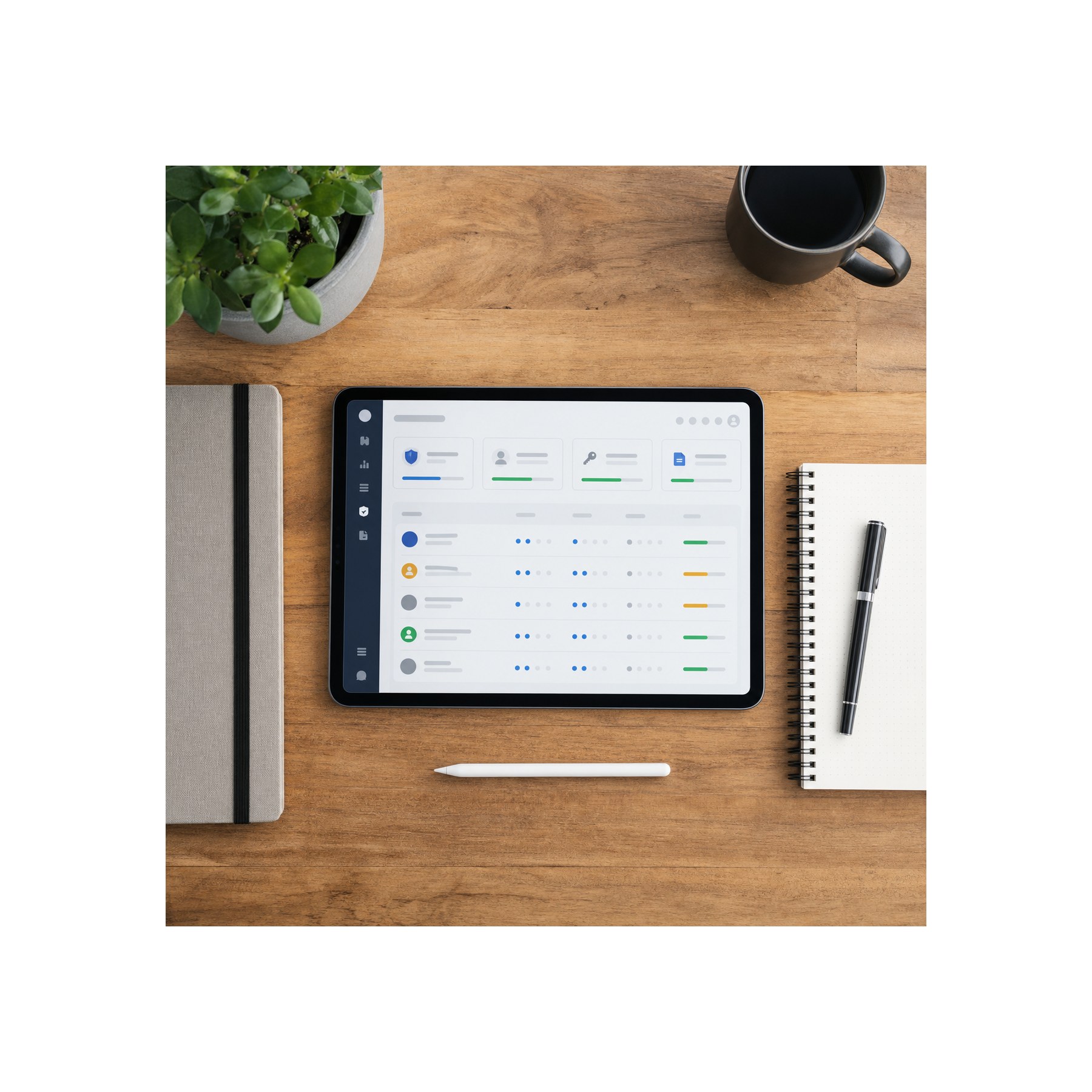
Where outsourced IT services stop and managed cybersecurity services begin
General outsourced IT services keep the lights on, software updates, hardware troubleshooting, general technical support. Managed cybersecurity services specifically focus on the security layer, threat monitoring, incident response, access governance, vulnerability assessment. Some providers cover both under one contract; others specialize in one or the other. our guide to remote IT support for creative studios and our piece on remote IT support for distributed creative teams both cover the general IT support side in more depth, useful context for understanding where that layer ends and the security-specific layer covered here begins.
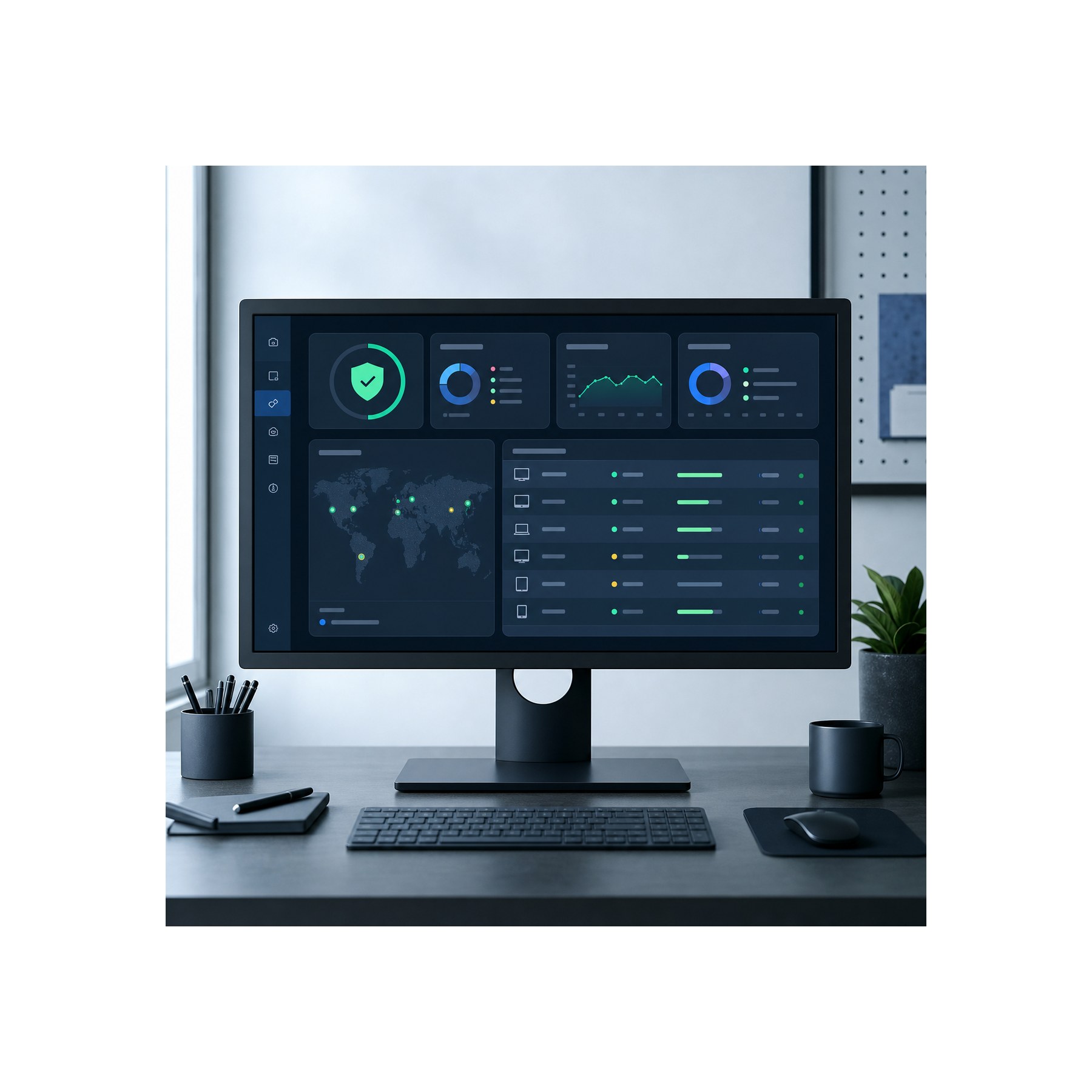
The creative assets that create real security risk
A design studio’s most valuable digital assets rarely look like what generic security training pictures, sensitive financial records, medical data. They look like ordinary project files that happen to carry real confidentiality and financial value.
It’s worth naming this mismatch directly, because it’s a large part of why generic security guidance underserves creative agencies specifically. A training video built around protecting a database of customer records doesn’t help a designer understand why an unreleased packaging design sitting in a shared folder is just as sensitive, arguably more so given how quickly a leaked visual travels once it’s out.
Client briefs, brand files, raw footage, source files, 3D assets, invoices, and approvals
Unreleased client briefs, brand assets ahead of a public launch, raw footage from a shoot nobody’s seen yet, layered source files, 3D models for a product that hasn’t been announced, invoices carrying real financial detail, and recorded approval chains all carry genuine confidentiality value, the kind a client would be seriously upset to see leaked or exposed before they’d chosen to release it themselves. our guide to digital asset security for hybrid studios goes deeper into protecting this specific category of file, since it behaves differently from generic business documents in ways that matter for how a studio should structure access and storage.
Source files deserve particular attention here, since they’re often more valuable than the finished deliverable a client actually sees. A layered Photoshop file or an editable 3D model hands anyone who obtains it the ability to modify or reuse the work directly, which is a materially different risk than someone seeing a flattened final export.
Freelancers, contractors, personal devices, and shared cloud folders
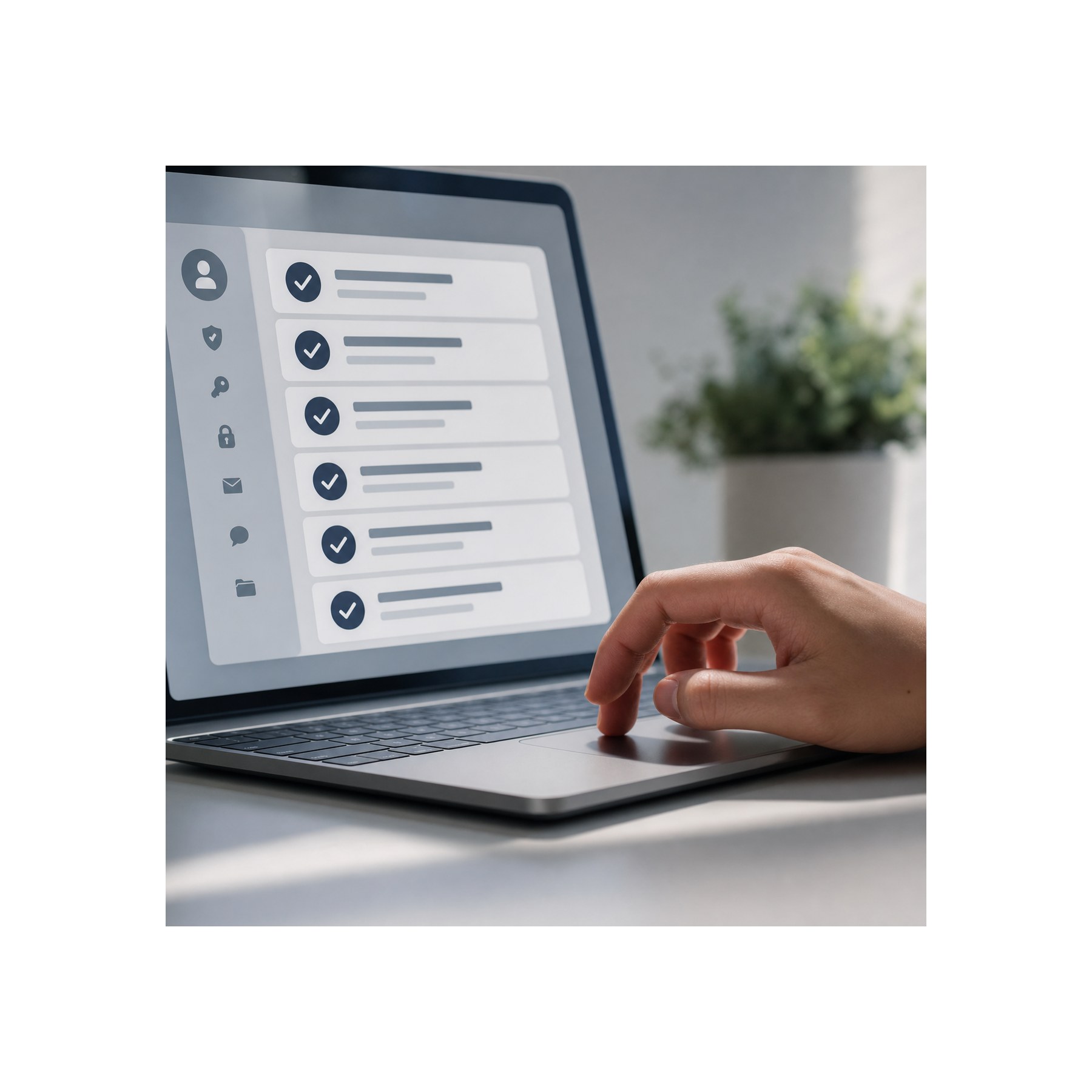
The riskiest access pattern in most creative agencies isn’t the core team, it’s the rotating cast of freelancers and contractors who need temporary, scoped access to specific client work and then need that access cleanly removed once the project wraps. Personal devices compound this, since a freelancer’s laptop likely has cached files from several other clients, none of which the current studio has any visibility into or control over. Shared cloud folders that accumulate permissions over years, without anyone auditing who still has access to what, are where a surprising share of real exposure quietly builds up.
Design note: Run a simple access audit: list every client’s active folder or portal, then list every person or account with access to it. Cross off anyone who hasn’t touched that project in the last 90 days. Most studios doing this for the first time find several accounts that should have been removed months ago.
Which cybersecurity tasks should be outsourced first
Not every security function needs to move to an outside partner at once. A few specific tasks deliver the most protection for the least disruption, and they’re the right place to start.
Account hardening and password/MFA policy
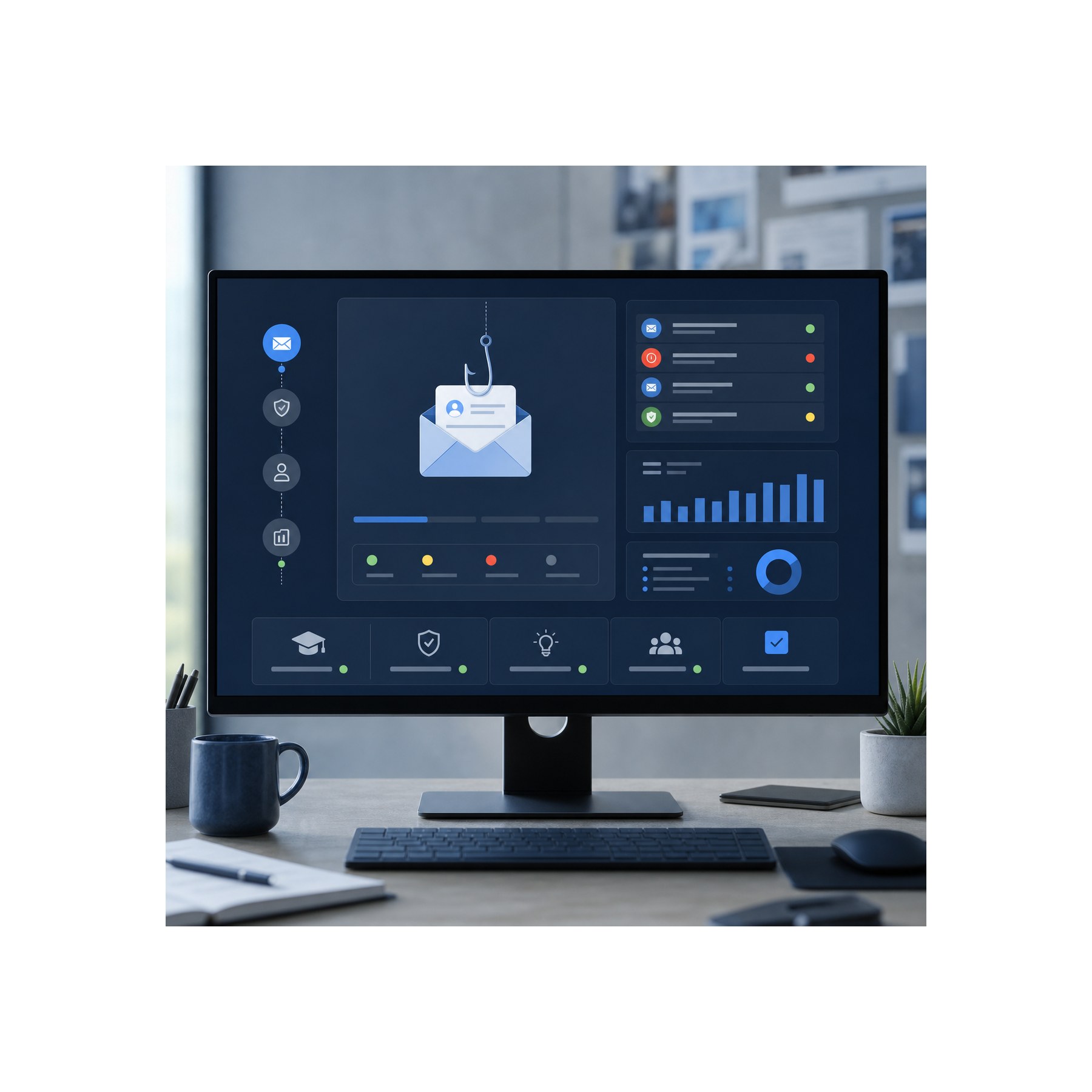
Enforcing multi-factor authentication across every account touching client work, and hardening password policy so it’s actually followed rather than nominally required, is the single most valuable security task a studio can hand to an outside partner. It’s low-disruption to implement, catches a large share of the most common attack methods, and doesn’t require deep familiarity with a studio’s specific creative tools to execute correctly.
Most credential-based breaches trace back to exactly this gap, a reused password, an account without MFA enabled, rather than some sophisticated exploit. That makes account hardening a genuinely high-return first step, both because it’s straightforward to implement and because it closes off the specific vulnerability attackers rely on most often.
Cloud storage permissions and client portal access
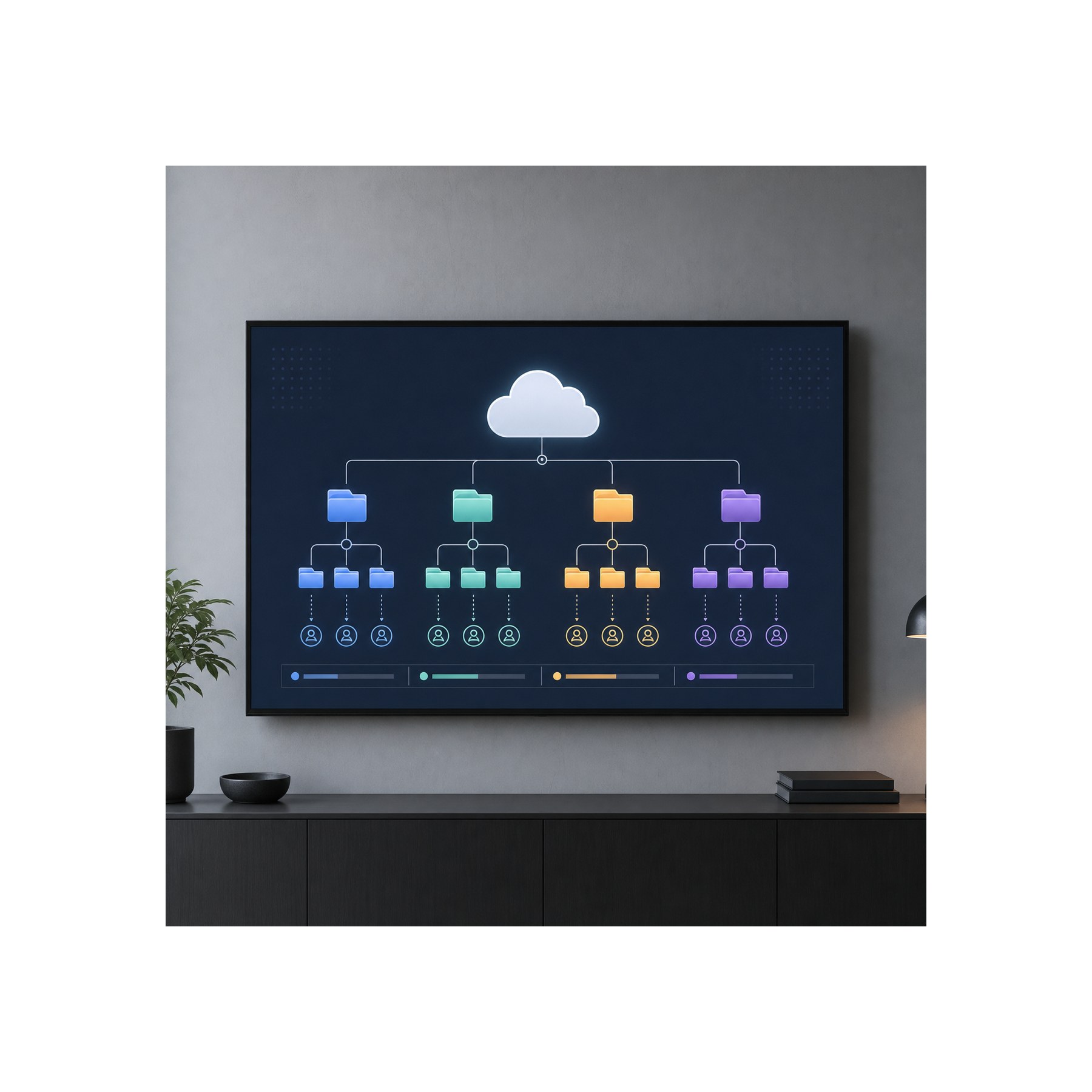
Structuring and periodically auditing cloud storage permissions and client portal access, so a freelancer’s access actually expires when their contract ends rather than lingering indefinitely, is the second clear candidate for outsourcing. This work is tedious, easy to defer, and exactly the kind of task that benefits from someone whose actual job is remembering to do it on schedule, rather than a creative team member squeezing it in between deadlines.
A useful discipline worth adopting alongside this: treat every new client engagement as an opportunity to set permissions correctly from day one rather than retrofitting access control onto an existing mess later. It’s considerably easier to grant scoped, correct access at project kickoff than to untangle years of accumulated, overly broad permissions after the fact.
Device patching, remote workforce cybersecurity, and incident response
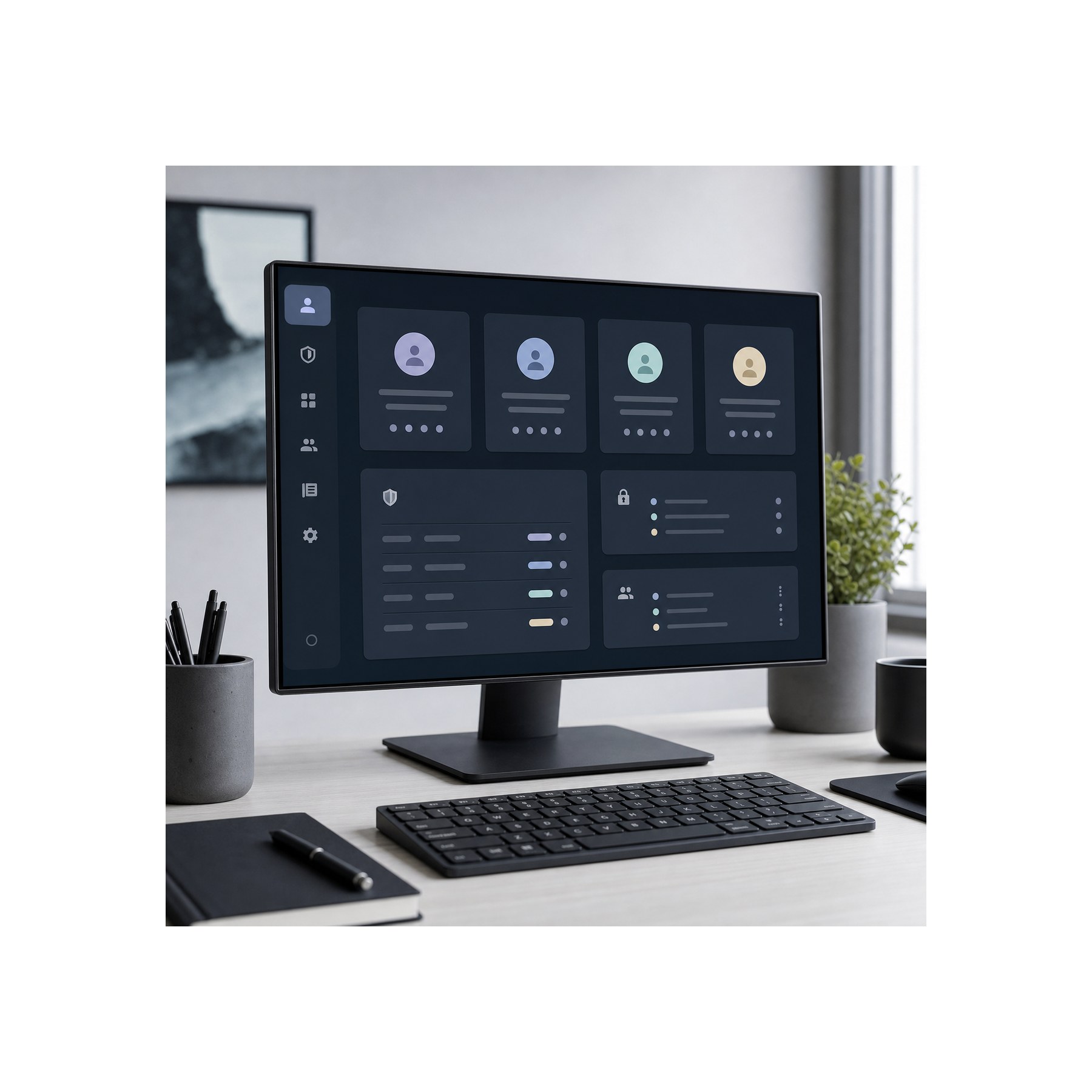
Keeping devices patched and updated across a distributed team, applying consistent remote workforce cybersecurity standards regardless of whether someone’s using a company laptop or a personal one, and having a genuine, tested incident response plan rather than an assumed one round out the first wave of tasks worth handing to a partner. our cybersecurity checklist for remote design teams and our guide to remote work security for creative teams both cover the baseline standards this outsourced layer should actually be enforcing, useful as a reference point when evaluating whether a partner’s proposed scope is genuinely adequate.
An incident response plan specifically is worth testing before it’s ever needed for real, the same way a fire drill matters more than a fire escape diagram nobody’s actually walked. A partner who can walk a studio through a realistic tabletop scenario, what happens in the first hour after a suspected breach, who gets notified, what gets locked down first, demonstrates a very different level of readiness than one who simply promises a plan exists somewhere on file.
How to choose a cybersecurity outsourcing partner for a creative agency
Not every IT outsourcing company that offers cybersecurity services actually understands how a creative agency’s tools and workflow function, and that gap shows up quickly once a real incident hits.
It’s worth treating the selection process itself as seriously as the ongoing relationship, since switching partners after signing a poor-fit contract is disruptive in exactly the way this whole outsourcing decision is meant to avoid. A rushed evaluation now tends to produce a slower, more painful correction later.
Creative-tool awareness, response times, escalation rules, and confidentiality
A partner worth signing with should already understand how access and permissions work inside Figma, Adobe Creative Cloud, and whatever cloud rendering or asset-management tools a studio actually runs, rather than treating every client’s software stack as generic and interchangeable. NetWize’s tech outsourcing team is a useful example of a provider built specifically around this kind of tailored approach for remote creative businesses, rather than applying a one-size-fits-all small-business package to a studio with genuinely different tools and access patterns.
Response times and escalation rules deserve the same specificity as tool awareness. A locked account or a suspicious login attempt the morning of a major client deadline needs a fundamentally faster, more urgent response than a routine security question on an ordinary week, and that distinction should be written into the agreement explicitly, not left as an assumption both sides hope holds up under pressure.
Questions to ask before signing with an IT outsourcing company
Worth asking directly: Do they have direct, verifiable experience securing accounts and permissions for the specific creative tools this studio actually runs? What’s their real, contractual response time for a security incident during a deadline-critical period, not just their general advertised SLA? How do they handle onboarding and offboarding freelancers specifically, since that’s where the riskiest access gaps tend to open? And can they describe a past incident response in enough specific detail to demonstrate genuine experience, rather than reciting general best-practice language. Agencies weighing whether their exposure actually warrants a dedicated cybersecurity partner, rather than folding security into general IT support, can a reach out to Network 1 for a direct assessment focused specifically on the intellectual-property and client-data risk a creative agency actually carries, rather than a generic small-business review that doesn’t account for how much unreleased creative work sits in active circulation at any given time.
How outsourced cybersecurity supports creative workflow
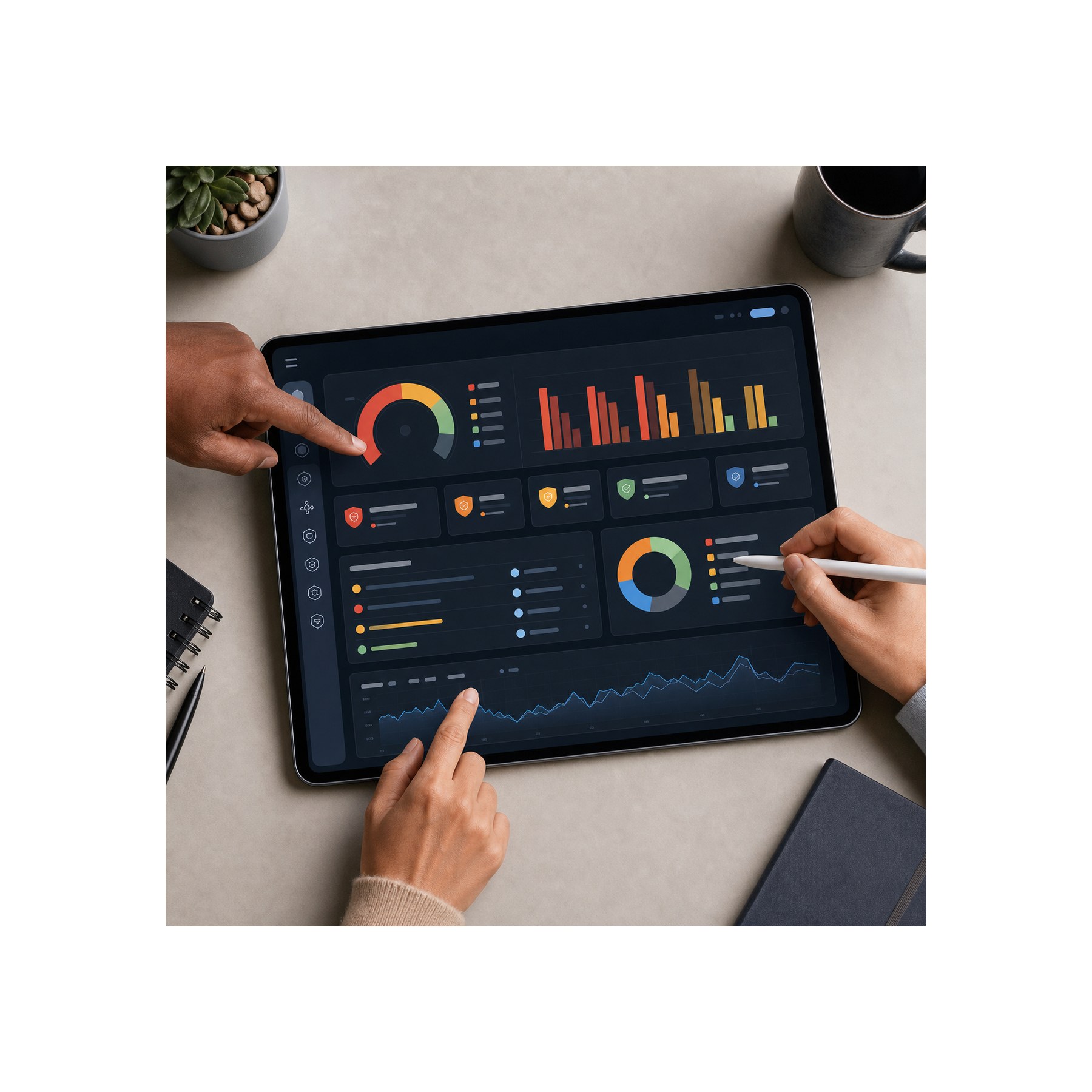
Done well, this layer doesn’t just prevent bad outcomes, it removes a specific, recurring category of friction that otherwise eats into creative production time constantly.
Faster onboarding/offboarding for designers and contractors
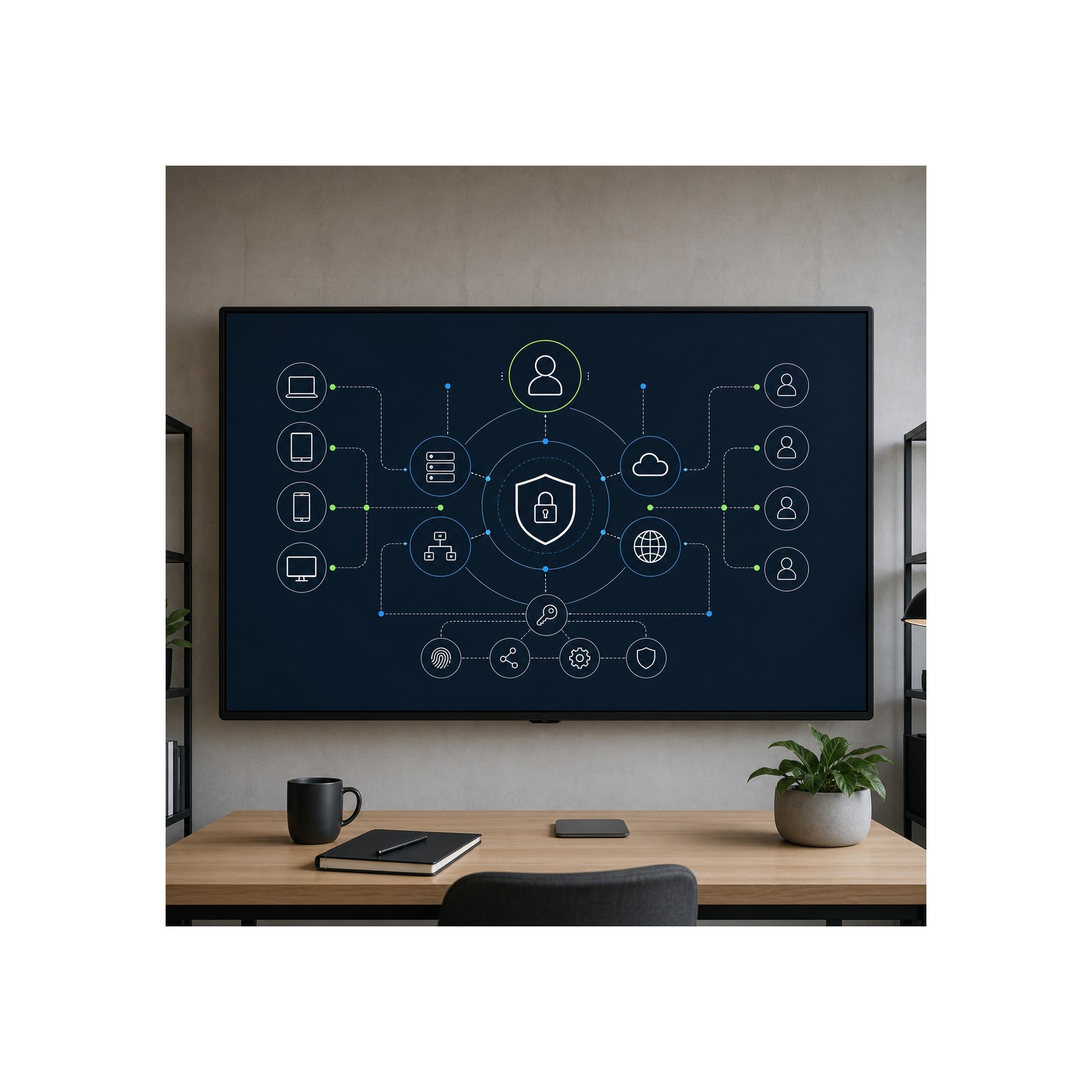
A defined, outsourced process for granting and removing access means a new freelancer can be productive on day one instead of waiting for someone internally to figure out permissions manually, and access gets cleanly removed the moment a contract ends instead of lingering as an unmonitored risk for months. our guide to hybrid design studios and outsourcing without slowing creative workflow and our piece on design workflow for remote studios both cover how this kind of access management fits into the broader studio workflow, beyond the security-specific angle covered here.
This matters more than it might initially seem, since the time between a contractor’s engagement ending and their access actually being revoked is exactly the window where the most avoidable exposure sits. A studio that treats offboarding as a defined, owned process rather than an afterthought closes that window reliably instead of hoping someone remembers.
Fewer project delays from locked accounts, malware, lost files, or breached tools
A locked account nobody can quickly resolve, a malware infection spreading from one unpatched device, files lost because a backup was never actually verified, or a breached third-party tool exposing client data, all of these translate directly into missed deadlines, not just abstract security failures. our guide to securing API integrations with managed services covers a related risk surface worth understanding as studios connect more third-party tools and services together, since each new integration is another potential point of exposure worth accounting for in the same outsourcing conversation.
FAQ
Q: What is cybersecurity outsourcing?
A: Cybersecurity outsourcing is the practice of handing off ongoing security monitoring, account hardening, access management, and incident response to an external partner, rather than handling these functions internally. For a creative agency without a dedicated security lead, it fills a gap that would otherwise go unaddressed entirely.
Q: Why do remote creative agencies need cybersecurity outsourcing?
A: Remote creative agencies run a distributed mix of personal and company devices, rotating freelancers who need temporary access, and a wide range of connected creative tools, Figma, Adobe Creative Cloud, cloud storage, client portals, that together create a risk profile most generic small-business security packages weren’t built around. Outsourcing fills the gap without requiring a studio to hire a dedicated security role it likely can’t justify at its size.
Q: Which cybersecurity tasks should a creative agency outsource first?
A: Account hardening and multi-factor authentication enforcement, cloud storage and client portal permission audits, and device patching combined with a genuine incident response plan deliver the most protection for the least disruption, and are the strongest starting point before expanding an outsourcing relationship further.
Q: How is cybersecurity outsourcing different from general IT outsourcing?
A: General outsourced IT services keep software and hardware running, updates, troubleshooting, general technical support. Managed cybersecurity services specifically focus on the security layer, threat monitoring, access governance, incident response. Some providers cover both under one contract, while others specialize in one or the other.
Q: What should a creative agency look for in a cybersecurity outsourcing partner?
A: Direct, verifiable experience securing the specific creative tools the agency actually uses, a clear and contractual response time for deadline-critical incidents rather than just a general SLA, a defined process for onboarding and offboarding freelancers specifically, and the ability to describe a real past incident response in specific detail rather than general best-practice language.
- 25shares
- Facebook0
- Pinterest25
- Twitter0
- Reddit0