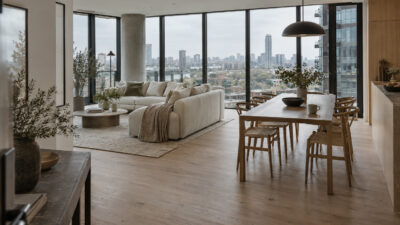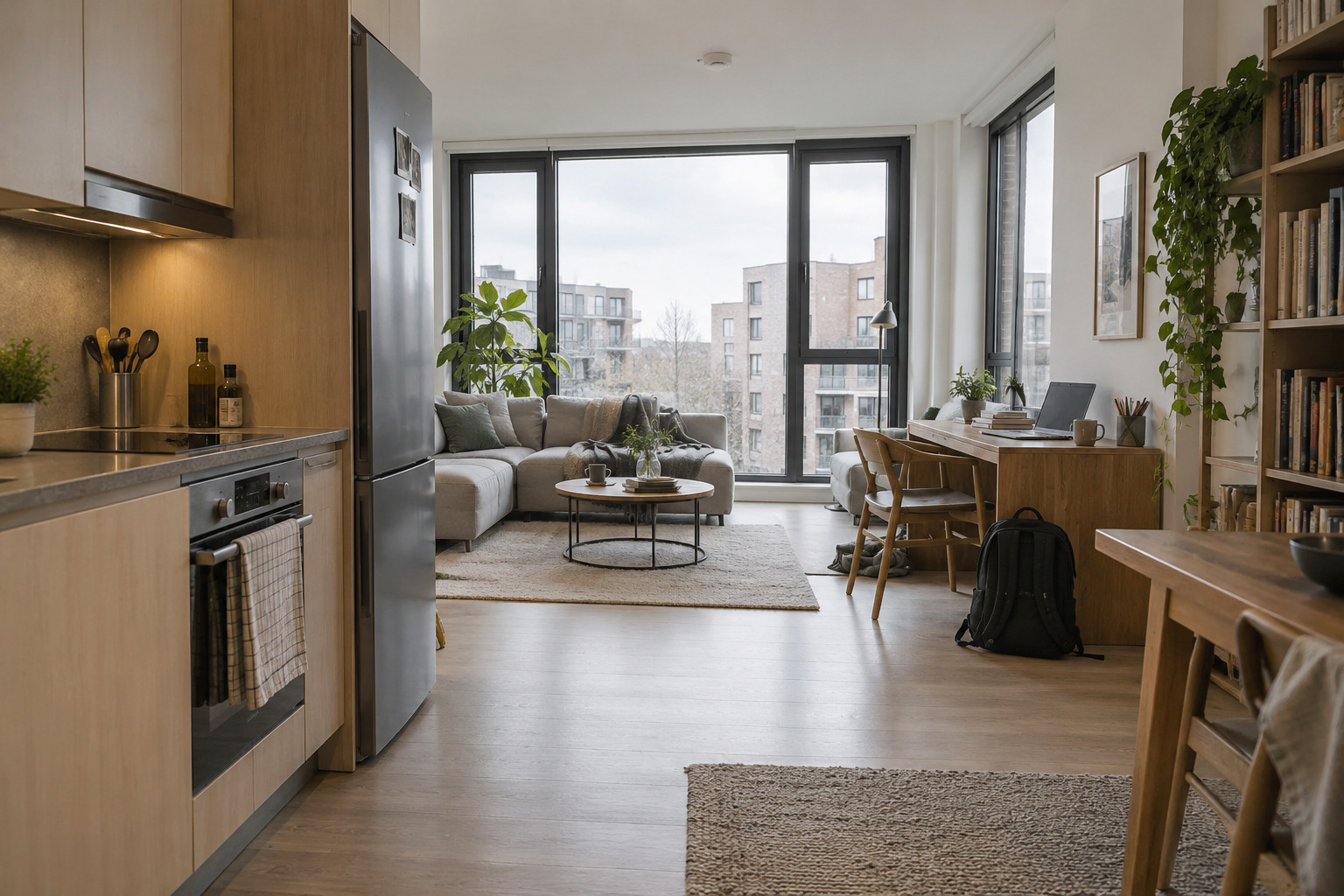
An off-campus apartment has to handle a crowded week: early classes, late study sessions, meals with roommates, and time to switch off. Good off-campus student apartment design gives each of those routines a place, even when the apartment itself is small.
Start with the details you will use every day. Is the desk near an outlet? Can a bag land by the door instead of on the sofa? Are the building’s study room and lounge comfortable enough to stay in? These questions tell you more than the finish schedule.
A study zone that works every day
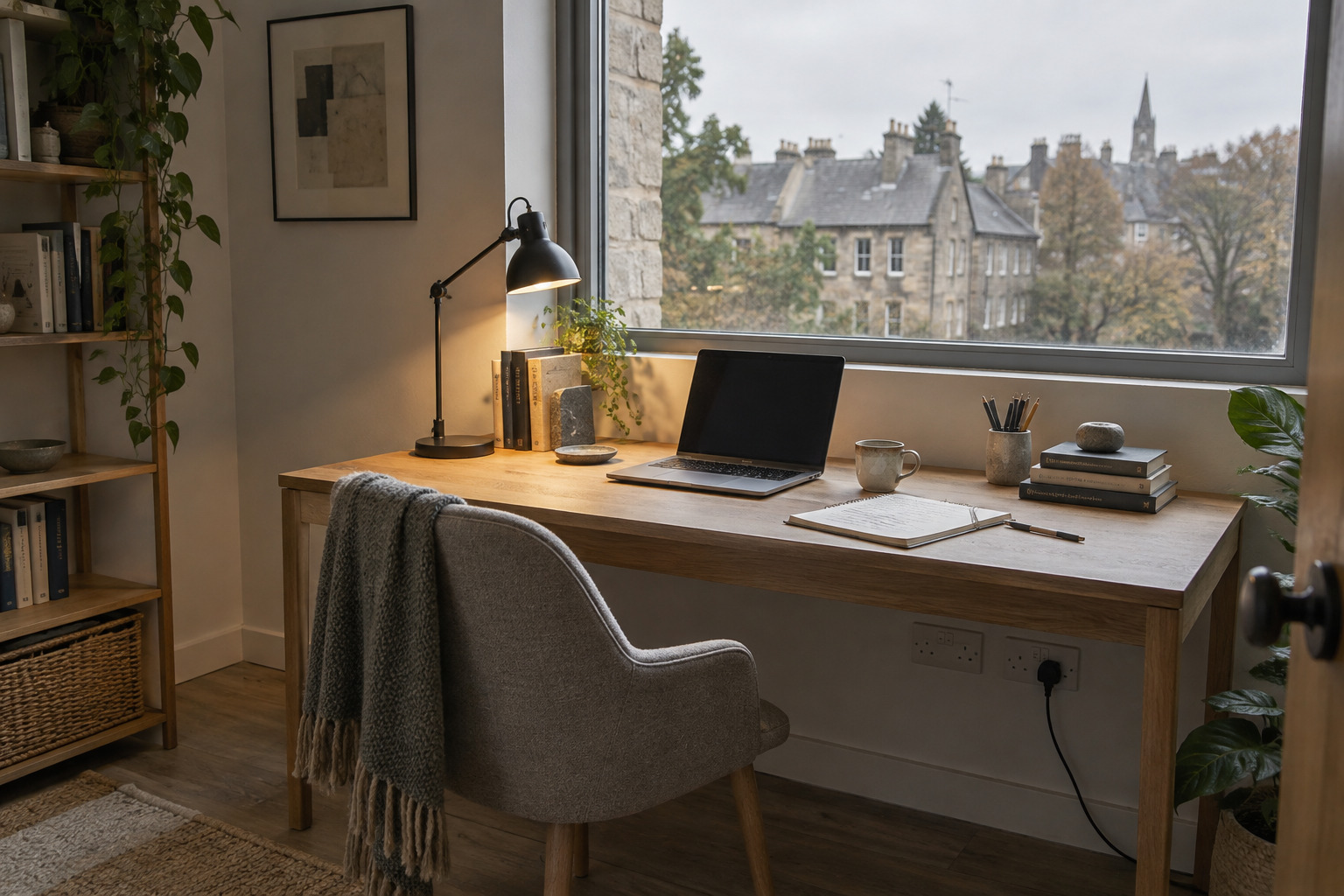
A desk needs enough room for a laptop and an open notebook at the same time. Put an outlet within reach and give the chair space to pull back. Side daylight is easier on a screen than a window directly behind it; a small task lamp takes over after dark.
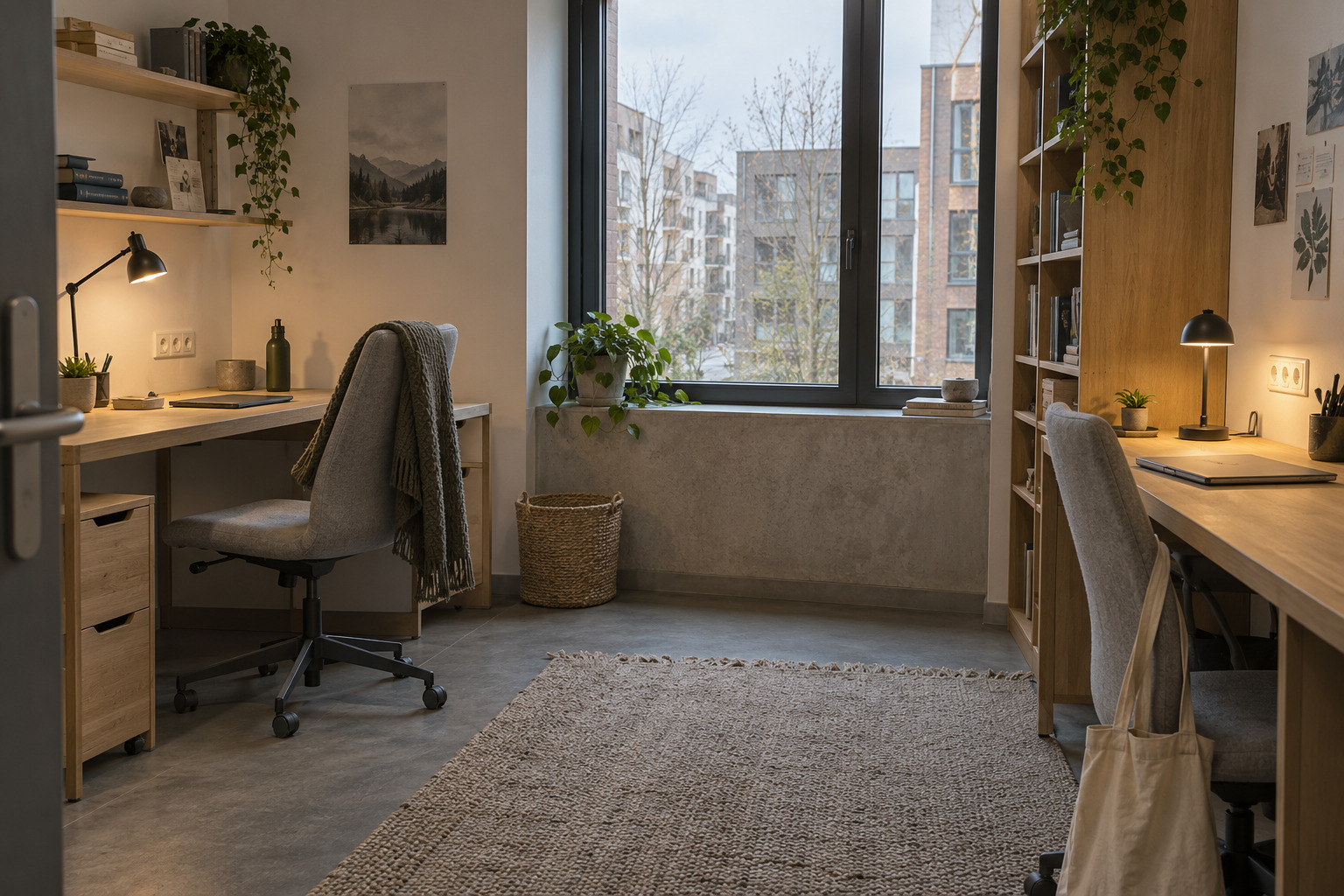
When roommates have different schedules, a separate study room can save the kitchen table from becoming everyone’s desk. Test the Wi-Fi and listen for noise from the corridor. Those basics matter more than elaborate decor. For ideas inside the apartment, our student living layout guide shows how to separate study and sleep areas.
Flexible rooms without visual clutter
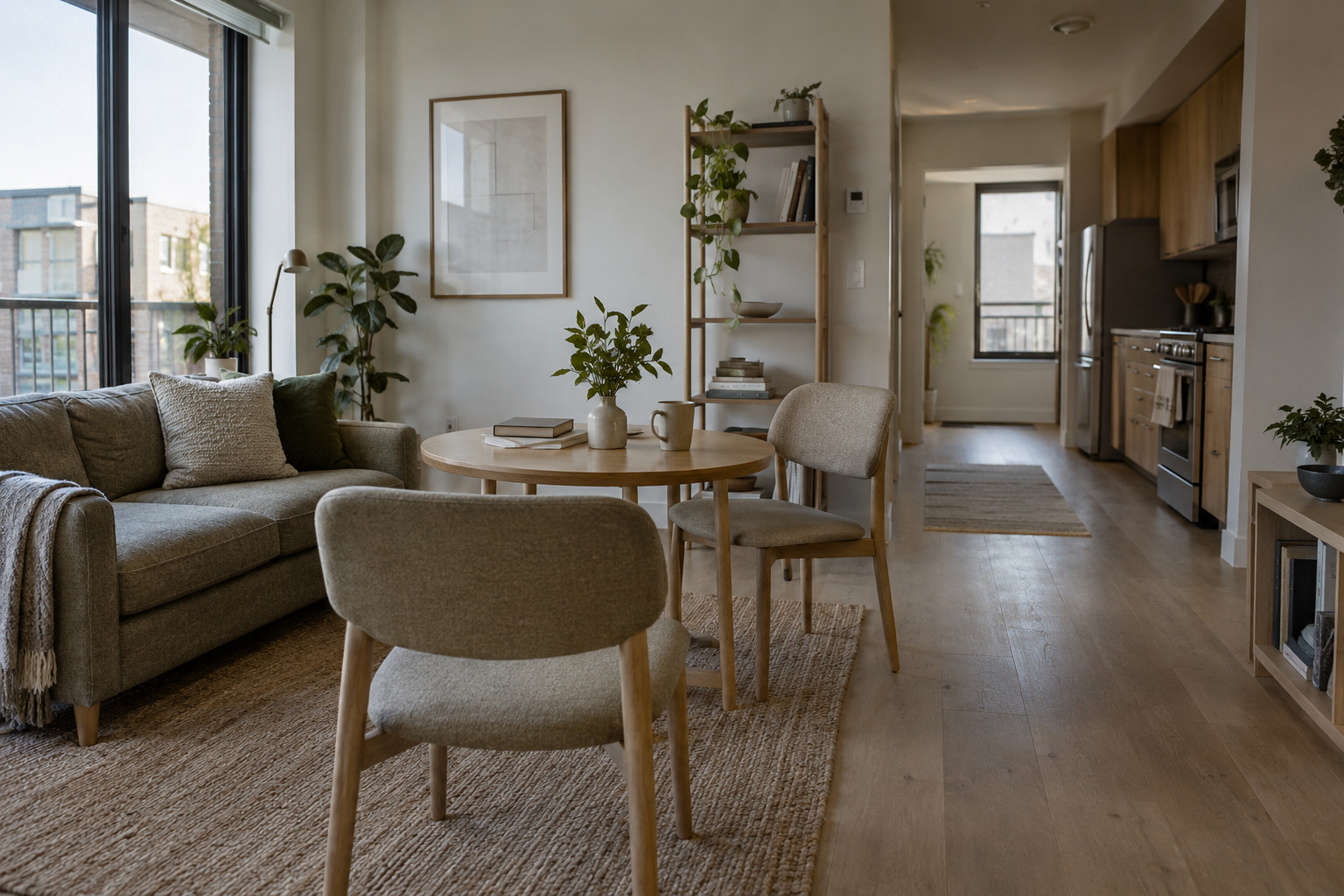
The living room may host dinner, group work, and friends within a few hours. Lightweight chairs are easier to pull around a table, and a surface you can clear quickly makes the change less of a chore. Furniture on raised legs lets more floor stay visible in a small room.
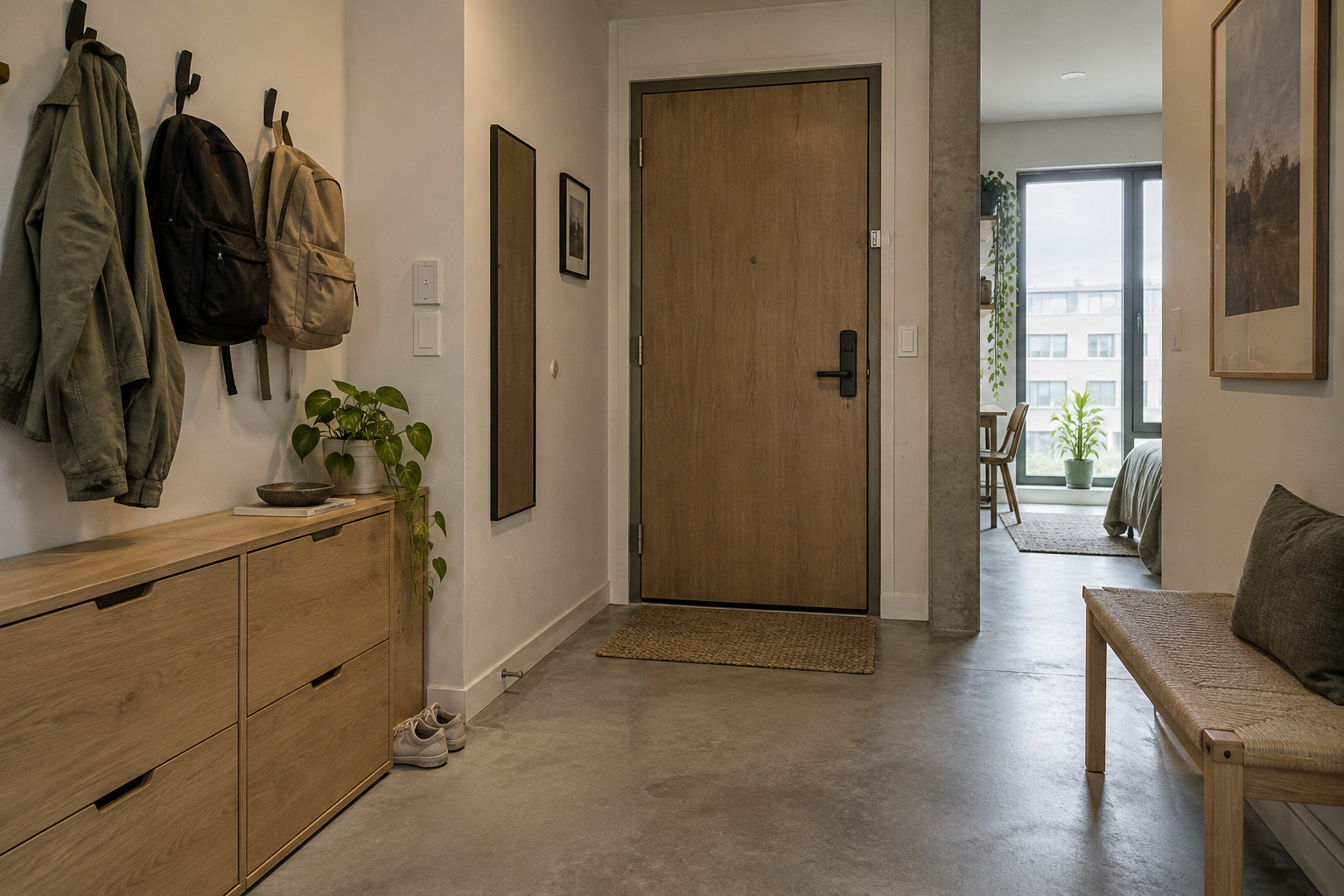
Put storage where things tend to land. Hooks by the entrance keep bags off chairs; a shelf above the desk keeps books within reach without taking over the work surface. Closed cabinets can hold the shared items that otherwise gather on a countertop. The goal is a room you can reset in a few minutes.
When comparing Student Apartments in Madison, WI, use the plan as a starting point, then inspect the desk area, storage, and shared rooms in person or on a detailed tour. Picture where your bag, laptop, and groceries would go on a normal day.
Light, air, and wellness spaces
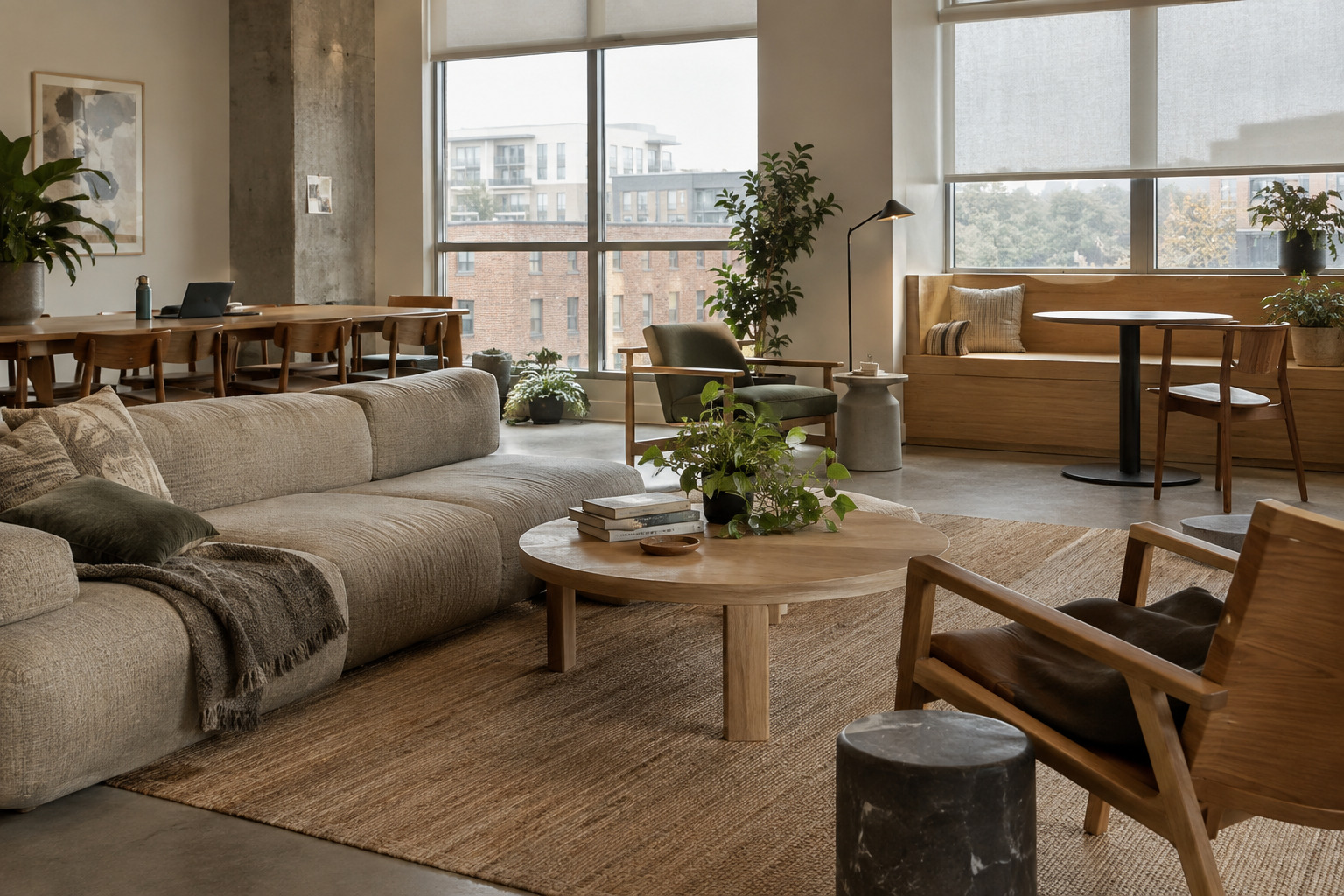
Daylight makes a shared room inviting, but blinds should let residents control glare and privacy. Check the air and the noise as well. A bright lounge beside a busy corridor may be fine for conversation and frustrating for focused work.
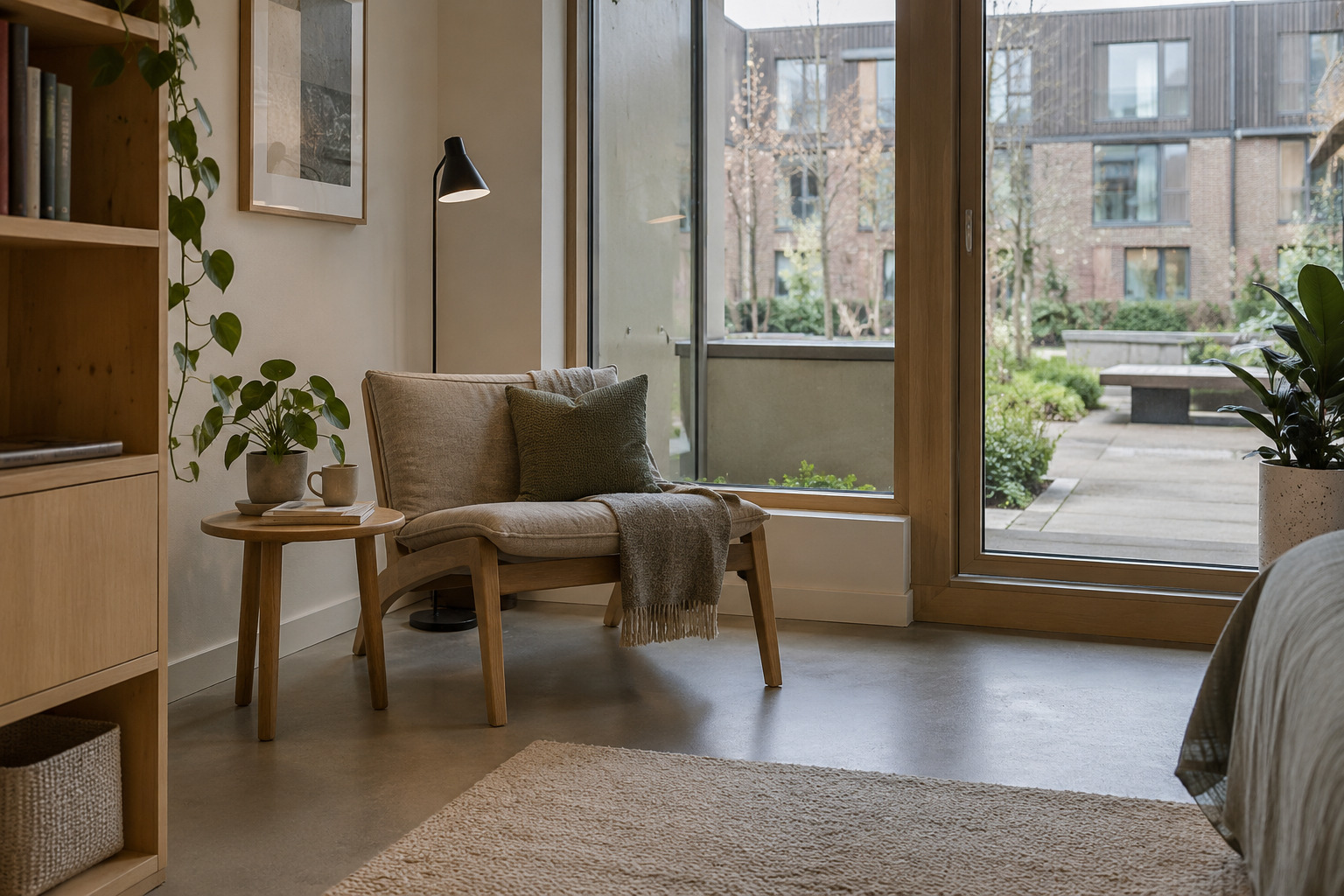
A gym, outdoor seat, or quiet corner gives students somewhere to pause between classes. The space should be easy to reach and comfortable enough to use, with room to sit away from the busiest path. School-based wellness rooms offer a related idea: make a calm space available before someone needs it.
Smart details that save effort
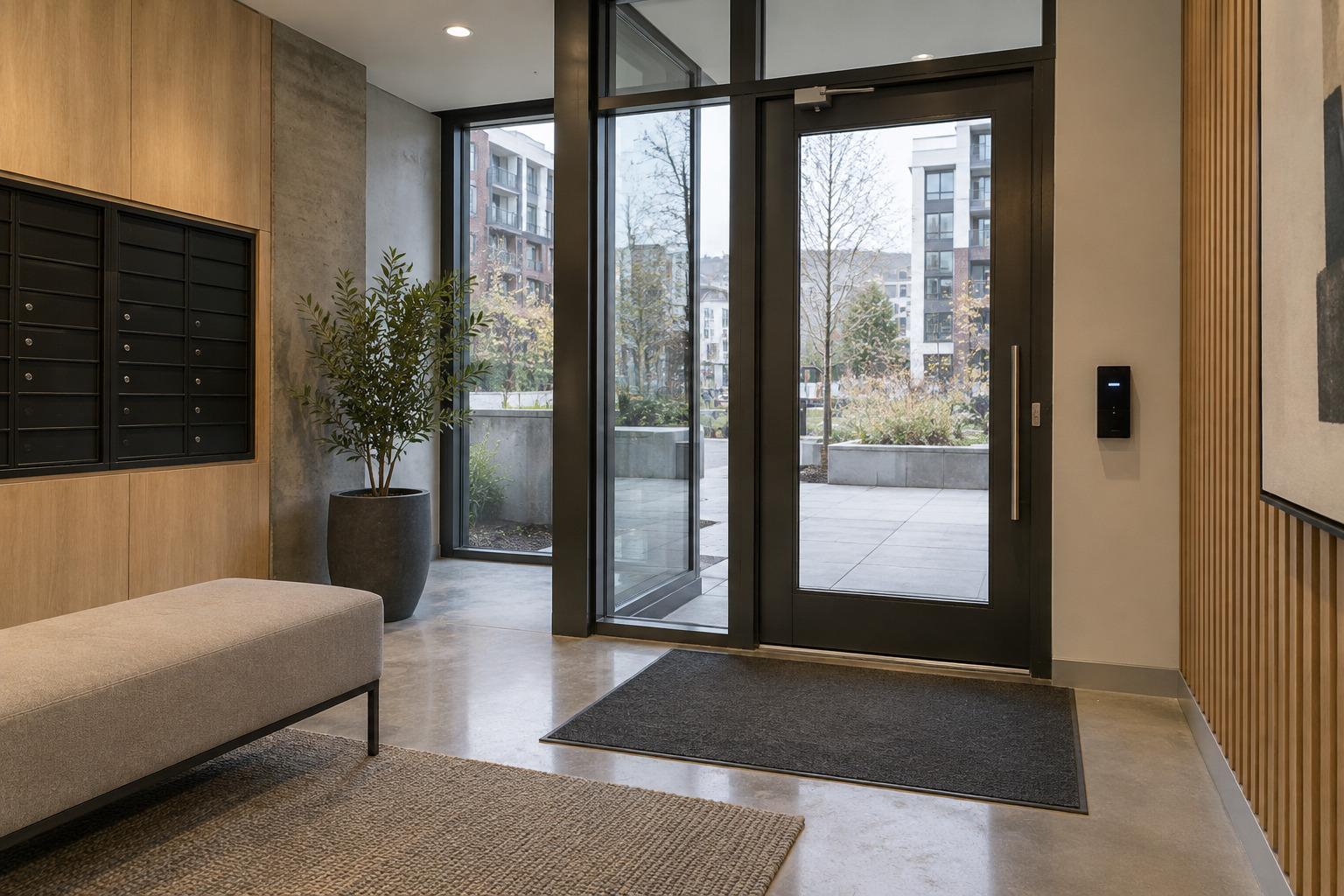
Strong Wi-Fi, enough outlets, secure entry, and lighting controls that make sense remove small daily frustrations. Smart devices help only when residents can use them without a complicated setup or an app for every switch.
Modern student housing often emphasizes amenities, but a long list tells you little about how a building works at 9 p.m. Check whether you can find a quiet seat, charge your laptop, and get back to your apartment without crossing a noisy gathering space.
Shared spaces that invite connection
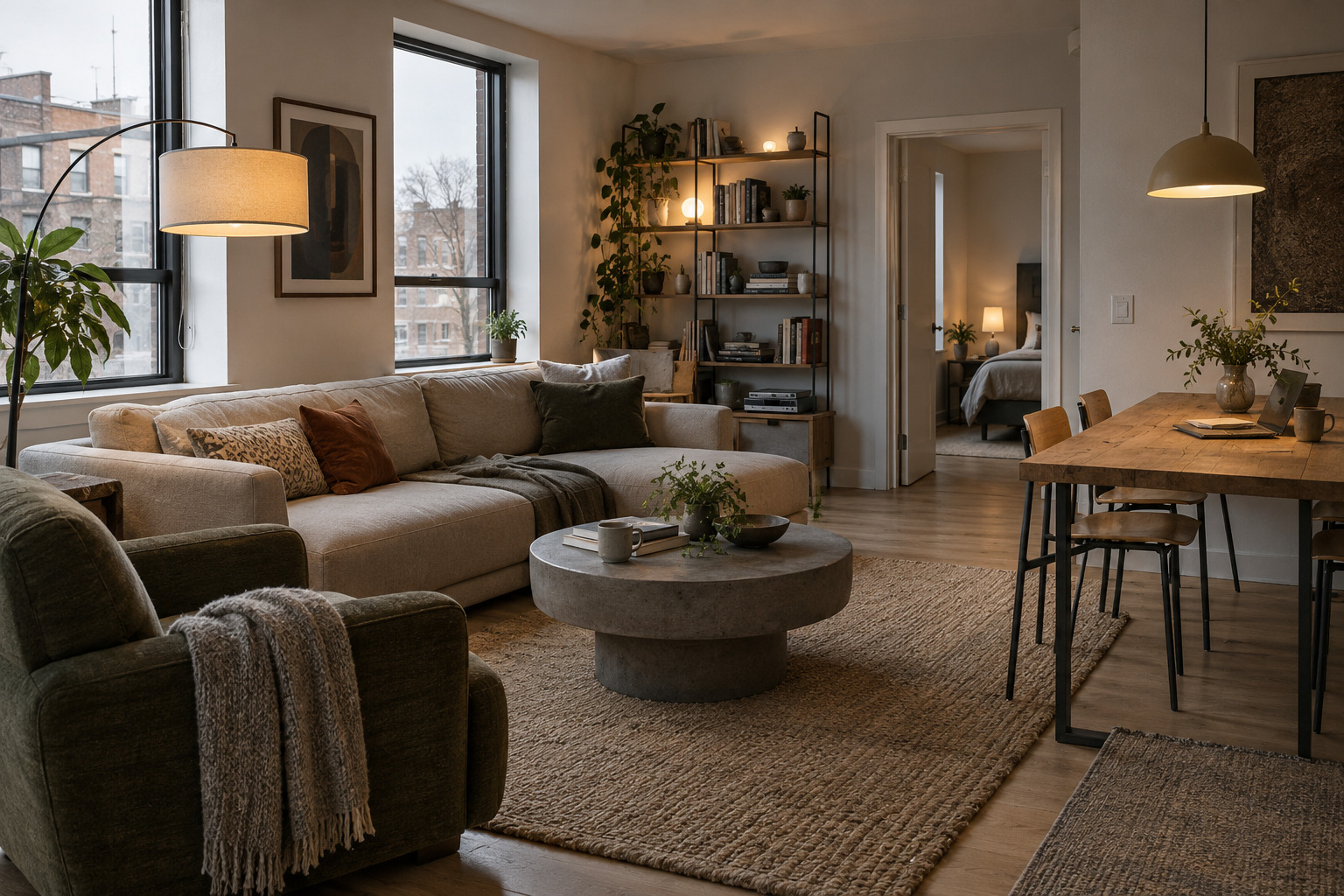
A shared lounge needs more than a sofa. One group may want to talk while another studies, so give them different seating positions and light levels. Durable tables can take food and laptops; an outdoor area or shared kitchen offers another place to meet when private rooms feel crowded.
Leave a clear path through the room. If a chair blocks the door whenever someone pulls it out, the layout will irritate residents every day.
What to check before choosing a place
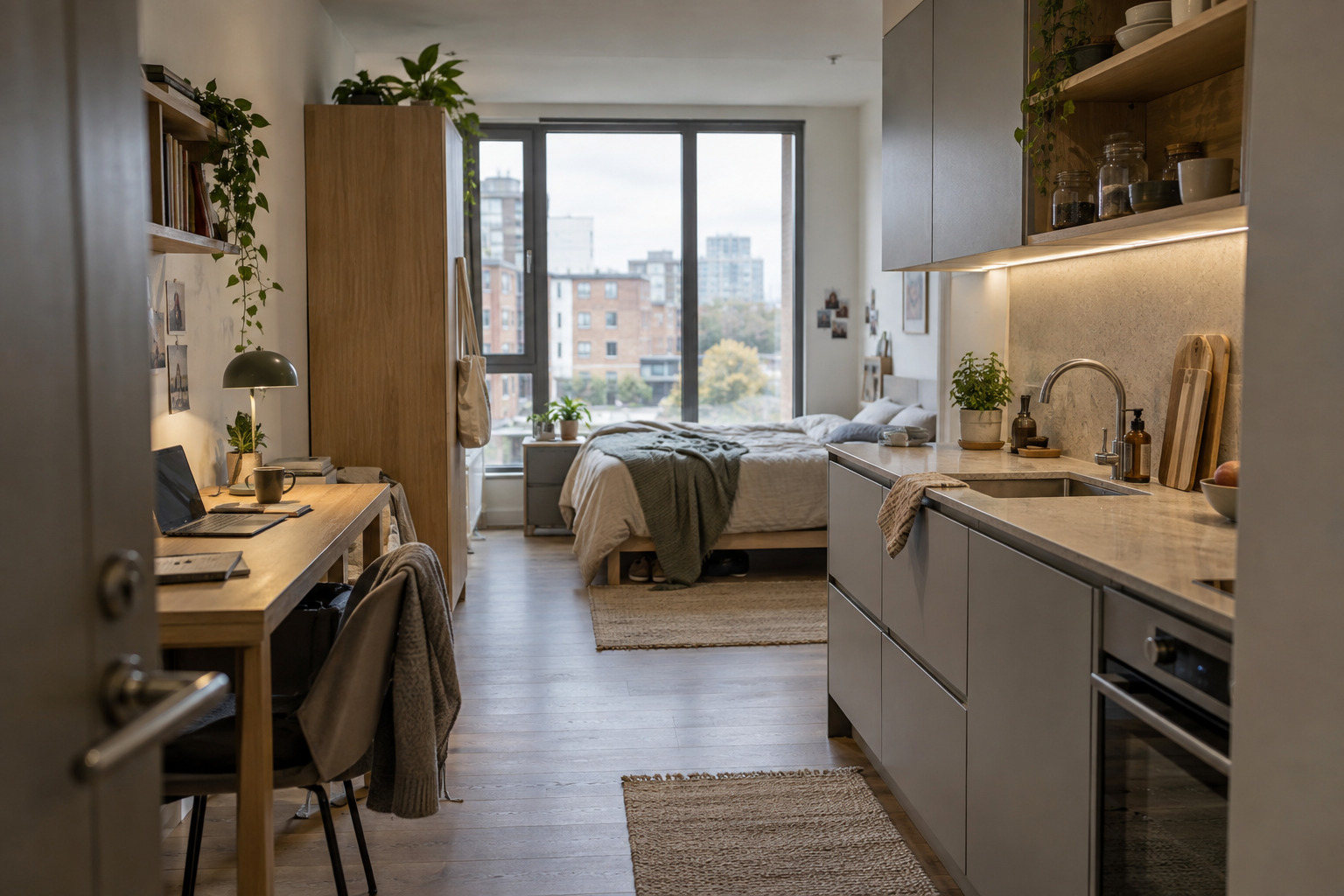
Tour the apartment as if it were a weekday. Where would you open a laptop? Is there a quiet place for a call? Can everyone put away coats, bags, and groceries without filling the living room? Check the light, noise, and outlets in the actual room.
If those everyday tasks have obvious places to happen, the apartment is doing its job. That is a better test than how welcoming it looks in listing photos.
- 0shares
- Facebook0
- Pinterest0
- Twitter0
- Reddit0