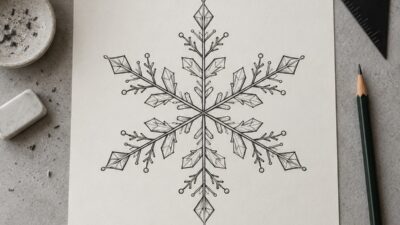
Cool mini things to draw are the small sketches you can fit into a notebook corner, planner margin, sticky note, or warm-up box before a bigger drawing. Start with a clear silhouette, then add one detail that makes the subject readable: whiskers on a cat, frosting on a cupcake, a shine mark on a tiny phone.
I like mini drawing ideas because they force you to simplify. If a tiny drawing works at one inch wide, the shape is probably strong enough. If it turns muddy, remove details instead of adding more.
Cool mini things to draw when you only have a few minutes
The best small doodles have a simple outside shape and one memorable detail. A mushroom can be just a cap, stem, and dots. A sleepy cat can be a bean shape with ears and a curled tail. Keep the first pass light, then choose where the line should get darker.
| Mini subject | Why it works small | Tiny detail to add |
|---|---|---|
| Cat face | Round shape, easy ears | One thicker line under the chin |
| Cupcake | Clear stack of wrapper and frosting | A cherry or sprinkle pattern |
| House plant | Simple pot plus leaf shapes | One leaf overlapping the pot |
| Game controller | Recognizable outline | Two buttons and a tiny cord |
| Moon and cloud | Soft, readable silhouette | A few small stars around it |
Popular cool mini things to draw
Small drawings can be simple but interesting. They often focus on easy details and clear shapes. Many artists enjoy drawing tiny subjects that show personality or charm without needing too much space.
Tiny animals


Tiny animals are a fun and popular choice. Creatures like cats, birds, or turtles can be drawn with simple lines but still look cute and detailed. Small animal drawings work well on mini canvases or as doodles.
Artists often focus on key features like big eyes or fluffy tails to add character. Drawing small paws or feathers can add texture without making the sketch too crowded. Tiny animals also allow experimenting with different poses, like a sleeping kitten or a bird in mid-flight.
Using minimal shapes helps keep tiny animal drawings clear and easy to recognize.
Fantasy objects work especially well as tiny sketches. For a themed set, use these Harry Potter mini drawing ideas: glasses, a scar, a Snitch, a sealed letter, or a Butterbeer mug.
Miniature food items


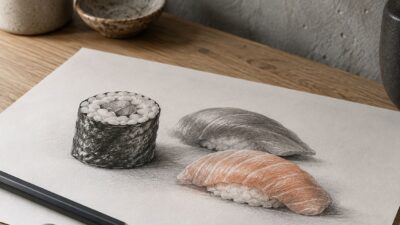
Miniature food drawings are bright and playful. Artists like to sketch tiny cupcakes, ice cream cones, or slices of pizza. These small items often have bold colors and simple lines to show texture like sprinkles or crust.
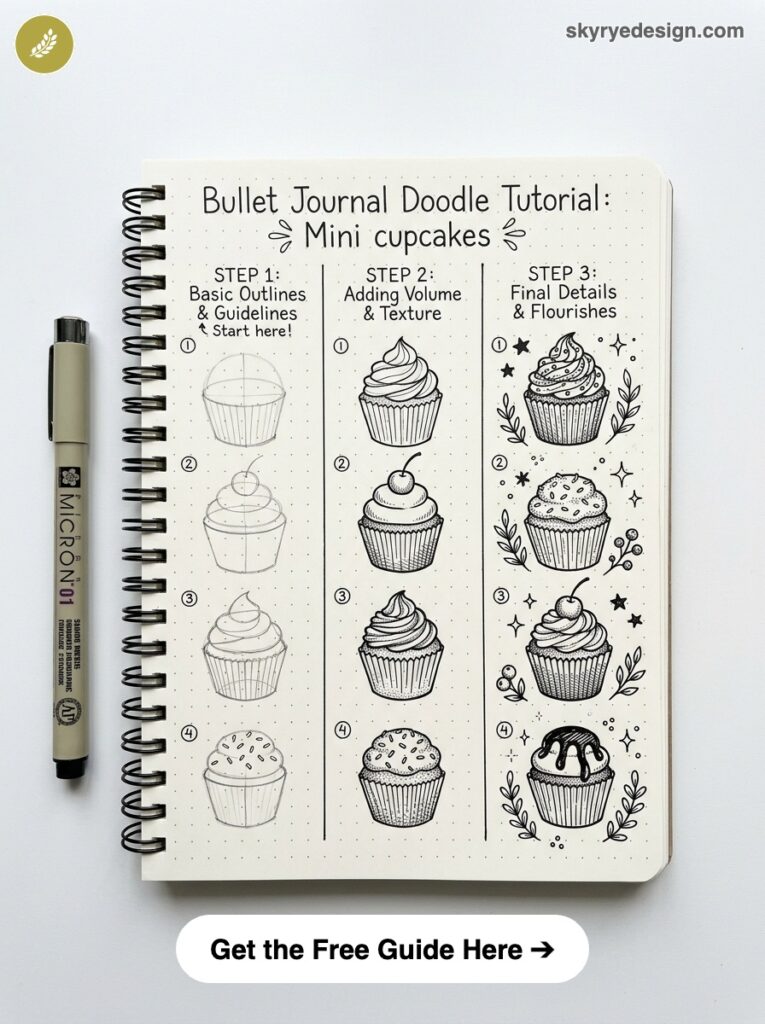
Miniature foods are great for practicing drawing shapes and patterns in a small area. The artist can add small details such as cherry toppings or steam rising from a hot drink to make the drawing feel lively.


These drawings look nice in collections or as stickers because they are easy to spot and fun to color.
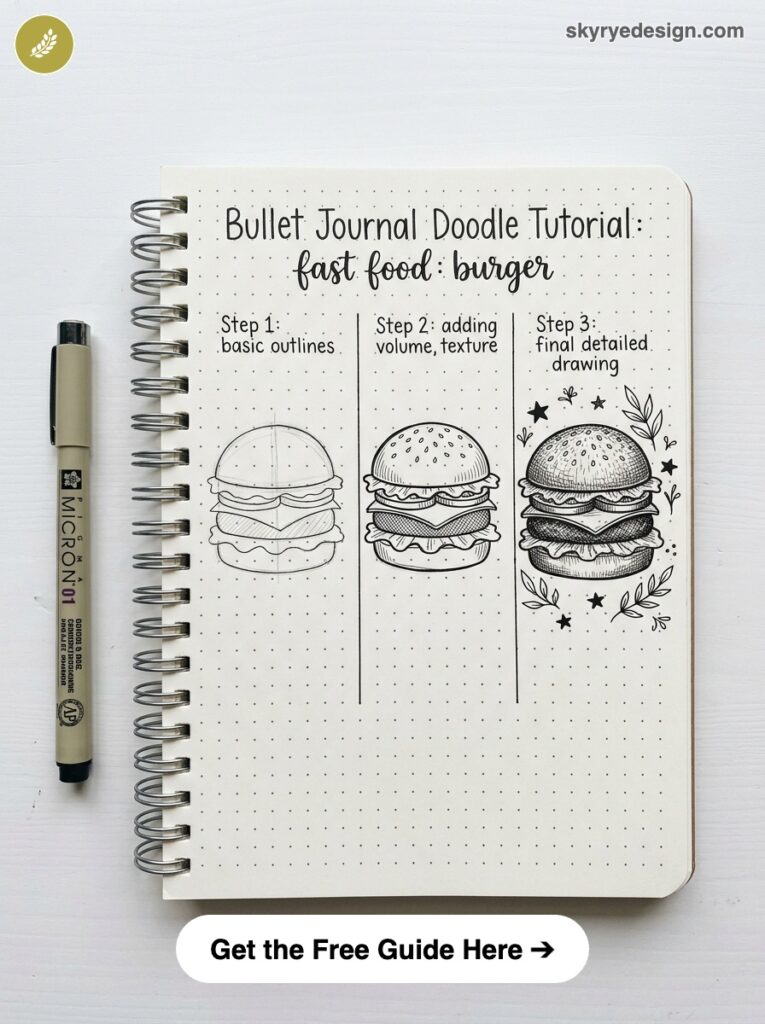
Cute electronics


Drawing small electronics can mix simple shapes with buttons and screens. Items like tiny phones, earbuds, or handheld game consoles are popular subjects. They can look realistic or cartoonish depending on the style.
Artists focus on the distinct features, such as the screen size, home button, or headphone wires, to make each electronic item clear. The small size lets the artist add details like app icons or charging cables without crowding the picture.
Mini electronics drawings are a good way to practice straight lines and curves in a small space.
Easy mini drawing ideas
Mini drawings can be quick and fun to create. They often focus on simple shapes or small scenes. Using a few clear details helps keep the drawing easy but interesting.
Simple faces


Simple faces use basic shapes like circles and lines. They often have big eyes and small mouths to show emotions clearly. Drawing happy or surprised faces can be a good place to start.
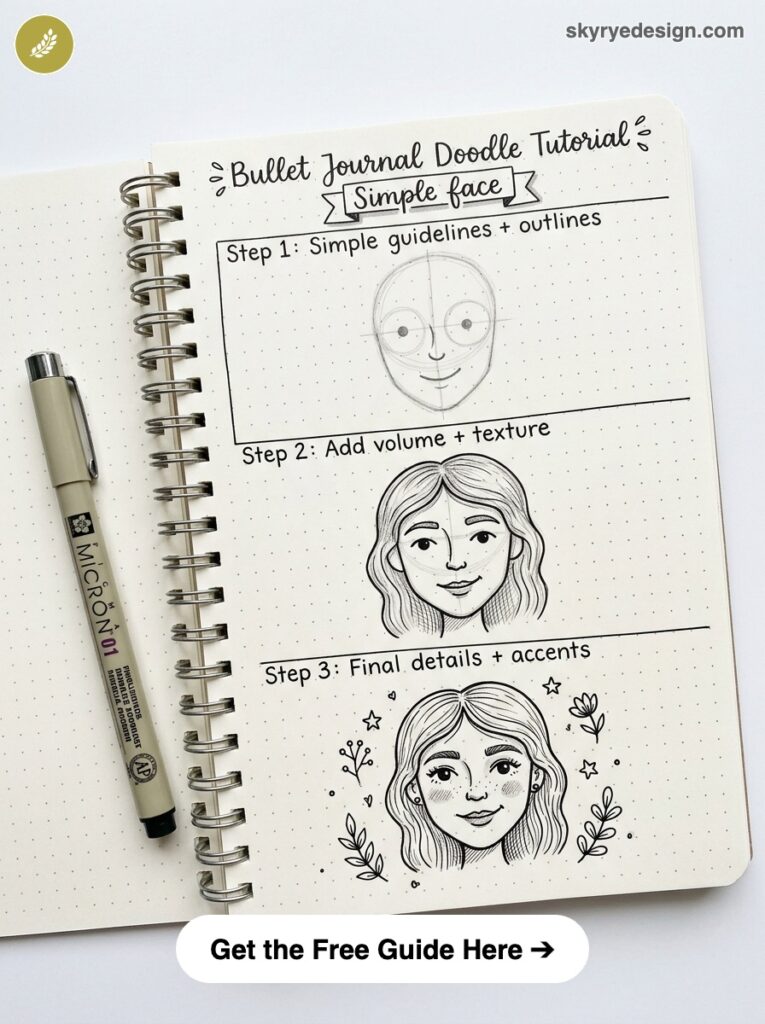
To add variety, try different hairstyles or accessories like glasses or hats. Faces can be made with just a few strokes in a sketchbook. The key is to keep the lines clean and the features balanced.
Simple faces work well as stickers or small decorations. They do not require a lot of detail but still show personality.
Small nature scenes


Small nature scenes include tiny trees, mountains, or clouds. These drawings capture calm outdoor moments in a small space. Drawing a sun with rays or a little flower can brighten up a sketchbook page.
When you draw small clouds, skip the perfect scalloped outline. One soft bottom edge and two or three uneven puffs usually read better in a tiny sketchbook doodle than a crowded cartoon cloud.
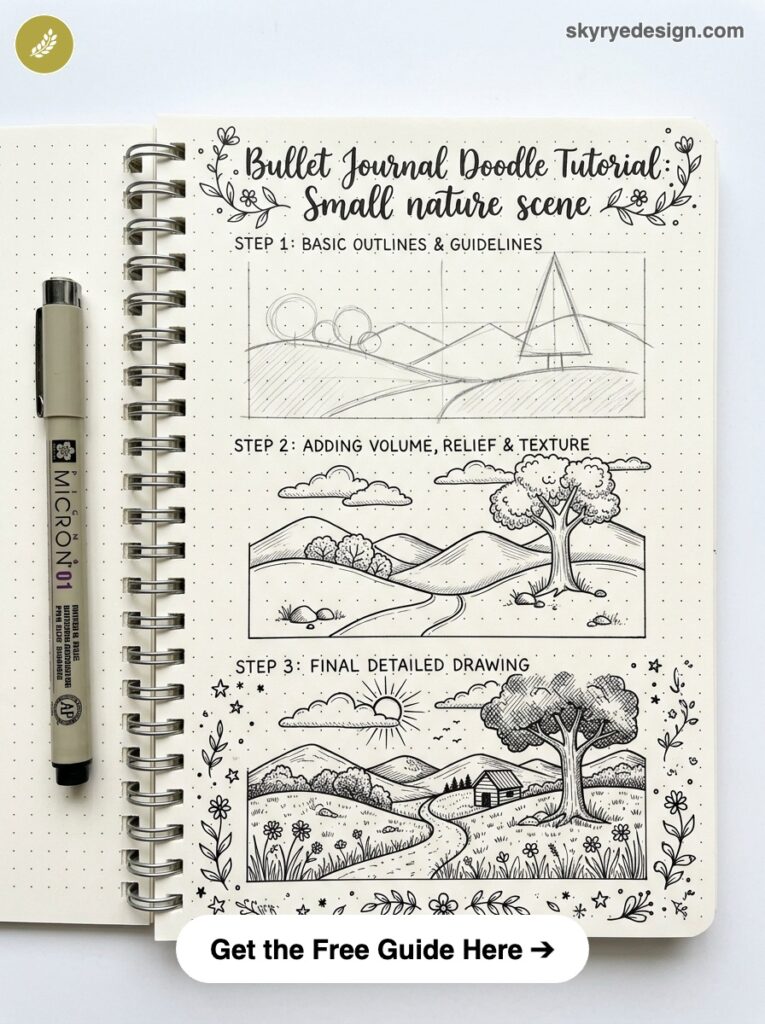
Using layers can make nature scenes more interesting. For example, drawing leaves behind branches or birds in the sky adds depth without making the drawing too complicated. Simple shading can help show light and shadow.
Nature scenes often inspire calm feelings. They are great for doodling when a break is needed.
If you want a broader prompt bank, keep 100+ things to draw when you are bored open as your main idea hub. For a tiny nature subject that scales up well, this how to draw a flower step-by-step guide gives you simple petals, stems, and floral clusters to shrink into mini doodles. This guide stays focused on tiny drawings, small doodles, and cute mini drawings you can finish quickly without setting up a full desk.
Tiny Disney-style heads are also good mini drawing practice. This Disney drawings guide shows how to make a character readable from a small silhouette before you add eyes, hair, or costume details.
Mini patterns


Mini patterns use repeating shapes or lines. Examples include dots, stripes, or small stars. Patterns can fill a small area and look neat and organized.
For a larger page after these mini patterns, try these easy doodle drawing ideas and repeat one small motif between the main objects to make the collection feel connected.
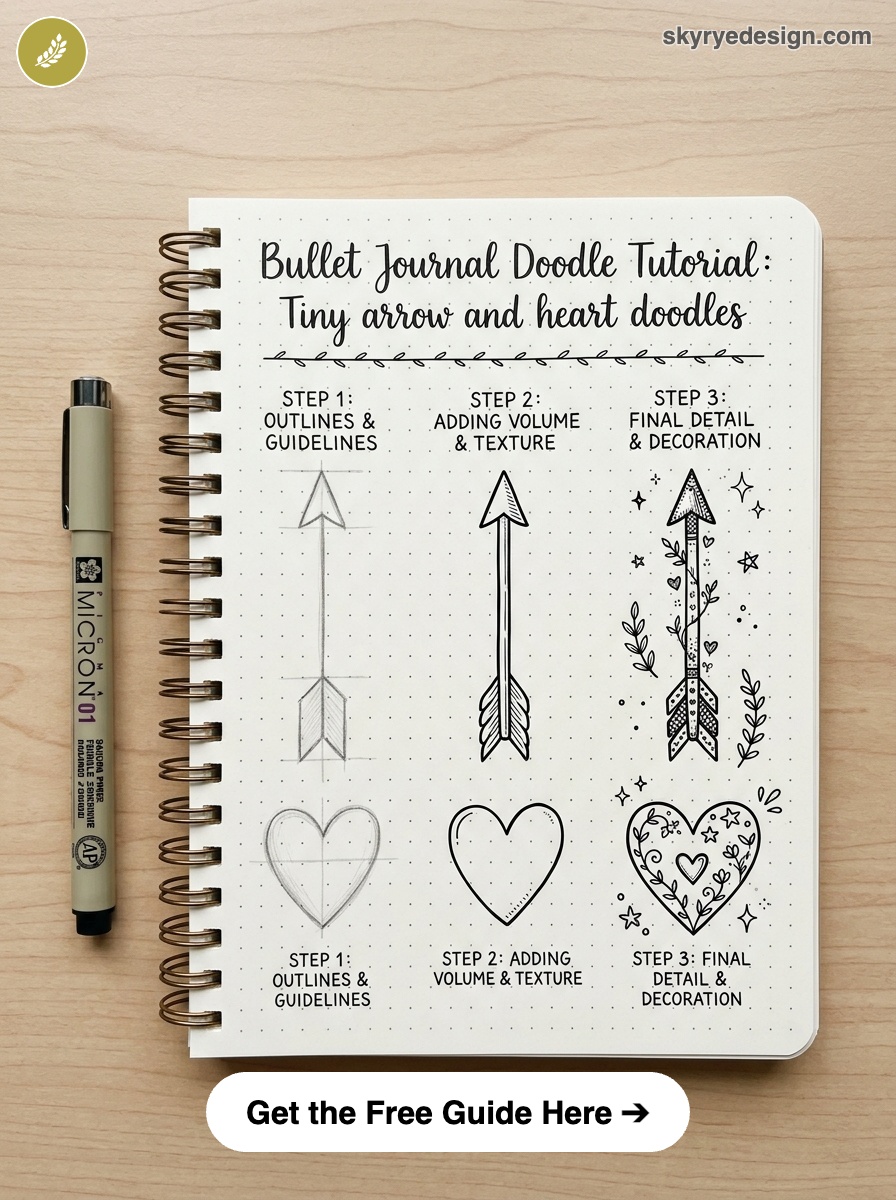
Creating a pattern starts with one simple shape. Then, it is repeated evenly across the page. Mixing shapes, like circles and triangles, adds variety.
Patterns are useful for backgrounds or borders. They allow creativity without needing detailed drawings. Repetition makes them easy to draw and fun to look at.
Creative techniques for mini art
Creating mini art means working carefully with tiny spaces. It requires special tools and ways to add details without making the drawing look cluttered. Using the right materials helps keep lines clear and shapes sharp.
Working with limited space

When drawing small, space is tight. Artists focus on simple shapes to keep the design clean. They avoid filling every part of the canvas or paper.
Using basic forms like circles, triangles, or lines helps keep the drawing easy to understand. Leaving some empty space around the drawing also makes it look less crowded.
Planning the layout before starting can save time. Sketching lightly helps position objects well so everything fits nicely in the small area.
Adding details to tiny drawings
Details in mini art need to be small but clear. Artists use fine lines and small dots to add texture without making the drawing messy.
They often work slowly, using a sharp pencil or pen for control. Tiny shading or simple patterns can make the drawing more interesting.
Adding highlights with white ink or erasing small spots can create light effects. It’s best to keep details balanced so they don’t overpower the main shapes.
Choosing the right pen or pencil


Choosing the right tool is important for mini art. Fine-tipped pens, like 0.1mm or 0.05mm, help make thin, sharp lines.
Soft pencils allow for smooth shading and light sketches, while harder pencils keep lines clean and less smudged. Some artists prefer pigment liners because they dry fast and don’t bleed.
Using a good eraser that can remove tiny marks without tearing the paper helps keep the drawing neat. Testing different pens and pencils on scrap paper can show what works best for the project.
Sharing and displaying your mini drawings


Mini drawings are perfect for sharing with friends and family because they are small and easy to carry. They can be slipped into cards, notebooks, or even phone cases. This makes sharing simple and fun.
When it comes to displaying mini art, small frames or shadow boxes work well. These keep the drawings safe and make them look neat. Grouping several mini drawings together creates a cool collection.
A sketchbook is another great way to keep mini drawings. It protects the art and lets the artist flip through past work anytime. Some artists create special mini sketchbooks just for these tiny artworks.


For sharing online, artists can take clear photos or scans. They can post their mini drawings on social media or art websites to reach more people. Using tags or hashtags helps others find the drawings easily.
Here are some quick tips for sharing and displaying:
- Use mini frames or clipboards for wall displays
- Keep drawings in a small accordion folder for easy access
- Share progress by posting time-lapse videos or step-by-step photos
- Exchange mini drawings with friends to build a drawing circle
These ideas make mini drawings more than small pictures. They become a quick creative habit you can repeat in the margins, between projects, or whenever a blank page feels too large.
More drawing ideas to try next
Use this page when you want tiny, low-pressure sketches. For a wider practice session, move over to the full 100 things to draw list. If you want the tiny work to feel more polished, the miniature drawing ideas guide goes deeper into small-scale scenes, portraits, and detail control.
FAQ about mini drawing ideas
What are cool mini things to draw?
Cool mini things to draw are small subjects that stay readable with only a few lines, such as cats, cupcakes, stars, tiny plants, headphones, moons, hearts, and simple buildings. The trick is to choose a subject with a strong silhouette before you add details.
What can I draw if I only have five minutes?
Draw one small doodle with a clear outline: a mushroom, a coffee cup, a sleepy face, a tiny flower, or a moon behind a cloud. Spend the first minute on the shape, the next two on the main detail, and the last two cleaning the line weight.
How do I make tiny drawings look cute?
Use rounded shapes, slightly oversized features, and simple expressions. A small face with two dot eyes and a tiny smile can make food, plants, animals, or objects feel cute without making the drawing crowded.
What pen is best for small doodles?
A fine liner around 0.05 mm to 0.3 mm works well for small doodles because it keeps details crisp. Use the thinner pen for inside details and a slightly thicker pen for the outside contour so the tiny drawing still has structure.
Are mini drawing ideas good for beginners?
Yes. Mini drawing ideas are useful for beginners because they keep the pressure low and make mistakes easier to fix. You can repeat the same tiny subject several times and improve the shape, proportion, and line confidence with each version.
How can I fill a sketchbook page with tiny drawings?
Pick one theme, such as mini food, tiny animals, or small nature scenes, and draw a loose grid in pencil. Fill each space with one small doodle, then vary the size, angle, and line weight so the page feels collected instead of repetitive.
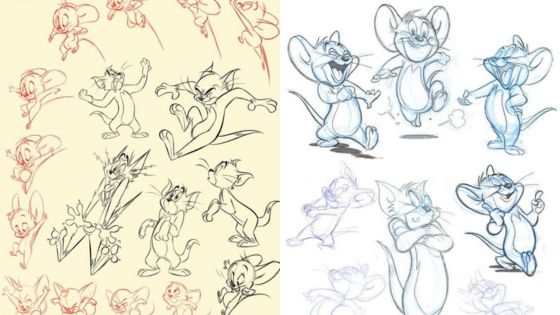
Tiny doodles are perfect warm-ups; this small cartoon character sketches guide gives you character-focused prompts when you want the sketch to have more personality.
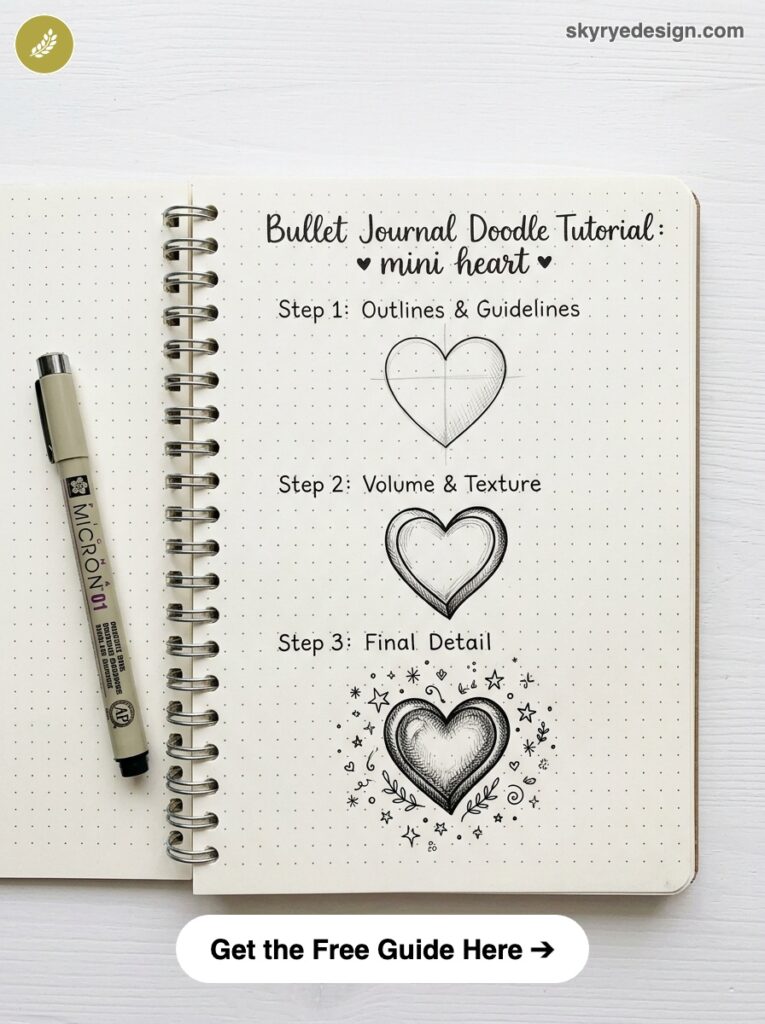
If you like tiny drawings, this bigger list of cool mini bullet journal doodles gives you page-ready icons for corners, headers, habit trackers, and sketchbook filler.
Tiny drawings are perfect for cards, so I would also keep a short list of cute things to draw for your girlfriend nearby: hearts, envelopes, mini pets, flowers, stars, and coffee cups all fit in a corner.
- 6.6Kshares
- Facebook0
- Pinterest6.6K
- Twitter6
- Reddit0