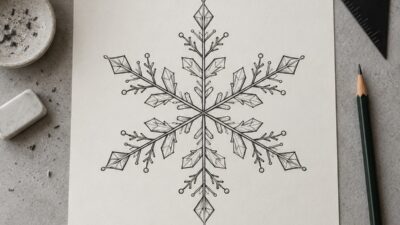
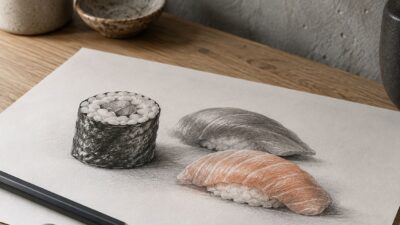
The best drawing materials are the ones that help you control line, value, texture, and cleanup without fighting the paper. Start with a small, reliable kit: a few graphite pencils, toothy paper, a kneaded eraser, a clean sharpener, and one or two extras such as charcoal, fineliners, or colored pencils once you know what you like to draw.
If your kit is mainly for characters, test the pencils and paper on a small female character design sheet: one pose, three expressions, two costume notes, and a simple value study.
Once your basic kit is ready, test it on a focused botanical exercise like this beginner flower drawing guide or the more layered how to draw a peony tutorial, where HB, 2B, 4B, paper tooth, and eraser control all matter in one drawing.
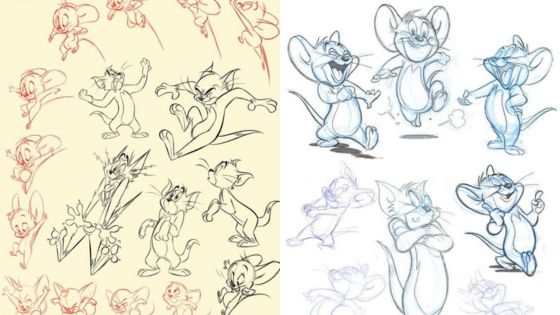
If you are testing a kit for character work, try it on the exercises in this Disney drawings guide: light HB construction, 2B outlines, clean erasing, and controlled ink line weight all matter there.
A small seasonal test works well too: use the same HB, 2B, eraser, and toothy paper setup on this beginner fall leaf drawing guide to see how your materials handle veins and warm color layers.
Key takeaways
A simple pencil range, such as HB, 2B, 4B, and 6B, is enough for most beginner sketches and value studies.
Paper texture matters as much as the pencil. Smooth Bristol keeps ink crisp, while toothier paper grips graphite, charcoal, and colored pencil layers.
Kneaded erasers, manual sharpeners, fixative, and flat storage protect the drawing while you work and after the piece is finished.
Best drawing materials: quick starter kit
If you are building your first kit, do not buy the biggest box on the shelf. In drawing practice, I would rather have five tools I trust than twenty tools I only use once. This table gives you a practical starting point before you branch into charcoal, ink, or colored pencil work.
| Material | Good starter choice | What it helps with |
|---|---|---|
| Graphite pencils | HB, 2B, 4B, 6B | Line weight, shading, and value control |
| Drawing paper | Medium-weight sketch paper or Bristol | Clean marks, layering, and fewer torn fibers |
| Erasers | Kneaded eraser plus white plastic eraser | Lifting highlights and cleaning hard edges |
| Sharpener | Manual sharpener with a fresh blade | Point control without breaking soft cores |
| Blending tool | Blending stump or tortillon | Softer shadows without finger oils |
| Protection | Fixative and acid-free sleeves | Keeping charcoal, pastel, and finished drawings from smearing |
For practice ideas once your kit is ready, pair this guide with these pencil drawing ideas or use the broader art drawing ideas list when you want a subject to test each material.
Essential drawing pencils
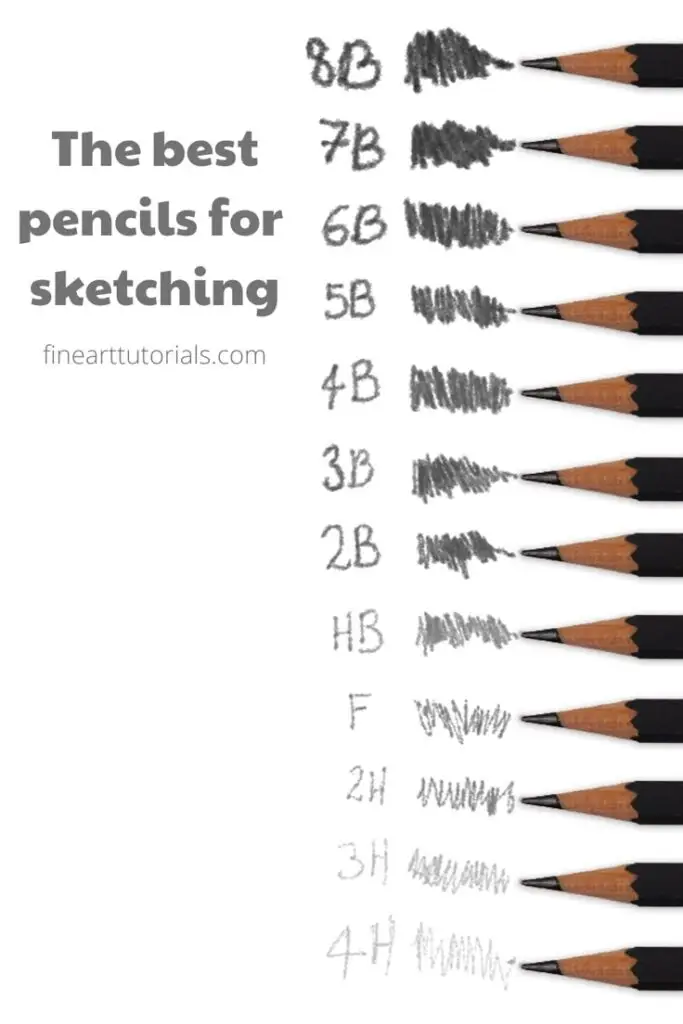
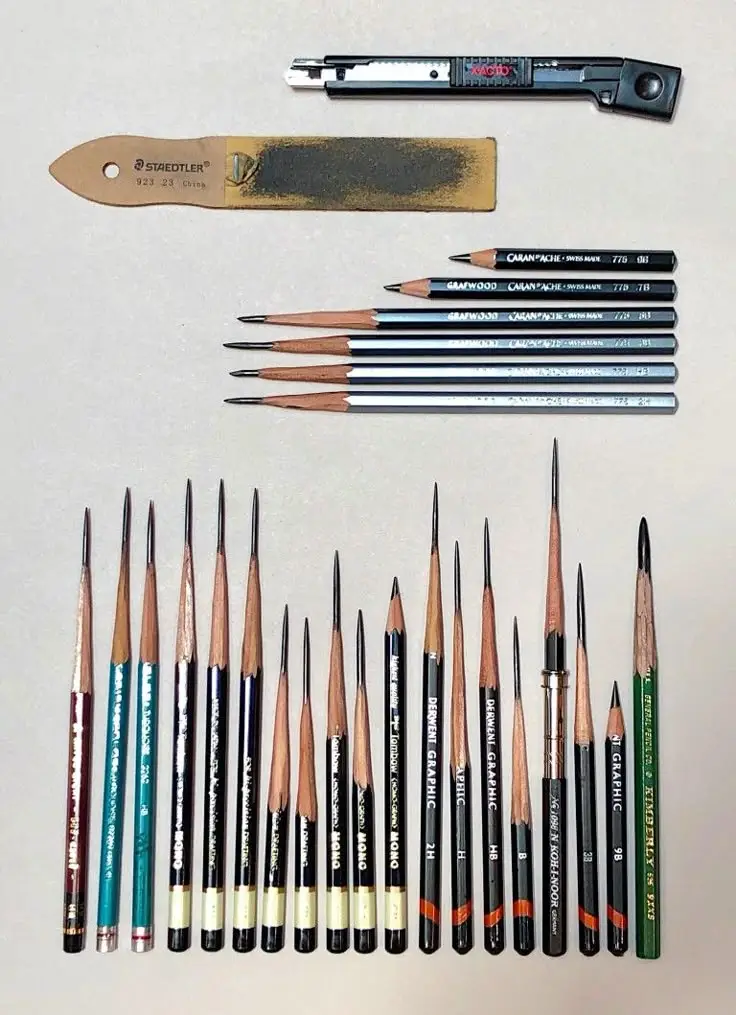
Graphite pencils are usually the first drawing material worth upgrading. Cheap pencils can still sketch, but a consistent core makes shading smoother and keeps your dark values from turning scratchy.
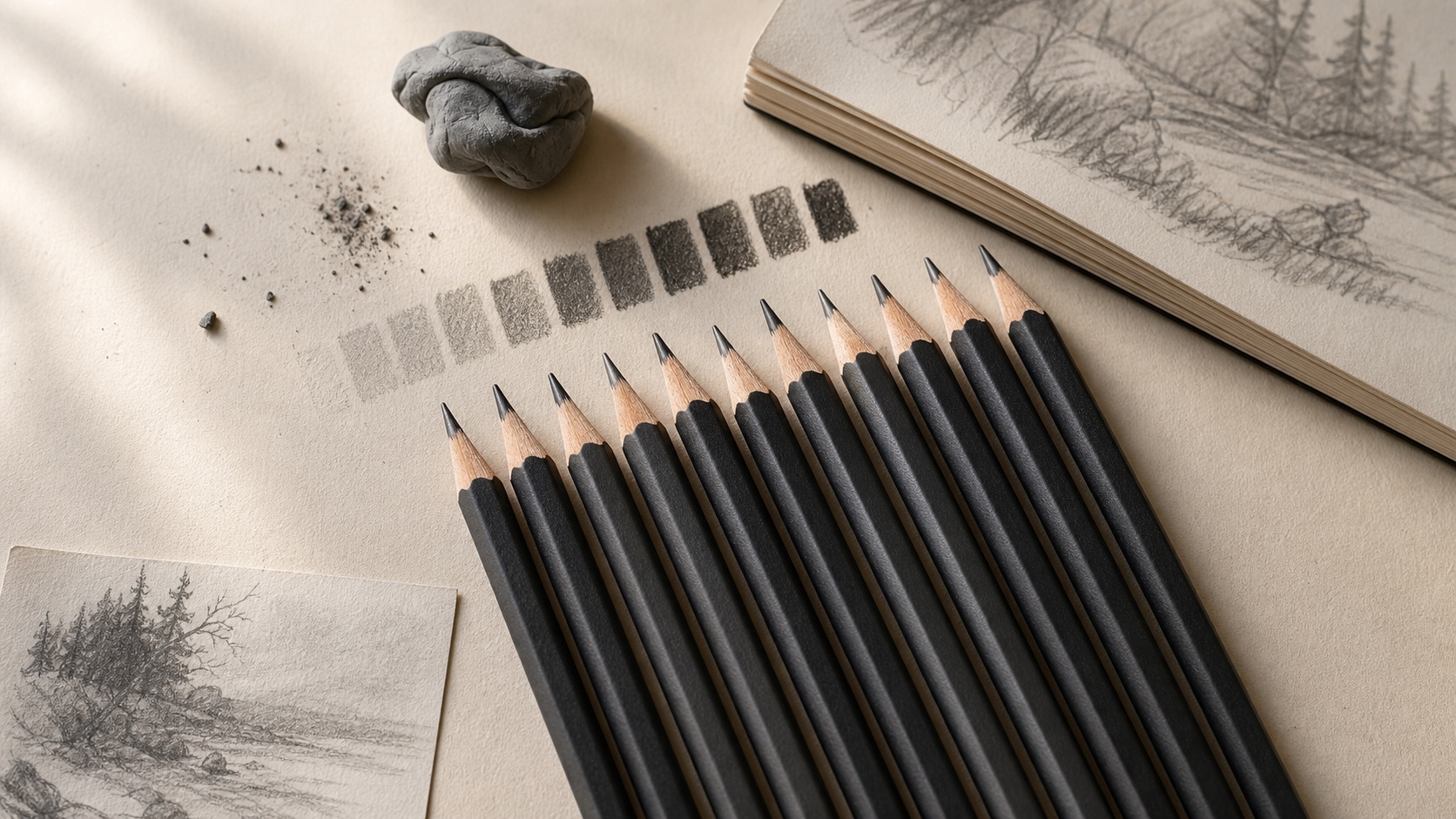
Look at the grade before the brand. Hard pencils such as 2H stay pale and sharp; soft pencils such as 4B or 6B give darker shadows and broader marks. That range matters more than owning every grade in a deluxe set.
Pencil sets
A pencil set is useful if you want to compare grades side by side. Try the same small value scale with HB, 2B, 4B, and 6B. You will feel the difference quickly: pressure, darkness, and how much graphite sits on the paper.
For most sketchbooks, a compact set beats a huge one. Add harder pencils only if you do technical line work, architectural sketches, or very light construction lines.
Individual pencils
Buying individual pencils is the smarter route once you know your habits. Many artists use the same few grades again and again: HB for layout, 2B for general sketching, 4B for shadows, and 6B or 8B for the darkest accents.
This also keeps the kit affordable. Replace the pencil you actually wear down instead of carrying ten untouched grades in the bottom of the case.
Choosing the right drawing paper
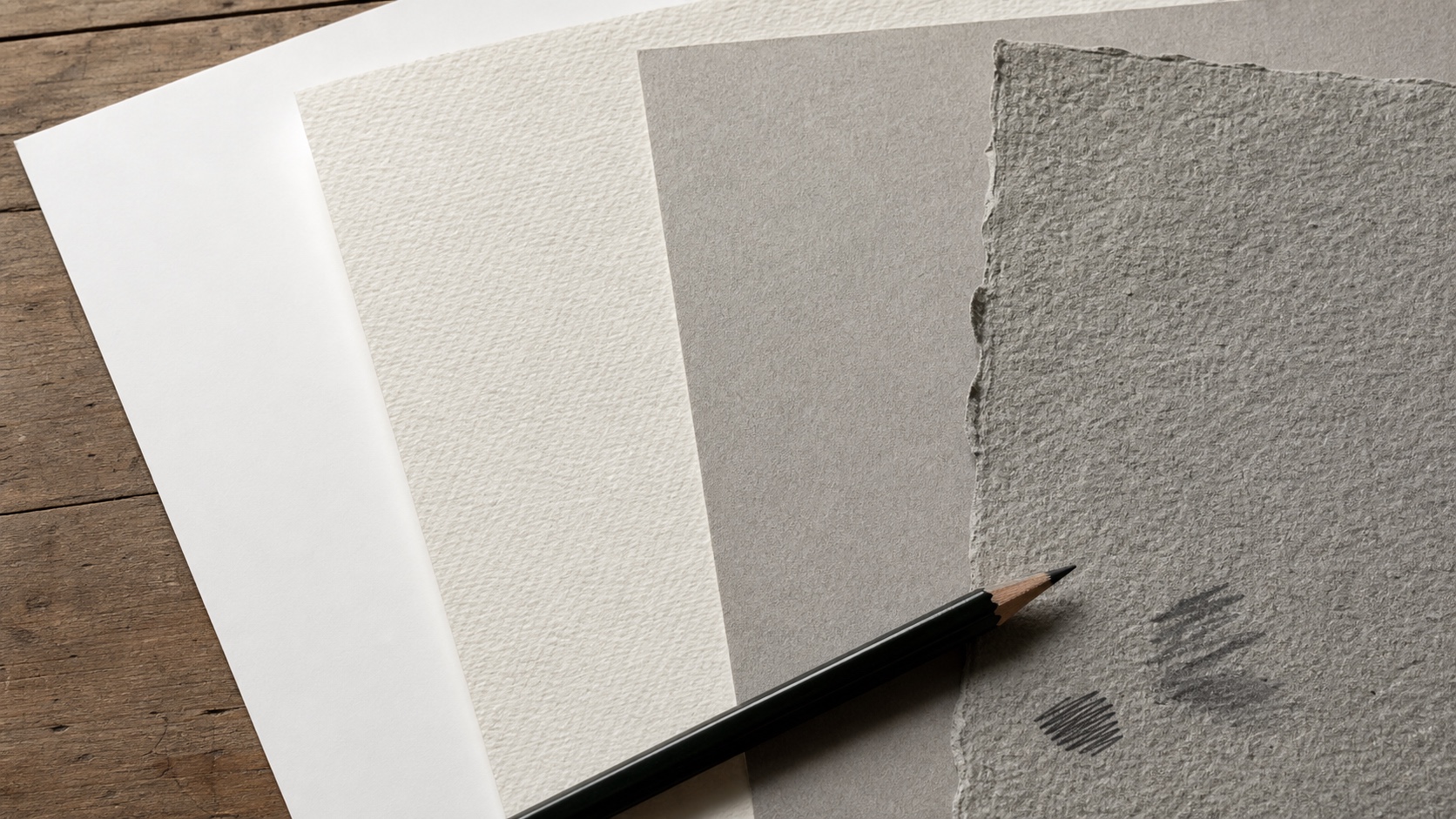
Drawing paper changes the feel of every mark. Smooth paper is better for clean ink, portrait details, and fine graphite. Toothier paper grabs charcoal and colored pencil, but it can make delicate line work look rough.
Check three things on the pad: weight, surface, and whether it is acid-free. If you use wet media or heavy layering, move up from thin sketch paper before blaming the pencil.
Sketchbooks
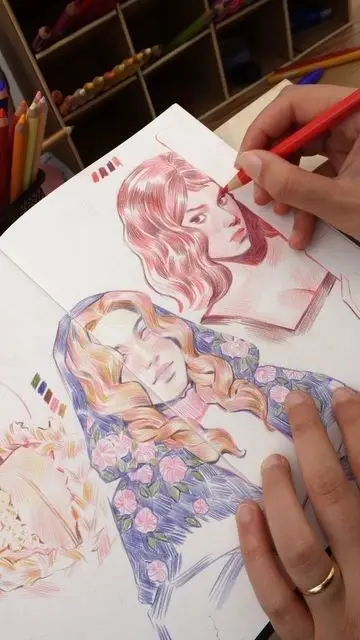
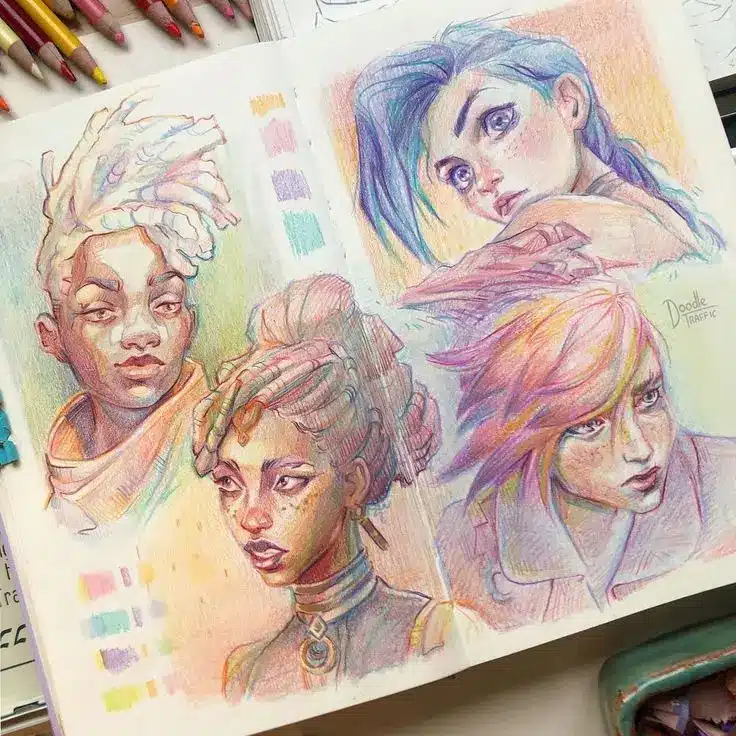
A sketchbook is where your drawing materials get tested honestly. Use one page for loose thumbnails, another for value scales, and another for texture tests. It is easier to learn from messy pages than from tools sitting unused.
If you are practicing faces, figures, or objects, keep the paper consistent for a few weeks. That way you can tell whether the problem is the material, the technique, or simply rushing the observation.
Specialized papers
Specialized papers solve specific problems. Charcoal paper has enough tooth to hold powdery marks. Bristol board keeps pen lines crisp. Watercolor paper can handle washes, but it may feel too textured for small graphite details.
Before buying a large pad, test one sheet with the material you actually use. A paper that looks beautiful in the store may fight your hand if the surface is wrong.
Must-have erasers for artists
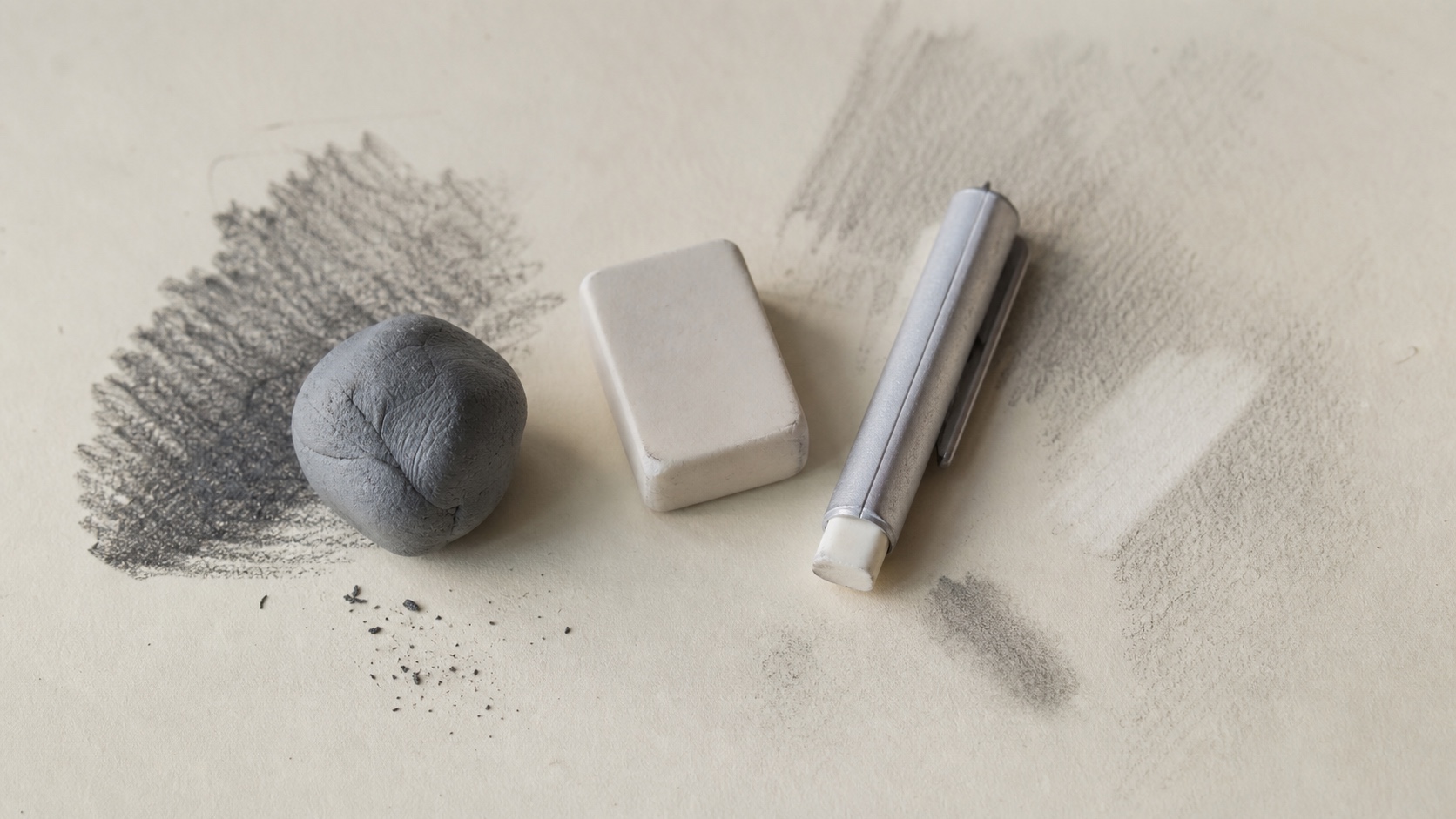
Erasers are not only for fixing mistakes. A kneaded eraser can lift a cheek highlight, soften a shadow edge, or pull light back into hair without cutting into the paper.
A good test for this small kit is a cloud drawing exercise: tone the sky with graphite, then lift the brightest cloud edges with the kneaded eraser. You will feel quickly whether the pencil, paper, and eraser are working together.
Keep at least two: a kneaded eraser for gentle lifting and a white plastic eraser for clean correction. A small detail eraser, such as a Tombow MONO Zero, is handy for eyelashes, reflected light, and tight edges.
Kneaded Eraser
A kneaded eraser is soft, reusable, and shapeable. Press it into a point for small highlights or flatten it into a pad to lighten a whole shadow area. Do not scrub with it; press and lift.
This is especially useful in portrait drawing, where an over-erased patch of paper can become more distracting than the original mistake.
Plastic Erasers
White plastic erasers remove graphite more aggressively. Use them for construction lines, dirty borders, and hard cleanup after a sketch is finished.
The tradeoff is pressure. If you rub too hard, you can polish or tear the paper fibers, especially on cheaper sketch pads.
Why a good pencil sharpener matters
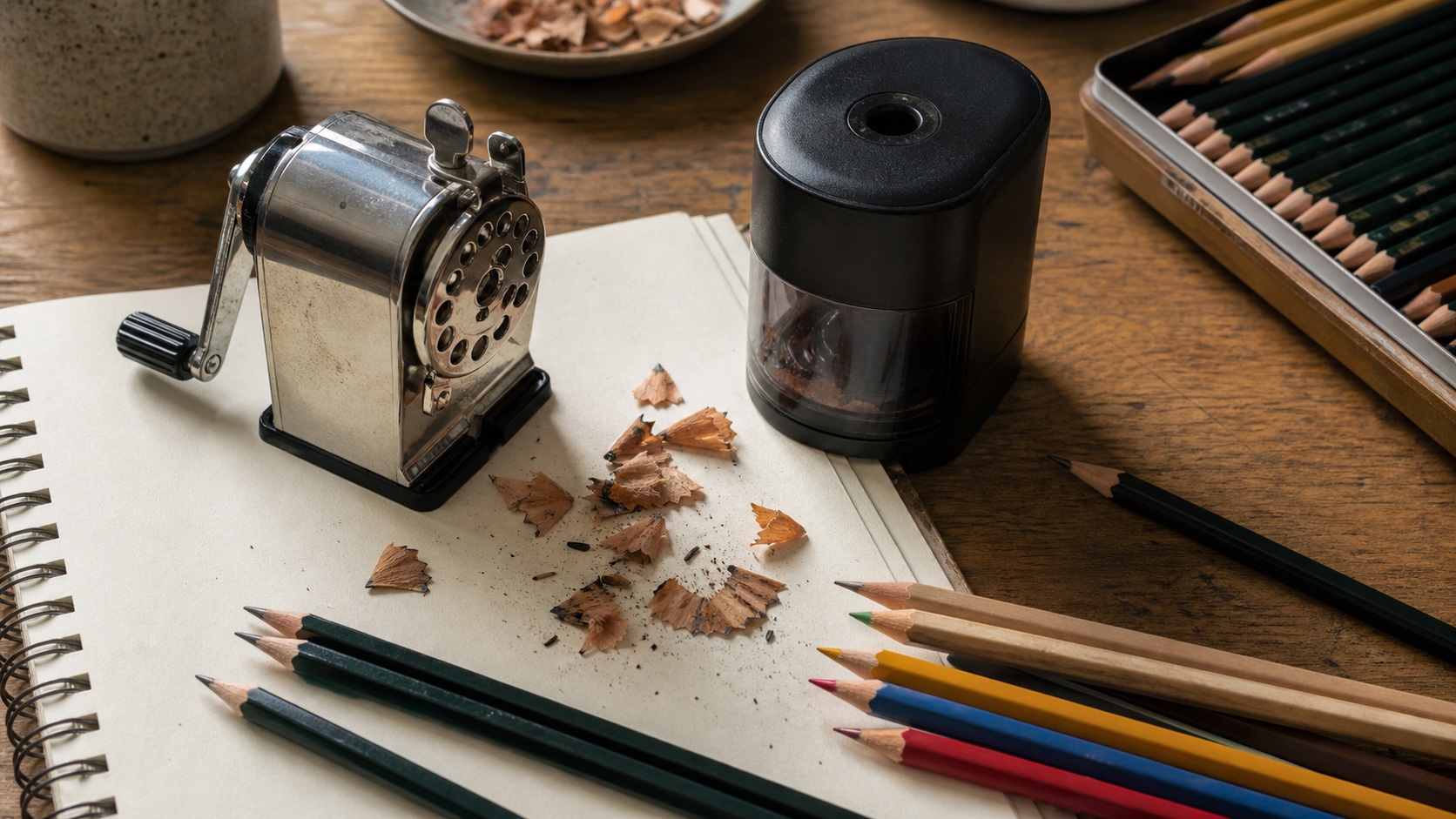
A bad sharpener wastes good pencils. If the blade is dull or the angle is too aggressive, soft graphite and colored pencil cores snap inside the wood before you even start drawing.
For detailed work, the point shape matters: a long point is useful for side shading, while a shorter point is safer for waxy colored pencils.
Electric Sharpeners
Electric sharpeners are fast and consistent, which is useful in classrooms or busy studios. They can be rough on short pencils, though, and they are not always kind to soft colored cores.
I would avoid using an electric sharpener for expensive colored pencils unless the manufacturer clearly says it is safe. Wax buildup and broken cores get annoying quickly.
Manual Sharpeners
Manual sharpeners give you more control and travel easily in a pencil case. They are usually the safer choice for softer pencils such as Prismacolor Premier.
Replace the sharpener when it starts chewing the wood. A fresh blade is cheaper than repeatedly breaking good pencils.
Charcoal and Conté Crayons
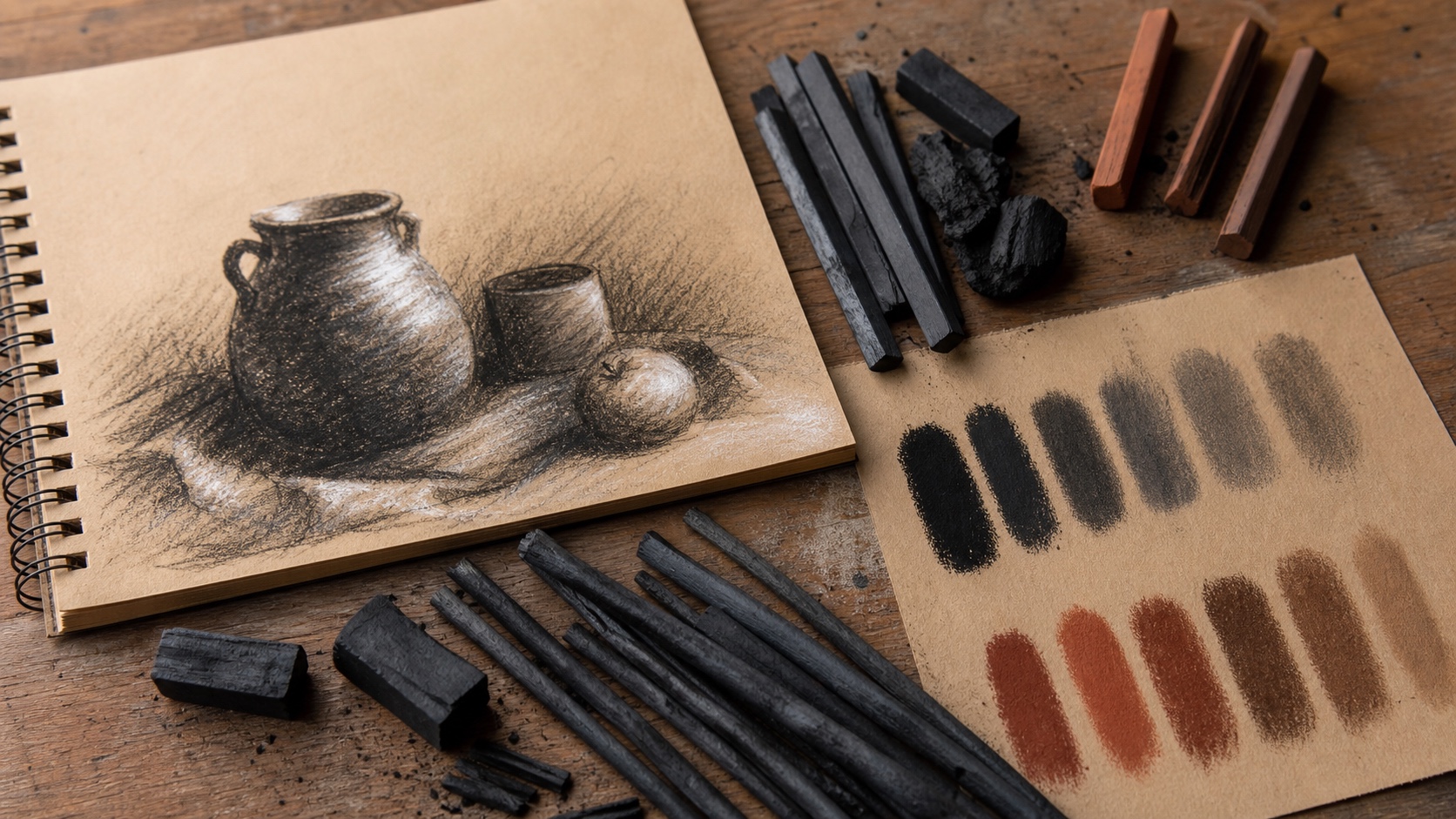
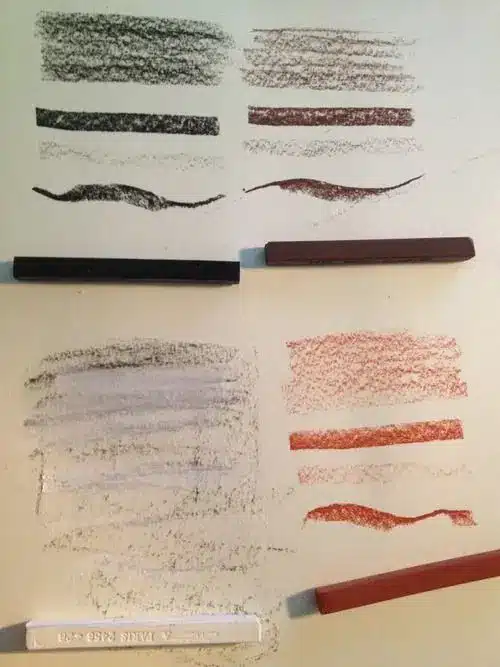
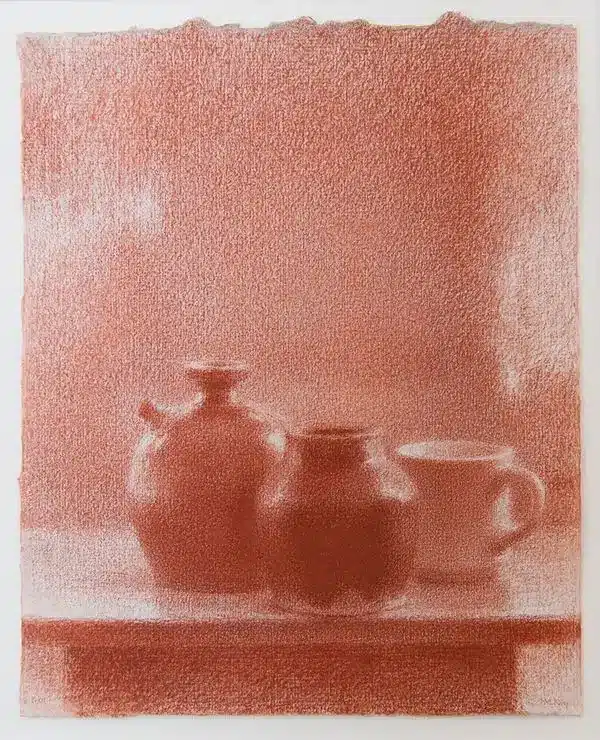
Charcoal and Conté crayons are worth adding when graphite starts to feel too pale or too polite. Vine charcoal wipes away easily for loose blocking, while compressed charcoal gives dense darks. Conté sits somewhere between drawing and painting, with firm, earthy marks.
Use them when you want stronger value contrast, rougher texture, or a more physical drawing process.
Compressed Charcoal
Compressed charcoal is made from powdered charcoal and binder, so it is darker and harder to erase than vine charcoal. It is excellent for deep accents, cast shadows, and bold gesture drawings.
Test it lightly first. Once compressed charcoal is ground into the paper tooth, cleaning it completely can be difficult.
Conté Crayons
Conté crayons are firmer than soft pastels and often come in classic drawing colors such as sanguine, sepia, white, and black. They are good for figure studies, tonal sketches, and warm paper.
Try white Conté on toned paper if you want to practice highlights instead of only chasing shadows.
Blending tools
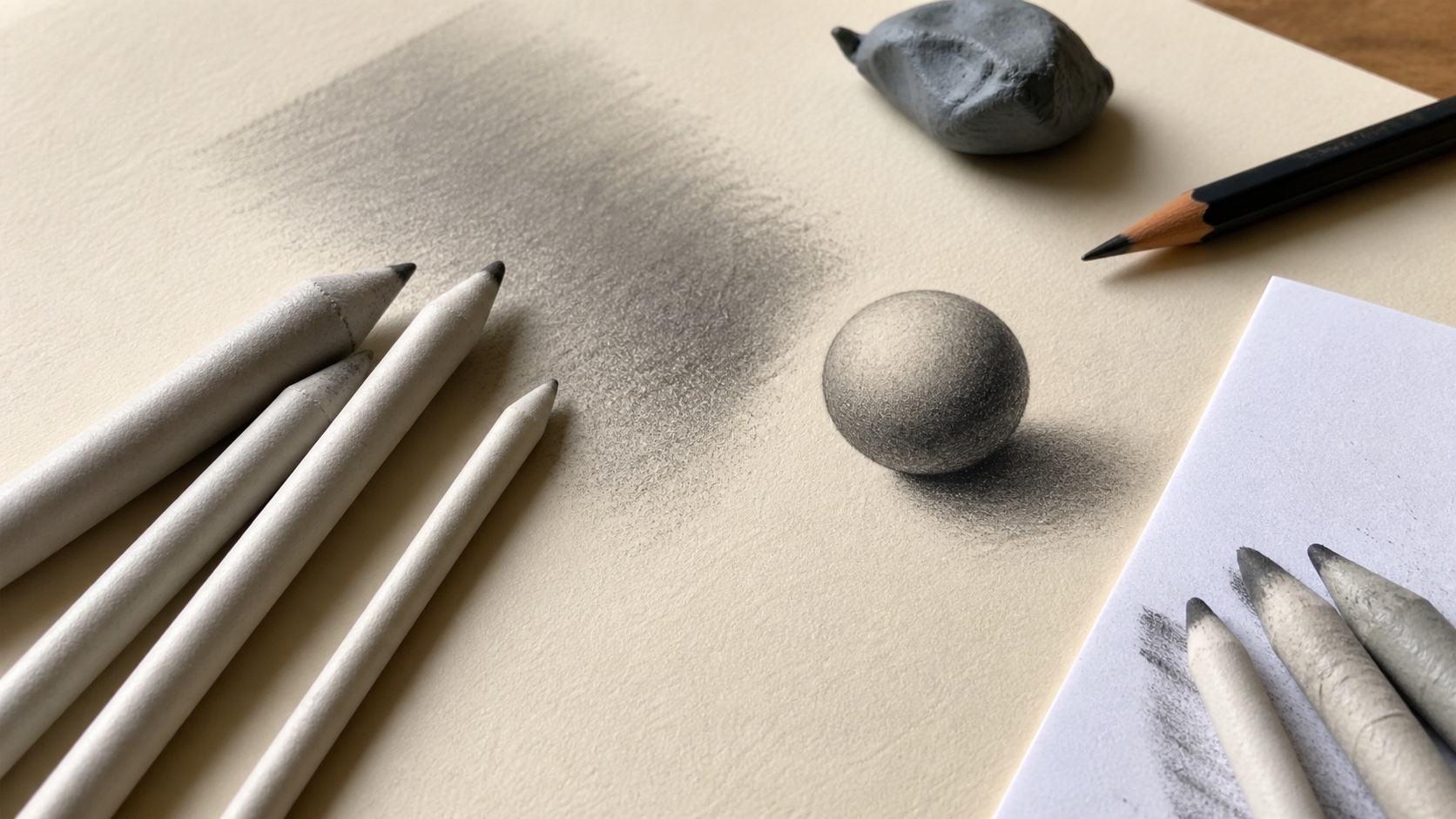
Blending tools help soften graphite, charcoal, and colored pencil without using your fingers. That matters because skin oils can leave shiny patches that refuse to take more pigment.
Use blending sparingly. If every edge is softened, the drawing can turn muddy and lose structure.
Blending Stumps
Blending stumps are tightly rolled paper tools with a firm point. They are useful for cheek shadows, background gradients, and controlled graphite transitions.
Tortillons
Tortillons are lighter, hollow paper tools with a sharper tip. Use them for small areas such as nostrils, eyelids, folds, and narrow cast shadows.
Clean the tip on scrap paper before moving from a dark area into a light one.
Colored pencils
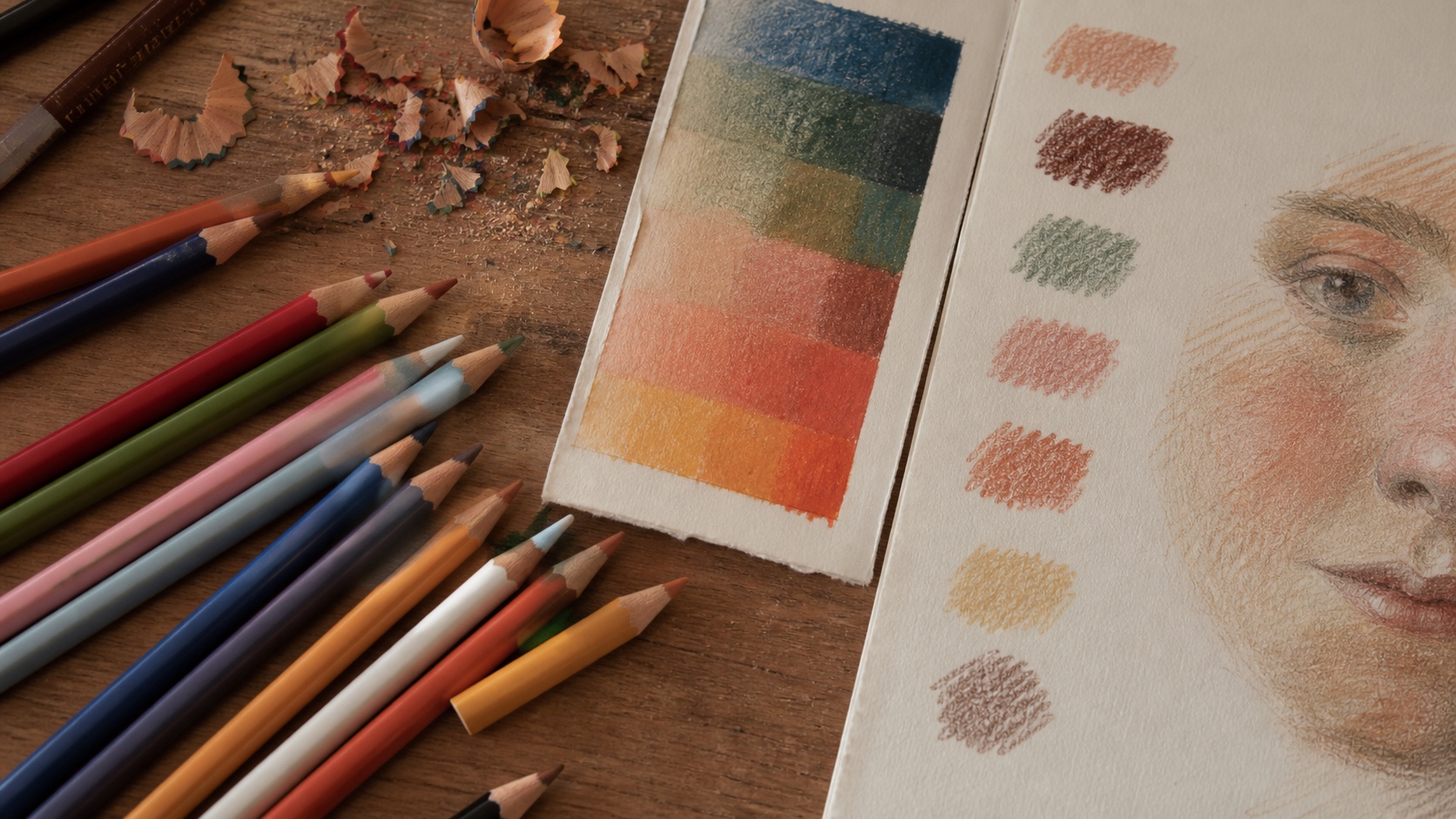
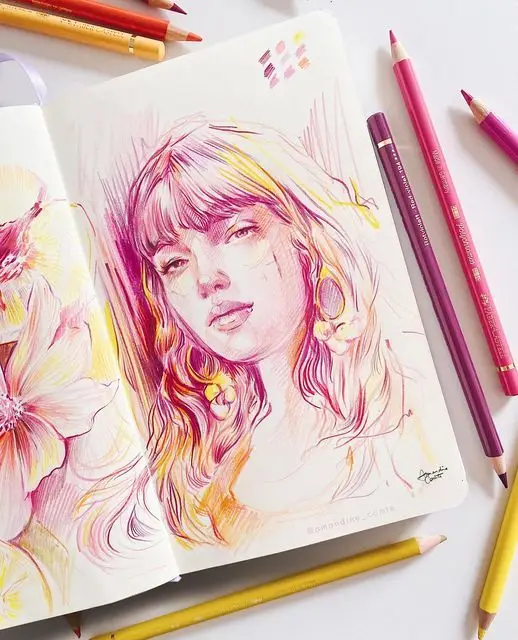
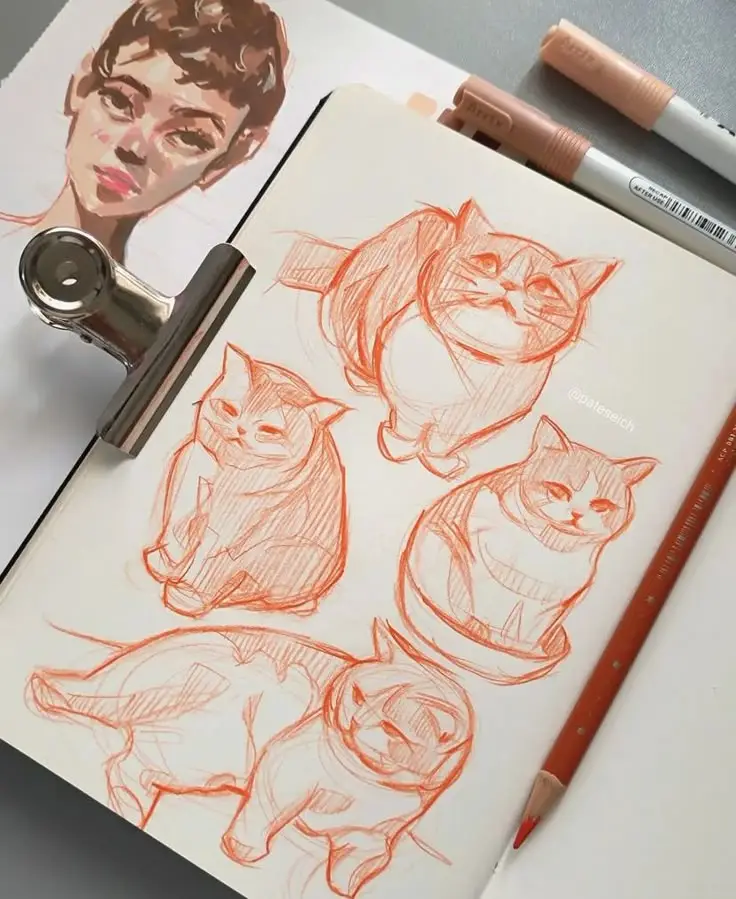
Colored pencils reward patience. Better pencils usually layer more smoothly, hold pigment better, and let you build color without crushing the paper surface too early.
Prismacolor Premier, Faber-Castell Polychromos, and Caran d’Ache Luminance are popular for good reason, but they feel different in the hand. Buy a few open-stock pencils before committing to a full set.
Prismacolor Premier
Prismacolor Premier pencils have a soft, waxy core that blends quickly and lays down strong color. They are forgiving for portraits, flowers, and sketchbook color studies.
The downside is breakage. Use a gentle manual sharpener and avoid dropping them, because cracked cores can keep snapping long after the fall.
Faber-Castell Polychromos
Faber-Castell Polychromos pencils are oil-based, firmer, and excellent for controlled layering. They do not feel as creamy as Prismacolor, but they hold a point better for details.
They make sense if you like clean edges, hair texture, botanical drawing, or slow color buildup.
Caran d’Ache Luminance
Caran d’Ache Luminance pencils are expensive, lightfast-focused colored pencils with a smooth wax-based feel. They are useful when the finished work matters enough to justify the cost.
For practice, you do not need them on day one. For sellable originals or long-term display, their lightfastness becomes more important.
Ink and drawing pens
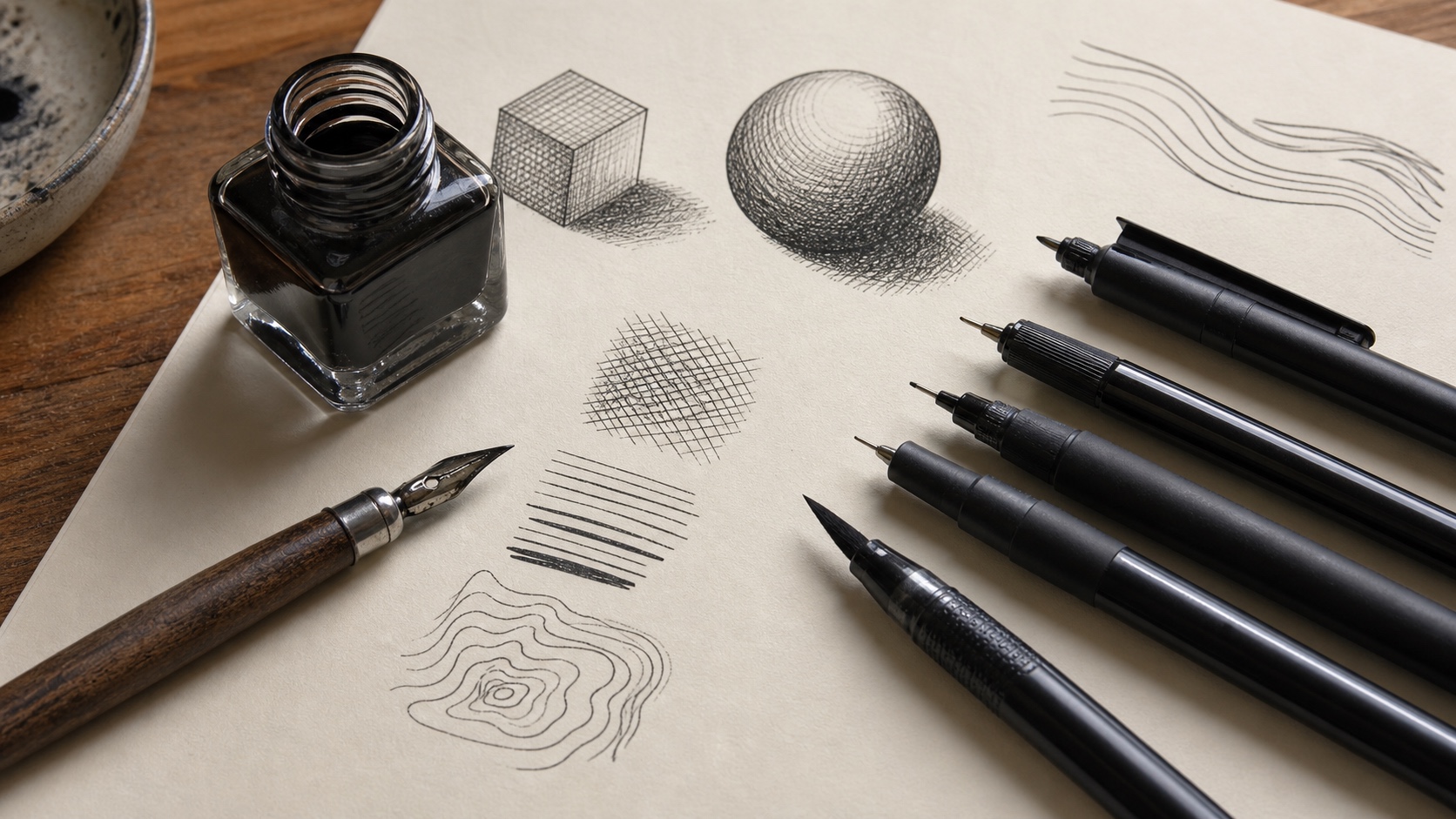
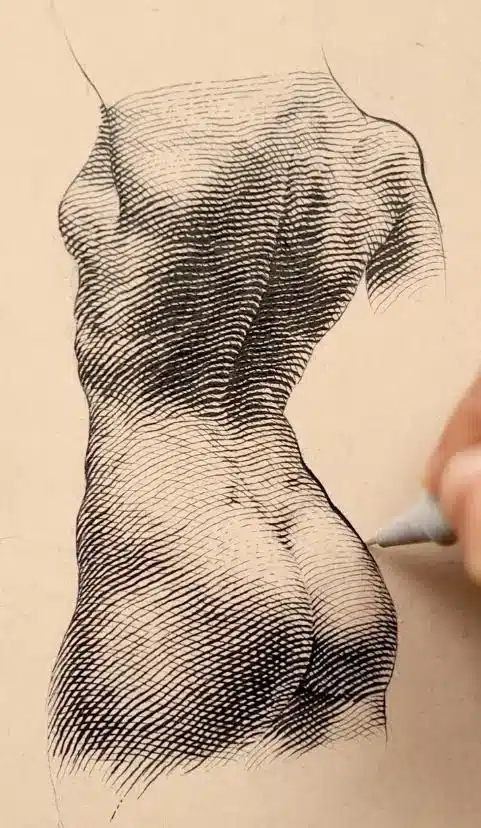
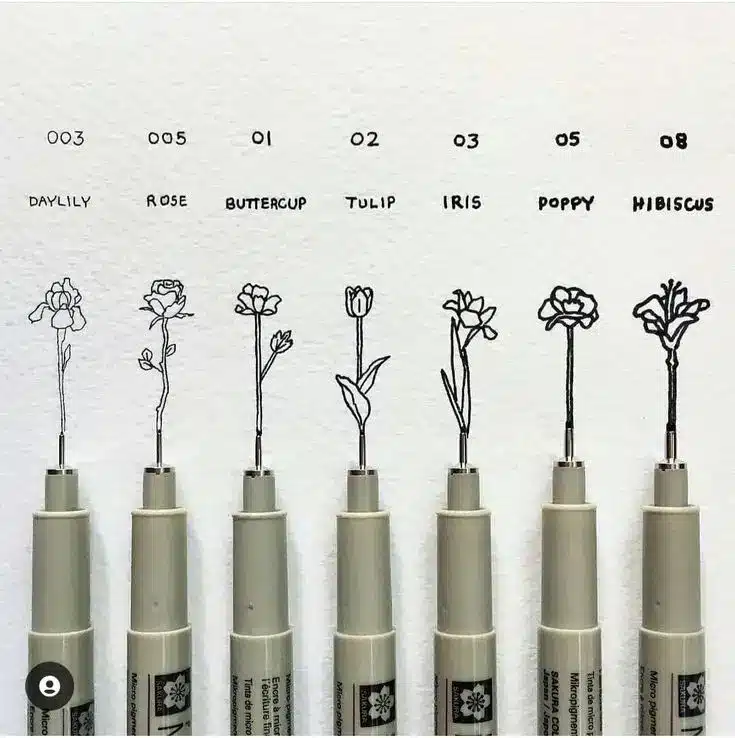
Ink pens are for commitment. Fineliners, brush pens, rollerballs, and dip pens all make different marks, but none erase like graphite. That pressure can be useful because it forces cleaner decisions.
For fineliner work, sizes like 01, 03, and 05 are a practical starting range. Try them with a realistic lips drawing tutorial or another small study where line weight is easy to compare.
Technical Pens
Technical pens use fine nibs and steady ink flow. They are great for hatching, architectural edges, lettering practice, and controlled contour lines.
A small pencil kit is enough for most fall drawing ideas with pencil, especially if you focus on line weight, leaf veins, sweater texture, and simple cast shadows.
Use technical pens when you want clean, repeatable line weight. They pair well with figure drawing practice, especially when you are studying contour, overlap, and shadow shapes.
Dip Pens
Dip pens give you more line variation than most fineliners. The nib, ink, pressure, and paper all change the result, so they take more patience.
They are worth trying if you like expressive outlines, old illustration styles, or visible hand pressure in the line.
Fixatives and protection
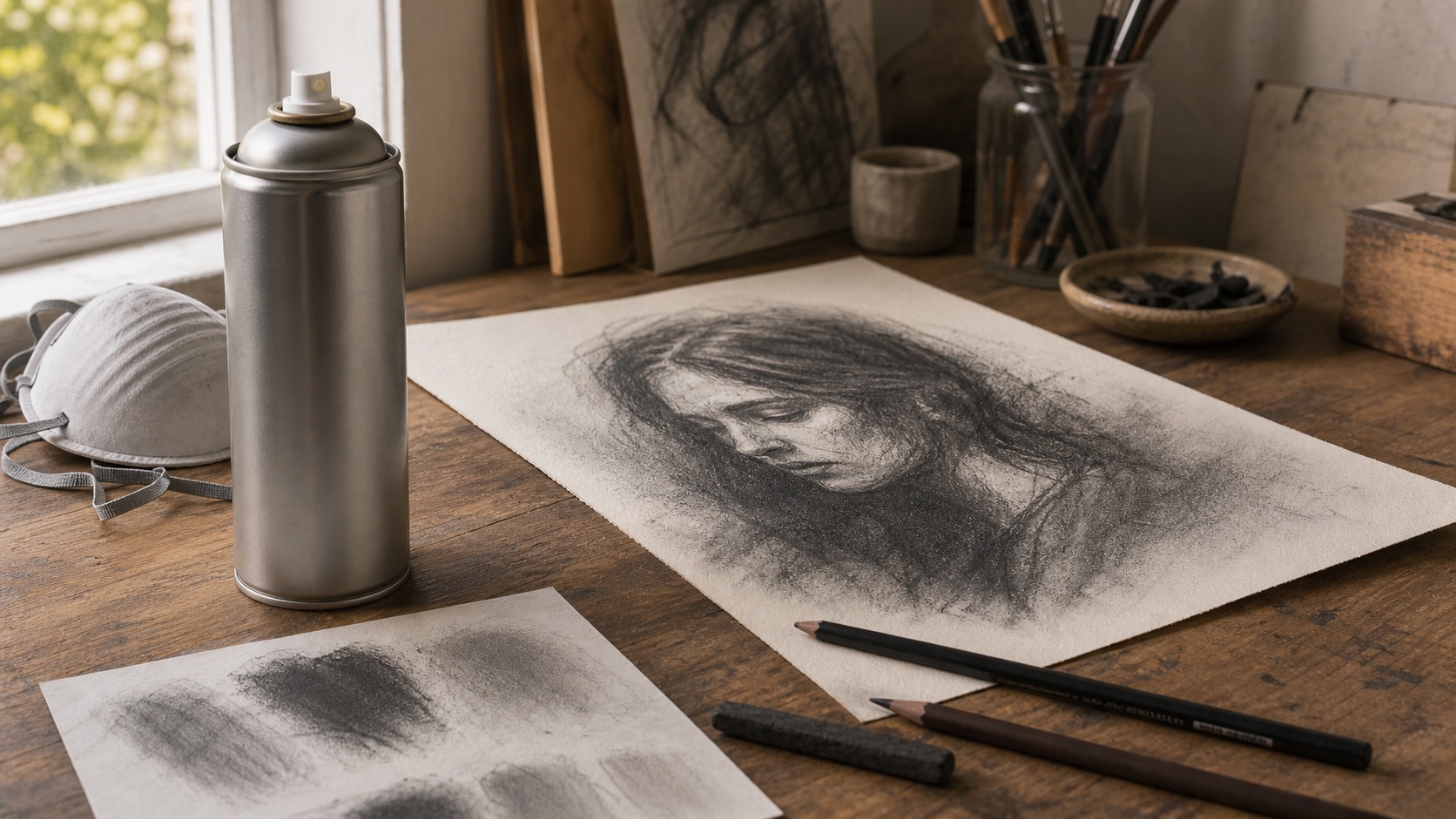
Fixative is mainly for smudge-prone media such as charcoal, pastel, and soft graphite. It helps hold loose particles on the surface, but it can also darken values or change the paper feel, so test it on a scrap first.
Spray Fixatives
Use spray fixative in several light passes, not one wet blast. Keep the can moving and spray outdoors or in a well-ventilated area.
Check whether the can is workable or final fixative. Workable fixative lets you keep drawing over it; final fixative is meant for finished pieces.
Artwork storage solutions
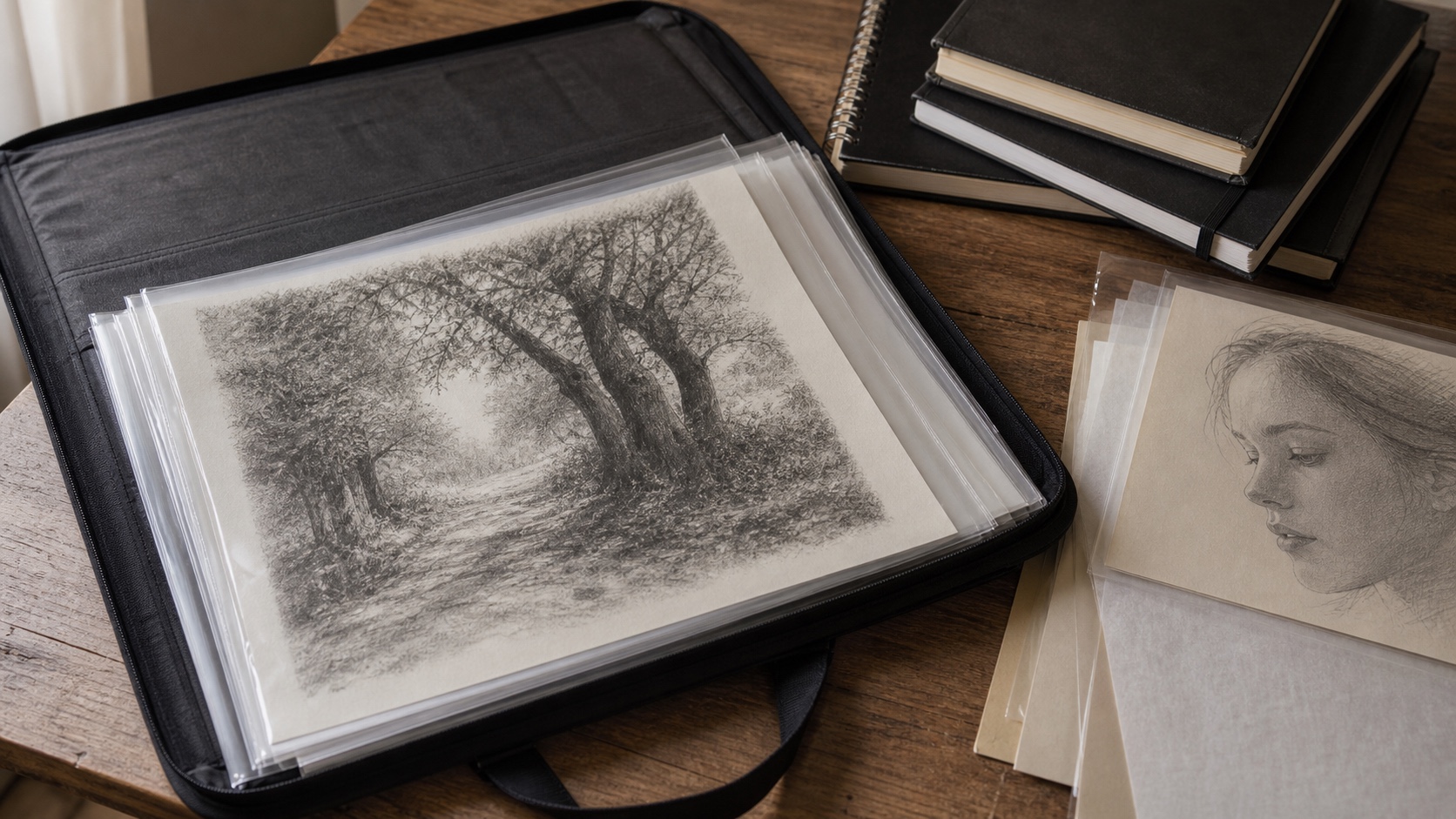
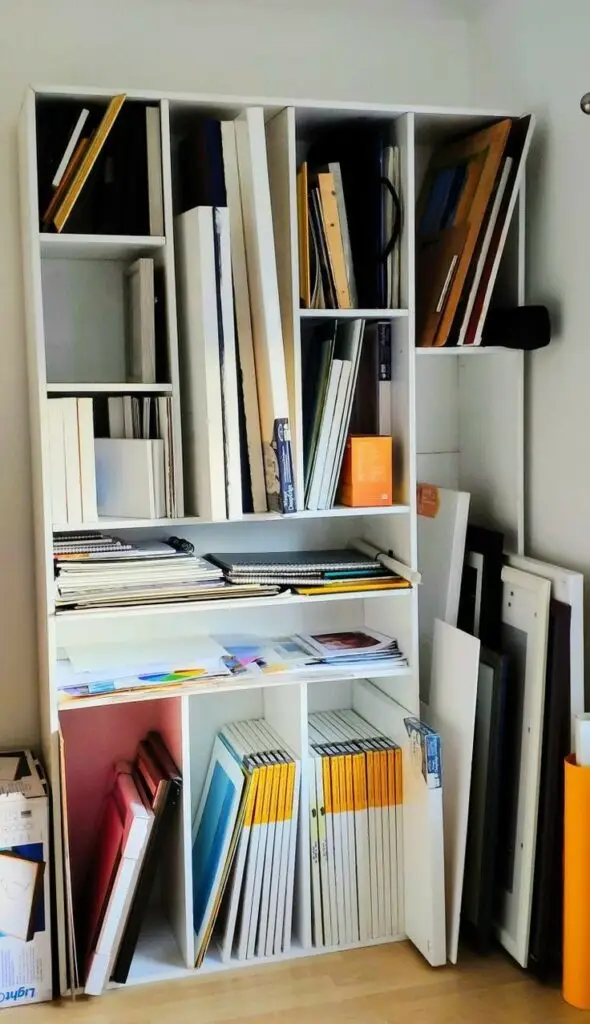
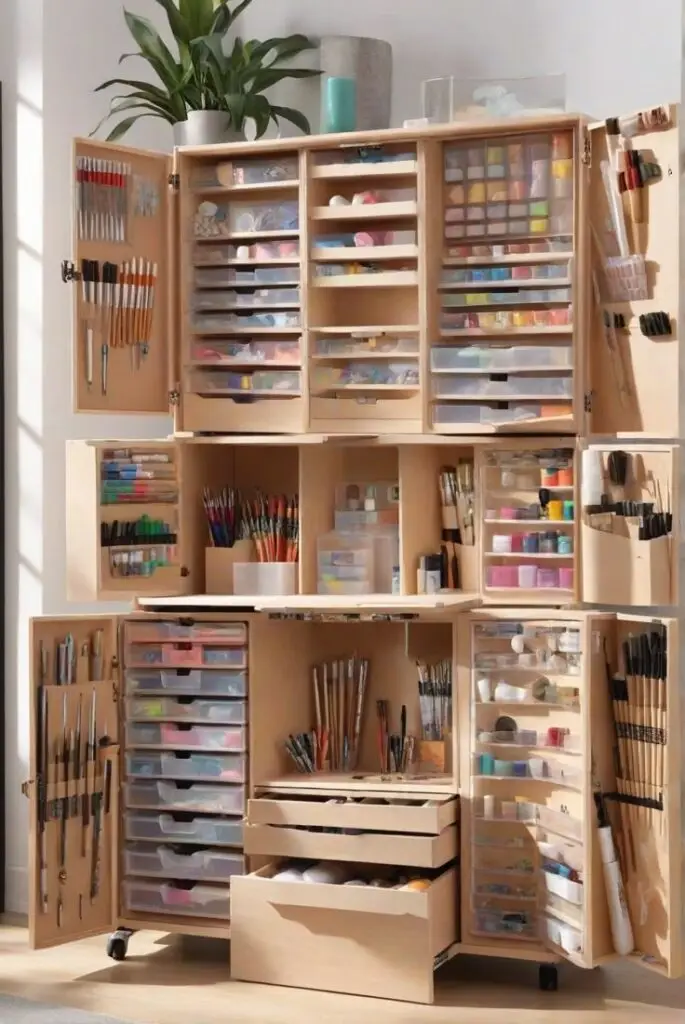
Good storage is part of the material kit. Finished drawings bend, smear, and yellow if they are stacked carelessly or left in damp rooms. Keep them flat or upright, dry, and separated with clean sheets when needed.
Portfolios
A sturdy portfolio keeps loose drawings from bending and gives you one place to review finished work. If you are preparing pieces for school, client review, or presentation, the storage portfolio and your public design portfolio should work together.
Protective Sleeves
Protective sleeves are best for individual pieces that get handled often. Choose a size that fits without forcing the paper into the sleeve.
For long-term storage, use acid-free sleeves or interleaving paper so the drawing surface is not pressed against rough or dirty material.
Final thoughts on choosing drawing materials
You do not need every drawing material at once. Start with graphite pencils, decent paper, a kneaded eraser, a white plastic eraser, and a sharpener that does not break your points. Then add charcoal, pens, colored pencils, or fixative when your drawings actually call for them.
The best test is simple: make the same small study with two materials and compare the line, value range, texture, and cleanup. Your hand will tell you quickly which tools deserve a permanent place in the kit.
If you are testing markers, technical pens, or soft pencils, simple graffiti pencil drawings are a useful way to compare line weight, fill texture, and bleed.
Frequently asked questions
What drawing materials should a beginner buy first?
Start with HB, 2B, 4B, and 6B graphite pencils, medium-weight sketch paper, a kneaded eraser, a white plastic eraser, and a manual sharpener. That small kit covers line work, shading, cleanup, and daily practice without wasting money on supplies you may not use yet.
What pencil grades are most useful for drawing?
HB, 2B, 4B, and 6B are the most useful starter grades. HB is good for layout lines, 2B handles general sketching, 4B builds softer shadows, and 6B gives darker accents. Add harder pencils such as 2H only if you need very pale construction lines.
What paper is best for graphite pencil drawing?
For graphite, choose acid-free drawing paper with a smooth to medium texture. Smooth Bristol is better for clean detail and ink, while medium-toothy sketch paper is better for layered shading. Very thin paper can wrinkle, tear, or show dents from heavy pressure.
Are expensive colored pencils worth it?
Expensive colored pencils are worth it when you need smoother layering, stronger pigment, or better lightfastness for finished artwork. Beginners can start with a smaller set or buy open-stock pencils first. Test a few colors before investing in a full professional set.
Do charcoal drawings need fixative?
Charcoal drawings usually benefit from fixative because charcoal smudges easily. Use light coats, spray in a ventilated area, and test on scrap paper first. Fixative can darken values slightly, so avoid spraying a finished piece for the first time without testing.
How should I store finished drawings?
Store finished drawings flat or upright in a dry place, away from direct sun and moisture. Use acid-free sleeves, interleaving paper, or a sturdy portfolio so graphite, charcoal, and colored pencil surfaces do not rub against other pages.
When choosing paper, pencils, and erasers, ocean drawing materials matter because waves rely on soft value shifts, lifted highlights, and clean white foam.
- 768shares
- Facebook0
- Pinterest768
- Twitter0
- Reddit0