Logo design ideas for business work best when they start with a clear job: make the name recognizable, make the category feel right, and stay readable everywhere from a website header to a tiny social avatar.
Before choosing a logo direction, it is worth checking the core design principles in graphic design: contrast, proportion, balance, and hierarchy. Those basics decide whether a mark still works when it is printed small, reversed out, or used as a social icon.
I usually judge a logo direction in black and white before I care about color. If the silhouette, spacing, and word shape are weak at thumbnail size, a gradient or clever mockup will only hide the problem for a minute.
- How to choose logo design ideas for business
- Creative logo ideas that still work for business
- Letter logo design ideas for names and initials
- Art logo design ideas for creative brands
- Geometric logo ideas and what the shapes suggest
- Minimal logo design is not the same as empty design
- Business logo types: logo, symbol, combination mark, and monogram
- Common logo mistakes to avoid
- FAQ about logo design ideas for business
Use the examples below as a practical filter, not a mood board to copy. Pick the logo type that matches how people will meet your business, then use color, typography, and geometry to sharpen that first impression. For a broader inspiration pass, compare this page with our 40+ logo design ideas.
| Logo type | Best for | Watch out for |
|---|---|---|
| Wordmark | New businesses with a memorable name | Weak lettering or poor spacing |
| Monogram | Long names, studios, consultants, personal brands | Initials that look too generic |
| Symbol | Apps, products, brands with repeat visibility | Using a symbol before the audience knows you |
| Geometric mark | Tech, architecture, finance, design, structured services | Shapes that feel cold or meaningless |
| Illustrative mark | Food, craft, wellness, creative shops | Too much detail at small sizes |
How to choose logo design ideas for business
Start with use case before style. A local cafe may need a warm wordmark that reads on packaging and signage. A SaaS product may need a crisp symbol that works as an app icon. A consultant may need a monogram or restrained typographic mark that feels credible on proposals and LinkedIn.
Then test three things: black-and-white readability, small-size clarity, and whether the logo still fits beside your website, packaging, and color system. If you are still building the visual language, our UI/UX color palettes guide can help you choose colors without making the mark do all the work.

Creative logo ideas that still work for business
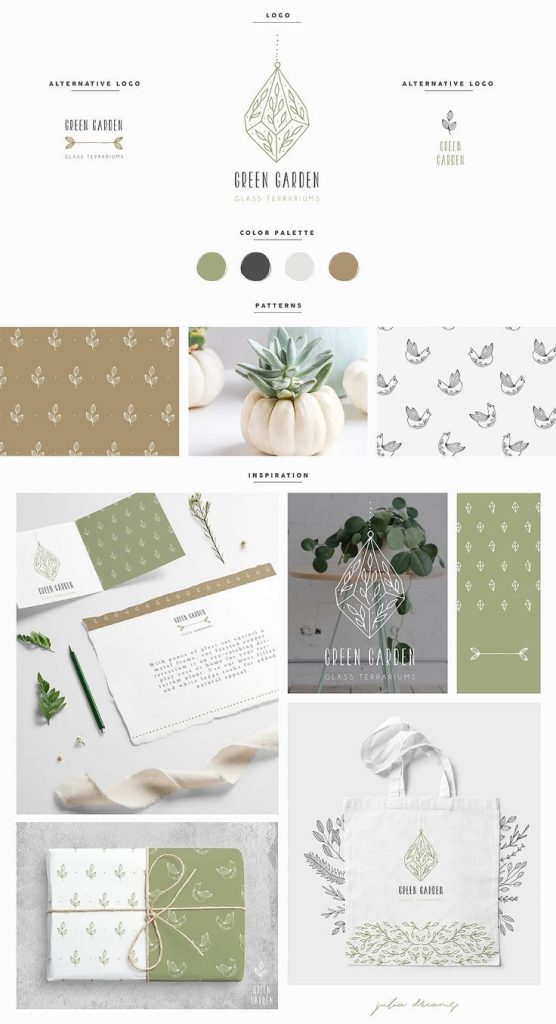
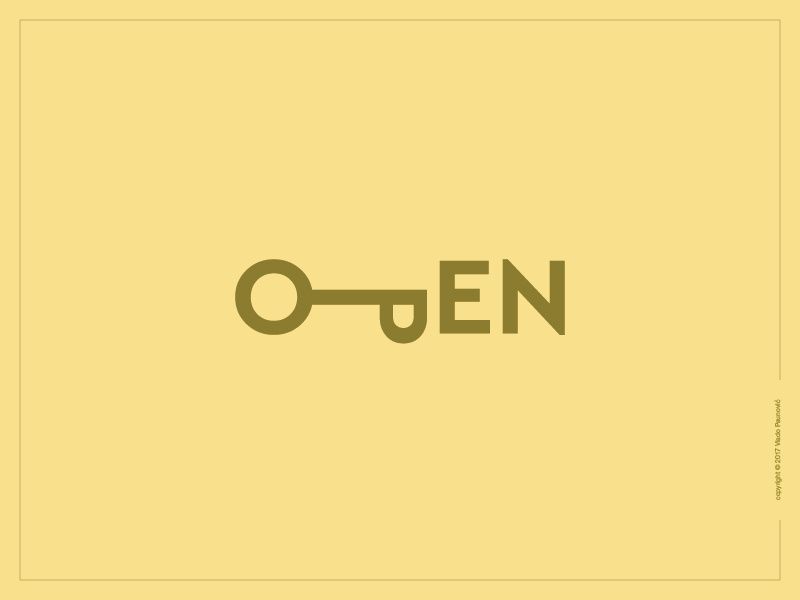
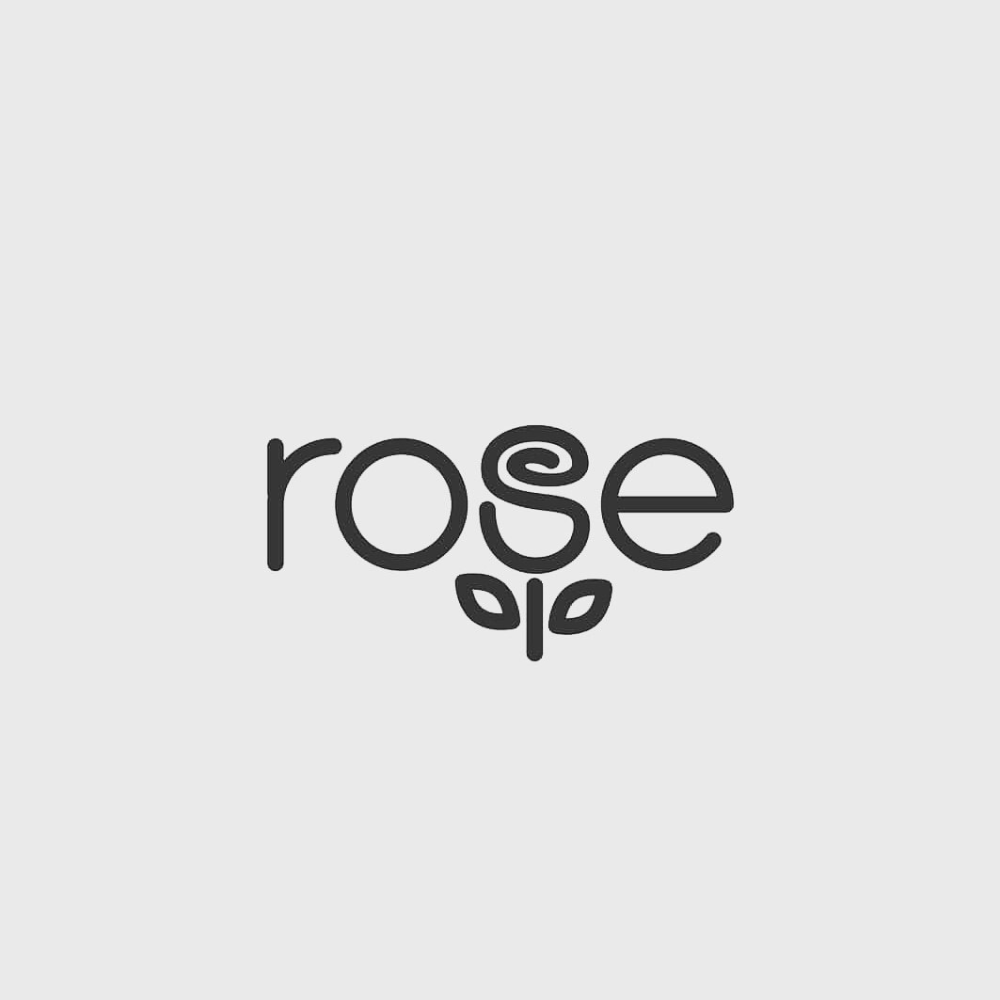
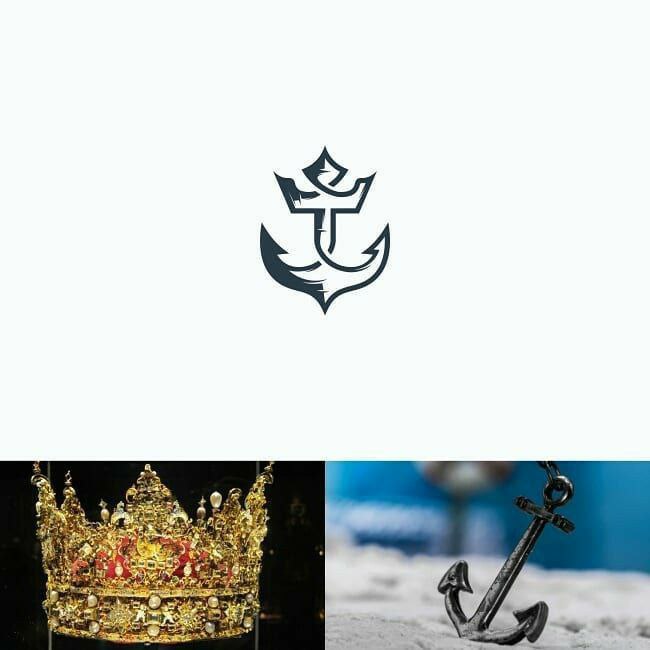
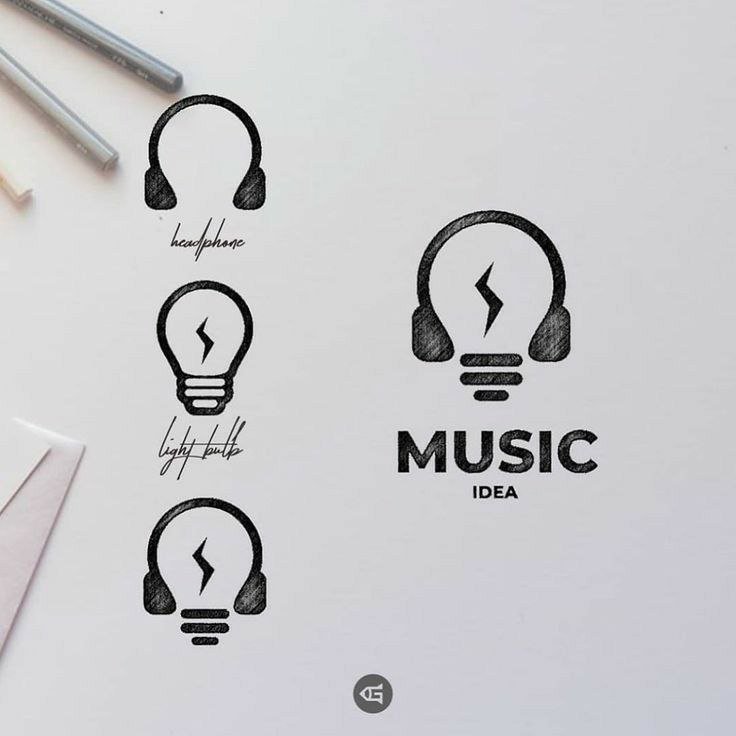
A creative logo is useful only when the idea stays clear after the styling is removed. The best business marks have one strong move: a smart letter detail, a memorable symbol, a clear word shape, or a visual metaphor that does not need a paragraph of explanation.
When I review a logo sketch, I squint at it first. That sounds basic, but it catches the usual mistakes quickly: too many small details, thin shapes that disappear, awkward spacing, or a symbol that looks nice but says nothing about the brand.





Letter logo design ideas for names and initials
Letter logos work well when the business name is the asset. Wordmarks, initials, and monograms are especially useful for studios, consultants, fashion labels, cafes, agencies, and personal brands because the name and the mark reinforce each other.
Look at the rhythm of the letters before choosing a font. Tall letters, round letters, repeated initials, and unusual combinations can become the identity. Customizing one letter often feels stronger than decorating the whole word.

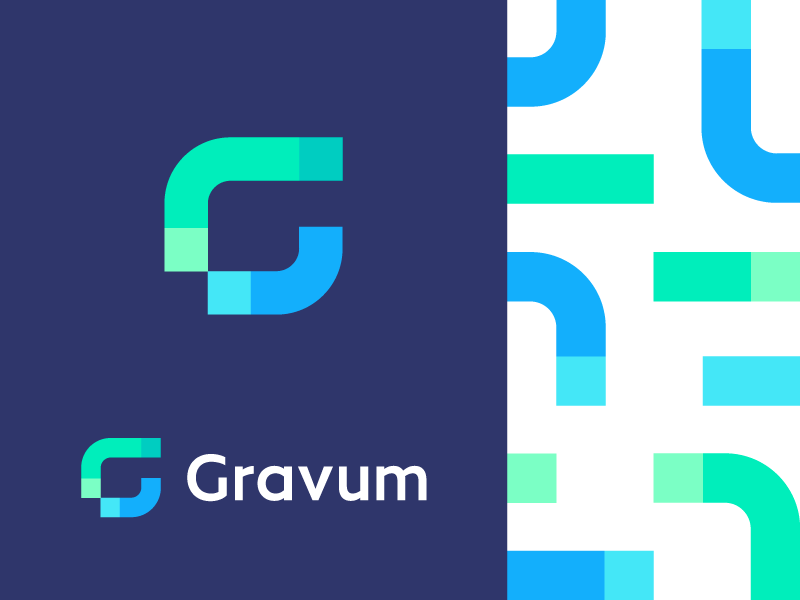
A letter logo should still work if the viewer has never heard of the business. Famous examples help explain the category, but for a new brand the spacing, legibility, and personality of the letters matter more than recognition by repetition.
Art logo design ideas for creative brands
Art and creative-business logos can be expressive, but they still need discipline. A studio logo, gallery mark, dance school identity, or handmade shop logo should feel personal without turning into a tiny poster.
Keep one focal detail and let the rest breathe. If you are designing for products, packaging, or merch, also check how the mark behaves on physical materials. The same logo can feel different on paper, glass, fabric, or metal, which is why tangible branding matters in packaging materials.
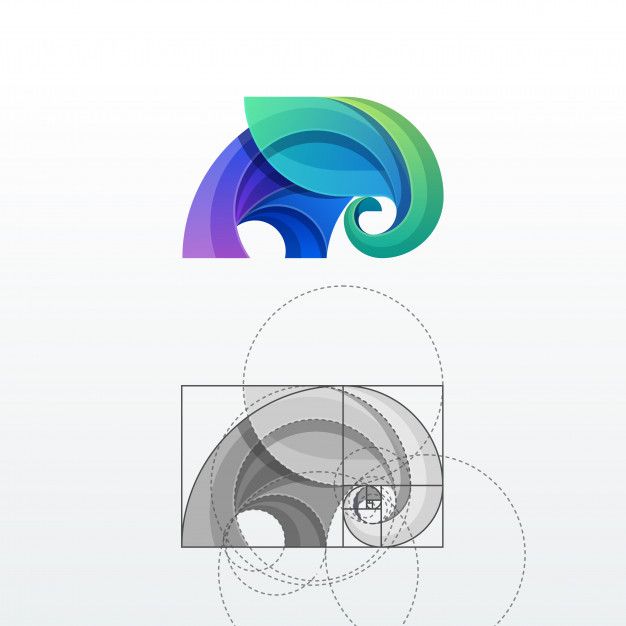
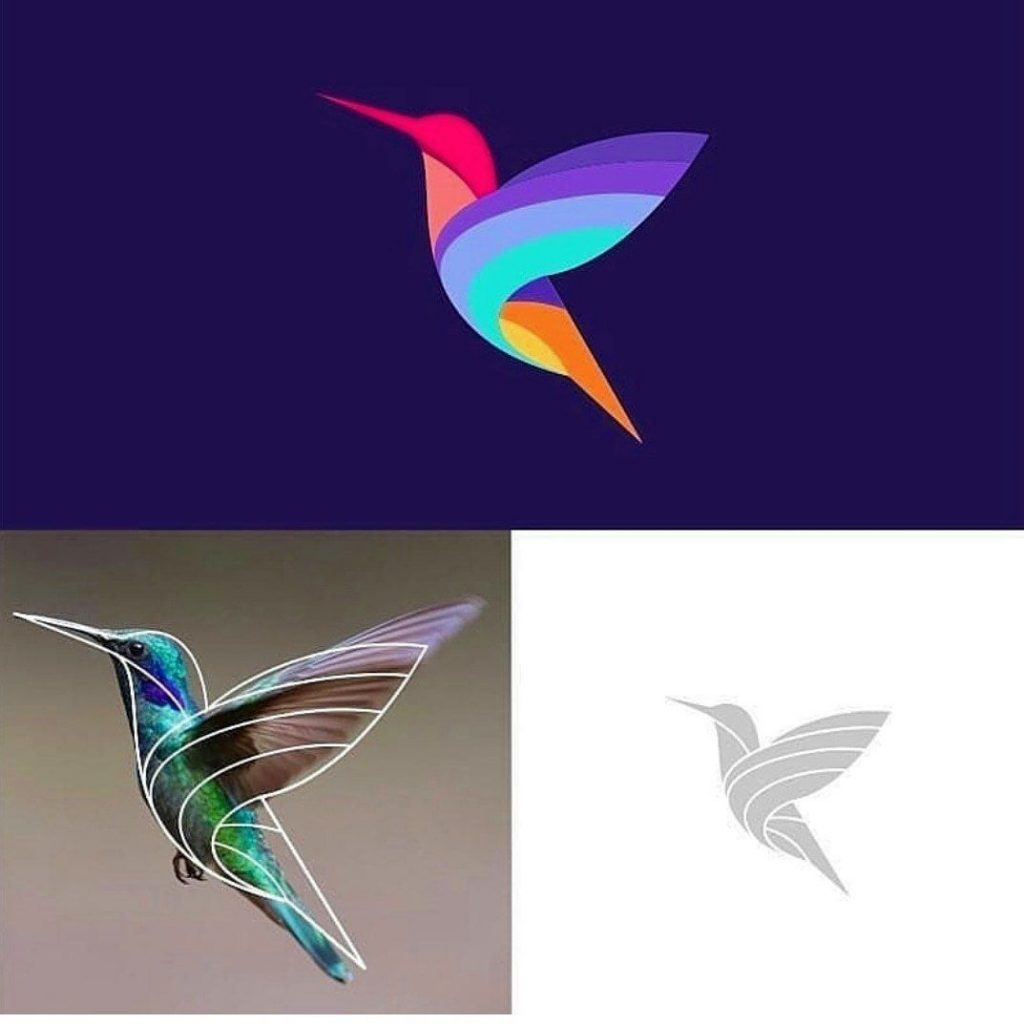


Logo makers can be useful for rough exploration, especially when you need to compare many directions quickly. I would still redraw the strongest option as a clean vector mark before using it seriously, because template logos often need better spacing, cleaner curves, and more original details.
Geometric logo ideas and what the shapes suggest
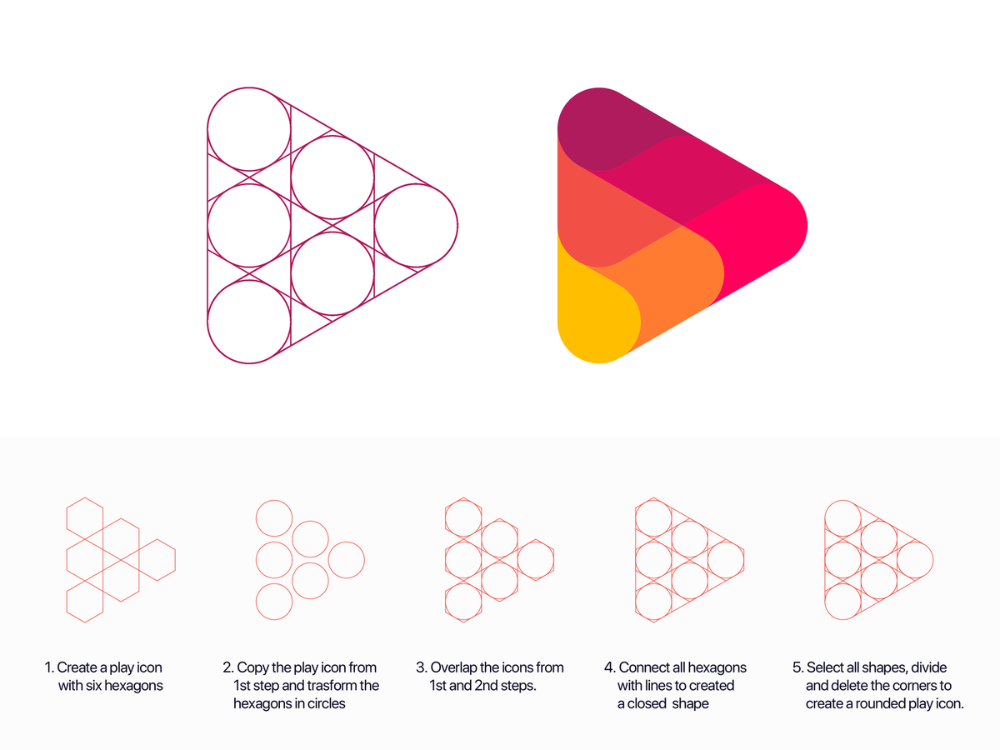
Geometric logos are strong because people read shape before detail. Squares and rectangles feel stable. Circles feel softer and more approachable. Triangles can suggest direction, movement, or tension. None of that is magic, but it is a useful design shortcut.
Use geometry as structure, not decoration. A rectangle can make a financial or technical brand feel grounded, while a circle can soften a wellness or community identity. For a deeper visual principle check, the minimalism in design guide pairs well with this section.
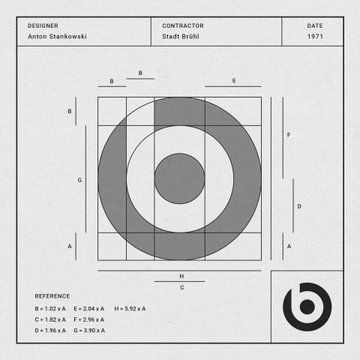

Rectangles and squares usually feel stable because they give the eye a clear frame. They are useful for software, architecture, finance, logistics, and any business that wants to feel organized rather than playful.



Circles and ovals feel softer. They can make a brand seem more social, friendly, safe, or community-driven. That is why rounded marks often show up in wellness, food, education, finance apps, and family-oriented services.


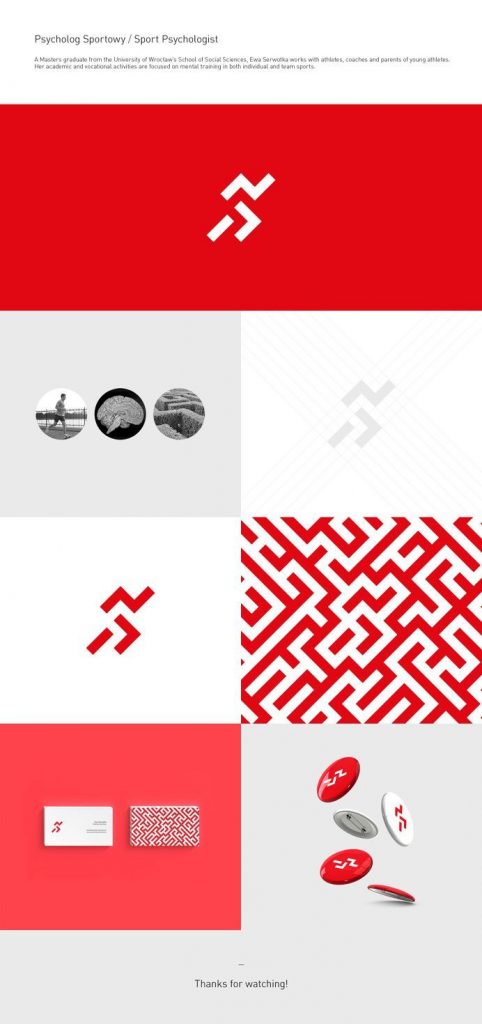
Triangles and angled shapes add motion. They can suggest growth, speed, precision, or challenge, which makes them useful for sport, technology, construction, outdoor brands, and performance-focused businesses.
Minimal logo design is not the same as empty design
Minimal style works when every remaining element has a reason to be there. Simplicity is not the goal by itself. The goal is fast recognition, cleaner reproduction, and a mark that stays useful after the trend cycle moves on.
Nike is a useful reminder because the mark is not complicated, but it is also not accidental. The curve has motion, the shape is easy to recognize, and the logo can survive embroidery, signage, shoes, packaging, and digital use.
Business logo types: logo, symbol, combination mark, and monogram
Before picking a style, separate the main logo types. A wordmark uses the business name. A symbol or icon can stand alone after people recognize it. A combination mark pairs text with a symbol. A monogram compresses initials into a compact mark.
For most small businesses, a combination mark is practical because it gives you both the name and a reusable icon. Later, if the audience recognizes the brand, the symbol can become more independent.
Wordmark logo

A wordmark uses the business name as the logo. This is a strong choice when the name is short, memorable, or distinctive enough to carry the identity without an extra icon. The hard part is spacing: uneven kerning can make even a good name feel amateur.
Symbol or icon logo

A symbol logo uses an icon or pictorial mark without relying on the full business name. It is powerful when the audience sees the brand often, but risky for a brand-new business because the symbol has to earn recognition over time.
Combination mark

A combination mark pairs a wordmark with a symbol. This is one of the most practical business logo formats because you can use the full lockup when the brand is new and the icon alone when space is tight.
Integrated emblem logo

An integrated emblem locks the text and image together so they read as one badge. It can look established and memorable, but it needs careful simplification because badges often become crowded at small sizes.
Monogram logo
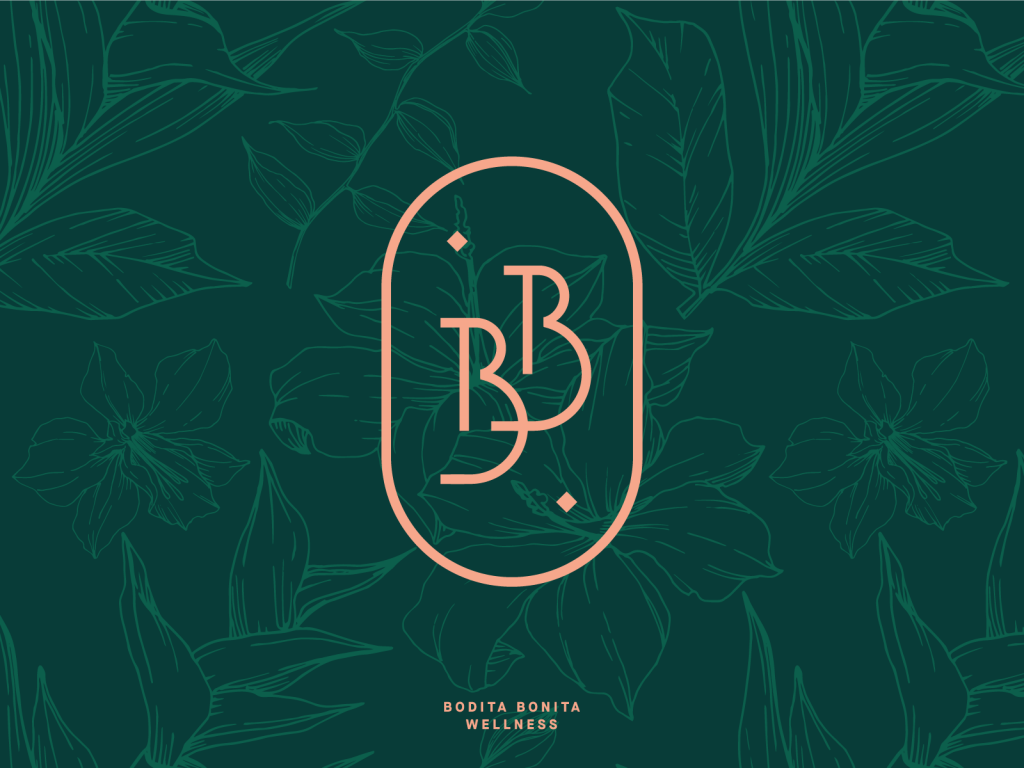

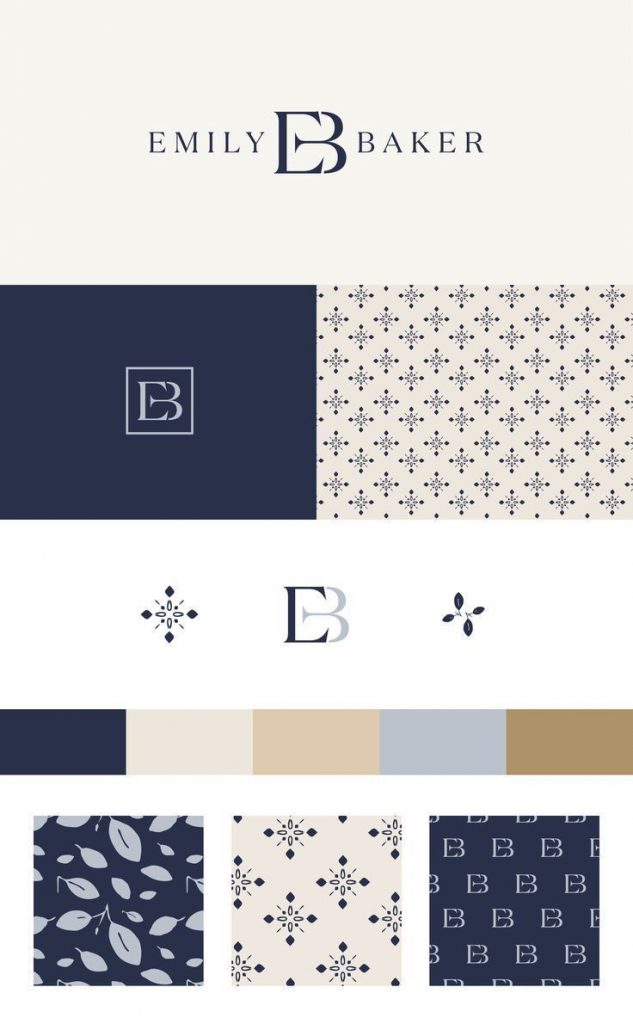
A monogram turns initials into a compact mark. It is useful for long business names, personal brands, studios, and luxury-leaning identities. Keep the letterforms readable first; decorative overlaps only work when the initials still separate cleanly.
Abstract logo
An abstract logo can work well when the business needs a flexible symbol instead of a literal icon. The risk is vagueness, so the mark needs a strong silhouette, consistent geometry, and a clear relationship to the rest of the brand system.


If you are turning these business logo ideas into a first draft, this guide to how to make a logo in Canva gives you a practical way to test type, color, and icon clarity before committing to a final mark.
Food and beverage brands often need more atmosphere than a general business mark, so this guide to coffee shop logo ideas is a useful next step after comparing broader logo directions.
Common logo mistakes to avoid
Do not judge a logo only inside a polished mockup. Test it as a favicon, on a light and dark background, in one color, in a website header, and beside a block of body text. A logo that only works large is an illustration, not a reliable business mark.
Avoid copying the obvious symbol in your category unless you have a strong twist. A coffee cup for a cafe, a house roof for real estate, or a leaf for wellness can work, but the composition has to be sharper than the first idea. If the brand will live online, also check it inside a real interface using the basics from our website UI design guide.
After you narrow the logo direction, study branding portfolio examples to see how finished marks are presented with context instead of dropped into a loose image grid.
FAQ about logo design ideas for business
Q: What makes a good business logo?
A: A good business logo is simple enough to remember, distinct enough to recognize, and flexible enough to work on a website, social profile, invoice, package, sign, and tiny favicon. Before styling it, check the silhouette in black and white. If the shape is weak there, color will not save it.
Q: Which logo style is best for a new business?
A: For most new businesses, a clean wordmark or combination mark is the safest starting point because people can read the name and remember the visual cue together. A pure symbol can work later, but it usually needs more brand recognition before it can stand alone.
Q: How many logo concepts should I sketch before choosing one?
A: Sketch at least 20 to 30 rough logo ideas before polishing one direction. Most first concepts are too obvious. Quick thumbnail sketches help you test shapes, initials, icons, and spacing before you spend time on color, gradients, mockups, or final vector cleanup.
Q: Should a business logo follow trends?
A: A logo can borrow from trends, but it should not depend on them. Trendy gradients, stretched type, or decorative effects can date quickly. Keep the core mark clear first, then use trendier color, texture, or motion in supporting brand assets where they are easier to refresh.
Q: What colors work best for business logos?
A: The best logo colors depend on the market, price point, and emotional tone of the brand. Blue often feels stable, black feels premium, green suggests nature or wellness, and warm colors feel energetic. Still, always test the logo in one color first so it remains usable everywhere.
Q: What should I give a designer before logo design starts?
A: Give the designer your business name, audience, competitors, brand personality, use cases, color preferences, examples you like, and examples you dislike. The most useful brief explains what the logo must do in real life, not just what style you find attractive.
Next step: choose three logo directions from this page, redraw each one as a tiny black thumbnail, and keep only the idea that still reads clearly. For physical brand applications, compare the mark with our guide to designing merch and premium packaging ideas.
When you need to move from ideas into a usable draft, compare the best logo maker tools before committing to a final business mark.
For wordmarks and brand systems, review font pairing for logo design before pairing a logo typeface with supporting web or print typography.
- 13.8Kshares
- Facebook0
- Pinterest13.8K
- Twitter0
- Reddit0