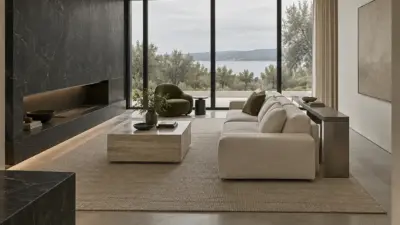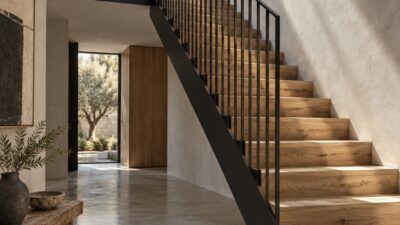

Light oak flooring works best when the room has a clear balance of warmth, contrast, and texture. The floor already brings a pale golden wood tone, so the rest of the space should either soften it with warm neutrals or sharpen it with darker furniture, rugs, and lighting.
The common mistake is treating light oak floors as a blank white background. They are not white. They have grain, yellow-beige undertones, and a natural warmth that changes under daylight, warm bulbs, and cool wall paint.
This guide shows how to style light oak flooring with wall colors, furniture, rugs, lighting, and room-by-room decisions so the interior feels intentional instead of washed out.
How to style light oak flooring
To style light oak flooring, start with the undertone. If the oak reads warm or honeyed, use soft white, greige, sage, stone, or muted blue on the walls. Add one layer of contrast through black metal, walnut, deep green, charcoal, or patterned textiles. Then use rugs and curtains to control echo, glare, and visual softness. The goal is not to match the floor; it is to make the floor feel connected to the room.
| Design choice | Best options with light oak flooring | What to avoid |
| Walls | Warm white, greige, sage, clay, muted blue | Cool bright white that makes oak look yellow |
| Furniture | Linen, walnut, black metal, rattan, cream upholstery | All furniture in the same pale oak tone |
| Rugs | Jute, wool, flatweave, muted pattern, soft contrast | Tiny rugs that float away from seating |
| Lighting | Warm white bulbs, layered lamps, daylight control | Only one cold ceiling light |
| Accents | Matte black, brass, ceramic, greenery, textured art | Too many glossy beige surfaces |
Choose wall colors that respect the oak undertone
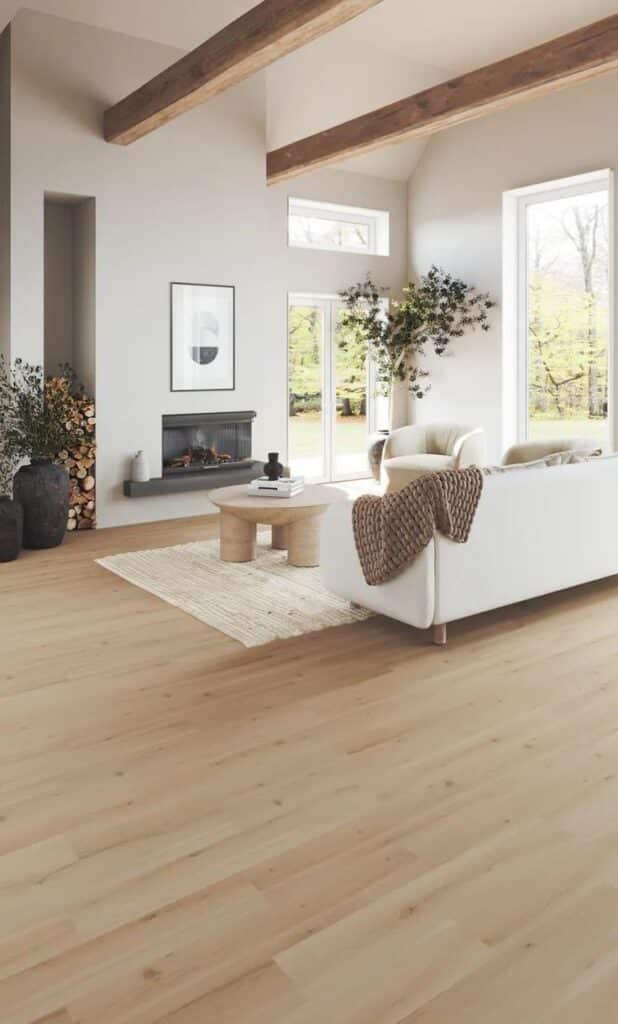
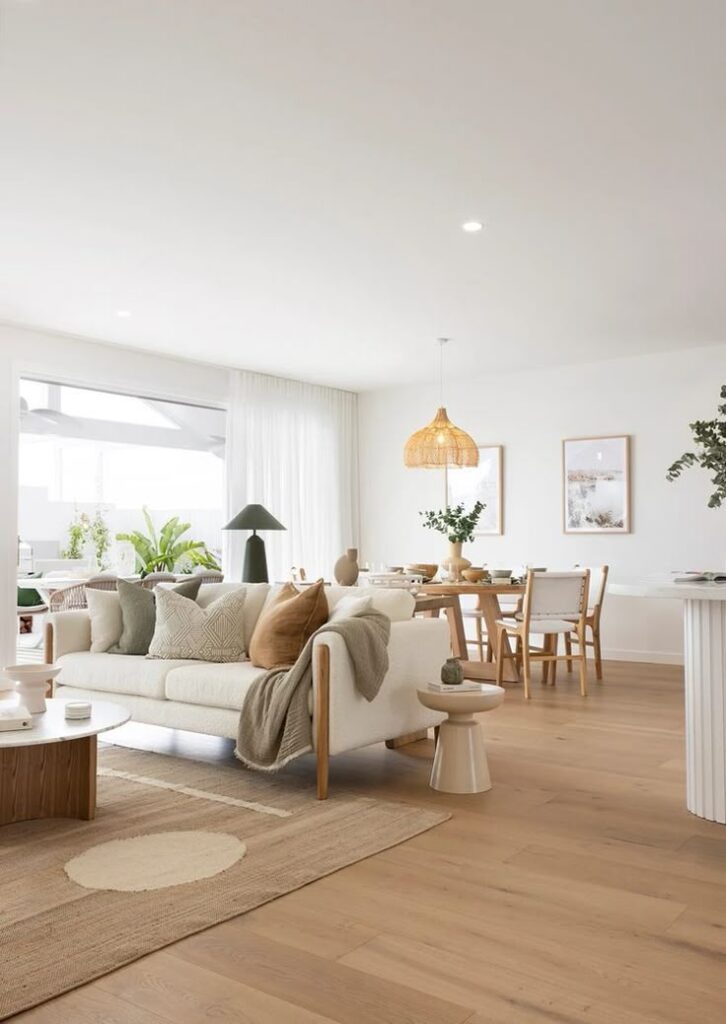
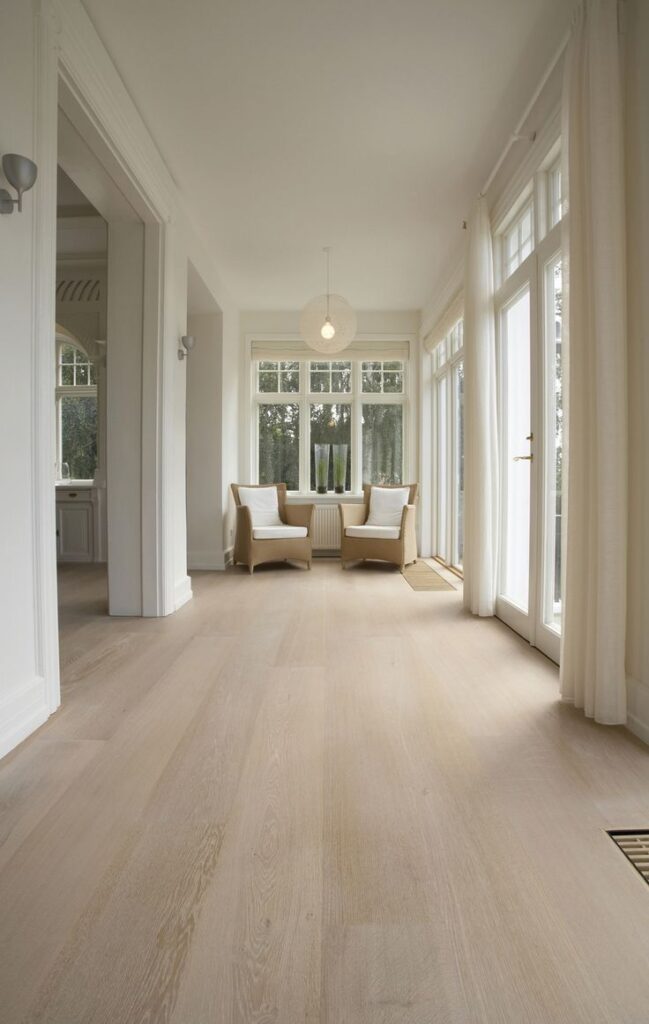
Wall color is where light oak flooring can either look fresh or oddly yellow. Warm white is the easiest option, but it should have a little cream or stone in it. Greige is useful when you want the room to feel calmer. Sage and muted blue work because they cool the floor without fighting the grain.
For darker rooms, keep the walls lighter and bring contrast through furniture. For rooms with strong daylight, you can use deeper paint such as charcoal, olive, navy, or clay on one wall. If you are comparing paint decisions, the professional interior painting ideas guide is a useful next step.
Furniture that works with light oak floors
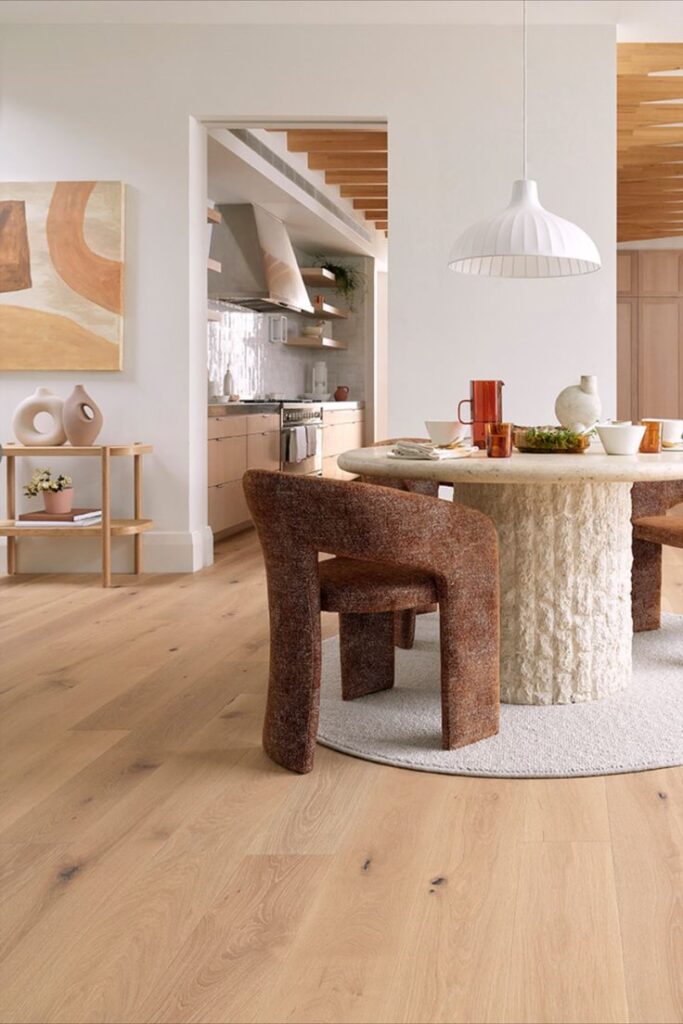
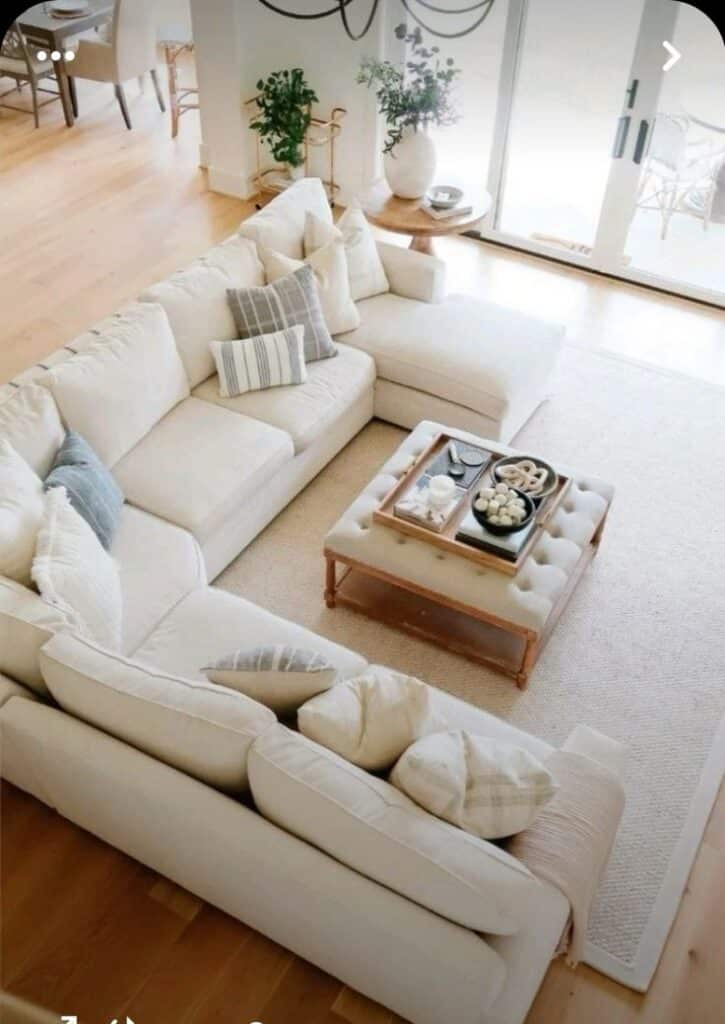
Furniture should give the floor something to react against. A beige sofa on a light oak floor can look elegant, but only if the room also has texture: woven shades, a wool rug, a dark table, a ceramic lamp, or artwork with stronger values.
I usually avoid matching the furniture wood exactly to the floor. Close-but-not-quite wood tones can look accidental. Use a clearer contrast instead: walnut, black, smoked oak, rattan, painted cream, or upholstered pieces. For larger seating choices, compare custom sofa design around your room before choosing fabric and scale.
Rugs, textiles and acoustic softness
Light oak floors can make a room feel open, but they can also feel bare if every surface is pale and hard. Rugs solve more than decoration. They anchor furniture, absorb sound, and create a softer transition between the floor and seating.
Jute and wool are natural partners for light wood flooring. If the room already feels beige, choose a muted pattern, a deeper border, or a rug with gray, olive, blue, rust, or charcoal in it. For softer rooms, compare types of carpet for softer rooms before deciding between an area rug and a full flooring layer.
Lighting changes the floor color
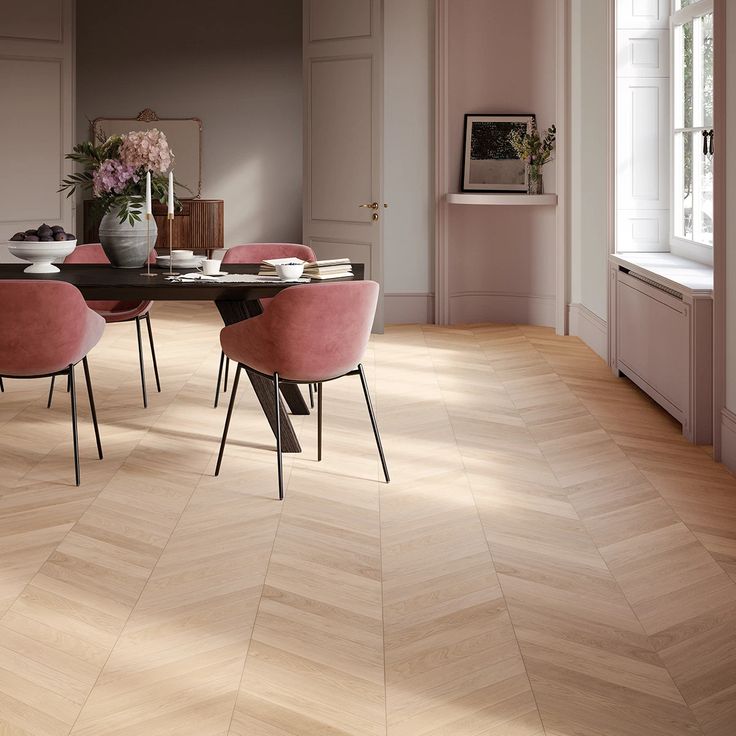
Light oak flooring changes throughout the day. Morning light can make it look creamy; warm evening bulbs can push it toward honey; cool LEDs can make it look flatter. Test bulbs before judging the wall color or rug.
A better lighting plan uses three layers: ceiling light for general brightness, lamps for seated areas, and accent lighting for artwork, shelving, or kitchen counters. If the room feels flat at night, the issue may be lighting rather than the floor. The LED lights for room mood guide goes deeper into that setup.
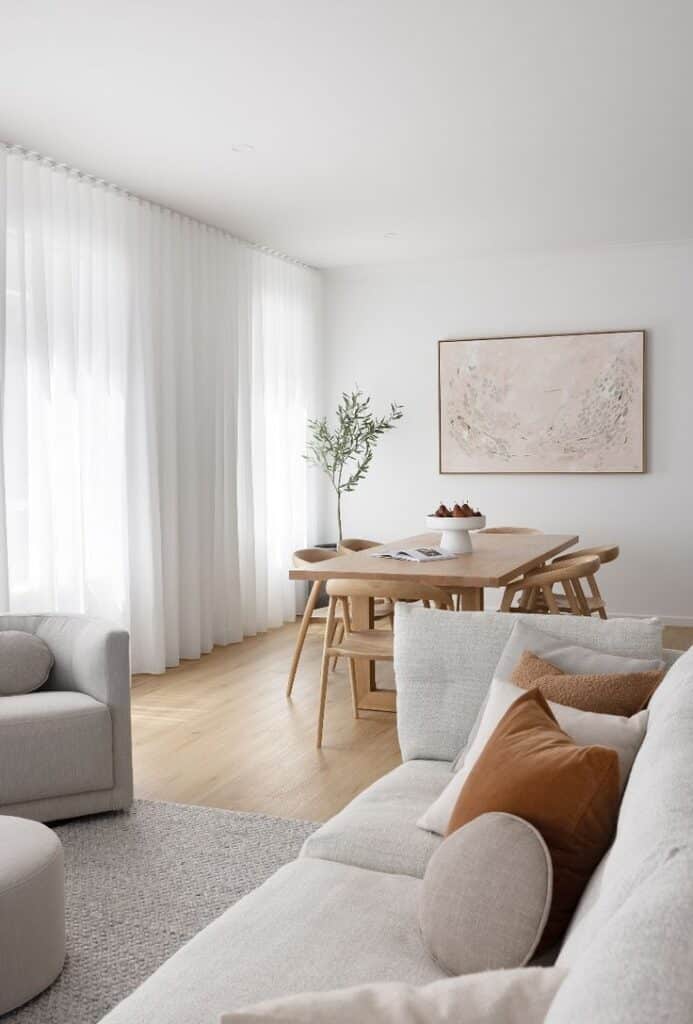
Room-by-room light oak flooring ideas
| Room | Best styling move | Why it works |
| Living room | Use a large rug, linen sofa, dark table, and layered lamps | The floor stays bright, but the seating area feels grounded |
| Kitchen | Pair white or cream cabinets with stone counters and warm hardware | The oak adds warmth without making the kitchen heavy |
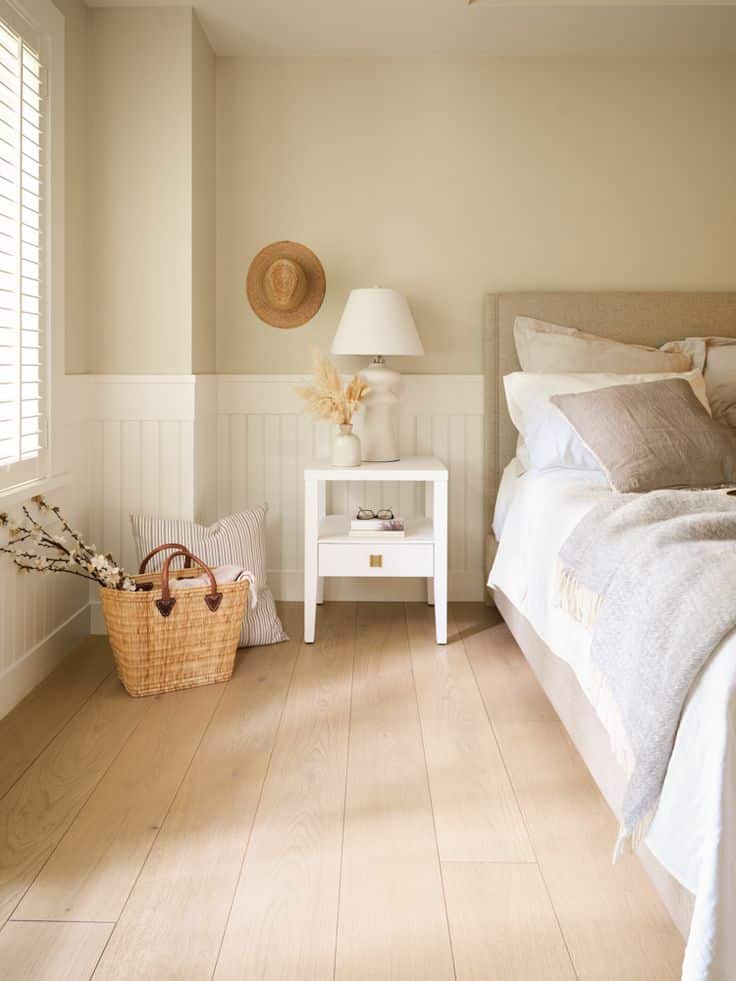
| Bedroom | Use soft textiles, curtains, and a lower-contrast palette | The floor feels calm instead of busy |
| Hallway | Add washable runners and wall lighting | Narrow spaces gain warmth and scratch protection |
| Dining room | Use darker chairs or a textured pendant light | The table zone gets definition on a pale floor |
If you are planning a full living area, the living room interior design ideas guide can help with layout and zoning. For open-plan spaces, connect flooring decisions to curtains, artwork, and furniture scale rather than choosing each item separately.
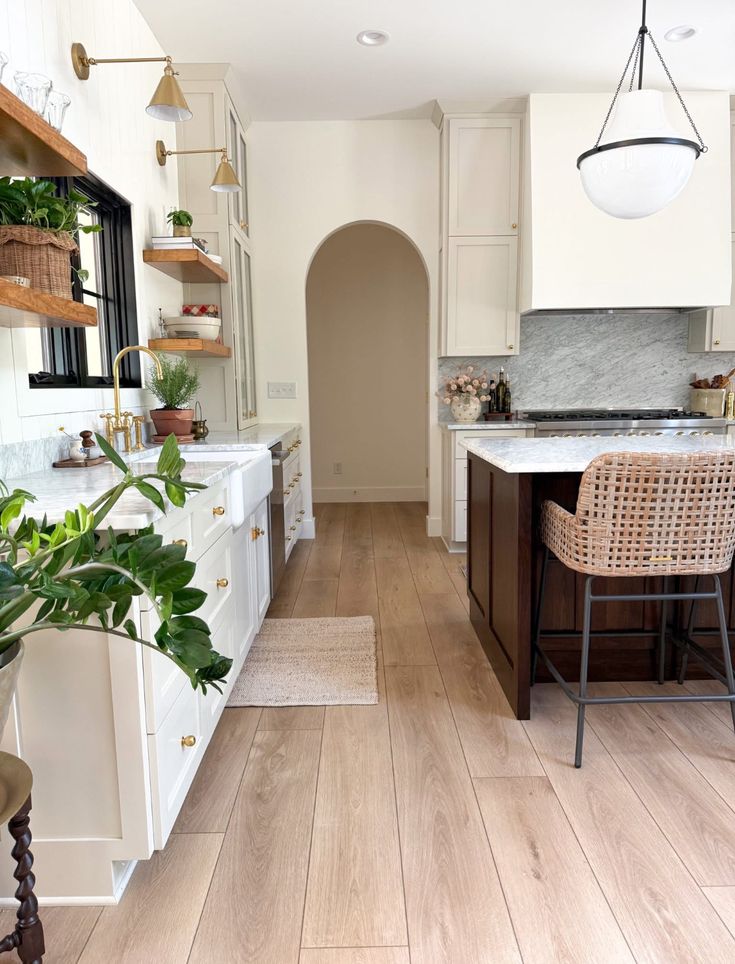
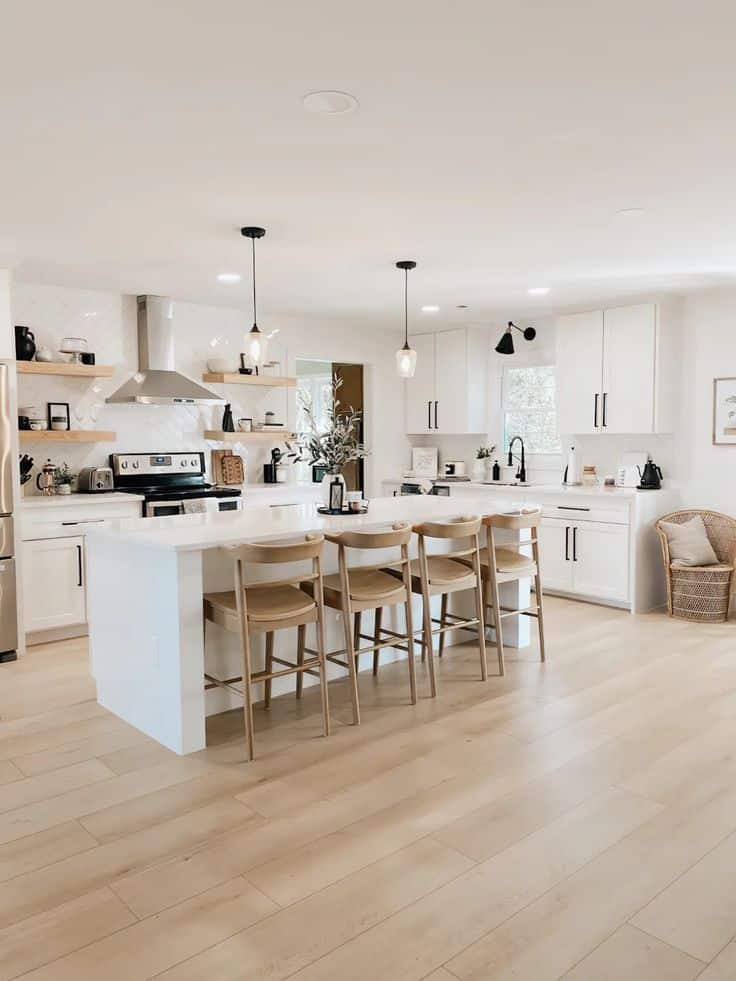
Common mistakes with light oak flooring
- Using cold white walls that make the oak look more yellow than it is.
- Choosing furniture in the same pale wood tone, which removes depth.
- Skipping rugs in large rooms, so the floor feels empty and loud.
- Using only overhead lighting, which flattens the grain at night.
- Adding too many beige accessories without texture or contrast.
- Ignoring the finish: matte, satin, and glossy light oak all reflect color differently.
Maintenance and finish decisions
Light oak flooring is forgiving, but it is not maintenance-free. Keep grit off the surface, use felt pads under chairs, wipe spills quickly, and avoid wet mopping unless the product manufacturer allows it. In high-traffic rooms, rugs and runners are not just decorative; they protect the finish where people turn, drag chairs, or come in from outside.
If you are comparing flooring types, the match hardwood floors with your interior design style guide is a strong companion. For practical alternatives, LVT flooring design ideas may be worth checking when moisture, pets, or rental constraints matter.
Related interior design guides
For more decisions around light oak floors, these related Sky Rye Design guides pair well with this article:
- match hardwood floors with your interior design style
- LVT flooring design ideas
- types of carpet for softer rooms
- professional interior painting ideas
- living room interior design ideas
- canvas wall art for living rooms
- LED lights for room mood
- custom sofa design around your room
- custom drapes for light control
- interior design principles for home
Light oak flooring FAQ
Q: What colors go best with light oak flooring?
A: Soft white, warm gray, greige, clay, sage, muted blue, and charcoal all work with light oak flooring. The safest choice is a warm neutral wall because it keeps the oak from looking yellow. Use darker colors on one wall or in furniture when the room needs more contrast.
Q: Does light oak flooring make a room look bigger?
A: Yes, light oak flooring can make a room feel bigger because it reflects more daylight than dark flooring. The effect is strongest when the walls, rugs, and window treatments stay fairly light. To avoid a washed-out look, add contrast with black metal, walnut, textured rugs, or stronger artwork.
Q: What furniture goes with light oak floors?
A: Light oak floors pair well with white, beige, linen, black metal, walnut, rattan, and muted color upholstery. Avoid matching every wood tone exactly. A room usually looks better when the furniture has either a clear contrast or a slightly warmer texture than the floor.
Q: Are light oak floors good for kitchens?
A: Light oak floors work well in kitchens because they brighten the space and sit naturally with white, cream, stone, or soft green cabinetry. The practical question is finish quality. Use a durable sealed surface, wipe spills quickly, and add mats near sinks or prep zones.
Q: Do rugs look good on light oak flooring?
A: Rugs look excellent on light oak flooring when they add texture or contrast. Try wool, jute, flatweave, or low-pile rugs in warm neutrals, muted patterns, or deeper accent colors. Very pale rugs can work, but they need visible texture so the room does not become flat.
Q: How do you stop light oak floors from looking too yellow?
A: Balance yellow undertones with wall colors that have a little gray, green, or clay in them. Greige, sage, stone white, and soft taupe are easier than bright white. Also avoid too many honey-colored woods in the same room.
Q: Is light oak flooring better than dark wood flooring?
A: Light oak flooring is better when you want a brighter, calmer, more flexible room. Dark wood is stronger and more dramatic, but it shows dust and can make small rooms feel heavier. The better choice depends on light, room size, furniture, and maintenance tolerance.
Q: How do you maintain light oak flooring?
A: Sweep or vacuum regularly, use a cleaner approved for the floor finish, wipe spills quickly, and protect chair legs with felt pads. Light oak hides some dust better than dark wood, but scratches still show if grit sits under furniture or rugs.
Conclusion
Light oak flooring is easiest to style when you stop trying to match everything to the floor. Let the oak bring brightness, then add wall colors, furniture, rugs, lighting, and artwork that give it structure. Warm neutrals keep the room calm, darker accents add depth, and natural textures stop the space from feeling flat.
- 33shares
- Facebook0
- Pinterest33
- Twitter0
- Reddit0