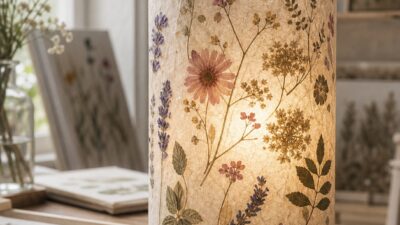
DIY clay projects are a good place to start because the material is forgiving. You can roll it thinner, smooth a rough rim with damp fingers, or press in texture before it dries. With basic tools, you can make small bowls, beads, ornaments, and artistic pieces without needing a kiln.
Handmade trays and small bowls pair nicely with candles, so this DIY candle making for beginners guide is a useful next project.
Air-dry clay is easiest for beginner home decor and gift projects. Polymer clay is better when you want crisp jewelry details or tiny charms that need to hold their shape. Ceramic clay gives you the most durable finish, but it usually needs proper firing, so it is not the first choice for a quick kitchen-table craft session.
- DIY clay projects: the simple beginner plan
- Essential materials and tools for DIY clay projects
- Getting Started: Clay Preparation and Techniques
- Creative DIY Clay Project Ideas
- Advanced Clay Crafting Techniques
- Common beginner mistakes with clay projects
- Tips for Success and Inspiration
- Next clay projects to try
- Sources and safety notes
- DIY clay projects FAQ
- Q: What are the easiest DIY clay projects for beginners?
- Q: What type of clay should I use for DIY clay projects?
- Q: Do DIY clay projects need a kiln?
- Q: How thick should air-dry clay be for bowls and ornaments?
- Q: How do I stop air-dry clay from cracking?
- Q: Are air-dry clay bowls food safe?
- Q: How long do DIY clay projects take to dry?
Start small. A trinket bowl or stamped dish teaches you more about thickness, drying time, and edge control than a large sculpture will. Once your hands understand the material, the bigger ideas feel much less intimidating.
DIY clay projects: the simple beginner plan
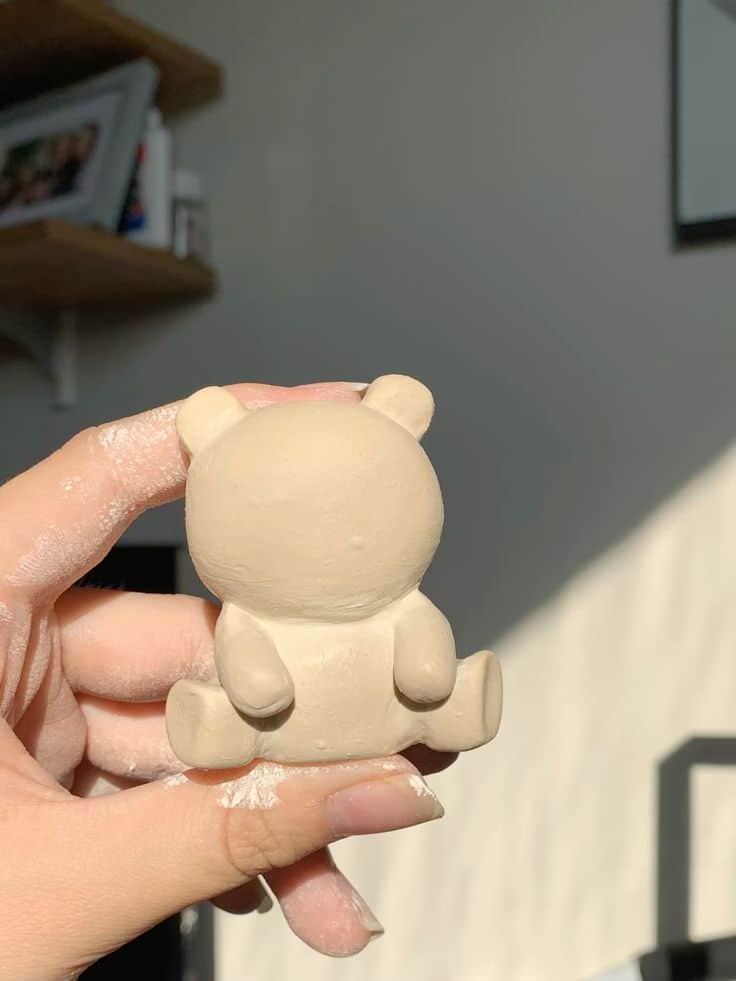
The best way to start DIY clay projects is to choose one small object, match it to the right clay, and keep the thickness even from edge to edge. For a first session, make a trinket bowl, stamped dish, plant marker, bead set, or ornament instead of a tall sculpture. Small projects dry more predictably, show mistakes quickly, and teach the three skills that matter most: rolling an even slab, smoothing edges before they harden, and adding texture without distorting the form.
If I were setting up a beginner clay table, I would keep it simple: air-dry clay, a rolling pin, a craft knife, a sponge, a few texture tools, and a clear sealer. Fancy tools can wait. Clean edges and steady drying will make a beginner piece look better than a crowded surface full of rushed details.
Which clay should you use?
| Clay type | Best beginner projects | What to watch |
|---|---|---|
| Air-dry clay | Bowls, ornaments, plant markers, stamped dishes | Dry slowly and seal for moisture resistance |
| Polymer clay | Beads, charms, earrings, mini figures | Bake by package directions and avoid overheating |
| Ceramic clay | Durable pottery, cups, planters, fired bowls | Needs kiln access and proper glazing for functional ware |
Key takeaways
- You can create unique, functional items with minimal materials and tools.
- Mastering basic handling techniques helps achieve clean, refined results.
- Starting small fosters creativity and leads to more complex projects over time.
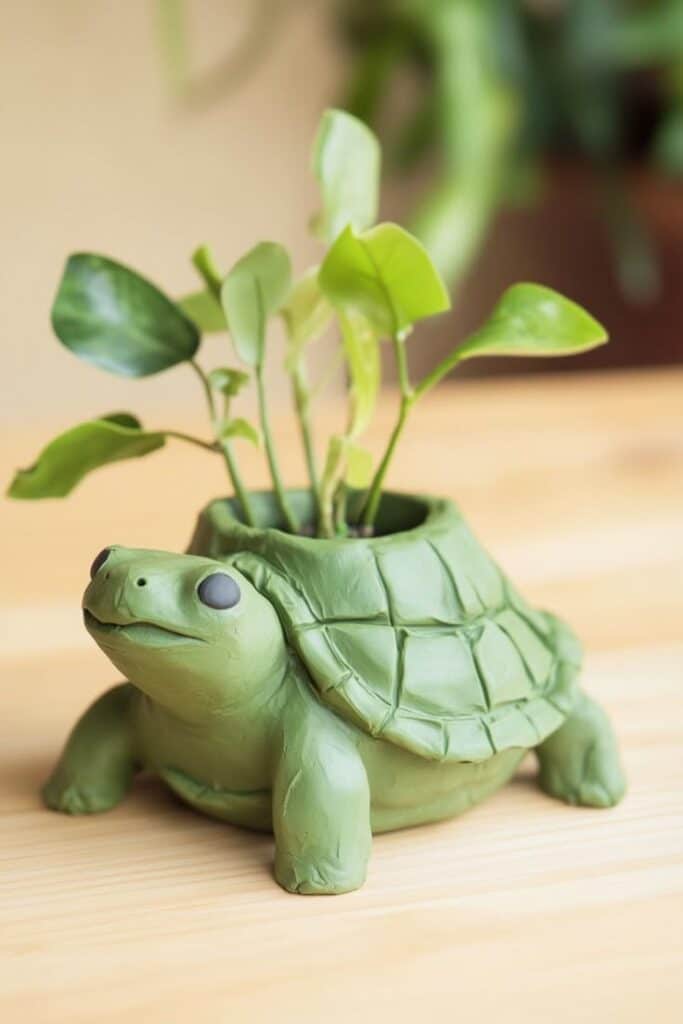
Essential materials and tools for DIY clay projects
Successful clay projects depend on matching the right materials to the object you want to make. A trinket dish needs a smooth slab and patient drying. A charm needs clay that holds tiny edges. A planter or mug needs a much more durable ceramic workflow, not just a pretty sealer.
Types of Clay for Crafting
You will encounter several options when choosing clay for your projects. Air dry clay is water-based, soft, and does not require baking. It’s convenient for beginners and low-commitment crafts but can be less durable once dry.
Polymer clay is a synthetic clay that hardens when baked in a home oven. It offers more flexibility, vibrant colors, and detail control. It’s good for jewelry, miniatures, and detailed sculptures.
Ceramic clay is a traditional clay that requires kiln firing. It is heavier, more durable, and suitable for functional pieces like pottery but demands more advanced tools and steps.
Basic Tools and Supplies
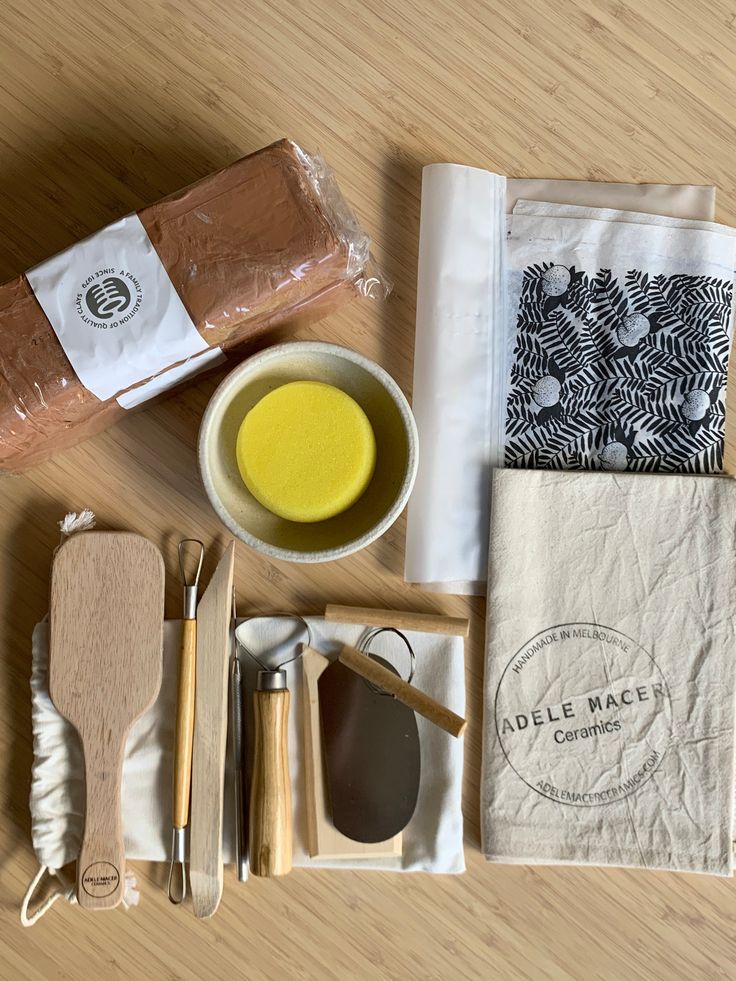
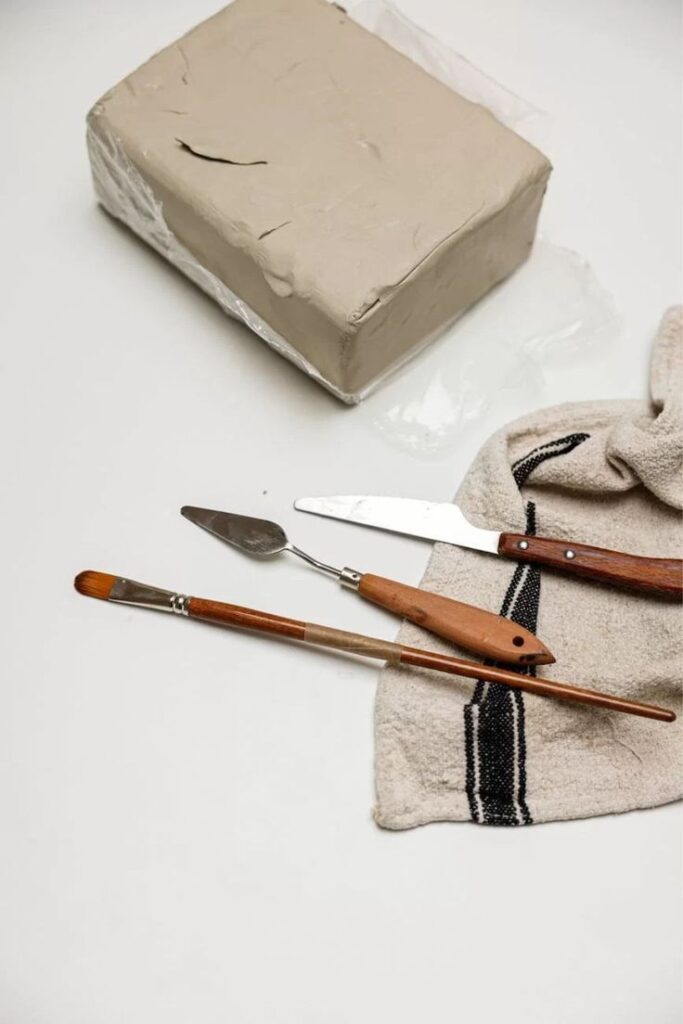
Start with a flat, clean, non-porous surface such as a ceramic tile or a silicone mat for working your clay. Essential tools include:
- Clay sculpting tools: wire cutters, dotting tools, and rib tools help you shape and texture.
- Cutting tools for precise edges.
- Rolling pins or pasta machines to flatten clay uniformly.
- Storage containers to keep unused clay from drying out.
You can find complete kits with stainless steel and plastic tools designed to be durable and comfortable.
Choosing between air-dry clay, polymer clay, and ceramic
Your choice depends on your project’s complexity, durability needs, and available equipment. Use air dry clay for simple, quick crafts with no kiln or oven access.
Choose polymer clay if you want detailed work, bright colors, and bake curing at home. It is ideal for charms, beads, and detailed figures.
Pick ceramic clay for durable, functional items but only if you have kiln access and experience. This clay requires firing, which allows for permanent hardening and glazing options.
Each material fits different project styles and skill levels. Assess your workspace, tools, and desired finished product before deciding.
Getting Started: Clay Preparation and Techniques
To work effectively with clay, you need to prepare your materials carefully and master a few basic techniques. This ensures your projects will hold their shape and be easier to manipulate from start to finish.
Making Your Own Clay Recipe
You can create a simple, effective air-dry clay using common household ingredients. Combine 1 cup of baking soda, 1/2 cup of cornstarch, and 3/4 cup of water in a saucepan. Heat the mixture over medium heat, stirring constantly until it thickens into a dough-like consistency. Remove from heat and let it cool before kneading.
Adding a few drops of baby oil during kneading helps make the clay smoother and less sticky. Store your homemade clay in an airtight container or plastic wrap to keep it moist between uses. This recipe is inexpensive and allows you to customize texture by adjusting the amounts of cornstarch for firmness or softness.
Conditioning and Preparing Clay
Before working with clay—whether homemade or store-bought—you must condition it. Conditioning means kneading the clay thoroughly to make it pliable and avoid cracks in your finished piece.
If your clay is dry or crumbly, add a small amount of water or baby oil to soften it. Work the clay with your hands, folding and pressing evenly. Conditioning improves elasticity and prevents air bubbles. Once conditioned, roll the clay out to your desired thickness using a smooth, flat surface and a rolling pin.
Fundamental Shaping Methods
Start shaping your clay using basic techniques: pinching, coiling, and slab-building. Pinching involves pressing the clay between your fingers to create a small bowl or pot shape. Ceramic Arts Network explains handbuilding through the same core methods, which is why these beginner exercises are worth practicing even if you only plan to make small home decor pieces.
Coiling uses rolled-out “snakes” of clay stacked and smoothed for walls or figures. Slab-building requires rolling flat sheets of clay, which you can cut into shapes and assemble. Use simple tools like toothpicks or knives to add details or smooth edges. Mastering these methods allows you to build varied and complex designs with control and precision.
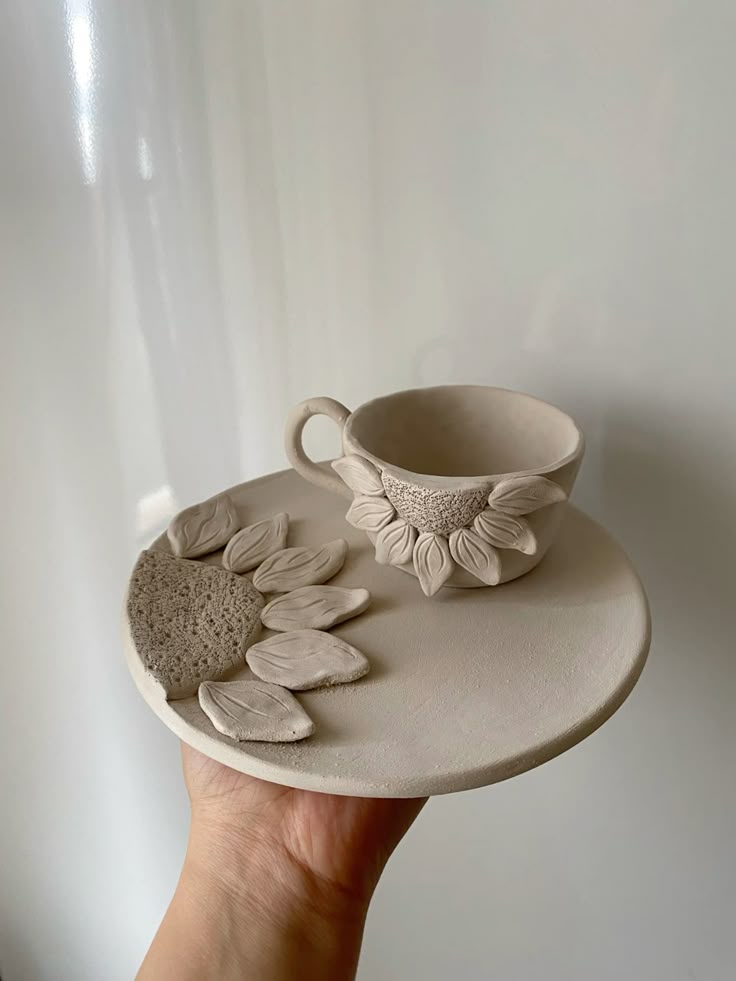
Creative DIY Clay Project Ideas
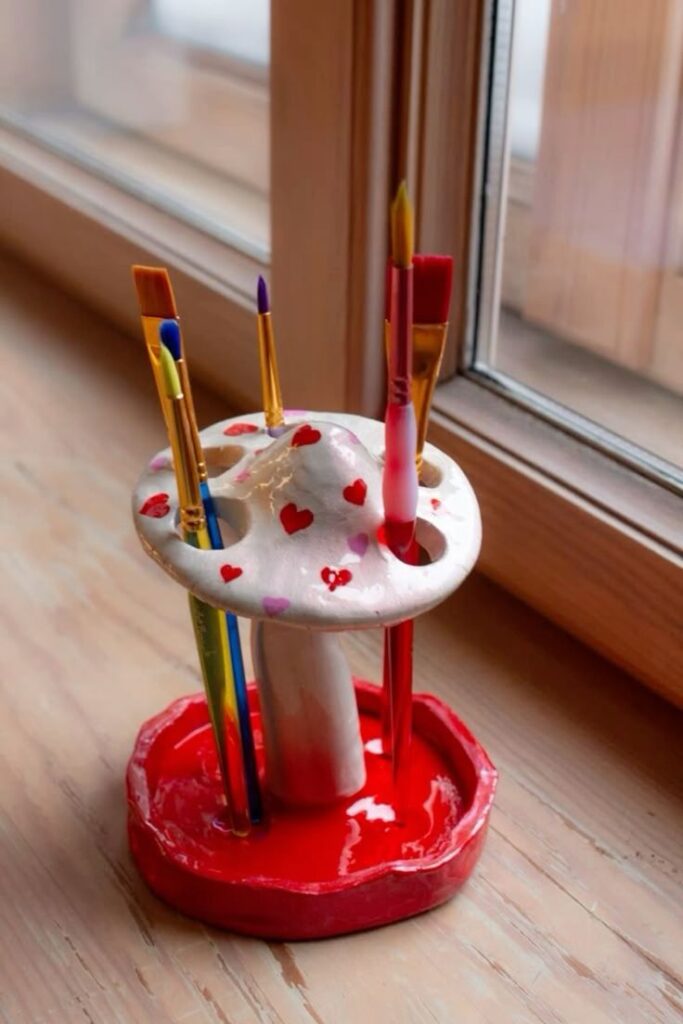
You can make versatile and functional items with air dry clay by focusing on simple shapes and adding texture or detail. Projects like bowls and jewelry combine basic techniques with creative touches, letting you personalize your craft.
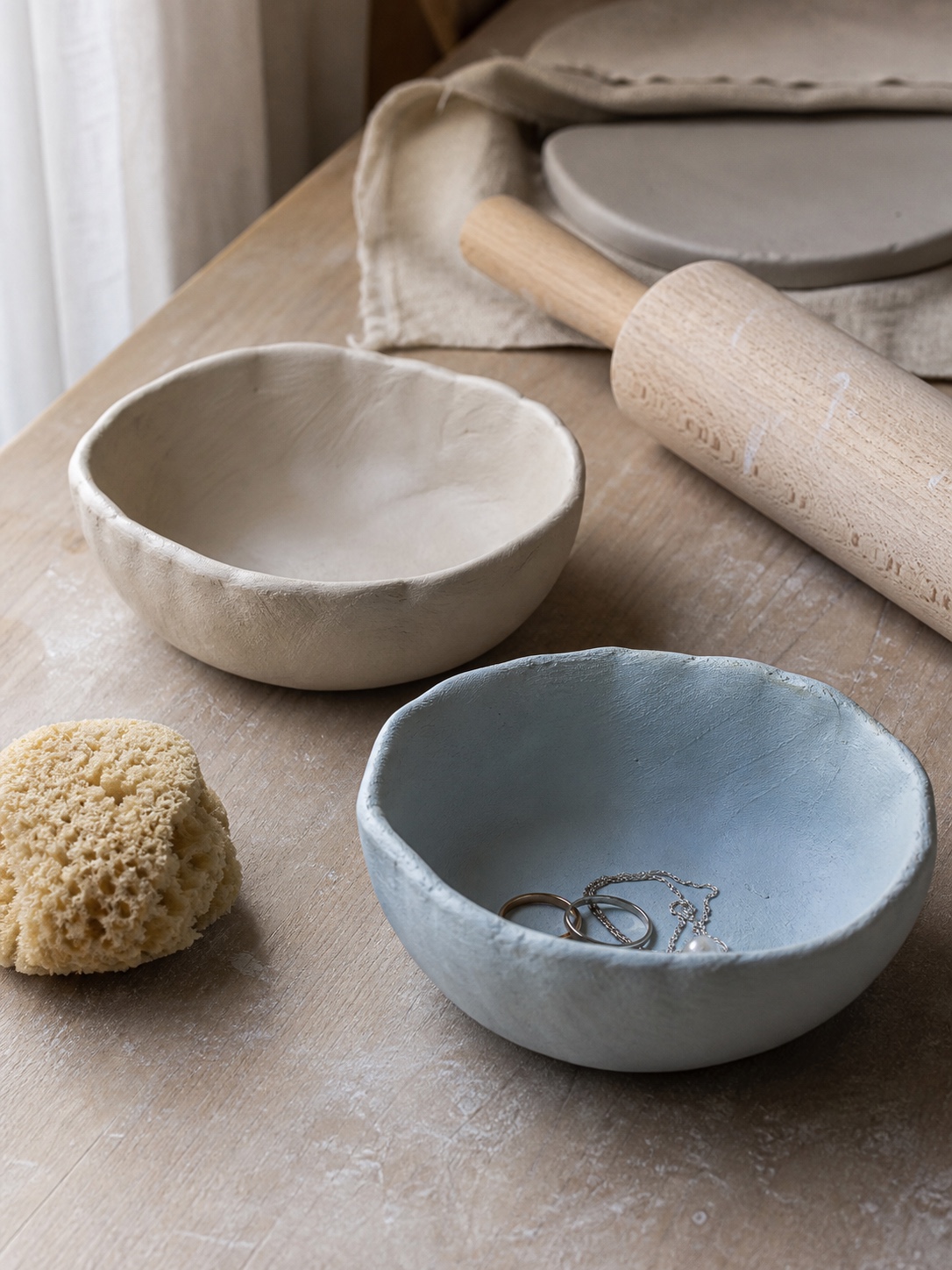
Simple Clay Bowls
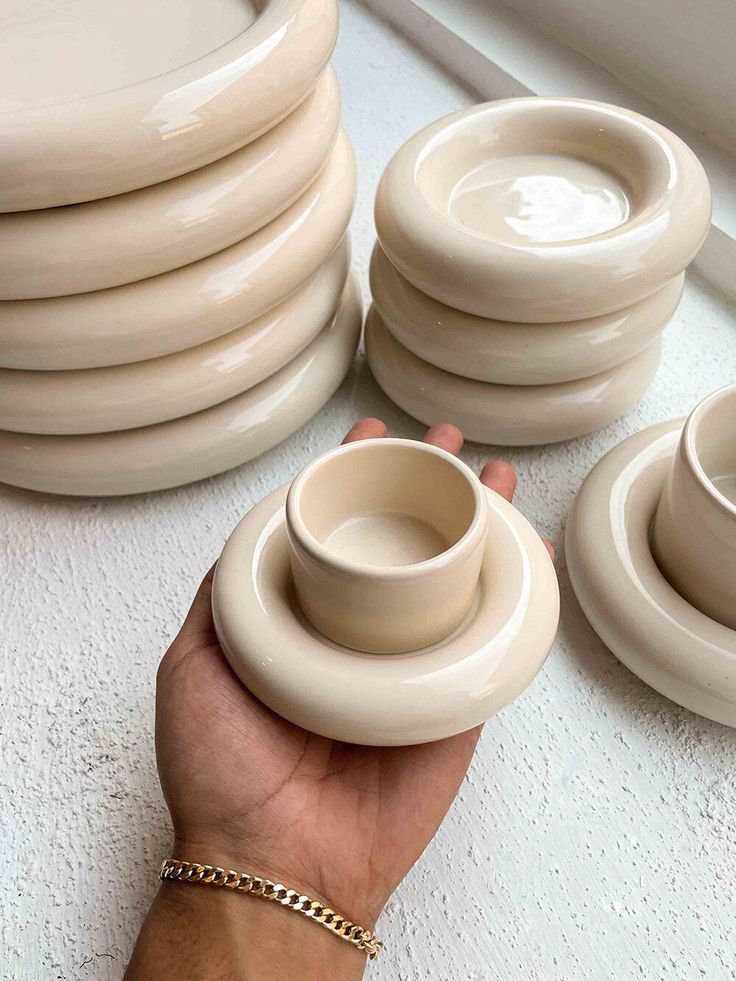
Start with a smooth, even slab of clay rolled to about 1/4 inch thick. Cut out a circle using a cup or lid as a template. Gently lift the edges upward to form the bowl shape.
Let your bowl air dry completely on a smooth surface to avoid warping. Once dry, you can paint or seal it with a clear glaze to increase durability.
These bowls work well as trinket holders or small planters. The simplicity makes them ideal if you are new to working with clay and want quick, satisfying results.
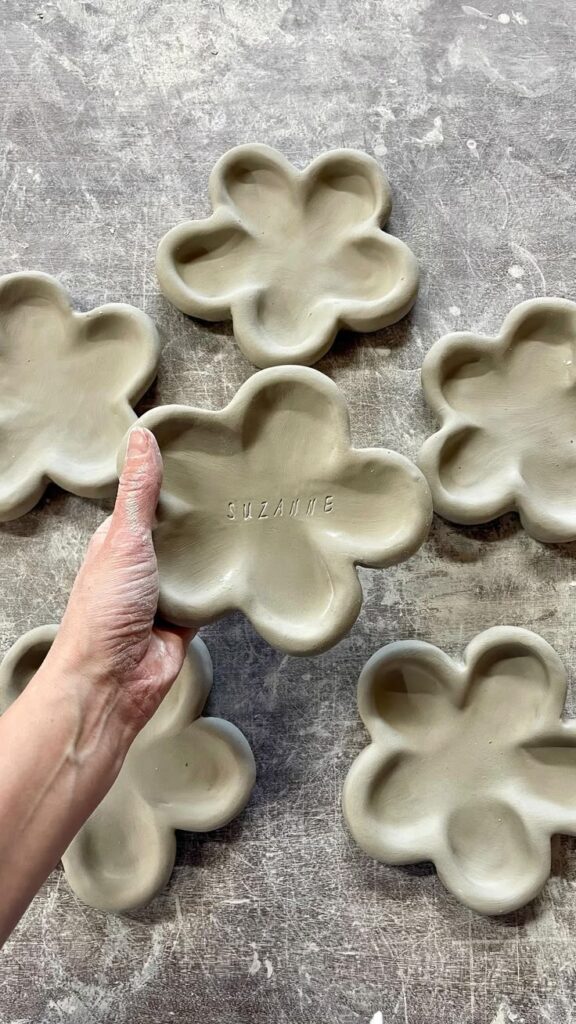
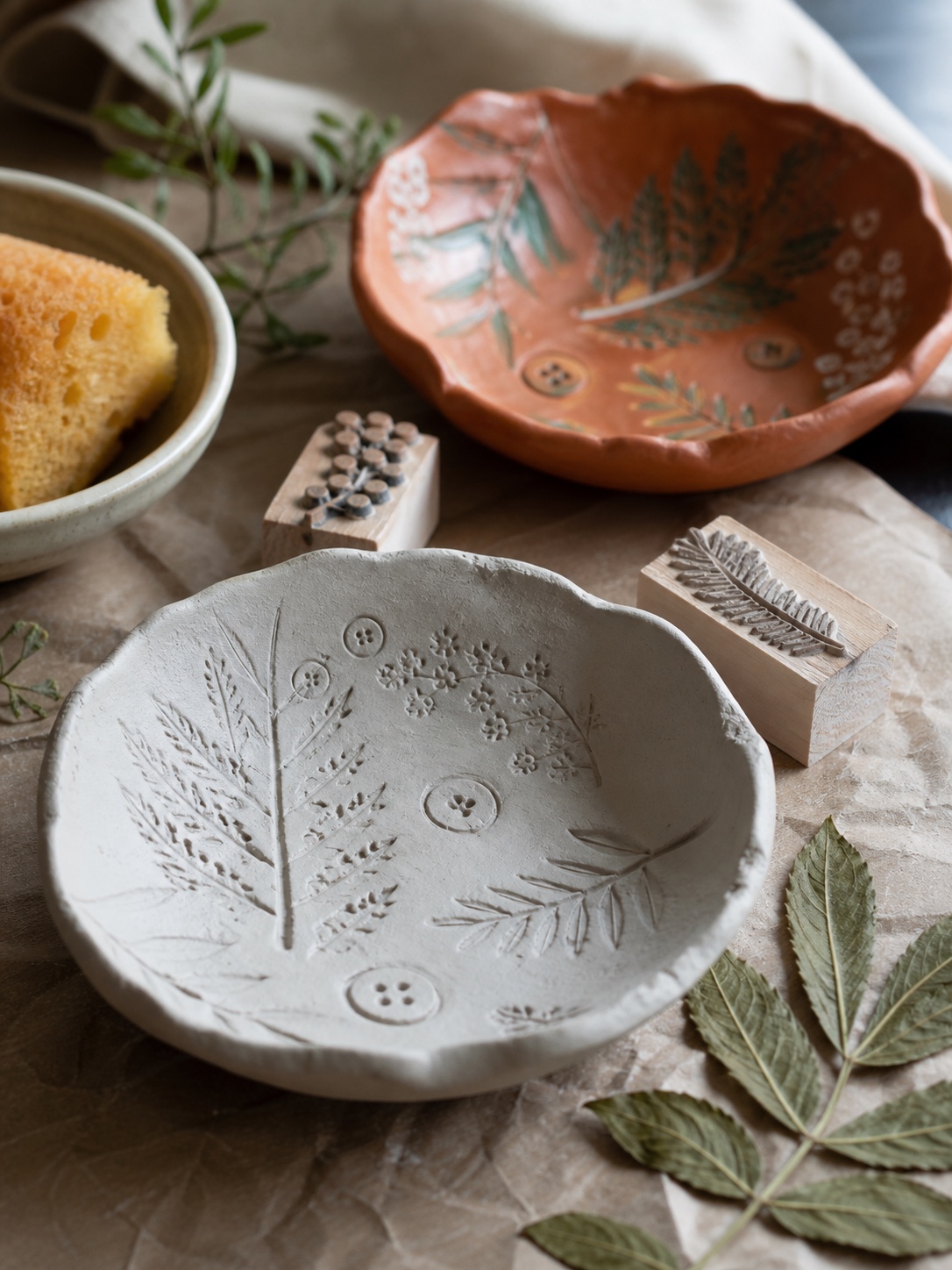
Stamped Clay Bowls
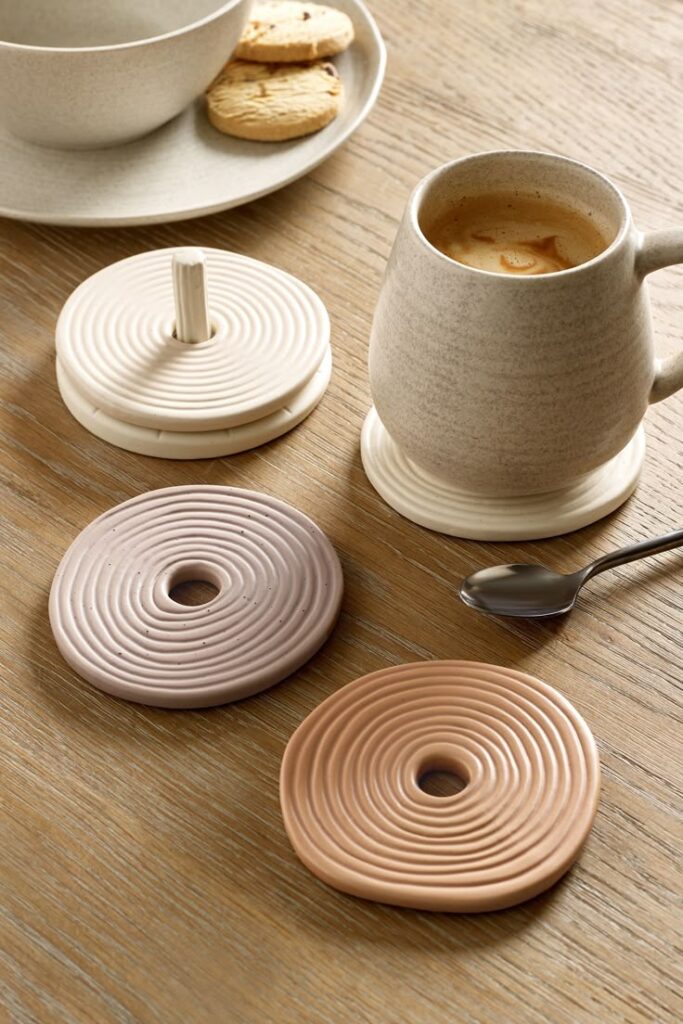
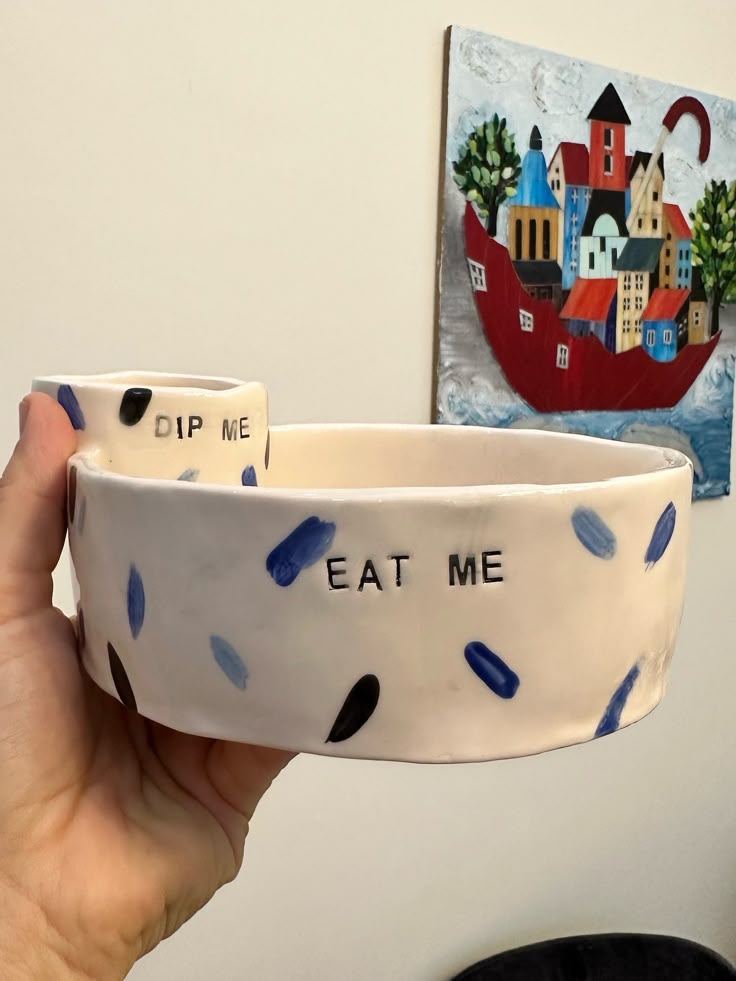
For stamped clay bowls, begin with shaping a basic bowl as you would for a simple clay bowl. Before the clay dries, press stamps or textured objects into the surface to create patterns.
You can use rubber stamps, leaves, or even household items like buttons to add unique textures. The key is to press firmly but not too hard, to avoid deforming the bowl shape.
After stamping, smooth the edges and let the bowl dry fully. Finishing with a glaze can highlight the textures and protect the piece. This method combines functionality with decorative appeal.
Clay Bead Jewelry
Make clay beads by rolling small balls or shaping cylinders from air dry clay. Use a toothpick or skewer to poke holes through the beads for stringing.
You can create uniform beads or experiment with shapes and textures. Allow the beads to dry completely before painting or sealing them.
After finishing, string beads onto elastic, wire, or thread to make bracelets, necklaces, or earrings. This project requires attention to detail but results in custom, wearable accessories that reflect your style.
| Project | Key Materials | Tips |
|---|---|---|
| Simple Clay Bowls | Air dry clay, rolling pin | Roll evenly, dry flat |
| Stamped Bowls | Clay, stamps/textures | Press gently, glaze after |
| Clay Bead Jewelry | Clay, skewer, string | Ensure bead holes align |
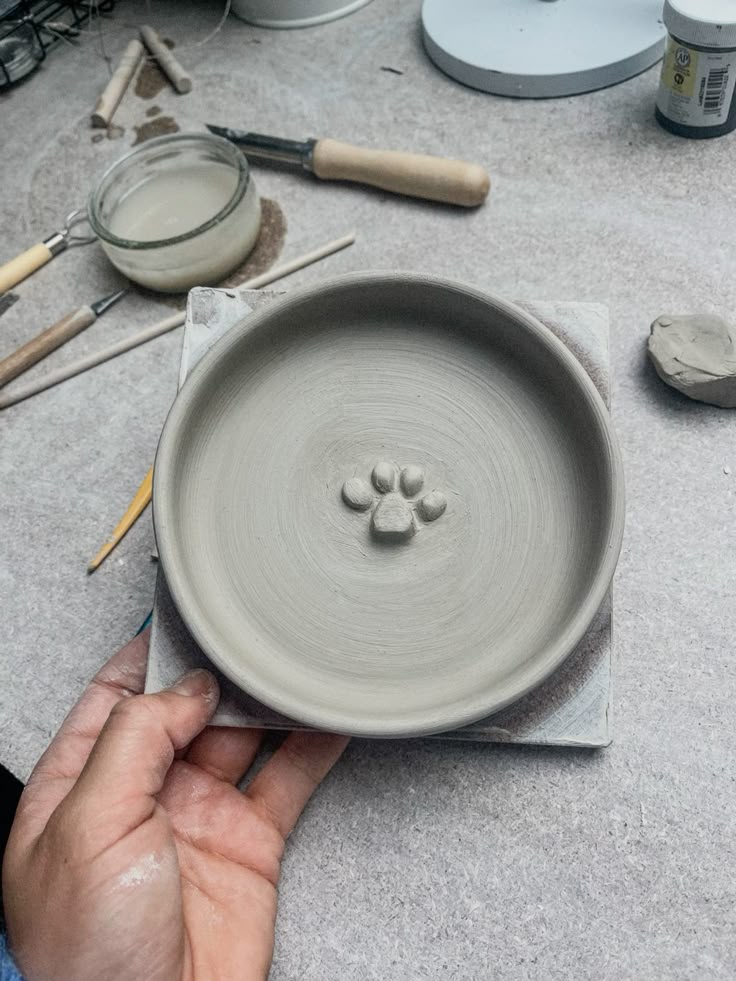
Advanced Clay Crafting Techniques
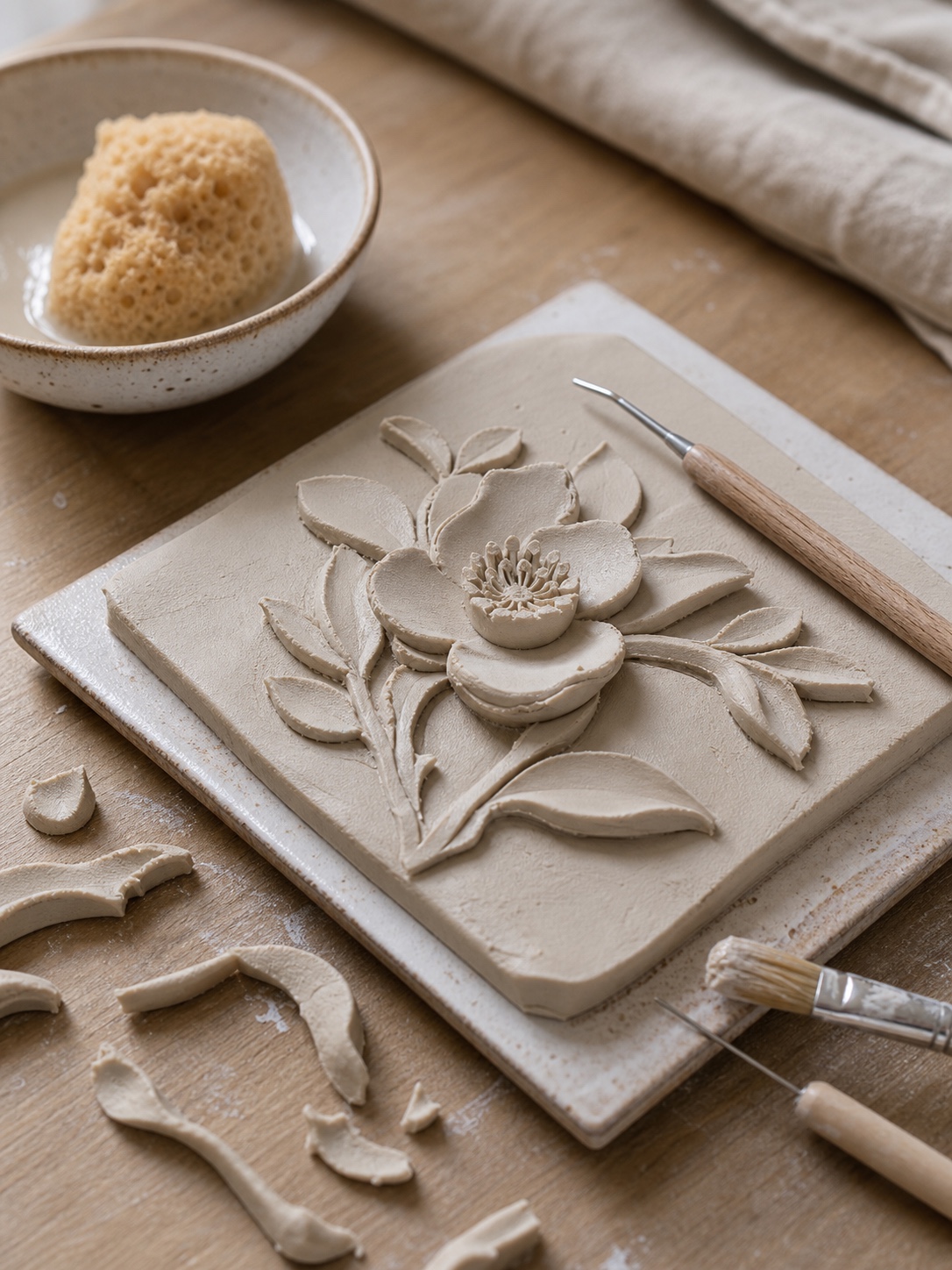
Once your basic DIY clay projects are drying cleanly, try adding depth with raised layers, carved edges, and controlled texture. The goal is not to cover every surface. A single clean leaf impression, ridge, or carved line often looks stronger than a dozen competing patterns.
Layering and Sculpting Designs
Layering involves building up thin sheets or shapes of clay on your base piece. This method adds dimension and complexity to your project, such as raised patterns or 3D elements. You should ensure each layer is securely attached by slightly scoring and moistening surfaces before joining.
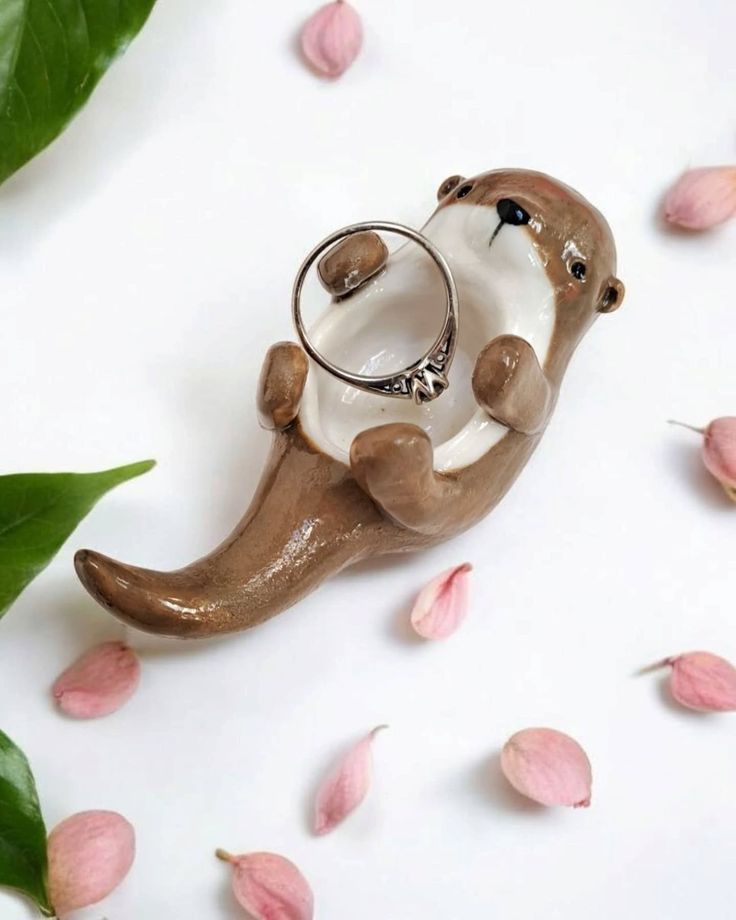
Sculpting requires precision tools to carve or shape the clay into detailed forms. You can create lifelike features or abstract shapes by pushing, pulling, and trimming the clay carefully. Maintaining consistent thickness helps avoid cracking during drying.
For long clay projects, allow time between layers to set partially but not fully harden. This balance helps layers bond without distortion. Clean tools regularly to keep edges sharp and your work neat.
Adding Texture and Patterns
Texture can dramatically change the look and feel of a clay piece. You can use household items like fabric, leaves, or stamps to imprint patterns onto soft clay. Press gently but firmly to capture details without deforming the shape.
Experiment with carving fine lines or dots using needles or sculpting knives to generate intricate surface designs. Combining multiple textures adds richness but keep contrast balanced to avoid a cluttered appearance.
For large projects, apply texture systematically in sections to maintain consistency. Finishing techniques like sanding or light glazing can enhance or soften textures depending on your desired effect.
Common beginner mistakes with clay projects
Most beginner clay problems come from rushing the material. Clay looks solid before it is fully dry, and that is when people sand, paint, or seal too early. Give thicker pieces more time than the package suggests, especially in humid rooms.
- Uneven thickness: thin edges dry fast while thick centers stay damp, which can cause curling or cracks.
- Weak joins: score and dampen joined parts instead of pressing dry clay onto dry clay.
- Too much water: a little moisture smooths the surface; too much turns the edge mushy.
- Painting too soon: trapped moisture can make paint peel or leave the piece fragile inside.
- Wrong use case: sealed air-dry clay is fine for dry decor, but it is not a reliable choice for food, washing, or outdoor rain.
If you want a larger inspiration board before starting a handmade piece, this creative sculpture gallery is useful for studying gesture, balance, and simple visual concepts.
Tips for Success and Inspiration
To get the best results with your clay projects, focus on how you finish and protect your pieces. Planning your workspace and storage also helps keep your projects organized and manageable.
Finishing and Sealing Your Projects
After your air dry clay has fully dried, gently sand rough edges with fine-grit sandpaper for a smooth finish. Use acrylic paint to add color or details once the surface is clean.
To protect your work, apply a clear sealer such as varnish or polyurethane. Choose a matte or glossy finish depending on the look you want. This step prevents moisture damage and increases durability.
Avoid applying too much sealer at once. Instead, apply thin, even coats and let each coat dry completely. This ensures your project remains sturdy without sticky or bubbled surfaces.
Guidance from Art Teachers
Art teachers emphasize the importance of space and patience when working with clay. They recommend having a dedicated area for your projects and drying pieces to avoid damage.
Storage is key: use labeled shelves or containers to keep your clay pieces organized and safe while drying. This minimizes accidental breakage or loss.
Teachers also stress planning your project steps before starting. Sketch your design and gather all tools beforehand. This preparation helps reduce mistakes and improves the quality of your final product.
Next clay projects to try
Once you have a few basic pieces drying, keep the craft cluster moving with summer DIY projects with clay for seasonal ideas, easy craft ideas for weekend practice, and summer crafts when you want something quick enough to finish in one sitting. For room-focused projects, the DIY craft projects for the home guide gives you more display-friendly directions.
Sources and safety notes
For clay technique, the most useful outside reference is the basic handbuilding family: pinch, coil, and slab construction. For oven-bake projects, follow the clay brand’s package temperature and use an oven thermometer; Polymer Clay Web’s safety guide explains why overheating is the main issue to avoid. For air-dry clay, treat sealed pieces as decorative and water-resistant, not as food-safe dinnerware.
DIY clay projects FAQ
Q: What are the easiest DIY clay projects for beginners?
A: The easiest DIY clay projects are small, flat, or shallow pieces: trinket bowls, stamped dishes, beads, ornaments, plant markers, and simple charms. These shapes teach thickness, smoothing, drying, and texture without asking you to build a tall form too early. Start with one palm-sized project before moving into larger planters or sculptural pieces.
Q: What type of clay should I use for DIY clay projects?
A: Use air-dry clay for quick home decor, ornaments, and practice pieces that do not need a kiln. Use polymer clay for small jewelry, charms, and crisp details that need to stay colorful after baking. Use ceramic clay only when you have kiln access and want a stronger, more functional result.
Q: Do DIY clay projects need a kiln?
A: Most beginner DIY clay projects do not need a kiln if you choose air-dry clay or polymer clay. Air-dry clay hardens as moisture evaporates, while polymer clay cures in a home oven according to the package directions. Ceramic clay is different: it needs kiln firing if you want it to become durable pottery.
Q: How thick should air-dry clay be for bowls and ornaments?
A: For small bowls and ornaments, aim for an even thickness of about 1/4 inch. Thinner pieces may curl or snap, while thick areas dry slowly and can crack. The exact number matters less than consistency: roll the slab evenly, smooth both sides, and avoid heavy lumps where handles, rims, or decorations attach.
Q: How do I stop air-dry clay from cracking?
A: Keep the clay evenly conditioned, avoid sudden changes in thickness, and dry the piece slowly away from direct heat. Smooth small surface cracks with damp fingers before the clay fully dries. For joined parts, lightly score both surfaces, add a little slip or water, press firmly, and support the shape while it sets.
Q: Are air-dry clay bowls food safe?
A: Air-dry clay bowls are best for decoration, jewelry, keys, dried flowers, or other dry objects. Even when sealed, most air-dry clay pieces are water-resistant rather than fully waterproof or food safe. If you want a bowl for snacks, drinks, or repeated washing, use properly fired and food-safe glazed ceramic instead.
Q: How long do DIY clay projects take to dry?
A: Small air-dry clay pieces often need 24 to 48 hours, while thicker bowls, planters, and layered pieces can take several days. Humidity, thickness, and airflow all matter. Let the clay dry fully before sanding, painting, or sealing; painting too early can trap moisture and weaken the finish.
Clay practice pairs well with sculptural figure ideas like Paul Kaptein’s warped wooden figures, especially when you want to study silhouette and negative space.
- 13.1Kshares
- Facebook0
- Pinterest13.1K
- Twitter3
- Reddit0