Kitchen remodels have a way of feeling manageable right up until you’re standing in a tile showroom holding three samples that all look the same under fluorescent lighting. Then someone asks which cabinet finish you want and you realize you haven’t thought about that yet.
The materials are where most of the real decisions live. Countertops, cabinets, flooring, backsplash — each one affects how the kitchen looks, obviously, but also how much you’re cleaning, replacing, or quietly regretting in a few years. That calculus is different for everyone. A household with two kids and a dog needs different surfaces than someone who cooks twice a week.
- 1. Understand Your Needs and Budget
- 2. Choosing Countertop Materials
- 3. Picking the Right Cabinets
- 4. Flooring Options for Your Kitchen
- 5. Backsplash Materials
- 6. Sink and Faucet Materials
- Conclusion
- Frequently Asked Questions
- Q: What are the best materials for a kitchen remodel?
- Q: How do I choose the right countertop material for my kitchen?
- Q: What is the most durable kitchen flooring material?
- Q: Why is quartz so popular for kitchen countertops?
- Q: How much should I budget for kitchen remodel materials?
- Q: What is the best cabinet material for a kitchen remodel?
- Q: Do I really need a backsplash in a kitchen remodel?
- Q: What mistakes should I avoid when choosing kitchen materials?
This guide breaks down the main materials worth knowing about before you commit to anything. What holds up, what looks good but scratches easily, and where it’s actually worth spending more. No sample needed before you start — just bring this with you when you go.
1. Understand Your Needs and Budget
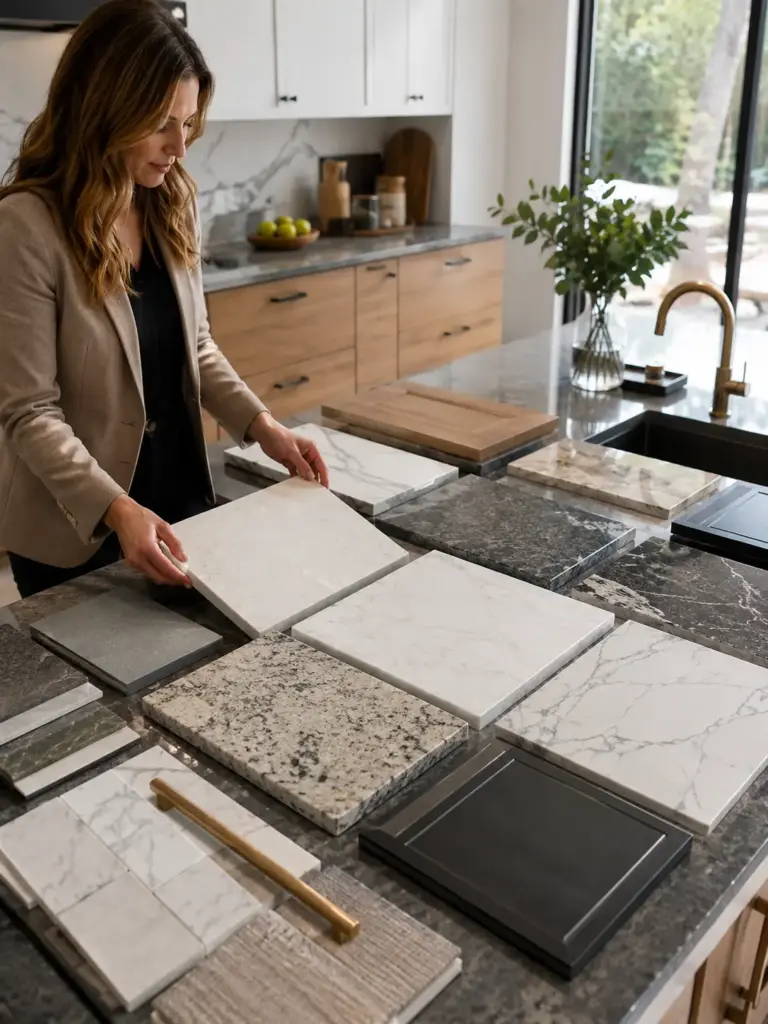
Two things worth sorting out before you look at a single sample: what you want the kitchen to feel like, and what you’re actually willing to spend.
Style sounds obvious but it’s easy to skip past. A flat-front, stone-and-steel kitchen uses completely different materials than something warmer with open shelving and painted wood. If you’re not clear on the direction, you’ll end up with samples from both camps and no way to choose between them. I’ve seen that paralysis drag a remodel out by months.
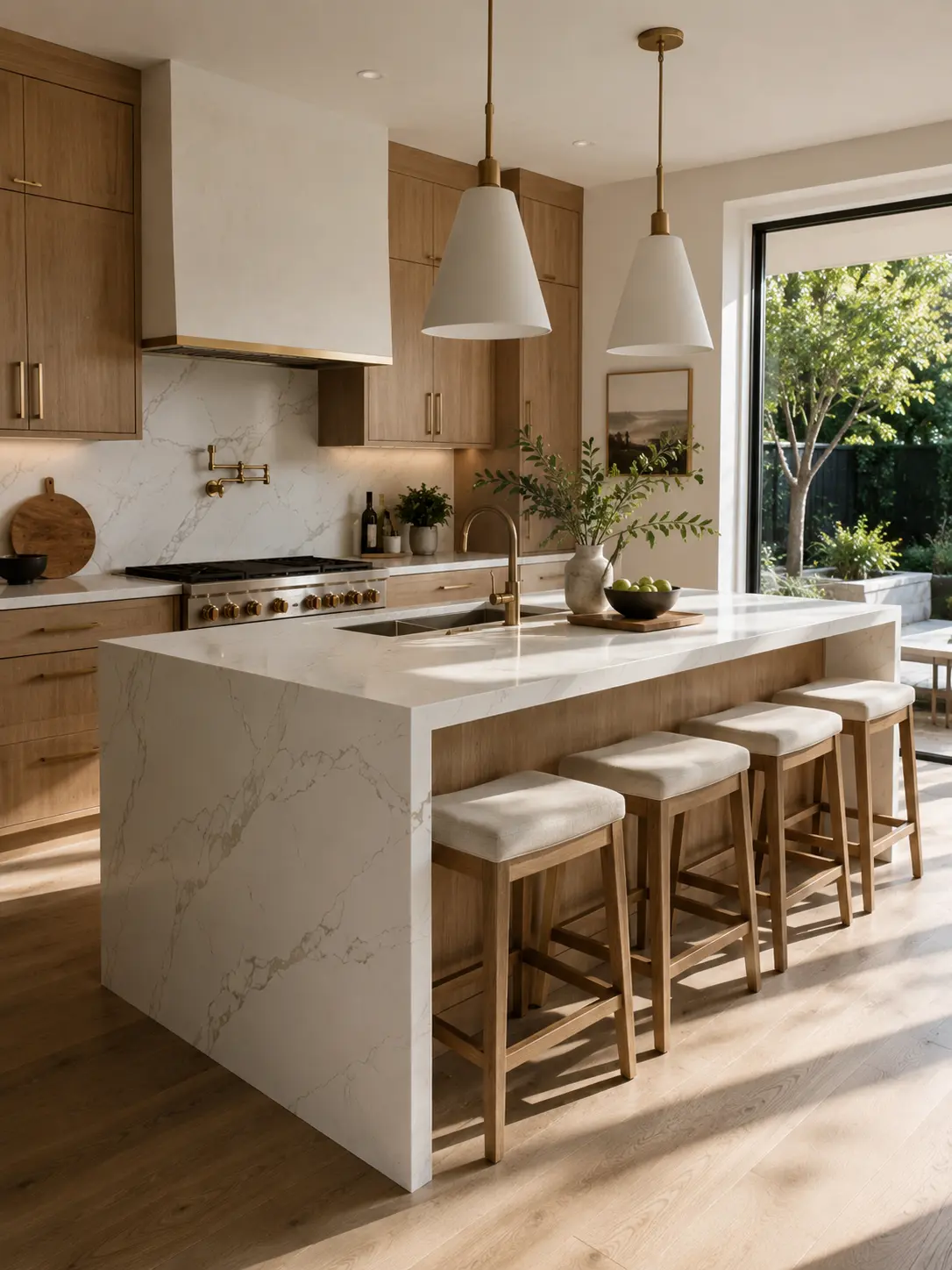
Budget is harder to think about honestly. The expensive materials — solid stone, real wood, large-format porcelain — cost what they cost for real reasons. They last, they hold up, and they look good doing it. But there are alternatives that perform fine in actual daily-use kitchens without the price tag. The issue isn’t finding cheap options; it’s deciding where you care enough to spend more and where you don’t. Countertops and cabinets are usually where it shows. Hardware, usually where it doesn’t.
2. Choosing Countertop Materials
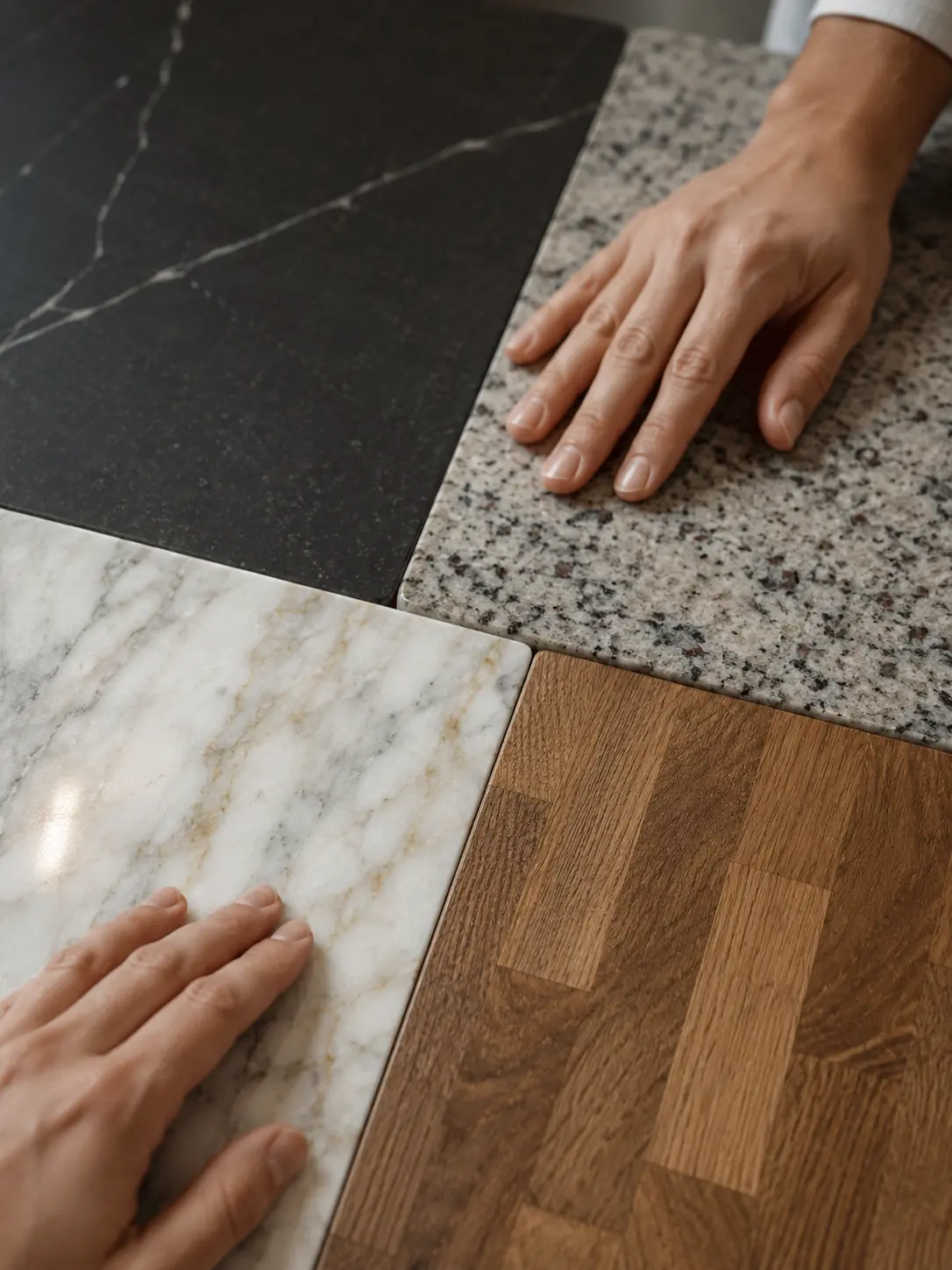
The countertop is one of the most important aspects of any kitchen. It significantly impacts both the functionality and aesthetic appeal of the space. A good countertop needs to be durable enough to handle daily use, easy to clean, and visually pleasing. Fortunately, a variety of materials are available to suit different styles and budgets. Whether you’re planning a simple upgrade or a full kitchen remodel, choosing the right countertop is crucial to achieving the desired look and functionality.
When planning a kitchen remodel, especially a larger one, it’s important to consider getting professional help.
A skilled contractor or designer can guide you in choosing the right materials and making sure the work is done correctly. If you live in Lakewood and you’re looking for assistance in your area, a Lakewood kitchen remodel specialist can help you transform your kitchen with the perfect materials and layout for your space. They’ll provide expert advice, manage the project, and ensure everything is installed properly.
Granite – Granite countertops are a popular choice for kitchen remodels. They’re incredibly durable and can withstand heat, scratches, and stains. Granite offers a natural stone look with unique patterns that make each countertop one of a kind. However, it requires regular sealing to prevent staining. For homeowners seeking a timeless and durable option, granite San Antonio (or elsewhere) can offer a range of unique patterns and colors that combine natural beauty with long-lasting performance, making it ideal for both busy kitchens and elegant designs.
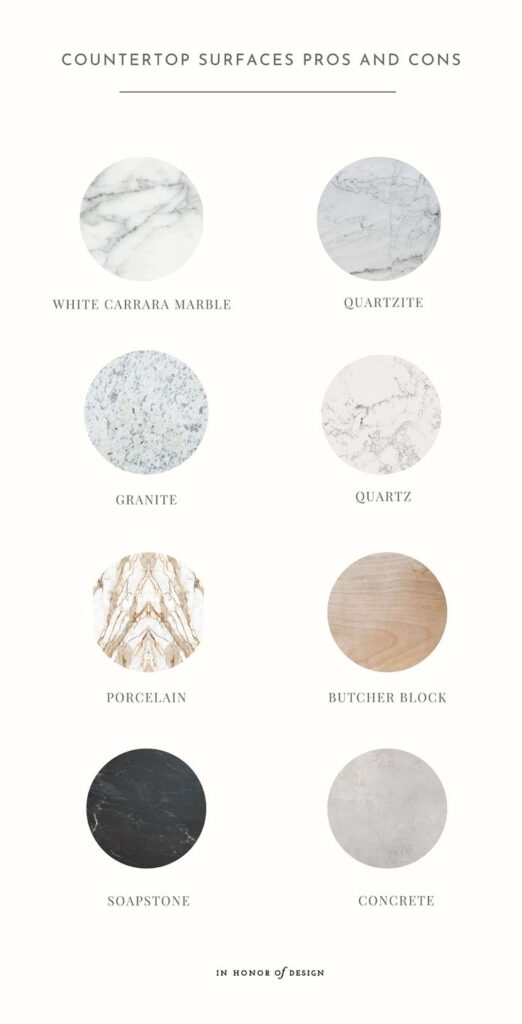
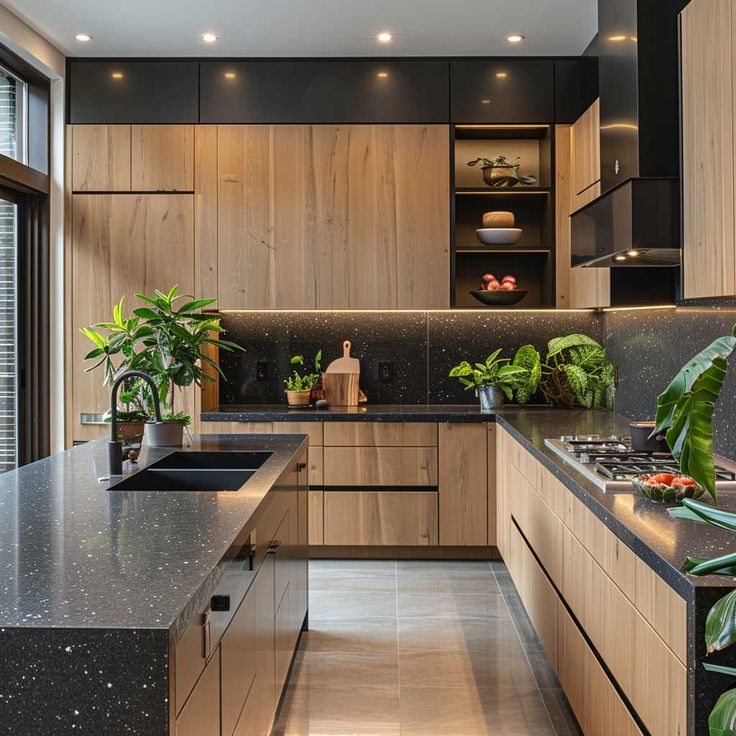
Quartz – Quartz is another excellent option. It’s made from engineered stone, which makes it resistant to stains, scratches, and heat. Unlike granite, it doesn’t require sealing, which makes it a low-maintenance choice. Quartz comes in a variety of colors and patterns, giving you a wide range of options to choose from.
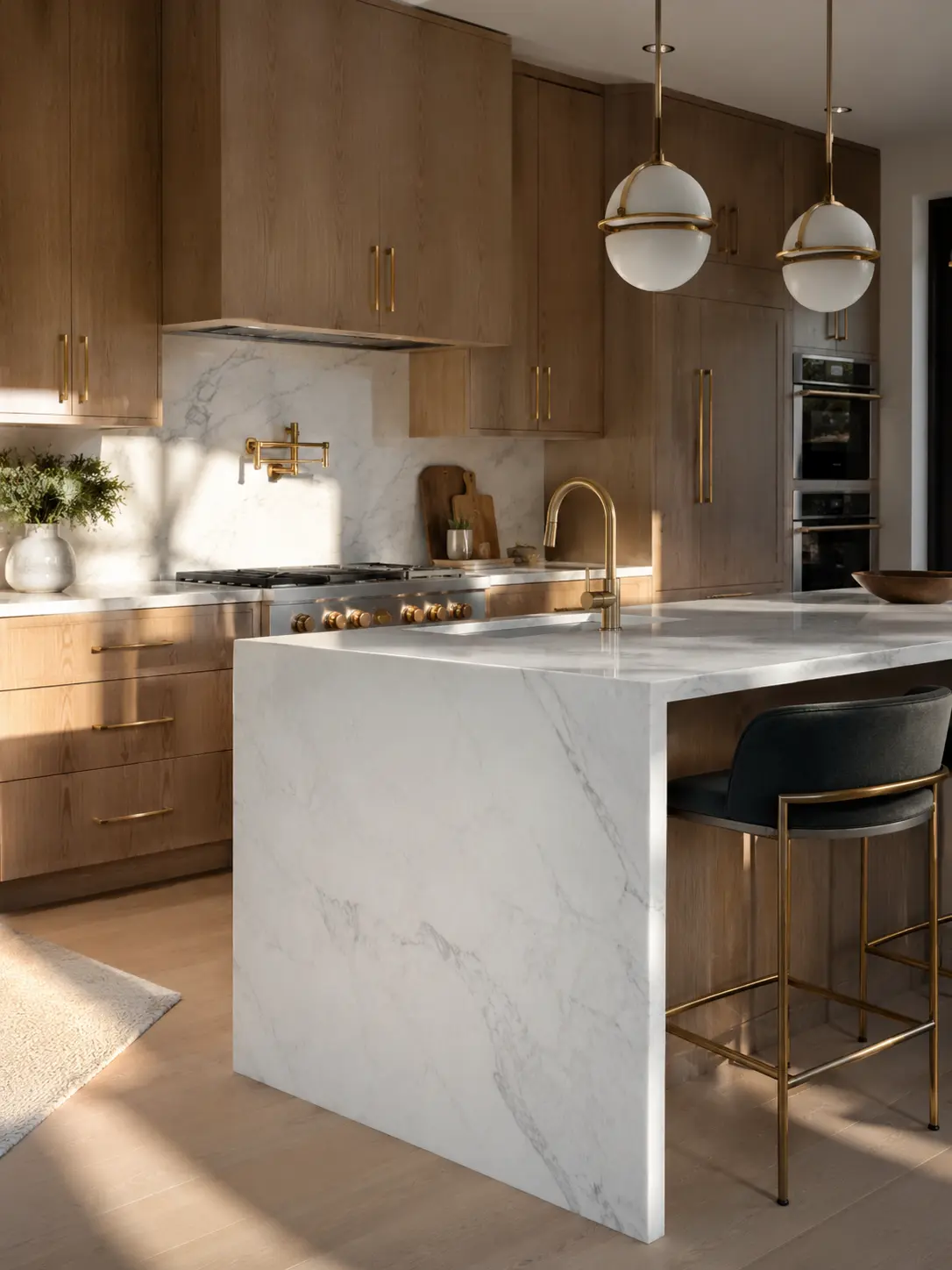
Marble – If you’re aiming for a luxurious and elegant look, marble may be the right material for your kitchen. While it’s beautiful, it’s more prone to scratches and stains than granite or quartz. It requires more maintenance, but if you’re willing to put in the effort, marble countertops can be stunning.
Butcher Block – For a warm and natural look, butcher block countertops are a great option. Made from wood, these countertops can be sanded down and refinished if they get scratched or damaged. They’re perfect for those who enjoy a more rustic or farmhouse style in their kitchen.
Concrete – Concrete countertops are versatile and can be customized with different colors, finishes, and textures. They are heat-resistant and durable, but they do require sealing to prevent stains and damage.
3. Picking the Right Cabinets
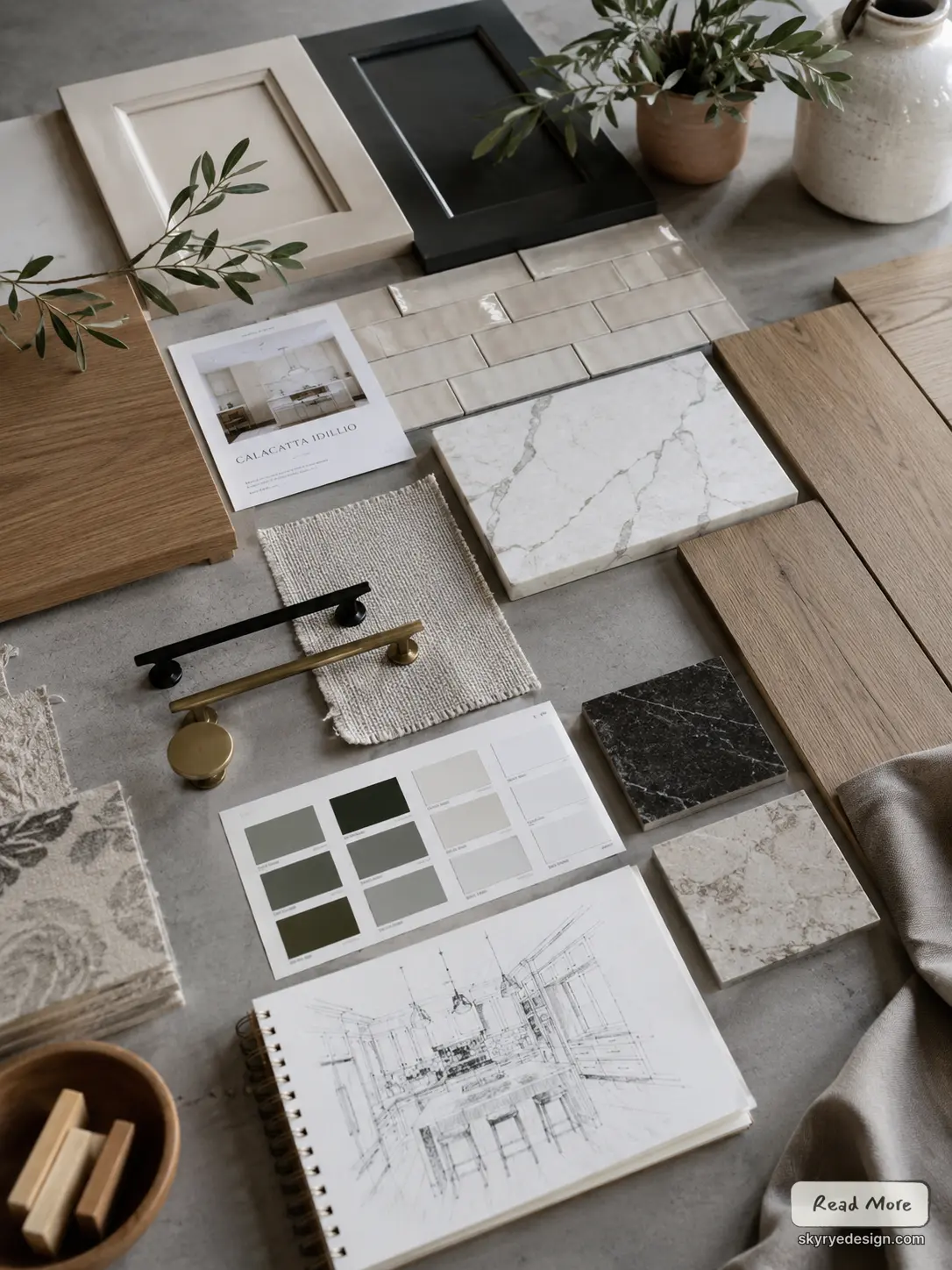
Cabinets are a big part of your kitchen’s design. They not only affect the overall style but also need to be functional and durable. When choosing cabinet materials, think about your style preferences, how much use the cabinets will get, and your budget.
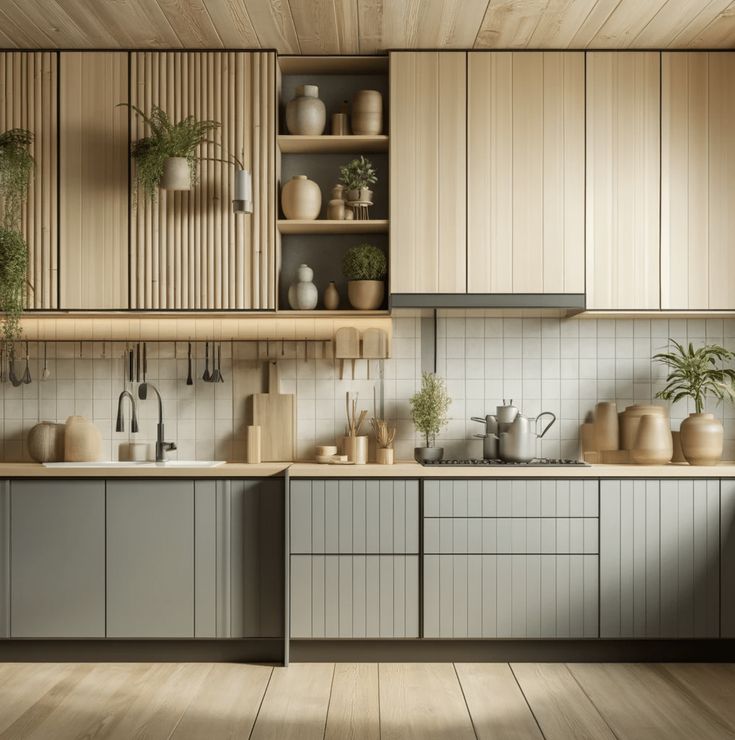
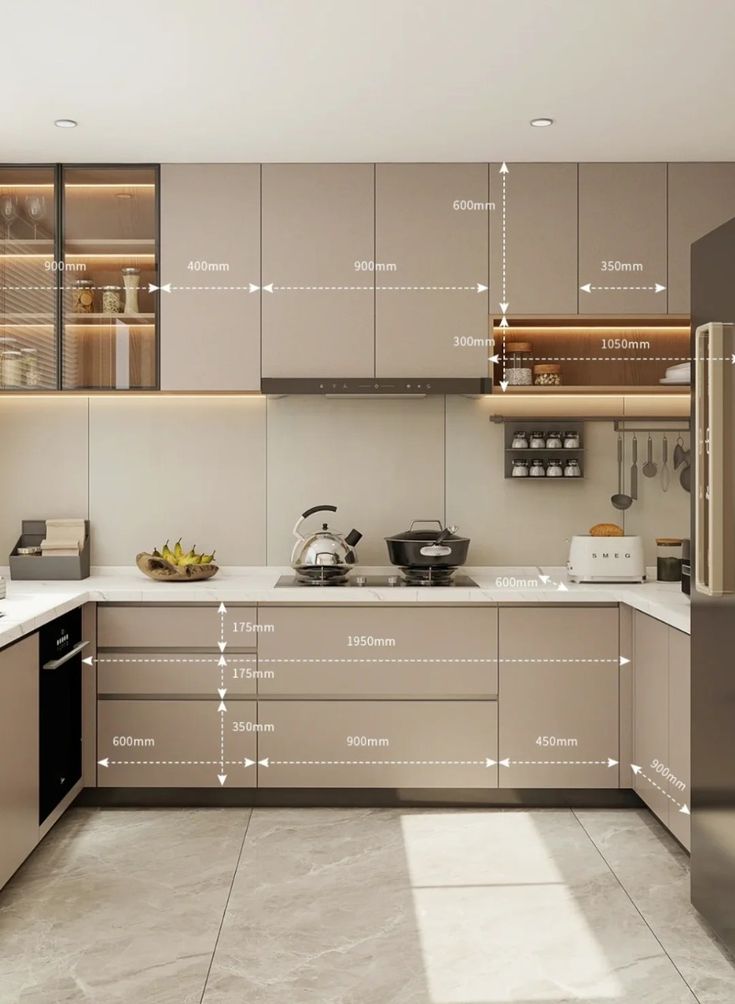
Wood Cabinets – Wood is a timeless choice for kitchen cabinets. There are different types of wood to consider, including oak, maple, cherry, and walnut. Each type of wood has its own unique color, grain pattern, and texture. Wood cabinets can be painted, stained, or left natural, depending on the look you’re going for. They are durable but require occasional maintenance, such as refinishing or resealing.
Laminate Cabinets – If you’re on a budget, laminate cabinets can be a cost-effective option. They’re available in a wide range of colors and styles, and they are easy to clean. Laminate is less durable than wood, but it can still provide a sleek and modern look.
Metal Cabinets – For a contemporary or industrial kitchen remodel, metal cabinets might be a great choice. Stainless steel is the most popular option, and it’s durable, resistant to stains, and easy to clean. However, metal can show fingerprints and smudges, so it may require more maintenance.
MDF Cabinets – Medium-density fiberboard (MDF) is another option for cabinets. It’s made from compressed wood fibers and is an affordable choice. MDF is smooth, making it a great surface for painting. However, it’s not as durable as solid wood, and it may be prone to chipping or cracking over time.
4. Flooring Options for Your Kitchen
The kitchen floor takes a lot of wear and tear, so choosing the right material is important. You want something that’s durable, easy to clean, and matches the rest of your kitchen design.
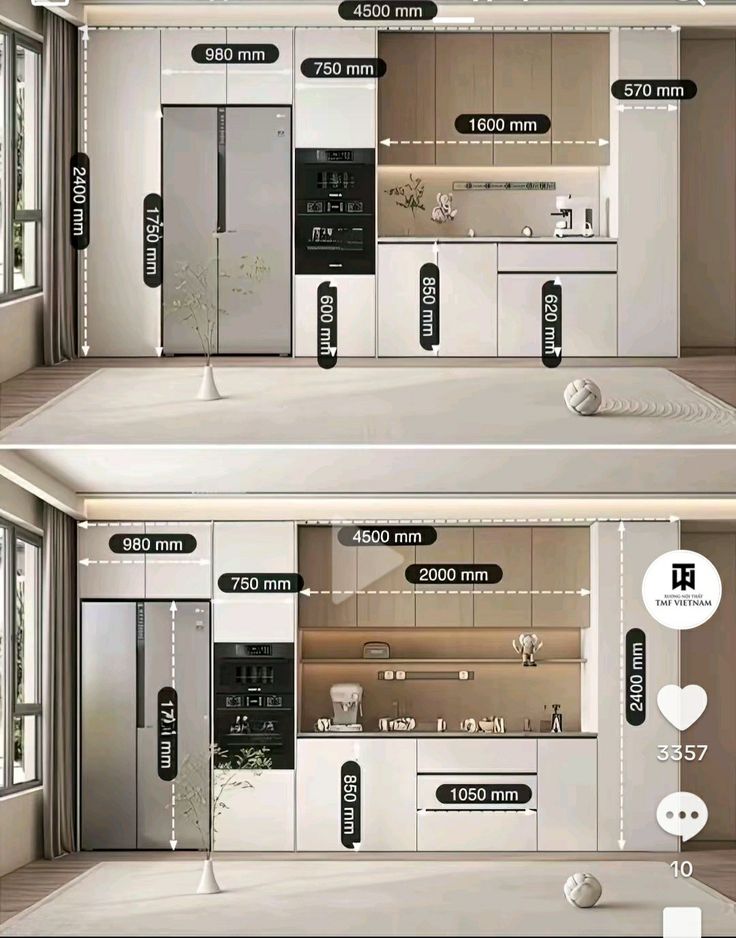
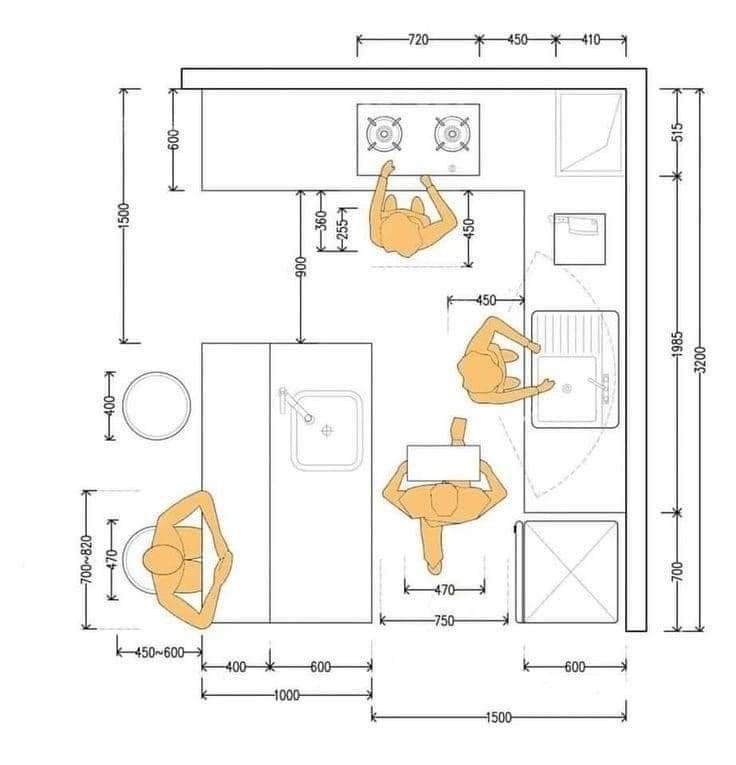
Tile Flooring – Ceramic or porcelain tile is one of the most popular choices for kitchen flooring. It’s durable, easy to clean, and comes in a wide variety of colors, patterns, and sizes. Tiles can also be heated for added comfort in cold weather. The only downside is that tile can be hard and cold underfoot, though this can be solved with area rugs or heated floors.
Hardwood Flooring – Hardwood floors offer a timeless and elegant look. They can be refinished if they get scratched or damaged, which makes them a long-lasting choice. However, hardwood floors can be prone to water damage, so they need to be sealed properly to protect them in the kitchen environment.
Vinyl Flooring – Vinyl is an affordable option that’s available in a variety of styles, including wood, stone, and tile looks. It’s easy to clean, durable, and resistant to water damage. Vinyl is also soft underfoot, making it more comfortable than tile or hardwood.
Bamboo Flooring – Bamboo is an eco-friendly option that’s gaining popularity. It’s durable, water-resistant, and has a unique look that works well in both modern and traditional kitchens. Bamboo is also renewable, making it an environmentally friendly choice.
5. Backsplash Materials
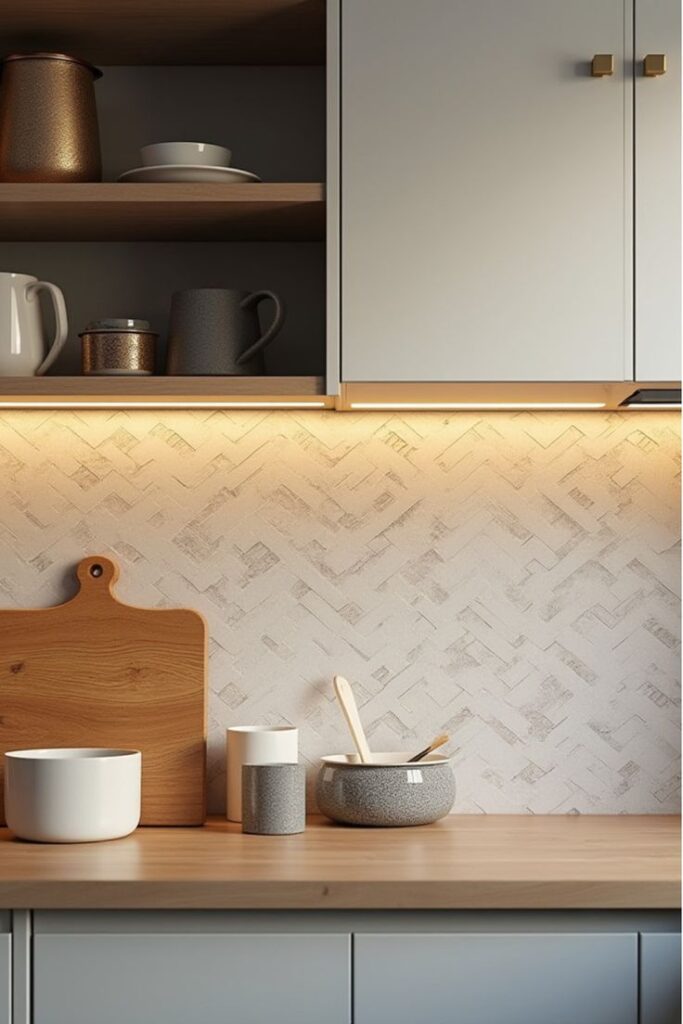
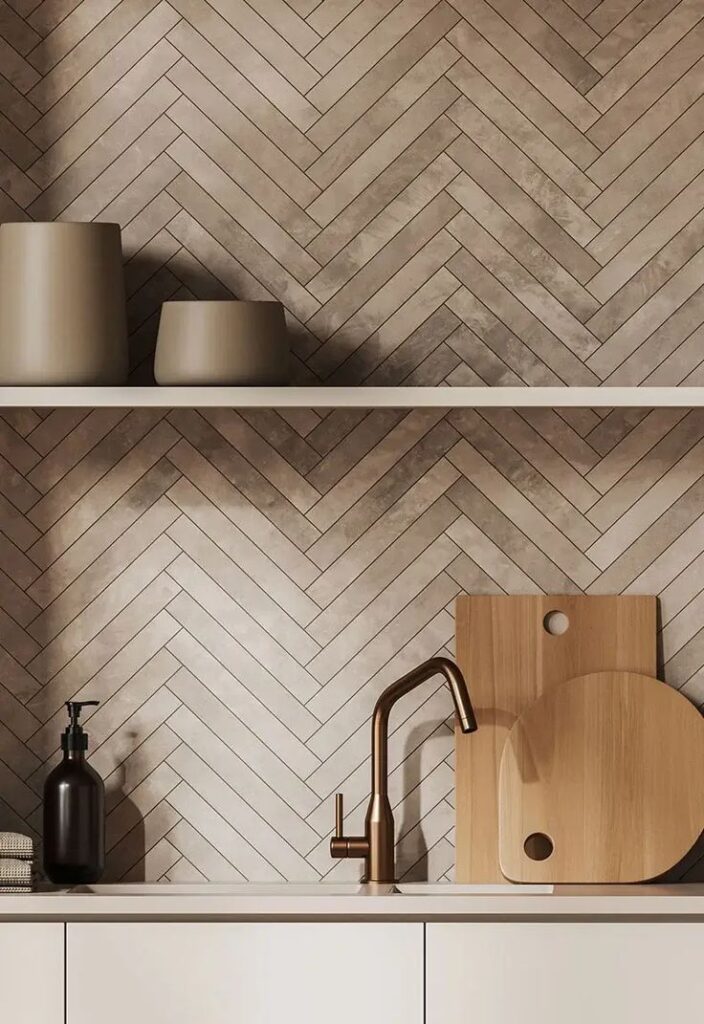
The backsplash is another area where you can get creative with materials. It adds style and function to your kitchen, protecting the walls from splashes and stains while also contributing to the overall design.
Tile Backsplash – Ceramic or porcelain tiles are the most common choices for backsplashes. Tiles are easy to install, easy to clean, and come in an array of colors and patterns. You can choose from classic subway tiles, mosaic designs, or modern geometric shapes.
Glass Backsplash – For a sleek, modern look, glass tiles are a great option. They reflect light and can make a small kitchen feel bigger. Glass backsplashes are also easy to clean and maintain, though they can be more expensive than ceramic tiles.
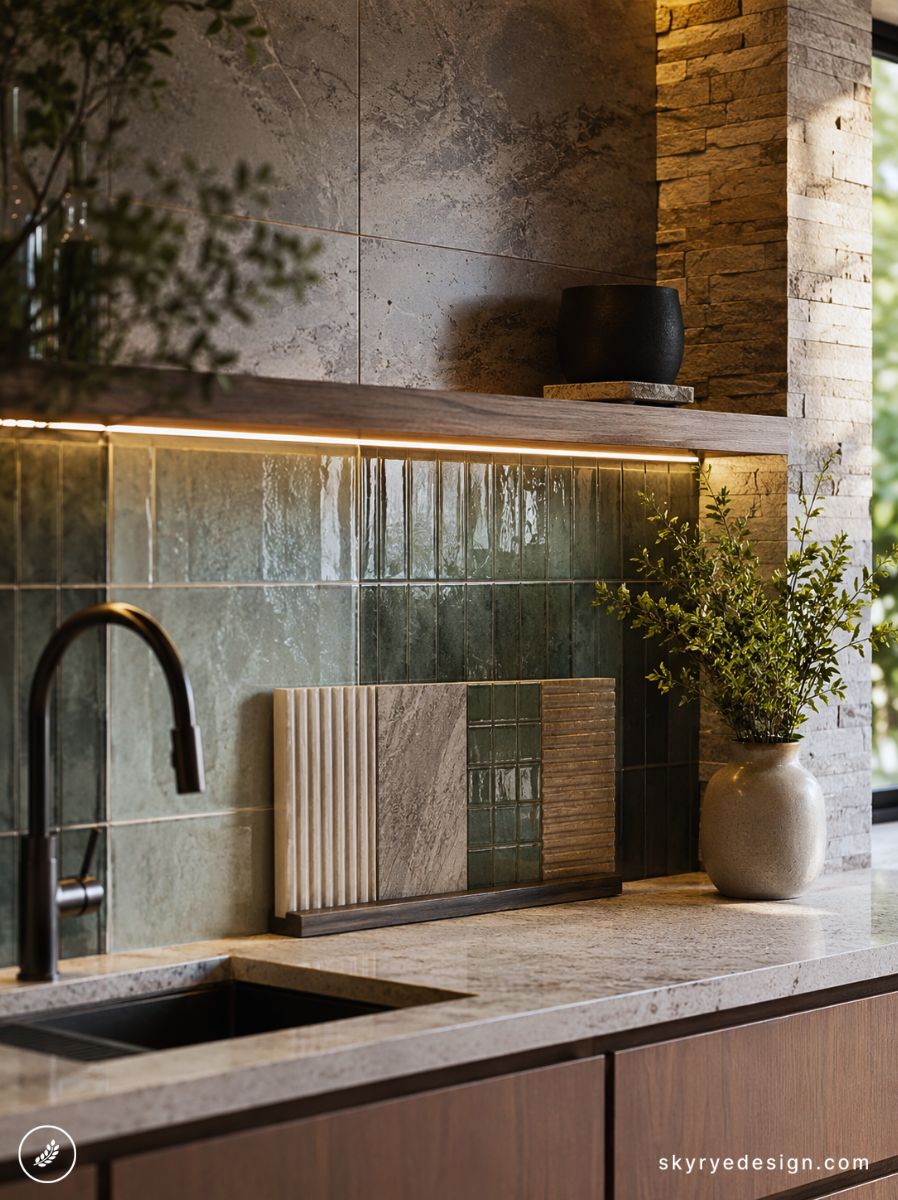
Stone Backsplash – Natural stone backsplashes, such as marble, granite, or travertine, offer a luxurious and sophisticated look. They’re durable and can withstand the heat and humidity of a kitchen, but they do require sealing to prevent staining.
Wood Backsplash – Wood backsplashes are an emerging trend, adding warmth and texture to a kitchen. They can create a rustic or farmhouse vibe but require more maintenance than stone or tile backsplashes, as they can be prone to water damage.
6. Sink and Faucet Materials
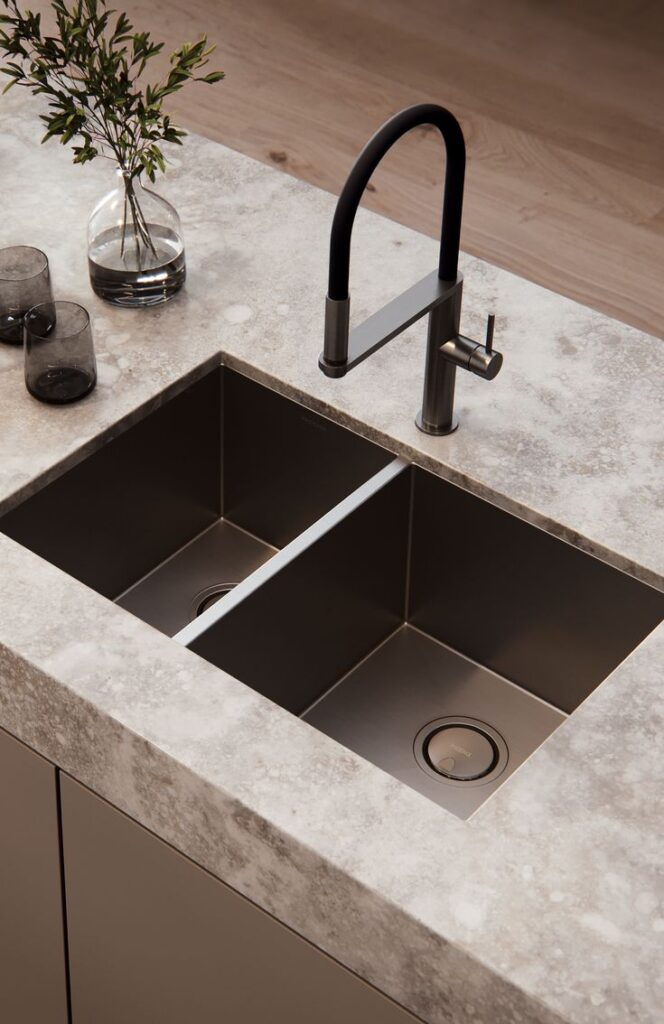
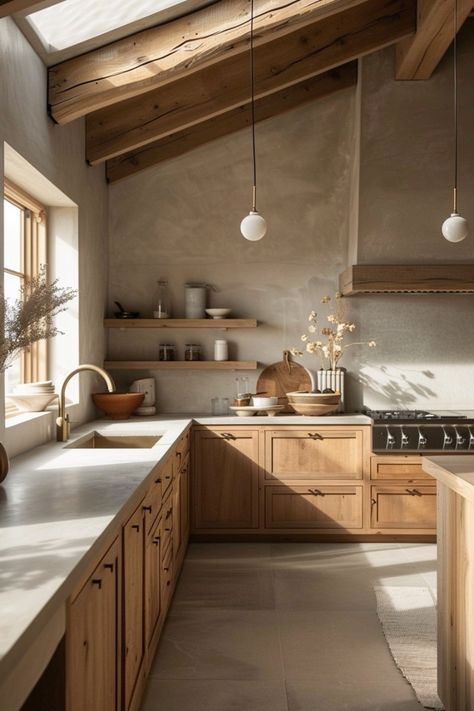
The sink and faucet are essential parts of your kitchen. These should be durable, functional, and easy to clean, as they will see a lot of use.
Stainless Steel Sinks – Stainless steel is the most common material for kitchen sinks because it’s durable, easy to clean, and resistant to stains and corrosion. It’s also available in a variety of sizes and styles, from single-basin to double-basin sinks.
Composite Sinks – Composite sinks are made from a mixture of materials like granite or quartz and are known for their durability. They are resistant to scratches and stains, making them ideal for a busy kitchen. Composite sinks come in many colors and designs, offering plenty of options to suit your style.
Farmhouse Sinks – Farmhouse sinks, also known as apron-front sinks, offer a unique look. These sinks are deep and spacious, making them great for large families or people who love to cook. They can be made from various materials, including fireclay, stainless steel, and composite.
Faucets – When selecting a faucet, look for one that suits your kitchen’s style while also being functional. Stainless steel faucets are a popular choice due to their durability and sleek look. Pull-down or pull-out faucets are great for added convenience, while touchless faucets provide an extra level of hygiene and ease of use.
Conclusion
Every material in a kitchen remodel involves a trade-off, and nobody tells you that clearly enough before you’ve already committed to something. The quartz countertop that wipes clean costs more upfront. The hardwood floor that photographs beautifully is a slow-motion problem if anyone in the house forgets to mop up standing water. Butcher block feels great to work on and looks the part, but it needs regular oiling and it will stain — permanently, eventually.
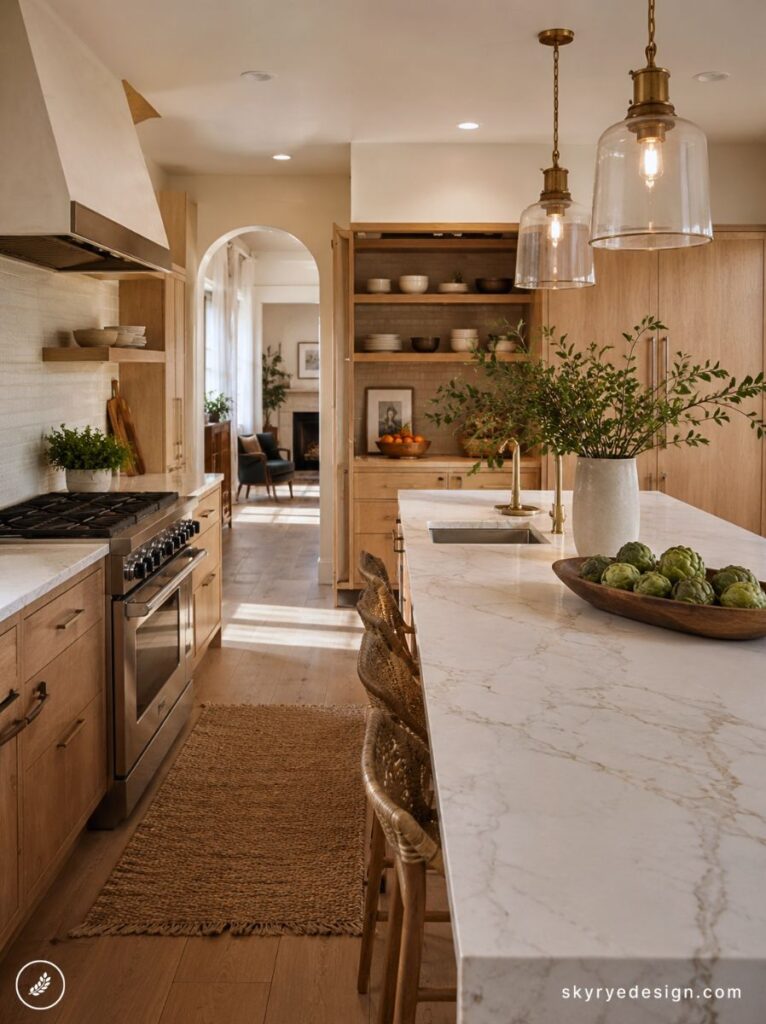
That’s not an argument against any of them. It’s just the part that gets glossed over when you’re looking at samples under good lighting in a showroom.
Countertops and cabinets are where most of the budget goes, so that’s where I’d focus first. Get those right and the rest of the room tends to fall into place. Flooring next, then backsplash. Hardware last — it’s the easiest place to save money without the result looking cheap, and you can always swap it out later if you change your mind..
Frequently Asked Questions
Q: What are the best materials for a kitchen remodel?
A: The best kitchen remodel materials are usually durable, easy to clean, and suited to your budget. Quartz is a strong choice for countertops because it is low-maintenance and stain-resistant. Granite offers a natural stone look but needs sealing. For cabinets, plywood boxes with solid wood or MDF doors are practical. For flooring, porcelain tile, luxury vinyl plank, and engineered wood are popular because they handle daily wear better than softer materials.
Q: How do I choose the right countertop material for my kitchen?
A: Start with how you actually use your kitchen. If you cook daily and want low maintenance, quartz is often the safest choice. If you love natural stone, granite is durable but needs sealing. Marble looks elegant but stains and scratches more easily. Butcher block adds warmth but needs oiling and care around water. Concrete can look modern and custom, but it also needs sealing to prevent stains.
Q: What is the most durable kitchen flooring material?
A: Porcelain tile is one of the most durable kitchen flooring options because it resists water, stains, and heavy foot traffic. Luxury vinyl plank is another practical choice because it is softer underfoot and often more budget-friendly. Engineered wood works well if you want a warmer look, but it should be protected from standing water. For busy family kitchens, avoid very soft woods or materials that scratch easily.
Q: Why is quartz so popular for kitchen countertops?
A: Quartz is popular because it gives you the look of stone without as much maintenance. Unlike marble or granite, most quartz countertops do not need regular sealing. They resist stains, scratches, and moisture, which makes them useful in high-traffic kitchens. Quartz also comes in many colors and patterns, from clean white designs to marble-look surfaces, so it fits modern, farmhouse, and transitional kitchen styles.
Q: How much should I budget for kitchen remodel materials?
A: Material costs vary widely, but cabinets, countertops, and flooring usually take the biggest share of the budget. Stock cabinets are cheaper than custom cabinets, laminate countertops cost much less than quartz or marble, and luxury vinyl is usually more affordable than stone tile. A small kitchen refresh may cost a few thousand dollars in materials, while a full remodel with premium finishes can easily reach tens of thousands.
Q: What is the best cabinet material for a kitchen remodel?
A: Plywood is one of the best cabinet box materials because it is stronger and more moisture-resistant than particleboard. For doors, solid wood works well for classic styles, while MDF is a good option for painted cabinets because it gives a smooth finish and resists warping. If you want a balanced choice, use plywood cabinet boxes with painted MDF or wood veneer doors.
Q: Do I really need a backsplash in a kitchen remodel?
A: A backsplash is not required like a sink or stove, but it is highly recommended. It protects the wall behind your sink, stove, and prep areas from grease, water, and food splashes. Ceramic tile, porcelain tile, quartz slabs, and stone are common choices. If you want low maintenance, a slab backsplash has fewer grout lines than small tile, making it easier to clean.
Q: What mistakes should I avoid when choosing kitchen materials?
A: The biggest mistake is choosing materials only because they look good in photos. A marble countertop may look beautiful but can stain if you cook often. Cheap flooring may save money upfront but wear out faster in a busy kitchen. Also avoid mixing too many finishes. Pick one main visual feature, such as the countertop or cabinets, then keep the other materials simpler so the kitchen feels balanced.
- 1.4Kshares
- Facebook0
- Pinterest1.4K
- Twitter3
- Reddit0