

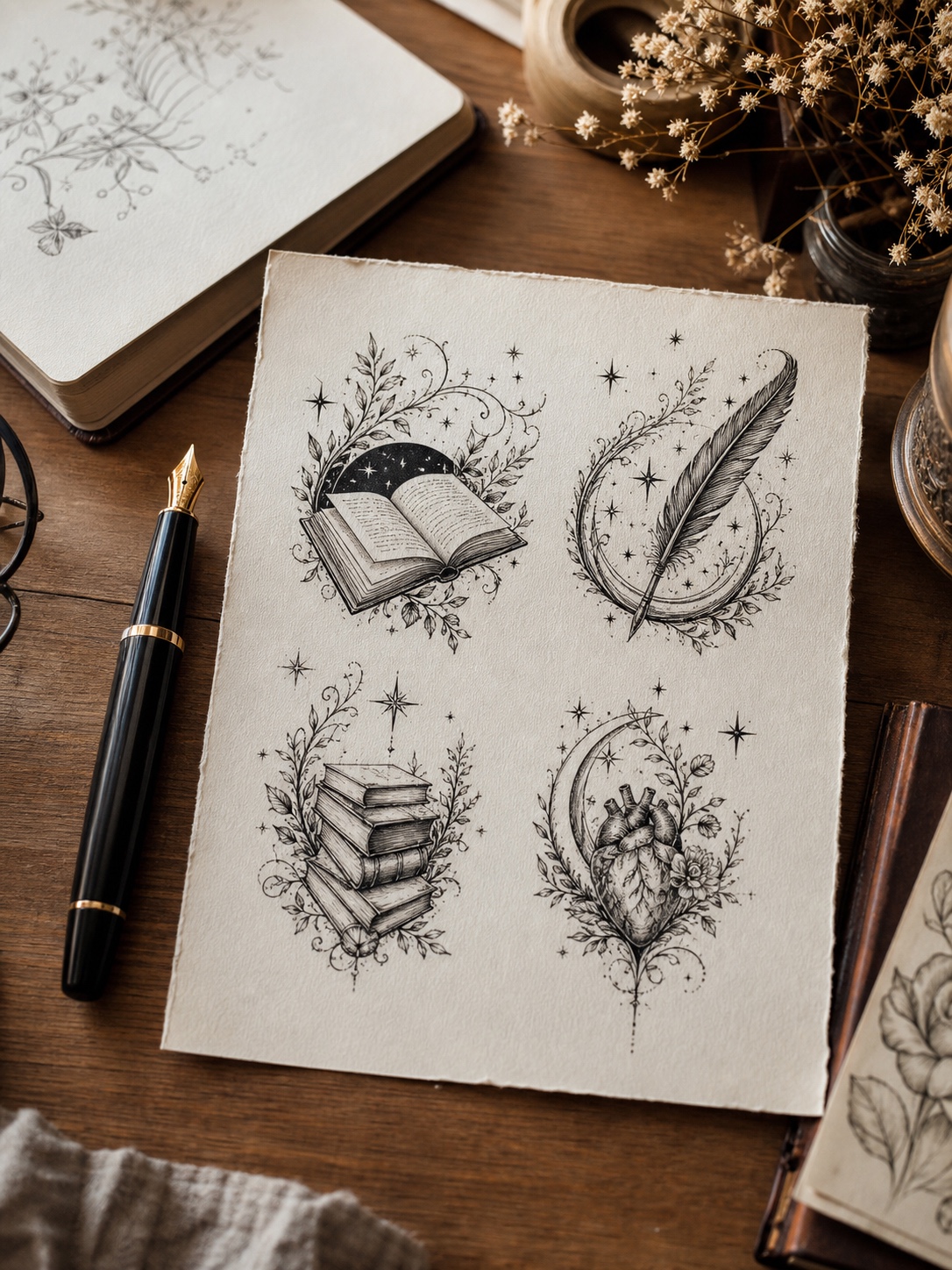
Book tattoo ideas work best when the design is readable before it is clever. An open book, a stack of worn spines, a quill, a key, a moth, a flower, or a single line from a favorite passage can all work, but the tattoo still needs a strong silhouette and enough breathing room to age well.
Literary tattoos become more personal when the design uses a specific symbol, place or line rather than a generic book icon. These Harry Potter tattoo ideas organise options around houses, objects and recognisable motifs.
When I sketch literary tattoo concepts, I check the outline first. If the shape reads from across the room, the small details can support it. If the design depends on tiny paragraphs of text or cramped book titles, it will usually blur faster than the idea deserves.
- What makes a good book tattoo idea?
- The Enduring Allure of Literary Tattoos
- Professional Literary Tattoo Concepts
- Creative Literary Tattoo Concepts: Pushing Artistic Boundaries
- Choosing Your Literary Ink: Practical Considerations
- The Process: From Concept to Canvas
- Beyond Aesthetics: The Deeper Meaning
- Related tattoo ideas to explore next
What makes a good book tattoo idea?
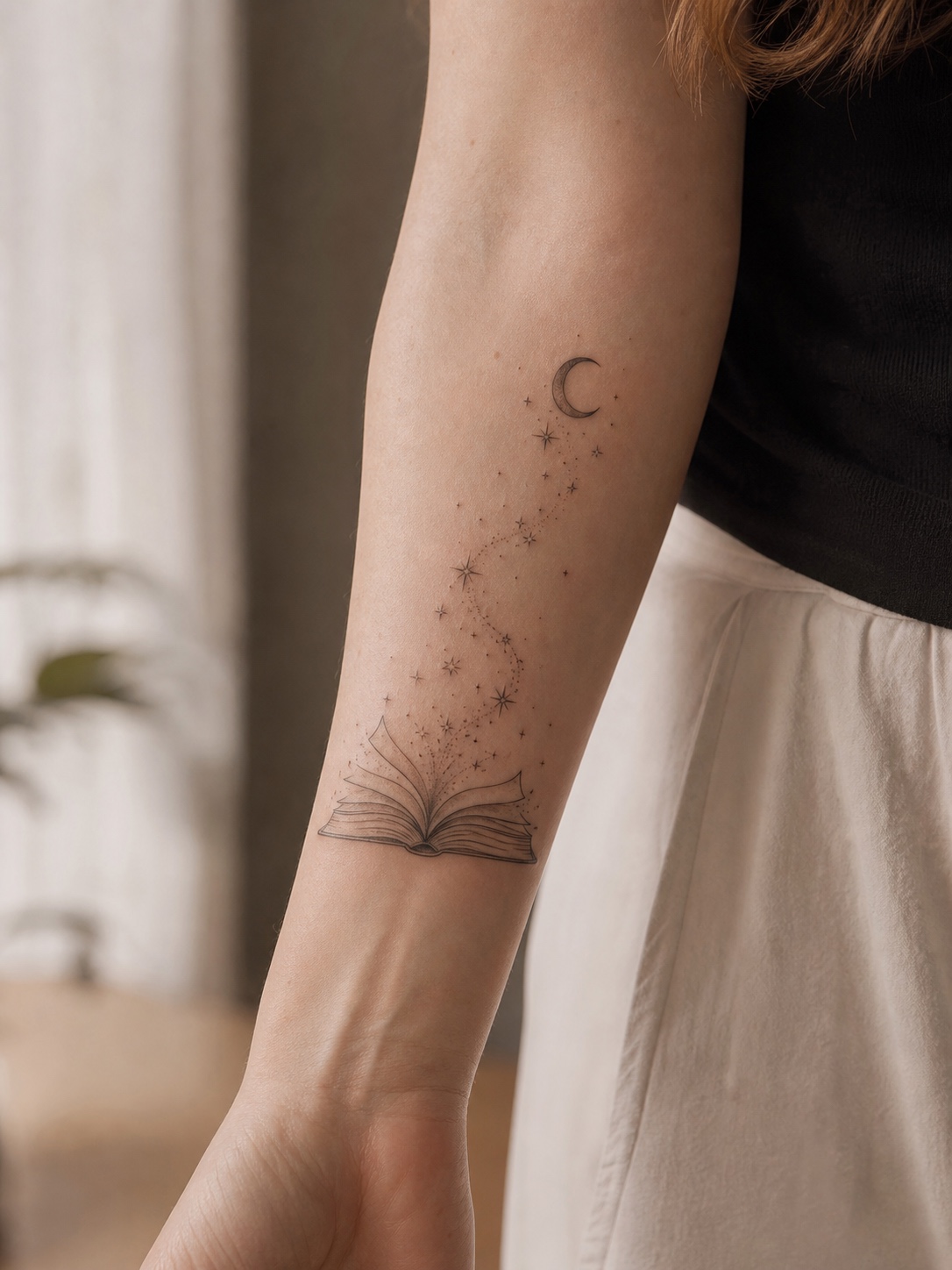
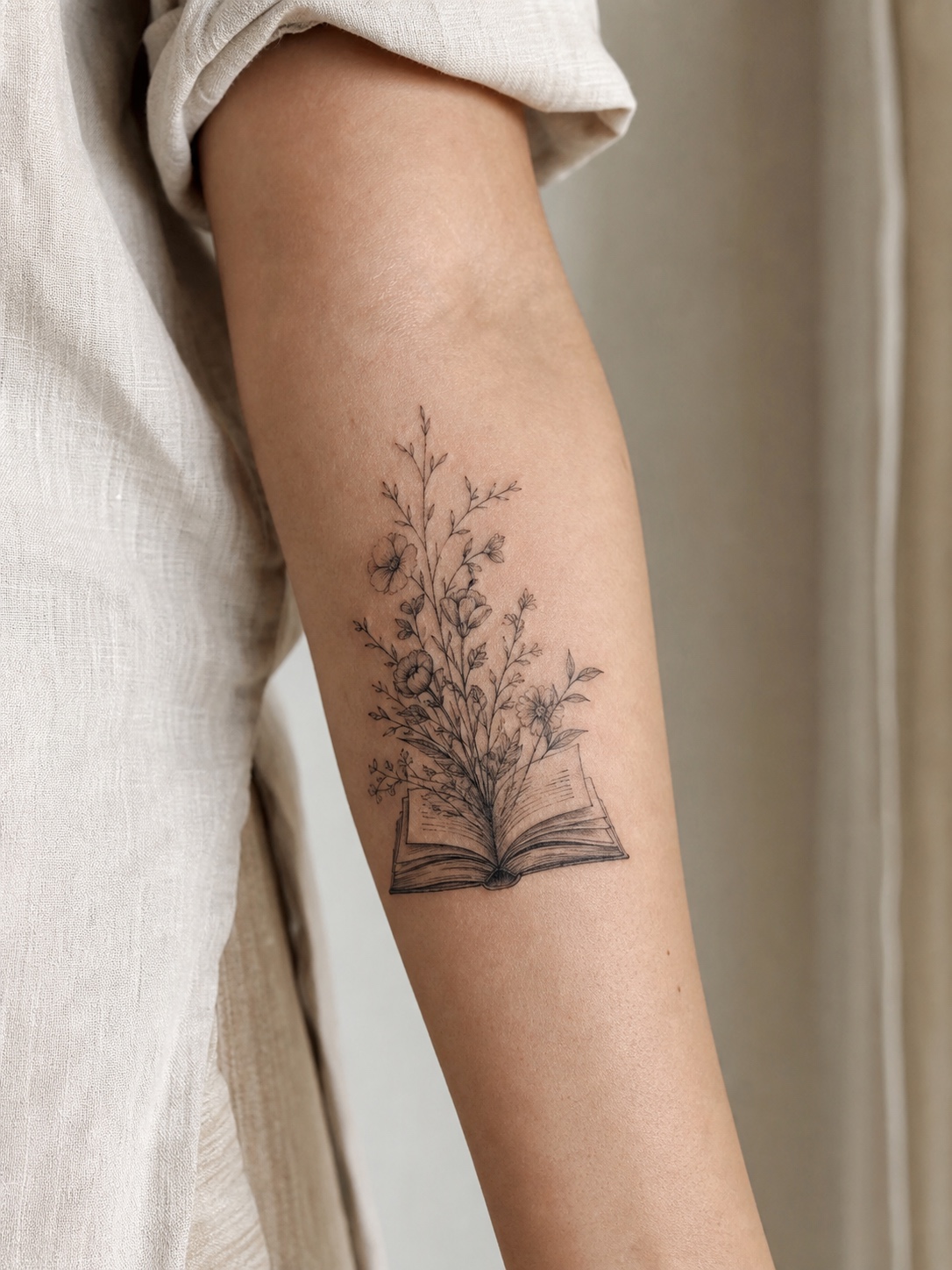
A good book tattoo comes from somewhere specific. A line you’ve read more than once. An author you’d actually defend in an argument. Fine-line open books sit well on wrists, forearms, ankles — anywhere with a natural crease to anchor them. Botanical designs with flowers or vines are a different conversation: they need space, and if you want the page texture to read, even more. Quote tattoos are tricky. The phrase has to be short enough that the lettering can be big. Small text ages badly — I’ve seen 5-year-old quote tattoos that look like smudged pencil.
These ideas are starting points. Your artist will add shading, texture, ornament. But the base symbol should make sense on its own before any of that goes in. If it doesn’t read naked, it won’t read decorated.
The Enduring Allure of Literary Tattoos
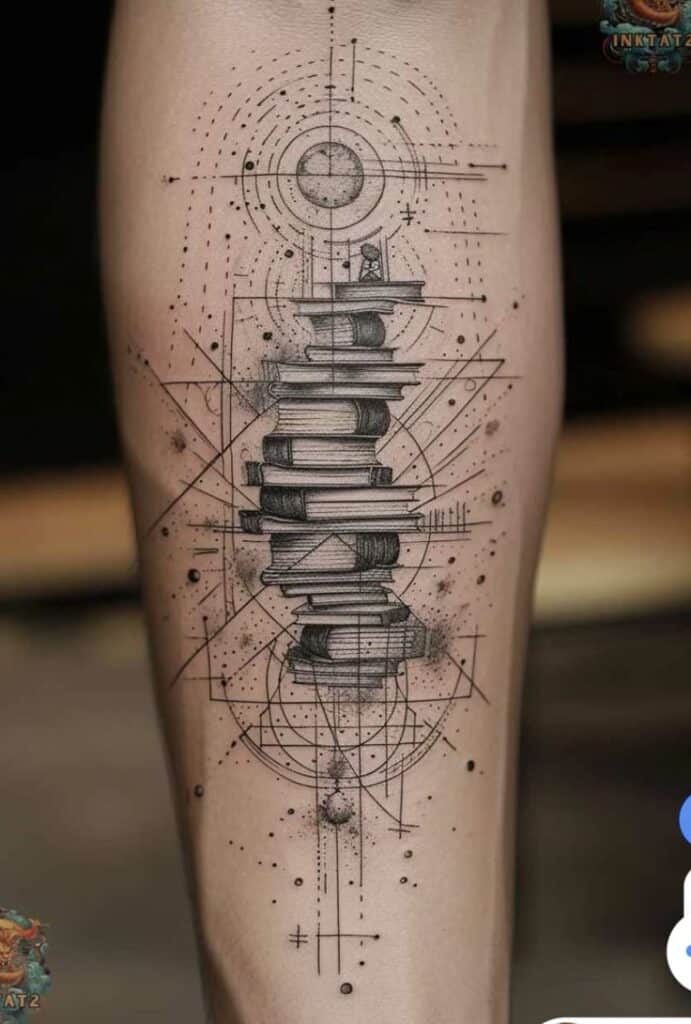
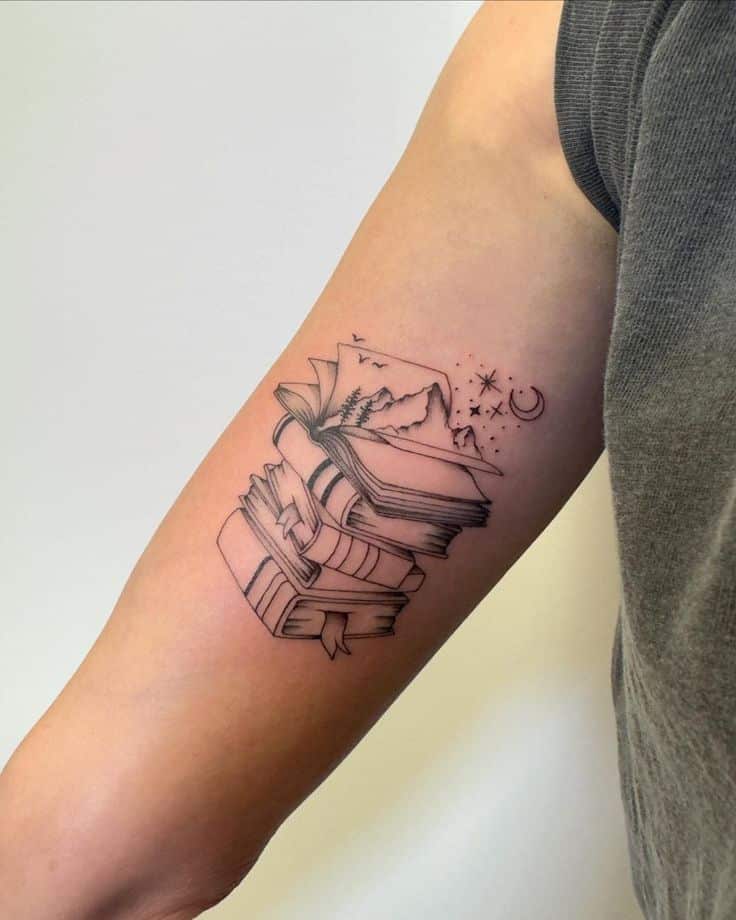
Literature has an unparalleled capacity to transport, educate, and transform. A single sentence can alter a perspective, a character can become a lifelong companion, and an entire narrative can redefine reality. This deep impact is precisely why individuals seek to commemorate their literary loves through tattoos. It’s more than just fandom; it’s an affirmation of shared human experience, a testament to the power of storytelling, and a permanent celebration of the intellectual and emotional growth spurred by reading.
The reasons for choosing a literary tattoo are as varied as the books themselves. For some, it’s a reminder of a powerful theme or moral lesson learned. For others, it’s a tribute to an author whose words provided solace or inspiration during a pivotal life stage. A literary tattoo can also serve as a conversation starter, an immediate identifier for fellow bibliophiles, or a quiet, personal sanctuary of meaning.
It’s a unique form of self-expression, allowing individuals to carry a piece of their most cherished stories with them always. This commitment reflects a profound connection, turning a mere symbol into a lifelong companion, much like how one might value the process of preserving memories, achievements, art, and collectibles in a tangible form.
Professional Literary Tattoo Concepts
For those who appreciate subtlety, elegance, and designs that can seamlessly integrate into a professional or discreet aesthetic, a wealth of literary tattoo concepts exists. These designs often prioritize symbolic depth and refined execution over overt imagery, making them suitable for any context.
Book tattoo ideas by style and placement
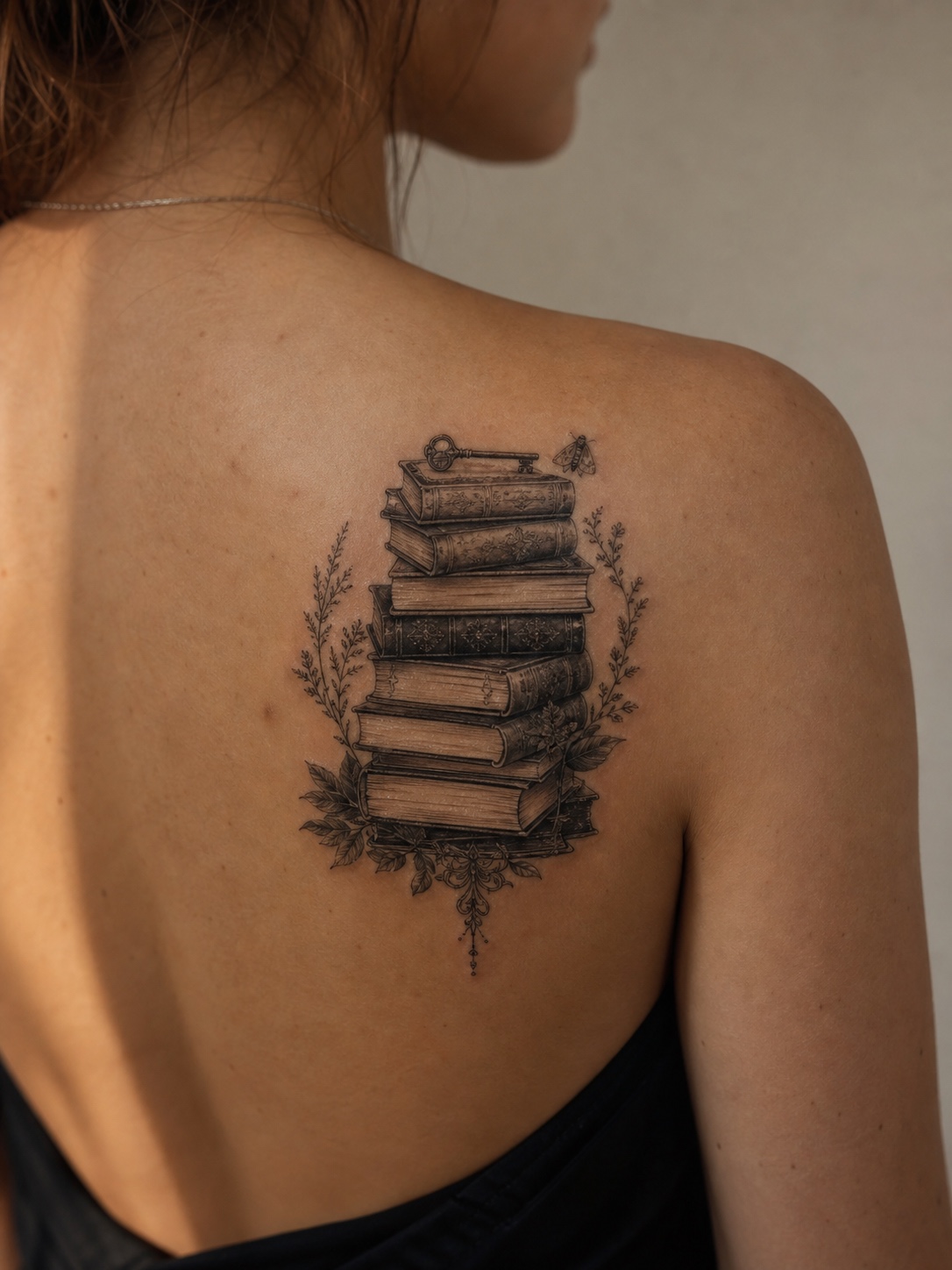
Before you fall in love with a reference image, match the idea to the amount of skin it needs. Tiny book tattoos should stay graphic and simple. Larger literary tattoos can hold page texture, flowers, moons, keys, or scene details without turning muddy.
| Book tattoo idea | Best placement | Design note |
|---|---|---|
| Fine-line open book | Inner forearm, wrist, ankle | Keep the pages clean and avoid tiny text. |
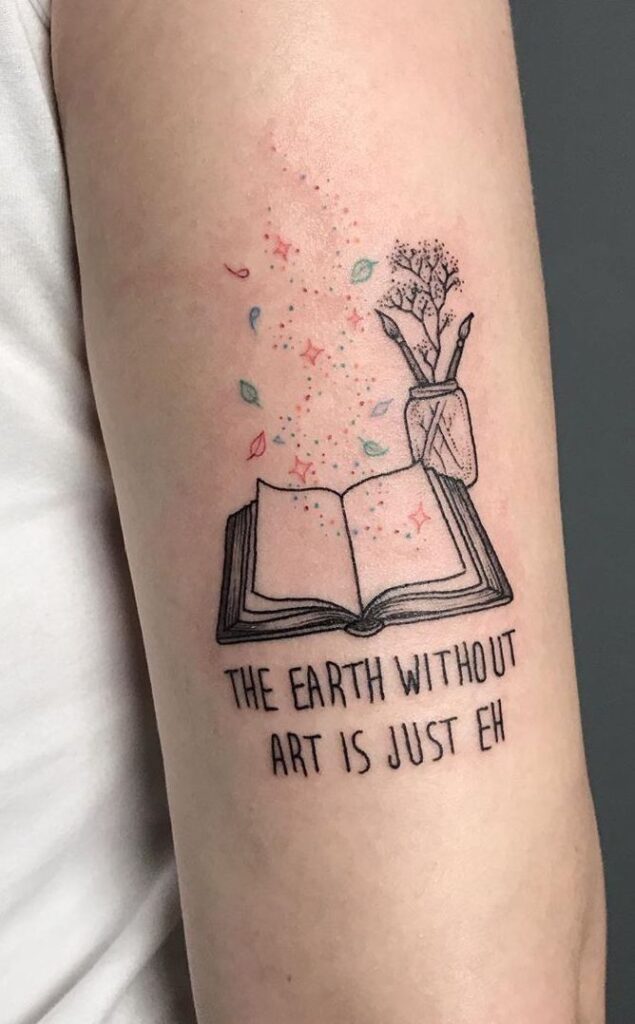
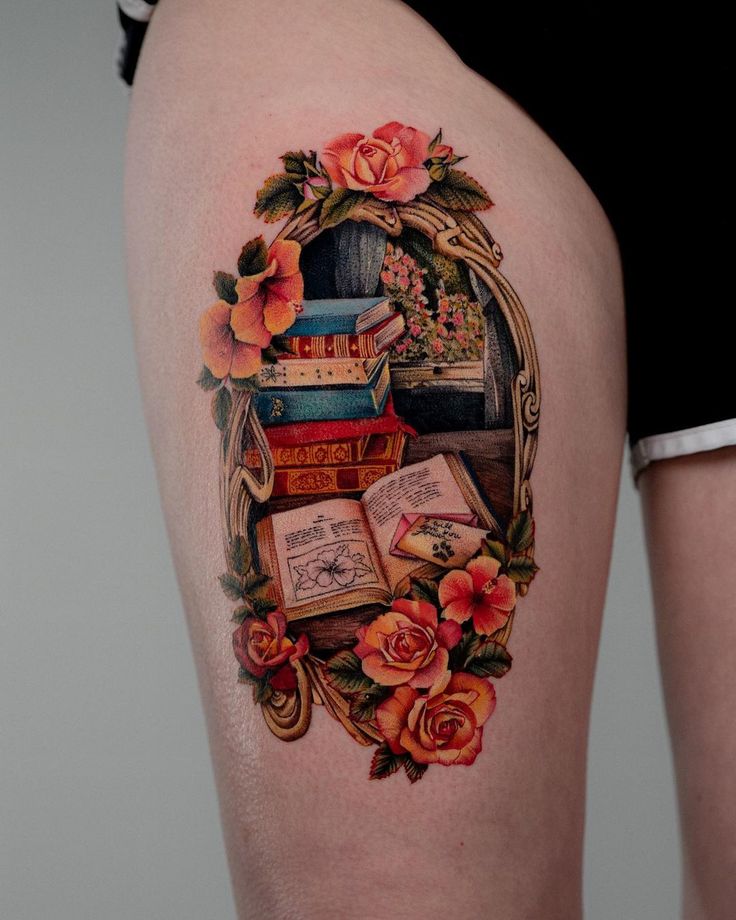
| Botanical book tattoo | Forearm, upper arm, thigh | Give flowers room so stems and petals do not merge. |
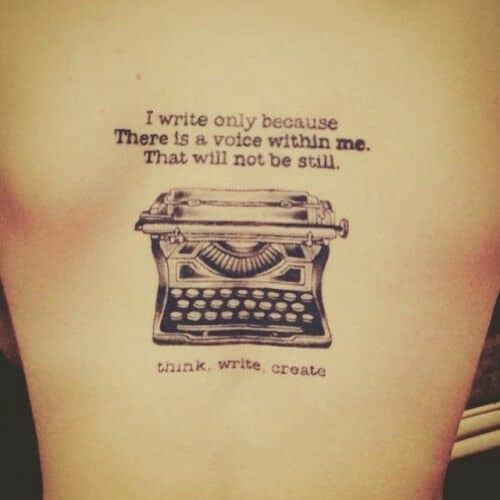
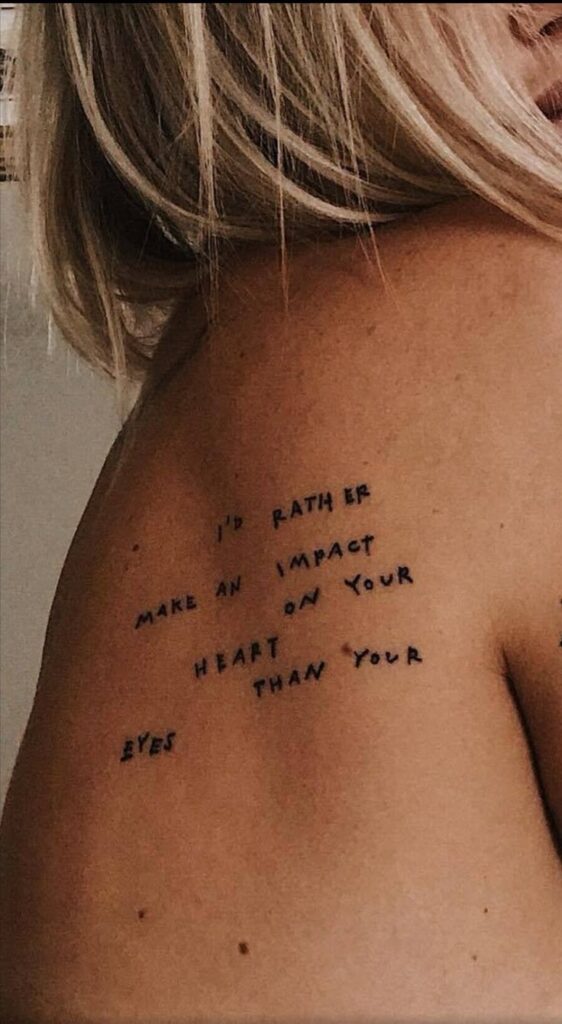
| Quote tattoo | Rib, forearm, collarbone, shoulder | Use fewer words and choose lettering that remains readable. |
| Stacked books or gothic library motif | Upper back, calf, thigh | Works best at medium to large size with strong shading. |
Subtle & Symbolic Designs
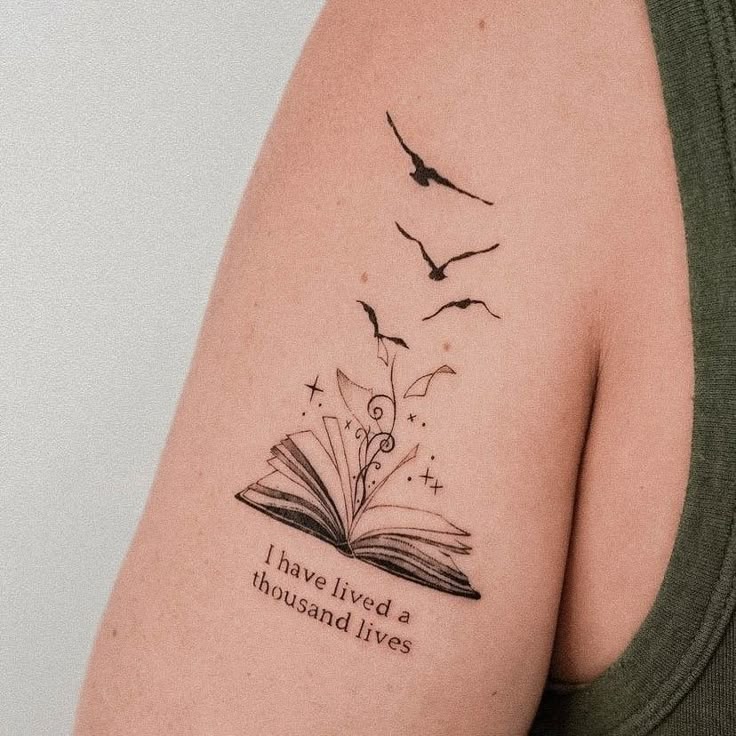
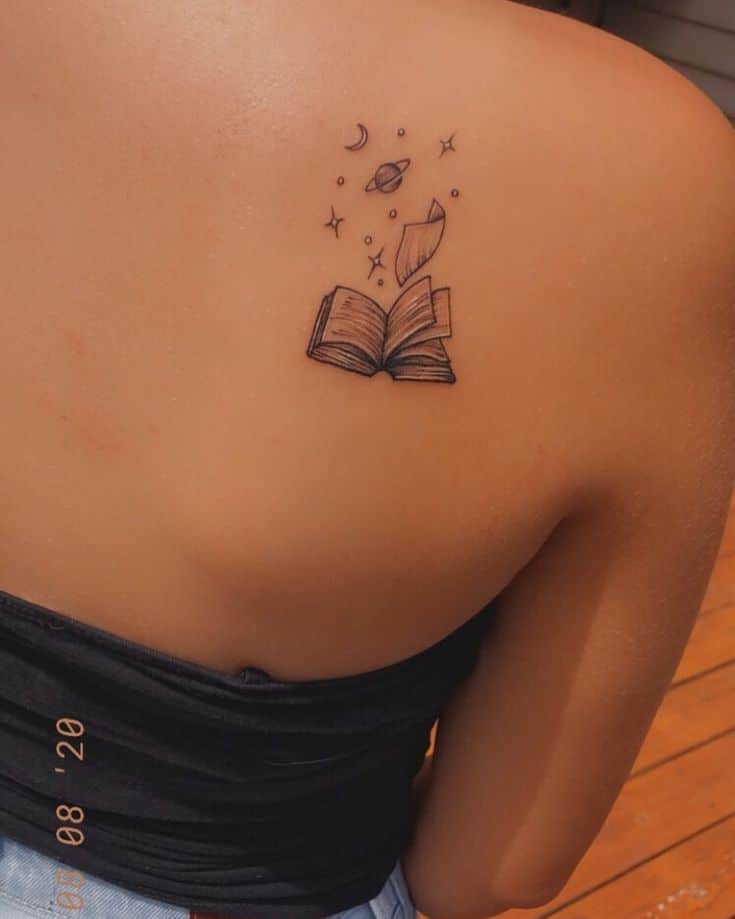
The hallmark of a professional literary tattoo often lies in its understated elegance. These designs speak volumes without needing to shout.
- Minimalist Quotes or Single Words: A powerful quote, a poignant phrase, or even a single word from a beloved text can be incredibly impactful when rendered in an elegant, legible font. The key is brevity and thoughtful placement. Consider the profound simplicity of “And so it goes” from Kurt Vonnegut or “All we have is now” from any number of contemplative works. These can be small, placed on a wrist, behind the ear, or along the collarbone, offering a personal reminder rather than a public declaration. The principles of minimalist design can be directly applied here, focusing on clean lines and essential elements.
- Abstract Representations: Instead of depicting a specific scene, an abstract design can evoke the feeling or essence of a book. This might involve a flowing line art piece representing a character’s journey, a geometric pattern symbolizing a complex philosophical concept, or a color gradient that mirrors the emotional arc of a narrative. These are highly personal and often require a deep understanding of the book’s core themes.
- Iconic Small Symbols: Many books are associated with instantly recognizable, albeit subtle, symbols.
- A pair of round spectacles or a lightning bolt for Harry Potter.
- A simple white whale silhouette for Moby Dick.
- A nightingale for To Kill a Mockingbird.
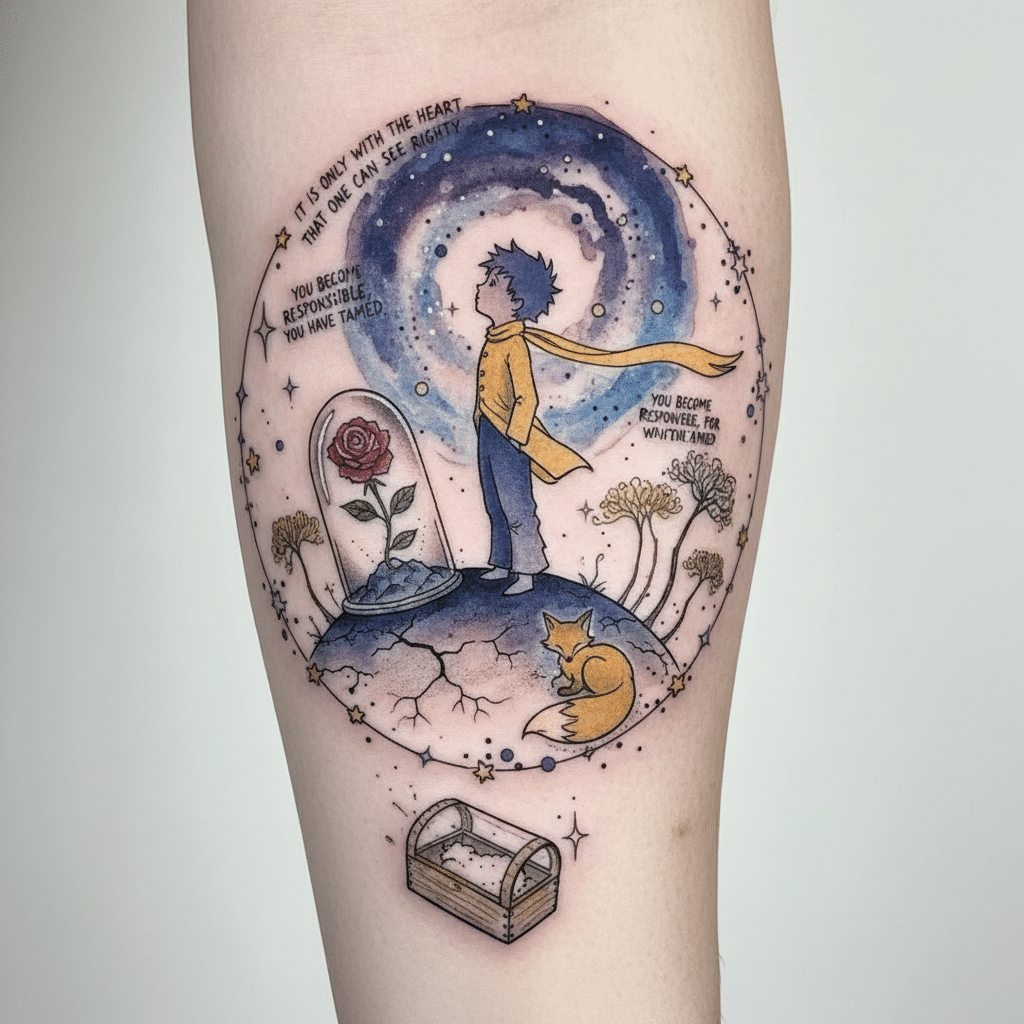
- A single rose for The Little Prince.
These symbols are often small, easily concealable, and resonate deeply with those who recognize their significance, while remaining discreet for others. They serve as a personal code, an intellectual Easter egg.
Classic Literature Homages
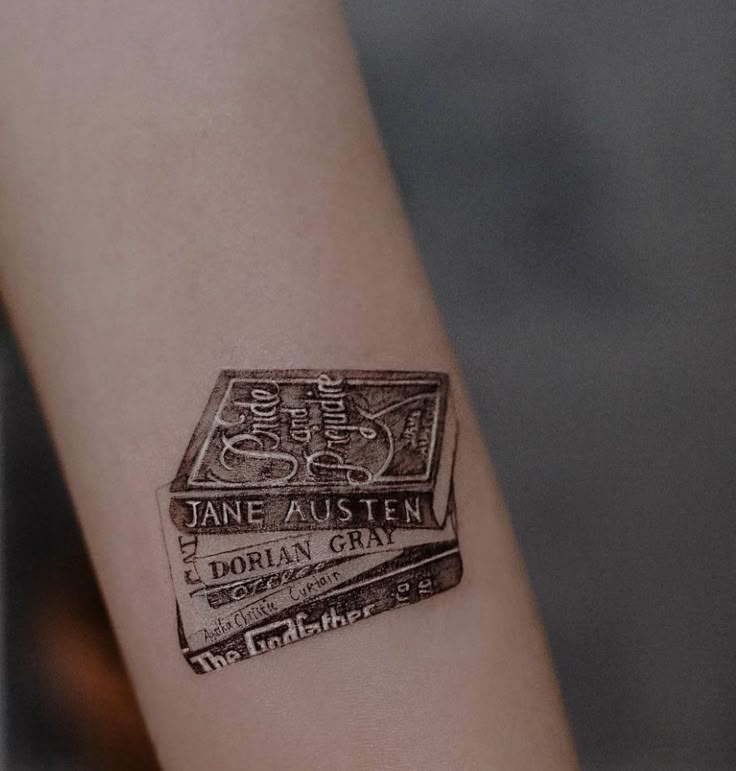
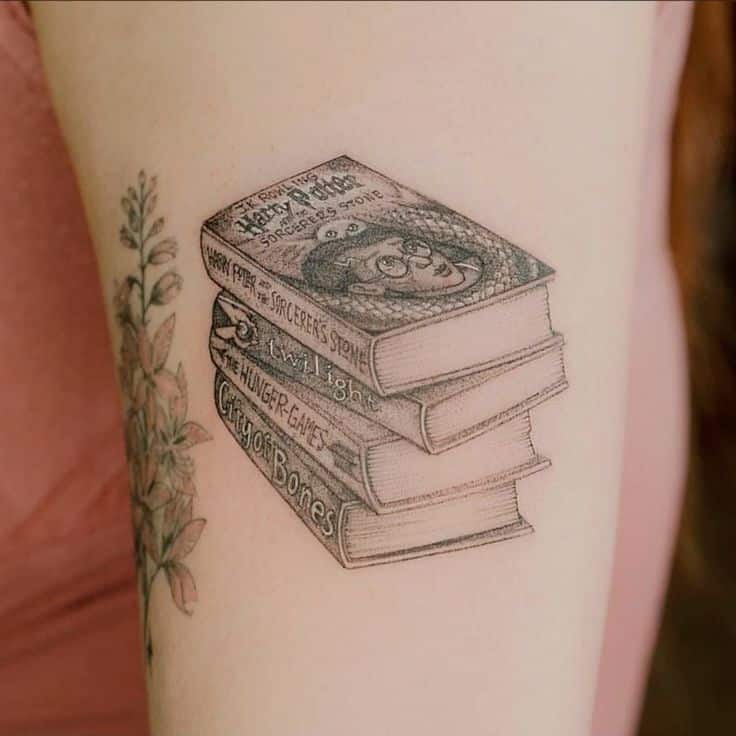
Classic literature offers a rich tapestry of timeless characters, profound philosophies, and enduring imagery. Tattoos inspired by these works often carry an air of intellectual sophistication.
- Shakespearean Motifs: From a delicate skull for Hamlet to a rose (with or without a name) for Romeo and Juliet, Shakespeare’s plays are replete with powerful iconography. A quill pen, a snippet of iambic pentameter, or a silhouette of a theatrical mask can elegantly represent a love for the Bard.
- Victorian Era Elegance: Authors like Jane Austen, the Brontë sisters, and Charles Dickens provide a wealth of inspiration. A subtle silhouette of a manor house, a teacup, or a specific floral motif reminiscent of the era can be highly evocative. A single, stylized raven for Edgar Allan Poe is another classic and striking choice.
- Philosophical and Existential Nods: For lovers of Dostoevsky, Camus, or Nietzsche, tattoos can delve into more abstract philosophical concepts. A single, bare tree might represent existential solitude, or a carefully chosen symbol could embody a specific philosophical school of thought, such as a labyrinth for the journey of self-discovery.
Genre-Specific Professionalism
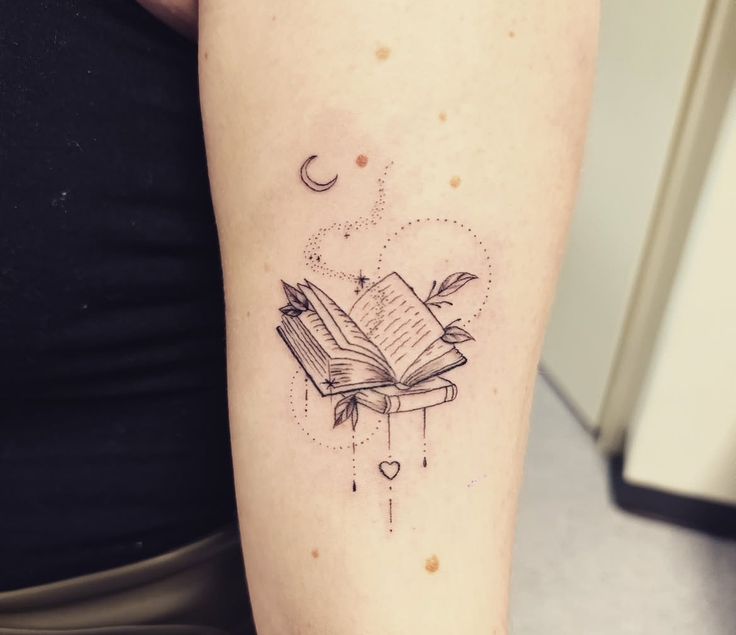

Even within specific genres, professional and understated literary tattoos are achievable, blending a love for a particular world with a refined aesthetic.
- Sci-Fi/Fantasy Subtlety: Instead of a full-blown dragon, consider a minimalist rendition of a fantastical creature’s eye, a stylized representation of a fictional astronomical map, or a subtle symbol from a specific universe (e.g., the White Tree of Gondor from Lord of the Rings in a simple linework style). For sci-fi, a clean geometric design could represent a starship or a distant galaxy.
- Mystery & Thriller Intrigue: A magnifying glass, a subtle fingerprint, a stylized question mark, or a silhouette of a trench coat can nod to a love for the genre without revealing specific plot points. These designs often play on the allure of the unknown and the cleverness of deduction.
- Historical & Biographical Resonance: A small compass, a ship’s wheel, a typewriter, or a specific historical artifact rendered in a classic style can be a sophisticated tribute to historical narratives or influential figures.
Creative Literary Tattoo Concepts: Pushing Artistic Boundaries
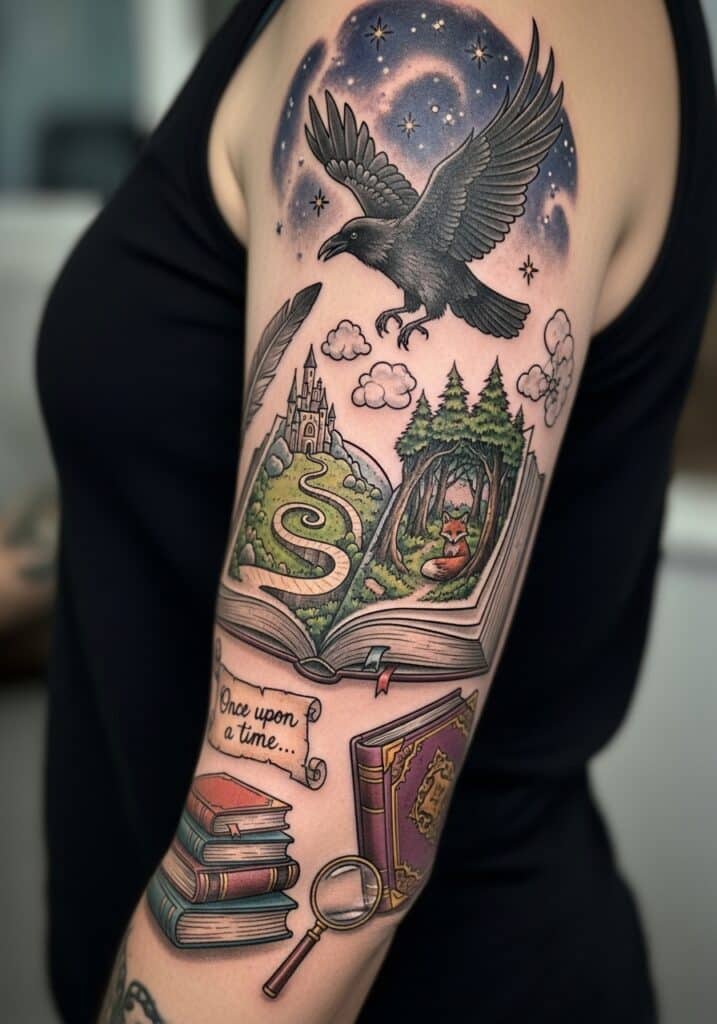
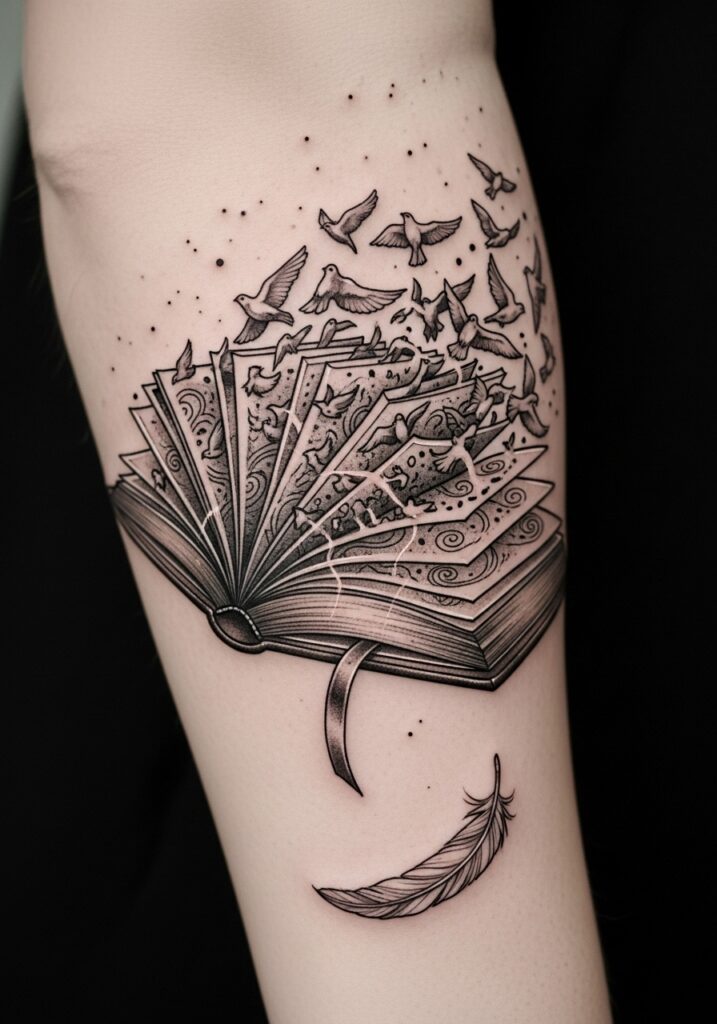
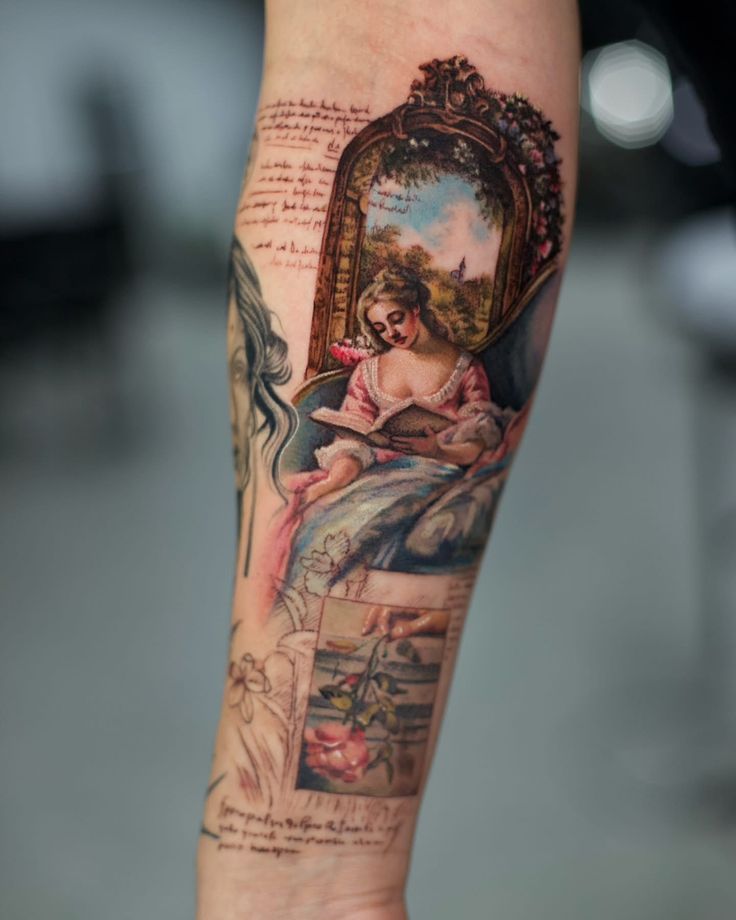
Literary tattoos can go genuinely elaborate — stacked compositions, mixed styles, imagery that takes a few seconds to decode. A single open book is one thing. A book dissolving into birds, or a library compressed into a forearm, or a chapter heading done in the style of an illuminated manuscript — completely different territory.
The tricky part is coherence. Complex doesn’t have to mean crowded. I’ve saved a lot of reference images over the years, and the ones that hold up all have the same quality: one clear focal point, even when there’s a lot happening around it. Strip the detail away mentally and something should still be there. If it isn’t, the design is probably leaning on complexity to hide a weak center.
Illustrative & Narrative Pieces
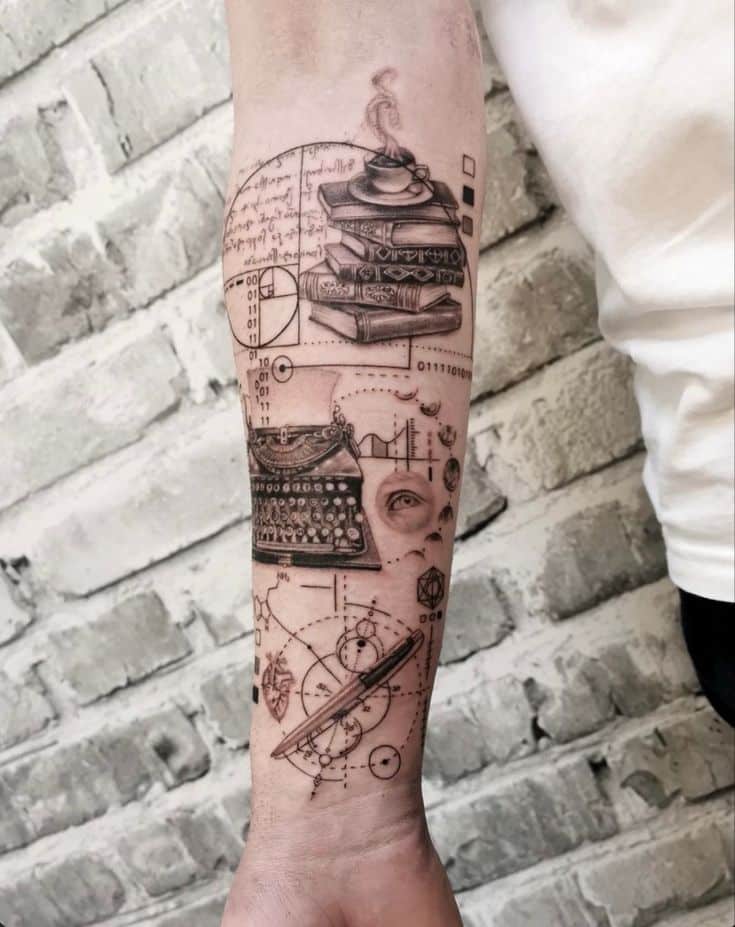
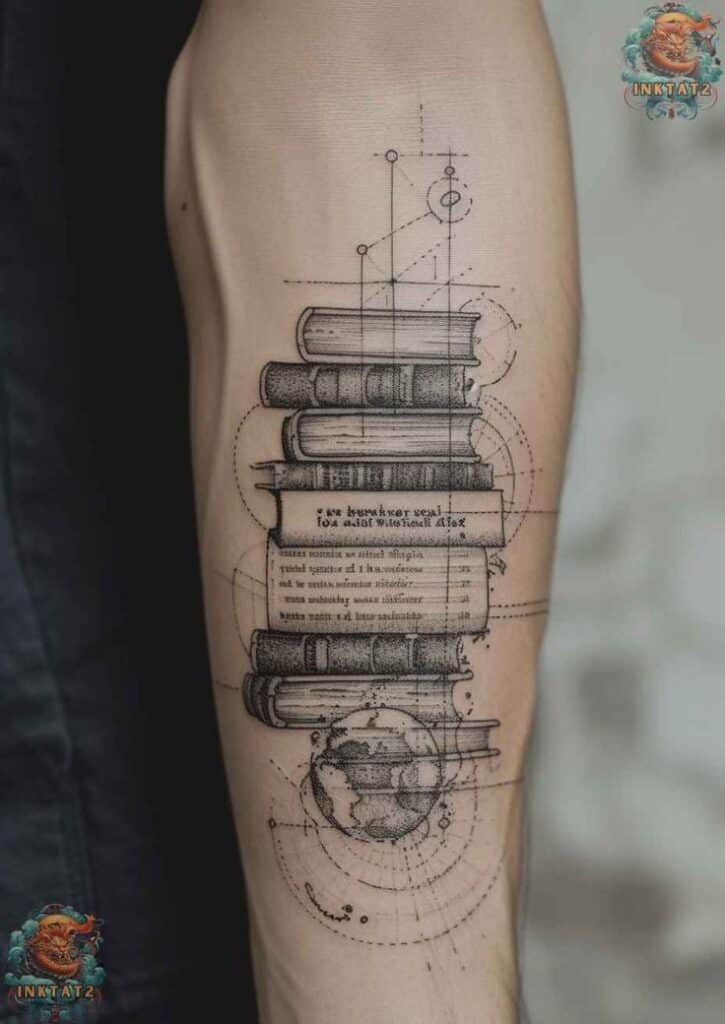
These tattoos aim to capture the grandeur and detail of a literary world, transforming static text into dynamic visual art.
- Full Scenes from Books: Imagine a pivotal moment from your favorite novel—the hobbits walking through the Shire, Alice falling down the rabbit hole, or Don Quixote charging a windmill. These can be rendered as detailed vignettes, often forming larger pieces on a back, sleeve, or thigh. The artist’s skill in composition and storytelling becomes paramount here.
- Character Portraits (Stylized or Realistic): While photo-realistic portraits are an option, many choose stylized interpretations of beloved characters. This could be a comic book style, a watercolor rendering, a bold neo-traditional design, or even an abstract representation that captures their essence. Think of a whimsical illustration of a Dr. Seuss character or a dramatic, chiaroscuro portrait of a Gothic hero.
- Mash-ups of Literary Elements: For the eclectic reader, combining elements from multiple cherished books can create a deeply personal and visually engaging narrative. A design might feature a quill pen morphing into a sword, surrounded by celestial bodies and ancient runes, each element referencing a different literary passion. This requires careful planning to ensure coherence and avoid visual clutter.
Mixed Media & Artistic Styles
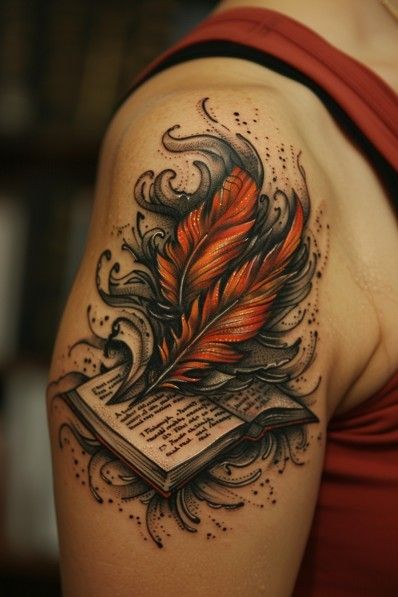
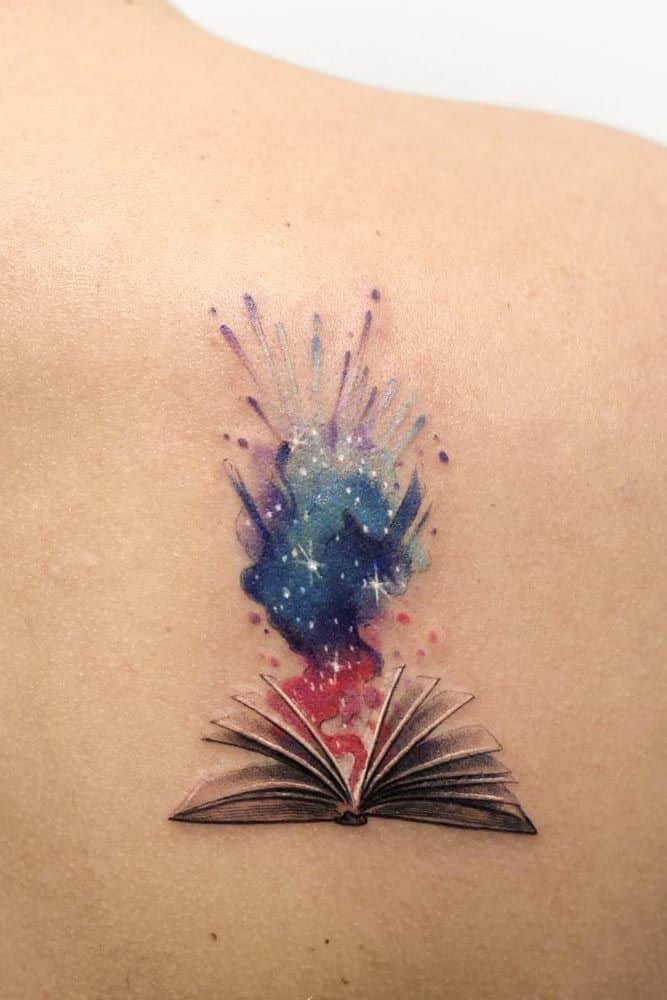
The world of tattoo artistry is constantly evolving, incorporating diverse techniques that can elevate literary concepts.
- Watercolor Effects: This style can beautifully capture the ethereal or dreamlike qualities of certain literary works. A delicate wash of color could represent a magical forest from a fantasy novel, or a vibrant splash could symbolize a powerful emotional climax. The fluidity of watercolor makes it ideal for capturing movement and atmosphere.
- Dotwork and Linework Incorporating Text: Intricate dotwork patterns or detailed linework can form the backdrop or framework for literary excerpts. A quote might be embedded within a finely detailed forest canopy (dotwork) or spiraling vines (linework), creating a texturally rich and visually complex piece.
- Surrealist Interpretations: Some literary works, particularly those in the magical realism or psychological thriller genres, lend themselves well to surrealist tattoo designs. Think of melting clocks for a time-bending narrative, or disjointed elements arranged to create a unsettling yet captivating visual metaphor for a character’s inner turmoil.
- Calligraphy as Art: Beyond simple lettering, calligraphy can become the central artistic element. Intricate scripts, hand-drawn fonts, or even ancient languages can be transformed into stunning designs. This could involve an ornate rendering of a historical document, a passage from a sacred text, or a declaration in a fictional language, designed as a beautiful visual pattern. Artists exploring different digital art lessons often gain skills that translate well into diverse tattoo styles, from realism to highly stylized interpretations.
Interactive & Evolving Tattoos
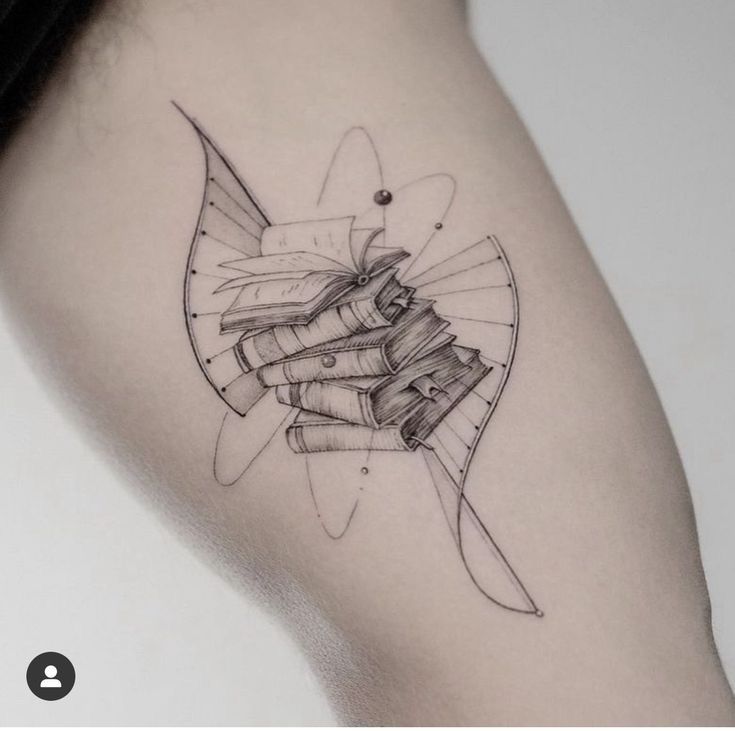
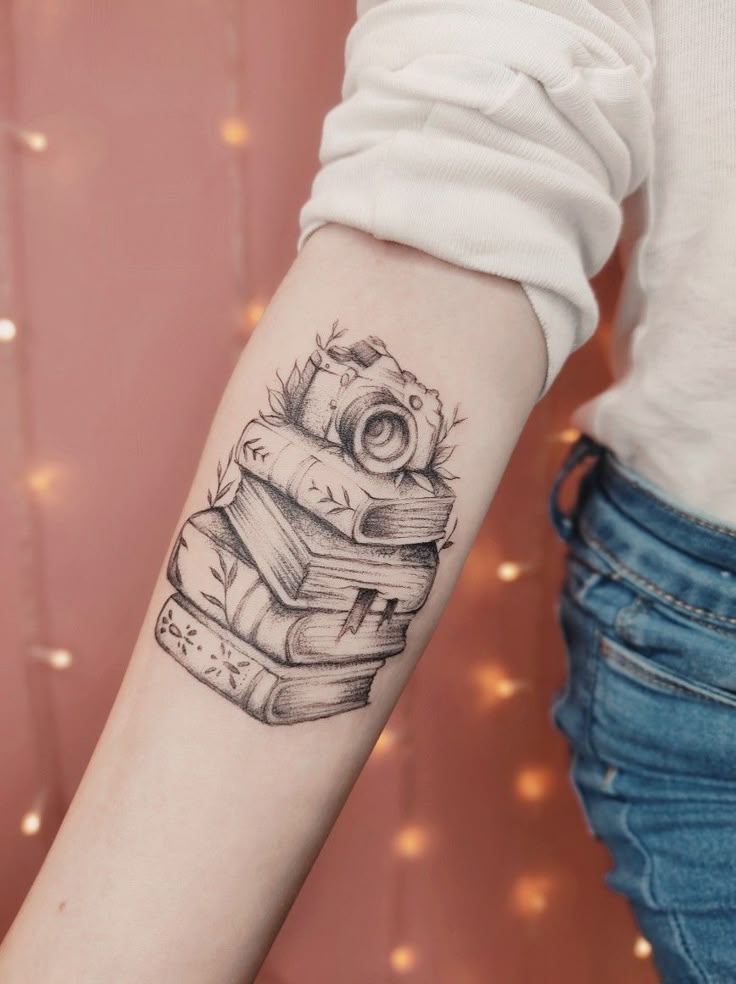
Pushing the boundaries of creativity, some literary tattoos are designed to be dynamic, revealing more over time or inviting interaction.
- Layered Designs: A tattoo might appear as one image from a distance but reveal intricate details or hidden text upon closer inspection, like a literary treasure hunt on the skin. This could involve clever use of negative space or subtle shading.
- Chapter Tattoos: For individuals with many literary loves, a “chapter” tattoo involves designing a core piece and then adding new elements around it over time, each representing a new literary discovery or a beloved book. This creates a living narrative on the skin, a personal library that grows.
- “Book Page” Effects: Some designs mimic the look of an actual book page, complete with aged paper textures, torn edges, or even illustrations that appear to bleed from the “page.” This creates a meta-narrative, where the tattoo itself is a book.
Personalized Narratives
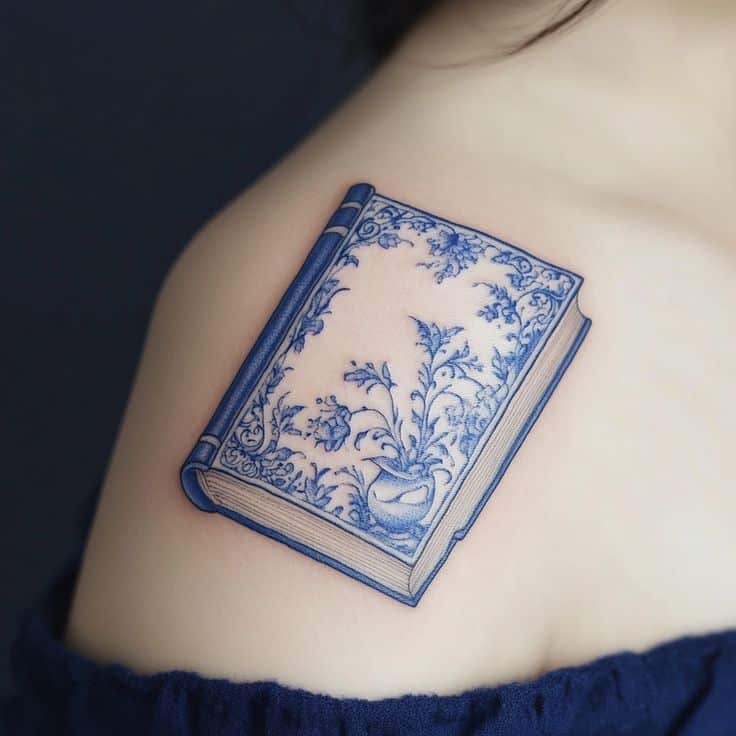
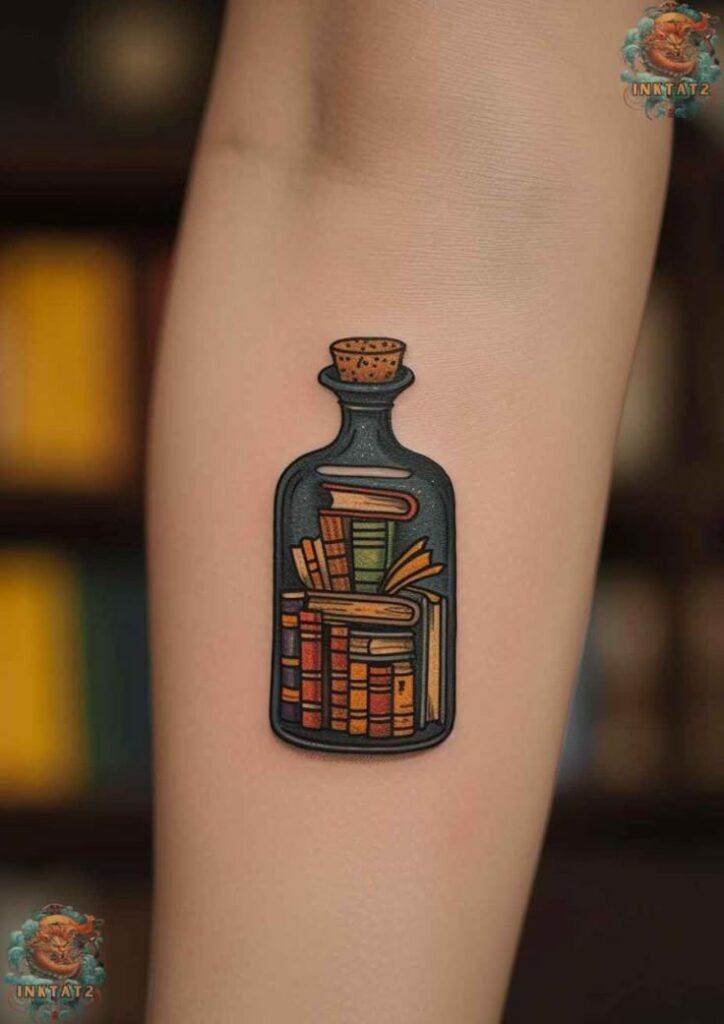
The ultimate creative literary tattoo is one that weaves together multiple influences, creating a story unique to the wearer.
- Thematic Amalgamations: Instead of focusing on one book, a tattoo can explore a broader theme (e.g., courage, loss, redemption) through symbols and imagery from various literary works that embody that theme for the individual.
- Personal Journey through Literature: A tattoo can be designed as a visual timeline or map of the wearer’s life, with different literary references marking significant periods, challenges, or triumphs. This transforms the tattoo into a deeply autobiographical work of art.
Choosing Your Literary Ink: Practical Considerations
Once the creative inspiration strikes, several practical considerations come into play to ensure your literary tattoo is a success.
Artist Selection
This is perhaps the most crucial step. Finding the right tattoo artist is paramount to translating your literary vision onto your skin.
- Specialization: Look for artists who specialize in the style you envision. If you want a detailed scene, find someone known for intricate illustrative work. If a delicate script is your goal, seek an artist with a strong portfolio in fine line and lettering. Many artists showcase a range of drawing ideas for portfolios on their websites or social media.
- Portfolio Review: Thoroughly examine their previous work. Does it demonstrate consistency in quality? Do their lines look clean, shading smooth, and colors vibrant (if applicable)? Pay attention to how they handle text and intricate details.
- Consultation: A reputable artist will offer a consultation. Use this opportunity to discuss your concept in detail, ask questions, and gauge their understanding and enthusiasm for your idea. They should be able to provide professional input on design feasibility, placement, and size.
Placement & Size
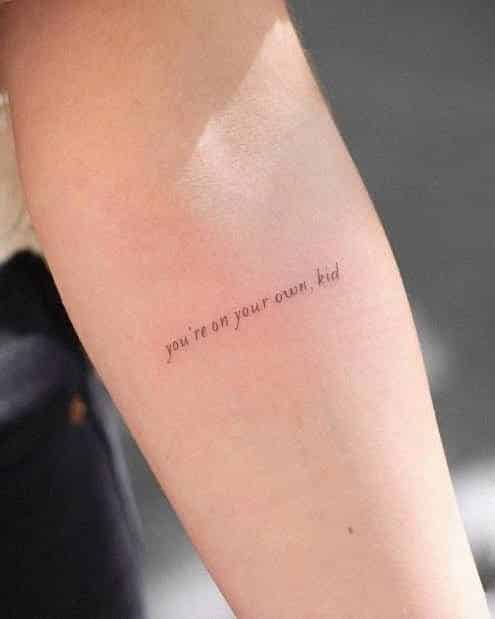
The location and dimensions of your tattoo significantly impact its appearance, detail, and visibility.
- Visibility vs. Discretion: Consider how often you want your tattoo to be visible. Forearms, calves, or the back of the neck are often chosen for more visible designs, while ribs, thighs, or the back offer larger canvases for intricate, private pieces.
- Body Contours: The natural curves and musculature of your body can affect how a design sits. An experienced artist will design with these contours in mind, ensuring the tattoo complements your physique.
- Detail Level: Highly detailed tattoos, especially those with small text or intricate imagery, require sufficient size to prevent blurring over time. Discuss with your artist the minimum size needed to maintain clarity for your chosen design.
Longevity & Maintenance
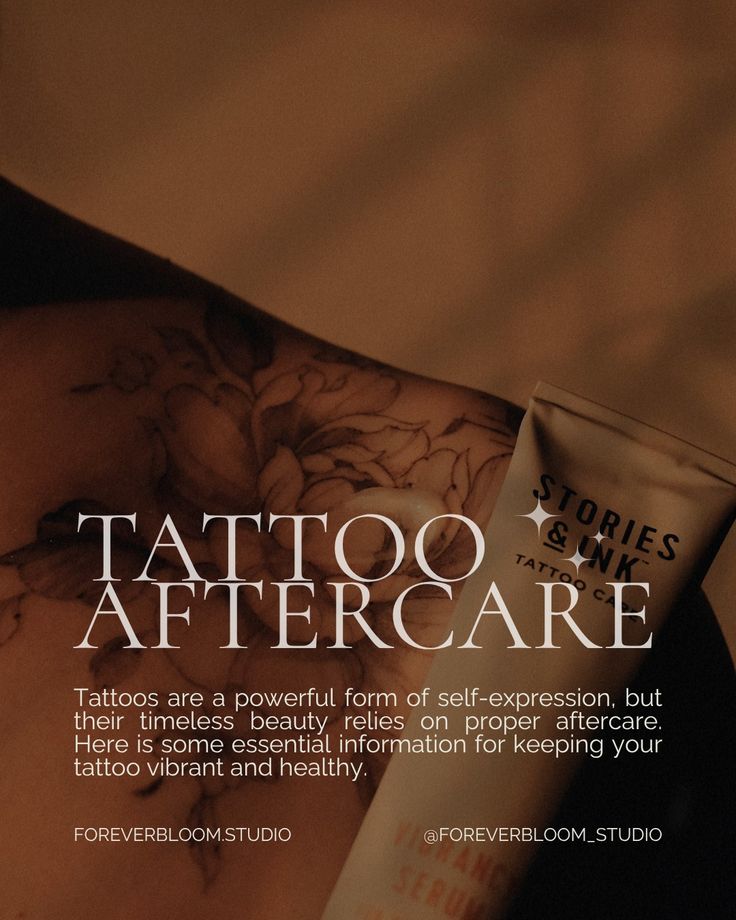
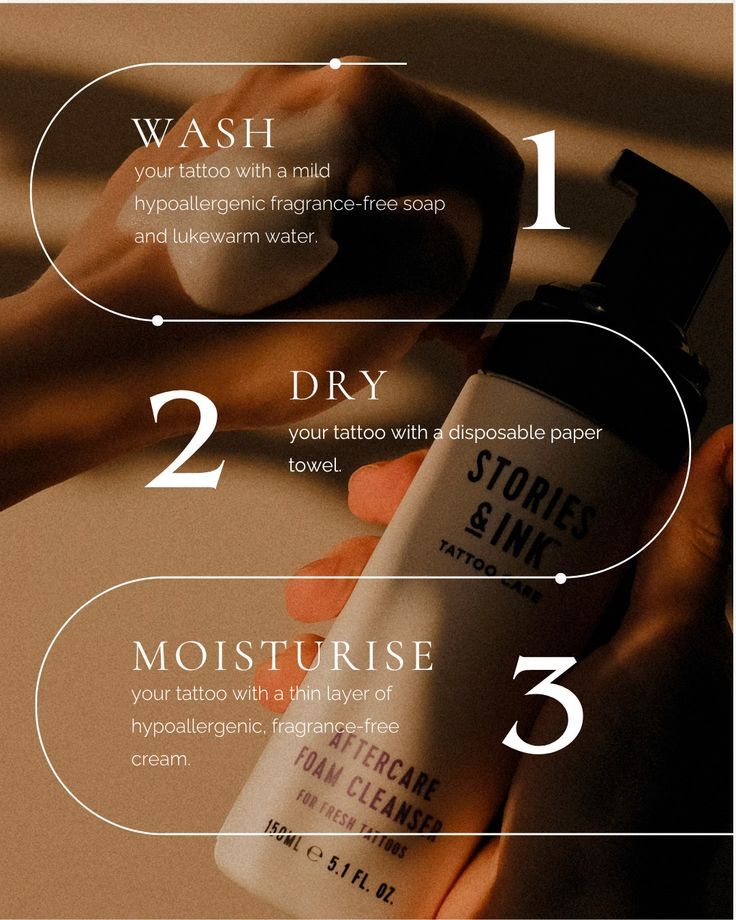
A tattoo is a permanent commitment, and understanding its long-term care is essential.
- Sun Exposure: UV light fades fine lines and soft gray shading. Once the tattoo is fully healed, sunscreen helps protect delicate book pages, lettering, and botanical details.
- Skin Health: Keeping your skin hydrated and healthy contributes to the longevity and vibrancy of your tattoo.
- Touch-ups: Over many years, some tattoos may require touch-ups to restore crispness or color. Factor this into your long-term plan.
Budgeting

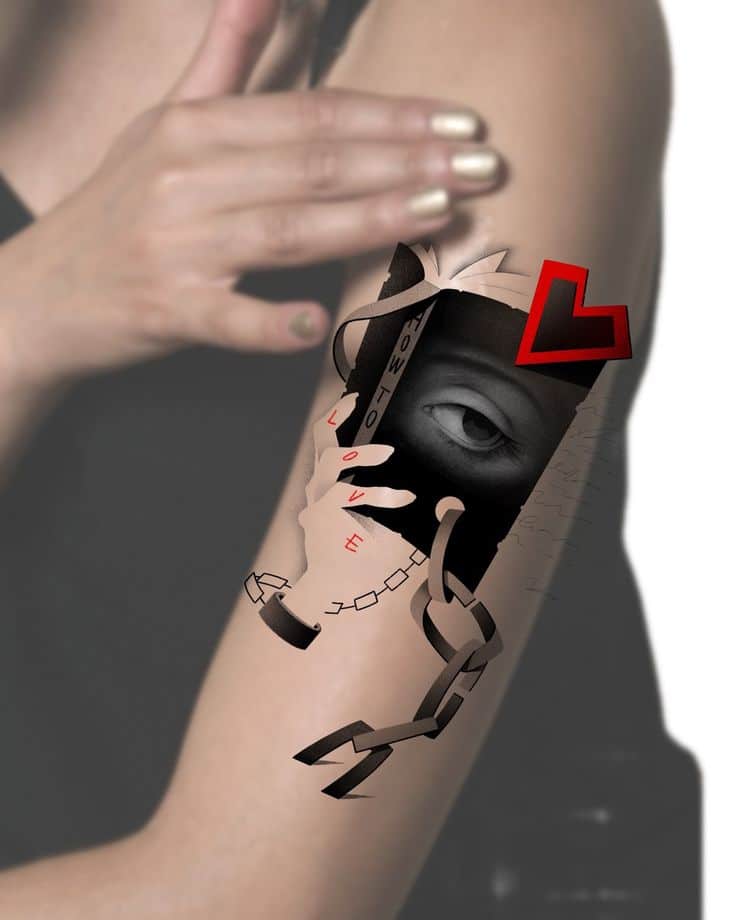
Quality tattoo artistry comes at a price, reflecting the artist’s skill, experience, and time.
- Hourly vs. Per Piece: Artists typically charge either an hourly rate or a flat fee for larger, multi-session pieces.
- Investment in Art: View your tattoo as an investment in personal art. Opting for a cheaper artist often leads to regret and potentially more expensive cover-ups or laser removal later.
The Process: From Concept to Canvas
The journey from a literary inspiration to a finished tattoo involves several key stages, each requiring collaboration between you and your artist.
Brainstorming & Research
Start with the book. Read it again — not to finish it, but to look for the one thing that would still feel right in ten years. A line, a symbol, a detail about a character you’d half-forgotten. Most people walk into a consultation with a quote they remember wrong or a cover image they found on Pinterest. That’s somewhere to start. It’s rarely where the good ideas end up.
Pull reference images from wherever. A moth from one artist, hand-lettering from someone else entirely, a composition you like even if it has nothing to do with books. Don’t try to assemble the tattoo yet — you’re just finding out what you’re actually drawn to. Those are two different things, and mixing them up early is how you end up with something that felt right in a folder and looks off on skin.
Consultation
Schedule a thorough consultation with your chosen artist. Bring your reference materials, sketches, and a clear explanation of your concept. Be open to their professional advice on placement, size, and stylistic adaptations that will make the design work best as a permanent piece of art on your skin. This is where the feasibility and artistic direction are largely determined.
Design Refinement
Your artist will typically create a preliminary sketch or digital mock-up based on your consultation. This is your opportunity to provide feedback and request revisions. Work collaboratively to ensure the design perfectly captures your vision. Don’t rush this stage; it’s critical for achieving a result you’ll love for decades. A good artist will welcome your input and refine the design until it’s perfect.
The Tattooing Session(s)
Depending on the size and complexity of your design, the tattooing process may take one or multiple sessions. Be prepared for discomfort, follow your artist’s instructions regarding breaks, and maintain good communication. Ensuring you are well-rested and hydrated beforehand can significantly improve your experience.
Aftercare
Aftercare is where a crisp literary tattoo either heals cleanly or loses detail early. Follow your artist first, keep the fresh tattoo clean, avoid picking, and be careful with sun exposure once it has healed. General medical guidance from Cleveland Clinic also emphasizes clean healing, moisture control, and watching for irritation or infection.
Beyond Aesthetics: The Deeper Meaning
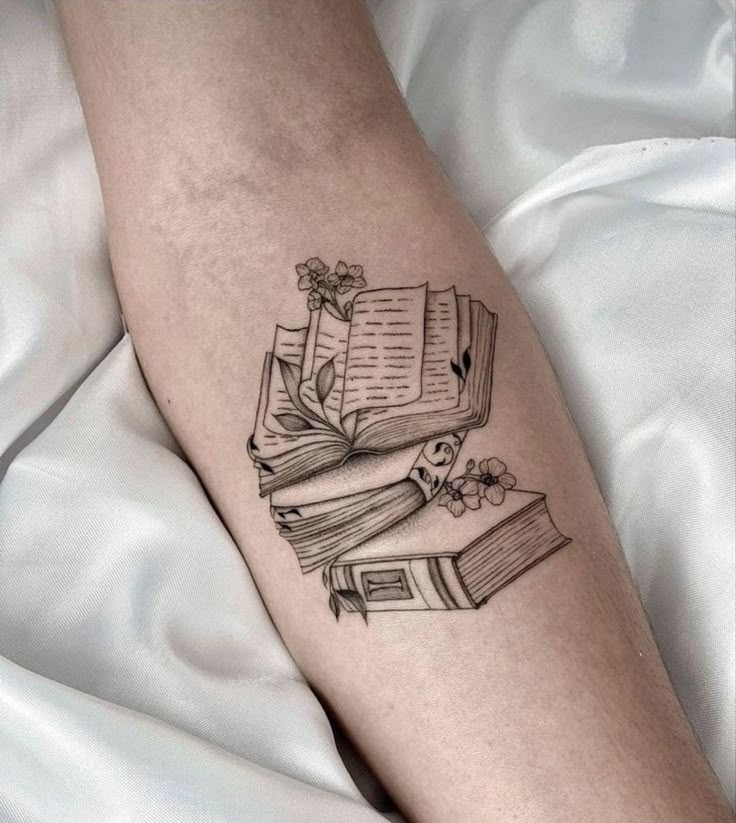
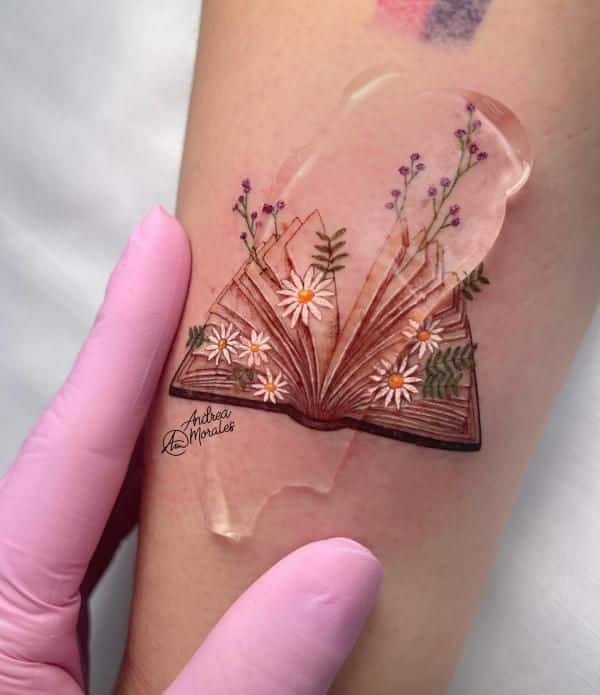
A strong literary tattoo doesn’t need to explain your entire reading history. One clear visual idea is enough. A book opening, a quote that follows the curve of the body, a flower growing from a page, a key on a stack of novels — or just a scene that still reads when you simplify it down to an outline.
Not sure which direction to go? Thumbnail three versions before you book anything. One tiny symbol. One medium illustration. One larger narrative piece. The one that still feels personal after you remove the extra decoration — that’s usually the right call. And if all three feel equally fine without the decoration, you may be picking the subject before you’ve found the reason.
Related tattoo ideas to explore next
If your literary tattoo leans text-heavy, compare it with these quote tattoo ideas and famous tattoo quotes. For bigger compositions, look at sleeve tattoo ideas to see how larger themes can wrap around the arm without becoming cluttered.
What are the best book tattoo ideas for a first tattoo?
For a first tattoo, keep the book idea simple: a fine-line open book, a tiny stack of books, a quill, a bookmark, or a short quote in readable lettering. Avoid tiny paragraphs, detailed cover art, or miniature book titles. Those details look charming in a reference image but can blur as the tattoo heals and ages.
Where do book tattoos look best?
Small book tattoos work well on the inner forearm, wrist, ankle, and upper arm because the shape stays easy to read. Larger literary tattoos with flowers, keys, moons, or scene details usually need the forearm, thigh, calf, shoulder blade, or ribs. Match the placement to the amount of detail, not just the mood of the design.
Should I choose a quote tattoo or a book symbol?
Choose a quote tattoo if the exact words matter more than the image. Choose a symbol if you want the tattoo to feel more visual and age with less risk. A short quote with a small open book or quill can work beautifully, but long passages usually need to be edited down before they become tattoo-ready.
How small can a book tattoo be?
A book tattoo can be quite small if it uses a simple outline and very little interior detail. Once you add page lines, flowers, stars, or lettering, it needs more size. As a rough design rule, the smaller the tattoo, the stronger the silhouette should be. Let the artist simplify the page texture before it gets cramped.
What style works best for literary tattoos?
Fine-line, illustrative blackwork, botanical linework, soft neo-traditional, and engraved-style shading all work well for literary tattoos. The best style depends on the story. Romantic books often suit florals and soft lines, gothic books can handle darker shading, and fantasy references usually need a little more space for symbols.
How do I make a book tattoo personal without copying a cover?
Pull one visual clue from the book instead of copying the cover directly. Use a recurring object, flower, animal, key, moon phase, map shape, or short phrase that points to the story. This usually creates a more original tattoo and gives the artist room to design something that fits your body instead of pasting flat artwork onto skin.
For broader placement and style directions, browse the main tattoo ideas guide on Sky Rye Design.
- 1.4Kshares
- Facebook0
- Pinterest1.4K
- Twitter0
- Reddit0