DIY candle making is easier when you treat it like a small design project: choose the wax, match the wick to the container, control the temperature, then test the burn before making a bigger batch.
The first candle does not need fancy botanicals or a complicated scent blend. A clean jar candle with soy wax, a centered wick, and one fragrance oil teaches you most of the basics.
- How to make candles at home
- DIY candle making supplies
- Step-by-step DIY candle making guide
- Adding scent and color to homemade candles
- Creative candle decorating ideas
- Candle making safety and troubleshooting
- Related DIY projects
- DIY candle making FAQ
- What is the easiest wax for DIY candle making?
- How much fragrance oil should I add to candle wax?
- Can I make candles without a thermometer?
- Why did my homemade candle tunnel?
- How long should homemade candles cure before burning?
- Are dried flowers safe inside candles?
- What supplies do beginners need to make candles at home?
How to make candles at home
To make candles at home, melt candle wax gently in a double boiler, secure a wick in a heat-safe jar, stir in candle-safe fragrance oil at the right temperature, then pour the wax slowly and let it cool without moving the container. Trim the wick after the candle sets, then test the burn before making more.
The most common beginner mistakes are using the wrong wick size, overheating fragrance, pouring too fast, and decorating too close to the flame. Keep the first batch simple; once the burn is steady, you can start playing with color layers, labels, dried flowers on the outside of the jar, and more personal scent blends.
- Choose wax, a heat-safe container, and a wick that matches the jar diameter.
- Melt the wax slowly, then add fragrance oil when the wax has cooled slightly.
- Center the wick, pour the wax steadily, and leave the candle to cool at room temperature.
- Trim the wick, cure the candle if your wax needs it, and test the first burn before gifting or selling.
DIY candle making supplies
Candle supplies affect the burn more than the finished photo suggests. Wax controls texture and scent throw, the wick controls the flame, and the container controls both safety and style. If one of those three is wrong, decoration will not fix the candle.
| Supply | Best beginner choice | Why it matters |
|---|---|---|
| Wax | Soy wax flakes | Easy to melt, good for jar candles, and forgiving for first batches |
| Wick | Pre-tabbed cotton wick | Keeps setup simple and makes centering easier |
| Container | Heat-safe glass jar or metal tin | Protects the wax and reduces cracking risk |
| Fragrance | Candle-safe fragrance oil | Blends better with wax than random perfume or craft oil |
| Tools | Thermometer, pitcher, wick stickers | Helps control temperature, pouring, and wick position |
Types of wax for homemade candles
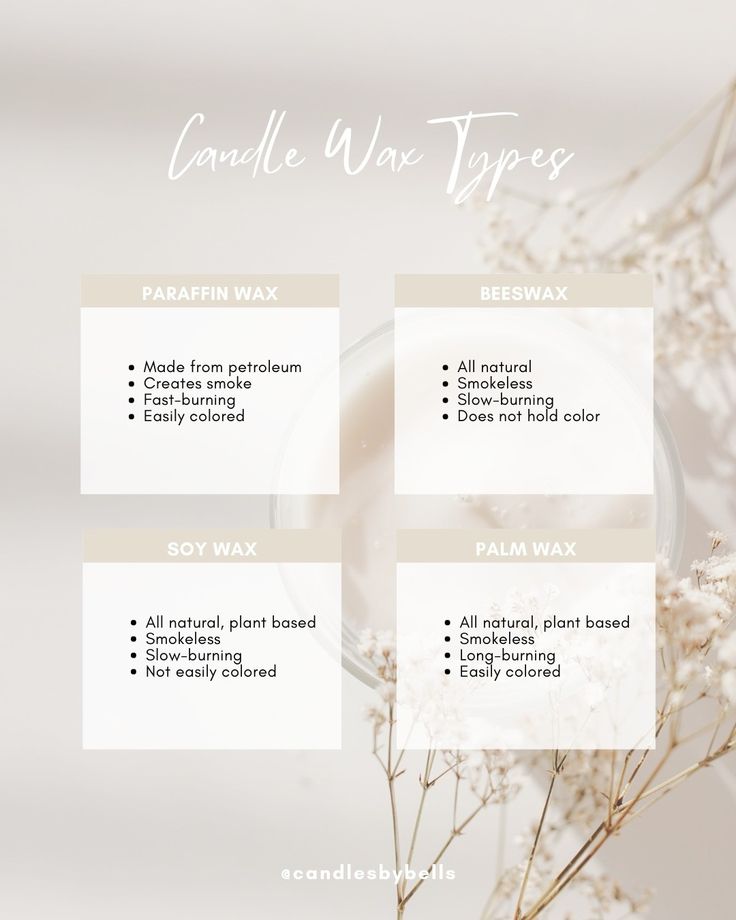
Wax is the body of the candle, so start there. Soy wax is the easiest beginner option for container candles because it melts evenly and gives a soft, matte finish. Paraffin wax is cheaper and often throws scent strongly, but it is petroleum-based. Beeswax smells lightly honeyed on its own and burns beautifully, though it costs more and can be less flexible with added fragrance.
Some crafters also use blends or specialty waxes for specific effects. Melting points and texture vary, so choosing the right wax depends on the candle’s purpose and personal preference.
How to choose the right candle wick
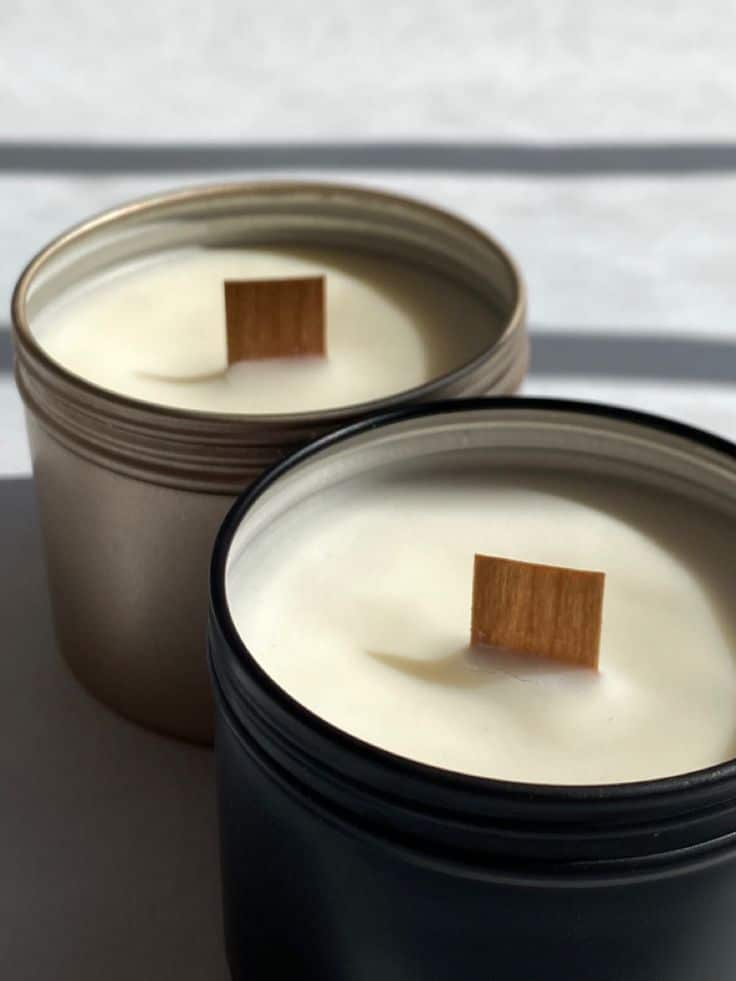
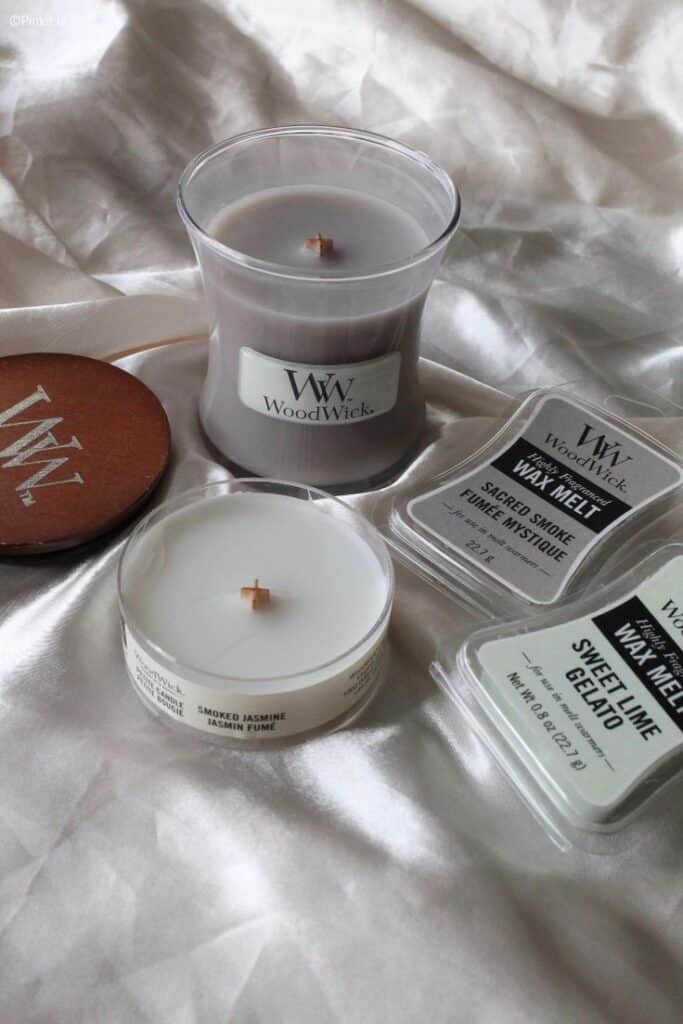
Wicks control the flame, the melt pool, and how much soot the candle makes. Match the wick to the wax and the inside diameter of the jar, not just the height of the candle. A wick that is too small tunnels; a wick that is too large burns hot, smokes, and can overheat the container. Pre-tabbed cotton wicks are the easiest place to start, while wood wicks add a soft crackle but need more testing.
It is important to test wicks because the wrong wick can cause uneven burning, excess smoke, or flickering. Most beginners start with pre-tabbed cotton wicks for ease.
Containers and molds for candle making
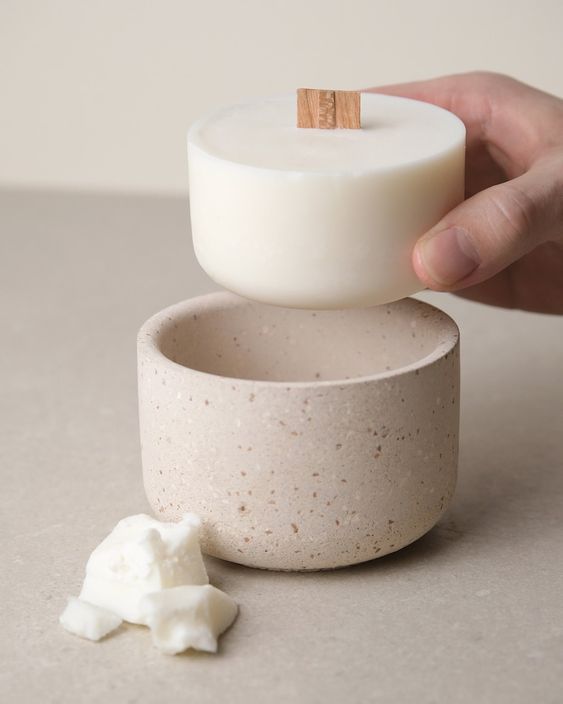
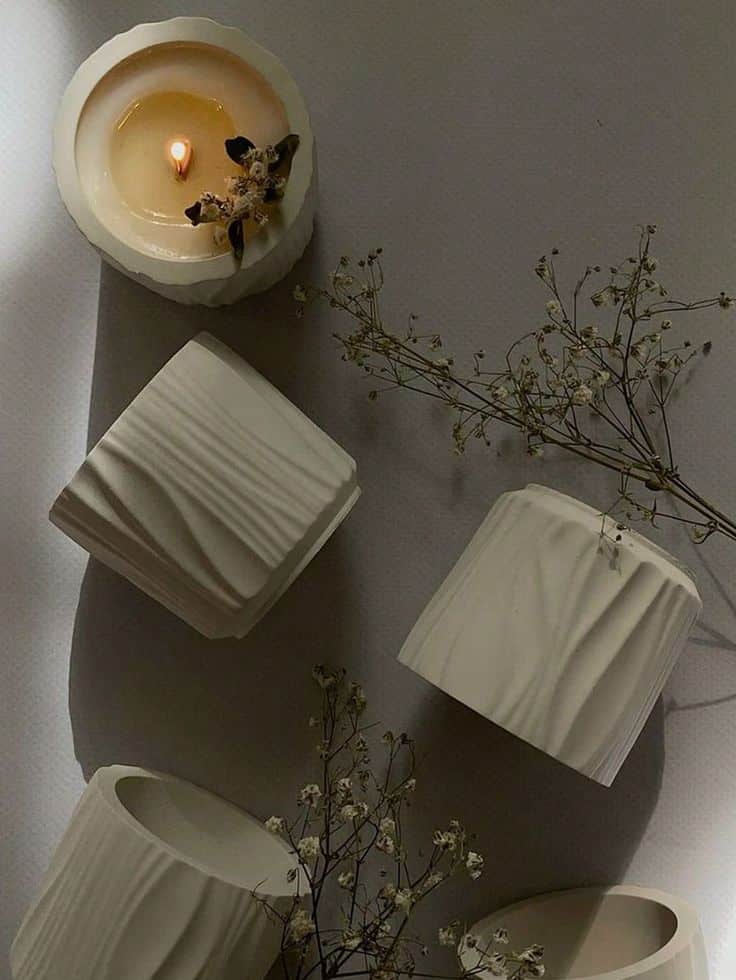
Containers give shape and safety to candles. Glass jars and metal tins are popular choices because they can hold melted wax safely. Heat-resistant glass is ideal to prevent cracking. Molds are used for molded candles and come in many shapes like pillars, spheres, or novelty designs.
Choosing container size is important; too big or small affects how the candle burns. Containers should be clean and dry before pouring in wax. Using molds allows for creative shapes but requires careful handling when removing the candle.
Step-by-step DIY candle making guide
The actual candle making process is slow rather than difficult. Set everything out before the wax melts, because once fragrance and temperature are involved, you do not want to be searching for a wick sticker or paper towel with one hand on a hot pitcher.
Prepare your candle making workspace
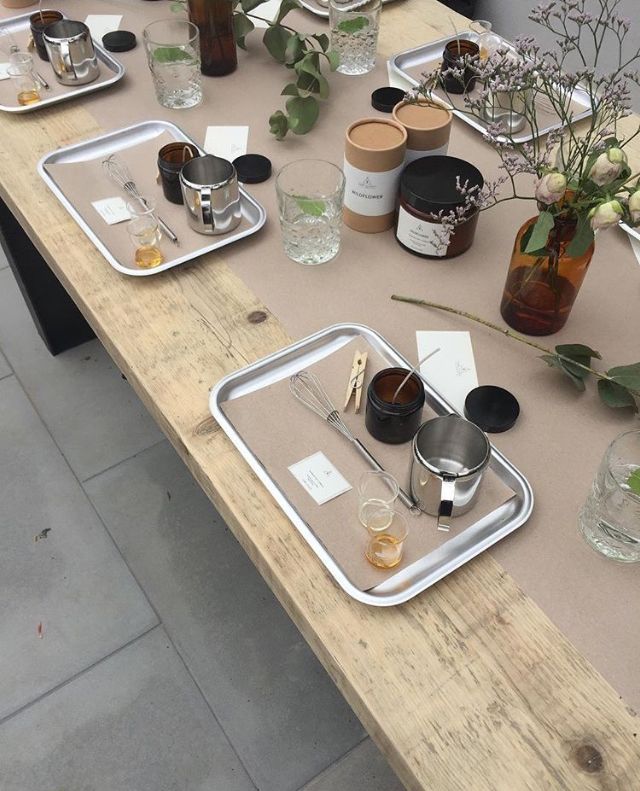
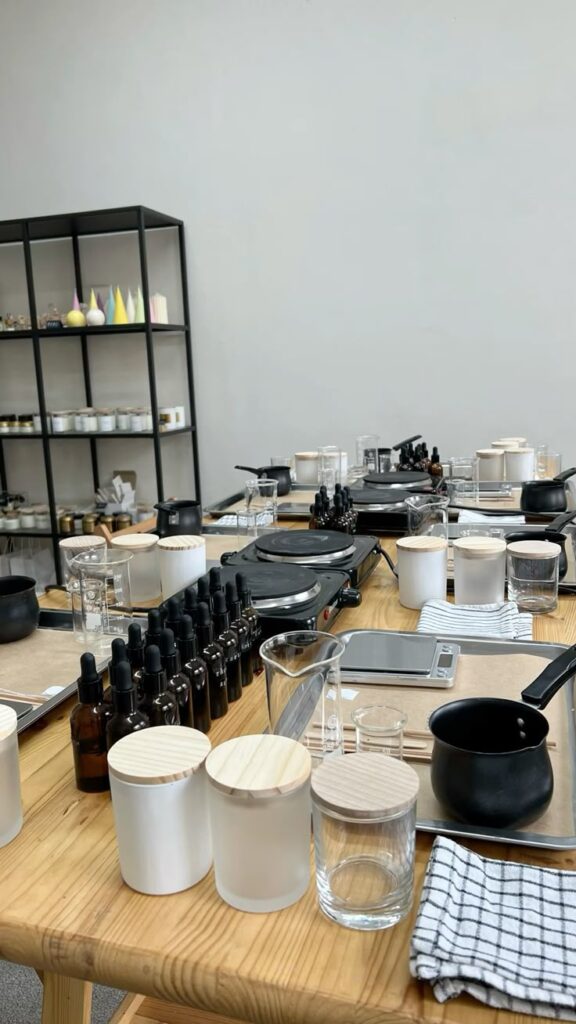
Before starting, clear a flat surface and cover it with newspaper or a brown paper bag. This protects against wax spills. Make sure the area is well-ventilated to avoid inhaling fumes.
Gather all materials first: wax, wick, container, a double boiler, and any scents or dyes. Keep a thermometer nearby to check wax temperature.
Place a heat-resistant mat or tray under the candle container to catch drips. Have paper towels handy for quick clean-up. Wear old clothes or an apron to avoid stains.
Melt and mix the wax
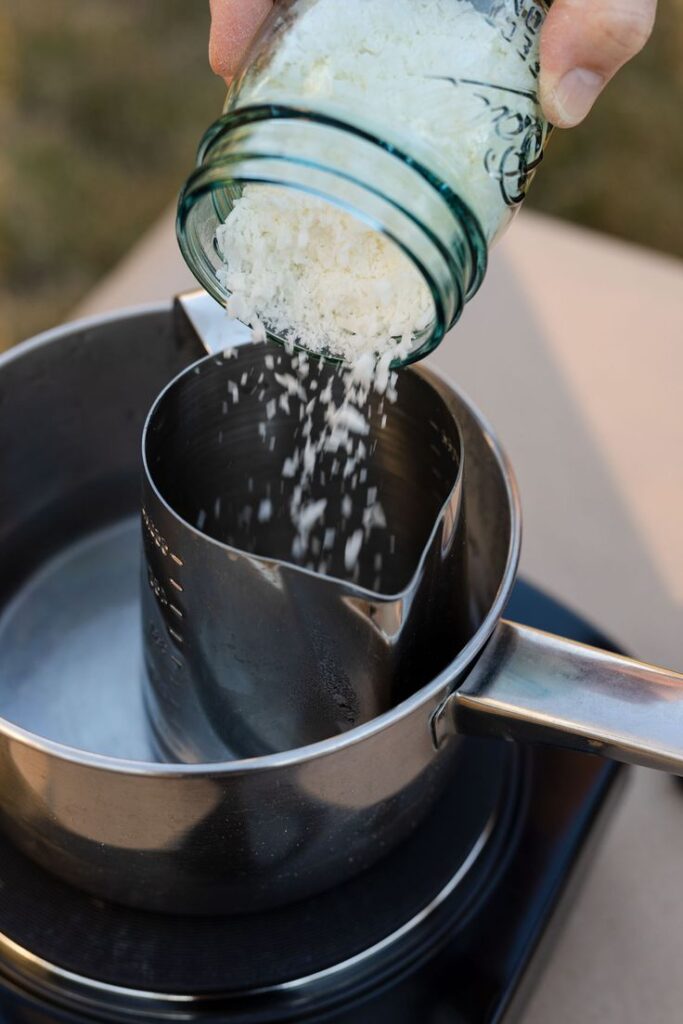
Use a double boiler to melt the wax gently. This keeps it from burning. Heat the wax until it reaches the recommended temperature, usually around 170-180°F (77-82°C).
Once melted, remove from heat and add fragrance oils or color dyes. Stir slowly for about 30 seconds to mix evenly. Avoid stirring too fast, which can create bubbles.
Check the wax temperature again before pouring. Ideal pouring temperature varies by wax type but is often around 140-150°F (60-65°C). This helps the candle set smoothly.
Pour the candle wax cleanly
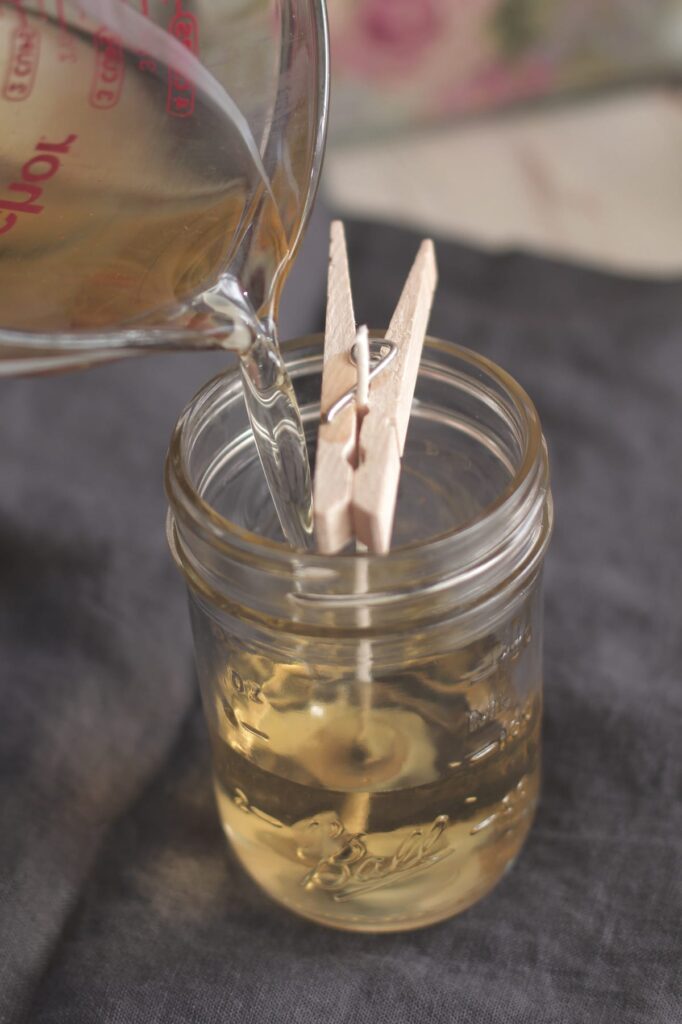
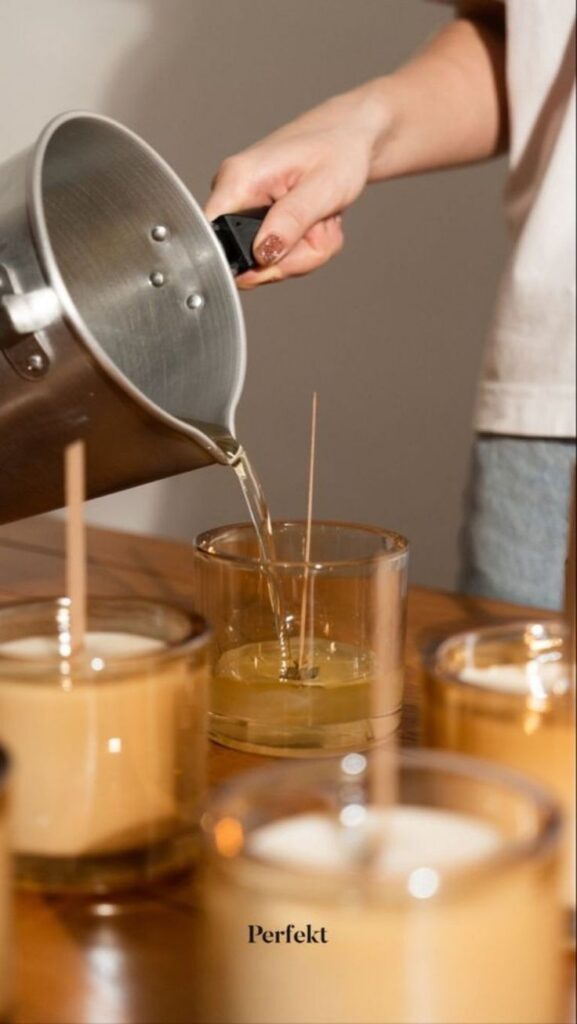
Slow and steady pouring helps avoid air bubbles and uneven surfaces. Start by pouring a small amount to cover the wick base. This keeps the wick in place.
Fill the container up to about ½ inch from the top. Leave some space for wax expansion as it cools.
Hold the container steady and try not to move it until the wax fully hardens. If bubbles appear on the surface, use a toothpick to gently pop them.
Allow the candle to cool at room temperature, away from drafts, for several hours before trimming the wick and using it.
Adding scent and color to homemade candles
Scent and color are where homemade candles start to feel personal, but they can also ruin a batch if you add too much. Work in small tests first. A restrained lavender, vanilla, citrus, cedar, or clean linen blend usually looks and burns better than a jar overloaded with oil and dye.
Choose candle-safe fragrance oils
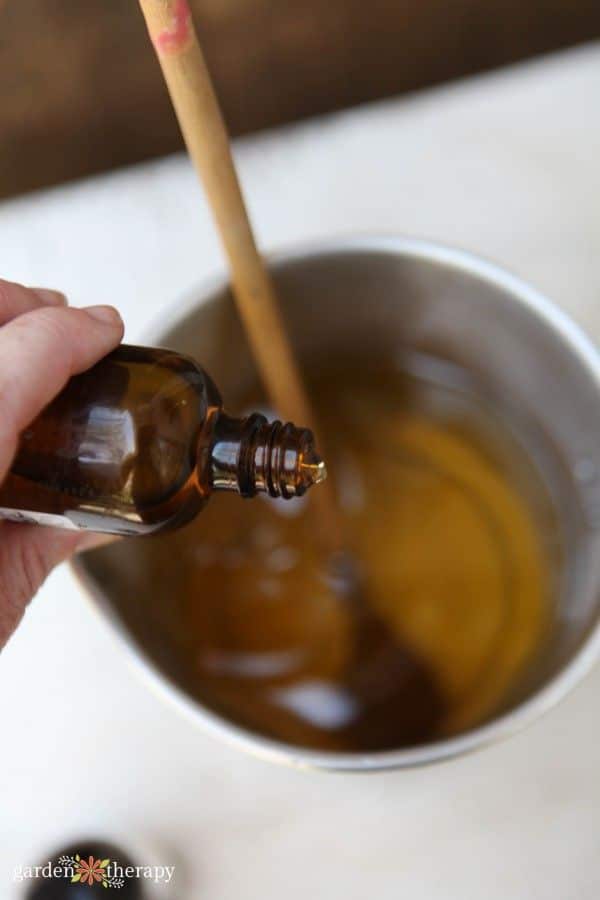
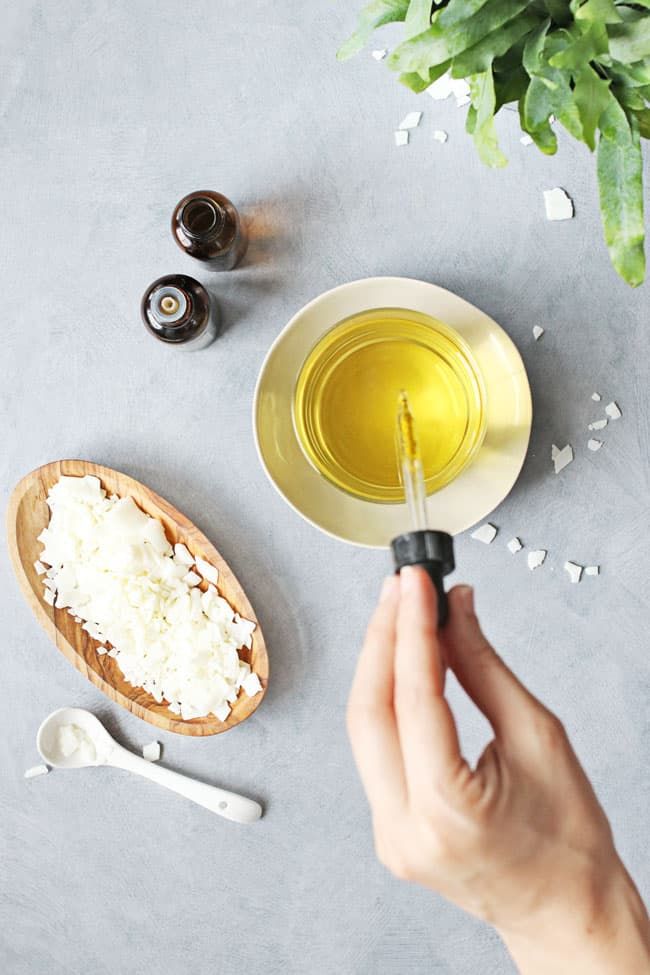
Fragrance oils are made for candle making and give strong, lasting scents. It’s important to use oils made for candles because some scents don’t mix well with hot wax.
When adding fragrance oils, the usual amount is about 6-10% of the wax weight. Too much can affect how the candle burns. The best time to add oils is when the wax cools to around 180°F (82°C) to keep the scent strong.
Some popular scents are lavender, vanilla, and citrus. Testing small amounts first helps find the right mix and strength.
Use natural dyes carefully
Natural dyes can give candles soft, earthy color, but they are not automatically safer in a burning candle. Powders, petals, and plant material can clog the wick or leave specks in the wax. Use very small amounts, test the burn, and keep flammable decoration away from the flame path.
Common natural dyes include turmeric for yellow, beetroot powder for pink, and spirulina for green. The powders should be finely ground for even color.
To color wax, add the dye to melted wax and stir well. Using too much can make the wax grainy, so it’s best to start with small amounts and adjust as needed.
Natural dyes may create subtle colors rather than bright ones, perfect for a cozy, natural look.
Creative candle decorating ideas
Decorating candles can add style and personality to simple wax creations. Using color layers or natural touches such as flowers and leaves makes each candle unique and eye-catching.
Layer colored candle wax
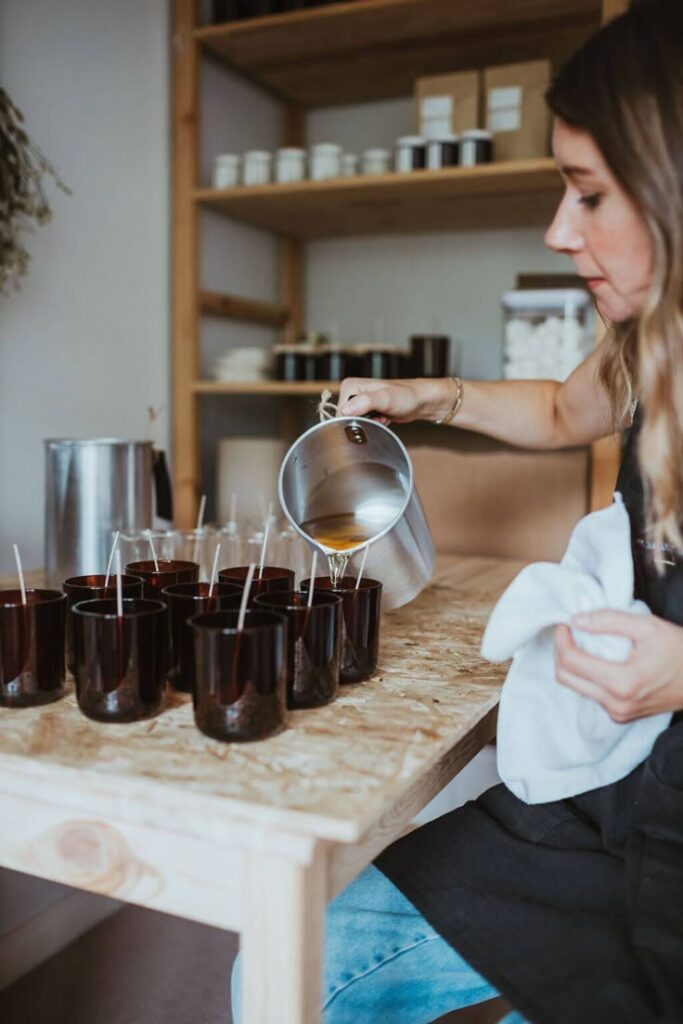
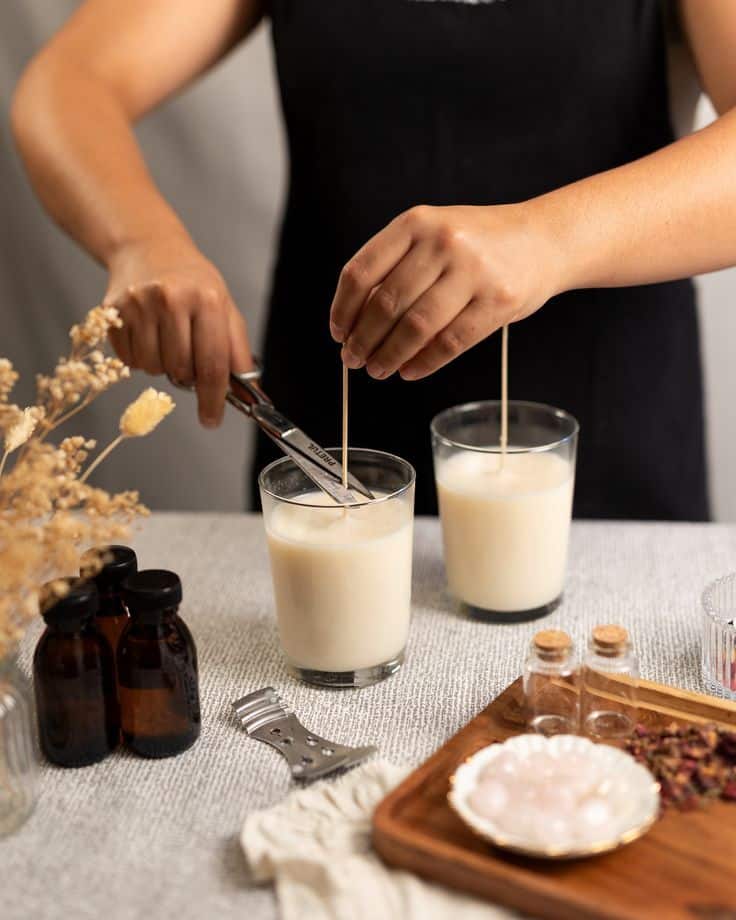
Layering involves pouring different colored wax in stages. Each layer should cool slightly before adding the next. This helps keep the colors separate and neat.
To try layering, melt wax in small batches with different dyes. Pour the first layer and wait until it is partially set but still warm. Then pour the second colored wax slowly on top. Repeat for more layers.
Using contrasting colors or matching tones can create either bold or soft effects. You can also tilt the container slightly when pouring a layer to create angled color patterns.
Decorate candles with botanicals safely
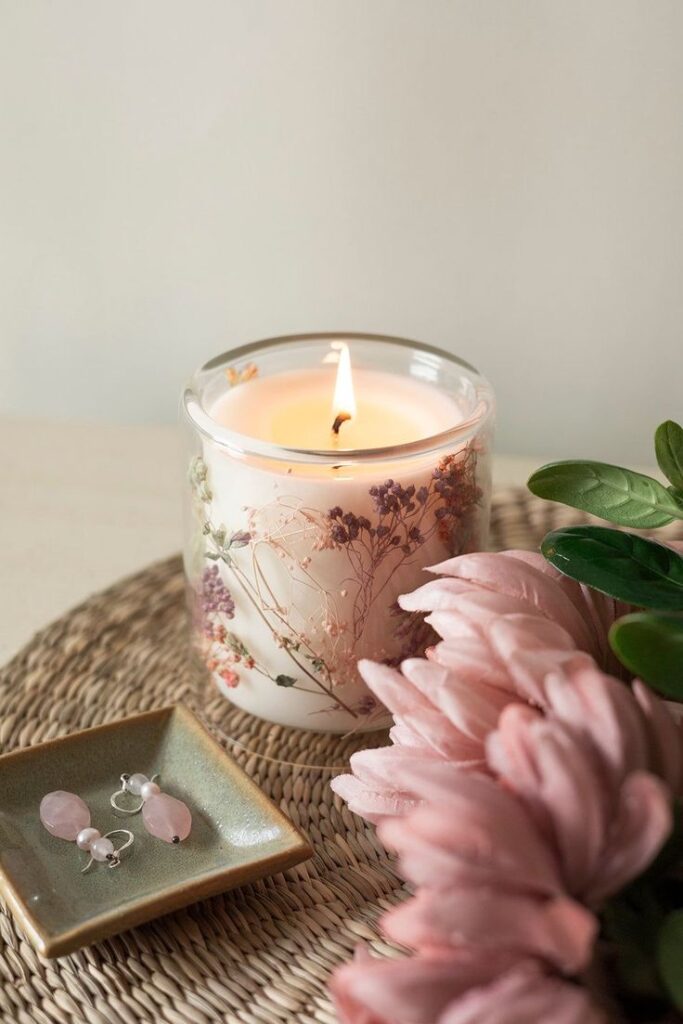
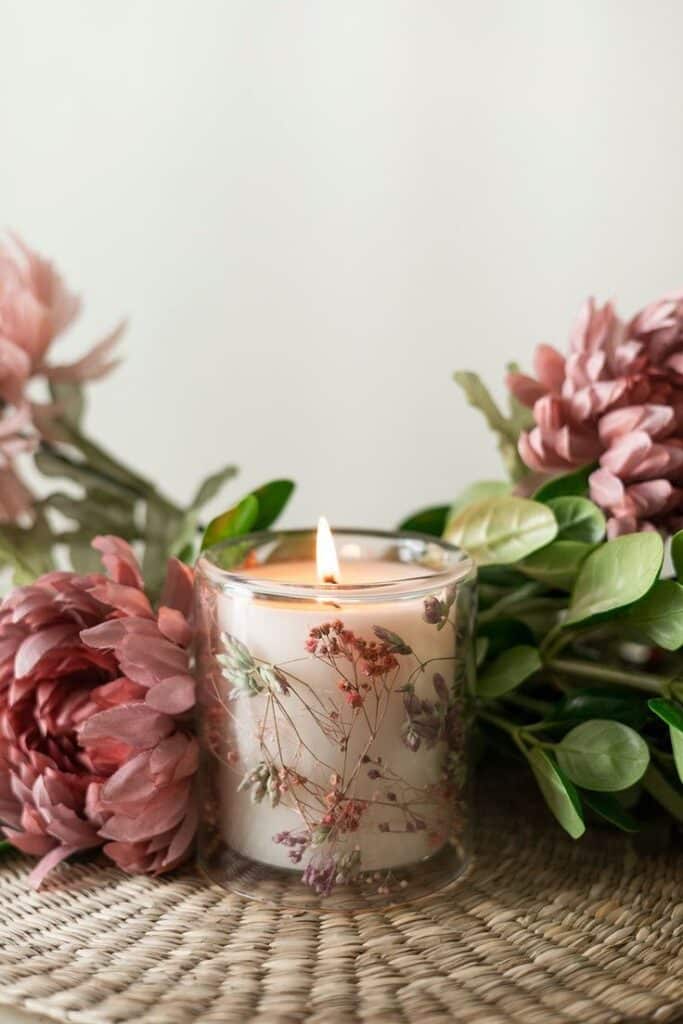
Adding dried botanicals to candles can enhance natural beauty. Flowers, leaves, and herbs work well on the surface or pressed into the wax.
Before placing botanicals, make sure they are fully dry to avoid mold or discoloration. Attach them gently on the candle outer edge or embed carefully when wax is slightly soft.
Popular botanicals include rose petals, lavender buds, eucalyptus leaves, and small pine cones. Using a clear wax or gel wax helps keep these details visible.
Simple fixes like tying twine or adding a small dried flower bundle around the candle also add charm without much work.
Candle making safety and troubleshooting
Safety matters while you make the candle and later when you burn it. Hot wax can burn skin, fragrance oils need careful handling, and a finished candle is still an open flame. For burn care, general candle safety guidance recommends trimming the wick, avoiding drafts, and stopping before the container overheats.
Handle hot wax safely
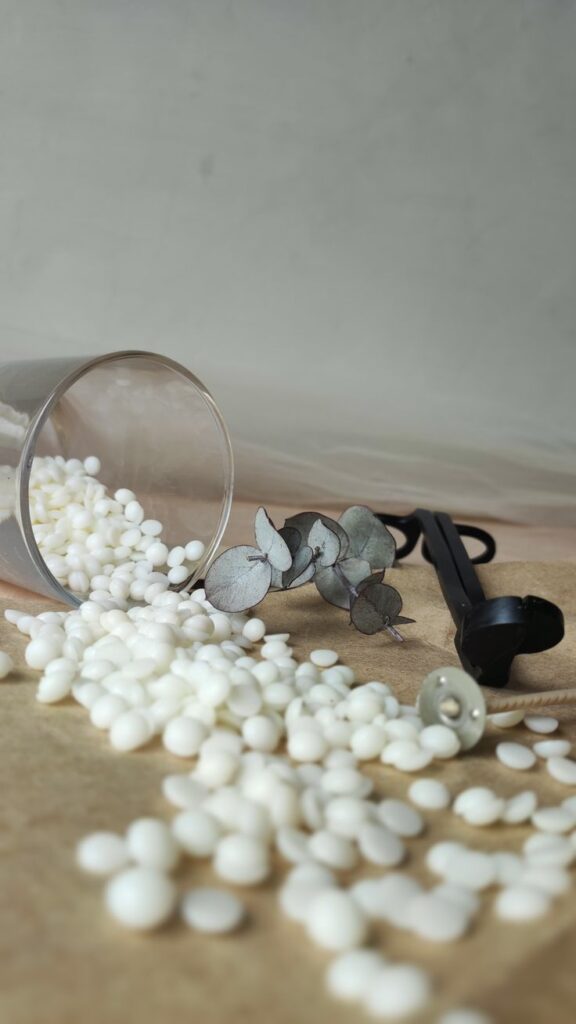
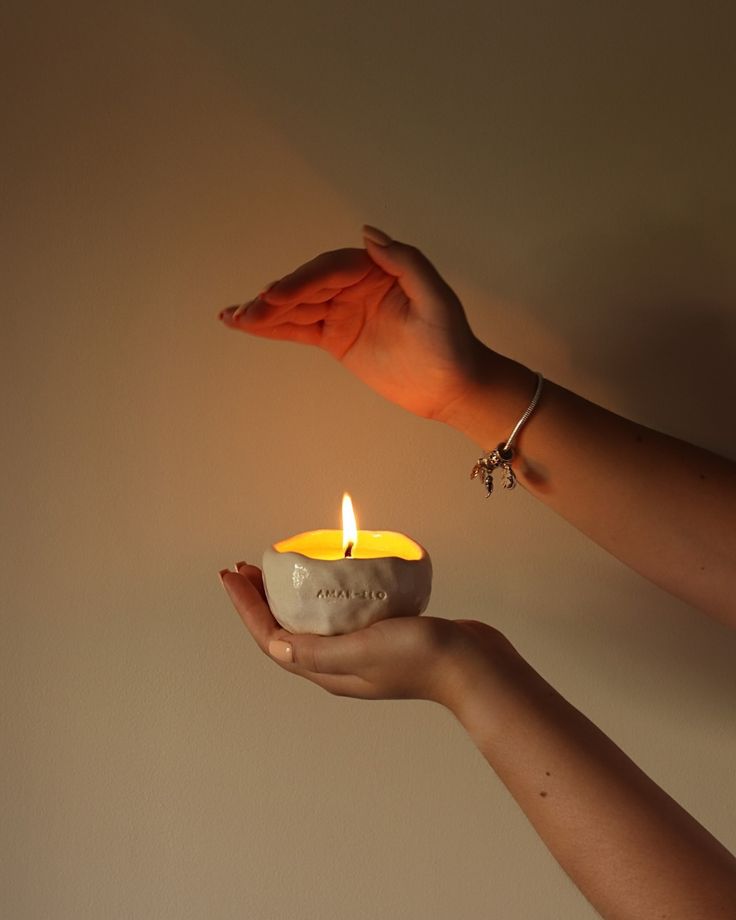
Hot wax can cause burns and spills if not handled properly. It should never be left unattended, even when using a double boiler.
If wax spills on skin, quickly run the area under cold water to cool it and stop burning. Avoid brushing hot wax off skin, as this spreads the burn.
Never wear rubber gloves while handling hot wax because they can melt. Use heat-resistant gloves made for kitchen use instead.
Keep the workspace clean and free of clutter to avoid accidents. Always use tools designed for candle making and have a fire extinguisher nearby as a precaution.
Fix common candle problems
Bubbles and tunnels inside candles often come from pouring wax too quickly or at the wrong temperature. Pour wax slowly and follow recommended melting points.
If a candle burns unevenly or the wick moves, the wick may be the wrong size or made from poor materials. Use the correct wick type based on the candle’s diameter.
Soot can be reduced by trimming the wick to about ¼ inch before each burn. Too long wicks cause smoking and uneven burning.
If candles won’t light easily, the wick might be too short or covered in hardened wax. Gently remove excess wax or replace the wick for a better flame.
Related DIY projects
If you want a full handmade gift set, pair the candle with a small tray from these DIY clay projects, a simple home accent from these DIY home decor crafts, or a glossy coaster idea from the resin art guide.
DIY candle making FAQ
What is the easiest wax for DIY candle making?
Soy wax is usually the easiest wax for beginner candle making because it melts evenly, cleans up with less drama than some harder waxes, and works well in jars. Paraffin is cheaper and gives strong scent throw, while beeswax has a natural honey smell but costs more. For a first project, a soy container candle is the most forgiving choice.
How much fragrance oil should I add to candle wax?
Most beginner candles use about 6-10% fragrance oil by wax weight, but the exact amount depends on the wax and the fragrance oil. Too much oil can weaken the burn, sweat out of the wax, or make the candle smell harsh. Start near the lower end, write down the ratio, and adjust after a small test candle.
Can I make candles without a thermometer?
You can melt wax without a thermometer, but a thermometer makes the result much more predictable. Candle wax reacts to temperature: fragrance blends better at one range, while pouring too hot or too cool can cause sinkholes, frosting, bubbles, or poor surface finish. For beginners, a simple kitchen thermometer is worth using.
Why did my homemade candle tunnel?
Tunneling usually happens when the wick is too small or the first burn is too short. The wax melts only around the wick and leaves a hard ring near the container wall. Use a wick size that matches the jar diameter, then let the first burn create a full melt pool across the top before you blow it out.
How long should homemade candles cure before burning?
Many homemade candles can be tested after 24-48 hours, but soy candles often smell better after about one to two weeks of curing. Curing gives the wax and fragrance time to bind. If you are making candles as gifts, pour them early, label the scent, and test one candle from the batch before giving the rest away.
Are dried flowers safe inside candles?
Dried flowers look beautiful, but they should not sit close to the wick or flame. Loose botanicals can catch fire if they migrate into the melt pool. For safer decorating, keep dried flowers on the outside of a container, use them on packaging, or press them into decorative wax pieces that are not meant to burn.
What supplies do beginners need to make candles at home?
Beginners need wax, pre-tabbed wicks, heat-safe containers, a double boiler or pouring pitcher, a thermometer, fragrance oil made for candles, wick stickers or glue dots, and something to center the wick. Dye, labels, botanicals, and decorative jars are optional. Start with a small batch so mistakes stay cheap.
- 322shares
- Facebook0
- Pinterest316
- Twitter6
- Reddit0