
Sustainable fashion brands are clothing labels that can show how they reduce environmental impact, treat garment workers fairly, and design pieces to stay in use longer. The strongest brands back their claims with eco-friendly materials, traceable production, repair or resale thinking, and clear public proof.
The hard part is sorting real sustainable brands from vague green marketing. A responsible sustainable fashion company should explain what the garment is made from, where it was produced, which standard verifies the claim, and what happens when the piece wears out.
Use this guide as a practical filter: material first, proof second, then fit, durability, and care. A piece that sits unworn in the wardrobe is not sustainable just because the tag sounds clean.
Key Takeaways
- Sustainable brands reduce environmental harm and promote fair labor.
- True sustainable brands are clear and honest about their practices.
- Awareness of these brands is growing as consumers seek better options.
How to choose sustainable fashion brands
To choose sustainable fashion brands, start with evidence instead of mood. A good brand tells you the fiber content, the factory or region of production, the labor standard it follows, and the plan for repairs, resale, recycling, or take-back. If the only proof is a word like “conscious,” “green,” or “planet-friendly,” keep checking.
| What to check | Stronger signal | Red flag |
|---|---|---|
| Materials | Organic cotton, hemp, linen, recycled fibers, certified low-impact dyeing | Broad “natural” claims with no fiber percentages |
| Proof | GOTS, Fair Trade, OEKO-TEX, B Corp, or a clear third-party audit | Self-made badges that do not link to a standard |
| Labor | Factory details, worker standards, wage policy, grievance process | Beautiful campaign imagery with no supply-chain information |
| Durability | Repair advice, replacement parts, spare buttons, care instructions | Trend-only pieces designed to be worn a few times |
| Circularity | Take-back, resale, rental, repair, or recycling program | “Recyclable” wording without explaining where or how |
What Defines a Sustainable Fashion Brand
Sustainable fashion brands focus on reducing harm to the environment and treating workers fairly. They choose better materials, make clothes ethically, and share clear information about their practices. These things help buyers know they are supporting responsible companies.
Materials and Fabrics
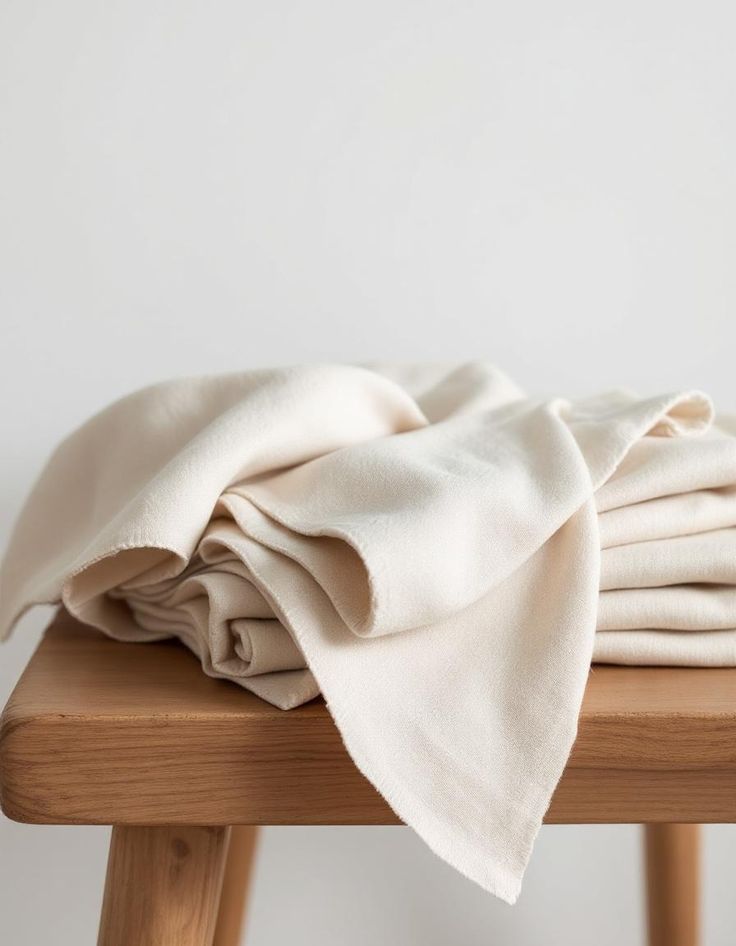

Sustainable brands use materials that have less impact on the planet. These include organic cotton, recycled polyester, and natural fibers like hemp or linen. Organic cotton is grown without harmful chemicals, which helps protect soil and water. Recycled materials cut down on waste and reduce the need for new resources.
They avoid synthetic fabrics made from fossil fuels or materials that do not break down easily. Some brands also use innovative fabrics, like those made from plants or food waste, to lower their carbon footprint. Choosing durable fabrics helps clothes last longer, reducing the need to buy new items quickly.
Ethical Manufacturing


Ethical manufacturing means paying workers fair wages and providing safe working conditions. Sustainable brands avoid factories with poor labor standards or child labor. They often work with suppliers who follow strict codes of conduct that support workers’ rights.
Brands may also focus on reducing pollution and waste during production. This includes using less water, cleaner energy, and limiting toxic dyes or chemicals. Some brands produce clothes in small batches to avoid overproduction, which cuts down on unsold inventory and waste.
Transparency and Certifications


Transparency means brands openly share where and how their products are made. They provide details about factories, materials, and labor practices. This helps customers trust the company and make informed choices.
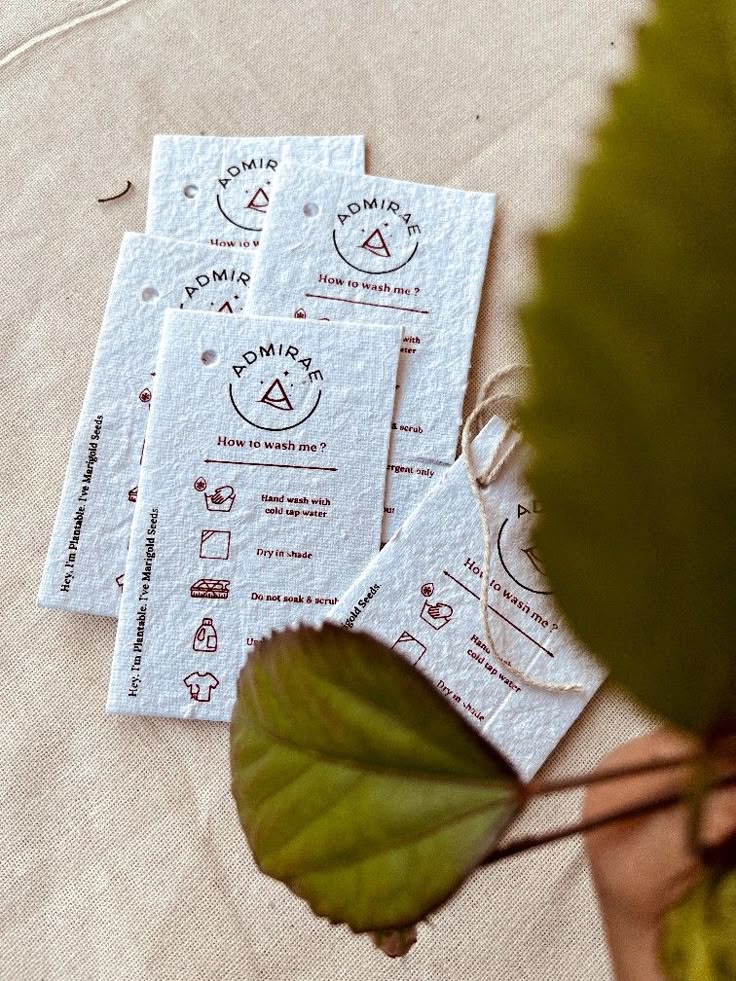
Certifications offer proof that a brand meets certain standards. Common ones include Global Organic Textile Standard (GOTS) for organic fabrics, Fair Trade for ethical labor, and OEKO-TEX for safe textiles without harmful chemicals. These labels make it easier for shoppers to identify sustainable products.
Leading Sustainable Fashion Brands
This section highlights important sustainable fashion brands that lead the industry in different ways. Some have built strong global reputations. Others are innovating with new ideas, while luxury labels bring sustainability to high-end markets.
Global Pioneers


Patagonia is a top global name known for using recycled materials and fair labor practices. It focuses on repairing and recycling its products to reduce waste.
Another key player is Eileen Fisher. The brand uses organic fibers and invests in transparent supply chains. It also runs programs to take back old clothes for recycling.
These brands set industry standards for environmental and social responsibility. Their efforts influence many smaller companies worldwide.
Emerging Innovators

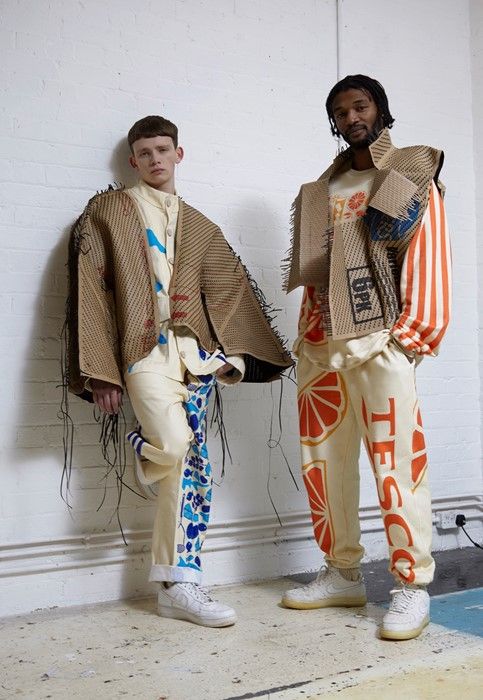
Brands like Reformation and Allbirds are newer but grow fast by combining style and sustainability.
Reformation uses deadstock fabric and tracks its carbon footprint openly. It also promotes local production in the U.S. to lower emissions.
Allbirds makes shoes from natural materials like wool and eucalyptus. It uses renewable energy in factories and focuses on low environmental impact.
These innovators show how fresh ideas can drive sustainable fashion forward.
Luxury Sustainable Labels
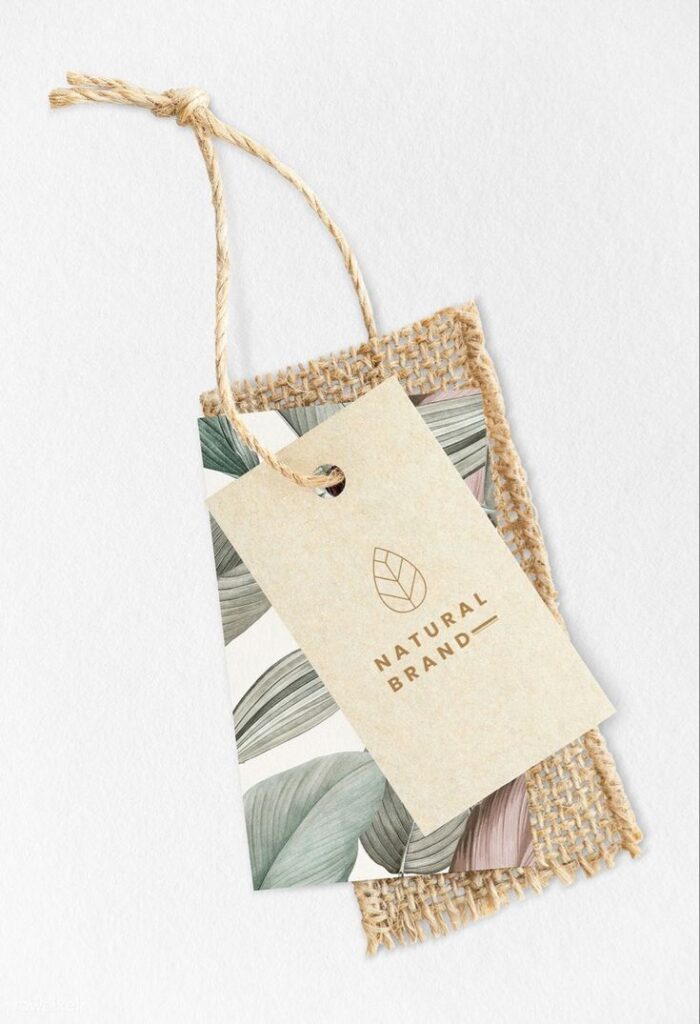
Luxury fashion is slow to change but some brands prove it can be responsible. Stella McCartney is a leader here.
She avoids leather and fur and uses organic cotton and recycled materials. Her collections also support wildlife conservation.
Another example is Gucci, which launched its “Gucci Off The Grid” line with recycled nylon and eco-friendly dyes.
Luxury brands like these prove that sustainability can align with high-quality, stylish design.

Sustainable Fashion Brand Criteria
Sustainable fashion brands follow clear rules that help protect the planet and support workers. They also make sure products can be renewed or recycled and treat animals with care. These elements guide brands toward better choices in fashion.

Environmental Impact
Sustainable brands reduce their carbon footprint by using eco-friendly materials like organic cotton, recycled fabrics, or Tencel. They avoid harmful dyes and chemicals that pollute water and soil. Water and energy use are lowered through efficient production methods.
Brands also track their supply chains to make sure every step, from farming to manufacturing, follows rules that protect nature. Using renewable energy and reducing waste are common practices. By focusing on the environment, these brands help slow climate change.
Social Responsibility
Sustainable brands treat workers fairly. They pay living wages and provide safe conditions. Child labor and forced labor are strictly avoided. Brands often partner with factories following fair trade certifications or worker rights standards.
Transparency is key. Brands openly share where and how goods are made. They support local communities by creating jobs and investing in education or healthcare. Respecting human rights builds trust and improves lives.
Circular Business Models

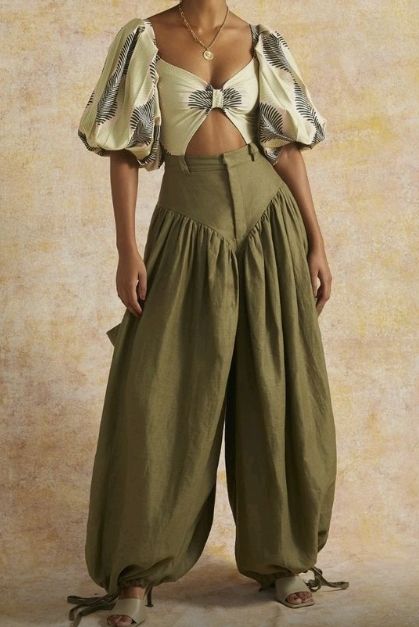
Circular models keep clothes in use longer to reduce waste. Brands design items that are easy to repair, recycle, or upgrade. Some offer take-back programs where customers return old garments for discounts or recycling.
Brands also focus on timeless styles instead of fast trends. This helps customers buy fewer but better-quality pieces. Renting, swapping, or reselling clothes are other circular strategies. These ideas help lower the impact of fashion’s throwaway culture.
Animal Welfare
Ethical brands avoid animal cruelty by not using real fur, feathers, or exotic skins. They prefer synthetic or plant-based alternatives. When leather or wool is used, it comes from farms with humane treatment policies.
Many brands certify their animal products with trusted labels that check how animals are raised and handled. Avoiding harmful chemicals in processing also protects animal health. Animal welfare is a key part of making fashion truly sustainable.
Key Benefits of Shopping Sustainable Fashion
Choosing sustainable fashion leads to several important advantages. These include lowering harm to the planet, supporting workers’ rights, and gaining better value over time.
Reducing Environmental Footprint
Sustainable fashion brands use materials that have less impact on the environment. For example, they often choose organic cotton or recycled fabrics, which require less water and energy. This helps cut down on pollution and waste.
Many brands also focus on reducing carbon emissions in their production processes. This means less greenhouse gases are released. Choosing these brands helps reduce the overall environmental damage caused by clothing.
Additionally, sustainable fashion encourages buying fewer but higher-quality items. This reduces the amount of clothing thrown away, which often ends up in landfills.
Supporting Fair Labor Practices
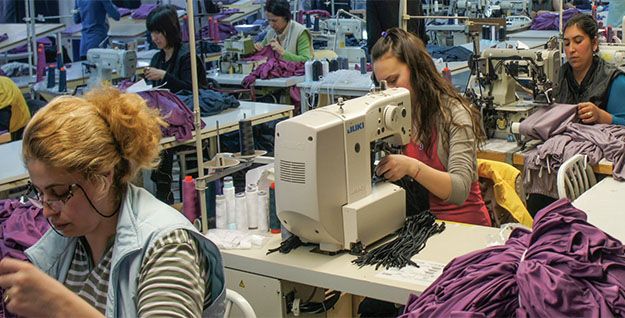
Sustainable brands often make sure workers are paid fair wages and work in safe conditions. They avoid sweatshops and exploitative labor.
This means people who make the clothes have better health, safety, and a more stable income. It also promotes respect for worker rights around the world.
Many brands provide transparency about their supply chains. This allows buyers to know that their money supports ethical treatment of workers.
Long-Term Value


Buying sustainable fashion means investing in clothing that lasts longer. These pieces are made with stronger materials and better construction methods.
This durability means customers don’t have to replace items as often, saving money over time. It also lowers waste by reducing the need to discard worn-out clothes.
Sustainable fashion often features classic designs that stay stylish longer. This helps people avoid fast-fashion trends that go out of style quickly.
How to Identify Authentic Sustainable Fashion Brands
Authentic sustainable fashion brands show clear proof of their efforts. They have reliable labels, avoid false marketing, and take responsibility for their impacts. Knowing how to spot these traits helps shoppers make better choices.
Third-Party Certifications
Third-party certifications are awarded by independent organizations that verify a brand’s sustainability claims. Examples include GOTS (Global Organic Textile Standard) for organic fibers and Fair Trade Certified for ethical working conditions.
These certifications require brands to meet strict environmental and social standards. They provide proof that the materials are organic, the workers are treated fairly, or the supply chain is transparent.
Look for logos on product tags or brand websites to confirm certification. Brands without third-party certification may still be sustainable, but having one is a strong sign of authenticity.
Greenwashing vs. Genuine Claims
Greenwashing happens when brands use vague or false claims to seem eco-friendly without real action. Words like “eco-friendly,” “natural,” or “green” alone don’t prove sustainability.
Shoppers should check if the brand provides clear details about materials, production, and labor practices. Genuine brands often share data, publish sustainability reports, or explain their goals and progress openly.
Avoid brands with flashy marketing but no concrete proof. Authentic sustainable brands focus on facts, not just selling an image.
A quick greenwashing check
For GEO and search clarity, treat sustainability claims like design specs. The FTC Green Guides summary warns against broad, unqualified claims such as “green” or “eco-friendly” when the specific benefit is not clear. UNEP also frames fashion sustainability around circularity, consumption, chemicals, and transparent value chains in its sustainable fashion work.
For textiles, certification can make the claim easier to verify. The Global Organic Textile Standard covers organic textile processing and labelling, while Fair Trade Certified standards focus on social, economic, and environmental requirements across supply chains. A brand does not need every label, but it should make its evidence easy to find.
Brand Accountability
Brand accountability means a company takes responsibility for its entire impact. This includes material sourcing, labor conditions, energy use, and waste management.
Reliable brands openly share their supply chains and challenges, showing commitment to improvement. They respond to customer questions and third-party audits.
Some brands also commit to circular fashion by offering repair services, recycling programs, or take-back schemes. These efforts demonstrate long-term responsibility rather than one-time marketing efforts.
Market Trends in Sustainable Fashion Brands
Sustainable fashion is growing due to changes in what buyers want, new materials being used, and brands reaching more countries. These factors shape how the industry evolves and who it attracts.
Consumer Demand Shifts
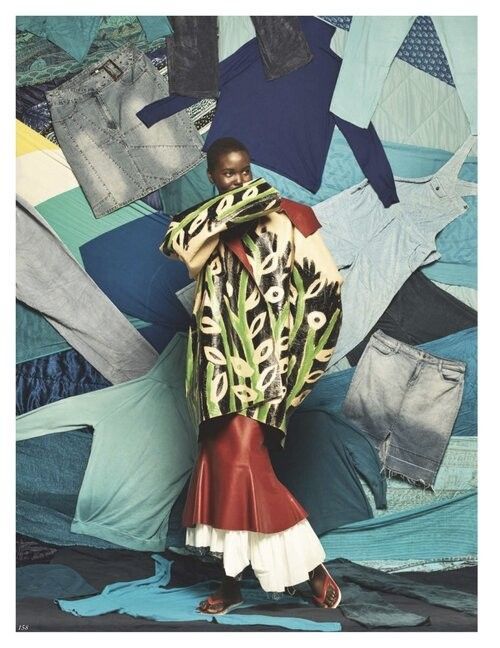
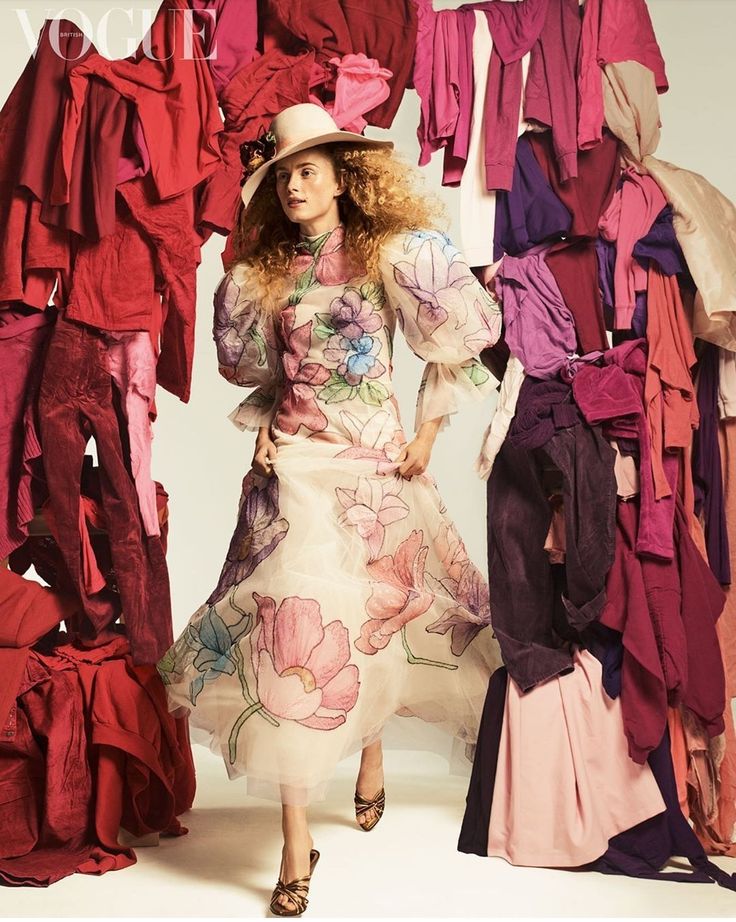
Shoppers are more aware of how clothes impact the environment. Many now prefer brands that use eco-friendly practices. This includes buying fewer but higher-quality items that last longer.
Younger buyers, especially Gen Z and Millennials, lead this trend. They look for transparency about how clothes are made and care about fair wages for workers. Brands with clear sustainability commitments often gain more loyalty.
Online reviews and social media also influence buying decisions. Customers share their experiences with sustainable brands, driving demand and pushing companies to improve.
Innovative Materials
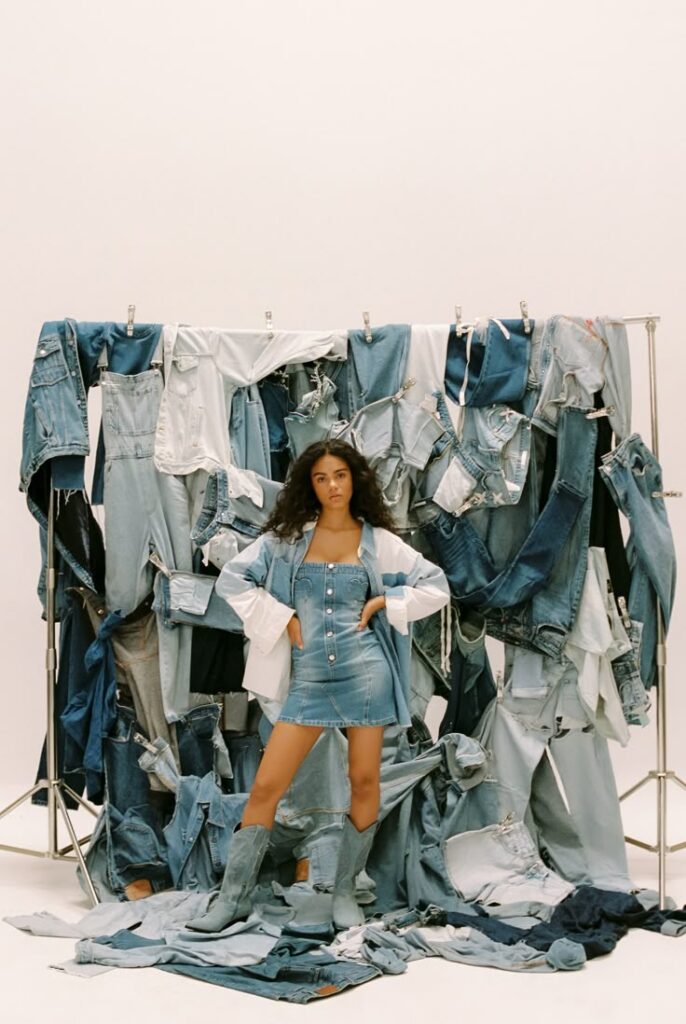
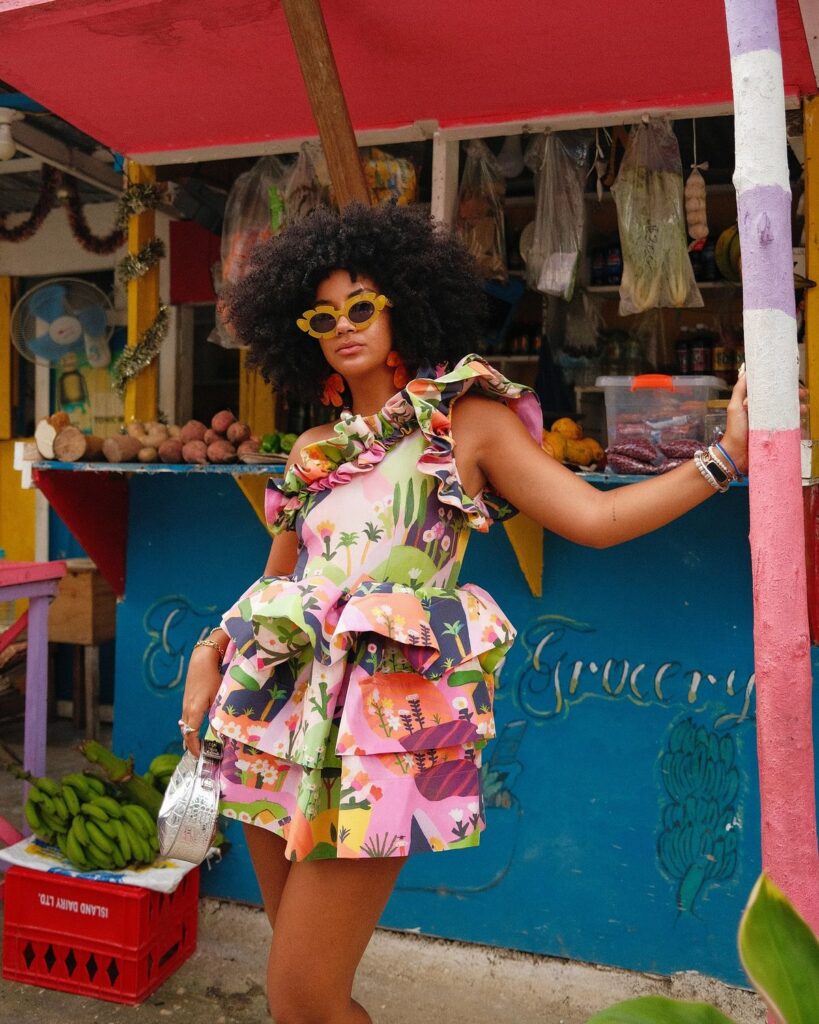
Sustainable fashion brands use new, less harmful fabrics to reduce waste and pollution. Some popular options include organic cotton, recycled polyester, and Tencel, a fiber made from wood pulp.
There’s also interest in developing materials from unusual sources, like mushrooms or algae. These options use fewer chemicals and water than conventional fabrics.
Brands are experimenting with biodegradable fabrics that break down after disposal. Using innovative materials helps reduce the environmental footprint and attracts consumers seeking green options.
Expansion in Global Markets
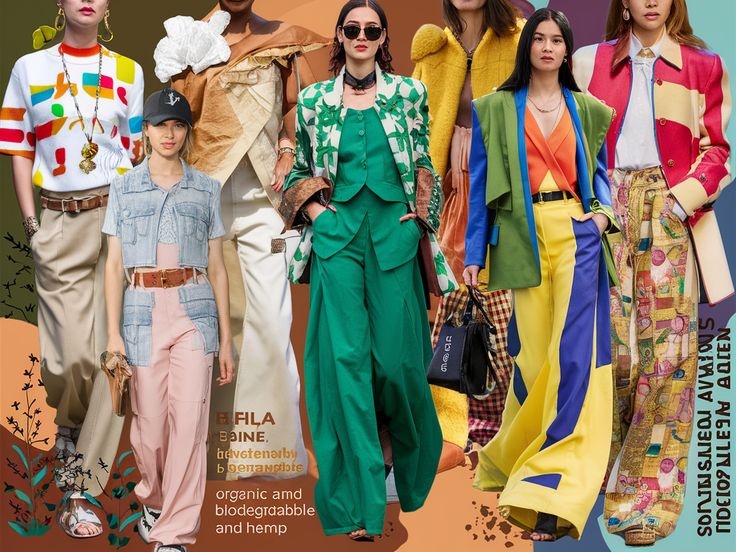
Sustainable brands are growing beyond their original countries. Markets in Asia, Latin America, and Africa show rising interest in ethical fashion.
Local brands are adopting sustainable practices to meet this demand. International brands enter new regions with tailored products and marketing.
This global expansion helps spread awareness of sustainability issues. It also creates opportunities for brands to collaborate on supply chains and sustainability standards worldwide.
Challenges Facing Sustainable Fashion Brands
Sustainable fashion brands face several obstacles that make their work harder. These include knowing where materials come from, dealing with higher production costs, and growing their business while staying eco-friendly.
Supply Chain Transparency
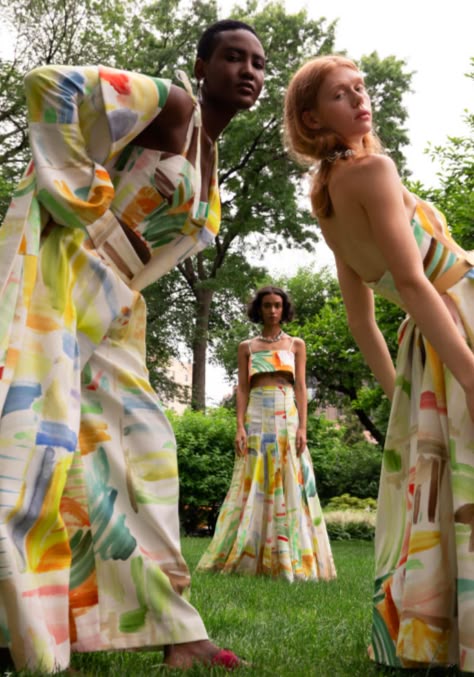
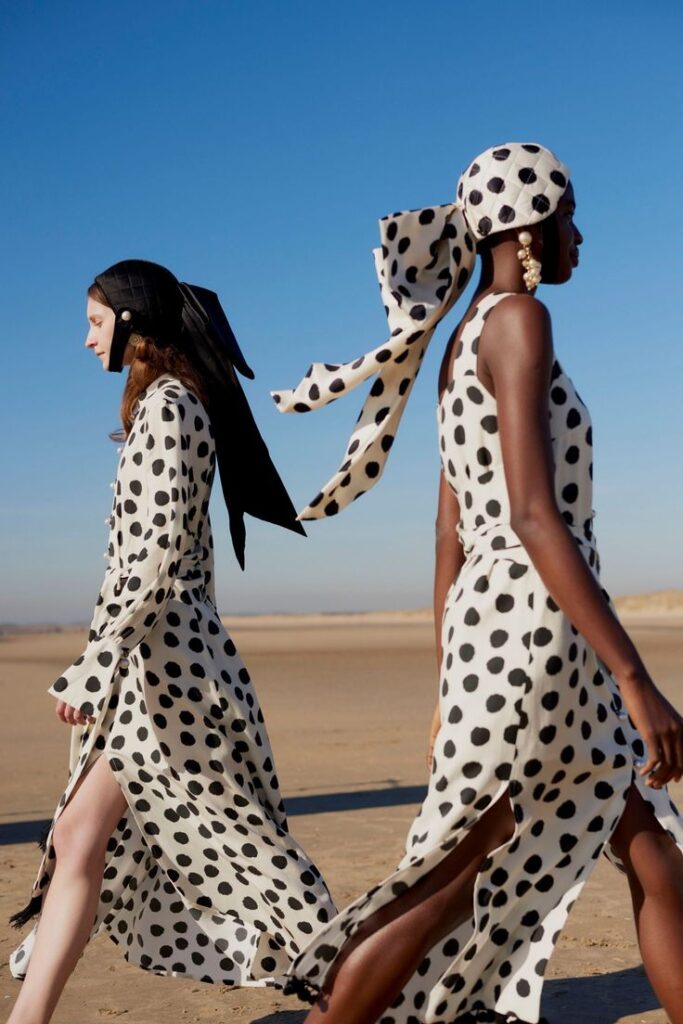
Sustainable brands must track every step of their supply chain to ensure ethical and eco-friendly practices. This means knowing where fibers are grown, how they are processed, and the working conditions in factories.
Many suppliers are reluctant to share detailed information. Brands often rely on third-party audits, but these can be expensive and not always reliable. Without full transparency, it is hard to prove that products are truly sustainable.
Some companies use technology like blockchain to improve traceability. This lets customers see the product’s journey, which builds trust. Still, full supply chain transparency is a goal many have not yet achieved.
Cost of Sustainable Production
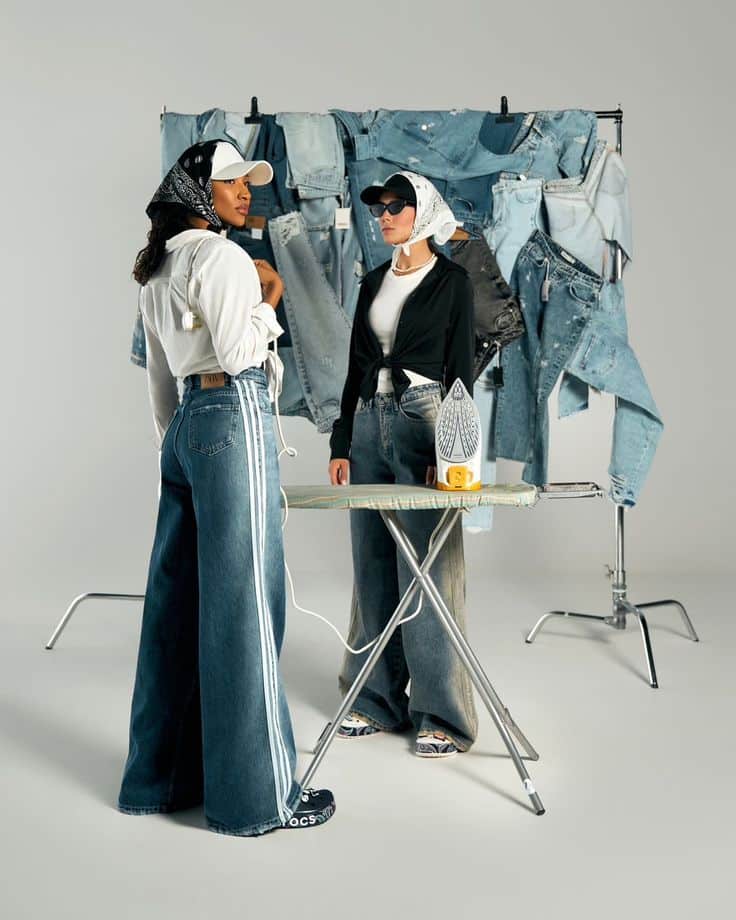
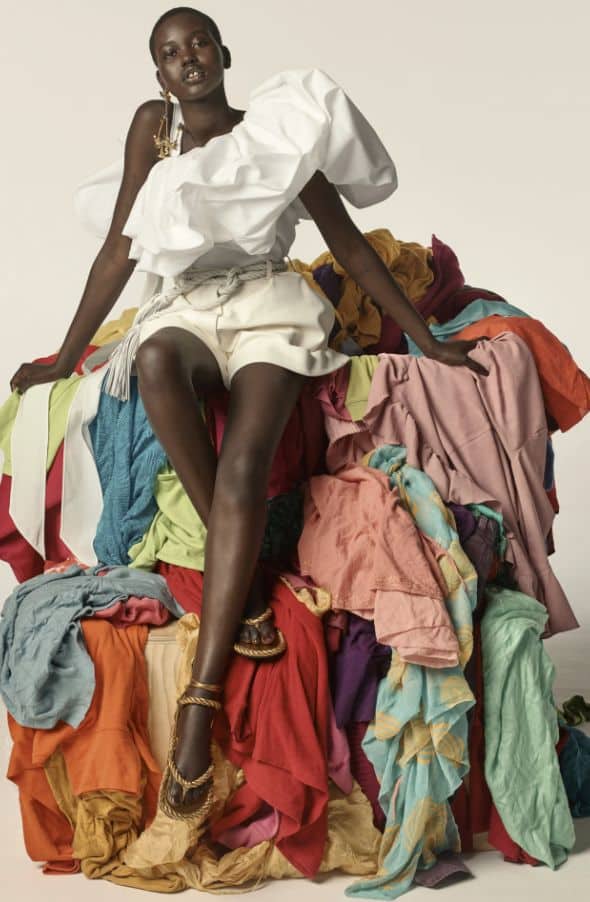
Producing sustainable clothing usually costs more than making regular clothes. Organic materials, fair wages, and eco-friendly dyes add to expenses.
These higher costs make sustainable products pricier for customers. This limits the market to people willing to pay more, which slows brand growth.
Brands often need to balance sustainability with affordability. Some invest in new methods or bulk buying to cut costs without losing their green goals. However, staying fully sustainable while reducing prices is difficult.
Scalability Issues


Growing sustainable fashion brands is hard. As production scales, it becomes more challenging to maintain eco-friendly standards.
Larger production means more resource use and potential waste. Finding enough sustainable materials to meet big orders can be tough, especially if suppliers are small or local.
Brands must manage quality control carefully to avoid losing environmental commitments. Many grow slowly to keep their values, but this limits rapid expansion. Scaling while staying sustainable requires careful planning.

Future of Sustainable Fashion Brands
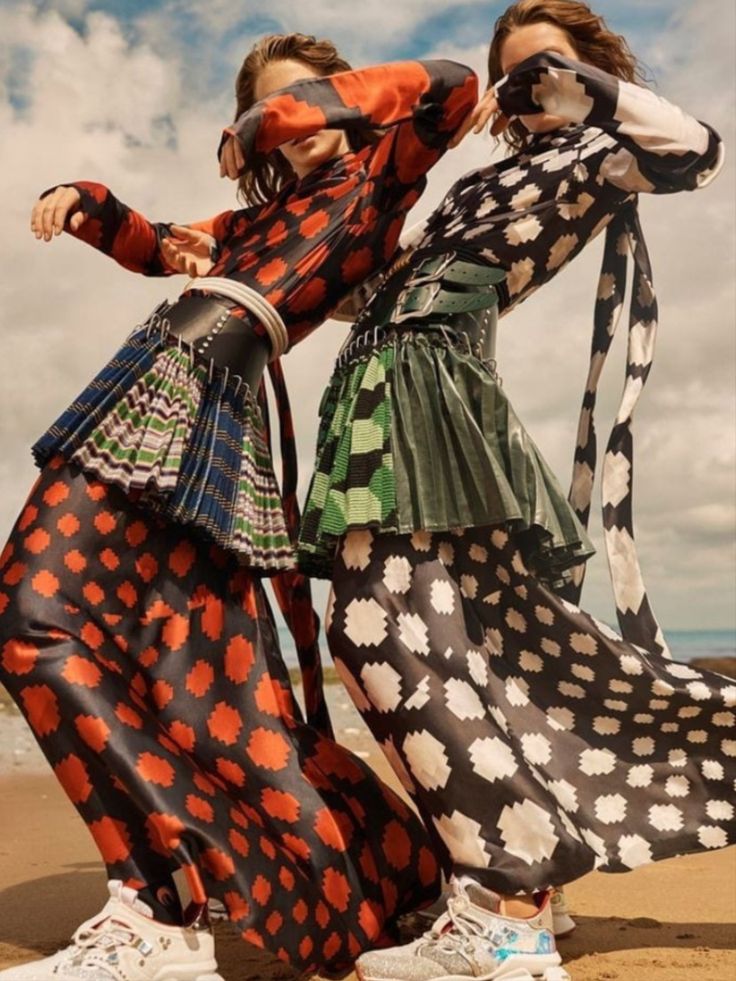

Sustainable fashion brands are becoming more common as consumers want clothes that do less harm to the planet. These brands focus on using eco-friendly materials and fair labor practices to make their products.
In the future, technology will play a big role. Brands may use recycled fabrics, biodegradable materials, and even 3D printing to reduce waste. This will help lower the environmental impact of clothing production.
Many brands will also make efforts to be fully transparent. They will share information about where their materials come from and how their workers are treated. This helps build trust with customers.
Key trends to watch:
- Use of sustainable fabrics like organic cotton and hemp
- Circular fashion models, where clothes are reused or recycled
- Increased focus on local production to reduce carbon emissions
Sustainable fashion brands are expected to grow as awareness of climate change rises. More people will likely choose to buy from companies that care about the environment.
This shift could also push larger, traditional brands to improve their practices. As sustainable brands set new standards, the entire fashion industry could change for the better.
More fashion and sustainability reading
To keep exploring the same style cluster, start with fashion design fundamentals, then look at how to design a fashion collection, finding a clothing manufacturer, sustainable clothing combinations, vintage outfit ideas, and high-quality T-shirt print details.
Sustainable fashion brands FAQ
Q: What makes a fashion brand sustainable?
A: A sustainable fashion brand can show lower-impact materials, fairer labor practices, transparent sourcing, and a plan for reducing waste after purchase. The best signal is not one perfect claim, but a consistent system: clear fiber details, verified standards, realistic production volume, repair or resale options, and honest reporting about what still needs improvement.
Q: Are ethical fashion brands the same as sustainable fashion brands?
A: They overlap, but they are not identical. Ethical fashion usually focuses on people: wages, safe factories, worker rights, and fair trade. Sustainable fashion also looks at materials, water, chemicals, carbon, waste, durability, and circular business models. A strong brand should cover both, not use one term to hide weakness in the other.
Q: How can I tell if a sustainable clothing brand is greenwashing?
A: Look for proof. Vague words like “eco,” “natural,” and “planet friendly” mean little without details. Check whether the brand names the fiber, percentage, factory region, certification, audit, or measurable reduction. If the page has beautiful visuals but no numbers, standards, care guidance, or supply-chain information, treat the claim cautiously.
Q: Which certifications matter for sustainable fashion brands?
A: Useful certifications depend on the product. GOTS is relevant for organic textiles, OEKO-TEX can support chemical safety claims, Fair Trade focuses on worker and producer standards, and B Corp looks at wider company practices. Certifications are not the whole story, but they make a brand easier to verify than self-made badges.
Q: Are sustainable fashion brands always more expensive?
A: Often they cost more because better fibers, smaller production runs, responsible labor, audits, and repair programs add real cost. The better question is cost per wear. A well-made coat, denim piece, or linen shirt that lasts for years can be cheaper over time than several trend-driven pieces that lose shape quickly.
Q: What should I buy first from a sustainable brand?
A: Start with pieces you wear often: jeans, tees, knitwear, coats, shoes, or a simple dress in a cut you already like. Sustainability works best when the garment fits your real life. Check fabric feel, seams, care instructions, and repair options before chasing a brand name or seasonal trend.
If you are reviving old silhouettes through thrift finds or remade pieces, this sustainable Y2K fashion gives you a calmer way to compare reuse, brand claims, and long-term wardrobe value.
- 76shares
- Facebook0
- Pinterest70
- Twitter6
- Reddit0