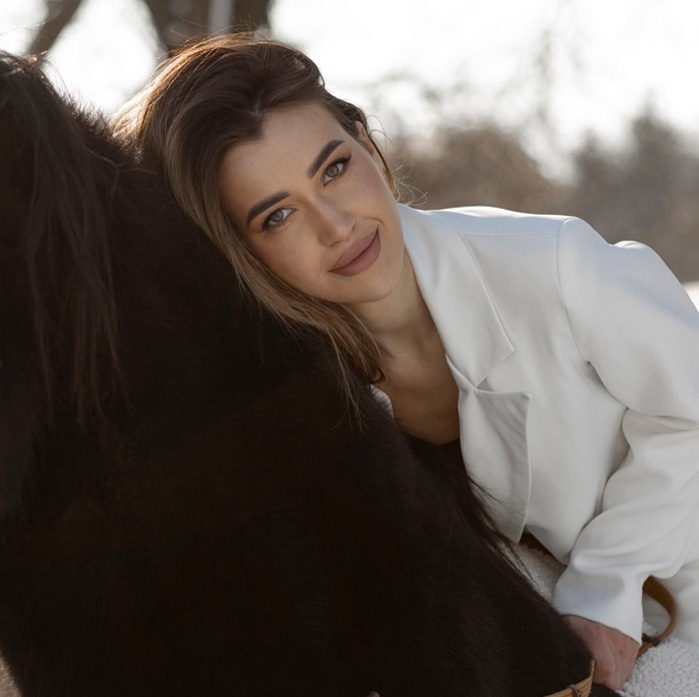
Vintage outfit ideas work best when one older piece leads the look and everything else stays clean. Start with a jacket, dress, blouse, skirt, handbag, or pair of sunglasses from a clear era, then use modern basics to control the fit, color, and silhouette. That is what keeps vintage style intentional instead of costume-like.
- Vintage outfit ideas that work with modern clothes
- Key takeaways for vintage outfit ideas
- What makes an outfit vintage?
- Essential pieces for vintage outfit ideas
- How to accessorize a vintage outfit
- How to mix vintage pieces into a modern wardrobe
- Common vintage styling mistakes to avoid
- Where to find vintage pieces worth wearing
- How to make vintage style feel personal
- Where to find more vintage outfit inspiration
- Vintage outfit ideas FAQ
- Q: What is the easiest vintage outfit idea for beginners?
- Q: How do you make vintage clothes look modern?
- Q: What is the difference between vintage and retro fashion?
- Q: Which vintage pieces are easiest to wear every day?
- Q: How many vintage pieces should you wear in one outfit?
- Q: Where can you find good vintage outfit inspiration?
- More fashion style guides to build a sharper wardrobe
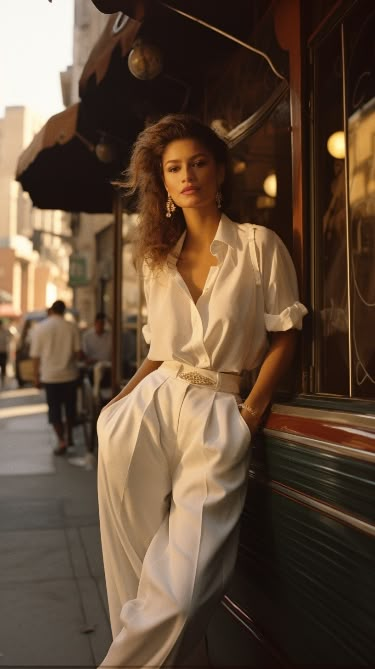
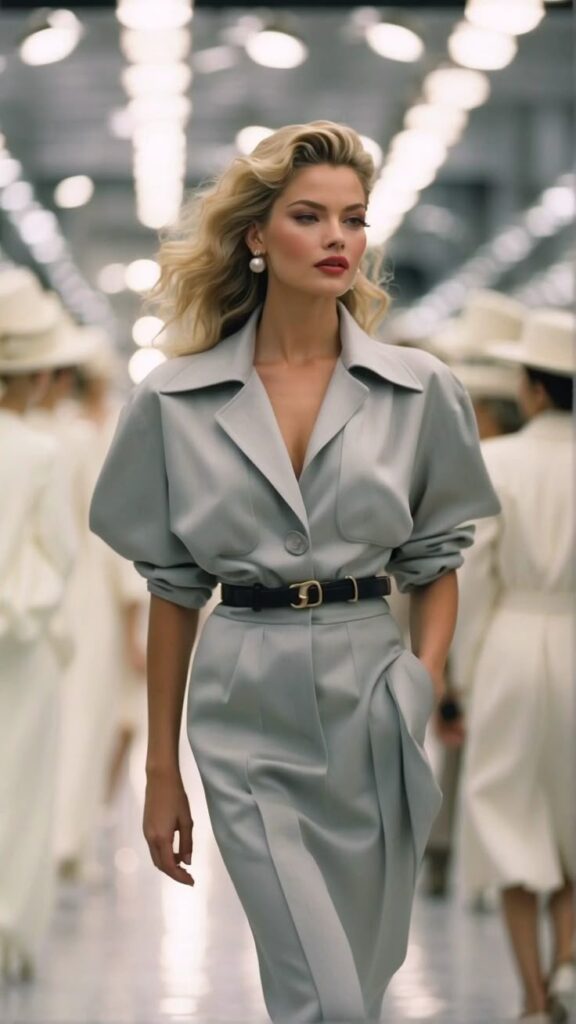
When I style a vintage piece, I check the silhouette before the details: waist placement, shoulder line, hem length, and shoe shape. If those four points feel current enough, a 1950s dress, 1970s blouse, or 1980s leather jacket can sit naturally in a 2026 wardrobe.
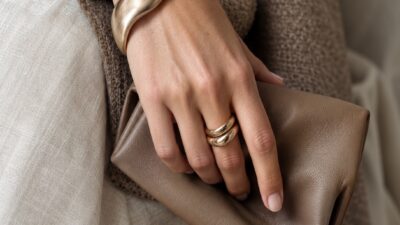
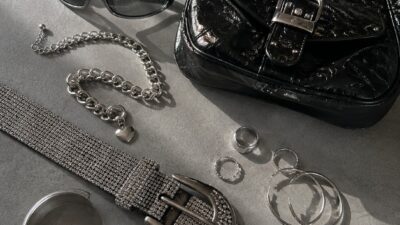
Accessories do a lot of the quiet work. A statement necklace, a structured belt, or a retro handbag can make a plain modern outfit feel collected, not random.
Vintage outfit ideas that work with modern clothes
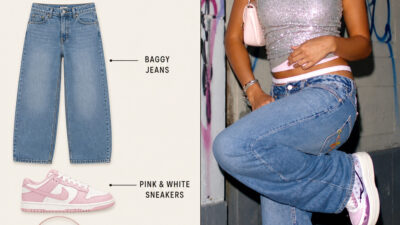
The easiest vintage outfit formula is one era piece plus two modern basics. Wear a vintage blazer with straight jeans and a plain tee, a pleated skirt with a fitted knit, or a silk scarf with a simple white shirt. Keep the colors limited, repeat one material or color in the shoes or bag, and let only one item look obviously old.
| Vintage anchor piece | Modern balance | Why it works |
|---|---|---|
| 1950s-style dress | Minimal sandals, clean hair, small bag | The dress stays romantic without looking like a costume. |
| 1970s blouse | Straight-leg jeans, simple belt, low boots | The print gets room to breathe. |
| 1980s leather jacket | Column dress or monochrome basics | The jacket adds shape without overwhelming the outfit. |
| Vintage pearls or brooch | White shirt, denim, soft knitwear | The jewelry feels deliberate instead of overly formal. |
Key takeaways for vintage outfit ideas
- Use one vintage focal point at a time: a jacket, dress, blouse, bag, sunglasses, or jewelry.
- Modern basics make vintage pieces easier to wear because they clean up the silhouette.
- Fit matters more than decade accuracy. Tailoring often makes the difference between chic and thrift-rack.
What makes an outfit vintage?

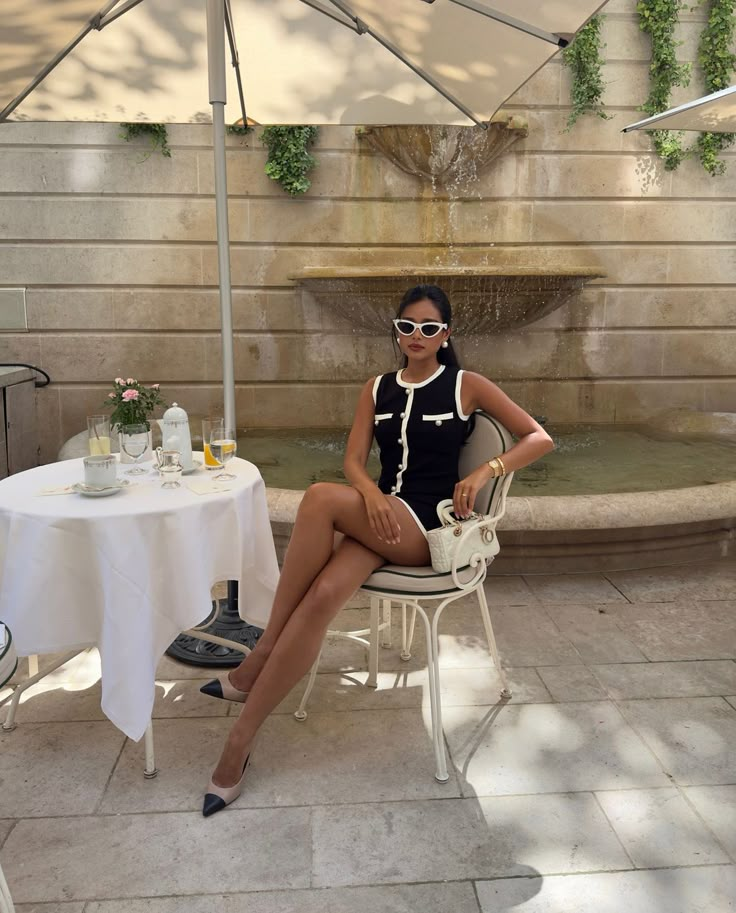
A vintage outfit uses clothing or accessories from an earlier decade, usually at least 20 years old, and styles them in a way that still feels wearable now. The best looks borrow the strongest part of an era, such as a nipped waist, cat-eye frame, boxy jacket, or Art Deco earring, without copying the decade head to toe.
Defining Vintage
In fashion, vintage usually means clothing and accessories that are old enough to represent a previous era, often 20 to 100 years old. Vogue describes vintage in this widely accepted 20-to-100-year range, while the Vintage Fashion Guild uses the 20-year mark in its seller standards.
The useful part for styling is not the label on its own. Look for era signals you can actually see: a sharp shoulder, a high waist, a bias-cut skirt, a chunky clasp, a worn leather surface, or buttons that feel more considered than fast-fashion hardware. Those details help vintage pieces support a clear personal aesthetic.
Historical Influence
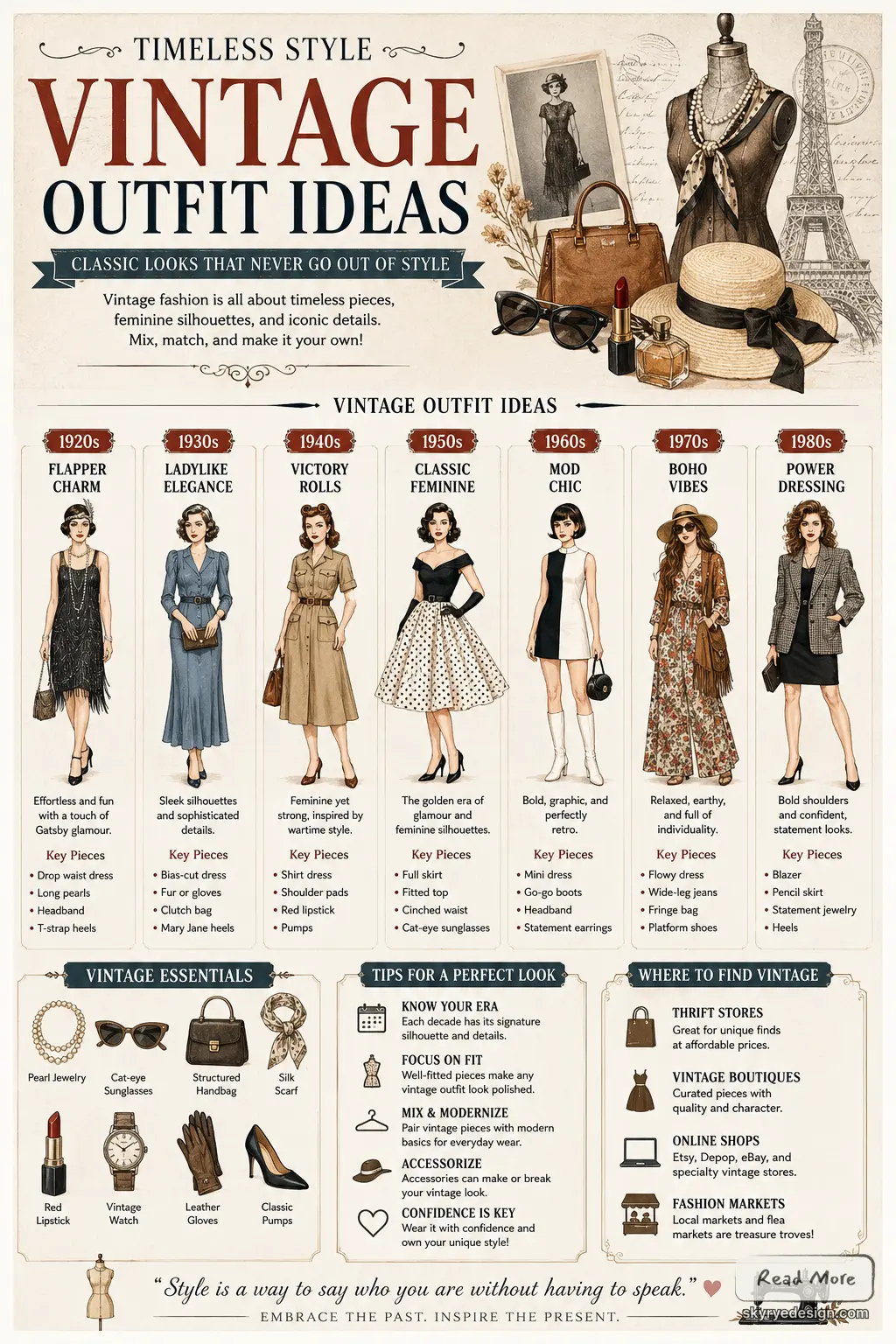
Each decade has a different design language. The 1920s leaned into dropped waists and beadwork, the 1950s loved a defined waist, the 1970s brought softer bohemian shapes, and the 1980s pushed shoulders, leather, and stronger proportions.
That is why I prefer choosing one decade cue, then editing everything else down. If the blouse already has a loud print, keep the trousers plain. If the jacket has a strong shoulder, keep the bag smaller. Vintage styling gets easier when the eye knows where to land.
Vintage Versus Retro

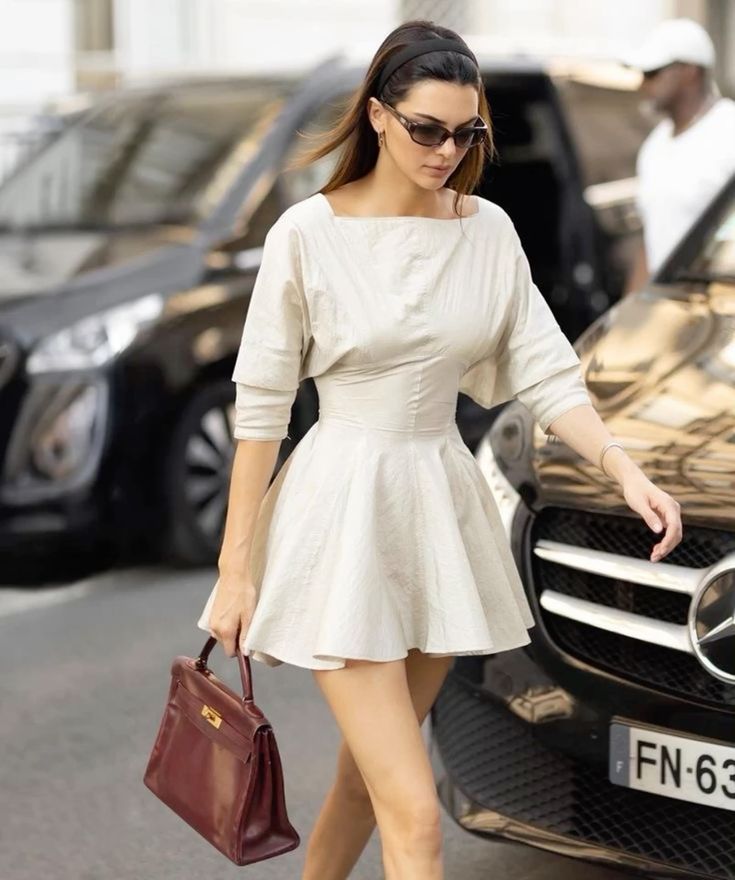
Vintage and retro are easy to confuse. Vintage means the piece is actually from an earlier period. Retro means the piece is new, but designed to look old. A 1960s shift dress is vintage; a 2026 dress with a 1960s neckline is retro.
| Term | What it means | Best styling use |
|---|---|---|
| Vintage | An original older garment or accessory, often 20+ years old | Use it as the focal point of the outfit. |
| Retro | A new piece inspired by a past decade | Use it when you want the mood without fragile fabric or tricky sizing. |
| Antique | Usually 100+ years old | Handle carefully; better for collecting than everyday wear. |
You can mix vintage and retro, but keep the difference in mind when shopping. If you care about history, labels, construction, and resale value, look for true vintage. If you only want the shape or mood, retro can be easier to fit and maintain.
Essential pieces for vintage outfit ideas
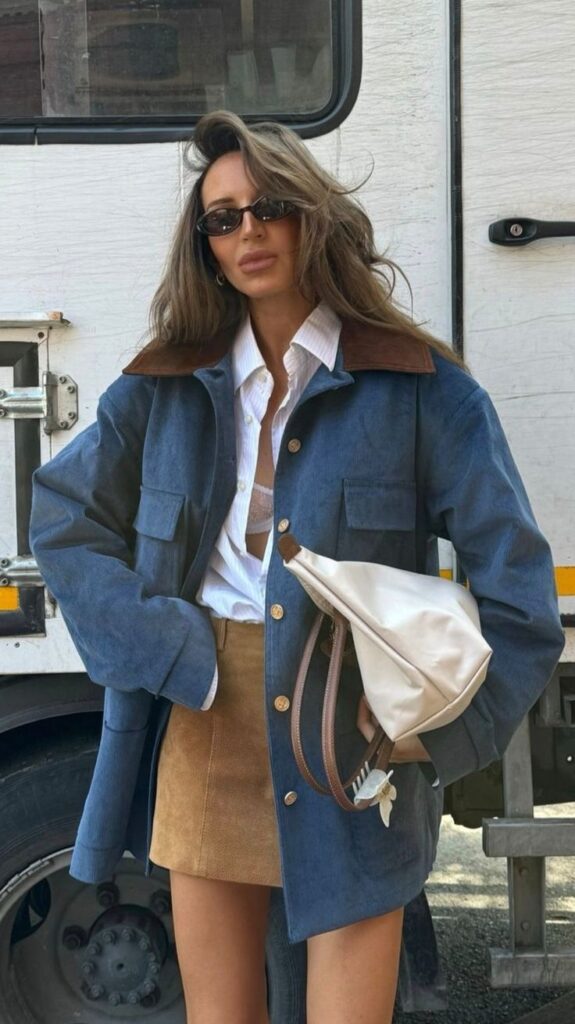
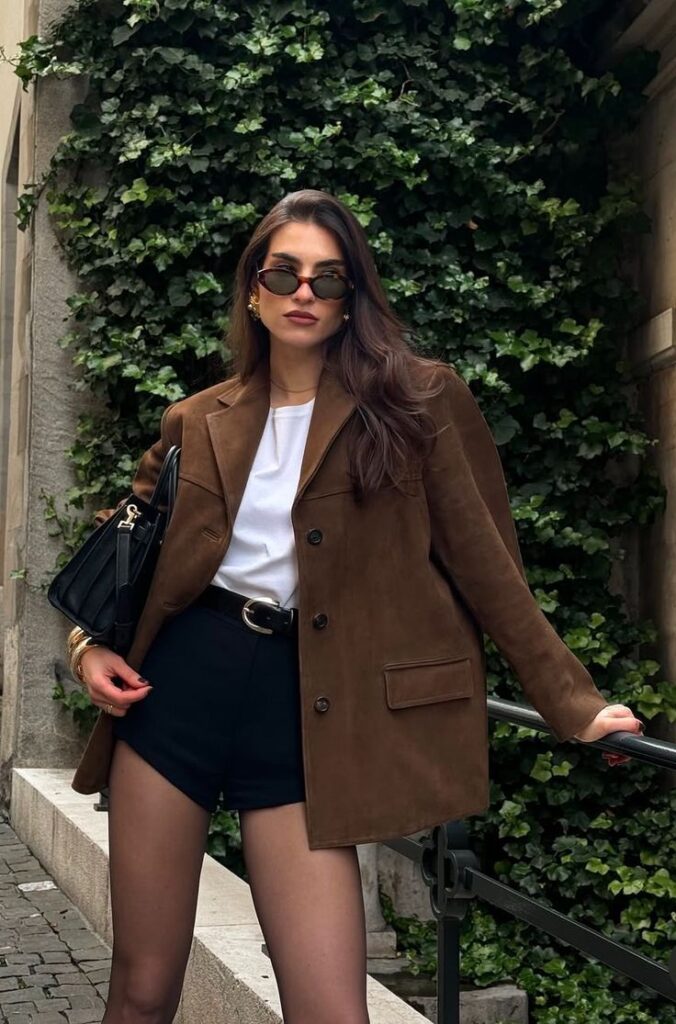
Vintage fashion includes timeless items that can enhance any wardrobe. Classic pieces combine style and versatility, making them essential for creating eye-catching outfits. Here are some must-have vintage items that stand out.
The Little Black Dress
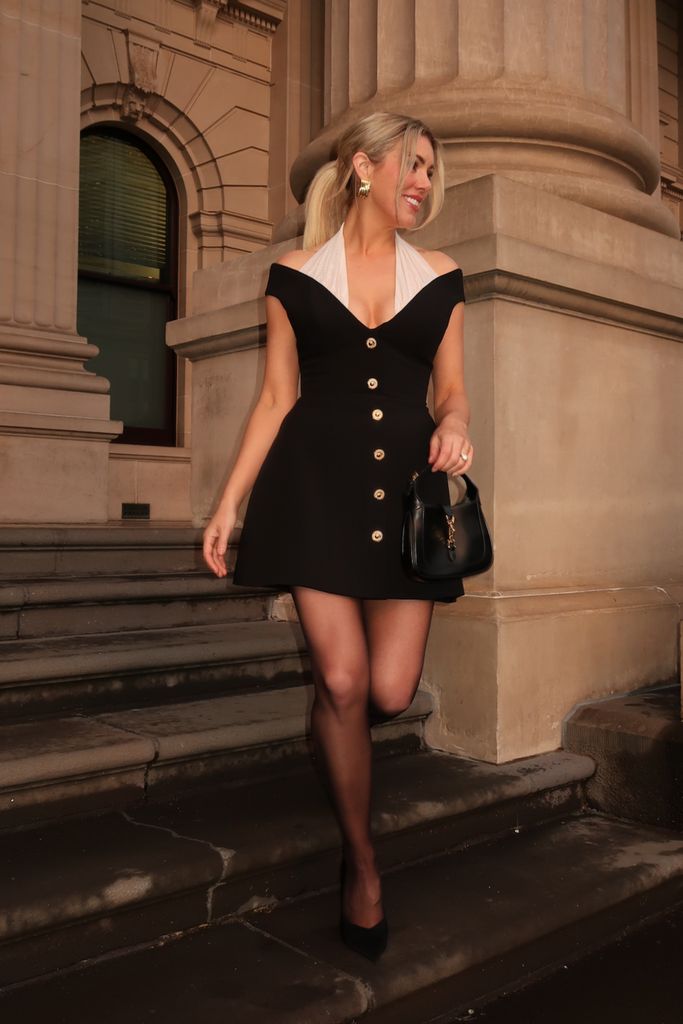

The little black dress is useful because it gives you a quiet base. A 1950s-inspired waist, a 1960s shift shape, or a slip-style cut can all work, but the cleaner the dress, the more freedom you have with jewelry, shoes, and hair.
Choosing a fit that complements the body shape is key. Styles range from fitted to flared, with various lengths available. Adding vintage jewelry or a stylish belt can elevate the look.
Common fabrics include silk and chiffon, adding a touch of luxury. The LBD remains a symbol of sophistication and beauty that never goes out of style.
Leather Jackets
A vintage leather jacket adds weight, texture, and attitude fast. The trick is to watch the shoulder line. If the jacket is oversized, keep the rest of the outfit narrow or simple so the shape looks intentional.
These jackets can be found in different styles, including biker and bomber. Each style offers a unique vibe while keeping the wearer looking stylish.
Layering a leather jacket over a vintage dress or with jeans instantly adds flair. Look for well-worn options that have a bit of history and character. A leather jacket can be a durable and beautiful piece in one’s wardrobe.
Pleated Skirts
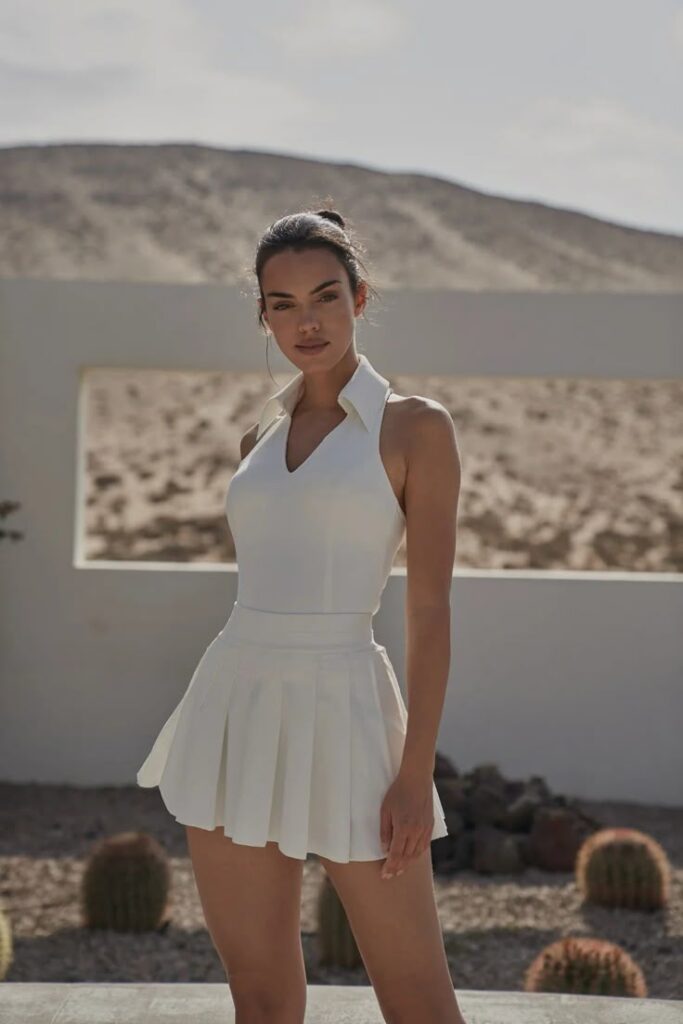
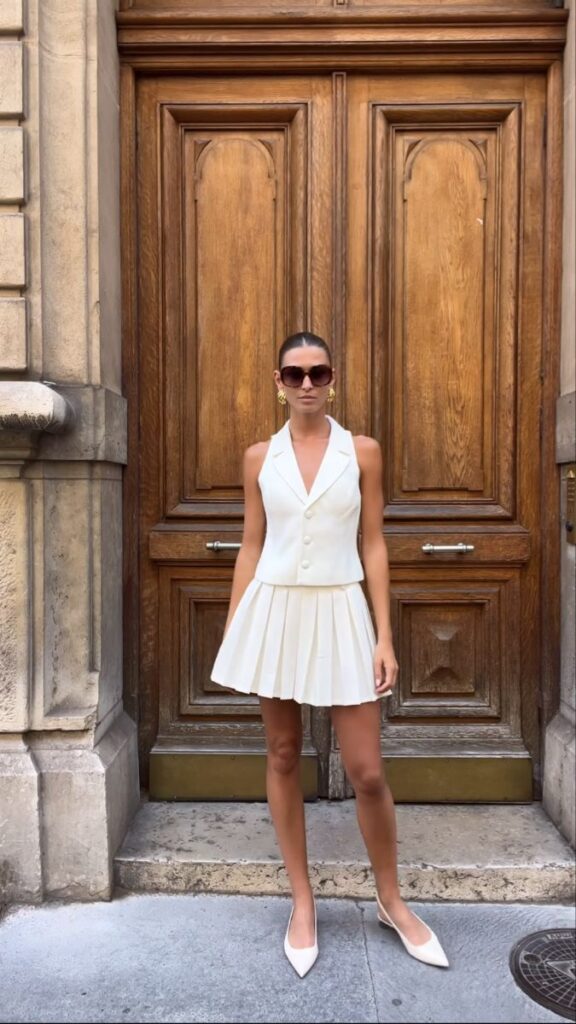
Pleated skirts are fashionable and versatile vintage pieces. They can be paired with various tops to create different looks. Midi and maxi lengths are especially popular and flattering.
The pleats add movement and flow, which can make any outfit look more dynamic. Fabrics range from cotton to silk, offering different feels and looks.
Pairing a pleated skirt with a fitted top creates a balanced silhouette. A vintage blouse or a simple tee works well for a casual outing. Accessories can personalize the outfit, making it even more unique.
Vintage Tops
Vintage tops offer a wide variety of styles for different tastes. From blouses to graphic tees, they can complement many bottoms. Unique patterns and colors make these tops stand out.
Choosing vintage tops with interesting details is a great way to express individuality. Look for lace, floral prints, or unique buttons that catch the eye.
These tops can transition from day to night effortlessly. Pair them with jeans for a casual look or a skirt for something dressier. Vintage tops allow for creativity in styling, making them a must-have in any wardrobe.
How to accessorize a vintage outfit
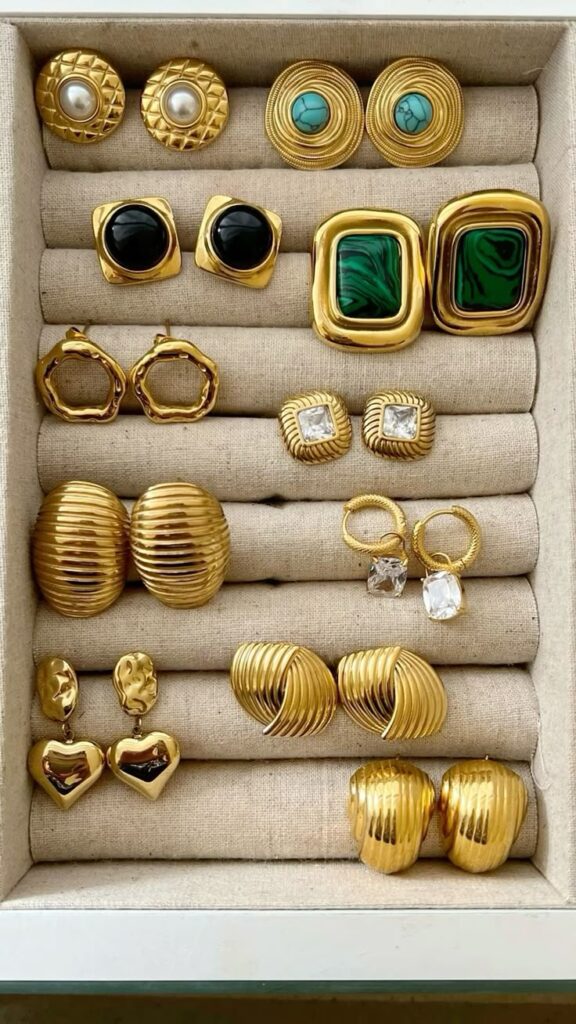

To achieve a vintage look, choosing the right accessories is key. Accessories can enhance an outfit and add unique flair. The following sections explore various accessory options that reflect vintage styles.
Statement Jewelry
Statement jewelry is a fantastic way to express personality. Large, bold pieces catch the eye and add character to simple outfits. A statement necklace can transform a basic dress into a memorable look.
Look for necklaces with colorful stones or intricate designs. Chunky bracelets and oversized earrings can also make a big impact. Mixing metals can create a stylish layered effect, giving an outfit depth.
Vintage shops often have unique finds that can’t be replicated. Searching for ornate rings or artisan-crafted pieces can lead to exciting discoveries. The goal is to choose items that reflect individuality while staying true to vintage aesthetics.
Pearls without the costume effect

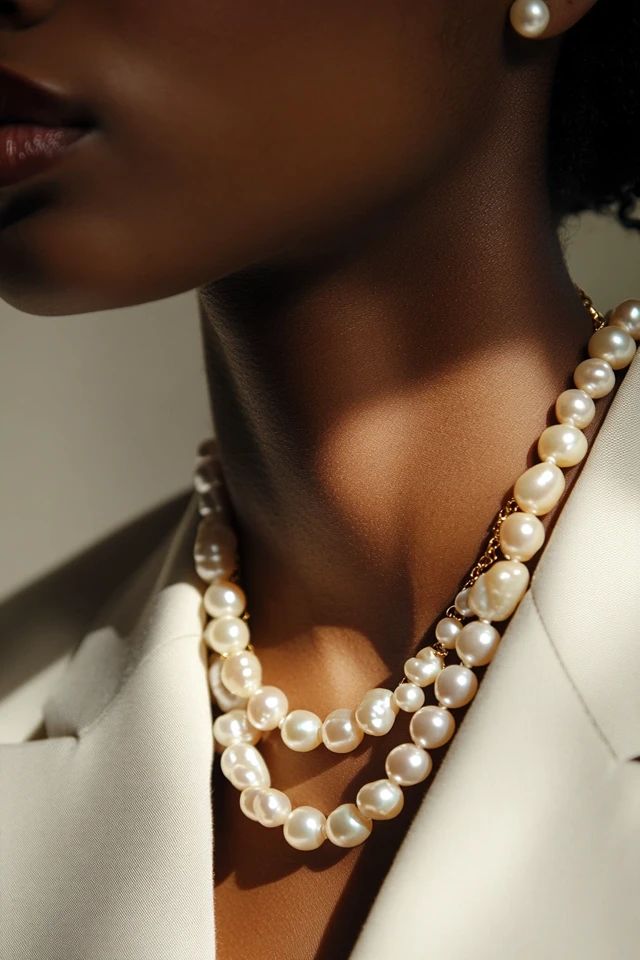
Pearls are a classic accessory that never goes out of style. They are versatile and can be worn in many ways. A single strand of pearls can elevate casual outfits, while multiple layers can be glamorous for evening events.
Consider pairing pearl earrings with a vintage dress for an elegant touch. The soft glow of pearls complements various colors and styles. Mixing pearls with other accessories can create a balanced look that feels polished.
Look for unique shapes, such as irregularly shaped pearls. This adds a modern twist to the timeless appeal. Vintage shops often have beautiful pearl pieces that add history and charm to any outfit.
Classic Sunglasses
Sunglasses are essential for both style and sun protection. Classic shapes like cat-eye sunglasses create a vintage vibe and add a chic touch. This style has been popular since the 1950s and continues to be a favorite today.
Choosing sunglasses with bold colors or interesting patterns can enhance a vintage outfit. They can be paired with dresses, skirts, or even casual jeans. Aim for frames that stand out and complement facial features.
Consider trying on different styles to find the best fit. Vintage-inspired sunglasses often have decorative details that make them unique. They can turn an ordinary look into something special.
Vintage-Inspired Footwear
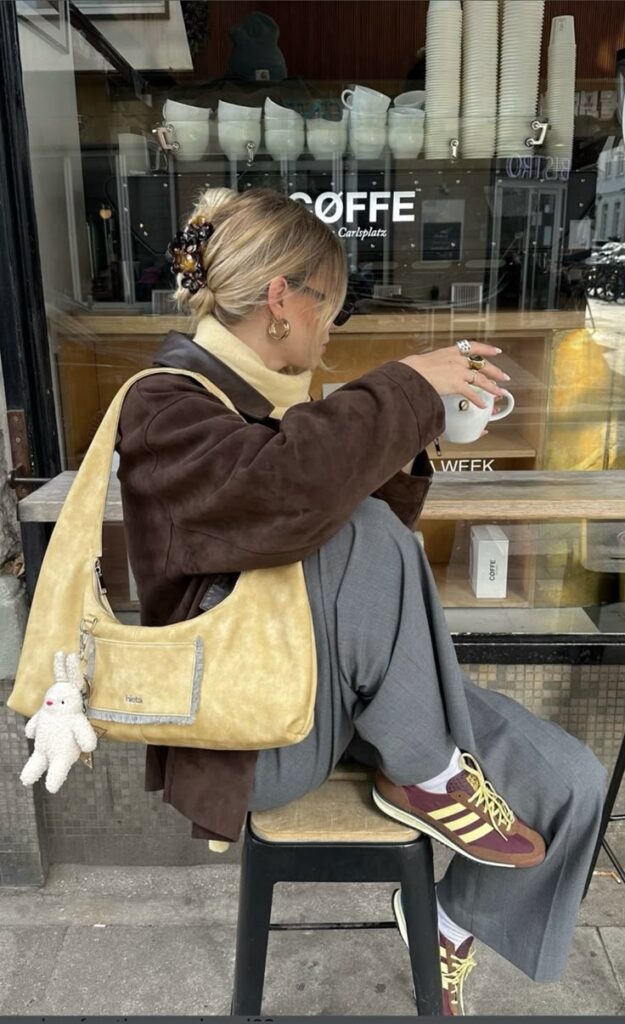

Footwear can complete a vintage look with the right choices. Heels, loafers, and classic flats are popular vintage-inspired options. They can add a touch of elegance to different outfits.
Look for shoes with unique patterns or textures. Materials like suede or leather often enhance vintage appeal. Ankle straps or block heels can give a nod to different eras while staying comfortable.
Pay attention to colors as well. Neutral shades can be versatile, while bold colors can make a statement. The right shoes can tie the whole outfit together and add a final touch to the vintage style.
How to mix vintage pieces into a modern wardrobe
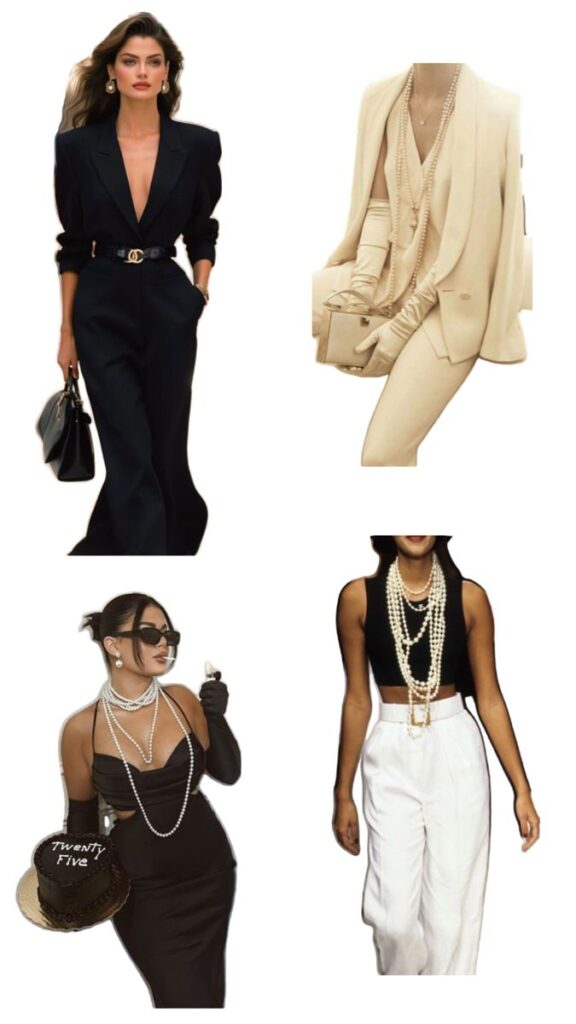
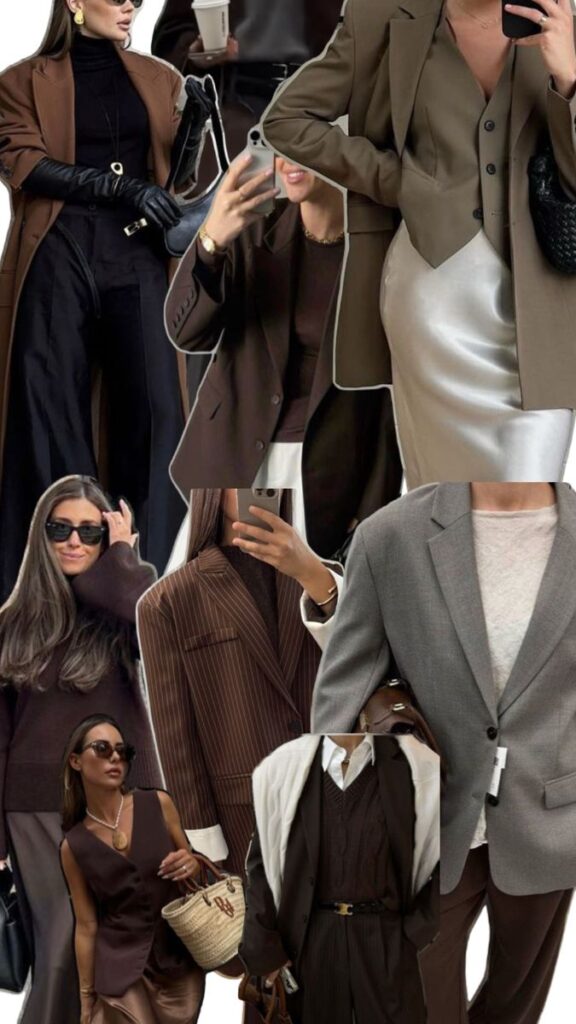
Mixing vintage pieces with modern clothing can create a unique and stylish look. Vintage items, when chosen carefully, enhance a wardrobe with character and charm. Two popular ways to achieve this include fitting vintage into everyday outfits and pairing vintage styles like Art Deco with contemporary elements.
For older pieces with a rich wine tone, these vintage burgundy outfit ideas show how to keep the color current with cleaner modern basics.
Fit vintage pieces into contemporary outfits
When adding vintage items to a modern wardrobe, fit is key. Vintage clothing often has a different cut and sizing than what is common today. Finding pieces that complement current styles can elevate an outfit.
Tips for Fitting Vintage:
- Tailoring: Consider having vintage pieces altered to fit better.
- Layering: Use vintage blouses under modern jackets or over contemporary dresses.
- Accessories: Incorporate vintage accessories like hats or jewelry to enhance a modern outfit.
This approach allows for a balance of old and new, making the overall look fresh and stylish.
Art Deco and Modern Pairings
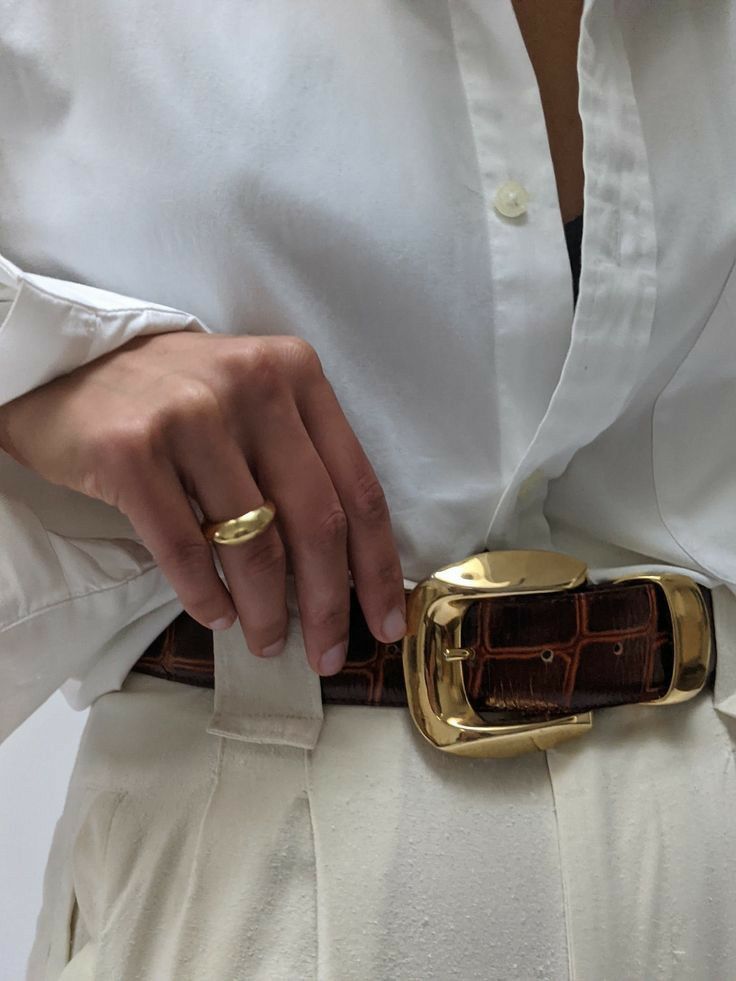

Art Deco styles, known for their bold shapes and rich colors, can be seamlessly mixed with modern attire. This era is associated with luxury and elegance, making it a perfect complement to today’s simplistic styles.
Pairing Ideas:
- Bold Jewelry: Wear art deco-style earrings with a simple dress to add flair.
- Graphic Prints: Combine an Art Deco patterned skirt with a plain top for a balanced look.
- Footwear: Vintage heels or flats can elevate casual modern outfits.
Using these pairings, one can create stunning outfits that feel both timeless and contemporary.
Common vintage styling mistakes to avoid
The biggest mistake is wearing too many decade signals at once. A pillbox hat, gloves, pearls, red lipstick, a full skirt, and vintage heels can be beautiful in a photoshoot, but on a normal day it may read as costume. Choose one or two signals and let modern pieces quiet the rest.
- Ignoring fit: vintage sizing is inconsistent, so measure the garment instead of trusting the label.
- Forgetting fabric condition: check underarms, lining, zippers, hems, and stress points before buying.
- Matching everything too perfectly: a little contrast makes the outfit feel lived-in and current.
- Choosing fragile pieces for heavy wear: save delicate silk, beading, or antique lace for lower-friction days.
Where to find vintage pieces worth wearing
Good vintage shopping is slower than normal shopping because condition matters as much as style. Go in with a short list, take measurements, and inspect seams, closures, lining, and fabric before falling in love with the print.
Shopping at Vintage Stores
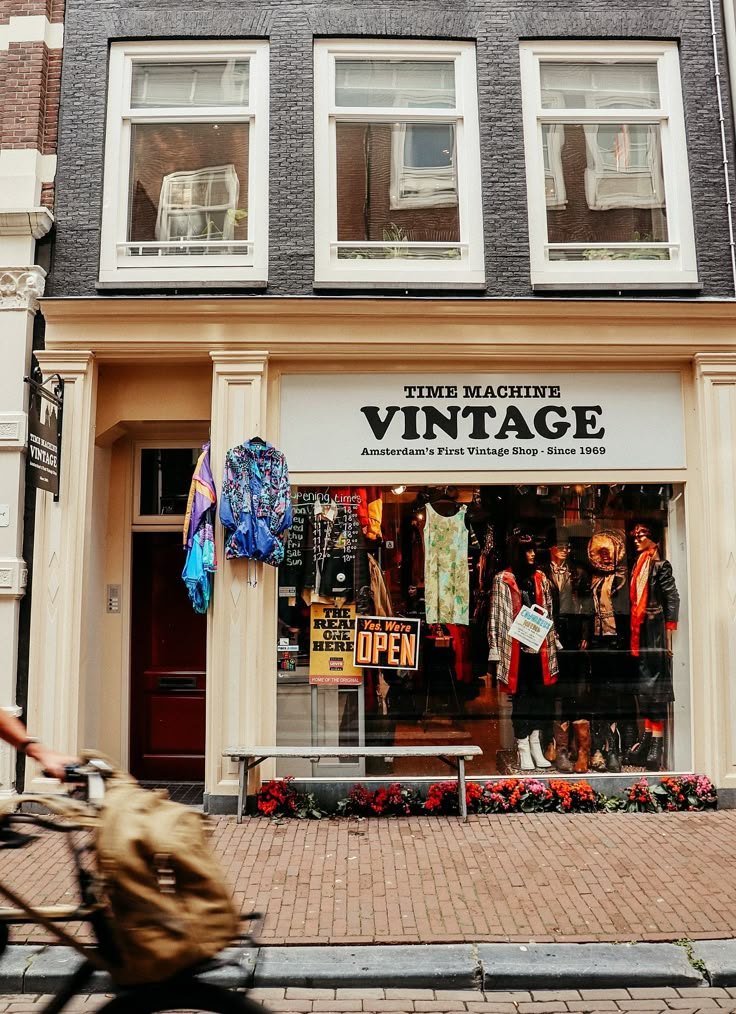
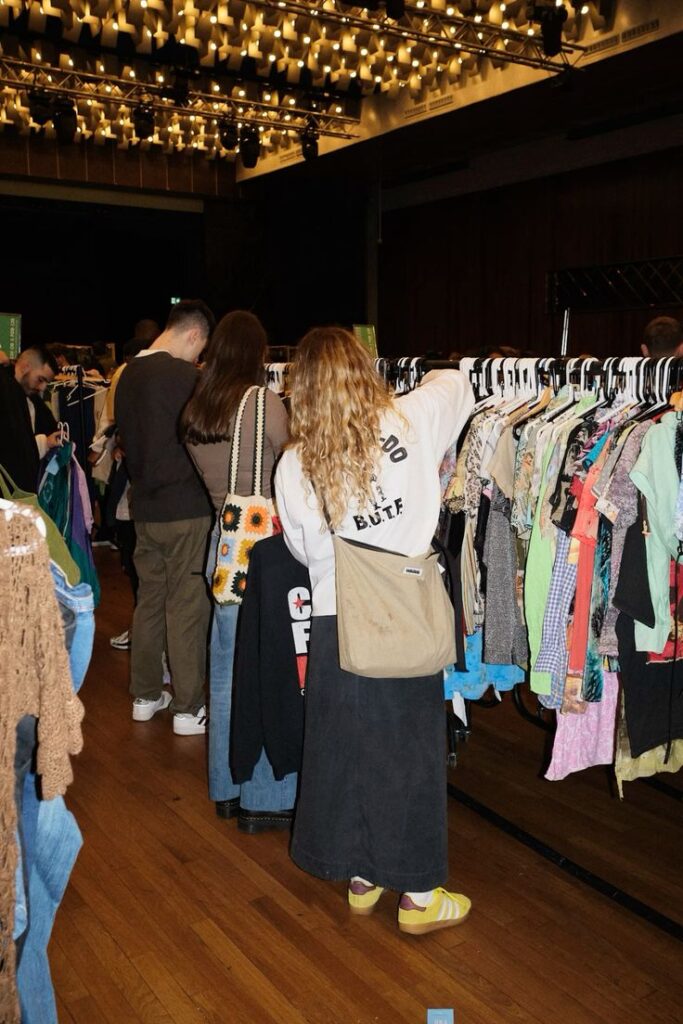
Vintage stores are great places to find unique clothing. They often carry items from different eras. Shoppers can find dresses, jackets, and accessories that tell a story.
When visiting a store, it helps to arrive with a goal. Create a list of specific styles or items to look for. This can help narrow down choices and focus the search.
Prices can vary widely. Budget-conscious shoppers may find sales or discounts. It’s wise to check for quality, too. Look for well-made pieces, even if they show signs of age.
Online Vintage Hunting
Online shopping broadens the search for vintage treasures. Websites dedicated to vintage clothing offer a wide range. Users can explore styles from different decades without leaving home.
Social media also play a significant role in finding vintage items. Platforms like Instagram feature sellers who showcase their collections. Hashtags like #vintageclothing and #thriftfinds can lead to amazing discoveries.
When shopping online, pay attention to measurements and descriptions. This ensures a good fit and helps avoid disappointment. Always check reviews before making a purchase to ensure reliability.
How to make vintage style feel personal

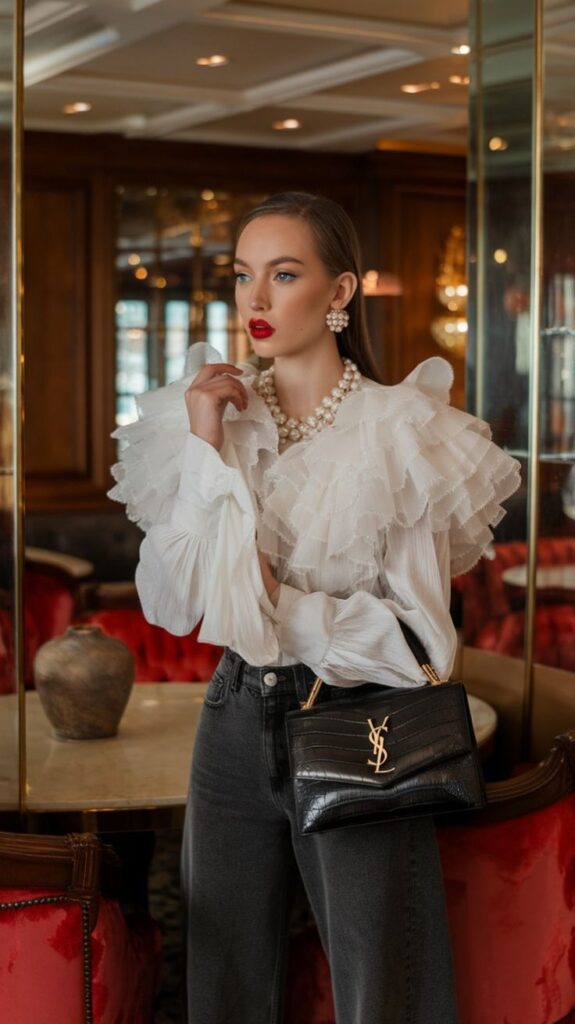
Creating a vintage statement involves crafting a personal style that reflects unique tastes and draws inspiration from classic fashion icons. Through thoughtful choices, anyone can embrace vintage elements to stand out.
Developing Personal Style with Vintage
To develop a personal style using vintage pieces, start by selecting items that resonate with individual preferences. Consider styles from different eras, such as the 1950s or 1970s. Look for key elements like high-waisted jeans, A-line dresses, or oversized blazers.
Mixing vintage with modern accessories can help balance the look. For example, pairing a vintage dress with contemporary boots creates an interesting contrast. Colors also play a vital role. Bold colors or classic patterns can make an outfit pop. Accessorizing with vintage jewelry or a statement bag adds personality.
Celebrity Vintage Inspirations


Many celebrities inspire vintage style, with Audrey Hepburn being a classic example. Her elegant looks and red lip became iconic in the 1950s. She often wore tailored dresses and chic button-ups that still influence fashion today.
Another inspiration is the bohemian style of the 1970s, popularized by stars like Janis Joplin. They showcased flowing skirts and layered accessories. Modern celebrities continue to incorporate vintage elements, like the retro vibes of Taylor Swift or the fashion choices of Harry Styles. Observing how these stars blend old and new can spark ideas.
Where to find more vintage outfit inspiration
Connecting with others who appreciate vintage fashion can enhance one’s personal style. There are various ways to engage, from following influencers to attending fashion events. Both avenues offer insights and inspiration for vintage outfit ideas.
Social Media Influencers
Many vintage enthusiasts turn to social media for inspiration and community. Influencers share unique outfit ideas that highlight retro fashion trends. They often post looks paired with tips on styling and how to find similar pieces.
These influencers can be a source of compliments as others admire their creativity. Some focus on specific eras, like the ’70s or ’80s, while others blend styles from different decades. Following their accounts helps keep one updated on new trends and ways to wear vintage items.
Engaging with these influencers through comments and shares can foster community. It allows for interactions that might inspire future outfit choices or shopping strategies.
Vintage Fashion Events

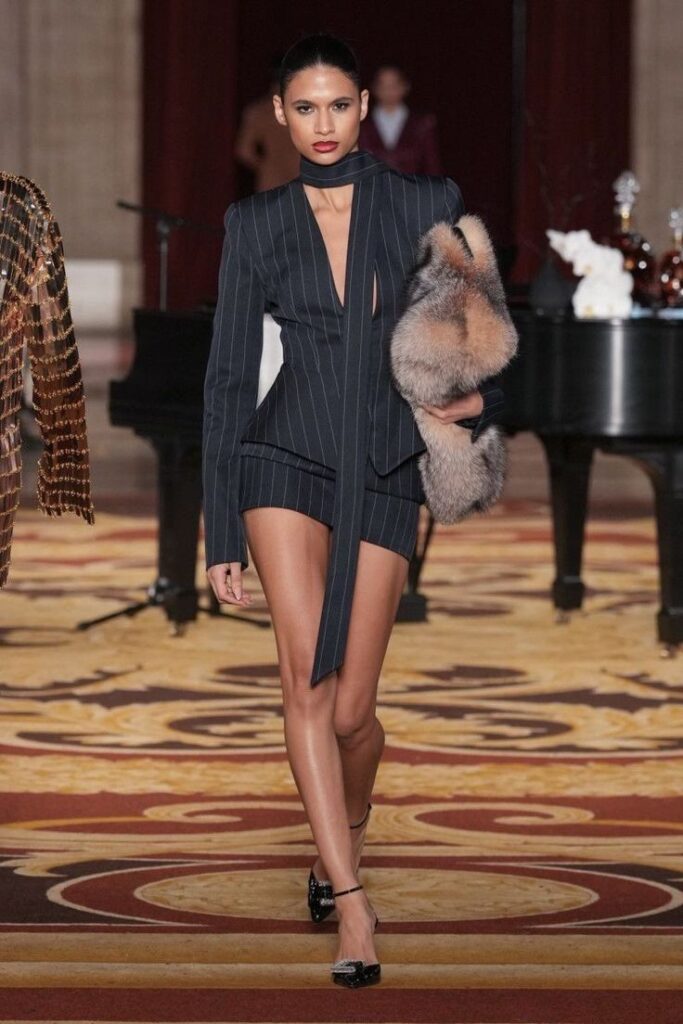
Attending vintage fashion events is another excellent way to connect with like-minded individuals. These events can include vintage fairs, swap meets, and themed parties. They offer a chance to see a variety of styles and to discover rare pieces.
Participants often include fashion stylists and collectors, making these gatherings rich in knowledge. It’s a space where individuals can ask questions and learn about the history of specific garments.
Events often feature workshops or talks. These can provide valuable information on styling vintage clothing and maintaining its quality. Engaging in these activities can deepen one’s appreciation for vintage fashion.
A skirt can also soften a vintage look when the rest of the outfit feels too costume-like; this guide to vintage skirt outfits is useful for balancing hem length, shoes, and one modern anchor.
Vintage outfit ideas FAQ
Q: What is the easiest vintage outfit idea for beginners?
A: Start with one vintage piece and keep everything else modern. A vintage blazer with jeans, a silk scarf with a white shirt, or a pleated skirt with a fitted knit gives you the mood without making the whole outfit feel like a costume.
Q: How do you make vintage clothes look modern?
A: Use current proportions around the vintage piece. If the jacket is boxy, choose a narrow bottom. If the skirt is full, choose a cleaner top. Modern shoes, simple hair, and a limited color palette usually do more than adding extra accessories.
Q: What is the difference between vintage and retro fashion?
A: Vintage fashion uses original older clothing or accessories, often at least 20 years old. Retro fashion is newly made but inspired by an earlier decade. Both can look good, but true vintage usually has more collector value and more sizing or care issues.
Q: Which vintage pieces are easiest to wear every day?
A: The easiest daily pieces are jackets, blouses, scarves, belts, sunglasses, handbags, and simple dresses. They add character without needing a full historical outfit. Very fragile silk, heavy beading, or antique lace is better saved for careful wear.
Q: How many vintage pieces should you wear in one outfit?
A: For most outfits, one strong vintage piece is enough. Two can work if one is small, such as a scarf or brooch. Once the clothes, shoes, hair, and accessories all point to the same decade, the look can start to feel theatrical.
Q: Where can you find good vintage outfit inspiration?
A: Look at old film stills, street style photos, vintage sellers, fashion archives, and modern outfits that use one older piece well. The goal is not to copy a decade exactly, but to notice useful details: waistlines, collars, prints, jewelry scale, and shoe shapes.
For accessory-focused styling, this guide on how to style vintage watches shows how older watches can finish modern vintage outfits without making them look like costumes.
More fashion style guides to build a sharper wardrobe
This article is part of the Sky Rye Design fashion cluster. Use these guides to connect the outfit, accessories, seasonal layers, and style decisions into one clearer wardrobe system.
- Sky Rye Design fashion hub – the main archive for fashion, outfit ideas, accessories, and style guides.
- business casual men’s outfit guide – Business Casual Men’s Outfit.
- dress for success in every season – How to Dress for Success in Every Season.
- casual winter office outfits – Casual Winter Office Outfits.
- elegant winter looks for men – Elegant Winter Looks for Men.
- how to style vintage watches – How to Style Vintage Watches.
- trendy accessories for 2026 – Trendy Accessories in 2026.
- cropped trench coat outfits – How to Style Cropped Trench Coats.
- fashion mistakes to avoid – 10 Fashion Mistakes to Avoid.
- winter 2025 fashion trends – Winter 2025 Fashion Trends.
For a rougher 90s direction, this grunge fashion guide breaks down flannel, ripped denim, combat boots, and the Seattle roots behind the look.
Vintage pieces are easier to wear when the silhouette feels current, so these vintage skirt outfits are useful when an older skirt needs modern balance.
Vintage pieces can feel especially strong at night; these vintage party outfit ideas show how to make older silhouettes look intentional for modern celebrations.
Vintage styling already pushes against throwaway fashion. Pair it with this guide to sustainable fashion brands when you want newer pieces that still respect durability, repair, and responsible materials.
Vintage pieces can also work for night events; the black rave outfit ideas guide shows how to build around boots, mesh, hardware, and a darker base without making the outfit feel like costume.
- 1.3Kshares
- Facebook0
- Pinterest1.3K
- Twitter1
- Reddit0