Styling a vintage watch is mostly about restraint. The watch already has the character. The outfit doesn’t need to pretend it came from the same decade.
Era, size, metal, strap, condition — start there. A small 1950s dress watch wants tailoring around it: wool trousers, knitwear, loafers, something with a quiet formality that doesn’t compete. A 1970s chronograph can take texture — denim, suede, canvas, a simple tee underneath a workwear jacket. A slim 1980s bracelet watch sits well with relaxed office clothes, clean shirts, pleated trousers, minimal sneakers. The watch tells you what it needs if you pay attention to it.
- Why Do Vintage Watches Work So Well in Modern Style?
- How Do Different Vintage Watch Eras Influence Styling?
- Styling Vintage Watches for Different Occasions
- The Power of Straps: How One Change Transforms the Watch
- Styling Vintage Watches for All Genders
- Mixing Vintage Watches with Modern Fashion
- What Are the Most Common Vintage Watch Styling Mistakes?
- Vintage Watches and the Rise of Sustainable Chic
- FAQ: how to style vintage watches
- How do you style vintage watches with modern outfits?
- Can you wear a vintage dress watch casually?
- What strap looks best on a vintage watch?
- Are vintage watches too small for modern style?
- How do you match a gold vintage watch?
- Can women wear men's vintage watches?
- What is the biggest vintage watch styling mistake?
- Final Thoughts: Making Vintage Watches Your Own Thing
The mistake is overmatching. You don’t need a full 1970s outfit for a 1970s watch. I’ve seen that go costume-y fast — suddenly the watch is a prop instead of a detail. Pick one connection and stop. Case metal to belt buckle. Leather strap echoed in the shoes. A color from the dial pulled into a shirt or jacket. Or just let the era set a mood without copying it literally. One thread is enough.
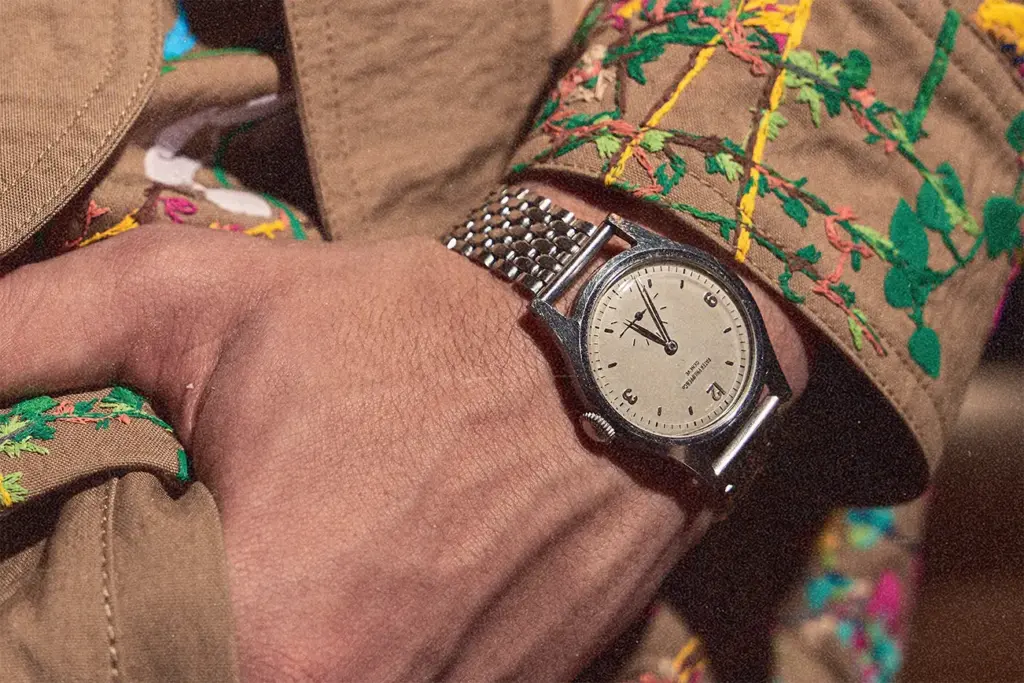
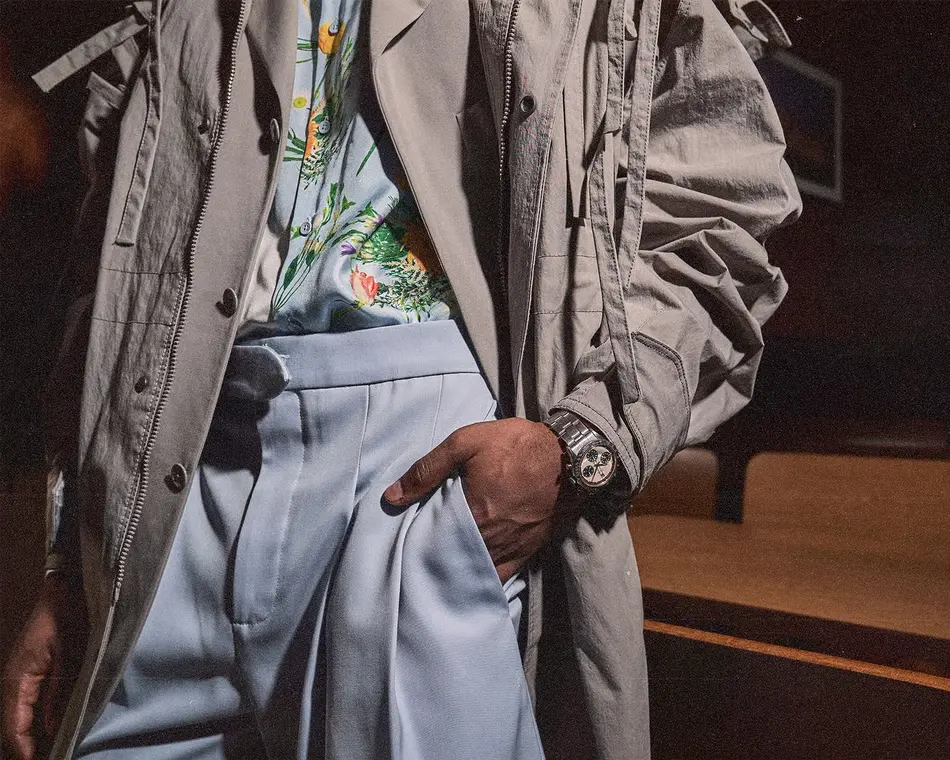
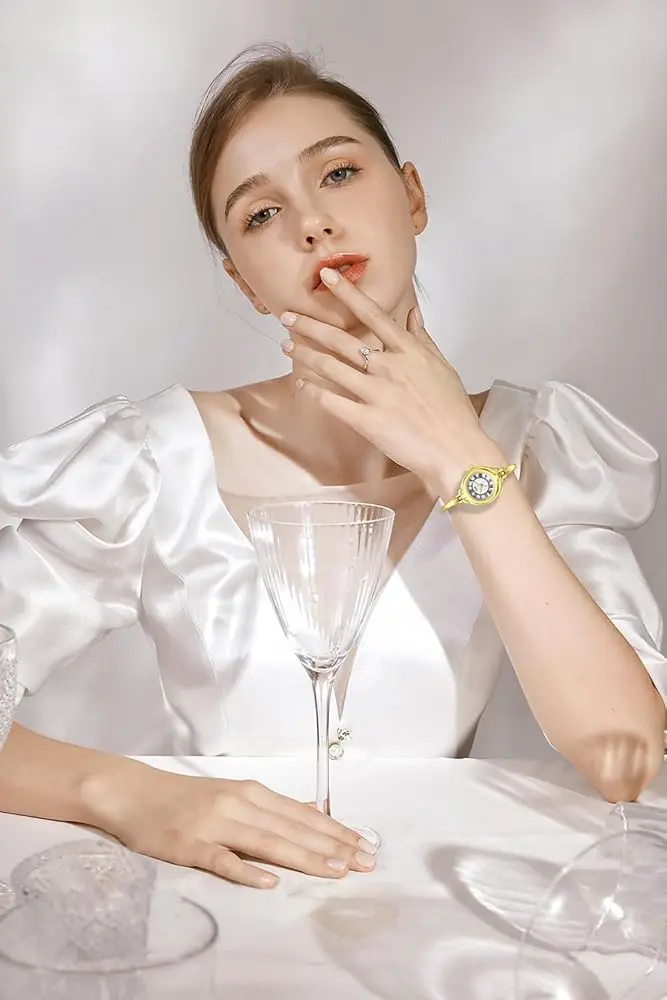
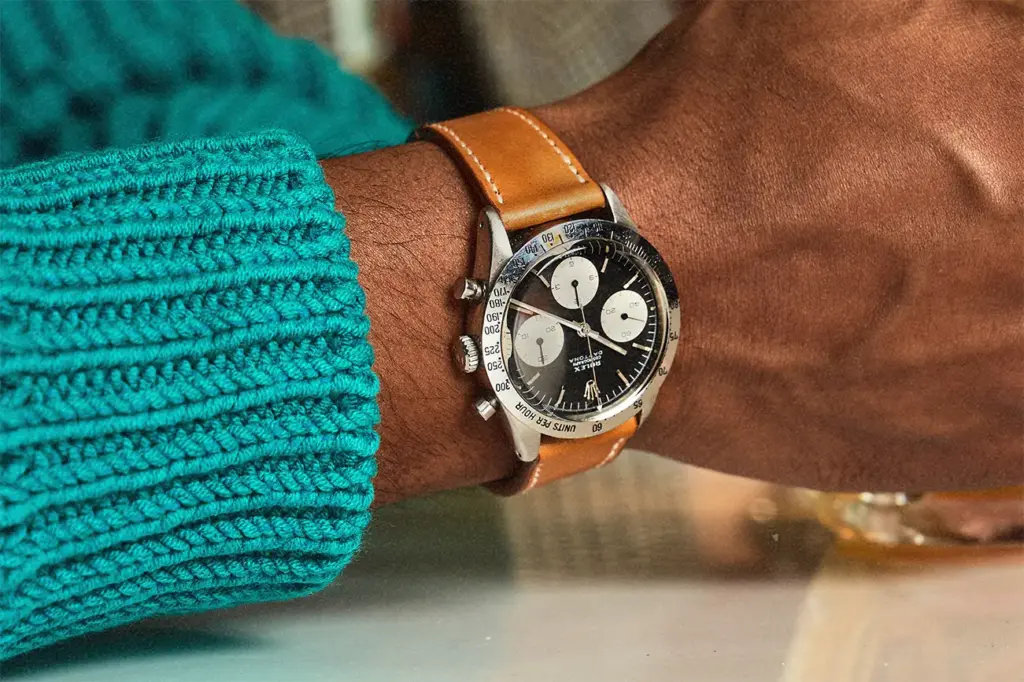
Everything else stays modern and calm. Clean fit, simple textures, nothing piled on top. Let the watch be the old thing in the room. That’s usually all it needs to be.
- For dress watches, keep the strap slim and the outfit quiet.
- For vintage chronographs, pair texture with texture: denim, suede, canvas, brushed metal.
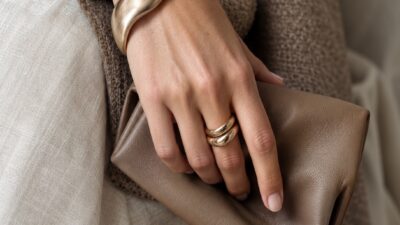
- For gold cases, repeat warmth once in the outfit through a belt buckle, bag hardware, ring, or shoe tone.
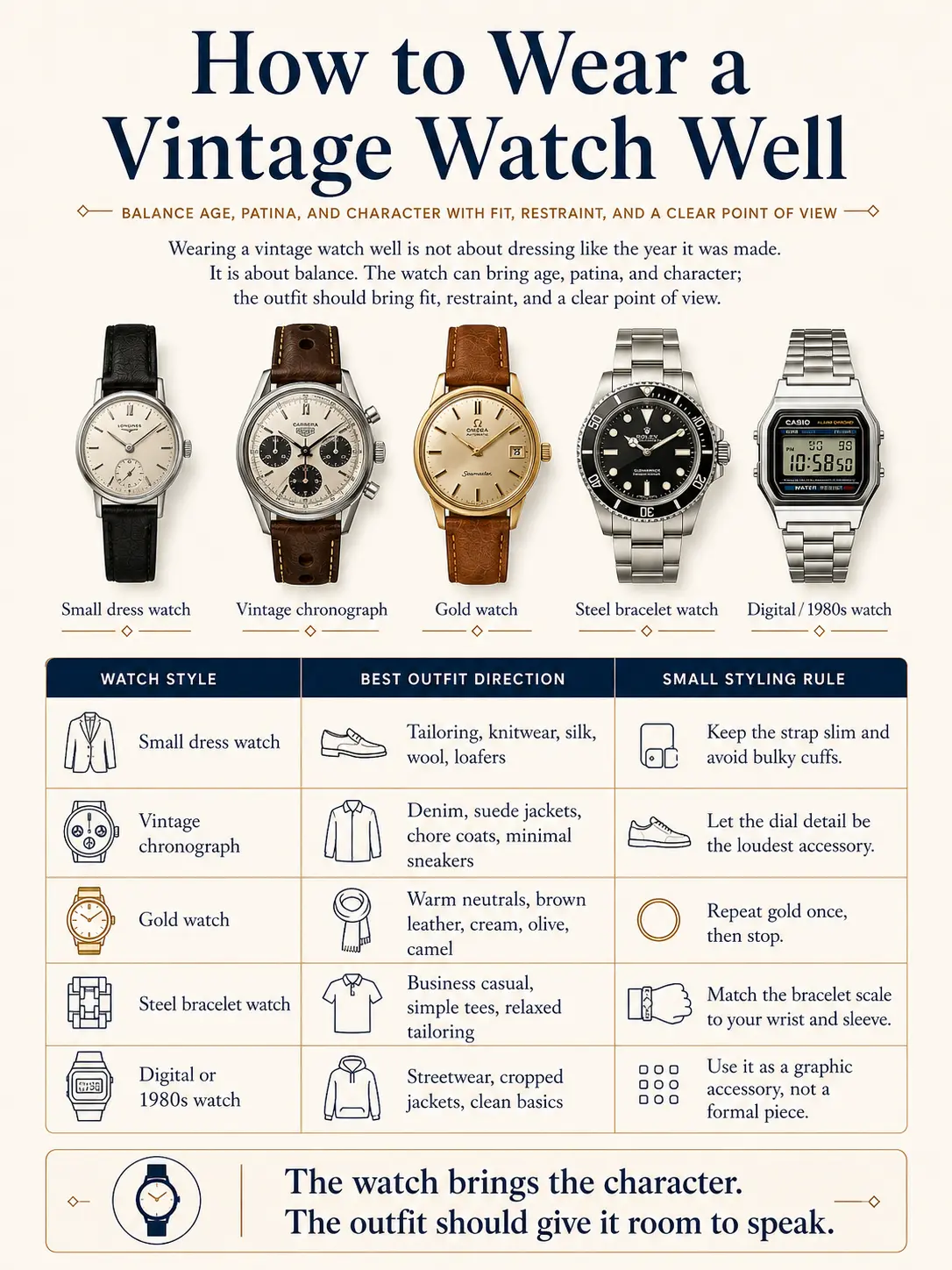
Wearing a vintage watch well is not about dressing like the year it was made. It is about balance. The watch can bring age, patina, and character; the outfit should bring fit, restraint, and a clear point of view.
| Watch style | Best outfit direction | Small styling rule |
|---|---|---|
| Small dress watch | Tailoring, knitwear, silk, wool, loafers | Keep the strap slim and avoid bulky cuffs. |
| Vintage chronograph | Denim, suede jackets, chore coats, minimal sneakers | Let the dial detail be the loudest accessory. |
| Gold watch | Warm neutrals, brown leather, cream, olive, camel | Repeat gold once, then stop. |
| Steel bracelet watch | Business casual, simple tees, relaxed tailoring | Match the bracelet scale to your wrist and sleeve. |
| Digital or 1980s watch | Streetwear, cropped jackets, clean basics | Use it as a graphic accessory, not a formal piece. |
This in-depth guide explores how to style vintage watches for today’s wardrobes. We’ll cover watch eras, outfit pairings, strap choices, gender-neutral styling tips, common mistakes, and why vintage watches fit perfectly into modern sustainability and slow-fashion movements.
Why Do Vintage Watches Work So Well in Modern Style?
Vintage watches work well today because they were designed before trend-driven fashion cycles, resulting in balanced proportions, restrained dials, and versatile aesthetics that pair easily with modern clothing.
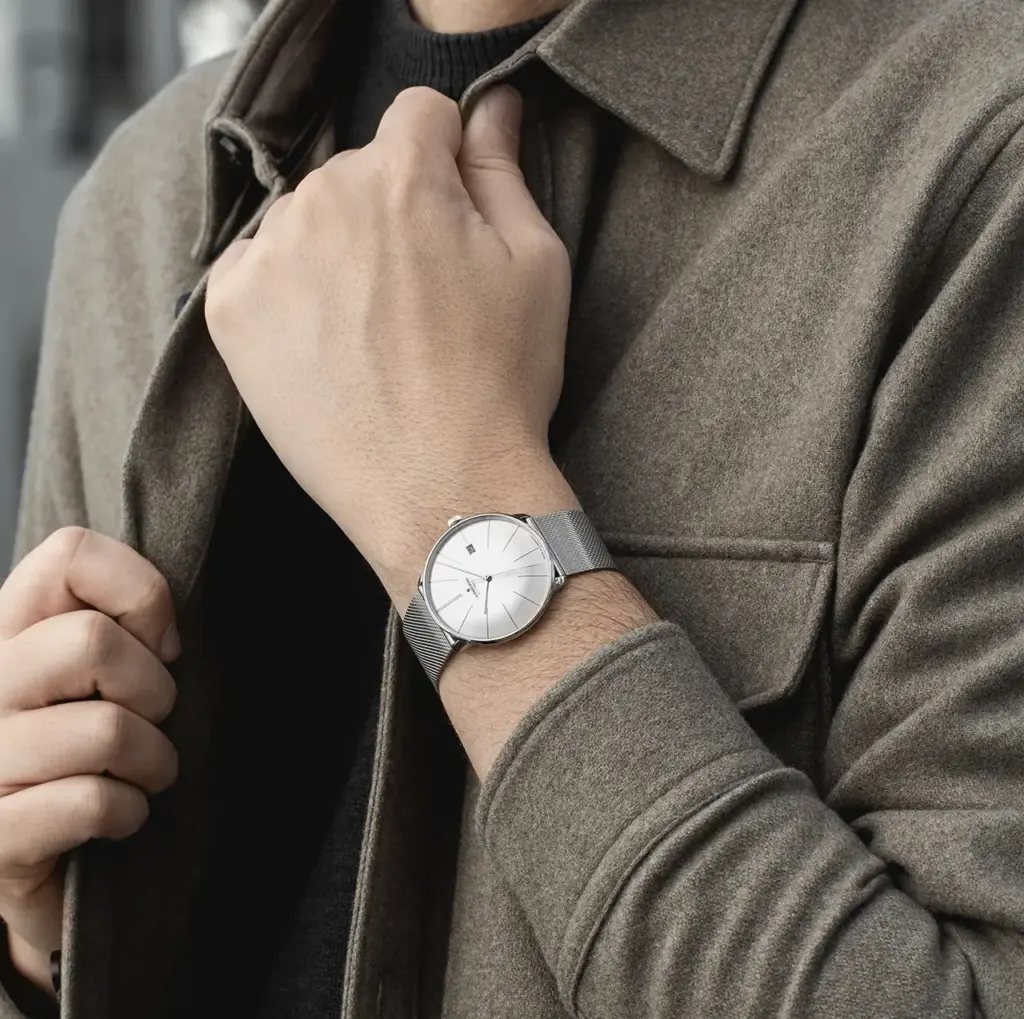
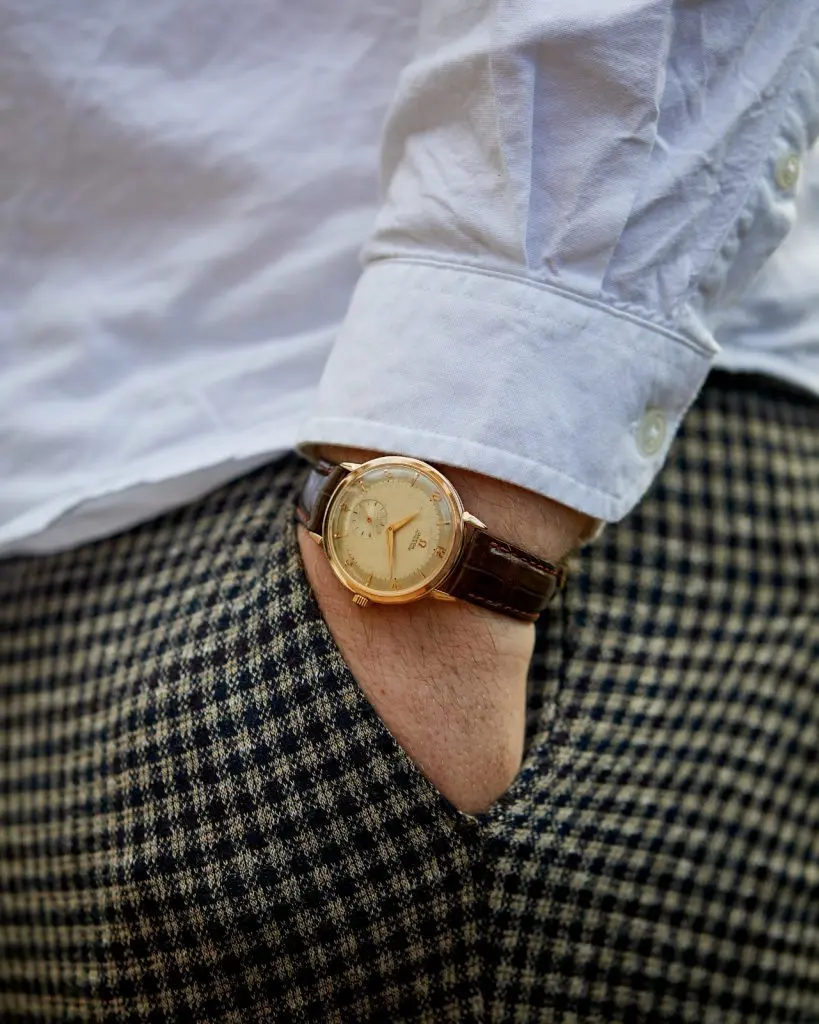
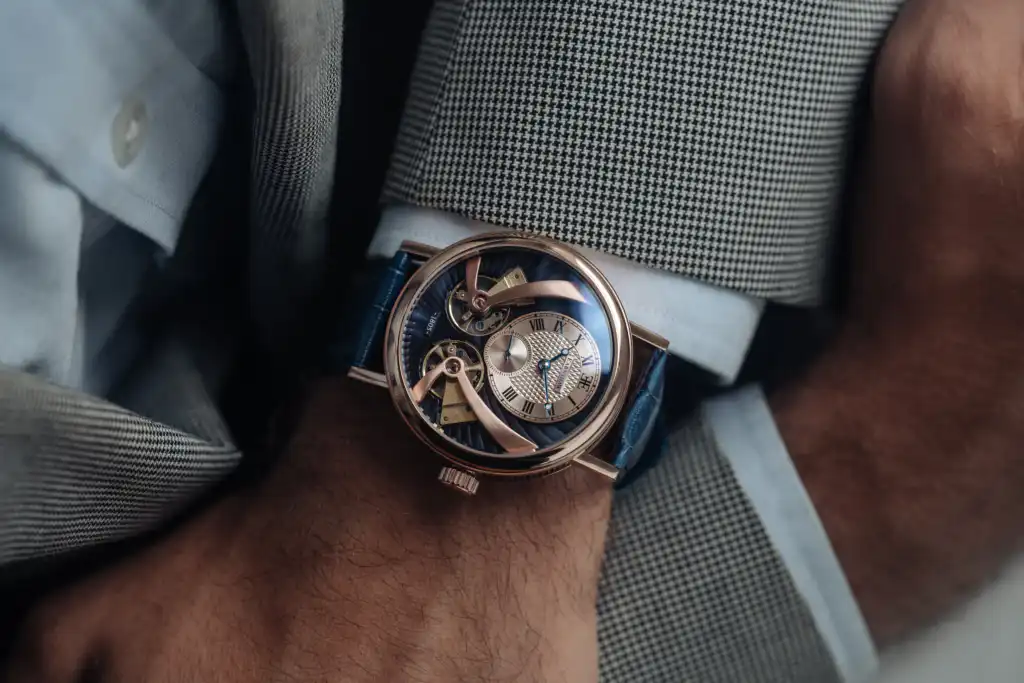
Before diving into outfits and straps, it’s worth understanding why vintage watches feel so relevant in modern style.
1. Timeless Design Over Trends
Most vintage watches were designed before rapid trend cycles dominated fashion. Their proportions are balanced, their dials uncluttered, and their cases practical rather than oversized. This makes them surprisingly easy to pair with modern clothing.
2. Individuality in a Mass-Market World
While modern watches are often produced in huge volumes, vintage watches are finite. Wearing one immediately sets you apart. Even two watches from the same reference can age differently, making each piece subtly unique.
3. Craftsmanship and Materials
From hand-applied indices to acrylic crystals and hand-wound movements, vintage watches often showcase craftsmanship rarely seen today at accessible price points.
4. Sustainability and Slow Fashion
Styling vintage watches aligns naturally with sustainability values. You’re extending the life of an existing object rather than consuming something new—an increasingly important consideration for modern consumers.
How Do Different Vintage Watch Eras Influence Styling?
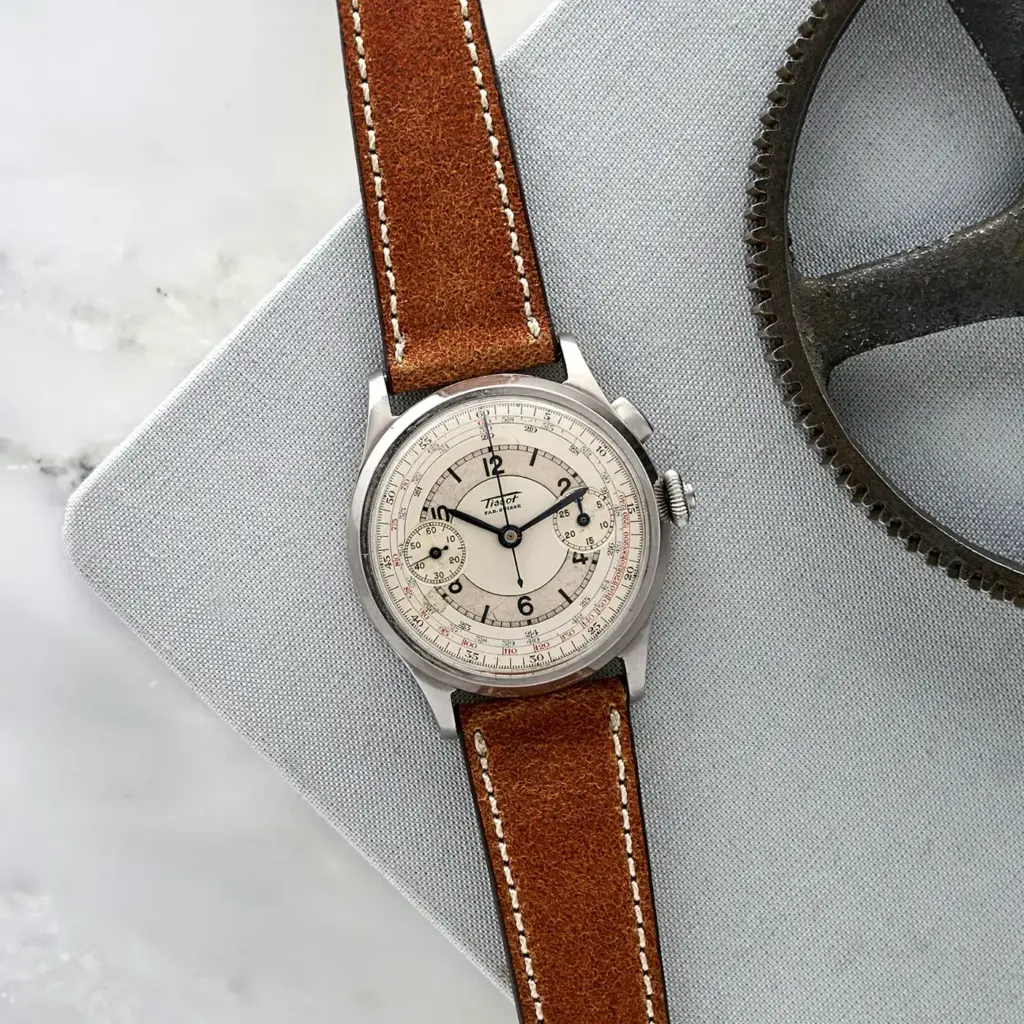
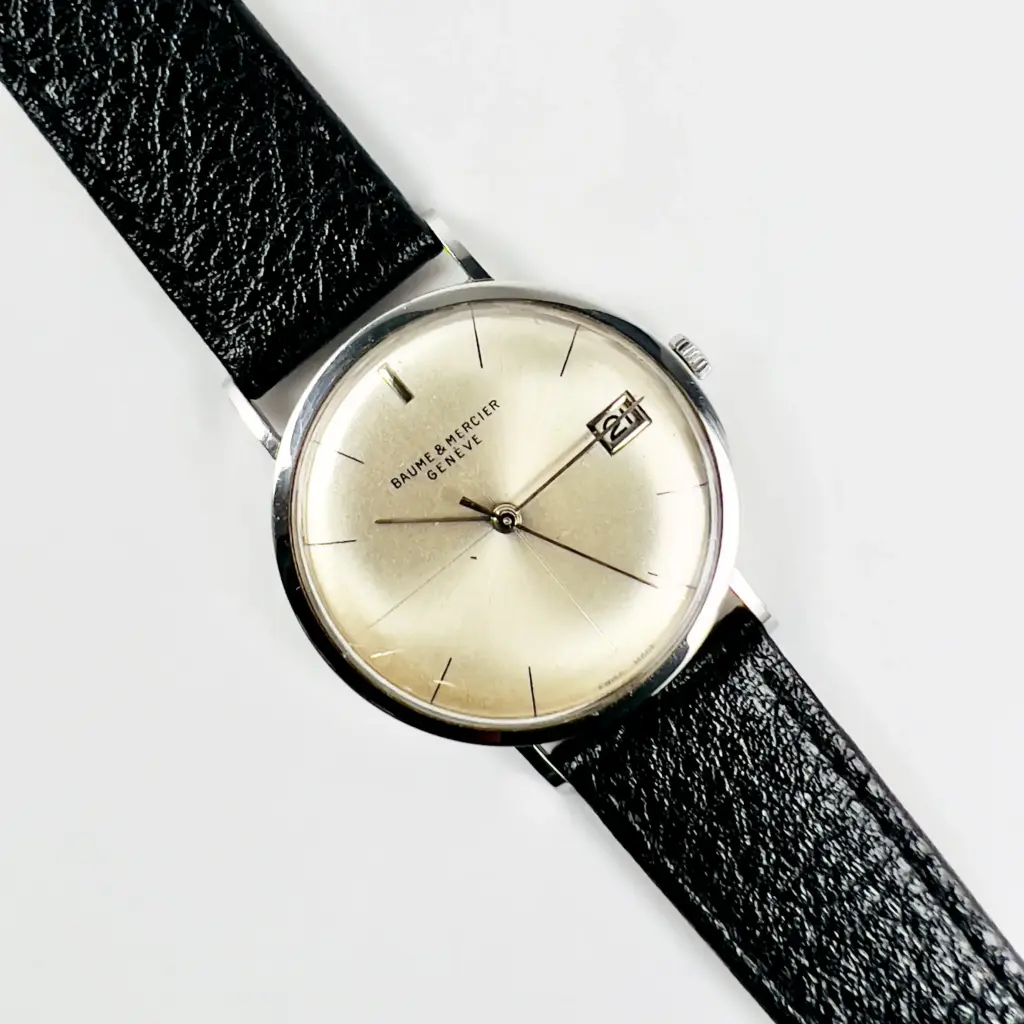
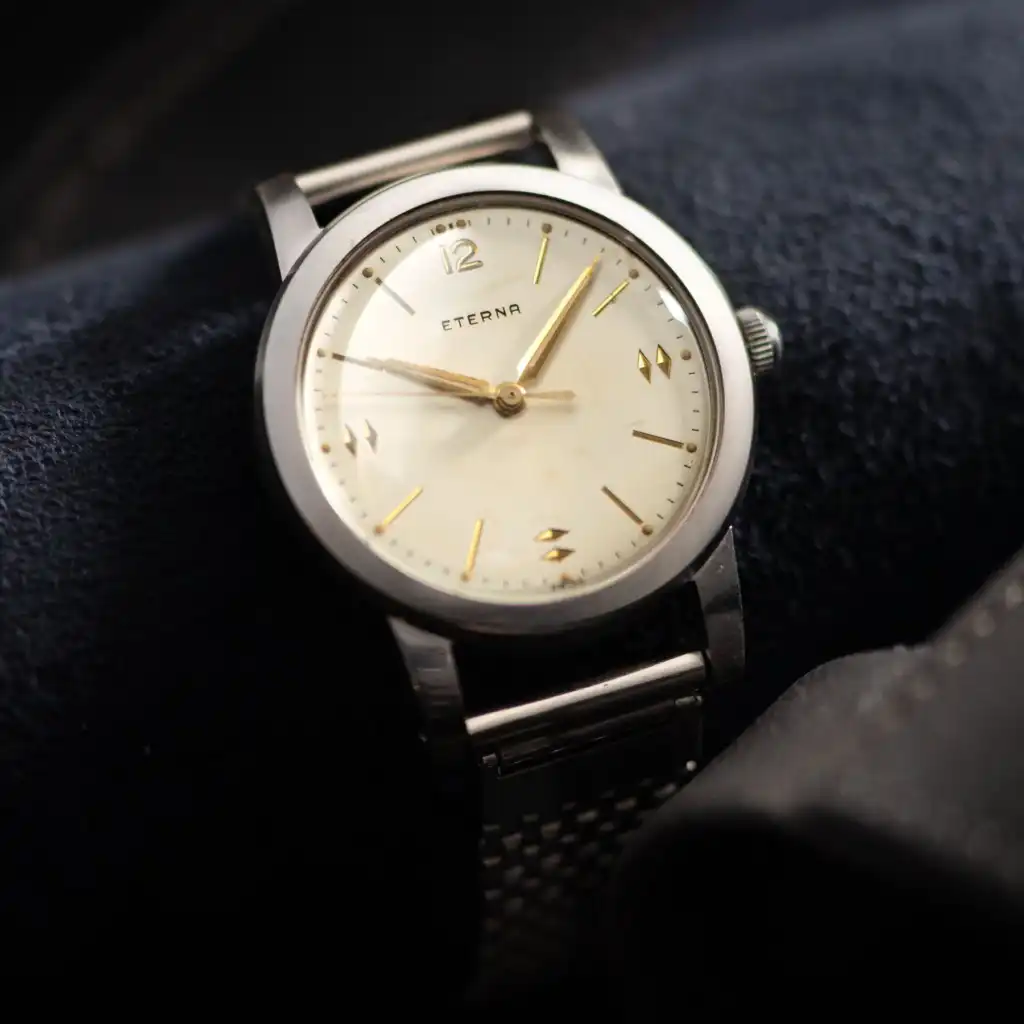
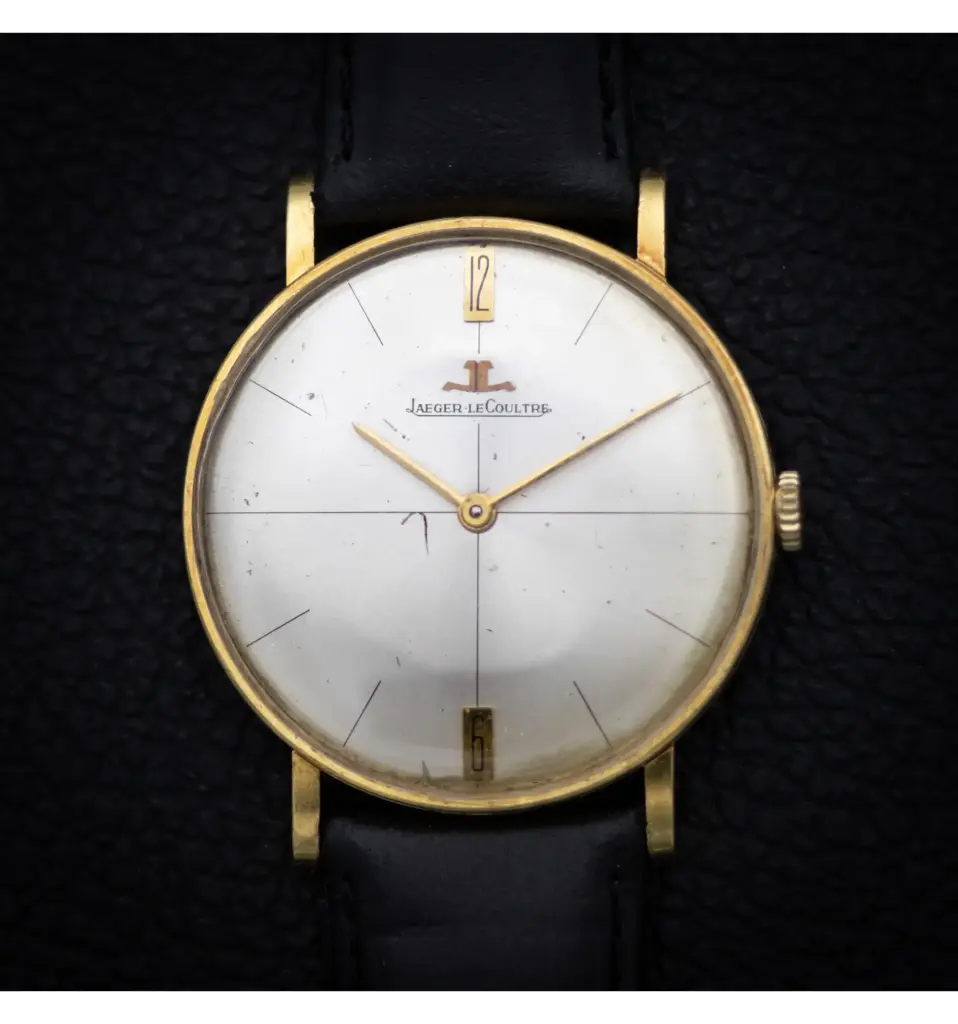
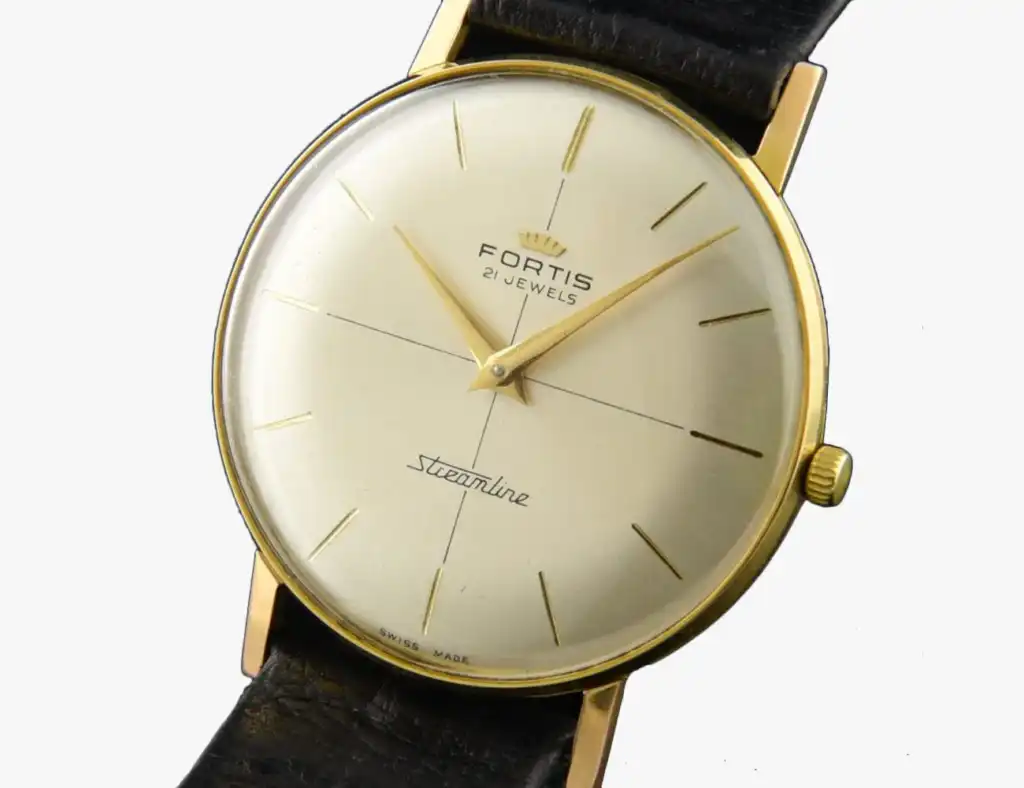
Different decades have distinct shapes, dial layouts, and fashion associations. Use the era as a styling cue, not a costume rule.
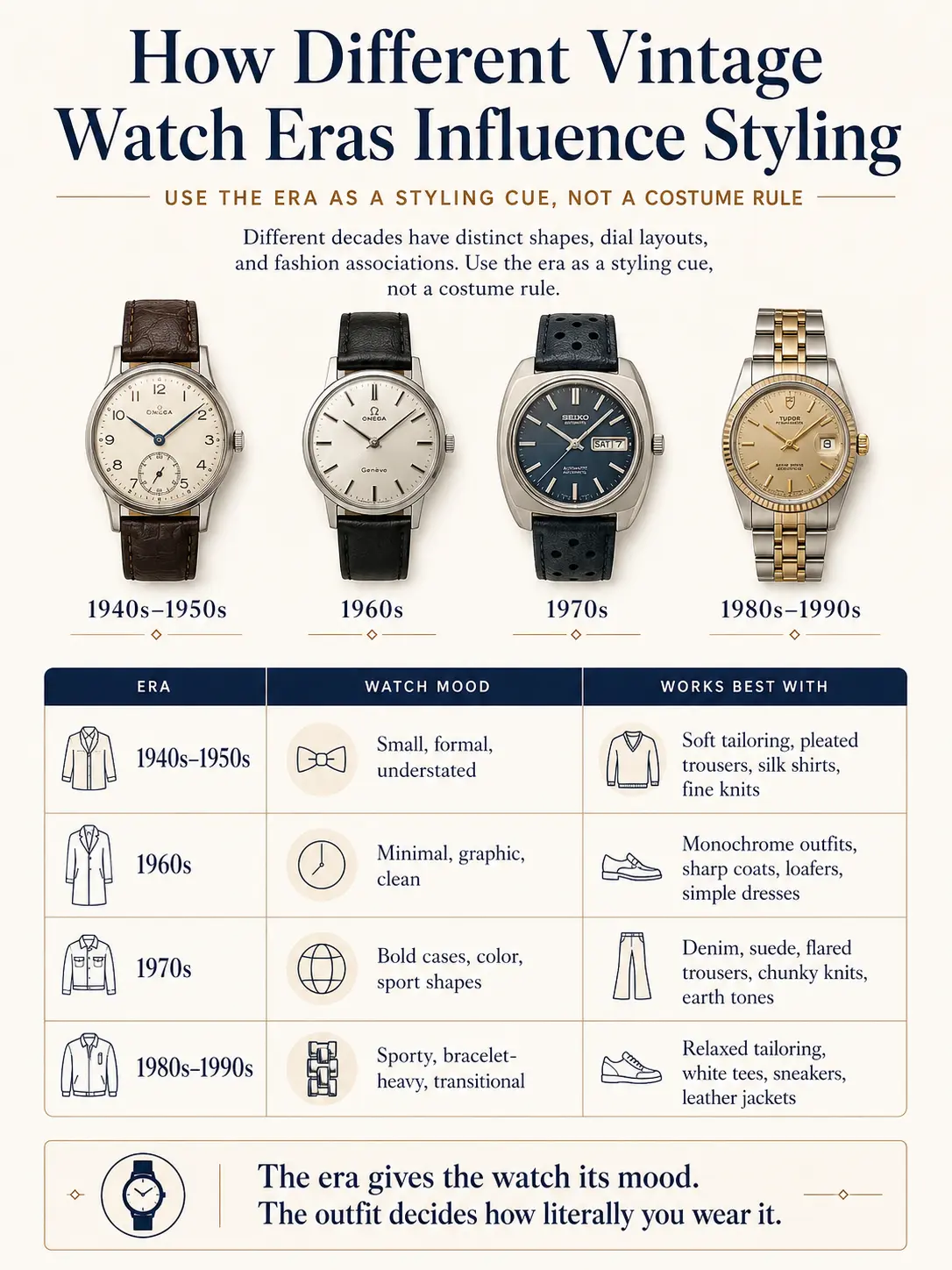
| Era | Watch mood | Works best with |
|---|---|---|
| 1940s-1950s | Small, formal, understated | Soft tailoring, pleated trousers, silk shirts, fine knits |
| 1960s | Minimal, graphic, clean | Monochrome outfits, sharp coats, loafers, simple dresses |
| 1970s | Bold cases, color, sport shapes | Denim, suede, flared trousers, chunky knits, earth tones |
| 1980s-1990s | Sporty, bracelet-heavy, transitional | Relaxed tailoring, white tees, sneakers, leather jackets |
1940s–1950s: Elegant and Understated
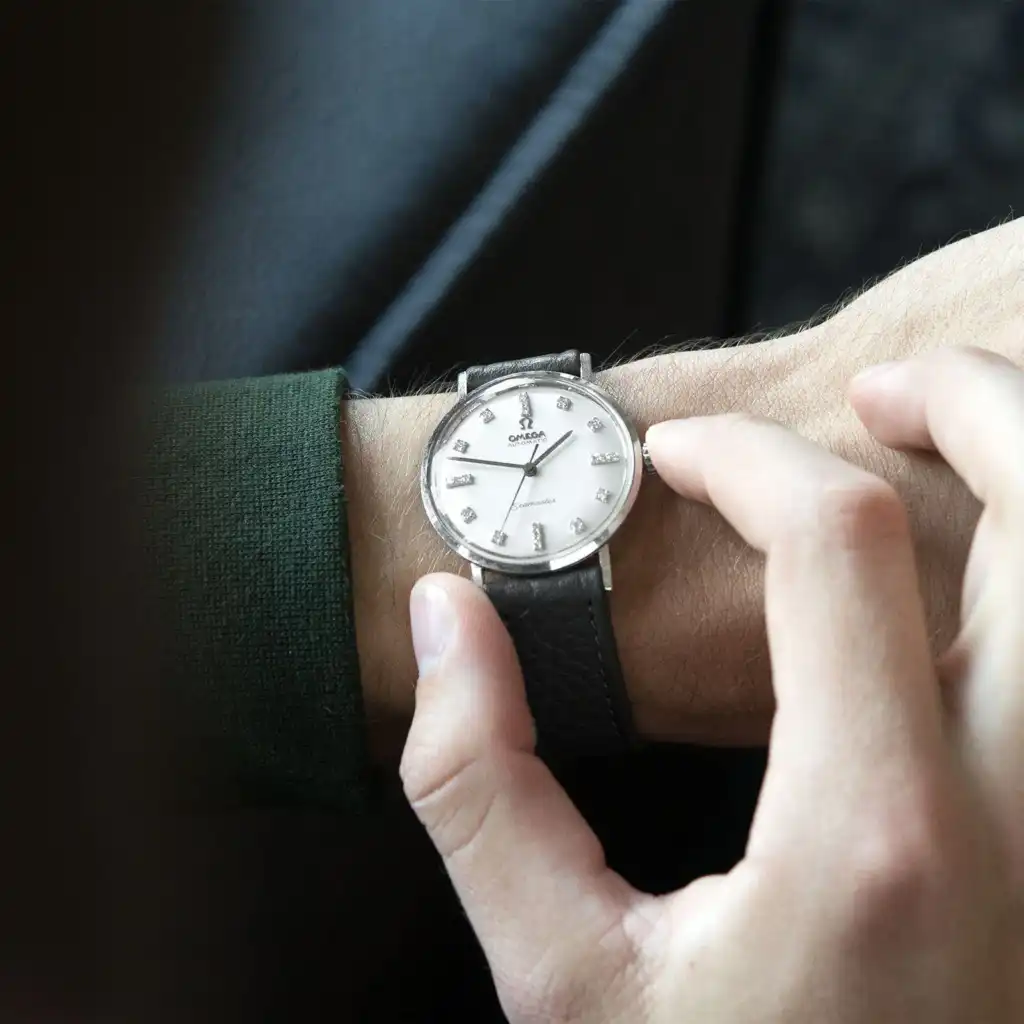
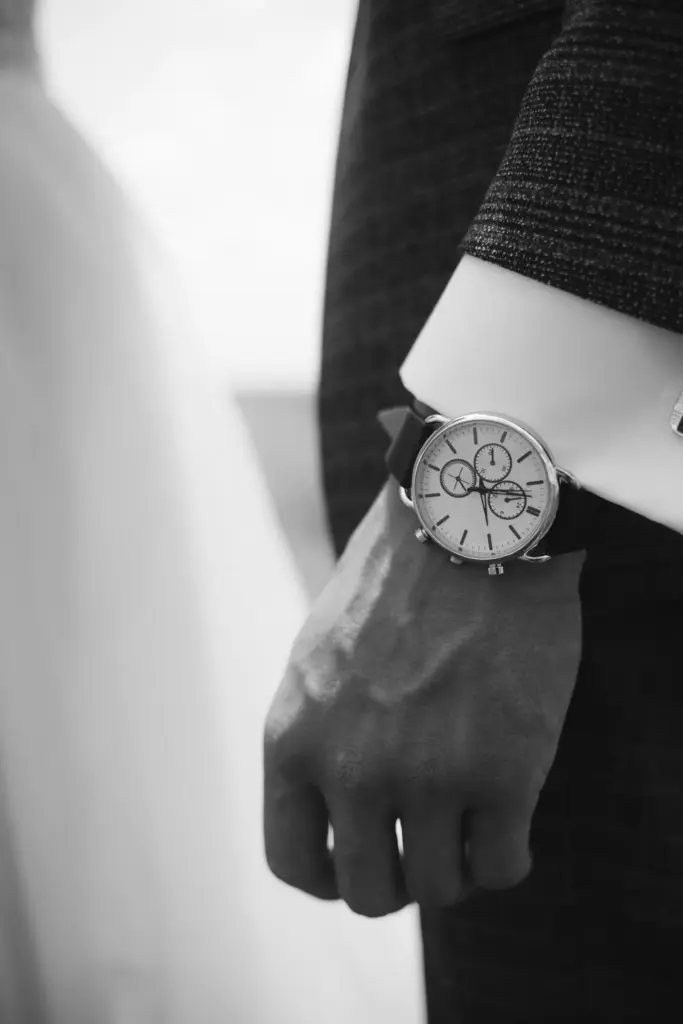
Key traits: Smaller cases (32–35mm), thin profiles, simple dials, often gold or steel.
Styling tip: These watches shine with tailored clothing—think structured blazers, high-waisted trousers, crisp shirts, and polished shoes. They add refinement without overpowering the outfit.
1960s: Clean, Functional Minimalism
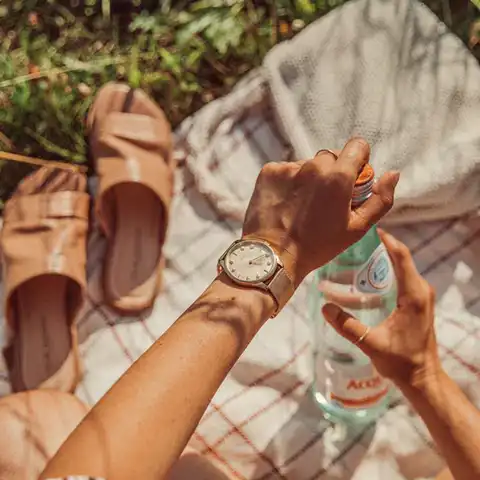
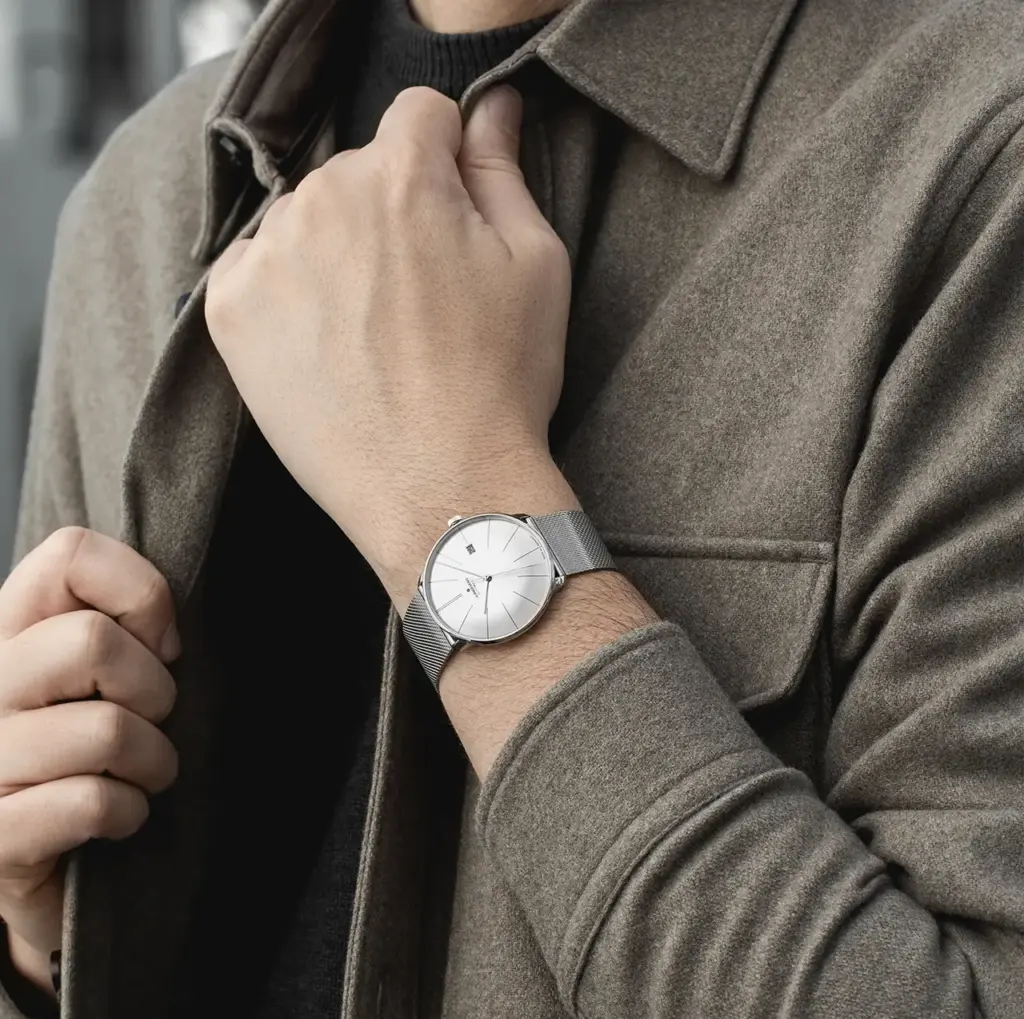
Key traits: Slim batons, monochrome dials, subtle branding.
Styling tip: Ideal for modern minimal wardrobes. Pair with neutral colors, slim fits, and contemporary silhouettes for a seamless blend of old and new.
1970s: Bold and Experimental
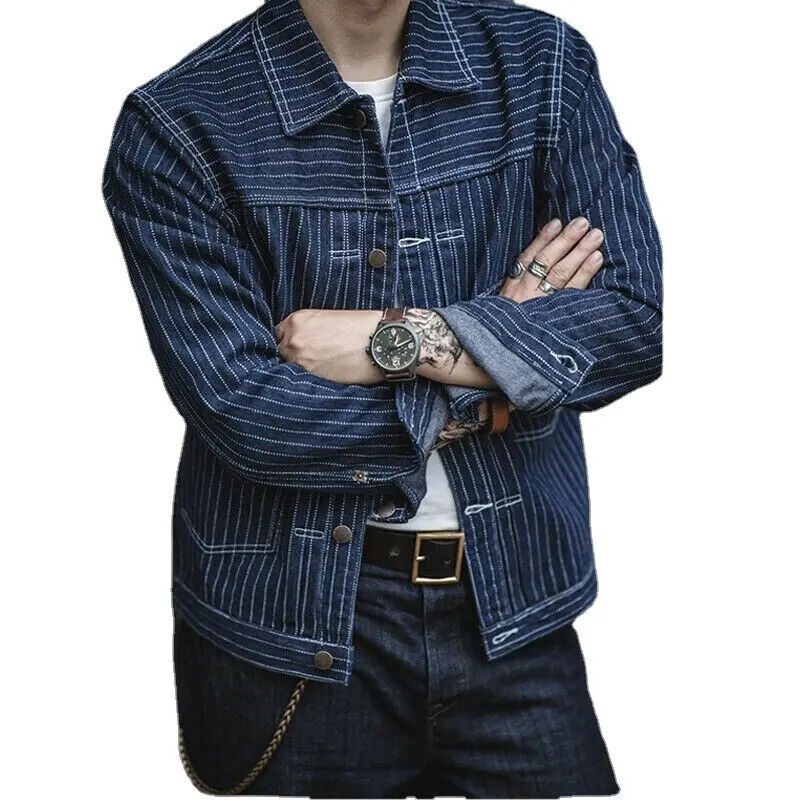
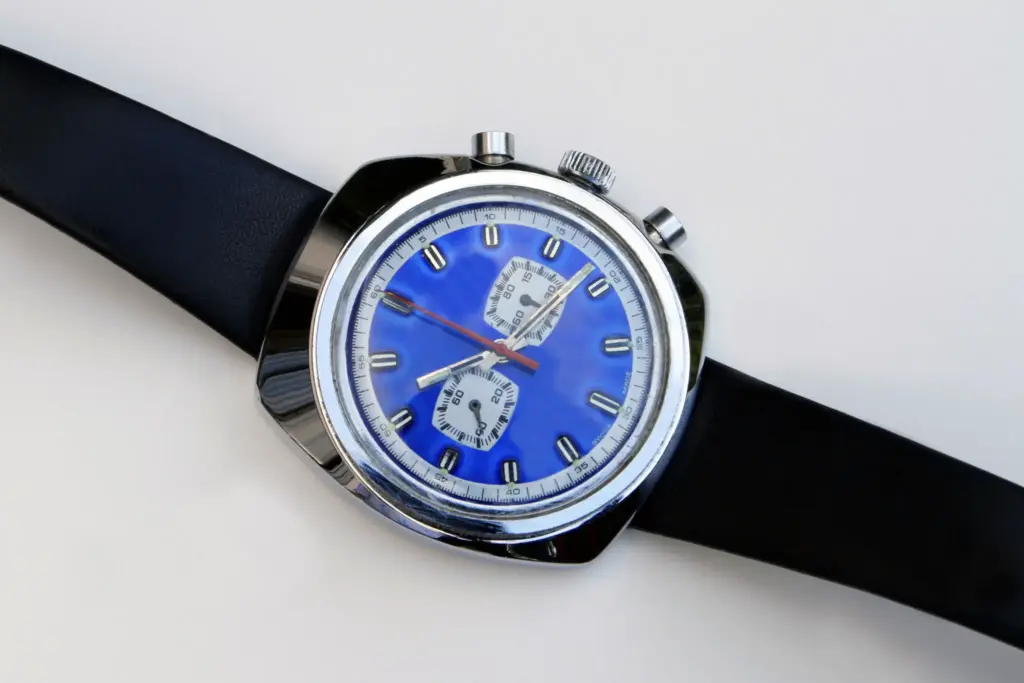
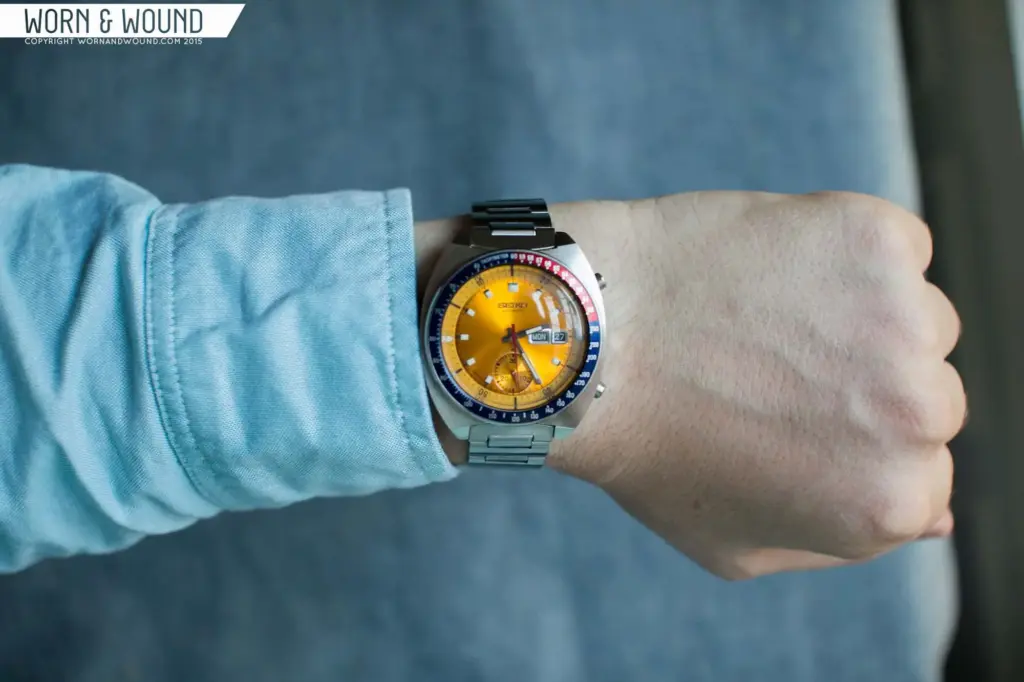
Key traits: Chunkier cases, integrated bracelets, colorful dials, chronographs.
Styling tip: These watches work well with statement outfits—denim jackets, flared trousers, textured knits, and bold eyewear.
1980s–1990s: Sporty and Transitional
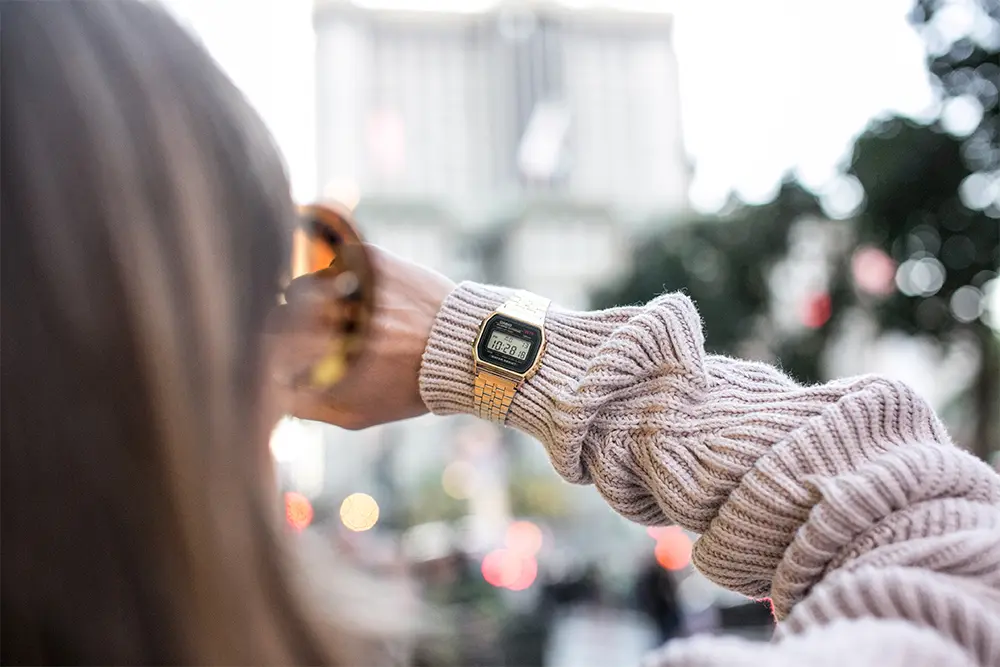
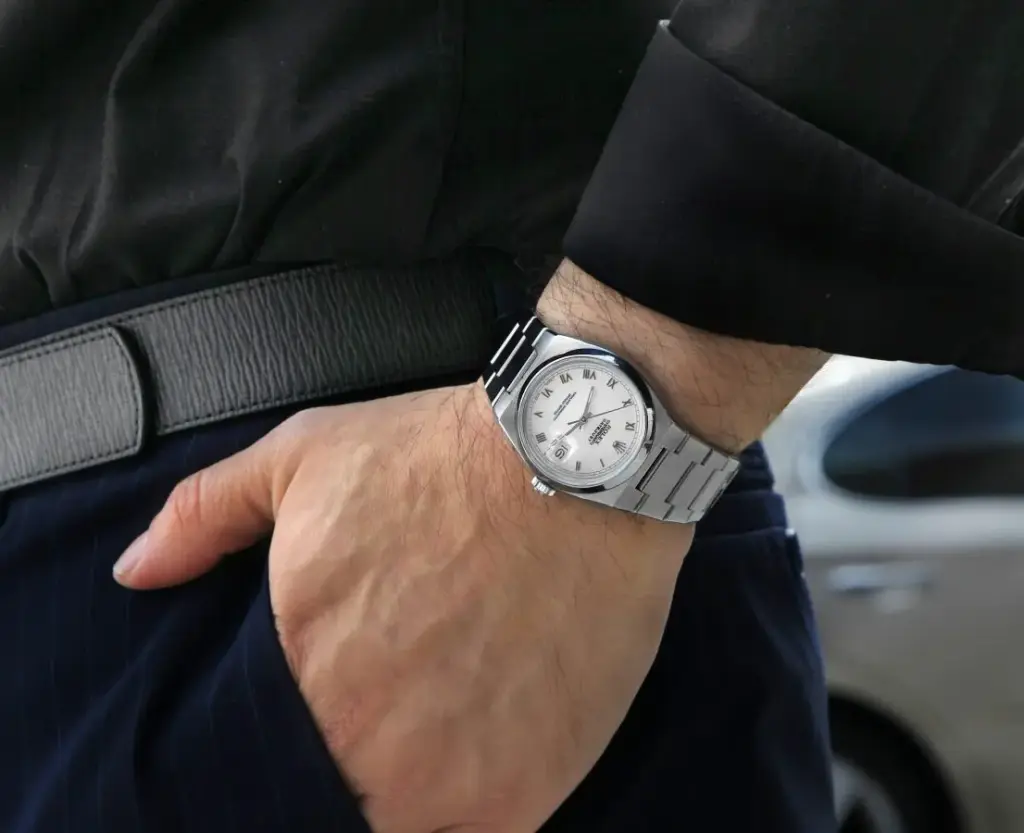
Key traits: Early quartz models, tool watches, robust designs.
Styling tip: Perfect for casual and athleisure-inspired looks. Pair with relaxed tailoring, sneakers, and modern casualwear.
Styling Vintage Watches for Different Occasions
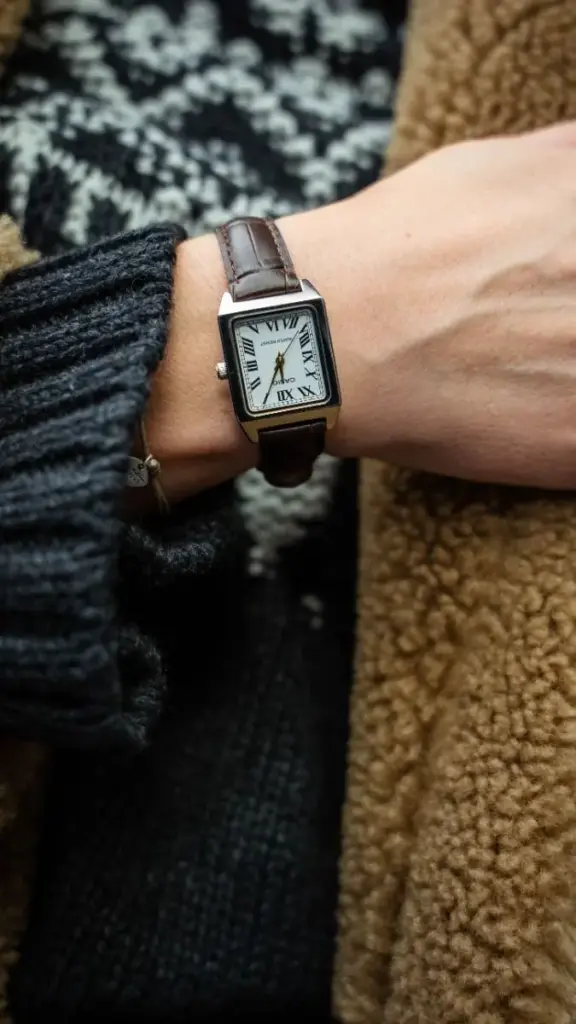
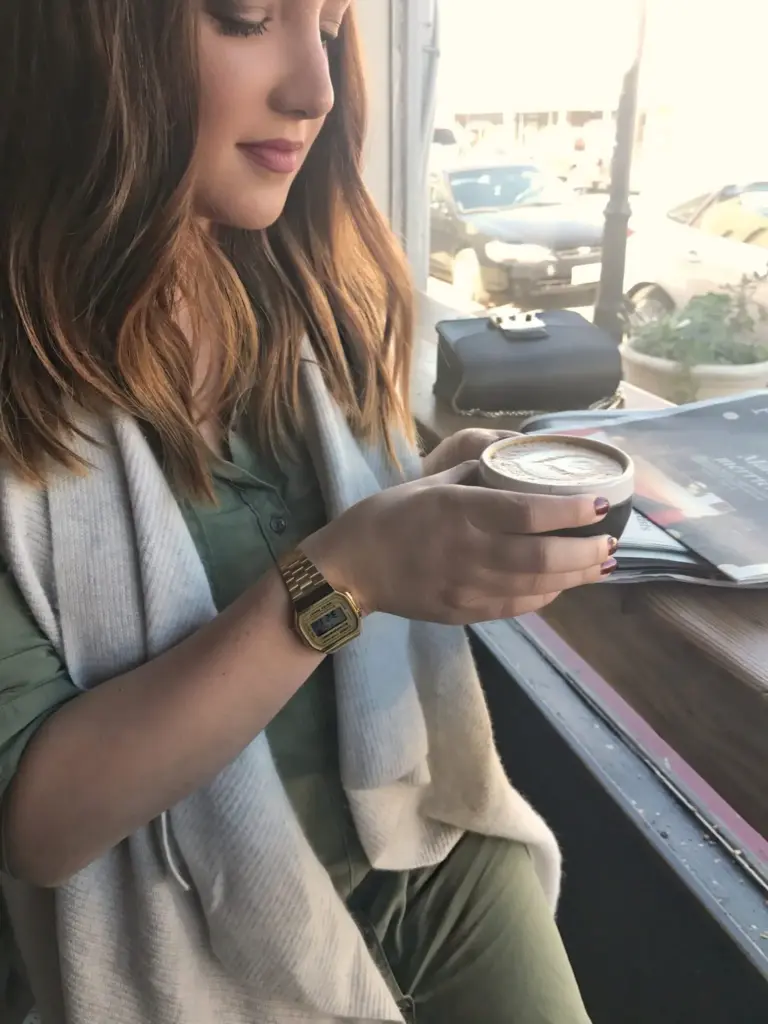
Casual Everyday Wear
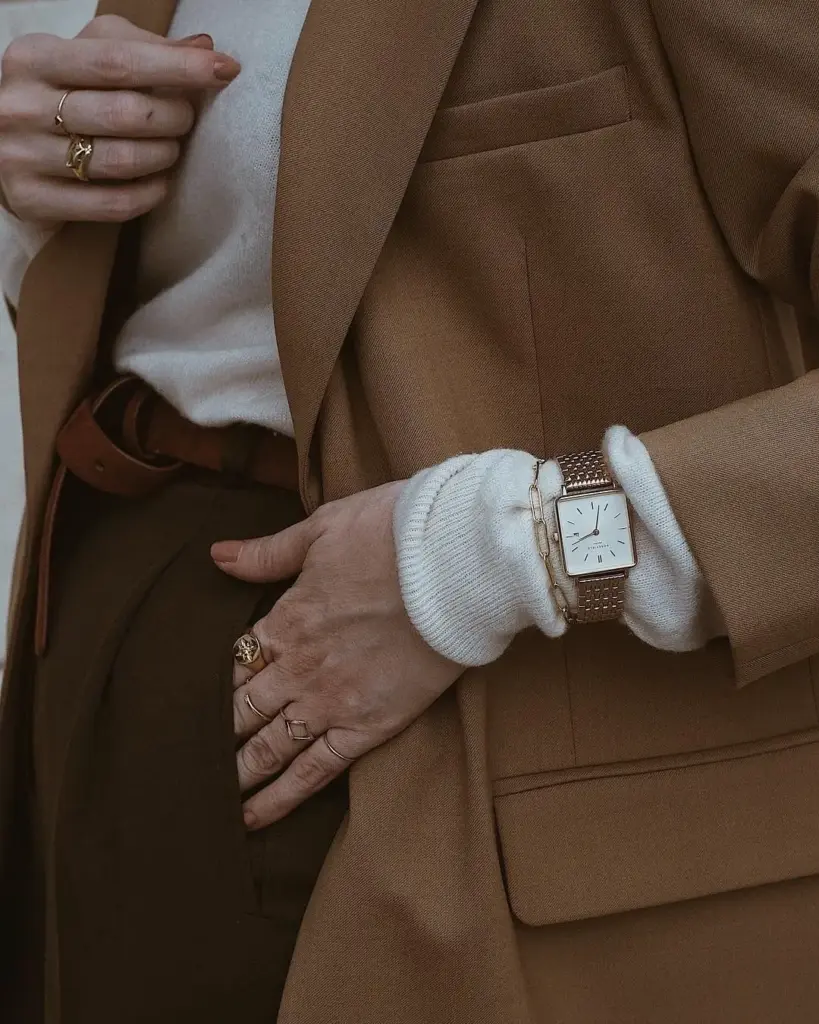
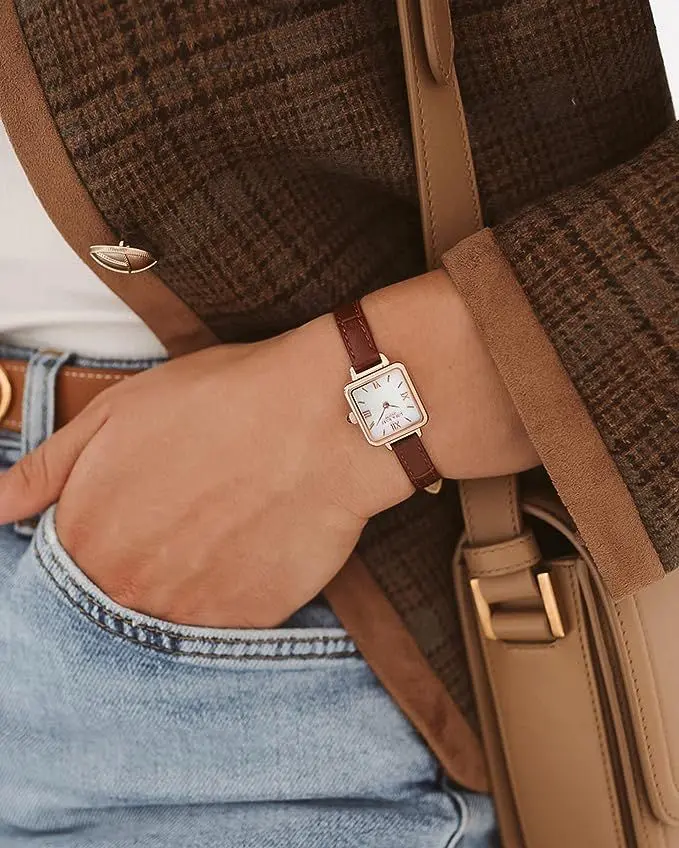
Vintage watches excel in casual settings because they add depth to simple outfits.
Outfit ideas:
- White or neutral t-shirt + denim jeans + vintage steel watch
- Knit sweater + chinos + leather-strap vintage watch
- Casual button-down + sneakers + minimalist vintage watch
Why it works:
A vintage watch brings character to basic outfits without looking forced. The key is balance—let the watch add interest while keeping the rest of the look relaxed.
In practice, heavily patinated watches tend to feel more natural in casual outfits, while cleaner vintage pieces work better in business or formal settings.
Business and Office Wear
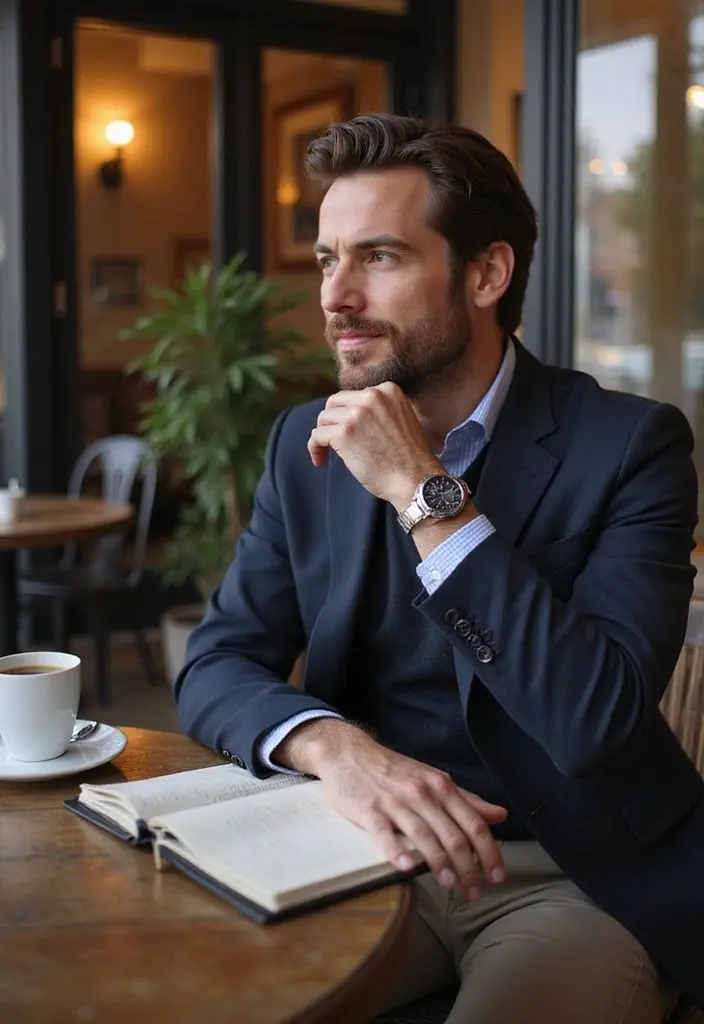
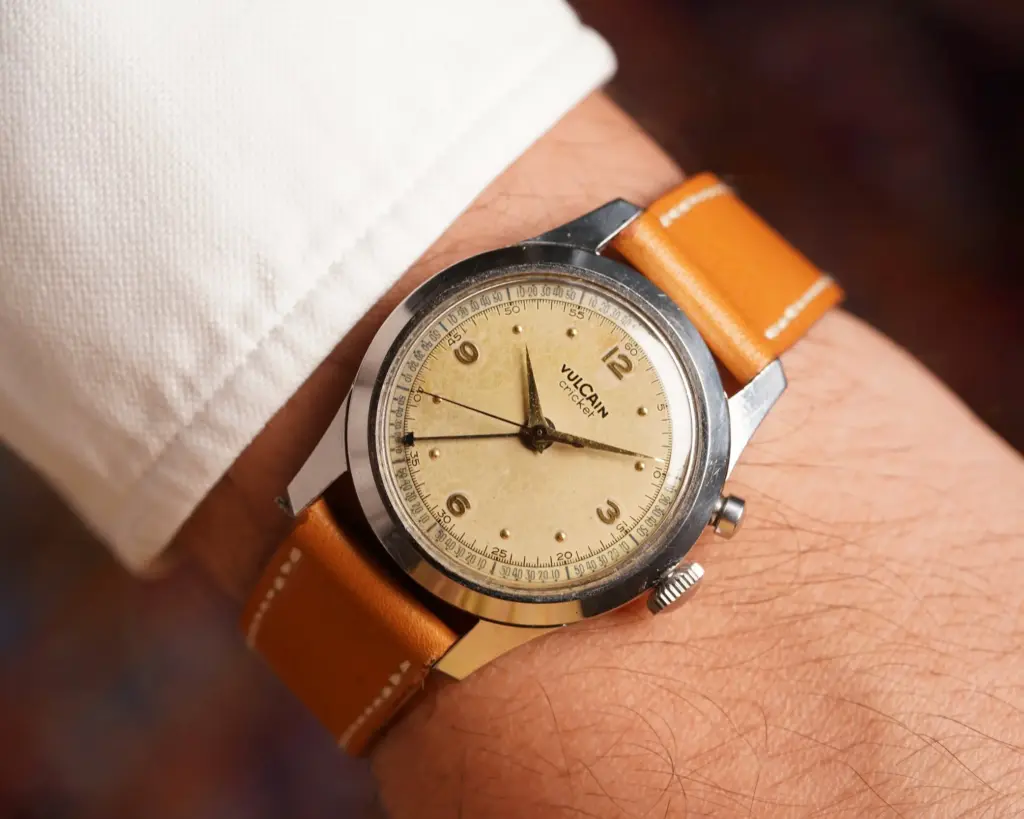
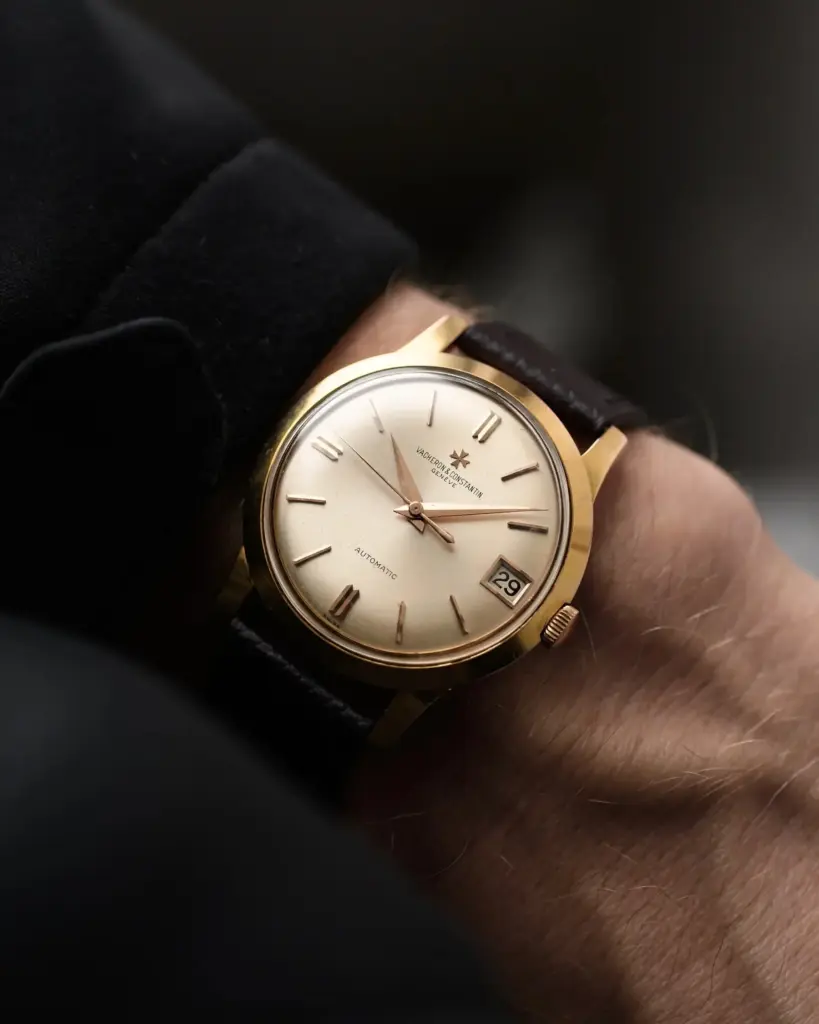
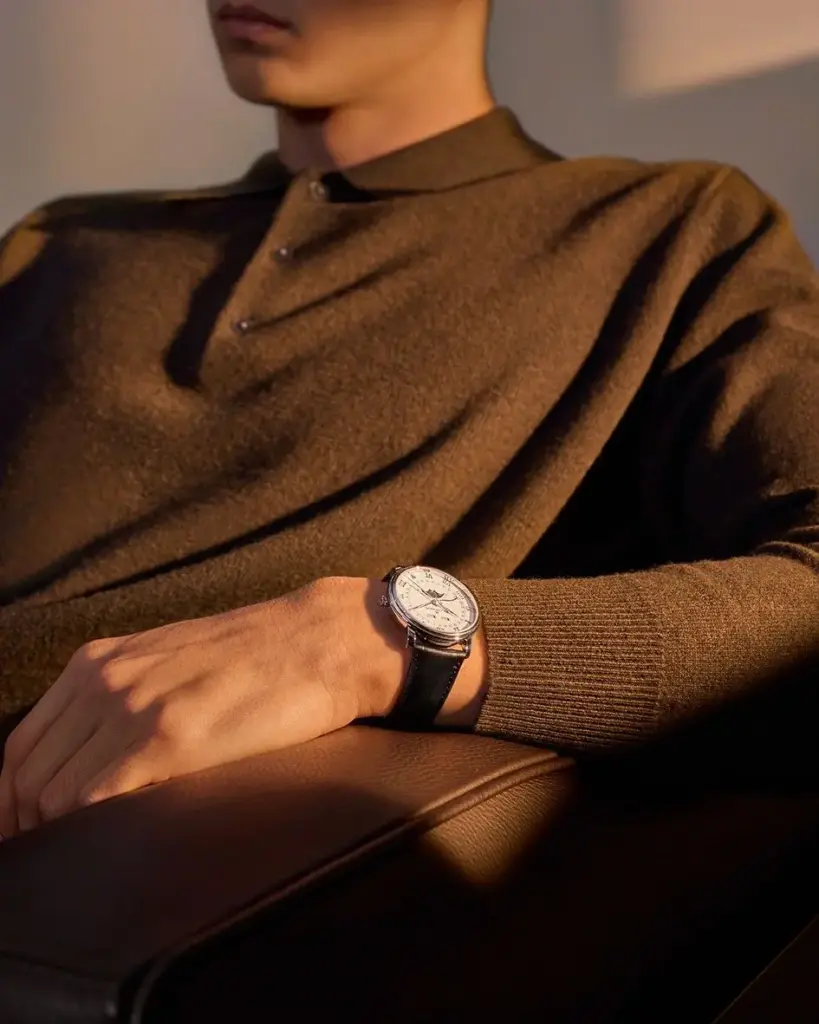
In professional environments, vintage watches project confidence and quiet sophistication.
Best choices:
- Slim dress watches from the 1950s–1960s
- Neutral dials (silver, white, champagne)
- Leather straps in black or brown
Styling tips:
- Match strap color with shoes and belt
- Avoid overly large or flashy watches
- Let the watch slip discreetly under the cuff
Vintage watches often look more refined than modern alternatives, making them ideal for offices that value classic style.
Formal and Evening Events
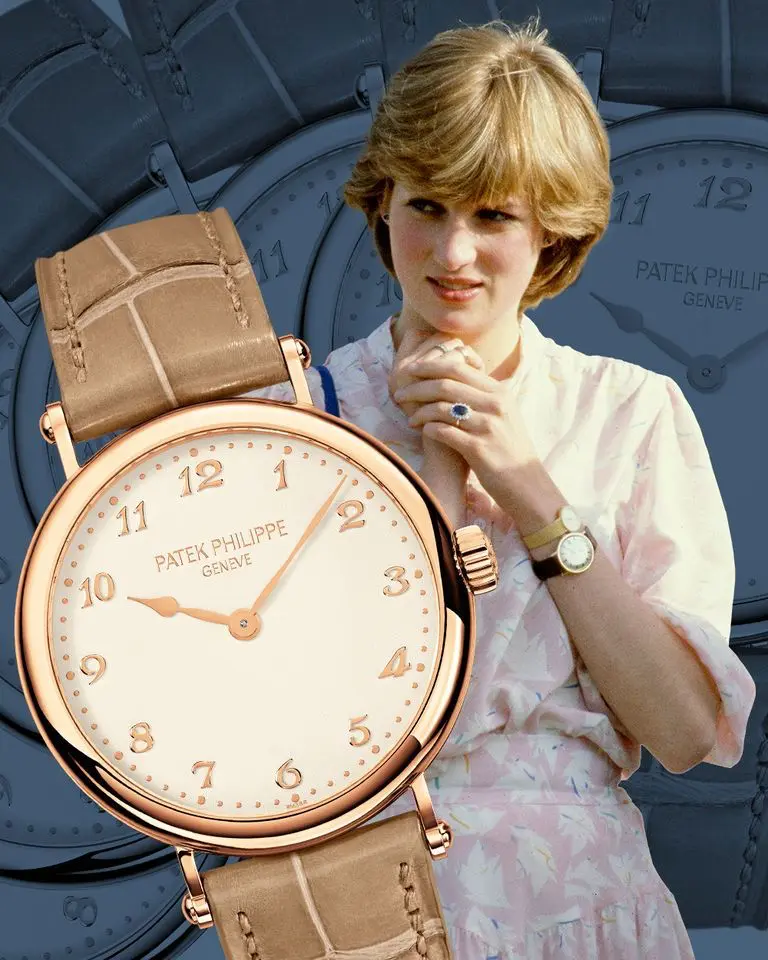
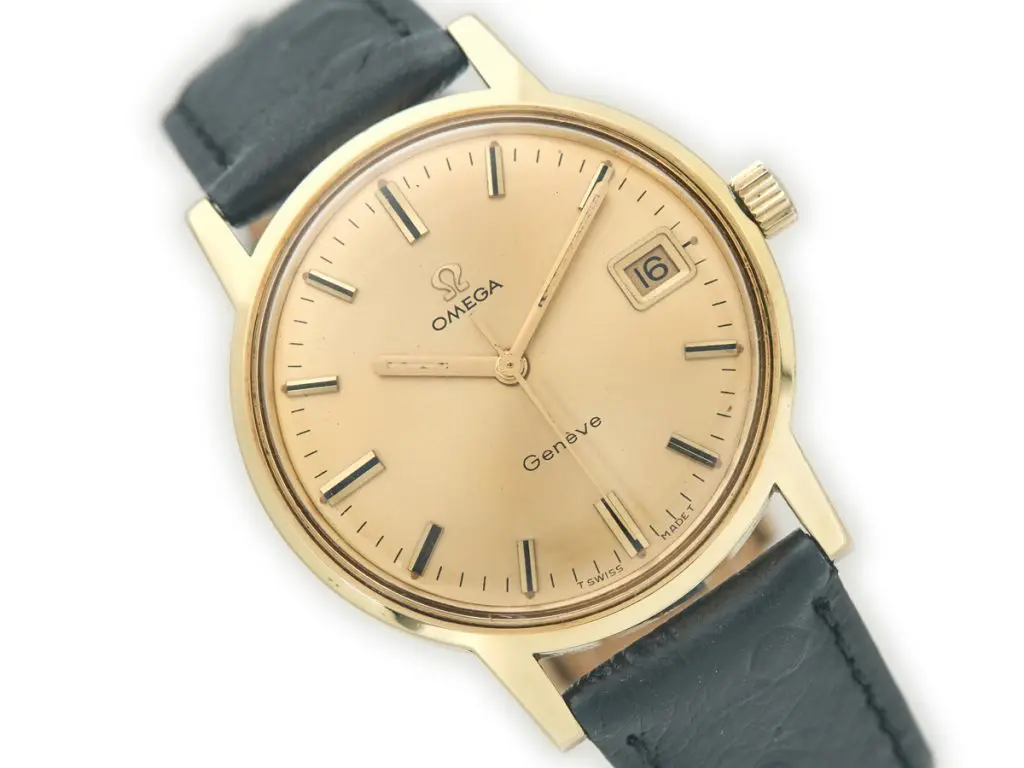
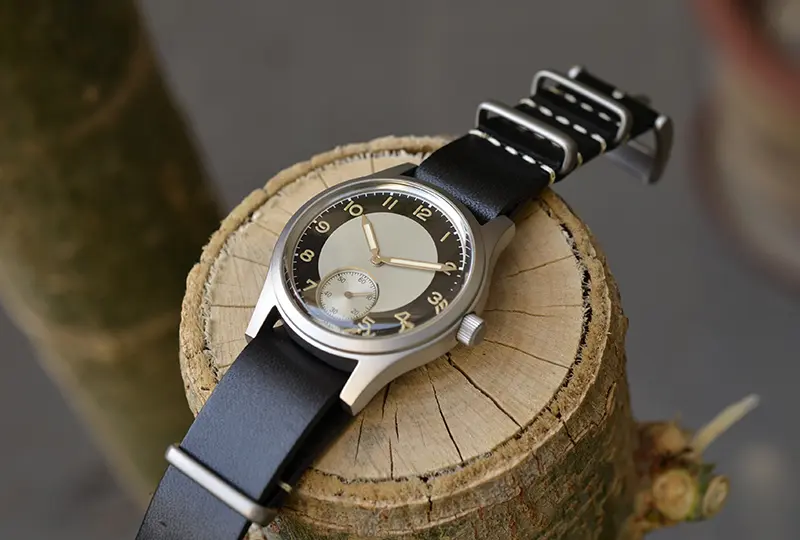
Yes, you can wear a watch with formalwear—if it’s the right one.
What works best:
- Ultra-thin vintage dress watches
- Gold or steel cases with simple dials
- Leather straps with minimal stitching
What to avoid:
- Sport watches or chronographs
- NATO straps
- Large cases or bold colors
A vintage dress watch adds elegance without drawing attention away from the outfit.
The Power of Straps: How One Change Transforms the Watch
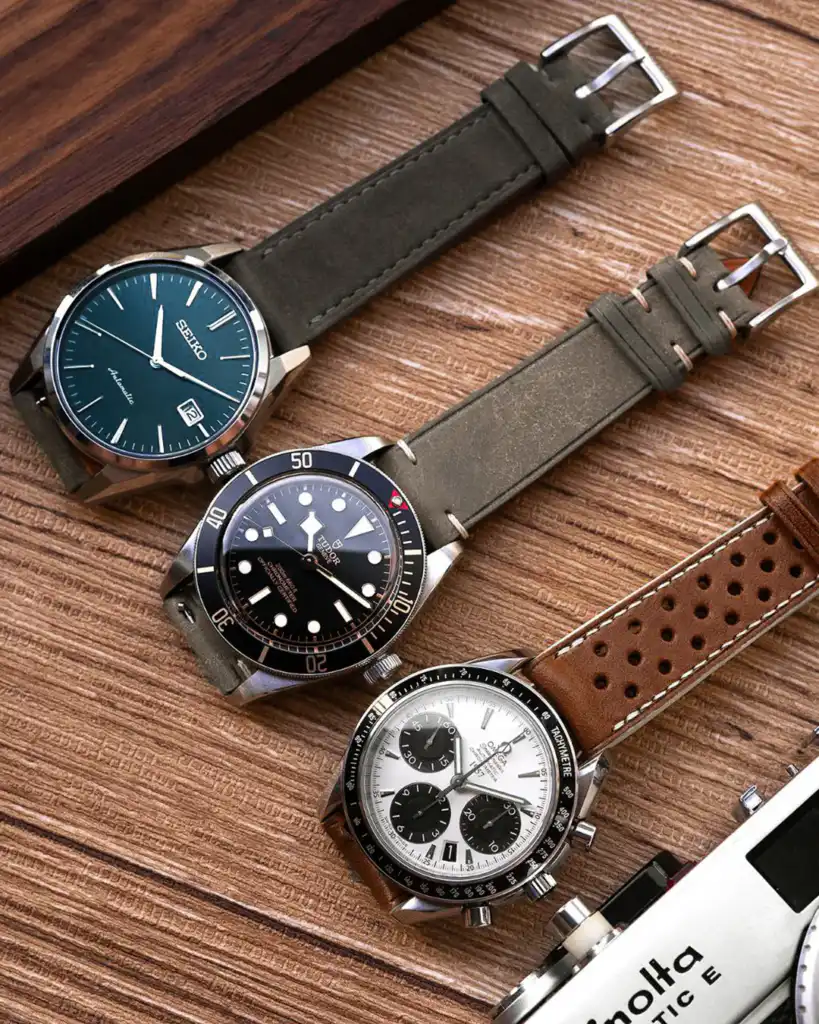
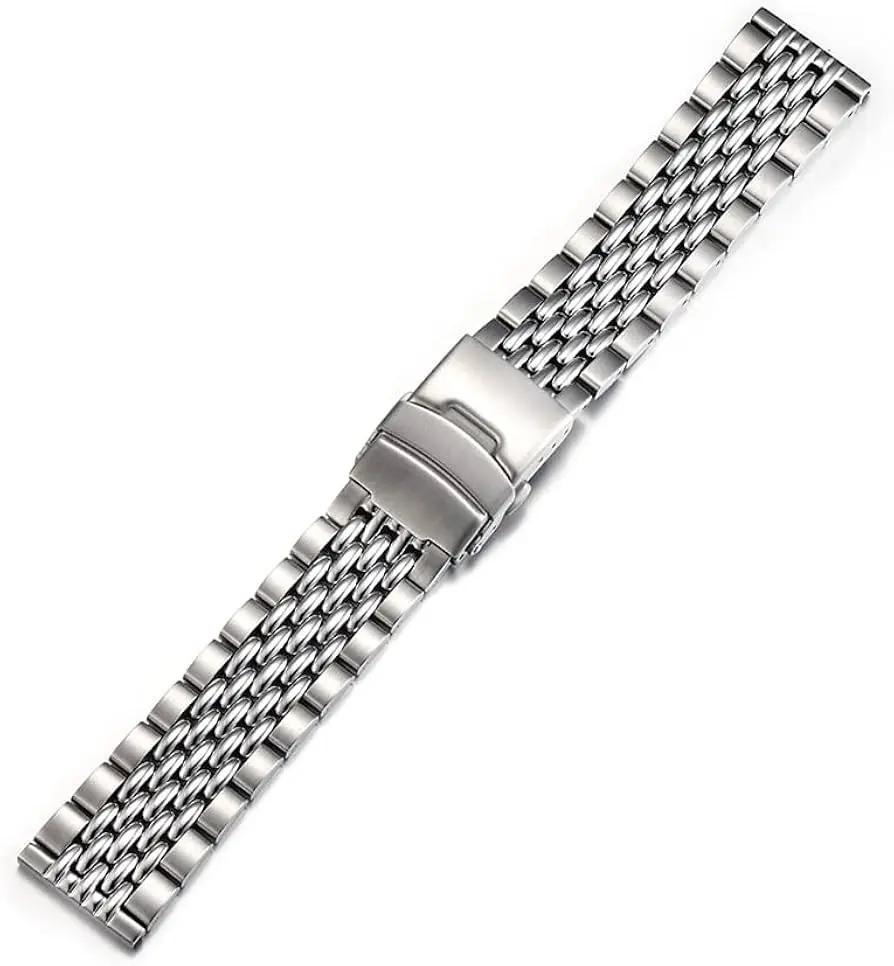
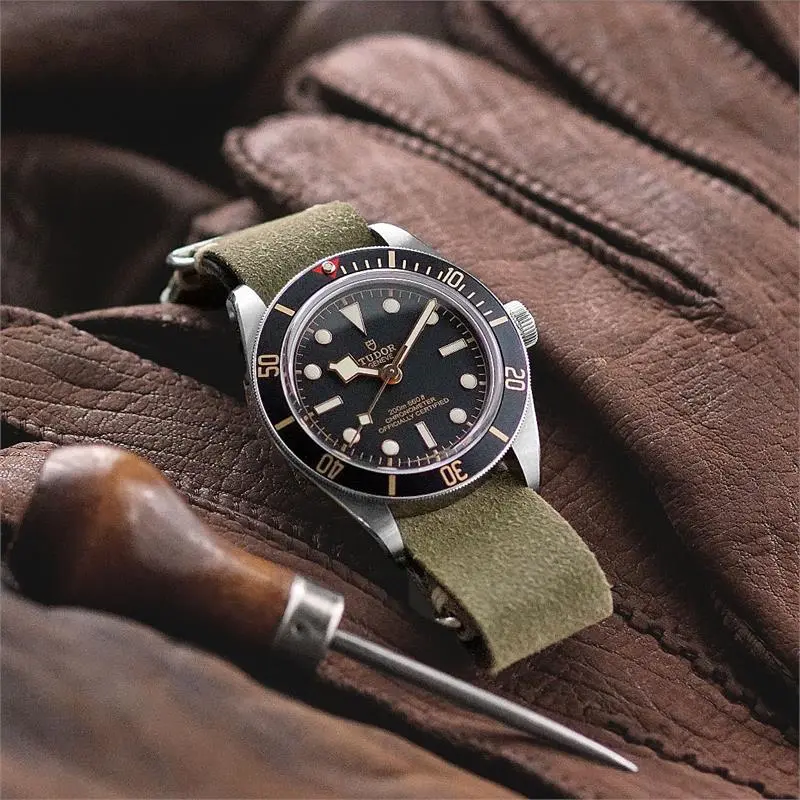
One of the easiest ways to style a vintage watch differently is by changing the strap. Strap width, taper, texture, and color can make the same watch feel formal, casual, sporty, or deliberately offbeat.
| Strap choice | Use it when | Styling note |
|---|---|---|
| Black leather | The watch is formal or the outfit is tailored. | Best with slim dress watches, black shoes, evening looks, and cool-toned outfits. |
| Brown or tan leather | You want the watch to feel warmer and easier for daytime. | Works with denim, cream, camel, olive, navy, and suede. |
| Metal bracelet | The watch has a sportier case or the outfit is casual-smart. | A bracelet should not overpower a small vintage case. |
| NATO or fabric | You want travel, summer, or field-watch energy. | Keep the rest of the accessories simple so the strap does not look random. |
Leather Straps
- Best for: Dressy, business, smart-casual looks
- Colors: Black (formal), brown (versatile), tan (casual)
- Texture tip: Smooth leather feels formal; suede feels relaxed
Metal Bracelets
- Best for: Everyday wear, vintage sports watches
- Style note: Original bracelets add authenticity, but modern replacements can work if proportions match
NATO and Fabric Straps
- Best for: Casual, summer, travel looks
- Why they work: They modernize vintage watches and make them more wearable day-to-day
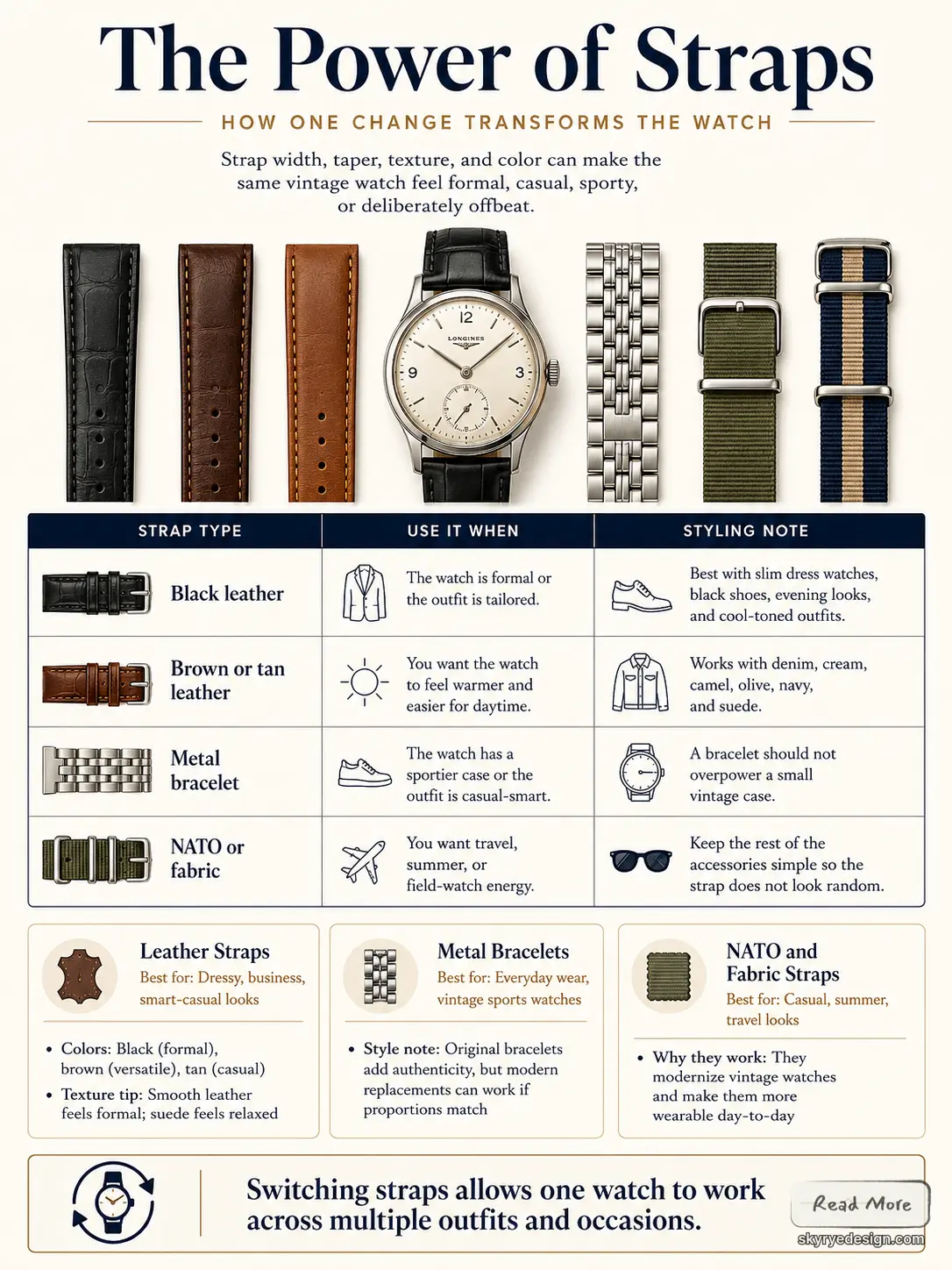
Switching straps allows one watch to work across multiple outfits and occasions.
Styling Vintage Watches for All Genders
Vintage watches naturally lend themselves to gender-neutral styling due to their proportions and design.
Why Vintage Watches Are So Versatile
- Smaller case sizes suit a wide range of wrists
- Clean designs avoid gendered styling cues
- They pair equally well with tailored, casual, and expressive wardrobes
Styling Tips
- Don’t size up unnecessarily—authentic proportions are part of the charm
- Embrace contrast: pair delicate watches with bold outfits or vice versa
- Focus on personal style rather than labels
Vintage watches work best when worn with confidence, regardless of gender norms.
Mixing Vintage Watches with Modern Fashion
One of the most effective styling approaches is contrast.
Try pairing:
- A 1950s dress watch with modern streetwear
- A 1970s chronograph with minimalist tailoring
- A vintage sports watch with contemporary sneakers
This juxtaposition keeps your look fresh and prevents it from feeling costume-like.
What Are the Most Common Vintage Watch Styling Mistakes?
The most common mistake is treating the watch as a museum object or as a flex. A vintage watch looks better when it feels integrated into the outfit.
- Wearing a watch that is too large. Vintage watches were often smaller for a reason. If the lugs hang over the wrist, the whole look feels forced.
- Overmatching every detail. Your watch does not need to match the belt, shoes, bag, rings, and buttons. Aim for one or two quiet connections.
- Ignoring condition. Heavy patina can look beautiful with denim and knitwear, but it may feel too rough beside a sharp evening outfit.
- Choosing the wrong strap thickness. A bulky padded strap can make a slim dress watch look clumsy. Vintage cases usually prefer a softer taper.
- Making the whole outfit vintage. One vintage piece is often enough. Modern clothes keep the watch from feeling like a costume prop.
Vintage Watches and the Rise of Sustainable Chic
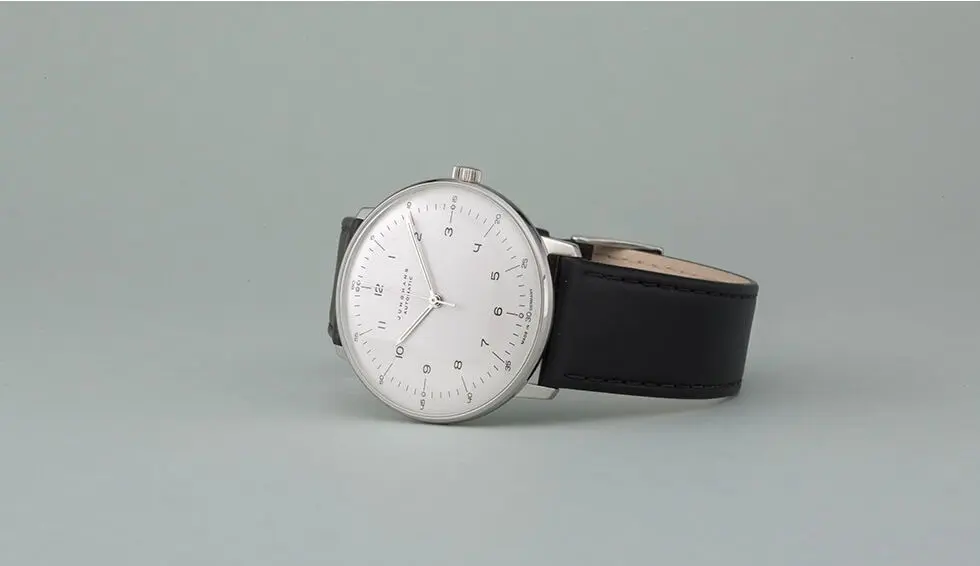
Vintage watches also fit the slower side of modern style. You are reusing an existing object, supporting repair and maintenance, and choosing a piece that can stay in rotation for years instead of one season. That lines up with the broader reuse-first thinking behind sustainable materials management.
- Repair the watch before replacing it when the case, dial, and movement are worth saving.
- Refresh the strap when the outfit needs a different mood.
- Buy for proportion and wearability, not just brand name.
For broader context, the EPA’s sustainable materials management overview explains why reuse and maintenance matter across a product’s lifecycle. For era references, the Vintage Fashion Guild fashion timeline is a helpful starting point.
FAQ: how to style vintage watches
These quick answers cover the styling questions that usually come up once you start wearing older watches with current clothes.
How do you style vintage watches with modern outfits?
Keep the outfit modern and use the vintage watch as the character detail. Match one element, such as case metal, leather color, dial tone, or era mood, but avoid matching every accessory. A clean outfit makes the age and patina of the watch feel intentional.
Can you wear a vintage dress watch casually?
Yes. A small vintage dress watch can look great with jeans, knitwear, loafers, a plain T-shirt, or a relaxed blazer. Switch from glossy black leather to brown, tan, or suede if the watch feels too formal for everyday wear.
What strap looks best on a vintage watch?
The safest choice is a slim leather strap that matches the scale of the case. Black leather feels formal, brown feels versatile, tan feels casual, and suede softens the look. Metal bracelets suit sportier watches, while NATO or fabric straps work best for relaxed outfits.
Are vintage watches too small for modern style?
Not usually. Many vintage watches are smaller than modern watches, but that can look elegant if the proportions fit your wrist. The key is lug-to-lug length: if the lugs sit inside the wrist edges, the watch usually reads as intentional rather than tiny.
How do you match a gold vintage watch?
Gold vintage watches work best with warm neutrals such as cream, camel, brown, olive, navy, and soft grey. Repeat the warmth once with a belt buckle, ring, bag hardware, or shoe tone, then let the rest of the outfit stay simple.
Can women wear men’s vintage watches?
Absolutely. Many older men’s watches are modest by today’s sizing, so they often work beautifully as unisex pieces. Style them with rolled sleeves, sharp tailoring, knitwear, or stacked jewelry, but keep the watch readable instead of burying it under too many accessories.
What is the biggest vintage watch styling mistake?
The biggest mistake is making the whole outfit look like a period costume. Let the watch bring the vintage detail, then balance it with modern fit, clean shoes, current fabrics, or simple accessories.
For more outfit ideas around older pieces, browse our vintage outfit ideas, accessory styling guide, and the full fashion archive.
Final Thoughts: Making Vintage Watches Your Own Thing
Styling a vintage watch is less about strict rules and more about proportion. Look at the case size, strap width, dial color, sleeve shape, and outfit texture before you decide. If those pieces feel balanced, the watch will look worn rather than staged.
The best vintage watch outfits usually have one clear idea: a small gold dress watch with soft tailoring, a steel chronograph with denim, or a digital 1980s piece with clean streetwear. Keep the idea simple and let the watch do its quiet work.
More fashion style guides to build a sharper wardrobe
This article is part of the Sky Rye Design fashion cluster. Use these guides to connect the outfit, accessories, seasonal layers, and style decisions into one clearer wardrobe system.
- Sky Rye Design fashion hub – the main archive for fashion, outfit ideas, accessories, and style guides.
- business casual men’s outfit guide – Business Casual Men’s Outfit.
- dress for success in every season – How to Dress for Success in Every Season.
- casual winter office outfits – Casual Winter Office Outfits.
- elegant winter looks for men – Elegant Winter Looks for Men.
- trendy accessories for 2026 – Trendy Accessories in 2026.
- cropped trench coat outfits – How to Style Cropped Trench Coats.
- fashion mistakes to avoid – 10 Fashion Mistakes to Avoid.
- vintage outfit ideas – Vintage Outfit Ideas.
- winter 2025 fashion trends – Winter 2025 Fashion Trends.
- 105shares
- Facebook0
- Pinterest105
- Twitter0
- Reddit0