

How to choose a swimsuit style
Choosing among swimsuit styles starts with use, support, and coverage, not with a trend list. For active swimming, look for secure straps, stable under-bust construction, and fabric that recovers after stretching. For lounging, you can prioritize texture, cut-outs, or lighter straps. A high-waisted bikini can add midsection coverage, while a one-piece gives a continuous fit and often stays put more easily.
Larger busts often benefit from adjustable wide straps, an under-bust band, and cup sizing; smaller busts may prefer soft triangles, bandeaus with grip, or removable pads. Color and print should come last. Test the suit by lifting your arms, sitting, and bending before you remove the tags. If the neckline shifts, straps dig in, or the leg opening cuts into the skin, try another size or cut. The best swimsuit is the one that feels secure dry and wet, fits your planned activity, and still looks like something you want to wear.
- Swimsuit styles and fit: quick decision guide
- Swimsuit styles worth knowing
- Swimsuit colors and prints that are easy to style
- How different swimsuit cuts change fit and support
- How to evaluate sustainable swimwear
- How to style a swimsuit beyond the water
- Swimsuit care and sun-protection notes
- Swimsuit styles FAQ
- Build the rest of the beach outfit
- Final takeaway
This guide compares the main cuts, support details, fabrics, colors, and beach styling options so you can narrow the choice before shopping.
Swimsuit styles and fit: quick decision guide
| Your priority | Start with | Check before buying |
|---|---|---|
| Lap swimming | Racerback or cross-back one-piece | Straps stay flat and the neckline does not shift |
| Beach and pool lounging | Adjustable bikini or one-piece | Hardware does not press when you sit |
| Fuller-bust support | Cup-sized top, underwire, or wide under-bust band | Band carries the support without straps digging in |
| More coverage | High-rise bottom or full-coverage one-piece | Leg openings stay comfortable while walking |
| Easy movement | Sport bikini or secure one-piece | Do an arm raise, squat, and torso twist |
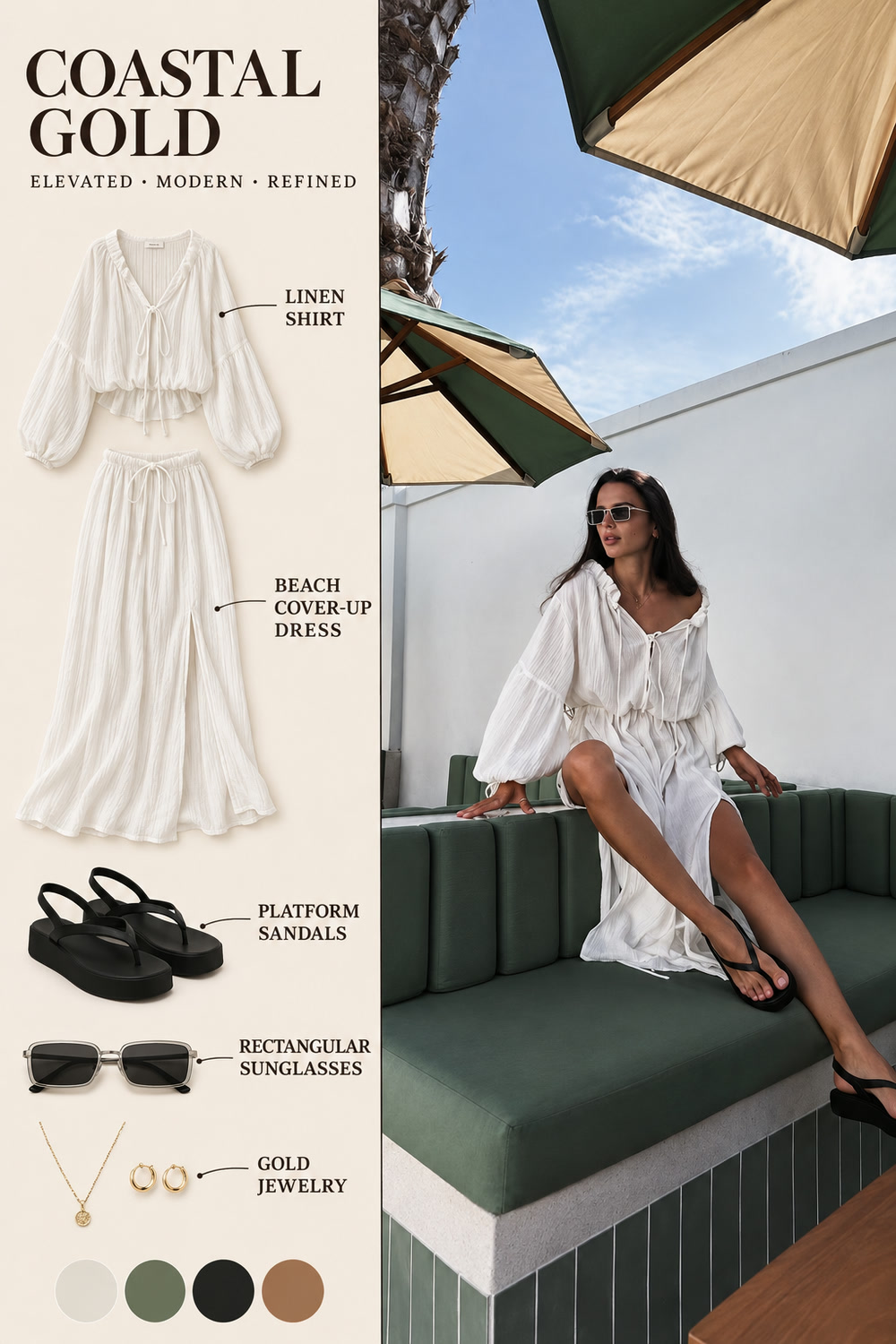
Swimsuit styles worth knowing
This summer, swimsuits combine eye-catching shapes with soft, interesting textures. Designs now mix bold cuts with retro fits, while fabric details add fresh twists. These styles offer options that fit a variety of tastes and body types.
Bold Cutouts and Strappy Designs
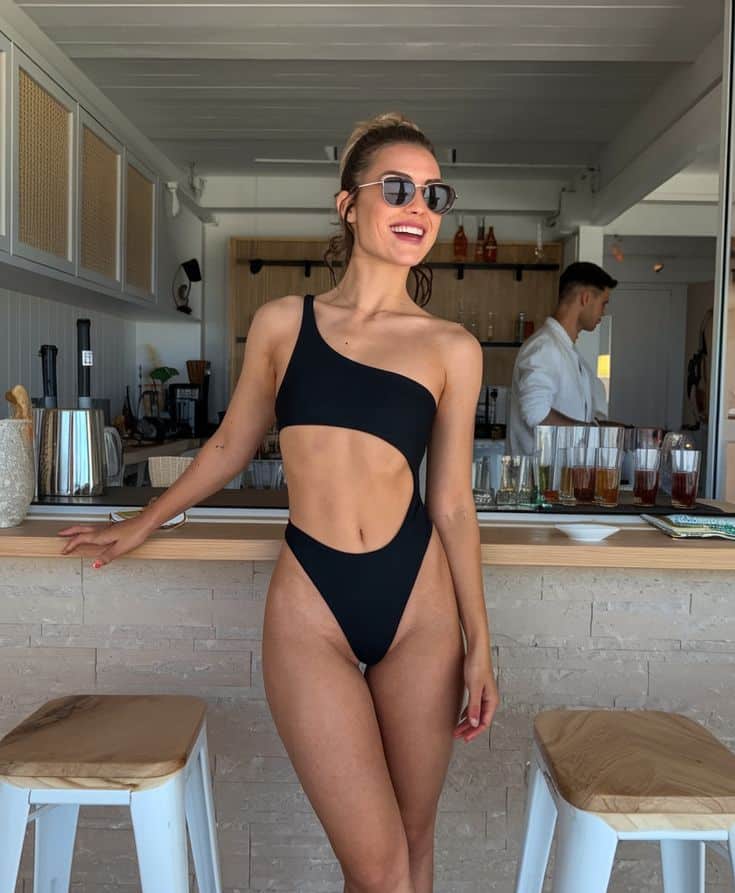
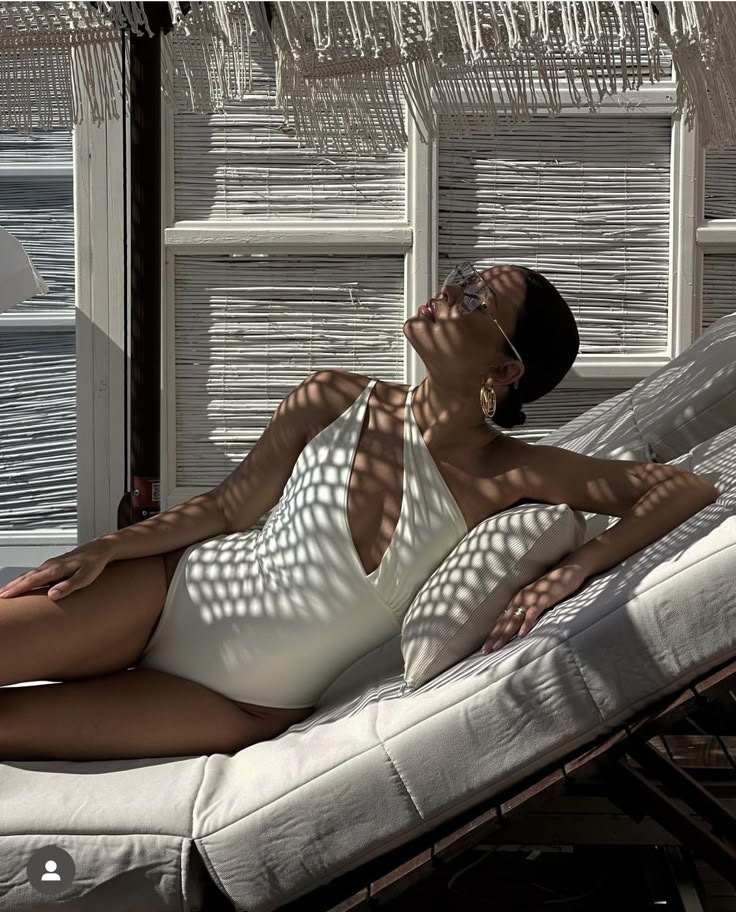
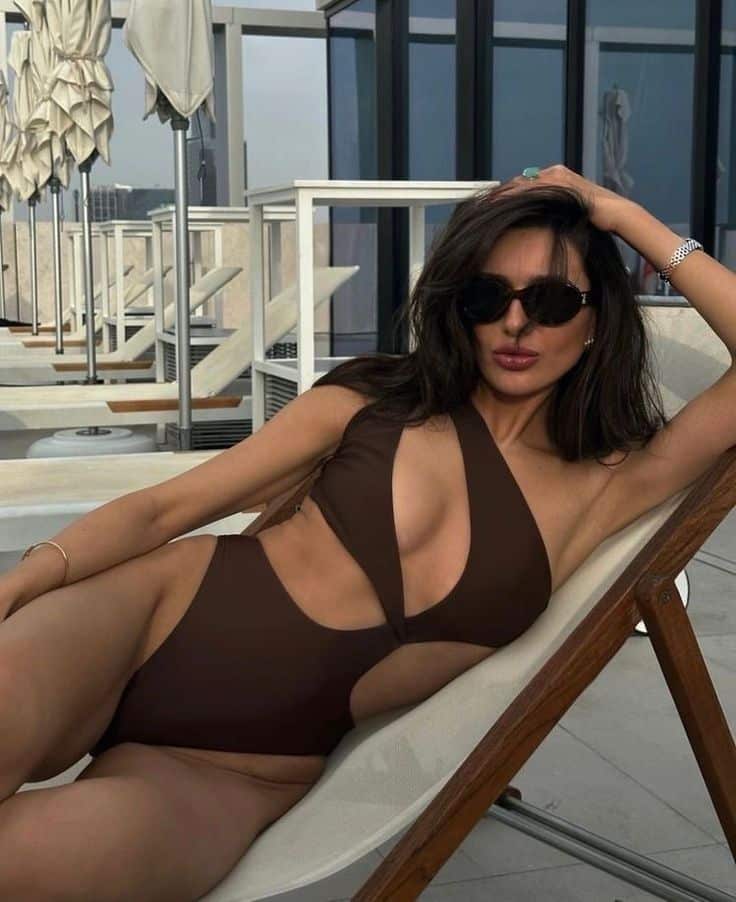
Cut-outs change both the look and the tension of a suit, so their placement matters as much as the shape. These suits have shapes that show skin in unexpected places, like around the waist or along the sides. The cutouts add a modern, edgy look and help highlight the figure.
Strappy details often go along with cutouts. Thin straps cross over the body or wrap around the torso, creating cool patterns. This style makes a strong visual statement, but comfort depends on where the straps sit and how the fabric distributes tension. The key is the mix of open spaces and secure fit.
High-Waisted Bikinis
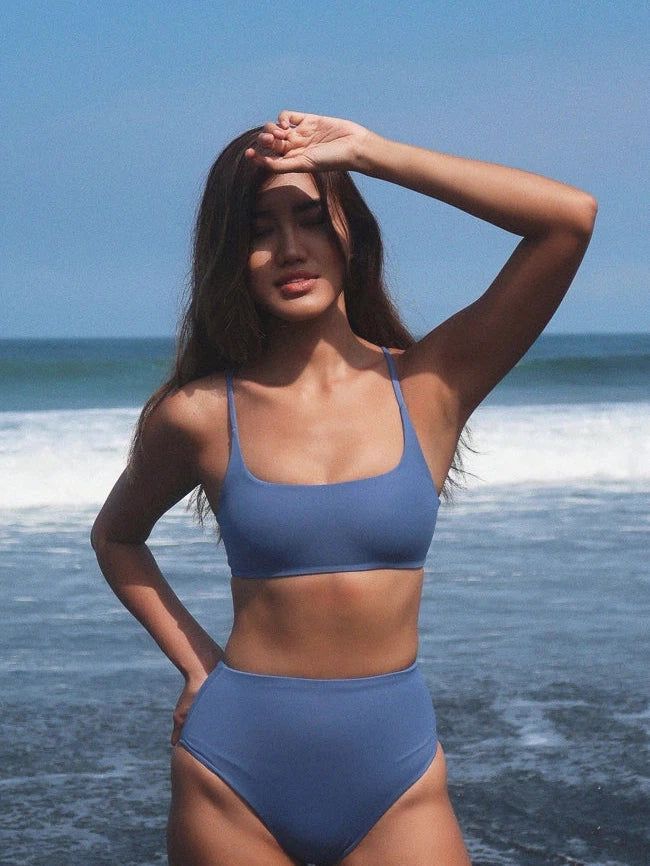
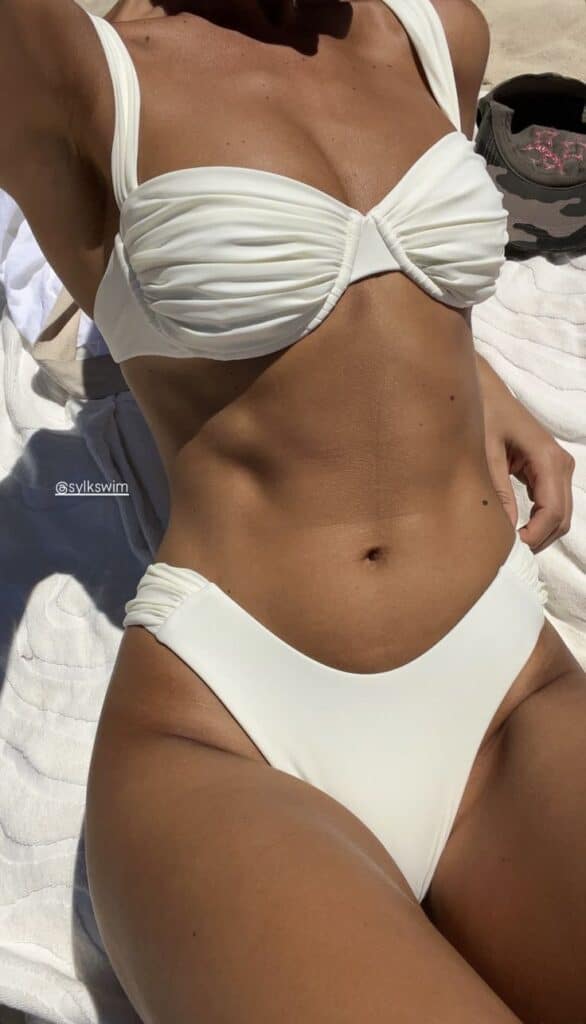
High-waisted bikinis remain useful because they combine a defined waistline with extra coverage. They offer more coverage while still shaping the waist beautifully. Many are designed to lift and support, making them flattering for many body shapes.
These bikinis often come with retro prints or solid colors. The style works well with classic tops or more modern ones with added details like ruffles or ties. It’s an easy way to get a chic, vintage-inspired look while staying comfortable on the beach.
Retro One-Pieces
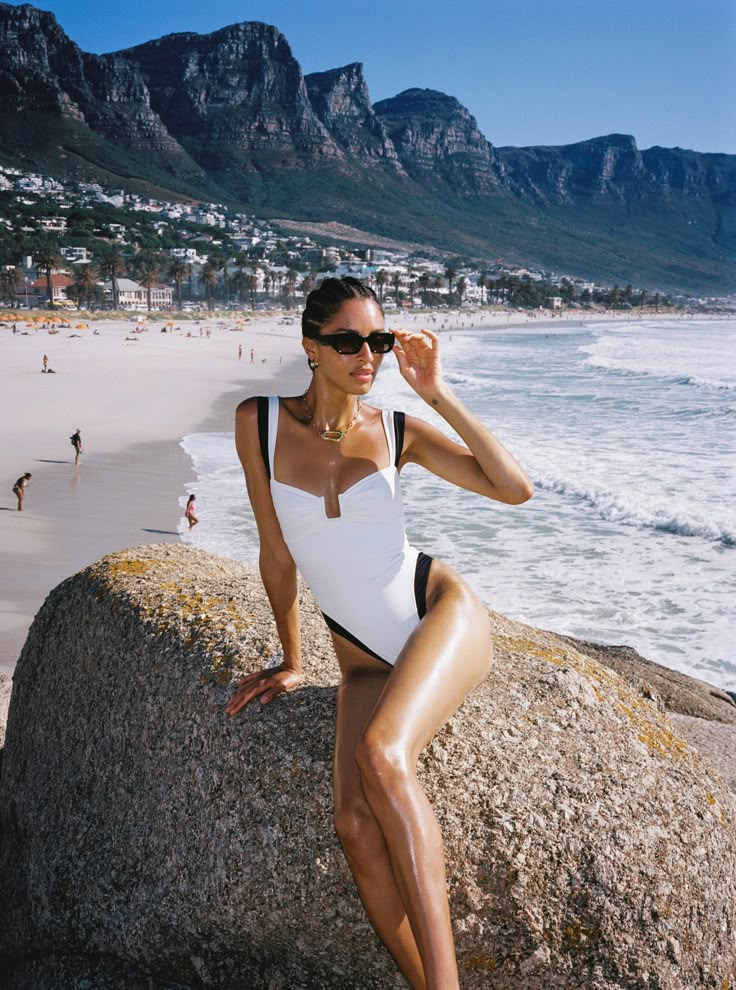
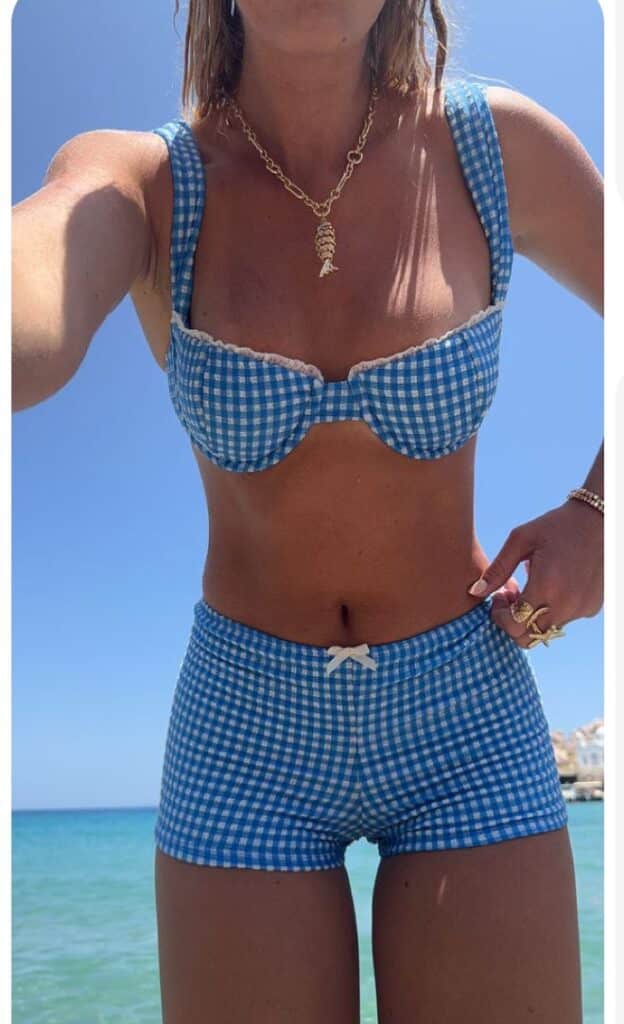
Modern one-pieces use square necklines, higher leg openings, contrast panels, and belt details to move beyond a basic athletic shape. Retro references work best when one detail leads the design instead of several competing at once.
Designs also include bold colors or muted shades like black and beige. Some come with unique features like belts or buttons that add a polished look. They offer more coverage than many bikinis, but coverage is not the same as a verified UPF rating.
Textured Fabrics

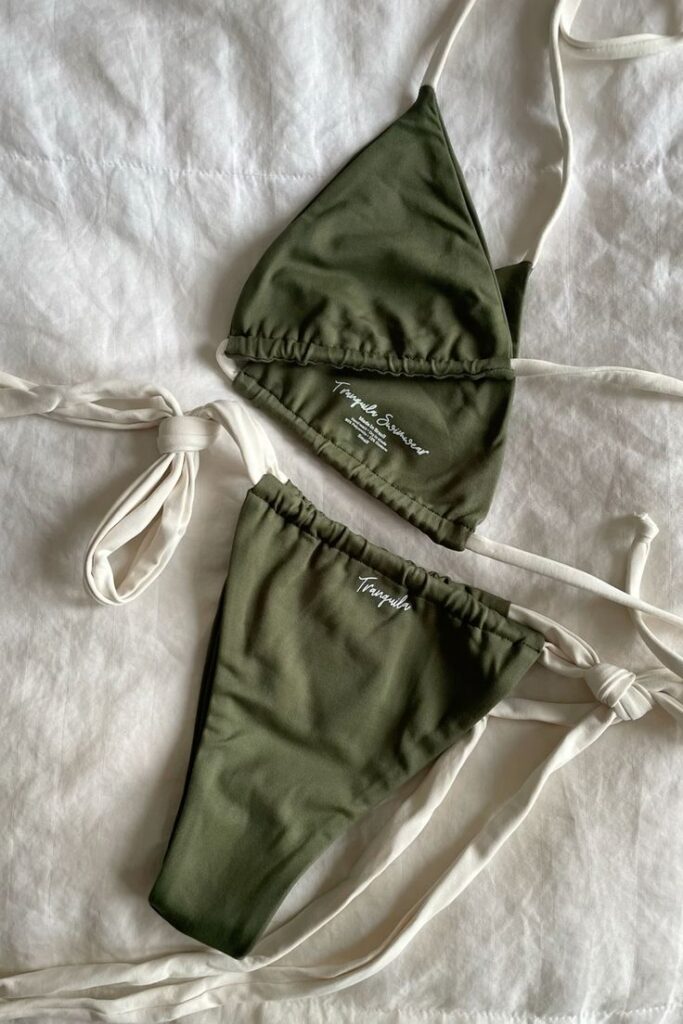
Texture can give a simple swimsuit more visual depth without adding a print. You’ll find soft ribbing, crinkle patterns, and raised materials like jacquard or terry cloth. These fabrics add depth and interest without needing extra prints.
Textured fabrics can make simple shapes look richer and more stylish. They are also comfortable and stretchy, which is perfect for swimming or lounging. Many designers use eco-friendly materials in these fabrics, making them a smart and stylish choice.
Swimsuit colors and prints that are easy to style
Swimsuit colors and prints for warm-weather dressing offer a wide range of bold and classic choices. Bright shades stand out, while patterns blend nature and timeless styles. Earth tones also bring a calm, natural vibe to the swimsuit world this year.
Bright and neon colors
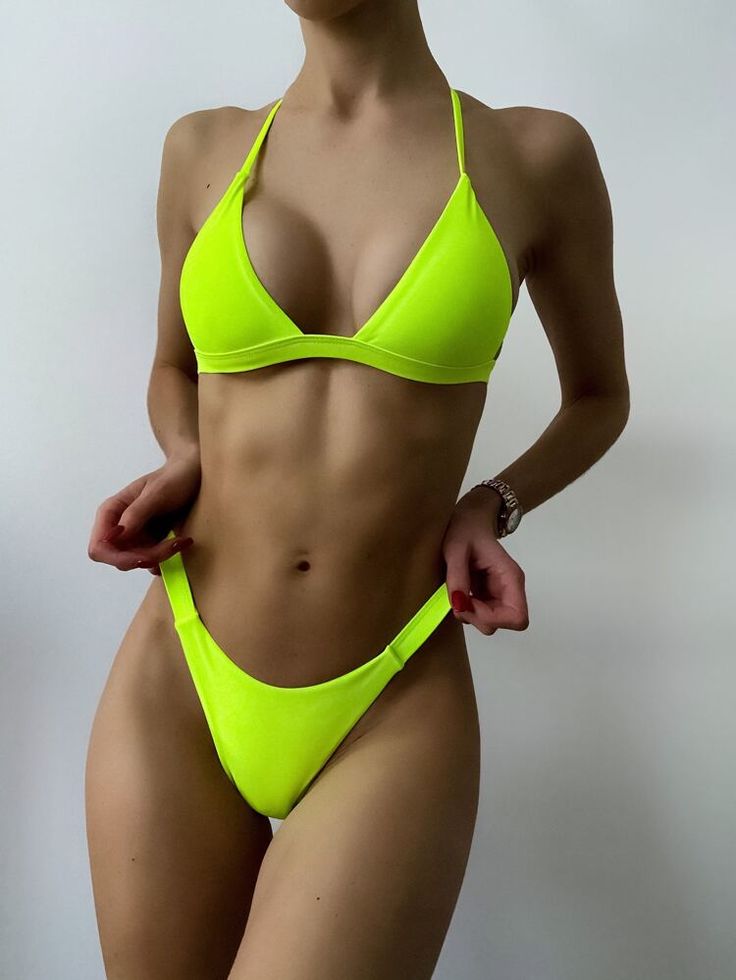
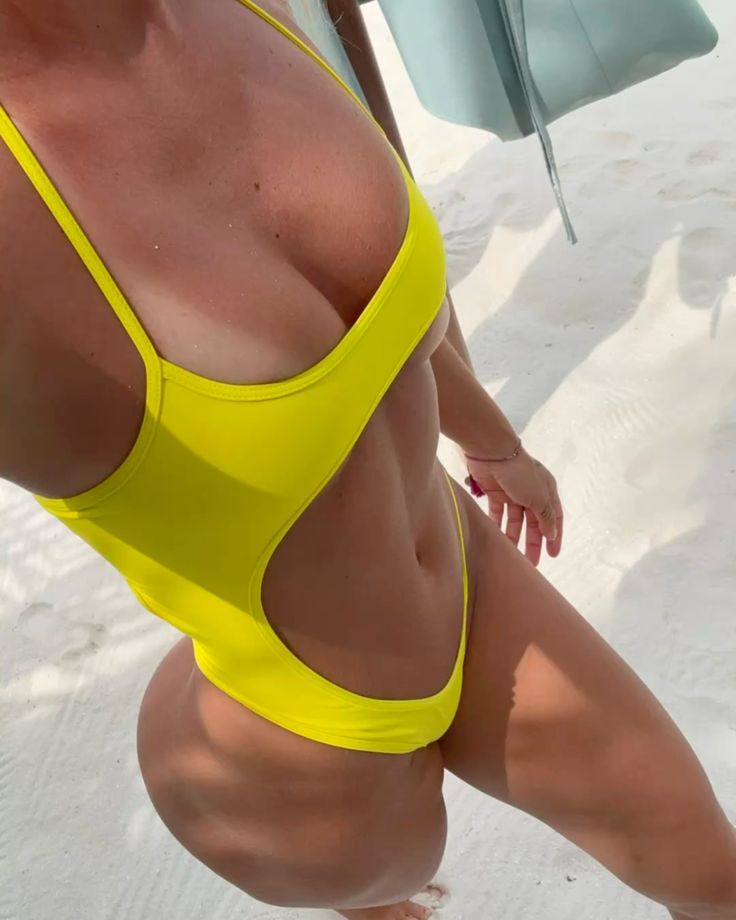
Neon colors are making a comeback in swimwear this summer. Bright greens, pinks, and yellows are popular choices for those who want to stand out at the beach or pool.
These shades give a fun and energetic feel. Neon swimsuits often have simple cuts, so the color takes the spotlight. Many designers are mixing neon with sleek details like metallic trims or clear straps, making the look fresh and modern.
Neon suits work well for everyone, especially under sunlight, where they appear even brighter. They are perfect for adventurous swimmers looking for bold style.
Floral prints
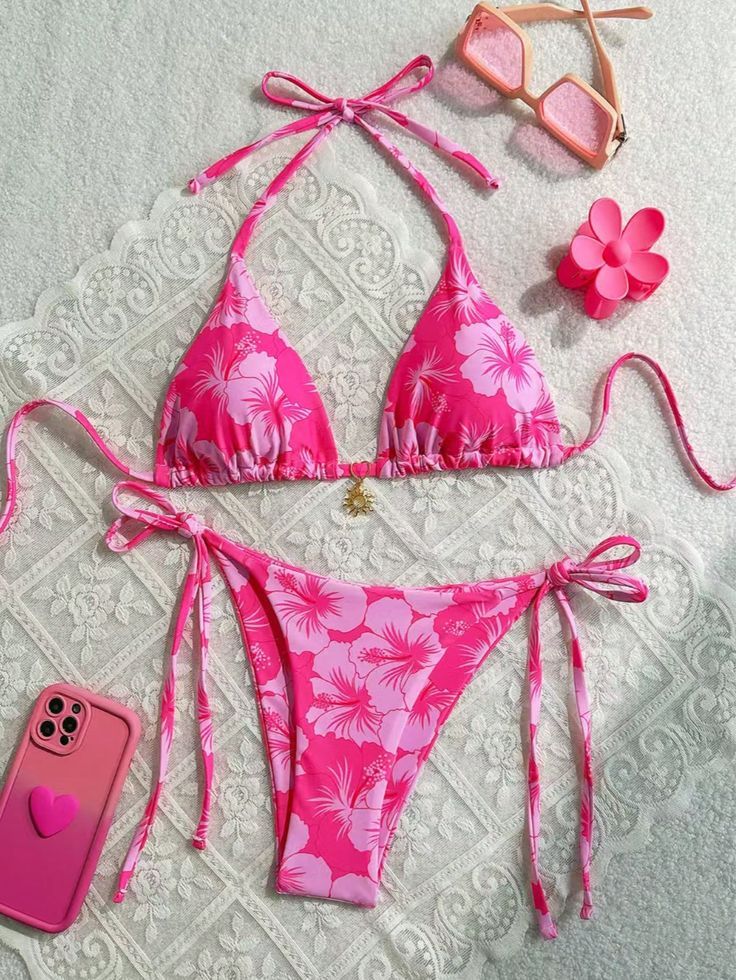
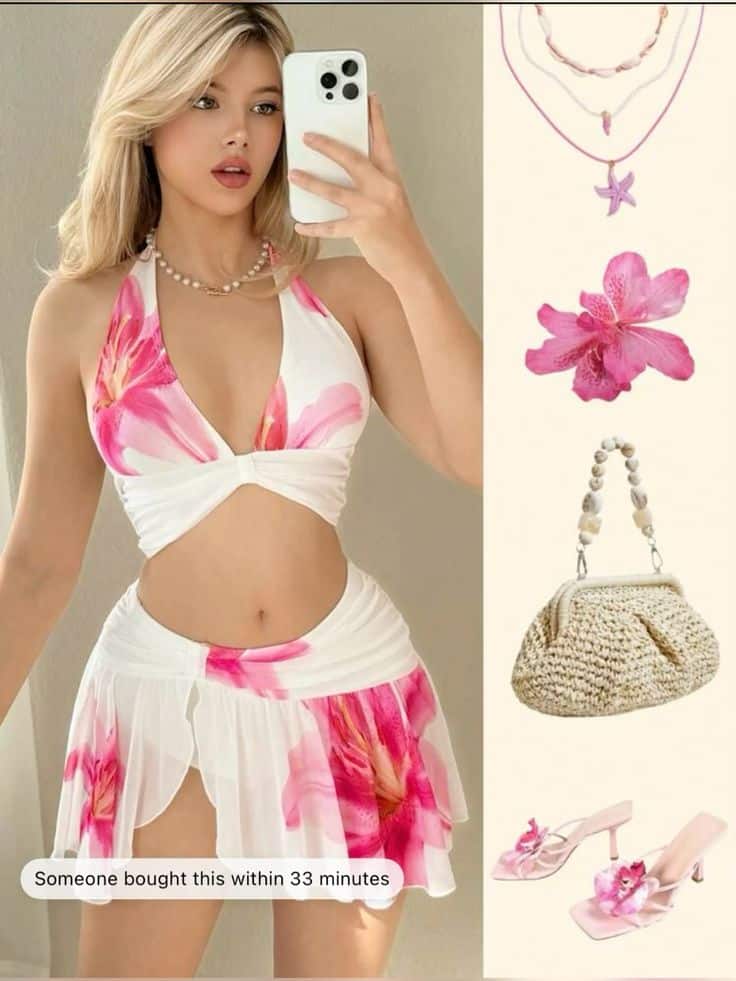
Floral prints range from small repeats to oversized botanical motifs, and the scale changes how busy the suit feels. Designers are favoring bigger flower patterns, often in bright, eye-catching colors.
These prints bring a lively and cheerful vibe to beachwear. Some floral bikinis use textured fabric or added details like petals or ruffles, giving them a playful touch.
Floral swimwear fits well with relaxed summer moods and is great for those who want a feminine and fun look. Pairing florals with solid accessories keeps the focus on the print.
Classic Black and White
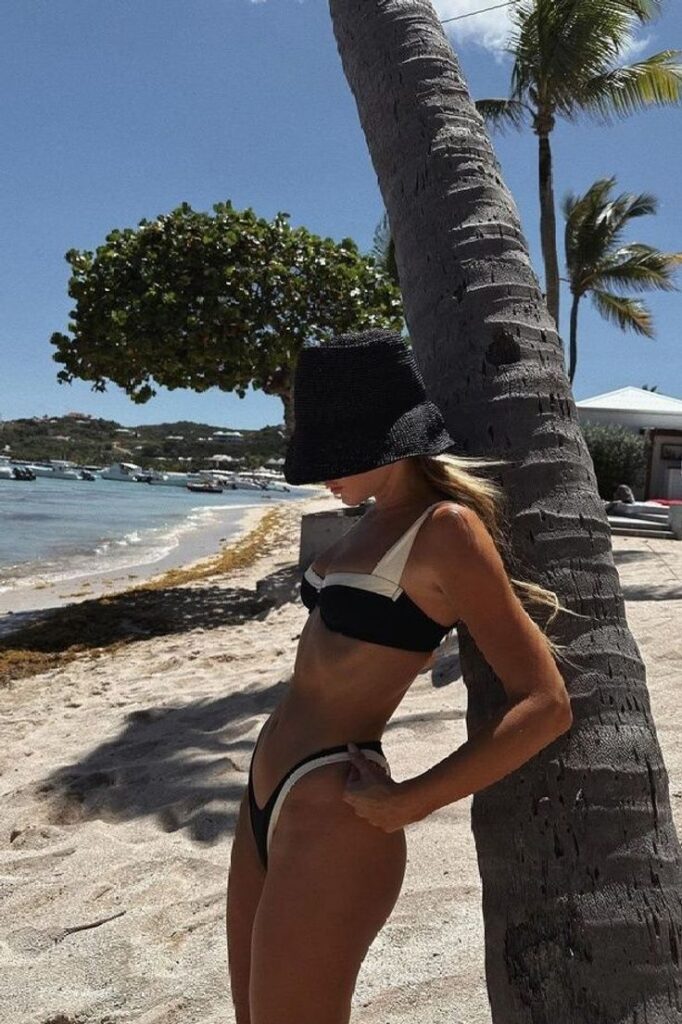
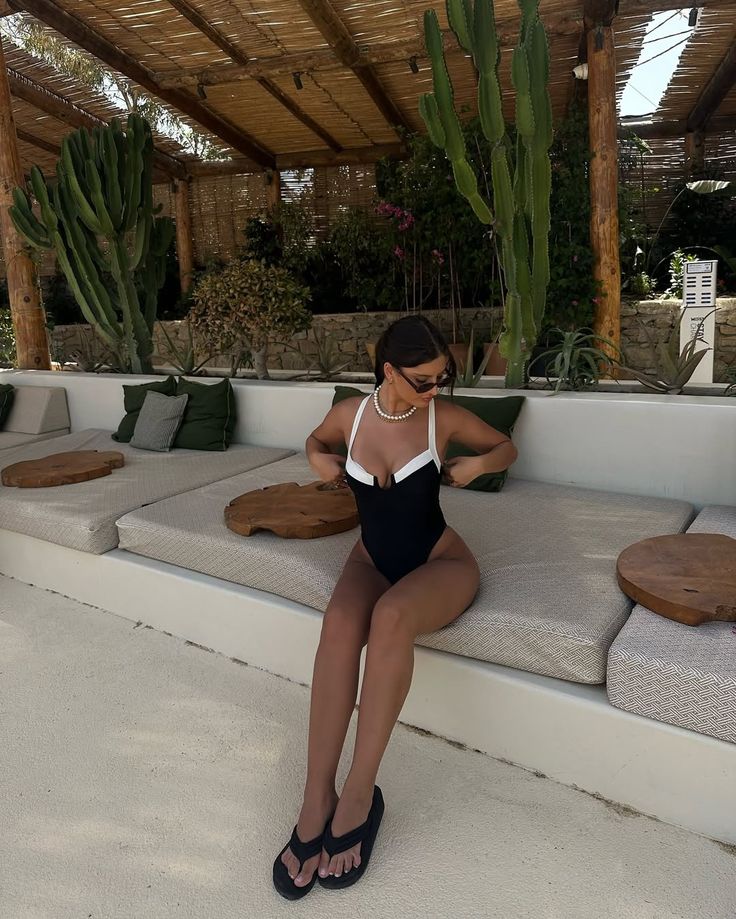
Black and white stays timeless for swimsuits, offering a sleek and elegant style. This summer, designers are updating these basics with new shapes and cuts.
One-pieces and bikinis in black and white come with details like plunging necklines, cut-outs, and mixed panels. These options keep the style interesting without losing the classic look.
This color combo suits any skin tone and is perfect for those who want a chic, simple style that works from the beach to pool parties.
Earth and mineral tones
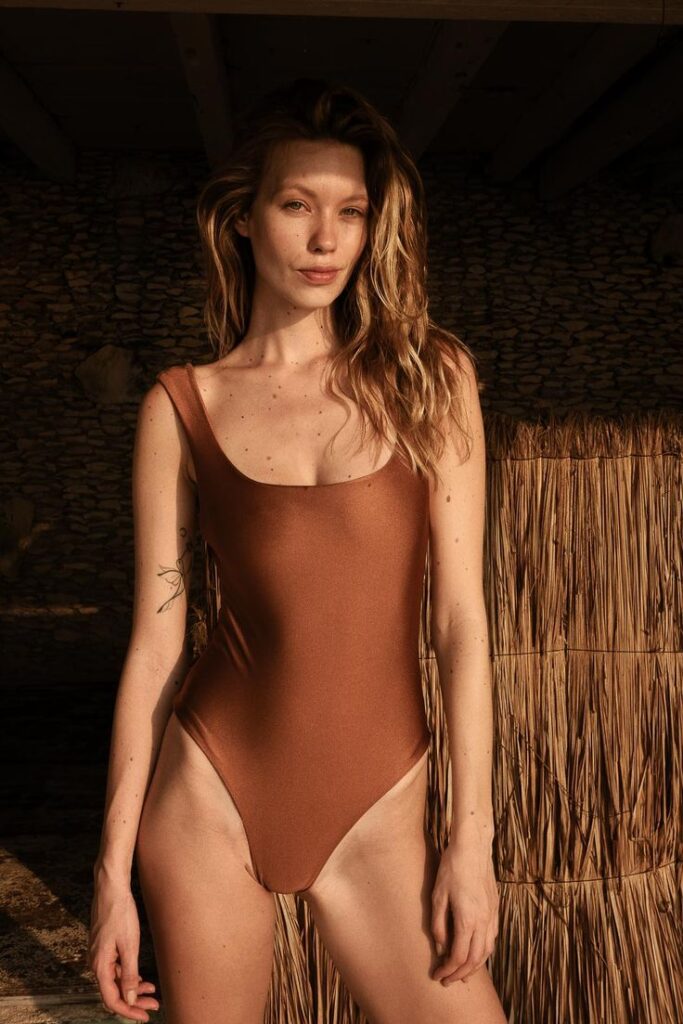
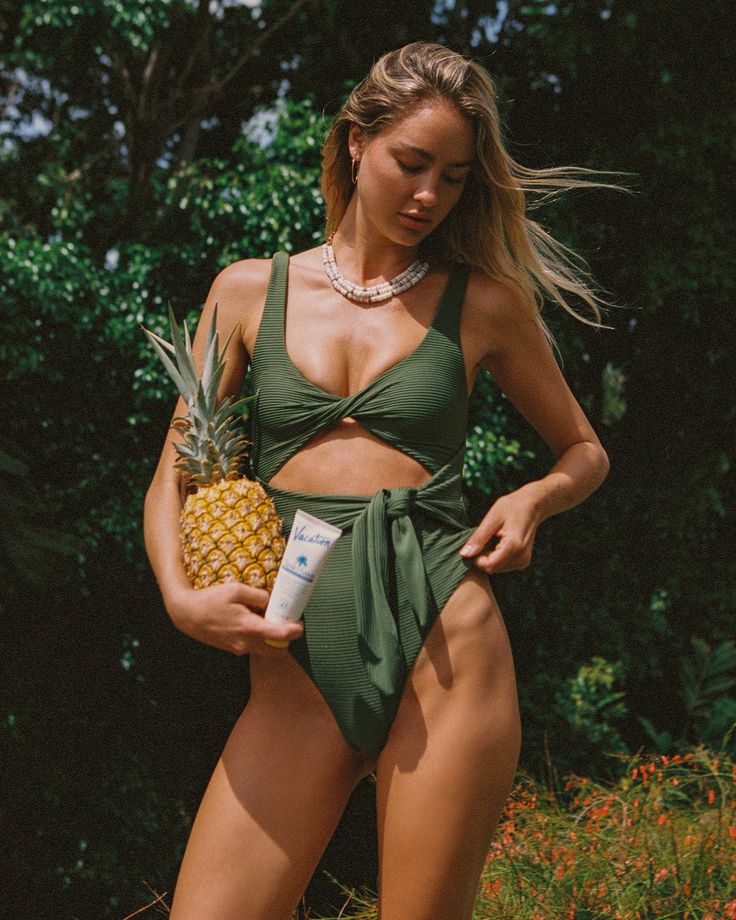
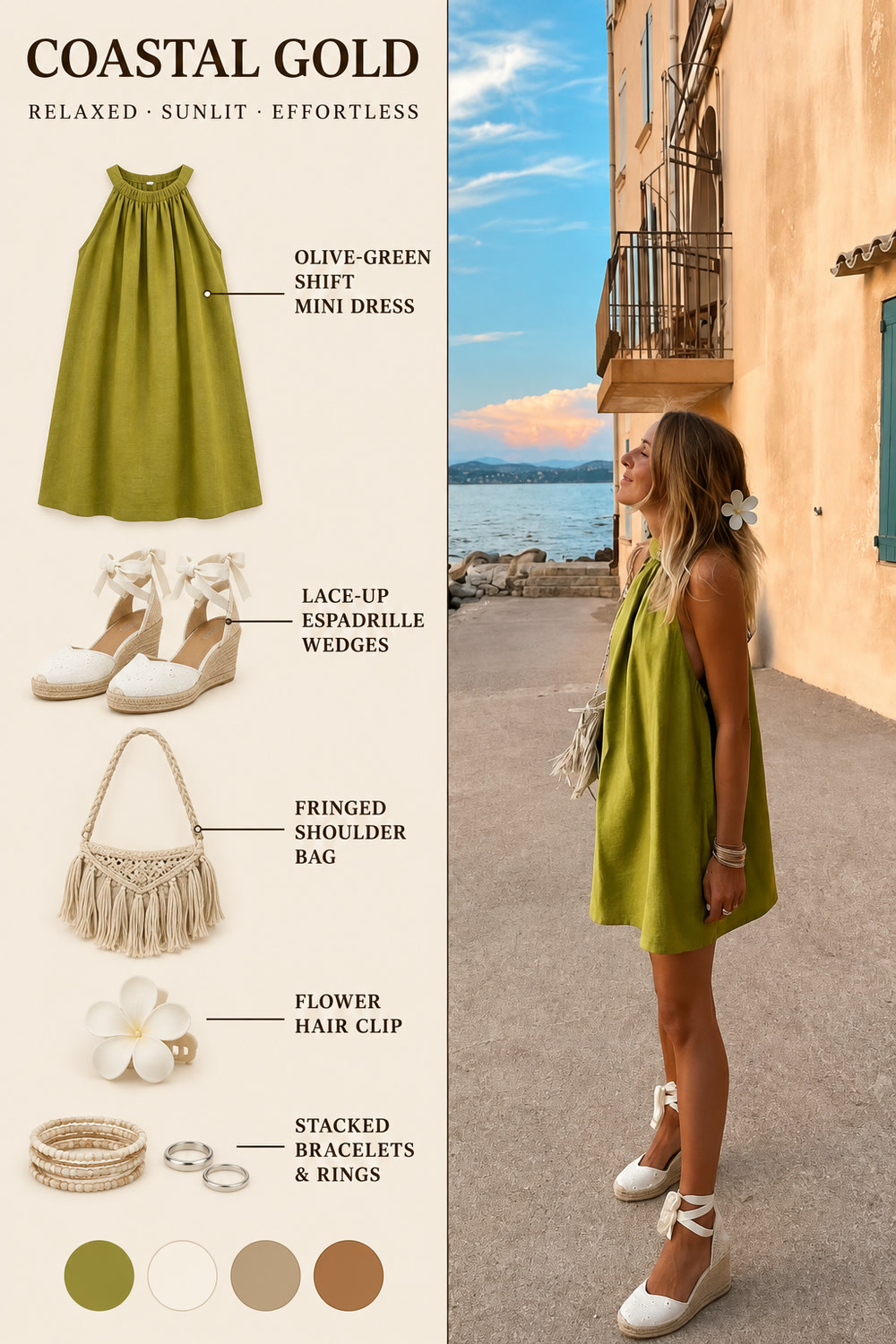
Earthy colors like olive green, terracotta, and sandy beige are trending this year. These tones give swimsuits a natural, grounded feel.
Many brands are also focusing on sustainability, pairing eco-friendly fabrics with these colors. This trend appeals to swimmers who want both style and environmental responsibility.
These shades blend well with outdoor settings like beaches and forests. They often come in subtle prints or textures, emphasizing quality and simplicity over flashiness.
How different swimsuit cuts change fit and support
Choosing the right swimsuit makes a big difference in comfort and confidence. Some styles highlight curves, provide support, or create a smooth silhouette. Knowing the best cuts and features can help anyone find the perfect fit.
How to test the fit in a changing room
- Check the band first. It should sit level around the torso instead of riding up at the back.
- Move before judging the mirror. Raise both arms, sit, bend, and take a long step. The suit should return to place without constant adjustment.
- Look at the leg opening. Gaping usually means the cut or size is wrong; deep pressure marks mean you need more room or a different rise.
- Test the straps. They should stabilize the neckline, not carry all the weight. Adjustable straps are useful when torso length falls between standard sizes.
- Read the care label. Chlorine, sunscreen, heat, and rough pool edges shorten the life of stretch fibres, so rinse the suit promptly and air-dry it away from direct heat.
Supportive one-piece details
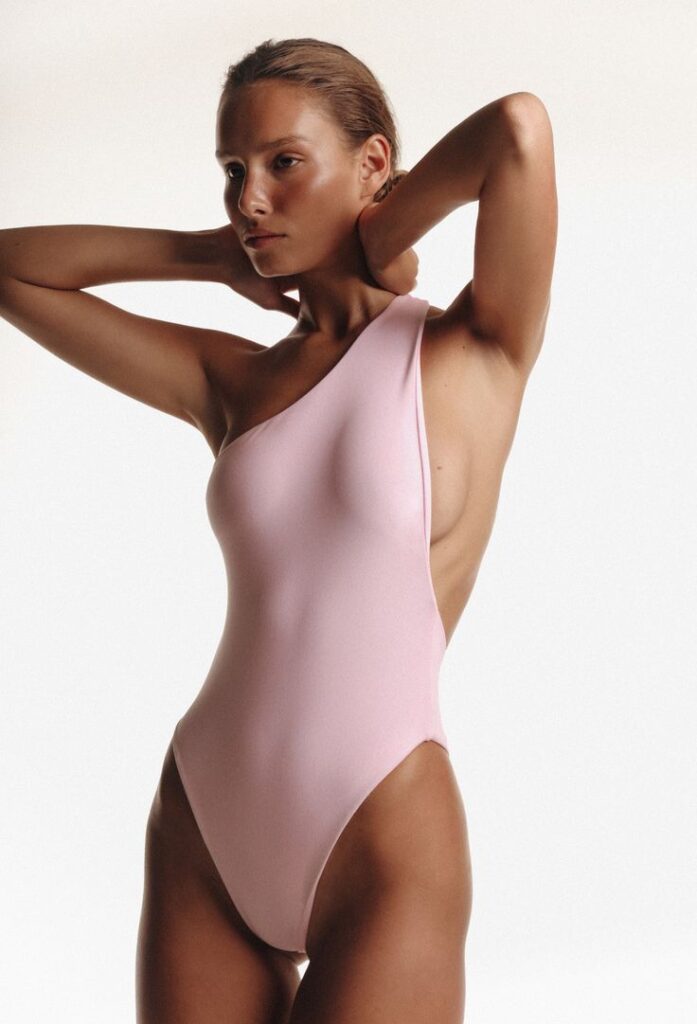
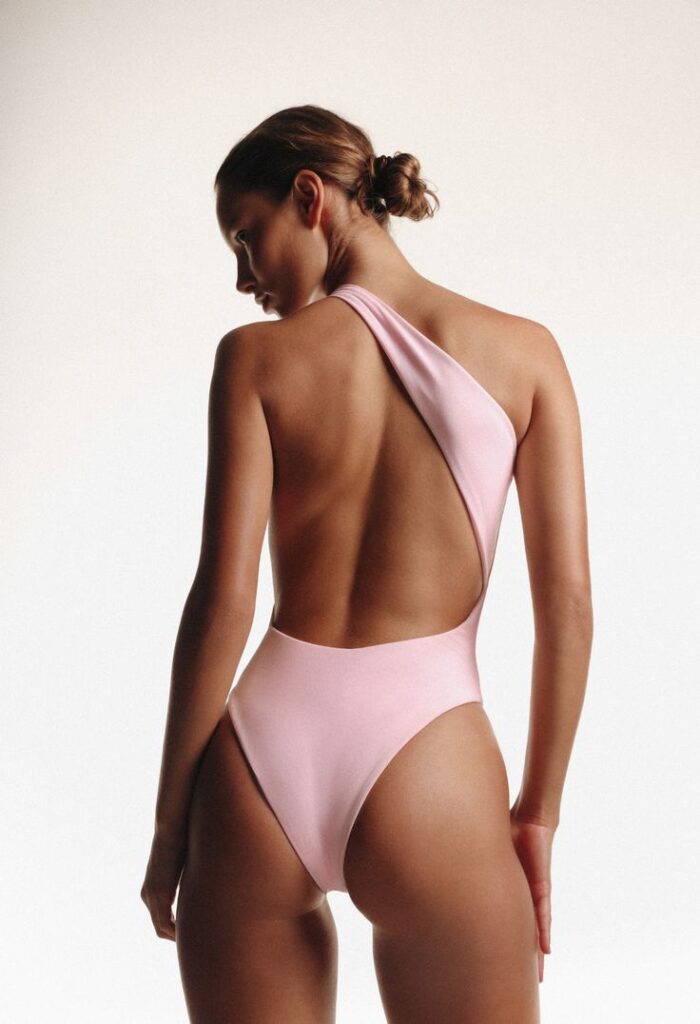
One-piece swimsuits with strategic design can emphasize curves and offer a balanced shape. Side panels or color blocking help create an hourglass look by slimming the waist.
Ruching and textured fabrics also add dimension without adding bulk. For those who want coverage but still feel stylish, look for one-pieces with cut-outs or mesh inserts. These details add interest while keeping comfort.
Fabric with good stretch and shaping properties can smooth the tummy and lift the bust for a flattering fit. Adjustable straps and built-in bras add extra support and shape.
Supportive tops for a fuller bust

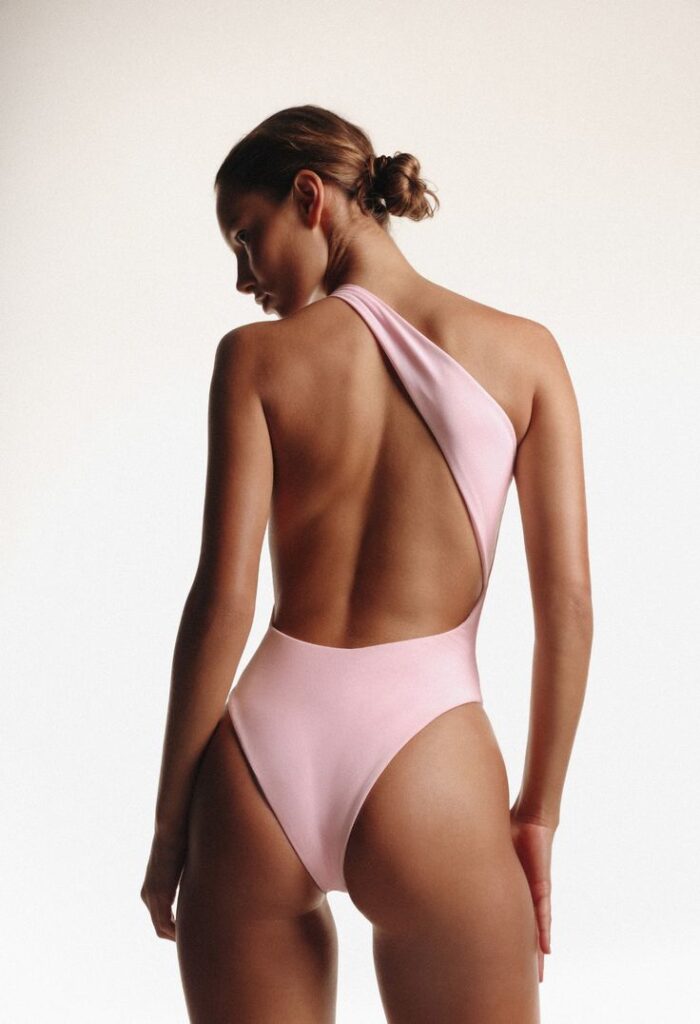
Swimsuits for larger busts focus on strong support and good coverage. Underwire tops provide lift and keep everything in place, which is essential during swimming or active beach days.
Wide, adjustable straps help distribute weight evenly and reduce shoulder strain. High necklines or halter styles offer more coverage while still looking stylish.
Look for swimsuits with thicker bands under the bust or side boning for added support. Tops with molded cups or extra padding offer shape without bulk.
High-leg cuts and visual proportion
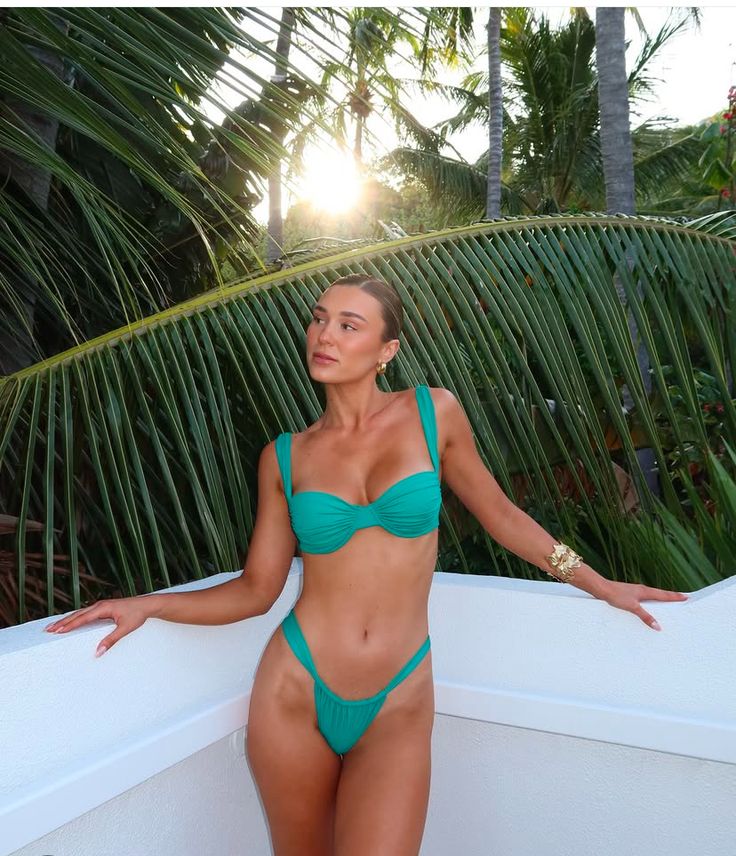

High-leg swimsuits elongate the legs and create a streamlined look. This cut works well to slim the hips and emphasize height.
Swimsuits with a high-rise waist enhance the effect by drawing attention upward, while low-rise designs may not offer the same shaping benefits.
Pairing a high-leg bottom with a more covered or structured top balances the overall silhouette nicely. Patterns, like vertical stripes or solid dark colors, can also add to the slimming effect.
How to evaluate sustainable swimwear
Sustainable swimsuits use materials and processes that reduce harm to the planet. Some brands focus on using recycled fabrics, while others avoid toxic dyes or support fair labor. Picking the right swimsuit means knowing what to look for in materials and brand practices.
Materials, certifications, and production claims
Eco-friendly swimwear often uses recycled nylon or polyester. These fabrics come from plastic waste, such as fishing nets or bottles, helping reduce ocean pollution. Organic cotton and hemp are also popular since they are grown without harmful chemicals.
Dyeing swimwear with non-toxic, water-saving methods is important too. It lowers the environmental impact during production. Some brands avoid plastic packaging or use biodegradable tags.
Durability matters because a suit that keeps its shape for several seasons avoids early replacement. Look for dense stitching, lined stress points, stable elastic, and care instructions you can realistically follow.
A practical sustainability check
Marketing copy alone does not prove that a swimsuit is lower-impact. Start with the fibre composition, then check whether a named standard or certificate supports the claim.
| Label or claim | What it can tell you | What to verify |
|---|---|---|
| OEKO-TEX Standard 100 | The finished textile was tested for listed harmful substances | Certificate number and product scope |
| Global Recycled Standard | Recycled content and chain-of-custody requirements | Certified supplier, percentage, and current claim |
| Recycled nylon or polyester | Part of the fibre content comes from recovered material | Exact percentage and whether lining and elastane are excluded |
| Ethical production | A broad marketing claim unless supported | Factory disclosure, labour standard, audit details, and repair policy |
Treat each label as one piece of evidence. A recycled-fibre claim says little about durability, worker conditions, dye chemistry, or whether the garment can be repaired.
How to check a swimwear claim
Look for labels showing recycled or organic fabrics. Certifications like GOTS or OEKO-TEX confirm low-impact and safe materials. Avoid fast fashion brands, which often ignore ethical production.
Check if the brand shares how they treat workers and their environmental policies. Buying fewer, better-quality swimsuits helps reduce waste. Also, choosing classic designs means the swimsuit stays stylish longer.
Prioritize transparent product information over vague green language. A brand should explain what the material claim covers and where the garment was made.
How to style a swimsuit beyond the water
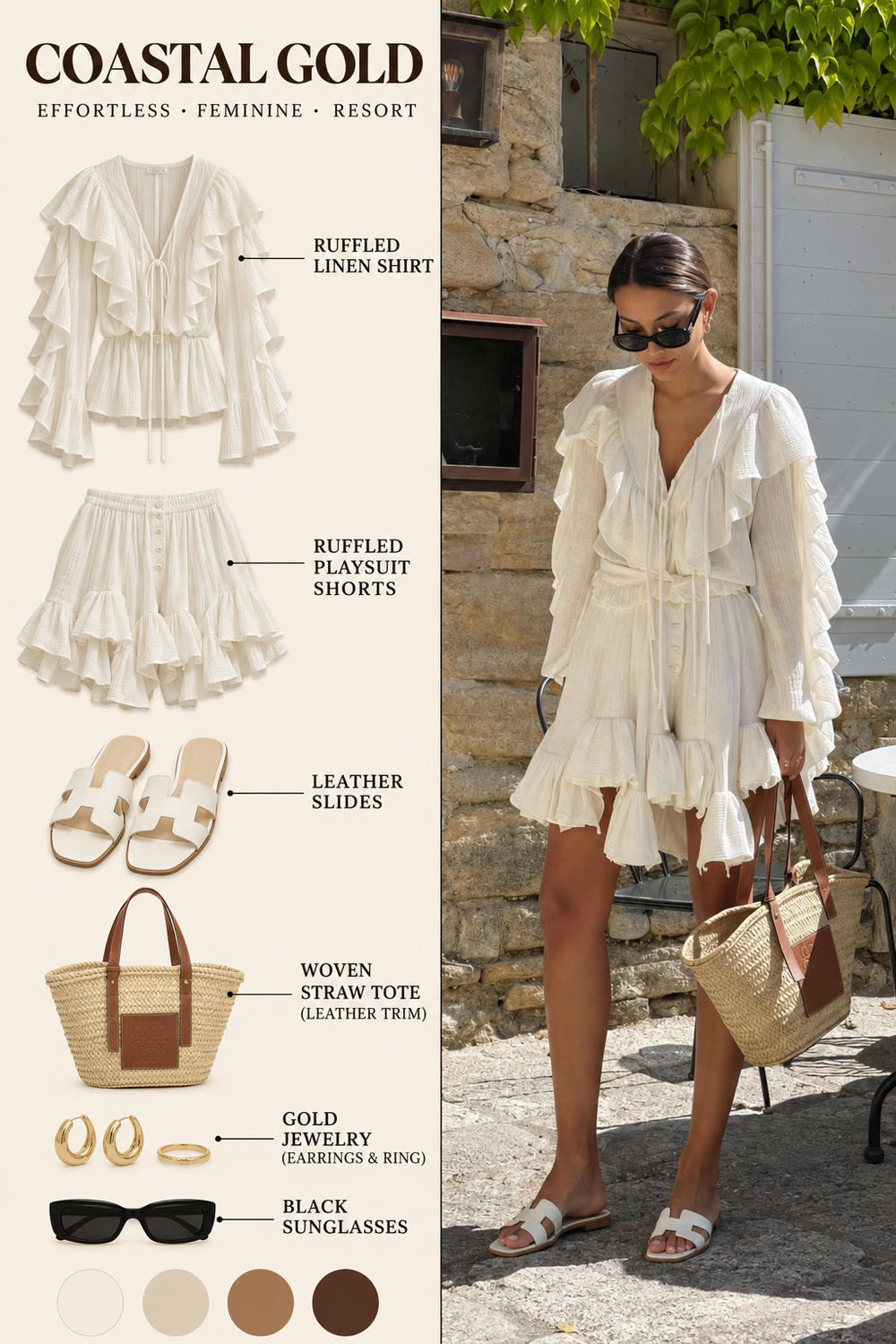
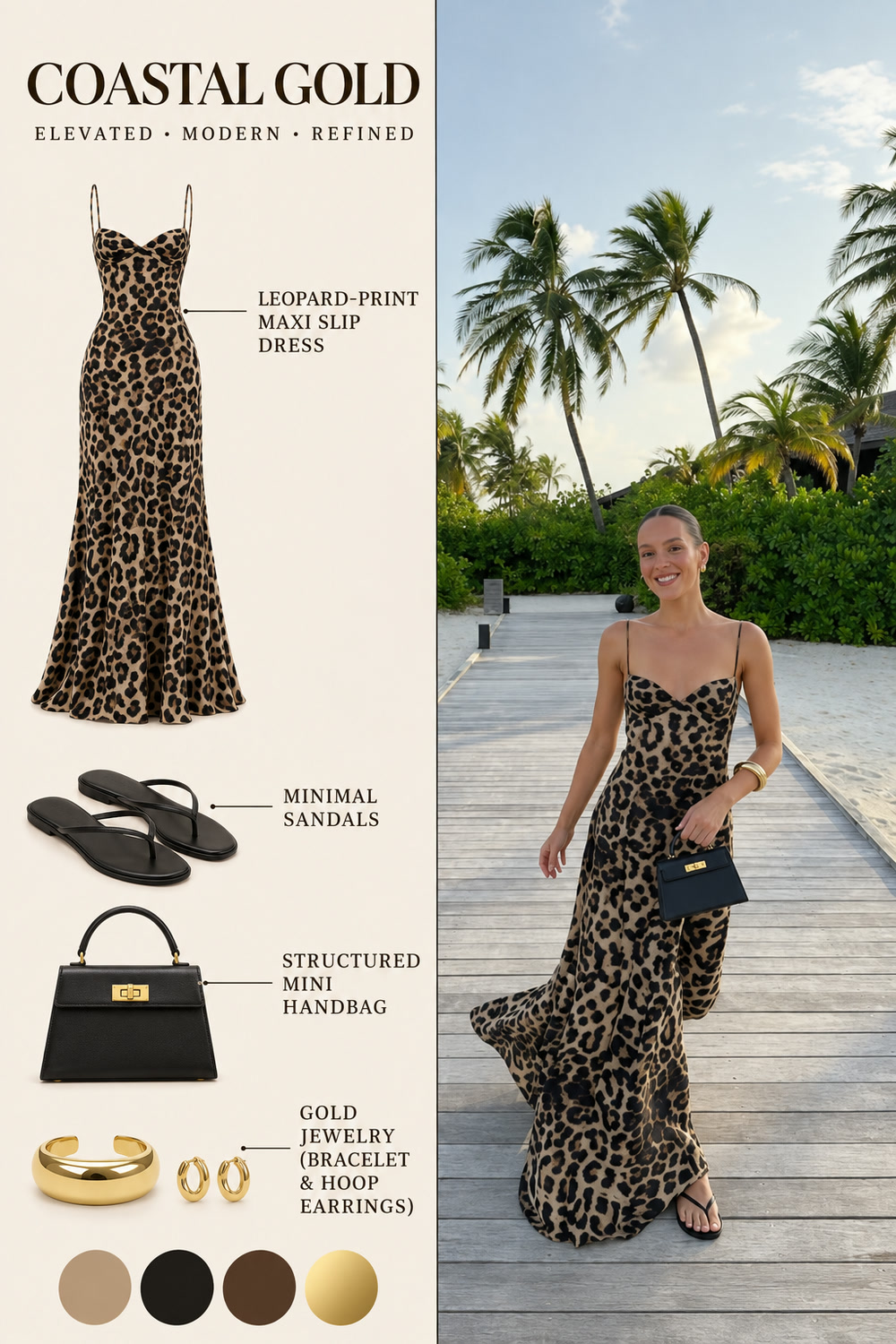
Choosing the right accessories can elevate any swimsuit outfit. The perfect cover-up, sunglasses, and beach bag help complete a polished look while staying practical. Each piece adds style and function for a day at the beach or pool.
Practical cover-ups
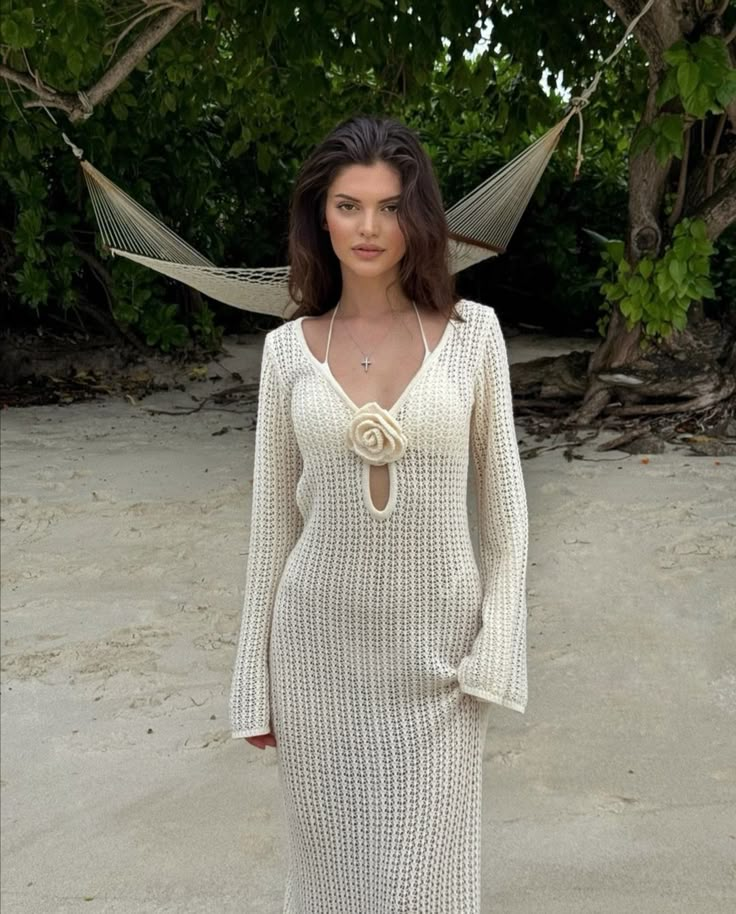

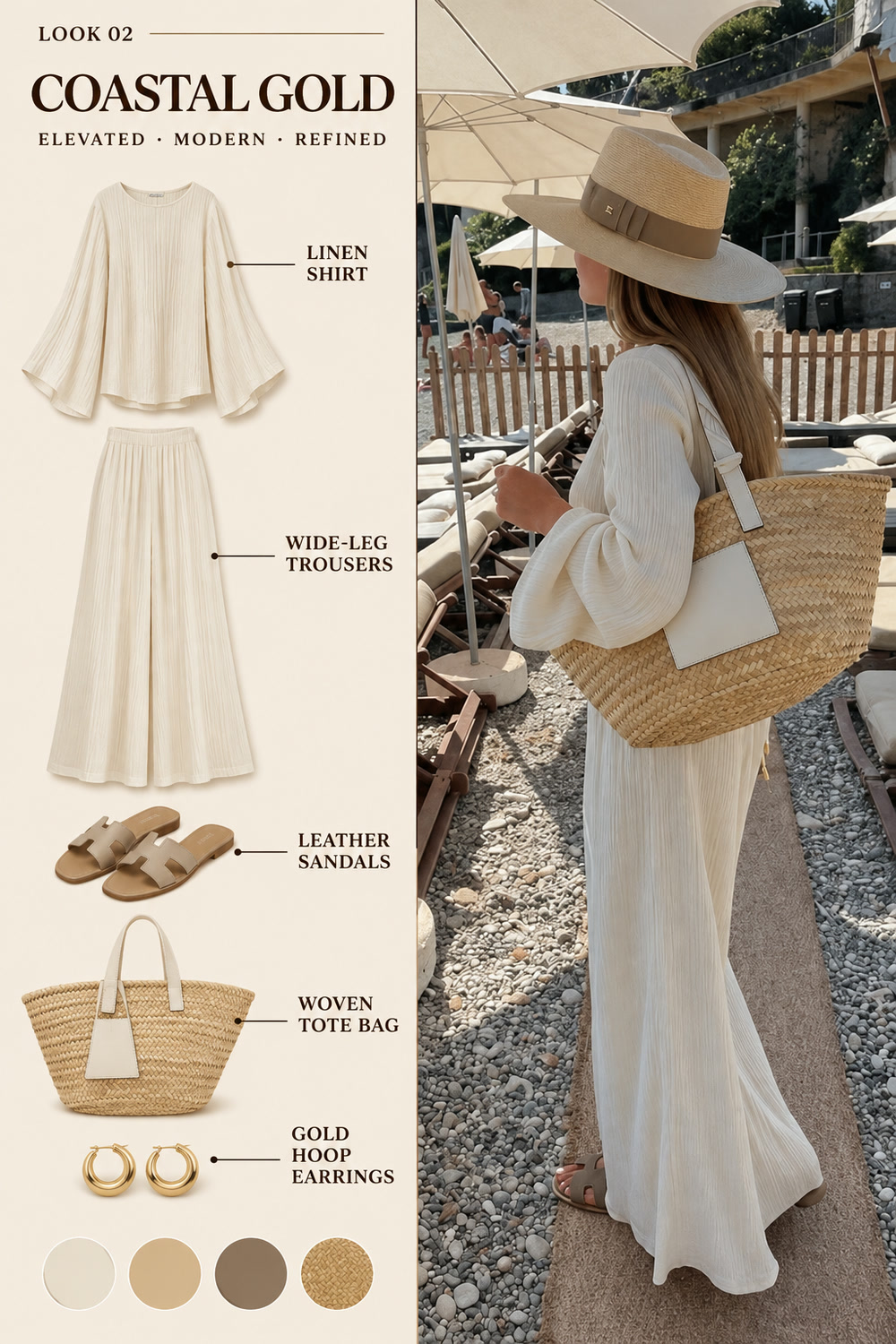
Cover-ups are essential for comfort and style when not in the water. Lightweight button-down shirts, sarongs, and mesh tops are popular choices. They offer easy wear and breathability, making it simple to transition from swim to casual wear.
Materials like linen and cotton keep things cool and fresh. Neutral colors and subtle patterns pair well with bold swimsuits, while sheer fabrics add a trendy touch. A good cover-up protects skin from the sun and keeps the look polished.
Sunglasses with real UV protection
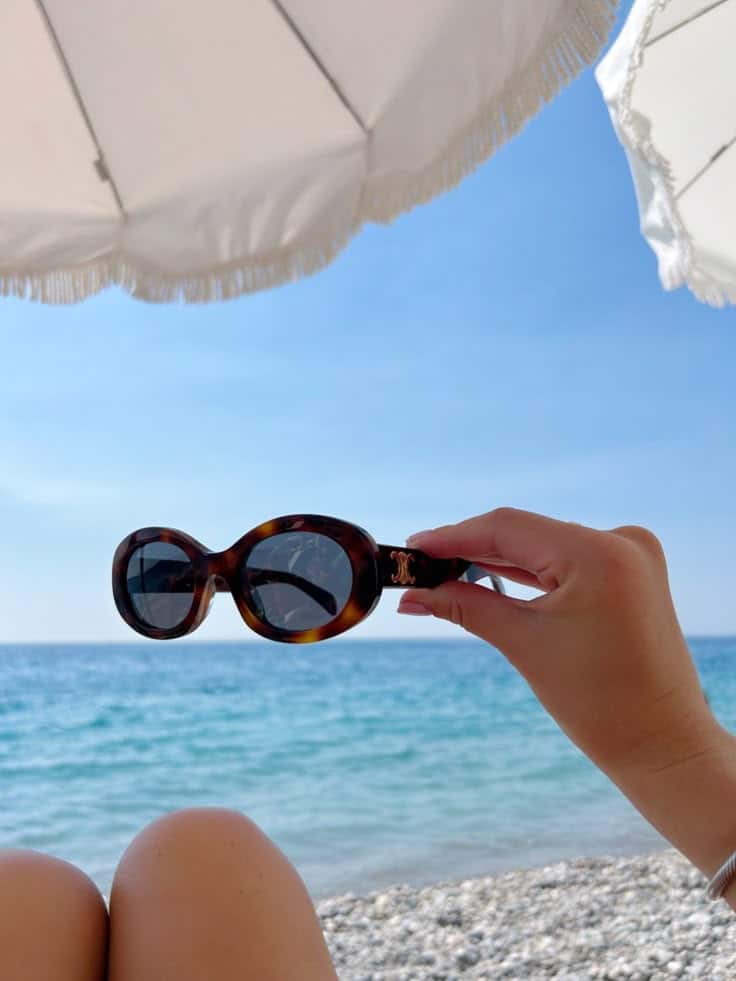

Sunglasses protect the eyes while adding flair. Oversized frames, colorful lenses, and retro shapes are popular this summer. They suit different face shapes and bring an instant style boost.
Lens colors like amber or mirrored finishes are trendy. Look for UV protection to keep eyes safe. Sunglasses in bold colors or with unique details can be the focal point of a swimsuit outfit.
Footwear and beach bags
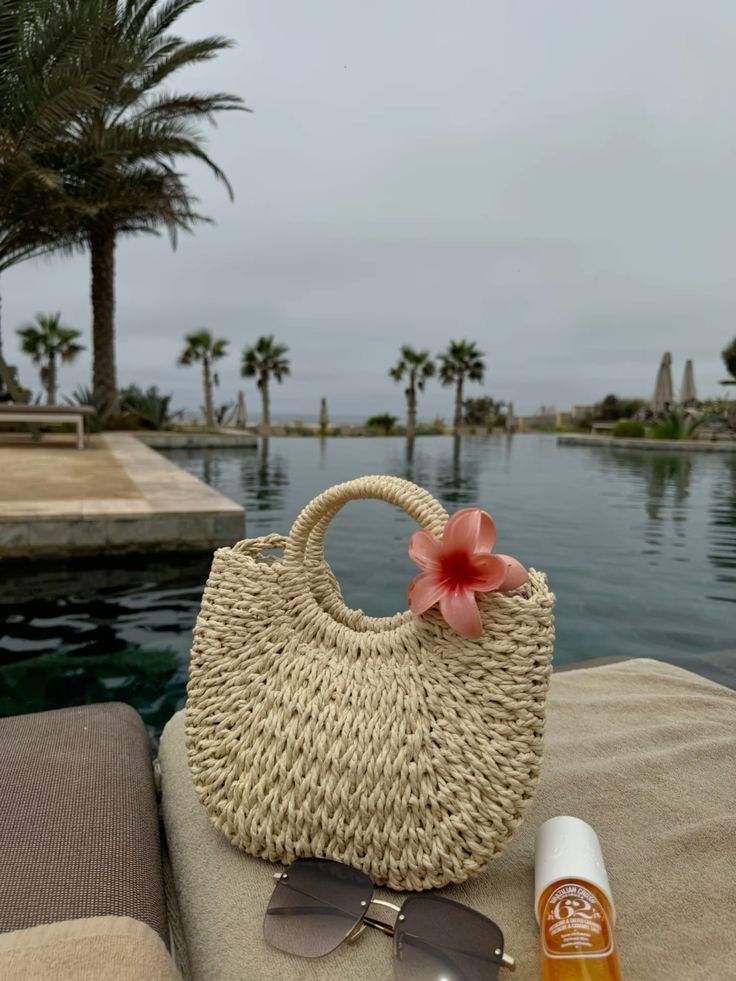
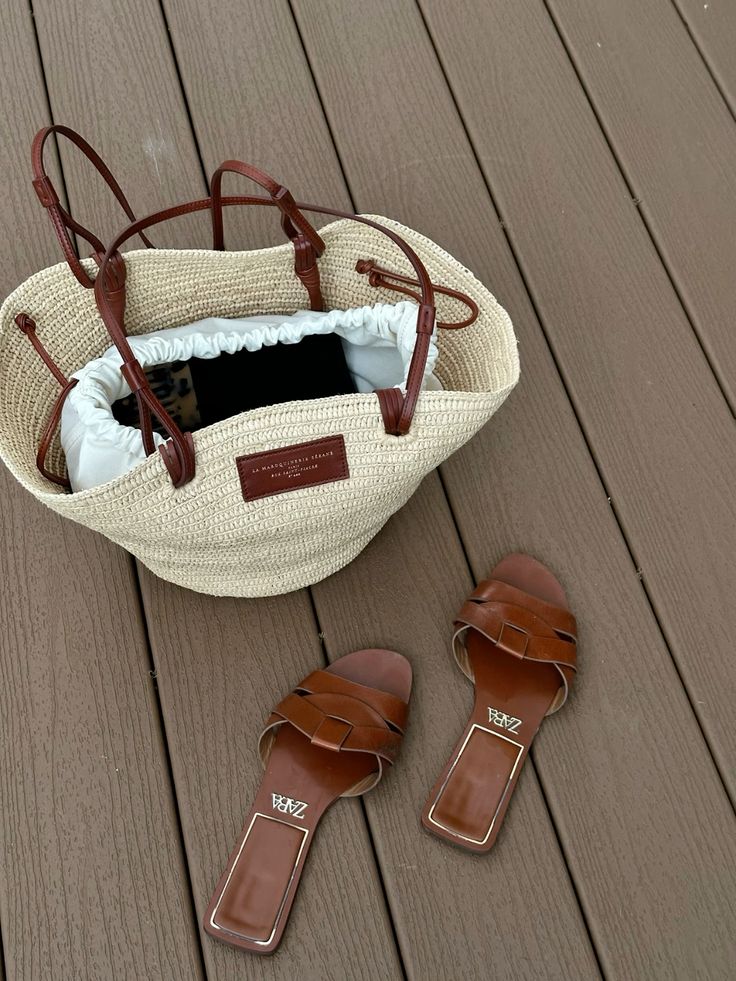
Comfortable sandals or slides are ideal for the beach. Look for waterproof or quick-dry materials that withstand sand and water. Simple tones like tan or white work well with most swimwear.
Beach bags should be roomy and durable. Straw totes, woven bags, or eco-friendly options with multiple compartments help carry all essentials. Choose bags with secure closures to keep belongings safe from sand and water.
Swimsuit care and sun-protection notes
Rinse swimwear in cool fresh water after the pool or sea, press out water without wringing, and dry it flat or on a wide hanger. Fabric softener can coat stretch fibres, while a hot dryer can damage elastane. If sun coverage matters, look for a stated UPF rating instead of assuming that every dark or dense fabric provides the same protection. The Skin Cancer Foundation’s clothing guide explains how coverage, weave, colour, stretch, and moisture affect protection. Swimwear is only one part of sun safety, so use shade and sunscreen as well.
Swimsuit styles FAQ
What swimsuit style offers the most support?
A cup-sized top, underwire style, or one-piece with a firm under-bust band usually offers the most structured support. Wide adjustable straps help with comfort, but the band should do most of the work. Check support by raising your arms and leaning forward; the neckline and band should stay in place without pinching.
How do I choose between a bikini and a one-piece?
Choose by activity and fit, not by a rule about body shape. A one-piece can feel secure for swimming and offers continuous coverage. A bikini is easier to mix, adjust, and replace by size when your top and bottom proportions differ. Try both while moving, sitting, and bending.
What swimsuit colors are easiest to style?
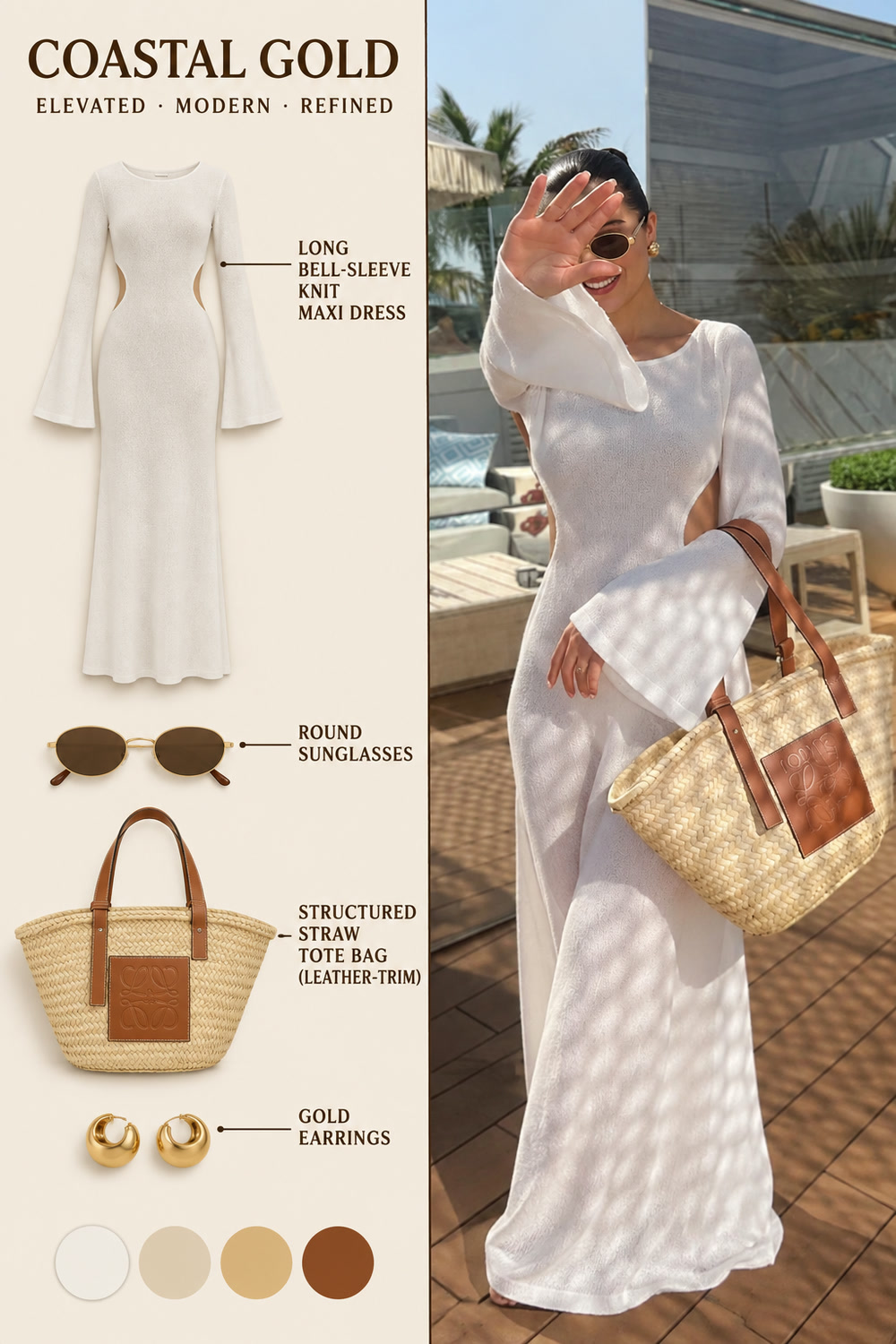
Black, navy, cream, olive, and deep brown pair easily with neutral cover-ups, sandals, and straw or canvas bags. A bright solid color can be just as versatile if the shape is simple. With a busy floral or geometric print, keep most accessories plain so the outfit has one clear focal point.
Are high-waisted bikini bottoms more comfortable?
They can be, especially if you prefer more midsection coverage or a waistband above the hip crease. Comfort still depends on rise, elastic tension, and torso length. A high waist that rolls down or digs in is not the right cut, even if the label lists your usual size.
How can I tell if recycled swimwear is credible?
Look for a named standard, a certificate or supplier reference, and a clear percentage of recycled fibre. Check whether the claim applies to the main fabric, lining, or the whole garment. Recycled content does not automatically prove fair labour, durability, or low-impact dyeing, so review those claims separately.
How should a swimsuit fit when it is dry?
It should feel close and secure without sharp pressure, gaping, or constant adjustment. Because many swim fabrics relax slightly when wet, a loose dry fit may become less stable in water. Move through an arm raise, squat, and torso twist; the neckline, straps, band, and leg openings should return to place.
Build the rest of the beach outfit
Once the fit is right, keep the styling practical. Use the beach outfits for women guide for complete combinations, plan a compact trip with the summer travel capsule wardrobe, and finish with the beach accessories checklist. You can also browse the Fashion hub for more seasonal styling ideas.
Final takeaway
Start with the job the swimsuit needs to do, then compare support, coverage, and movement. Only after those checks should color, print, and trend details decide between two good options. A secure fit will always look more intentional than a fashionable cut you have to keep adjusting.
- 605shares
- Facebook0
- Pinterest601
- Twitter4
- Reddit0