Grunge fashion comes from 1990s Seattle, alternative music, thrift stores, and a general lack of interest in looking polished. That is the whole point. It is not supposed to feel expensive, perfect, or freshly styled.
The basic pieces are easy to recognize: flannel shirts, faded band tees, ripped denim, combat boots, oversized cardigans, slip dresses, messy layers, worn cotton, leather, lace, and clothes that look like they have already lived a little.
Grunge fashion is casual, practical, and deliberately imperfect. To wear it now, start with one strong base. A plaid overshirt. A washed-out tee. Loose jeans. A slip dress with boots. A chunky knit over something thinner. Then build texture around it instead of trying to match everything.
The mistake is making it too clean. Brand-new ripped jeans, perfectly styled hair, and a flannel placed like a costume piece can feel fake fast. Grunge works better when the outfit looks relaxed, slightly undone, and personal, like you got dressed without asking the mirror for permission.
- Use thrifted or vintage-looking pieces when possible.
- Mix soft and rough textures: flannel, denim, cotton, leather, lace, wool.
- Keep the silhouette loose, layered, and slightly undone.
For nearby style ideas, compare this with casual outfit ideas, vintage styling, and vintage outfit ideas.
Defining Grunge Fashion
Grunge fashion is not just “messy clothes.” The best outfits have a clear formula: practical layers, worn texture, loose proportions, and one or two pieces that signal music, thrift, or subculture.
| Element | What it looks like | How to wear it now |
|---|---|---|
| Flannel shirt | Oversized plaid, often open or tied at the waist | Layer over a plain tee, slip dress, or thermal top. |
| Band tee | Faded black, white, or washed-out graphic tee | Choose one that looks worn-in, not glossy or brand-new. |
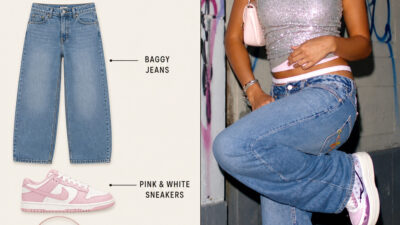
| Ripped denim | Loose jeans, frayed hems, faded washes | Balance the rough denim with a simple knit or clean jacket. |
| Combat boots | Chunky black boots, scuffed leather, heavy soles | Use them to ground dresses, skirts, baggy jeans, or shorts. |
| Layered knitwear | Cardigans, oversized sweaters, long sleeves under tees | Keep colors muted so the layers do not fight each other. |
Core Elements
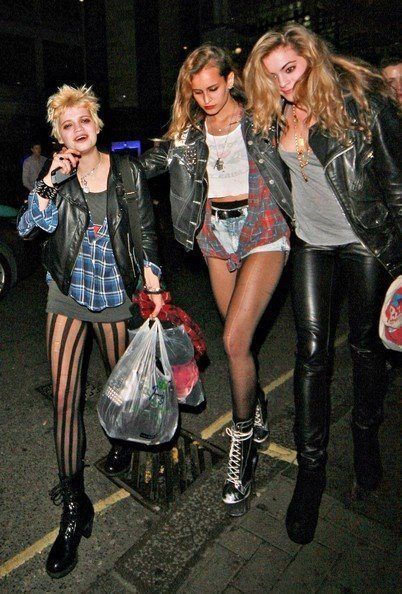
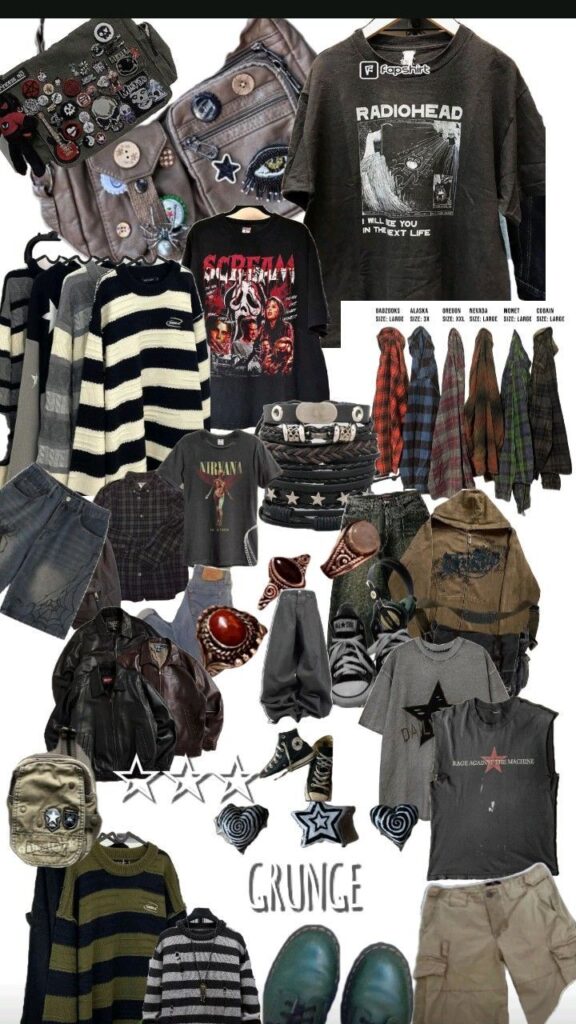
Grunge fashion includes a few staple pieces. Flannel shirts, often worn oversized and layered, are a must. Along with these, ripped jeans and faded denim create a worn-in feel. Sturdy boots like Doc Martens provide a rugged touch.
Accessories often include body piercings and simple jewelry. Hairstyles tend to be messy or unkempt, matching the overall casual vibe. Comfort is key, so many outfits favor soft fabrics.
This style avoids flashy or trendy items. Instead, it focuses on clothing that looks lived-in and practical, highlighting individual expression without trying too hard.
Visual Aesthetic
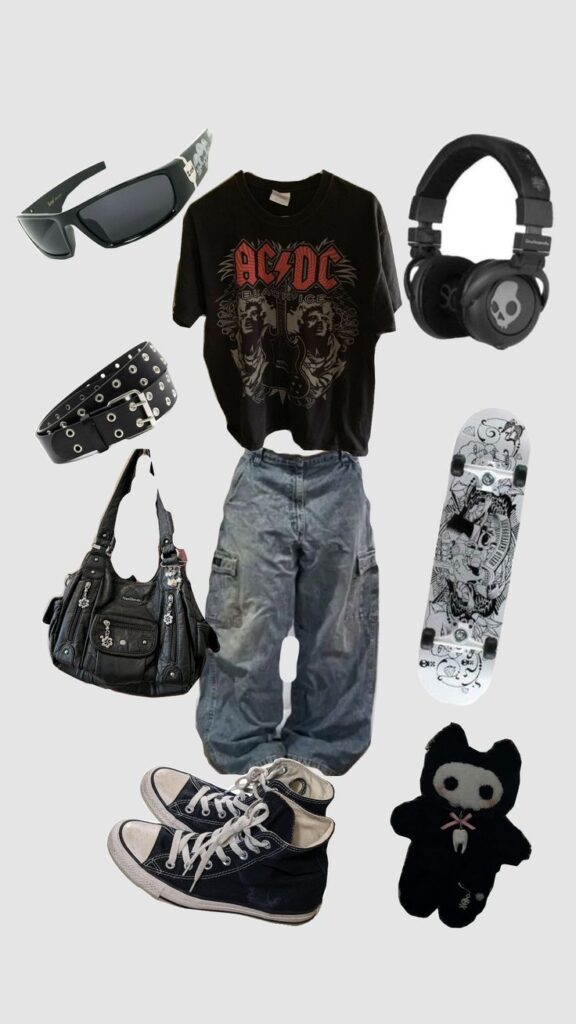
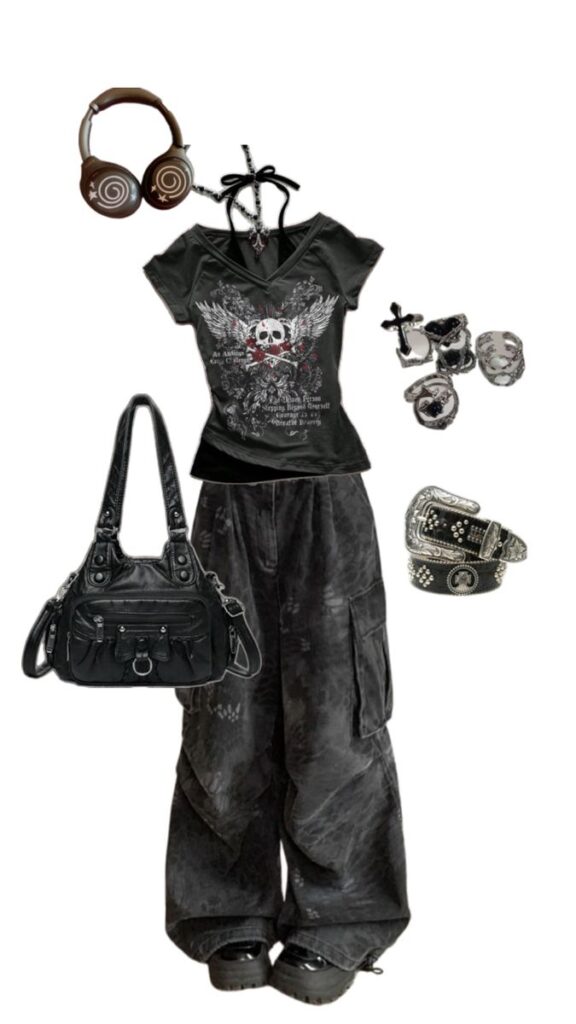
Grunge looks accidental but isn’t. The roughness is a choice — dark palette, worn-in fabrics, nothing that reads as coordinated. Blacks, deep greens, washed-out grays. Plaid shows up a lot but always muted, never the kind that calls attention to itself.
Flannel, cotton, denim. Everything soft, everything like it’s been through a few years already. Layering is where it gets interesting — a flannel left open over a band tee over a long-sleeve does more than just add warmth. The textures stack up and the outfit starts to have some weight to it.
The sizing thing is specific and I think it’s the part people miss when they try to draw grunge and it comes out looking generic. One piece oversized, one fitted. Loose flannel, tight jeans. Or the reverse. That contrast is doing most of the work — without it you just have dark clothes, which is not the same thing.
Cultural Influences
Grunge came out of Seattle, late 80s into the early 90s. Nirvana, Pearl Jam, Soundgarden — the music and the look weren’t separate things. Same working-class, anti-corporate energy. Same “I’m not dressing up for you” energy.
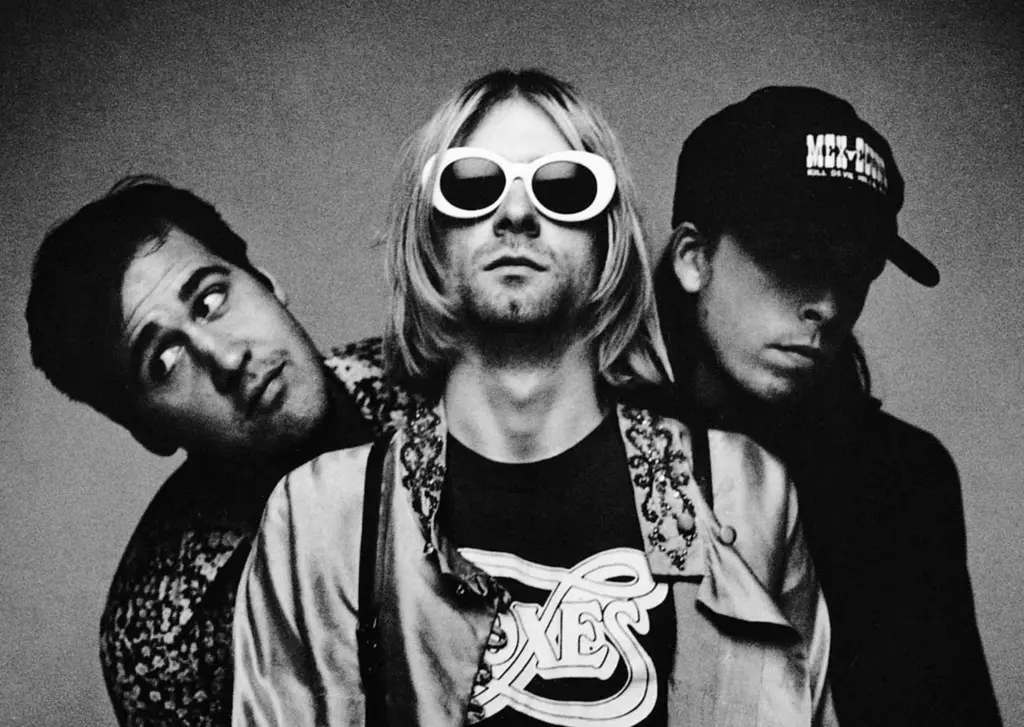
It was a reaction to 80s fashion specifically. All that neon, the gloss, the deliberate excess — grunge went the other direction on purpose. Thrift stores, beat-up boots, flannels that had already lived a life before you got them. Cheap by choice, not by accident. Well, sometimes by accident. But the aesthetic absorbed that either way.
Here’s the thing about drawing grunge characters: you can get every item of clothing right and still have it read as costume. The attitude shows in posture, in expression, in whether someone looks like they care how they’re being perceived. Grunge body language is loose. Unbothered. Slightly like they’d rather be somewhere else. That’s harder to draw than a flannel shirt, but it’s the part that actually sells it.
Origins of Grunge Style
Grunge style started as a mix of music, culture, weather, thrift stores, and personal expression. It was not designed as a fashion trend first; it came from bands and listeners wearing practical secondhand clothes that fit their lives.
For historical context, Sub Pop Records describes its early Seattle releases by Nirvana, Mudhoney, Soundgarden, and TAD as closely associated with the grunge movement. Vogue’s 1990s fashion history also connects grunge with the decade’s move away from polished 1980s excess toward a more thrift-influenced, anti-fashion mood.
Seattle Music Scene
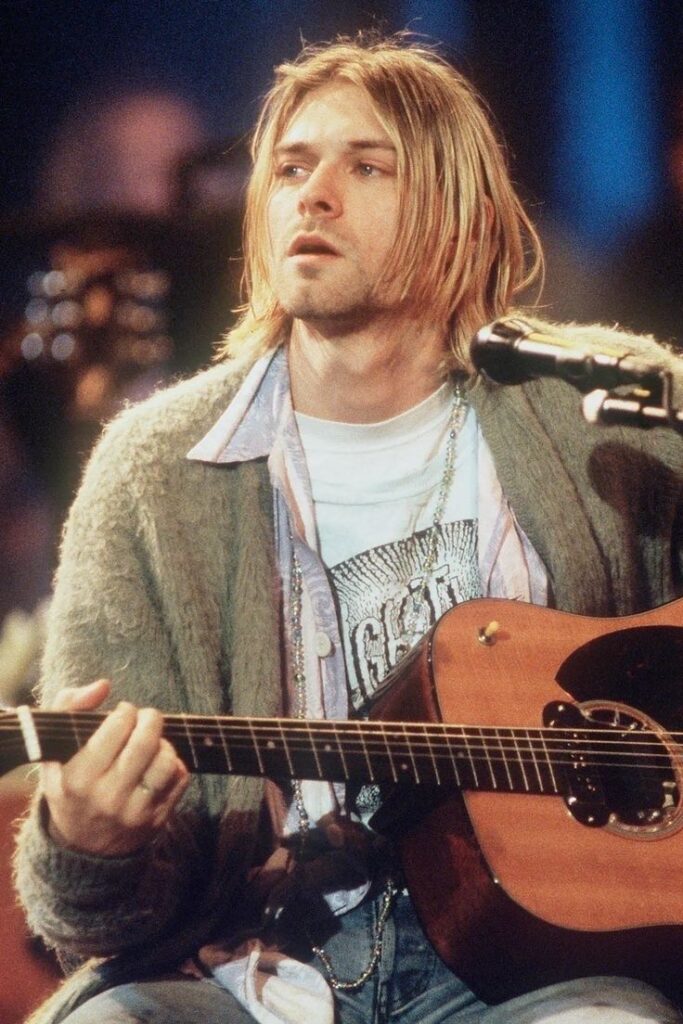
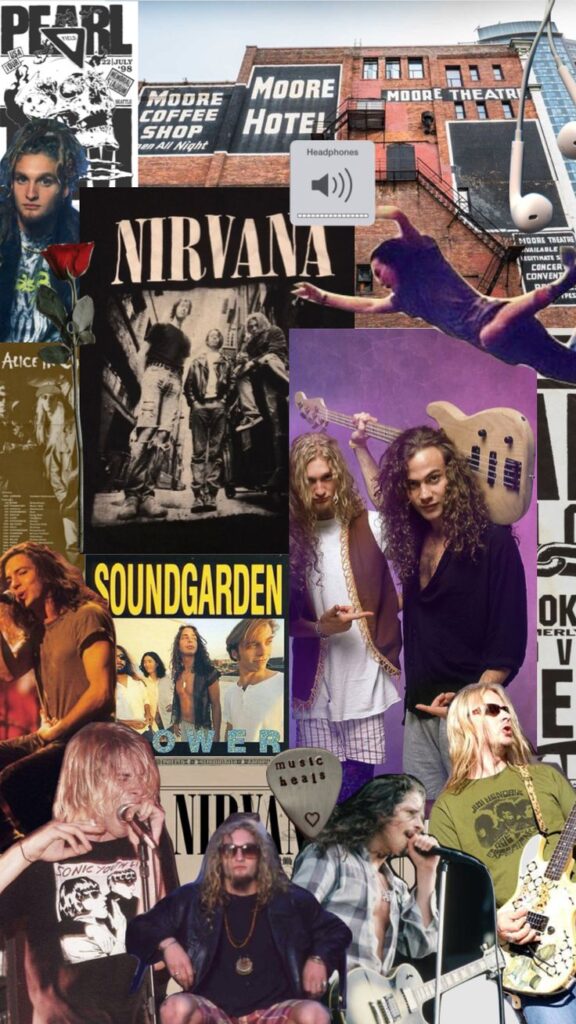
Grunge fashion first took shape in Seattle during the mid-1980s. The city had a unique music scene that mixed punk, heavy metal, and indie rock. Bands like Nirvana, Pearl Jam, and Soundgarden led this scene, inspiring many young people. Their music was raw and emotional, and so was their style.
Musicians wore simple, worn-out clothes like oversized flannel shirts, ripped jeans, and old sneakers. This look was practical and unpolished. It showed a rejection of flashy fashion trends and a focus on comfort. The Seattle music scene gave grunge its identity, connecting sound with style.
Early 1990s Rebellion
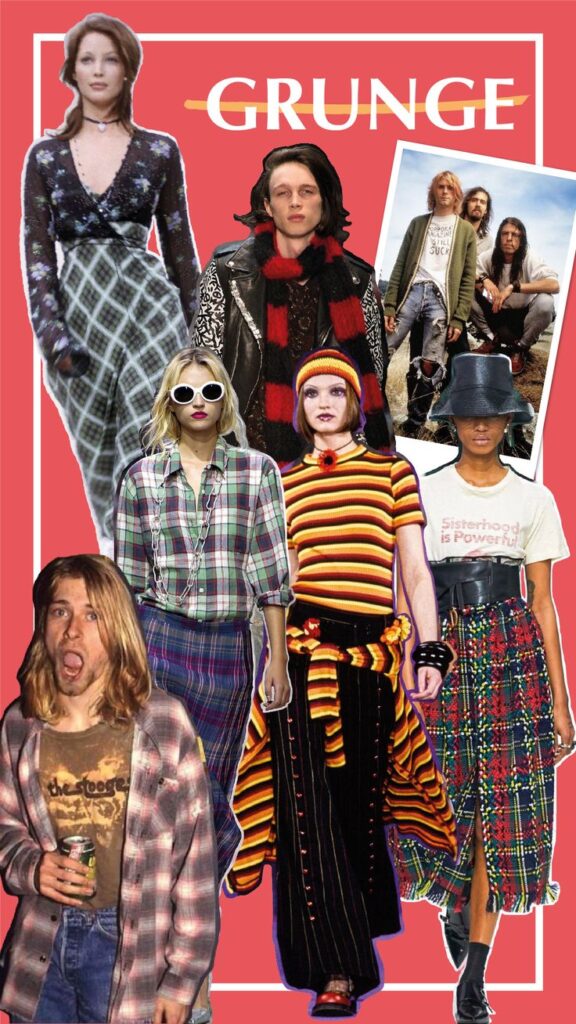
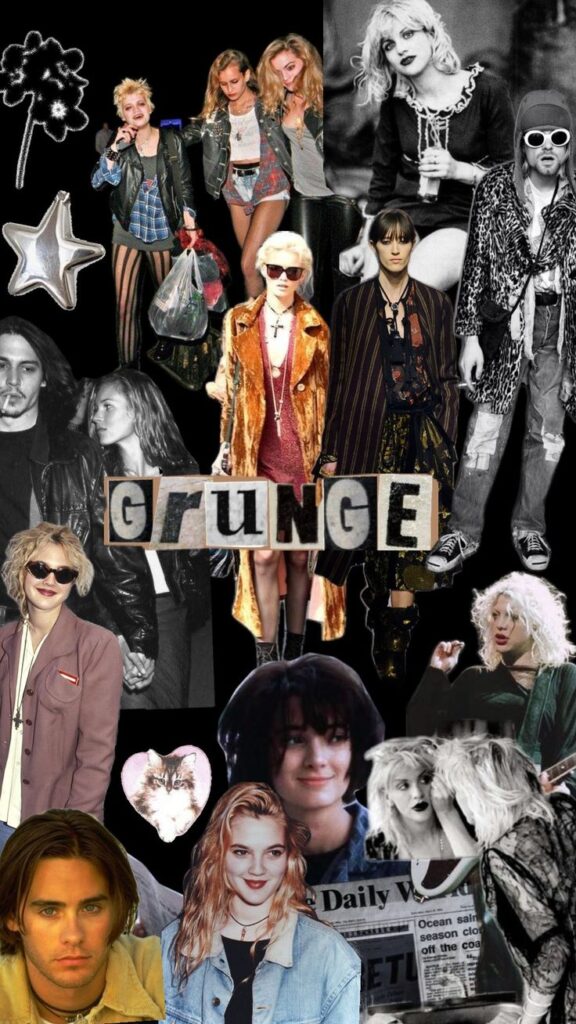
By the early 1990s, grunge had become a statement against mainstream culture. It was popular among teenagers and young adults tired of glamor and materialism. The fashion reflected a rebellious attitude, often seen as anti-fashion because it ignored trends and polished looks.
The style included thrift store finds, layered clothes, and an “undone” appearance. Dark colors and plaid patterns were common. Grunge fashion was not about fitting in but standing apart. It attracted people looking for authenticity and a way to express their frustration and independence.
Underground Beginnings
Before grunge hit the mainstream, it was part of an underground movement. It started as a practical choice for musicians and fans who couldn’t afford expensive or flashy clothes. This underground origin kept the style original and raw.
In this early phase, grunge was more than clothes—it was a lifestyle tied to music, attitude, and community. People valued creativity and individuality over appearance. This grassroots beginning shaped how grunge evolved, staying true to its anti-establishment roots even as it gained attention.
Key Characteristics
Grunge fashion works because the pieces are easy to wear but visually rough around the edges. Think loose layers, broken-in fabrics, dark or muddy colors, and pieces that look better after they have been worn.
| Style cue | Beginner mistake | Better move |
|---|---|---|
| Layering | Adding every grunge item at once | Use two or three layers with different lengths. |
| Distressing | Buying jeans that look fake-destroyed | Choose faded denim, raw hems, or one natural tear. |
| Oversizing | Wearing everything huge | Balance one oversized piece with one cleaner shape. |
| Accessories | Overloading chains, chokers, studs, and rings | Pick one accessory direction and repeat it quietly. |
Layering
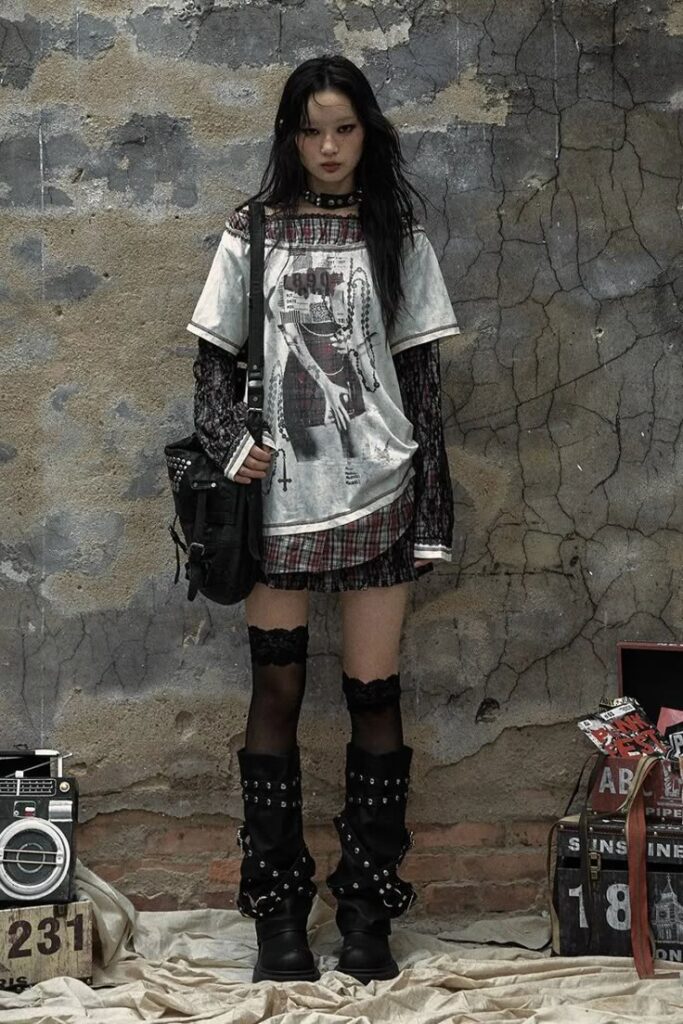
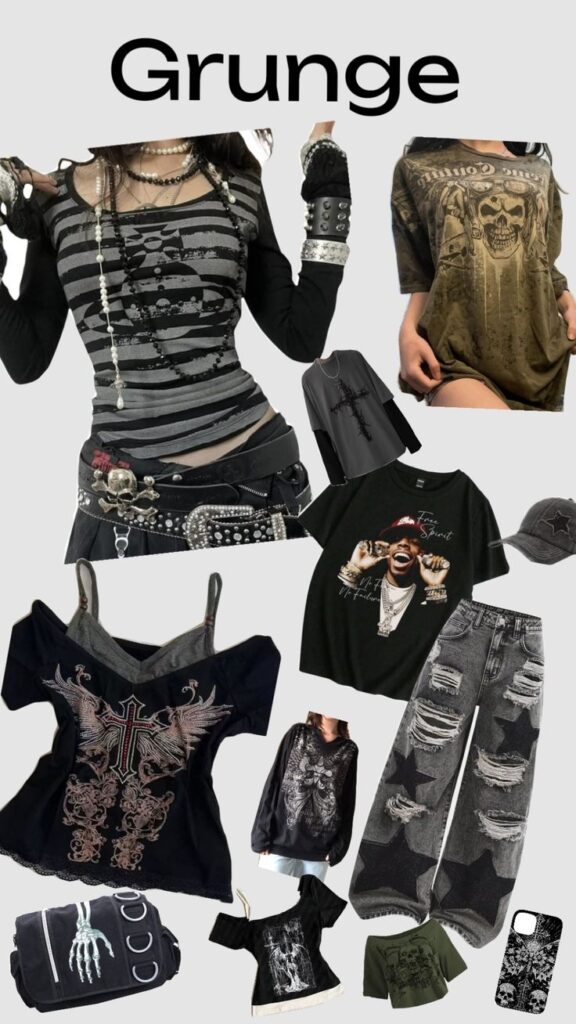
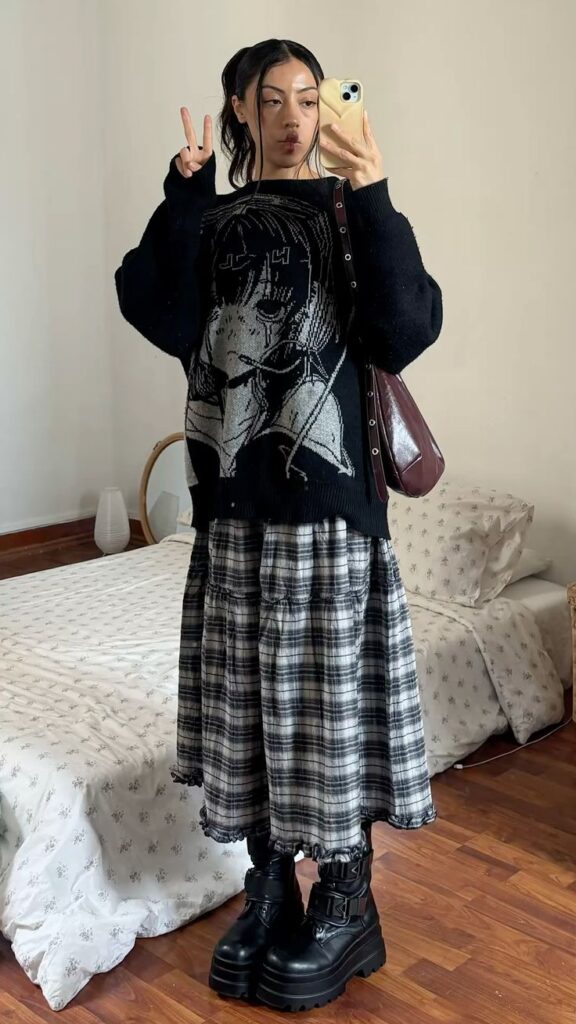
Layering is a big part of grunge fashion. People often wear several pieces at once, like a flannel shirt over a band tee or a long shirt under a short shirt. This not only adds texture but also helps show a personal style.
Layers don’t have to match perfectly. It’s common to see different patterns or fabrics combined in one outfit. This mix-and-match approach makes the look feel individual and effortless. Layering also helps with practicality, as it allows for warmth and comfort.
Distressed Fabrics
Worn-out clothing is a key feature of grunge. Clothes often have rips, holes, or fraying edges. This distressed look shows a rejection of polished, perfect style in favor of something more natural and lived-in.
Faded colors and rough textures add to the worn feel. Denim jeans and flannel shirts are popular items that often look faded or torn. People sometimes customize their clothes by cutting or adding patches to emphasize this rugged vibe.
Oversized Silhouettes
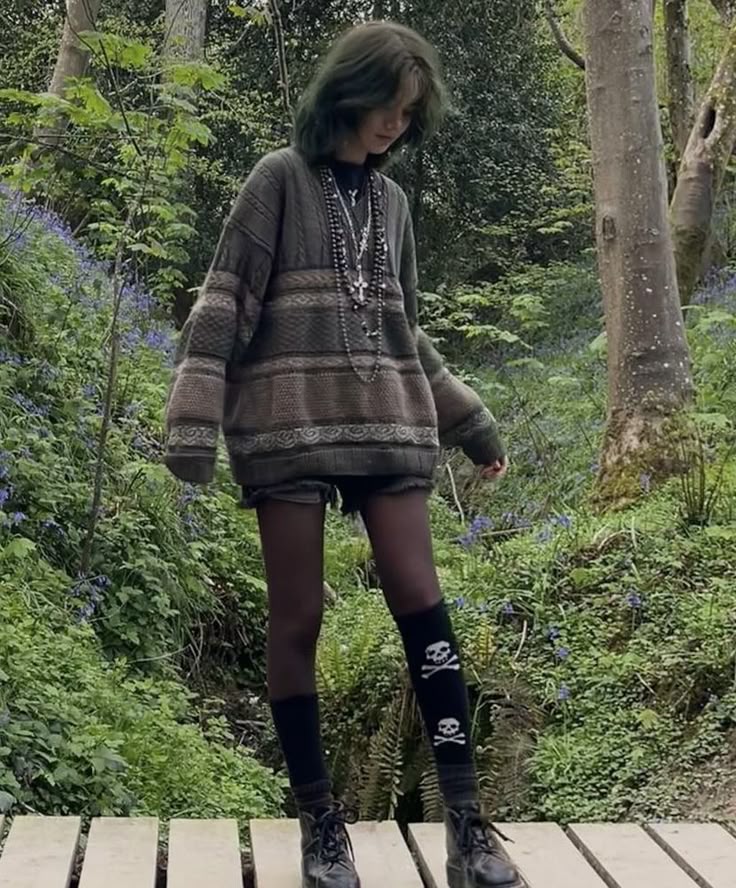
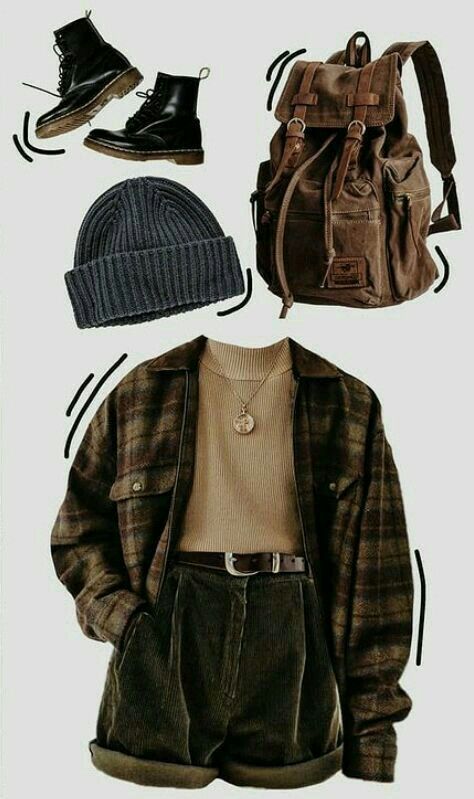
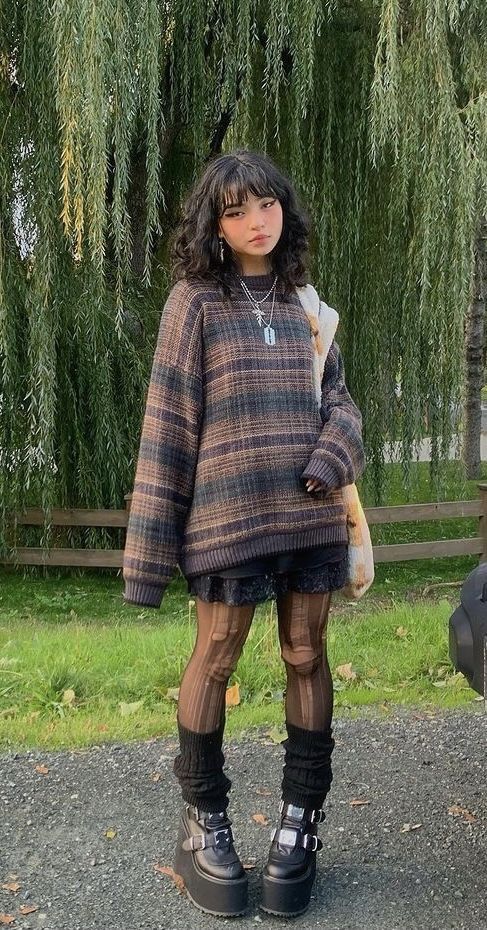
Grunge fashion favors loose, oversized clothes. Big flannel shirts, baggy jeans, and roomy sweaters are common. These pieces don’t cling to the body but fall freely, giving a relaxed and comfortable fit.
The oversized look also connects to grunge’s anti-fashion roots. It pushes back against tight, flashy styles by embracing something unpretentious. This kind of fit encourages easy movement and a carefree attitude in how clothes are worn.
Iconic Grunge Fashion Pieces
Grunge fashion is known for its relaxed, worn-in look. It focuses on comfort and practicality while still making a bold statement. Key items include rugged shirts, well-worn jeans, sturdy boots, and graphic tees. Each piece carries a mix of rebellion and simplicity.
Flannel Shirts
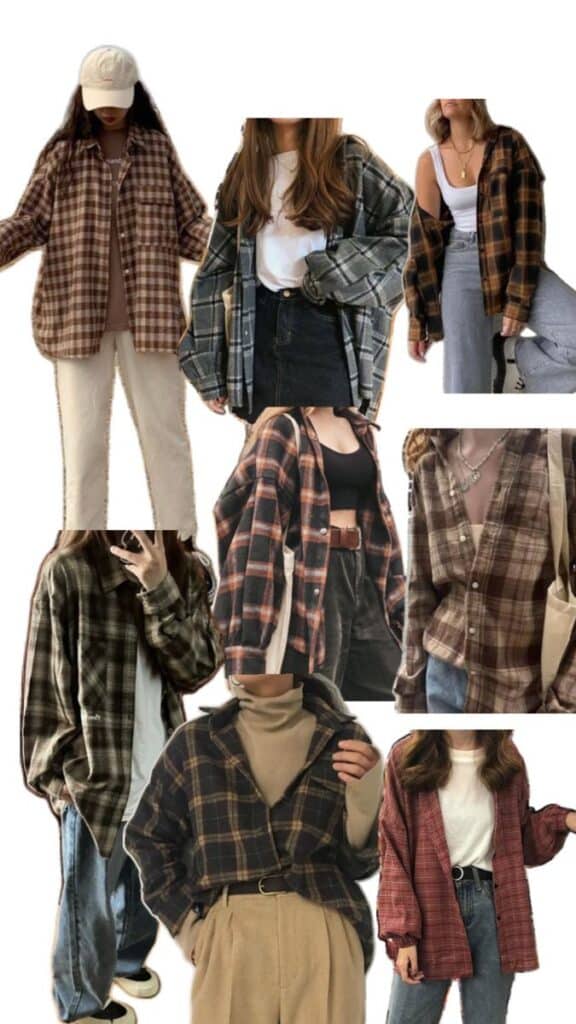
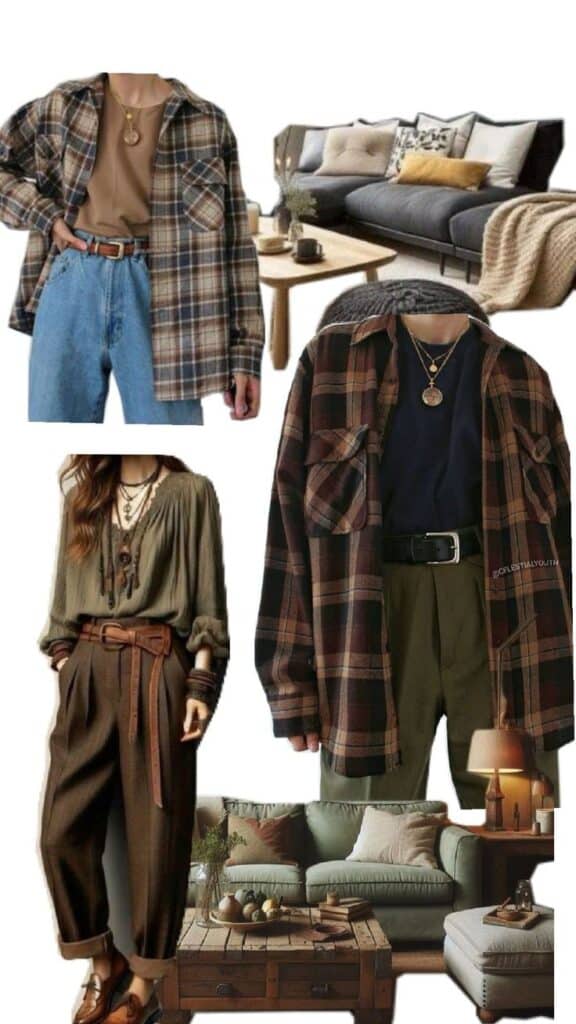
Flannel shirts are a staple in grunge fashion. They are often oversized and feature plaid patterns in dark or earthy tones. These shirts offer warmth and durability, which is practical for the rainy, chilly weather in Seattle, where grunge began.
Many people wore flannel shirts layered over band t-shirts or under jackets, making them versatile. They could be buttoned up or worn open for a casual vibe. The shirt’s soft texture and loose fit made it a go-to for comfort, blending a simple style with a rough edge.
Ripped Jeans
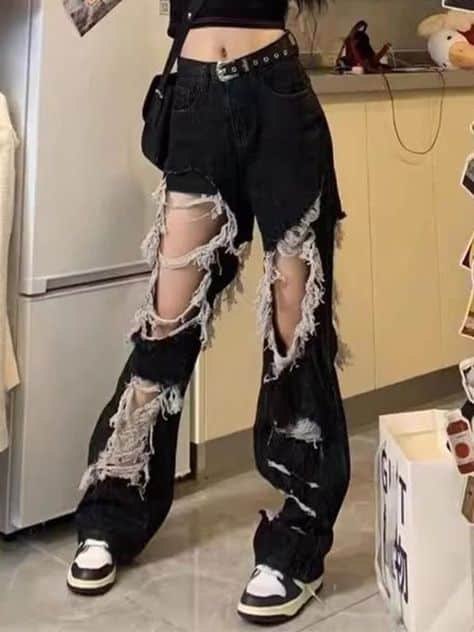
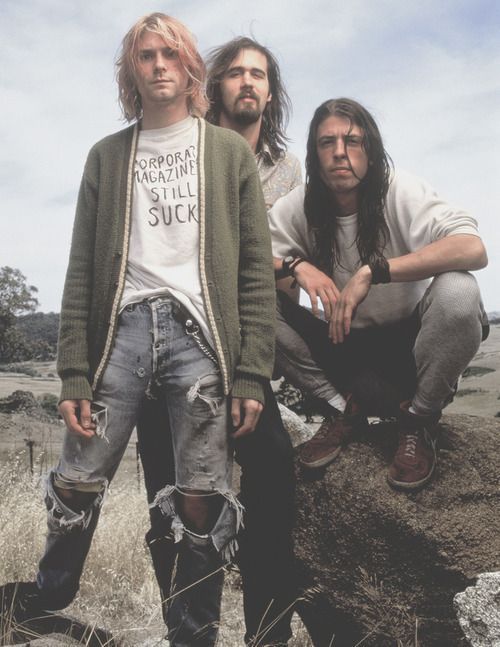
Ripped jeans are key to the grunge look. These jeans are usually well-worn with tears and frayed edges. The damage shows a carefree attitude and a rejection of polished, perfect clothes. People often paired ripped jeans with oversized tops or flannel shirts.
Jeans in grunge fashion were mostly blue or black denim. They could be skinny or loose, but the important part was their rough, used appearance. Some like to think of ripped jeans as proof of a life lived, not just a fashion choice.
Combat Boots
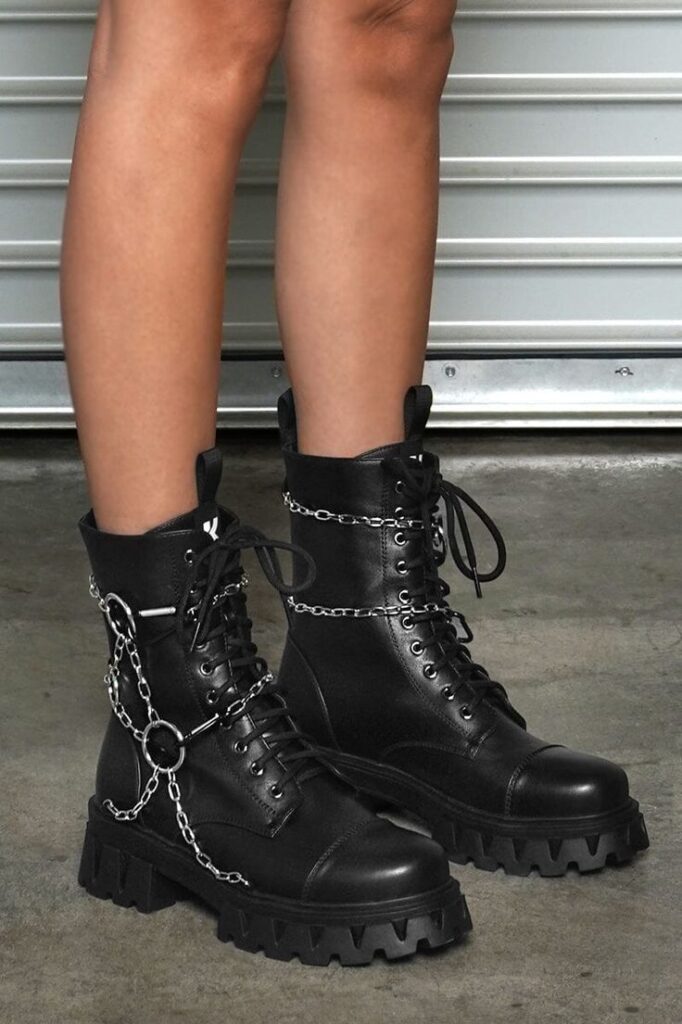
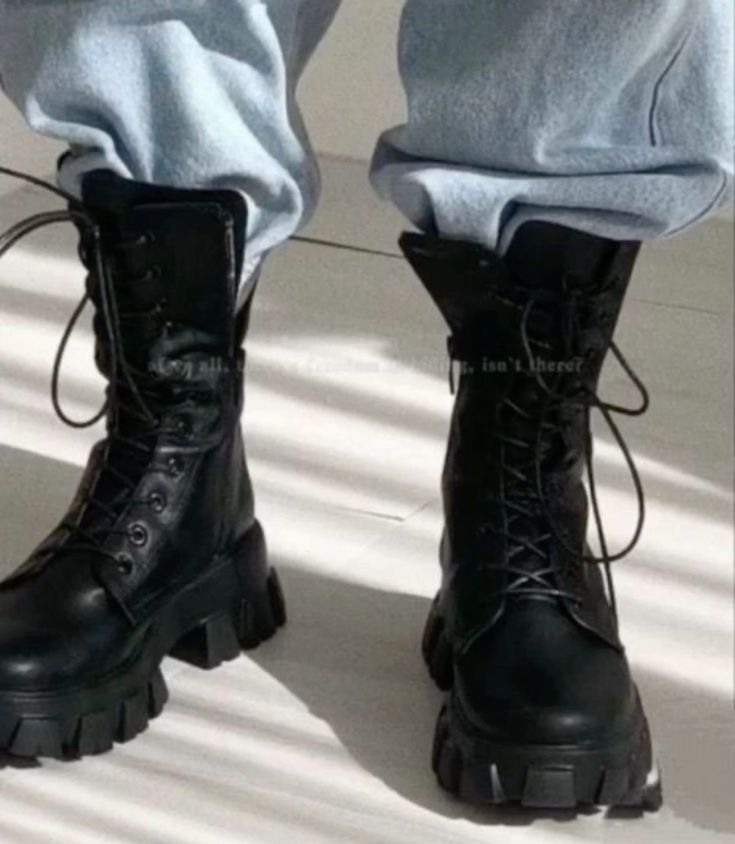
Combat boots bring toughness to grunge style. These boots are usually black leather, lace-up, and heavy-duty. They added a gritty, punk-inspired feel to outfits. Many people choose well-known brands like Dr. Martens for their durability and iconic look.
Combat boots were practical for walking in tough weather, but also made a clear style statement. They often showed scuffs and wear, which fit perfectly with the idea that grunge is about real life, not a polished image.
Band T-Shirts
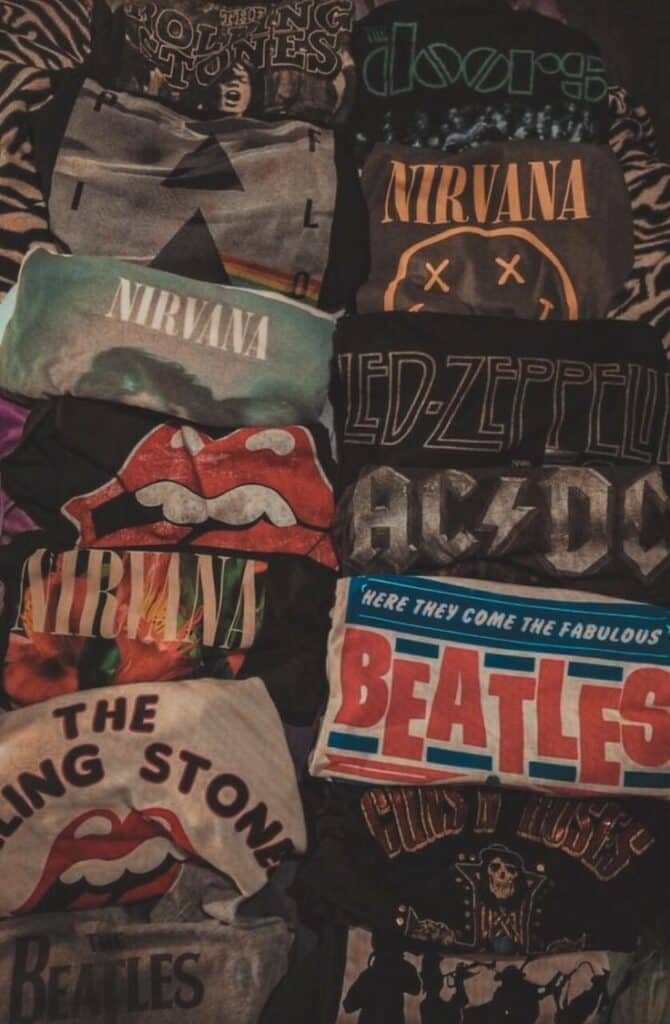
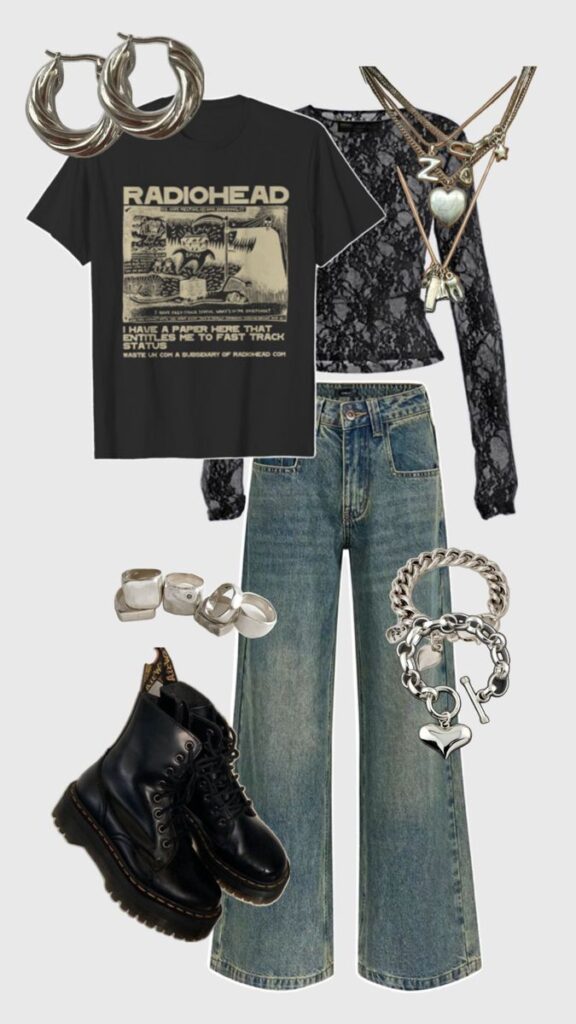
Band tees were a credential. You wore Nirvana or Mudhoney or Dinosaur Jr. and people knew where you stood. No explanation needed. The logo did the talking.
The shirts themselves were usually soft, washed-out, slightly wrong-sized — found at a show, a thrift store, or borrowed and never returned. Worn under a flannel half-open, or tucked messily into ripped jeans. A stiff, bright, obviously-new band tee reads off. The aging was part of the point.
A lot of them had actual history — bought at a specific show, cut up at some point, safety-pinned somewhere. That’s worth thinking about when you’re drawing grunge characters. A pristine band tee is technically correct but it’s missing something. Add a small cut at the collar, a faded print, a sleeve that’s been rolled up enough times it stays there on its own. That’s the difference between drawing the clothes and drawing the person who wears them.
Influential Grunge Figures
Grunge fashion was shaped by musicians who mixed comfort with rebellion. Their unique styles influenced the look and attitude of the grunge scene and beyond. These figures created memorable fashion statements that matched their music and personalities.
Kurt Cobain
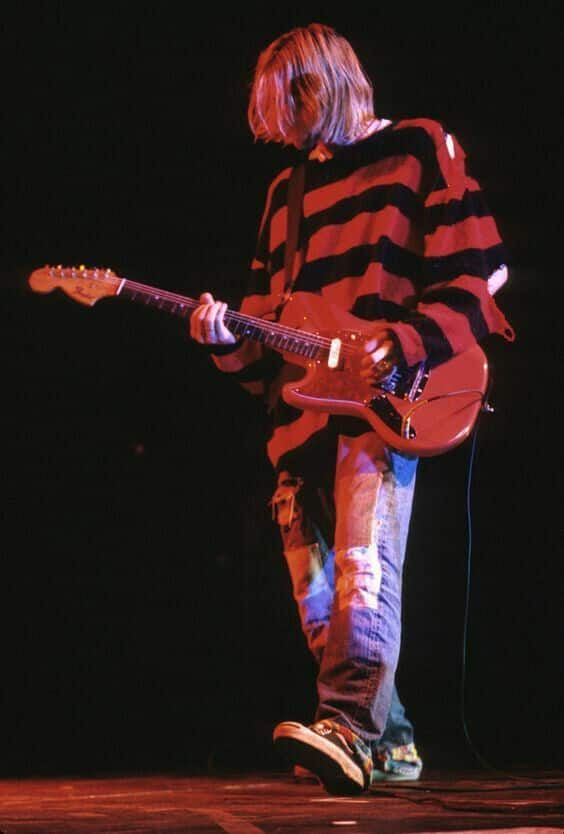
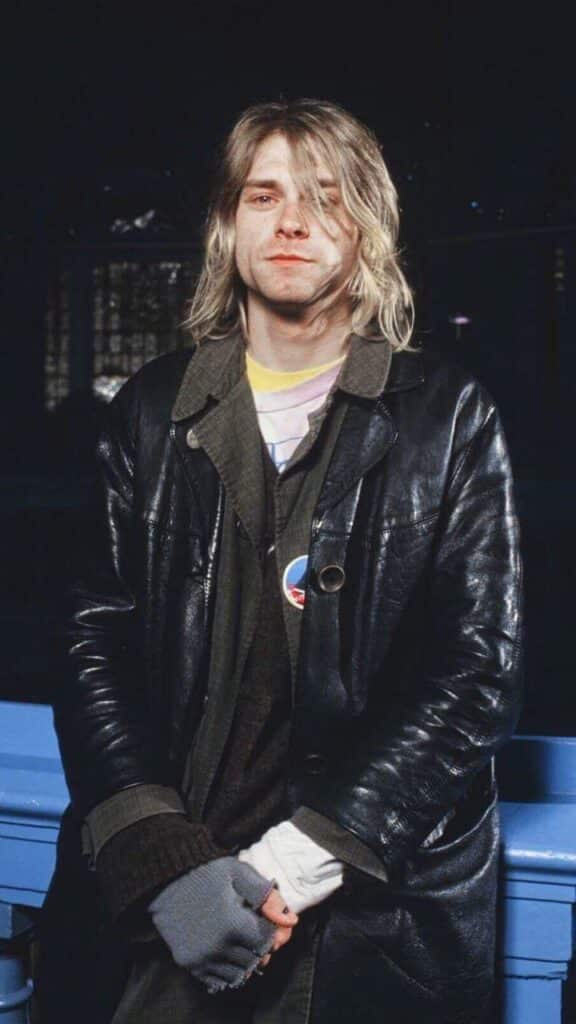
Kurt Cobain, the lead singer of Nirvana, was the face of grunge fashion. He often wore torn jeans, old T-shirts, flannel shirts, and beanies. His style was unpolished and practical, reflecting his anti-establishment beliefs.
Cobain’s look emphasized thrift store finds and layering, which gave an effortless, worn-in vibe. His messy hair and simple accessories completed the raw, grunge appearance. Cobain’s influence made this fashion style popular worldwide.
Courtney Love
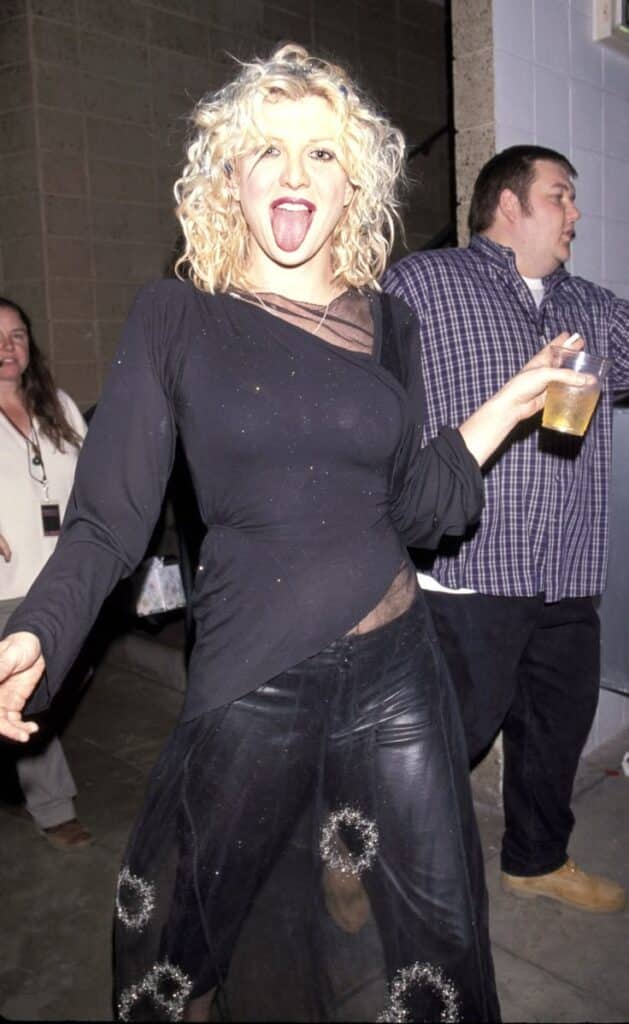
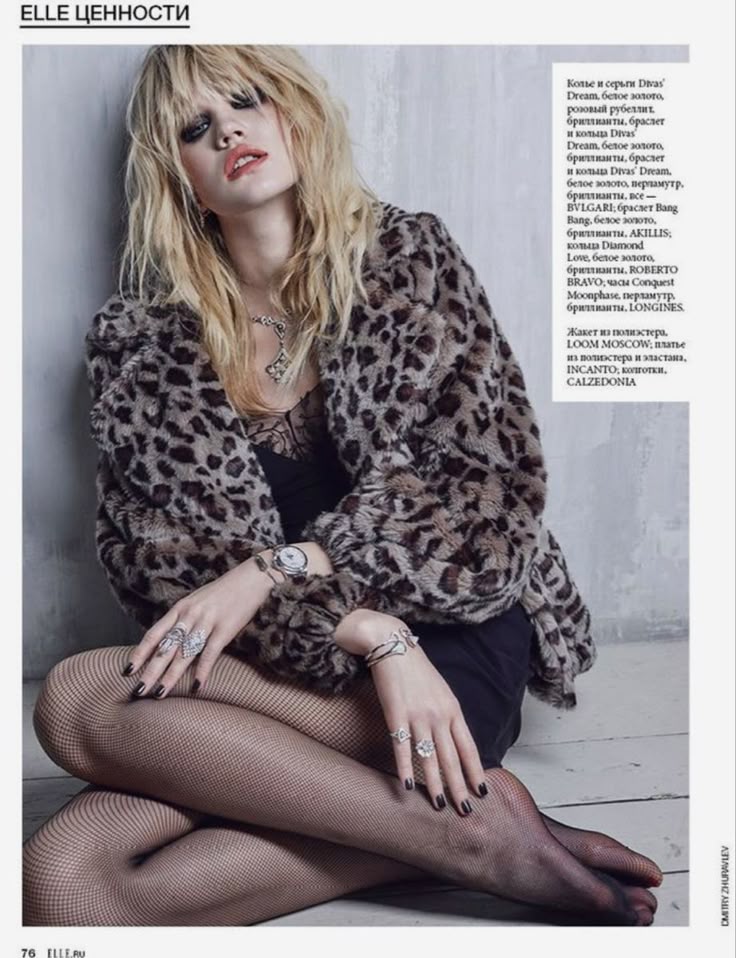
Courtney Love, frontwoman of Hole, added a feminine twist to grunge fashion. She combined grunge staples like ripped stockings and oversized sweaters with vintage dresses and heavy makeup. Her style mixed rough and delicate elements.
Love’s fashion was bold and expressive, often featuring oversized plaid shirts, combat boots, and messy hair. She challenged typical gender norms and added a dramatic flair to the grunge look.
Soundgarden Members
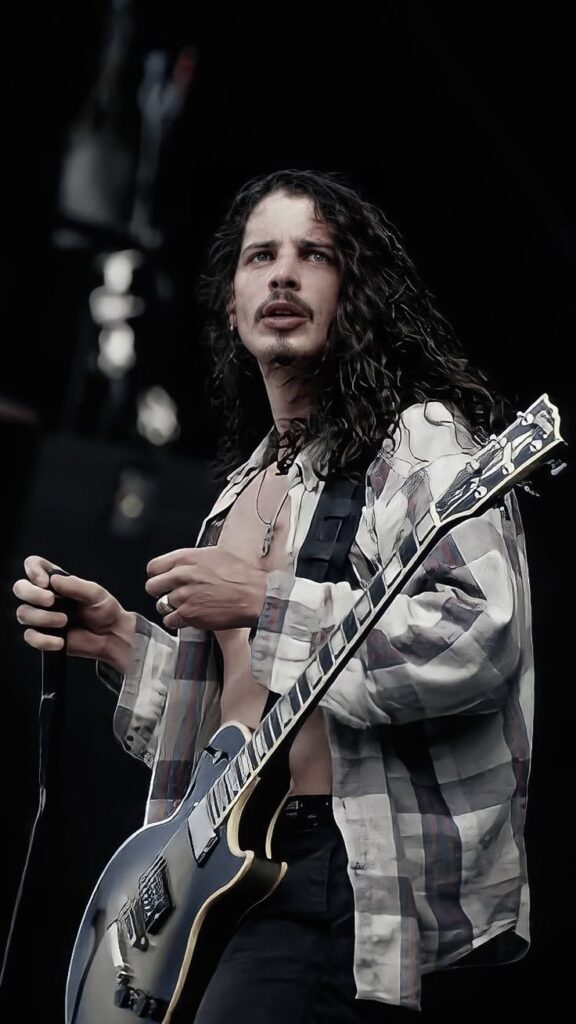
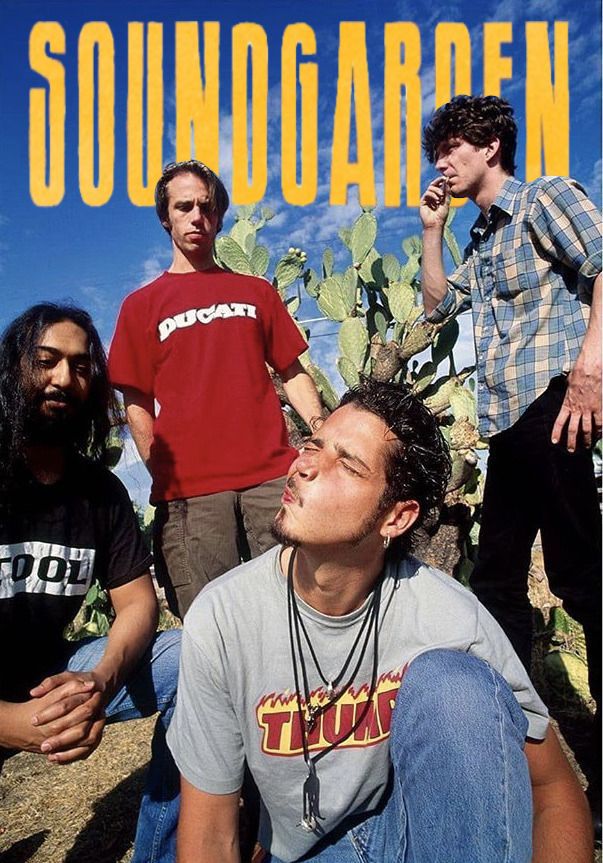
Members of Soundgarden, including Chris Cornell, brought a more polished yet still rugged approach to grunge fashion. They often wore leather jackets, denim, and flannel shirts.
Their style balanced rock aesthetics with practical clothing fit for Seattle’s rainy weather. Accessories like beanies and worn-out boots were common. Soundgarden’s look helped widen grunge fashion’s appeal by blending rawness with classic rock style.
Grunge Fashion in Pop Culture
Grunge fashion has left a clear mark on many parts of pop culture, influencing high fashion, movies, TV shows, and magazines. Its mix of casual, worn-out looks combined with a rebellious spirit has made it a lasting style.
Runway Adaptations
Grunge fashion made its way from thrift shops to high-end runways in the 1990s. Designers took inspiration from its layered flannels, ripped jeans, and combat boots, turning these everyday items into fashion statements. Brands like Marc Jacobs incorporated grunge into collections, mixing oversized plaid shirts with luxury fabrics.
Even today, elements like distressed denim and chunky boots often appear in shows. The grunge attitude — rough yet stylish — continues to influence designers. It challenges polished, perfect looks by highlighting imperfection and comfort instead. This shift gave fashion a fresh edge that still resonates.
Film and Television
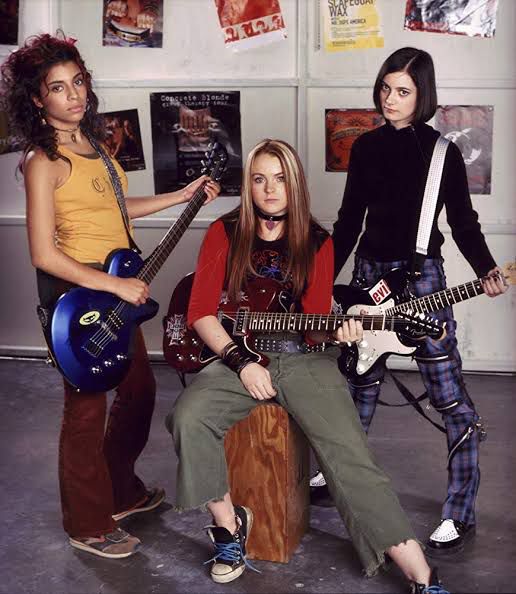
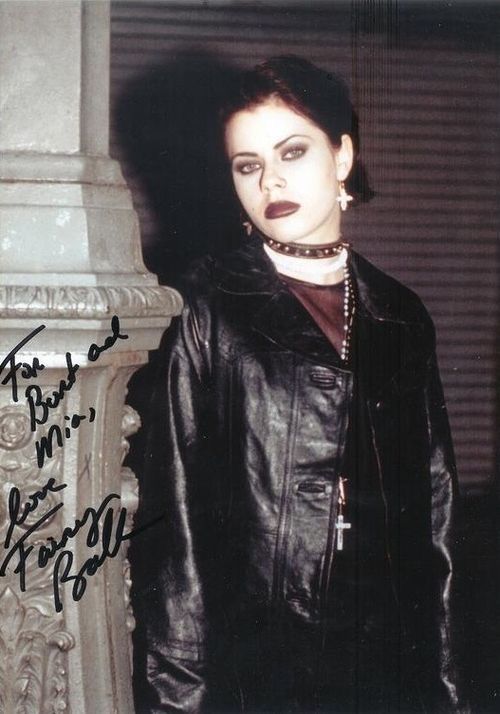
Grunge style has been shown widely in movies and TV, especially those set in or inspired by the ’90s. Films like Singles and Reality Bites helped showcase real grunge fashion, emphasizing casual, layered clothes and messy hair. These looks helped define a generation on screen.
More recently, TV series set in the 1990s often use grunge fashion to create an authentic vibe. Characters wearing flannel shirts, ripped jeans, and boots instantly remind viewers of that era’s music and culture. This on-screen presence keeps grunge alive in popular media.
Magazine Features
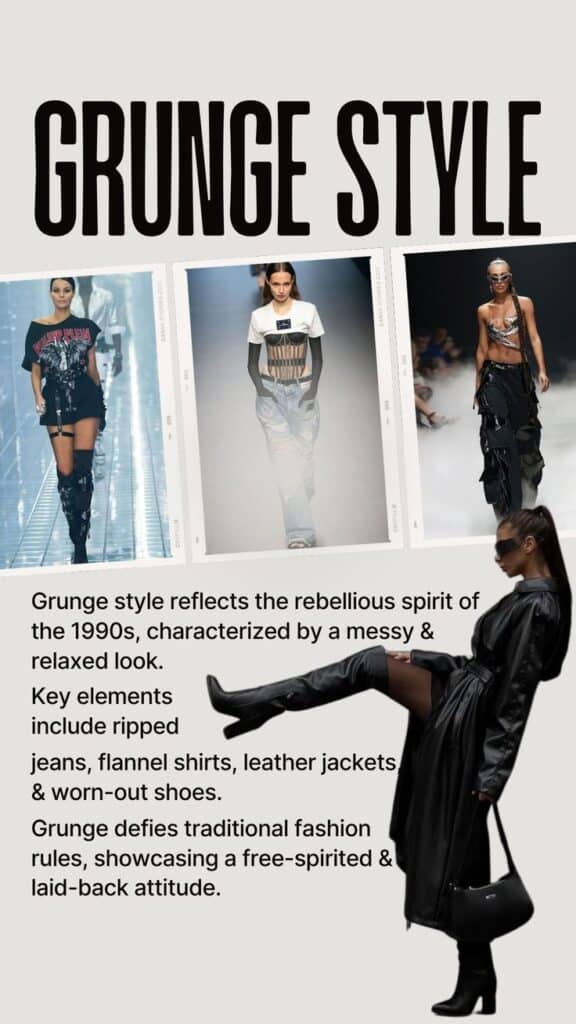
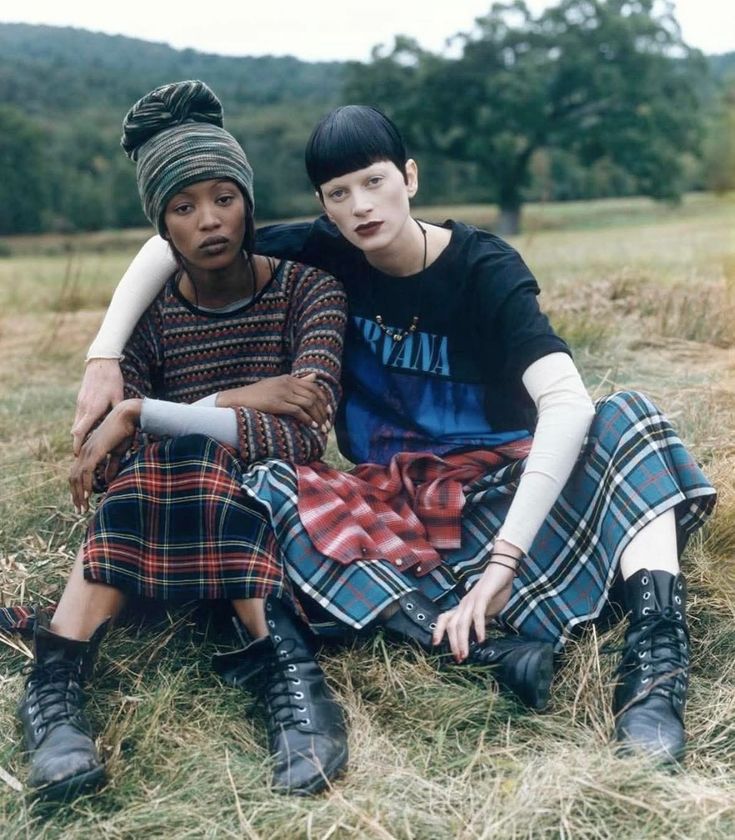
Magazines played a key role in spreading and shaping grunge fashion. In the early 1990s, publications like Vogue and GQ featured grunge-inspired photo shoots. These images often combined casual pieces like plaid and denim with high-fashion elements.
Magazines also helped explain the ethos behind grunge — a mix of rebellion, comfort, and authenticity that rejected flashy trends. Today, fashion magazines still revisit grunge style during trend cycles, showing how its mix of thrift-store finds and laid-back attitude appeals to new readers.
Modern Grunge Revival
Grunge fashion has made a clear comeback, mixing vintage vibes with fresh ideas. It’s now a mix of edgy, practical clothing seen in high fashion shows, social media influence, and popular stores. This blend gives grunge a new feel while keeping its original spirit alive.
Runway Resurgence
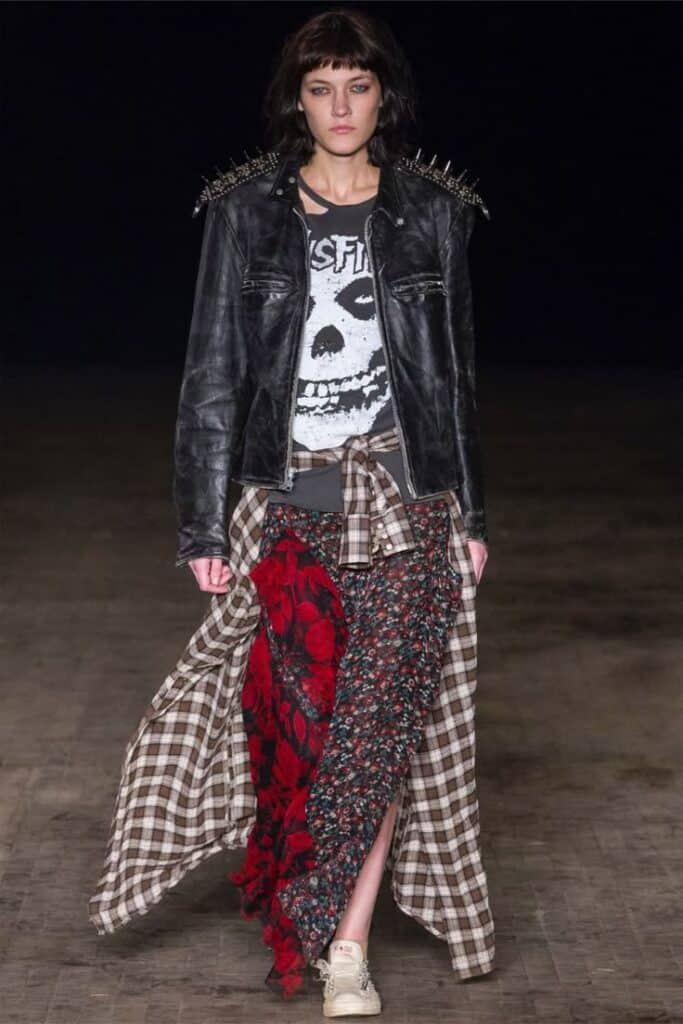
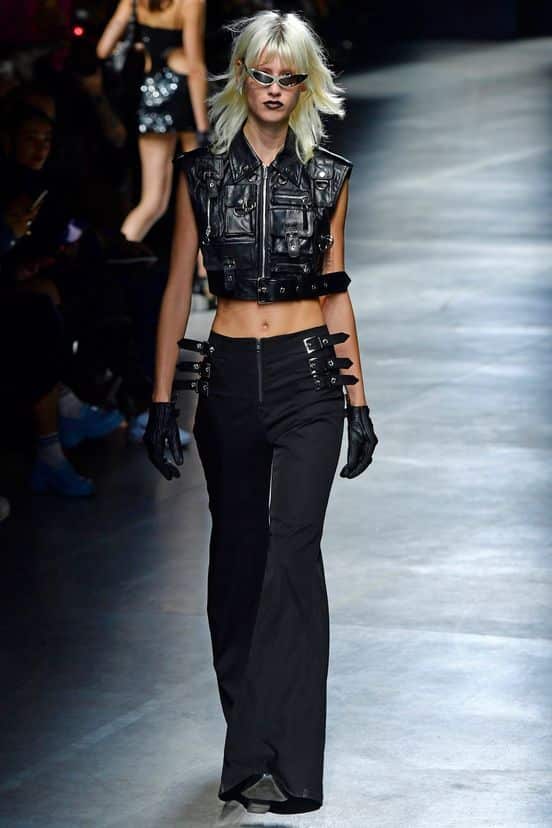
High fashion designers have brought grunge back onto the runway but with a modern twist. Rather than just copying the ’90s style, they add refined details and new materials. Oversized layers, distressed denim, and leather jackets are common, but with cleaner cuts and more structure.
Models often wear flannel shirts paired with sleek boots or layered with sharp silhouettes. This creates a look that is both rebellious and polished. The use of dark colors mixed with grunge staples helps the fashion go beyond nostalgia. It appears in big fashion weeks, signaling grunge’s place in current trends.
Influencer Trends
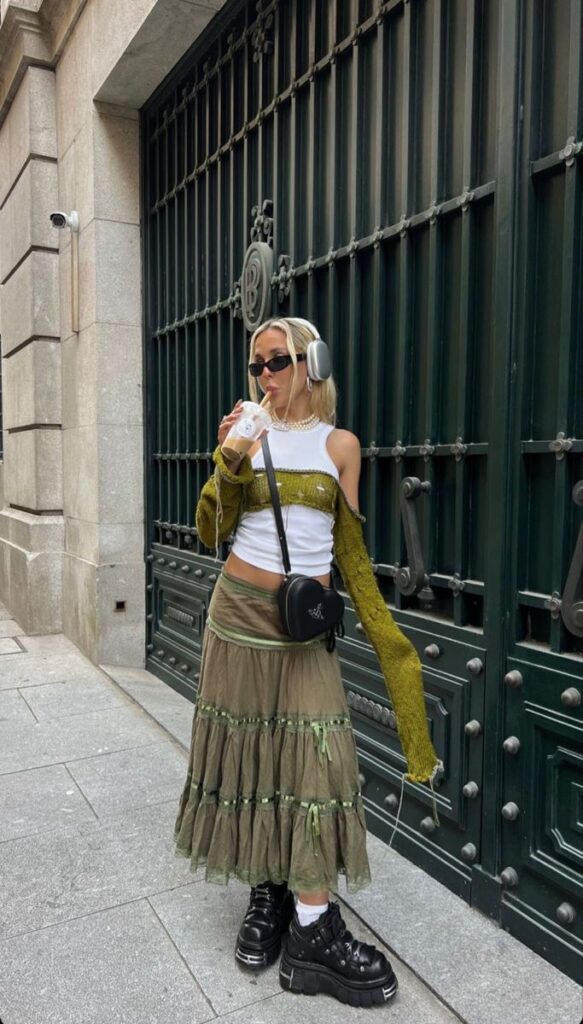
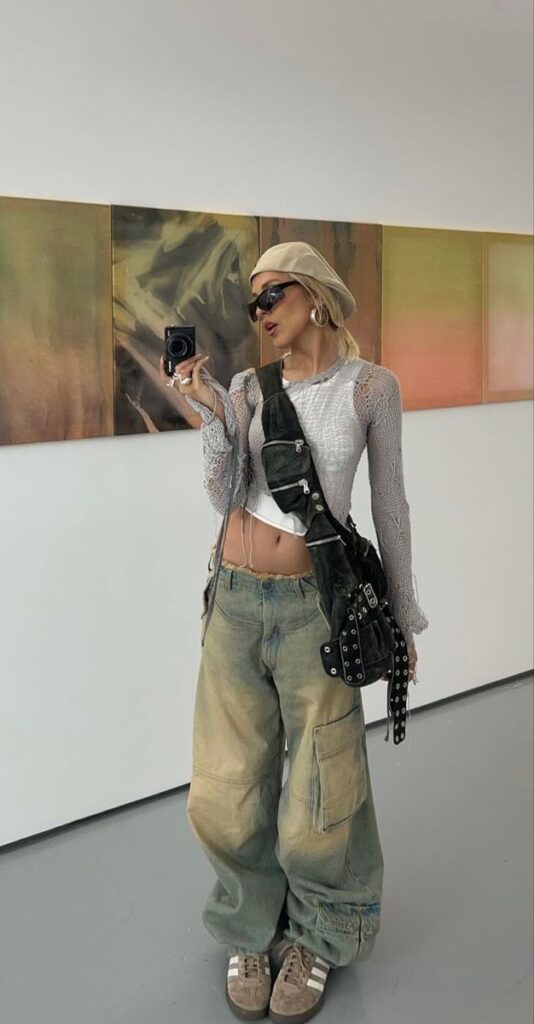
Part of why grunge is back is just that it photographs well. Flannel and combat boots and a choker against a brick wall — that’s a good photo. Mix in some clean streetwear or sharp eyeliner and you’ve got something that looks intentional without looking styled. TikTok and Instagram reward that kind of contrast.
The interesting versions are the ones where the mixing is actually uneven. A very grunge jacket over a very not-grunge outfit. Or the reverse. When it’s 50/50 it starts to look like a mood board. When one thing is clearly doing the heavy lifting, it works.
DIY content fits grunge naturally — maybe better than any other aesthetic. Distressing denim, painting a thrift jacket, cutting a collar. These are quick to film, satisfying to watch, and the results look different every time. I think that’s actually why grunge keeps coming back. It’s not just a look. It gives people something to do with their hands.
Mainstream Retailers
Many popular stores now offer grunge-inspired collections. Mainstream retailers feature items like ripped jeans, oversized flannels, and chunky boots. These pieces are usually affordable and easy to mix with everyday clothing.
Retailers often showcase layering ideas and outfit combos that balance comfort and edge. This makes it simple for shoppers to try grunge looks without needing the whole ‘90s wardrobe. The focus is on combining vintage styles with modern wearability, making grunge accessible to all.
DIY and Personalization
Grunge fashion is all about making clothes your own. It encourages creativity with simple changes like ripping, patching, or mixing pieces found in secondhand stores. Personalizing clothing helps people express their unique style while keeping the look authentic.
Customizing Clothing
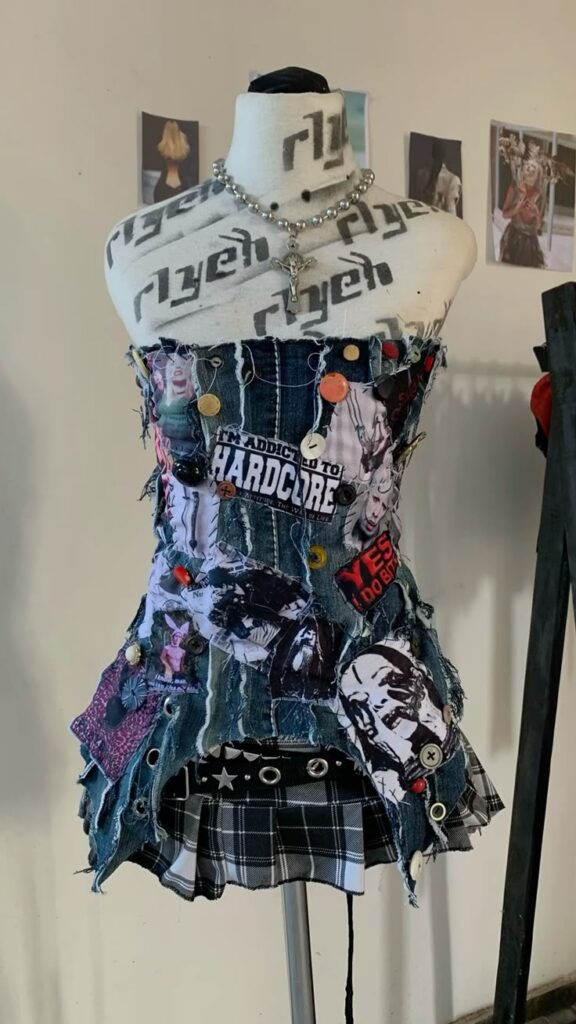
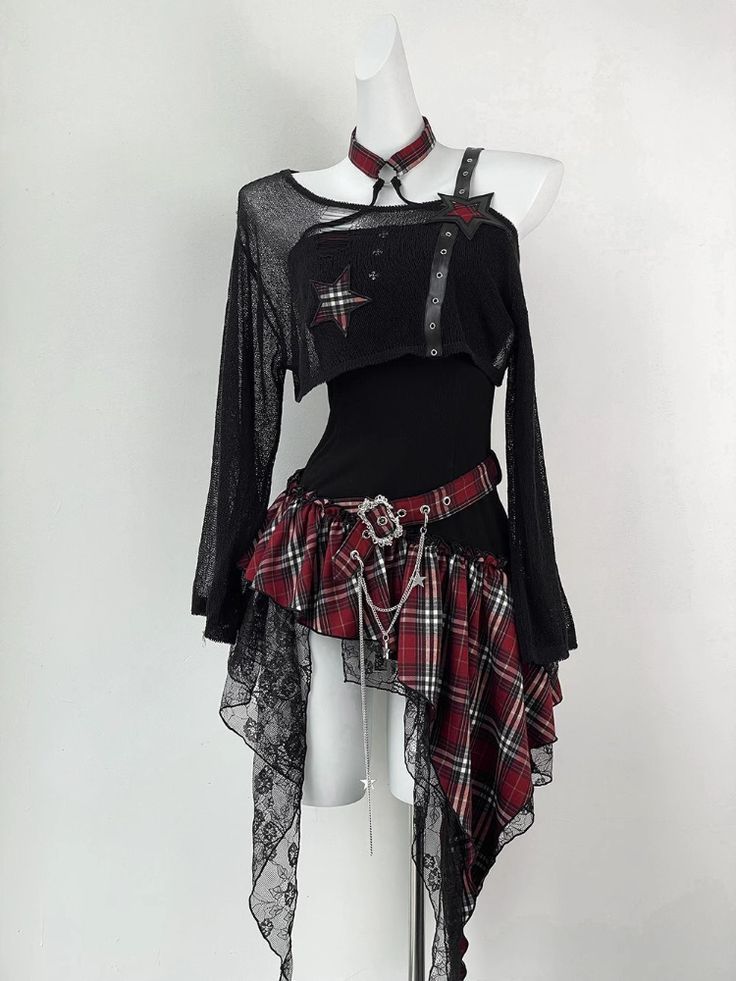
Customizing clothes is a key part of grunge fashion. People often add rips, tears, or patches to jeans and shirts to give them a worn, lived-in feel. They might also use fabric paint or safety pins to decorate band tees or flannel shirts.
The goal is to avoid a perfect look. Instead, distressing fabric creates an edge and a sense of rebellion. It’s important not to overdo the damage, as subtle details often look more natural. Simple stitches and hand alterations can make a piece feel personal and one of a kind.
Thrift Shopping
Thrift stores are a treasure trove for grunge fashion lovers. These shops offer a variety of cheap, pre-loved items that work well for layering and mixing styles. Classic thrift finds include oversized flannels, vintage band tees, and faded denim.
Thrifting helps keep the grunge look affordable and sustainable. It’s also a fun way to find unique pieces that aren’t mass-produced. When shopping, it helps to look for clothing with interesting textures or slight imperfections. These are perfect for DIY work and add character to an outfit.
Repurposing Vintage Pieces
Repurposing vintage pieces gives grunge outfits an authentic vibe. This means taking old clothes and giving them new life. For example, old sweaters can be cut into crop tops or layered under ripped jackets.
People also cut or sew vintage items to mix old styles with modern trends. Repurposing saves money and supports the DIY spirit central to grunge fashion. It also allows for individual creativity by turning forgotten clothes into standout pieces that tell a story.
Styling Tips for Grunge Looks
To style grunge without looking like you copied a costume, build the outfit around contrast. Pair something soft with something heavy, something loose with something fitted, and something clean with something worn.
| Outfit formula | Why it works | Try it with |
|---|---|---|
| Band tee + loose jeans + boots | The easiest everyday grunge base | Faded tee, straight-leg denim, combat boots |
| Slip dress + flannel + boots | Soft shape against rough layers | Black slip dress, plaid shirt, chunky boots |
| Thermal top + cardigan + ripped denim | Layered, warm, and believable | Waffle knit, oversized cardigan, faded jeans |
| Oversized sweater + plaid skirt | Relaxed but still styled | Slouchy knit, mini or midi plaid skirt, tights |
Mixing Textures
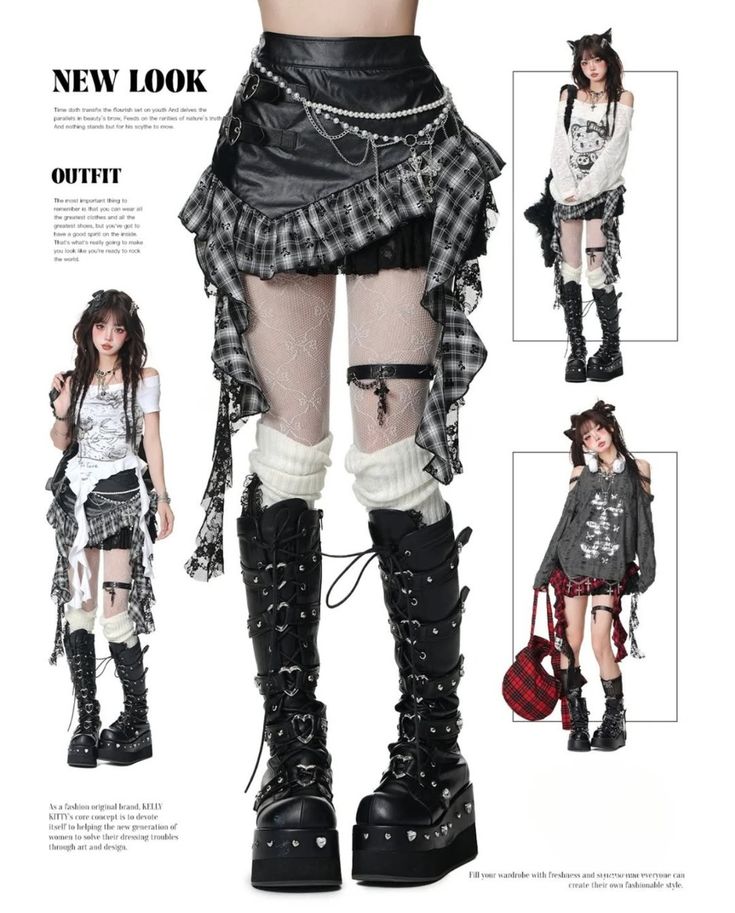
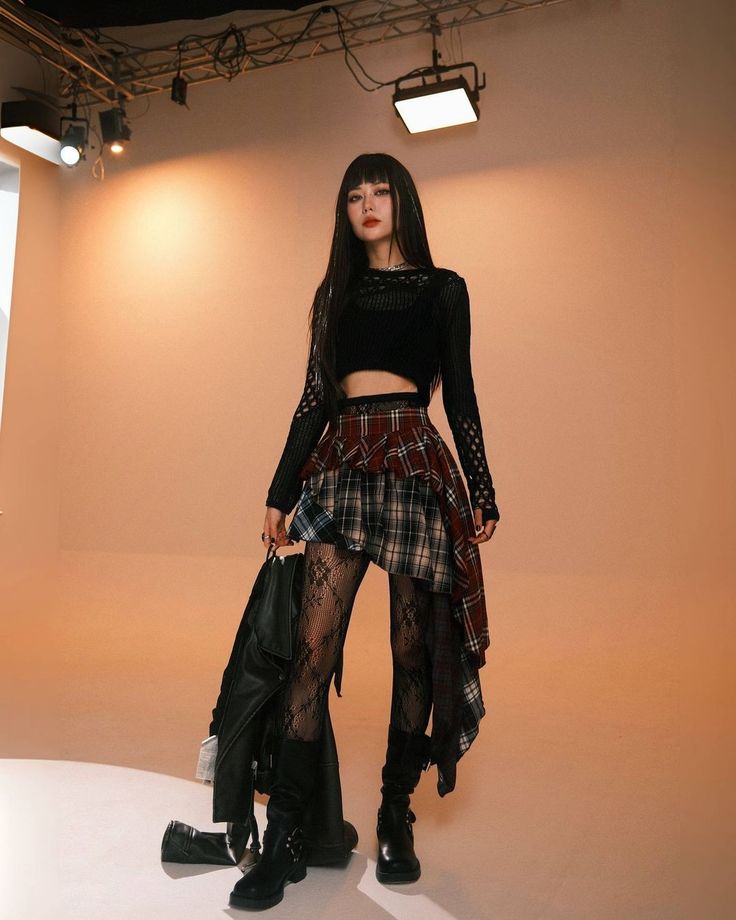
A key part of grunge fashion is combining different fabrics to create contrast. For example, pairing a soft cotton band tee with worn leather pants gives a nice balance between tough and comfy. Ripped denim and flannel shirts work well together because both have a rugged feel but different textures.
Leather, lace, and faded denim are popular choices. Wearing an oversized knit sweater over a slip dress adds variety and keeps the look interesting. The goal is to layer items with different weights and surfaces, such as smooth, fuzzy, and rough, to make the outfit dynamic without looking too planned.
Accessorizing
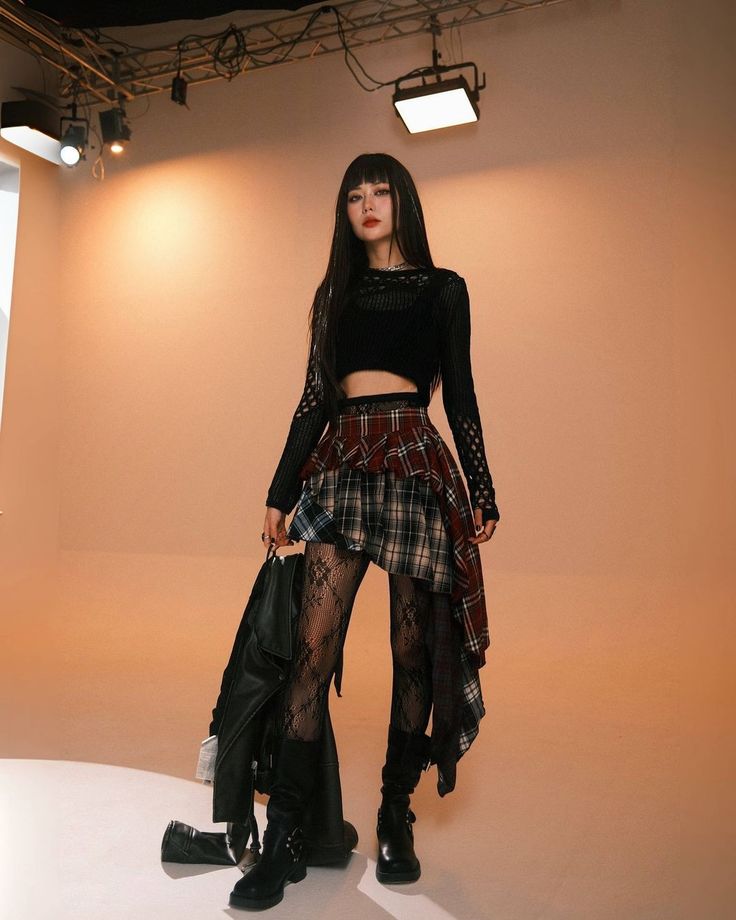
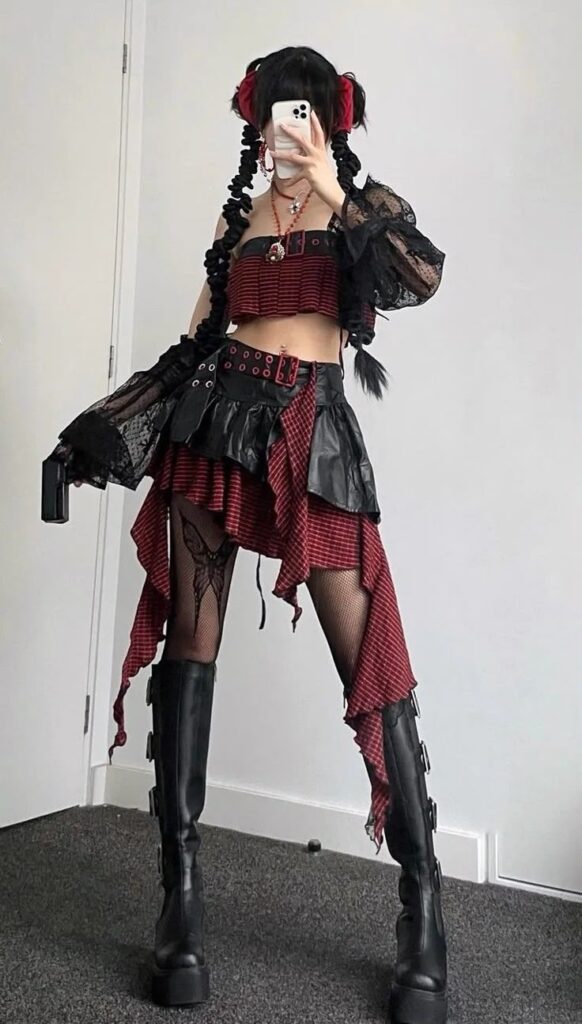
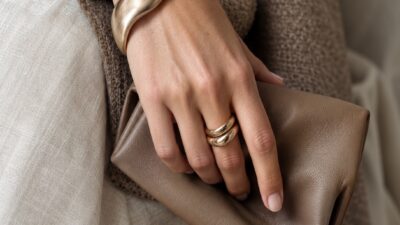
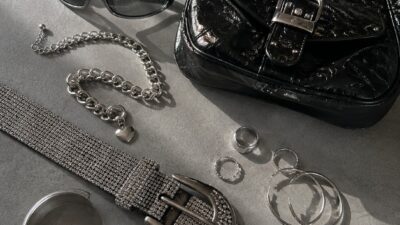
Grunge accessories often include chunky boots, beanies, and layered necklaces. Combat boots are a staple—they add edge and hold up well with ripped jeans or cargo pants. Simple silver or black jewelry fits the style, especially if it looks a bit worn or vintage.
A leather or canvas backpack works better than a polished handbag. Sunglasses with dark lenses and metal frames can also boost the rebellious mood of the outfit. Avoid anything too flashy; grunge favors pieces that look used or even a little beaten up.
Layered Hairstyles
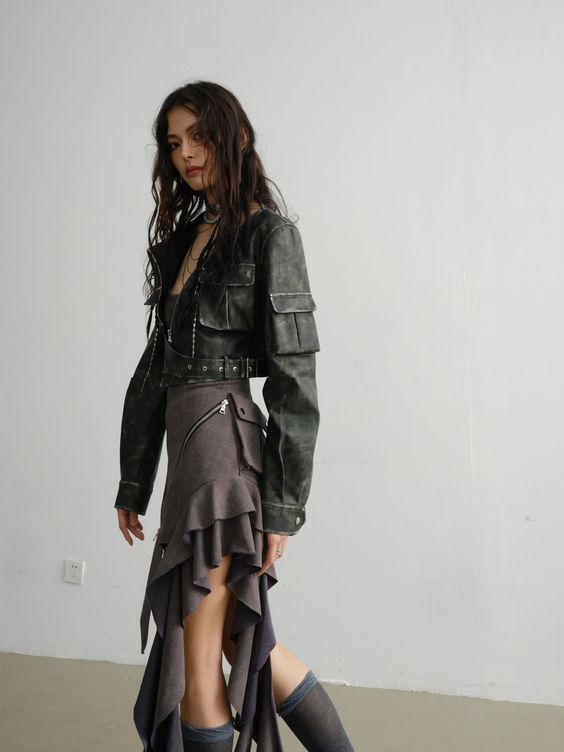
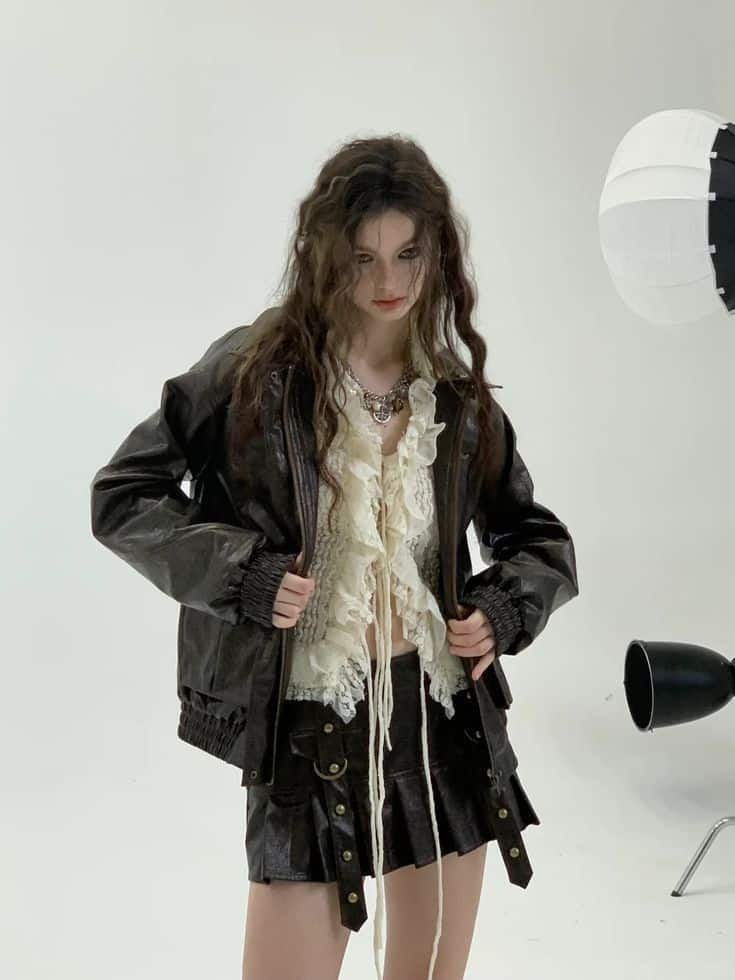
Hair in grunge fashion is usually messy but styled with purpose. Layers are common because they add volume and give hair a fuller, undone look. Shag cuts, curtain bangs, or choppy ends help achieve this naturally cool style.
Many prefer to keep their hair slightly tousled or textured with minimal effort. Using light sea salt spray or a texturizing product can help create movement without stiffness. Hair color tends to be dark or natural tones, but some add bold streaks for an extra edge.
Sustainability and Grunge Fashion
Grunge fashion has a natural connection to sustainability. The style is all about reusing and repurposing clothes. Many fans of grunge prefer thrift stores or vintage shops to find unique pieces. This helps reduce waste and supports a more eco-friendly way to dress.
People interested in sustainable grunge often look for brands that use organic or recycled materials. For example, jeans made from organic cotton are popular choices. Some also focus on clothes made with environmentally friendly methods to lower their impact on the planet.
The classic grunge look includes these staples:
- Oversized flannel shirts
- Distressed jeans
- Combat boots
- Band T-shirts
Many of these items are easy to find secondhand or to upcycle. Wearing pre-loved clothes fits perfectly with the grunge spirit of rebellion against fast fashion and mass production.
Sustainability in grunge isn’t just about fabric choices. It also means keeping the style messy and imperfect. The worn, lived-in vibe of grunge matches well with the idea of caring for clothes over time instead of buying new ones all the time. This mindset encourages longer use and fewer throwaways.
In short, modern grunge works best when it stays close to repair, reuse, and personal styling. The EPA’s sustainable materials management overview is a useful broader reference for why reuse and longer product life matter beyond fashion.
FAQ: what is grunge fashion?
These quick answers cover the practical search questions: what grunge is, what to wear, and how to make the look work now.
What is grunge fashion?
Grunge fashion is a 1990s style rooted in Seattle’s alternative music scene and thrift-store dressing. It uses flannel shirts, band tees, ripped denim, combat boots, oversized layers, and messy textures to create a relaxed, rebellious look.
What are the main pieces in a grunge outfit?
The core pieces are oversized flannel shirts, faded band tees, ripped or loose jeans, combat boots, cardigans, thermal tops, slip dresses, leather jackets, and simple silver or black accessories. You do not need all of them at once; two or three strong pieces are usually enough.
How do you dress grunge without looking like a costume?
Keep one part of the outfit modern. For example, pair a vintage flannel with clean straight-leg jeans, or wear combat boots with a simple slip dress. Avoid copying every 1990s reference at once. The look should feel lived-in, not staged.
Is grunge fashion still popular in 2026?
Yes. Modern grunge keeps returning because it works with thrift shopping, oversized silhouettes, band tees, boots, and gender-fluid styling. The updated version is usually cleaner than the original 1990s look, but it still keeps the rough texture and anti-polished attitude.
What colors work best for grunge style?
Black, charcoal, faded blue, burgundy, forest green, brown, cream, and washed-out red all work well. Grunge colors usually look muted or worn rather than bright and glossy. Plaid is the easiest way to bring several of these tones together.
Can grunge fashion be sustainable?
Yes. Grunge naturally fits secondhand shopping, repair, patching, and rewearing older clothes. Thrifted flannels, worn denim, old boots, and repurposed band tees often look better for grunge than brand-new pieces.
What is the difference between grunge, punk, and goth fashion?
Grunge is looser, thriftier, and more casual. Punk is sharper, more confrontational, and often uses studs, patches, and graphic political details. Goth usually leans darker, more dramatic, and more styled through black clothing, lace, boots, and makeup.
For more outfit directions, browse our vintage outfit ideas, oversized clothing guide, and the full fashion archive.
- 4.2Kshares
- Facebook0
- Pinterest4.2K
- Twitter3
- Reddit0