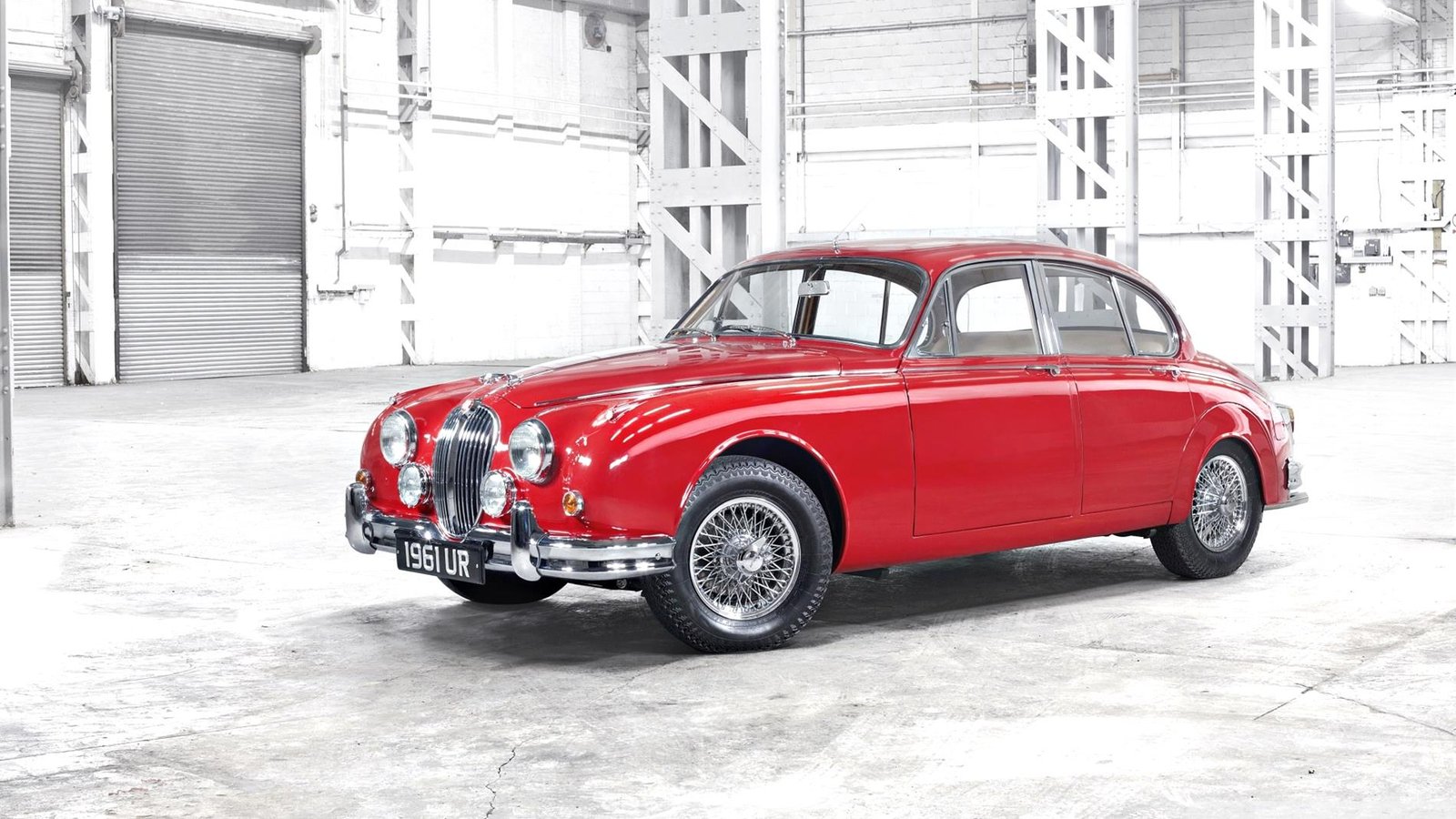
The best vintage cars are not just old cars with nice paint. They are rolling design lessons: long hoods, tight cabins, honest chrome, confident wheel arches, and silhouettes you can recognize before you see a badge.
This post started as a simple vintage car wallpaper gallery. I kept the original images, added four new visual references, and rebuilt the article around what designers and artists actually need: how to look at classic car shapes, what details matter, and which references are useful for sketching, collecting inspiration, or building a stronger automotive mood board.
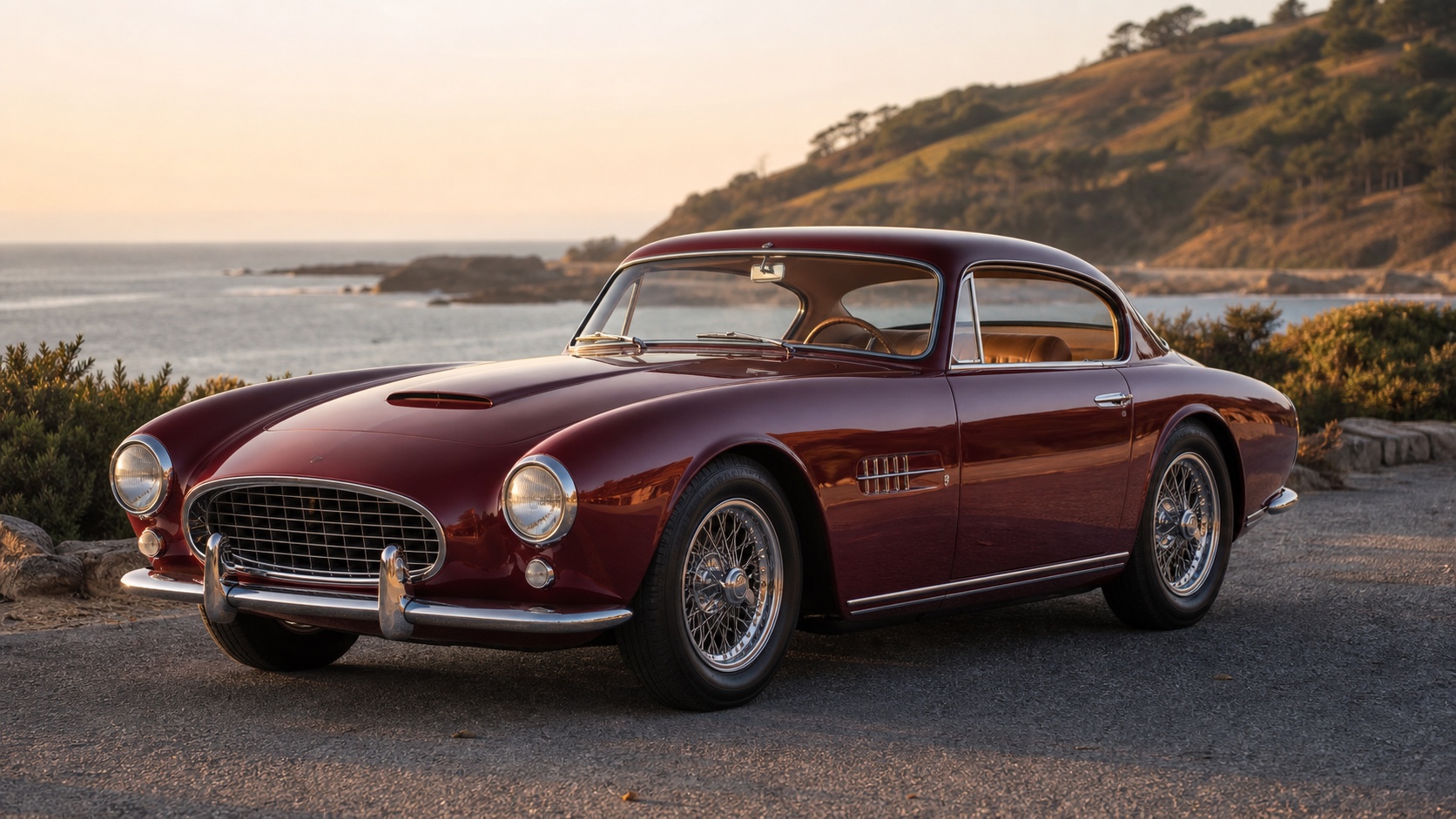
What makes the best vintage cars memorable?
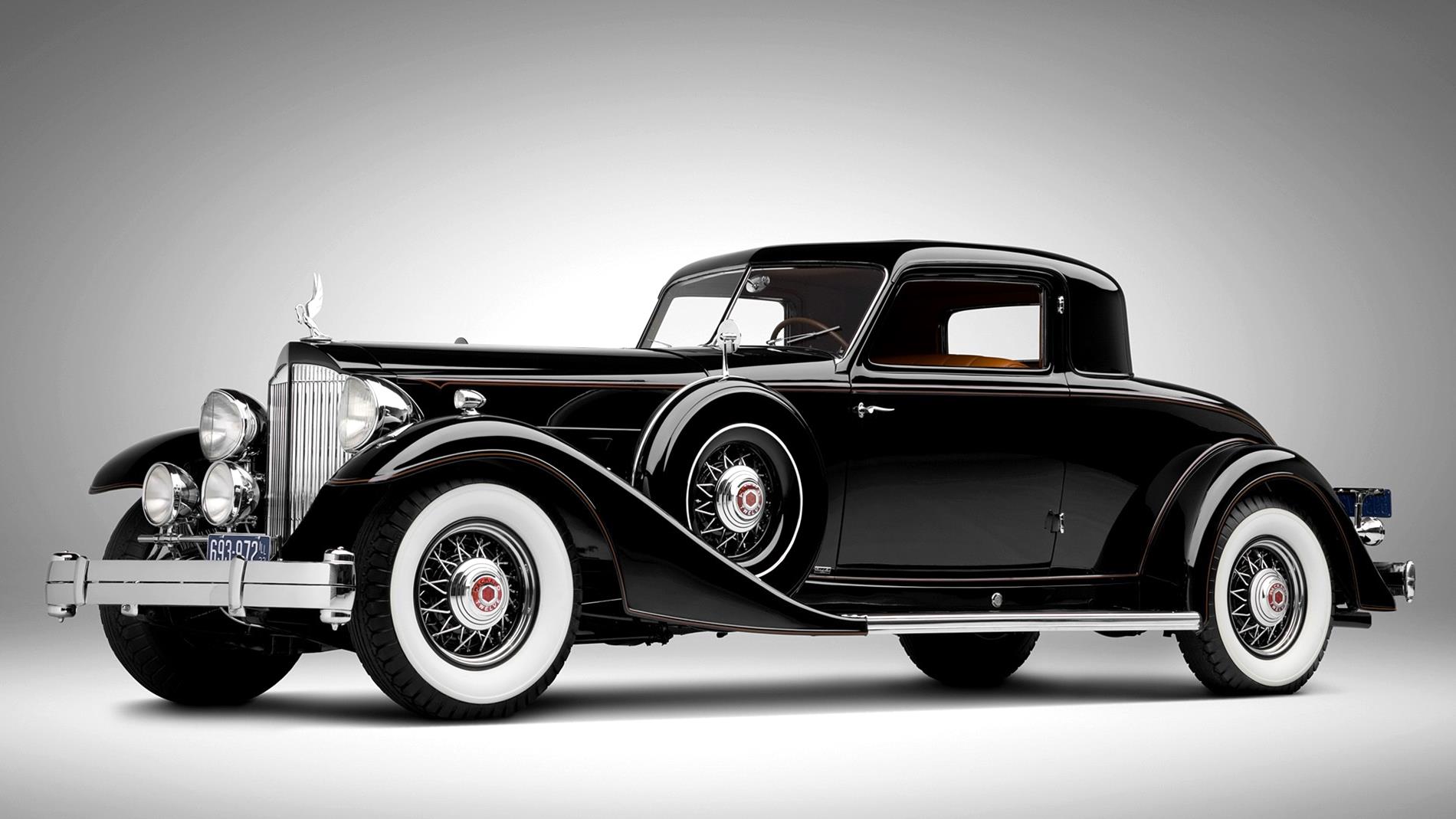
The best vintage cars usually have one clean idea. A roadster might be all about a long hood and exposed wheels. A grand tourer might be about a low roof, wide stance, and a calm shoulder line. When I sketch cars, I check the silhouette first; if the outline is weak, chrome and reflections will not rescue it.
| Design cue | What to look for |
|---|---|
| Silhouette | A profile that reads clearly in one dark shape. |
| Wheel placement | Wheels pushed far enough apart to give the car confidence. |
| Hood and cabin ratio | Long hood, compact cabin, or a deliberate upright vintage stance. |
| Grille and headlights | A recognizable face without too much visual clutter. |
| Chrome and trim | Details that follow the body, not random decoration. |
| Interior texture | Leather, wood, metal, and analog gauges that support the era. |
Vintage car design details worth studying
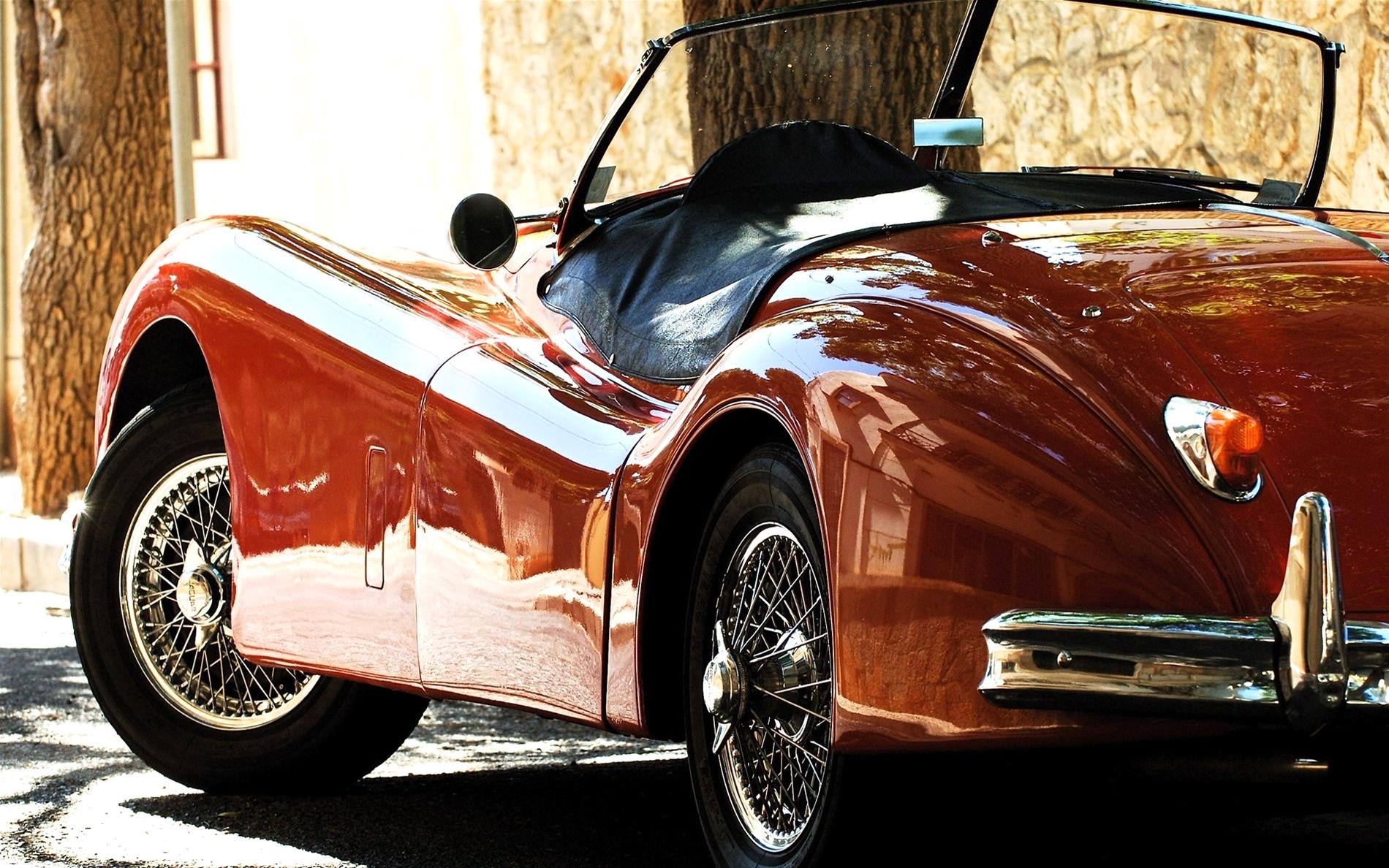
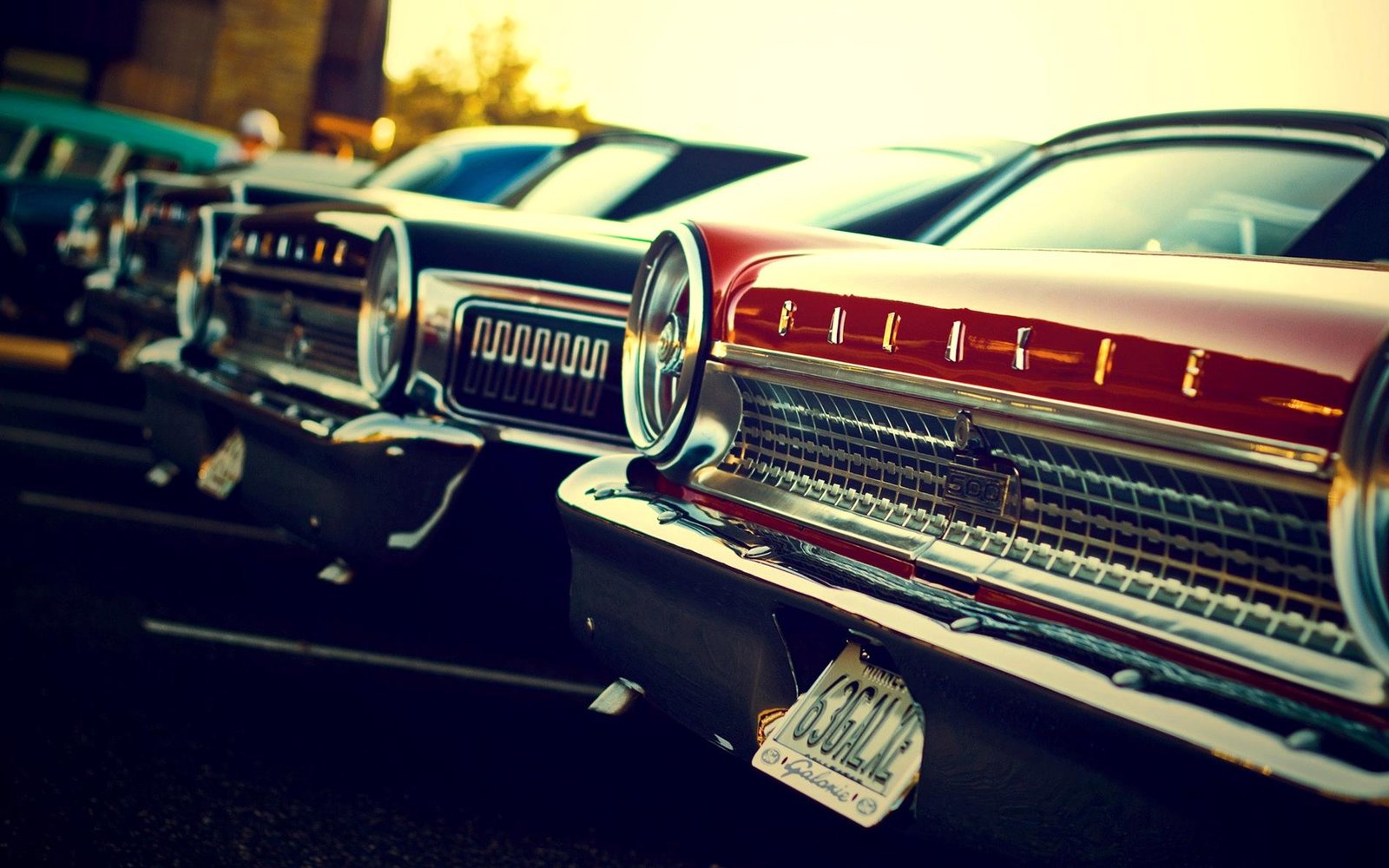
Vintage car design rewards slow looking. Notice where the body is almost plain, then where the designer allows a strong accent: a grille edge, a fender peak, a beltline, a chrome strip, or a wire wheel. That contrast between quiet surface and sharp detail is what makes many old cars feel expensive even when the shape is simple.
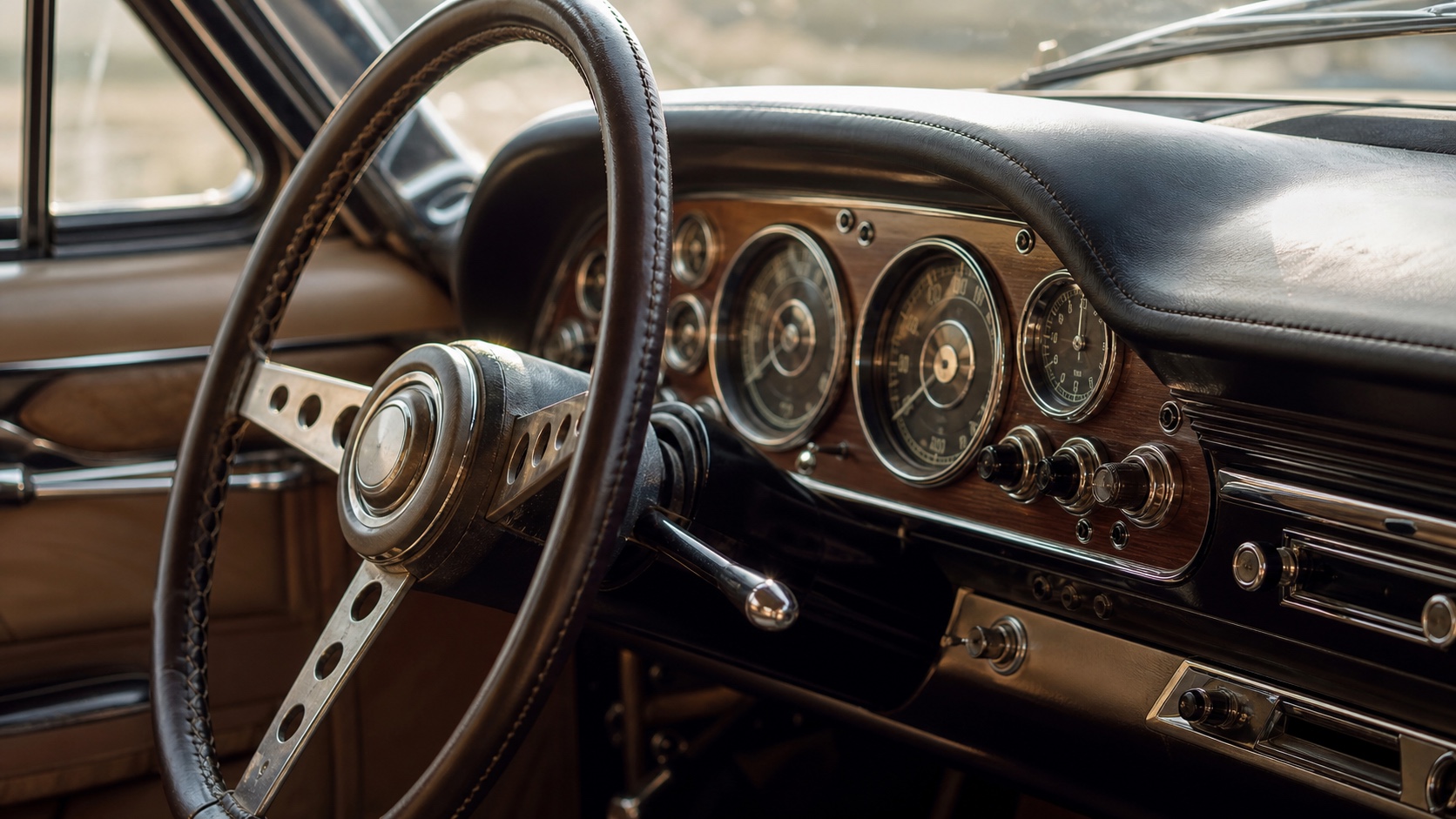
For more design context, compare this gallery with automotive design evolution, vintage car drawing techniques, car drawing ideas, car interior drawing, beautiful car design examples. Those pages help connect the visual gallery here to drawing, automotive form, and interior design decisions.
30 vintage car images for shape, stance, and mood
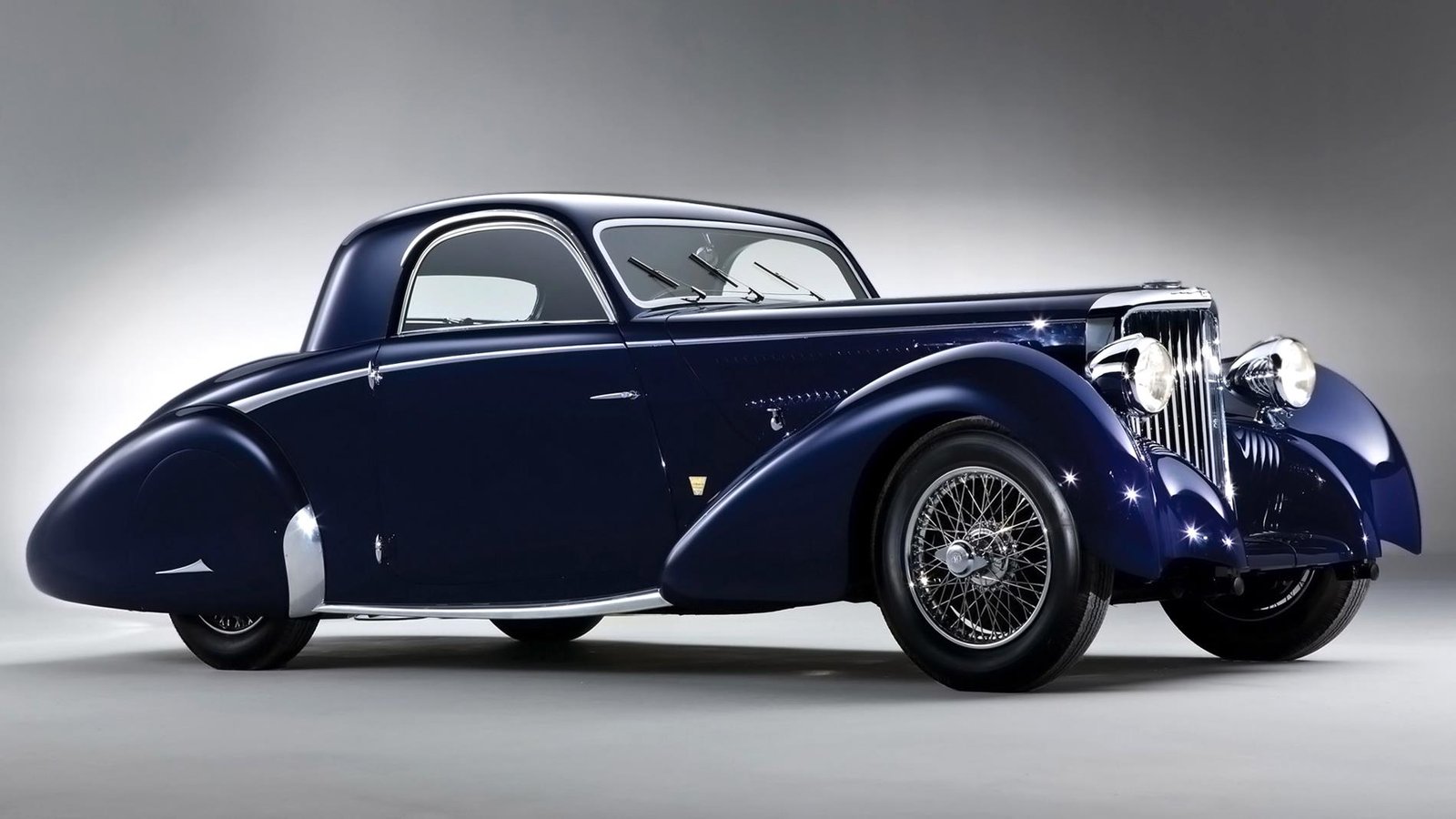
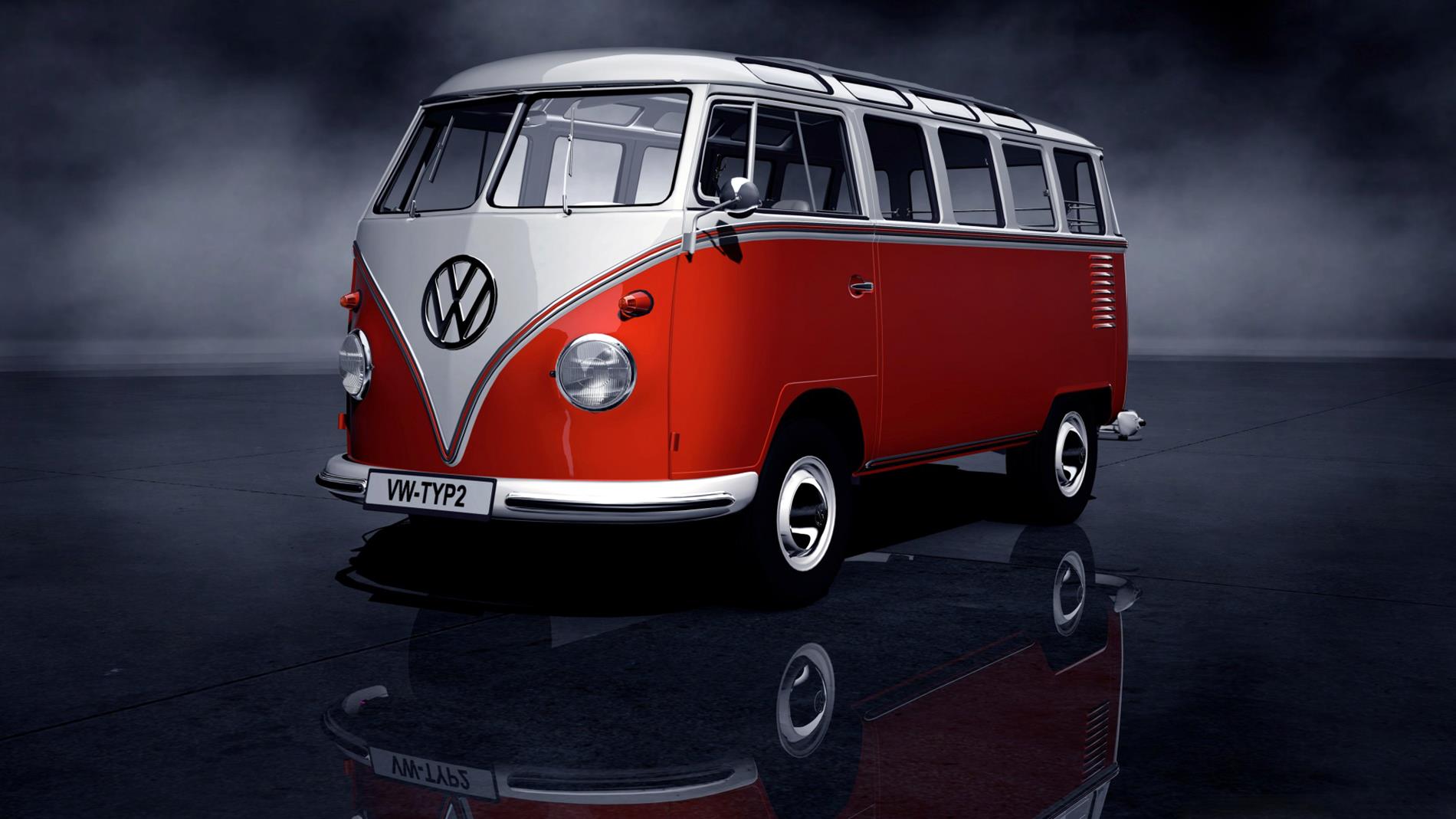
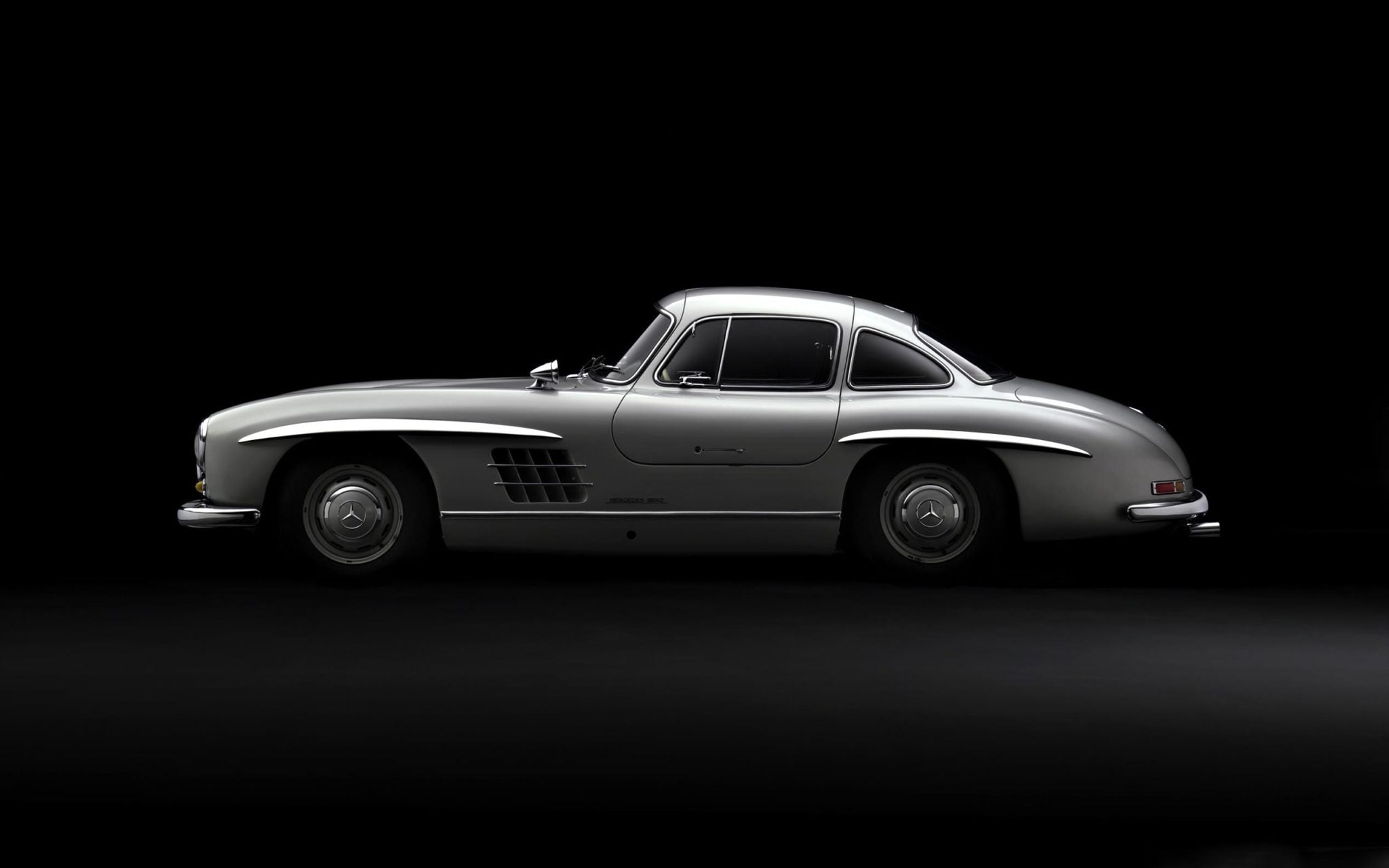
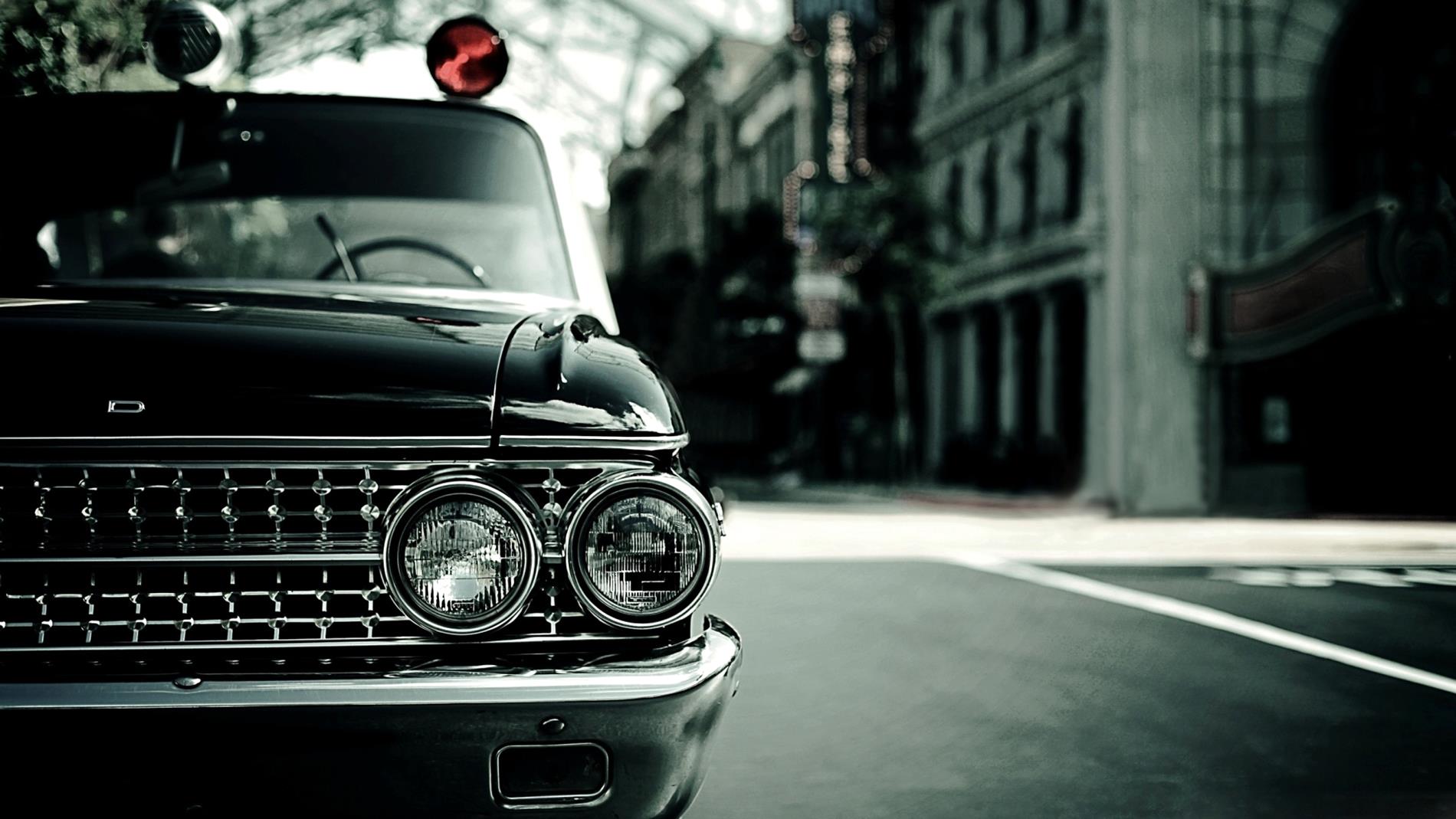
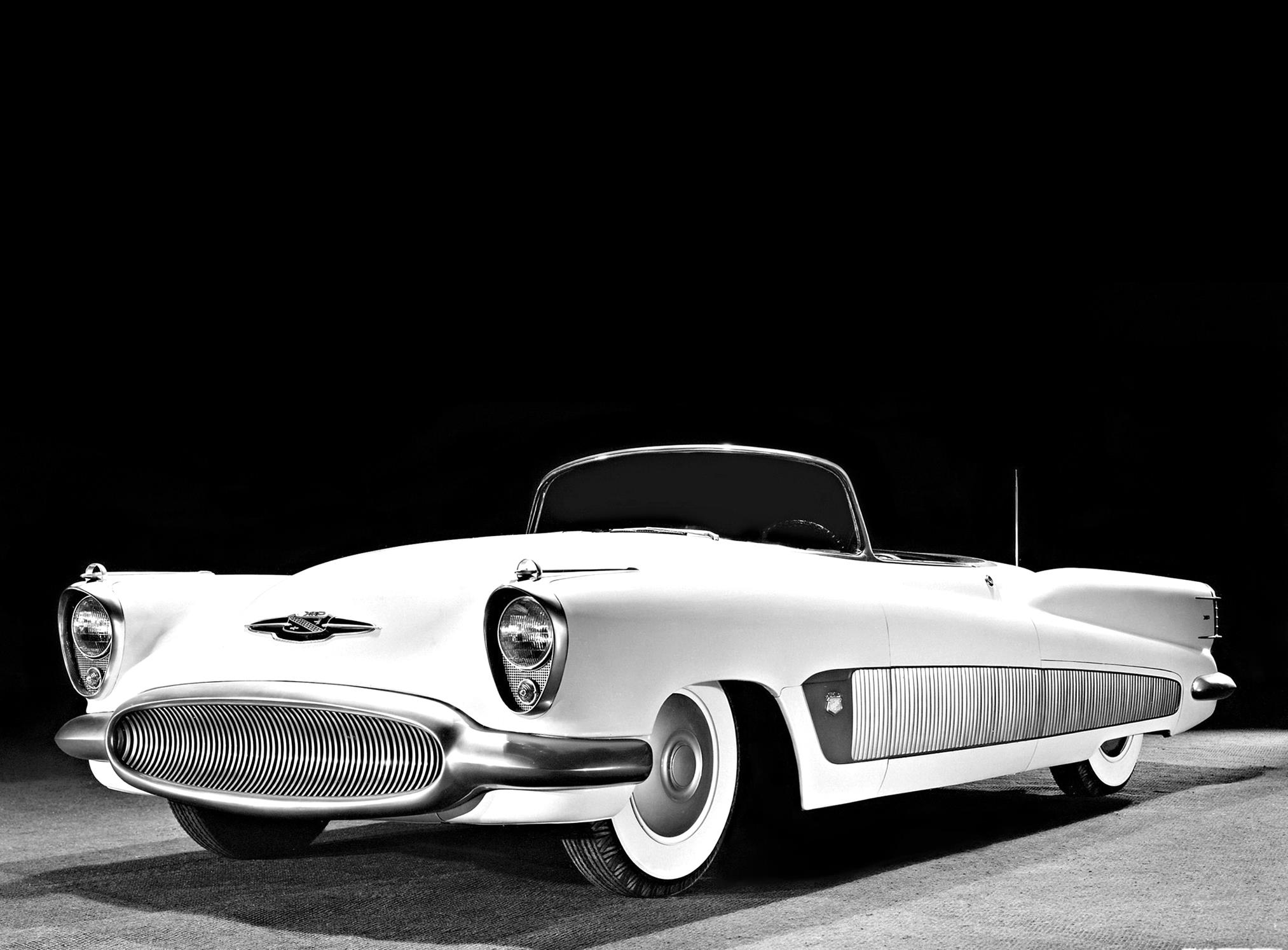
Use the original gallery below as a reference wall. Do not try to study all 30 at once. Pick three: one with the best side profile, one with the strongest front view, and one with the most interesting interior or trim. That is enough for one serious sketching session.




How to use these classic car references
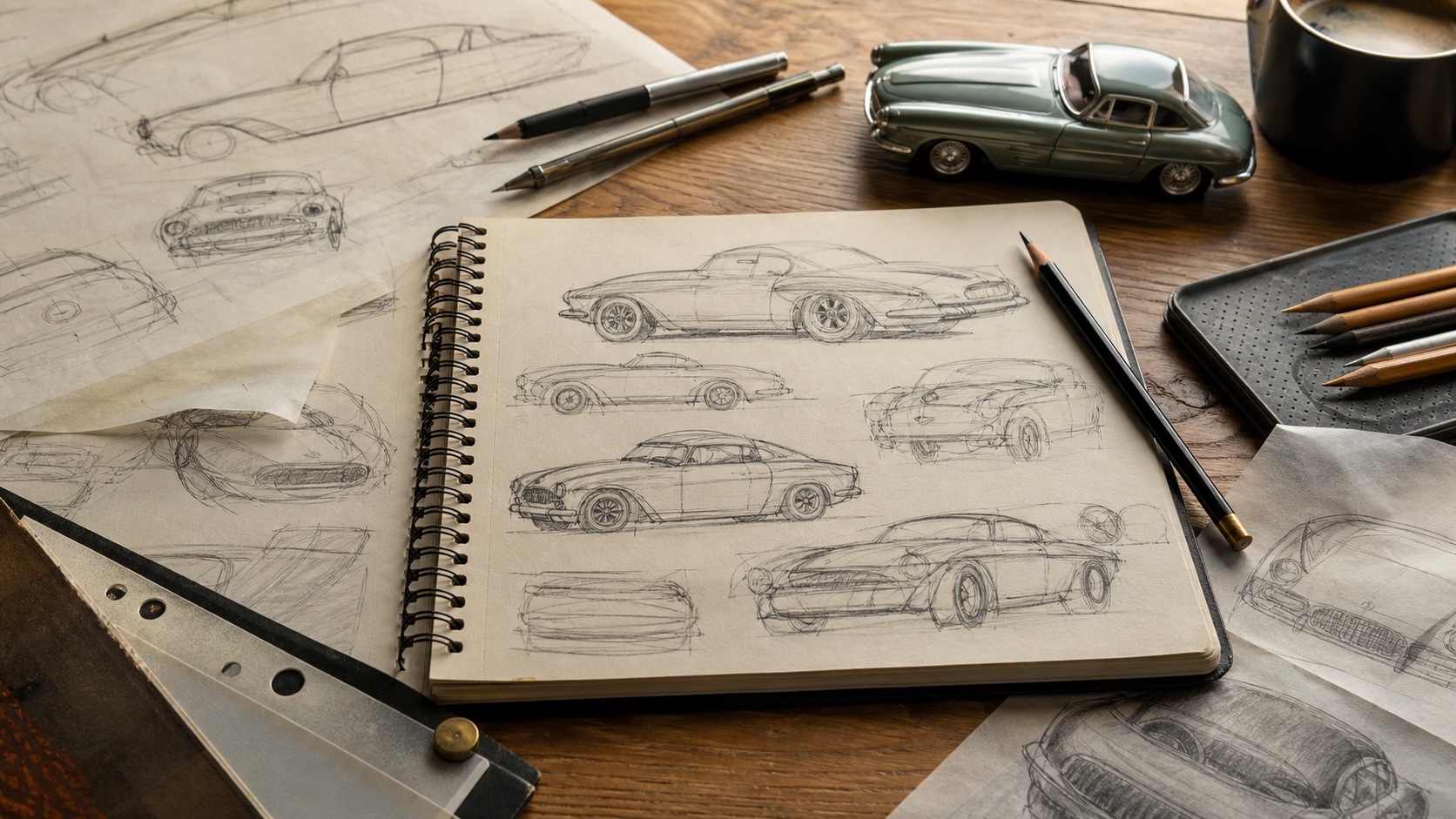
If you are drawing from these images, block in the wheels and roofline before touching headlights or reflections. For design research, sort the images by body type: coupe, roadster, sedan, grand tourer, muscle car, and race-inspired shape. Patterns appear quickly once you stop looking at them as random pretty cars.
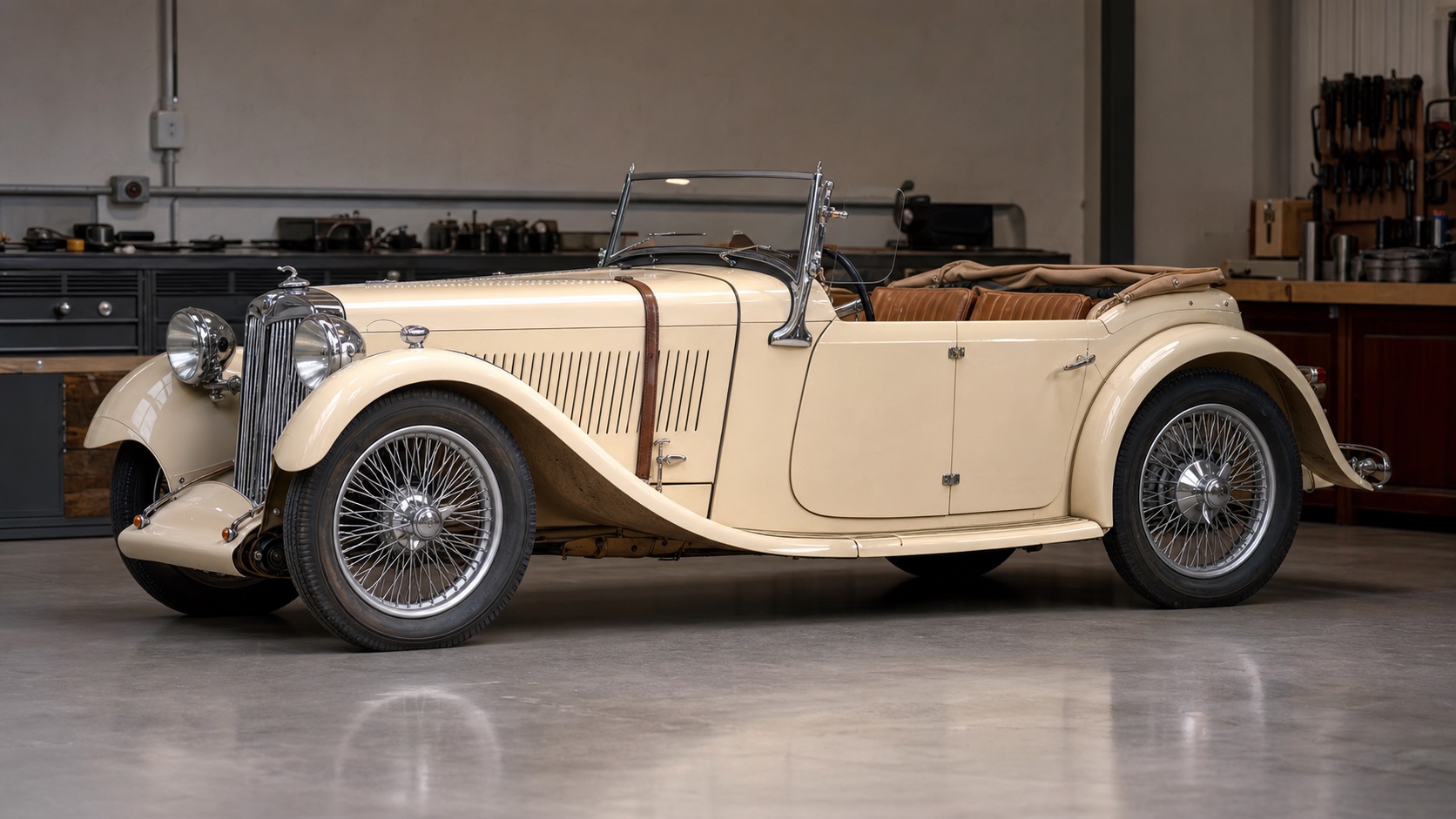
- For sketching, draw the side silhouette first and ignore reflections until the proportions work.
- For mood boards, group cars by color, stance, and surface treatment instead of brand name.
- For automotive design study, compare the hood length, cabin position, and wheelbase.
- For wallpapers, choose images with clean negative space and a strong light direction.
- For restoration inspiration, study trim alignment, interior material, and how chrome meets paint.







Vintage cars, classic cars, and retro car inspiration
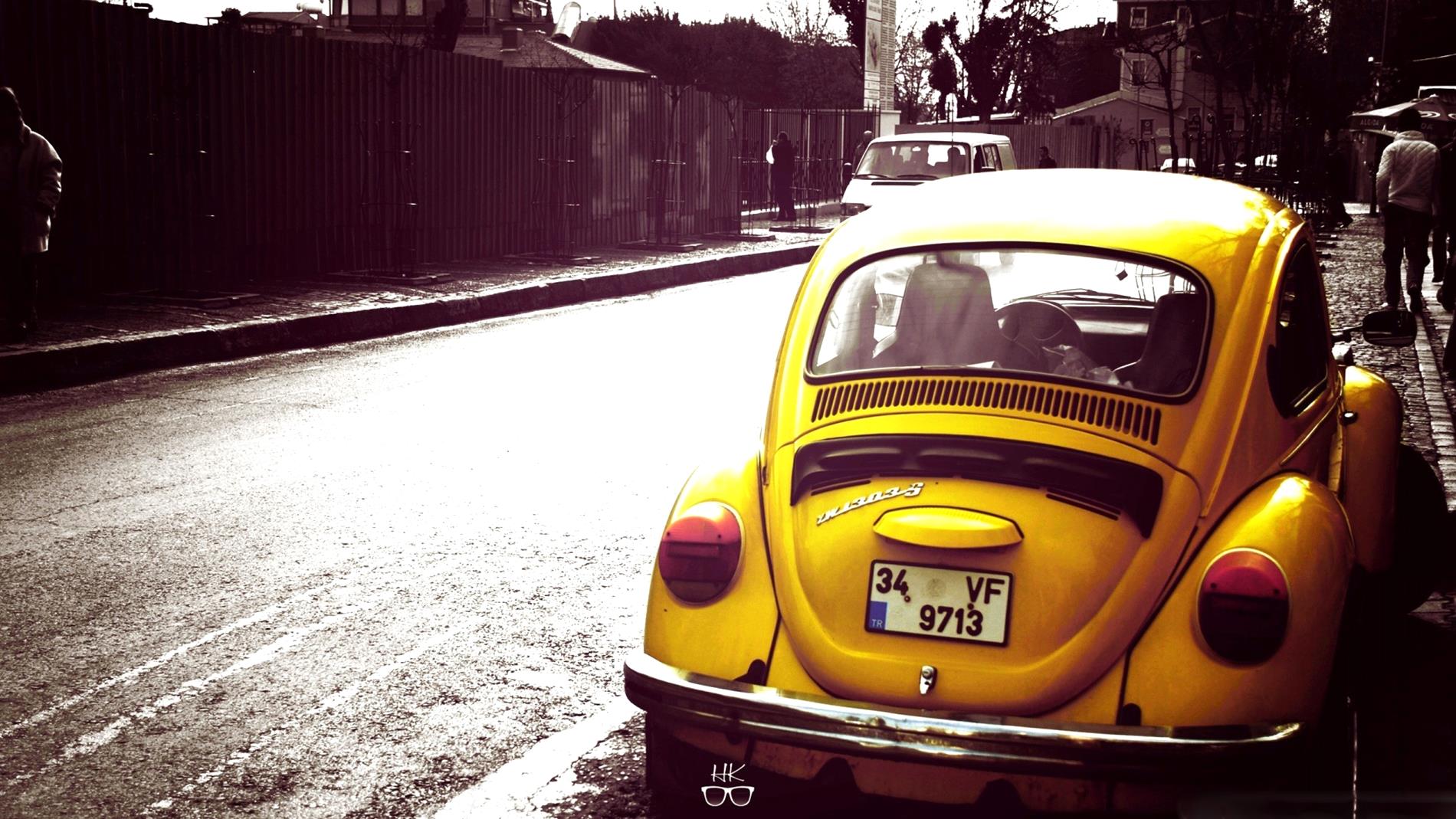
Search data is split between “vintage cars,” “classic cars,” “best vintage cars,” and “retro cars.” I would not force all of those into every paragraph. They are close cousins, but they carry slightly different intent: vintage feels older and more romantic, classic feels collector-focused, and retro often leans toward style, wallpapers, and modern nostalgia.
For further practice, continue with sports cars to sketch, how to draw cars, car wallpaper iPhone ideas, DeLorean DMC-12 design history, Aston Martin drawing guide. These links sit here because this is where a reader has already moved from browsing images into studying form and sketching decisions.


Vintage car resources and references
For deeper research beyond this gallery, useful external starting points include National Automobile Museum, National Motor Museum, Classic & Sports Car, Autoweek classic cars, Car Body Design, Conceptcarz classic car database, Revs Institute, The Henry Ford digital collections. Use them for museum context, classic car features, collector background, and broader automotive design reference.
Best vintage cars FAQ
Q: What are the best vintage cars to study for design?
A: The best vintage cars to study are the ones with clear proportions: a strong hood-to-cabin ratio, clean wheel placement, memorable grille shape, and a body line that still reads from a distance. Start with coupes, roadsters, grand tourers, and early sports cars before chasing obscure details.
Q: What makes a vintage car different from a classic car?
A: People use the words loosely, but vintage usually points to older period cars, while classic often means a car with lasting collector or design value. For a design article, the useful question is simpler: does the car still teach you something about proportion, surface, stance, or detail?
Q: Why do vintage cars look so elegant?
A: Many vintage cars look elegant because the mechanical layout created long hoods, compact cabins, visible wheels, and honest chrome details. Designers also worked with fewer fake vents and less visual noise, so the silhouette had to carry more of the personality.
Q: Are vintage cars good references for drawing?
A: Yes. Vintage cars are excellent drawing references because their shapes are easier to read than many modern cars. You can practice ellipses, wheel arches, long perspective lines, chrome reflections, and simple shadow masses without getting buried in tiny aerodynamic cuts.
Q: Which vintage car details should beginners notice first?
A: Beginners should look first at the wheelbase, roofline, grille, headlight placement, and beltline. Those five details explain most of the car before you draw trim, spokes, mirrors, badges, or interior texture.
Q: Should I buy a vintage car based only on looks?
A: No. Looks matter, but condition, parts availability, rust, documentation, storage, and maintenance cost matter more. This post is a visual design guide, not a buying inspection checklist, so use it for inspiration and research before speaking with marque specialists or mechanics.
Conclusion
The strongest vintage cars stay memorable because their big decisions are clear. Study the profile, wheel placement, cabin shape, grille, and trim before you worry about badges or model trivia. That is where the real design lesson sits.
If you are using this page as a drawing reference, choose one car and sketch it three ways: side silhouette, front face, and one detail crop. That small exercise will teach more than passively scrolling through the whole gallery.
- 4.8Kshares
- Facebook0
- Pinterest4.8K
- Twitter0
- Reddit0