Chicano art style is built on identity, resistance, barrio life, Mexican American history, and a bold black-and-gray visual language. You see it in murals, lowrider culture, tattoo flash, roses, sacred symbols, theater masks, portraits, and script lettering with smooth graphite shading.
- Chicano art style: quick definition
- Chicano art style origins
- Civil rights and the Chicano art movement
- Chicano art characteristics: line, symbols, and mural influence
- Chicano art symbols and themes
- Chicano artists and collections to study
- Carlos Almaraz
- Asco
- Chicano Art: Resistance and Affirmation
- Collections
- Chicano art in film, photography, and tattoo culture
- Film
- Photography
- Chicano art movement, protest, and community voice
- Protest Art
- Union Art
- Chicano art today: respect, criticism, and community
- How to draw in a Chicano-inspired style respectfully
- Related drawing and tattoo references
- Frequently asked questions about Chicano art
- Sources and further reading
- Final takeaways on Chicano art style
This guide breaks the style down as a drawing and design language: where it came from, which symbols matter, how the line work behaves, and how to use Chicano-inspired references respectfully without flattening the culture into decoration.
Chicano art style: quick definition
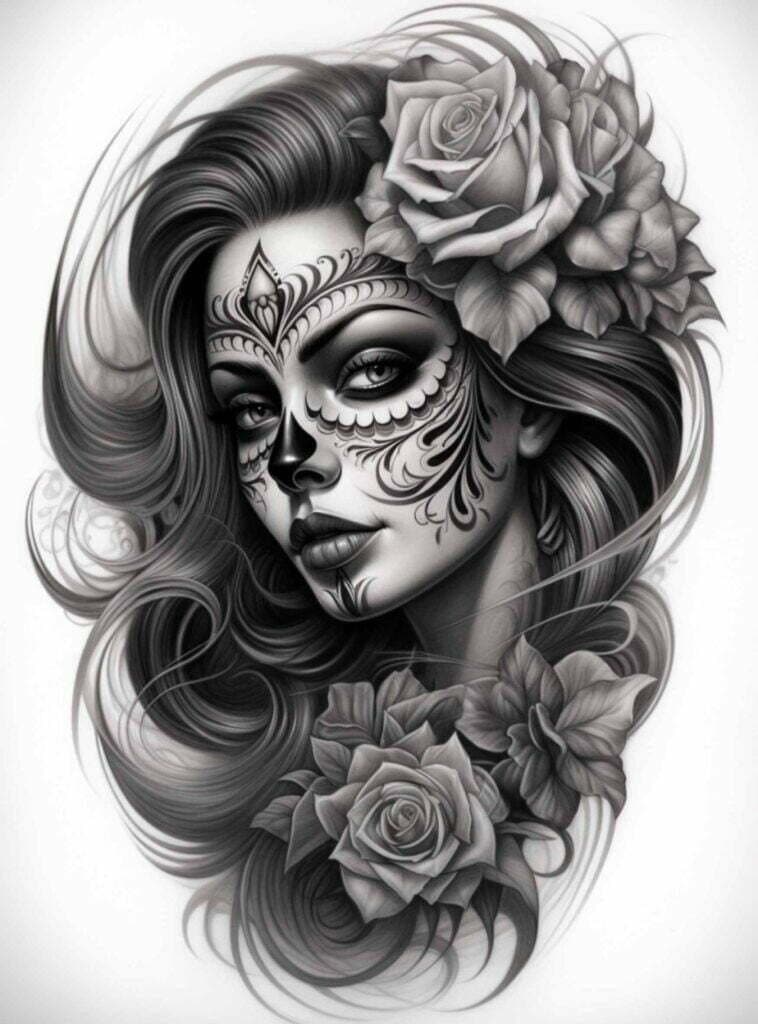
Chicano art style is a Mexican American visual tradition that grew from civil rights activism, community murals, handmade posters, tattoo culture, and street-level storytelling. Its strongest visual signals are dramatic black-and-gray shading, expressive portraits, roses, religious imagery, lowriders, script lettering, masks, skulls, and symbols of family, memory, faith, pride, and resistance.
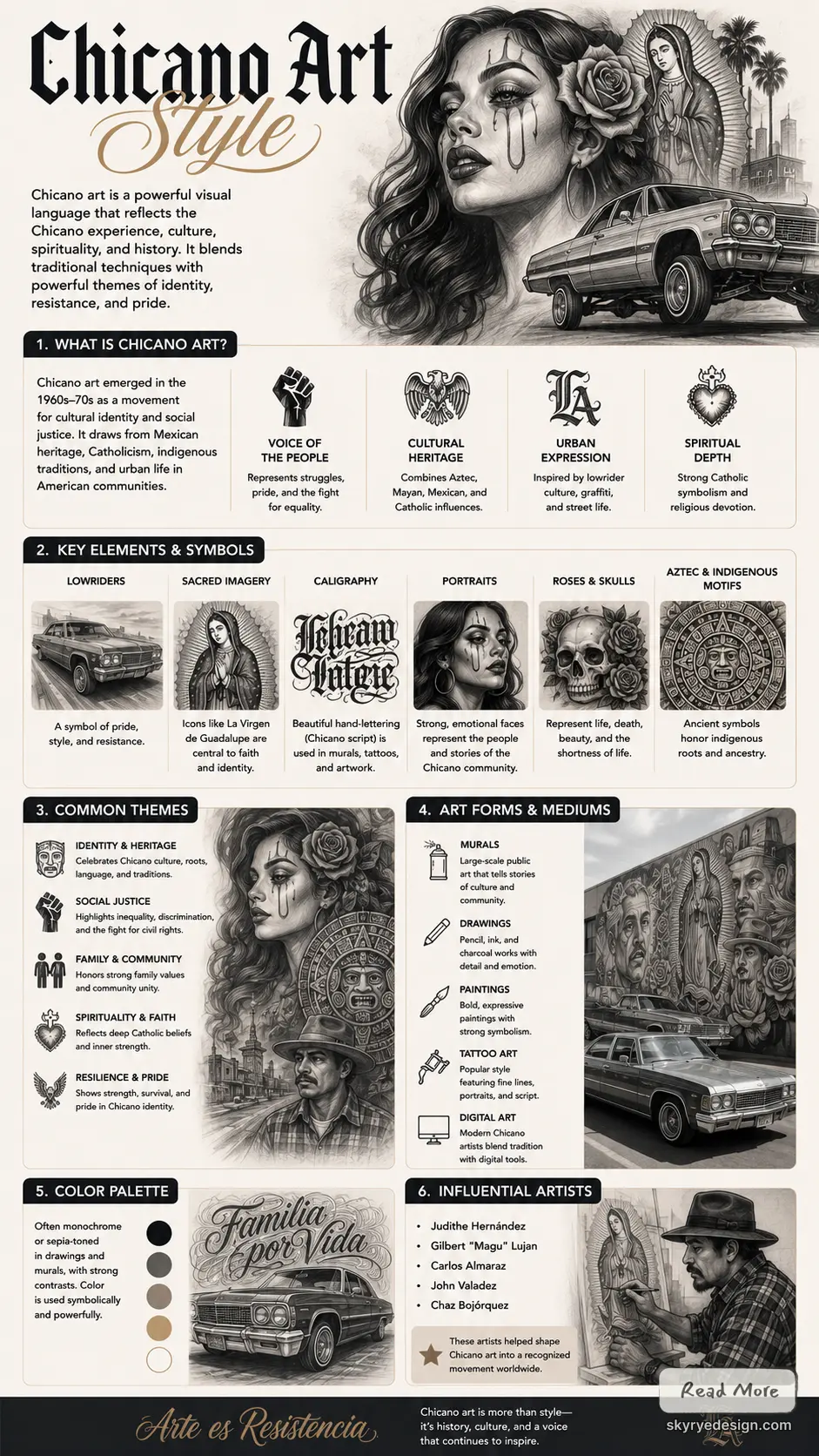
| Best keyword fit | Chicano art style, Chicano art, Chicano artwork, Chicano style drawings |
| Visual language | Black-and-gray contrast, fine outlines, smooth shading, script lettering, roses, portraits, murals, tattoo references |
| Main search intent | Understand the history, recognize the symbols, and collect respectful drawing ideas |


In plain terms, Chicano art is Mexican American visual storytelling. It can be a public mural, a protest poster, a fine-art print, a graphite drawing, or a black-and-gray tattoo design. The style usually works best when the image has a clear center of gravity: a face, a phrase, a car, a rose, a sacred figure, or a community scene that tells the viewer where to look first.
Key Takeaways
- Chicano art grew with the Chicano Movement and gave Mexican American communities a public visual language.
- The style often uses murals, portraits, script lettering, roses, religious imagery, lowriders, and black-and-gray value work.
- For drawing reference, start with silhouette, value structure, and symbol choice before adding small decorative details.
| Part | What to look for |
|---|---|
| Origin | Mexican American civil rights culture, especially the Chicano Movement of the 1960s and 1970s. |
| Common visuals | Murals, portraits, roses, script lettering, religious imagery, lowriders, barrio scenes, and protest graphics. |
| Drawing cues | Strong silhouette first, then controlled black-and-gray values, clean line weight, and symbols that support the story. |
| Related searches | Chicano art history, Chicano drawings, Chicano murals, Chicano tattoo art, rasquachismo, Mexican American art. |
Chicano art style origins


Chicano art became visible in the United States during the 1960s and 1970s, when Mexican American artists used murals, prints, posters, and performance to answer discrimination with public images. The work was not only gallery art. It was community memory, political pressure, and cultural pride made visible on walls, paper, cars, and clothing.
Chicano Movement
The Chicano movement was a social and political movement that emerged in the 1960s. It was a response to the discrimination and marginalization faced by Mexican-Americans in the United States. The movement sought to promote the rights and interests of Chicano people and to challenge the negative stereotypes that were often associated with them.
Vietnam War
The Vietnam War was a major event that had a significant impact on Chicano art. Many Chicano artists were opposed to the war and used their art to express their opposition. They created powerful images that depicted the horrors of war and the impact that it had on the people of Vietnam.
Civil rights and the Chicano art movement
The civil rights movement was another major event that had a significant impact on Chicano art. The movement sought to promote equality and justice for all people, regardless of race or ethnicity. Chicano artists were inspired by the ideals of the civil rights movement and used their art to promote these ideals.
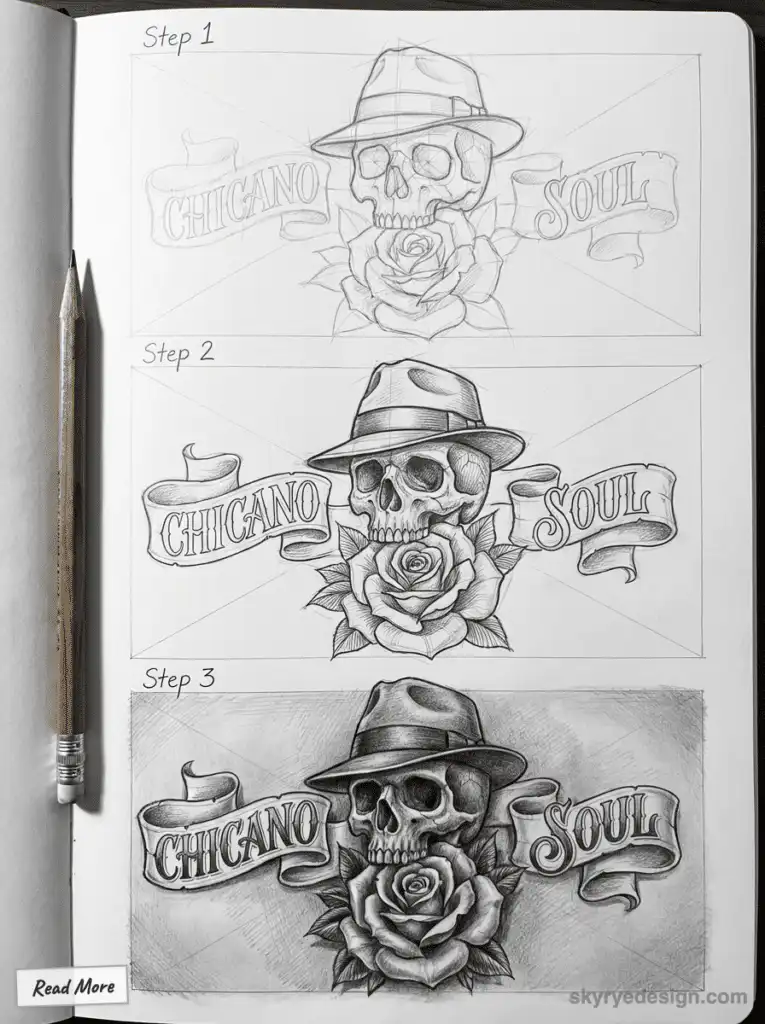
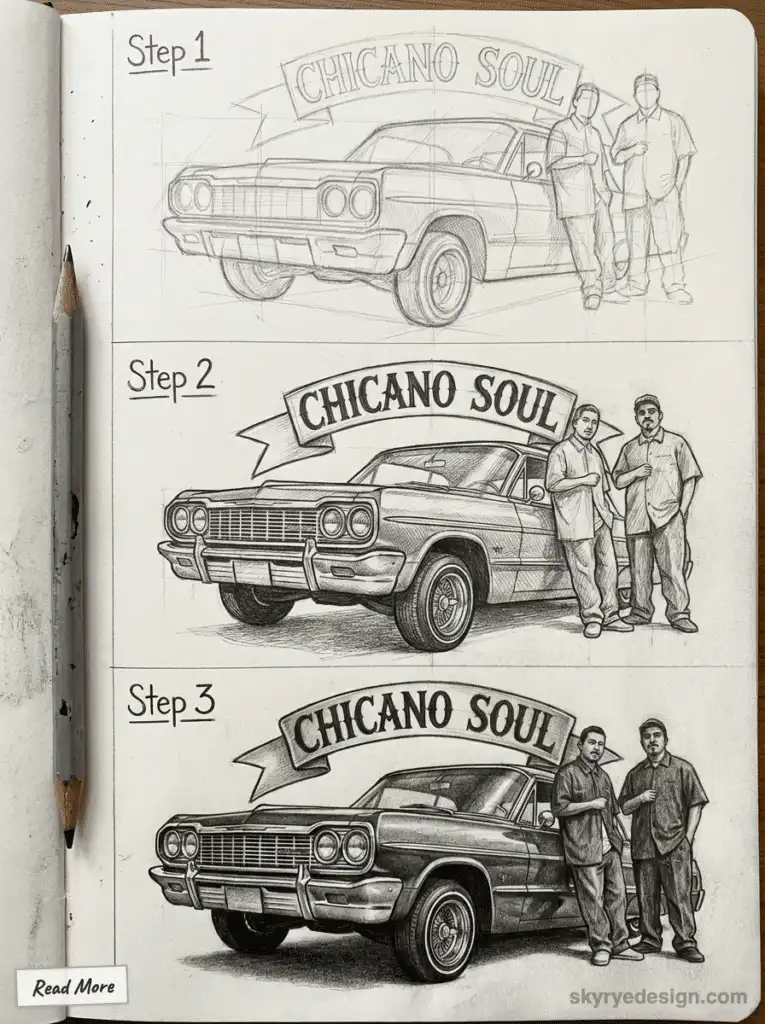
Chicano art reflects the experiences of Mexican-Americans and Chicano people in the Americas. It often depicts the struggles and challenges faced by these communities, as well as their rich cultural heritage. Chicano art is a unique and powerful form of art that continues to inspire and challenge people today.
Chicano art characteristics: line, symbols, and mural influence
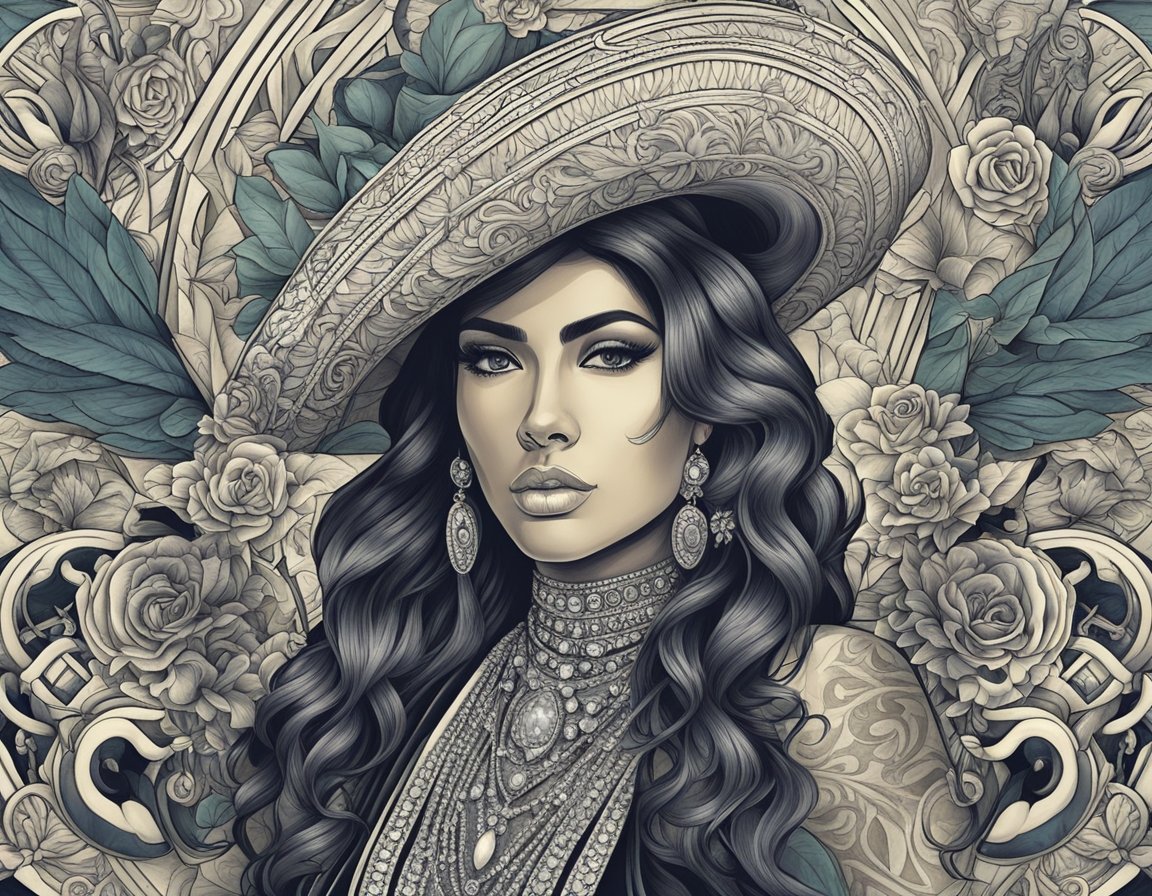


The Chicano art style pulls from Mexican muralism, pre-Columbian design, Catholic imagery, street lettering, rasquachismo, and everyday Mexican American life. Visually, that can mean saturated mural color, but it can also mean tight black-and-gray graphite work, fine-line tattoo shading, or hand-lettered phrases with a strong rhythm.
Mexican Muralism
Mexican muralism played a significant role in shaping Chicano art. This art form originated in Mexico after the Mexican Revolution and was used as a tool for social and political commentary. Mexican muralists such as Diego Rivera, David Alfaro Siqueiros, and José Clemente Orozco were major influences on Chicano artists. They introduced the use of large-scale murals to convey messages about social justice, political issues, and cultural identity.
Pre-Columbian Art
Pre-Columbian art also had a significant impact on Chicano art. This art form refers to the art produced by the indigenous peoples of the Americas before the arrival of Christopher Columbus. Chicano artists drew inspiration from the intricate designs and motifs found in pre-Columbian art, and incorporated them into their own work. This helped to create a unique visual language that reflected the cultural heritage of Mexican Americans.
Rasquachismo
Rasquachismo is a term used to describe the resourcefulness and ingenuity of Chicano artists. It refers to the ability to create art using whatever materials are available, often resulting in a unique and unconventional aesthetic. Chicano artists embraced this approach and used it to create art that reflected their experiences living in marginalized communities. This sensibility is evident in the use of found objects, recycled materials, and unconventional techniques in Chicano art.
A good way to recognize the style is to separate decoration from structure. Roses, halos, masks, script, and lowriders are common details, but the real strength usually comes from the value pattern, the face or figure, and the story behind the symbol.
Chicano art symbols and themes


Political Struggle
Political struggle is a key theme in Chicano art. Chicano artists often depict social and civil issues of the 20th century, including communal land grants, immigration, and labor rights, among others. Chicano art is a reflection of the political struggles that Mexican Americans have faced, and continues to face, in the United States.
Identity and Representation
Chicano artists aimed to form their own collective identity in the art world, an identity that promoted pride, affirmation, and a rejection of racial stereotypes. Chicano art is a form of representation that aims to showcase the complexity of Chicano identity. Chicano artists use their art to challenge the dominant narrative of what it means to be Mexican American.
Community and Solidarity
Chicano art is also a reflection of the strong sense of community and solidarity that exists among Mexican Americans. Chicano artists often depict the struggles and triumphs of their communities, and use their art to bring attention to social issues affecting their communities. Chicano art is a form of ethnic solidarity that aims to empower Mexican Americans and create a sense of belonging.


In conclusion, Chicano art is a reflection of the political struggles, complex identity, and collective identity of Mexican Americans. Chicano artists use their art to challenge the dominant narrative of what it means to be Mexican American, and to showcase the diversity and complexity of Chicano identity. Chicano art is a form of representation that aims to empower Mexican Americans and create a sense of belonging.
Chicano artists and collections to study
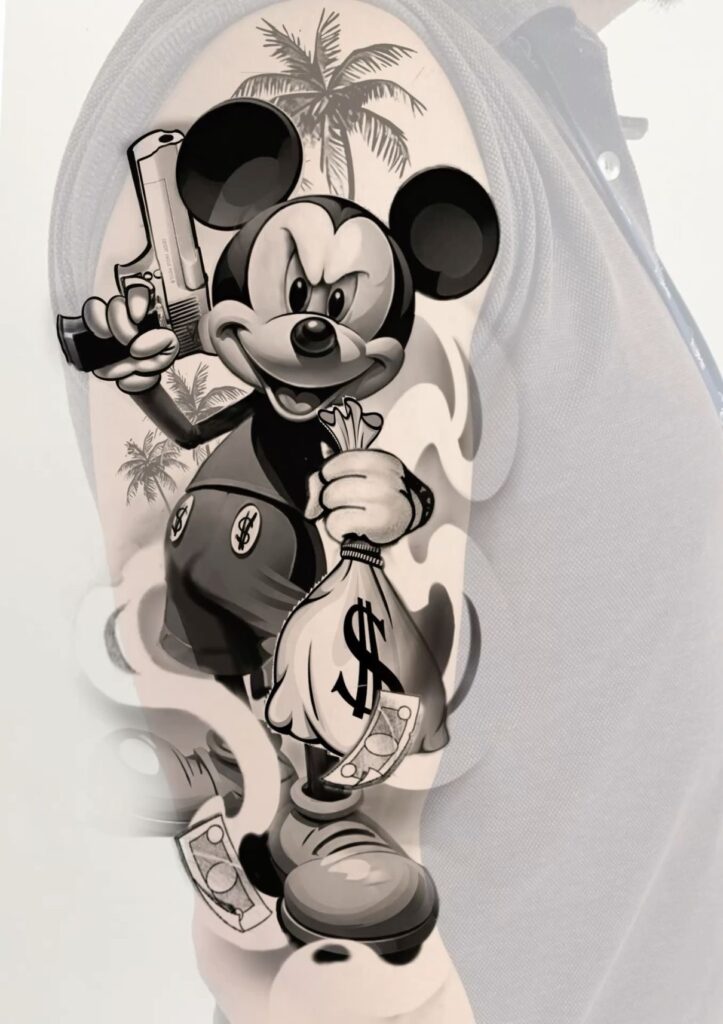
Carlos Almaraz
Carlos Almaraz was one of the founders of the local art collective Los Four. He brought Chicana and Chicano art to the attention of the mainstream LA art community in the 1970s. Almaraz was born in Mexico City but raised in LA. He studied at UCLA and Otis College of Art and Design. Besides his iconic pastels, paintings, and murals, he was also known for his political activism. His works often depicted the struggles and triumphs of the Chicano community. His art was heavily influenced by Mexican muralists such as Diego Rivera and David Alfaro Siqueiros. Almaraz’s works can be found in private collections, galleries, and museums throughout the United States.
Asco
Asco was a Chicano art collective that emerged in the 1970s in East Los Angeles. The group consisted of artists Willie Herrón III, Gronk, Harry Gamboa Jr., and Patssi Valdez. Their works were characterized by their use of performance art, graffiti, and photography. Asco’s art was often political, addressing issues such as police brutality, racism, and the marginalization of the Chicano community. Their works can be found in the collections of the Los Angeles County Museum of Art, the Smithsonian American Art Museum, and the Whitney Museum of American Art.
Chicano Art: Resistance and Affirmation
Chicano Art: Resistance and Affirmation was a groundbreaking exhibition that took place at the Los Angeles County Museum of Art in 1990. The exhibition showcased the works of over 80 Chicano artists from the United States and Mexico. The exhibition aimed to establish Chicano art as a legitimate art movement and to promote pride, affirmation, and a rejection of racial stereotypes. The exhibition included works in a variety of media, including painting, sculpture, photography, and video. Chicano Art: Resistance and Affirmation was a critical and commercial success, and it helped to establish Chicano art as an important and influential art movement.
Collections
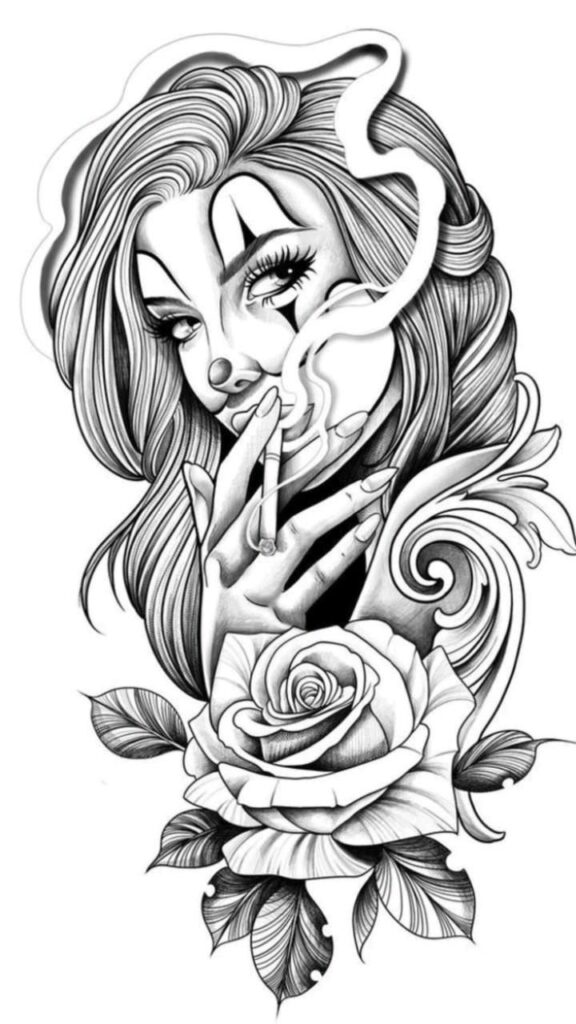
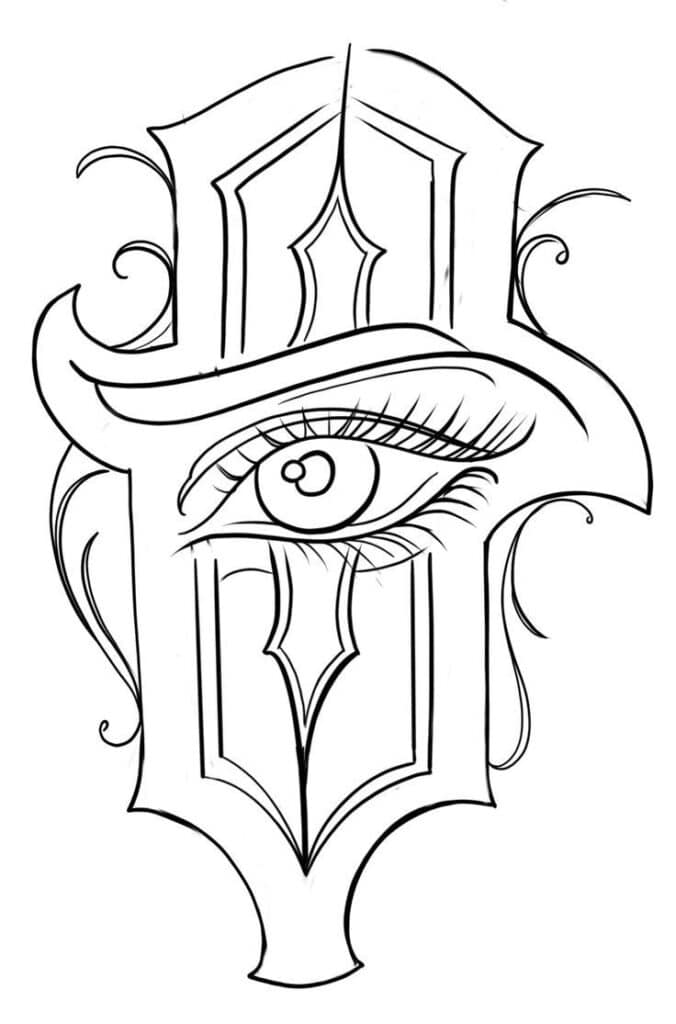
Chicano art can be found in collections throughout the United States. The Smithsonian American Art Museum has a significant collection of Chicano art, including works by Carlos Almaraz, Frank Romero, and Patssi Valdez. The Los Angeles County Museum of Art also has a significant collection of Chicano art, including works by Asco, Carlos Almaraz, and Gronk. The National Hispanic Cultural Center in Albuquerque, New Mexico has a collection of over 2,500 works of Chicano art, including works by Luis Jiménez and Carmen Lomas Garza.


Chicano art in film, photography, and tattoo culture


Chicano art has become increasingly popular in mainstream media and popular culture. Its unique blend of Mexican and American influences has caught the attention of filmmakers, photographers, and other artists alike. This section will explore how Chicano art has been represented in popular culture, specifically in film and photography.
Film
Chicano art has been featured in numerous films over the years. One of the most notable examples is the 1987 film “La Bamba,” which tells the story of Chicano rock and roll musician Ritchie Valens. The film features a number of Chicano artists and musicians, including Carlos Almaraz, Frank Romero, and Eddie Martinez. These artists were instrumental in the Chicano art movement of the 1970s and 1980s, and their work is still celebrated today.
Another film that prominently features Chicano art is the 1992 movie “American Me,” directed by and starring Edward James Olmos. The film tells the story of a Chicano gang leader and his rise to power in the California prison system. The film features a number of Chicano artists, including Gronk, who designed the film’s poster.
Photography
Chicano art has also been represented in photography. One of the most well-known Chicano photographers is Laura Aguilar, who was known for her portraits of Chicano and LGBTQ communities. Her work often explored issues of identity and representation.
Another notable Chicano photographer is Harry Gamboa Jr., who was a founding member of the Chicano art collective ASCO. His work often explored issues of race, gender, and identity, and he was known for his innovative use of photography and performance art.
In conclusion, Chicano art has had a significant impact on popular culture, particularly in the realms of film and photography. Its unique blend of Mexican and American influences has resonated with audiences around the world, and its influence can still be seen in contemporary art today.
Chicano art movement, protest, and community voice
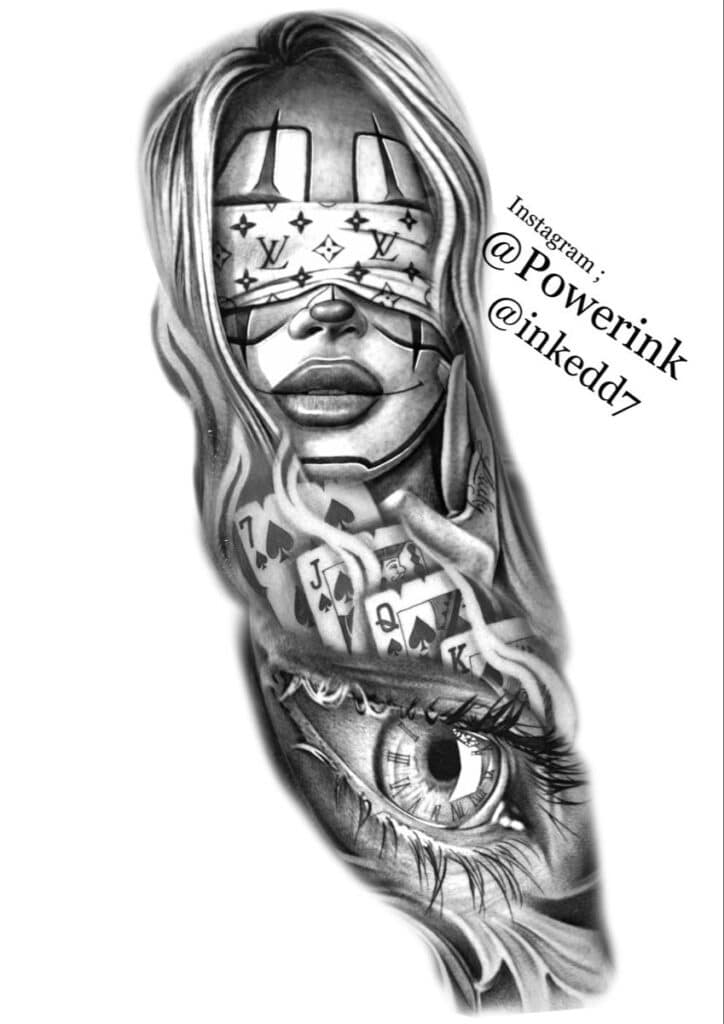
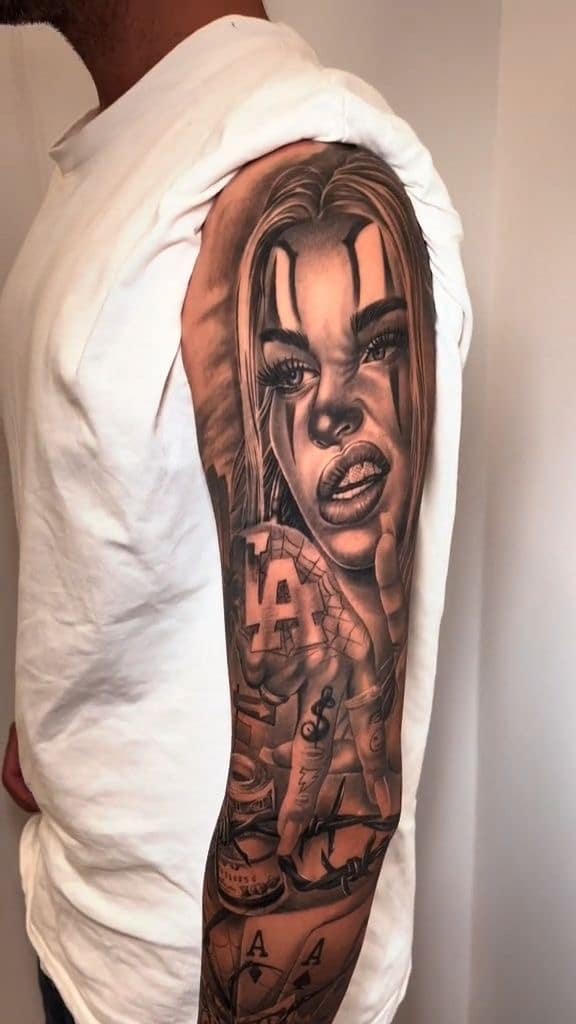
Chicano art has always been closely tied to activism and social justice issues. Many Chicano artists have used their work as a form of protest against discrimination and police brutality, as well as to advocate for workers’ rights and other social issues.
Protest Art
One of the most prominent forms of Chicano art is protest art. This type of art is often created in response to social or political issues, and is intended to inspire action or raise awareness. Protest art can take many forms, including murals, paintings, and sculptures.


Chicano artists have used protest art to draw attention to a variety of issues, including police brutality, immigration reform, and workers’ rights. Some of the most famous examples of Chicano protest art include murals depicting Cesar Chavez and the United Farm Workers movement, as well as paintings and sculptures that address issues of discrimination and inequality.
Union Art
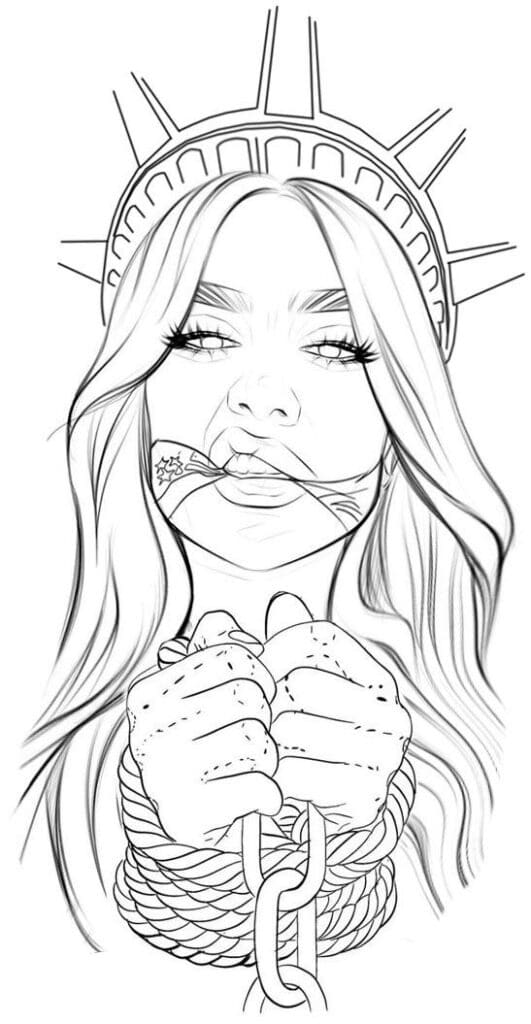

Another important form of Chicano art is union art. This type of art is created in support of unions and workers’ rights, and often depicts scenes of strikes, marches, and boycotts. Union art can take many forms, including posters, paintings, and sculptures.
Chicano artists have been involved in the labor movement for many years, and have used their art to support workers’ rights and advocate for better working conditions. Some of the most famous examples of Chicano union art include posters depicting the United Farm Workers movement, as well as paintings and sculptures that address issues of social justice and inequality.


Overall, Chicano art has played an important role in the fight for social justice and equality. Through their work, Chicano artists have raised awareness of important issues and inspired action. Whether through protest art or union art, Chicano artists have made a significant contribution to the struggle for a more just and equitable society.
Chicano art today: respect, criticism, and community
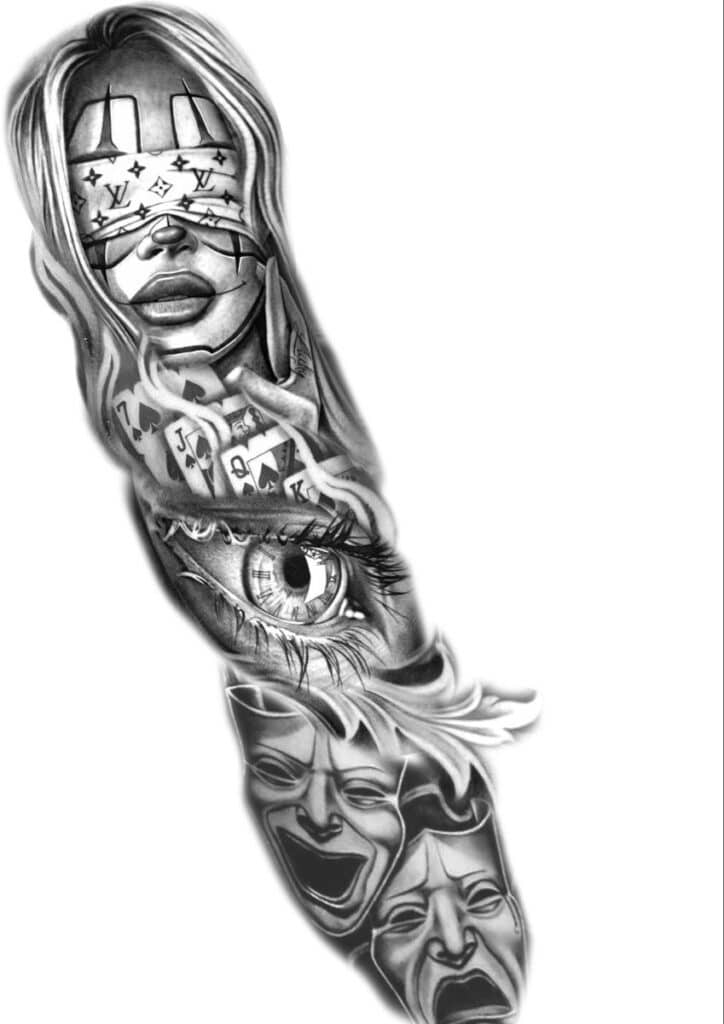

Chicano art is a form of Mexican American art that emerged in the late 1960s and early 1970s as an extension of the Chicano Movement. It is a diverse and ever-changing art form that encompasses a wide range of mediums, themes, and concerns. Chicano art seeks to establish a collective autonomous identity and challenge existing stereotypes.
Chicano art is an expression of the Latinx community and its cultural identity. It reflects the rich heritage of Latin America and the unique experiences of Latinx people in the United States. Chicano art often incorporates elements of Mexican culture, such as Aztec and Mayan symbols, as well as traditional Mexican folk art.


Chicano art is also an expression of life in the barrio, or the Mexican American community. Many Chicano artists grew up in impoverished neighborhoods and experienced discrimination and marginalization. Their art reflects the struggles and triumphs of the Latinx community, as well as its resilience and creativity.


Chicano art has played an important role in the Latinx community by providing a means of self-expression and cultural preservation. It has also challenged mainstream society’s perceptions of Latinx people and their culture. Chicano art has inspired and influenced many Latinx artists, as well as artists from other backgrounds.
Overall, Chicano art is an important part of the Latinx community and its cultural heritage. It is a powerful form of self-expression and a means of challenging existing stereotypes and perceptions. Chicano art reflects the unique experiences and struggles of the Latinx community, while also celebrating its rich heritage and cultural identity.
Challenges and Criticisms

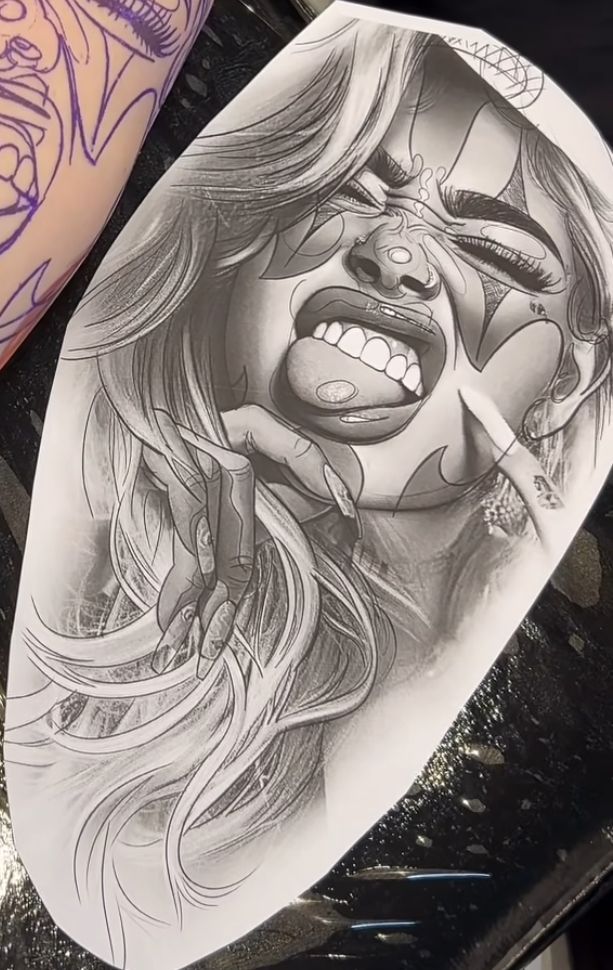
Chicano art has faced several challenges and criticisms since its inception. Some of these challenges are unique to the Chicano community, while others are shared with other marginalized groups.
One of the main challenges faced by Chicano artists is the issue of immigration and displacement. Many Chicano artists have experienced displacement and have had to navigate the complex issues surrounding immigration. This has led to a sense of alienation and a feeling of being caught between two cultures. However, this sense of displacement has also led to a unique perspective that has allowed Chicano artists to create work that is both personal and political.


Another challenge faced by Chicano artists is racial profiling and discrimination. Many Chicano artists have experienced discrimination and have had to navigate a society that often views them as outsiders. This has led to a sense of anger and frustration that is often reflected in their work. Chicano artists have used their art as a form of resistance, challenging the dominant narrative and advocating for social justice.


Undocumented immigrants and the militarization of the border are also issues that have had an impact on Chicano art. Many Chicano artists have been directly affected by these issues and have used their art to raise awareness and advocate for change. The militarization of the border has led to a sense of fear and anxiety that is reflected in the work of many Chicano artists.
Despite these challenges, Chicano art continues to thrive and evolve. Chicano artists have used their art to challenge the dominant narrative and to reclaim their cultural heritage. They have created works that are both personal and political, and that speak to the experiences of the Chicano community. Chicano art is an important part of American culture and continues to inspire and challenge audiences today.
Future of Chicano Art

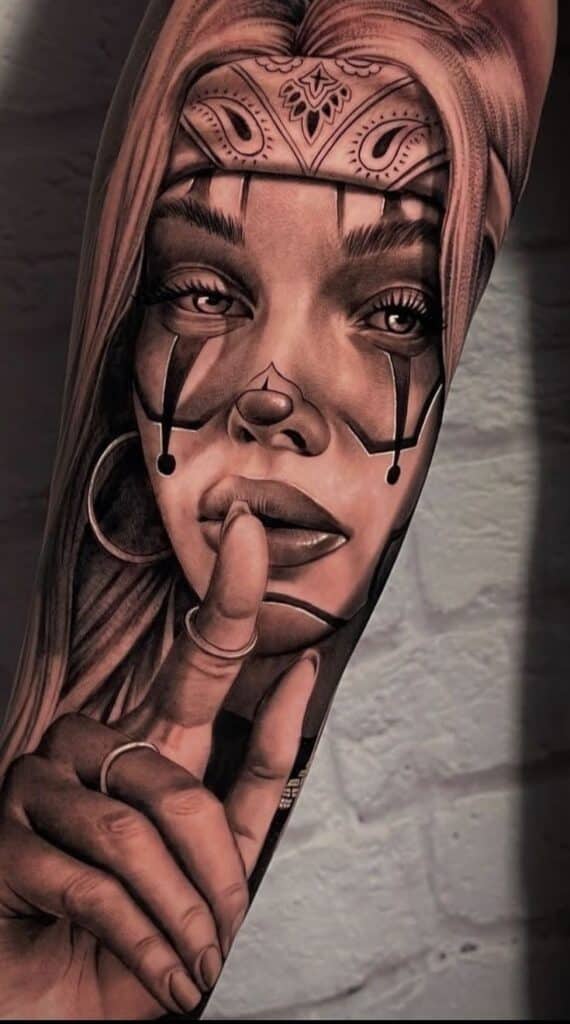
The Chicano Art Movement has come a long way since its inception in the 1960s. The movement has been a vital part of American history, affirming the cultural identity of Mexican Americans and their place in society. Scholars have noted that Chicano Art has been instrumental in highlighting the issues faced by the community, including social inequality, cultural oppression, and discrimination.
Chicano art keeps changing because the community keeps changing. Younger artists still work with murals, prints, and political imagery, but they also bring the style into tattoo flash, digital illustration, fashion graphics, gallery work, and social media. The strongest new work usually respects the history without freezing it in the 1970s.


As the movement continues to evolve, it is likely that Chicano Art will become even more integrated into mainstream American art history. This integration will not only provide greater exposure for Chicano artists, but it will also help to expand the cultural dialogue and understanding between different communities.
The future of Chicano art is not a single look. It is a living visual language, and the best artists keep testing how far the symbols, lettering, and public storytelling can stretch without losing their roots.
How to draw in a Chicano-inspired style respectfully
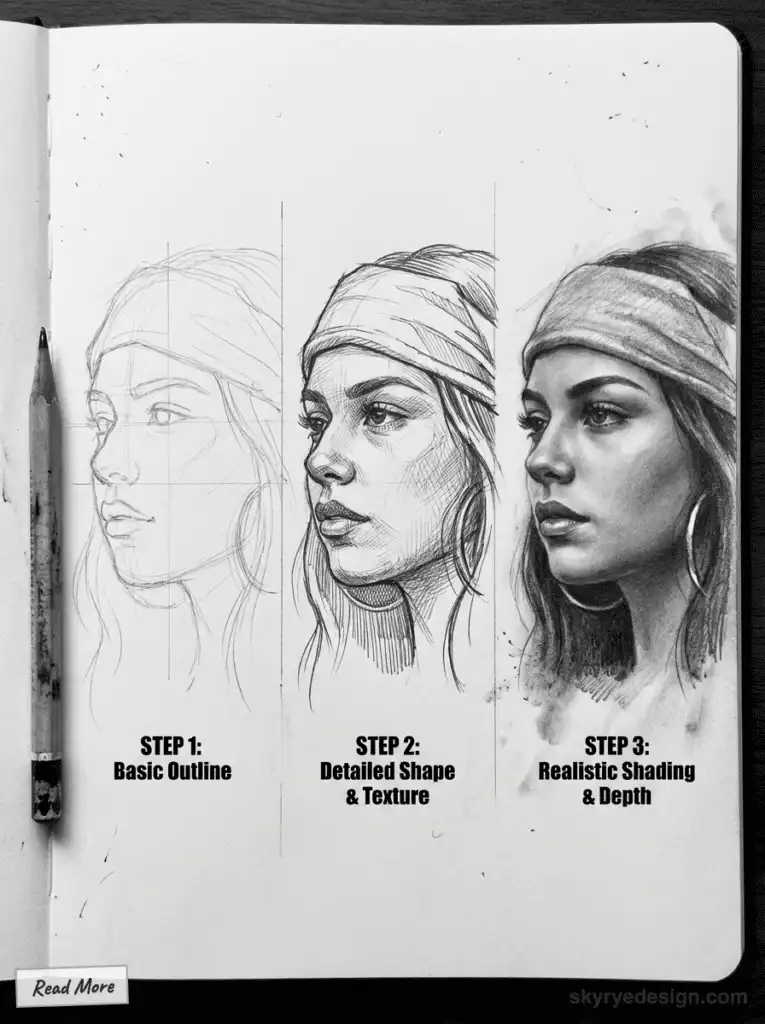
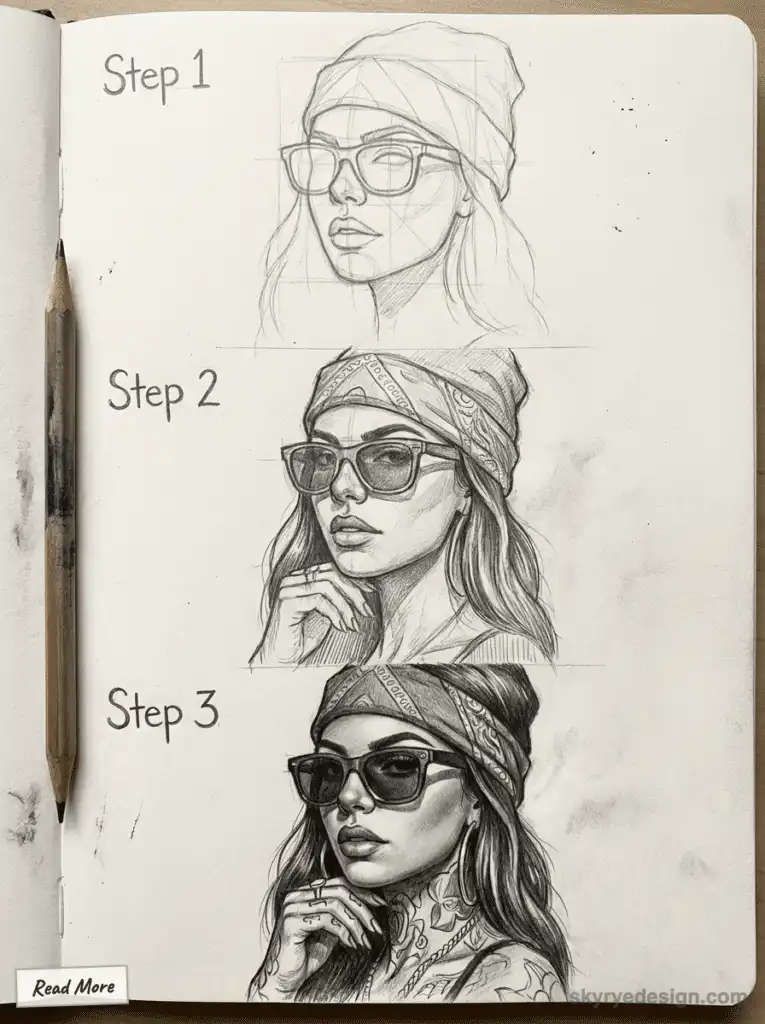
For sketchbook practice, begin with the structure rather than copying a finished tattoo or mural. Build a portrait, mask, rose, lowrider, banner, or hand-lettered phrase around one clear emotion. Then use soft pencil gradients, crisp outlines, and controlled shadows to create the black-and-gray Chicano artwork feeling.
Respect matters. Chicano art is tied to Mexican American community memory, political struggle, faith, family, and place. Study the history before using sacred images, prison-style lettering, gang-associated symbols, or community-specific references. A respectful drawing idea borrows visual lessons, not someone else’s identity or pain.
Chicano drawing ideas for practice
- A rose and banner with Chicano script lettering
- A black-and-gray portrait with smooth cheek and hair shading
- A lowrider scene with palm trees, chrome highlights, and deep shadows
- Theater masks that show joy, grief, loyalty, or memory
- A mural-style composition about family, neighborhood, or protest
Related drawing and tattoo references
If you are building a reference board, pair this Chicano art guide with graffiti drawing ideas, tattoo font styles, tattoo lettering styles, tattoo drawing ideas, and tattoo design drawings. For placement and composition research, compare forearm tattoo placement ideas, tattoo trends, sleeve tattoo composition, quote tattoo lettering, and the broader tattoo ideas hub.
Chicano mural traditions make a useful comparison point for any public art mural that uses portrait, identity, and neighborhood-scale visibility.
Frequently asked questions about Chicano art
What is Chicano art?
Chicano art is a Mexican American art tradition shaped by civil rights activism, barrio murals, political posters, family memory, faith, labor movements, and cultural pride. It often turns everyday community experience into public visual storytelling.
What makes Chicano art style recognizable?
Common Chicano art style traits include black-and-gray shading, bold outlines, roses, skulls, religious references, lowriders, masks, portraits, script lettering, and mural-style compositions that connect identity with resistance.
Is Chicano art the same as Mexican art?
No. Chicano art is connected to Mexican heritage, but it specifically comes from Mexican American experience in the United States. It often speaks to migration, labor, civil rights, bilingual culture, neighborhood identity, and life between cultures.
Why are murals important in Chicano art?
Murals made Chicano art visible in public space. They turned walls into community archives, protest posters, memorials, and teaching tools, especially in neighborhoods where mainstream institutions ignored Mexican American stories.
How does Chicano tattoo style connect to Chicano art?
Chicano tattoo style shares many visual cues with Chicano artwork, including black-and-gray shading, script lettering, roses, portraits, religious imagery, and symbols of loyalty, memory, and survival. Tattoo culture is one branch of a wider visual language.
How can I draw Chicano-inspired art respectfully?
Study the history first, credit the culture, and avoid copying sacred, gang-associated, or deeply personal symbols as decoration. Focus on learning composition, line weight, lettering rhythm, and black-and-gray shading while creating your own subject matter.
Sources and further reading
- Smithsonian American Art Museum: Printing the Revolution
- Smarthistory: Chicano Art Movement
- National Park Service: Chicano Park murals
Final takeaways on Chicano art style

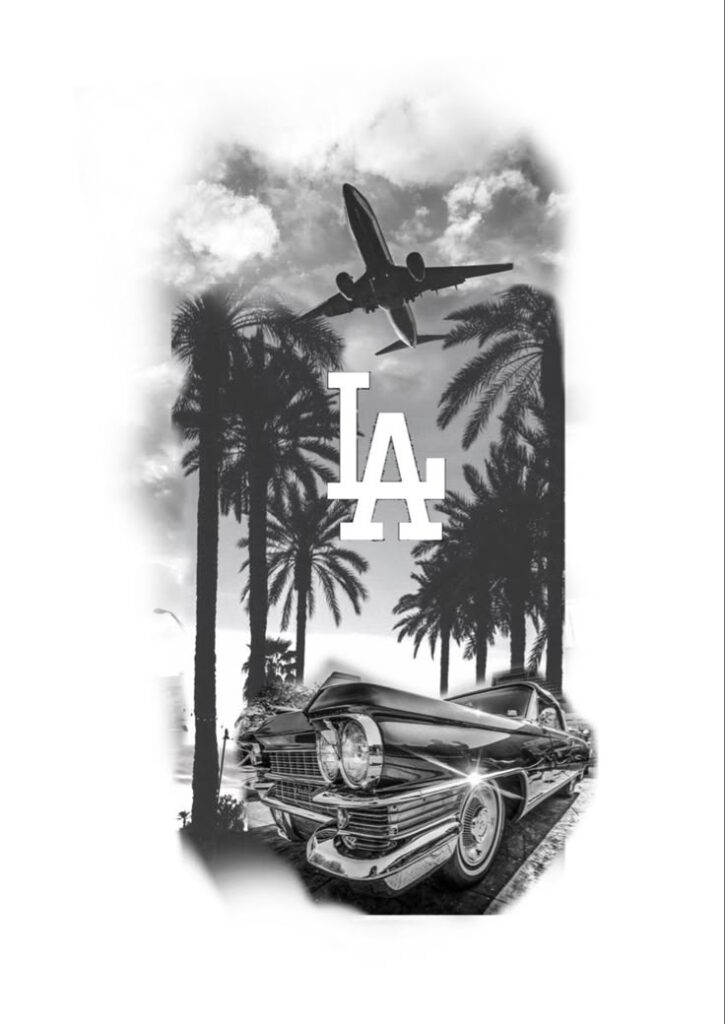
Chicano art is a unique blend of traditional Mexican art, American pop culture, and contemporary issues. It has played an essential role in expressing the cultural identity and struggles of the Mexican-American community. The Chicano art movement represents groundbreaking movements by Mexican-American artists to establish a unique artistic identity in the United States. Much of the art and the artists creating Chicano Art were heavily influenced by Chicano Movement (El Movimiento) which began in the 1960s.

Chicano art style has been used to express the Chicano community’s self-determination, restoration of land grants, civil and political rights, and other issues. One of the most significant examples of Chicano art is Chicano Park, a community park in San Diego that was created in response to the city’s plan to build a highway through the heart of the Chicano community. The park features a variety of murals and sculptures that reflect the Chicano community’s history and culture.


Gil Padilla, also known as Black Eagle, was one of the most prominent Chicano artists in the 1960s and 1970s. His work often addressed issues related to Aztlán, the mythical homeland of the Aztecs that many Chicanos see as their ancestral homeland. Padilla’s work also challenged racial stereotypes and celebrated the beauty and strength of the Chicano community.
The Archives of American Art in Denver has an extensive collection of Chicano art, including works by many of the most significant Chicano artists. The archives also offer scholarships and other resources to support the study of Chicano art and culture in higher education.


Chicano art is strongest when the image has a reason to exist. Study the history, notice the symbols, and then look at the drawing mechanics: silhouette, line weight, value range, and where the eye lands first. That is where the style moves from surface aesthetic into visual storytelling.
For more placement and style references, browse the broader tattoo ideas hub after you finish here.
For a simpler sketchbook version of cultural symbols, see this easy Hispanic drawings guide.
- 7.7Kshares
- Facebook0
- Pinterest7.7K
- Twitter0
- Reddit0