Tattoo trends are constantly changing, reflecting the evolving tastes and preferences of society.
One trend that keeps holding is visible lower-arm ink; these men’s forearm tattoo trends show why blackwork, animals, script, and geometric sleeves are still popular.
If your eye keeps going to softer fine-line work, this guide to delicate tattoos has quieter floral, moon, script, and wave ideas.
One style that keeps returning in black-and-gray work is Chicano art style, especially through fine-line lettering, lowrider imagery, and memorial portraits.
Tattoos in 2026 feel way more personal than trend-driven. Sure, some styles are everywhere, but people seem less interested in copying the same design and more interested in getting something that actually feels like them.
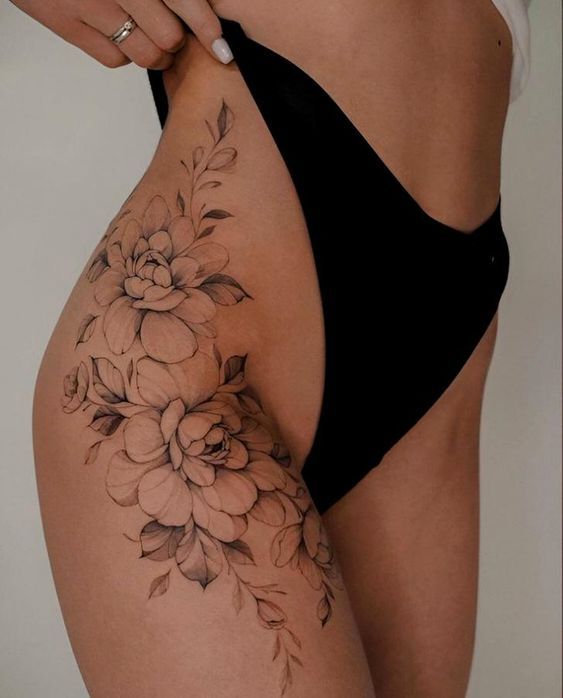
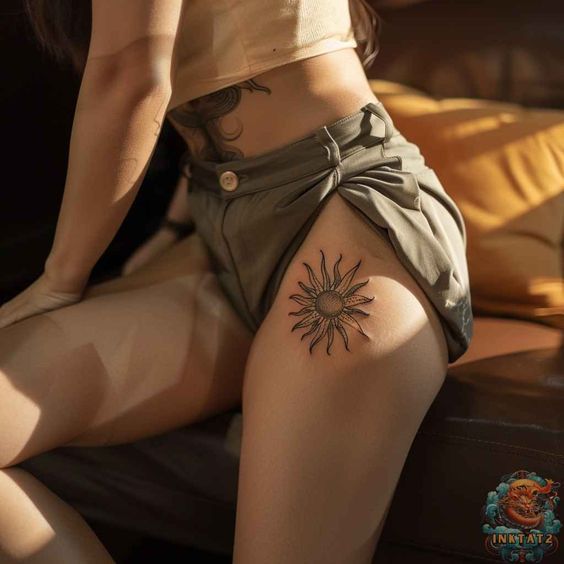
Fine line tattoos are still huge. So is micro realism. Bold color hasn’t disappeared either — if anything, it’s making a comeback after years of tiny black ink pieces. I’m also seeing more abstract designs, messy sketch-style tattoos, and placements that used to feel unusual, like sternum, side rib, or even small hidden spots near the shoulder.
- Key Takeaways
- The Evolution of Tattoo Trends
- Emerging Tattoo Styles of 2026
- Noteworthy Tattoo Inspirations
- Popular Tattoo Placements
- Tattooing Techniques and Color Trends
- Tattoo Considerations and Aftercare
- Frequently Asked Questions About Tattoo Trends in 2026
- Q: What tattoo styles are trending in 2026?
- Q: Are fine line tattoos worth it?
- Q: How do I choose a tattoo trend that won’t look outdated?
- Q: What are the best placements for trendy tattoos?
- Q: How much do trendy tattoos cost?
- Q: Why are minimalist tattoos so popular?
- Q: What tattoo trends fade badly over time?
- Q: What’s the biggest mistake people make with trendy tattoos?
Artists are getting more experimental too. Softer shading. Negative space. Designs that look custom instead of pulled straight from a flash sheet. Some tattoos barely look like tattoos anymore in the traditional sense.
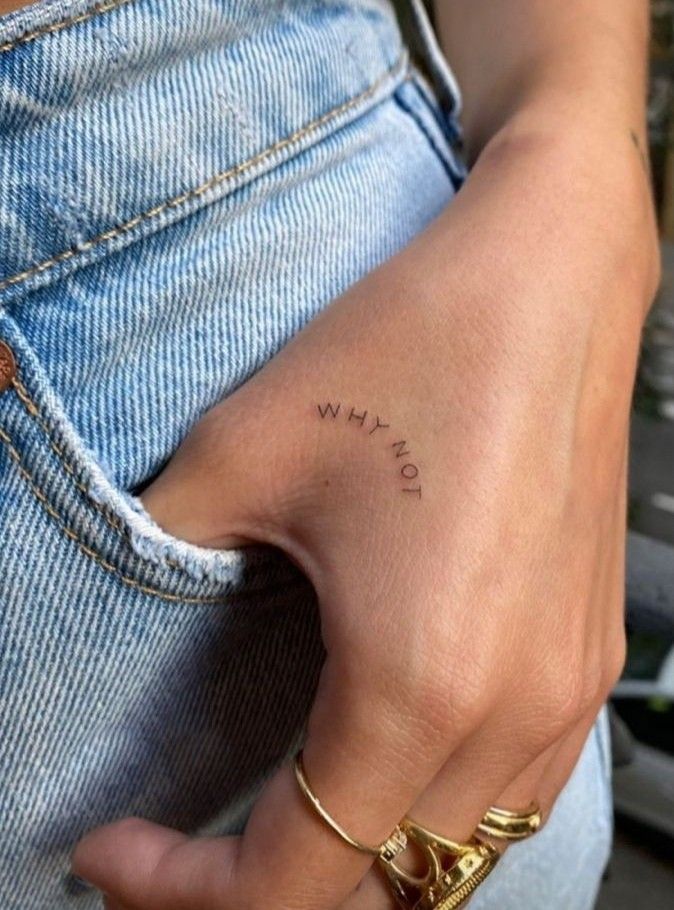
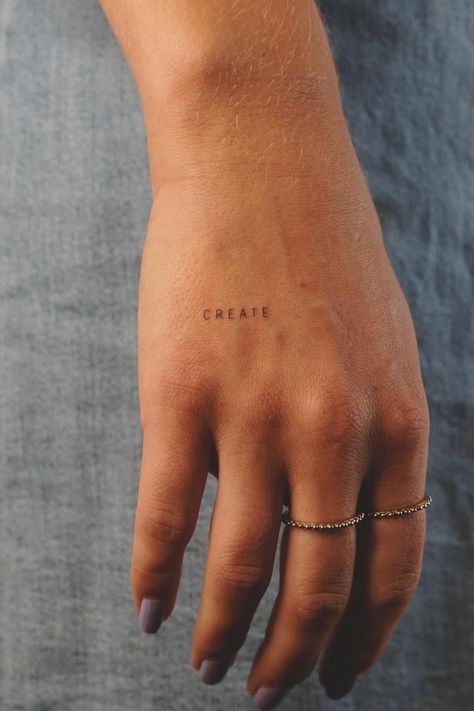
At the same time, people are asking smarter questions before getting inked. How will this age? Will the details blur? Can I actually commit to this spot? Probably a good thing.
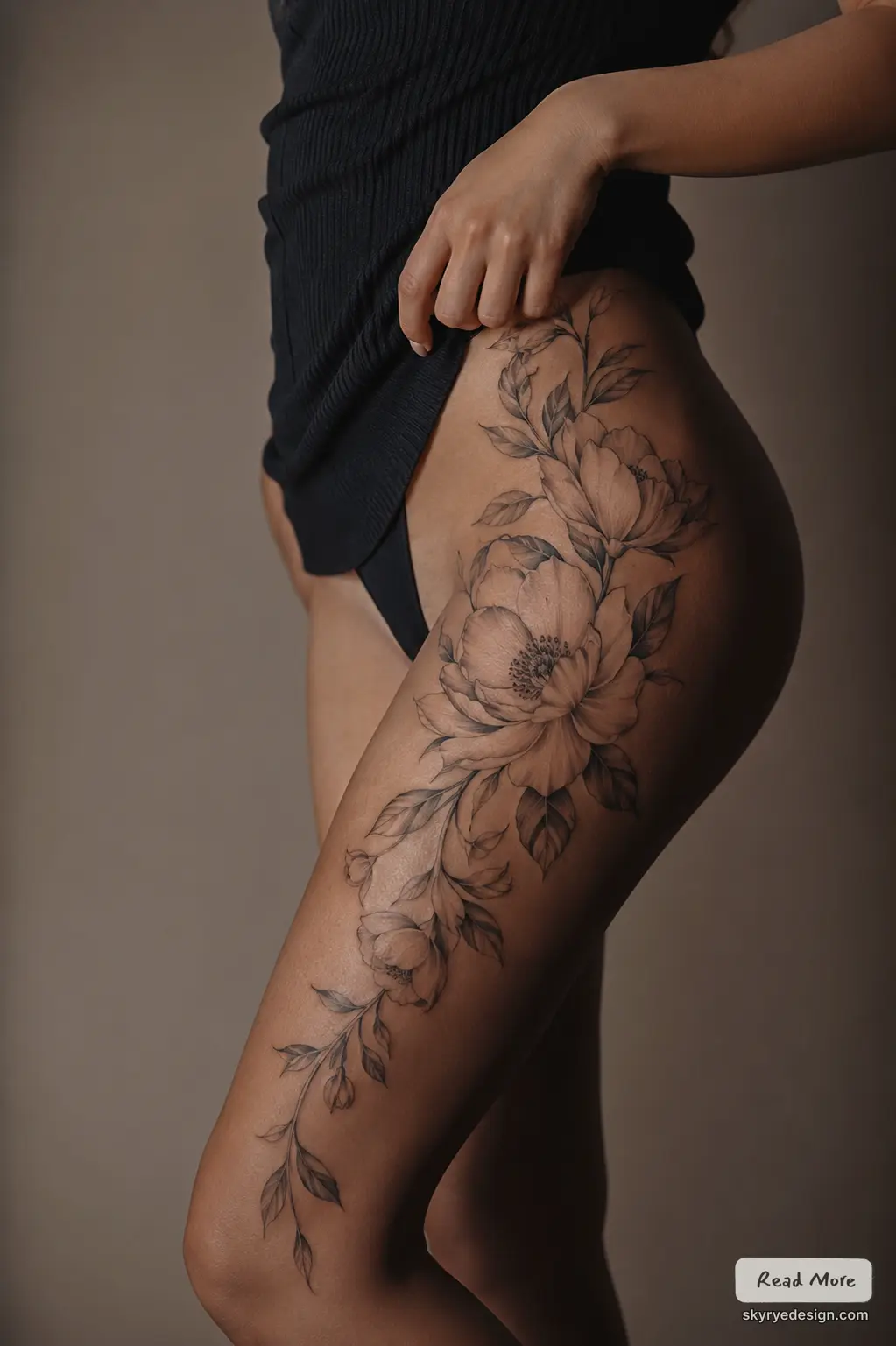
If you’ve been thinking about getting tattooed, 2026 is honestly a pretty interesting year to do it. There’s more variety than ever, and way fewer rules about what a tattoo is supposed to look like.
Key Takeaways
- Self-expression through tattoos is more diverse and creative than ever.
- New techniques and styles are changing how tattoos are designed and placed.
- Choosing the right aftercare is essential for maintaining tattoo quality.
The Evolution of Tattoo Trends
Tattoo trends have changed significantly over time. Different cultures, artistic influences, and the rise of social media have all played a part in shaping how tattoos are viewed and chosen today. This section looks at the historical roots, cultural movements, and the impact of social media on tattoo styles.
Historical Inspiration
Tattoos are not a new thing. People have been marking skin for thousands of years, and the reasons were a lot deeper than “this looked cool on Instagram.”
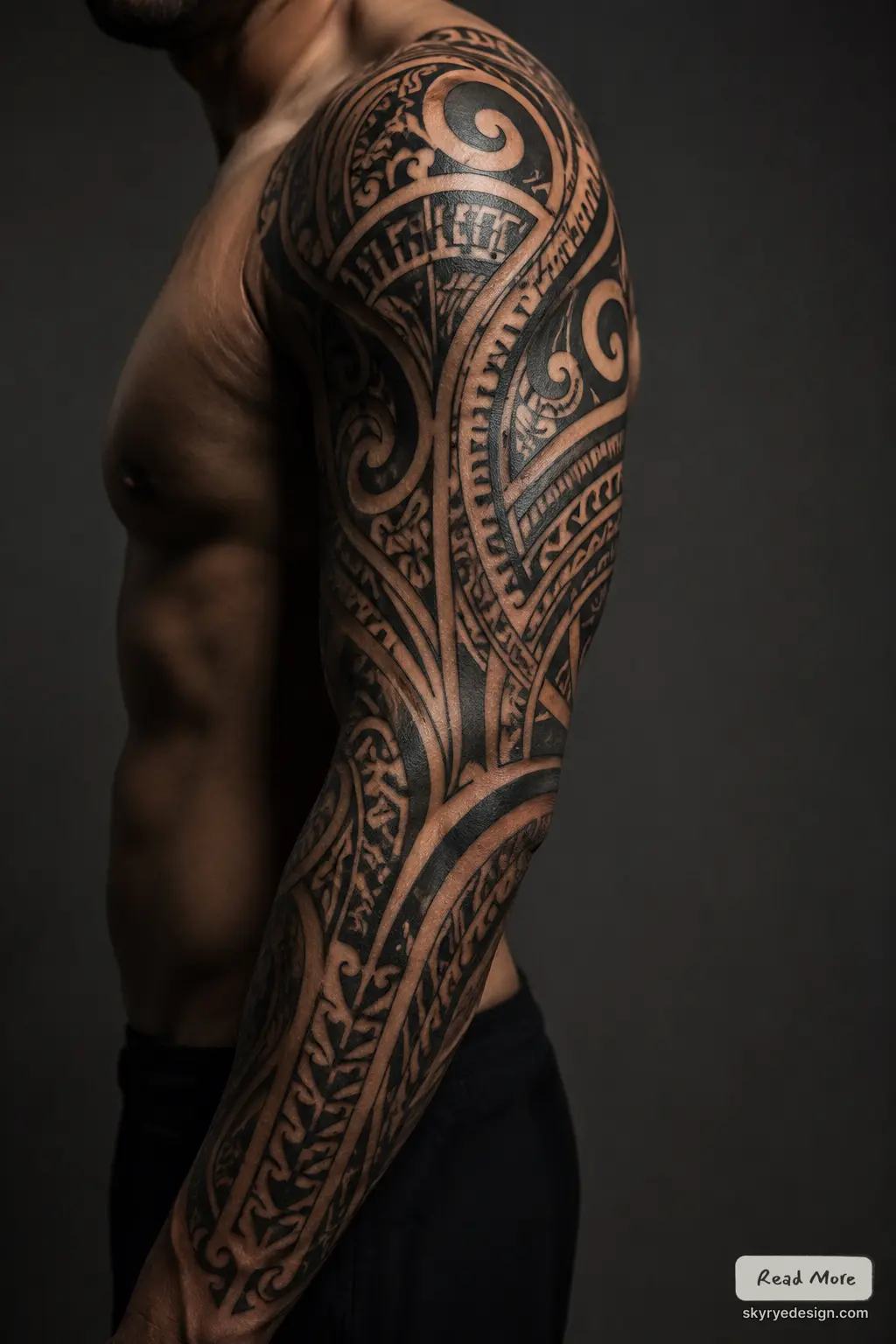
Different cultures used tattoos in different ways. Some marked important life stages. Some tied into religion or protection. Others showed status or family identity. In New Zealand, Māori ta moko tattoos are probably one of the most recognized examples. The patterns connect people to ancestry and personal history. Every design means something.
Fast forward to the 1800s and early 1900s, and tattoos started showing up everywhere on sailors and soldiers. Anchors, ships, eagles, swallows — a lot of classic tattoo imagery comes from that era. Sometimes the tattoos marked places someone had traveled. Sometimes they were about luck or loyalty.
You can still spot that influence today. Plenty of modern tattoos borrow from old-school styles, just with cleaner lines, different shading, or more personal twists mixed in.
Cultural Movements and Tattoo Influence
Cultural movements have heavily influenced tattoo trends over the years. The rise of alternative subcultures, like punk and goth, brought more daring designs into the mainstream. Tattoos became a form of self-expression, allowing individuals to showcase their identities and beliefs.
Artists play a crucial role in shaping these movements. They introduce unique styles and techniques that inspire others. For instance, the rise of realism in tattooing has attracted many followers, leading to highly detailed pieces that resemble paintings or photographs. Cultural influences, such as Japanese or tribal patterns, continue to evolve and inspire new trends.
Influence of Social Media and Celebrities
Social media has revolutionized how tattoos are shared and appreciated. Platforms like Instagram let tattoo artists showcase their work to a global audience. This visibility has led to an increase in trends, as people can access diverse styles easily.
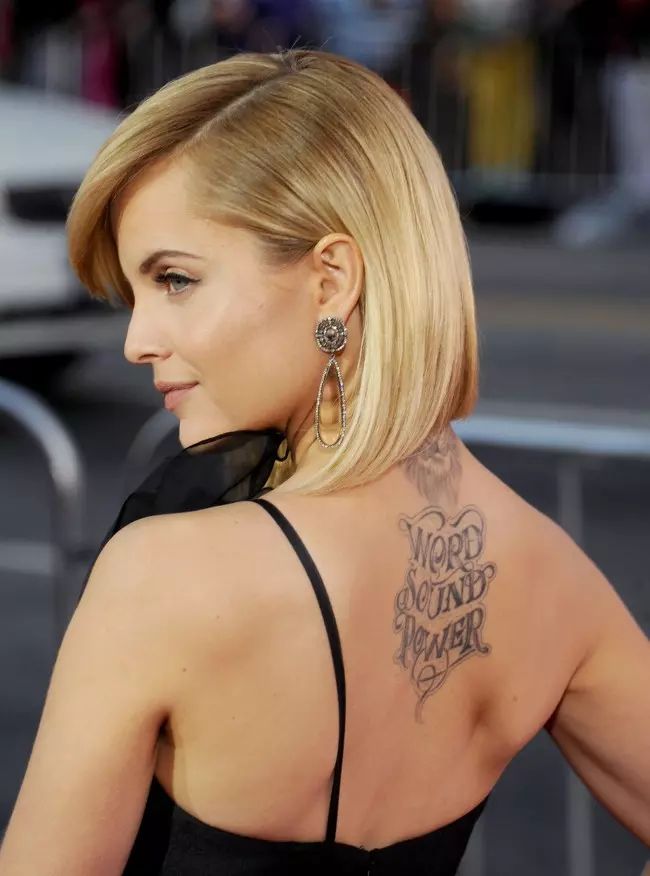
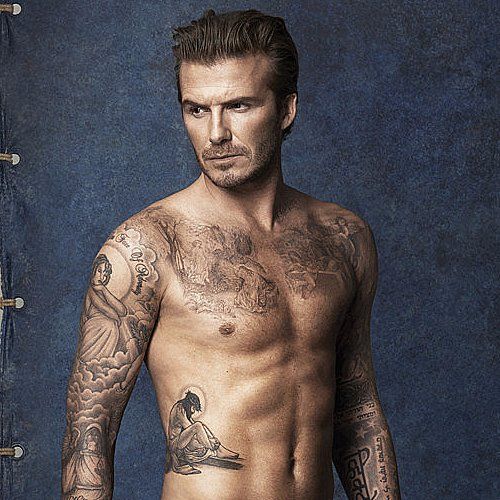
Celebrities also impact tattoo trends. Figures like Hailey Bieber have popularized minimalist designs and delicate tattoos. These trends often spark widespread interest, encouraging fans to explore similar styles. The ability to share new tattoos online allows trends to spread rapidly, creating a dynamic tattoo culture in which ideas evolve quickly.
Emerging Tattoo Styles of 2026
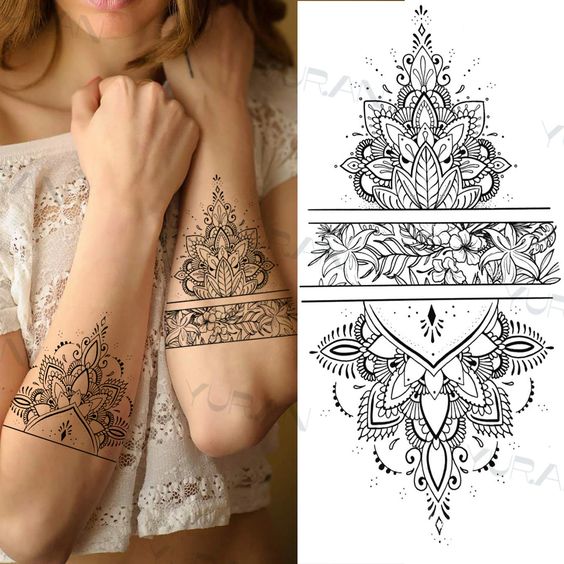
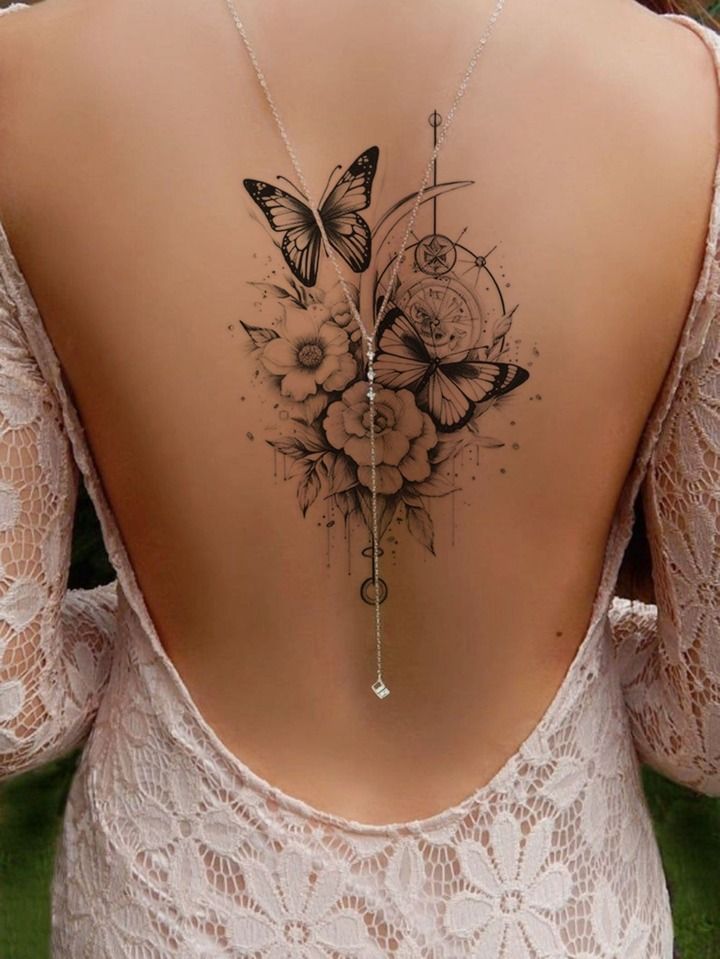
The tattoo scene in 2026 is showcasing exciting new trends and styles. From minimalist designs to bold abstract art, these emerging styles reflect a mix of personal expression and innovative techniques.
Delicate Lines and Minimalist Beauty
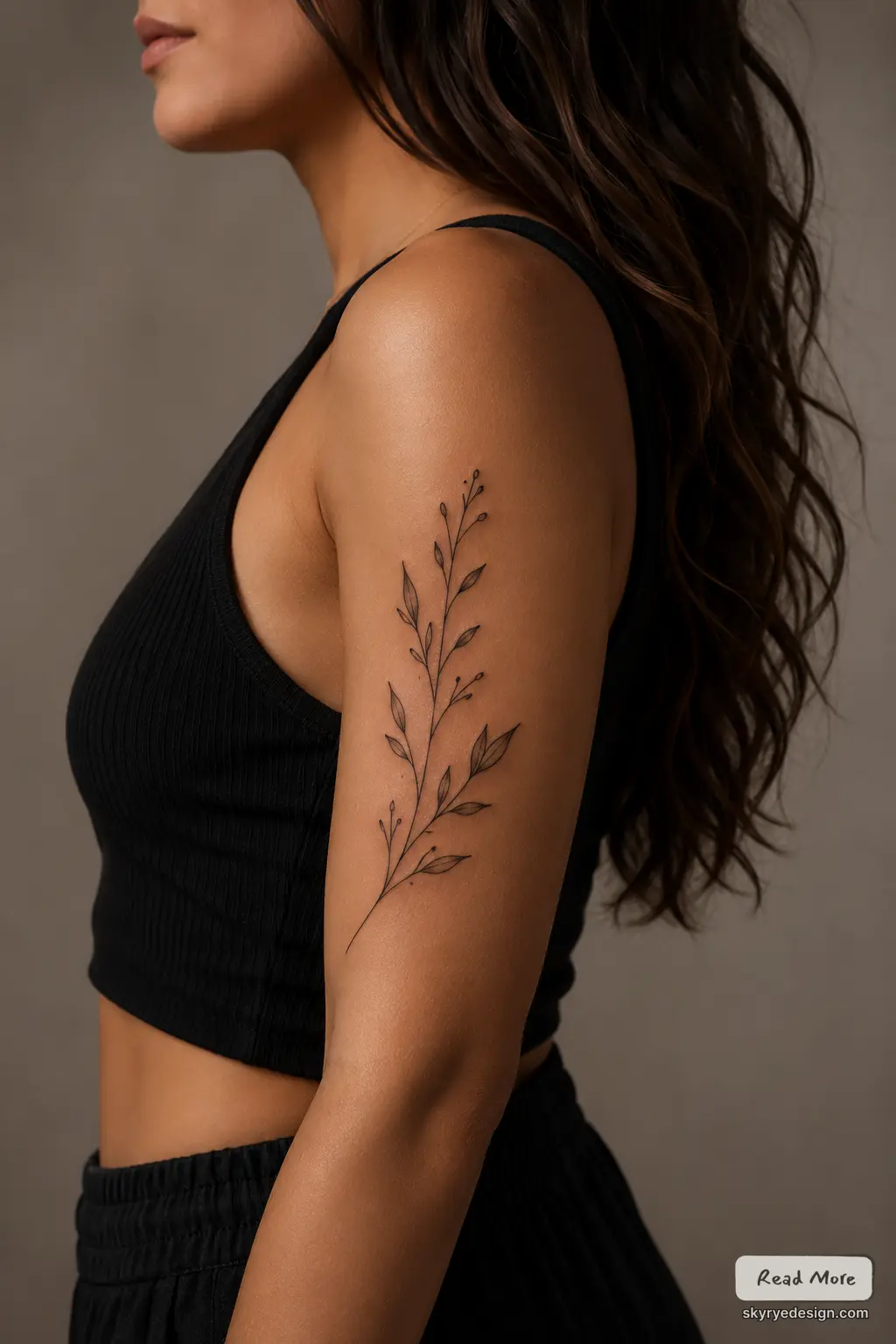
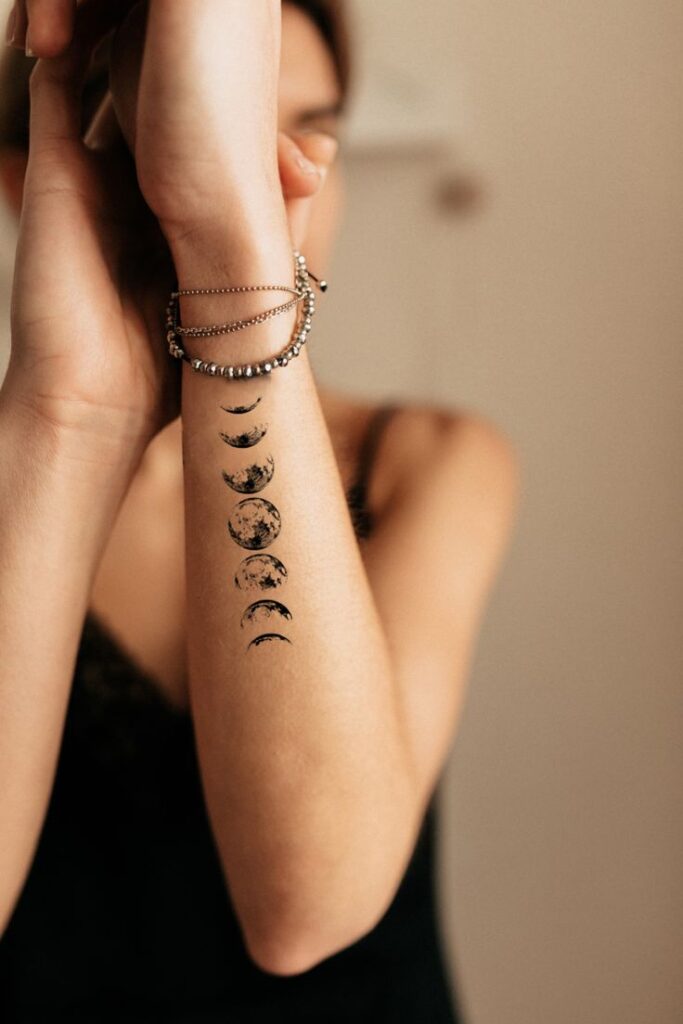
Minimalist tattoos are having a big year again. Tiny, delicate designs just keep sticking around — probably because they work. They’re subtle, personal, and easier to live with long-term than something huge you rushed into at 22.
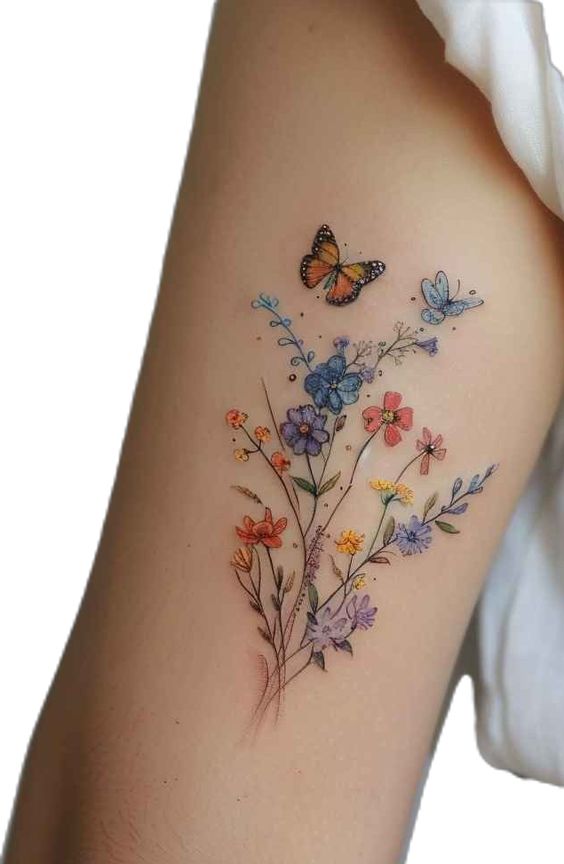
Fine line florals are especially popular. Little roses, daisies, tiny stems, single leaves. Some people pick them because of the meaning, others because they simply look good. Not every tattoo needs a complicated backstory.
The nice thing about minimalist tattoos is they leave room for interpretation. A small symbol or delicate line can remind someone of a person, a moment, or a version of themselves they don’t want to forget. Or it can just be a beautiful design. That counts too.
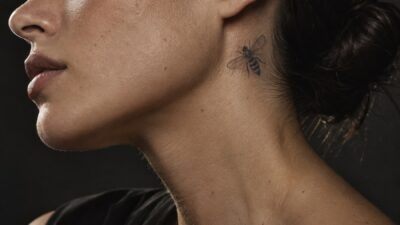
Placement helps a lot with this style. Wrist, ankle, behind the ear, collarbone — smaller tattoos tend to sit naturally in those spots without feeling too loud.
Artistic Realism in Tattoos
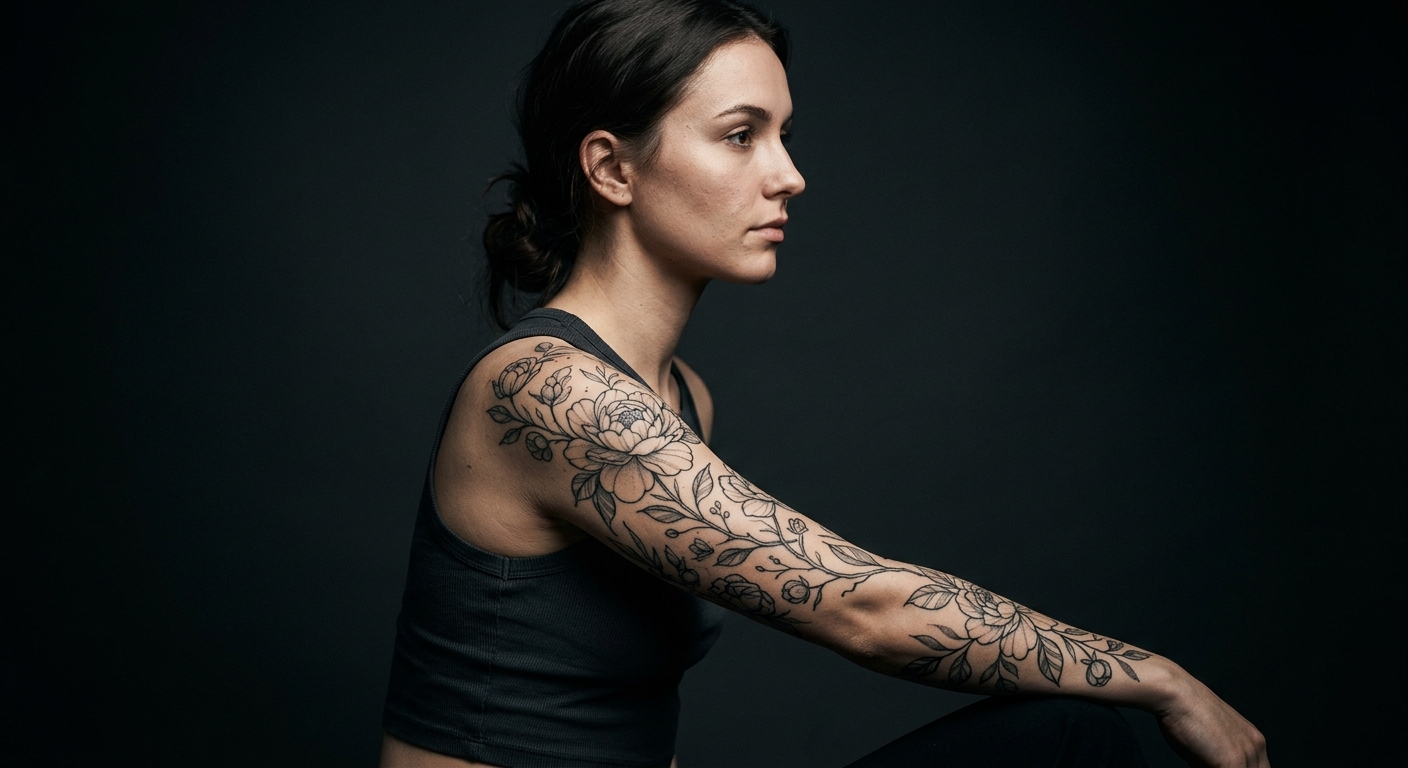
Artistic realism is making its mark in the tattoo world. This style captures lifelike portraits and details with precision.
Tattoo artists focus on techniques that create depth and shadow, bringing designs to life. Popular subjects include realistic pet portraits and human faces.
These tattoos are an artistic representation of individual experiences or cherished memories. Strong emphasis is placed on the artist’s skill, as detailed work is essential.
Quality pigments and advanced tattooing methods contribute to the growing interest in this realistic style. The complexity of these pieces allows for storytelling through art.
Exploring Abstract and Geometric Designs
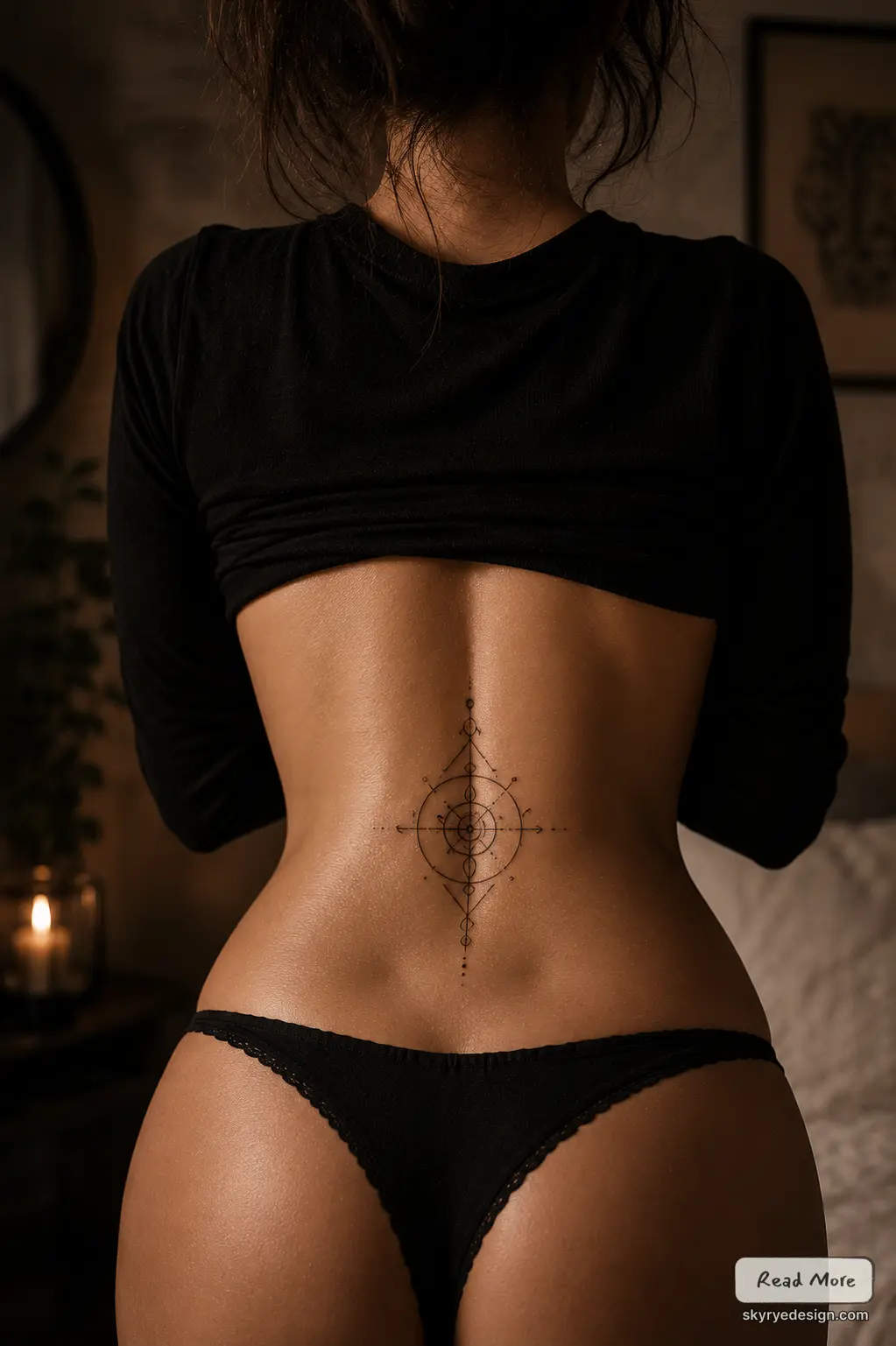
Abstract and geometric tattoos are everywhere lately, and I kind of get why. They feel different. Less “here’s a rose with a quote” and more like something pulled from a sketchbook or design project.
Geometric pieces usually stay clean and precise. Sharp lines, repeating shapes, symmetry, weirdly satisfying patterns that somehow look simple and complicated at the same time. Some almost look hypnotic.
Abstract tattoos go the opposite way. More loose. More experimental. Brushstroke textures, random-looking shapes, bits of color thrown in places that shouldn’t work but somehow do. Two people can ask for an abstract tattoo and walk out with completely different results.
And honestly, that’s probably the appeal. Not everything needs an obvious meaning attached to it. Sometimes people just want a tattoo that feels like them, even if nobody else fully gets it.
Rise of Cybersigilism and AI Influences
Cybersigilism is an innovative trend that blends technology with tattoo art. This style uses symbols and designs inspired by digital art and artificial intelligence.
Tattoo artists use AI tools to create custom designs that reflect a mix of modern art and personal significance. This new technology allows for more intricate and unique designs, appealing to a younger audience.
It’s an exciting time for those interested in tech and art. The use of digital designs can also make each tattoo feel like an exploration of personal identity in the digital age.
Overall, cybersigilism has the potential to create a new wave of tattoo culture that resonates with today’s tech-savvy individuals.
Noteworthy Tattoo Inspirations
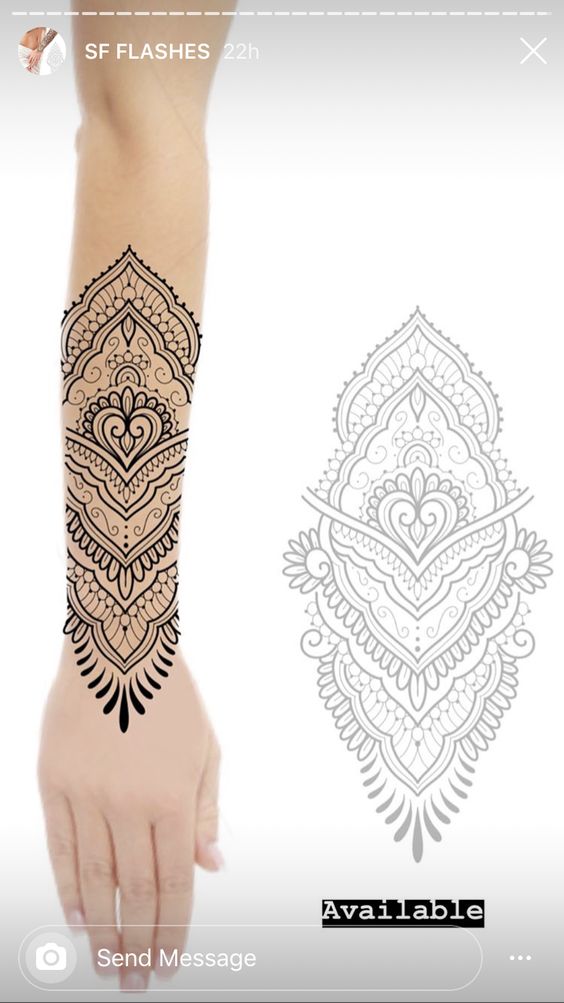
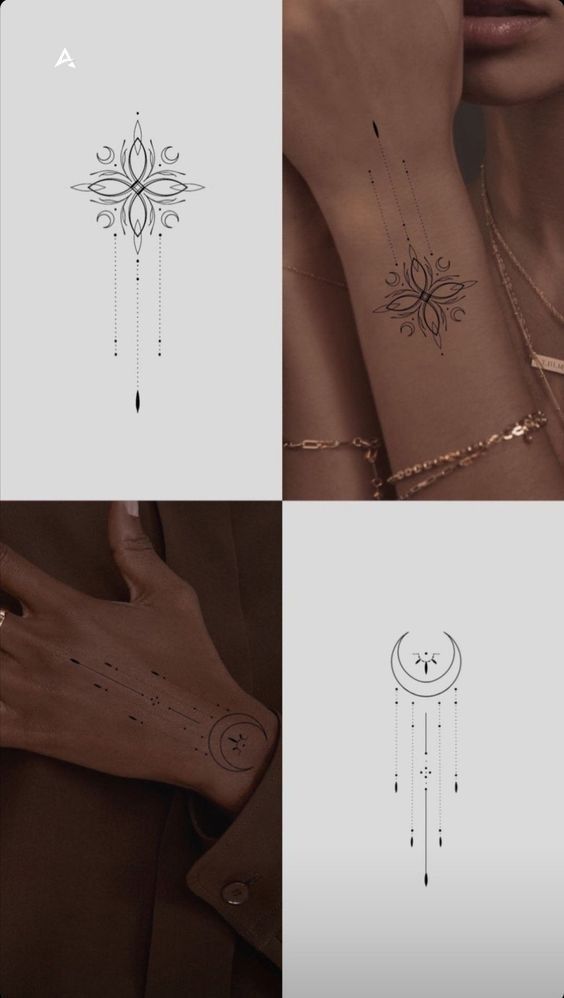
Tattoo inspirations in 2026 draw deeply from personal connections, cultural references, and the beauty of nature. Many people seek designs that tell their stories or reflect their interests. The following highlights popular themes that stand out this year.
Inscriptive Memories and Script Tattoos
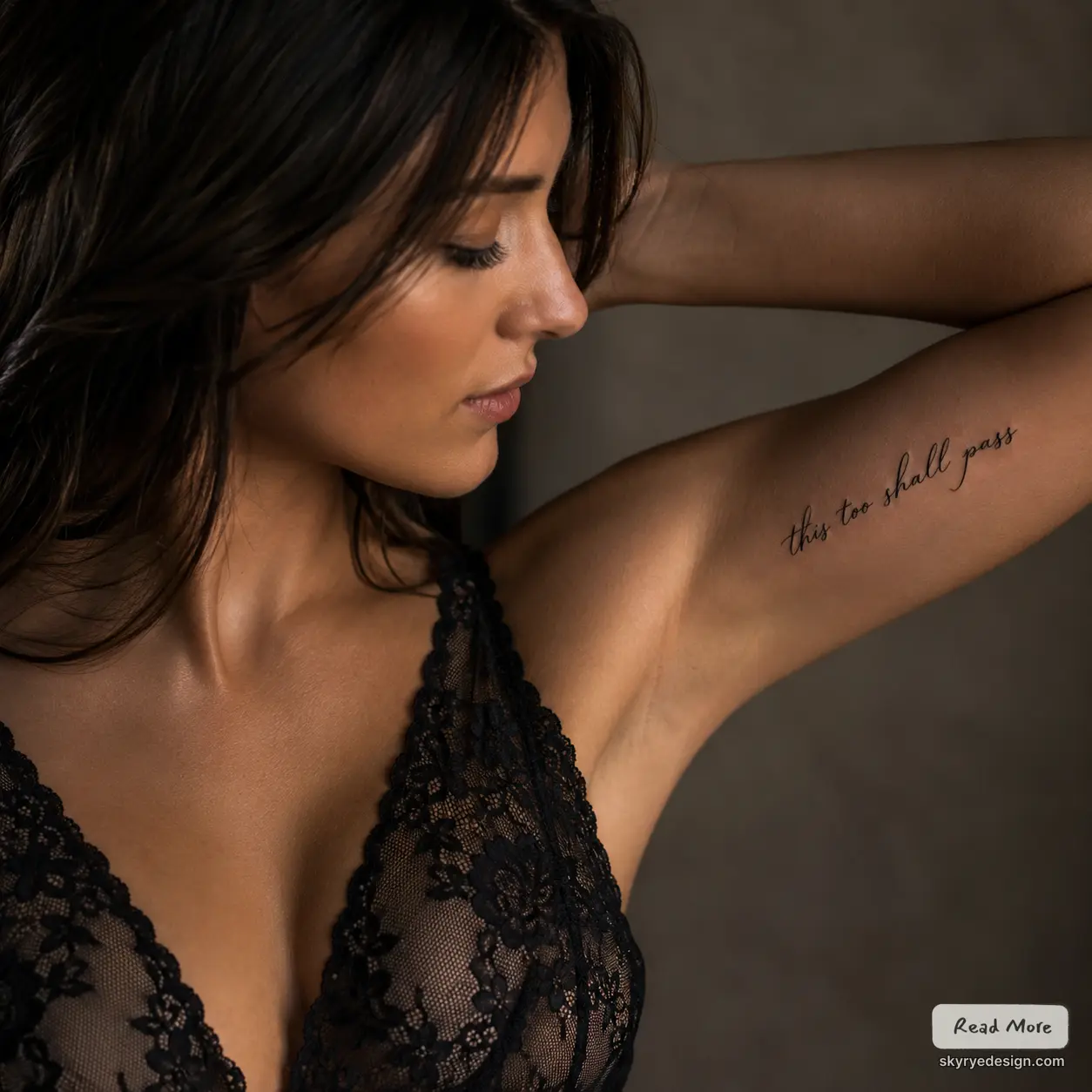
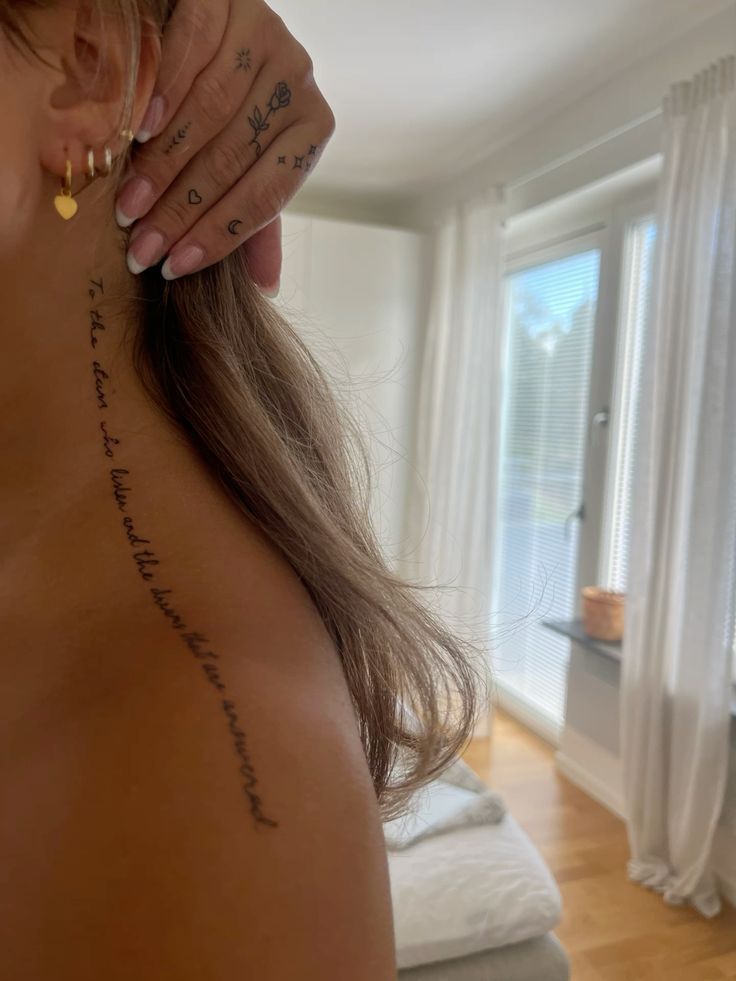
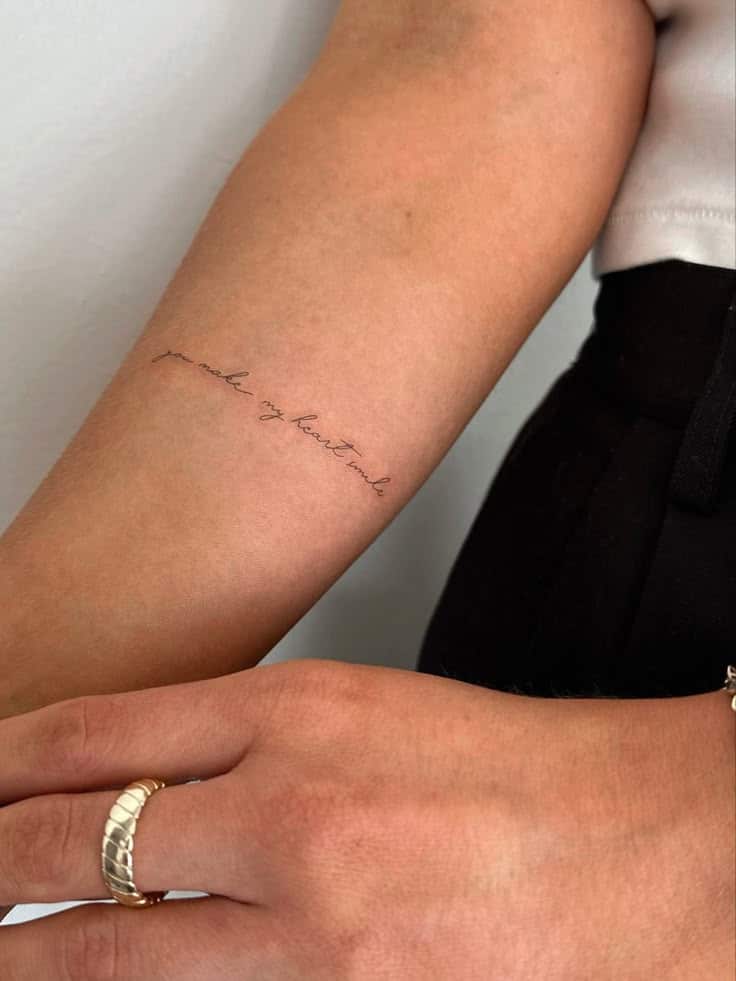
Inscriptive tattoos focus on meaningful words, dates, or names. Script tattoos allow individuals to express their personal stories. Common choices include quotes from loved ones, song lyrics, or phrases that inspire them.
Many choose to commemorate life events. This can be birthdays, anniversaries, or achievements. These tattoos often feature elegant fonts. They can incorporate floral elements or symbols, adding to their beauty.
Script tattoos can range from small wrist tattoos to larger chest pieces. Their placement is often as personal as the text itself. Such designs remind individuals of their most cherished memories.
Cinema and Pop Culture
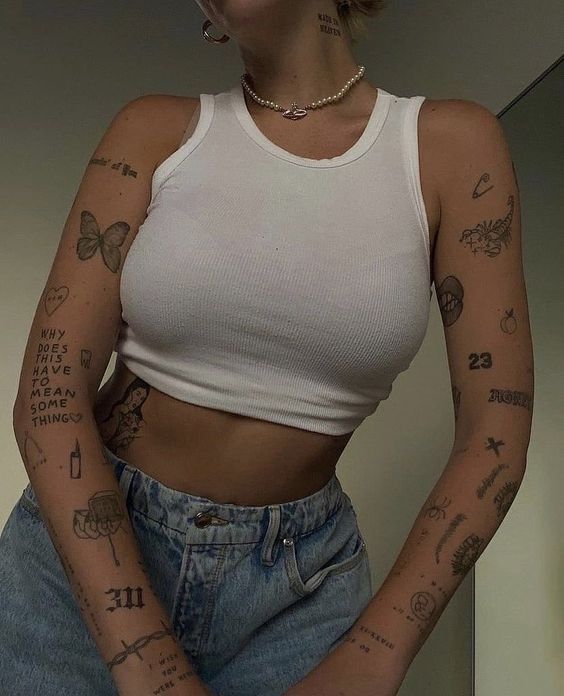
Cinema and pop culture are all over tattoo trends right now. People are pulling ideas from movies, TV shows, anime, comics — basically anything they’ve obsessed over long enough to want it permanently on their skin.
Some tattoos are obvious. A superhero symbol, a movie quote, a detailed portrait of a favorite character. Others are way more subtle. A tiny symbol only fans would recognize. A reference hidden in the artwork that means nothing to anyone else.
Movies still inspire a huge number of tattoos. Fantasy films, horror classics, animated movies, superhero franchises — all of them show up in studios constantly. TV is the same. One logo, one line of dialogue, one character people connected with years ago and still think about.
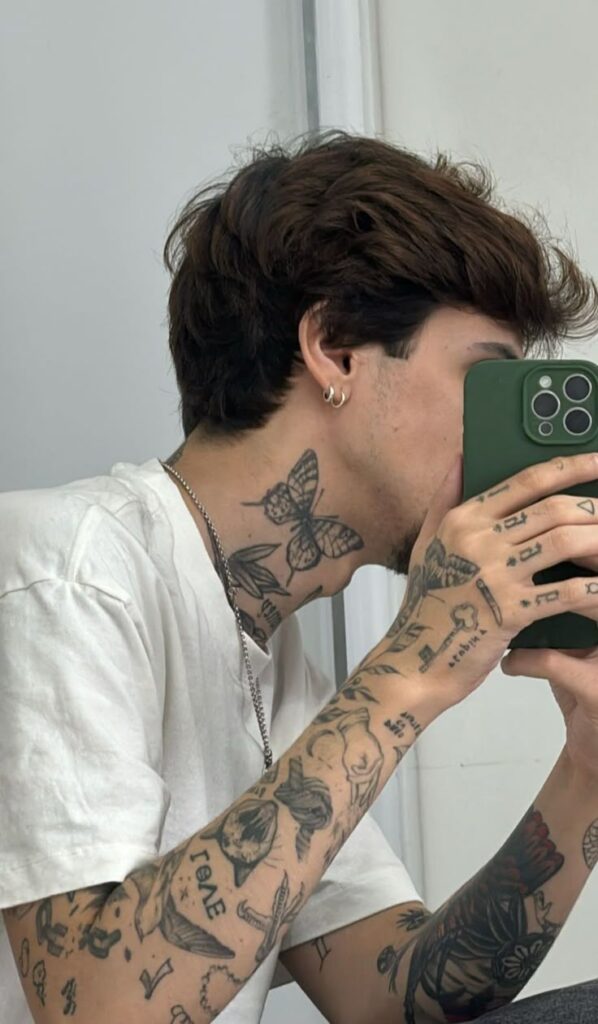
Honestly, the strongest pop culture tattoos usually come from stories people keep going back to, not just whatever’s trending for six months. That nostalgia factor matters more than people expect.
For a trend check focused on feminine placement and long-term wearability, compare these directions with tattoo ideas for women in 2026 before booking.
Nature and Animal Representations
Nature tattoos are one of those things that never really disappear. Trends change, but flowers, animals, butterflies, branches — people keep getting them year after year.
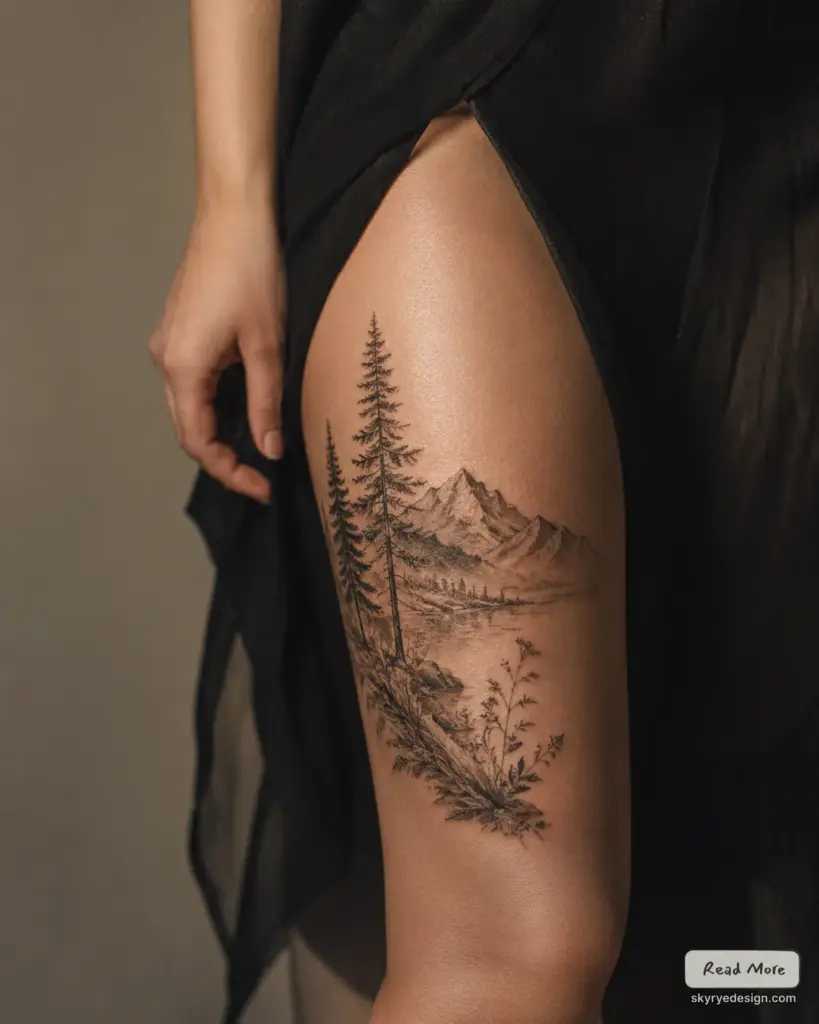
Floral tattoos are everywhere for a reason. Roses, peonies, wildflowers, vines. Sometimes there’s meaning behind them, sometimes people just think they look beautiful. And honestly, that’s enough. Not every tattoo needs a deep story.
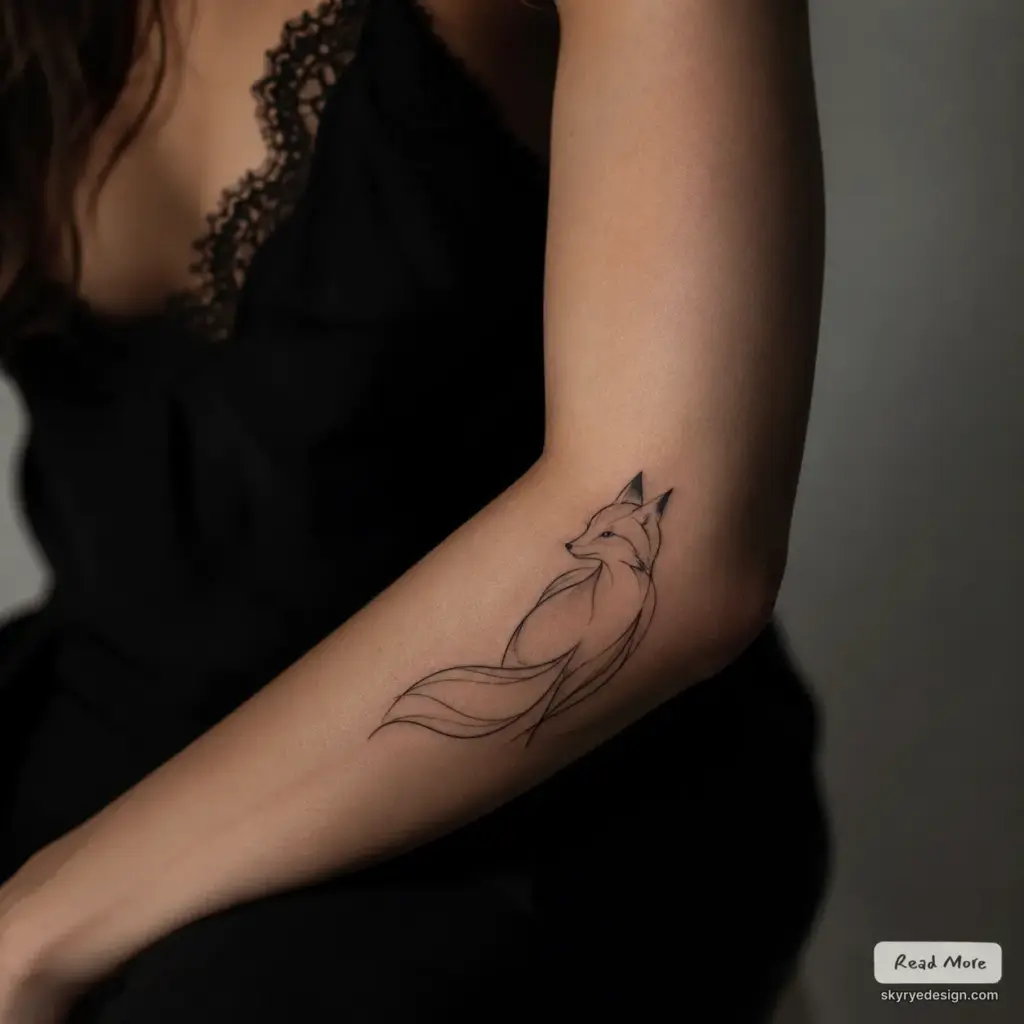
Animal tattoos stick around too. Lions, wolves, snakes, birds — people usually choose something they connect with rather than whatever symbolism Google says it should mean. A wolf might mean loyalty to one person and survival to someone else.
And the style can completely change the feel of it. One butterfly tattoo looks soft and delicate in fine line. Another looks bold and dramatic with heavy black ink. Same idea, completely different energy.
Popular Tattoo Placements
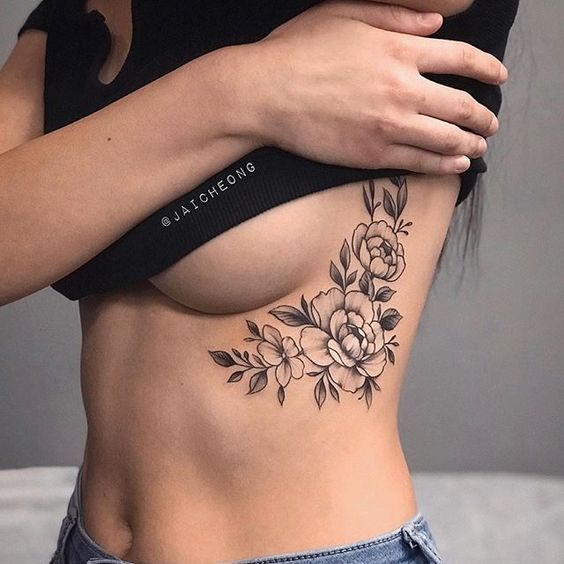
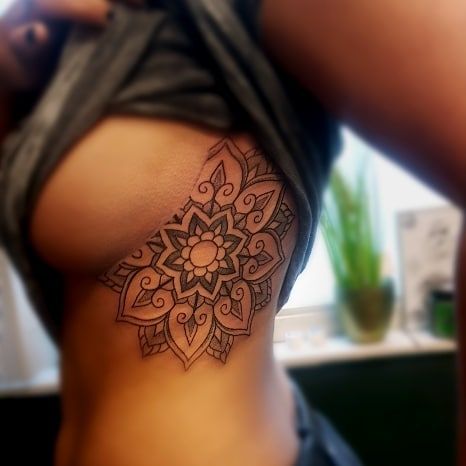
Tattoo placements have shifted with trends in design and style. Current favorites include wrist and ankle tattoos, the revival of lower back tattoos, and innovations in tiny finger tattoos. Each area has unique appeals and fits various personal tastes.
Subtle and Visible: Wrist and Ankle Tattoos
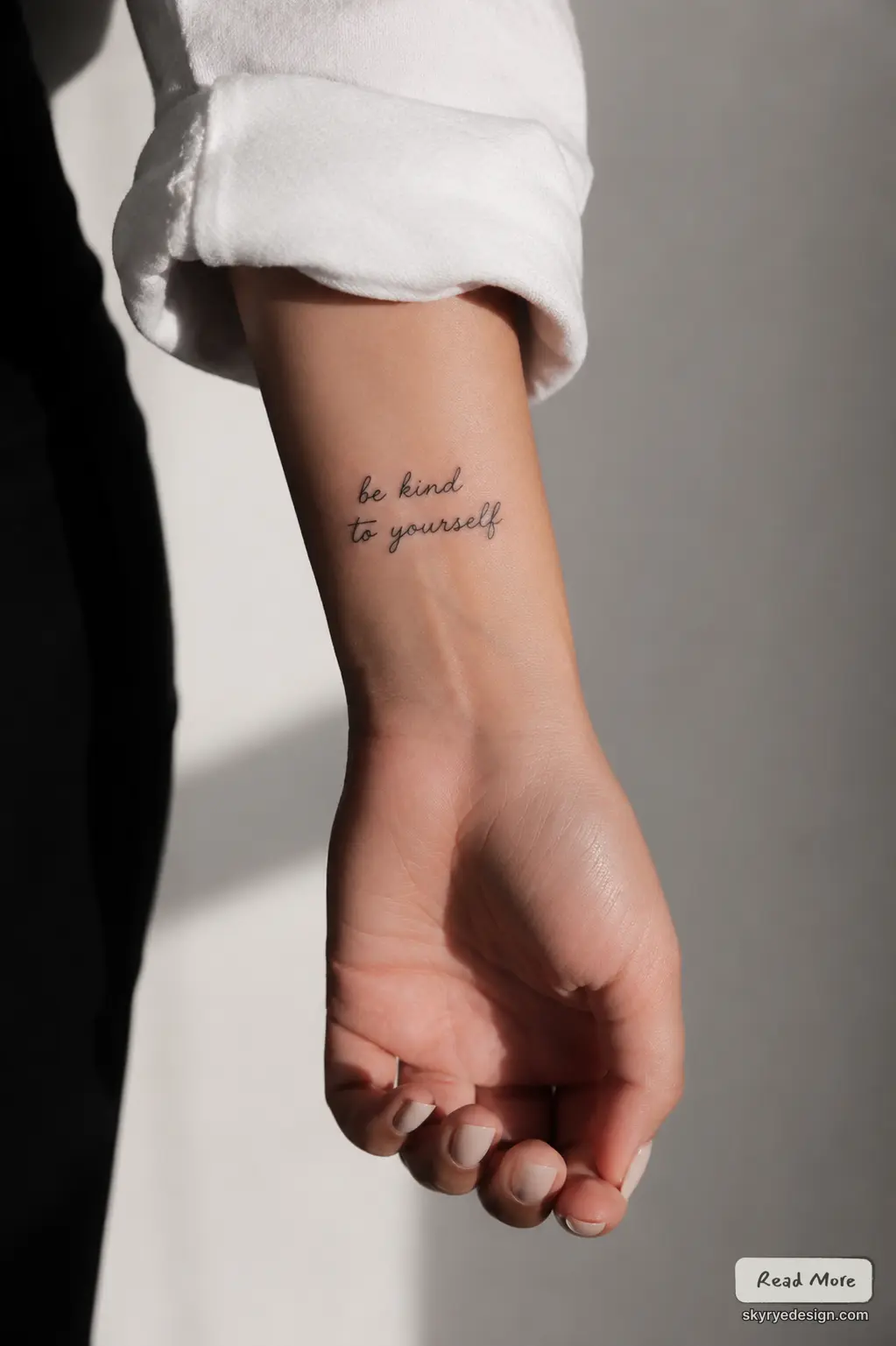
Wrist and ankle tattoos never really go out of style. They’re visible, but not too visible. Easy to show off, easy to hide if you need to.
Wrist tattoos usually stay on the smaller side. Tiny symbols, short words, initials, simple florals. It’s one of those placements where minimal designs just work better. Too much detail can start feeling crowded fast.
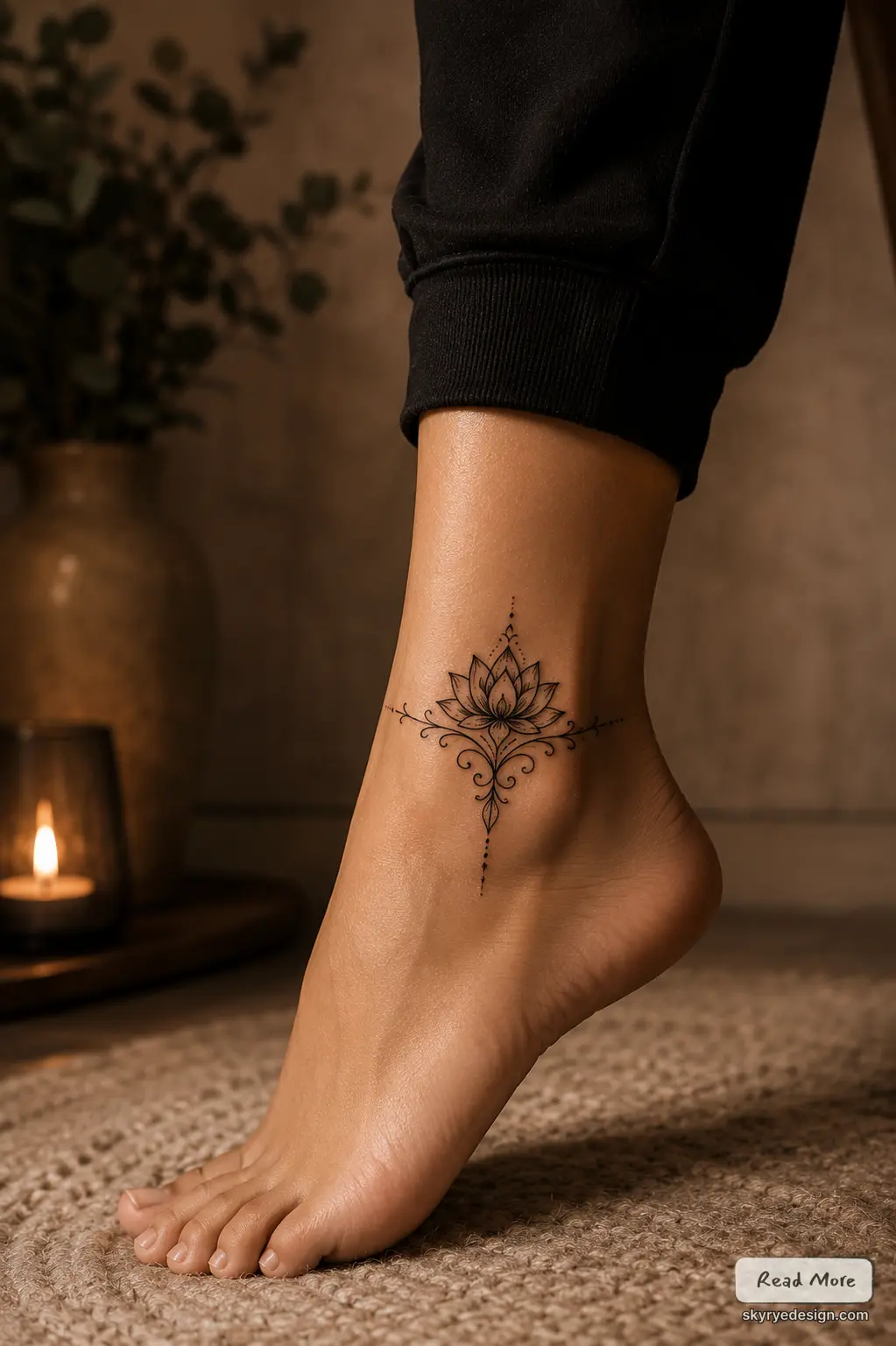
Ankle tattoos have a different vibe. Flowers look great there. So do mandalas, tiny quotes, or wraparound designs that almost feel like an anklet. Some people even go for jewelry-inspired tattoos, which honestly fit the placement really well.
One small warning though: both areas deal with a lot of rubbing. Watches, socks, shoes, sleeves. Simple tattoos usually hold up better over time than super detailed ones in these spots
Revival of Lower Back Tattoos
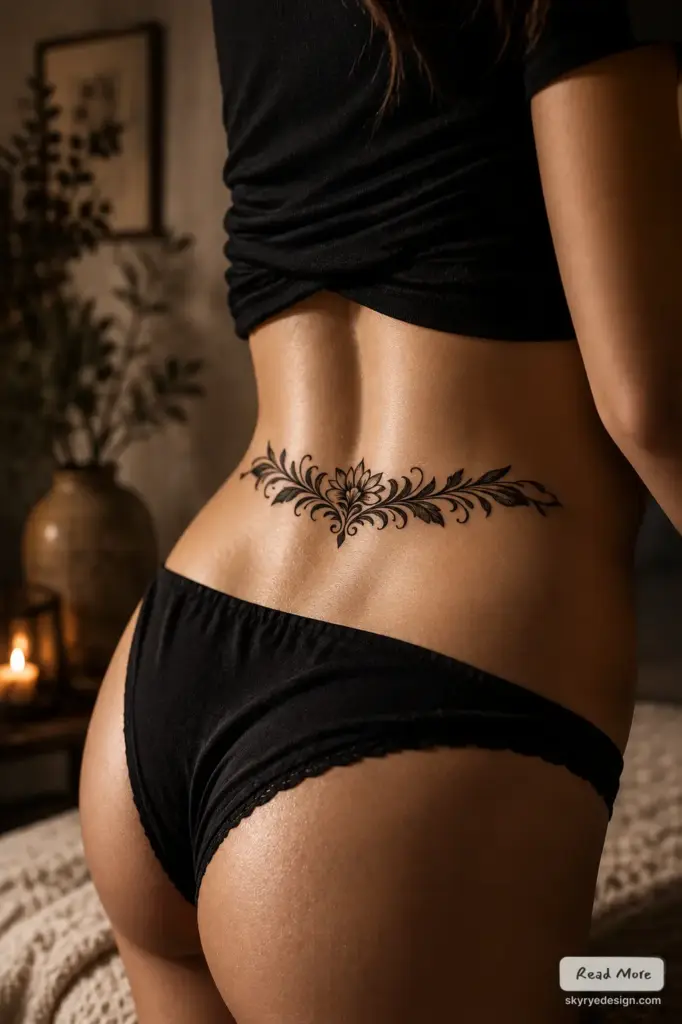
Lower back tattoos, commonly called “tramp stamps,” are making a comeback as trends cycle. Many people are embracing this placement again, often choosing larger, more colorful designs.
In the ’90s, lower back tattoos were very popular but fell out of favor for a time. Designers now use this area for bold pieces, like large florals or abstract designs. The curve of the spine allows for dynamic artwork.
A key appeal is the tattoo’s potential to be covered or revealed easily. This flexibility attracts individuals looking for something more eye-catching.
Innovations in Finger Tattoos
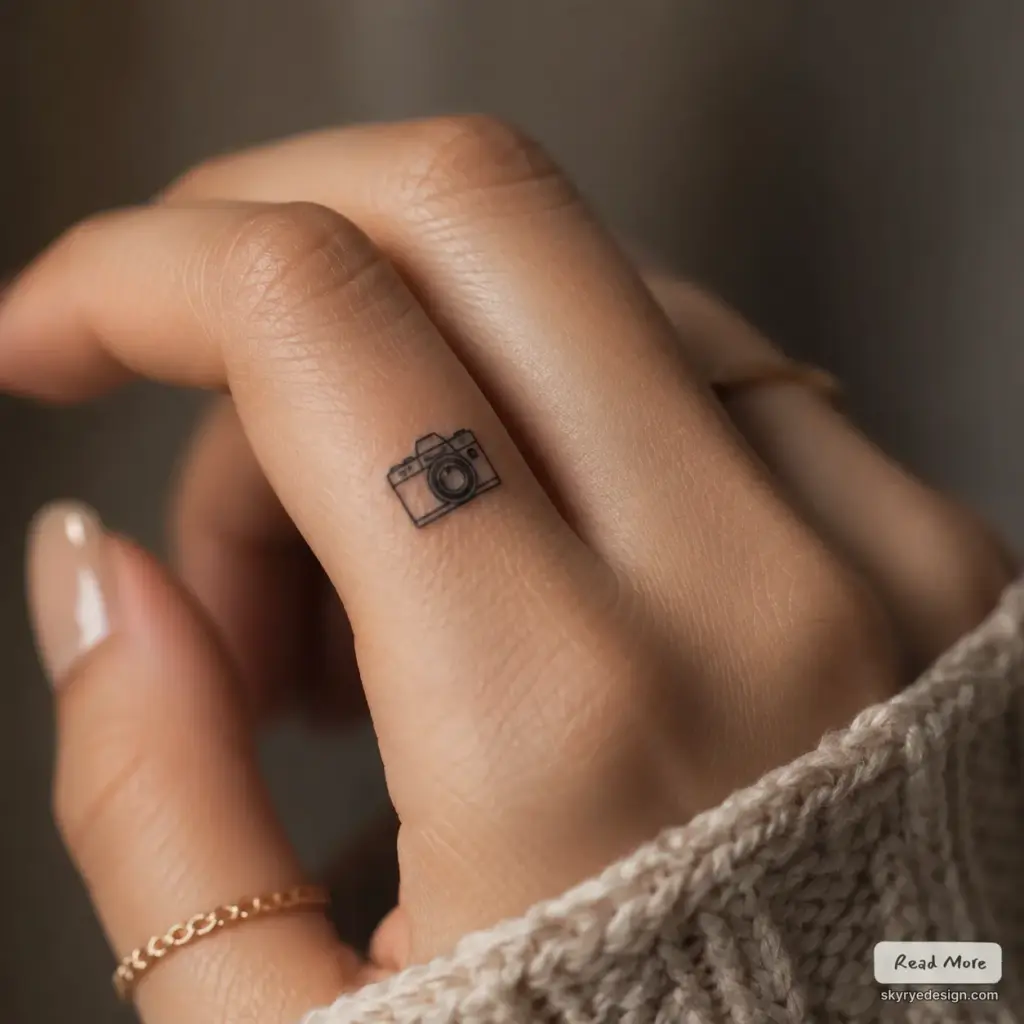
Finger tattoos are everywhere lately. Makes sense — they’re small, visible, and feel personal without committing to something huge.
Most people keep them simple. Tiny symbols, initials, little stars, dates, geometric shapes. Minimal works best on fingers because there just isn’t much space, and super detailed designs tend to blur faster than people expect.
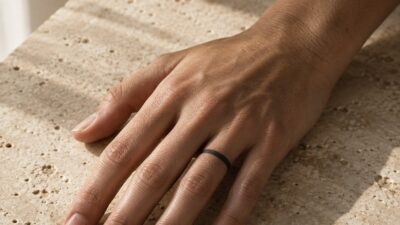
I’m also seeing more finger tattoos connected to bigger pieces. Designs wrapping onto the hand, tiny vines, ornamental patterns, ring-style tattoos that almost look like permanent jewelry. Some are subtle. Some definitely are not.
One thing people should know before getting one: finger tattoos fade. Fast sometimes. Your hands take a beating every day, so touch-ups are pretty normal with this placement.
Tattooing Techniques and Color Trends
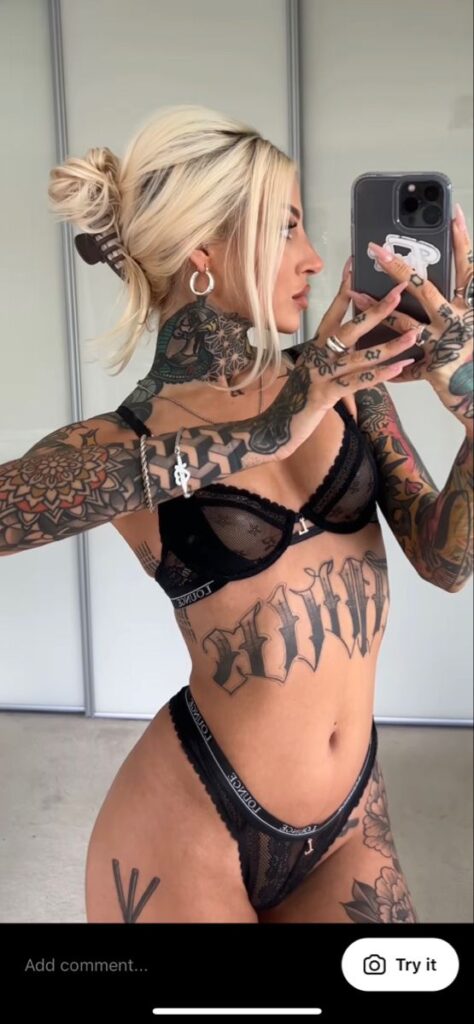
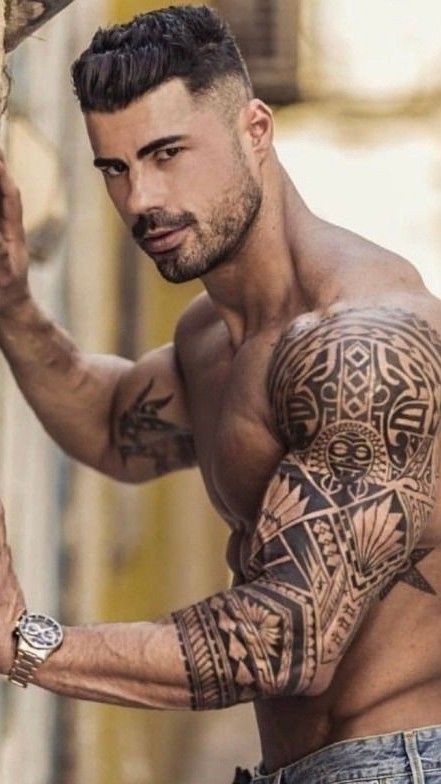
Tattooing techniques and color trends are evolving in 2026. Artists are embracing new styles and inks, creating exciting options for body art enthusiasts. This year, techniques such as freehand designs and watercolor tattoos are gaining popularity, along with special inks that offer vibrant hues.
The Craft of Freehand Designs
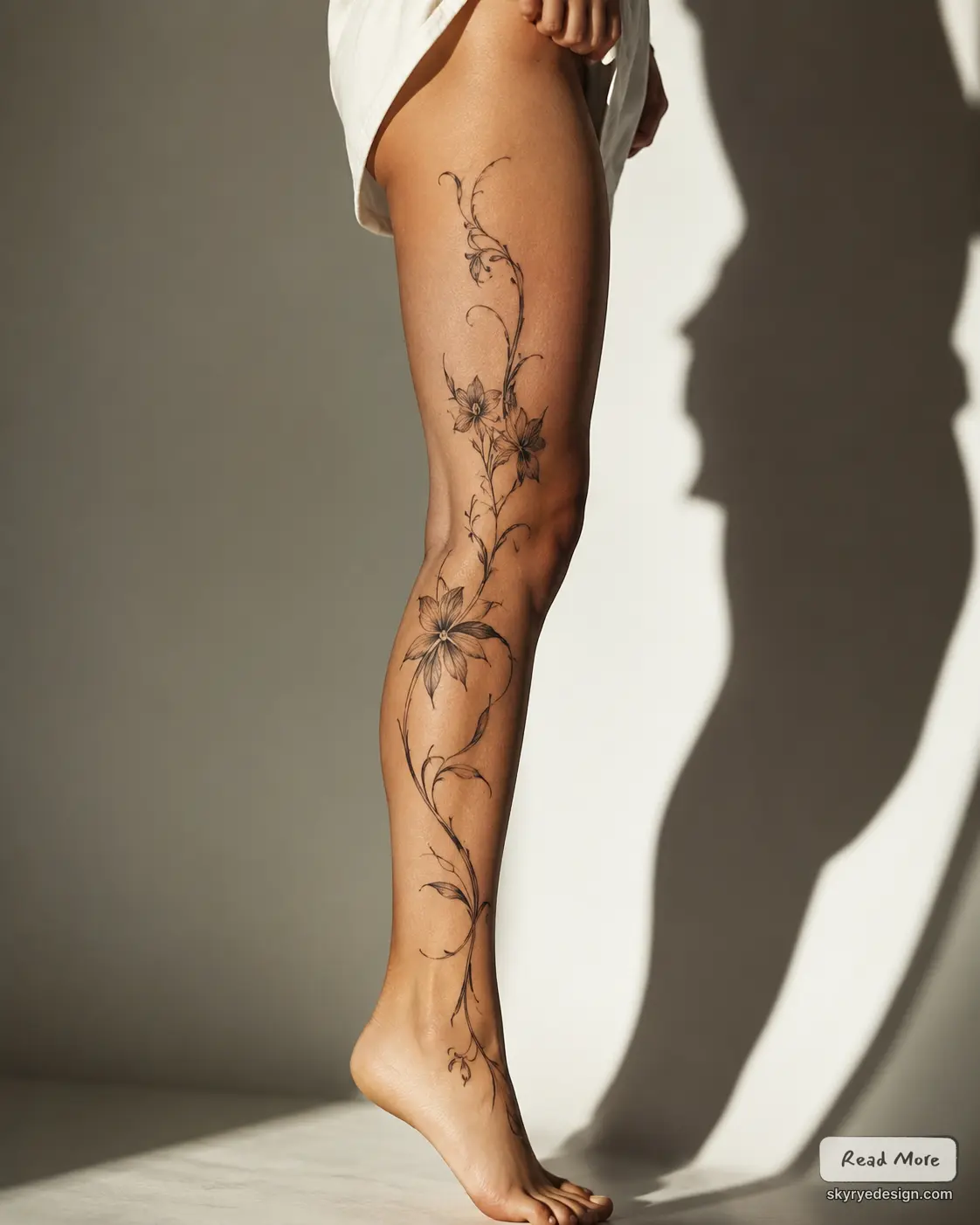
Freehand tattooing allows artists to create designs without stencils. This technique showcases an artist’s unique style and skill. Many artists prefer freehand abstract styles for their versatility and originality.
With this method, artists can adjust patterns to fit the contours of the body. This personal touch often leads to one-of-a-kind pieces that stand out. Freehand designs can range from intricate shapes to simple dainty lines, appealing to different tastes.
That body-fit thinking matters even more for hand tattoo designs that age well, because the artwork has to work around knuckles, tendons, and high-friction skin.
Dimensional Art and Watercolor Techniques
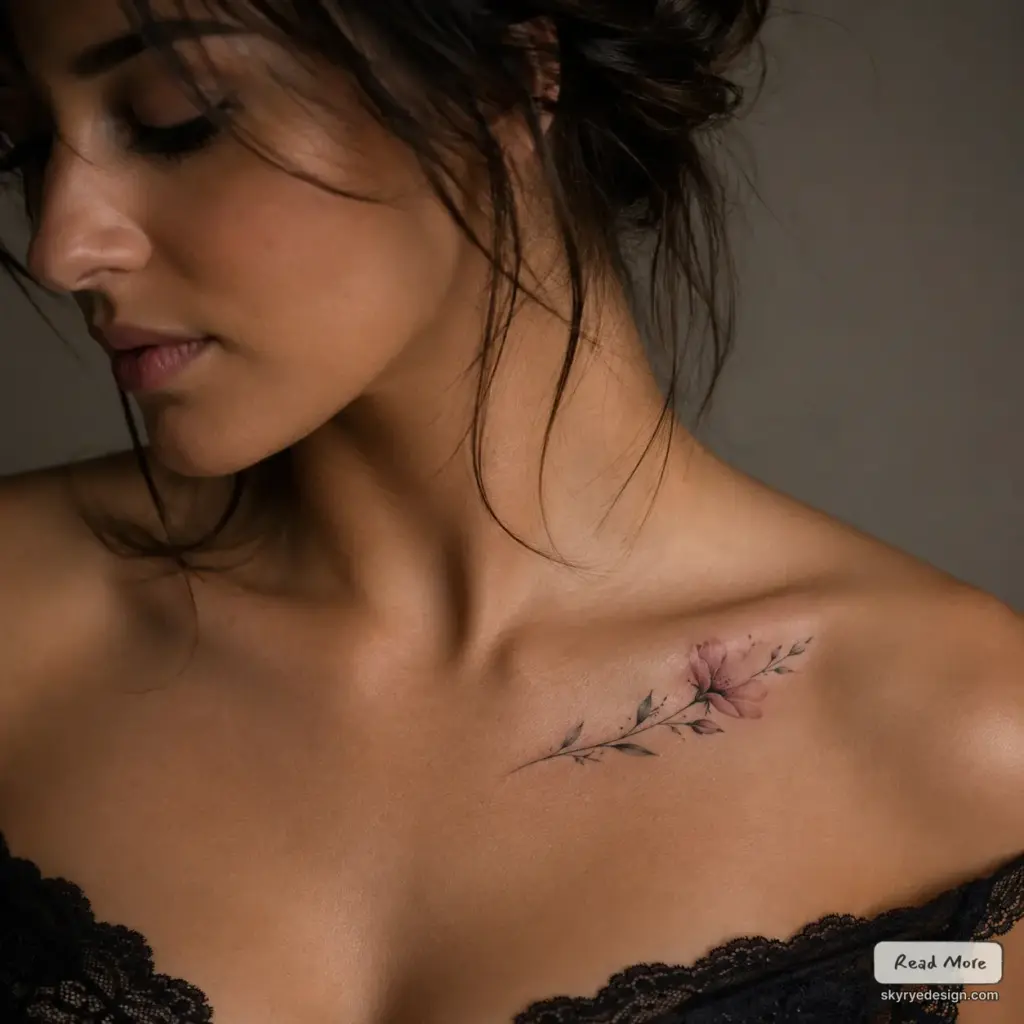
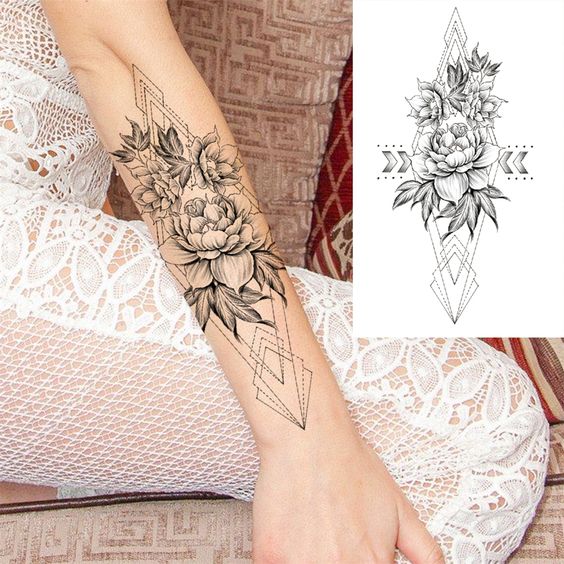
Dimensional art adds depth to tattoos, making them look three-dimensional. Artists use shading and light to create realistic effects. This technique brings designs to life, giving them a more striking appearance.
Watercolor tattoos continue to trend, known for their bright and flowing colors. They mimic the look of a watercolor painting. Artists blend colors seamlessly, creating soft edges and splashes that resemble paint on canvas.
Combining these techniques allows for rich, vibrant designs that capture attention. The use of dots enhances the overall look and adds a modern twist.
Special Inks and Vibrant Hues
Special inks have changed the tattoo industry by allowing for a broader color range. Modern pigments are brighter and more durable than ever. This advancement means tattoos stay vivid for longer.
Color trends in 2026 focus on bold hues and unique palettes. Pastels remain popular but are often mixed with vibrant shades to create contrast. Custom blends can result in stunning effects, especially in floral and abstract designs.
Textures and patterns can also play a significant role. Artists utilize these techniques to highlight colors and enhance realism in their work. This year, the focus is on striking combinations that make each piece memorable.
Tattoo Considerations and Aftercare
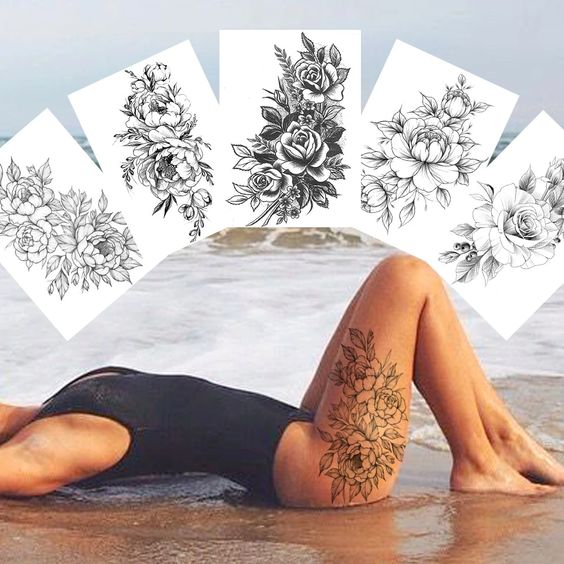
Tattooing involves more than just picking a design. It’s essential to choose the right artist and understand the long-term care required to maintain the beauty and story behind the tattoo.
Selecting the Right Tattoo and Artist
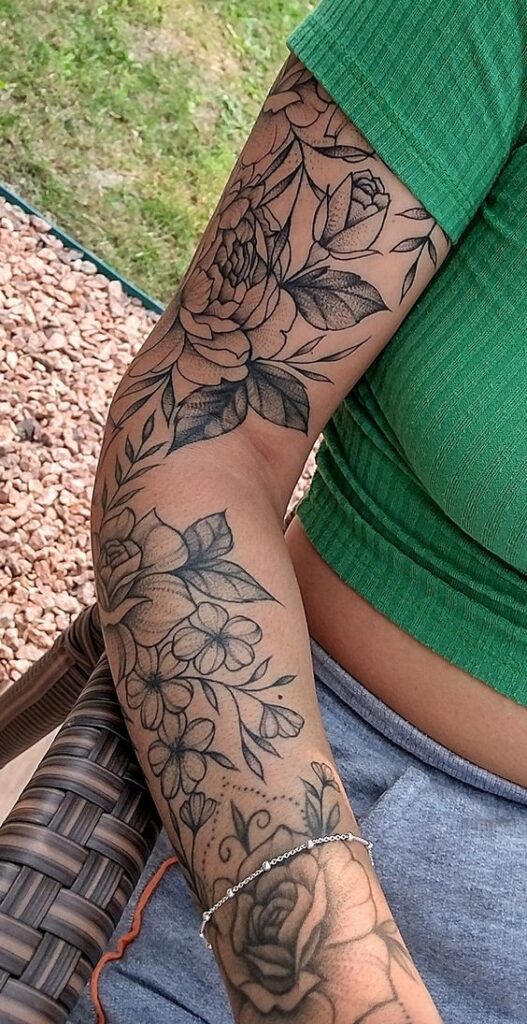
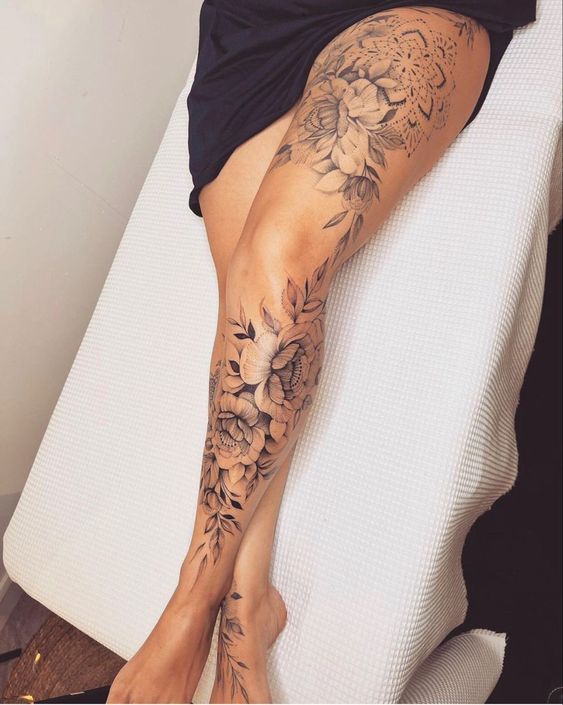
Choosing the right design and artist is crucial for anyone considering body art. People should research different tattoo ideas that resonate with their self-expression and personal story.
Look for artists who specialize in the desired style. Check their portfolios to ensure their work matches what is envisioned. Reviews and recommendations from past clients can also guide choices.
Take time to consult with artists. Discuss concepts, placement, and size. Clear communication helps to ensure that the final piece aligns with expectations.
Understanding the Commitment of Body Art
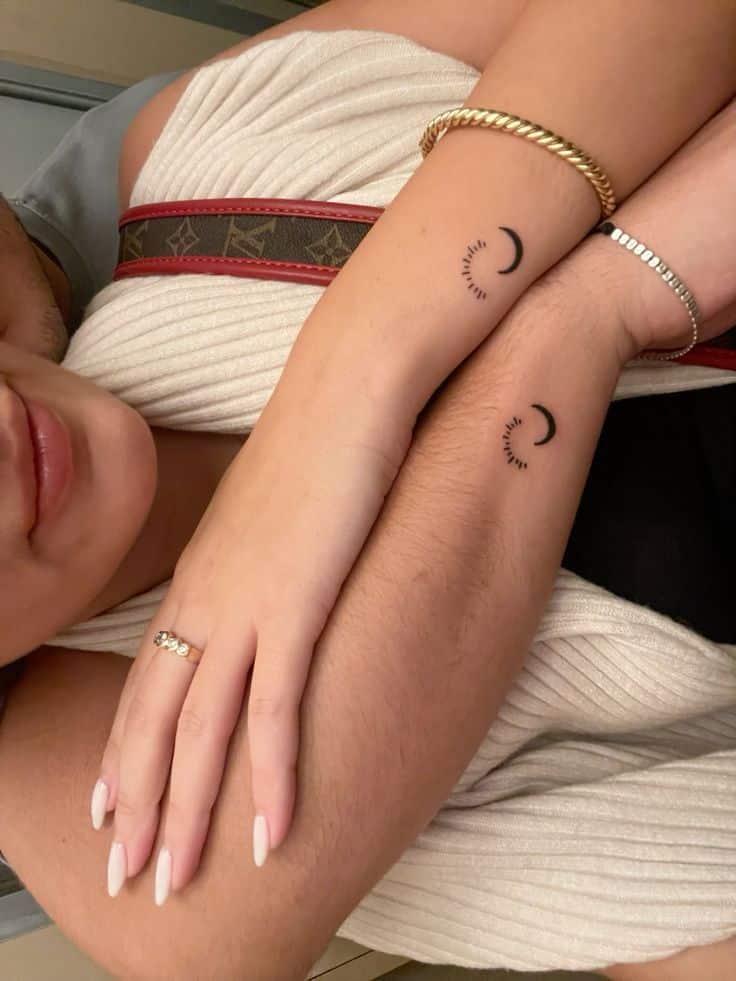
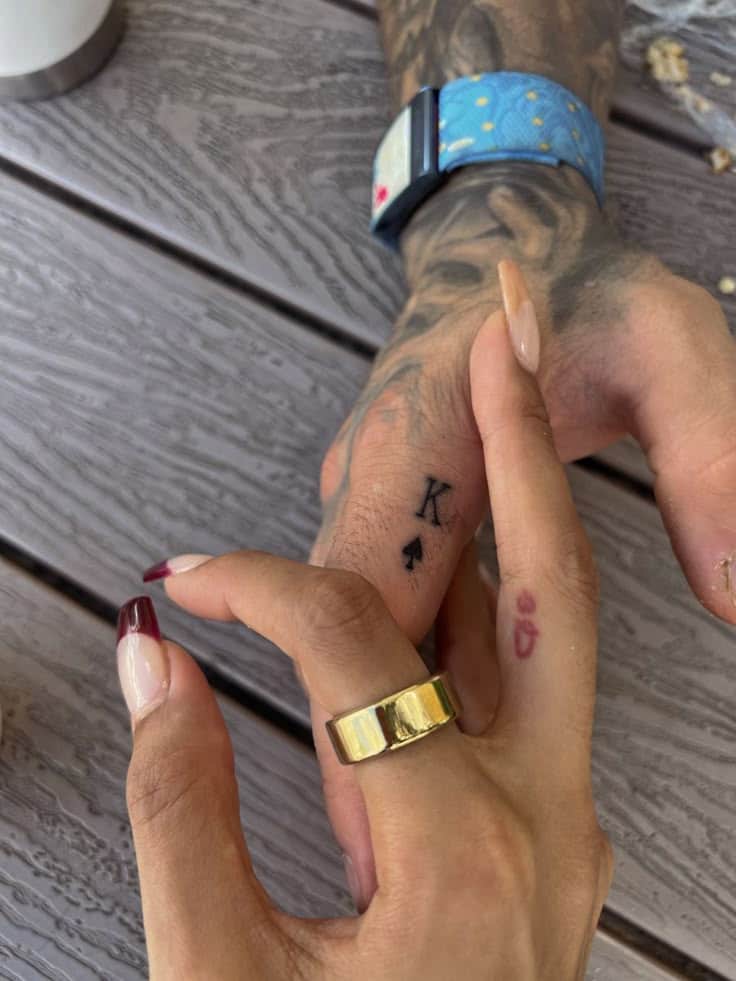
Tattoos are one of the few things you can’t quietly delete later. That sounds obvious, but people forget it when they’re excited about a design.
A tattoo that feels perfect today might still feel perfect ten years from now. Or maybe not. That’s why taking an extra week to think about it is usually a smart move. Nobody regrets slowing down.
Placement matters too. A visible hand or neck tattoo hits differently than something hidden under a sleeve. Depending on your job, family, or just how much attention you want, that stuff matters more than people admit.
And trends? They move fast. Tiny fine line tattoos, cyber sigils, micro realism — something new always shows up. Doesn’t mean trends are bad. Just worth asking yourself: Would I still want this if nobody else was getting it? Usually that question clears things up pretty quickly.
Maintenance and Longevity of Tattoos
Proper aftercare is vital for ensuring the longevity of tattoos. After getting inked, following the artist’s aftercare instructions protects the skin and the artwork.
Key steps include:
- Keeping it clean: Wash gently with mild soap.
- Moisturizing: Apply a fragrance-free lotion or ointment as directed.
- Avoiding sun exposure: Protect tattoos with sunscreen to prevent fading.
Regular maintenance also plays a role in longevity. Staying hydrated and nourishing the skin helps retain tattoo color and detail over time. Regular touch-ups may be necessary to keep the tattoo looking fresh.
Staying informed about care incentives the enduring beauty of each piece, allowing wearers to celebrate their freedom of expression through body art.
Frequently Asked Questions About Tattoo Trends in 2026
Q: What tattoo styles are trending in 2026?
A: In 2026, fine line tattoos, micro-realism, cyber sigilism, botanical blackwork, and minimalist symbols are leading trends. Placement matters too—collarbones, sternums, hands, and thighs are especially popular. Many people are also choosing “personal meaning” tattoos over trend-based designs, such as memorial pieces, coordinates, or custom handwriting tattoos.
Q: Are fine line tattoos worth it?
A: Fine line tattoos look incredibly clean and elegant, especially for floral designs, script, or minimalist art. However, they require an experienced artist because thin lines can blur or fade unevenly over time. Expect touch-ups every few years, especially for areas exposed to sun or friction like wrists or fingers.
Q: How do I choose a tattoo trend that won’t look outdated?
A: Focus on meaning first and trend second. Trends come and go—tribal in the 2000s, watercolor in the 2010s, now fine line and abstract work. A good rule: choose a design that would still matter to you in 10 years. Timeless options include nature motifs, symbolic animals, meaningful quotes, and subtle geometric patterns.
Q: What are the best placements for trendy tattoos?
A: Popular placements in 2026 include the forearm, thigh, collarbone, spine, ankle, and inner bicep. Smaller minimalist tattoos work well on wrists and fingers, while larger statement pieces fit thighs or backs. Placement should also match pain tolerance—ribs and sternum hurt more than arms or calves.
Q: How much do trendy tattoos cost?
A: Pricing depends on size, artist reputation, and detail level. A small fine line tattoo typically costs $80–$200, while medium custom pieces range from $250–$700. Micro-realism or highly detailed designs can exceed $1,000. Choosing the cheapest artist often leads to expensive cover-ups later.
Q: Why are minimalist tattoos so popular?
A: Minimalist tattoos fit modern aesthetics—clean, subtle, and easy to personalize. Many people prefer designs that feel professional-friendly and less overwhelming than full sleeves. Tiny suns, stars, florals, initials, or symbolic line art are especially popular because they feel personal without being overly bold.
Q: What tattoo trends fade badly over time?
A: Extremely tiny text, ultra-thin lines, white ink tattoos, and overly detailed micro pieces tend to age faster. Skin naturally spreads ink over time, so details can blur. Good artists design tattoos with aging in mind by slightly thickening lines and simplifying tiny elements where needed.
Q: What’s the biggest mistake people make with trendy tattoos?
A: Copying Pinterest tattoos without personalization is one of the biggest mistakes. What looks great online may not suit your body shape, skin tone, or personal style. Another common issue is choosing trends without researching healing, aging, or artist specialization—especially for fine line and micro-realism work.
Fine line work is still one of the softer tattoo directions to watch; this fine line tattoo trend guide covers aging, placement, and aftercare basics.
One trend that keeps coming back is the phoenix tattoo trend, especially for people who want ink tied to renewal, survival, or a new chapter.
Another trend worth researching carefully is UV tattoos, especially if you like hidden details, festival styling, or blacklight accents that only appear in certain lighting.
For a practical look at how current styles translate onto the arm, compare these trends with our sleeve tattoo trends for men guide.
Small symbolic ink is still moving toward personal codes, and number tattoo ideas fit that trend because they can be minimal, readable, and specific.
One trend that still holds up is restraint: minimalist wrist tattoos with clean spacing, short script, or bracelet-like linework tend to age better than overpacked micro-detail.
Lettering is still one of the softer trends to watch, especially when it stays readable. This guide to script and word tattoo ideas is useful if you want words instead of symbols.
- 6.4Kshares
- Facebook0
- Pinterest6.4K
- Twitter1
- Reddit0