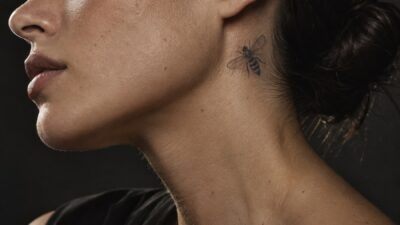
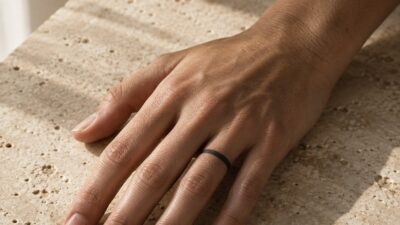
Henna tattoos are temporary designs made with henna paste, not ink. Fresh henna usually stains the skin bright orange at first, then darkens into rust, reddish-brown, or deep brown over the next day or so. After that, it slowly fades as the top layer of skin sheds, usually within one to three weeks.
The best henna designs work with the body instead of just sitting on top of it. Hands and fingers are perfect for tiny florals, mandalas, dots, vines, and lace-like patterns. Feet, ankles, wrists, shoulders, and collarbones also give you enough space for clean linework without turning the design into a permanent decision.
- What is a henna tattoo?
- Henna Tattoo Fundamentals (टैटू मेहंदी)
- Henna Tattoo Designs and Meanings
- The Process of Applying Henna Tattoos
- Aftercare and Tattoo Longevity
- Health and Safety Considerations
- DIY Henna Tattoos
- Professional Henna Artists
- Cultural and Modern Adaptations
- Expanding the Henna Experience
- Henna Tattoo FAQ
- Q: What is a henna tattoo and how does it work?
- Q: How long do henna tattoos last?
- Q: How do you take care of a henna tattoo to make it last longer?
- Q: Is henna safe for the skin?
- Q: What are the best places on the body for a henna tattoo?
- Q: How much does a henna tattoo cost?
- Q: What are common mistakes people make with henna tattoos?
- Q: Can you remove a henna tattoo quickly?
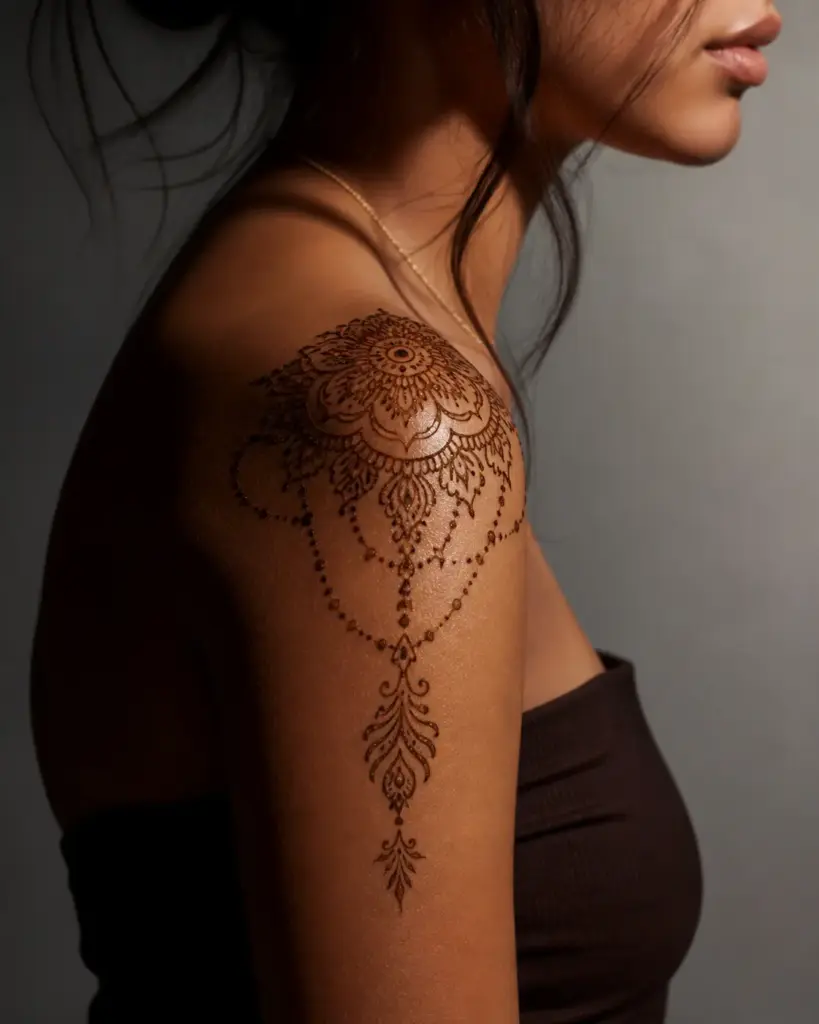
Henna is especially popular for weddings, festivals, vacations, and photo shoots because it gives you that decorated-skin look without the long-term commitment of a tattoo. You can go detailed, ornamental, minimal, botanical, geometric, or full traditional bridal style.
This guide covers henna tattoo ideas by style and placement, but I also want to keep the practical stuff clear: how the paste works, how long the stain lasts, how to care for it, and why “black henna” is the version to avoid. Natural henna stains in warm brown tones. If someone promises a jet-black temporary tattoo, be careful. That is usually not natural henna.
What is a henna tattoo?
A henna tattoo is a temporary skin stain made from henna paste, usually from the powdered leaves of Lawsonia inermis. Natural henna leaves an orange to reddish-brown mark that darkens over the first day or two, then fades as the top layer of skin sheds. Most designs last about one to three weeks, depending on paste quality, placement, aftercare, and how often the area is washed or rubbed.
Palms, fingers, feet, and ankles usually stain darker because the skin is thicker. The main safety rule is simple: avoid “black henna.” Products sold as black henna often use added dyes such as PPD, which regulators warn can cause serious skin reactions. For a safer result, choose fresh natural henna paste, check the ingredient list, patch test if you are sensitive, and keep the dried paste on long enough for a deep stain.
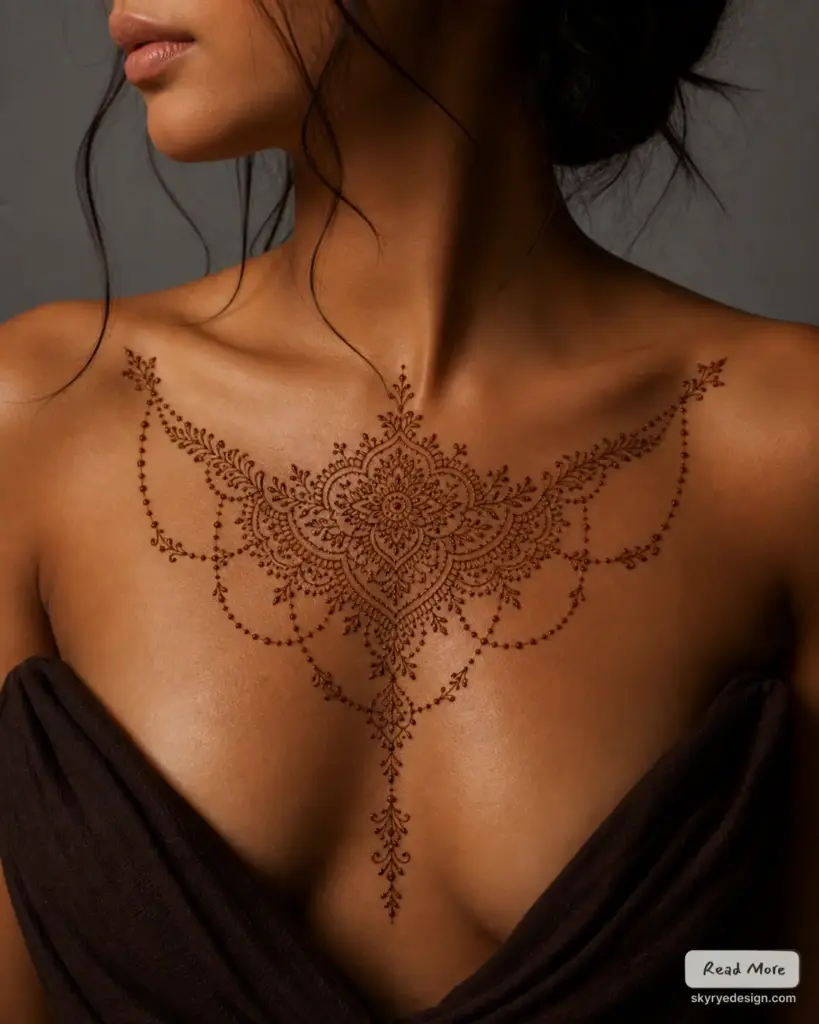
The process involves using a natural dye derived from the henna plant, which has been used for centuries in various cultures for body art and hair coloring. The application is relatively simple, allowing individuals to personalize their designs according to their preferences. As the henna dries, it leaves a stain that can last from a few days up to several weeks, depending on aftercare.
Exploring the world of henna tattoos goes beyond mere aesthetics; it delves into cultural practices and personal stories. Whether for a wedding, a festival, or a personal celebration, henna art invites everyone to connect with both their creativity and the heritage that comes with it.
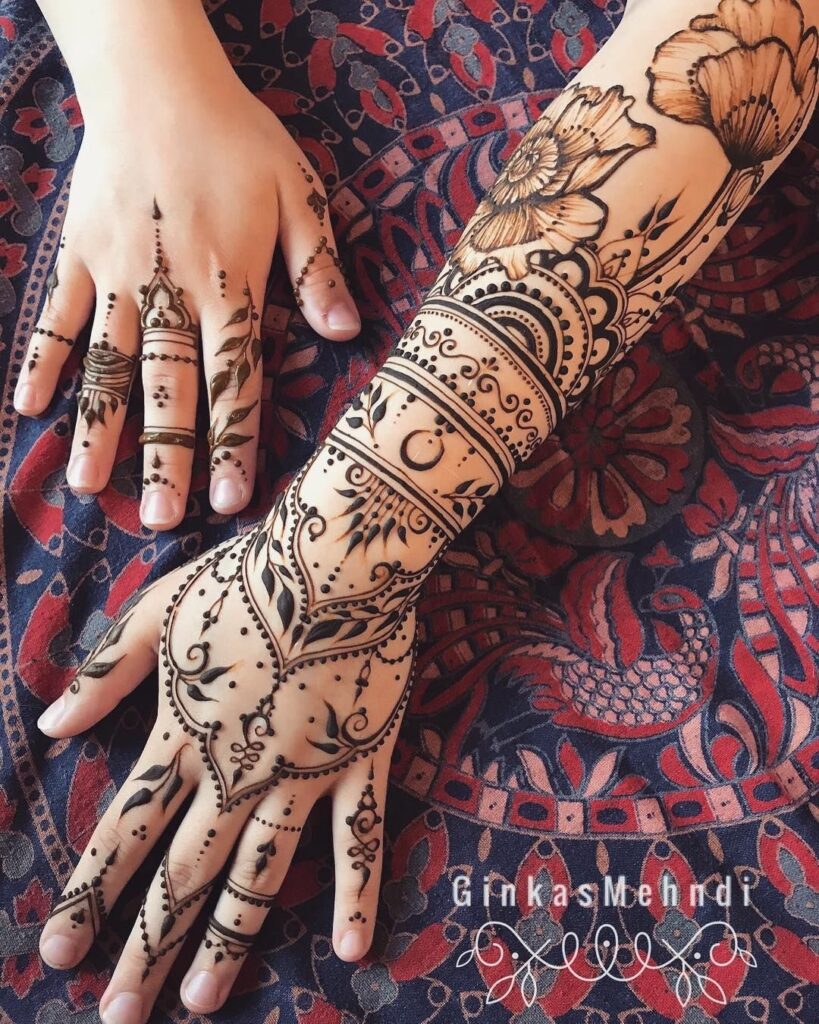
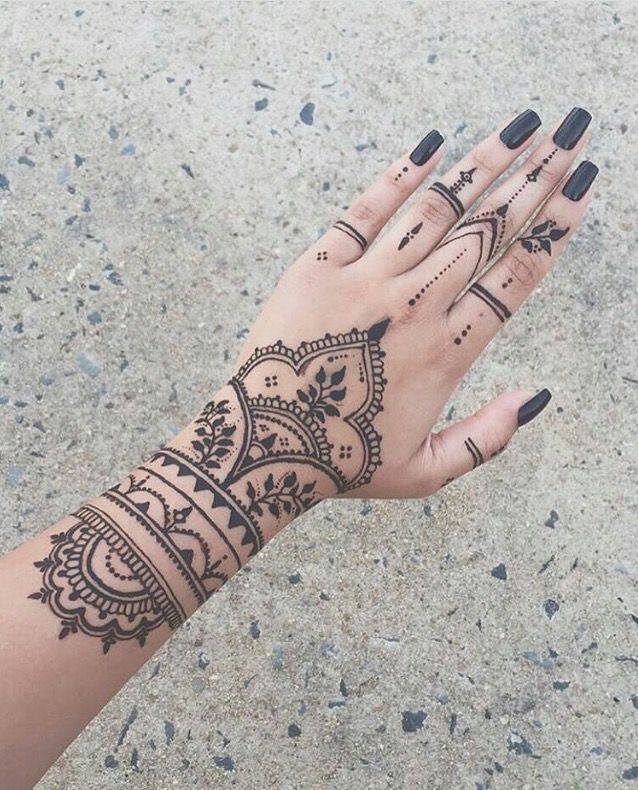
Henna Tattoo Fundamentals (टैटू मेहंदी)
Henna tattoos have deep roots in various cultures, serving as a symbol of beauty, tradition, and significant life events. Understanding their origins and the henna plant is crucial for appreciating this art form.
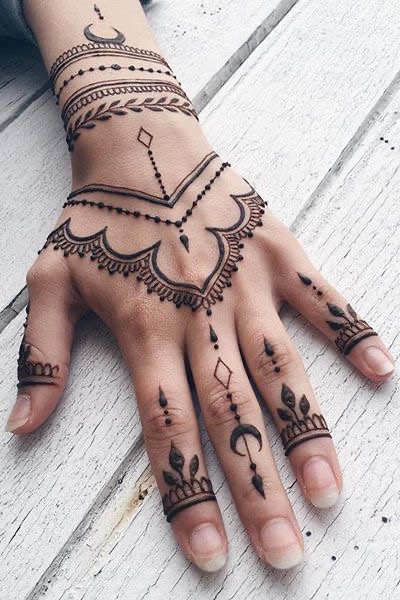
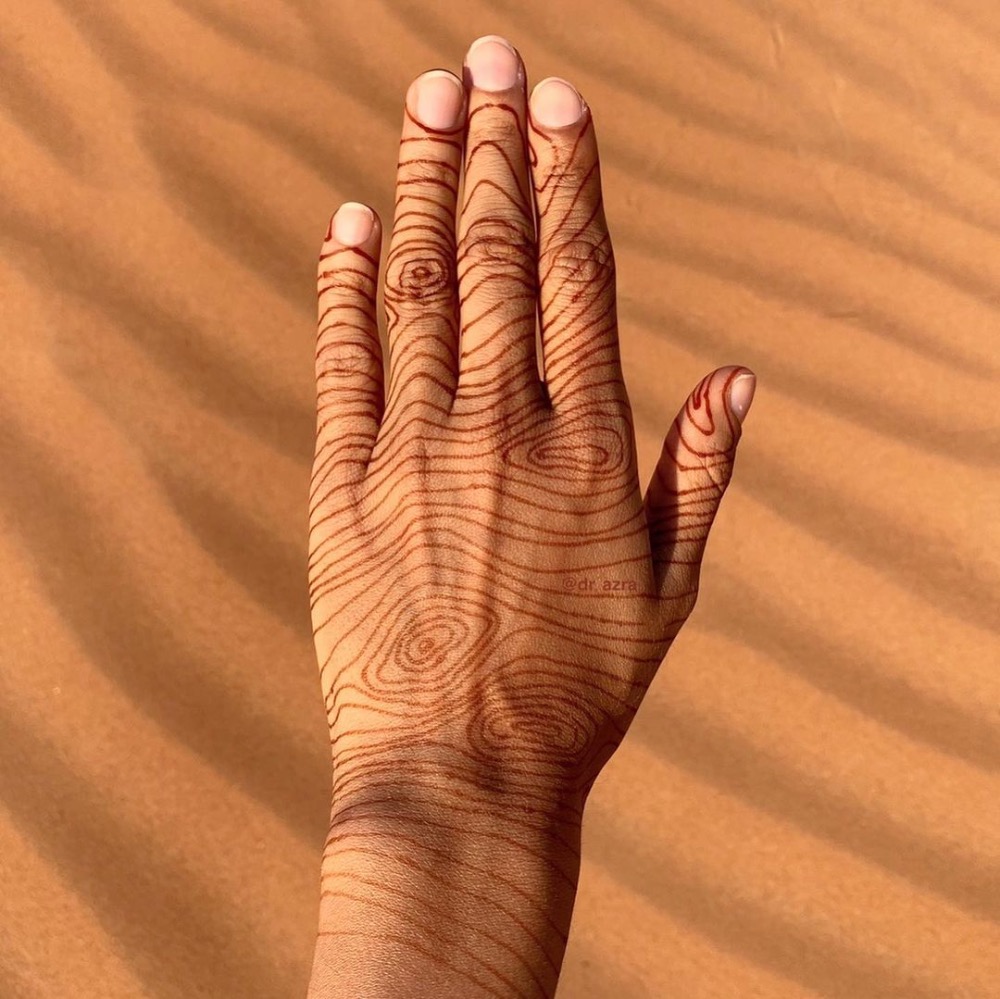
Origins and Cultural Significance
Henna tattoos date back thousands of years, originating in regions like India, Africa, and the Middle East. They were traditionally used in celebrations, particularly weddings and festivals.
In India, henna is essential during weddings, symbolizing joy and prosperity. It’s common to see intricate designs on brides, believed to bring good luck. In Middle Eastern cultures, henna is often part of religious ceremonies and is a mark of celebration.
Along with weddings, festivals like Diwali include henna designs. These tattoos reflect cultural identity and personal expression across various societies.
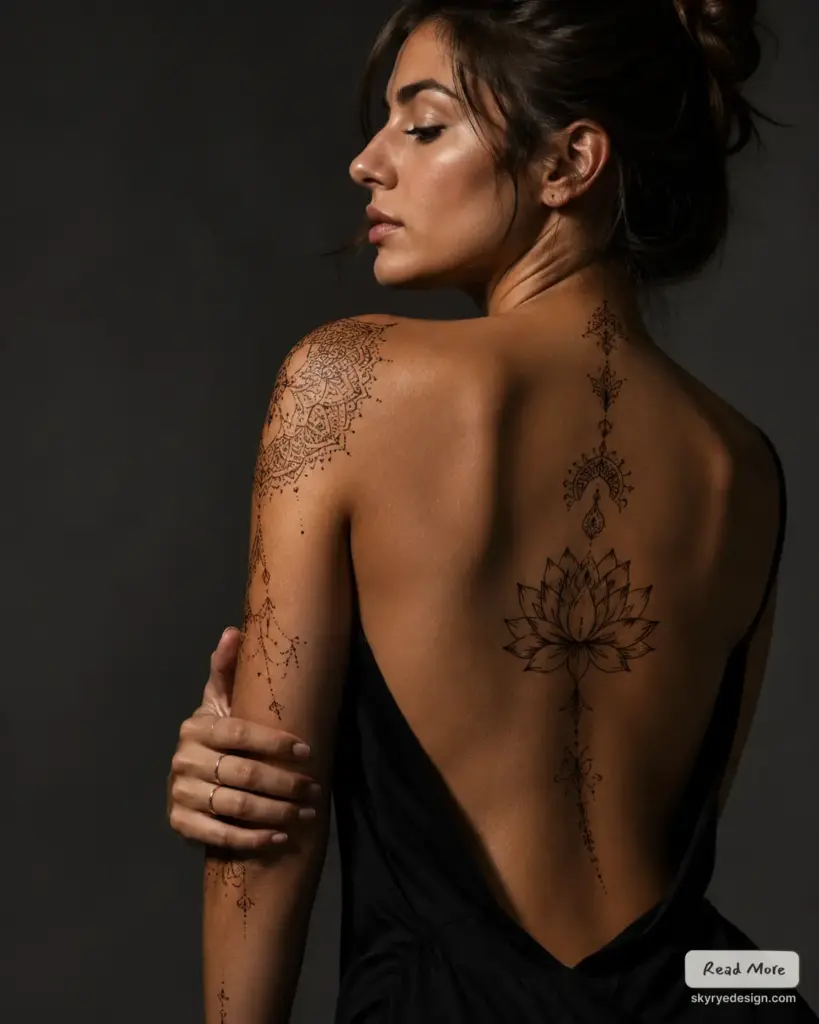
Understanding the Henna Plant
The henna plant, scientifically known as Lawsonia inermis, thrives in tropical and subtropical climates. Its leaves are rich in lawsone, a compound responsible for the dye used in henna tattoos.
The dyeing process involves drying and grinding henna leaves into powder, which is then mixed with liquids like lemon juice, tea, or essential oils to enhance color. This paste is applied to the skin in intricate patterns.
Henna is not only known for its aesthetic qualities but also has cooling properties, making it popular in hot climates. The art of applying henna has evolved, with contemporary styles merging traditional designs with modern interpretations.
Henna Tattoo Designs and Meanings
Best placements for a darker henna stain
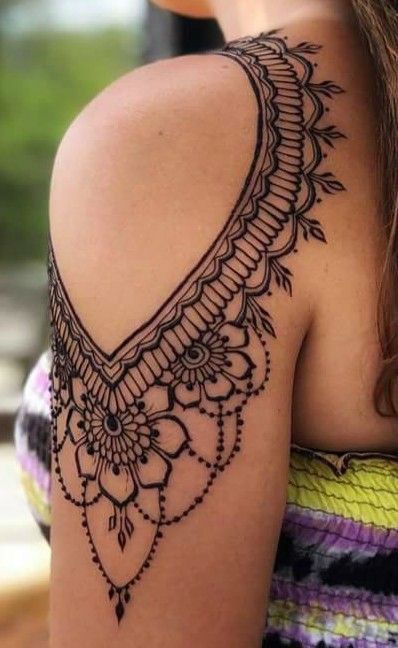
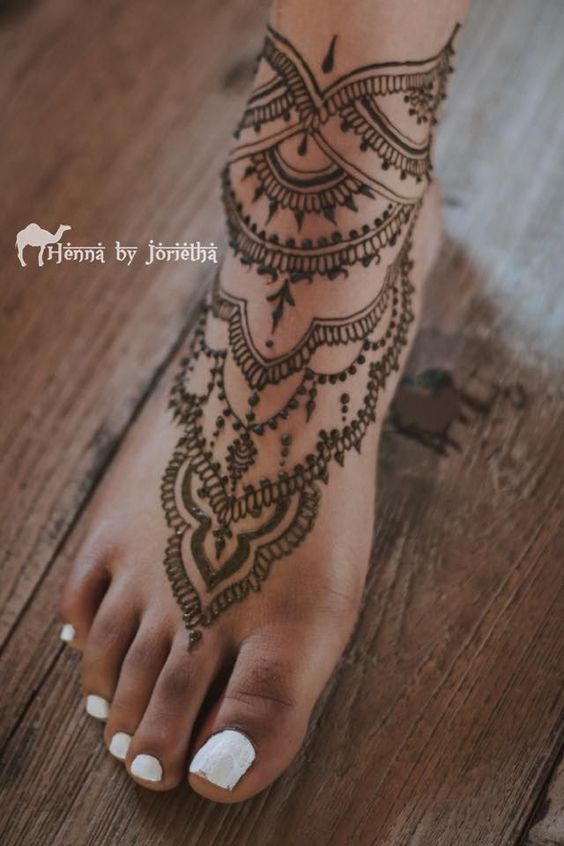
For the darkest henna stain, choose hands, palms, fingers, feet, ankles, or wrists. These areas usually hold color better because the skin is thicker or less oily. Shoulders, backs, ribs, and thighs can look beautiful in photos, but the stain may fade faster and show less contrast.
| Placement | Best for | Stain strength |
|---|---|---|
| Palms and fingers | Bridal mehndi, detailed florals, small symbols | Usually darkest |
| Feet and ankles | Festival designs, mandalas, anklet-style patterns | Dark to medium |
| Wrists and forearms | Minimal vines, cuffs, simple geometric work | Medium |
| Shoulders, back, ribs, thighs | Photo-led designs and larger body art | Often softer |
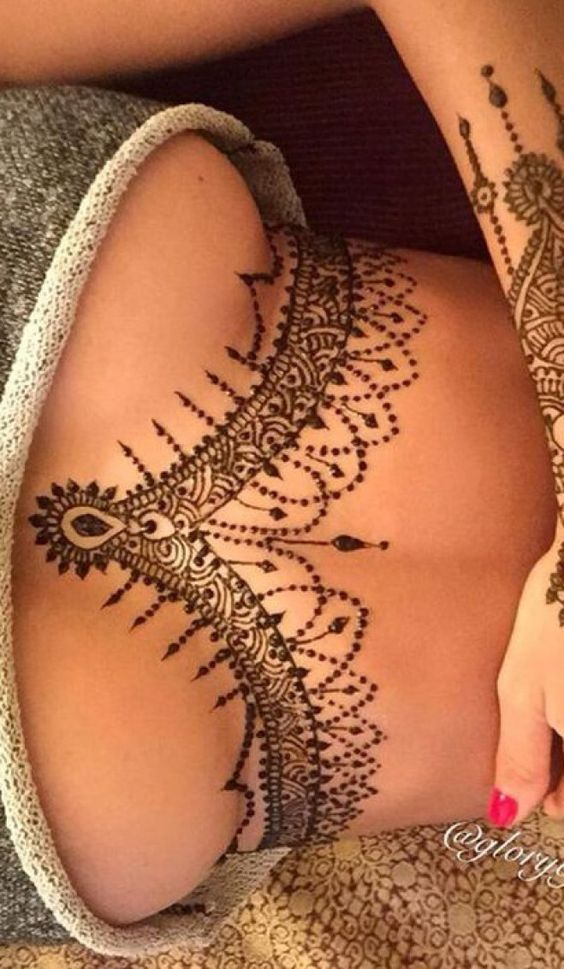
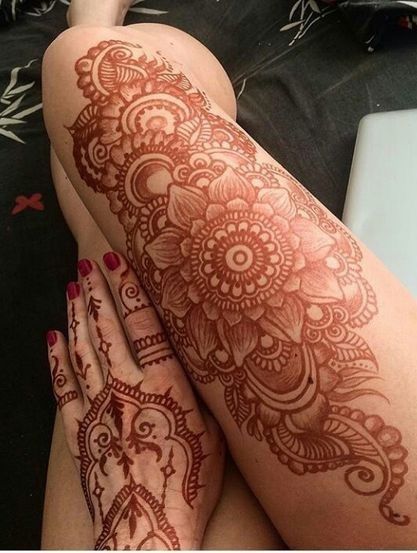
Henna tattoos feature a variety of symbols and motifs, each carrying its own significance. Design choices may include floral patterns, geometric shapes, and popular cultural elements that reflect personal meaning.
Symbols and Motifs
Common symbols in henna tattoos include flowers, geometric shapes, and intricate lines. The lotus flower is often associated with purity and rebirth. Paisley designs represent fertility and abundance, while peacocks symbolize beauty and grace.
Vines and flowing lines frequently convey a sense of movement and connection, emphasizing the natural beauty of the designs. Each symbol can have personal interpretations, adding depth to the art of henna. Clients often choose designs based on personal tastes or cultural significance, ensuring that each tattoo has a unique meaning.
Popular Design Examples
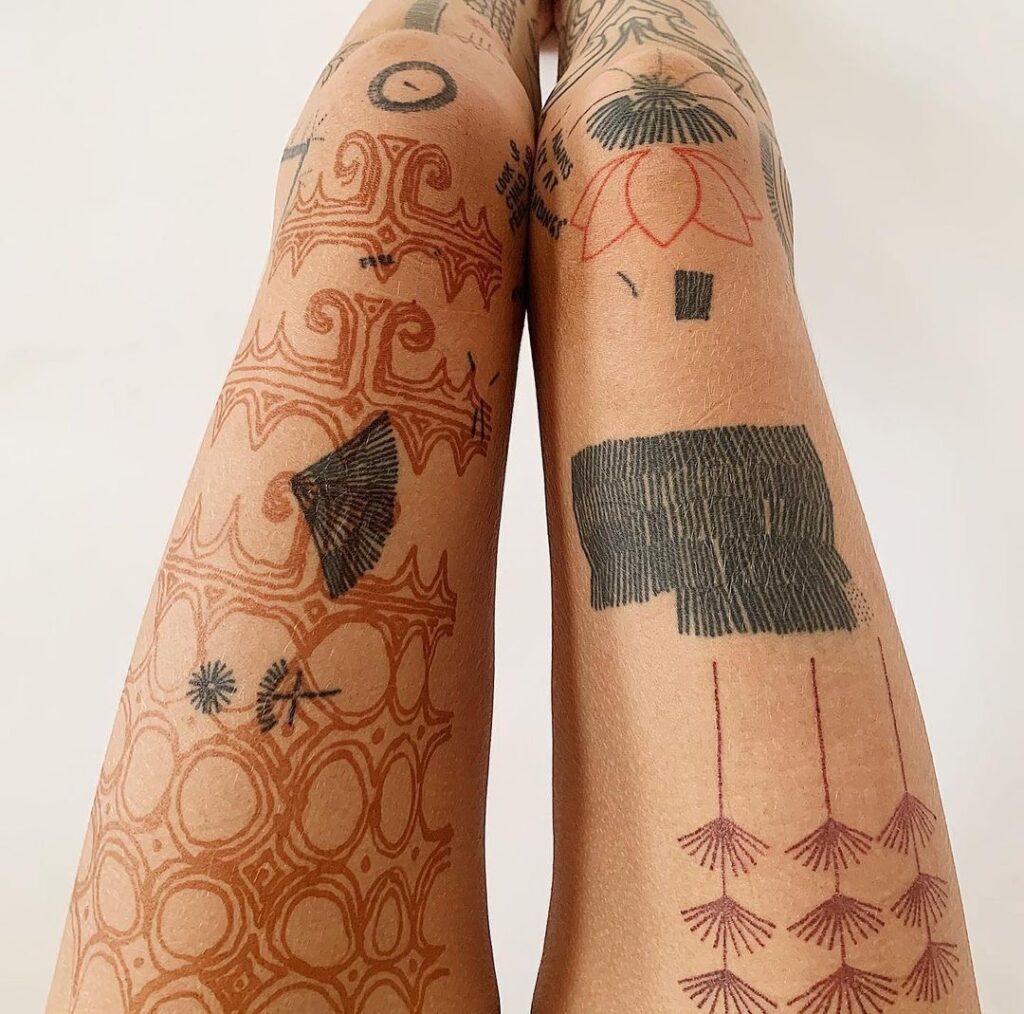
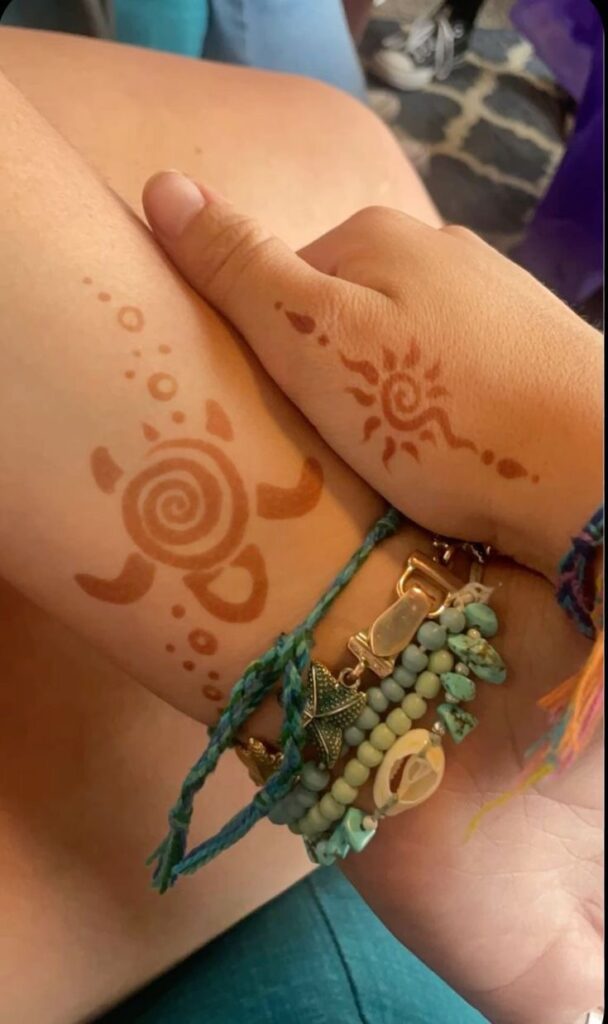
Popular henna designs range from simple patterns to complex illustrations. Floral motifs are a favorite, often featuring intricate petals and leaves that can wrap around an arm or leg.
Geometric shapes, such as triangles and diamonds, lend a modern touch to traditional designs. Designs may also incorporate personal elements like initials or significant dates, making them unique to the wearer.
Peacock designs are visually striking, incorporating feathers and body shapes in elaborate patterns. These elements come together to create art that is not only beautiful but also rich in cultural significance.
The Process of Applying Henna Tattoos
How to apply a henna tattoo step by step
- Clean the skin and avoid lotion or oil before application.
- Mix or choose fresh natural henna paste with a smooth cone-friendly texture.
- Sketch the design lightly or start with simple dots, vines, flowers, and mandala shapes.
- Apply the paste slowly, keeping the cone tip close to the skin for cleaner lines.
- Let the paste dry for at least 30-60 minutes; longer contact usually gives a deeper stain.
- Scrape the dry paste off gently instead of washing it immediately.
- Avoid water, heavy friction, and exfoliation for the first day when possible.

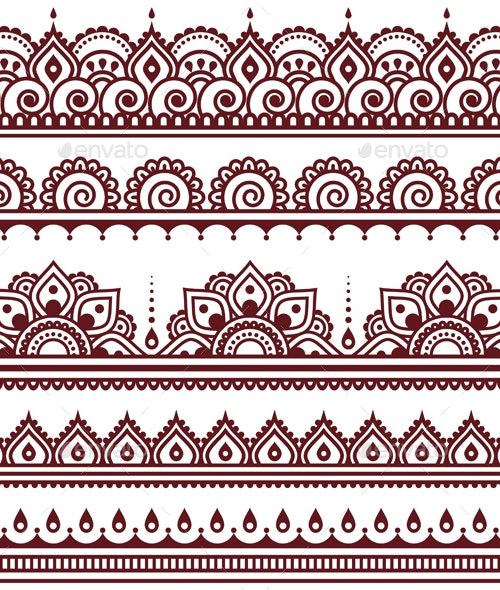
Applying henna tattoos involves careful preparation of the henna paste and the technique of application. Both steps are essential for achieving a vibrant and long-lasting design on the skin.
Preparing Henna Paste
To prepare the henna paste, high-quality henna powder should be selected. It is typically made from the leaves of the Lawsonia inermis plant. The powder must be mixed with a liquid, often lemon juice or tea, to reach the desired consistency.
Ingredients for the paste:
- Henna powder: 100g
- Lemon juice: 30-50ml
- Sugar: 1-2 teaspoons (optional, for paste texture)
- Essential oils: such as eucalyptus or lavender (optional, for scent)
The mixture should rest for several hours, preferably overnight, allowing dye compounds to release. A well-prepared paste will produce a rich, dark stain once applied to the skin.
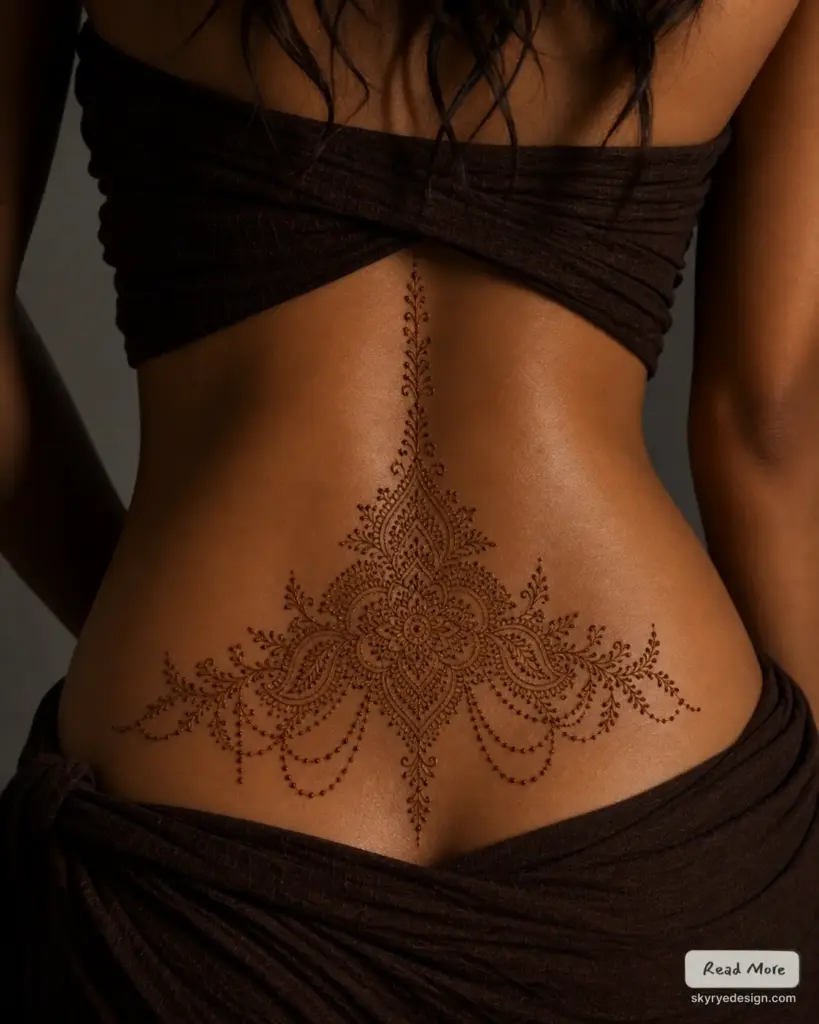
The Application Technique
Henna can be applied using various techniques. Many henna artists prefer using a cone, similar to a piping bag, for precision. The cone allows for fine lines and intricate designs.
Before application, the artist can clean the skin, ensuring it is free of oils or lotions. They may also use a stencil for more complex patterns. The paste is applied carefully, adhering to the skin and creating the desired body art.
After application, the paste must be allowed to dry completely, usually taking 30 to 60 minutes. Keeping the paste on the skin for an extended period enhances the darkness of the stain. Once dry, it can be gently scraped off, revealing the intricate design.
Aftercare and Tattoo Longevity
Proper aftercare is essential for maintaining the quality and longevity of a henna tattoo. Care routines can significantly influence how long the design retains its vibrancy and detail.
Maintaining the Tattoo
For optimal henna tattoo maintenance, keeping the area moisturized is crucial. Using olive oil or a light lotion can help maintain moisture without causing fading. Avoiding lemon juice or products containing sugar in the early days can prevent premature fading.
It’s advisable to limit exposure to water, especially in pools or hot tubs, as this can wash away the henna more quickly. It is also best to avoid scrubbing the tattooed area and wearing tight clothing that can rub against it.
Keeping the design covered during the initial hours can help set the color effectively. Exposure to direct sunlight can lead to fading, so applying a mild sunscreen after a few hours can further protect the tattoo.
Factors Affecting Tattoo Duration
Henna tattoos don’t all fade the same — and yeah, your skin is a big part of that. I’ve seen the same design look totally different on two people a week later. Oily skin usually holds the stain better. Dry skin? It starts breaking up faster, sometimes patchy. And darker skin tones tend to make the color pop more right away, which helps it feel like it lasts longer too.
Weather can mess with it more than you’d think. I remember getting one done in the middle of a humid summer — looked amazing on day one, then faded way faster than expected. Dry air is kinder. Heat and moisture, not so much.
And then there’s aftercare. This is where most people ruin it without realizing. Long showers, swimming, sweating like crazy — all of that pulls the color out quicker. If you can, just baby it for the first two days. No gym, no pool. It’s annoying, but it works.
Do that, and your henna actually has a chance to look good for more than a few days.
| Placement | Typical duration | Why it lasts that long | Care tip |
|---|---|---|---|
| Palms and soles | 1-3 weeks | Thicker skin usually takes a darker stain. | Keep paste on longer and avoid water the first day. |
| Hands and feet | 7-21 days | Strong stain, but frequent washing can fade details. | Use a light natural oil before showers. |
| Wrist and forearm | 7-14 days | Moderate stain depth plus daily friction. | Avoid tight sleeves and scrubbing. |
| Shoulder, back, thigh | 5-12 days | Smoother skin and clothing friction can shorten wear. | Choose bolder motifs if you want the design to read longer. |
DataForSEO also shows strong search demand around duration and aftercare queries, especially “how long do henna tattoos last” and “henna tattoo aftercare.” That matches what readers need here: not just pretty examples, but a clear way to keep the stain readable for the first week.
Health and Safety Considerations
Natural henna should stain orange, rust, brown, or reddish-brown. Be careful with any product marketed as “black henna,” especially if it promises a very dark stain in minutes. The FDA warns that products sold as black henna may contain added dyes such as PPD, which can trigger severe skin reactions in some people. Health Canada gives similar warnings about black henna temporary tattoos. If a paste smells strongly chemical, stains jet black, or does not list ingredients, skip it.
| Option | Typical color | Duration | Main risk | Best for |
|---|---|---|---|---|
| Natural henna | Orange to reddish-brown | 1-3 weeks | Plant sensitivity or poor hygiene | Traditional mehndi, bridal hands, festival designs |
| Black henna | Black or very dark brown | Varies | PPD and chemical reactions | Avoid for skin |
| Jagua | Blue-black | 1-2 weeks | Fruit sensitivity | Temporary tattoo look without black henna |
| Tattoo sticker | Printed color | Days | Adhesive irritation | Quick costume or event designs |
When considering henna tattoos, attention to health and safety is crucial. The type of henna used and the potential for allergic reactions are important factors.
Natural vs. Chemical Henna
Natural henna is derived from the leaves of the Lawsonia inermis plant. Its primary dye, lawsone, produces a reddish-brown stain on the skin.
Chemical henna often contains paraphenylenediamine (PPD), a synthetic dye. Black henna is notorious for having PPD, which can cause skin irritation and severe allergic reactions.
Natural henna is generally regarded as safe, while chemical variants pose significant risks. Users should always verify the ingredients in any henna product to avoid harm.

Identifying and Treating Allergic Reactions
Allergic reactions to henna can manifest as itching, redness, or swelling on the skin. Symptoms may appear within hours or days after application.
If a reaction occurs, immediate steps should include gently washing the area with soap and water. Over-the-counter antihistamines can alleviate mild symptoms.
For severe reactions, such as difficulty breathing or extensive swelling, seek urgent medical help. It is essential to consult with a healthcare provider for persistent or worsening symptoms to avoid complications.
DIY Henna Tattoos

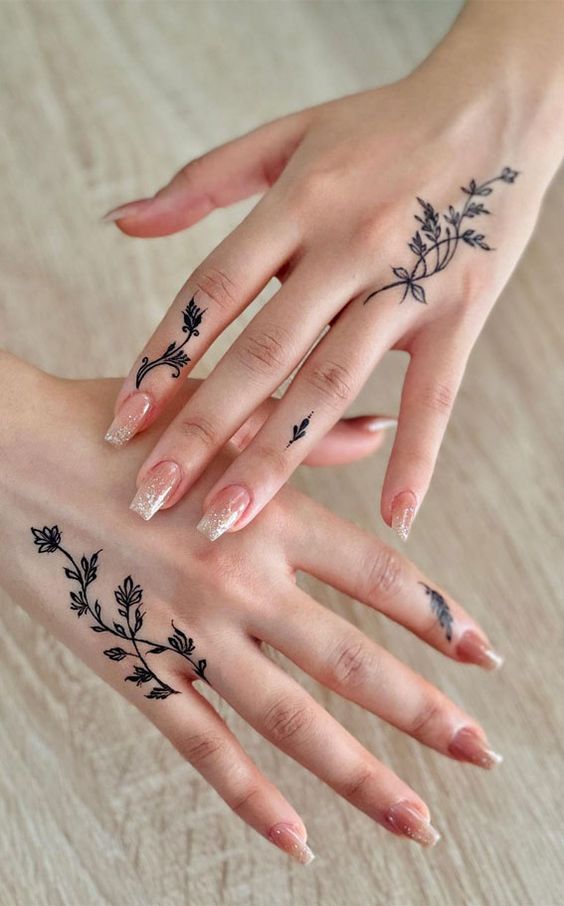
Creating henna tattoos at home offers a fun and artistic way to express creativity. Individuals can explore simple designs and unique patterns using easily accessible materials.
Creating Your Own Designs
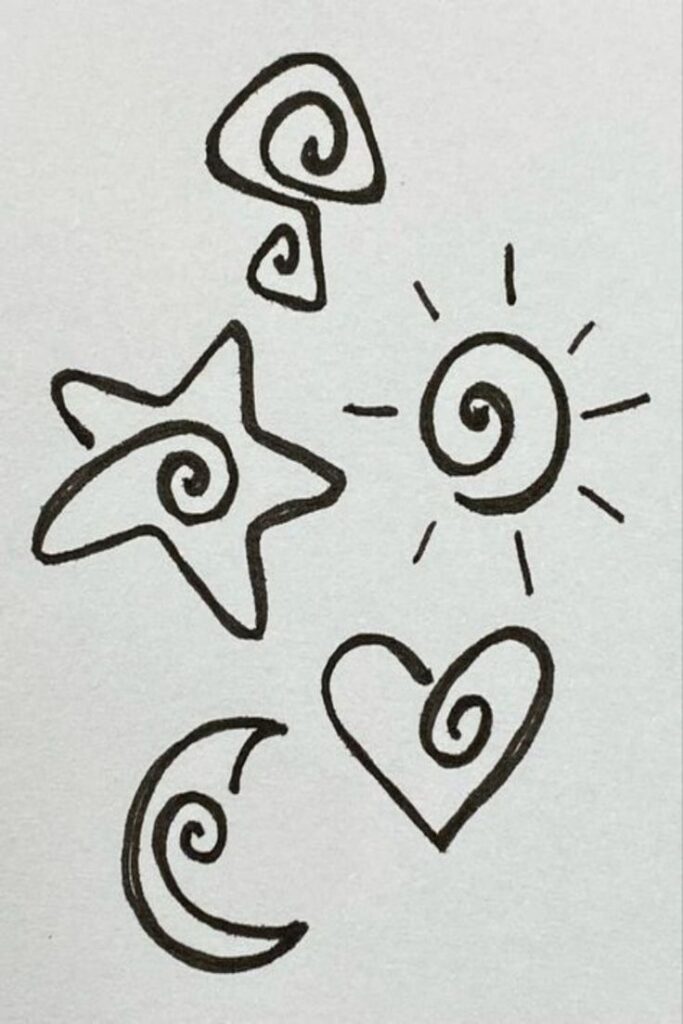
Designing henna tattoos requires both practice and creativity. It is recommended to start with simple designs, such as flowers, hearts, or geometric shapes. These can serve as a foundation for more intricate patterns as skills improve.
Essential Tips:
- Sketch First: Draw designs on paper before transferring them to the skin. This helps visualize the final look.
- Use Reference Images: Finding inspiration from online sources can enhance creativity.
To create the paste, henna powder is mixed with water and potentially essential oils for improved stain quality. Common oils include lavender or eucalyptus, which can enhance the scent and longevity of the design.
Henna Tattoo Kits
Using a henna tattoo kit simplifies the DIY process. Most kits include pre-mixed henna paste in tubes or cones, making application straightforward.
Key Components of a Kit:
- Henna Paste: Look for kits with natural ingredients for quality results.
- Application Tools: Kits usually provide cones or applicators that help in creating detailed designs.
For beginners, kits with instructional guides can be very helpful. They often include tips on achieving the best staining results and provide information about how long to leave the henna on the skin for optimal color.
Professional Henna Artists
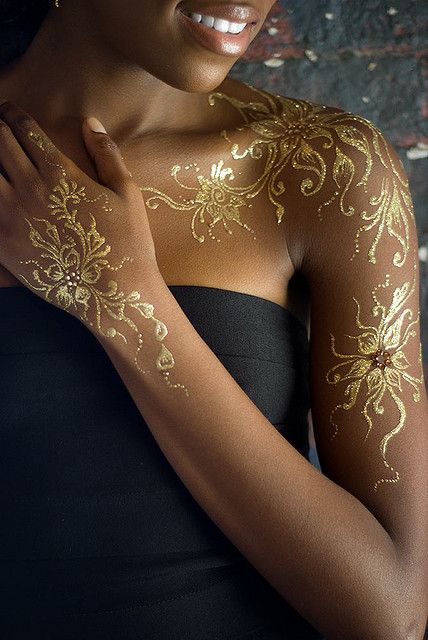
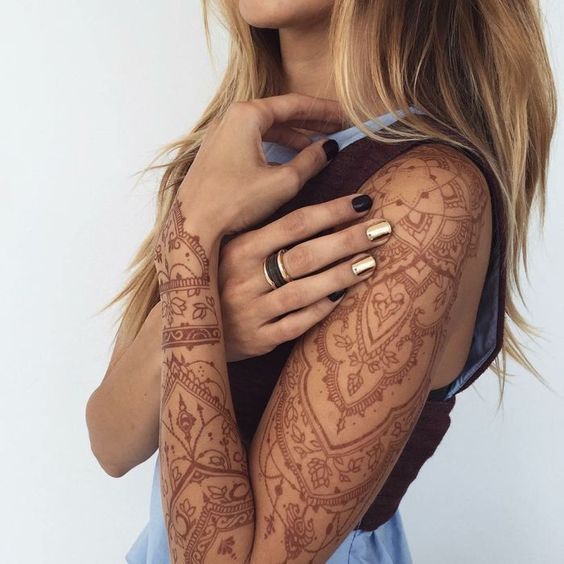
Finding a skilled henna artist can significantly enhance the quality of a henna tattoo experience. Professional henna artists possess extensive knowledge in design, application techniques, and safety practices, ensuring a result that is both beautiful and safe.
Finding an Expert Artist
Searching for a professional henna artist requires attention to a few critical factors.
| Ask before booking | Good sign | Red flag |
|---|---|---|
| What is in the paste? | They can name the ingredients and explain the stain color. | They promise instant jet-black henna. |
| How fresh are the cones? | Fresh cones are stored properly and used cleanly. | Old, unlabeled cones or a strong chemical smell. |
| Can I see healed/faded examples? | Portfolio shows fresh and developed stains. | Only filtered photos from immediately after application. |
| What aftercare do you recommend? | Clear advice on paste time, water, friction, and oils. | No aftercare guidance beyond “just let it dry.” |
- Portfolios: Review portfolios to assess their artistic style and skill level.
- Experience: Consider how long they have been practicing. Experienced artists often deliver more consistent results.
Seek recommendations from friends or family who have had successful experiences. Online platforms also offer reviews and ratings that can help in selecting an artist. Attending local events or festivals can provide opportunities to see artists in action and connect with them directly.
What to Expect in a Professional Session
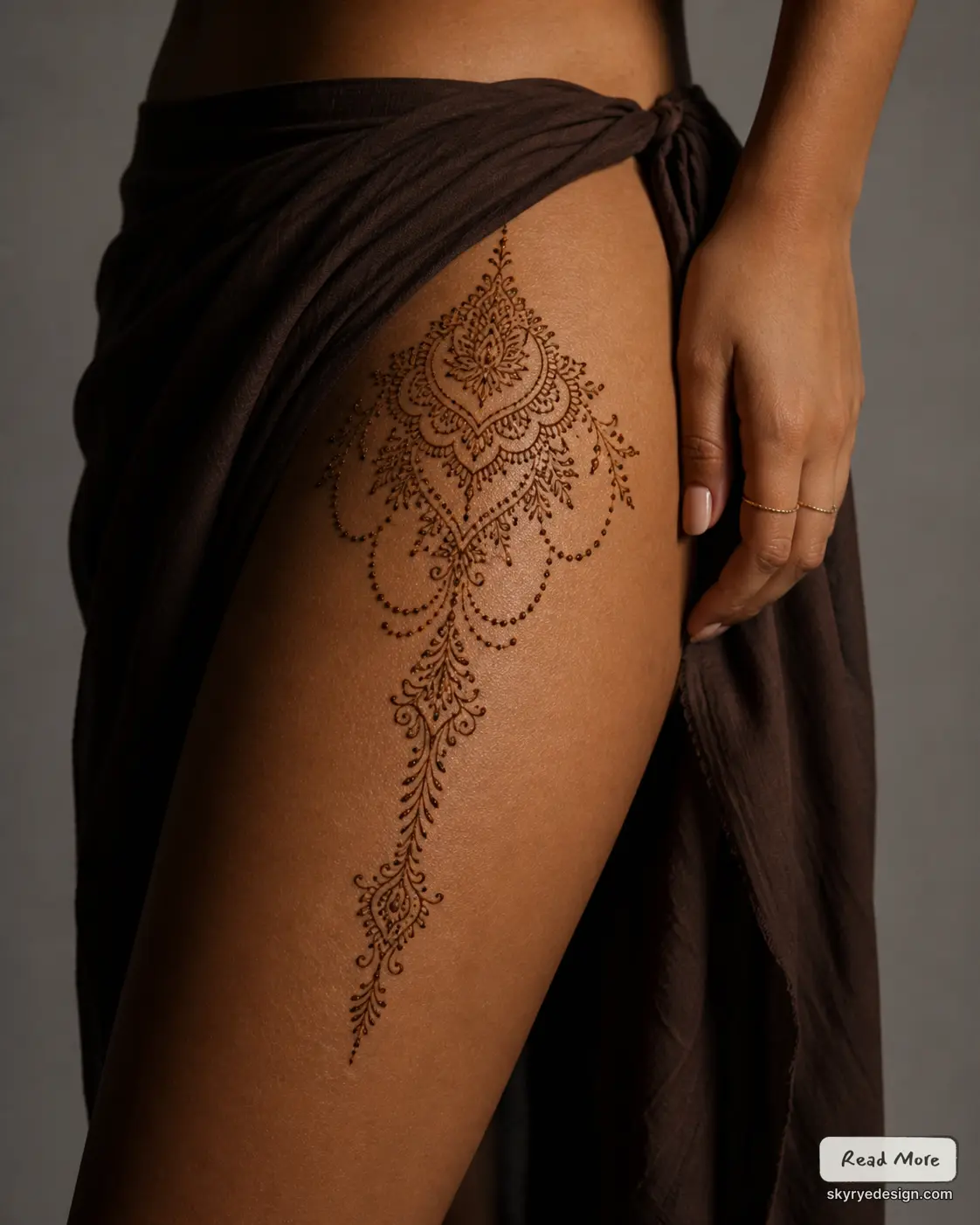
A henna session can be surprisingly quick… or take half your afternoon. I’ve had small designs done in under 30 minutes, and I’ve also sat there for nearly two hours while an artist filled in every tiny detail on a hand piece.
It usually starts with a short chat. You show what you like, they tweak it, maybe suggest something you didn’t think of. Good artists don’t just copy — they adjust the design so it actually fits your hand, arm, whatever you’re getting done. And yeah, most of them use natural henna paste, which matters more than people think.
After they finish, you’ll get the usual “don’t touch water yet” talk. It sounds basic, but that’s the stuff that decides whether your stain turns out deep brown or just… meh.
The whole experience is pretty relaxed. You’re just sitting there while they work, maybe talking, maybe not. But one thing I always look for now — cleanliness. Fresh cones, clean hands, no weird shortcuts. You can tell within a minute if the artist takes it seriously.
Cultural and Modern Adaptations
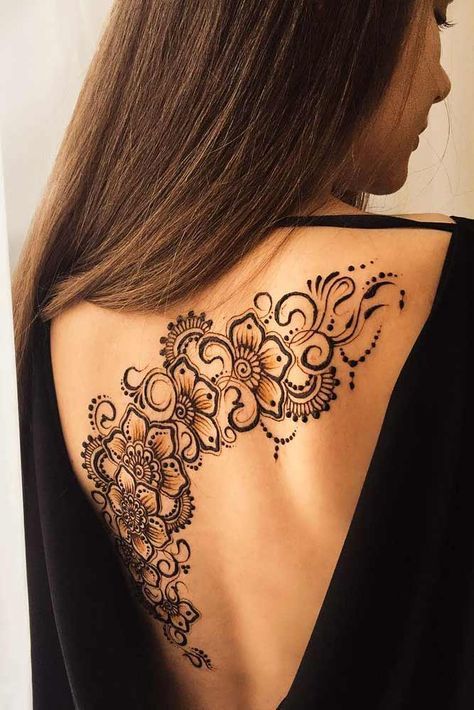
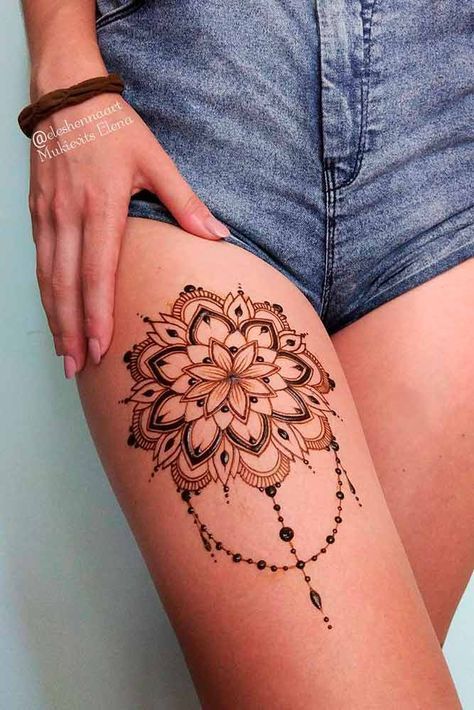
Henna tattoos have deep cultural roots and have evolved over time, particularly in regions like South Asia. They play a vital role in celebrations, especially among women, symbolizing beauty and joy. Modern adaptations have expanded their appeal, showing significant popularity beyond traditional spheres.
Henna is temporary, but the same design logic applies: clean flow, readable spacing, and confident lines. If you want to adapt a motif into permanent ink, study a tattoo sketch reference before finalizing the shape.
Henna in Weddings and Festivals
In many cultures, henna tattoos are an essential feature of weddings and festivals. In Indian culture, the ritual of applying henna, known as Mehndi, is celebrated with great enthusiasm. The intricate designs symbolize love, joy, and the blessings for the bride.
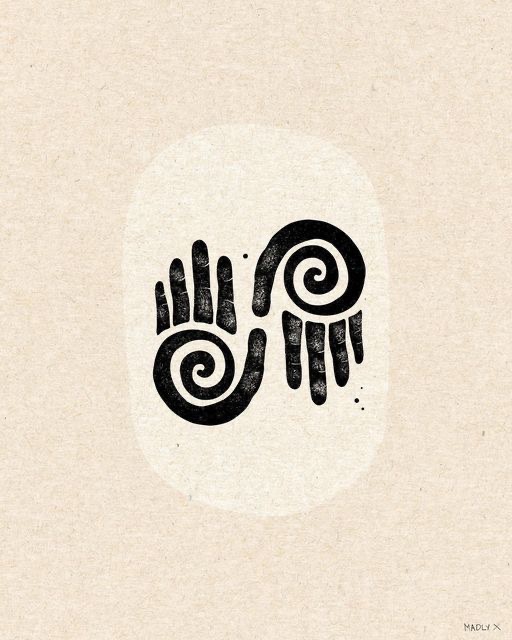
Typically, women gather for a pre-wedding ceremony, where they adorn their hands and feet with henna. The designs often cover large areas and may include motifs of sun, flowers, and paisleys. It’s a significant moment of bonding and celebration among women, enhancing the festive spirit.
Contemporary Use and Popularity
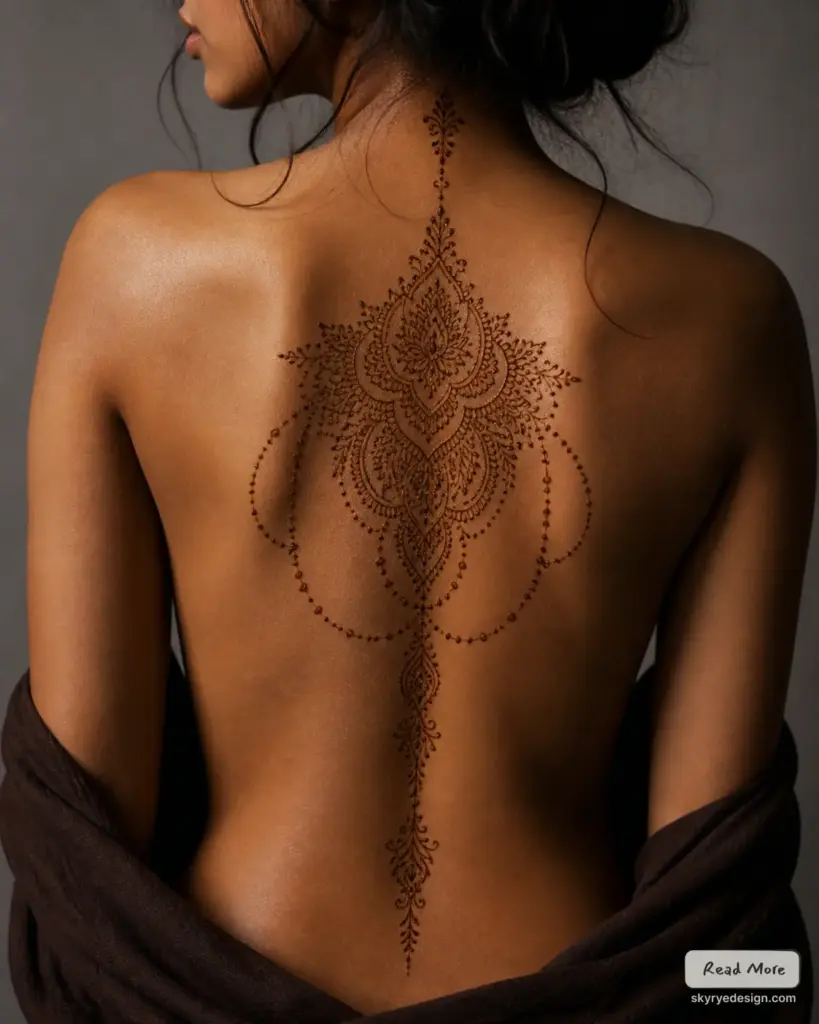
In recent years, the popularity of henna has surged in various parts of the world. It is now embraced as a temporary body art that appeals to a diverse audience. Festivals, music events, and cultural fairs provide opportunities for individuals to explore this art form.
Contemporary henna designs are often simpler and more varied, catering to both men and women. Some opt for minimalistic styles, while others may choose elaborate patterns. Artists now utilize the technique to express personal identity and aesthetics, showcasing creativity in new ways. This modern adaptation reflects a broader cultural appreciation and rising interest in traditional arts.
Expanding the Henna Experience
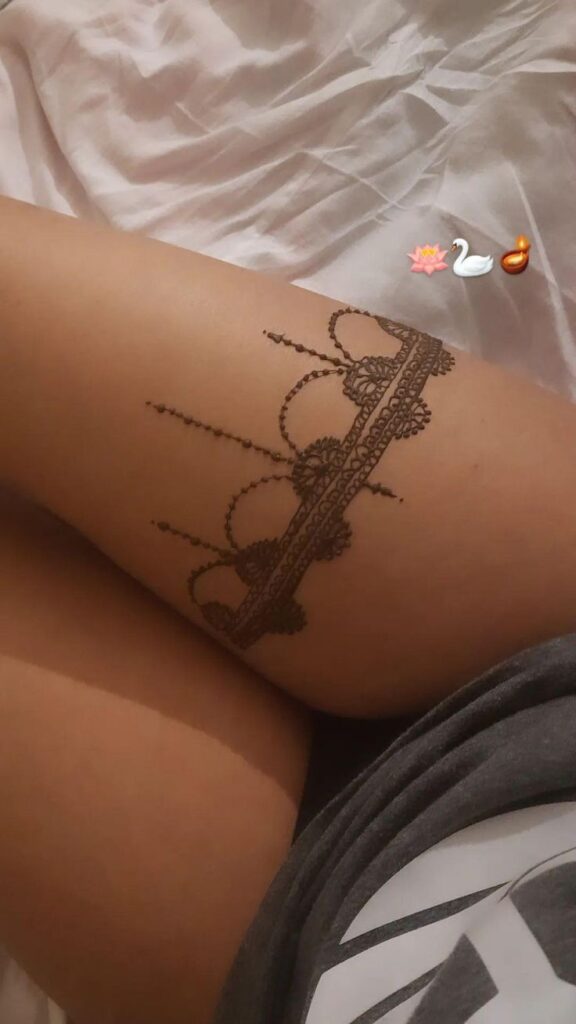

Henna offers a versatile canvas for body art beyond traditional tattoos. By exploring combinations with other forms of body art and utilizing henna for cosmetic uses, individuals can enhance their henna experience significantly.
Combining Henna with Other Body Art
Integrating henna tattoos with other body art forms can create unique designs and experiences. For instance, combining henna with temporary tattoos can allow artists to experiment with intricate patterns and colors. This blend can be especially appealing during events like festivals or celebrations where bold designs stand out.
Additionally, henna can be used alongside piercings or body painting. Applying henna on areas surrounding new piercings enhances the aesthetic while maintaining a temporary nature. This approach gives a curated look that complements the piercings, with designs wrapping around arms, shoulders, or ankles. Using henna in conjunction with body art not only increases its appeal but also allows for creativity and personalization.
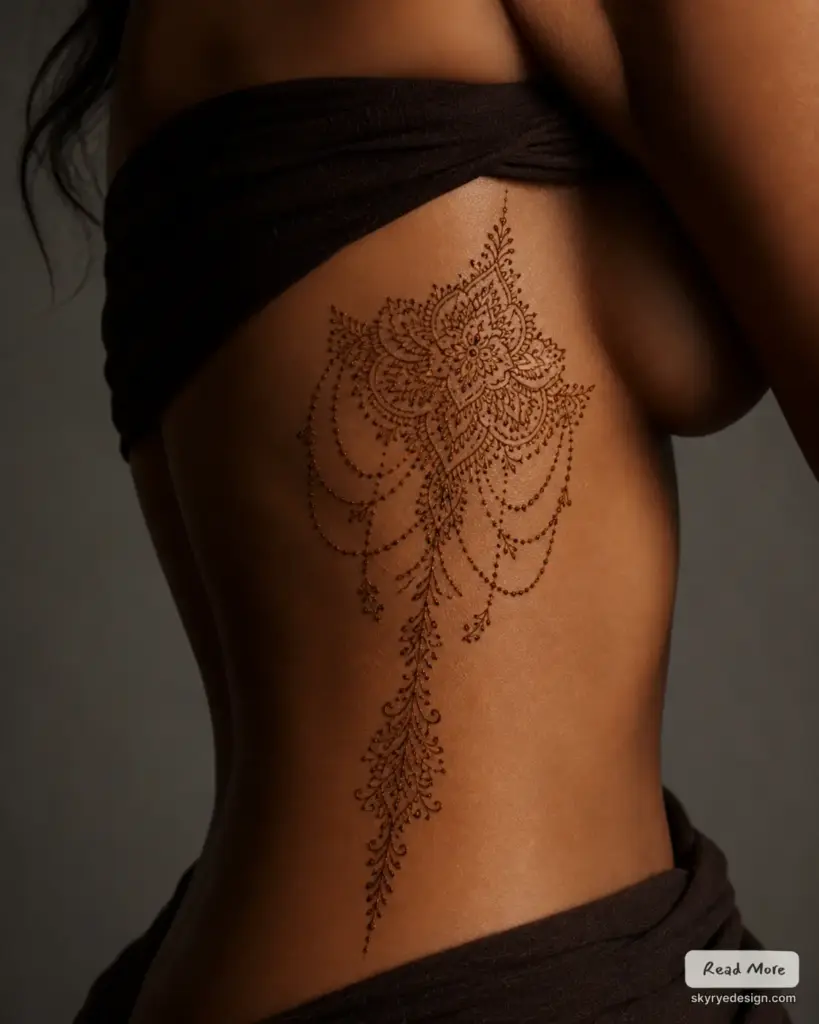
Henna for Hair and Cosmetic Use
Henna isn’t just for skin, even though that’s what most people picture first. Hair use goes way back, and honestly, it’s a completely different experience from regular dye. I tried it once expecting a clean, predictable color… didn’t happen. It came out this warm reddish-brown that shifted depending on the light. Not perfect, but it felt more natural. And weirdly, my hair felt heavier in a good way — like it had more body for a few days after.
It pops up in other beauty stuff too. I’ve seen people use it for tiny accents around the eyes or just simple patterns on fingers and palms. And then there are the full designs — hands and feet covered for weddings or festivals. Those always look the best to me, a bit messy up close but amazing from a distance.
That’s kind of the thing with henna. You can experiment without stressing about it. It fades, it changes, sometimes it surprises you a bit. And that’s half the reason people keep coming back to it.
Related tattoo guides to compare next
If you are using henna to test a placement or symbol before permanent ink, these nearby guides are useful next steps: compare temporary tattoos, look at hand tattoo designs, study tattoo symbols and meanings, browse tattoo ideas for women, or check the broader tattoo trends guide.
Henna Tattoo FAQ
Q: What is a henna tattoo and how does it work?
A: A henna tattoo is a temporary body art design made using paste from the Lawsonia inermis plant. The paste stains the top layer of the skin rather than penetrating it like permanent ink. After application, it dries and flakes off, leaving behind a reddish-brown design. The color typically deepens over 24–48 hours and can last anywhere from 1 to 3 weeks depending on skin type and care.
Q: How long do henna tattoos last?
A: Most henna tattoos last between 7 and 14 days, though some can stay visible for up to 3 weeks. Areas like the hands and feet tend to hold the stain longer because of thicker skin. Factors like frequent washing, exfoliation, and exposure to chlorine can fade the design faster. Using natural oils (like coconut oil) instead of water-based lotions helps extend longevity.
Q: How do you take care of a henna tattoo to make it last longer?
A: To make your henna last longer, keep the paste on your skin for at least 6–8 hours before removing it. Avoid water for the first 24 hours if possible. Apply a mixture of lemon juice and sugar to seal the design and enhance color. Afterward, moisturize regularly with natural oils and avoid scrubbing or exfoliating the area.
Q: Is henna safe for the skin?
A: Natural henna is generally safe and has been used for centuries. However, you should avoid “black henna,” which often contains PPD (paraphenylenediamine), a chemical that can cause severe skin reactions. Always ask your artist about the ingredients and look for natural brown or reddish paste to ensure safety.
Q: What are the best places on the body for a henna tattoo?
A: The most popular spots for henna tattoos include hands, wrists, feet, and ankles because these areas produce darker, longer-lasting stains. Other trendy placements include the shoulder, back, thigh, and forearm. For beginners, smaller designs on the wrist or hand are a great starting point before committing to larger patterns.
Q: How much does a henna tattoo cost?
A: Henna tattoo prices vary depending on size and detail. Small, simple designs can cost around $10–$20, while larger, intricate pieces (like bridal henna) may range from $50 to $200 or more. Professional artists may charge hourly rates, especially for custom or event-based designs.
Q: What are common mistakes people make with henna tattoos?
A: One of the biggest mistakes is washing the paste off too early, which results in a lighter stain. Another common issue is using low-quality or chemical-based henna. People also tend to apply lotions or water too soon, which interferes with the dye process. Skipping aftercare is another reason designs fade faster than expected.
Q: Can you remove a henna tattoo quickly?
A: Henna tattoos naturally fade over time, but you can speed up the process. Gently exfoliating the skin with a scrub, using baking soda and lemon juice, or soaking in warm salt water can help lighten the stain. However, avoid harsh chemicals or aggressive scrubbing, as they can irritate the skin.
For more placement and style ideas beyond temporary henna, browse the Sky Rye Design tattoo ideas hub. It is the easiest place to compare floral, fine-line, symbolic, hand, thigh, and small tattoo guides before choosing your next design direction.
If henna is your test run before permanent ink, this wider guide to temporary and permanent tattoo ideas can help you compare placement first.
- 9.4Kshares
- Facebook0
- Pinterest9.4K
- Twitter3
- Reddit0