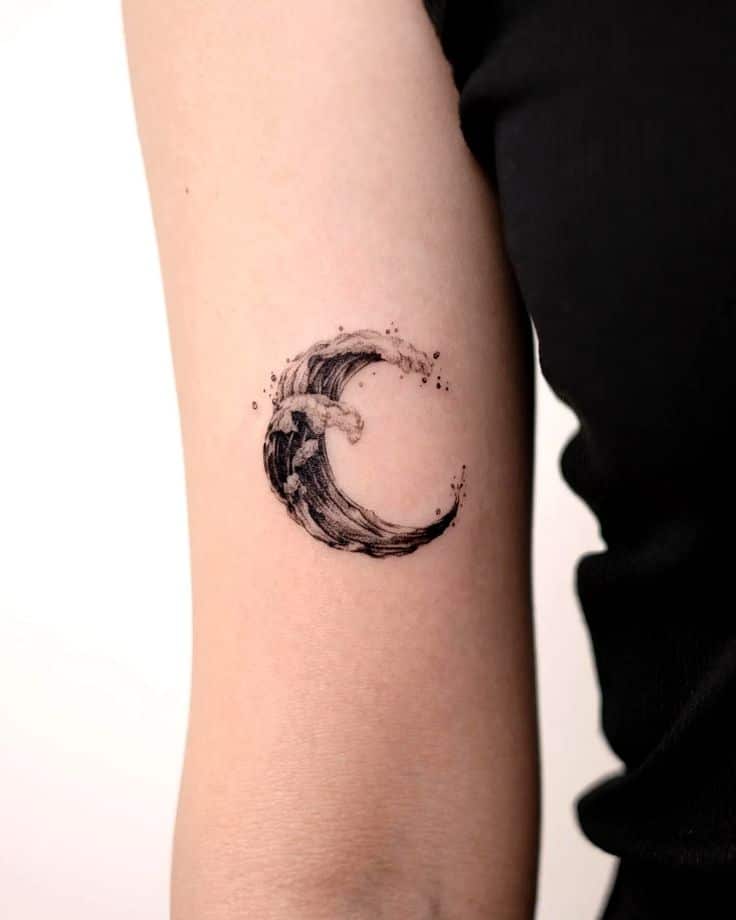
Moon tattoo ideas work because the shape is simple, but the meaning can be very personal. A crescent can feel quiet and minimal. A full moon can feel bold, mysterious, or complete. A moon phases tattoo can turn the whole design into a story about change, healing, timing, or personal growth. Before choosing a reference, decide what matters most: the symbol, the placement, the style, or the way the tattoo will age on skin.
What do moon tattoos mean?
Moon tattoos usually sit somewhere between pretty and symbolic, which is why they work so well.
A crescent moon often feels like the beginning of something. Growth, change, a new phase, a part of life that is not fully formed yet. A full moon has a different weight to it. It can suggest clarity, completion, emotional strength, or that feeling of something finally being revealed.
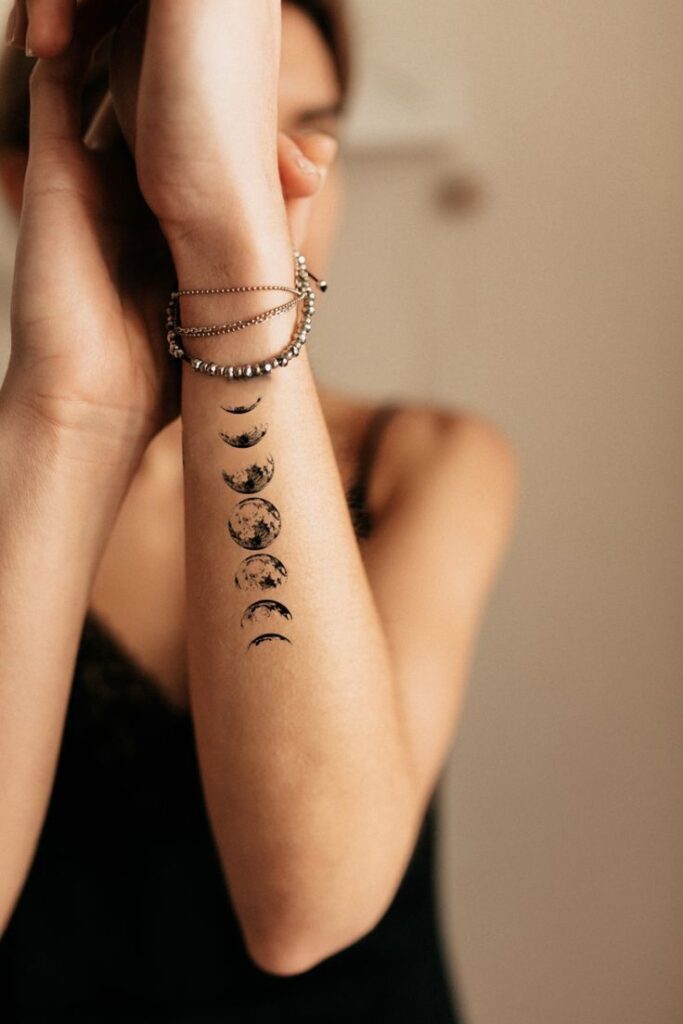
Moon phase tattoos go a little deeper because they show movement. Darkness, growth, fullness, fading, then back again. That cycle is why people use them for healing, transformation, grief, recovery, personal milestones, or simply getting through a strange chapter of life.
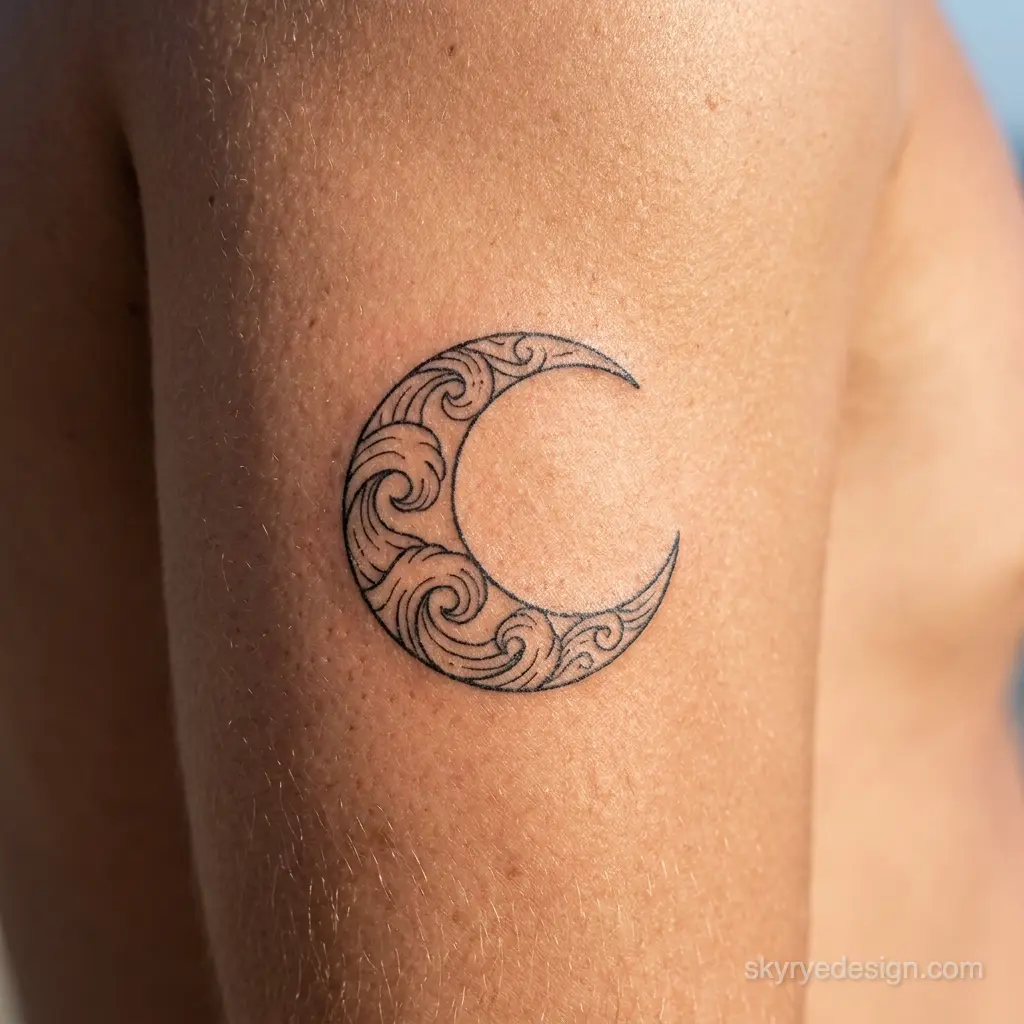
But the tattoo does not need to be loaded with meaning. Sometimes a moon just looks right. The silhouette is clean, balanced, and easy to place almost anywhere: wrist, ankle, shoulder, collarbone, upper back, ribs, or behind the ear. A tiny crescent can feel quiet. A full moon with texture can feel more atmospheric. A row of moon phases feels more intentional without needing a long explanation.
| Moon tattoo idea | Common meaning | Best placement notes |
|---|---|---|
| Crescent moon tattoo | Growth, renewal, transition | Works small on wrist, ankle, neck, or behind the ear |
| Full moon tattoo | Clarity, power, completion | Needs more room for craters, shading, or nature scenes |
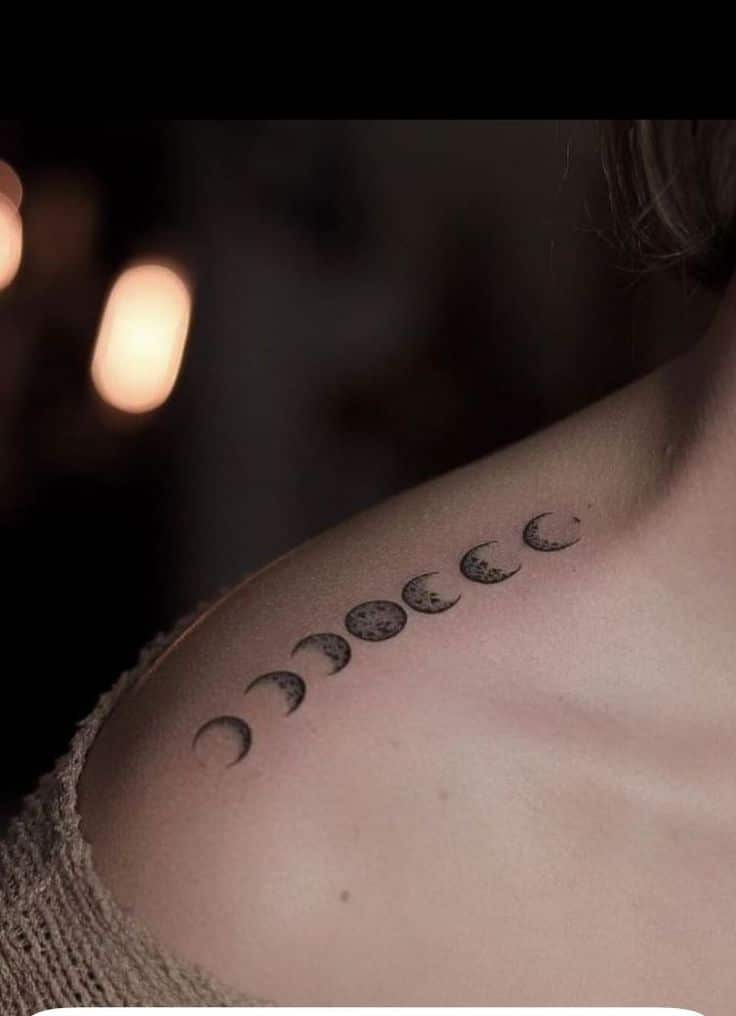
| Moon phases tattoo | Change, time, healing, life cycles | Best on forearm, spine, ribs, upper arm, or shoulder |
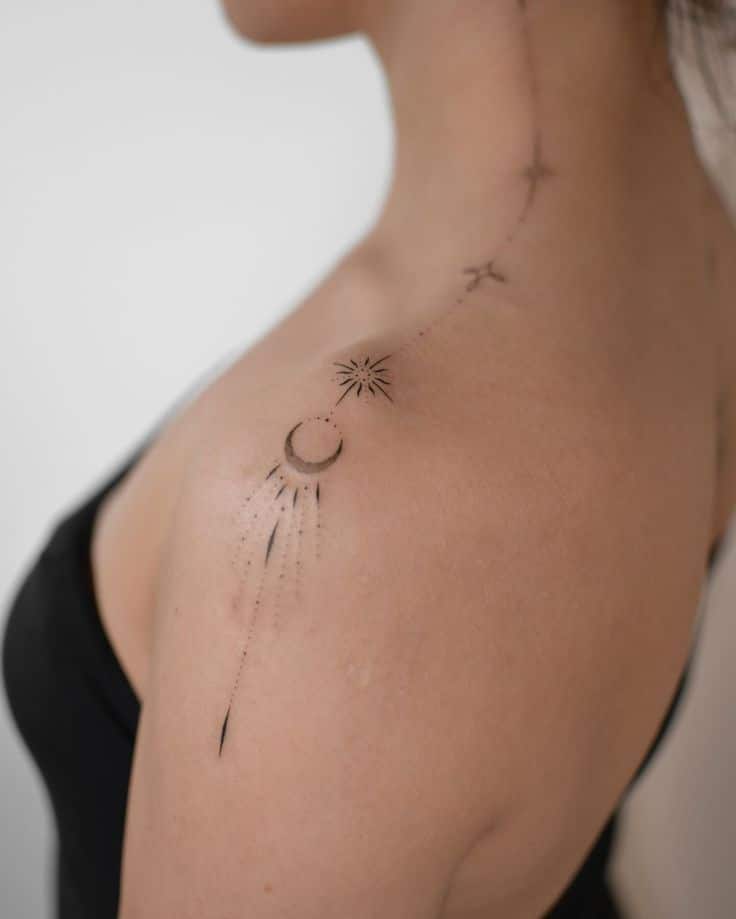
| Moon and stars tattoo | Guidance, dreams, night-sky symbolism | Stays readable in fine line, dotwork, or small black ink |
| Floral moon tattoo | Growth, softness, nature, femininity | Give flowers enough space so petals do not blur together |
| Sun and moon tattoo | Balance, duality, opposite energies | Works well as matching tattoos or a two-part composition |
Moon tattoo key takeaways
- Choose the moon phase first: crescent, full moon, half moon, and moon phases all carry different meanings.
- Match detail to placement. Tiny moon tattoos need simple shapes; larger moon tattoos can hold flowers, animals, craters, stars, or geometric linework.
- If the goal is a meaningful tattoo, pick one clear symbol first and let the extra details support it.
Moon tattoo meaning and symbolism
Moon tattoo meaning changes with the phase, composition, and wearer. The same crescent can read as spiritual, romantic, witchy, minimalist, feminine, or simply decorative depending on the linework and placement. Use the meanings below as a starting point, then let the final design reflect your own story rather than forcing every detail to carry a separate symbol.
Cultural Significance
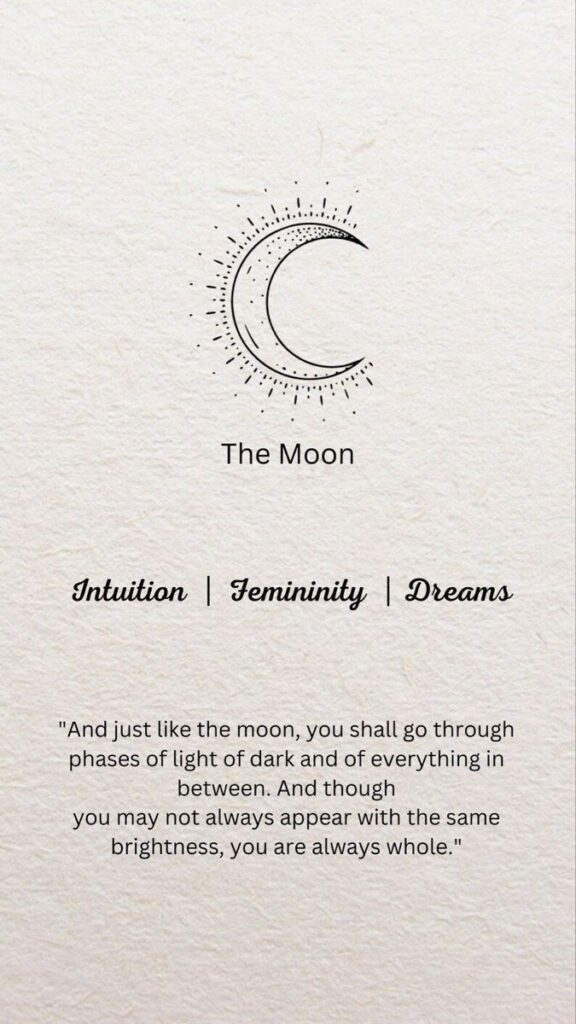
In many cultures, the moon is linked to timekeeping and calendars. Ancient civilizations like the Mayans and Chinese used the moon to mark months and seasons.
Moon tattoos can represent guidance and protection. For example, sailors historically saw the moon as a symbol for safe travel at sea.
Some cultures view the moon as a symbol of mystery and the unknown. In Native American traditions, it may represent the connection between nature and human behavior.
Spiritual Interpretations
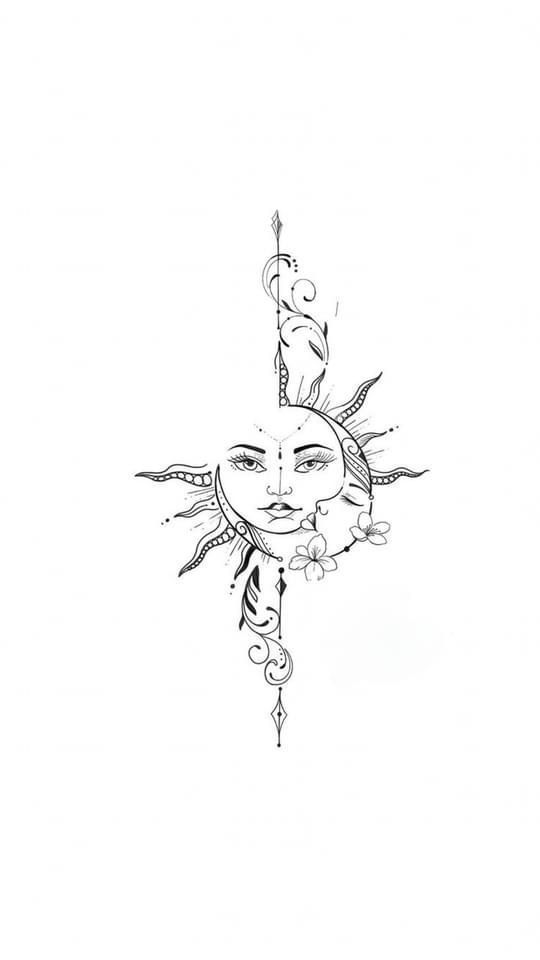
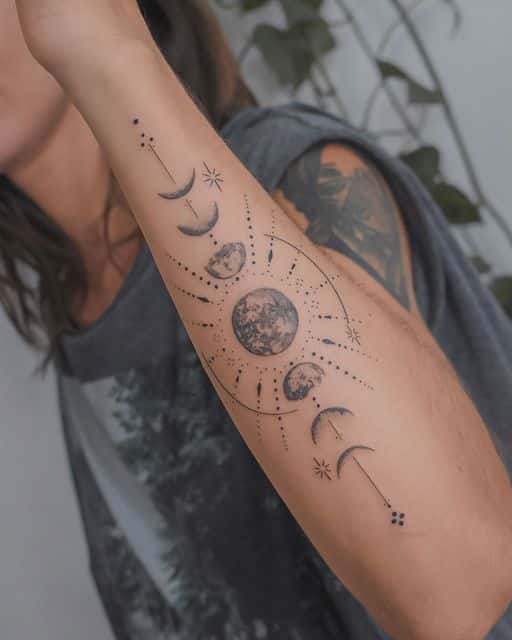
Spiritually, the moon often signifies change and growth. Its phases—new moon, full moon, and crescent—show different stages of life and transformation.
Some people believe the moon has a strong effect on emotions and intuition. Moon tattoos can symbolize balance between light and dark aspects of personality.
In spiritual circles, the moon represents the subconscious mind and hidden knowledge. People get moon tattoos to express their journey toward self-awareness.
Feminine Energy and Cycles
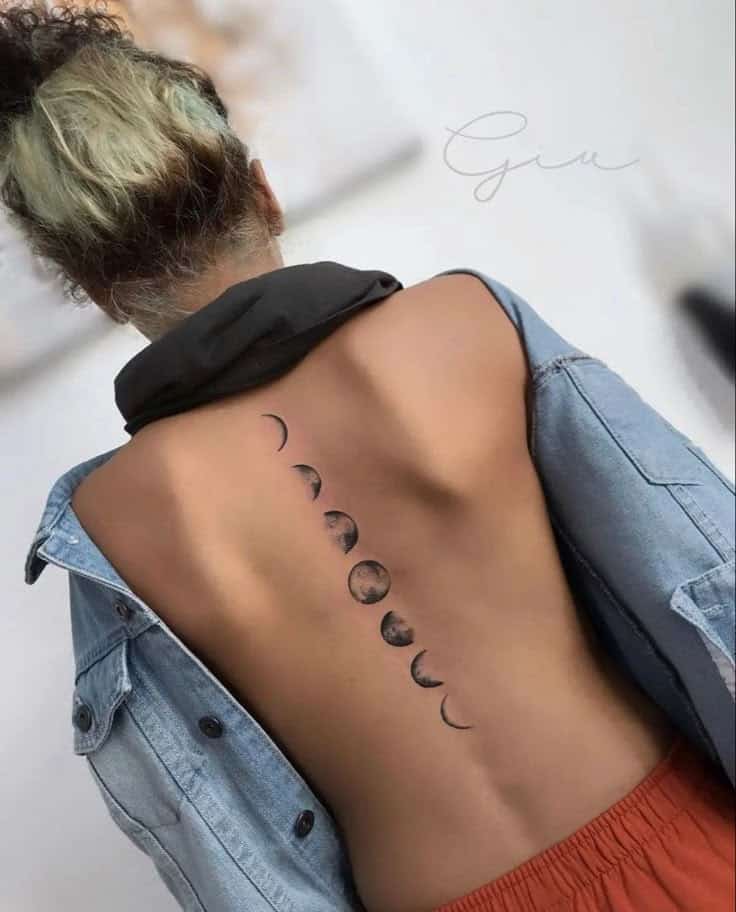
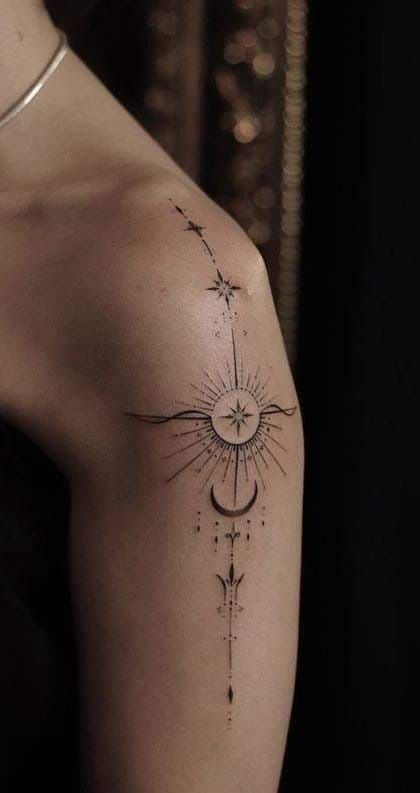
The moon is closely tied to feminine energy because of its connection to menstrual cycles and fertility. It symbolizes natural rhythms in a woman’s life.
Moon tattoos often celebrate womanhood and strength. They can also represent calmness, patience, and nurturing qualities.
The phases of the moon mirror the phases in a woman’s life, from birth to maturity. Many choose moon tattoos to honor these natural cycles and personal growth.
Popular moon tattoo ideas and designs
The strongest moon tattoo designs are easy to recognize at a glance. Start with the phase, then decide whether the tattoo should stay minimal or carry supporting details like stars, flowers, animals, water, or geometric lines.
Moon designs can also work as a supporting symbol beside a firebird. If you want that contrast, save a few phoenix with sun or moon tattoo ideas and compare how the circle, wings, and tail feathers balance before you commit to the final placement.
Crescent Moon Tattoos
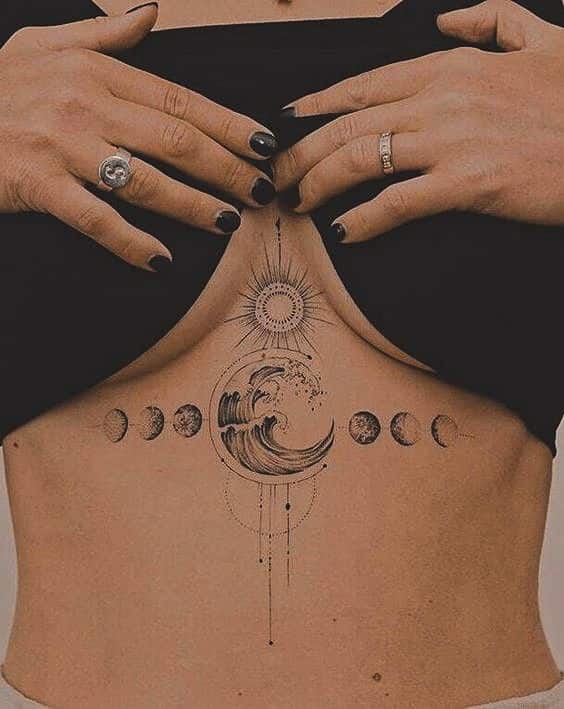
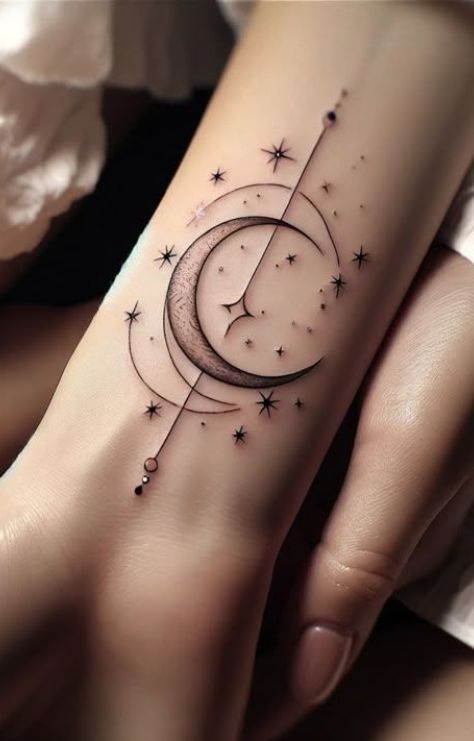
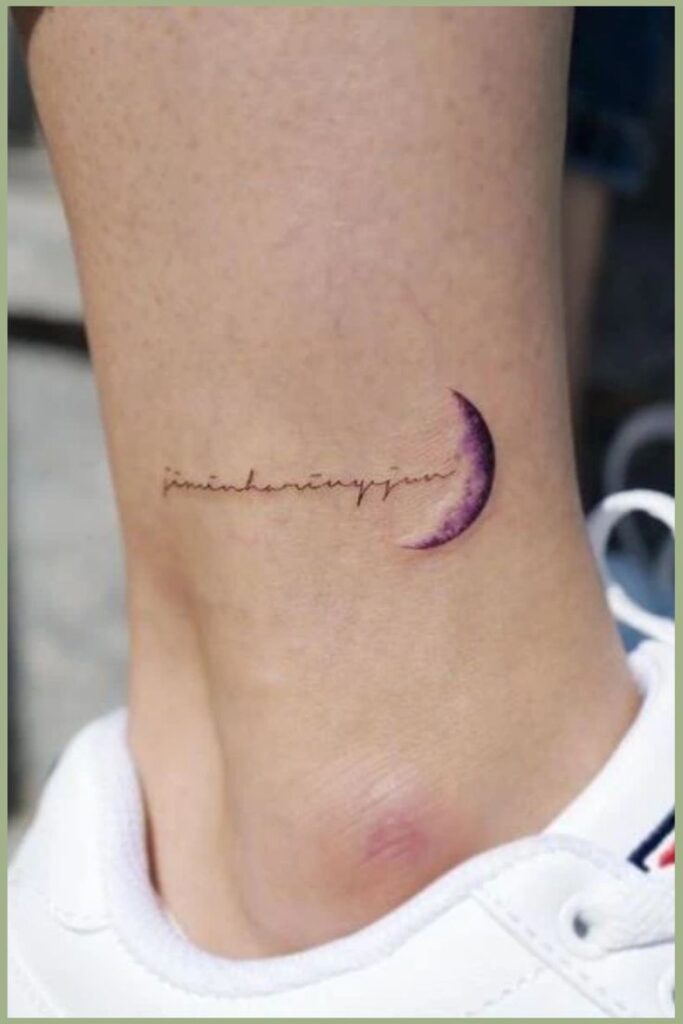
Crescent moon tattoos are among the most popular. They show the moon in a curved shape, often representing growth or change. This design is simple but symbolic, linked to new beginnings and creativity.
People choose crescent tattoos for their delicate look. They can be small and subtle or combined with stars, flowers, or animals. The shape can face right or left, which sometimes changes its meaning.
Crescent tattoos work well on wrists, ankles, or behind the ear. They often use black ink, but some add color or shading for depth.
Full Moon Tattoos
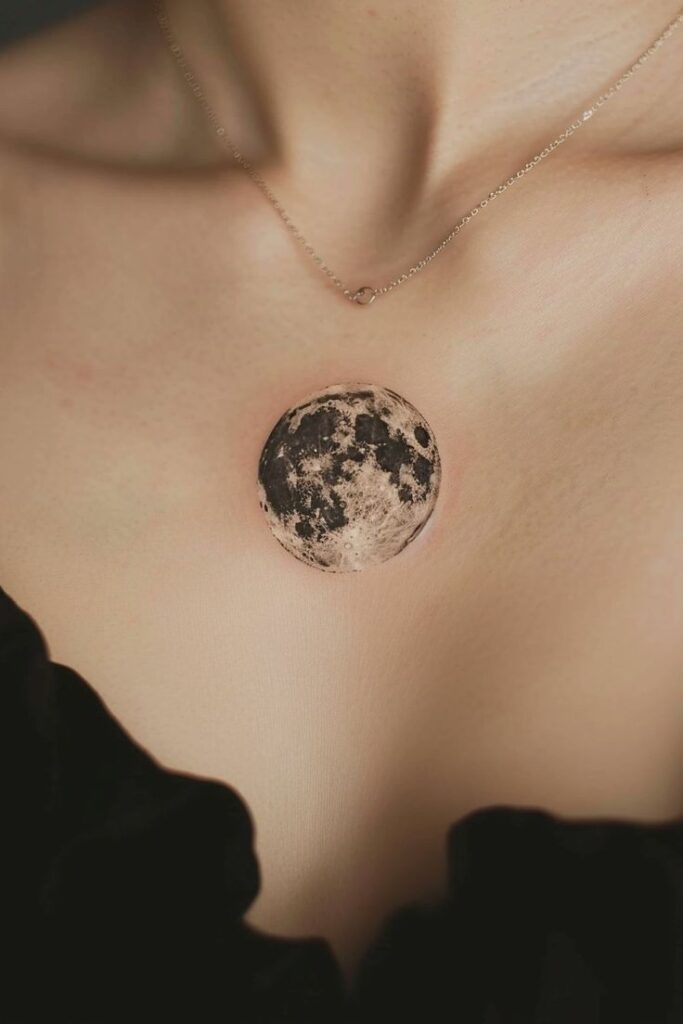
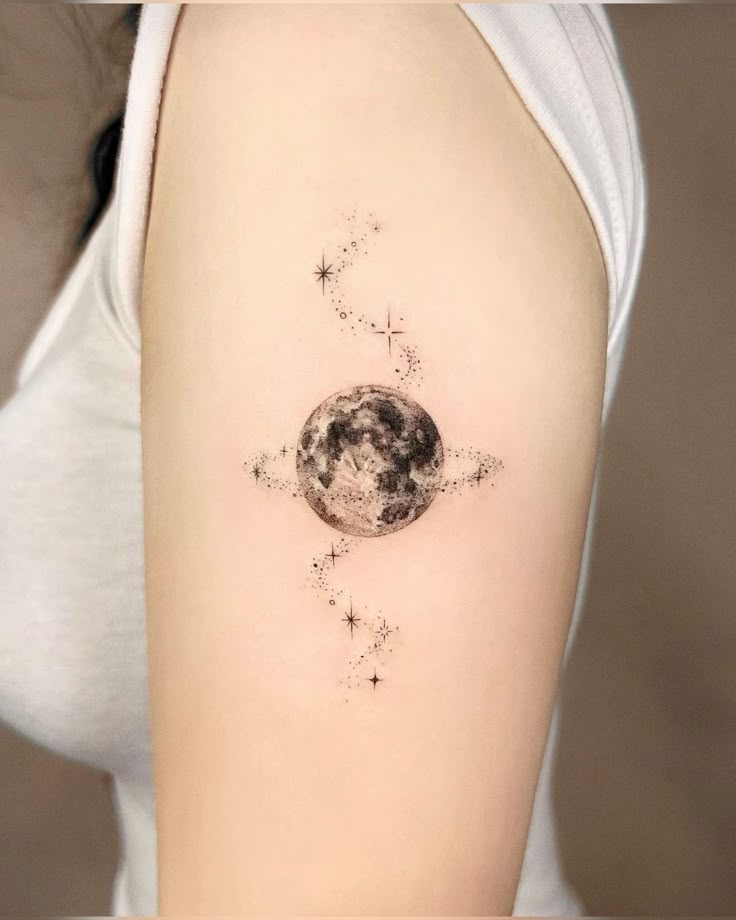
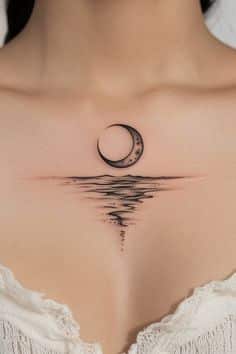
Full moon tattoos highlight the moon as a complete circle. This design symbolizes clarity, power, and the peak of energy. It’s often linked to mystery and transformation.
Artists may add craters or textures to make the full moon look realistic. Others take a stylized approach with bold lines or lace details to create a more artistic image.
These tattoos are popular on larger body parts like the back or chest. Some people include the full moon in nature scenes with wolves, trees, or water for a deeper story.
Half Moon Tattoos
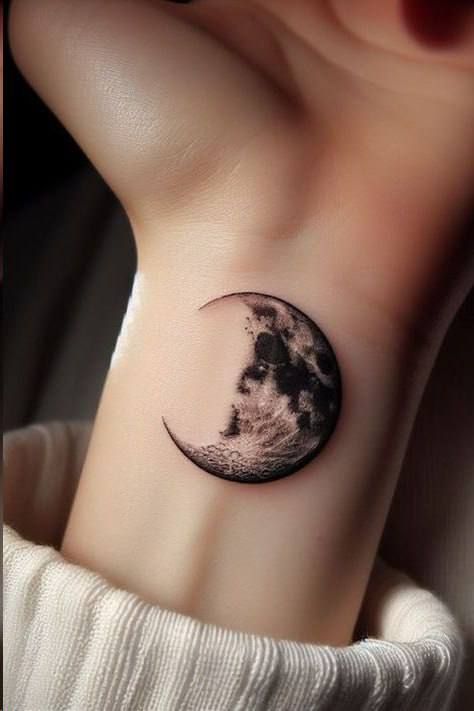
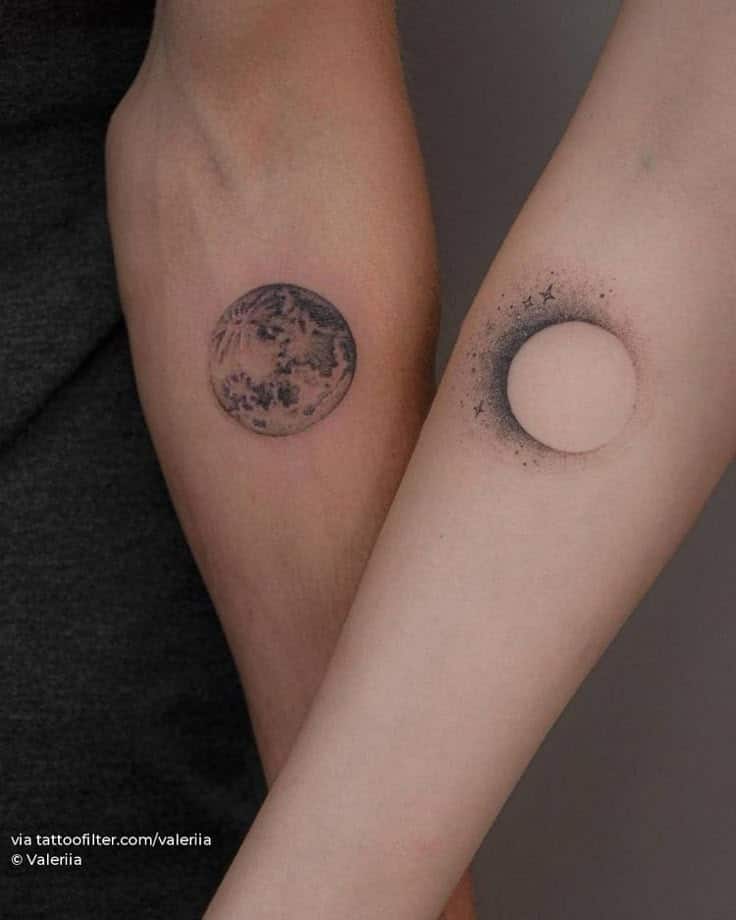
Half moon tattoos show the moon cut in half, also called a first or last quarter moon. This image represents balance, decision-making, and duality.
This design is less common but is chosen by those who like the idea of harmony between two sides. It’s simple yet meaningful.
Half moon tattoos often appear in black or gray ink. They work well alone or as part of a bigger piece with stars or sun symbols. Placement can vary from arms to ribs.
Moon Phases Tattoos
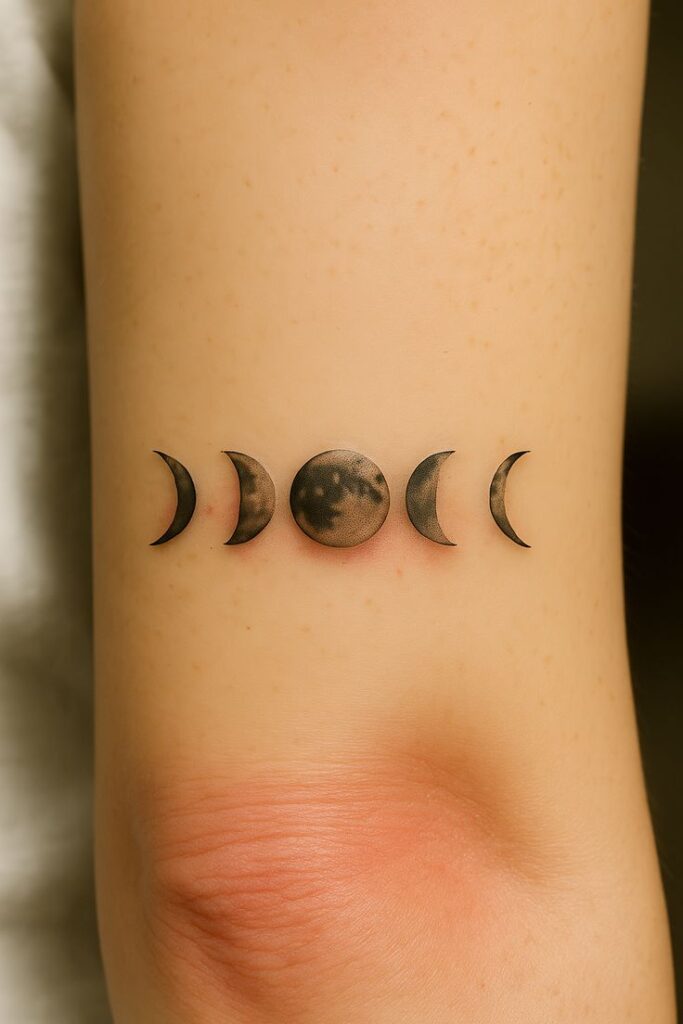
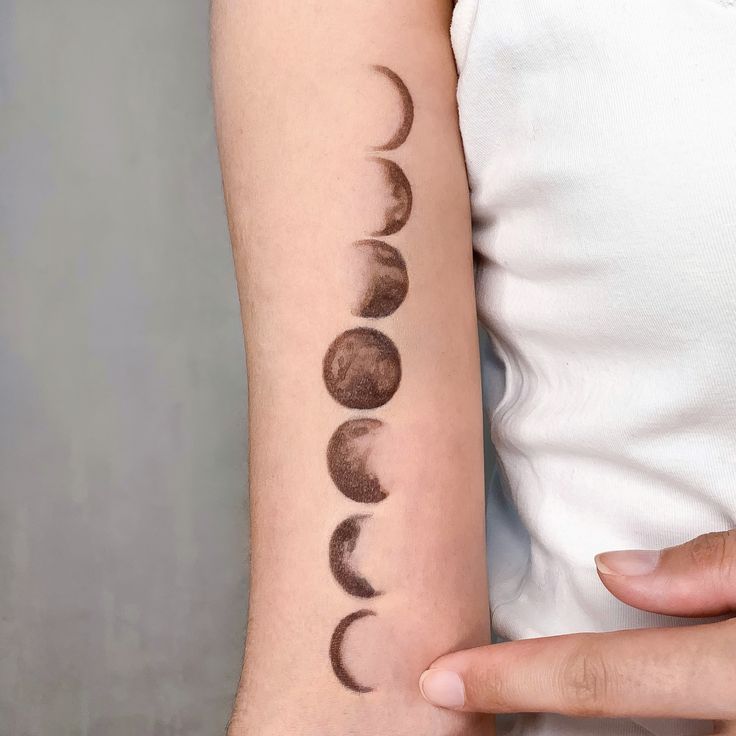
Moon phases tattoos display the full cycle of the moon from new to full and back. This design tells a story of change, time, and the natural rhythm of life.
Many choose this tattoo to show personal growth or a journey through different life stages. The phases can be arranged in a line, circle, or another shape.
These tattoos can vary in size but often cover medium to large areas like forearms or spines. Some include additional elements like flowers or animals to add more meaning.
Best placement ideas for moon tattoos
Moon tattoos work well in small to medium sizes and fit nicely on parts of the body where their shape can be clearly seen. Some spots offer space for detail, while others are great for subtle designs.
Wrist and Forearm
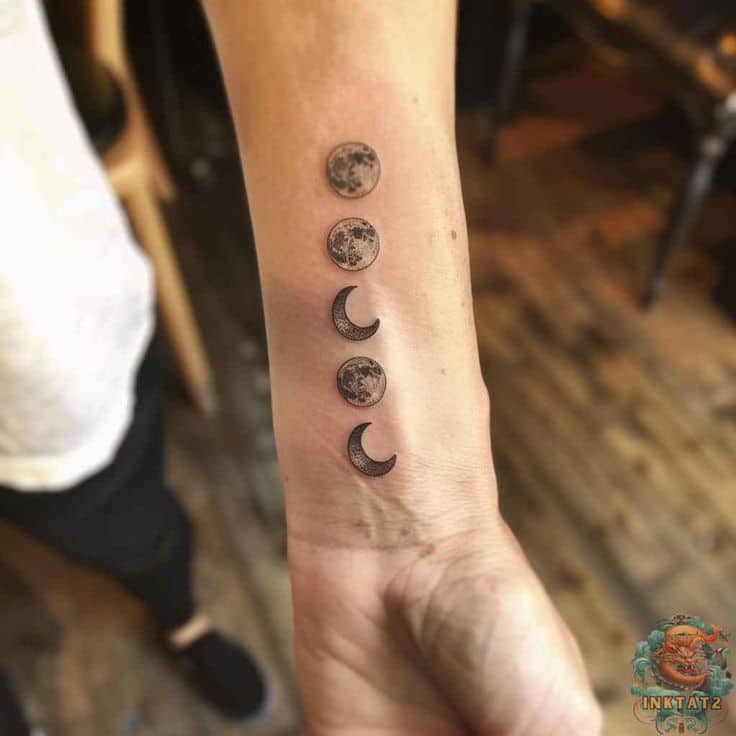
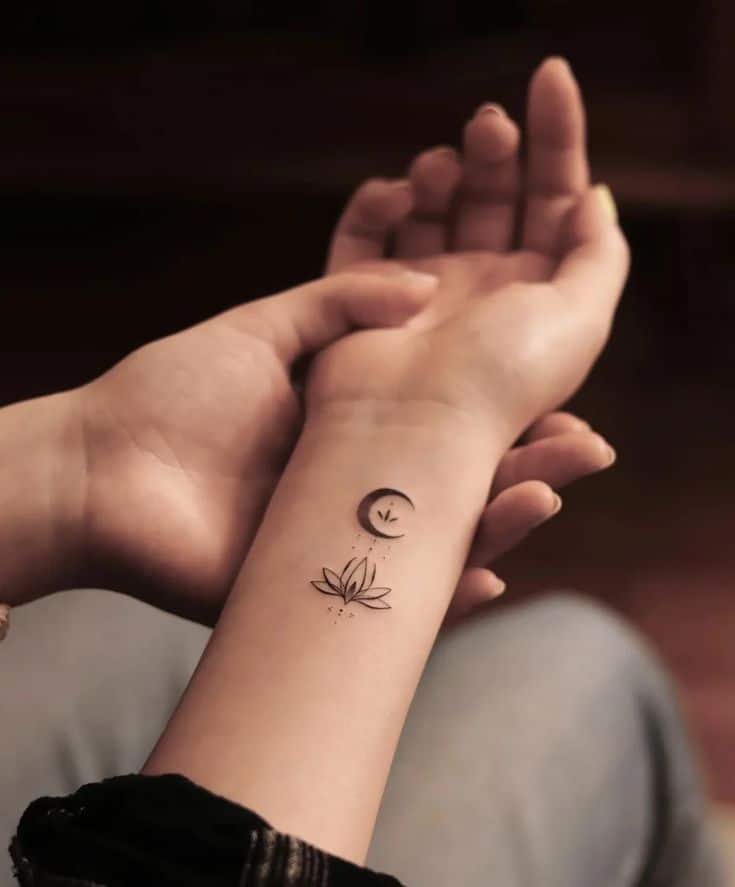
The wrist is popular for moon tattoos because it’s visible and easy to show or hide with a watch or bracelet. Small crescent moons work well here and can symbolize change or cycles.
The forearm offers more space, allowing for larger or more detailed moon designs. It’s a good spot for combining moons with stars or floral elements. Both areas are good for those who want a tattoo they can see daily.
Behind the Ear
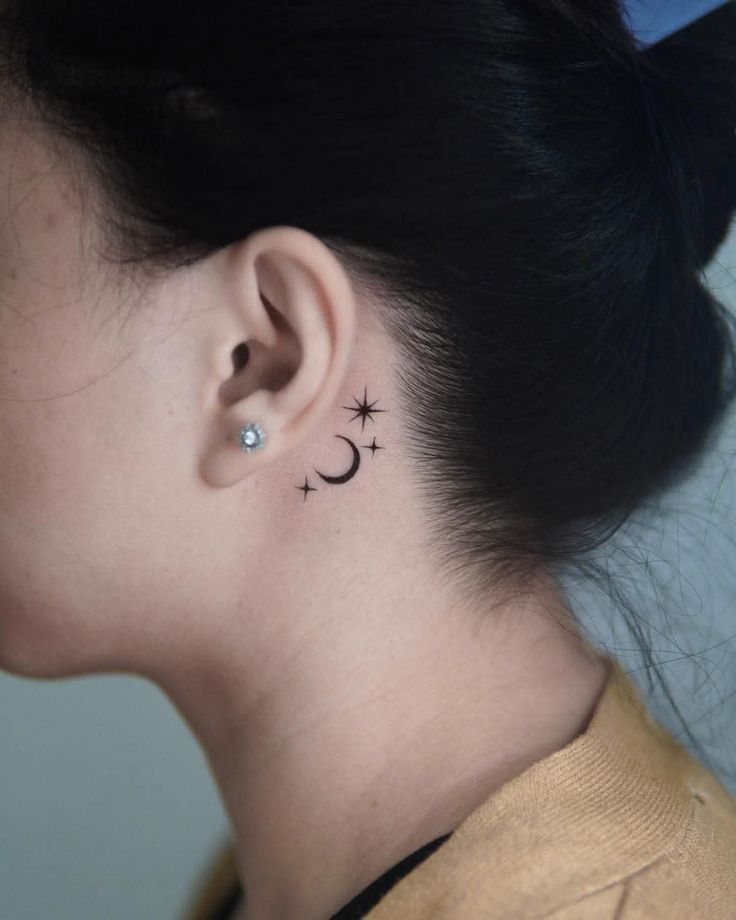
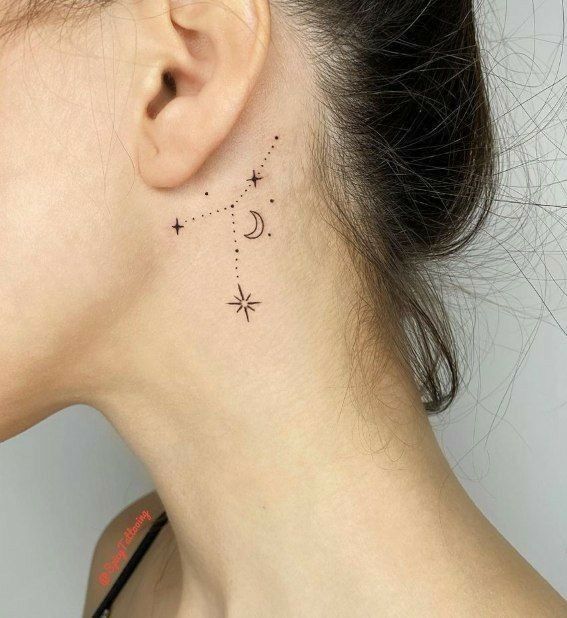
A moon tattoo behind the ear is small and discreet. This spot is good for simple, minimal designs like a tiny crescent or a thin outline.
Because it’s close to the head, this placement is often chosen for personal or meaningful tattoos. The skin here is sensitive, meaning getting tattooed can be a bit more painful compared to other spots.
Ankle and Foot
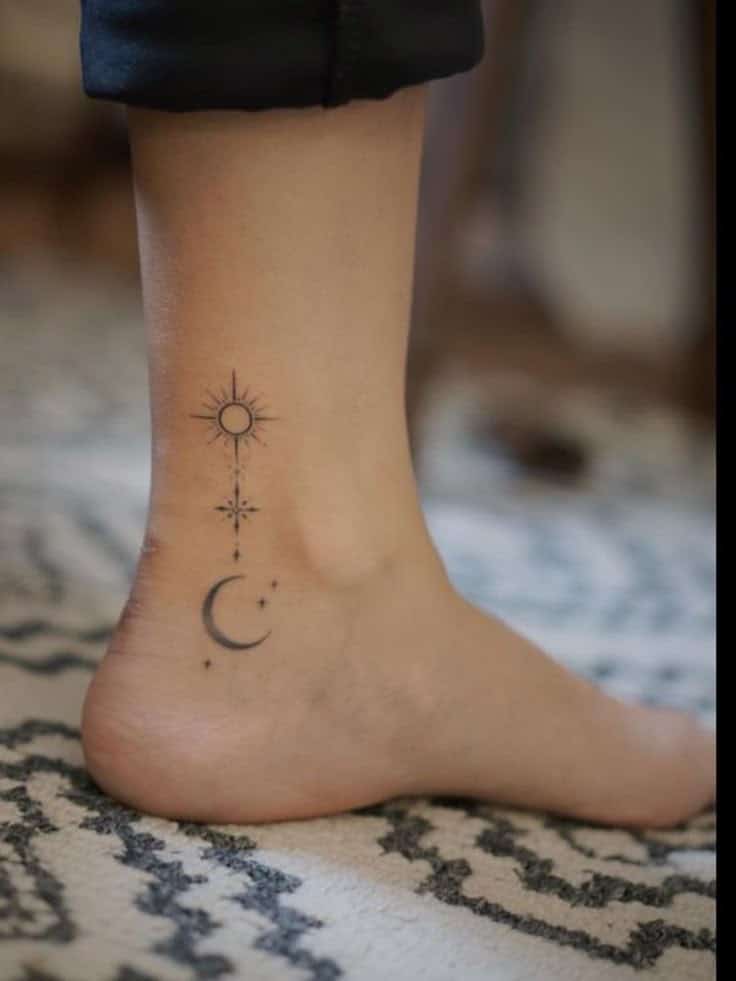
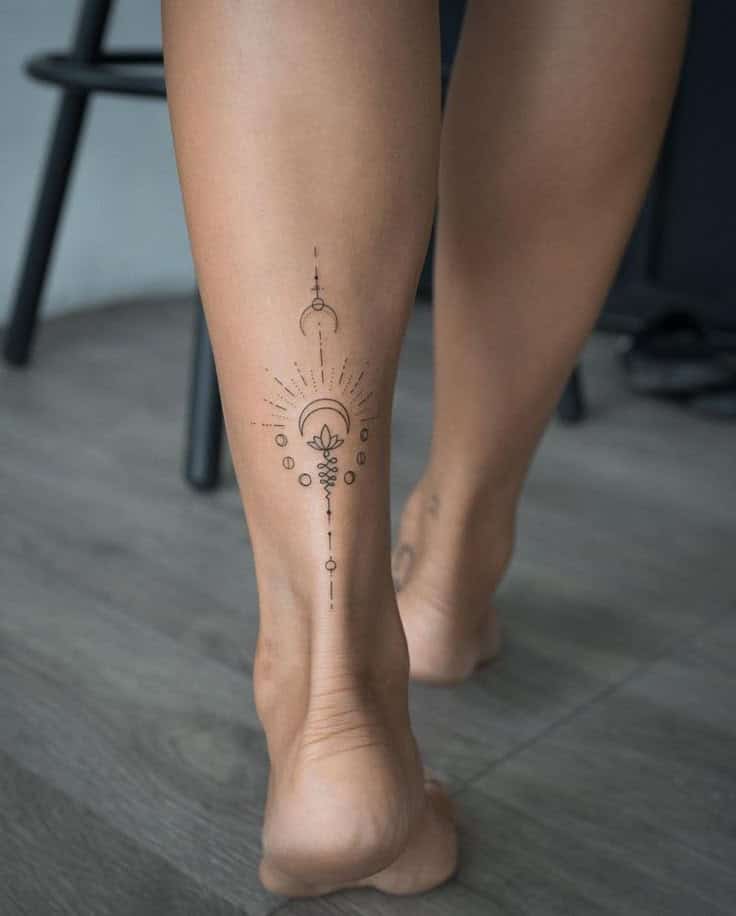
The ankle and foot are common places for moon tattoos that look delicate and feminine. A small moon on the side of the ankle can be a subtle but elegant choice.
The foot allows for different angles and ways to position the tattoo, such as on the top or near the heel. Tattoos here may fade faster due to more friction and exposure, so touch-ups might be needed.
Moon tattoo styles
Moon tattoos come in many artistic styles, each with unique techniques and looks. Some focus on clean, simple lines, while others use bold colors or complex shapes to create eye-catching designs.
Minimalist Moon Tattoos
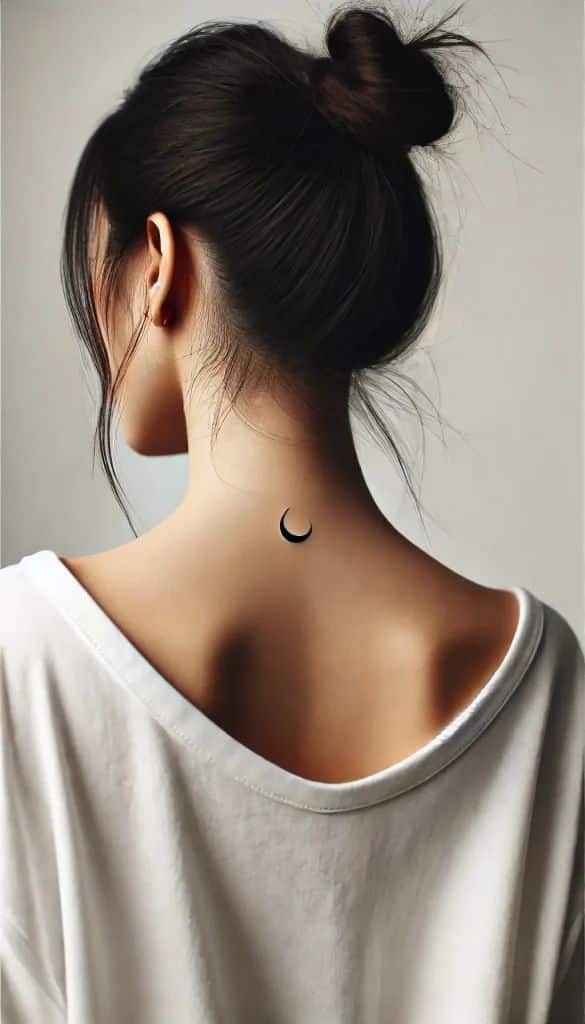
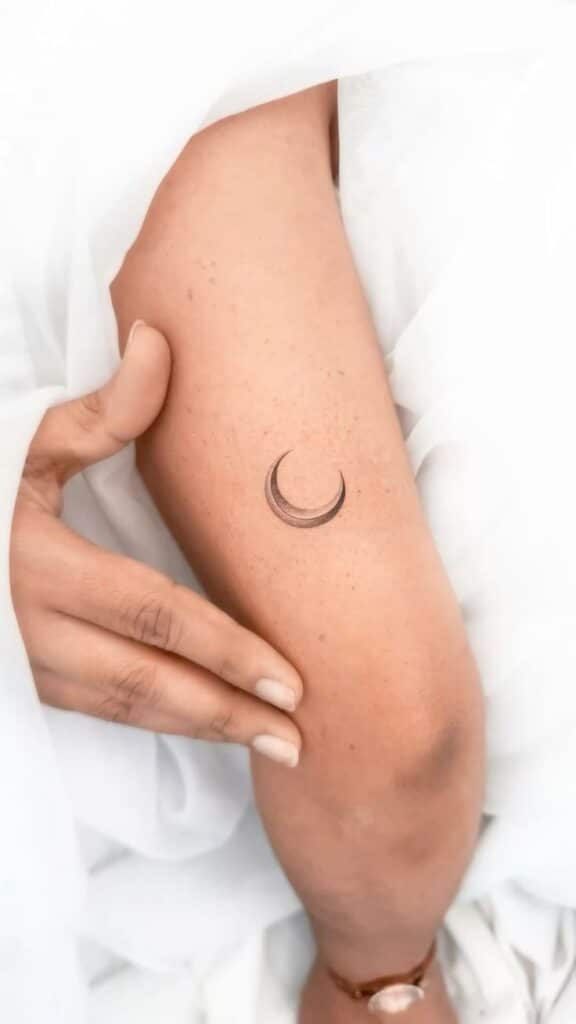
Minimalist moon tattoos use simple lines and little detail to capture the shape of the moon. These tattoos often feature thin black outlines or small crescent moons. They work well on small areas like wrists, fingers, or behind the ear.
If you are comparing moon symbols with flowers, script, butterflies, and other soft placements, these soft tattoo ideas for women can help you see the broader design range before committing.
Small moon motifs can also work on fingers or the side of the hand; keep a few small hand tattoo ideas nearby if you want that quieter placement.
This style appeals to those who want a subtle, elegant tattoo without too much complexity. It emphasizes clean shapes and negative space. The easy-to-recognize form makes it timeless and easy to pair with other tattoos.
Minimalist tattoos are quick to apply and usually painless. They require less ink and can be easily hidden or shown depending on the person’s preference.
Watercolor Moon Tattoos
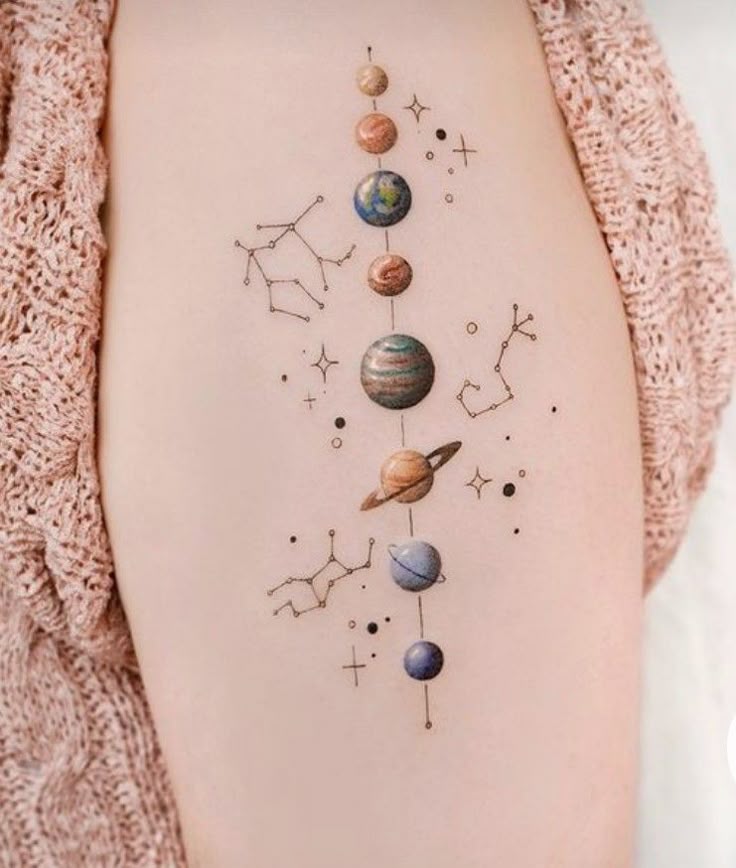
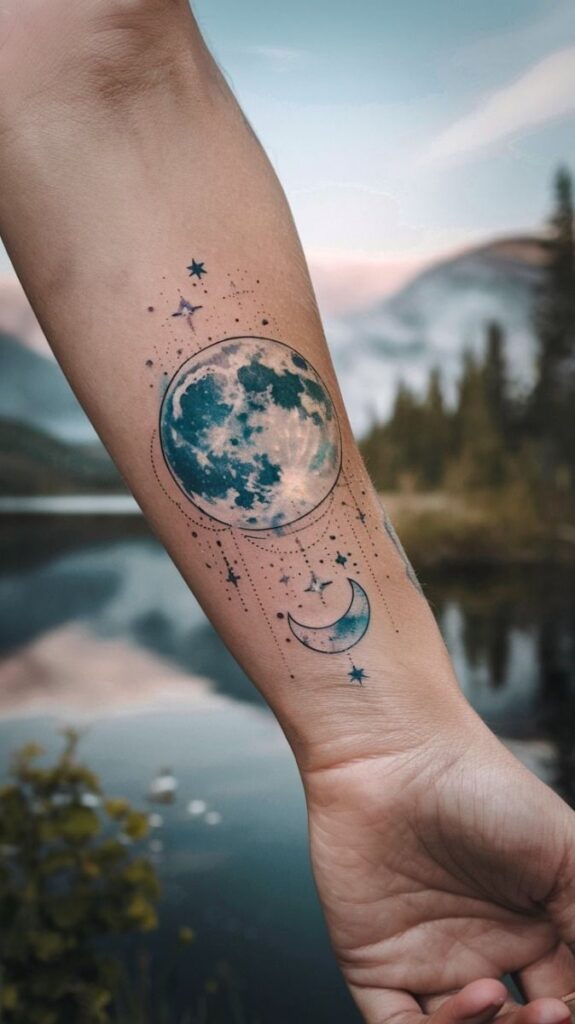
Watercolor moon tattoos use soft, blended colors to mimic the look of painted art. This style often combines shades of blue, purple, pink, and other muted colors to give the moon a dreamy and ethereal feel.
These tattoos rely on smooth gradients rather than sharp lines. The edges may look blurred or faded, creating a sense of depth and motion. They are good for people who want a more artistic and colorful design.
Watercolor tattoos usually need touch-ups over time as the colors can fade faster. The use of bright and mixed colors makes these tattoos stand out on the skin.
Geometric Moon Tattoos
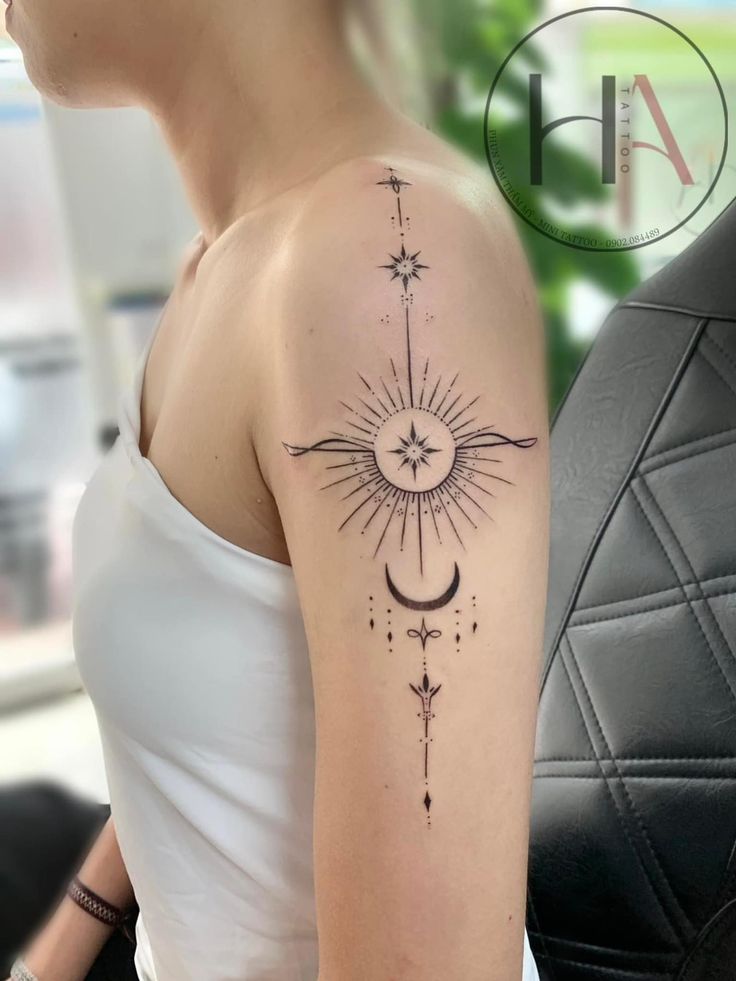
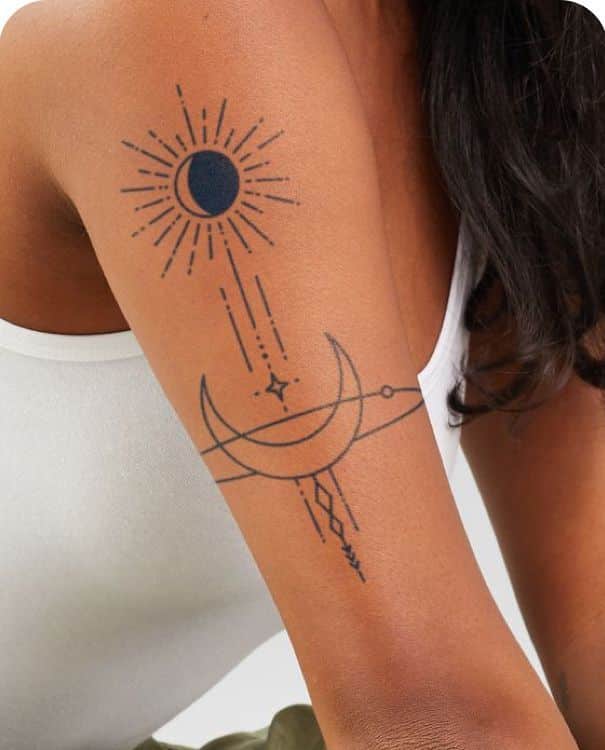
Geometric moon tattoos work because of the contrast. The moon is all curve — and then you drop a triangle into it, or run hard lines through it, or build an angular frame around it. That tension between the organic shape and the strict geometry is the whole point. Without it you just have a moon with some shapes nearby.
Most of these use solid black, no gradients. Hard edges, clean lines. Some designs keep the geometry inside the moon — grids, mandalas, dotwork fills. Others let the lines escape outward and turn the whole tattoo into something more like a diagram. Those tend to need more space: upper arm, ribcage, shoulder blade.
Small versions exist and work fine — a crescent with a single intersecting triangle reads clearly even at wrist scale. But the more intricate the internal pattern, the more room it needs to stay legible in five years. Geometric linework in a tight spot tends to migrate and blur. Worth asking your artist about before committing to a placement.
Moon tattoo combinations
Moon tattoos are often paired with other symbols to add deeper meaning or create unique art. These combinations can reflect themes like nature, spirituality, and personal stories. Designs with stars, animals, or flowers are some of the most popular choices.
Moon and Stars
If the moon design is about cycles, endings, or emotional change, it can also help to compare the opposite side of that symbol: sunrise tattoo meaning leans into renewal, morning light, and a fresh start.
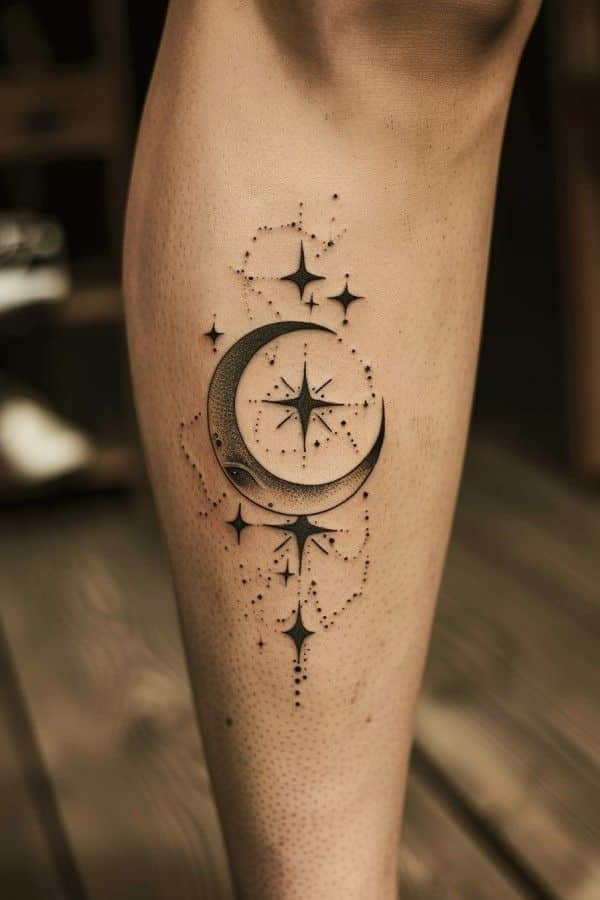
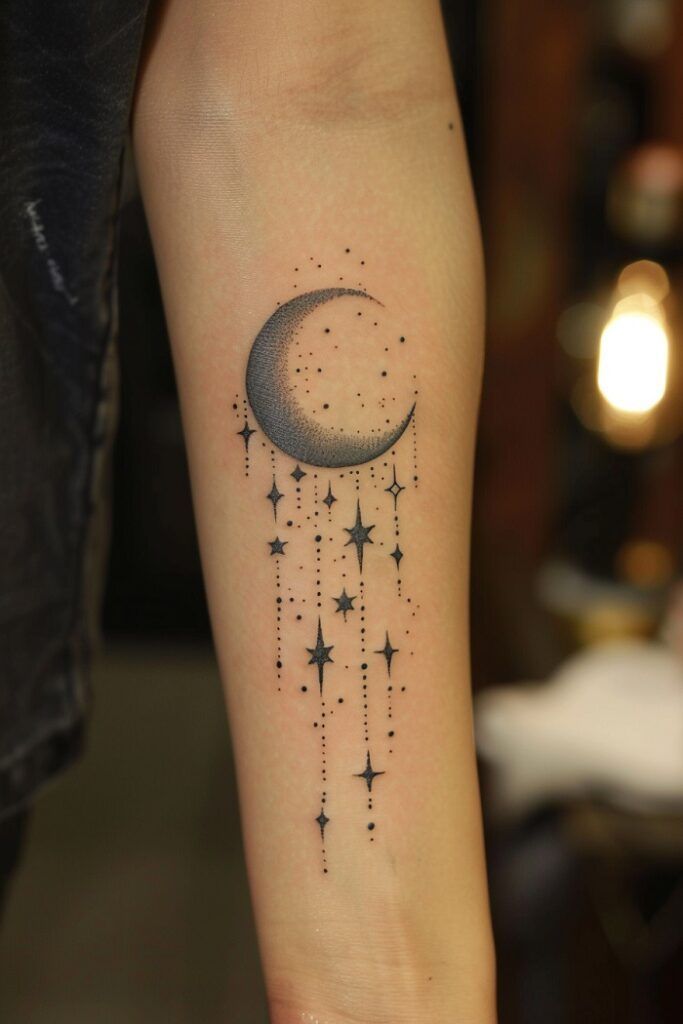
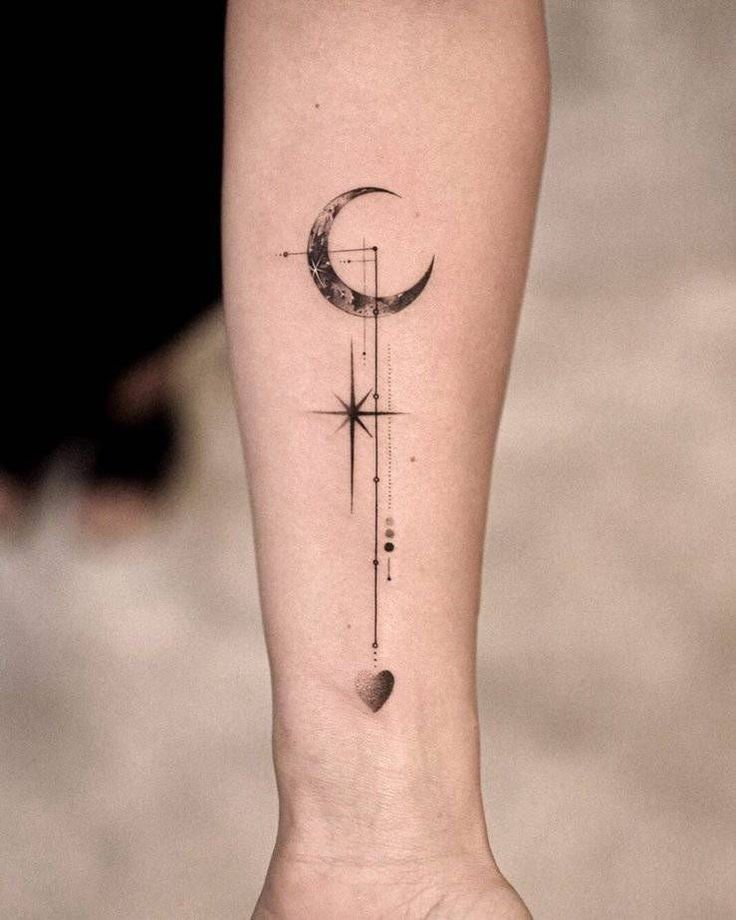
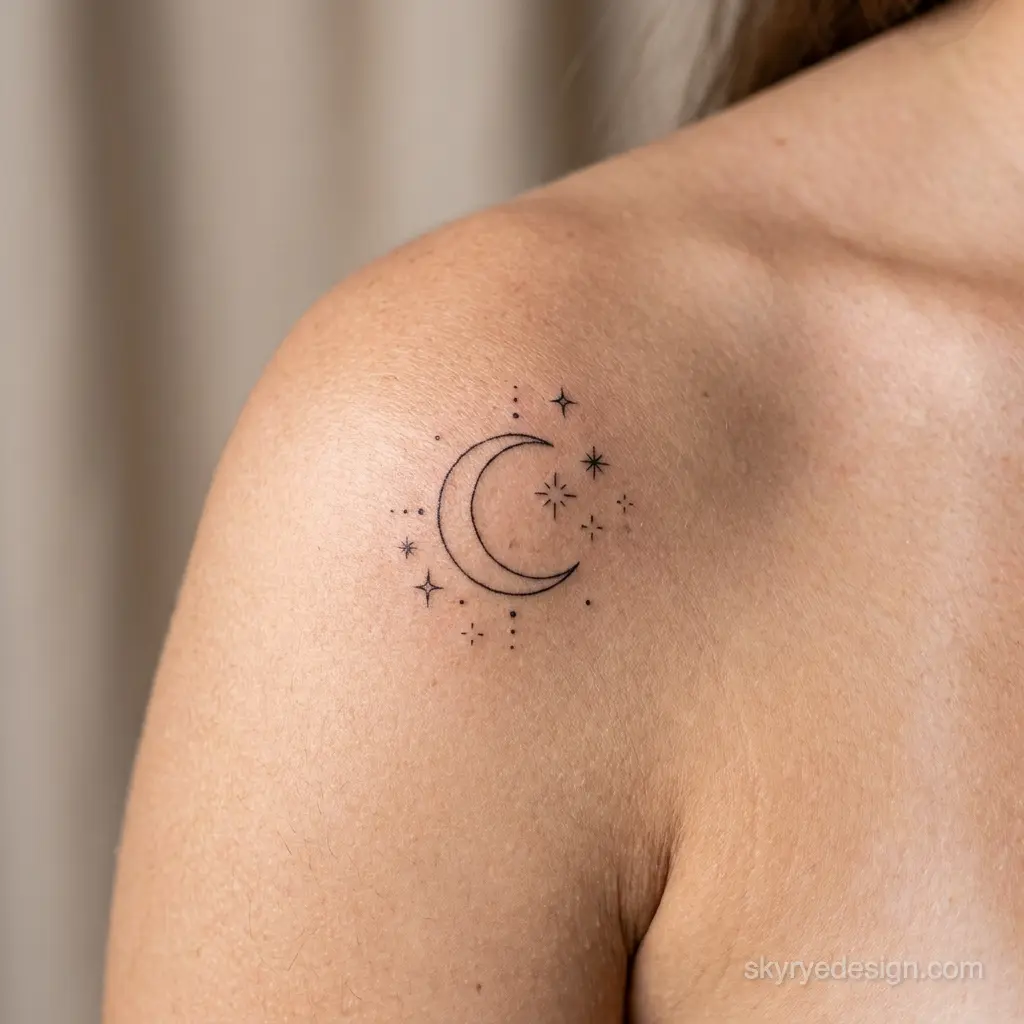
Moon and star tattoos are probably the most requested combination here, and honestly, I get it. A crescent with a few small stars just works. The shape is balanced, easy to recognize, and simple enough to fit on a wrist, ankle, collarbone, shoulder, or behind the ear without turning into a blur. If you want the same quiet celestial mood closer to the jaw or nape, compare celestial neck tattoo ideas before choosing between a tiny crescent, stars, or a vertical moon phase layout.
The symbolism is real too: guidance, dreams, hope, moving through darkness. Some people care about that deeply. Others pick the design because a crescent and three tiny stars look good in the exact spot they want a tattoo. Both reasons are valid, and weirdly enough, both tattoos can end up looking almost the same.
Where the design actually changes is style.
A thin crescent with fine-line stars feels delicate, almost like a little astronomical note drawn on the skin. Make the stars solid black, sharper, or more geometric, and the tattoo suddenly feels heavier. Pair them with a full moon instead of a crescent and it becomes more grounded, less dreamy. Add dotwork, shading, or tiny ornamental lines and the mood shifts again.
So do not just save the first moon-and-star reference that looks cute. Look at the line weight. Look at the spacing. Look at whether the stars feel soft, sharp, scattered, or symmetrical. Same moon, same stars, completely different tattoo.
Moon and Animals
The animal is doing half the work in these tattoos. A wolf howling at a full moon and an owl perched on a crescent are both moon-plus-animal, but they’re not the same drawing at all. The animal brings its own associations and the moon just sits behind them, making everything feel more charged.
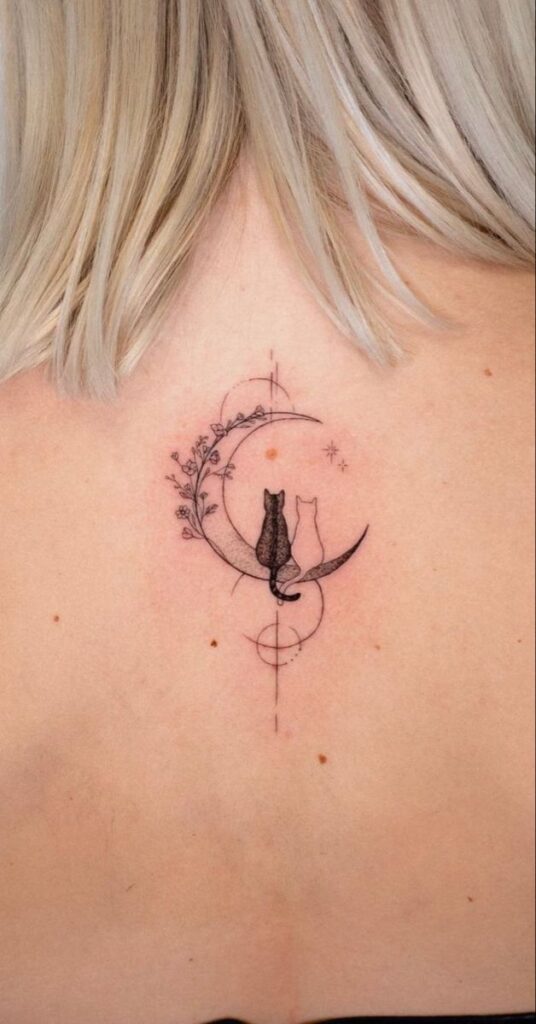
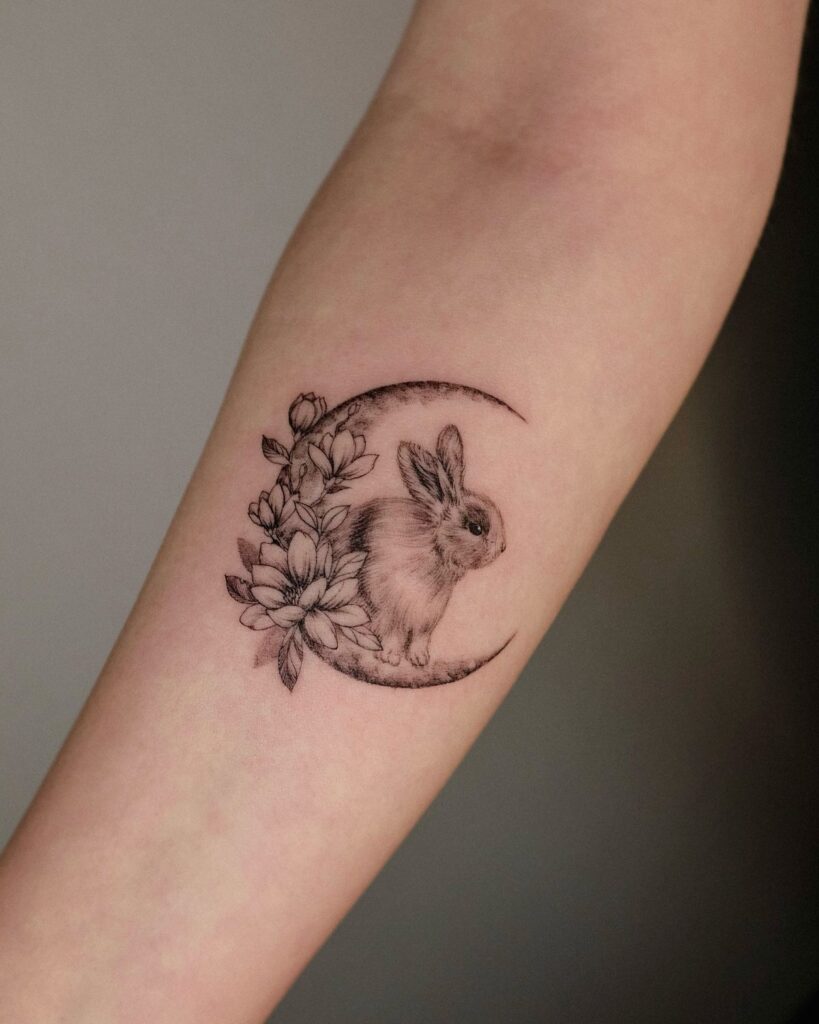
Wolves and owls dominate because they’re already night creatures — the pairing doesn’t need explanation. Wolf reads as strength, loyalty, something that runs in a pack. Owl is quieter. More interior. Wisdom that watches rather than acts. I’ve seen both done badly when the animal looks stiff or generic, and the moon can’t save it.
Cats, deer, bears — all work, all land differently. A cat curled into a crescent has a specific witchy-independent energy. A deer silhouetted against a full moon goes melancholy. A bear feels heavier, earthbound even in a night scene. Worth spending time on the animal reference before settling on a composition, because the pose changes everything. A sitting wolf is a different tattoo than a leaping one.
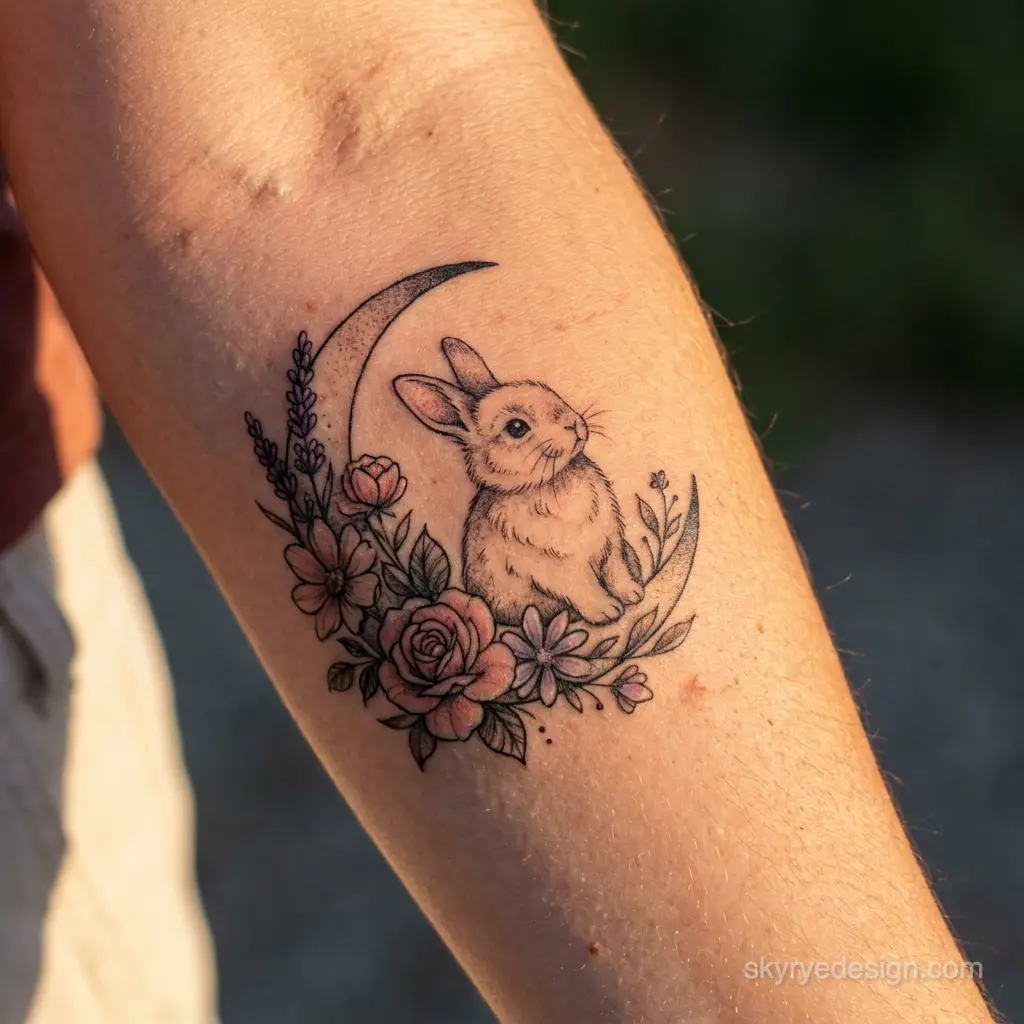
Style is the other variable and it compounds everything else. Realistic wolf with a detailed moon needs space and someone who draws animals well — ribcage or thigh territory, not a wrist. Silhouette version of the same idea works small, stays legible, loses nothing essential. These are actually two different tattoos that happen to share a concept.
Moon With Floral Elements
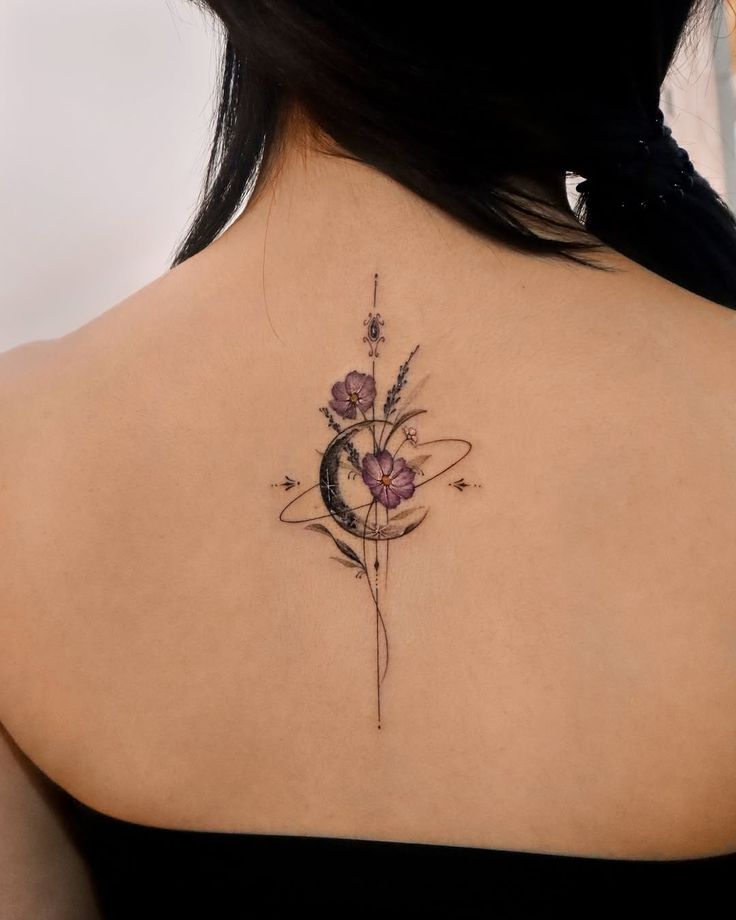
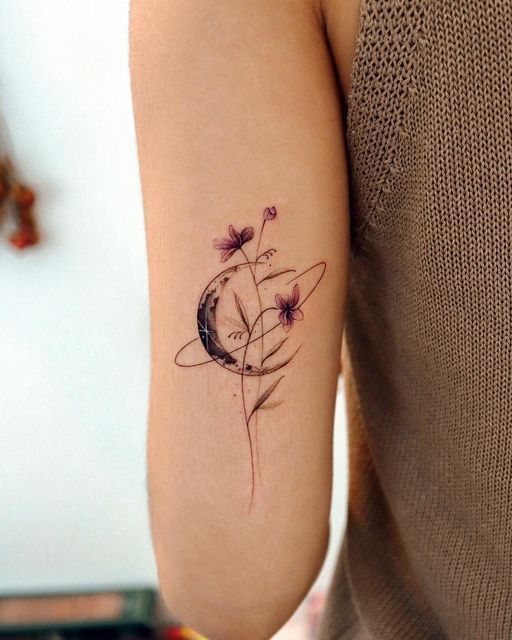
Floral details give moon tattoos a soft, natural beauty. Common flowers include roses, lotus, and cherry blossoms. These flowers can represent growth, purity, or new beginnings.
The moon paired with flowers often illustrates the balance between light and dark or life and change. The tattoo shows a connection to nature’s cycles. Popular designs use vines or petals wrapping around the moon to create a flowing, elegant shape.
How to choose the right moon tattoo
To choose the right moon tattoo, decide the message first, then scale the artwork to the body part. A tiny crescent should stay clean and graphic. A larger shoulder, rib, thigh, or back piece can hold shading, flowers, animals, or a full moon phase sequence without turning muddy as it heals.
Personal Connection
Moon phase choice ends up being more specific than people expect. A crescent isn’t just a smaller moon — it reads as something in motion, unfinished, still becoming. A full moon is the opposite. Complete, exposed, nothing hidden. People who’ve thought about it usually land on one or the other for a reason, even if they can’t fully articulate it at first.
The cultural and spiritual weight is real and varied. Lunar calendars, goddess traditions, harvest cycles — the moon carries a lot across different histories and some people are drawing on that deliberately. Others are connecting something more private. A person. A specific period. A night that meant something. That’s harder to see in the final tattoo but it’s there for the person wearing it.
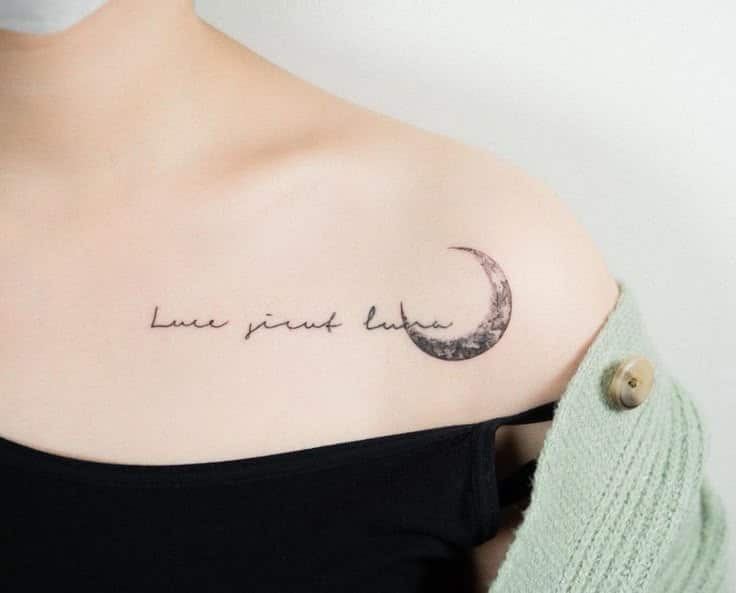
I’d push back gently on the idea that meaning has to be deep or worked out in advance. Some people get a crescent because they went through something hard during a new moon and it stuck. Some people get a full moon because their grandmother had a painting of one. Neither explanation is more valid than a carefully considered symbolic choice. The tattoo doesn’t know the difference — but the person wearing it does, every time they look at it.
Tattoo Size Considerations
Size plays a big role in how detailed the moon tattoo can be. Smaller tattoos work well for minimalistic crescent shapes or simple outlines. These are easier to place on wrists, fingers, or behind the ear.
Larger tattoos allow for more detail, such as craters, shading, or background elements like stars. Bigger designs fit well on the arm, back, or chest. Individuals should think about how visible and personal they want the tattoo to be.
Color vs. Black and Grey
Moon tattoos often look striking in black and grey. This style highlights shadows and shapes, giving a realistic or classic look. Black and grey tattoos usually age well and need less touch-up.
Adding color can make a tattoo unique and eye-catching. Blues, purples, or silvers can add a mystical feel. Color may fade faster and require more care, so it’s important to consider lifestyle and maintenance.
Moon tattoo aftercare and long-term aging
Taking care of a moon tattoo involves specific steps during healing and ongoing care to keep the design clear and vibrant. Proper cleaning, moisturizing, and protection are essential right after getting the tattoo and in the years that follow.
Aftercare Basics
Right after getting the tattoo, the skin will be sensitive and slightly swollen. The person should gently wash the area with lukewarm water and mild, fragrance-free soap twice a day. Avoid scrubbing or using harsh materials.
After washing, they must pat the tattoo dry with a clean towel. Applying a thin layer of unscented, tattoo-specific ointment or moisturizer helps prevent dryness and cracking. This should continue for about two weeks or until the skin is fully healed.
It’s important to avoid soaking the tattoo in water, like swimming or long showers. Direct sunlight and tight clothing that rubs on the tattoo should be avoided to prevent irritation.
Long-Term Preservation
Healed doesn’t mean finished. Sun is what fades tattoos over years, slowly and evenly, in a way you don’t notice until you compare old photos. SPF 30 or higher on exposed ink, consistently — not just at the beach but any time you’re outside for a stretch. Geometric linework and fine-line details show fading faster than bold black areas, so moon tattoos in particular need it.
Moisturizing is less critical but still worth doing. Dry skin makes ink look dull and slightly sunken. Fragrance-free, non-comedogenic lotion — the boring stuff works fine. The goal is just healthy skin, not some special tattoo product.
Fine-line designs fade and soften with time regardless of how well you look after them. That’s not a failure, it’s just how skin works. A touch-up session a few years in can bring the lines back. Worth staying in contact with the artist who did the original work — they know the design, they know how deep they went, and the result will be more consistent than starting with someone new.
If your moon tattoo is tied to night runs, trail races, or a favorite outdoor route, the trail runner tattoo ideas guide has mountain, map, and nature-based designs that fit that mood.
Moon imagery already carries questions about timing, change, and intuition; this spiritual guidance reading explains how people use readings to frame those questions more clearly.
Moon tattoo FAQ
What does a moon tattoo symbolize?
A moon tattoo most often symbolizes change, cycles, intuition, femininity, mystery, and personal growth. The exact meaning depends on the phase and style. A crescent usually feels like becoming or starting over, while a full moon can suggest clarity, completion, or emotional intensity. Some people choose the moon for spiritual meaning, and others simply like the clean celestial shape.
What does a crescent moon tattoo mean?
A crescent moon tattoo usually means growth, transition, renewal, or a new chapter. Because the crescent is not a complete circle, it often feels active and unfinished in a good way. It works especially well for small tattoos on the wrist, ankle, collarbone, behind the ear, or shoulder because the shape stays readable even when the design is simple.
What do moon phases tattoos mean?
Moon phases tattoos represent the full cycle of change: beginning, growth, fullness, release, and renewal. They are a strong choice for people who want a tattoo about time, healing, transformation, or moving through different life stages. A phase sequence needs enough length to stay clear, so forearms, spines, ribs, shoulders, and upper backs usually work better than tiny placements.
Where is the best placement for a moon tattoo?
The best placement depends on size and detail. A tiny crescent moon works well behind the ear, on the wrist, ankle, finger, or collarbone. A moon phases tattoo usually needs a longer area such as the forearm, spine, ribs, or upper arm. If the design has flowers, animals, craters, or geometric linework, give it more space so the details age cleanly.
Are moon tattoos good for small designs?
Yes, moon tattoos are one of the better small tattoo ideas because a crescent or simple full moon is recognizable with very little detail. For a small design, keep the linework clean and avoid packing in too many stars, flowers, or tiny textures. If you want a detailed moon surface or a full phase sequence, choose a medium placement instead.
Do moon tattoos age well?
Moon tattoos can age well when the design has clear shapes, enough spacing, and not too many tiny details. Bold black crescent moons usually hold up better than very delicate fine-line stars or tight geometric patterns. Sun exposure also matters: exposed tattoos fade faster, so healed ink on the arm, shoulder, chest, ankle, or foot needs regular sunscreen.
What can I combine with a moon tattoo?
Common moon tattoo combinations include stars, the sun, flowers, snakes, cats, wolves, butterflies, lotus flowers, clouds, water, and constellations. Choose the second symbol for its meaning and shape, not just because it looks decorative. A moon with stars feels dreamy and celestial, while a floral moon is softer and more natural.
For more styles beyond lunar designs, browse the full tattoo ideas hub.
A crescent moon cradled within a soft, organic vine tattoo makes for a beautiful, mystical design that symbolizes the tides and cycles of nature.
Moon designs often work beautifully in thin linework, so these fine line tattoo ideas can help you compare subtle placements and long-term clarity.
If the moon motif feels right but you want a softer overall style, compare it with these soft moon and floral tattoo ideas.
A moon can turn a botanical design into a quiet night landscape, but the tree should still have a clear role. This guide to tree tattoo meaning explains how roots, branches, species, and placement can shape the story.
- 1.4Kshares
- Facebook0
- Pinterest1.4K
- Twitter3
- Reddit0