Watercolor humbled me fast. I assumed water and pigment would be forgiving — loose, intuitive, easy to fix. Three ruined sheets later, I understood the problem. This medium doesn’t forgive. It just records exactly what you did wrong.
- Understanding Watercolor Basics
- Choosing Your Materials
- Fundamental Watercolor Techniques
- Creating Textures and Effects
- Mastering Color and Light
- Practicing and Improving Your Skills
- Conclusion
- FAQ Section
- Q: What are the basic watercolor techniques for beginners?
- Q: How do you start painting with watercolor?
- Q: Why is watercolor so hard to control?
- Q: What is the best watercolor paper for beginners?
- Q: How many layers can you use in watercolor?
- Q: How do you fix mistakes in watercolor?
- Q: What are common beginner watercolor mistakes?
- Q: Do you need expensive watercolor paints?
Everything comes down to water ratio. Too much and the colors bleed into each other, muddy and flat by the time they dry. Too little and the brush drags, leaving streaks where the paint refused to move. The sweet spot exists but you have to find it yourself — no tutorial really prepares you for what it feels like under the brush.
Wet-on-wet was the first technique that made me actually enjoy the process. Wet the paper first, drop color in, and it moves on its own — blooming outward the way ink does when it hits water. I use it every time I paint a sky. Clouds especially. Dry brush is the opposite end of the spectrum: barely any water, fast strokes, and the texture that comes out looks like grass or weathered wood almost by accident.
If the sky is the main subject, practice cloud drawing with soft edges first, then translate the same value pattern into watercolor. The brush will behave differently, but the light side, shadow side, and lost edges still matter.
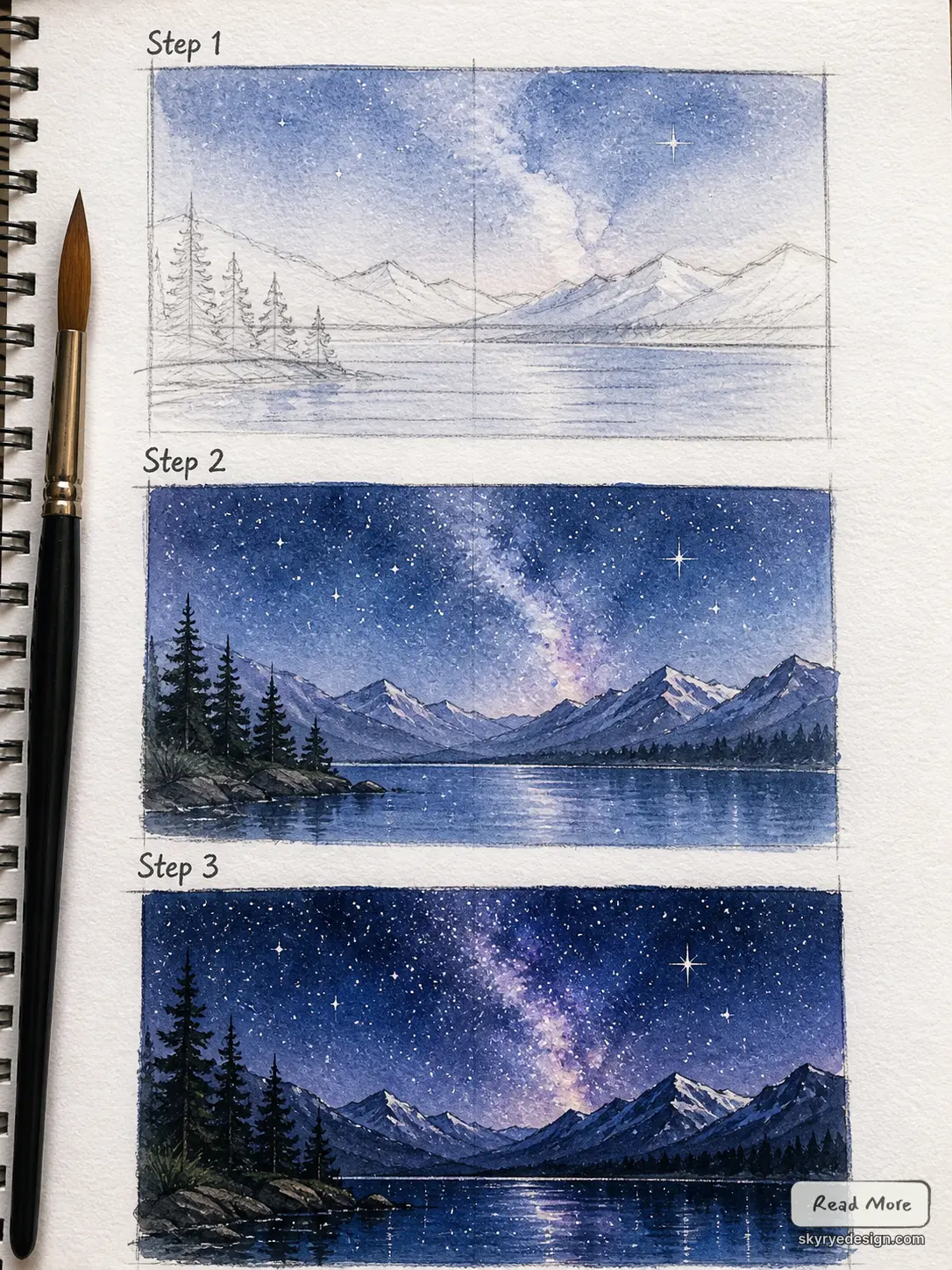
The thing that changed my work most wasn’t a better brush or more expensive paint. It was paper. Cheap paper buckles under the water, pills when you go back in, and generally fights you from the first stroke. Decent paper just accepts what you’re doing. The difference is immediate and a little embarrassing — I wasted months on bad paper thinking the problem was my technique.
Start painting before you feel ready. One failed piece teaches you more than sitting through tutorials. The mess is the lesson.

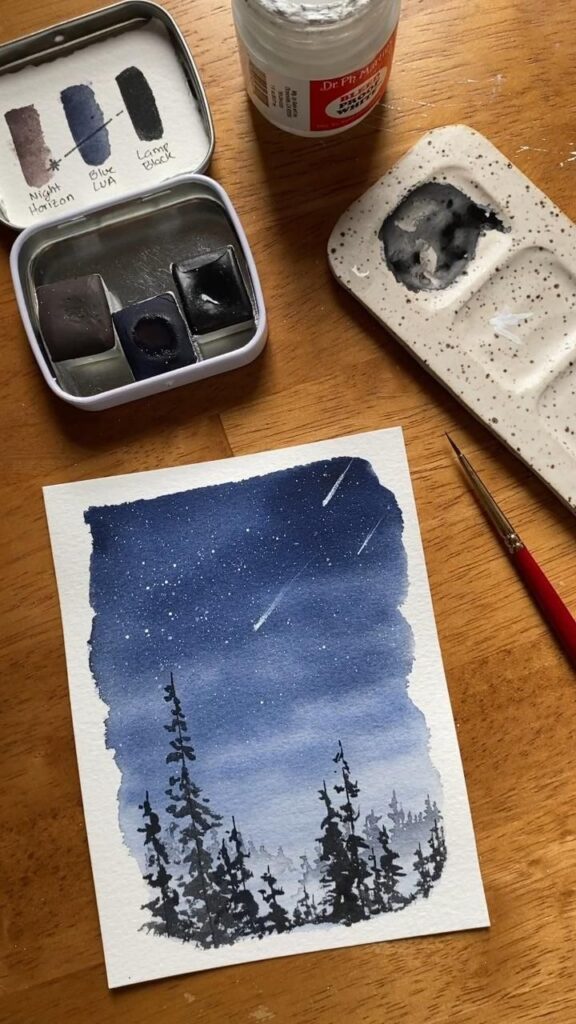
Understanding Watercolor Basics
Watercolor looks approachable until you’re twenty minutes in and everything has turned into a grey-brown puddle.
Water ratio is the whole game. More water and the color opens up into pale, transparent washes — beautiful when that’s what you want, frustrating when it isn’t. Less water and the pigment gets dense, almost gouache-like. I spent weeks dipping my brush without thinking, wondering why nothing looked the way I planned. The answer was always the same: too much water, not enough intention.
Paper took me longer to figure out. Regular paper starts warping almost immediately — the moisture has nowhere to go and the surface just buckles. Watercolor paper handles it differently. Thicker, slightly textured, and it grabs the paint in a way that flat paper never does. You can go back in, layer, lift color back out. On cheap paper, that second pass just tears the surface apart.
Brushes matter less than the other two. The main thing is a tip that holds its point — a brush that splays out on contact gives you no control over where the paint lands. Cheap synthetics work fine when you’re starting out, sometimes better than expensive ones because you’re not afraid to push them. I snapped the hairs on a couple early on by pressing too hard. Glad they cost three dollars.
Get the paper right first. Everything else is adjustable.

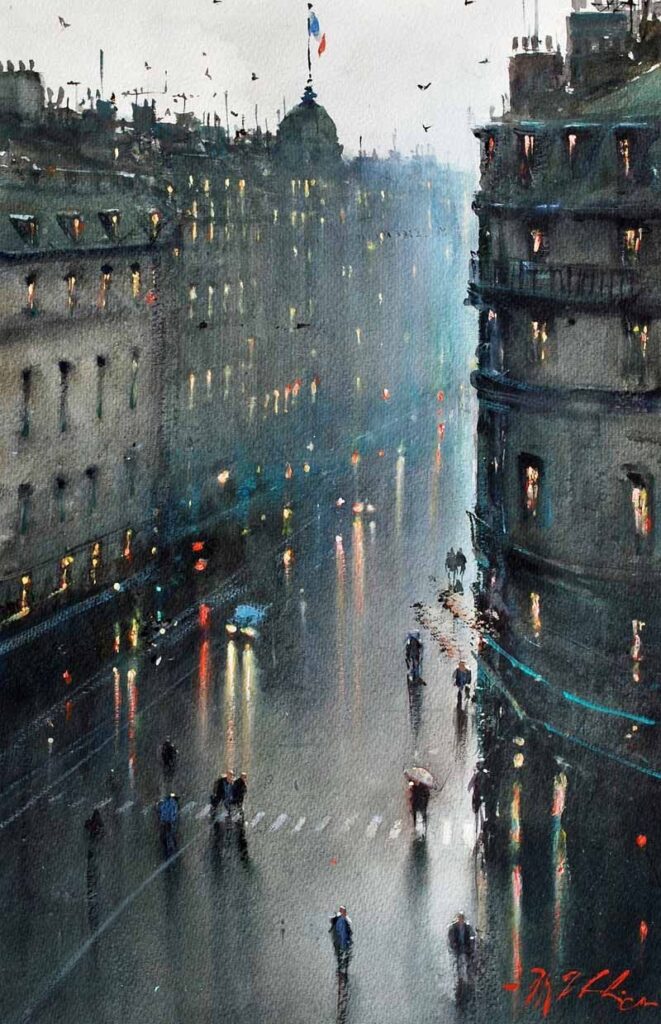
There are a few watercolor techniques you’ll hear about right away, and they each feel completely different once you actually use them.
Wet-on-wet is the messy one. You wet the paper first, then drop in color and just… watch it move. Sometimes it blends into these soft, perfect gradients. Other times it blooms in weird directions and ruins what you had in mind. I’ve had both happen in the same painting.
Dry brushing flips that completely. Almost no water, just a slightly damp brush scraping across the paper. You get this broken, textured look — great for rough surfaces. It feels less like painting and more like sketching with a stubborn brush.
Glazing is slower. You put down a thin wash, wait for it to dry (and if you rush it, you’ll regret it), then layer another on top. After a few passes, the color starts to build in a way that looks deeper without getting muddy.
And yeah, paint quality matters. I didn’t believe it at first either. Cheap paints tend to go dull when you layer them, like something’s missing. Better pigments stay clear and actually mix the way you expect.
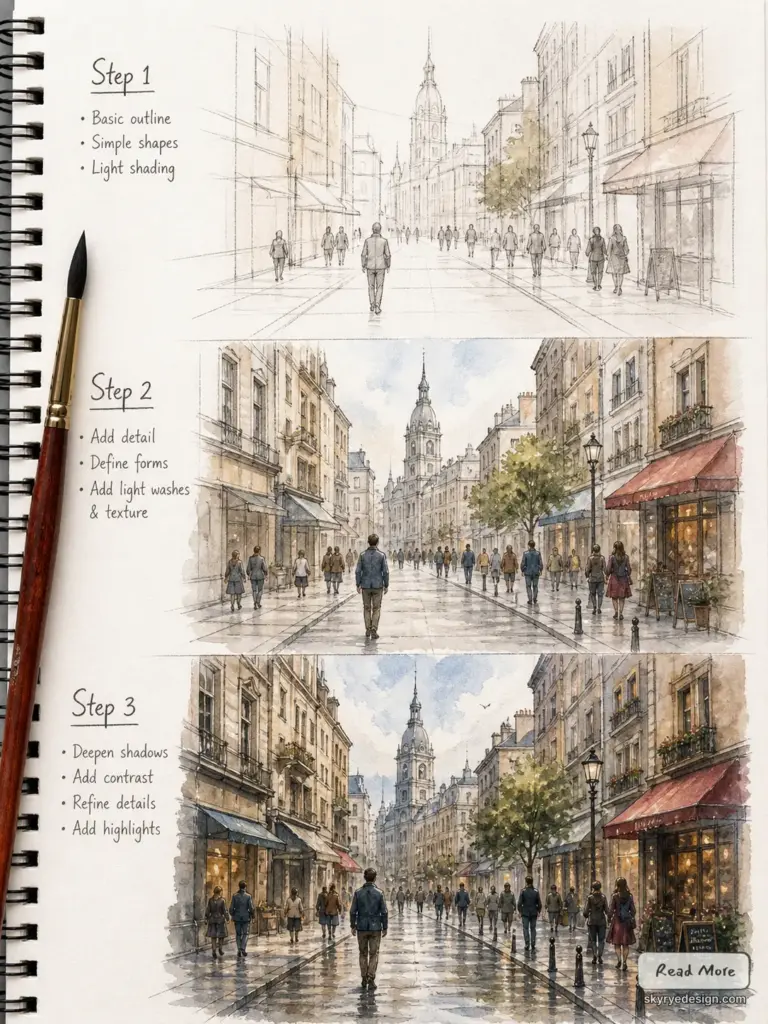
That’s really the core of it. You learn the techniques, mess them up a few times, figure out how the paint behaves — and eventually it starts working with you instead of against you.
For a flower project that uses soft washes without losing structure, try this watercolor peony drawing guide. Sketch the petal layers first, then use watercolor only after the form reads clearly.
Choosing Your Materials
When it comes to watercolor painting, selecting the right materials can make a significant impact on the final outcome of your artwork. Here are some essential materials to consider:
Watercolor Paper
Watercolor paper is specifically designed for watercolor painting. It is available in various textures, including hot press and cold press. Hot press paper has a smooth surface, while cold press paper has a rougher texture.
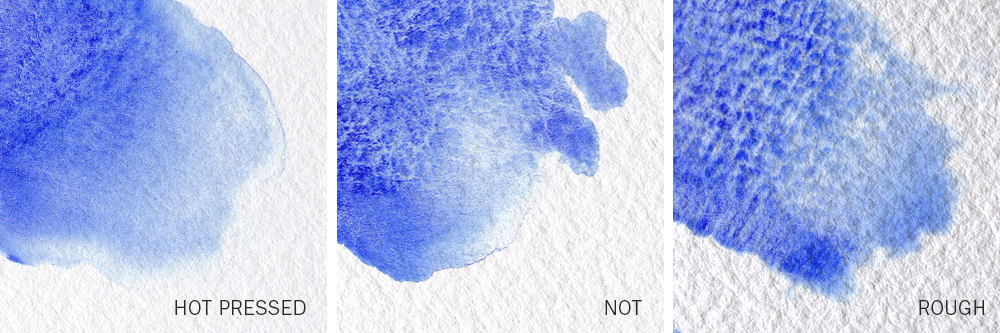
The texture of the paper affects the way the paint is absorbed and how it appears on the paper. It is recommended to use high-quality watercolor paper to achieve the best results.
Brushes
Watercolor brushes come in different shapes and sizes. The most commonly used brushes for watercolor painting are round brushes.
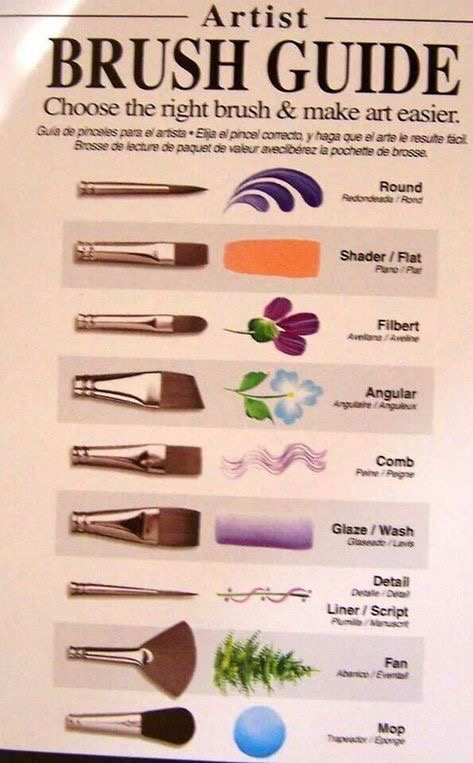
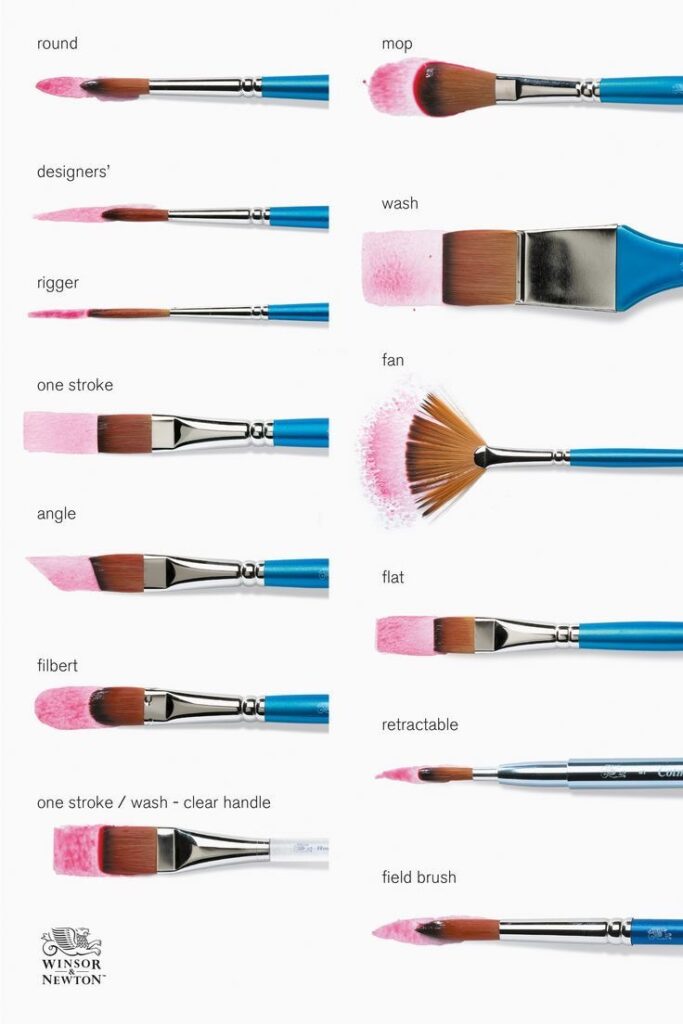
They are versatile and can be used for various techniques. It is recommended to invest in high-quality brushes that can hold enough water and paint for smooth strokes.
Watercolor Paint
Watercolor paints come in different forms, including tubes and pans. They are available in various colors and qualities. It is recommended to use professional-grade watercolor paints for the best results.

They have higher pigment concentration, which results in more vibrant colors and better lightfastness.
Masking Fluid
Masking fluid is a liquid material used to preserve areas of the paper that the artist does not want to paint over. It is applied to the paper using a brush or other applicator.
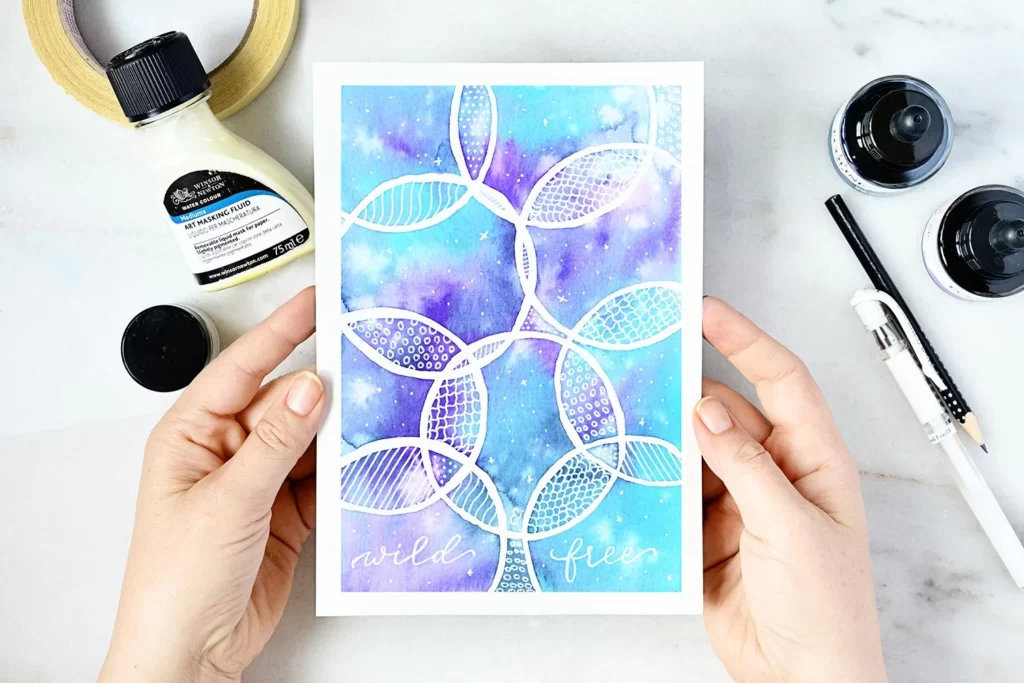
Once it dries, it creates a barrier that prevents the paint from seeping through.
Masking Tape
Masking tape is used to create clean edges and borders in watercolor painting. It is applied to the paper before painting, and once the paint is dry, it can be removed without damaging the paper.
Salt
Salt is used to create interesting textures in watercolor painting. It is applied to wet paint, and as it dries, it absorbs the pigment from the paint, creating a unique texture.
Sponge
A sponge is used to create various textures in watercolor painting. It can be used to create clouds, foliage, and other natural textures.
Pencil
A pencil is used to sketch out the composition of the painting before applying the paint. It is recommended to use a light pencil to avoid leaving visible marks on the paper.
Spray Bottle
A spray bottle is used to wet the paper before painting. It can also be used to create interesting effects by spraying water over the wet paint.
Mixed Media
Mixed media refers to the use of different materials in watercolor painting. It can include collage, ink, and other materials to create unique effects.
Paper Texture
Paper texture refers to the surface of the paper. It affects the way the paint is absorbed and how it appears on the paper. It is recommended to experiment with different paper textures to find the one that works best for your style of painting.
Q-tip
A Q-tip can be used to create small details and textures in watercolor painting.
It is also useful for removing excess paint or correcting mistakes.
Fundamental Watercolor Techniques
Watercolor can do a lot, which is probably why so many people get hooked on it. But it also has a habit of doing its own thing. You put paint down expecting one result, and suddenly the color spreads somewhere you didn’t plan. Sometimes it works. Sometimes it absolutely doesn’t.
That’s why the basic watercolor techniques matter. Not because there’s some official order you have to follow, but because they help you understand what the paint is likely to do.
A flat wash is usually where people start. Good for skies, backgrounds, or anything that needs smooth color. Wet-on-wet is the fun one — paint into damp paper and the edges soften on their own. Wet-on-dry gives you more control and cleaner shapes, which helps when you stop painting loose and want actual detail. And layering? That one taught me patience the hard way. I used to go back in too early and end up with a muddy mess because the paper wasn’t fully dry.
You don’t need to learn everything in one sitting. A few techniques, some decent paper, and a bit of trial and error will get you further than buying expensive supplies too early. Honestly, most of watercolor is learning when to stop touching it.
Humanized with a more natural rhythm, first-person experience, less textbook language, and fewer generic phrases.
Wet-on-Wet Technique
The wet-on-wet technique involves applying wet paint onto a wet paper surface. This technique is great for creating soft, blended, and seamless color transitions.

To achieve this technique, wet the paper surface with clean water and then apply the paint onto the wet surface. This will allow the colors to blend and spread naturally on the paper.
Wet-on-Dry Technique
The wet-on-dry technique involves applying wet paint onto a dry paper surface. This technique is great for creating sharp edges, details, and textures. To achieve this technique, apply the paint onto a dry paper surface and allow it to dry before adding another layer or color.
Layering Technique
The layering technique involves building up layers of paint to create depth, texture, and dimension in a painting.
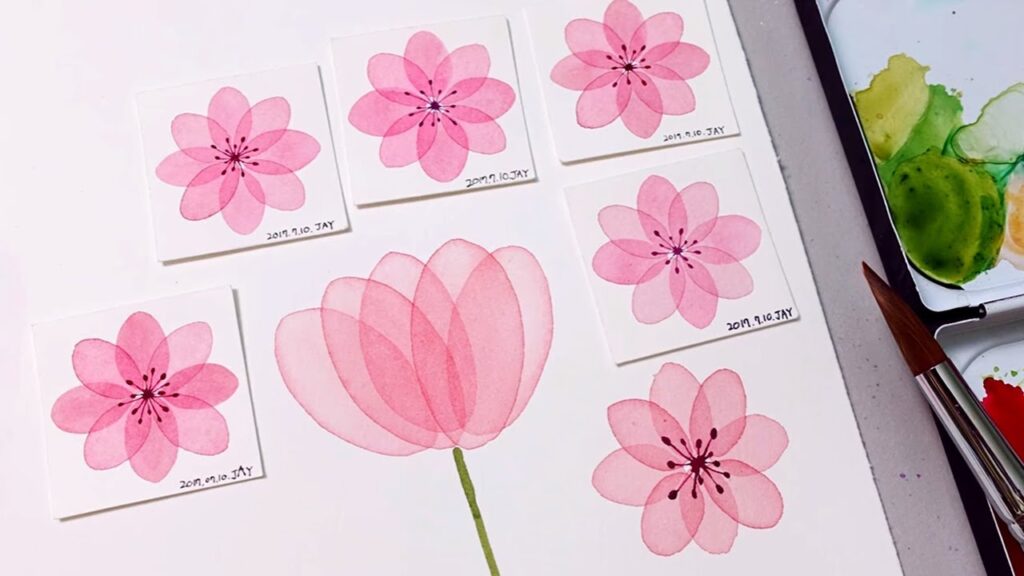
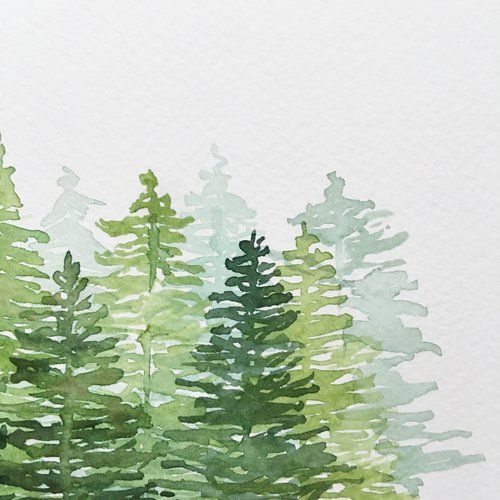
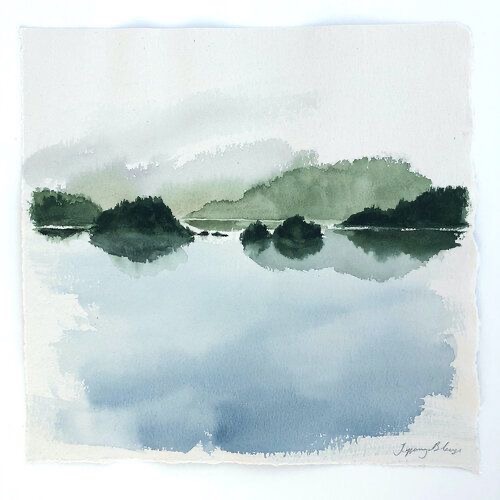

To achieve this technique, start with light washes of color and gradually build up the layers by adding more pigment and water. This technique allows the artist to create a range of values and tones in a painting.
Dry Brush Technique
The dry brush technique involves using a dry brush to create a rough, textured effect on the paper surface. This technique is great for creating textures, highlights, and details.
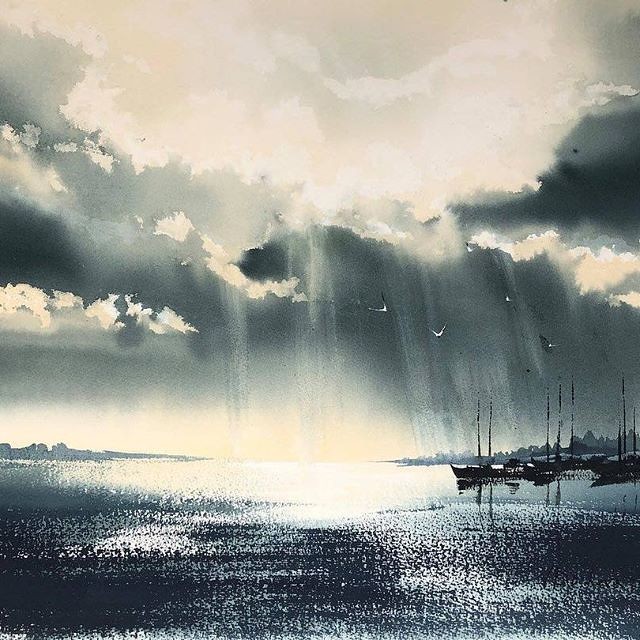
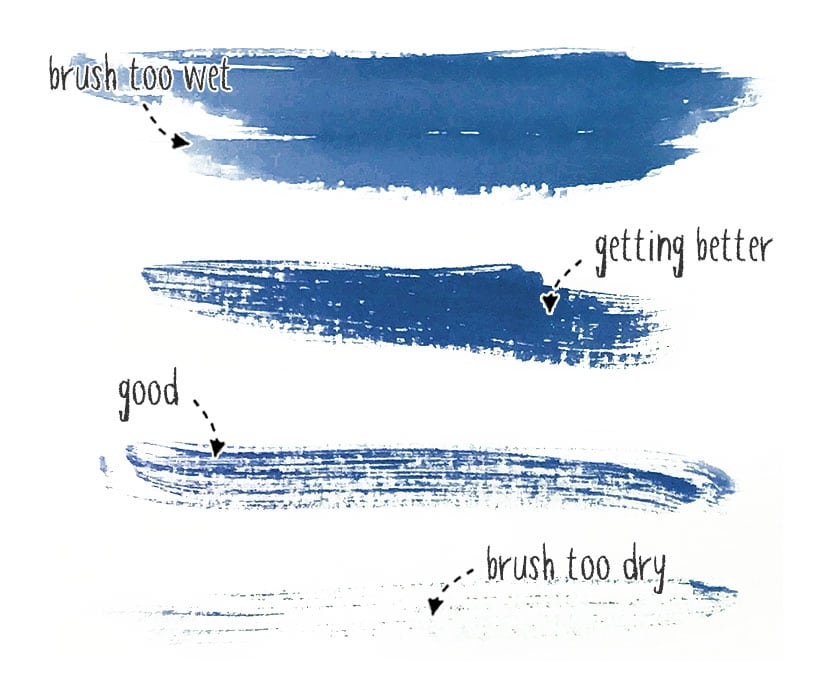
To achieve this technique, load the brush with a small amount of paint and then remove most of the water by dabbing it onto a paper towel. Then, drag the brush across the paper surface to create a dry brush effect.
Lifting Technique

The lifting technique involves removing paint from the paper surface to create highlights, textures, and details. To achieve this technique, use a clean damp brush or a paper towel to lift off the paint from the paper surface while it is still wet or damp. This technique allows the artist to create a range of effects and textures in a painting.
Graded Wash Technique
The graded wash technique involves creating a smooth transition of color from light to dark. To achieve this technique, start with a light wash of color and gradually add more pigment to create a darker tone.
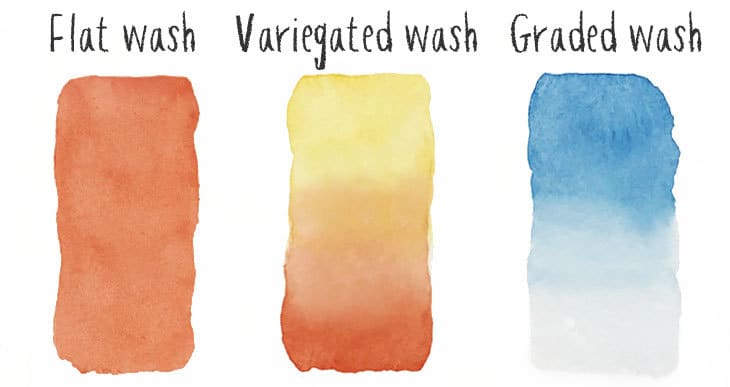
This technique is great for creating depth, volume, and dimension in a painting.
Dry Brush Technique
The dry brush technique involves using a dry brush to create a rough, textured effect on the paper surface. This technique is great for creating textures, highlights, and details. To achieve this technique, load the brush with a small amount of paint and then remove most of the water by dabbing it onto a paper towel. Then, drag the brush across the paper surface to create a dry brush effect.
Wet-on-Dry Technique
The wet-on-dry technique involves applying wet paint onto a dry paper surface. This technique is great for creating sharp edges, details, and textures. To achieve this technique, apply the paint onto a dry paper surface and allow it to dry before adding another layer or color.
Transparency Technique
The transparency technique involves creating a translucent effect by diluting the paint with water. This technique is great for creating a sense of depth, lightness, and transparency in a painting.
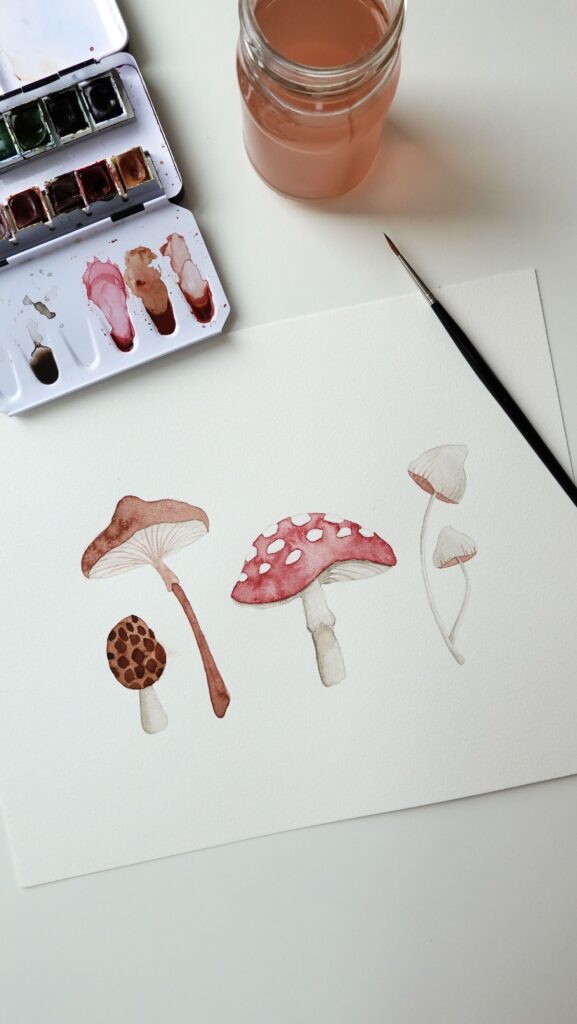
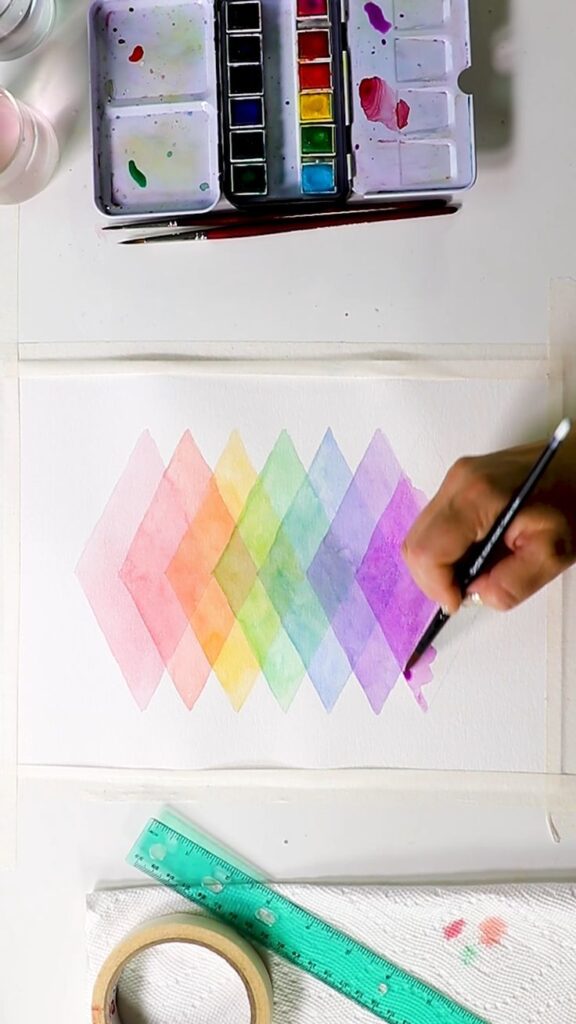
To achieve this technique, mix the paint with water to create a diluted wash and apply it onto the paper surface.
Texturing Technique
The texturing technique involves creating a range of textures and patterns on the paper surface. This technique is great for creating a sense of depth, dimension, and interest in a painting. To achieve this technique, use various tools such as tissue paper, plastic wrap, sponge, or rubber cement to create textured marks on the paper surface.

In conclusion, mastering the fundamental watercolor techniques is essential for every watercolor artist. By understanding and practicing these techniques, artists can create beautiful and unique paintings that showcase their creativity and skill.
Turn these ideas into real sketchbook practice
Creating Textures and Effects
Watercolor painting is known for its ability to create beautiful textures and effects. By using different techniques, artists can achieve a range of textures from smooth and delicate to rough and bold.
One common technique for creating texture is the dry brush technique. This involves using a brush with minimal water and pigment to create texture and detail. By dragging the dry brush across the paper, an artist can create rough textures and add fine lines and details to their paintings. This technique allows for a sense of realism and can bring subjects to life.
Another technique for creating texture is the wet-on-wet technique. This involves applying wet paint onto a wet surface. By doing this, the colors blend and flow together, creating soft and beautiful transitions. This technique is great for creating backgrounds or for adding depth to a painting.

For those looking to create a more dramatic effect, the splatter and spatter technique can be used. This involves flicking paint onto the paper using a brush or toothbrush. This technique can create a variety of textures, such as fur or a speckled effect.
Artists can also use resist techniques to create unique textures and effects. This involves using materials such as rubber cement or plastic wrap to block off areas of the paper from the paint. When the resist material is removed, the paper underneath will be left with a textured mark.
Finally, sponge painting can be used to create interesting textures. By dabbing a sponge onto the paper, an artist can create a variety of textures, such as a rough stone effect.
Overall, there are many techniques for creating textures and effects in watercolor painting. By experimenting with different techniques and materials, artists can achieve unique and beautiful results.
Mastering Color and Light
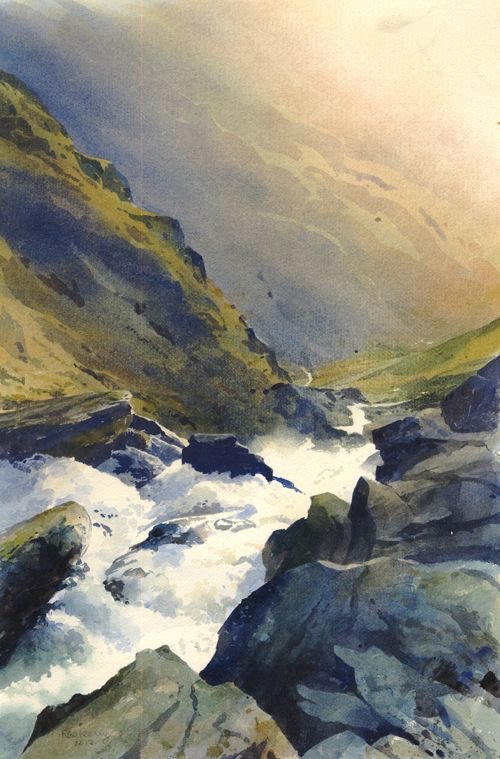
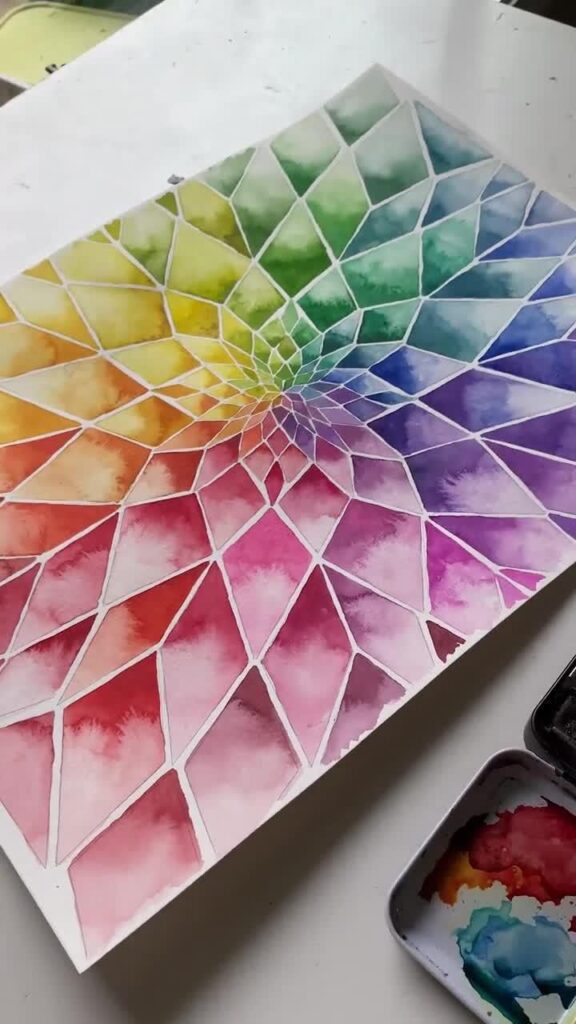
Watercolor painting is all about mastering the use of color and light. The way an artist uses color can make or break a painting. Here are some tips for mastering color and light in watercolor painting:
Gradients
Gradients are a great way to create depth and dimension in a painting. By blending colors from light to dark, an artist can create a sense of space and movement.
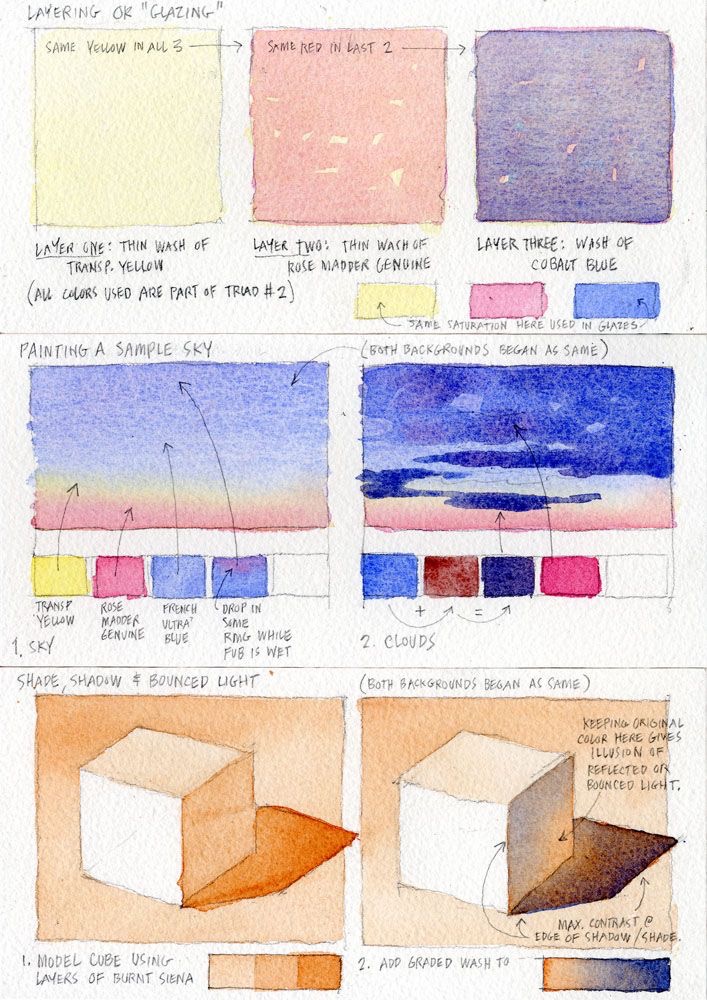
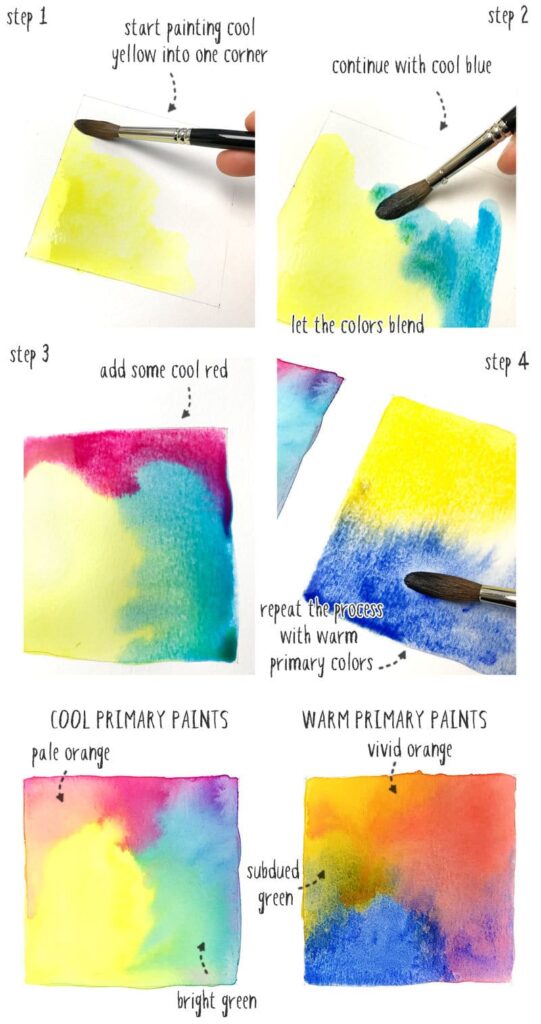
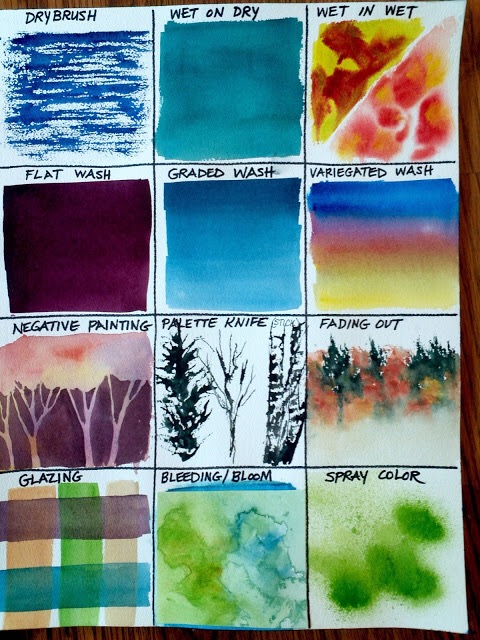
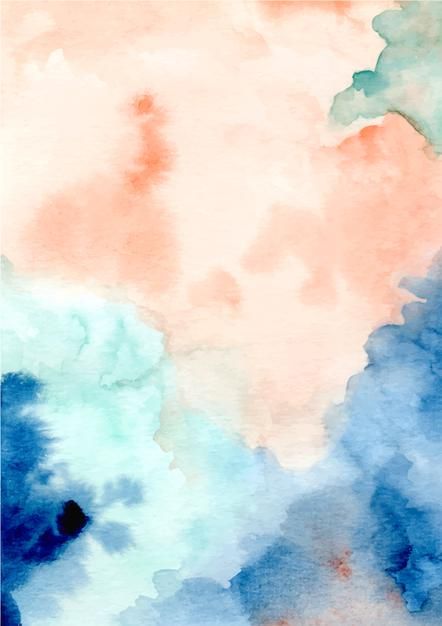
To create a gradient, start with a light color and gradually add darker colors to it. Use a wet-on-wet technique to blend the colors together seamlessly.
Light to Dark


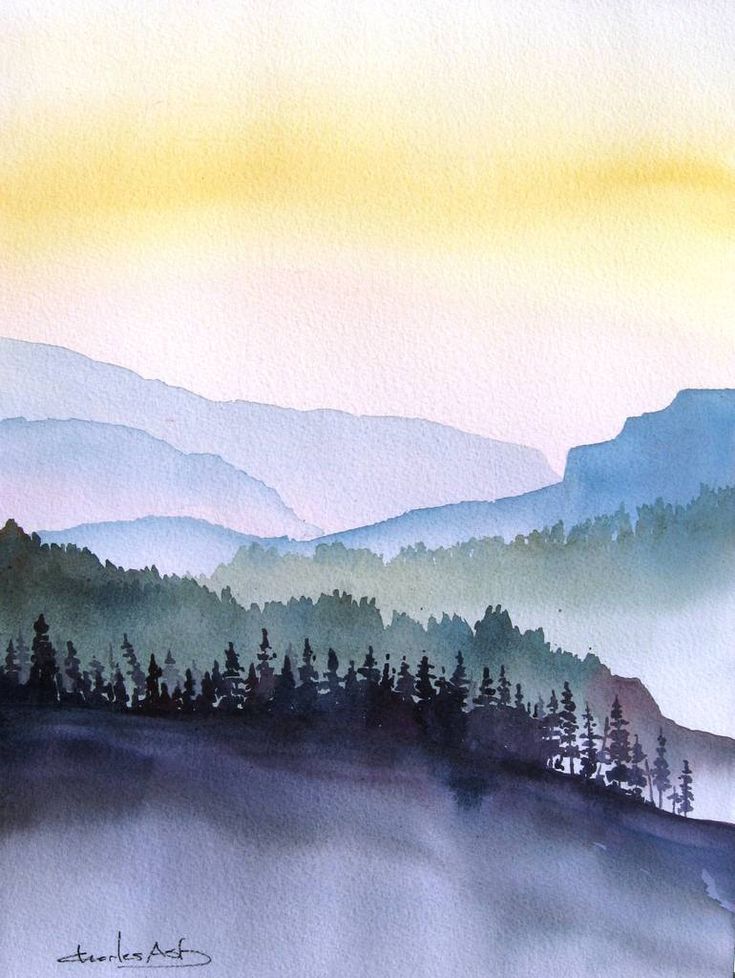
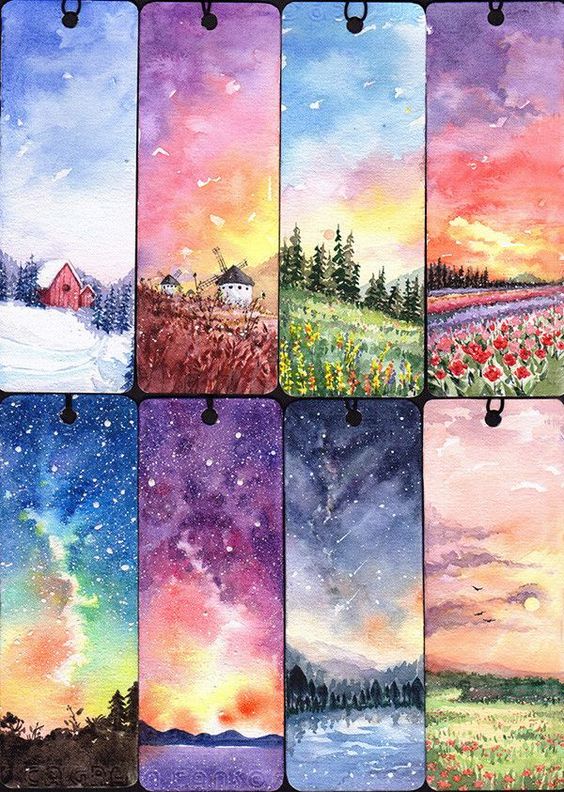
When working with watercolors, it is important to work from light to dark. Start with lighter colors and gradually add darker colors to create shadows and depth. This technique allows an artist to build up the painting in layers, creating a sense of depth and richness.
Graded Wash
A graded wash is a technique used to create a smooth transition from one color to another. To create a graded wash, start with a light color and gradually add darker colors to it. Use a wet-on-wet technique to blend the colors together seamlessly. This technique is great for creating smooth skies or backgrounds.
Color Blending
Color blending is a technique used to create new colors by mixing two or more colors together.
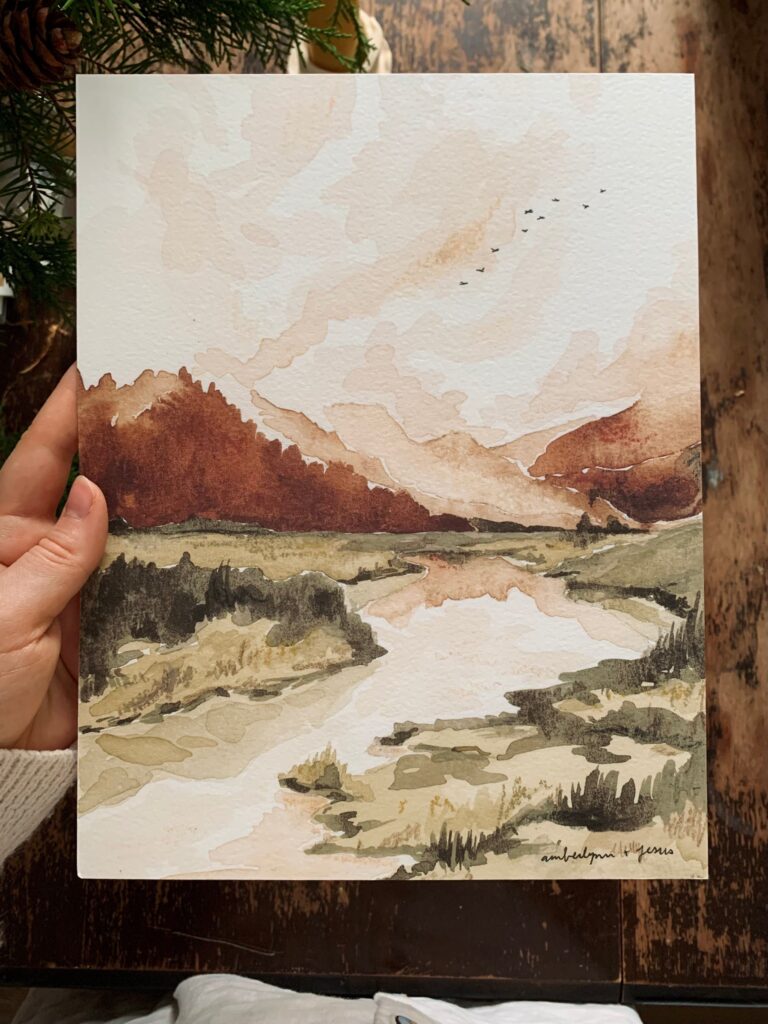
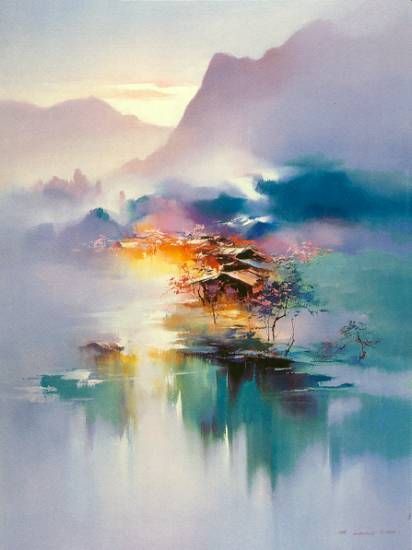
This technique is great for creating depth and richness in a painting. To blend colors, start with a light color and gradually add darker colors to it. Use a wet-on-wet technique to blend the colors together seamlessly.
Transparency
Transparency is a unique quality of watercolors that allows an artist to create a sense of depth and luminosity in a painting.

To create transparency, use a wet-on-wet technique to apply a thin layer of paint. This technique allows the underlying layers of paint to show through, creating a sense of depth and luminosity.
Reflection
Reflection is another technique that can be used to create a sense of depth and movement in a painting.
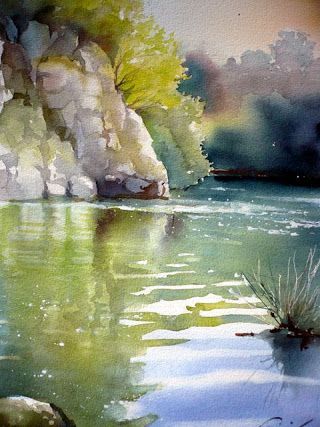
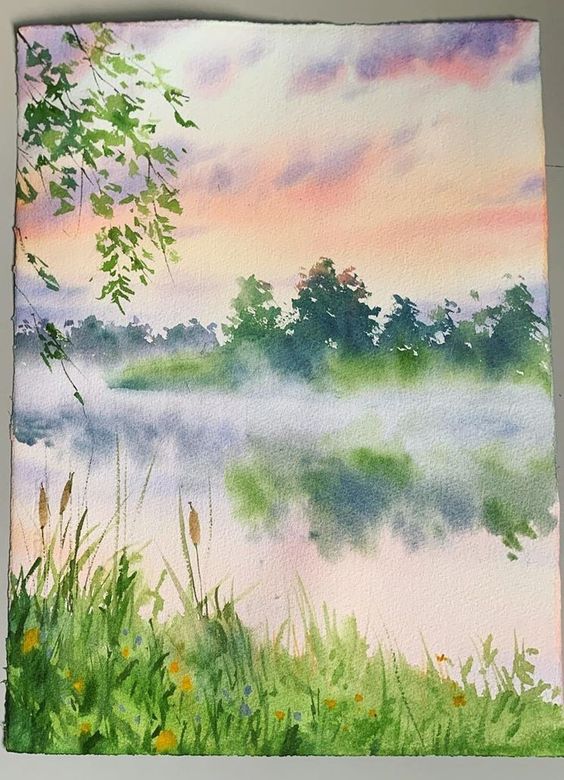
To create reflection, use a wet-on-wet technique to apply a thin layer of paint over a previously painted area. This technique allows the underlying layer to show through, creating a mirror-like effect.
Values and Darkness
Values and darkness are important elements in creating a sense of depth and dimension in a painting. By using darker colors and values, an artist can create shadows and depth.
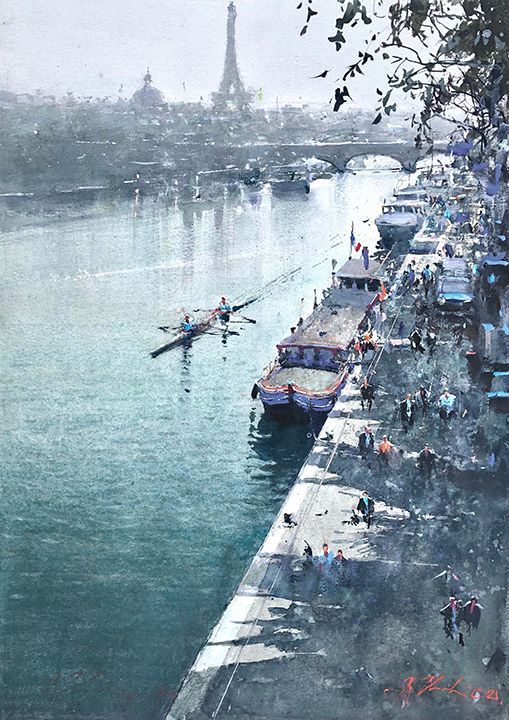

To create darkness, use a wet-on-dry technique to layer darker colors over lighter colors. This technique allows an artist to build up the painting in layers, creating a sense of depth and richness.
Energy and Inspiration
Watercolor painting is all about energy and inspiration. By using color and light in unique and creative ways, an artist can create a sense of energy and movement in a painting.
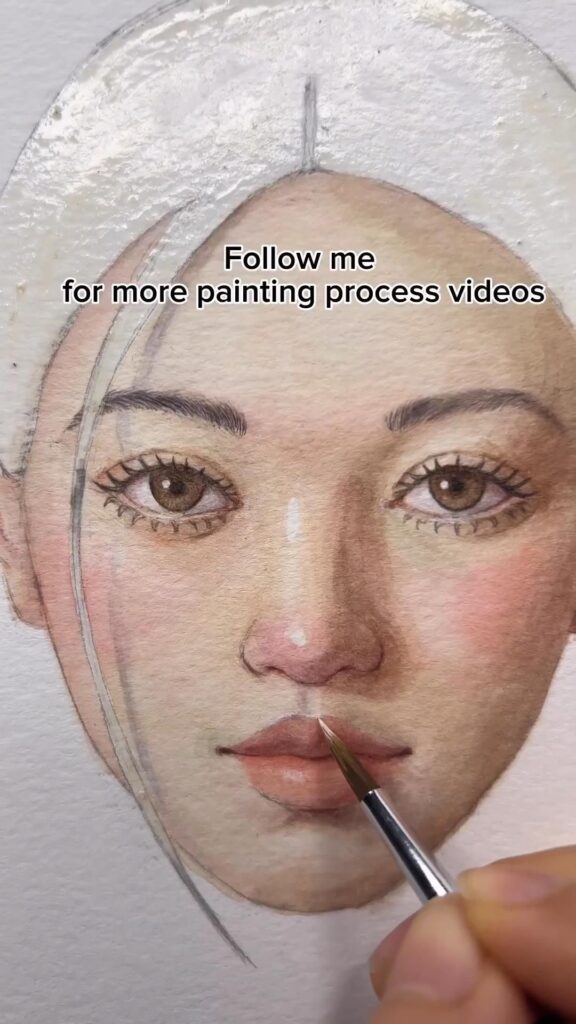
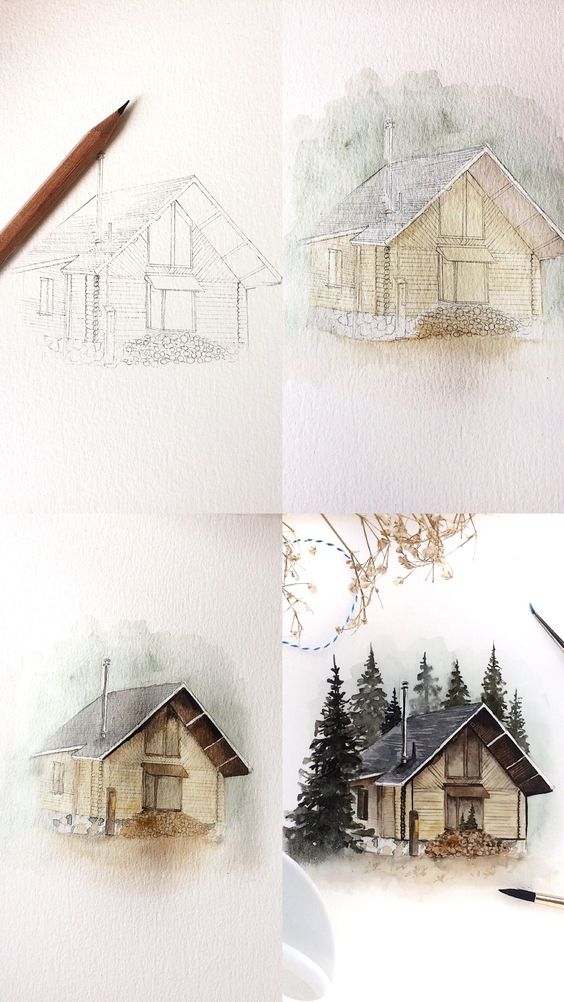
To find inspiration, look to nature and the world around you. Use color and light to capture the beauty and energy of the world around you.
Practicing and Improving Your Skills
Watercolor is a versatile medium that offers numerous possibilities for blending, creating texture, and rendering interesting effects. Whether you are a beginner or an experienced artist, there are always ways to improve your skills and creativity. Here are some tips to help you practice and improve your watercolor techniques:
Start with Basic Techniques
If you are a beginner, it is important to start with the basic watercolor techniques such as flat washes, gradients, spattering, dry brush, wet-on-wet, and wet-on-dry. These techniques will help you understand how to control the water and pigment on your paper, and how to create different effects with your brush strokes.
Experiment with Different Papers and Brushes
Watercolor paper is an essential part of the watercolor painting process. Different papers have different textures and weights, which can affect how the paint behaves on the surface. It is important to experiment with different papers and find the one that suits your style and needs. Similarly, different brushes have different shapes and sizes, which can affect how the paint is applied to the paper. Experiment with different brushes and find the ones that work best for you.
Practice Regularly
Like any other skill, watercolor painting requires practice. Set aside some time each day or week to practice your techniques and experiment with different colors and compositions. You can also practice by copying paintings by other artists, or by painting from photographs or real-life objects.
Learn from Mistakes
Watercolor painting can be unpredictable, and mistakes are bound to happen. Instead of getting frustrated or discouraged, use your mistakes as an opportunity to learn and improve. Analyze what went wrong, and try to avoid making the same mistake in the future.
Attend Workshops and Classes
Attending workshops and classes can be a great way to learn new techniques, get feedback on your work, and connect with other artists. Look for classes or workshops in your area, or consider taking an online course.
Take Care of Your Materials
Watercolor paints, brushes, and paper can be expensive, so it is important to take care of them properly. Store your paints in a cool, dry place, clean your brushes after each use, and store your paper flat to prevent warping.
By practicing and improving your watercolor skills, you can take your painting to the next level and create beautiful, unique works of art.
If you want to test these washes on terrain, the watercolor mountain drawing workflow is a useful next exercise. It shows where to keep distant peaks pale and where to save sharper dark accents.
Once a wash feels controllable, use these watercolor ideas for beginners to choose a small project that matches the technique you want to practise, from wet-on-wet skies to dry-brush foliage.
Conclusion
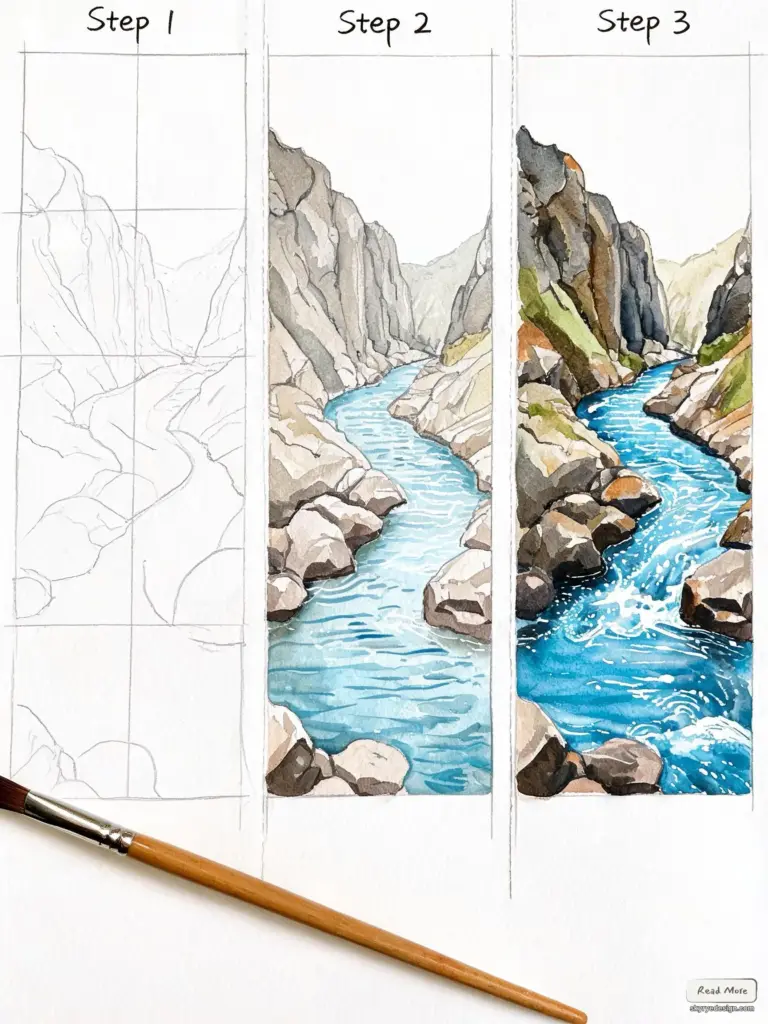
Watercolor’s been around forever, but it doesn’t feel old when you’re actually using it. It’s loose, a little unpredictable, and that’s kind of the point. One minute you’re laying down a soft wash, the next the pigment blooms in a way you didn’t plan — sometimes better than what you had in mind.
When I first tried it, everything turned muddy. Every. single. time. Too much water, not enough patience. But after a few sessions, you start to see how it behaves. You learn when to leave it alone (hard lesson) and when to push the color a bit further.
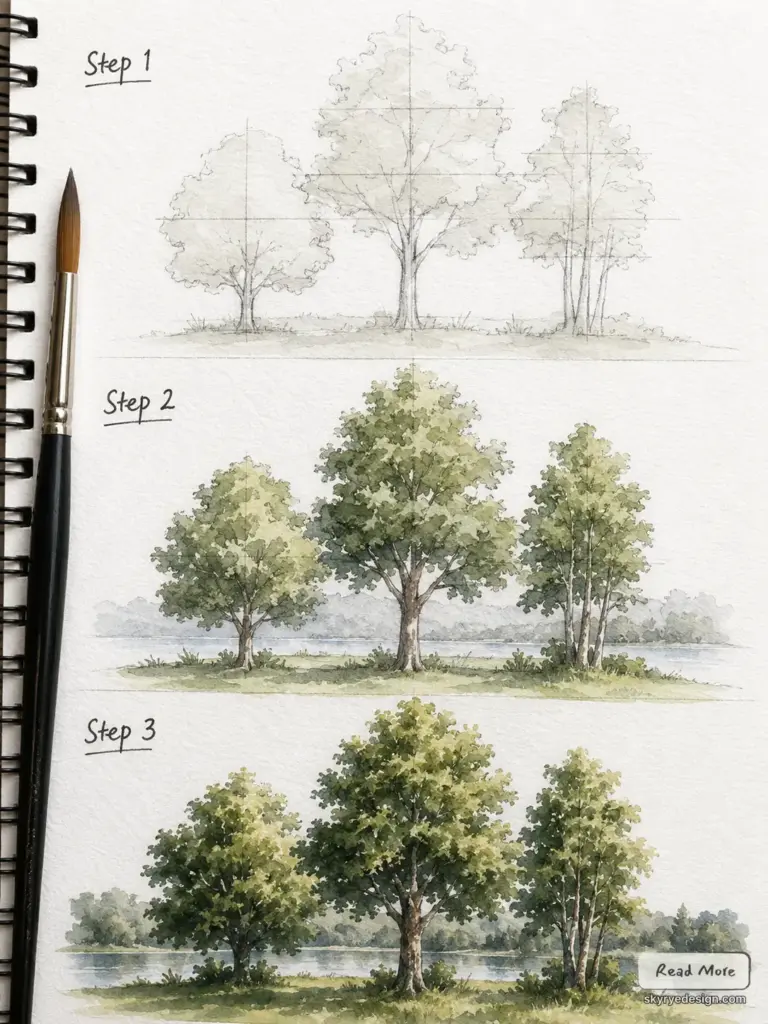
The paints themselves are half the fun. Some barely stain the paper, others hit hard with color. I usually test a stroke on scrap paper before committing — saves a lot of frustration. And that shift from a barely-there wash to a deep, saturated stroke? That’s where watercolor really comes alive.
When it comes to watercolor techniques, there are many to choose from. Some of the most popular techniques include wet-on-wet painting, dry painting, and using a range of brushes. By experimenting with different techniques, artists can find the ones that work best for them and their style.
In addition to technique, it is important for artists to have the right tools and materials. High-quality watercolor paints, brushes, and paper can make a big difference in the final result of a painting. By investing in good materials and taking the time to learn new techniques, artists can create stunning watercolor pieces that showcase their unique style and creativity.
Whether you are looking to improve your watercolor skills or simply want to explore this beautiful form of art, there are many resources available to help you get started. From online tutorials to local art clubs, there are many opportunities to learn and grow as an artist.
FAQ Section
Q: What are the basic watercolor techniques for beginners?
A: The most useful beginner watercolor techniques are wet-on-wet, wet-on-dry, dry brushing, glazing, lifting, and washes. Wet-on-wet creates soft blends because wet paint spreads across damp paper, while wet-on-dry gives sharper edges. Dry brushing adds rough texture, glazing builds transparent layers, and lifting removes paint with a tissue or clean brush. These techniques are also covered in your article.
Q: How do you start painting with watercolor?
A: Start with simple supplies: watercolor paper, a round brush, a pencil, water, and a small paint set. Lightly sketch your subject, then begin with pale washes before adding darker layers. Let each layer dry before painting over it, or colors can turn muddy. A spray bottle can help wet the paper, and a sponge or tissue is useful for clouds, foliage, and lifting mistakes.
Q: Why is watercolor so hard to control?
A: Watercolor is tricky because the water does a lot of the work. Too much water can cause blooms, puddles, and uneven edges, while too little water can make the paint look stiff. Beginners often struggle with the balance between water, pigment, brush moisture, and paper wetness. A good habit is dabbing the brush on a paper towel before touching the paper.
Q: What is the best watercolor paper for beginners?
A: Beginners should use actual watercolor paper, not regular drawing paper. A 140 lb / 300 gsm cold-press watercolor paper is a great starting point because it handles water better and gives a nice texture. Cotton paper is best if your budget allows, but student-grade watercolor pads from brands like Canson, Strathmore, or Fabriano are fine for practice.
Q: How many layers can you use in watercolor?
A: Most watercolor paintings use 2–5 layers. The first layer is usually a light wash, then darker details are added once the paper dries. Glazing works best when each layer is fully dry before the next one goes on. If you add too many layers or scrub the same area repeatedly, the colors can become dull and the paper surface may get damaged.
Q: How do you fix mistakes in watercolor?
A: Small watercolor mistakes can often be fixed by lifting the paint while it is still damp. Use a clean, slightly wet brush, tissue, sponge, or paper towel to gently remove pigment. For dry mistakes, lightly rewet the area and blot carefully. This works better with lighter colors than staining pigments like phthalo blue or alizarin crimson.
Q: What are common beginner watercolor mistakes?
For those interested in exploring simplified compositions and clean aesthetics, our comprehensive minimalist watercolor guide offers key principles for modern painting.
A: Common mistakes include using too much water, painting on poor-quality paper, overworking the same area, not letting layers dry, and mixing too many colors. Beginners also often paint too lightly, which makes the final piece look flat. Try using fewer brushstrokes, a limited palette of 2–3 colors, and stronger value contrast.
Q: Do you need expensive watercolor paints?
A: No, you do not need expensive paints to start. A small student or mid-range set is enough for practice. Brands like Winsor & Newton Cotman, Van Gogh, Sakura Koi, or Prima are beginner-friendly. Better pigments do make a difference, though: cheap paints can look chalky, fade faster, or contain fillers that affect color quality.

1000 Drawing Ideas for Artists
Get a free PDF packed with easy drawing ideas, anime prompts, character concepts, nature inspiration, and fantasy sketchbook challenges.
Download Free PDF- 7.2Kshares
- Facebook0
- Pinterest7.2K
- Twitter4
- Reddit0