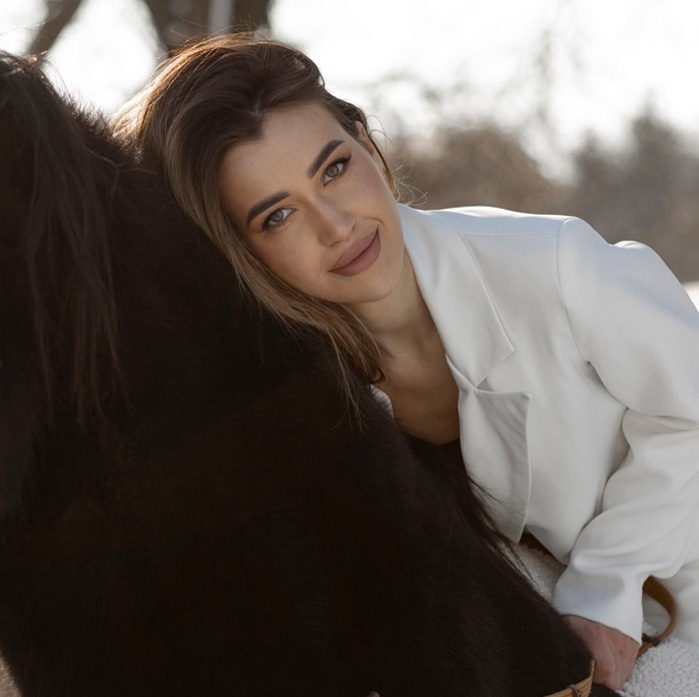
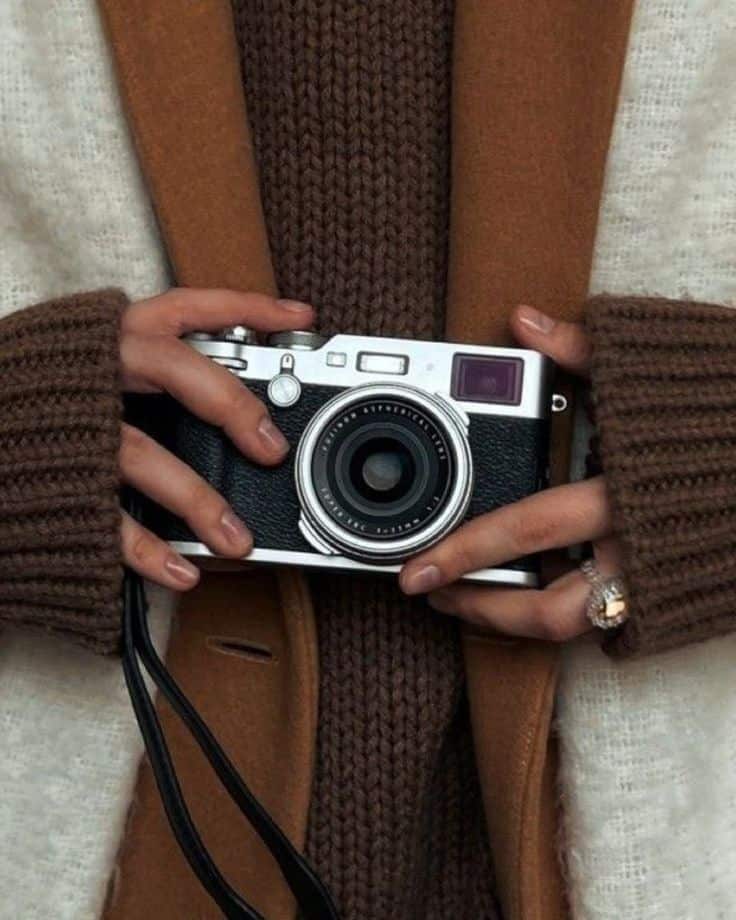
Aesthetic photography is not just taking a pretty picture. It is the way you use light, color, framing, and mood to make an ordinary scene feel worth looking at.
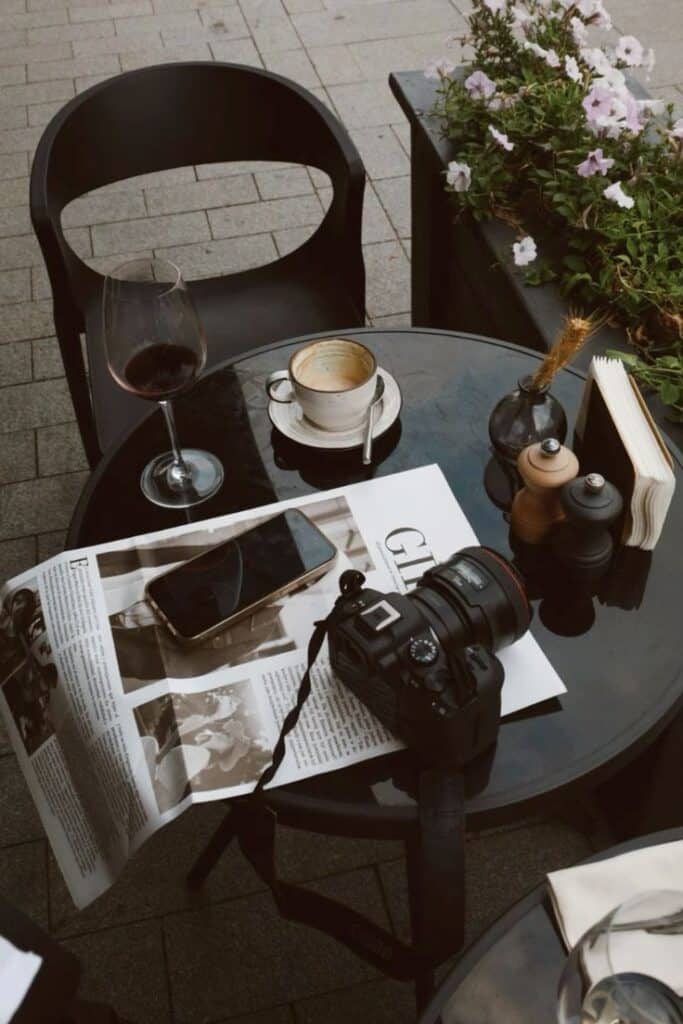
That could be sunlight cutting across a bedroom wall. A cup of coffee on a messy table. A soft portrait near a window. Wet pavement at night. Flowers, fabric, shadows, old buildings, quiet corners, anything really. The subject can be simple. The eye behind the camera is what changes it.
Most of the work happens in small decisions. Move closer. Leave more empty space. Wait for softer light. Keep the colors muted. Let one texture do the work instead of filling the frame with too much stuff. After a while, those choices start turning into a style.
Social media made aesthetic photography huge, especially on Pinterest, Instagram, and TikTok, but that also makes it easy to copy the same soft beige, blurry, “moody” look everyone else is using. The better version is more personal. A photo should still feel like you noticed something, not like you followed a preset.
Key Takeways
- Aesthetic photography emphasizes visual beauty and emotional impact.
- Developing a unique style is key to creating striking images.
- Techniques and subject choices shape the mood and appeal of photos.
Understanding Aesthetic Photography
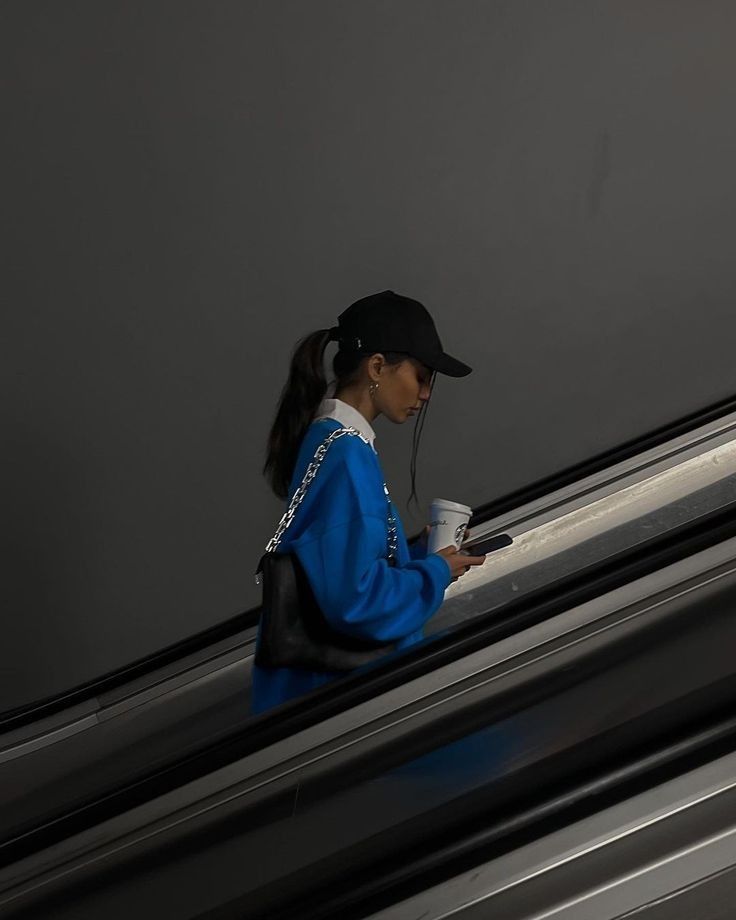
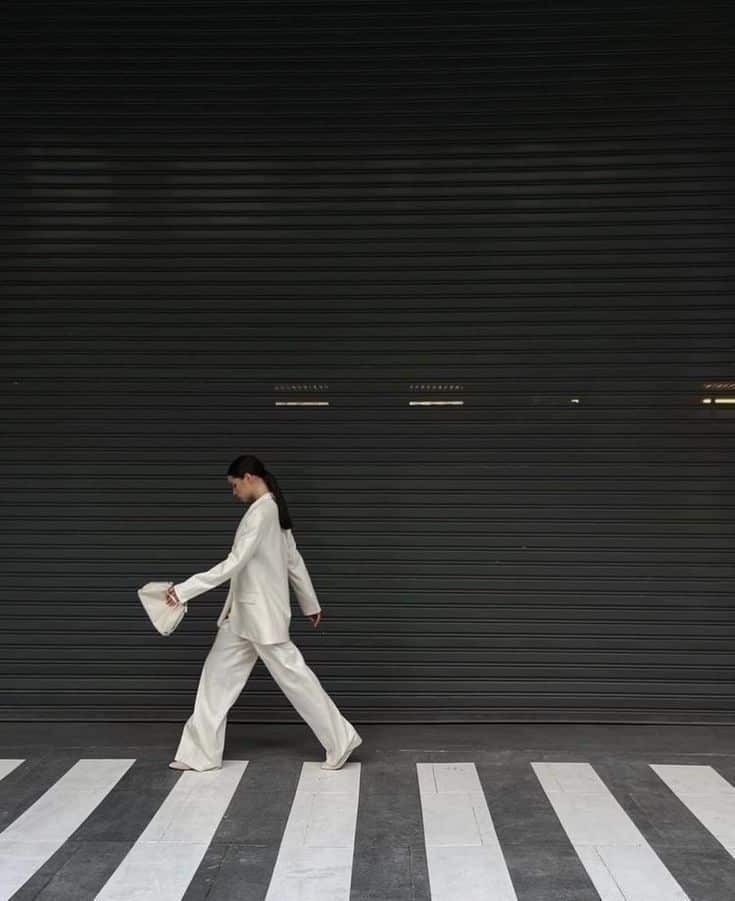
Aesthetic photography focuses on creating images that appeal visually through style, composition, and mood. Its roots and how it differs from other photography forms show why it is valued for artistic expression.
Definition and Core Principles
Aesthetic photography is about capturing beauty in a way that feels pleasing or meaningful. It uses balance, light, color, and texture to create images that attract attention. Photographers choose specific subjects or scenes that evoke feelings or moods.
Key principles include:
- Composition: Organizing elements for harmony.
- Lighting: Using natural or artificial light to enhance details.
- Color Palette: Selecting tones that work well together.
- Focus: Highlighting important parts of the image.
This style often aims to tell a story or express an idea beyond just documenting reality.
History and Evolution
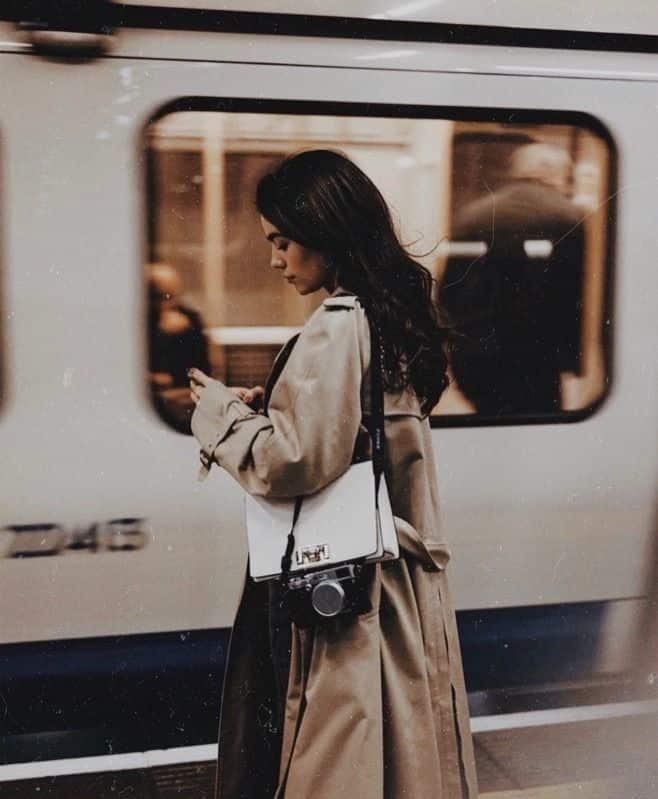
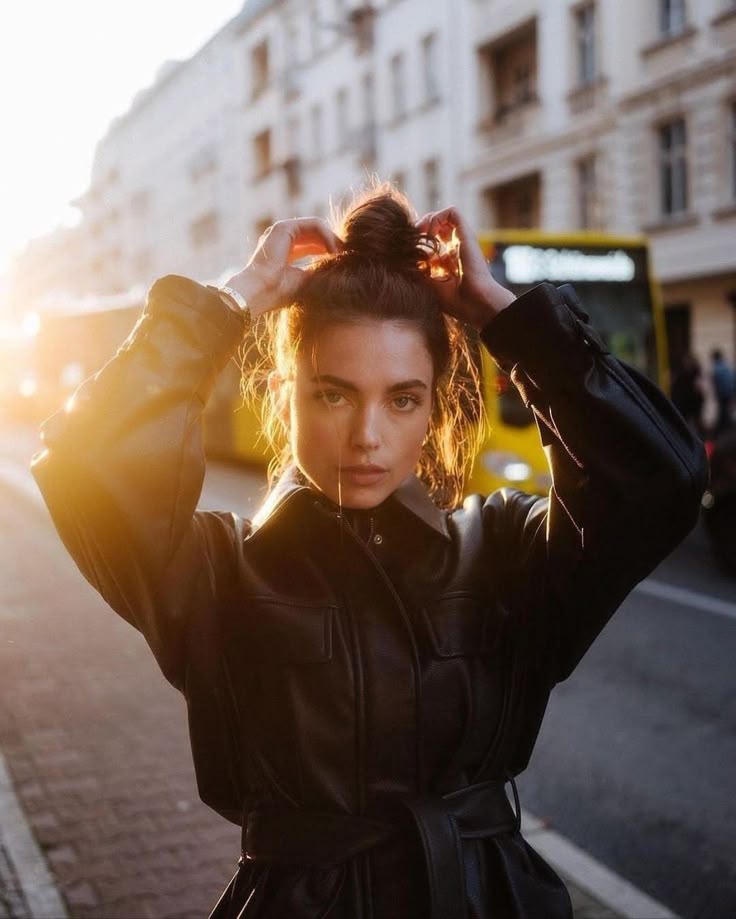
Aesthetic photography began in the early 20th century when artists wanted photos to look more like paintings. Movements like Pictorialism promoted soft focus and artistic techniques. Over time, as technology improved, photographers explored sharper images and diverse styles.
In the 21st century, digital tools allowed more control over editing and composition. Social media helped spread aesthetic photography widely, encouraging trends like minimalism and vintage looks. This evolution shows a blend of traditional art values with modern creativity.
Distinction From Other Photography Styles
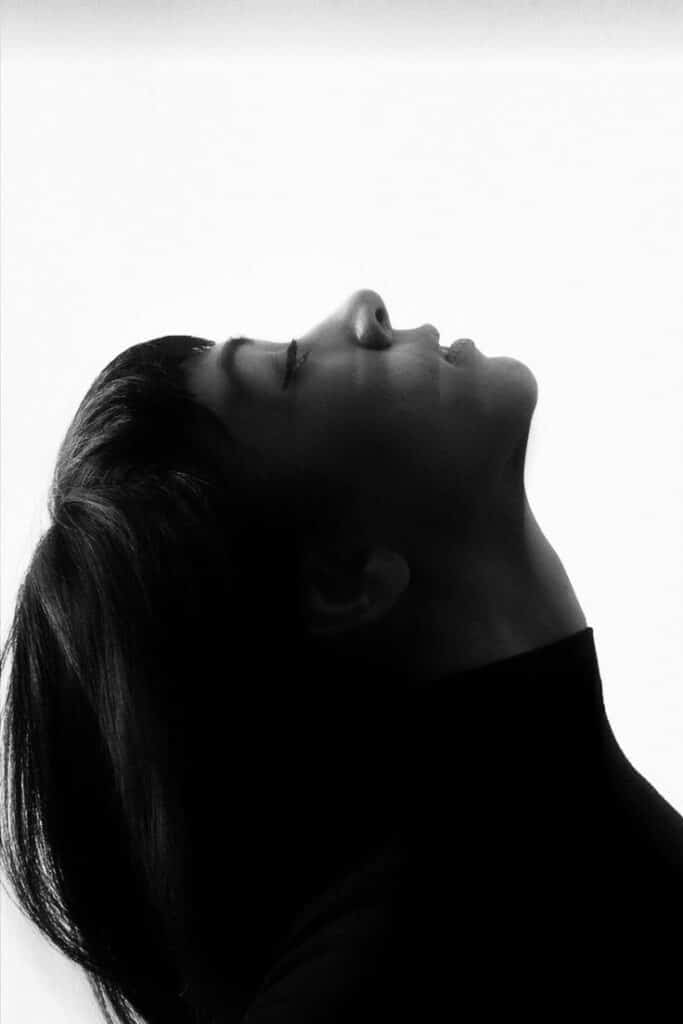
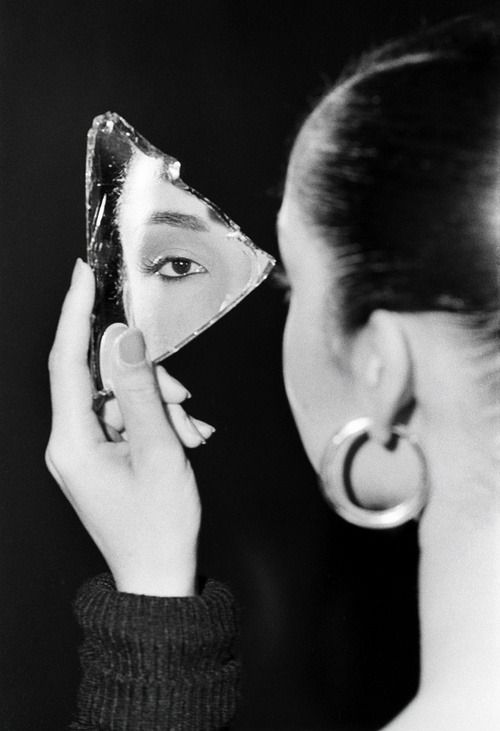
Aesthetic photography differs from photojournalism, which focuses on factual storytelling. It is less about facts and more about mood and visual appeal. Compared to commercial photography, which targets marketing, aesthetic photography prioritizes artistic expression.
Unlike candid or documentary styles, aesthetic photography often involves planning and staging. The goal is to create an image that stands alone as art, not just a record. This means it sometimes sacrifices realism for beauty or emotion.
Key Elements of Aesthetic Photography
A strong example of fine art portrait photography is the way Svetlana Belyaeva keeps color, costume, and expression inside one controlled mood.
Aesthetic photography depends on precise choices in how the photo is arranged, what colors are used, and how light interacts with the subject. The details of texture and depth further create interest and feeling in the final picture.
Composition Techniques
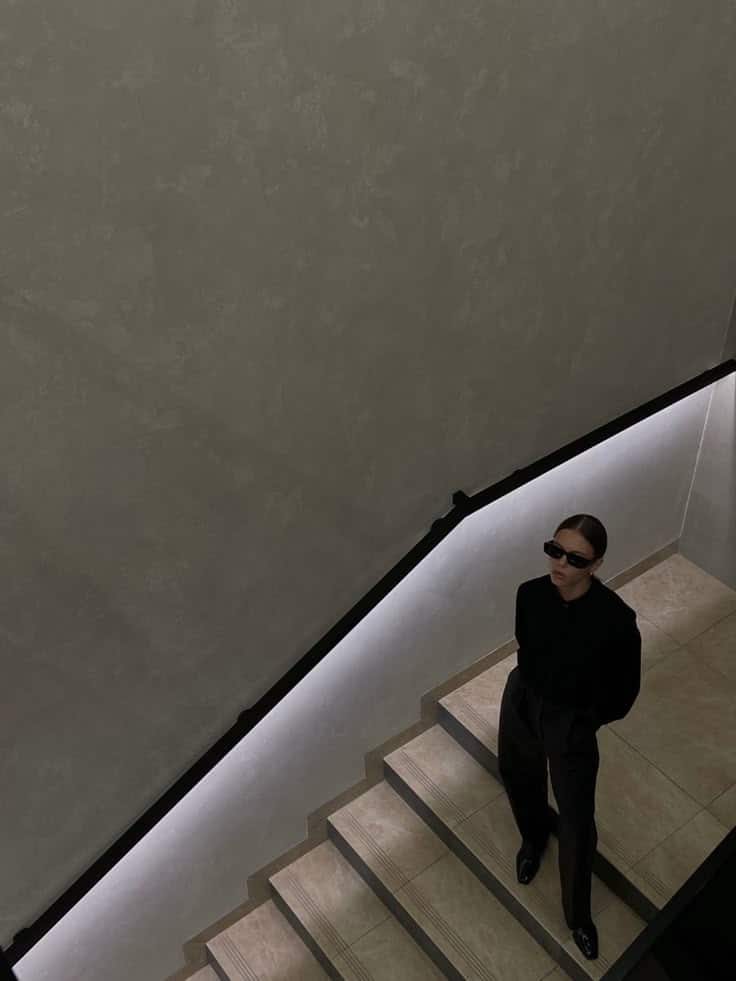
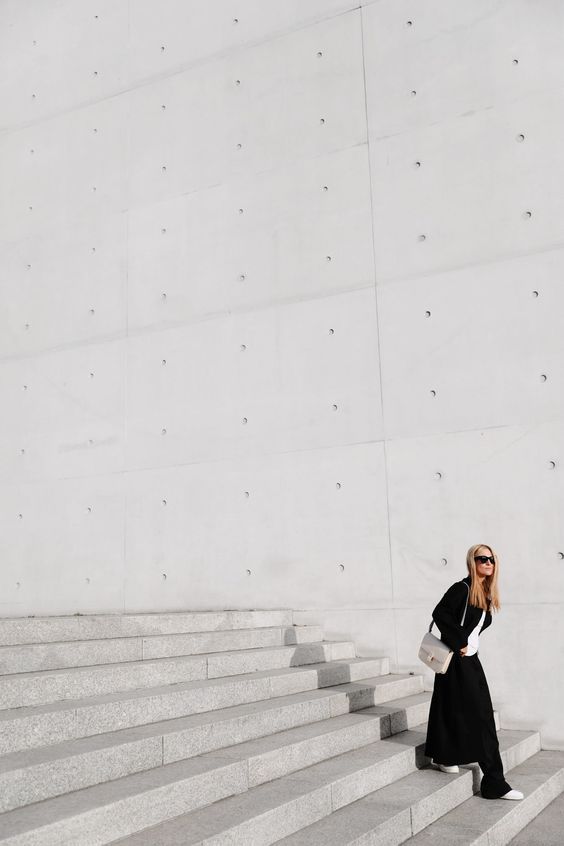
Composition in aesthetic photography involves arranging elements to guide the viewer’s eye. The rule of thirds is common, placing key parts along grid lines or intersections. This keeps the photo balanced and engaging.
Leading lines direct attention to the subject or through the image. These can be roads, shadows, or natural shapes. Symmetry and patterns add a sense of order and calm.
Empty space, or negative space, makes the subject stand out more. It also gives the image breathing room, preventing clutter. Cropping tightly or leaving wide margins changes how the viewer feels about the subject.
Color Theory and Palettes
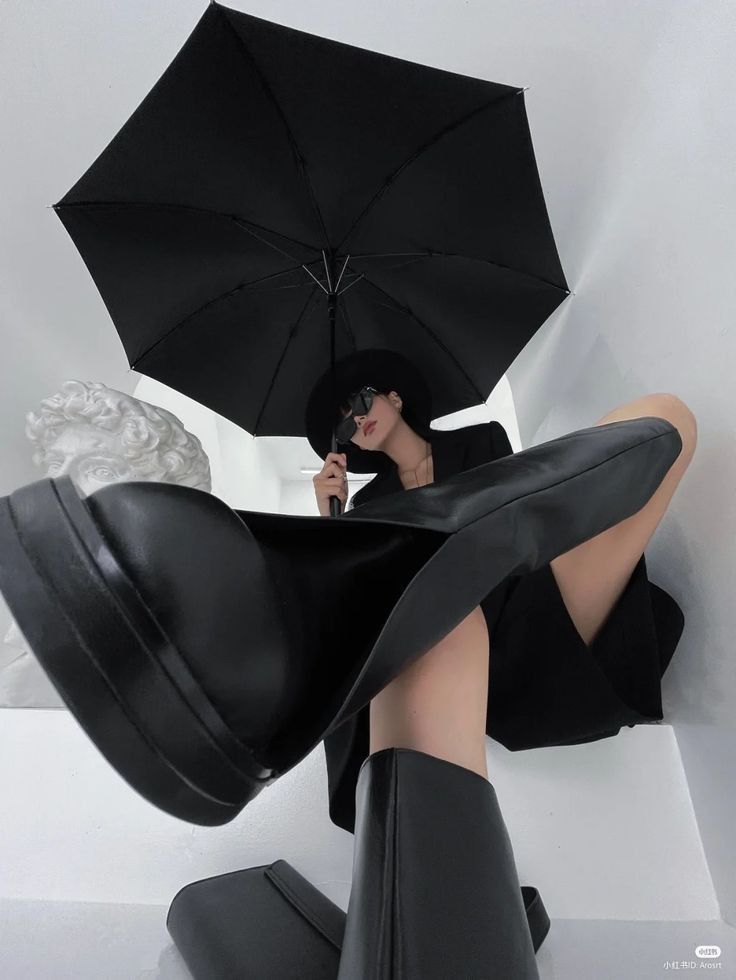
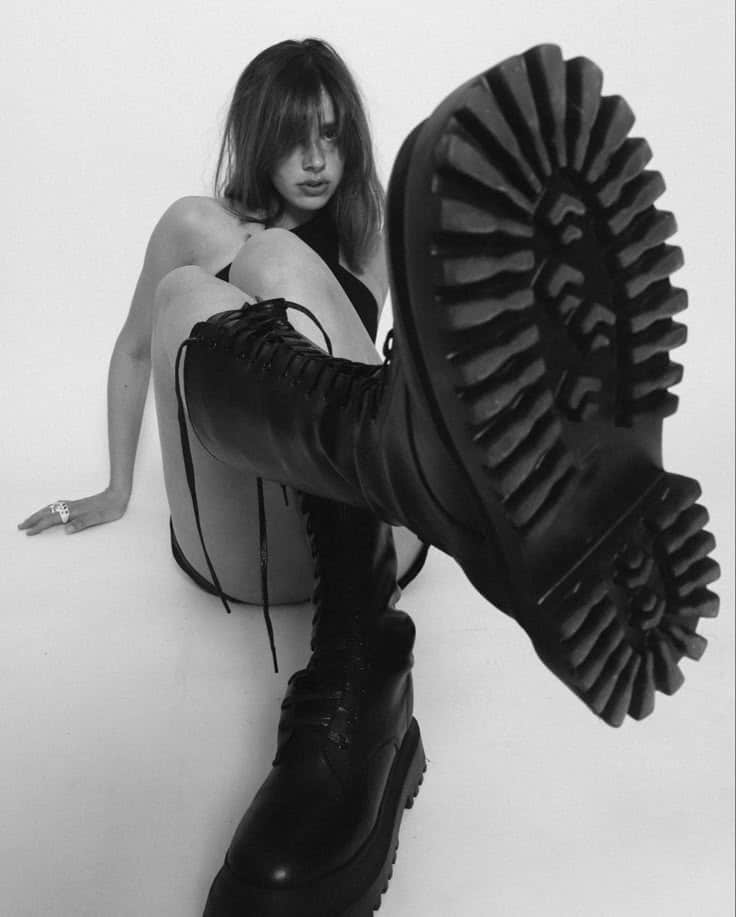
Colors in aesthetic photography set the mood and tone. Complementary colors, like blue and orange, create contrast that draws the eye. Analogous colors, which are next to each other on the color wheel, offer harmony and softness.
Monochrome palettes, using shades of one color, can feel minimalist or moody. Pastels often give a dreamy or gentle look, while bright primary colors bring energy.
Understanding warm versus cool tones helps in matching colors to the photo’s message. For example, warm colors like red suggest excitement or warmth; cool colors like blue feel calm or distant.
Lighting and Mood
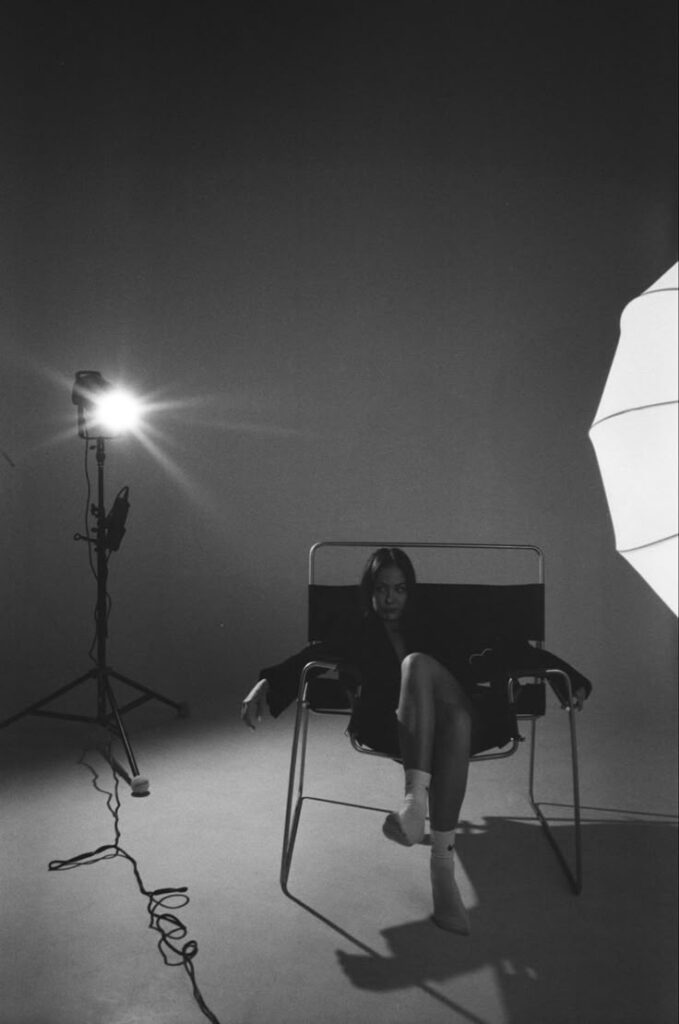

Lighting shapes how the subject appears and influences emotion. Soft, diffused light reduces harsh shadows and creates a smooth, gentle effect. This is common in overcast daylight or through curtains.
Harsh light, like midday sun, produces strong shadows and highlights textures. This can add drama or intensity but may also distract.
Golden hour light, shortly after sunrise or before sunset, provides warm colors and soft shadows. It is highly prized for creating a natural glow.
Directional lighting adds depth and highlights certain parts of the scene. Backlighting can create silhouettes or glowing edges.
Textures and Depth
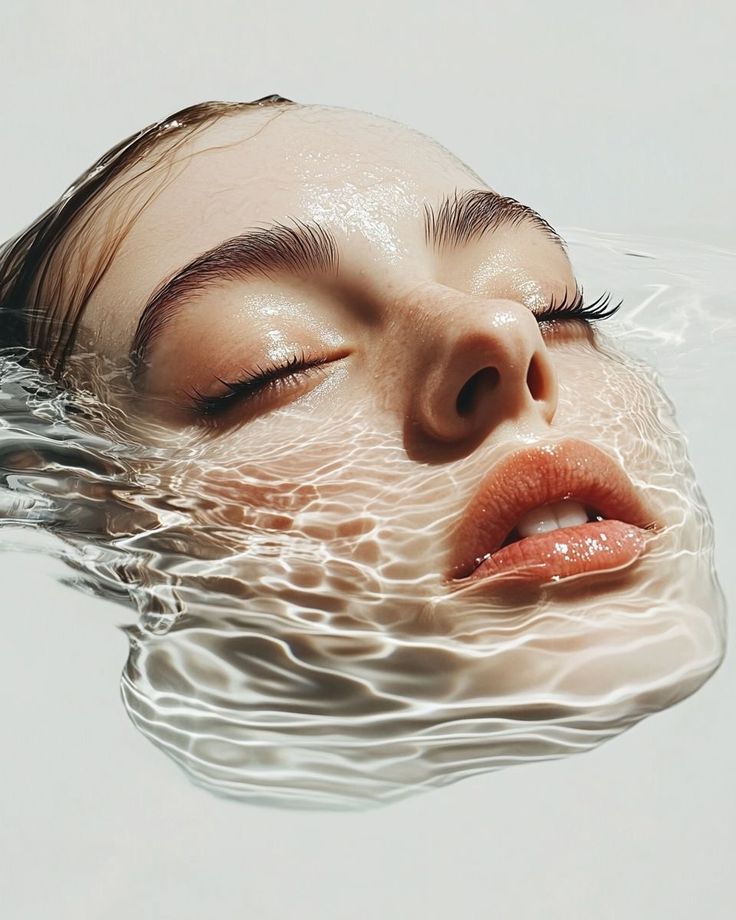
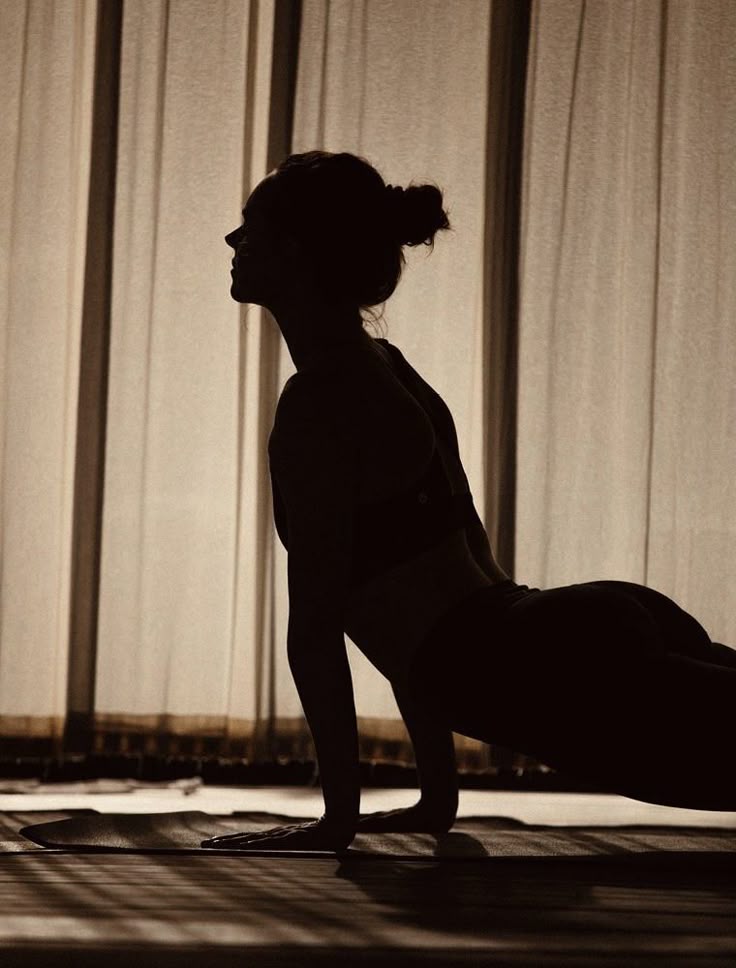
Texture gives a photo something to hold onto. Rough surfaces — bark, weathered concrete, woven fabric — read differently than smooth ones like glass or still water. Put them in the same frame and they do something interesting together. I started paying attention to this after shooting a series on old market stalls, where the contrast between plastic packaging and worn wood was doing more compositional work than anything I’d planned.
Depth comes from layering. When the foreground, middle ground, and background all have something in them, the image stops looking flat. Shoot with nothing in the foreground and you lose that sense of space — the photo becomes a record of a thing rather than a place.
Shallow depth of field is the practical fix for busy backgrounds. A wide aperture — f/1.8, f/2.8 — blurs whatever’s behind the subject and lets the texture and layering in front do the work. The two together, foreground detail and background blur, are what give a photo that three-dimensional quality that’s hard to replicate in post.
Popular Aesthetic Photography Styles
Aesthetic photography often relies on clear visual themes that guide how photos are taken and edited. These themes influence colors, composition, and mood. Some popular styles focus on simplicity, others bring in old-fashioned charm, and some mimic film or movie visuals.
Minimalism
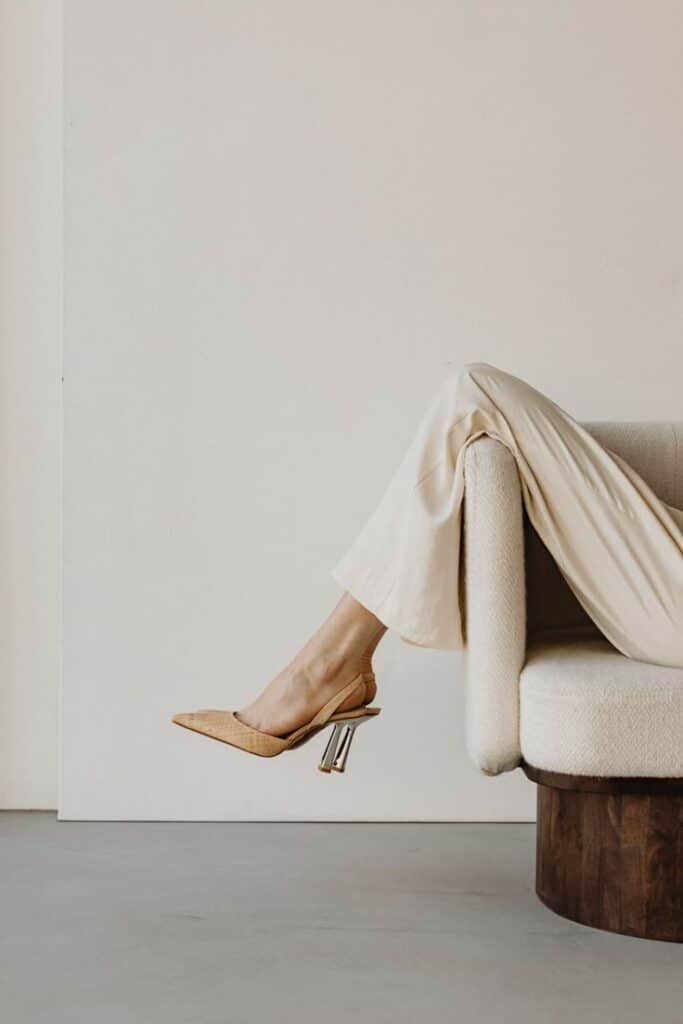
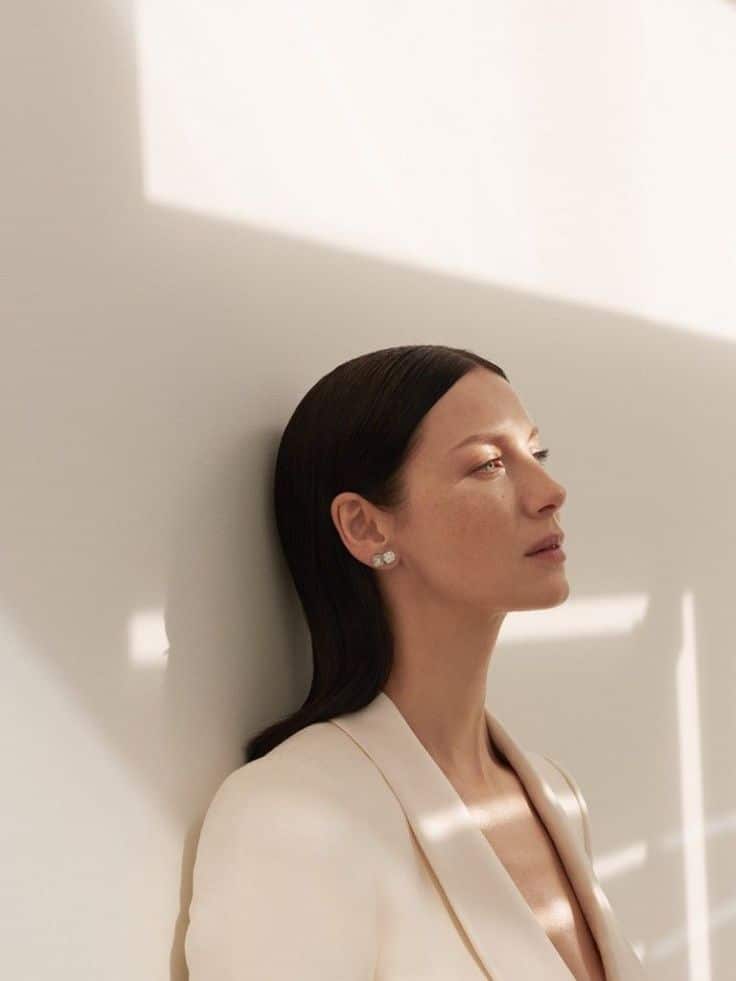
Minimalism focuses on simplicity. It uses few elements and empty space to make the subject stand out. The photos often have clean lines and plain backgrounds.
Colors are usually limited, often with natural or soft tones. Minimalist photos avoid clutter and distractions, aiming for calm and balance.
This style suits portraits, nature, and still life. It highlights the subject clearly, making details more noticeable.
Vintage and Retro Aesthetics
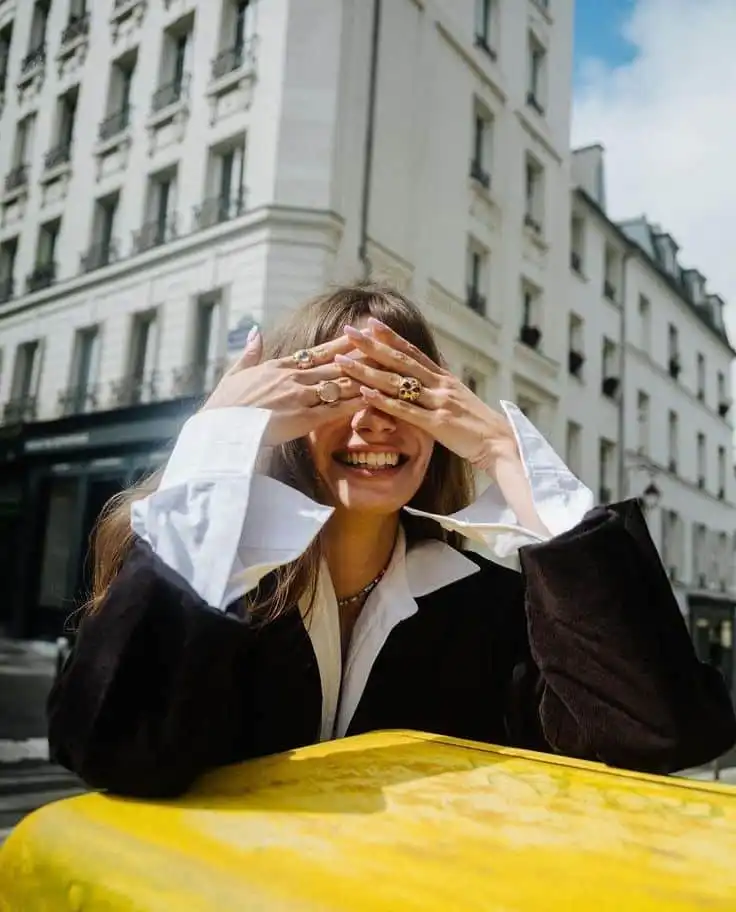
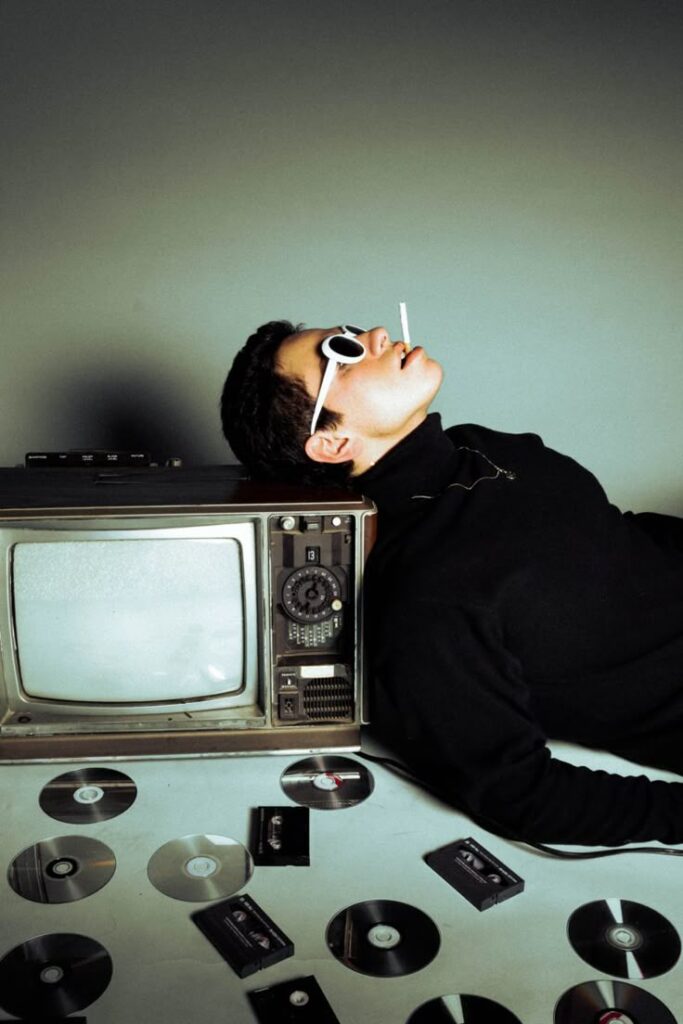
Vintage and retro photography mimic styles from past decades. They use warm tones, faded colors, and grainy textures to create a nostalgic feel.
Typical features include muted colors, sepia filters, and soft lighting. These photos often show old objects, fashion, or environments.
Editing tools mimic film cameras or old photo prints, helping photographers recreate the distinctive look of earlier eras. This renewed appreciation for nostalgic imagery has also contributed to interest in platforms such as https://www.retrolenscam, which focus on retro-inspired photography experiences. This style connects viewers to a specific time period or mood.
Cinematic Looks
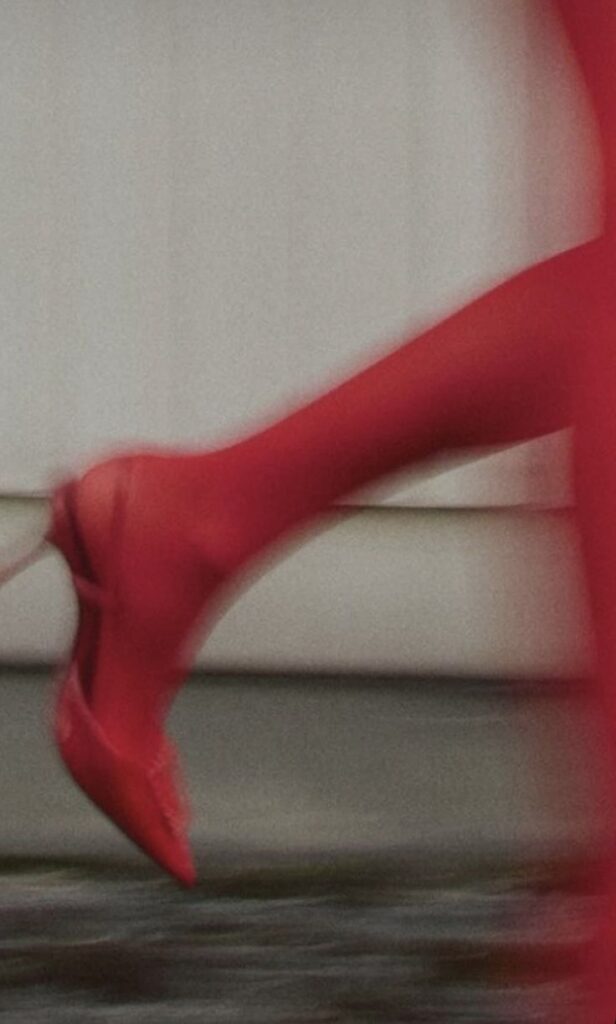
Cinematic photography copies the style of movies. It often uses wide angles, dramatic lighting, and deep shadows.
Colors can be rich or muted, depending on the story. The composition is carefully planned to tell a story with each image.
Photos may look like scenes from a film, with a strong atmosphere and clear mood. This style suits action shots, portraits, and landscapes.
Developing an Aesthetic Vision


Creating a strong aesthetic vision means knowing what inspires you, organizing your work clearly, and showing your unique way of seeing the world. These steps help a photographer develop a look that is both consistent and personal.
Finding Inspiration
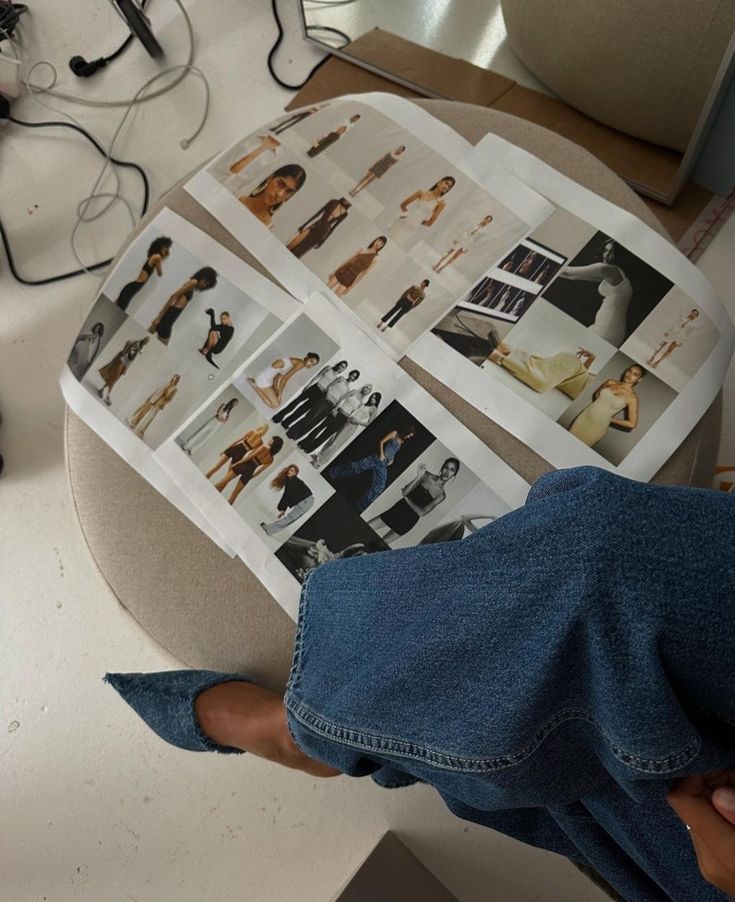

A photographer can find inspiration in many places: nature, art, daily life, or other photographers. Paying attention to colors, shapes, and light can spark new ideas.
They often study artists whose work they admire. This helps them see different styles and techniques. Inspiration also comes from experimenting and trying new things with the camera.
Keeping a journal or a photo collection of ideas helps track what appeals most. This way, they can return to these ideas when planning shoots or editing photos.
Building a Cohesive Portfolio
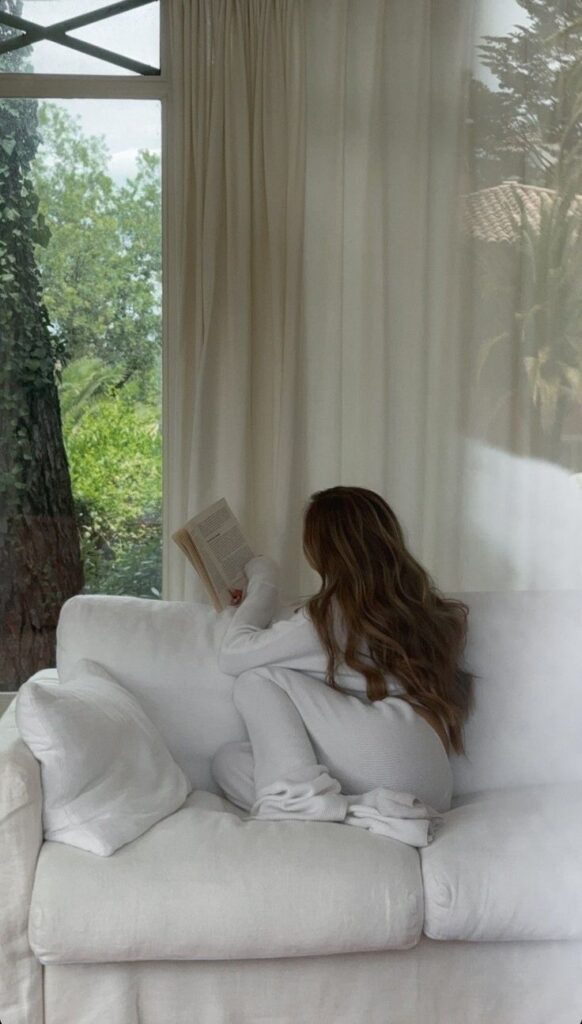
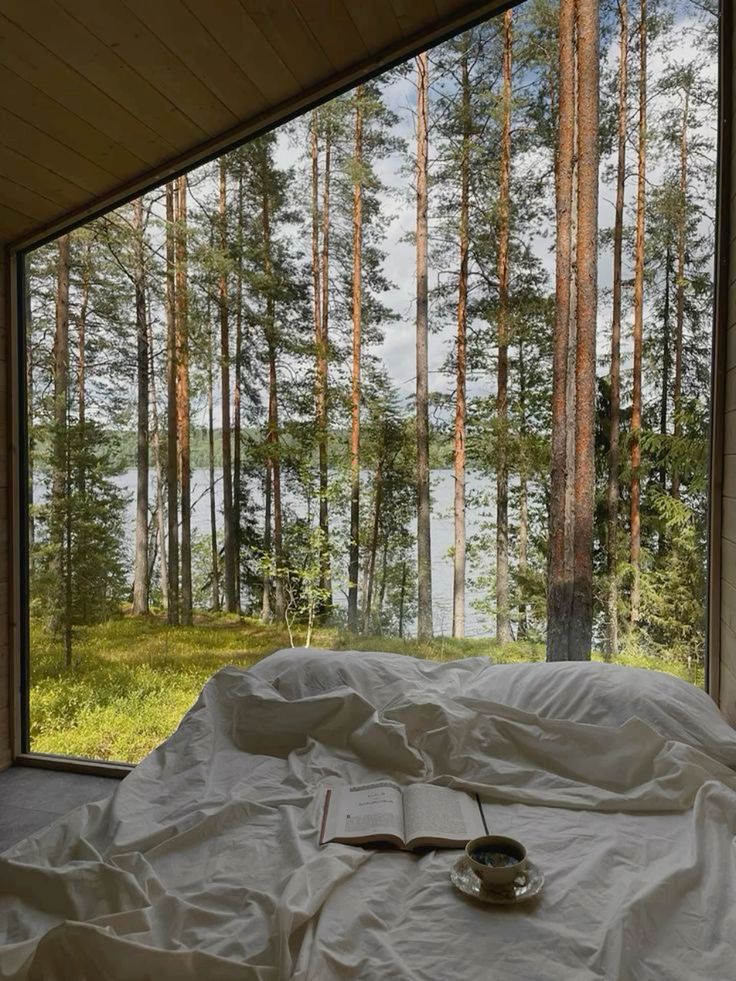
A well-organized portfolio shows a clear style and theme. It should include photos that work well together, not random shots.
Photographers pick images with similar tones, moods, or subjects. They often edit photos to keep colors and lighting consistent. This makes the portfolio feel unified.
Consistency helps viewers understand the photographer’s vision. It also makes the work look professional. Some photographers group photos by theme, like nature or urban scenes, to strengthen the message.
Expressing Personal Style
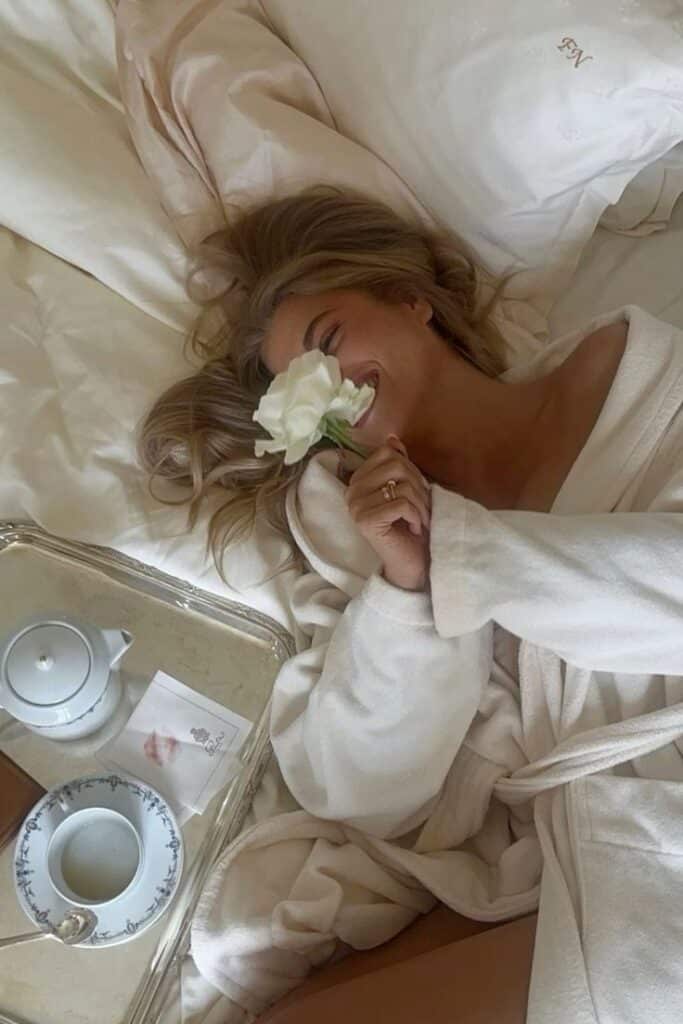
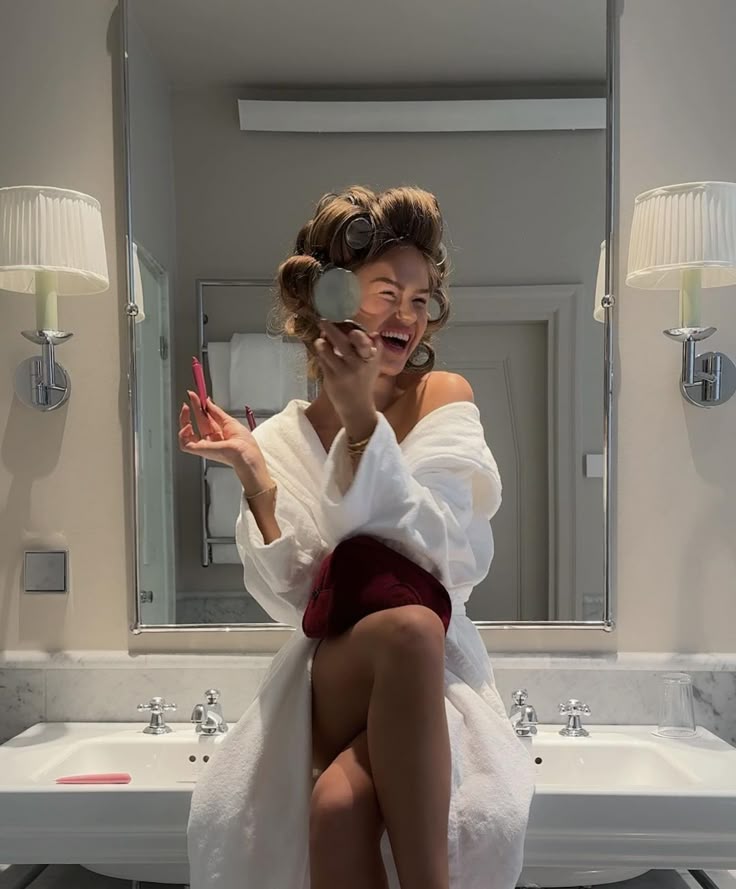
Personal style is what makes a photographer’s work unique. It can come from the way they use light, their choice of subjects, or how they edit images.
They develop style by practicing regularly and learning what feels natural. Over time, certain patterns and preferences appear in their photos.
Personal style grows by mixing inspiration with the photographer’s own ideas. It is important to stay true to what feels authentic rather than copying others exactly. This helps the work stand out.
Techniques and Tools for Aesthetic Photography
Aesthetic photography relies on the right settings, editing techniques, and thoughtful use of props and backgrounds. Each factor shapes how the photo feels and captures attention.
Camera Settings and Lenses
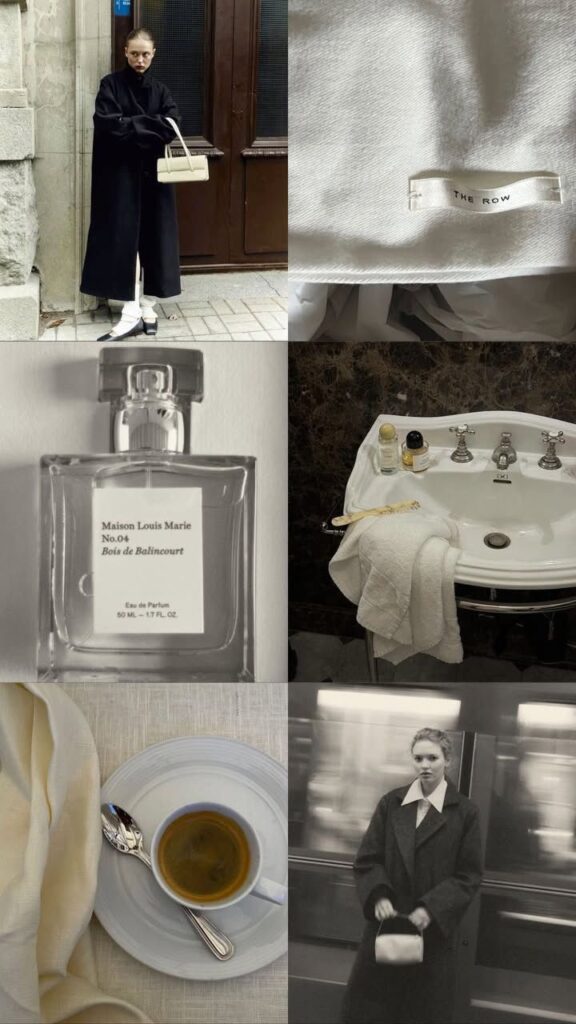
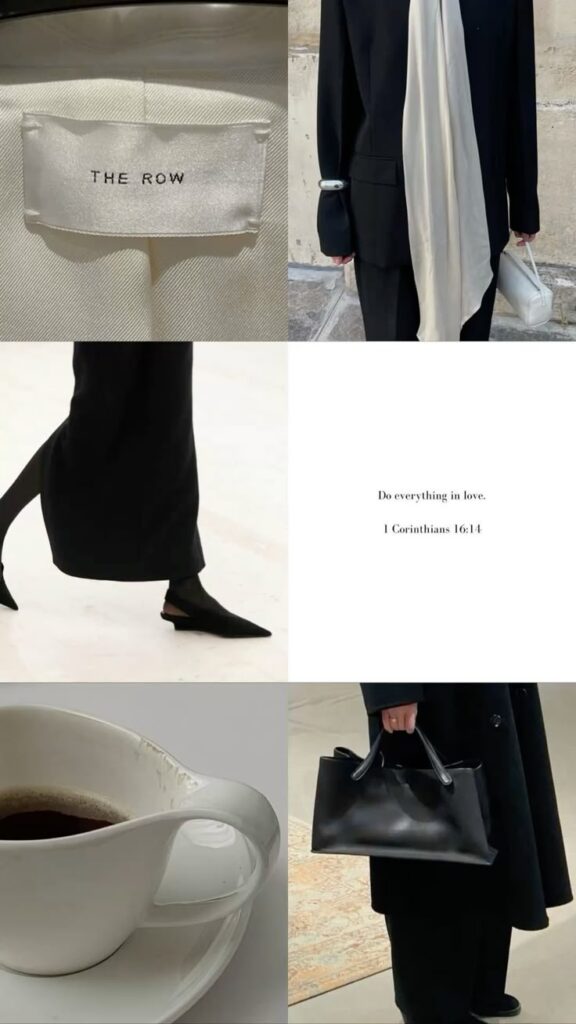
Choosing the correct camera settings is essential. A wide aperture (like f/1.8 to f/2.8) helps create a soft background blur called bokeh, making the subject stand out.
ISO should be kept low (100-400) to avoid grainy photos. Shutter speed depends on the light and motion but usually stays fast enough to prevent blurs in still subjects.
Lens choice impacts style. Prime lenses offer sharp images and wide apertures. A 50mm lens is popular for portraits and close-ups. Wide-angle lenses work well for scenes with depth and space.
Post-Processing and Editing
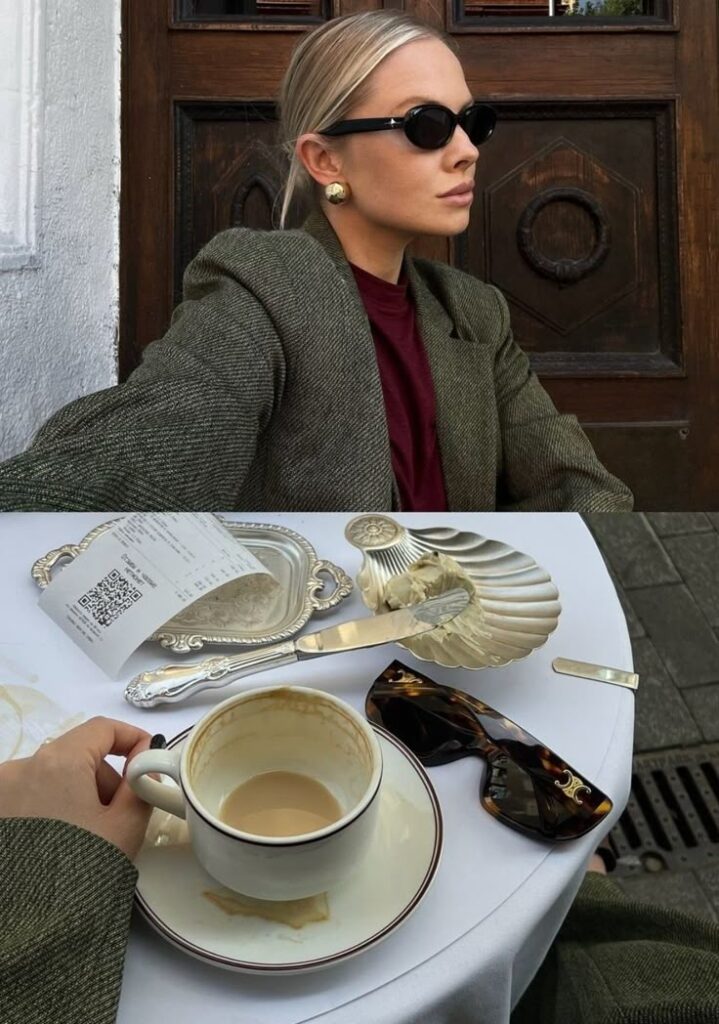
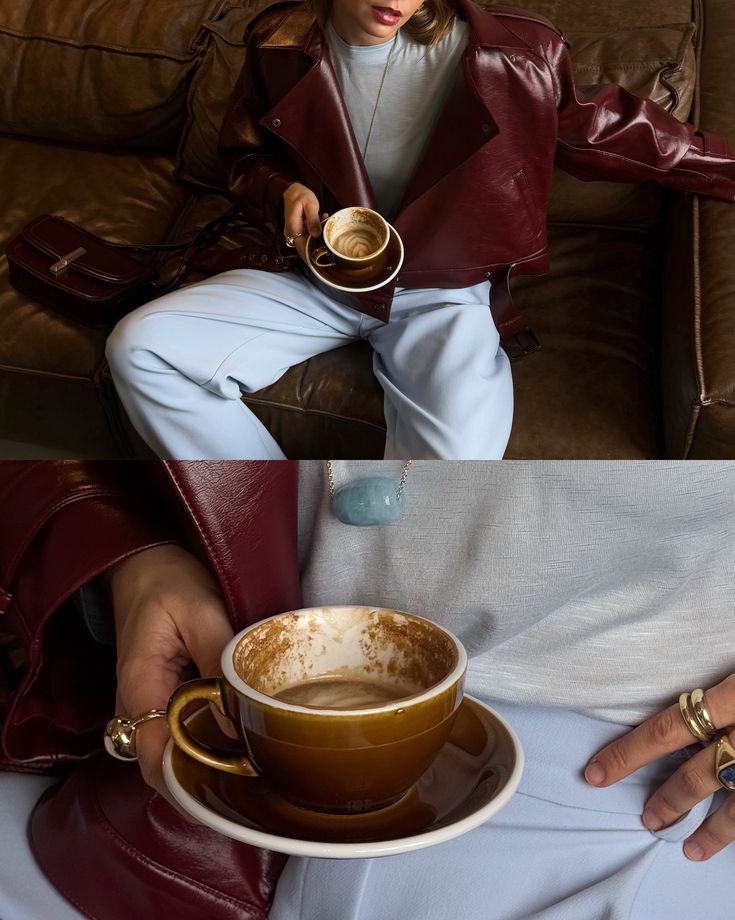
Editing enhances the mood and tone of aesthetic photos. Common adjustments include brightness, contrast, and saturation, which can change how colors and details show.
Tools like Adobe Lightroom or Snapseed allow users to fine-tune shadows and highlights. Adding a slight warm or cool tint can make images feel cozy or crisp.
Cropping is also important to focus on the subject or improve composition. Over-editing can ruin natural looks, so subtle changes usually work best.
Use of Props and Backdrops
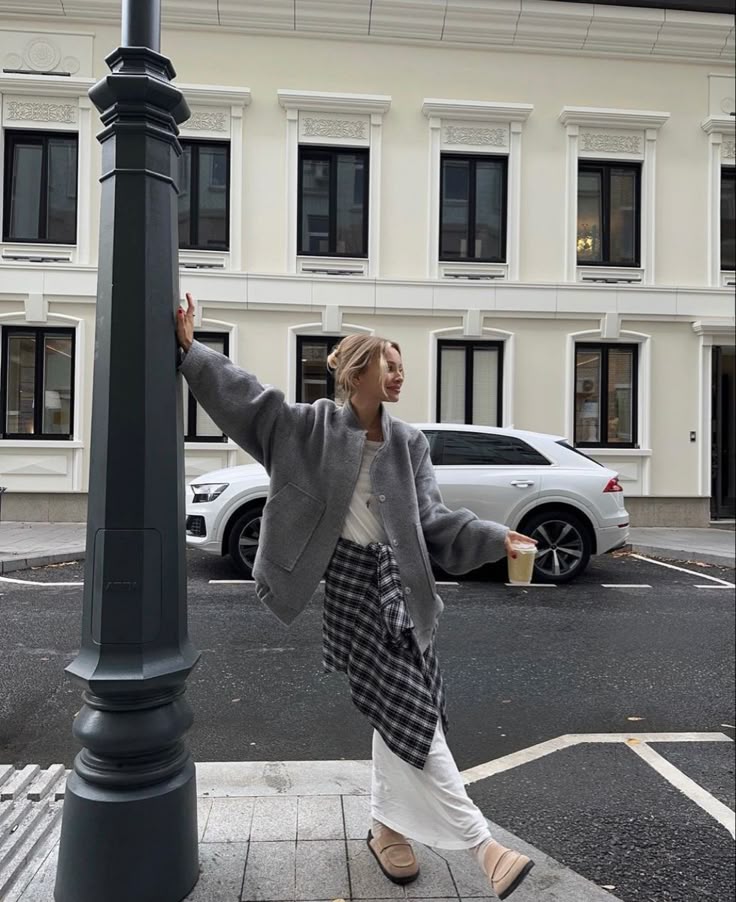
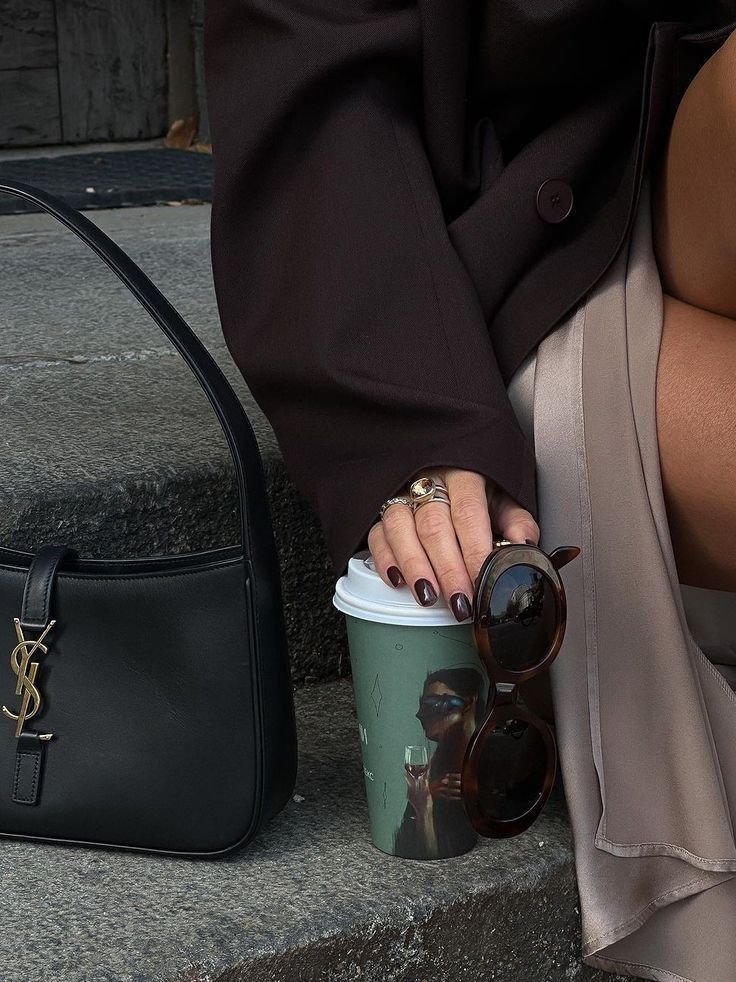
Props add personality and context. Items like flowers, books, or vintage objects often create a nostalgic or calm atmosphere.
Backdrops should be simple and match the photo’s theme. Solid colors, textured walls, or natural settings like parks are popular choices.
Lighting on props and backdrops must be balanced to avoid harsh shadows or overexposure. Natural light often works well for soft and even illumination.
Subject Matter in Aesthetic Photography
Aesthetic photography often focuses on subjects that offer strong visual appeal, texture, and form. The choice of subject plays a key role in defining the mood and style of the image. Each type of subject brings its own unique elements to the frame.
Portraits
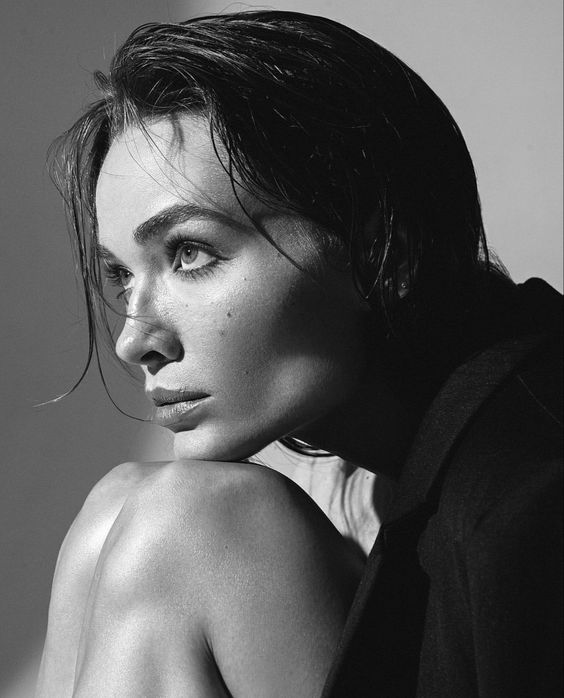
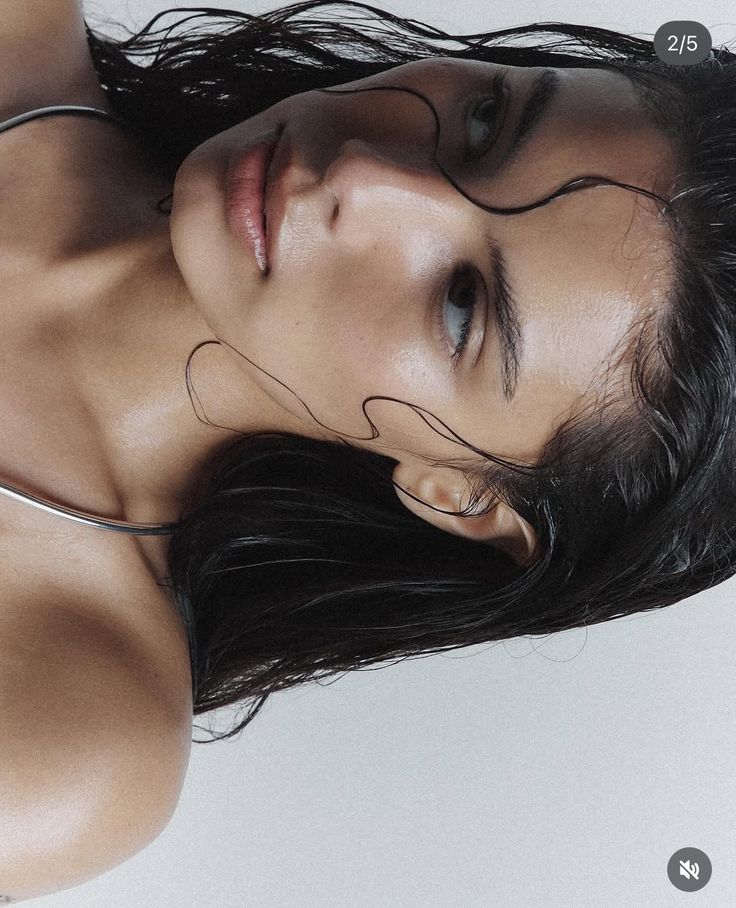
Portrait photography isn’t really about the face — it’s about everything built around it. Lighting angle, skin tone, what’s happening in the background three feet behind the subject. I’ve shot portraits where the only difference between a throwaway frame and the hero shot was moving the light six inches to the left.
Details are where portraits get personal. Soft shadows under the jaw, the texture of skin in natural light, whether someone holds eye contact or looks just past the lens. Those choices are what separate a portrait from a headshot. Color versus black and white isn’t just an editing preference either — sometimes pulling the saturation out of an image reveals an expression the color was actually hiding.
Posing and wardrobe matter mostly in what they eliminate. Simple outfits, clean backgrounds, nothing competing for attention. The less visual noise in the frame, the harder the face hits.
Still Life


Still life photography arranges objects to highlight shapes, colors, and textures. Common subjects include flowers, fruits, or everyday items set against clean or artistically chosen backgrounds. This type allows complete control over composition and lighting.
Careful positioning creates interesting patterns and contrasts. Light is often soft, coming from one direction to bring out depth and shadow. The photographer looks for harmony in the arrangement, making simple objects visually striking through detail and balance.
Nature and Landscapes
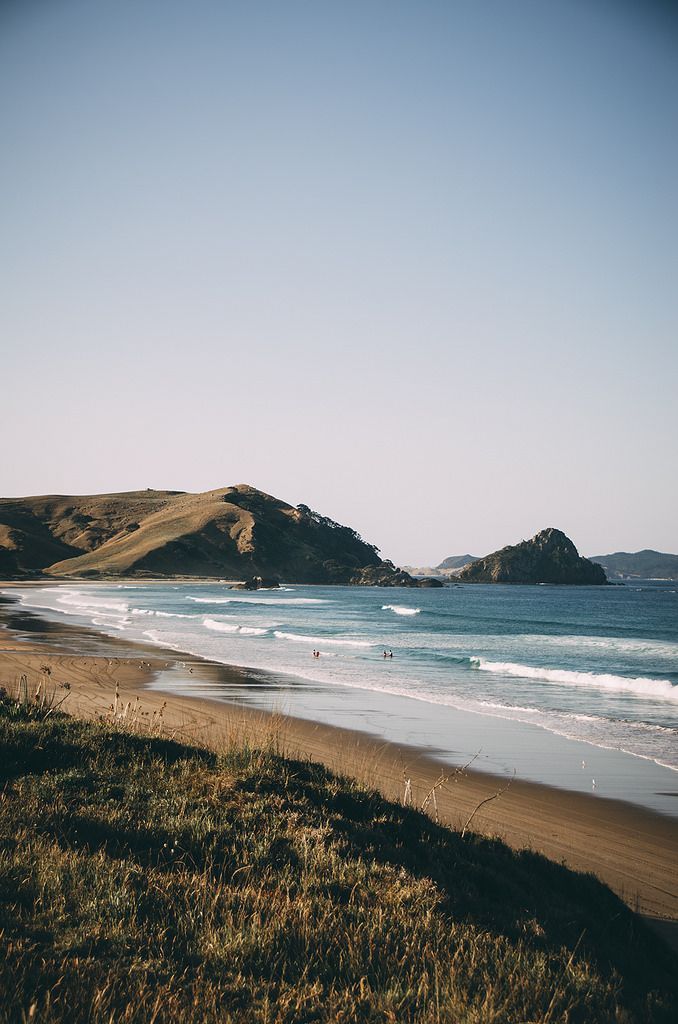

Nature and landscape photos focus on natural beauty, from vast skies to close-up plants. Aesthetic photography here captures both grand scenes and delicate textures. Timing is important—early morning or late afternoon light often produces the best results.
Photographers aim for sharp detail and vibrant color while avoiding clutter. The subject might be a single tree, rolling hills, or a quiet lake. Composition techniques like the rule of thirds and leading lines guide the viewer’s eye through the image.
Urban and Architecture
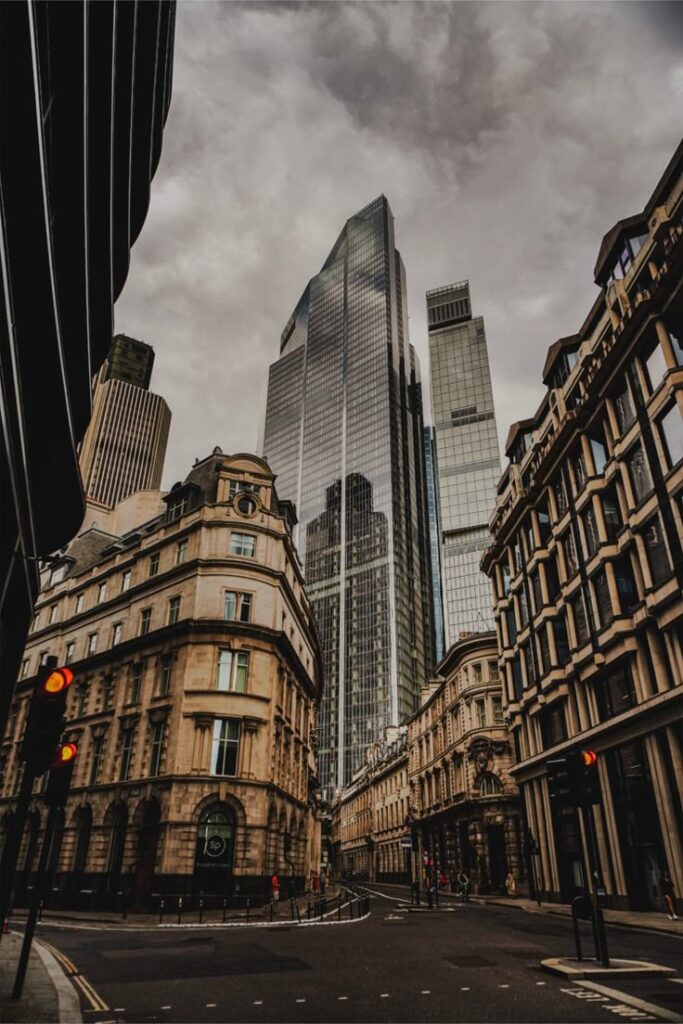
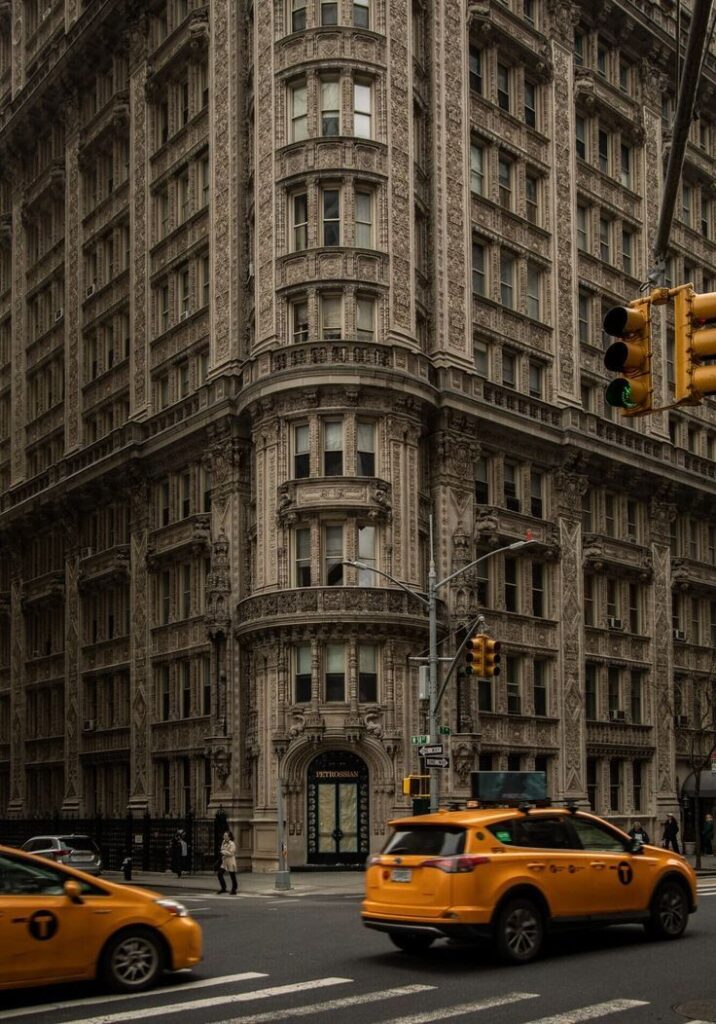
Urban and architecture photography finds beauty in man-made environments. It highlights shapes, lines, and patterns in buildings, streets, and cityscapes. Light and shadow emphasize structure, and reflections add depth.
Shooting angles are carefully chosen to enhance symmetry or reveal details. Textures like brick, glass, and metal contrast with the natural environment. The photographer looks for moments when the built environment seems calm, empty, or dramatically lit.
Social Media and Aesthetic Photography
Social media shapes how photographers share and build their style. Platforms influence what kinds of images get noticed and how creators connect with audiences.
Instagram Trends
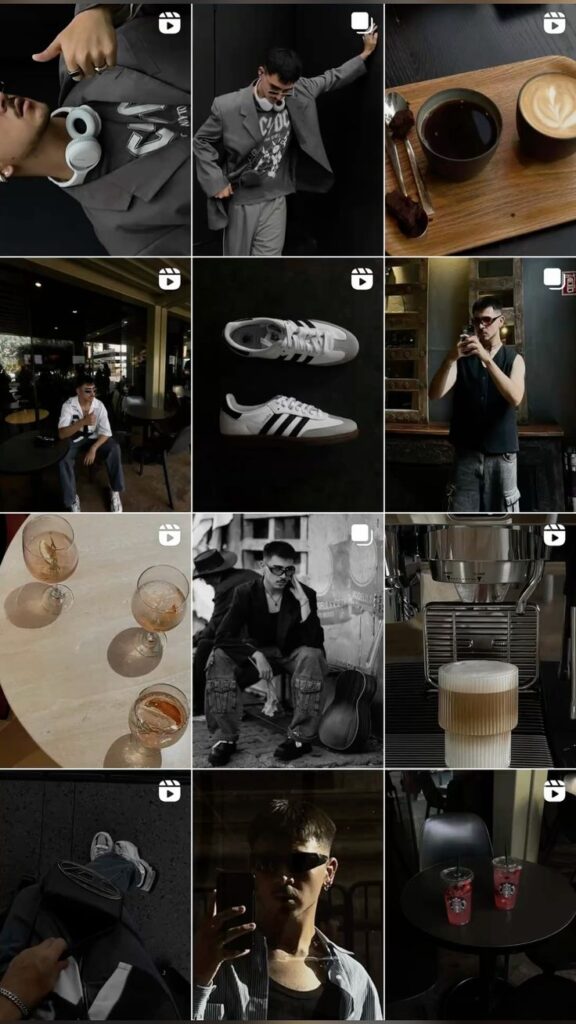
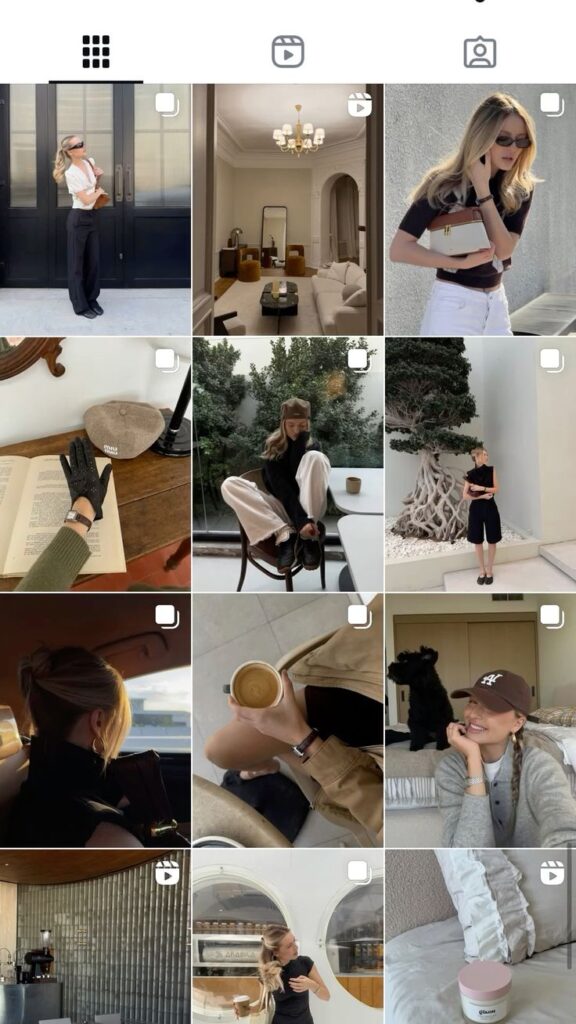
Instagram runs on aesthetic cycles — pastel palettes, minimalism, vintage film grain, dark moody edits. Whatever’s trending shifts every few months, and photographers who pay attention can either shoot toward it or deliberately against it. Both are valid strategies. Chasing trends without a filter gets exhausting fast.
Hashtags still have some reach, though less than a few years ago. Where engagement actually happens now is Reels and Stories — behind-the-scenes clips, a 30-second edit walkthrough in Lightroom, a before-and-after with no narration. I’ve seen straightforward process videos outperform carefully composed grid posts by a factor of five. The algorithm rewards motion and it rewards showing your work.
Posting frequency is real. A few times a week keeps a profile visible and appearing in searches. Go quiet for a month and you feel it — follower count stalls, reach drops, and climbing back takes longer than the break did.
Creating a Visual Identity Online


A strong visual identity means your photos look like yours before anyone checks the handle. Same colors, same light, same editing decisions made the same way every time. That kind of consistency doesn’t happen by accident.
Some photographers build grids around color or subject. Others pick one app — Lightroom, VSCO, whatever — and don’t deviate. I’ve tried both. The grid approach looks intentional in theory and becomes a trap when you shoot something that doesn’t fit the palette. The single-app method is less glamorous but it holds up over time.
Captions and replies are part of it too. The tone you write in should match what the photos say. A warm, slow-burn feed with punchy marketing-speak in the comments is a weird combination — people notice, even if they can’t name what’s off. Keep the writing consistent with the work and the followers who actually stick around tend to be the right ones.
Ethics and Cultural Influences in Aesthetic Photography
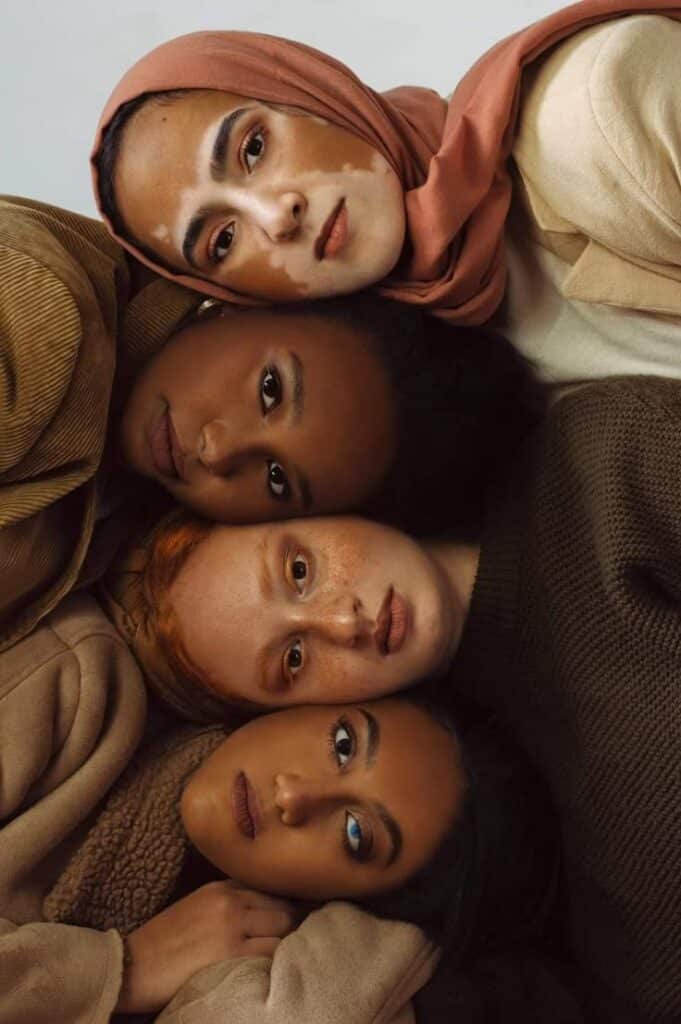
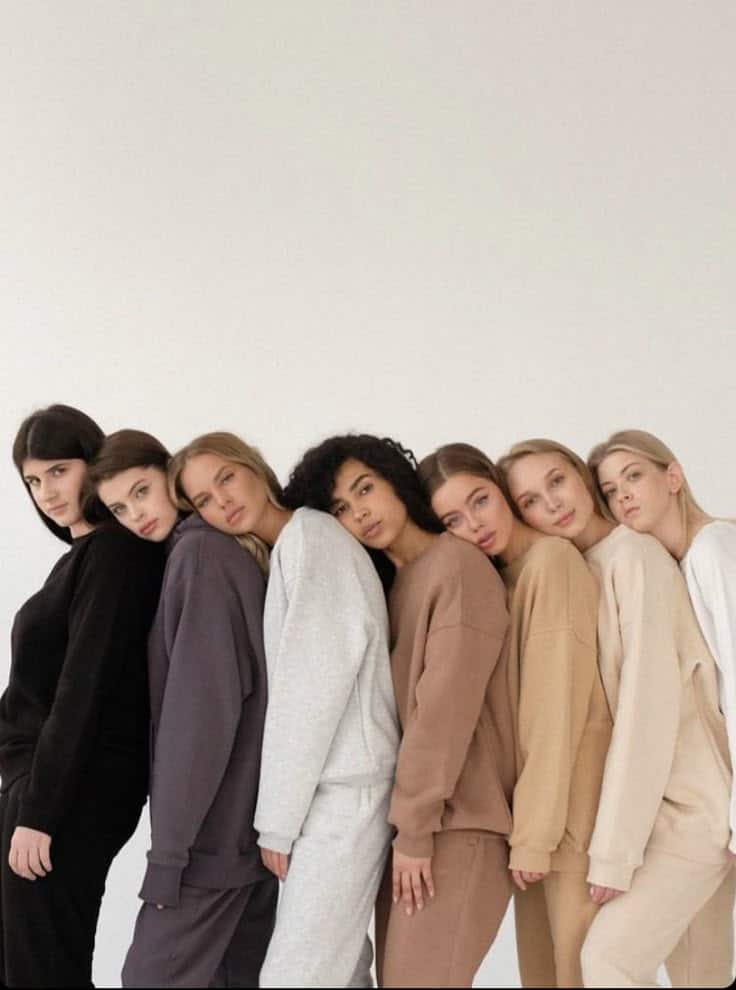
Aesthetic photography is not separate from the people and places inside the frame. A portrait, a street scene, a religious space, traditional clothing, a family ritual, even a wall pattern can carry meaning that is not obvious to an outsider.
So the basic rule is simple: do not treat real people or cultural symbols like props.
If you want to photograph someone, ask first. If you want to post the image, ask again, especially if the photo feels personal, vulnerable, sacred, or tied to a private moment. Some people are comfortable being photographed but not shared online. That difference matters.
The same goes for cultural details. A piece of clothing, a symbol, a ceremony, or a traditional object might look beautiful in a photo, but it may also have rules, history, or meaning attached to it. Using it only because it fits an “aesthetic” can slide into disrespect fast.
A better approach is slower. Learn what you are photographing. Pay attention to context. When in doubt, leave the shot alone or ask someone who actually belongs to that culture. A photo should not get more important than the people in it.
| Ethical Practice | Reason |
|---|---|
| Seek consent | Protect privacy and dignity |
| Respect cultural symbols | Avoid misrepresentation |
| Credit sources or models | Recognize contributions |
| Avoid staging sensitive scenes | Maintain authenticity |
Ethics guide photographers to create work that is honest and respectful. They help maintain trust between artists and their subjects or audiences. Cultural sensitivity also enriches the meaning of aesthetic photography.
Emerging Trends in Aesthetic Photography

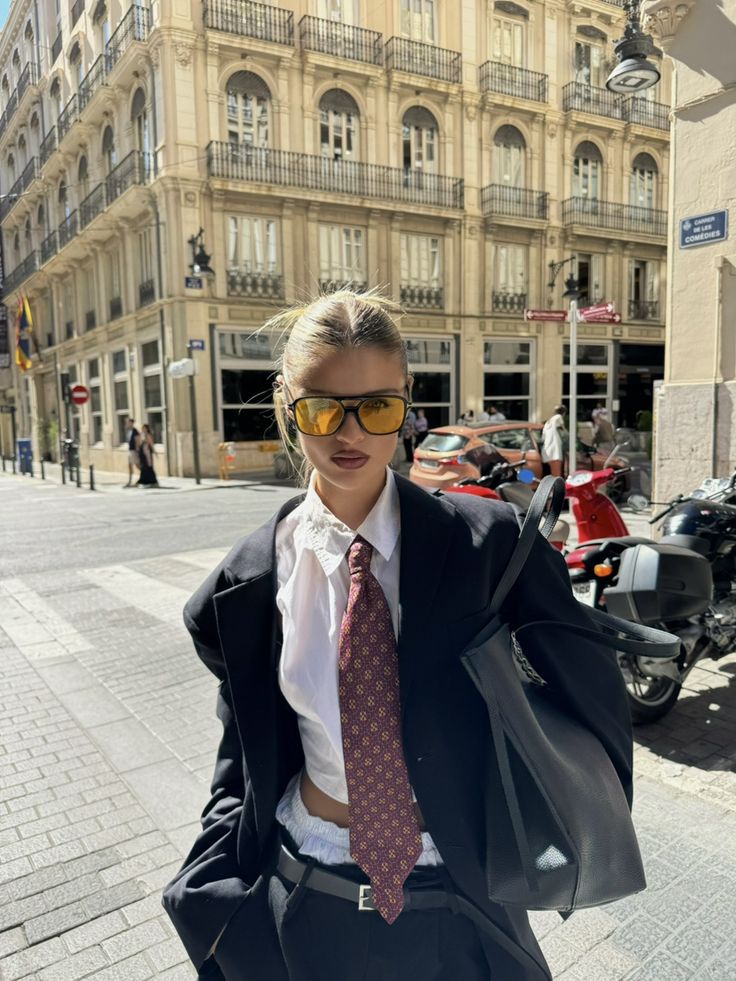
A growing trend in aesthetic photography is the use of minimalism. Photographers focus on simple compositions and clean lines, which create a calm and balanced look. This style often uses negative space to highlight the subject.
Another popular trend is the rise of vintage and retro filters. These give photos a nostalgic feel by mimicking old film styles. It adds character and warmth to images without heavy editing.
Natural light photography is becoming more common. Photographers prefer soft, natural light instead of artificial lighting. It helps create more authentic and appealing photos.
Some photographers experiment with mixed media, combining photography with drawing or digital art. This creates unique images that blend different artistic styles.
| Trend | Description | Effect |
|---|---|---|
| Minimalism | Simple, clean compositions | Calm, focused images |
| Vintage Filters | Use of old film-like colors | Nostalgic, warm feel |
| Natural Light | Using sunlight or ambient light | Realistic, soft photos |
| Mixed Media | Combining photos with art | Creative, unique visuals |
These trends show how aesthetic photography is evolving while still focusing on beauty and style.
Frequently Asked Questions About Aesthetic Photography
Q: What is aesthetic photography?
A: Aesthetic photography is a style of photography focused on creating visually pleasing images through composition, lighting, color palettes, mood, and storytelling. Unlike simple snapshots, aesthetic photos are carefully styled to evoke a specific feeling. Popular aesthetics include minimalist, vintage, moody, dark academia, cottagecore, and pastel themes often seen on Instagram, Pinterest, and photography portfolios.
Q: How can beginners take aesthetic photos?
A: Start with natural light, simple compositions, and a consistent color palette. Shoot during golden hour (about one hour after sunrise or before sunset) for soft lighting. Use the rule of thirds, clean backgrounds, and focus on details like textures, shadows, or symmetry. Even a smartphone such as an iPhone or Samsung Galaxy can produce aesthetic images when lighting and composition are well planned.
Q: What are the best camera settings for aesthetic photography?
A: The best settings depend on the scene, but many photographers use a low ISO (100–400) for cleaner images and a wide aperture (f/1.8–f/4) for soft background blur. For handheld shooting, keep shutter speed above 1/125 second. If you’re using a smartphone, portrait mode and exposure adjustments can help create a similar effect without manual controls.
Q: Why do aesthetic photos look better than ordinary photos?
A: Aesthetic photos are intentionally designed rather than casually captured. Photographers pay attention to lighting, color harmony, framing, and mood. For example, warm beige and earth tones can create a cozy atmosphere, while cool blue tones often feel calm or cinematic. Small adjustments in editing and composition make a significant difference in the final image.
Q: What are common mistakes in aesthetic photography?
A: Common mistakes include overediting, cluttered backgrounds, poor lighting, and inconsistent color grading. Many beginners add excessive filters that make images look unnatural. Another mistake is ignoring composition and relying solely on editing apps. Strong lighting and thoughtful framing usually have a greater impact than any filter or preset.
Q: What editing apps are best for aesthetic photography?
A: Popular options include Adobe Lightroom, VSCO, Snapseed, and Adobe Photoshop. Lightroom is widely used for professional color grading and presets, while Snapseed is free and beginner-friendly. Many creators use custom presets to maintain a consistent feed aesthetic across Instagram, Pinterest, and personal portfolios.
Q: How important is lighting in aesthetic photography?
If your aesthetic depends on gentle contrast, start with these natural light photography techniques.
A: Lighting is one of the most important factors. Soft natural light is often preferred because it creates flattering shadows and realistic colors. Golden hour remains a favorite among photographers, but overcast days can also produce beautiful aesthetic images with even lighting. Harsh midday sunlight can work as well when used creatively for strong shadows and contrast.
Travel can be a strong way to train your eye; these aesthetic travel destinations are useful studies in color palettes, natural texture, and atmosphere.
Q: Can you create aesthetic photography with a smartphone?
A: Absolutely. Modern smartphones such as the iPhone 16, Google Pixel, and Samsung Galaxy series have advanced cameras capable of producing professional-looking results. Focus on composition, natural light, and subtle editing rather than expensive equipment. Many successful Pinterest and Instagram creators build entire portfolios using only their phones.
- 1.4Kshares
- Facebook0
- Pinterest1.4K
- Twitter3
- Reddit0