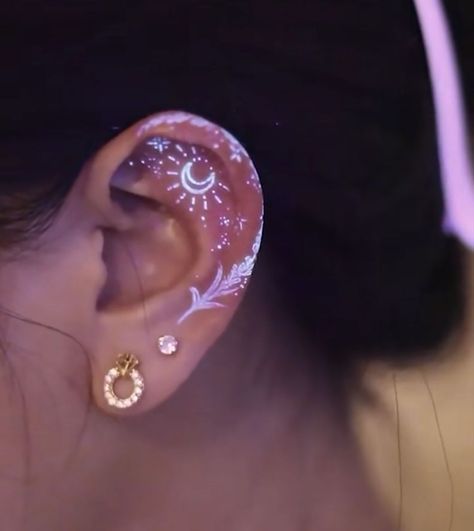
UV tattoos are tattoos made with blacklight-reactive ink, so the design can look faint in daylight and glow under ultraviolet light. They are a tempting choice if you want body art with a hidden effect, but the ink, artist, placement, and aftercare matter more than the novelty.
The best UV tattoos are planned like regular tattoos first: clean shape, readable placement, and safe studio practice. The glow should be the extra detail, not the only reason the design works.
What are UV tattoos?
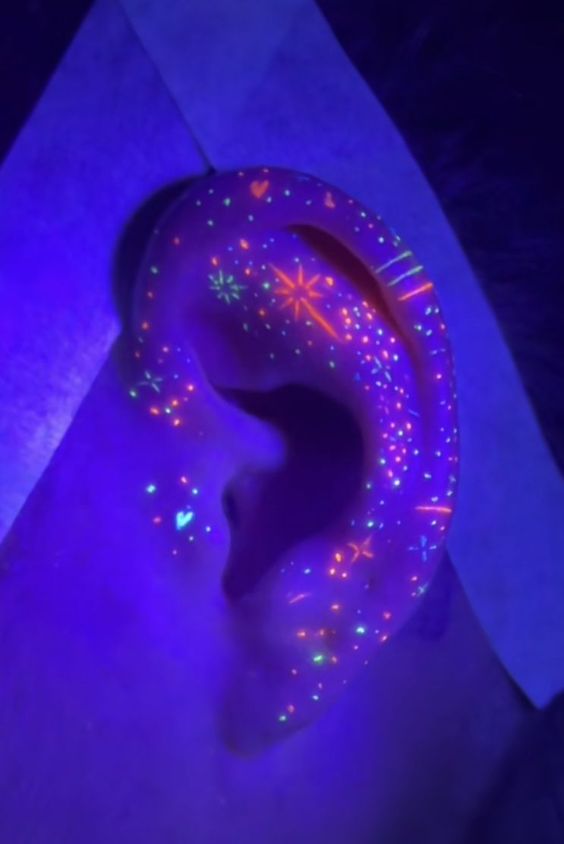
UV tattoos, also called blacklight tattoos, use ink that fluoresces when it is exposed to ultraviolet light. Most do not glow on their own in the dark; they need a blacklight or another UV source. Depending on the ink and skin tone, the tattoo may be almost invisible in normal light, slightly raised, pale, or used as a glowing accent over a standard tattoo.
| Question | Quick answer |
|---|---|
| Are UV tattoos invisible? | Some are subtle in daylight, but scarring, pale lines, or slight shine can still show. |
| Do they glow in the dark? | No. They glow under blacklight or UV light, not by themselves. |
| Do they fade? | They can fade faster than traditional black ink, especially with sun exposure. |
| Are they risk-free? | No tattoo is risk-free. UV ink needs the same hygiene checks, plus extra caution around ink brand and artist experience. |
Key takeaways
- UV tattoos glow under black light, but they may still leave faint marks in daylight.
- UV ink should be treated as a safety decision, not just a visual effect.
- Choose an artist who has real blacklight tattoo experience and can name the ink brand they use.
History of UV tattoos
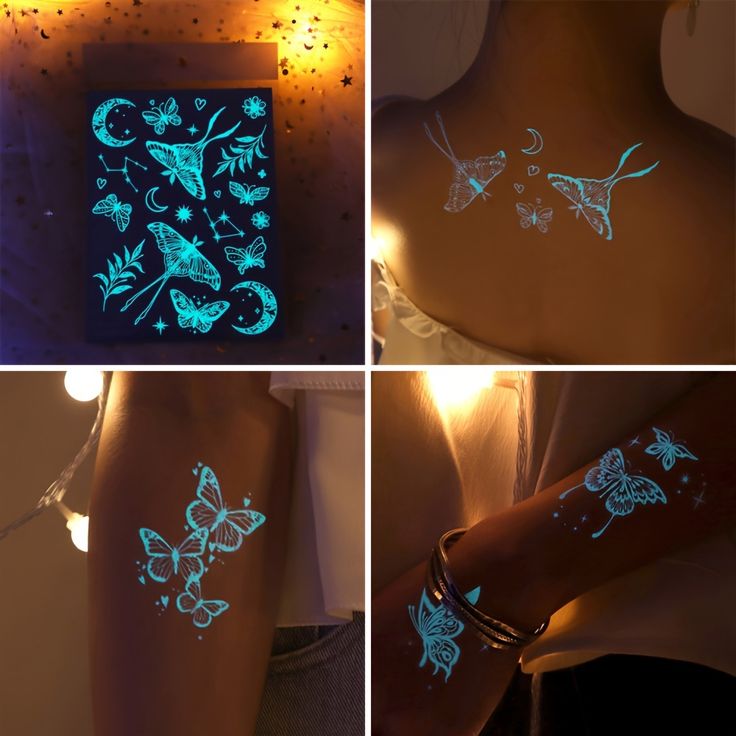
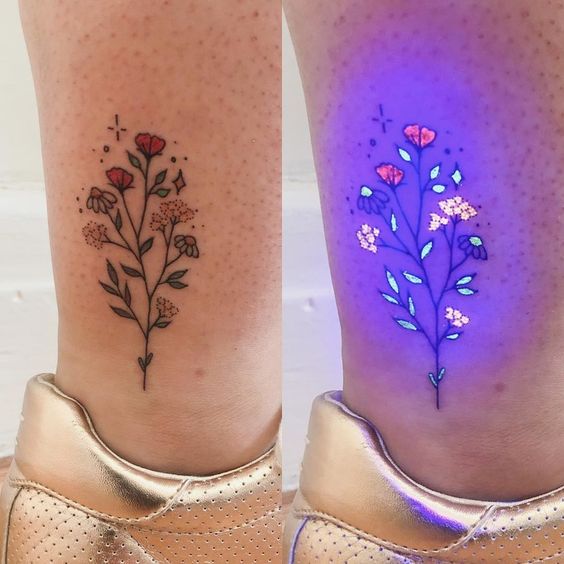
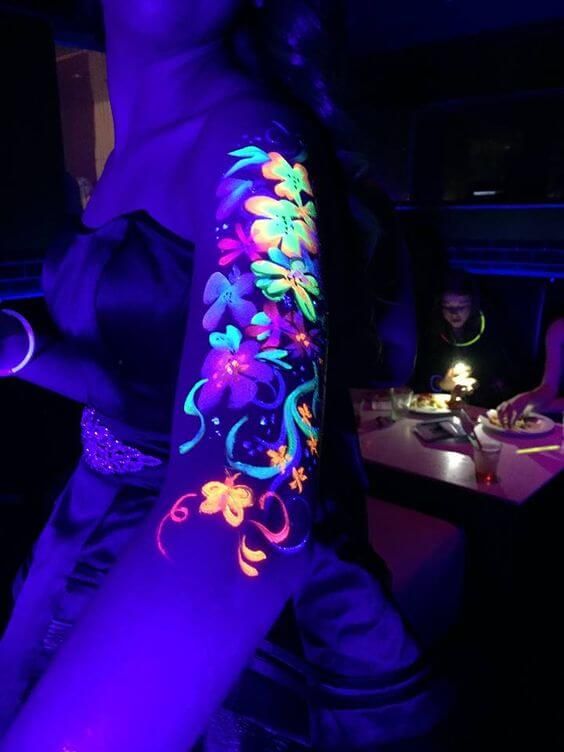
UV tattoos started showing up in the 1990s and early 2000s, especially around club culture, festivals, and blacklight-heavy nightlife. The appeal was simple: a design could stay quiet in daily life and then appear when the lighting changed.
Early glow-style inks also raised safety concerns. If an artist talks about true glow-in-the-dark ink or phosphorus-based ink, slow down and ask exactly what product is being used. A modern UV tattoo should rely on blacklight-reactive ink from a professional tattoo supplier, not novelty craft pigment.
As the style matured, better suppliers and more careful artists made UV work more approachable. Still, UV ink remains a niche material, so experience matters. A good artist should be comfortable testing visibility under blacklight while keeping the design clean in normal light.
UV tattoos became popular for subtle designs. People could hide them during the day and show them off at night. This appealed to professionals who wanted tattoos without workplace issues.
By the 2010s, UV tattoos were more common. Improved inks and techniques made them safer and longer-lasting. Artists began creating more complex UV designs.
Today, UV tattoos are still niche. They work best for small accents, hidden symbols, fine-line details, and layered tattoos where the blacklight effect adds a second read instead of carrying the whole design.
Understanding UV tattoo ink
UV tattoo ink is a special type of ink that glows under ultraviolet light. It’s made of unique chemicals that react to UV rays. This ink comes in different colors and styles.
What UV tattoo ink is made of
UV tattoo ink contains fluorescent dyes. These dyes absorb UV light and emit visible light. The main ingredients are phosphors and fluorescent pigments. Some inks use organic compounds, while others use synthetic materials.
The exact formula varies by brand and color, so it is not wise to assume UV ink is automatically gentler than standard tattoo ink. Allergic reactions, irritation, poor healing, and fading can still happen.
UV ink colors and styles
UV inks come in many colors. Clear UV ink is popular because it’s invisible in normal light. It only shows up under UV light. Other colors include blue, green, pink, and yellow.
Some UV inks are semi-visible. They have a faint color in daylight but glow brightly under UV light. Artists can mix UV inks with regular tattoo ink for unique effects.
UV tattoos vs glow-in-the-dark tattoos
A UV tattoo is not the same thing as a glow-in-the-dark tattoo. UV ink needs blacklight to fluoresce. Glow-in-the-dark products are meant to emit light after being charged, and they are not the standard choice for professional tattooing. If a studio uses those terms interchangeably, ask for the exact ink brand before you book.
| Type | How it appears | Best use |
|---|---|---|
| Clear UV ink | Subtle or nearly invisible in daylight, bright under blacklight | Hidden symbols, line accents, small details |
| Colored UV ink | Some color in daylight, stronger glow under UV light | Festival designs, layered tattoos, graphic accents |
| Standard tattoo with UV highlights | Readable every day, with extra glow details under blacklight | Most reliable option if you still want the tattoo to look complete in normal light |
UV ink quality varies between brands. Better professional inks tend to heal more predictably, while cheap or mystery inks may fade faster, glow unevenly, or irritate the skin.
UV tattoo safety considerations
UV tattoos come with unique health and safety factors to consider. These include potential skin reactions, regulatory issues, and special aftercare needs.
Skin reactions
UV tattoos can cause allergic reactions in some people. The ink used contains chemicals that may irritate sensitive skin. Common symptoms include redness, swelling, and itching. In rare cases, more severe reactions can occur.
Some people report sensitivity or a burning feeling when a UV tattoo is exposed to strong light. If you already react badly to certain pigments, adhesives, or skincare products, mention that before the appointment and consider a small test area only if your artist and local rules allow it.
The long-term behavior of UV tattoo ink is less familiar than standard black or gray tattooing. That uncertainty is one reason to keep the design modest, avoid bargain ink, and choose a studio that takes sterile setup seriously.
Regulation and approval
The FDA’s tattoo and permanent makeup fact sheet notes that tattoo inks are treated as cosmetics and that color additives used in tattoo inks have not been approved for injection into the skin. The FDA also tracks problems such as infections, allergic reactions, and contaminated inks. That does not make every UV tattoo unsafe, but it does make ink sourcing and studio hygiene important.
Tattoo artists may not have proper training with UV inks. This can lead to poor quality work or unsafe practices. It’s important to choose an experienced artist who understands UV tattoo techniques.
Rules around tattoo ink and studio practice vary by location, so check local regulations and choose a licensed shop. If an artist cannot clearly explain the ink, sterilization process, and aftercare, keep looking.
Aftercare
UV tattoos need special care to heal properly. Keep the tattoo clean and moisturized. Avoid soaking it in water for the first few weeks.
Protect UV tattoos from sunlight during healing. Wear loose clothing over the tattoo, avoid tanning, and use sunscreen once the skin is fully healed to slow fading.
Watch for signs of infection like increased pain or pus. See a doctor if these occur. Avoid picking at scabs or peeling skin.
Follow all aftercare instructions from your tattoo artist carefully. This helps ensure proper healing and reduces risks of complications.
UV tattoo process
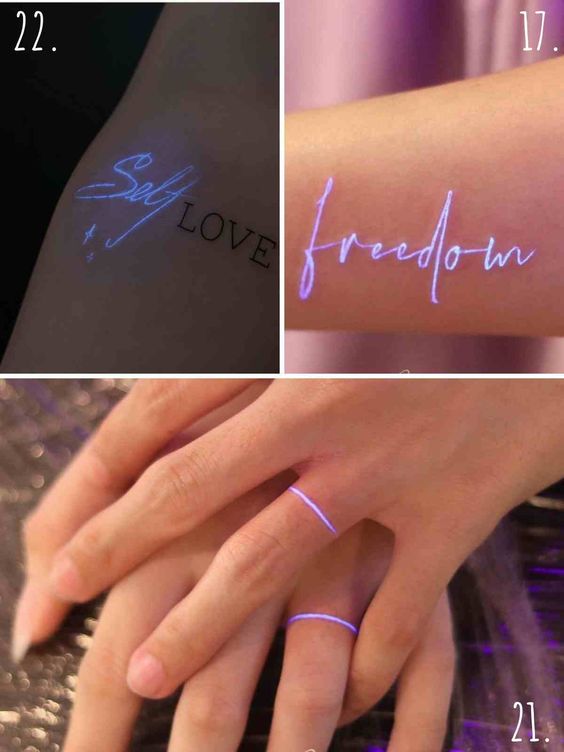
Getting a UV tattoo takes the same planning as any permanent tattoo, with one extra layer: the artist has to judge the design in normal light and under blacklight. The goal is a glowing design that still looks intentional when the UV effect is off.
Consultation
The UV tattoo journey starts with a consultation. A client meets with the artist to discuss ideas and goals. The artist explains how UV ink works and its special features. They talk about design options that look good under black light. Safety concerns and aftercare are also covered. The artist checks for any allergies or skin issues. This helps ensure the tattoo will be safe and successful.
Designing the tattoo
Next comes the design phase. The artist creates a custom design based on the client’s wishes. They may draw it by hand or use computer software. The design is adjusted to work well with UV ink. Some parts may glow while others stay invisible. The artist makes sure the design will show up clearly under black light. They also consider how it will look in normal lighting.
Application
The actual tattooing process begins with cleaning the skin. The artist puts on gloves and sets up their equipment. They transfer the design onto the skin. Using a special tattoo machine, they inject UV ink into the skin. The process can take longer than regular tattoos. The artist must work carefully to get the right depth and coverage. Clients can’t see the full effect until it’s done and under black light. The artist checks their work with a UV lamp as they go.
Visibility and aesthetics
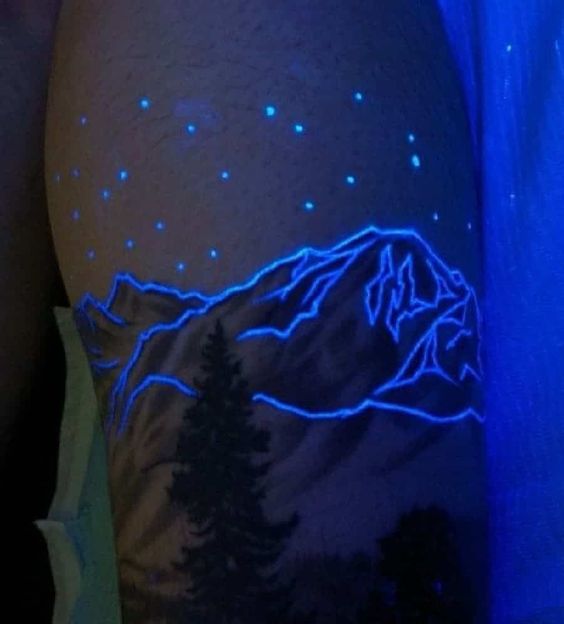
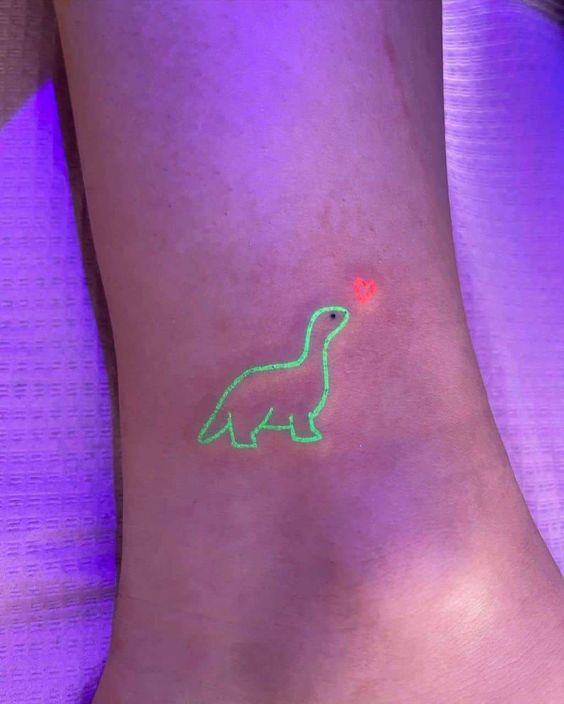
UV tattoos have unique visual properties that change based on lighting conditions. Their appearance shifts dramatically from day to night.
Under daylight
UV tattoos are nearly invisible in normal light. They blend in with the skin, showing only faint outlines or slight scarring. This makes them ideal for people who want hidden tattoos.
Some UV inks leave a pale white or light pink mark on the skin. These subtle traces can be covered with makeup if needed.
The subtle look appeals to people who want hidden tattoos or small private details. Just do not plan one only because you assume nobody will ever notice it.
Under UV light
UV tattoos come alive under blacklight. They glow brightly in vibrant colors like blue, purple, and green. The designs appear to float on the skin’s surface.
The glowing effect creates a striking contrast against regular tattoos. This allows for creative layering of visible and UV elements in tattoo art.
UV ink colors are more limited than regular tattoo inks, so simple shapes usually read better than tiny detail. Good choices include stars, moons, line accents, symbols, geometric marks, tiny florals, and highlights layered over a regular tattoo.
The glow intensity varies based on ink quality and healing. Proper aftercare helps maintain the brightness of UV tattoos over time.
Popularity and cultural context
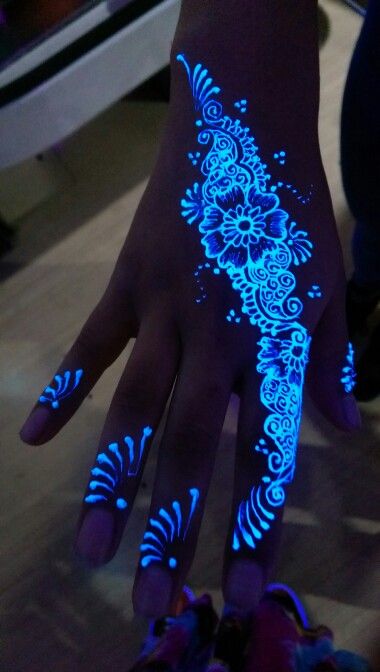
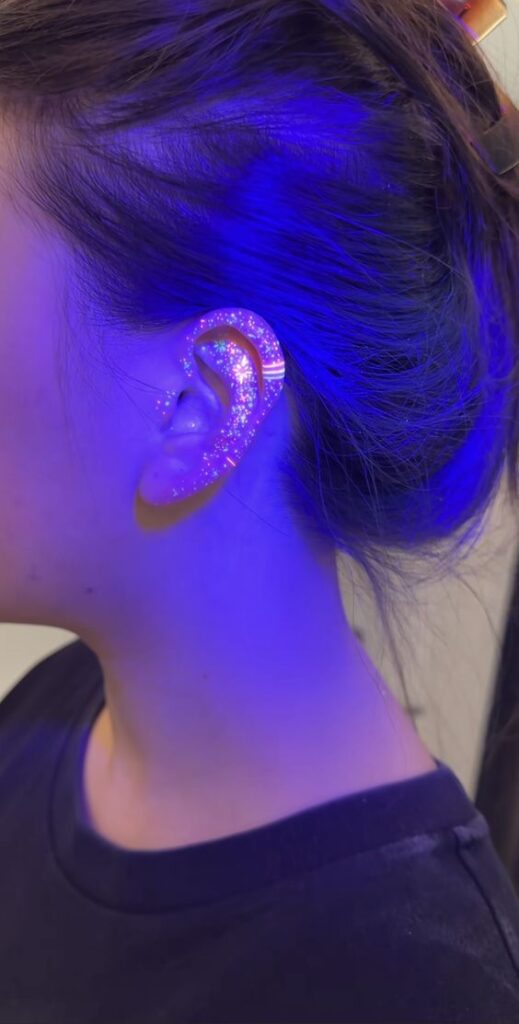
UV tattoos have gained popularity in recent years. These glowing designs appeal to people who want unique body art. They’re especially common among club-goers and ravers.
Some people use UV ink for secret details: a hidden word, a glowing halo, a constellation, a second outline, or a small symbol that only appears under blacklight. This is usually stronger than trying to make a full sleeve disappear in daylight.
Fashion and beauty influencers have helped spread interest in UV tattoos. Social media posts showing glowing designs under blacklights have sparked curiosity. This has led more people to consider getting UV ink.
UV tattoos hold different meanings for different groups. Some view them as a fun party trick. Others see them as a form of self-expression. In certain subcultures, they’re seen as a mark of belonging.
The popularity of UV tattoos varies by region. They’re more common in areas with active nightlife scenes. Cities known for electronic music festivals tend to have higher rates of UV tattoos.
Despite growing interest, UV tattoos remain less common than traditional ones. Some people worry about potential health risks. Others prefer the look of regular tattoos. Still, UV ink continues to attract those seeking something different.
Professional considerations for tattoo artists
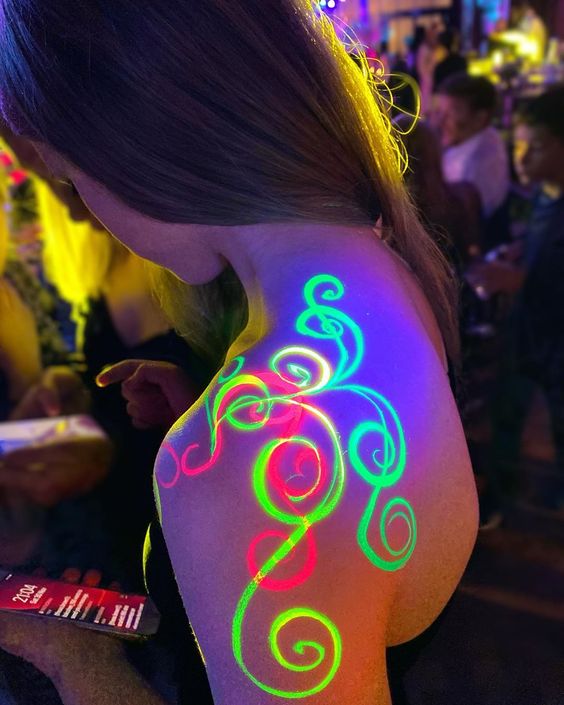
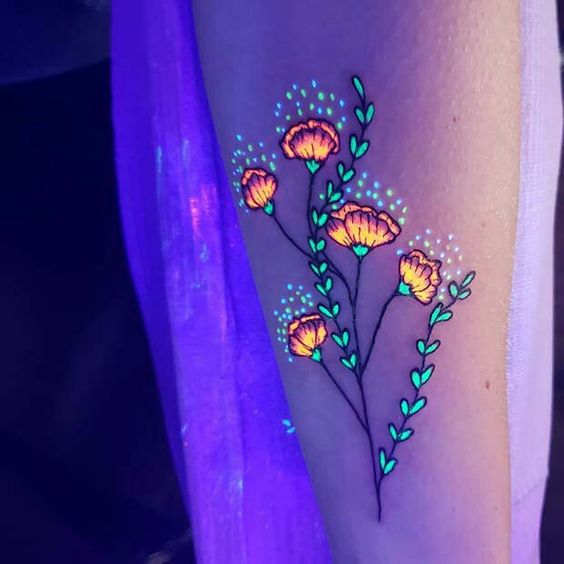
Tattoo artists working with UV inks face unique challenges. They need special skills and tools to create these glowing designs safely and effectively.
Training
UV tattoo artists need extra training beyond standard tattooing. They must learn about UV ink chemistry and how it reacts with skin. Artists should study proper UV ink application techniques. This includes using the right needle depth and speed.
Safety is key when working with UV inks. Artists must know how to prevent ink contamination. They should also learn to spot potential allergic reactions in clients. Many artists take special courses on UV tattooing to gain these skills.
Equipment
UV tattoo artists require special equipment. They need UV lights to see their work as they tattoo. These lights help ensure even ink distribution and proper color saturation.
Sterilization tools are extra important for UV tattoos. Artists must use autoclaves to clean all equipment thoroughly. They should have separate tools for UV inks to prevent mixing with regular inks.
UV-blocking eyewear protects both artist and client during the process. Special aftercare products help UV tattoos heal properly. Artists should stock these items and educate clients on their use.
UV tattoo cost and maintenance
UV tattoos often cost more than similar regular tattoos because they require specialty ink, blacklight checking, and an artist who is comfortable with the material. A small UV tattoo may start around $100-$300, while larger or layered designs can cost $500 or more depending on the shop, city, and artist.
The higher cost comes from special UV-reactive ink and the artist’s expertise. Not all tattoo artists offer UV tattoos, so finding a skilled professional may take time.
UV tattoos may need touch-ups to stay bright under blacklight. Some fade faster than regular black ink. Touch-up timing varies, but common factors include:
- Skin type
- Sun exposure
- Aftercare routine
Proper aftercare is crucial for UV tattoos. This includes:
- Keeping the tattoo clean and moisturized
- Avoiding sun exposure
- Using sunscreen when outdoors
If the tattoo develops an unusual rash, persistent itching, swelling, heat, or delayed irritation, have a dermatologist look at it. Some tattoo reactions can show up long after the first healing stage.
It’s important to budget for both the initial cost and long-term maintenance of a UV tattoo. The ongoing expenses can add up over the years.
Removal and fading
UV tattoos can be tricky to remove because they may be hard to see in normal light. A laser removal specialist may need blacklight to map the design before treatment.
Some people report UV tattoos fading faster than regular ones. The special ink may break down more quickly in the skin over time.
Laser removal can work on UV tattoos, but results vary. Multiple sessions are often needed. The process can be expensive and may not remove the tattoo completely.
Natural fading happens as the body breaks down the ink. UV tattoos might fade faster in people who spend lots of time in the sun.
Factors affecting UV tattoo fading:
- Ink quality
- Tattoo depth
- Skin type
- Sun exposure
- Age of tattoo
Cover-ups are another option. A darker, regular tattoo can be placed over the UV design. This hides the glowing effect under black light.
It’s important to think carefully before getting a UV tattoo. Removal can be challenging and may not give perfect results.
UV tattoo ideas and trends
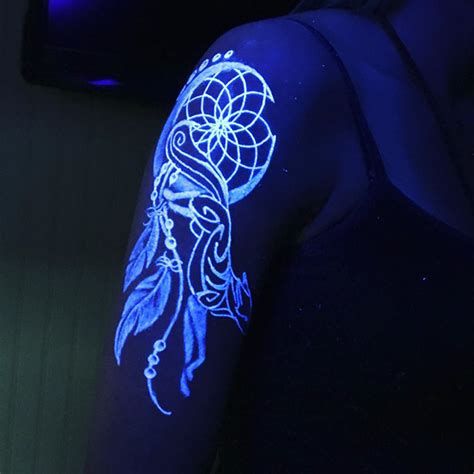
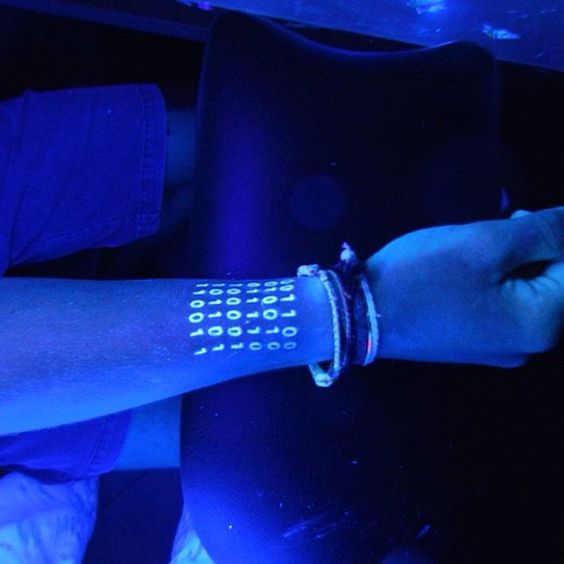
UV tattoos have come a long way since their early days. Artists now use special inks that glow under black light but stay invisible in normal light.
New techniques let tattooists create more detailed and colorful designs. Some UV inks even change colors when exposed to different light wavelengths.
Safety conversations have improved too. Better studios are more careful about ink sourcing, sterile setup, blacklight visibility, and explaining the limits before a client commits.
Here are some popular trends in UV tattoos:
- Glow-in-the-dark body art for nightclubs and festivals
- Hidden messages that only show up under black light
- Accent pieces that highlight regular tattoos
- UV accents added to existing black or color tattoos
Artists are experimenting with UV ink in other fields too. Some use it for temporary festival markings or glow-in-the-dark face paint.
UV-reactive marking has also been explored in medical contexts, such as less visible skin marks for treatment planning. Cosmetic UV tattoos are a different decision, but it shows why the material keeps attracting attention.
For most readers, the practical takeaway is simple: choose UV ink when the blacklight effect improves an already solid design. If the tattoo only works in a nightclub photo, it may not age as well as you want.
UV tattoos FAQ
Q: Are UV tattoos safe?
A: UV tattoos carry the same basic risks as regular tattoos, including infection, allergic reaction, scarring, and fading. The extra concern is the ink itself, because UV-reactive tattoo ink is less common and not every artist has experience with it. Choose a licensed studio, ask what ink brand is being used, and avoid bargain or mystery pigments.
Q: Do UV tattoos glow in the dark?
A: UV tattoos usually do not glow on their own in the dark. They fluoresce when exposed to blacklight or another ultraviolet light source. If you want a tattoo that looks good every day, consider a regular tattoo with UV highlights instead of a design that depends completely on blacklight.
Q: Are UV tattoos invisible in daylight?
A: Some UV tattoos are very subtle in daylight, but they are not always invisible. The skin may show faint lines, slight scarring, pale ink, or a raised texture. Ask your artist to show healed examples in normal light before you commit.
Q: How long do UV tattoos last?
A: A UV tattoo can last for years, but the glow may fade faster than traditional black ink. Sun exposure, placement, ink quality, aftercare, skin type, and tattoo depth all affect how long the blacklight effect stays strong.
Q: How much do UV tattoos cost?
A: Small UV tattoos often start around $100-$300, while larger or layered designs can cost $500 or more. Pricing depends on the artist, city, shop minimum, design complexity, and how much time the artist needs to check the work under blacklight.
Q: What are the best UV tattoo designs?
A: The best UV tattoo designs are simple and readable: stars, moons, hidden words, fine-line symbols, geometric details, small florals, constellations, and highlights over a regular tattoo. Tiny high-detail designs can blur or lose impact once healed.
Q: Can UV tattoos be removed?
A: UV tattoos can sometimes be removed with laser treatment, but removal may be harder because the ink can be difficult to see in normal light. A specialist may need blacklight to locate the design, and complete removal without texture or fading is never guaranteed.
Q: What should I ask before getting a UV tattoo?
A: Ask the artist what ink brand they use, whether it is made for tattooing, how many healed UV tattoos they have done, what the tattoo looks like in normal light, and what aftercare they recommend. If the answers are vague, choose another studio.
For more placement and style inspiration, browse the tattoo ideas hub before choosing your final design.
- 131shares
- Facebook0
- Pinterest130
- Twitter1
- Reddit0