

A healthy energy efficient home is not built from one dramatic upgrade. It comes from a handful of quiet systems working properly: clean air, filtered water, steady heating and cooling, reliable plumbing, a kitchen that supports daily routines, and renovation planning that does not leave waste and hidden damage behind.
This guide looks at those upgrades in a practical order. Start with the systems that affect comfort and health every day, then plan bigger design work around them. The aim is a healthier living space that feels better to use and costs less to run, without turning every improvement into a full rebuild.

What is a healthy energy efficient home?
A healthy energy efficient home is a house where comfort, air quality, water quality, plumbing, appliance choices, and renovation planning support each other. Energy efficiency lowers waste, but health comes from the details people feel every day: steady temperatures, filtered air, clean water, dry bathrooms, reliable drainage, safe materials, and rooms that are easy to clean and maintain. The best upgrades usually solve more than one problem. Better HVAC can improve comfort and indoor air quality. Water filtration can protect people, pipes, and appliances. A smarter kitchen layout can reduce daily friction while making efficient appliances easier to use. Treat the home as one connected system, not a list of isolated purchases.
| Upgrade area | What it improves | Good first check |
| Climate control | Comfort, air filtration, utility use | Uneven temperatures, noisy equipment, old filters |
| Water quality | Drinking, showering, appliances | Taste, odour, scale, sediment, local water report |
| Plumbing | Leak prevention, water efficiency | Slow drains, hidden drips, water heater age |
| Kitchen design | Daily workflow and efficient appliances | Storage gaps, lighting, counter space |
| Waste planning | Safer renovation work | Bin size, disposal rules, access route |
Start with smart climate control and indoor air quality
Comfort starts with the building envelope and the air system, not the thermostat alone. Before choosing new equipment, look for the basic comfort clues: rooms that overheat, cold corners, stale air, noisy units, dirty filters, and bills that feel out of step with how the home is used. Those signs usually tell you where efficiency and indoor air quality need attention first.
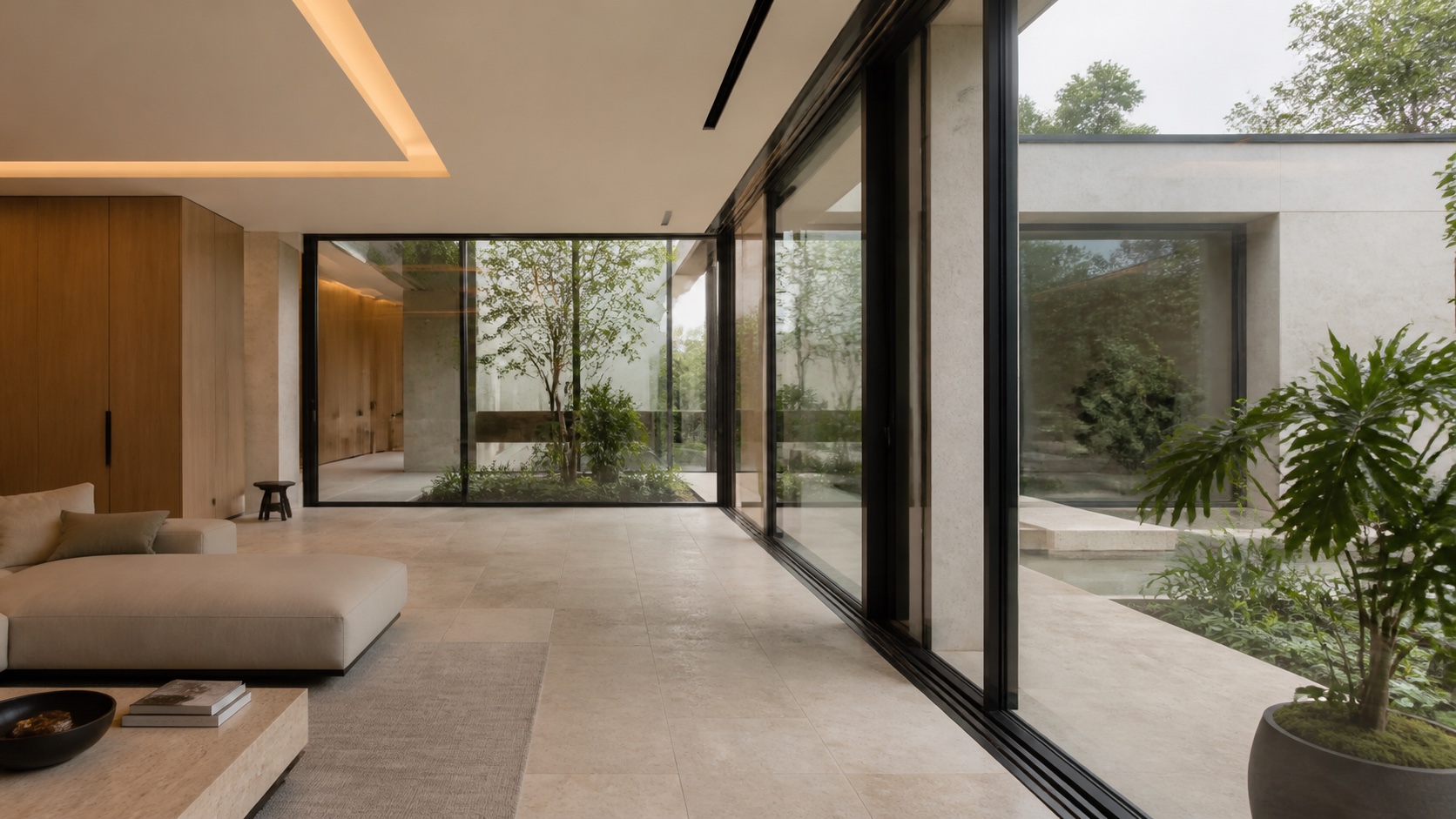
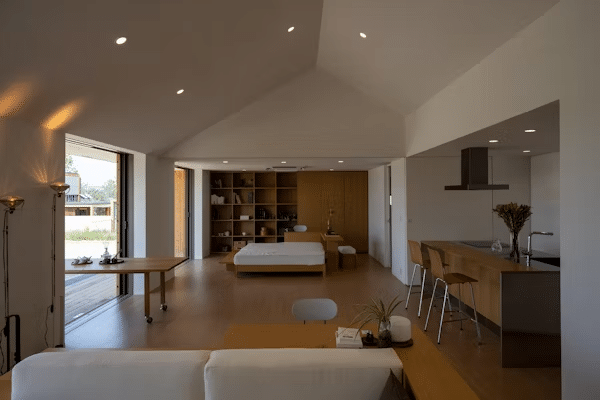
Modern climate control works best when it is steady, quiet, and zoned. Instead of fighting one uncomfortable room at a time with portable units, an integrated system can move filtered air through the house in a more predictable way. The design goal is simple: fewer hot and cold spots, cleaner air, and lower energy waste without filling the rooms with visible equipment.
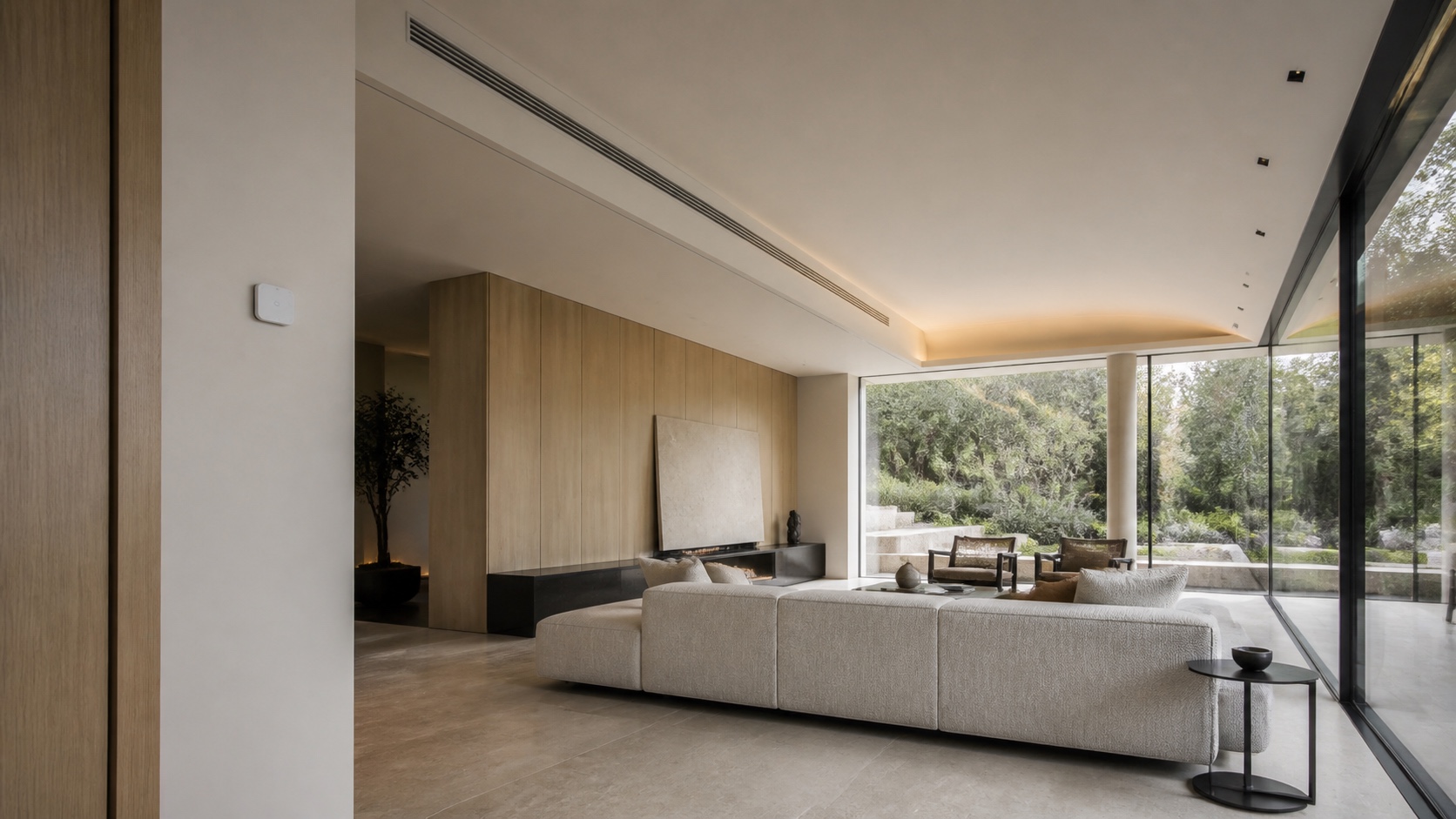
For whole-home comfort, ducted heating and cooling can make sense when the house needs consistent temperature control across several rooms. Discreet ceiling or floor vents keep the system visually quiet, while zoning lets you heat or cool the rooms that are actually being used. That matters in family homes, guest rooms, and open-plan layouts where one thermostat rarely tells the whole story.
The benefits are not only about temperature. A well-planned system can run more quietly than scattered wall units, improve filtration, and keep the interior cleaner visually. For design context, compare this with HVAC and interior design and the practical sustainable home design notes on light, airflow, and comfort.
Plan clean water as part of a healthy home
Water quality is easy to ignore until the signs become visible: discoloured water, unpleasant taste, scale on fixtures, or sediment that settles in a glass. Start with what you can verify. Check the local water report, look at the age of the home’s pipework, and note whether the issue is taste, hardness, sediment, odour, or staining. Each problem points to a different kind of filtration decision.
A pitcher filter or under-sink unit can help with drinking water, but it does not solve every water issue in the house. Showers, laundry, dishwashing, and appliances all use the same supply. If the concern is hardness, chlorine smell, sediment, or scale, it is worth deciding whether a point-of-use filter is enough or whether the home needs treatment before water reaches the taps.
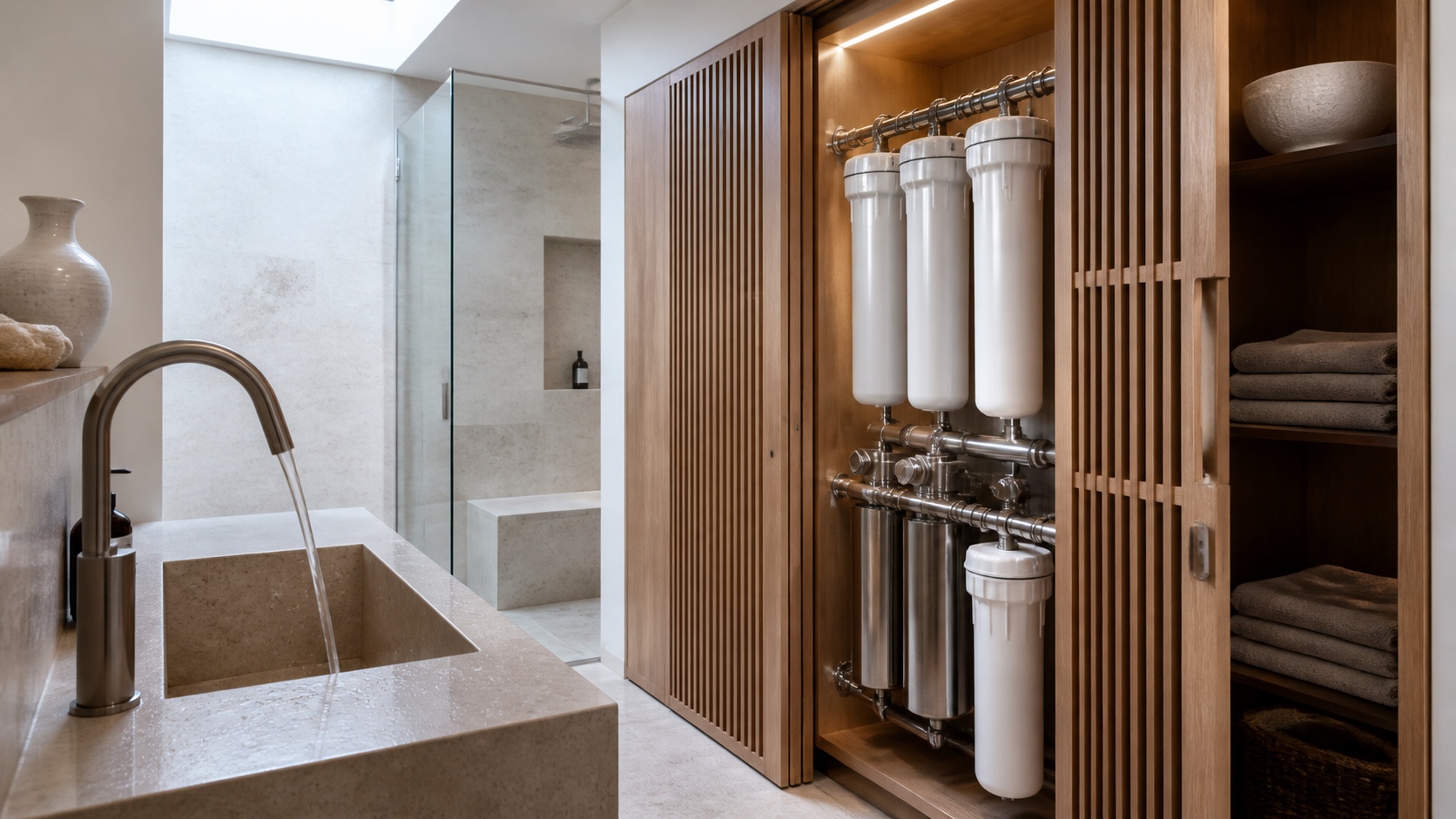
This is where a full house water filtration system can be useful. It treats water at the entry point, so the same filtered supply reaches taps, showers, laundry, and appliances. The practical benefit is consistency: fewer separate filters to manage, less scale where hard water is a problem, and a cleaner plan for the home’s plumbing and appliance lifespan.
For source-backed context before buying equipment, check the EPA drinking water resources and your local water quality report. The practical advantages extend beyond health. Hard water minerals cause scale buildup in pipes, water heaters, and appliances, reducing efficiency and lifespan. Filtered water eliminates this problem, protecting your plumbing infrastructure and expensive appliances. That new dishwasher or washing machine will last considerably longer when not constantly battling mineral deposits. Your hot water heater operates more efficiently without scale coating its heating elements. The soap and detergent you use work more effectively in soft water, meaning you need less product to achieve the same cleaning results—a cost savings that accumulates over time.

Use plumbing maintenance to prevent expensive damage
Plumbing is one of those home systems people notice only when it fails. A small leak can damage cabinetry, flooring, drywall, and insulation before it looks serious from the outside. Slow drains, damp smells, water stains, and noisy water heaters are small warnings, not background noise.
Prevention is usually cheaper than cleanup. Fixing a drip, clearing a developing blockage, or flushing sediment from a water heater is less dramatic than an emergency call, but it protects the parts of the house that are expensive to repair. Moisture also affects indoor air quality, especially when it sits inside cabinets, wall cavities, or poorly ventilated bathrooms.
Regular plumbing maintenance deserves a place in your home care routine, alongside the tasks you already perform. I would treat hidden moisture the same way I treat a bad layout in design work: fix the cause before dressing the surface. Annual professional inspections identify developing issues before they become emergencies, check for hidden leaks that waste water and money, and ensure all systems operate efficiently. The cost of preventive maintenance pales compared to emergency repair bills, water damage restoration, and the hassle of dealing with plumbing failures at the worst possible moments.
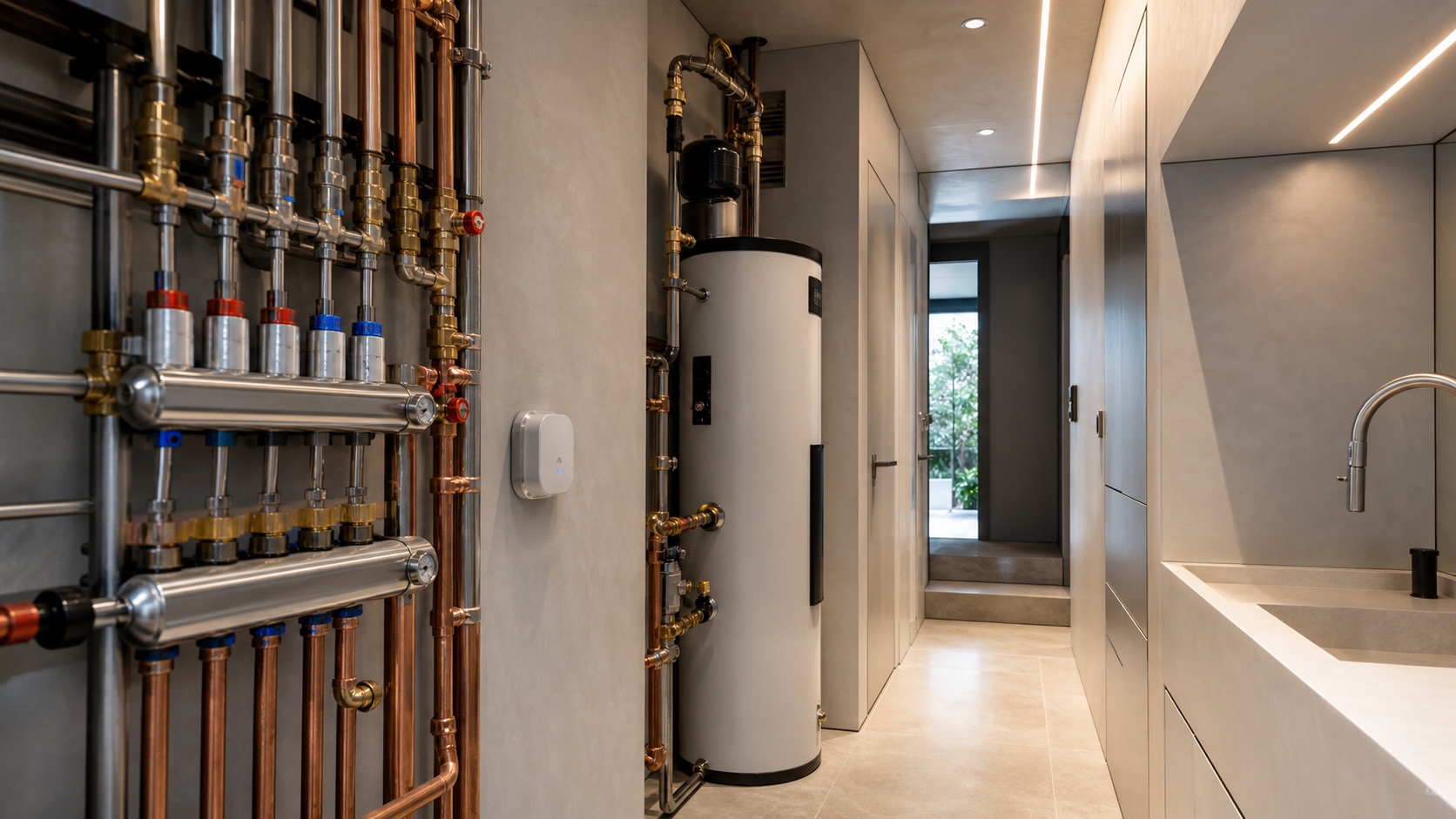
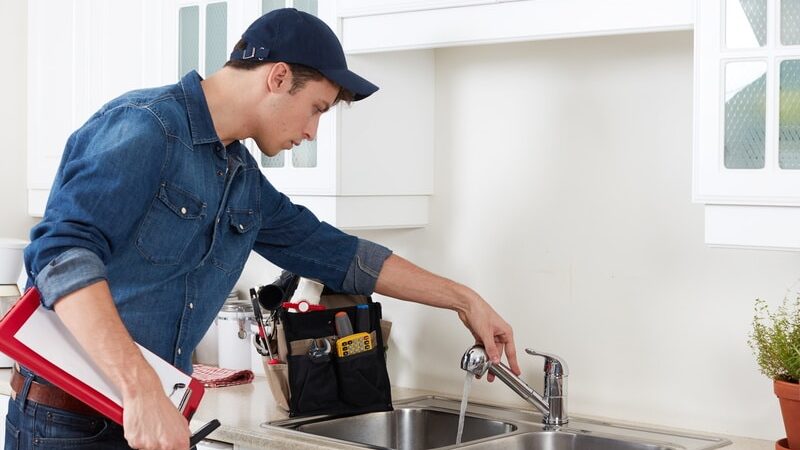
When a real emergency happens, speed still matters. Water should be shut off quickly, wet materials need attention, and the repair has to deal with the cause rather than only the visible mess. For northern Melbourne residents, emergency plumbing in Thomastown can help when a burst pipe, blocked drain, failed hot water system, or sewer issue cannot wait for a normal appointment.
A good plumber can also help with the quieter decisions: which ageing parts should be replaced before they fail, whether water pressure is too high for the fixtures, and how the water heater, drainage, and appliances affect each other. That kind of maintenance is not glamorous, but it keeps the rest of the design work from being damaged by hidden moisture.
Water efficiency upgrades are worth planning at the same time. The EPA WaterSense program is a useful reference point when comparing fixtures, toilets, showerheads, and irrigation products. Low-flow fixtures, efficient water heaters, and carefully planned reuse systems can reduce waste, but they need to suit the home instead of being chosen from a showroom checklist.
Plumbing also affects other parts of the house. Water heater capacity has to match household routines, drainage can affect landscaping and foundations, and water pressure changes how fixtures and appliances perform. It is worth checking these connections before treating every pipe, appliance, and room as a separate project.

Make the kitchen efficient before making it decorative
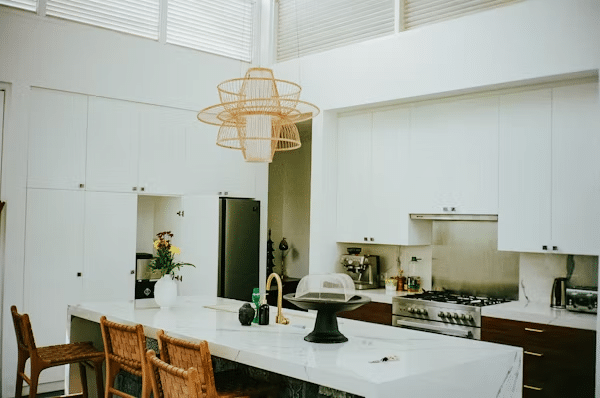
The kitchen is where efficiency becomes visible. It is a daily workspace, a storage system, a lighting problem, an appliance plan, and often the room that decides whether a renovation feels calm or chaotic. Before choosing finishes, map the route between fridge, sink, prep space, cooktop, bins, pantry, and dishwasher. If that path is awkward, a beautiful surface will not fix the room.
Kitchen dissatisfaction builds gradually. That awkward workflow where the refrigerator sits too far from food prep areas? It wastes countless steps over months and years. The limited counter space that forces you to juggle cutting boards and mixing bowls? It transforms cooking from pleasure to stress. The inadequate lighting that leaves corners dim? It creates safety hazards and makes food preparation more difficult than necessary. The worn cabinets and outdated finishes? They make you feel uninspired every time you enter the room.
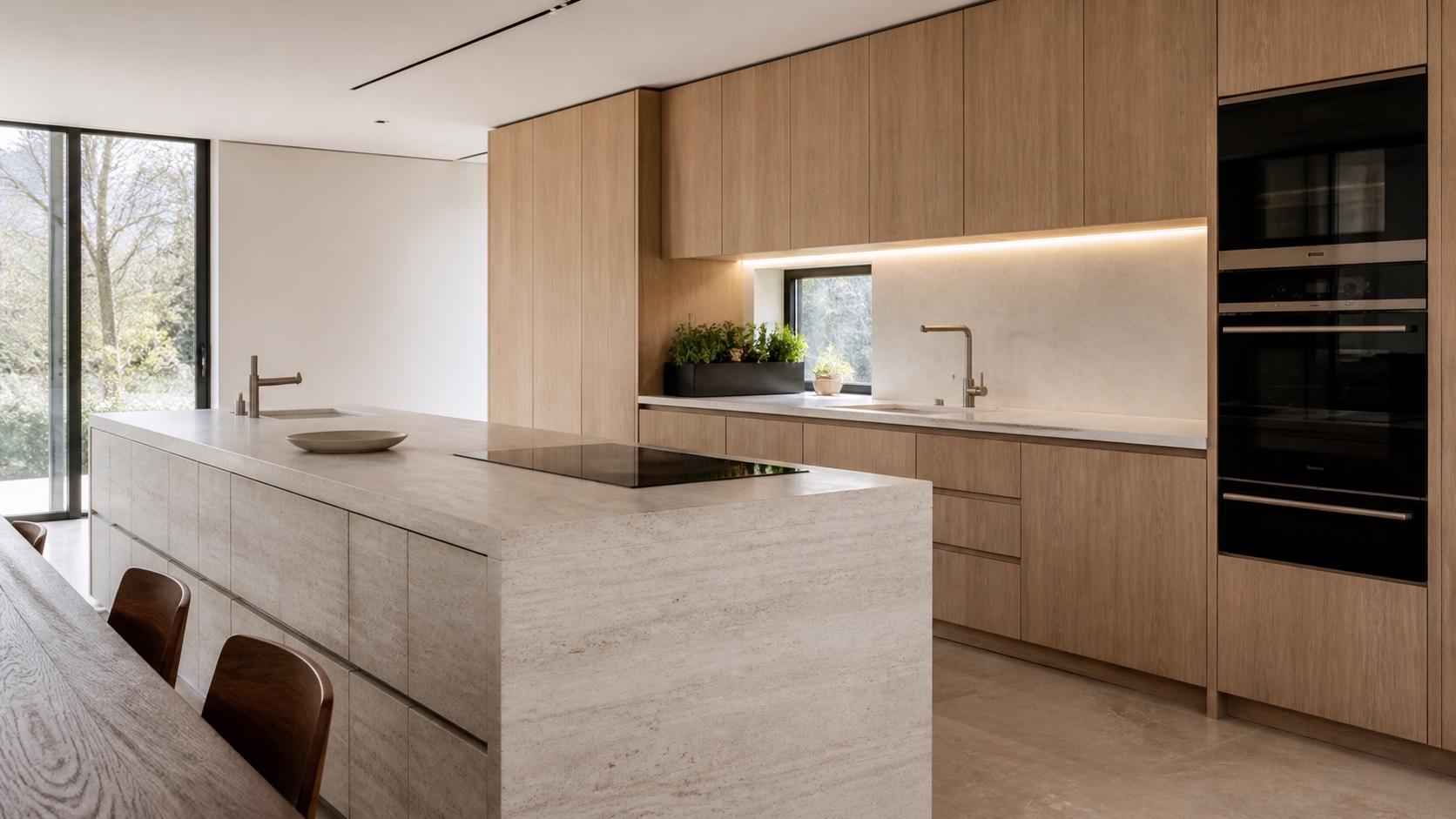
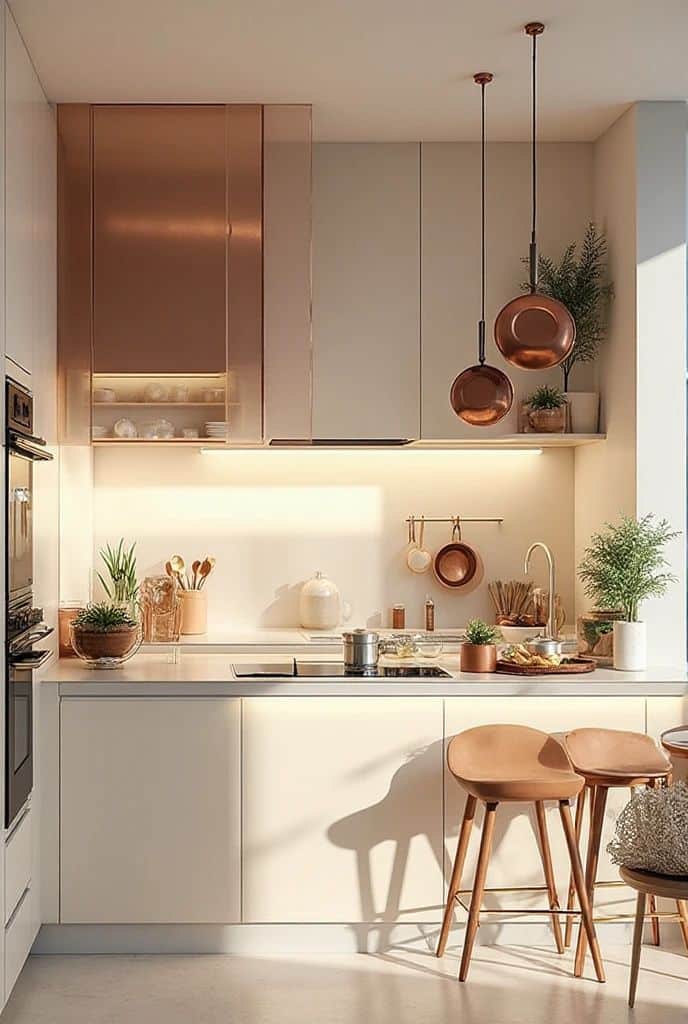
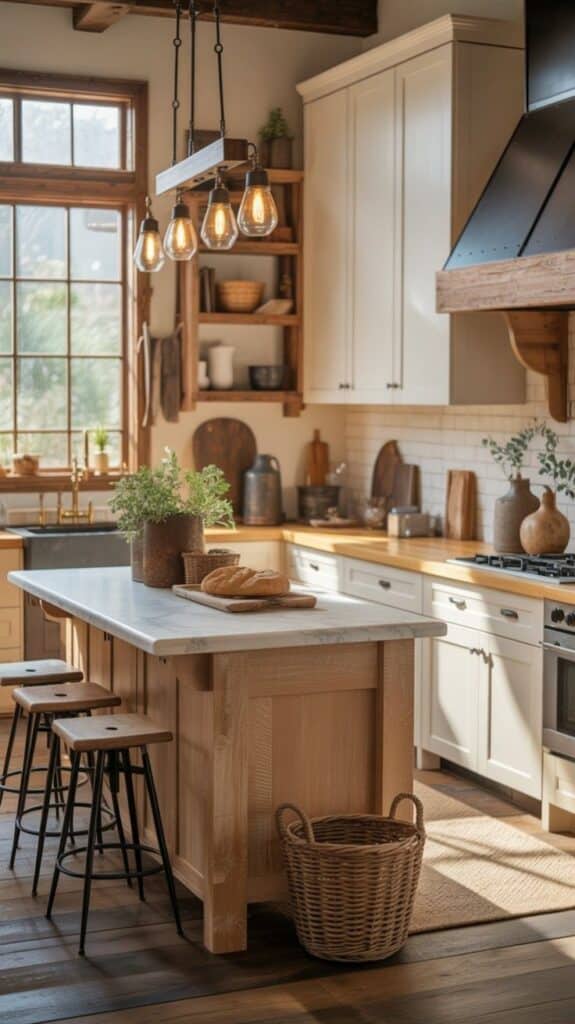
A well-designed kitchen renovation fixes those daily irritations while leaving room for future changes. Modern kitchen renovations melbourne specialists usually start with how the household cooks, shops, stores food, cleans up, and entertains. That is the difference between a kitchen that photographs well and one that still feels good on a busy weekday.
Storage solutions deserve particular attention, as inadequate storage ranks among the top kitchen complaints. Modern cabinetry incorporates clever organizational features—pull-out pantries, corner solutions that maximize awkward spaces, deep drawers that eliminate the black hole of lower cabinets, and specialized inserts for everything from spices to cutting boards. Thinking through what you store and how you use it during the design phase ensures every item has a logical home, eliminating clutter and the frustration of hunting for needed tools and ingredients.
Material selection involves balancing durability, aesthetics, maintenance requirements, and budget. Benchtops endure constant use, so choosing materials that resist stains, scratches, and heat while looking beautiful requires careful consideration. Cabinetry finish options range from timeless classics to contemporary statements, each with different maintenance needs and longevity characteristics. Flooring must withstand heavy traffic, dropped items, and spills while complementing the overall design. Quality materials cost more initially but deliver better performance and appearance retention over the years. For resale-sensitive projects, this connects naturally with kitchen remodel ideas that add home value and broader architectural home upgrades ROI.
Appliance selection represents another critical decision point. If energy use is part of the decision, compare models through ENERGY STAR product guidance rather than relying only on showroom labels. While it’s tempting to choose based purely on features and aesthetics, considering energy efficiency, reliability ratings, and whether features match your actual cooking style prevents buyer’s remorse. That professional-grade range might look impressive but could be overkill if you rarely cook elaborate meals. Conversely, a modest cooktop might prove frustrating if you’re passionate about cooking and frequently prepare complex dishes for large groups.
Manage renovation waste before it slows the project
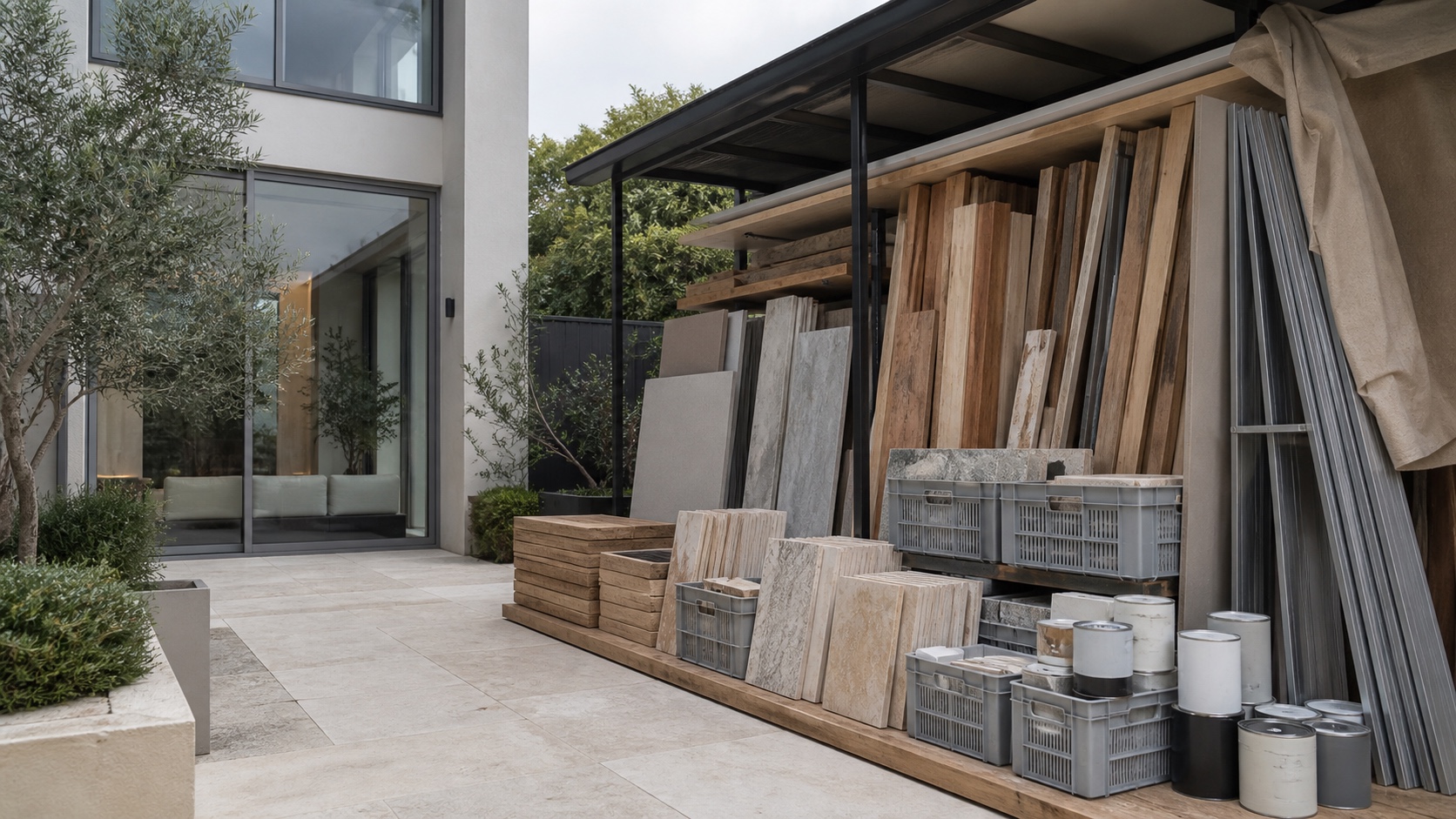
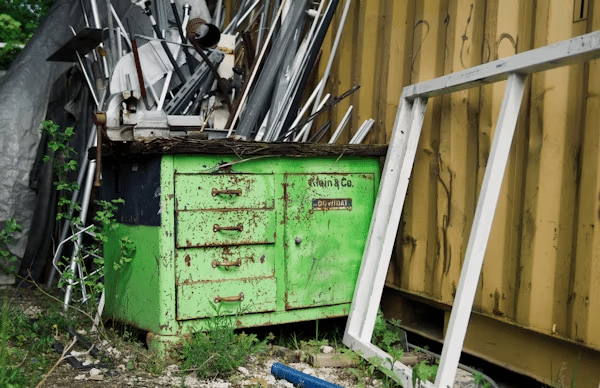
Home improvements create waste faster than most people expect: demolition debris, old fixtures, packaging, offcuts, broken tiles, cabinet carcasses, and sometimes materials that need special handling. Waste planning is not a glamorous design task, but it keeps work paths clear, protects finished surfaces, and stops the project from turning into a pile of decisions made under pressure.
Different project types generate different waste profiles. Before demolition, check local council rules and general construction and demolition material guidance so the disposal plan is not guessed halfway through the job. Kitchen renovations produce old cabinets, discarded appliances, demolished benchtops, and mountains of packaging from new materials. Bathroom upgrades create broken tiles, old fixtures, and potentially hazardous materials if dealing with older homes. General renovations might involve everything from carpet and drywall to lumber and roofing materials. Understanding what you’ll be disposing of helps determine appropriate waste management solutions.
For Sydney-based projects, skip bins hired in Sydney services can simplify the messier side of renovation. Choose the bin size around the actual scope: small bathrooms may only need a compact bin, while kitchens and multi-room work can fill larger bins quickly. Placement matters too. Keep the bin accessible for loading and collection, protect paving or lawn beneath it, and check whether street placement needs approval.
Healthy home upgrade checklist
- Air: replace filters, check ventilation, and look for moisture or mould sources.
- Water: test taste, odour, hardness, and visible sediment before choosing filtration.
- Energy: review insulation, window performance, appliance age, and HVAC zoning.
- Plumbing: fix small leaks, slow drains, and water heater issues before they become emergencies.
- Kitchen: plan layout, storage, task lighting, and efficient appliances together.
- Waste: book disposal early and keep demolition debris out of work paths.
For deeper planning, pair this checklist with home renovation decisions in a hot climate, passive solar design principles, home window design, and window seal failure signs. For health evidence, the EPA indoor air quality guide and U.S. Department of Energy Energy Saver are good starting points.
Build your healthier living space in the right order
Creating a healthier, more efficient home is easier when the order is clear. Fix the problems that can damage the house or affect daily health first: leaks, damp, poor ventilation, unsafe wiring, unreliable heating and cooling, or water quality issues. Cosmetic upgrades are more satisfying when the systems behind them are already working.
Start by assessing your current situation honestly. If the home overheats, leaks, smells damp, wastes water, or makes everyday cooking harder than it needs to be, that is where the plan begins. What frustrates you most about your home? Where do inefficiencies cost you money each month? Which systems are approaching the end of their useful life and likely to fail soon? What health concerns might current conditions be creating or exacerbating? This assessment creates a priority list that guides decision-making and helps allocate resources where they’ll deliver maximum benefit.
Consider both immediate needs and long-term goals. For smaller ongoing fixes, the home maintenance tips checklist can help you keep the practical work from disappearing behind prettier design decisions. For an official health frame, the HUD Healthy Homes program is also worth reading. That aging hot water system showing signs of failure demands attention now, while the kitchen renovation you’re dreaming about might be a multi-year planning process. Emergency situations obviously take precedence, but for discretionary improvements, thinking ahead allows better planning, proper budgeting, and often superior results compared to rushed projects driven by immediate frustration.
Healthy energy efficient home FAQ
What makes a home healthy and energy efficient?
A healthy energy efficient home controls air, water, temperature, moisture, lighting, and maintenance risk at the same time. Good insulation and efficient systems reduce waste, while ventilation, filtration, plumbing care, and low-toxicity materials make the space easier to live in.
Which home upgrade should I do first?
Start with the problem that affects daily comfort or safety most. For many homes, that means fixing leaks, improving heating and cooling, checking indoor air quality, or dealing with water quality before cosmetic work. A beautiful kitchen still feels wrong if the room is damp, noisy, or expensive to heat.
How can I improve indoor air quality at home?
Change filters on schedule, reduce moisture, use exhaust fans properly, seal obvious dust paths, and choose ventilation that brings in fresh air without wasting energy. If anyone in the house has allergies or asthma, look closely at HVAC filtration, mould risk, carpets, and damp areas around bathrooms or under sinks.
Is whole house water filtration worth it?
It can be worth it when water taste, chlorine smell, hardness, sediment, or appliance scale is a real issue. A whole house system treats water before it reaches taps, showers, laundry, and appliances, while a small pitcher or under-sink filter only helps at one point of use.
Do energy efficient upgrades increase home value?
They can, especially when they also improve comfort, running costs, and visible quality. Buyers notice quiet HVAC, good windows, efficient appliances, reliable plumbing, and a kitchen layout that works. Keep receipts, product specs, and warranties so the upgrade is easy to understand during resale.
How do I plan renovation waste before work starts?
List what will be removed, estimate the volume, separate anything hazardous, and book the right bin or disposal service before demolition begins. Waste planning keeps the work area safer, protects driveways and landscaping, and prevents the project from slowing down because debris has nowhere to go.
- 13shares
- Facebook0
- Pinterest13
- Twitter0
- Reddit0