Most construction projects start the same way: hire an architect, wait months for drawings, then hire a contractor, watch the contractor question half of those drawings, and spend the next year resolving the gap between what was designed and what can actually be built.
Design-build construction runs this differently. One team, one contract, design and construction coordinated from day one. The architect and the builder are not separate parties arguing across a table. They are the same entity working toward the same deadline.
- What is design-build construction?
- Design-build vs traditional construction: what actually changes
- Why design-build construction can move faster
- How design-build protects design quality
- Where design-build works best
- Where design-build goes wrong
- What to ask before choosing a design-build firm
- Frequently asked questions
- One team, one contract, one set of problems to solve
That sounds simple. And the core idea is. But the execution varies enormously, and so do the outcomes. Design-build done well genuinely shortens timelines and protects design quality. Done poorly, it is a way for construction cost targets to quietly override every design decision you cared about.
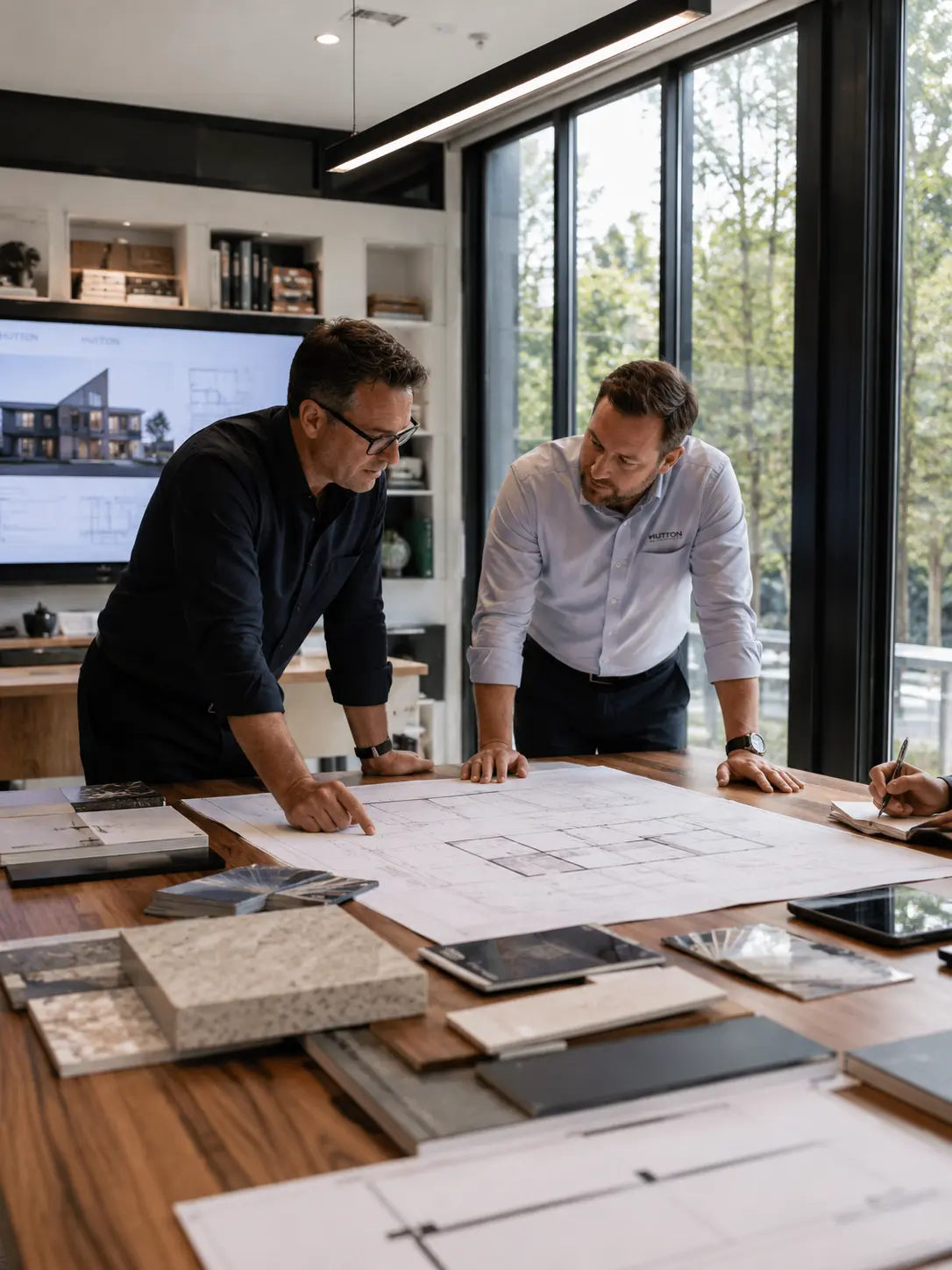
Here is how the model works, where it actually performs, and what to watch for before you commit.
What is design-build construction?
Design-build is a project delivery method that puts design and construction under a single contract with a single responsible party. You hire one firm, or one coordinated team, to handle both. They deliver the finished project.
In traditional construction, the client holds two separate contracts: one with the designer, such as an architect or engineer, and one with the contractor. The designer produces drawings and specifications. The contractor prices and builds from them. The client sits in the middle, managing the relationship between two parties who do not always agree.
Design-build collapses that structure. The designer and contractor are on the same team, usually from the same firm or a tightly integrated partnership. Design decisions happen alongside construction planning, not before it.
The single-contract difference
With separate contracts, each party protects their own position. The architect specifies what the building should be. The contractor prices what it will cost. When those two do not match, the client pays for the gap through change orders, delays, or redesign fees.
Under design-build, one entity absorbs both sides of that tension. If the design is unbuildable at budget, the team fixes it internally. The client’s exposure to that back-and-forth drops considerably.
What design-build is not
It is not just a general contractor who happens to offer design services. The design function has to be genuinely integrated, not bolted on. Some firms call themselves design-build while subcontracting design to a freelance drafter. That is not the model. Real design-build means the design leadership and construction leadership are solving problems together from the briefing stage.
Design-build vs traditional construction: what actually changes
The fundamental shift is sequencing. Traditional construction is linear: design finishes before construction starts. Design-build is parallel: construction planning begins while design is still developing.
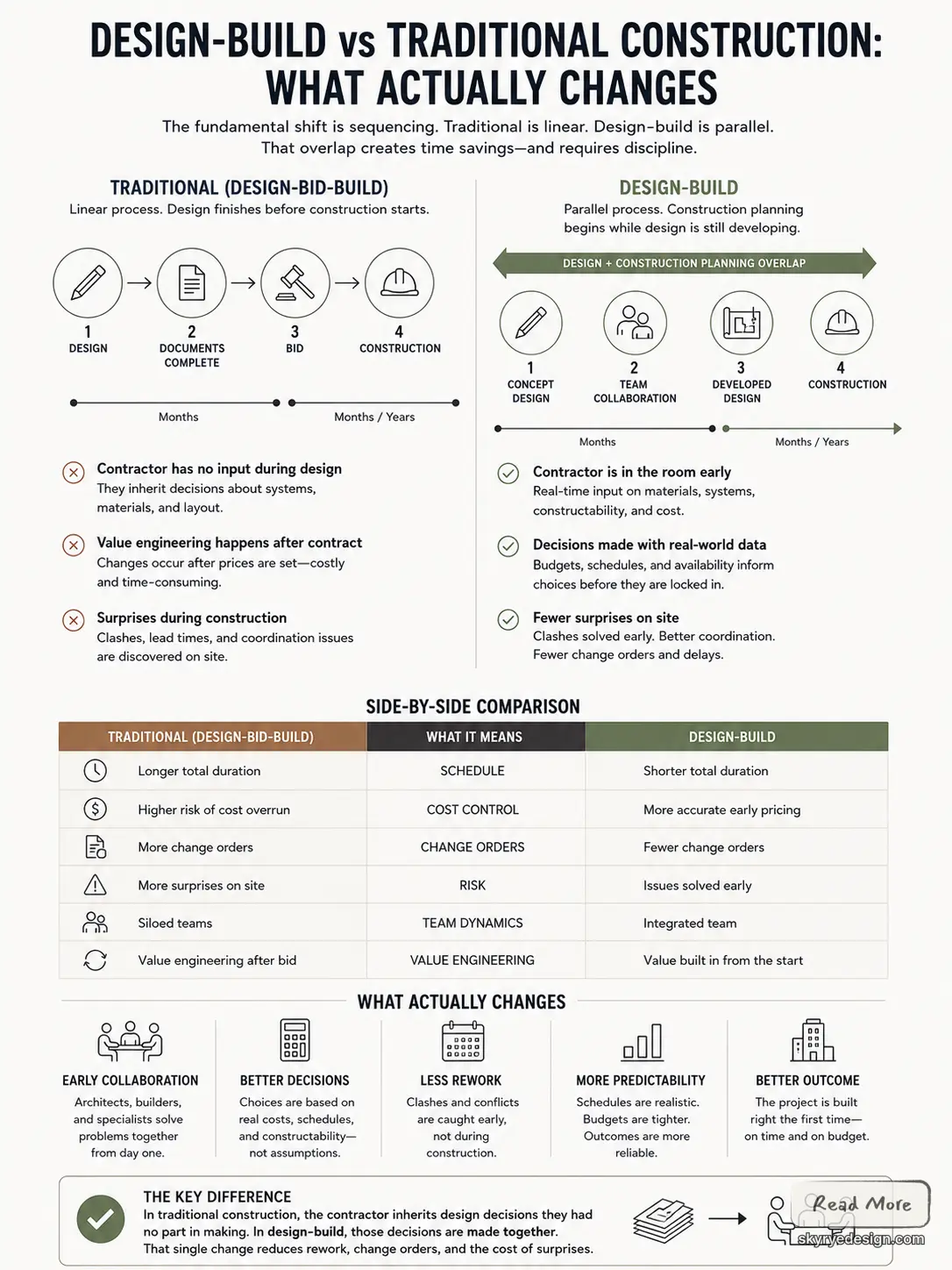
That overlap is where the time savings come from. And it is also where quality risks live if the team is not disciplined.
How traditional delivery works
In the traditional model, also called design-bid-build, the client commissions a full set of design documents before any contractor sees them. The project then goes out to competitive bid. Contractors price from the drawings. The lowest qualified bid usually wins.
The contractor who wins had no input during design. They inherit decisions about materials, systems, and spatial layout that may be technically correct but expensive, slow, or difficult to source. The result is value engineering conversations that happen after the contract is signed, which is the worst possible time to have them.
What design-build changes in practice
The contractor is in the room during design. When the architect proposes a particular cladding system, the construction team immediately flags whether it is available, how long it takes to install, and whether it fits the budget. That feedback loop compresses what would otherwise be months of post-bid negotiation into days of early-stage coordination.
The design also gets tested against real construction logic before it is committed to drawings. Clashes between structural elements and mechanical systems get caught in the planning phase rather than on site. Fewer surprises mid-build means fewer schedule hits.
Key difference: In traditional construction, the contractor inherits design decisions they had no part in making. In design-build, those decisions are made together. That single change reduces rework, change orders, and the cost of late-stage surprises.
Why design-build construction can move faster
Speed in design-build comes from three specific structural advantages: fewer hand-offs, earlier decision-making, and reduced rework.
Fewer hand-offs
Every time a project moves from one party to another, time is lost. The designer sends documents. The contractor reviews, questions, requests clarification. The designer responds. The cycle repeats dozens of times across a traditional project’s life.
Design-build does not eliminate coordination, but it keeps it internal. Decisions that would require formal correspondence between separate contracts get resolved in a team meeting. The administrative lag shrinks considerably.
Earlier decision-making
Earlier coordination also helps teams settle industrial coatings specification decisions before steel, concrete, and facade assemblies are already in the field.
In traditional construction, many decisions are deferred until there is no choice but to make them, often mid-build, when changing direction is expensive. Material lead times, subcontractor availability, and structural constraints that affect layout all surface late.
Design-build forces these conversations early, when they are still cheap to resolve. The construction team knows from week two that a particular curtain wall system has a 14-week lead time. The design team adjusts. No delay, no emergency premium.
Reduced rework
Rework is the real killer of construction schedules. Work done incorrectly and then redone does not just cost the rework hours. It delays everything behind it. When design and build are integrated, quality checkpoints happen earlier and more frequently. This is where well-implemented project management software Dubai becomes critical: tracking open issues in real time, flagging them before they become field problems, and keeping both design and construction milestones visible to everyone on the project.
Better visibility does not guarantee better outcomes, but it removes the excuse of not knowing. Teams operating with full schedule and issue transparency make fewer decisions based on incomplete information.
How design-build protects design quality
The common fear about design-build is that construction cost pressure wins every argument. Faster and cheaper, but the design gets compromised. That fear is legitimate. And it is avoidable if the team structure is right.
Buildability review during design
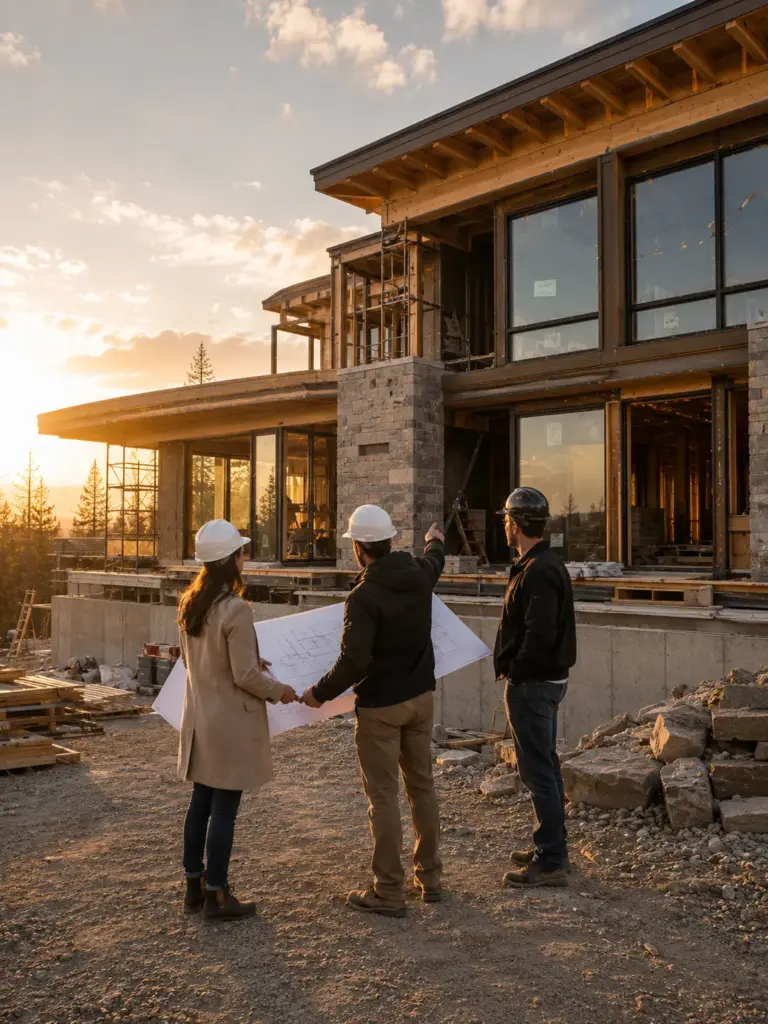
One of the clearest quality benefits of design-build is that materials and assemblies are reviewed for buildability before drawings are issued for construction. In a traditional project, the contractor discovers that a specified detail is difficult to execute on site and either builds it poorly or proposes a cheaper substitution.
In design-build, the construction team reviews those same details during design. If a connection detail is awkward to build, it gets redesigned before anyone touches the actual structure. The built result is closer to design intent, not a field approximation of it.
Material selection with full cost information
Architects designing in isolation from construction often specify materials without reliable cost data. By the time pricing comes in, the project is over budget and something has to change. Design-build integrates cost awareness into material selection from the start. The team knows what things cost as they choose them.
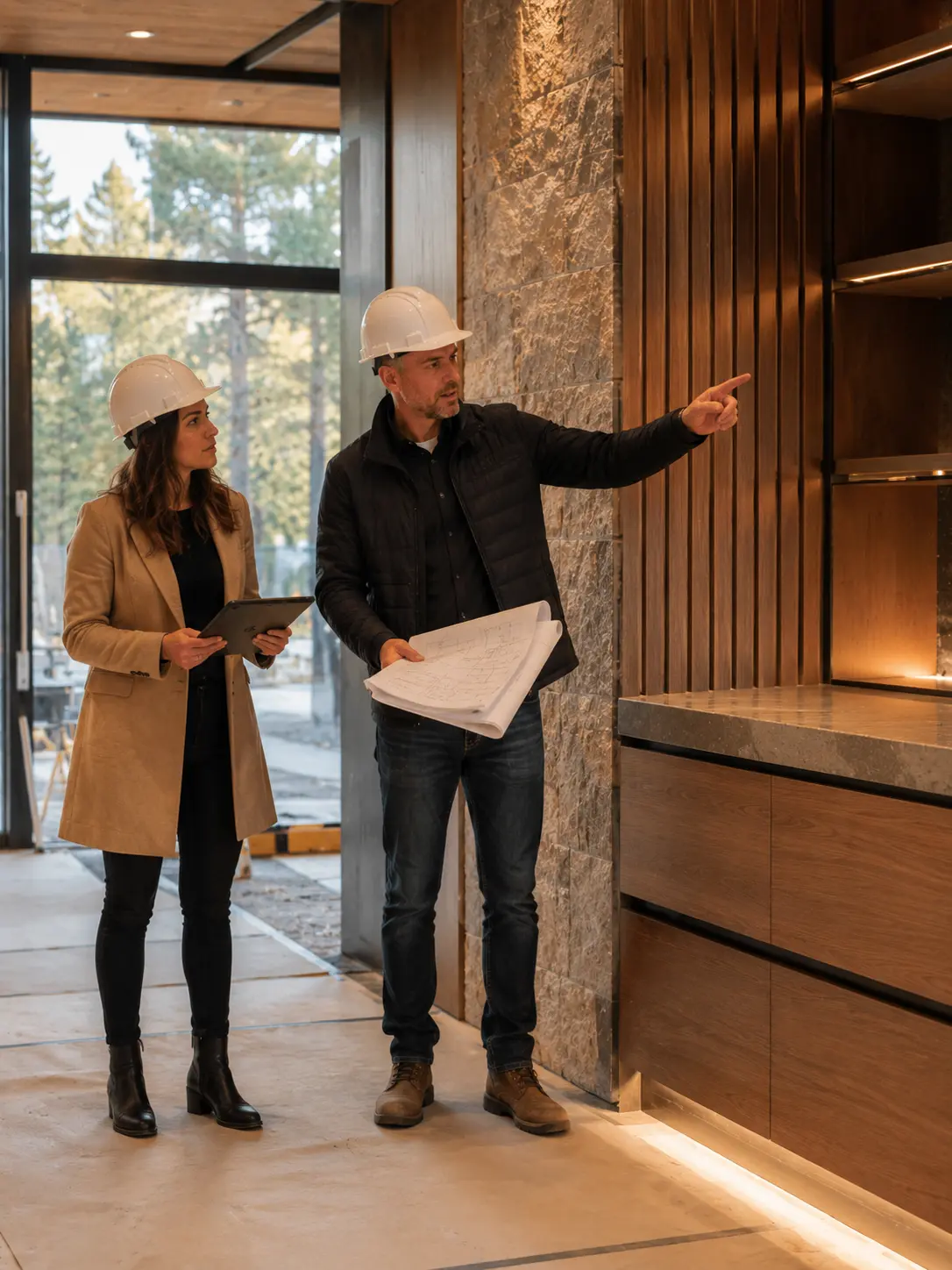
This does not mean every specification defaults to cheap. It means the design team makes informed trade-offs, spending more on the elements that matter most to the client and finding value elsewhere. That is a better approach than discovering budget problems after design is complete.
Fewer last-minute value engineering decisions
Value engineering is where design quality most often erodes. It happens when a project is over budget and the contractor and client start reviewing what can be substituted or removed.
Design-build does not eliminate budget pressure, but it front-loads the hard conversations. Teams that identify cost misalignments during design, rather than after contract execution, make changes when the impact is still manageable.
Quality note: Ask any design-build firm to show you a project where the budget was tight. How they handled that constraint tells you more about their design commitment than any portfolio image.

Where design-build works best
Design-build is not the right model for every project. It performs well in specific conditions.
Projects where the brief is clear but the timeline is tight
When a client knows what they want and needs it by a specific date, design-build removes the sequencing problem. The team can begin construction on completed portions of the project while other areas are still in design. A commercial interior fit-out, for example, might have core infrastructure underway while the design team is still finalizing the front-of-house.
Custom homes and residential renovations
Home clients often struggle to communicate their brief across two separate contracts. They tell the architect one thing and discover the contractor interpreted the drawings differently. Design-build keeps that brief in one place. The team that designs the kitchen is also the team that builds it, which tends to produce results that match what the client actually described.
Commercial interiors and institutional projects
Fast-track commercial interiors, including offices, retail, and hospitality, are a strong fit. These projects have fixed opening dates, complex coordination between trades, and design specifications that affect brand identity as much as function. Design-build keeps both under tight control.
- Renovations with fixed completion dates
- Custom residential projects where integrated design is a priority
- Commercial fit-outs with brand-specific design requirements
- Institutional projects with complex multi-trade coordination
- Any project where late-stage design changes would be particularly expensive
Where design-build goes wrong
The model has real failure modes. They are worth knowing before you sign anything.
Vague scope at the start
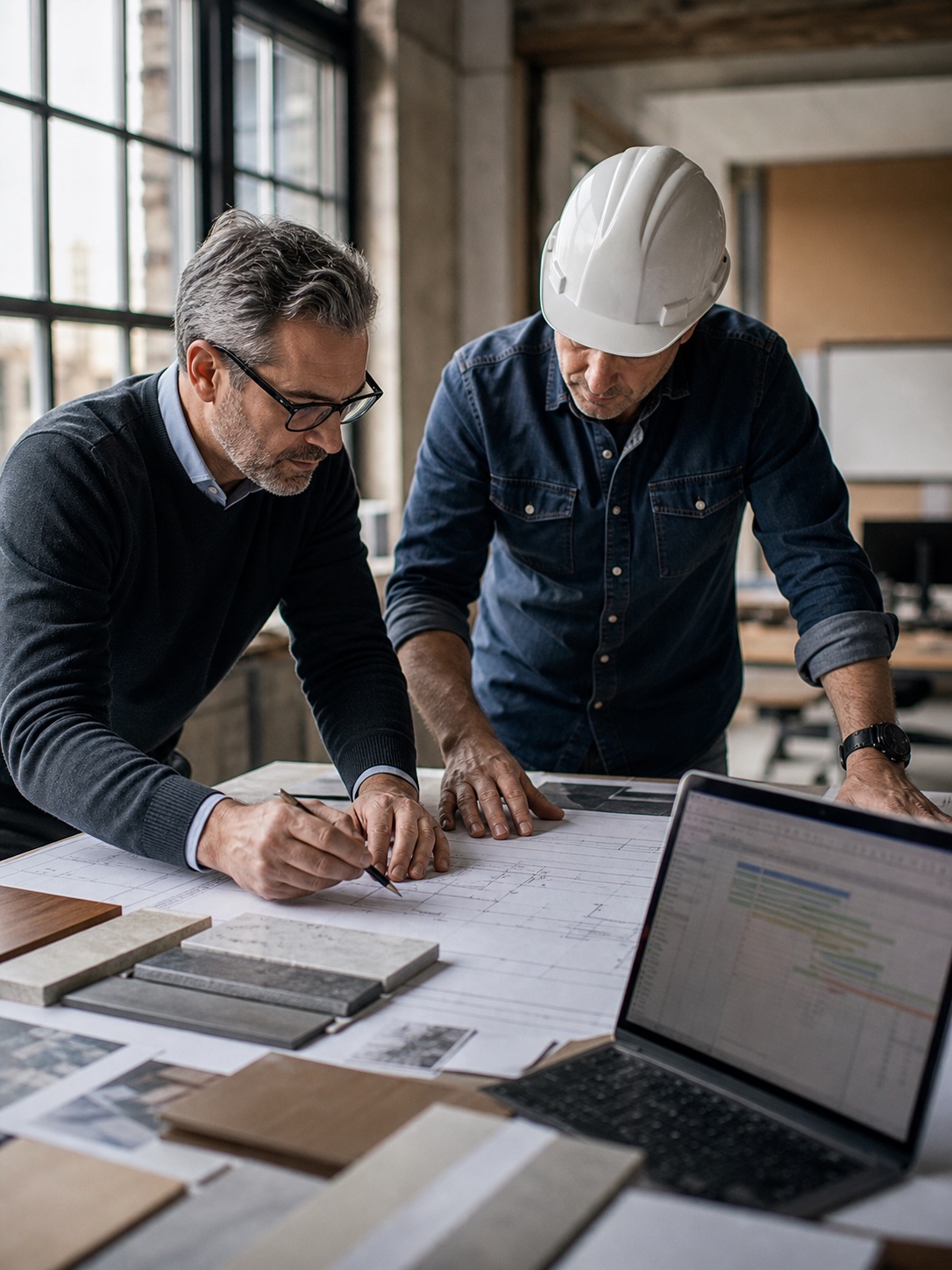
Design-build moves fast because decisions get made early. If the brief is unclear when the project kicks off, those early decisions are wrong ones. Changes accumulate. The integrated team that was supposed to eliminate rework ends up doing more of it than a traditional project would have.
Before committing to design-build, the client needs to do the hard work of clarifying their program: what spaces are needed, what the quality level is, and what the non-negotiables are. A good firm will push for this clarity before starting. A less experienced one will start anyway and bill for every subsequent change.
Weak design leadership
In some design-build organizations, construction revenue drives all decisions. The design team exists to produce drawings that satisfy planning and code compliance, not to advocate for architectural quality. When cost pressure comes, and it always does, there is no strong design voice to hold the line.
Having the contractor and architect on the same page is especially vital when executing specialized features like Trombe walls or advanced passive solar design principles.
This is the most common version of design-build failure. The result is a building delivered on time and on budget, but looking and feeling like a cost-optimized version of the original concept. Clients who care about design quality need to verify that the firm’s design leadership has genuine authority, not just a title.
Poor material specification management
Speed gains become quality losses when material specifications are not locked down early. If the design phase leaves too many materials as “to be determined,” the construction team fills those gaps with whatever is cheapest and available. This is particularly damaging for finishes, fixtures, and anything with long lead times.
Warning sign: If a design-build firm cannot give you a clear answer about who makes the final call when design preference conflicts with construction cost, that ambiguity always resolves against the design.
What to ask before choosing a design-build firm
The right questions tell you more than any sales pitch. Ask these directly, and watch how the firm responds.
Can I see completed projects similar to mine?
Portfolio images tell half the story. Ask to visit a completed project, or at minimum speak with a past client. Design intent is easy to show in a rendering. Whether that intent survived contact with budget pressure and construction reality is only visible in the finished building.
Who controls design decisions when cost and aesthetics conflict?
You want a clear answer, ideally a named person or defined process. If the answer is vague, press harder. Collaboration is fine, but someone has to be accountable when a specification needs to be cut.
How are changes priced once construction starts?
Change orders are where integrated contracts can work against clients. Because there is one party responsible for everything, they also control pricing for every change. Ask to see a sample change order from a past project. A firm that is reluctant to answer this clearly may price changes aggressively.
What quality checkpoints are built into the contract?
Inspections, sign-off milestones, and quality hold points should be documented in the contract, not left to the team’s discretion. Ask which phases require formal quality review, who conducts them, and what happens if a checkpoint identifies a problem. The answer tells you how seriously the firm takes quality assurance as a process, not a promise.
- Ask to visit a completed project, not just see photos
- Get a clear answer on who holds design authority
- Review change order pricing before signing
- Confirm quality checkpoints are contractually defined
- Ask whether the design team stays involved through construction or hands off after drawings
The Zaha Hadid architectural legacy is a useful case study for design-build thinking because ambitious forms only work when concept, engineering, and delivery stay connected.
Frequently asked questions
What is design-build construction?
Design-build is a project delivery method where one company or team handles both design and construction under a single contract. Instead of hiring a separate architect and contractor, the client works with one entity from start to finish. This reduces communication gaps, speeds up decisions, and keeps the project moving without waiting for separate parties to agree.
How is design-build different from traditional construction?
Traditional construction separates design from build. You hire an architect, wait for complete drawings, then go out to bid. Contractors come in after design decisions are made, often with no input on buildability or cost. Design-build runs these phases simultaneously. The builder is involved during design, catching problems earlier and reducing expensive surprises.
Is design-build faster than traditional construction?
Usually, but it depends on the project. Design-build removes the sequential hand-off between designer and contractor, which can cut weeks or months from the timeline. On complex projects, overlapping design and build phases can reduce total delivery time by 20 to 30 percent compared to traditional delivery. That advantage disappears if the brief is unclear at the start.
What are the risks of design-build construction?
The biggest risks come from vague scope and weak design leadership. If the project brief is unclear when work begins, changes accumulate fast and costs escalate. In some firms, construction cost targets override design quality decisions. Clients should ask upfront who controls design decisions and how change orders are priced.
Where does design-build work best?
Design-build suits projects where speed, coordination, and design quality all matter: custom home renovations, commercial interior fit-outs, and institutional projects with tight deadlines. It works especially well when the client wants an integrated look and feel and does not want to manage a separate architect and contractor relationship.
What should homeowners ask before choosing a design-build firm?
Ask to see a portfolio of completed projects similar to yours. Find out who makes design decisions when budget and aesthetic preferences conflict. Ask how changes are priced once construction starts, and whether quality checkpoints are contractually defined. A good firm answers all of these questions clearly.
One team, one contract, one set of problems to solve
Design-build construction is not a shortcut. It is a structural change in how responsibility is organized. When it works, with an integrated team, clear brief, and strong design leadership, it genuinely delivers projects faster without compromising what the design was trying to achieve.
When it does not work, it is usually because someone used the model’s speed advantages to avoid the hard conversations that should happen before a contract is signed. Vague scope, unresolved authority questions, and optimistic budget assumptions do not disappear under one contract. They surface later, with less room to resolve them.
The decision to go design-build should come after you have clarified your brief, verified the firm’s design credentials, and understood exactly how changes will be handled. Done right, it is the fastest path from a clear idea to a finished building. Done wrong, it is just a faster way to get a building you did not want.
Design-build teams can also use drone construction monitoring for landscape projects to compare site progress with drawings and client expectations.
- 211shares
- Facebook0
- Pinterest211
- Twitter0
- Reddit0