I spent a stretch of my career on the first Ukrainian electric car concept, and one lesson from that project never left me: a finish is never just a finish. Every coating on that car body had a job, UV stability, stone-chip resistance, corrosion protection at the seams, and the paint that looked the best in the studio wasn’t automatically the paint that survived the road.
- What an industrial coating actually is
- Reading the chemistry before you spec anything
- The duplex system, and why one coat never wins
- Surface preparation: the unglamorous variable that decides everything
- Where these systems actually show up
- Industrial coatings in modern architecture
- Corrosion as a design failure, not a maintenance line item
- Specifying the right system for the environment
- Final thought
- FAQ
- What's the difference between industrial coatings and regular paint?
- Why do industrial coating systems use multiple layers instead of one?
- How important is surface preparation compared to the coating product itself?
- What does SSPC-SP10/NACE No. 2 mean in a coating specification?
- Are epoxy coatings suitable for outdoor exposure?
- How does industrial coating failure typically show up first?
- What industries rely most heavily on specified industrial coating systems?
- How often do industrial coating systems need to be reapplied?
I think about industrial coatings the same way now that I work on architecture and structural specifications. Paint on a warehouse beam or a storage tank shell isn’t decoration. It’s armor, engineered down to the polymer chemistry, and treating it as an afterthought is one of the more expensive mistakes a design team can make.
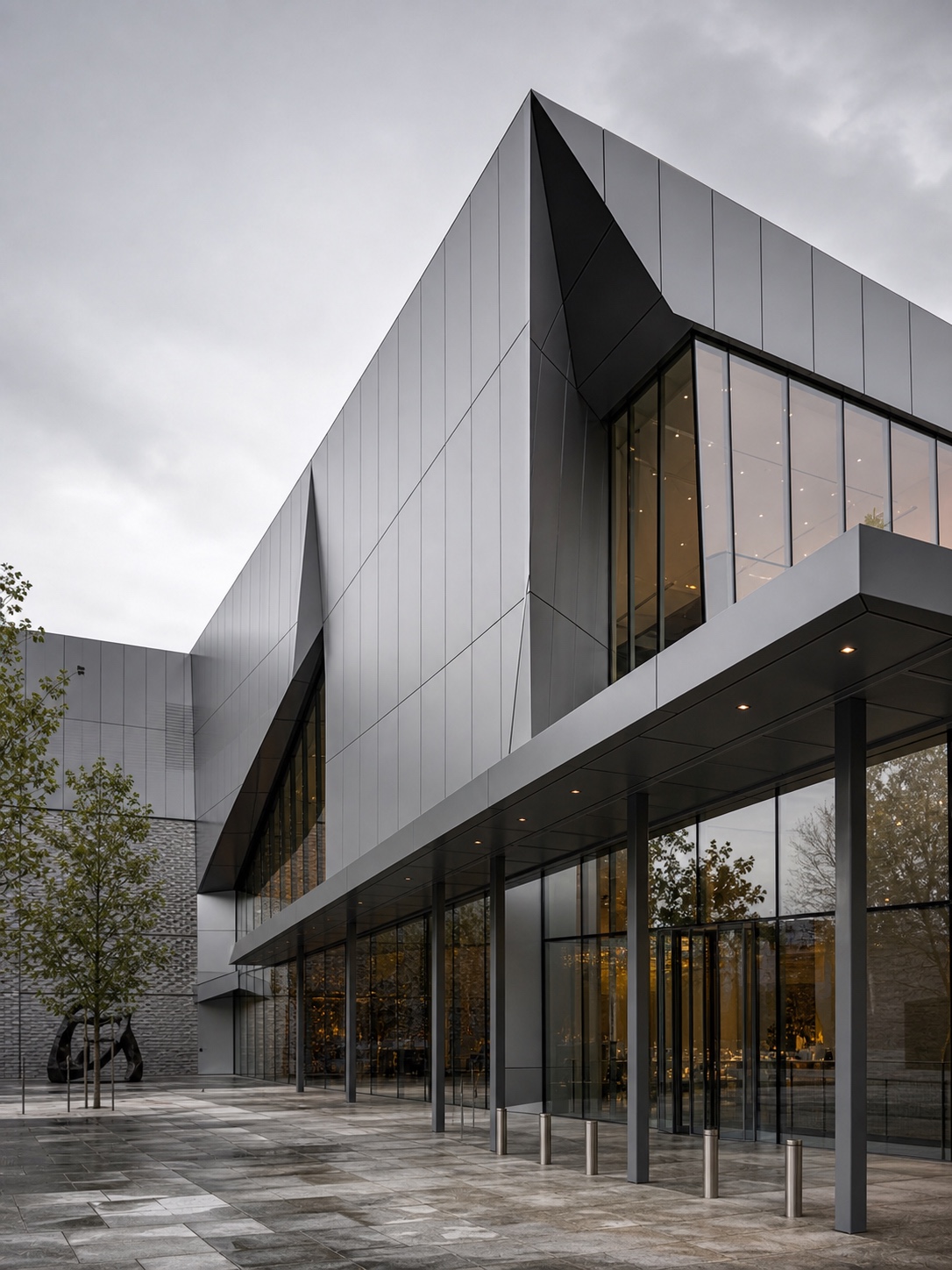
That habit of reading a finish as a system rather than a single layer carries over directly from automotive work, where a clear coat, base coat, and e-coat primer each do a distinct job nobody notices until one of them fails. Architecture asks the same question at a much larger scale: what is this surface actually being asked to survive, and does the specification on paper match that reality.
What an industrial coating actually is
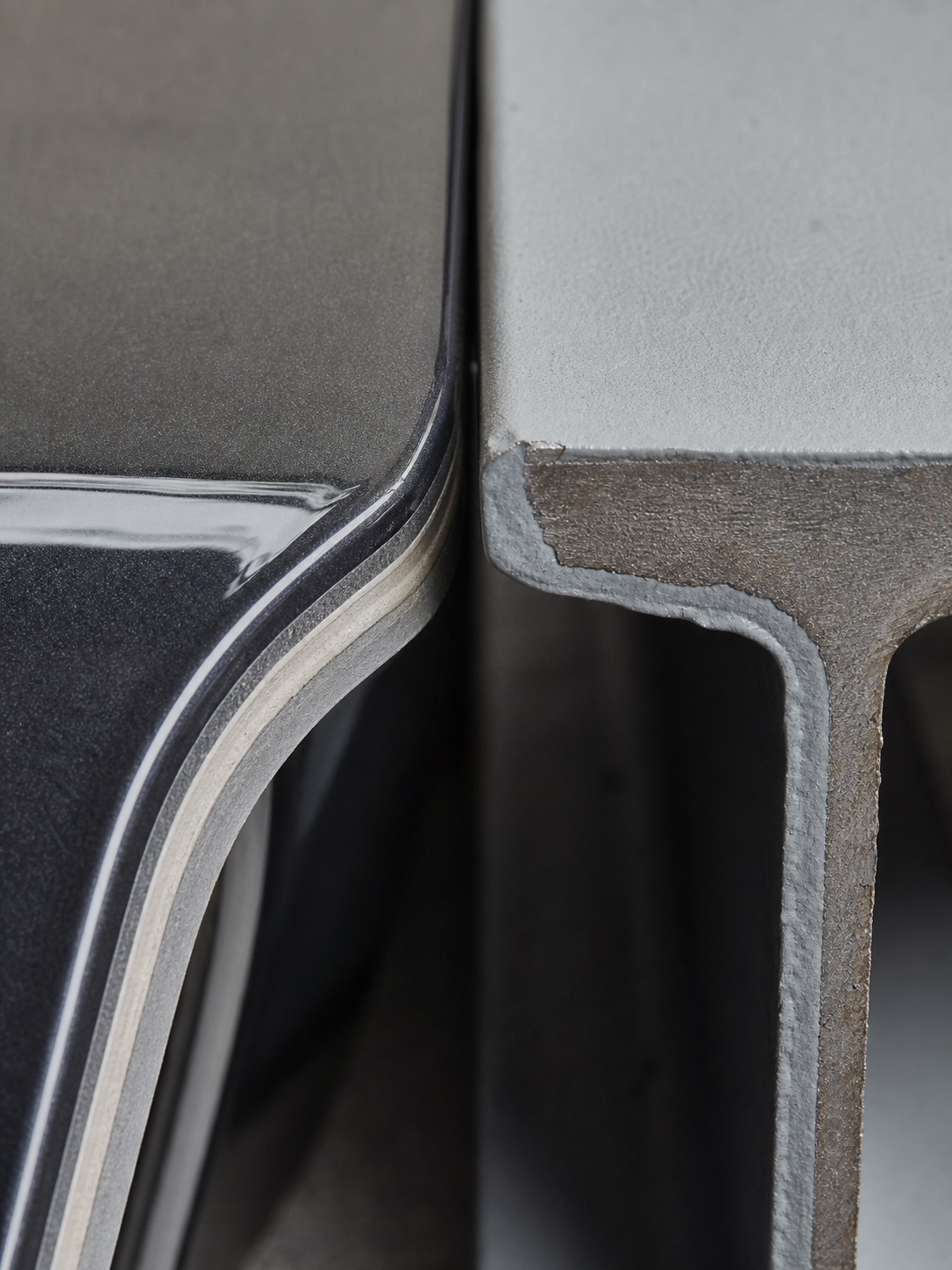
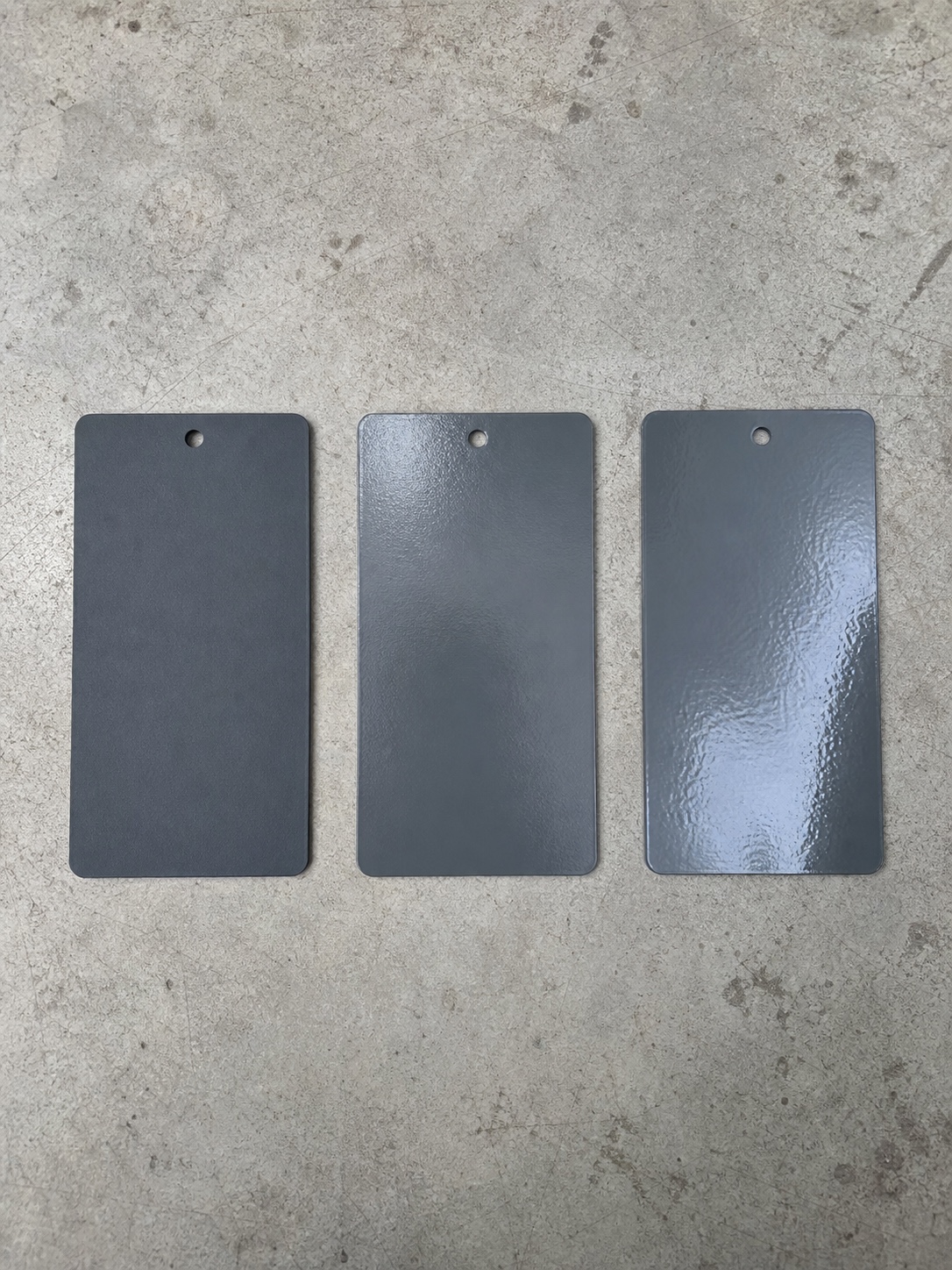
Standard commercial paint and an industrial coating share almost nothing beyond the fact that both come out of a sprayer. A commercial finish is built to look good and resist light wear indoors. An industrial coating is an engineered protective system, built with specific polymer chemistry to resist corrosion, chemical exposure, abrasion, moisture, and thermal stress on structural steel, concrete, and equipment that lives in genuinely hostile conditions.
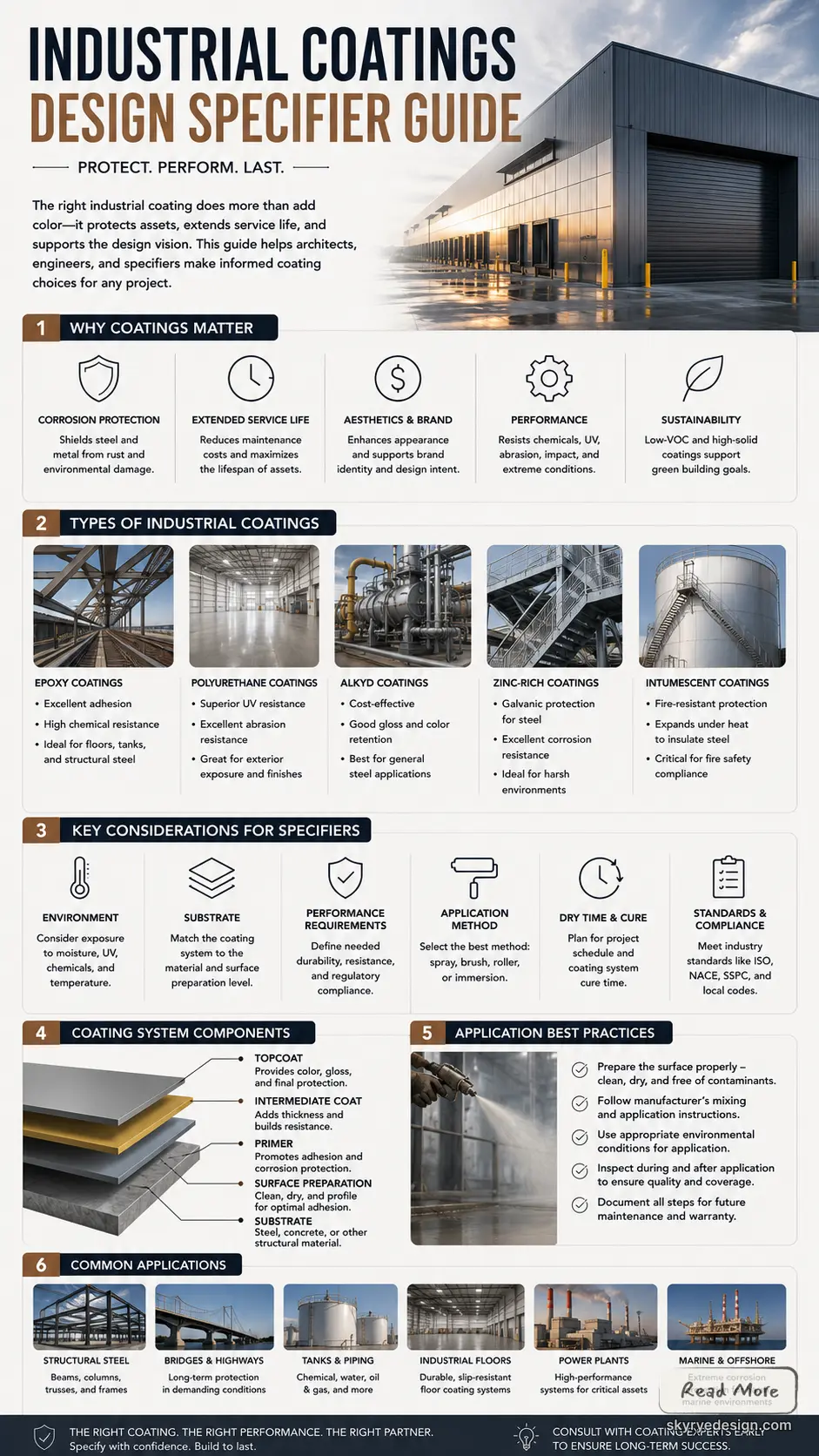
The polymers doing the work, epoxies, polyurethanes, and fluoropolymers, each bring a different mechanical profile to the table. Epoxies build a dense, high-build barrier with excellent adhesion and chemical resistance, which is exactly why they show up so often on structural steel framing and heavy-wear concrete subfloors. Polyurethanes trade some of that chemical resistance for UV stability, gloss retention, and flexibility under stress, which makes them the topcoat of choice when a surface sits in direct sunlight. Fluoropolymers sit at the premium end, used where decades of color retention and weathering resistance justify the cost, think exterior architectural panels meant to look unchanged after twenty years of sun exposure.
I’d add a fourth category architects run into less often but should know exists: specialty formulations layered on top of the base chemistry for a specific functional need, anti-microbial additives for food processing environments, non-slip aggregate blended into floor topcoats for high-traffic safety zones, high-temperature silicone or modified epoxy systems for mechanical piping running well above ambient temperature. The base polymer family sets the structural performance; the additive package solves the one problem the base chemistry alone can’t.
Reading the chemistry before you spec anything
This is where I think most architecture-adjacent coverage of industrial coatings stays too shallow. Writers list the three polymer families and move on, without explaining why a specifier would choose one over another for a specific application.
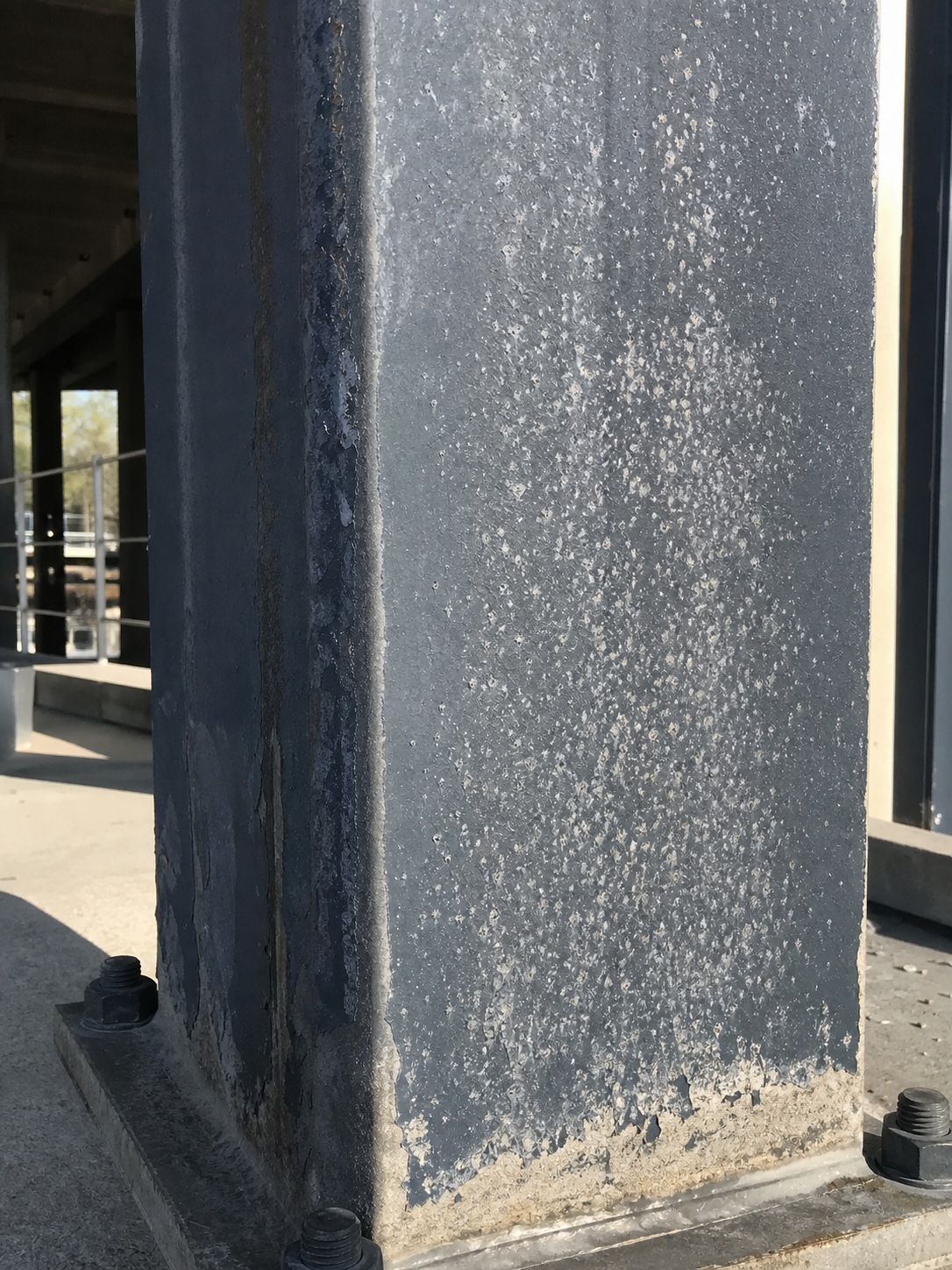
Epoxy is the workhorse for buried or shaded steel and for concrete that needs serious chemical resistance, tank linings, secondary containment, processing floors exposed to acids or solvents. The tradeoff is UV sensitivity: leave a straight epoxy coat exposed to direct sun and it chalks, fading and losing surface integrity within a couple of seasons. I’ve seen this firsthand on a warehouse renovation where the original spec called for epoxy on exterior steel columns, and within eighteen months the chalking was visible from across the lot. Nobody had budgeted for a UV-stable topcoat, and the fix cost more than doing it correctly the first time would have.
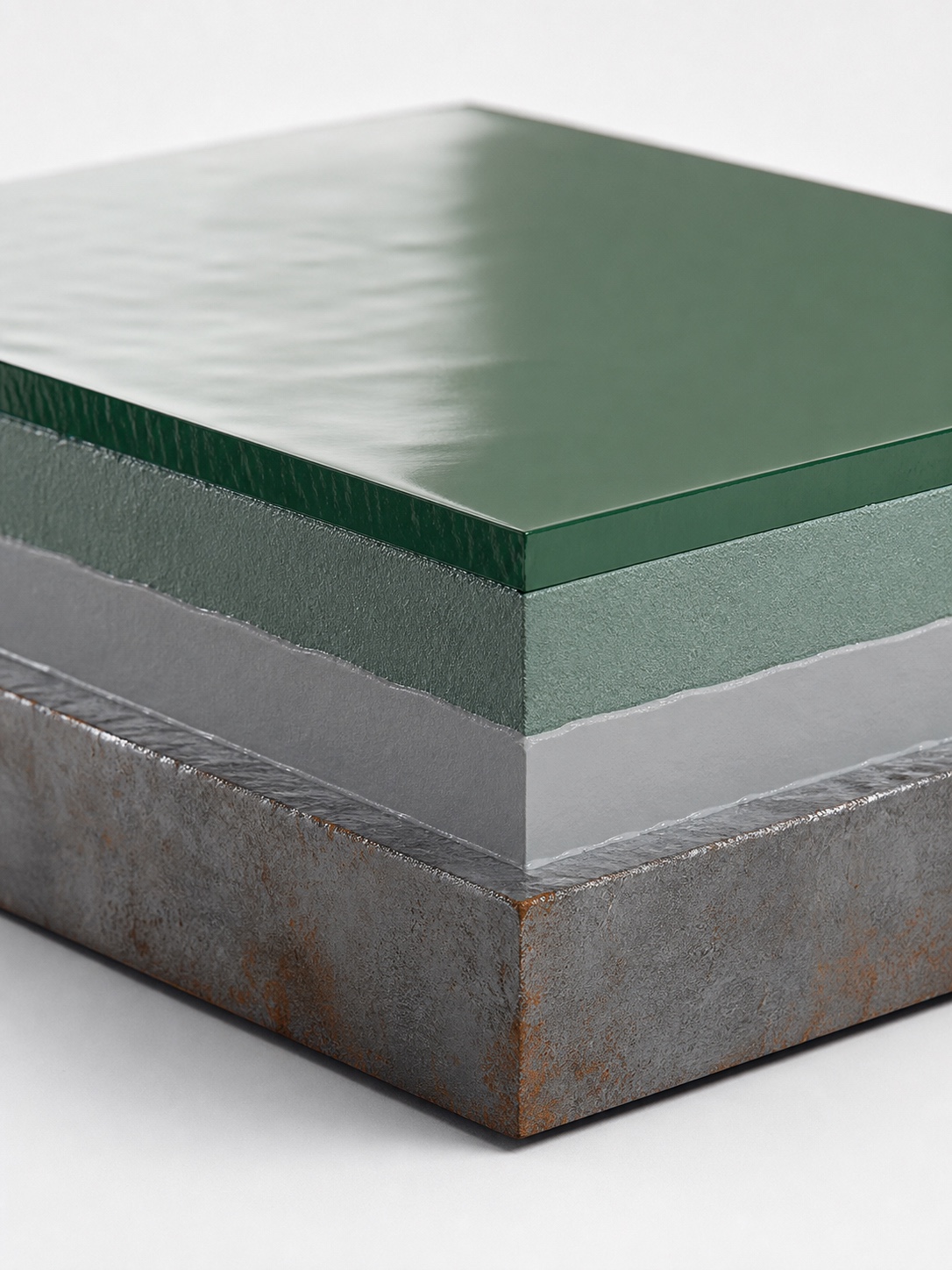
Polyurethane solves exactly that weakness. As a topcoat over an epoxy primer, it locks in UV resistance and gloss retention while letting the epoxy underneath handle the heavy chemical and corrosion-resistance work it’s actually good at. This is the duplex logic that runs through almost every well-specified industrial coating system: no single polymer does everything well, so you layer materials the way a structural engineer layers a composite panel, each layer doing the one job it’s actually suited for.
The duplex system, and why one coat never wins
I keep coming back to a comparison from product design: a single-material part is almost always a compromise, while a layered assembly lets each material contribute its strongest property without inheriting its weaknesses. A protective coating system works exactly the same way.
A typical duplex system on exposed structural steel pairs an epoxy primer (corrosion resistance, adhesion to the cleaned substrate) with an aliphatic polyurethane topcoat (UV resistance, color retention, flexibility). Add a third layer for genuinely punishing environments, an intermediate coat for film build and impact resistance, and you get the three-tier logic that governs heavy industrial specifications: primer for adhesion and corrosion resistance, intermediate coat for thickness and impact tolerance, topcoat for UV stability and the final environmental barrier.
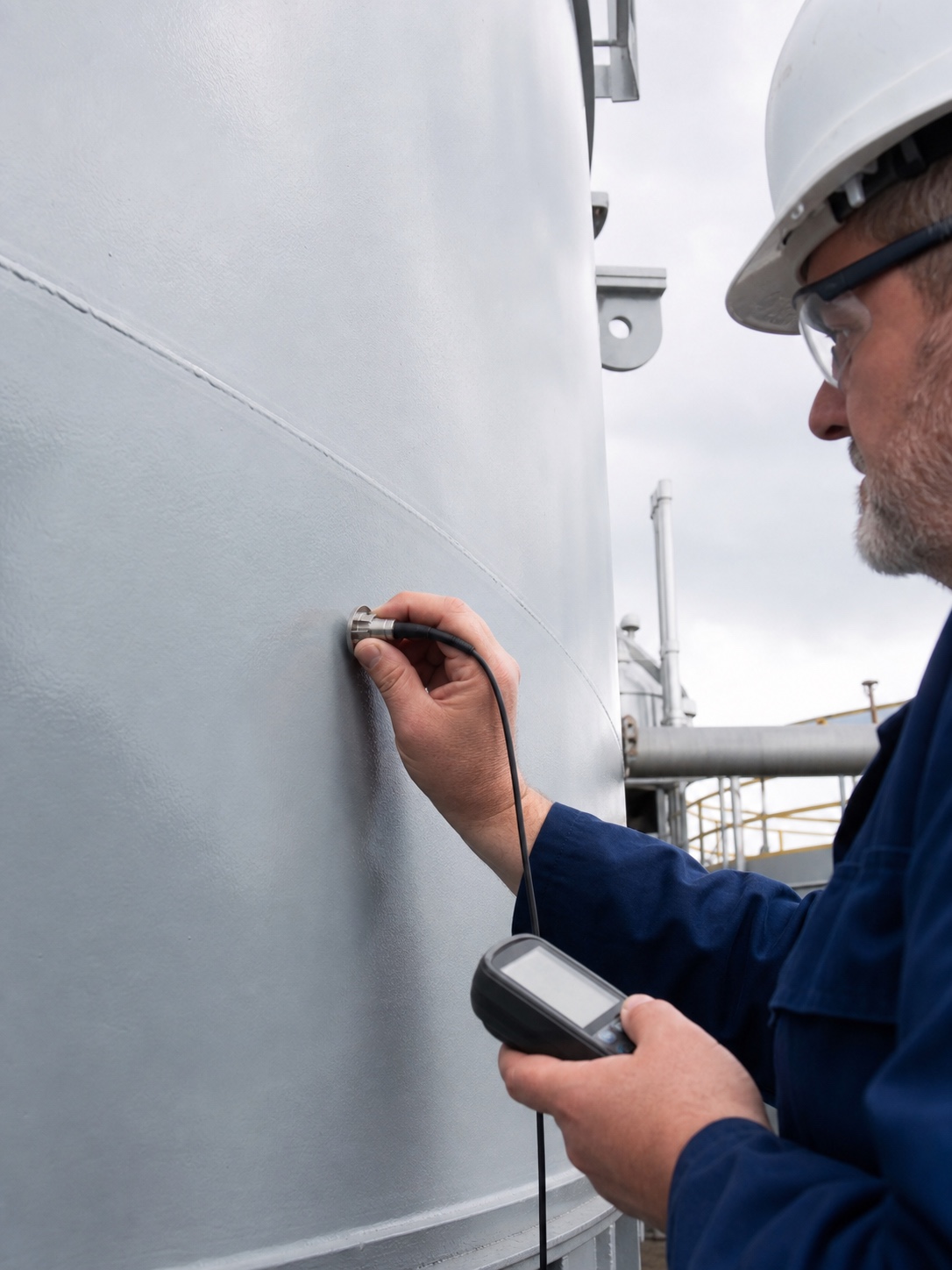
I’d push specifiers to think about film thickness the way I’d think about gauge in sheet metal: there’s a minimum below which the system simply can’t do its job, regardless of how good the chemistry is on paper. Skimping on dry film thickness to save material cost is one of the most common ways an otherwise correctly specified system underperforms in the field.
Surface preparation: the unglamorous variable that decides everything
Here’s the part nobody wants to budget extra time for, and it’s the single biggest predictor of whether a coating system actually lasts. An industrial coating bonds to a substrate the way any adhesive bonds, mechanically and chemically, and that bond is only as good as the surface underneath it.
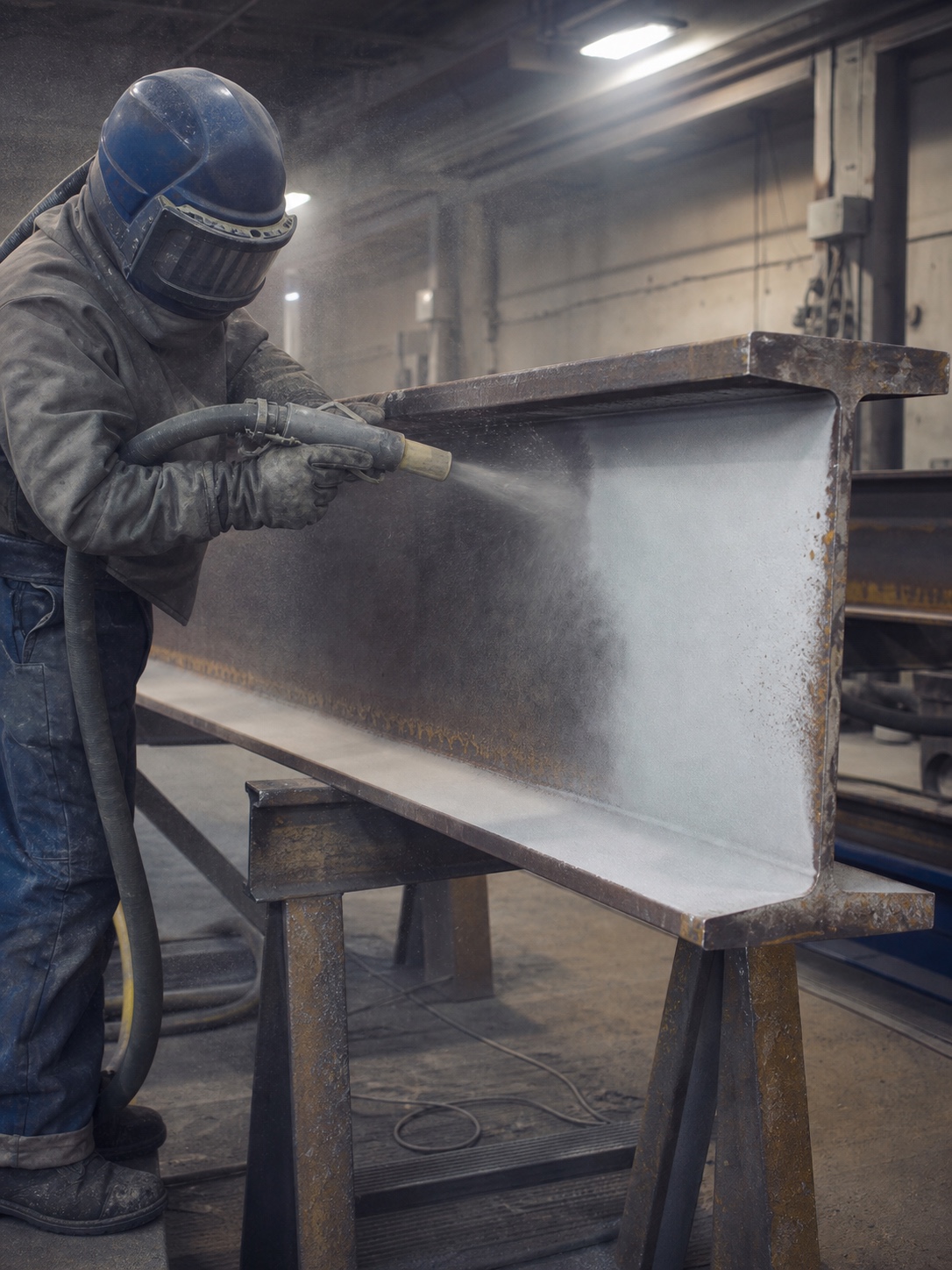
For structural steel, preparation typically means abrasive blasting to a specific cleanliness grade, governed by standards maintained by AMPP (the merged successor to SSPC and NACE International). SSPC-SP10/NACE No. 2, near-white metal blast cleaning, limits residual staining to no more than 5 percent of the surface area and is the workhorse standard for severe corrosion environments. A lighter brush-off blast under SSPC-SP7 might be appropriate for a shop primer ahead of further fabrication, but using that lighter grade where a near-white standard was actually required is a quiet, common way coating systems fail years ahead of schedule.
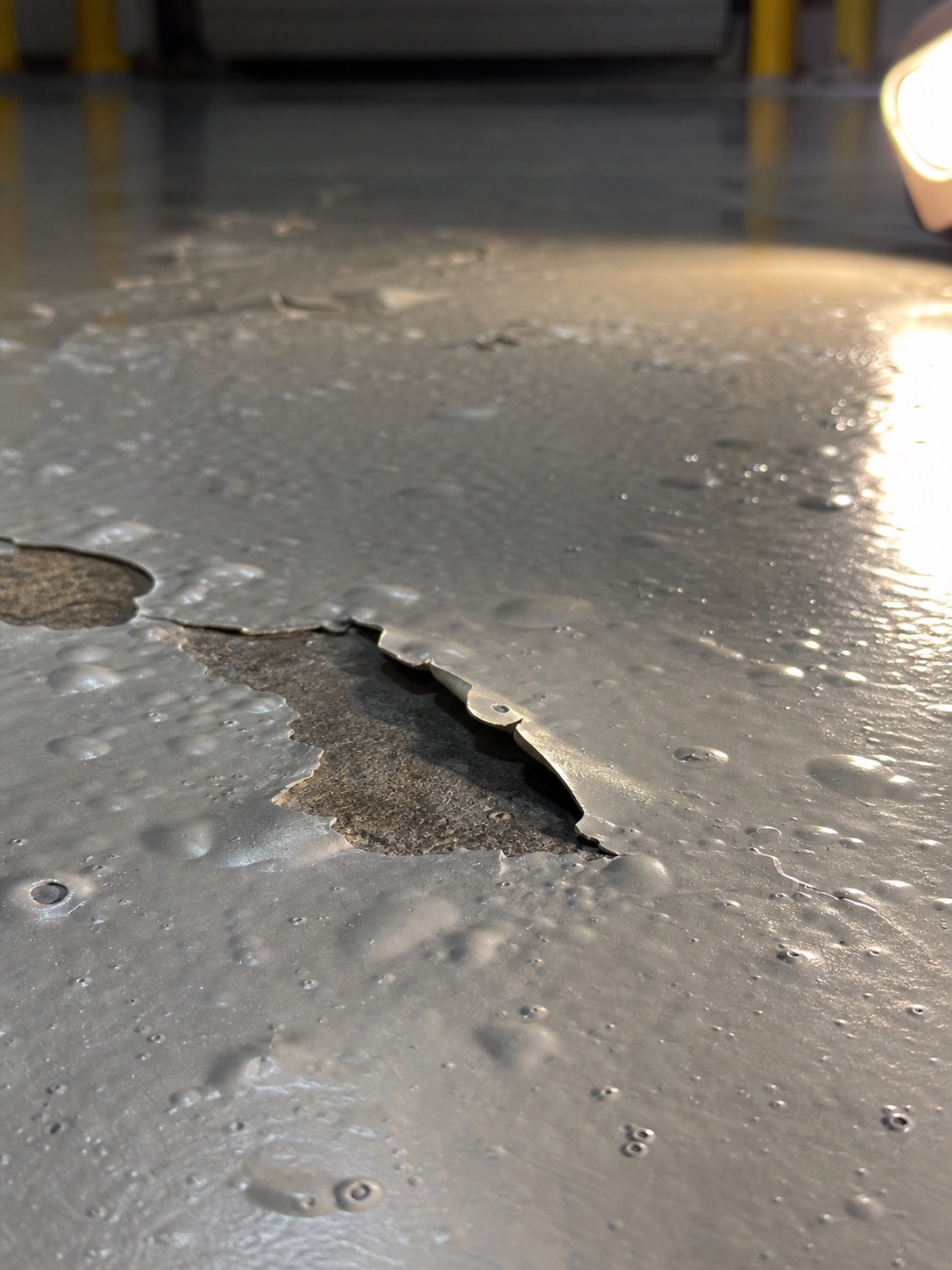
Concrete brings its own set of problems entirely separate from steel: moisture vapor transmission pushing up from below, surface laitance, oil or chemical contamination baked into the top few millimeters. Mechanical grinding, shot blasting, or scarification opens up the surface enough for a coating to actually key into the substrate instead of sitting on top of it like a sticker.
Moisture vapor transmission deserves its own callout because it’s the failure mode I see specifiers underestimate most often. A concrete slab can look bone-dry on the surface and still be pushing enough vapor up from below to blister an epoxy coating from underneath within months. Testing for vapor transmission before specification, not after the first blister shows up, is the kind of unglamorous due diligence that saves a full floor replacement down the line.
I’ve watched coating failures get blamed on the product itself when the real cause was sitting one step earlier in the process. A perfectly engineered epoxy system applied over inadequately prepared steel will fail just as fast as a cheap one. The chemistry only gets credit for what the surface preparation made possible.
Where these systems actually show up
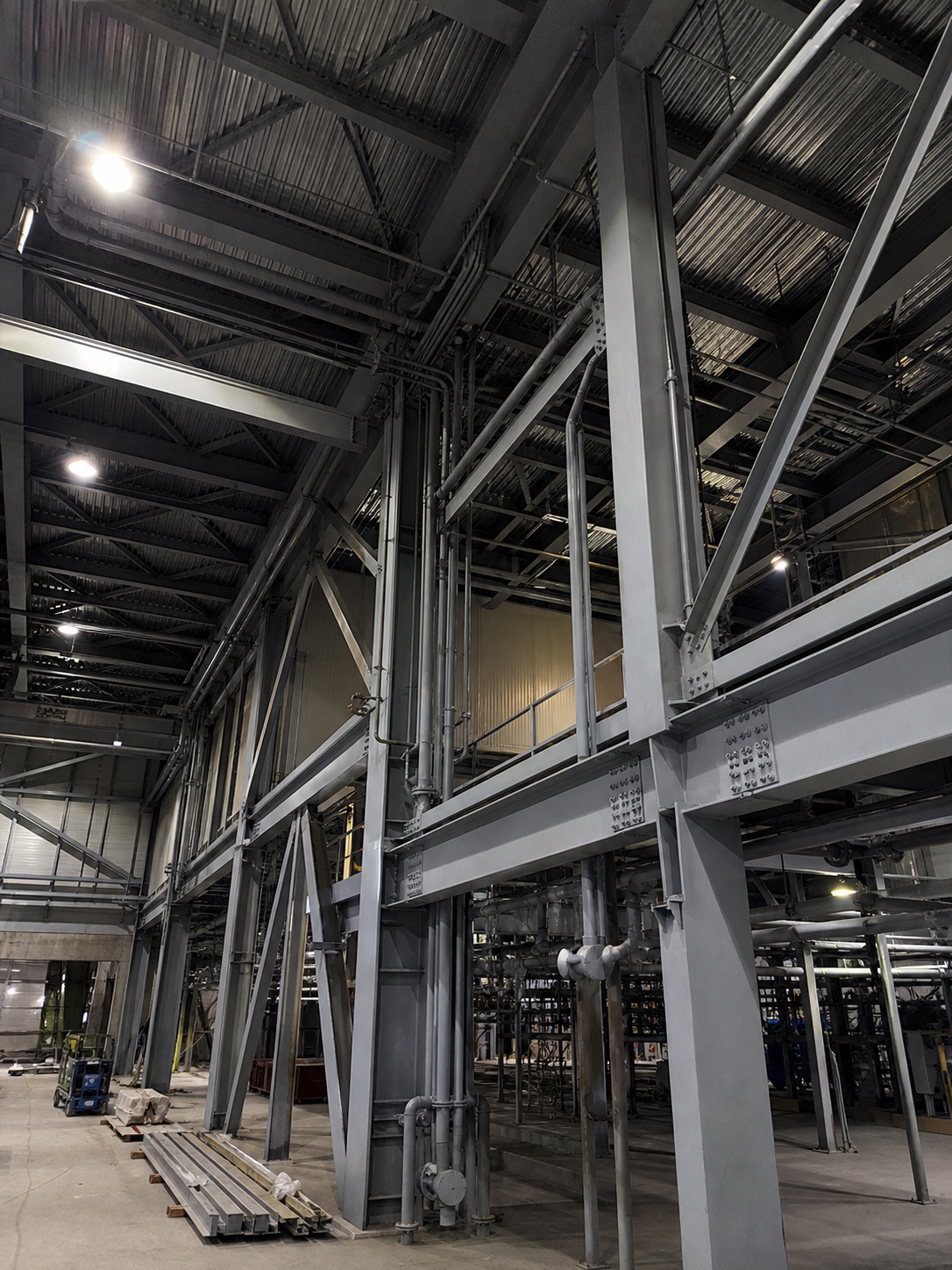
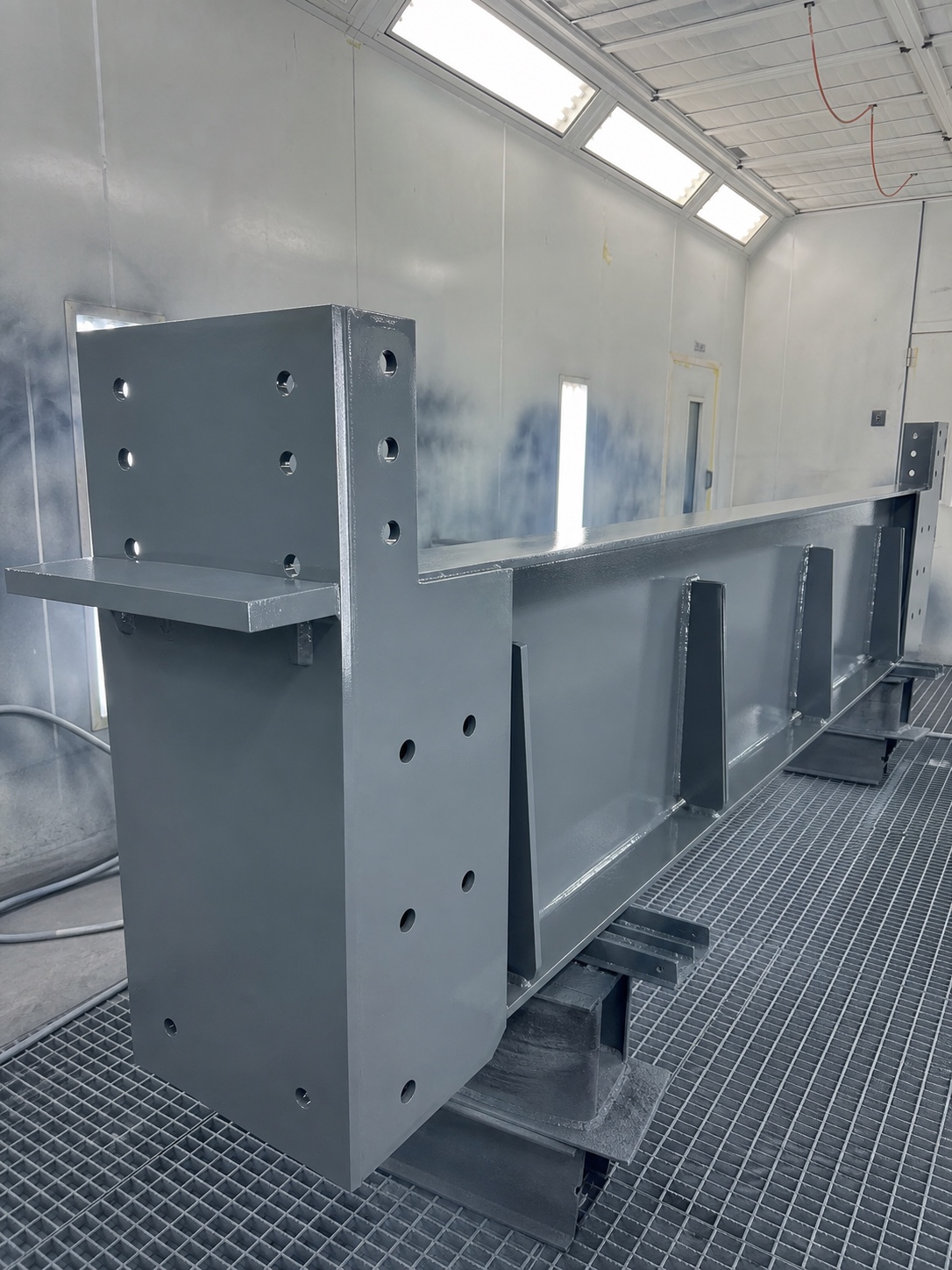
Most of what counts as an industrial coating lives in places nobody photographs for a portfolio: structural steel framing and exposed connections, manufacturing and processing equipment, storage tanks and containment systems, interior piping and exterior pipelines, warehouse floors under constant forklift traffic, and the concrete decks of distribution centers running three shifts a day.
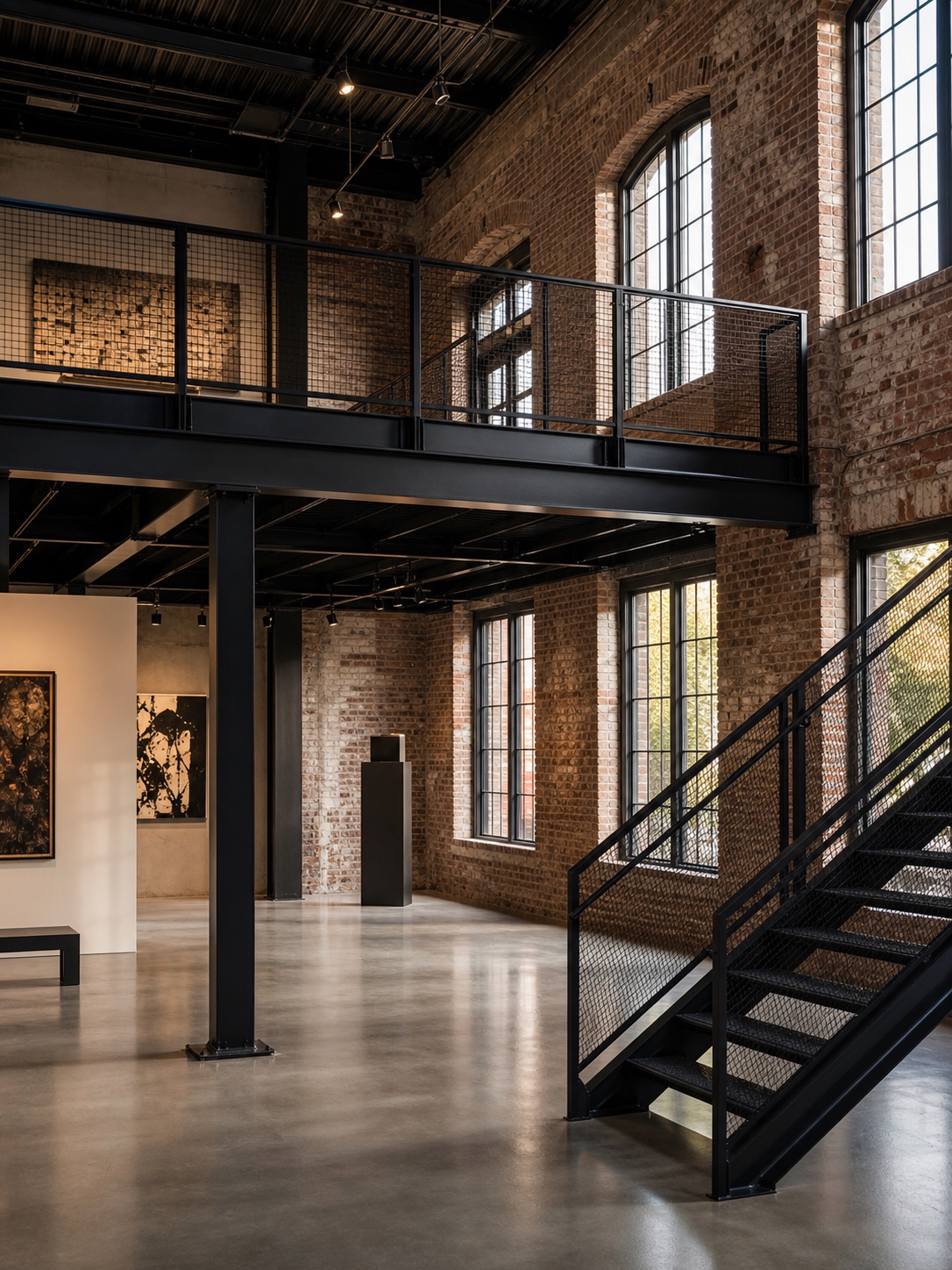
That’s also where the specification work actually matters most. When I’m evaluating an industrial coating system for an exposed steel frame, I treat the decision the same way I’d treat a structural connection detail, as a load-bearing part of the building’s long-term performance, not a finishing touch added after the engineering is done. Manufacturers like HIS Paint build their systems around exactly this logic, formulating chemistry for the specific exposure (chemical, UV, abrasion, thermal) rather than selling a single universal product.
It’s worth noting how rarely these specifications get revisited once a building is occupied. A coating system gets selected during construction, often under budget pressure, and then sits unreviewed for a decade unless something visibly fails. Facility managers who build a recoating schedule into their capital planning from day one, rather than reacting to visible corrosion, consistently spend less over a building’s lifetime than those who treat coating maintenance as a surprise expense.
Industrial coatings in modern architecture
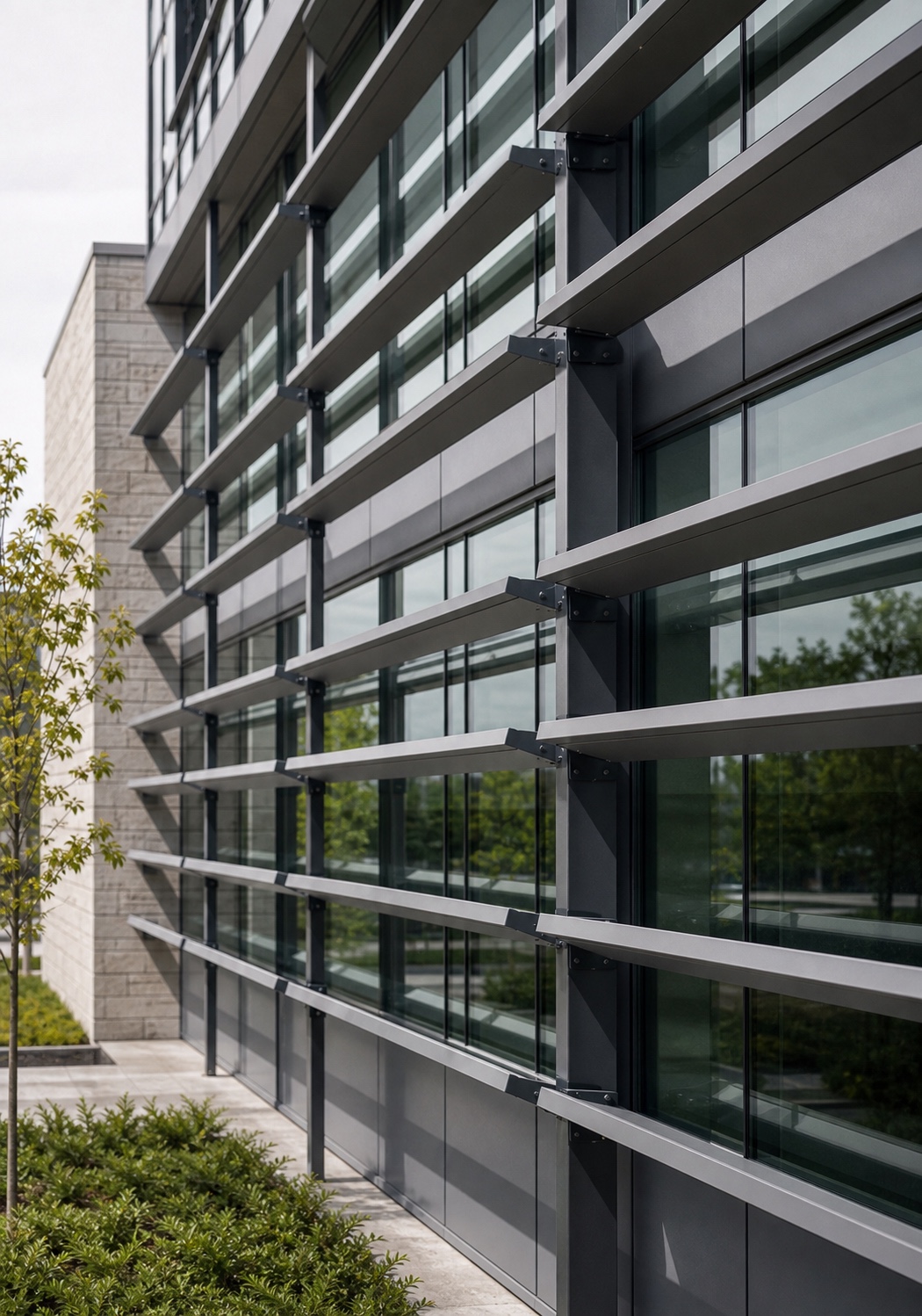
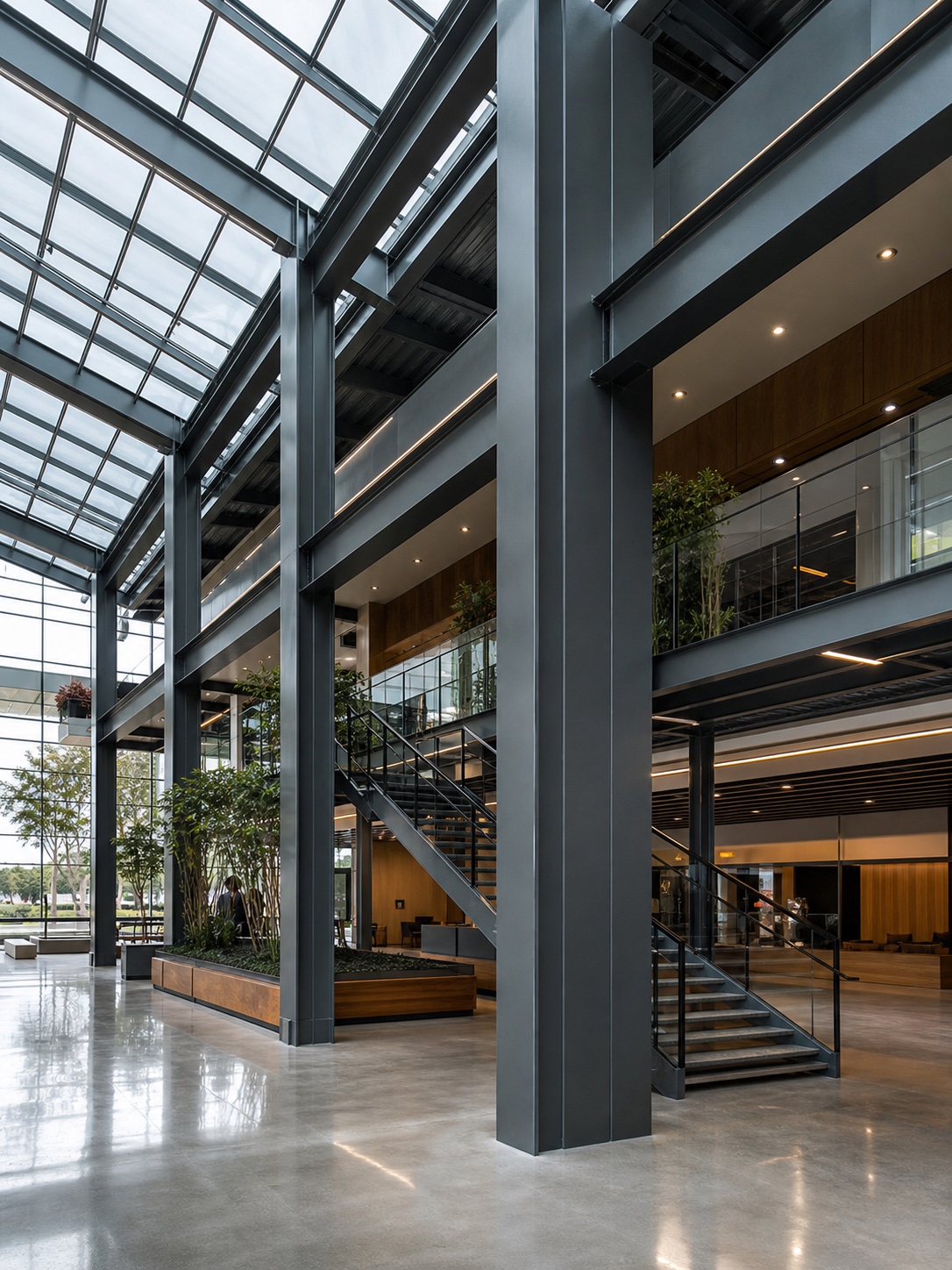
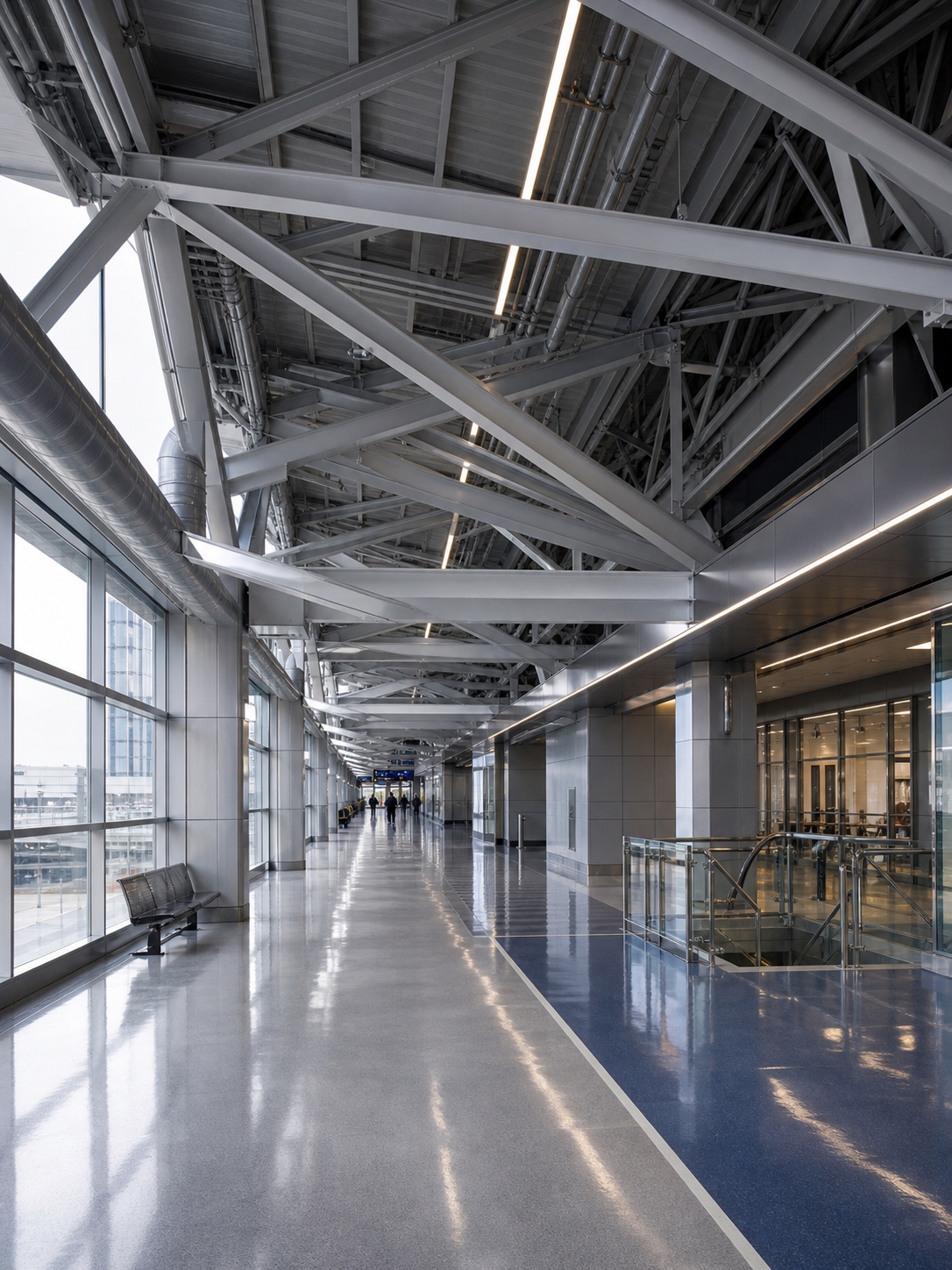
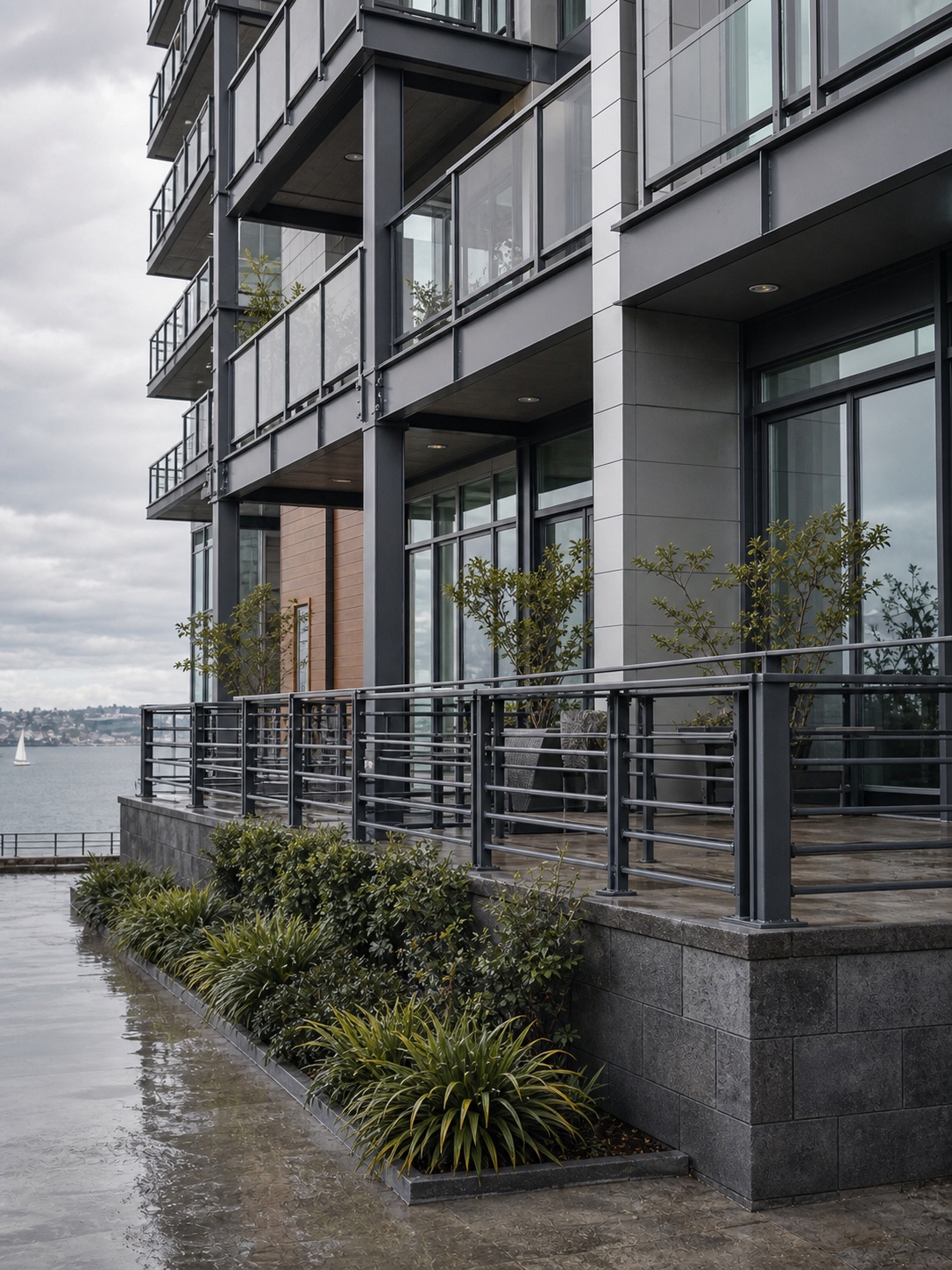
In contemporary architecture, industrial coatings often sit in plain sight: on atrium steel, metal facade panels, transit concourse floors, balcony railings, and coastal exterior assemblies. The finish still has to protect the substrate, but it also becomes part of the building’s visual language.
Corrosion as a design failure, not a maintenance line item
Corrosion is the most expensive slow-motion failure in industrial infrastructure, and it’s almost always preventable with correct specification. Structural steel exposed to moisture, oxygen, and chemical contact degrades through a predictable electrochemical process, and once that process starts, it compounds. Section loss on a load-bearing member isn’t a cosmetic problem; it’s a structural one, and by the time it’s visible, the cost to remediate has usually multiplied several times over what correct upfront protection would have cost.
A correctly specified coating system isolates the metal from that electrochemical reaction entirely. Each layer in a multi-coat system contributes a specific function toward that isolation, which is why skipping a layer to save budget rarely saves money once you account for the accelerated maintenance cycle that follows.
There’s a useful parallel to load-path thinking here. A structural engineer wouldn’t size a beam for the average load it carries and ignore the peak load case; they design for the worst realistic condition, because that’s the case that actually causes failure. Coating specification deserves the same discipline. Sizing a system for average exposure and hoping the occasional chemical spill or extended UV exposure doesn’t happen is the coatings equivalent of skipping the peak load case, and it tends to produce exactly the kind of premature failure that shows up as an emergency line item nobody budgeted for.
Specifying the right system for the environment
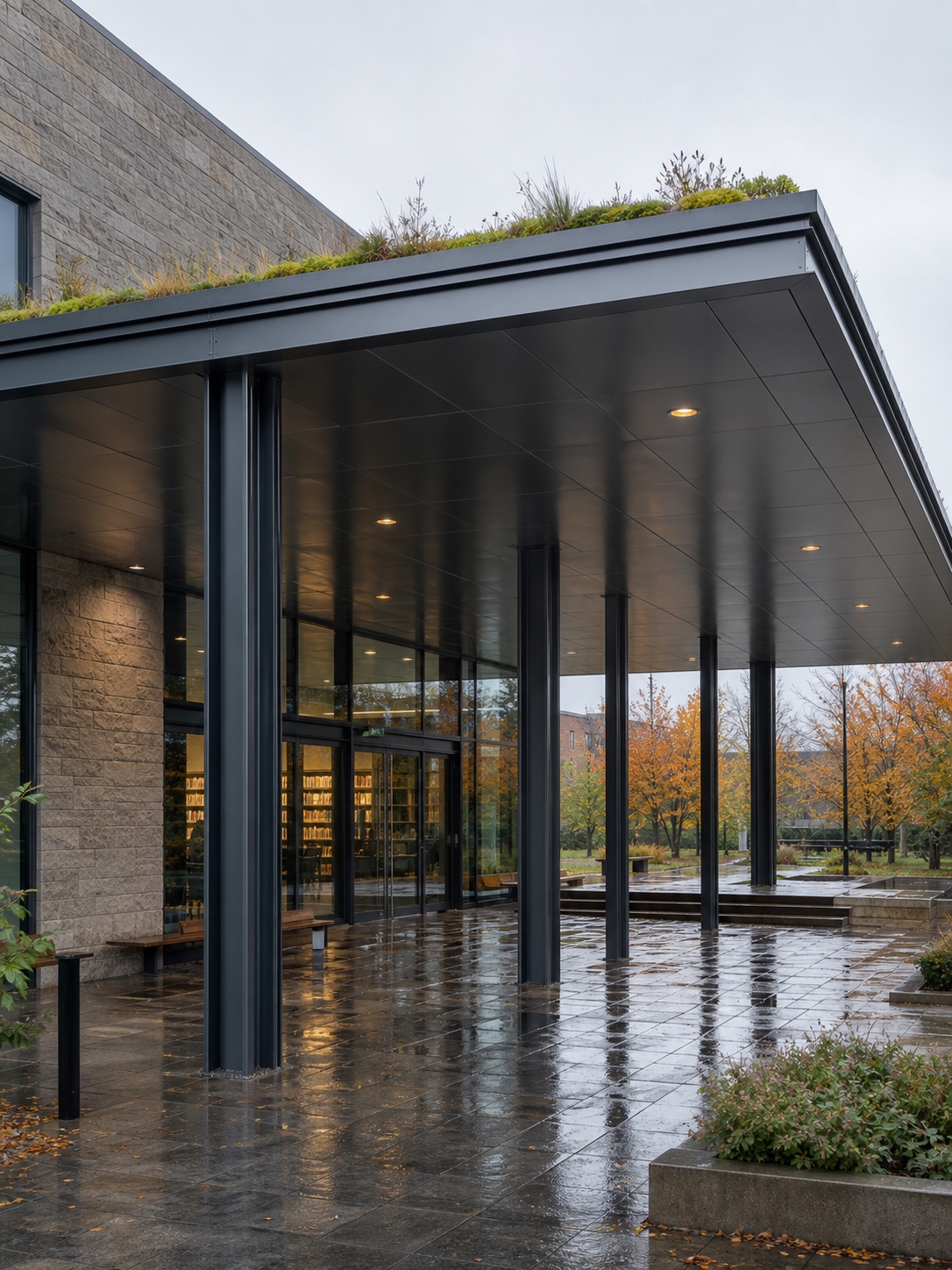
The practical question for any design team is matching coating chemistry to actual site conditions rather than defaulting to whatever was used on the last project. A coastal facility with salt-laden air needs different corrosion protection than an inland warehouse. A food processing floor needs anti-microbial properties a structural steel frame never will. A pipeline carrying high-temperature process fluid needs thermal resistance that a standard epoxy primer simply isn’t formulated to handle.
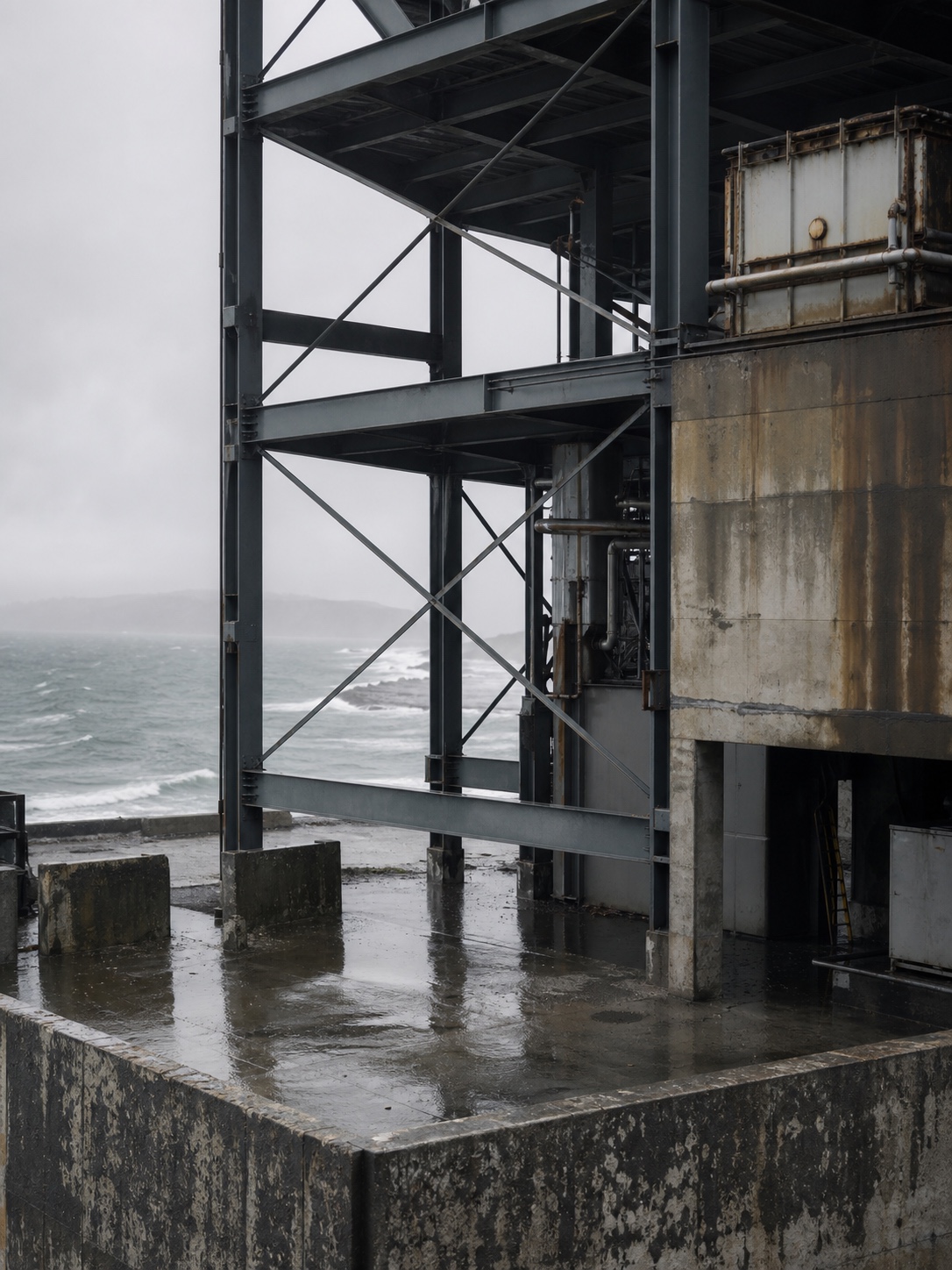
This is where partnering with a manufacturer who engineers for specific exposure conditions pays off. An industrial coating system specified correctly for its actual environment, rather than selected from a generic catalog page, is the difference between a maintenance schedule measured in years and one measured in months. I’ve sat through enough budget reviews to know that the cheapest line item on day one is rarely the cheapest line item across a building’s service life.
The other half of getting this right is timing. Coating failures that force an unplanned shutdown, a production line halted to reapply a failing system, carry a financial cost that dwarfs the price difference between a correctly specified system and a corner-cut one. Specifying for faster cure times and longer service intervals lets facility teams schedule recoating during planned turnarounds instead of emergency outages, which is a scheduling problem as much as a chemistry problem.
There’s also a compliance dimension that’s easy to overlook until an inspection forces the issue. Safety floor coatings in heavy-traffic zones, anti-microbial systems in food processing, fire-rated intumescent coatings on structural steel, all of these carry their own regulatory thresholds beyond basic corrosion resistance. Folding those requirements into the initial specification, rather than treating them as a separate add-on later, almost always costs less and performs better than retrofitting compliance onto a system that wasn’t built with it in mind.

Final thought
Industrial coatings earn their place in a structural specification the same way a load path or a connection detail does: by doing real, measurable work against a real environmental threat. Get the polymer chemistry matched to the exposure, get the surface preparation right before a drop of primer goes on, and build the system in layers the way any good engineered assembly gets built. Treat the coating as part of the structure, not a finish applied after the structure is done, and the asset behind it lasts decades longer for it.
Related architecture and finish-specification guides
Use these adjacent guides when coating decisions need to connect with the wider building envelope, material durability, and finish schedule.
- main architecture archive
- sustainable architecture examples
- concrete in modern sustainable construction
- modern window architecture
- modern roof design
- design-build construction decisions
- professional interior painting as a design tool
- paint finish hierarchy
FAQ
What’s the difference between industrial coatings and regular paint?
Industrial coatings are engineered protective systems built from polymers like epoxies, polyurethanes, and fluoropolymers, formulated specifically to resist corrosion, chemicals, abrasion, and UV exposure on structural steel and concrete. Standard commercial paint is built for appearance and light indoor wear, not the chemical and mechanical stress industrial environments produce.
Why do industrial coating systems use multiple layers instead of one?
No single polymer performs every required function well. A typical system pairs an epoxy primer (corrosion resistance, adhesion) with a polyurethane topcoat (UV stability, gloss retention), sometimes adding an intermediate coat for film thickness and impact resistance. Layering lets each material contribute its strongest property without inheriting the weaknesses of the others.
How important is surface preparation compared to the coating product itself?
It’s frequently the deciding factor in coating performance. A well-engineered coating applied to poorly prepared steel or concrete will fail prematurely, often misattributed to a product defect when the real cause is inadequate cleaning or surface profile. Standards maintained by AMPP (the merged successor to SSPC and NACE) define the cleanliness grades required for different service environments.
What does SSPC-SP10/NACE No. 2 mean in a coating specification?
It refers to near-white metal blast cleaning, a surface preparation standard requiring the steel surface to be free of nearly all visible contamination, with residual staining limited to 5 percent of the surface area. It’s commonly specified for severe corrosion environments where a lower-grade blast wouldn’t provide adequate adhesion.
Are epoxy coatings suitable for outdoor exposure?
Epoxy alone isn’t ideal for direct sunlight; it chalks and loses color integrity over time under UV exposure. The standard solution is a duplex system, epoxy primer for corrosion resistance paired with a polyurethane topcoat for UV stability, which is why exposed exterior steel rarely gets specified with epoxy as the final coat.
How does industrial coating failure typically show up first?
Early signs include chalking or color fade on UV-exposed epoxy, blistering or delamination from inadequate surface preparation, and localized rust breakthrough at welds or connection points where film thickness often runs thin. Catching these signs during routine inspection is far cheaper than waiting for visible structural corrosion.
What industries rely most heavily on specified industrial coating systems?
Preserving raw exterior surfaces is critical; this guide is highly relevant when choosing coatings to protect exposed concrete of brutalist buildings.
Manufacturing facilities, transportation infrastructure, utility plants, and processing or distribution centers depend on these systems because equipment reliability and structural integrity are directly tied to operational uptime. Storage tanks, structural steel framing, piping, and high-traffic concrete floors are the most common application points across these industries.
How often do industrial coating systems need to be reapplied?
Service life depends heavily on the chemistry chosen and the original surface preparation quality, but well-specified multi-layer systems on properly prepared substrates commonly run 15 to 20 years before requiring significant recoating, compared to a fraction of that for undersized or poorly prepared single-coat applications.
These protective coatings are especially critical for the exposed concrete of brutalist architecture and industrial structures.
- 732shares
- Facebook0
- Pinterest732
- Twitter0
- Reddit0