A strong SUV car sketch starts with stance, not details. Before drawing headlights, grille texture, or roof rails, block the vehicle as a tall, planted volume: long wheelbase, larger wheel arches, clear ground clearance, upright cabin, and enough rear mass to suggest cargo space. Once those proportions work, the design details have somewhere believable to sit.


How do you sketch an SUV car?
To sketch an SUV car, start with a simple side-view proportion box and set the ground line, wheelbase, roof height, and cabin length before drawing any styling details. Place the wheels first, then build the body around them: hood, windshield angle, beltline, rear quarter, and cargo volume. SUVs usually need a taller roof, more ground clearance, larger wheel arches, and a stronger shoulder line than a sedan.
Once the silhouette feels planted, add the grille, lights, door cuts, mirrors, roof rails, and underbody shadow. For a three-quarter SUV sketch, keep both wheel centers on the same perspective grid and make the front face, side plane, and roof plane agree. The fastest way to improve the drawing is to fix stance and proportion before rendering.
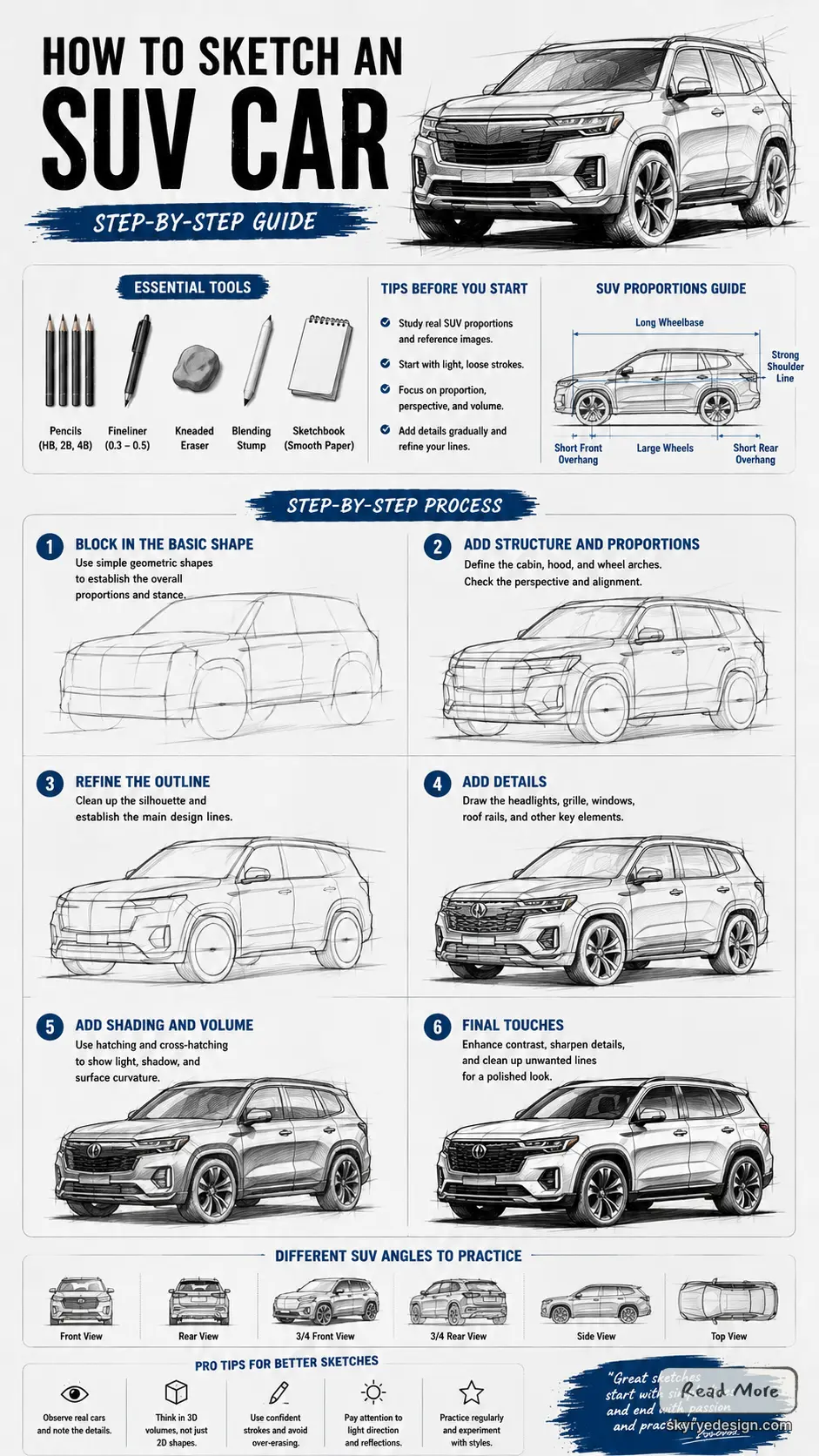
In professional transportation design programs, sketching is only one part of a wider process that connects drawing, modeling, vehicle architecture, materials, and aerodynamics. ArtCenter describes transportation design as a discipline that includes drawing, physical and digital modeling, vehicle architecture, materials, and aerodynamics in its Transportation Design program overview.
When I sketch an SUV, I look for the big read first: does it feel tall, capable, and planted from across the room? The side glass, wheel size, shoulder line, and rear cargo volume should all support that read before the sketch gets polished.
Rendering comes later. Marker gradients, digital highlights, black glass, and tire shadows can make the concept look finished, but they cannot rescue weak proportions. Build the structure first, then let rendering explain the surfaces.
Key Takeaways
- Key aspects of SUV sketching include aesthetics, functionality, and proportions.
- Attention to detail enhances both exterior and interior designs in a sketch.
- Effective rendering techniques improve the overall presentation of the SUV design.
Conceptualizing an SUV car design
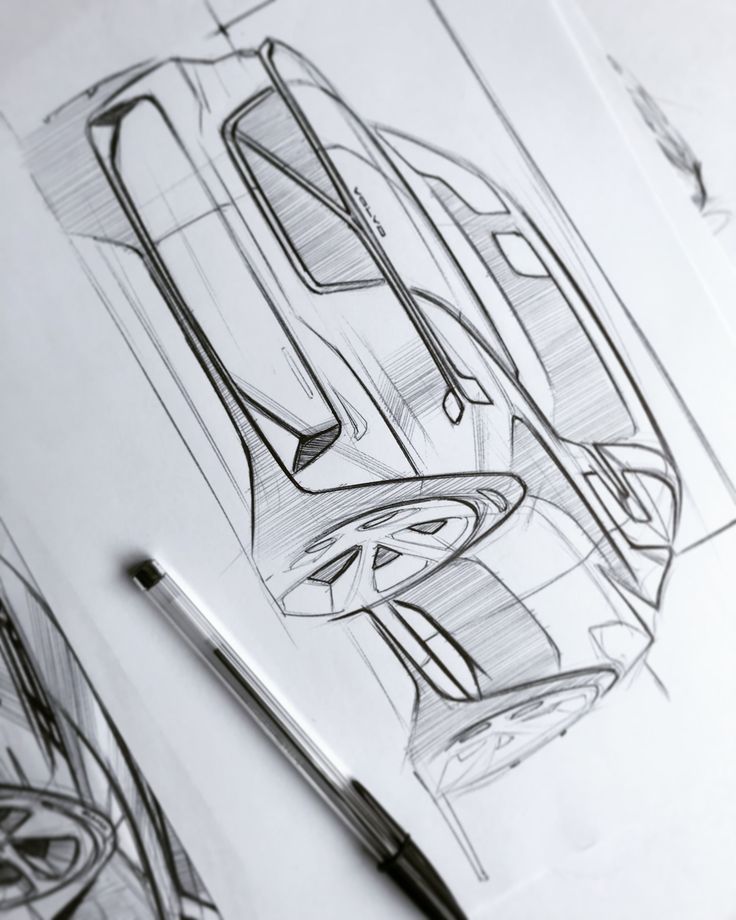
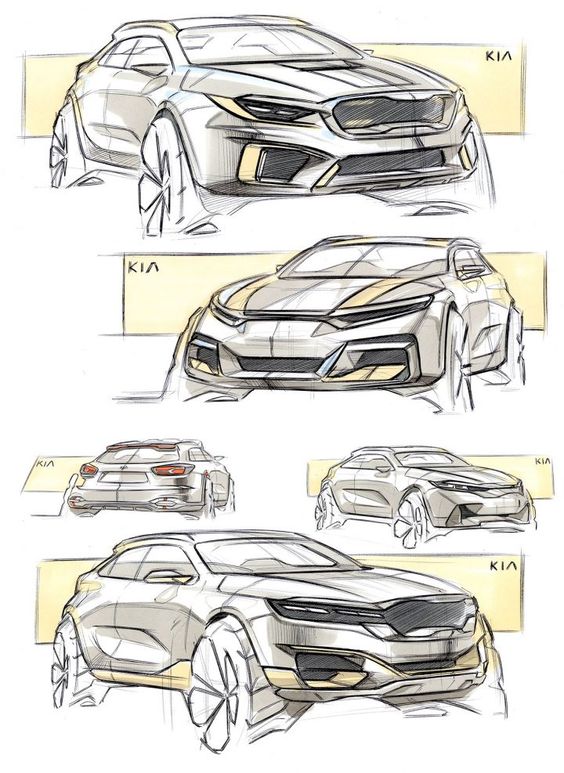
Designing an SUV requires a balanced approach that combines aesthetics with practicality. The aim is to create a vehicle that captures attention while serving its purpose effectively.
Design Philosophy and Aesthetics
An SUV’s design philosophy often revolves around versatility, strength, and modern appeal. Designers prioritize a bold stance, characterized by muscular lines and a commanding front grille.
Color choices play a significant role, with muted tones often preferred for a sophisticated look. Accents like chrome details can enhance the vehicle’s visual impact while maintaining elegance.
Interior design focuses on spaciousness, blending materials like leather and durable fabrics. The layout should inspire comfort and functionality. Well-placed ambient lighting can create a welcoming atmosphere.
Functionality Meets Style
Functionality is paramount when conceptualizing an SUV. The vehicle must accommodate diverse lifestyles, from family transport to off-road adventures. This requires thoughtful organization of interior space, along with flexible seating options.
Cargo capacity is critical. A versatile trunk with adjustable configurations allows users to maximize space based on needs. Features such as roof racks increase utility for outdoor enthusiasts.
Technology integration should enhance the driving experience without detracting from its aesthetic. Intuitive controls and infotainment systems should be seamlessly incorporated, providing drivers with the tools they need for convenience and enjoyment.
Drawing the basic SUV outline
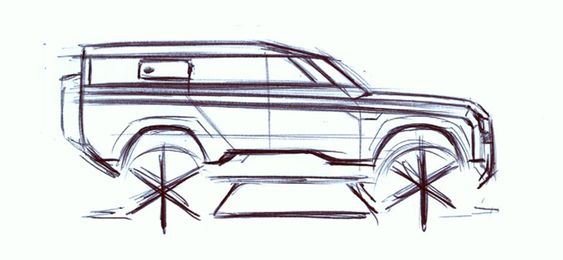
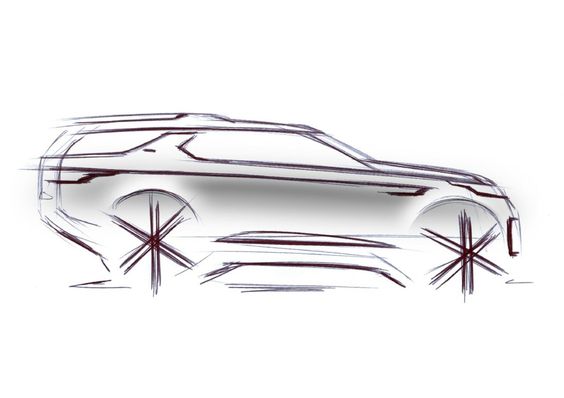
Creating a basic outline for an SUV sketch involves careful attention to proportions and defining the distinctive characteristics of the vehicle. Each aspect plays a crucial role in ensuring the sketch accurately reflects the SUV’s identity.
Proportions and Perspectives
Proportions are essential in capturing the SUV’s overall silhouette. This type of vehicle typically has a higher stance compared to sedans, requiring artists to elevate the center point.
- Height: SUVs usually have a taller roofline.
- Width: A broader chassis provides stability and comfort.
- Length: Longer wheelbases enhance presence and practicality.
Artists should work from a two-point perspective to emphasize depth. This technique creates a realistic portrayal of the vehicle, allowing it to feel grounded in the space. Using light guidelines can aid in lining up the wheels, body, and roof, ensuring that symmetry is maintained throughout the sketch.
SUV sketch proportion checklist
| Sketch decision | What to check | Common mistake |
|---|---|---|
| Wheelbase | Set the front and rear wheels before the body details. | Drawing the body first and forcing wheels into the leftover space. |
| Ground clearance | Leave visible air between tire and lower body. | Making the SUV sit like a sedan. |
| Roof height | Keep the cabin taller and more upright than a coupe or fastback. | Lowering the roof until the SUV loses its utility shape. |
| Wheel arches | Use larger arches and enough tire thickness. | Tiny wheels that make the vehicle feel weak. |
| Rear volume | Show cargo mass behind the rear door. | Ending the body too quickly and turning the SUV into a hatchback. |
| Shoulder line | Use a clean beltline or crease to organize the side. | Adding random surface lines with no design logic. |
For broader construction basics, use the how to draw cars guide first, then return to the SUV-specific height, stance, and cargo-volume checks here.
Defining SUV Characteristics
To distinguish an SUV, specific features should be highlighted in the outline. Key characteristics include:
- Robust Frame: A solid, muscular body conveys strength.
- Wheel Size: Larger wheels suggest off-road capability.
- Rear Height: A pronounced rear often emphasizes cargo space.
Incorporating these traits involves focusing on the front grille and headlights. A bold, aggressive grille and distinctive lighting can define the SUV’s personality.
Common SUV sketch mistakes to fix early
| Mistake | Why it hurts the sketch | Quick fix |
|---|---|---|
| Wheels too small | The SUV looks toy-like and loses weight. | Increase tire diameter before adding rims. |
| No underbody shadow | The vehicle floats above the page. | Add a soft cast shadow under both tires and rocker panel. |
| Flat side profile | The drawing feels like a box, not a designed vehicle. | Add a controlled shoulder line and lower body break. |
| Over-detailed grille | The front becomes noisy before the proportions are solved. | Block grille mass first, then add texture last. |
| Weak roofline | The cabin feels accidental. | Draw roof, windshield, and rear pillar as one clear gesture. |
Paying attention to these elements helps create a structured outline that accurately represents the SUV’s character, enhancing the sketch’s visual impact.
Exterior design details that define the SUV
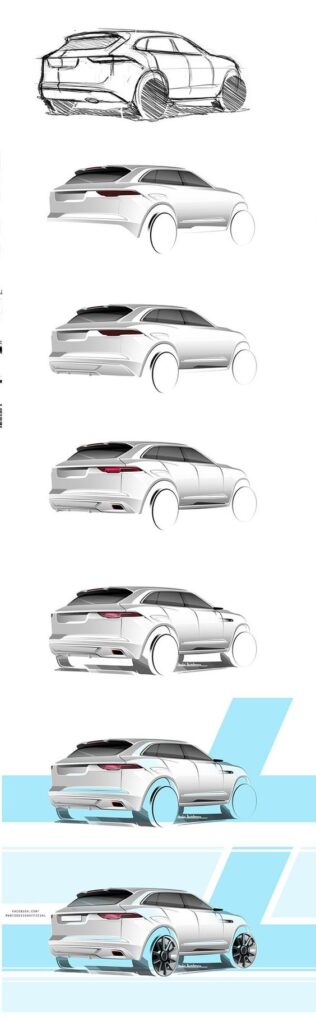
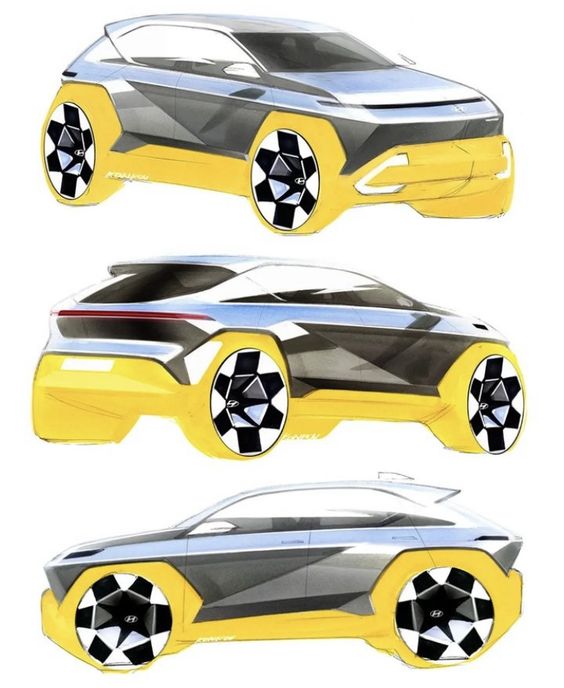
The exterior design of an SUV is pivotal to its appeal and functionality. Elements such as wheel arches, lighting, and door designs contribute significantly to the overall character and utility of the vehicle.
Wheel Arches and Wheels

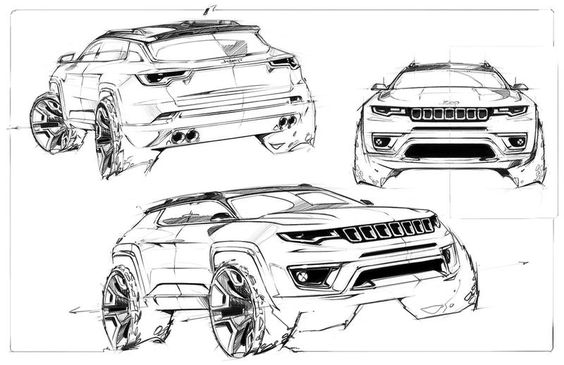
Wheel arches are critical in defining an SUV’s ruggedness and stance. They are often flared and muscular, allowing for larger wheels and tires that enhance off-road capability.
The design can significantly influence aerodynamics while projecting a bold image.
Wheels, typically ranging from 17 to 20 inches, come in various styles, from alloy to chrome finishes. The choice of tire also complements the intended driving conditions, whether for city driving or rugged terrains.
Headlights and Grilles
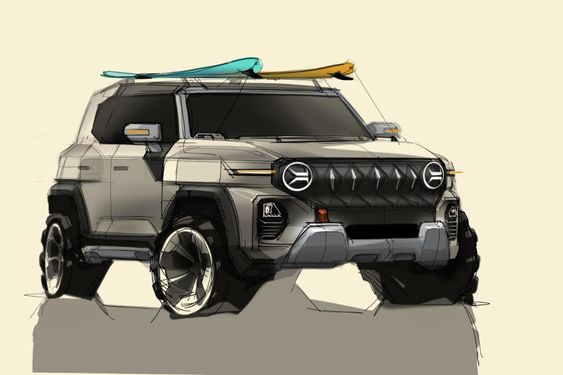
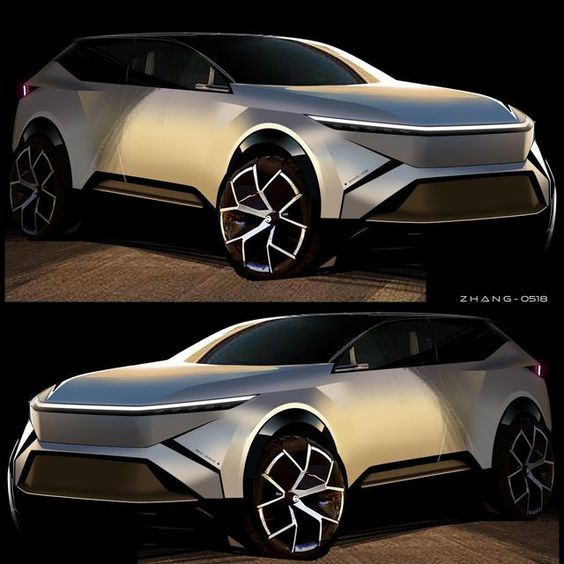
Headlights incorporate modern technology like LED or adaptive lighting for improved visibility. The placement and design of headlights contribute to the SUV’s aesthetic, often aligned with the grille style.
Grilles vary from aggressive to refined looks, influencing how the vehicle commands attention on the road.
Many SUV designs integrate unique grille patterns that communicate brand identity and can enhance aerodynamics.
Both features are essential for functionality and visual impact.
Doors and Windows
SUV doors are generally designed for ease of access, featuring large openings that accommodate passengers and cargo. The choice of sliding doors in some models offers enhanced convenience in tight spaces.
Windows are often tinted to provide privacy and UV protection while contributing to a streamlined appearance.
Frameless windows can add a sleek, modern aesthetic.
Additionally, larger windows help improve visibility, an important factor for both safety and driving experience.
Roof Lines and Rails
The roof lines of an SUV often taper toward the rear, contributing to a sporty silhouette. This design choice balances aesthetics with aerodynamic performance.
Roof rails are frequently added for practicality, allowing for the transport of additional cargo, such as bikes or luggage.
These features not only add functionality but also enhance the vehicle’s rugged appearance.
The combination of a stylish roofline and functional rails creates an ideal balance between form and utility, catering to various lifestyle needs.
Interior Layout Sketching
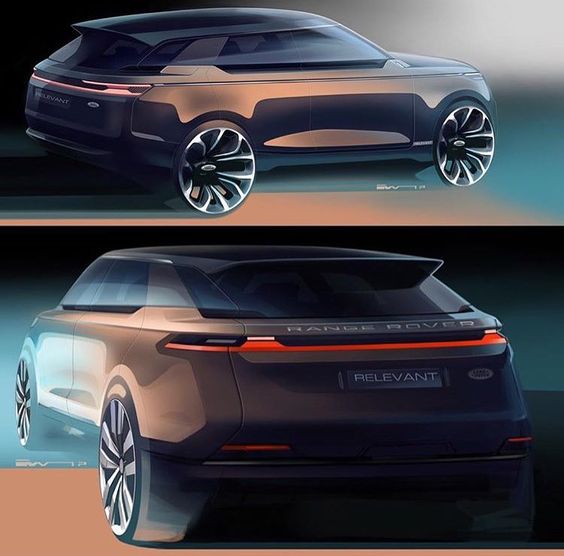
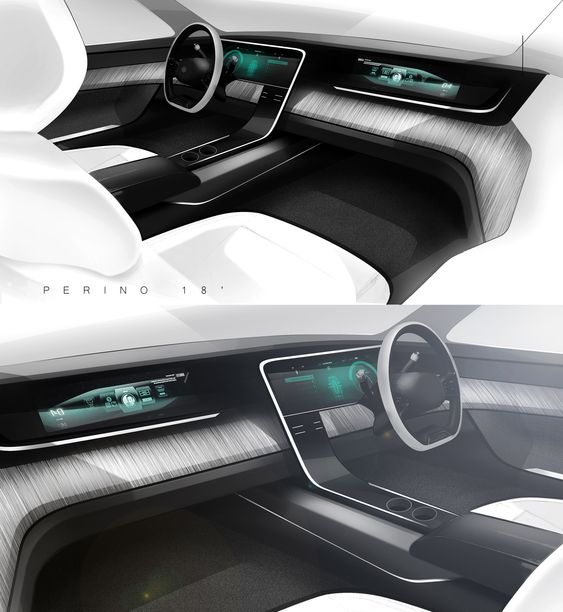
Interior layout sketching for an SUV focuses on maximizing both functionality and comfort. Key aspects include the design of the dashboard, seating configuration, and cargo space.
Dashboard and Control Panels
The dashboard serves as the central command center of the SUV. It includes integrated display screens positioned for visibility. Important controls for navigation, climate, and multimedia are typically within easy reach.
Elements to consider:
- Screen Size: Larger screens can enhance visibility but may distract.
- Button Placement: Essential controls should be intuitive to access without taking focus off the road.
- Material Choices: High-quality materials can improve aesthetics and tactile feedback.
Sketches should illustrate these components clearly, highlighting their arrangement and interaction.
Seating Configuration
Seating configuration prioritizes passenger comfort and flexibility. An SUV often features a two or three-row setup, which can vary based on the model and intended use.
Considerations include:
- Legroom and Headroom: Adequate space ensures comfort during long trips.
- Adjustability: Seats should offer various adjustments for optimal positioning.
- Versatility: Foldable or removable seats can expand cargo capacity.
A well-structured sketch can help visualize the seating layout and flow within the cabin.
Cargo Space Visualization
Cargo space is a vital part of SUV design, affecting practicality for users. Efficient use of space can accommodate diverse needs, from groceries to sports equipment.
Key features to highlight:
- Dimensions: Clearly show length, width, and height.
- Accessibility: Consider tailgate design for easy loading and unloading.
- Organization Options: Include compartments or hooks for better storage solutions.
A detailed sketch focuses on maximizing the utility of the cargo area, crucial for potential buyers.
Incorporating Aerodynamics and Engineering
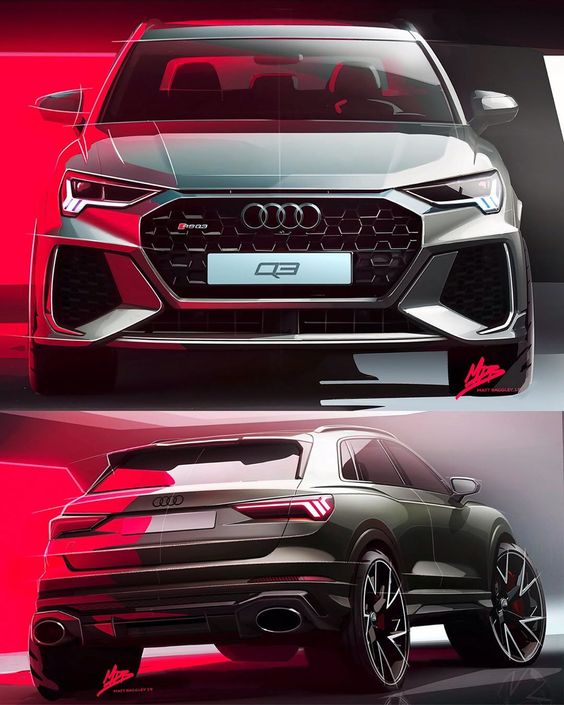
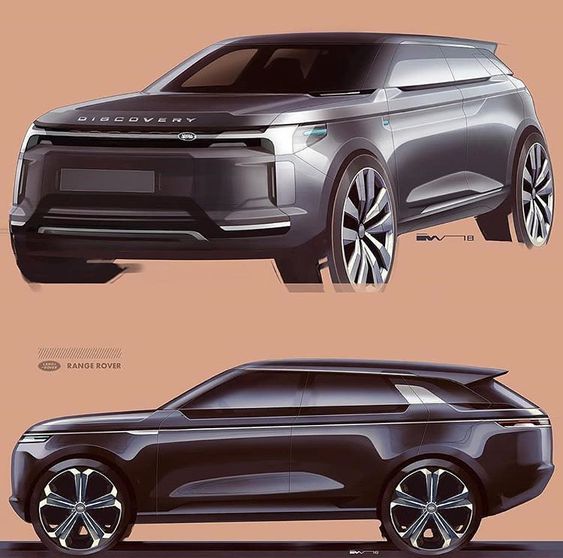
When designing an SUV, integrating aerodynamics and engineering principles is essential. These elements enhance performance, fuel efficiency, and overall driving experience.
Aerodynamic Shapes and Lines
SUV designs increasingly prioritize aerodynamic shapes and lines. A streamlined exterior helps reduce drag, which is crucial for improving fuel efficiency and enhancing stability at higher speeds.
Key features include:
- Rounded Front Ends: These shapes disrupt airflow more effectively, allowing smoother passage.
- Sloping Rooflines: These designs minimize turbulence, which can impact vehicle handling.
- Rear Spoilers: Properly positioned spoilers can significantly reduce lift, enhancing traction and control.
By focusing on these aspects, designers can create SUVs that not only look appealing but are also more efficient and safer on the road.
Integration of SUV-Specific Features
Incorporating SUV-specific features into aerodynamic design is vital. For instance, designers must balance aesthetics with functionality to accommodate larger dimensions while maintaining performance.
Some critical SUV features include:
- Wheel Arch Design: Wider arches help diffuse air, allowing for better airflow management.
- Roof Railing Profiles: These can aid in maintaining a streamlined approach, adding both utility and visual appeal.
- Skid Plates: Not only do they protect the vehicle, but they also contribute to airflow dynamics underneath.
These specialized features work in harmony with aerodynamic principles, enhancing performance without sacrificing the ruggedness that defines an SUV.
Rendering techniques for SUV surfaces
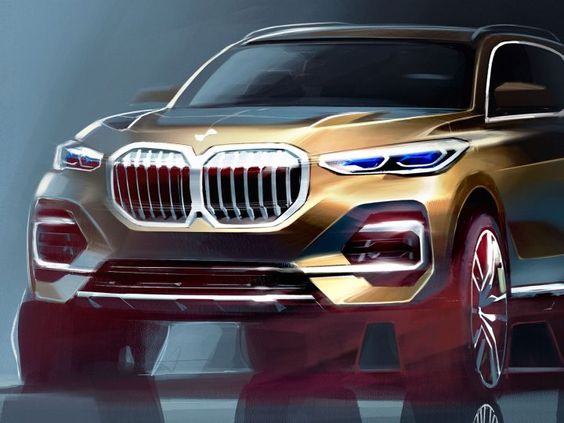
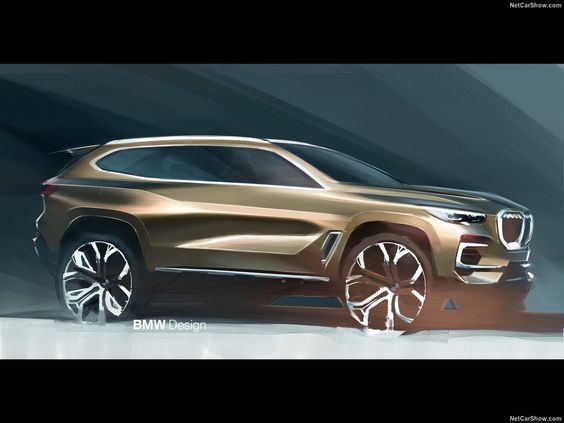
Rendering techniques and materials significantly impact the final appearance of an SUV sketch. They play a crucial role in creating realistic visualizations that effectively communicate design intent.
Shading and Texture Representation
Shading techniques are essential for conveying depth and dimension in SUV sketches. Artists often employ different shading styles, such as flat, gradient, and cross-hatching, to create varying levels of light and shadow.
Textures enhance realism by replicating the appearance of different surfaces. For instance, paint finishes might have a smooth texture, while tire surfaces should exhibit a rough, rugged pattern.
Combining these techniques allows sketches to simulate the effects of light interacting with the vehicle’s surface, thus providing a more immersive viewing experience.
Material Reflection and Transparency
Material representation also includes how different surfaces reflect light and exhibit transparency. For SUVs, materials like glass, metal, and plastic have distinct reflective properties.
Glass should display a clear transparency with subtle reflections of the environment. Metal surfaces might reflect light sharply and exhibit highlights that showcase the vehicle’s contours.
Artists use techniques like environment mapping to depict realistic reflections, ensuring that the materials appear authentic. Understanding these properties enhances the visual impact and accuracy of an SUV rendering.
SUV sketching works with taller masses and hard shoulder lines. For a lower, rounder contrast, use this classic VW Beetle drawing guide and compare the silhouette logic.
Final SUV sketch enhancements
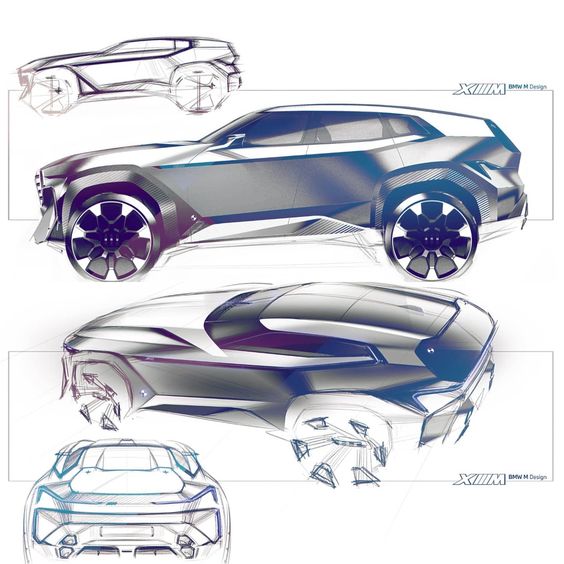
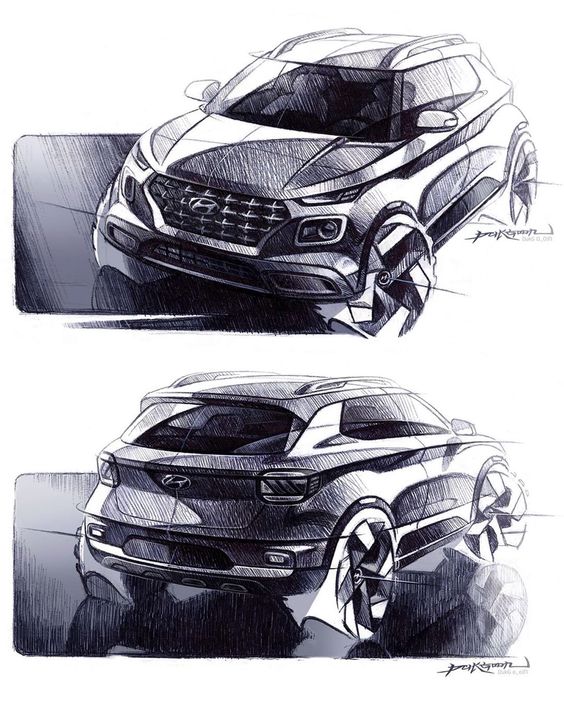
Enhancing an SUV car sketch involves focusing on key elements that contribute to realism and depth. Detailing and the application of highlights and shadows play crucial roles in bringing the illustration to life.
Detailing for Realism
Incorporating realistic details into an SUV sketch requires attention to elements such as the texture of surfaces and precise line work.
Surface Textures: Use digital tools or manual techniques to represent different materials, like metal, glass, and rubber. For instance, adding a slight gloss to windows can simulate reflections.
Accurate Features: Ensure that design elements, like headlights and wheels, are proportionate and adhere to manufacturer specifications.
Small Components: Including details like door handles, side mirrors, and grill patterns enhances authenticity. Attention to these minor features makes the sketch visually compelling.
Highlighting and Shadows
Proper use of highlights and shadows can dramatically affect the perceived depth and dimension of a sketch.
Light Source Awareness: Identify the main light source and use it to guide where highlights and shadows fall. This creates a natural interplay between light and dark areas.
Gradient Techniques: Utilize gradients to transition smoothly between light and dark. This method can effectively illustrate contours and curvature, giving the SUV a three-dimensional look.
Cast Shadows: Adding shadows beneath the vehicle and on different surfaces helps to ground the SUV in its environment, enhancing realism. Aim for soft edges in shadows to maintain a cohesive aesthetic.
Before refining an SUV concept, check the SUV sketch perspective setup: box angle, wheel ellipses, horizon line, and the way the roof and beltline recede together.
For a different vehicle shape, compare your SUV stance work with these helicopter drawing proportions; both sketches depend on a strong main volume before the details go in.
SUV car sketch FAQ
What makes an SUV car sketch look like an SUV?
An SUV car sketch reads correctly when the body has height, ground clearance, a strong beltline, larger wheel arches, and a practical cargo volume. If the roof is too low or the wheels are too small, the drawing starts to look like a wagon or hatchback instead of an SUV.
How do you start an SUV car sketch?
Start with a long proportion box, then place the wheelbase, ground line, roof height, hood, cabin, and rear volume before adding details. Keep the first pass light. The goal is to lock the stance and silhouette before you spend time on headlights, grille texture, or reflections.
What proportions should beginners use for an SUV sketch?
For a side-view practice sketch, use two large wheels, a taller cabin, visible ground clearance, and a rear cargo mass that feels heavier than a sedan. The exact ratio changes by model, but the drawing should feel upright, planted, and useful rather than low and sleek.
How do you make SUV wheels look correct?
Draw the ground line first, then place both wheel centers on the same horizontal guide. Keep the wheels the same size unless perspective changes them. Add tire thickness, wheel arch clearance, and a small contact shadow so the SUV feels heavy enough to sit on the road.
Should an SUV sketch use one-point or two-point perspective?
Use a side view when you are learning proportions, then move to two-point perspective for presentation sketches. Two-point perspective makes the front, side, wheels, grille, and roof plane feel more three-dimensional, but it also exposes proportion mistakes quickly.
What are common SUV sketch mistakes?
Common mistakes include tiny wheels, a roofline that is too low, weak wheel arches, a flat side with no shoulder line, and windows that make the cabin look too heavy. Most fixes happen before rendering: correct the stance, glass area, ground clearance, and wheel placement first.
Presentation strategies for an SUV concept
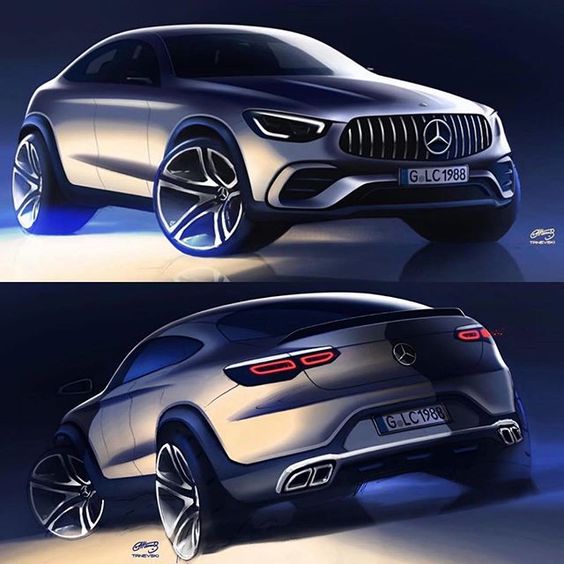
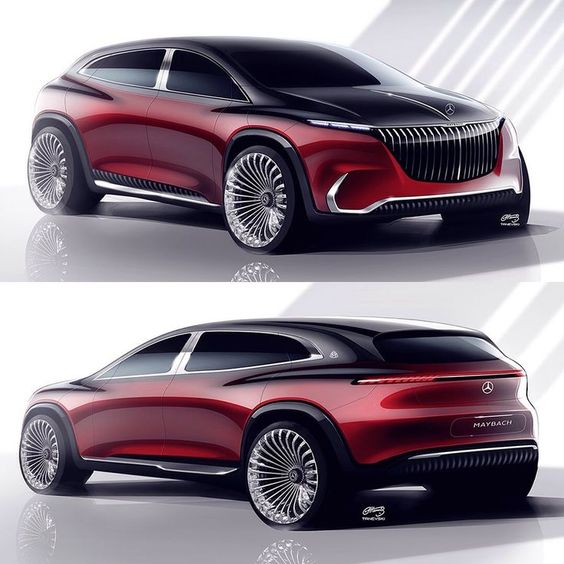
Effective presentation strategies are essential for showcasing an SUV sketch. Proper techniques enhance clarity and engagement, allowing the audience to visualize the concept and its features.
Storyboarding the SUV Journey
Storyboarding provides a visual roadmap for the SUV’s development narrative. It helps illustrate key milestones, such as design evolution and functionality.
Identify Key Moments: Highlight critical phases like initial sketches, 3D modeling, and final renderings. Each moment should demonstrate progression and thought processes.
Visual Consistency: Use a uniform style for sketches to maintain visual coherence. This consistency helps in contrasting different design iterations effectively.
User Experience Focus: Showcase scenarios where the SUV fits into daily life. Presenting lifestyle contexts emphasizes its practicality and versatility.
Contextual Environments
Contextual environments play a significant role in making the SUV design relatable and aspirational. By situating the vehicle in various settings, the viewer can comprehend its intended use.
Urban vs. Rural: Illustrate how the SUV performs in both urban landscapes and off-road terrains. Highlighting adaptability can attract a broader audience.
Lifestyle Integration: Show the SUV in everyday situations, such as family outings or adventure trips. This approach connects with potential buyers by reflecting their lifestyles.
Interactive Elements: Incorporate augmented reality or virtual tours. These technologies can engage the audience, allowing them to explore features up close in diverse environments.
After blocking SUV proportions, use this airplane sketching guide to practice another transportation form where silhouette and centerline matter first.
- 660shares
- Facebook0
- Pinterest657
- Twitter3
- Reddit0