Drawing cute outfits is a fun way to add personality and style to any character. It can be simple or detailed, depending on what someone wants to create. The best way to start is by combining everyday clothing with creative touches, such as accessories or playful patterns.
Many people enjoy trying different styles, from casual streetwear to elegant dresses. By mixing different types of clothes and experimenting with shapes and colors, artists can keep their sketches fresh and interesting. This helps them build their skills and find new ideas to bring their characters to life.
Using basic clothing knowledge, like how tops and bottoms fit together, makes it easier to design outfits that look natural. With a little practice, drawing cute outfits becomes an enjoyable way to express creativity and develop a unique fashion sense in art.
Getting Started With Cute Outfit Idea Drawing
Starting to draw cute outfits involves having the right tools, picking suitable paper, and learning simple sketching methods. These steps help create clean and appealing designs that capture the style and mood of each outfit.
Essential Art Supplies
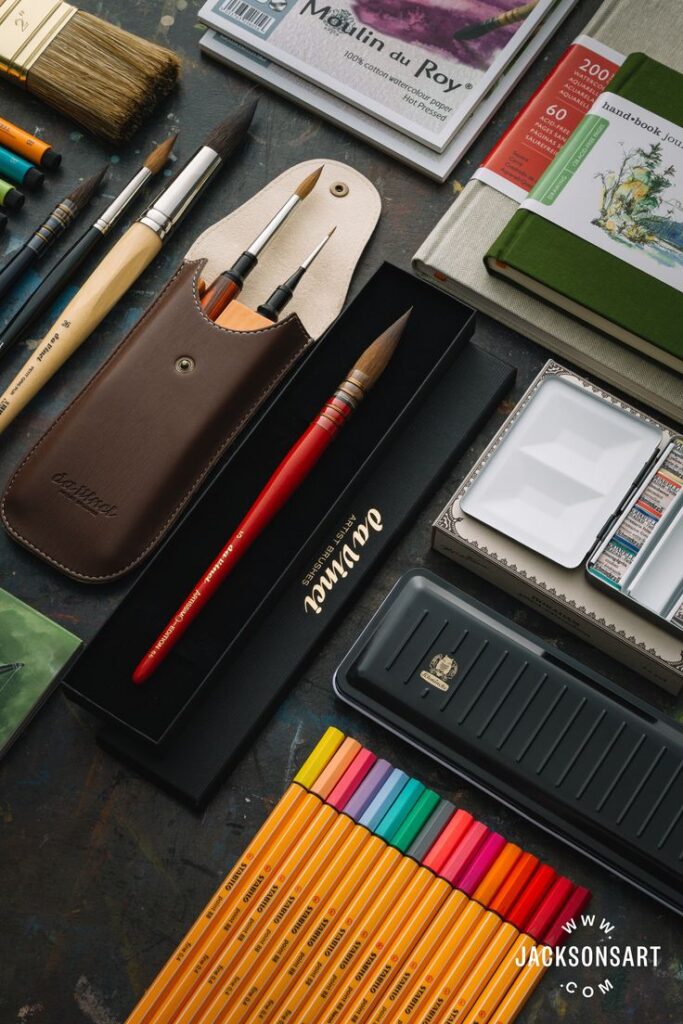
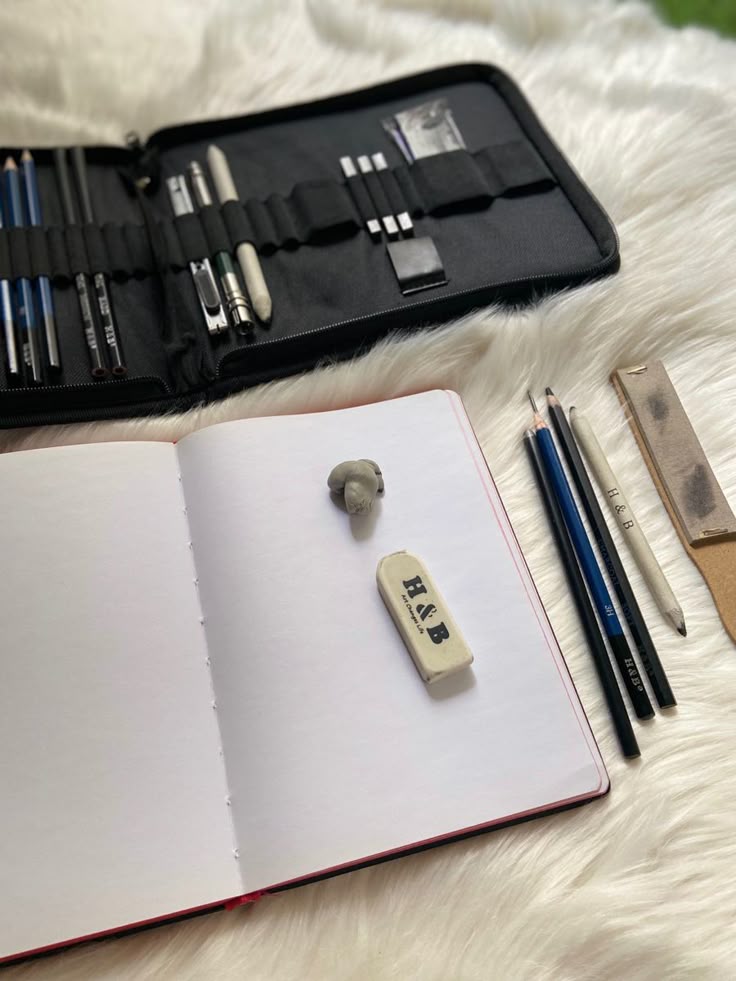
To draw cute outfits, basic supplies include pencils, erasers, and fine liners. A mechanical pencil is great for detailed lines, while a soft pencil (like 2B) helps with shading. Erasers are important to fix mistakes, especially kneaded erasers that lift graphite without damaging paper.
For adding color, colored pencils, markers, or watercolor paints work well. Markers provide bright colors but can bleed through thin paper. It’s helpful to keep a ruler and a blending tool, like a stump or cotton swab, for smooth shading.
Using the right supplies makes drawing easier and more enjoyable. It saves time and helps details stand out clearly.
Choosing the Right Paper
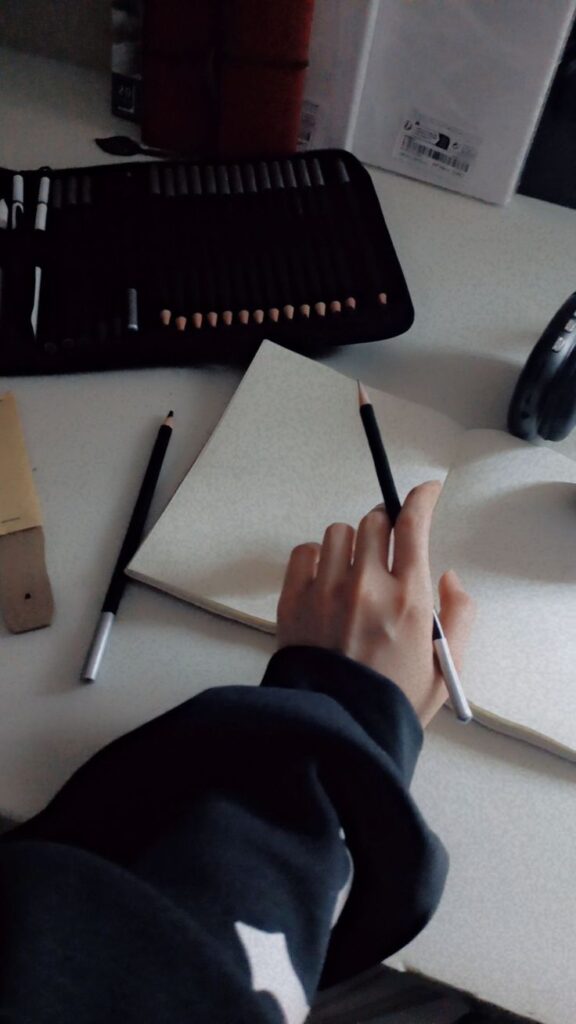
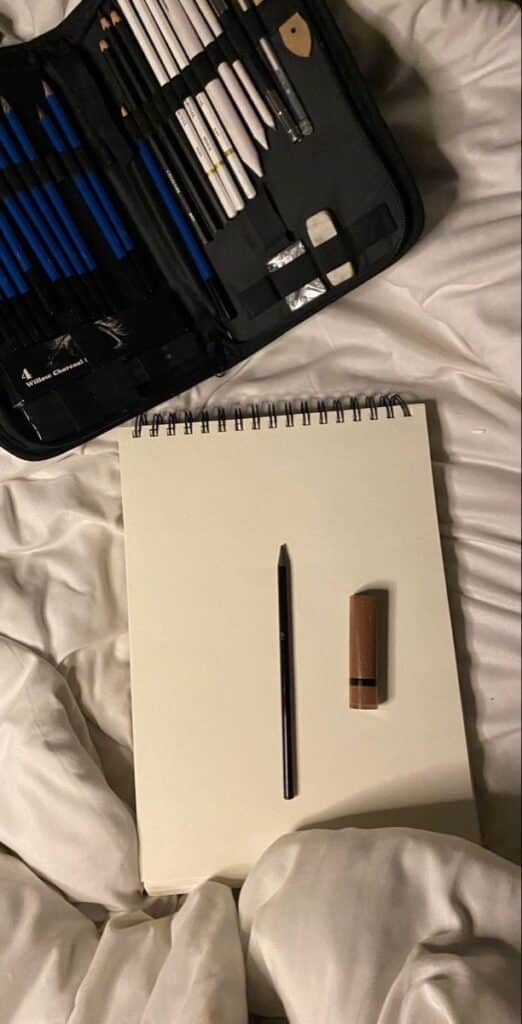
The paper choice affects how smooth or textured the drawing looks. For pencil sketches and colored pencils, smooth drawing paper or sketchpads with medium weight (80-100 gsm) work best.
If markers or watercolors are used, thicker paper, such as marker or watercolor paper (150 gsm or more), helps prevent ink bleeding and warping.
Size is another factor. Many start with A4 sheets because they are easy to handle and fit in most sketchbooks. A bigger paper allows more detail but can be harder to carry around.
Basic Sketching Techniques
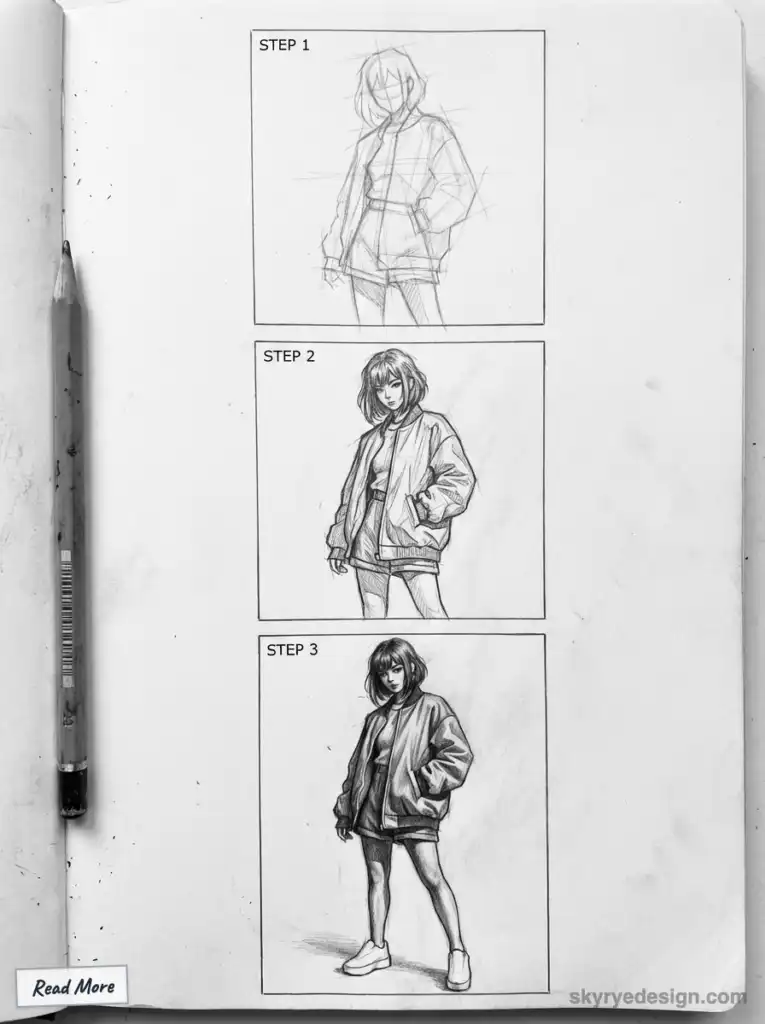
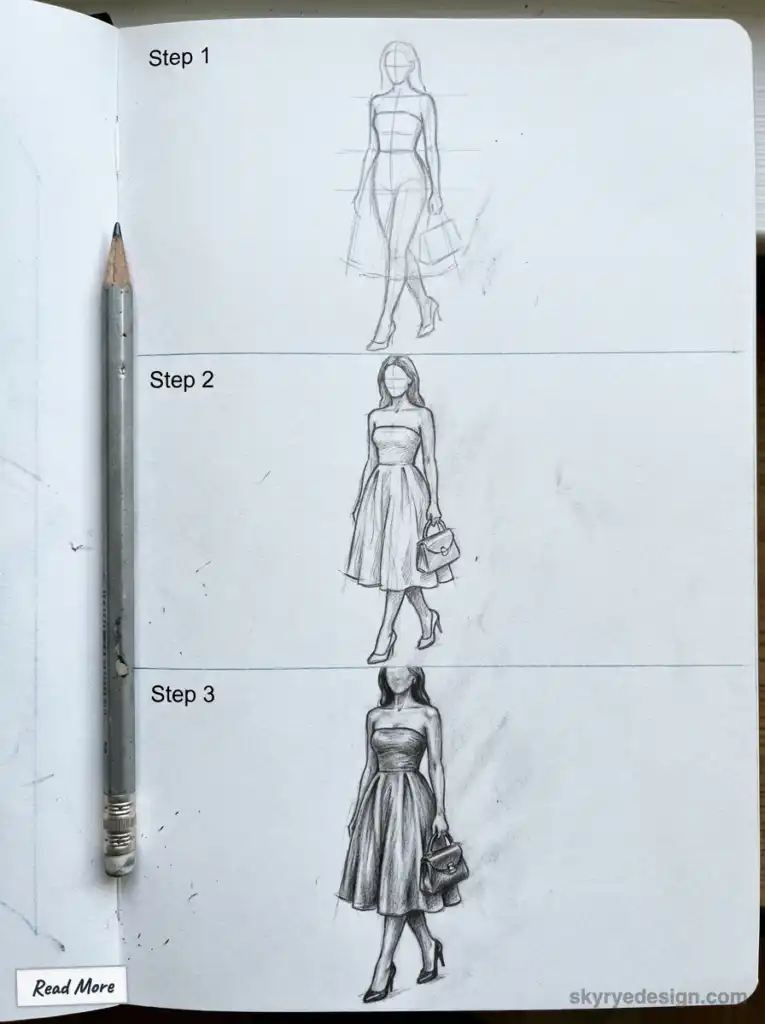
Starting with simple shapes helps build the outfit’s form. Artists often use circles and ovals to sketch heads and torsos, followed by basic lines for limbs and posture.
Creating light pencil lines makes it easier to erase and adjust proportions. Once the shape feels right, the artist can add clothes following the body’s movement.
Details like collars, sleeves, and accessories come last. Learning how fabric falls and folds will improve the outfit’s realism. Practicing these sketching steps builds confidence and a strong foundation for designing cute outfits.
Finding Inspiration for Cute Outfits
Finding fresh ideas for cute outfits often comes from looking at what’s popular, understanding character needs, and organizing creative thoughts visually. Inspiration helps artists design outfits that feel real, stylish, and perfect for their characters’ stories.
Using Fashion Trends
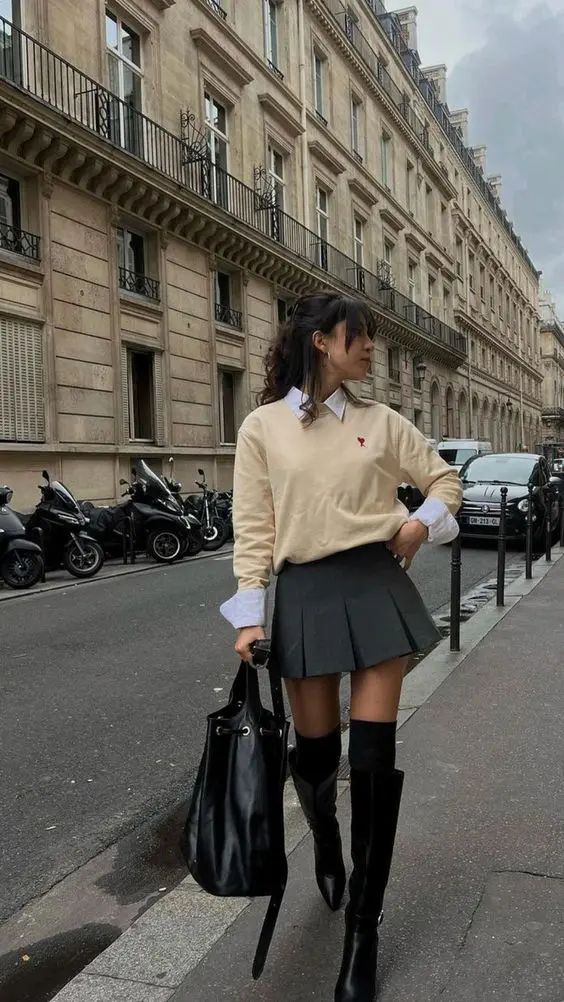
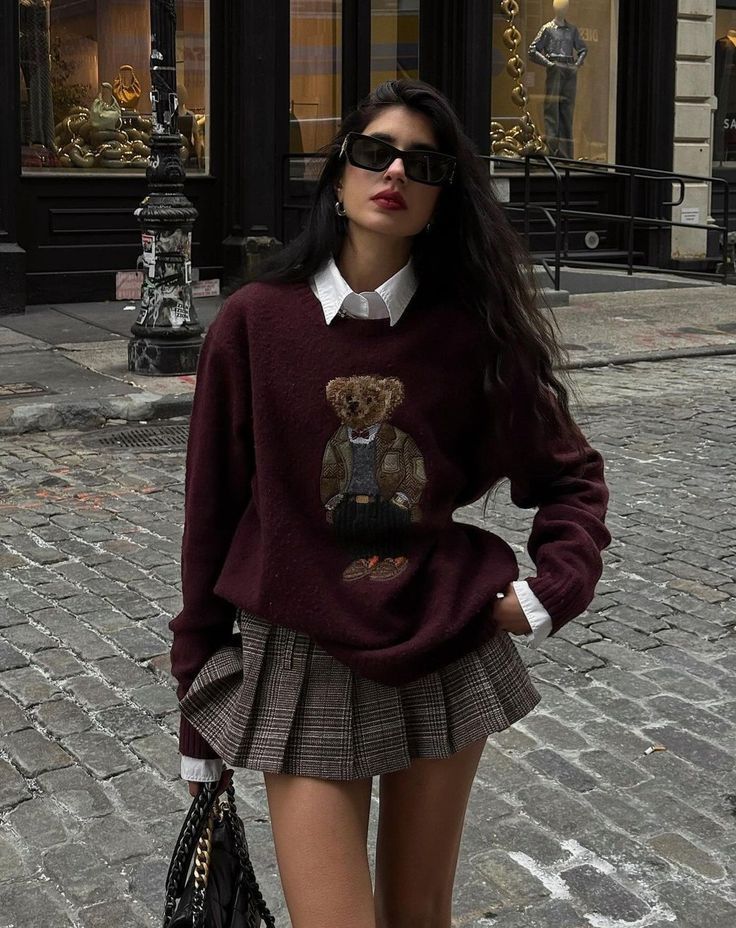
Fashion trends are a great source for cute outfit ideas. By paying attention to current styles seen in magazines, social media, or on the streets, artists can pick up patterns, colors, and garment shapes that are popular right now. Trends like oversized sweaters, high-waisted pants, or playful patterns offer ideas that feel modern and relatable.
They can also mix trendy pieces with their unique style to create something new. Trends change seasonally, so following them regularly gives a steady stream of fresh inspiration. Using fashion trends helps keep drawings up-to-date and appealing.
Character Design Influences
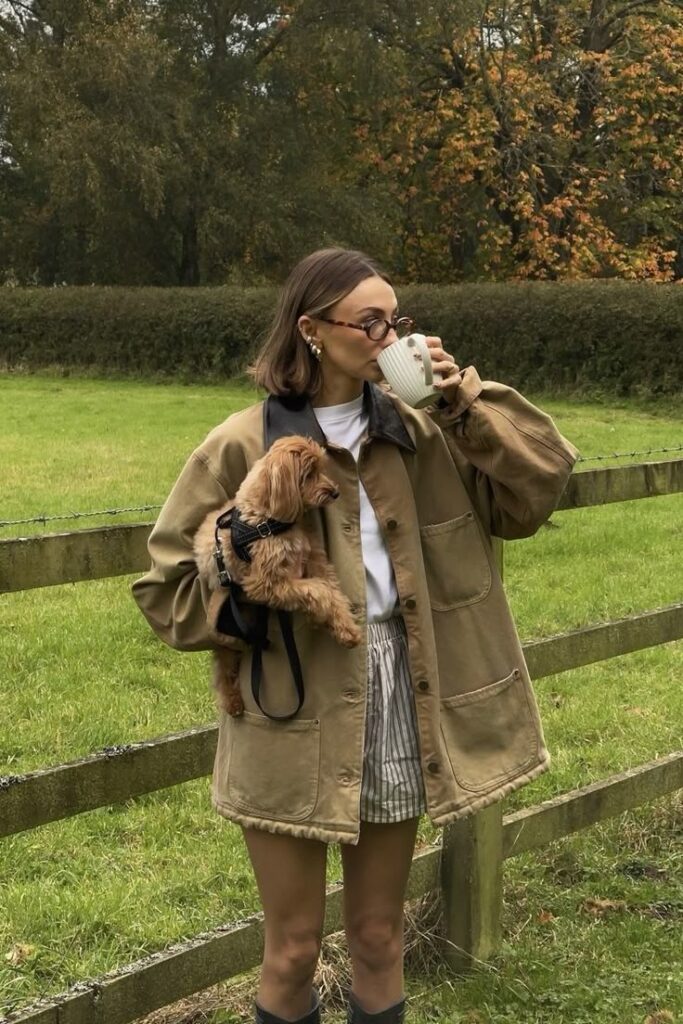
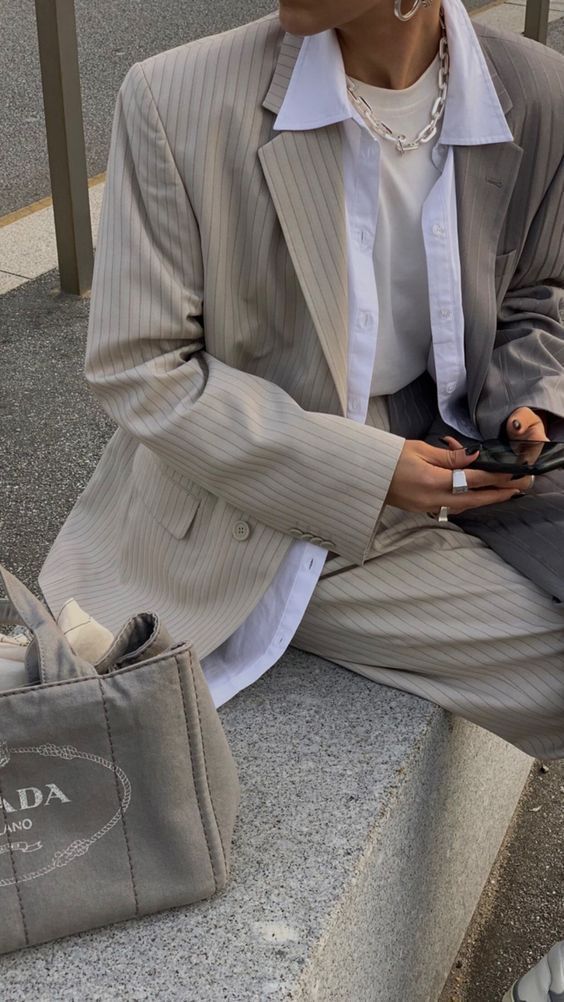
Outfits should match the character’s personality, story, and role. Considering these factors helps create meaningful looks rather than just pretty clothes. For example, a sporty character may wear comfortable, functional items like hoodies and sneakers. In contrast, a magical character might have whimsical, detailed outfits with layers or shiny accessories.
Thinking about emotions and lifestyle guides outfit choice. This lets the clothing tell part of the character’s story, making the drawing more expressive. Designers often ask who the character is, what they do, and where they live to pick fitting clothes.
Mood Boards for Outfits
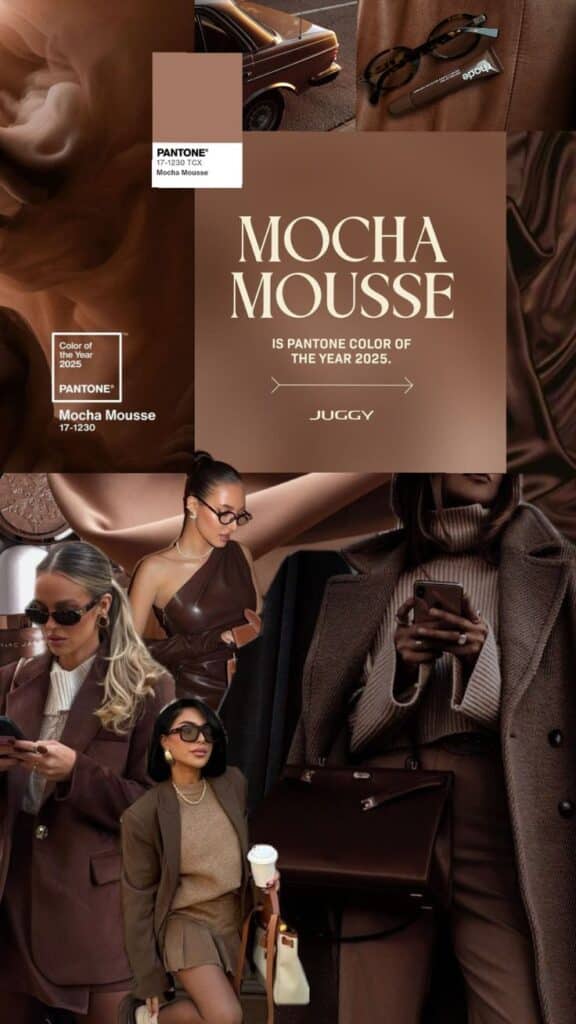
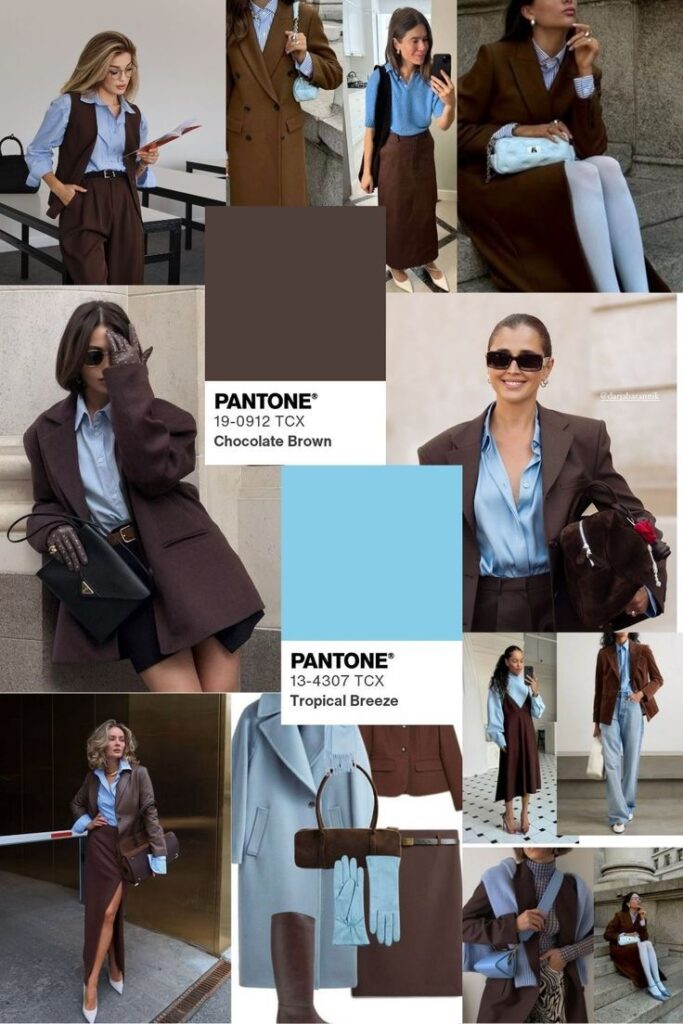
Mood boards are visual collections combining photos, sketches, fabrics, and even colors. They help artists gather all their ideas in one place to see how pieces work together. This method makes it easier to plan outfits before drawing.
On a mood board, artists can experiment by adding cute accessories, mixing styles, or testing color schemes. Digital tools or physical boards with clippings and drawings both work well. This organized approach saves time and sparks new outfit ideas that might be hard to imagine without seeing everything side-by-side.
Breaking Down Outfit Elements
Outfits consist of many parts that work together to create a great look. Each element, from the top piece to accessories, helps define the style and feel of the drawing. Understanding these parts can make outfit sketches more detailed and realistic.
Tops and Blouses
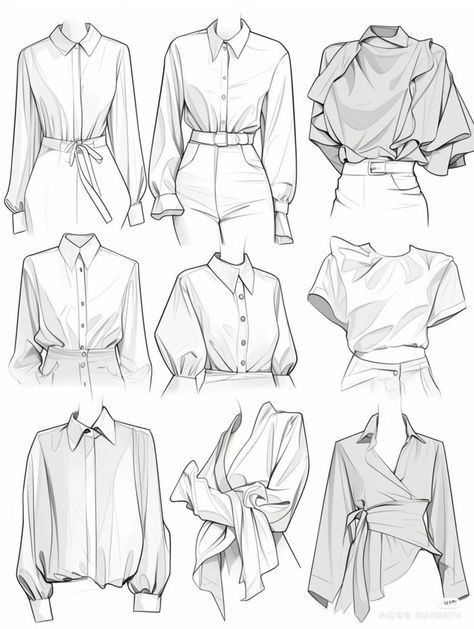
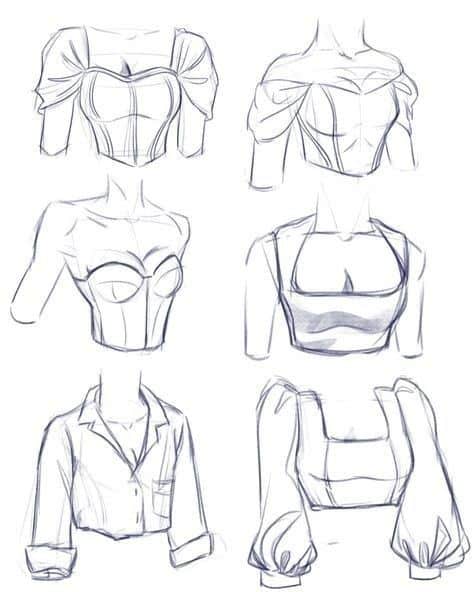
Tops and blouses are the starting point for any outfit drawing. They include shirts, tees, sweaters, and blouses. The fit and style of the top impact the overall shape of the character’s upper body. For example, a loose sweater creates a soft, casual look, while a fitted blouse suggests a more polished style.
Details like collars, sleeves, and buttons add interest. Short sleeves look different from long sleeves, and puffed sleeves can give a cute, playful vibe. Patterns and fabric texture can also be shown in drawings with lines or shading to make the top feel real.
Skirts and Pants
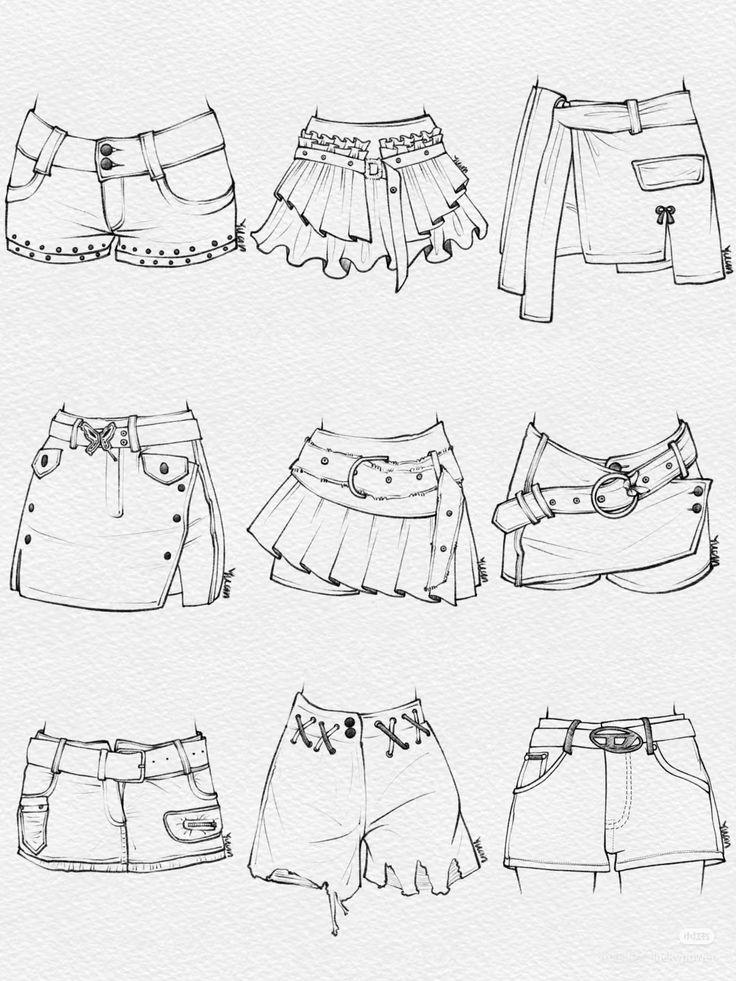
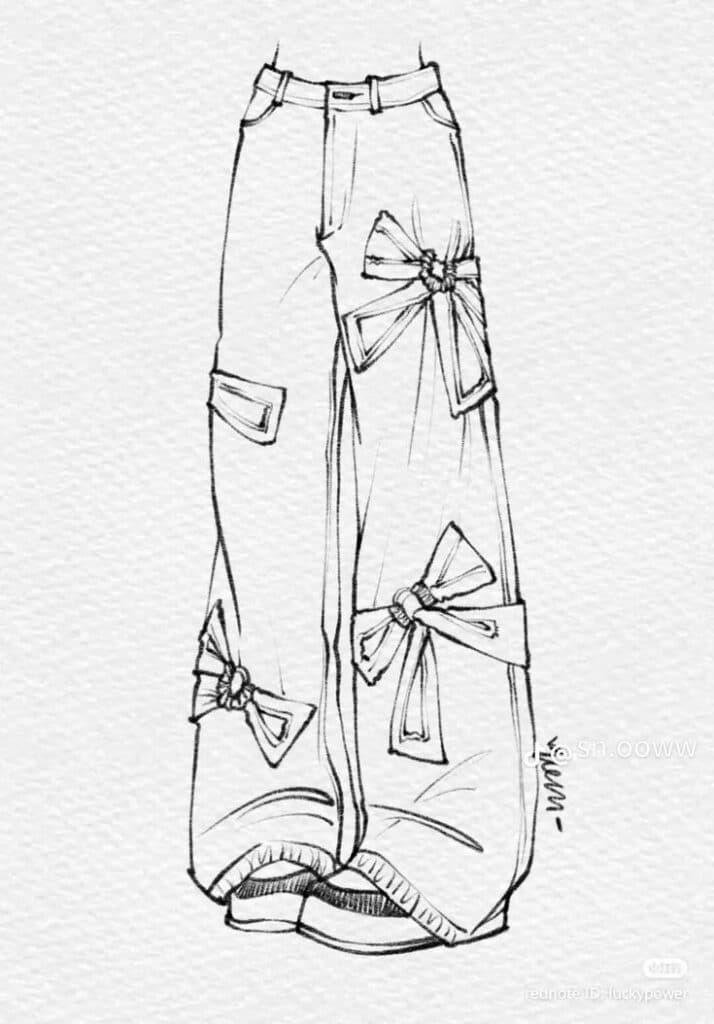
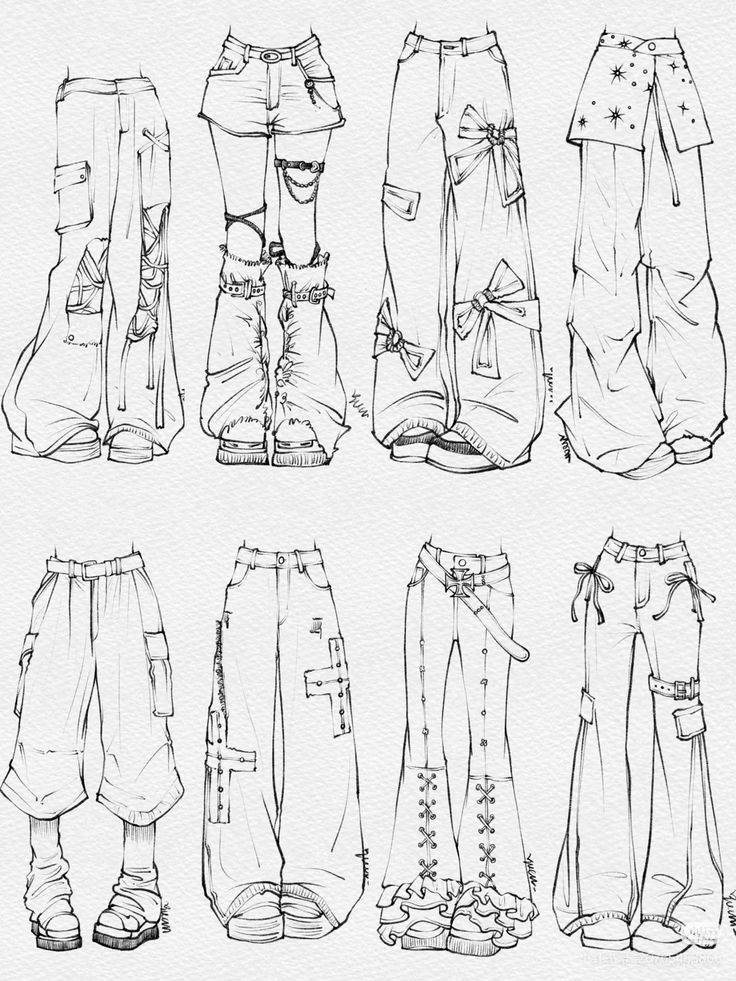
The bottom part of an outfit usually includes skirts, pants, or shorts. The length and cut change how the character moves and stands. For instance, a flowing skirt shows motion and grace, while skinny jeans give a modern, tight look.
Artists can play with pleats, rips, or layers to make the drawing more unique. The waistline and how the clothing fits around the hips and legs are important to get right. Adding folds and creases helps the fabric feel natural and not flat.
Shoes and Accessories
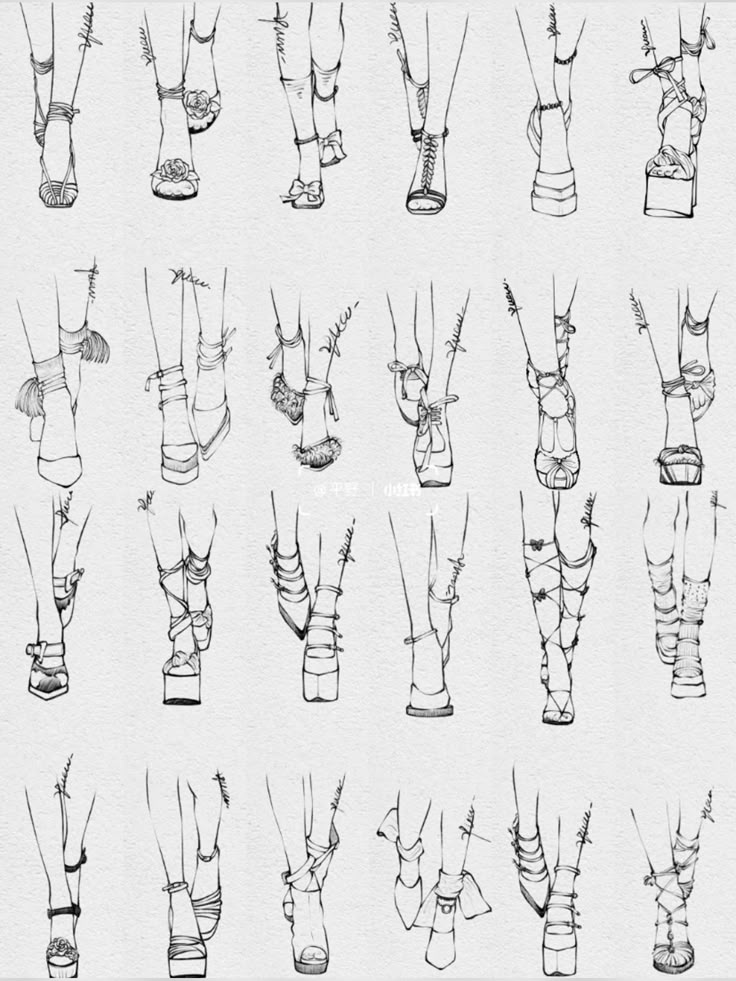
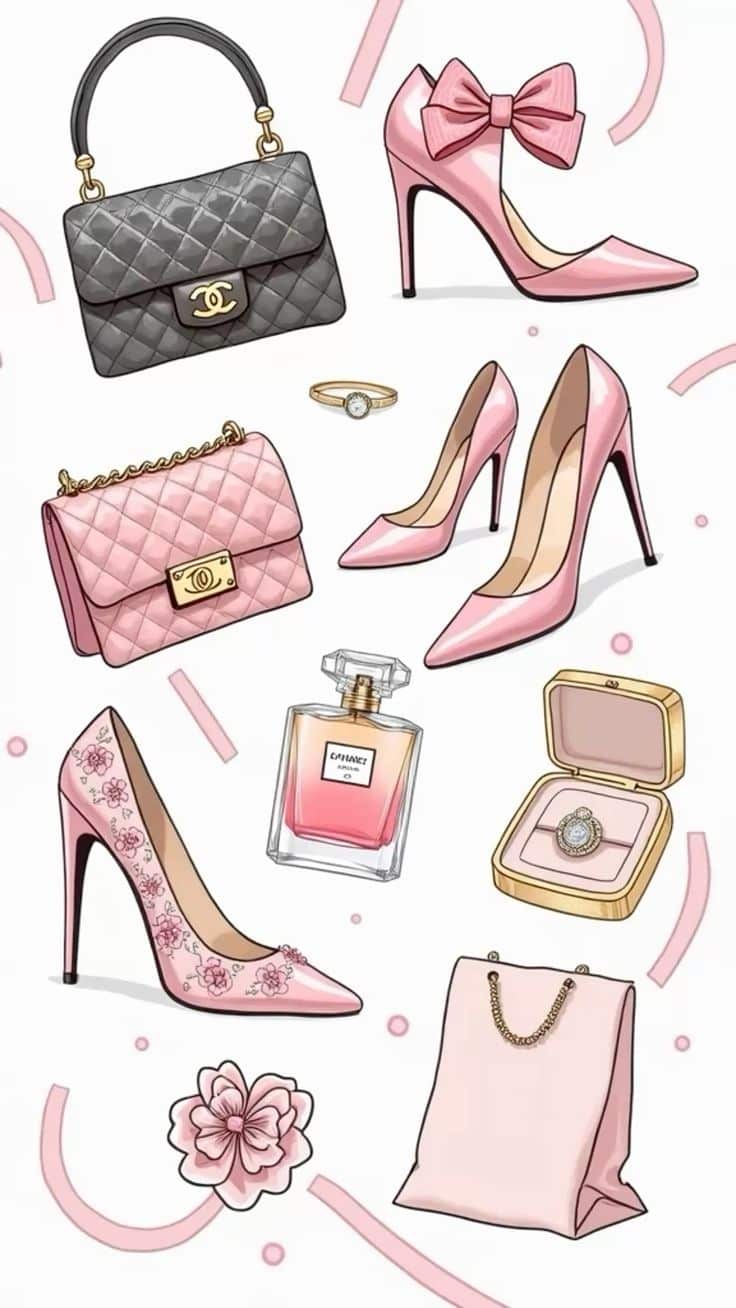
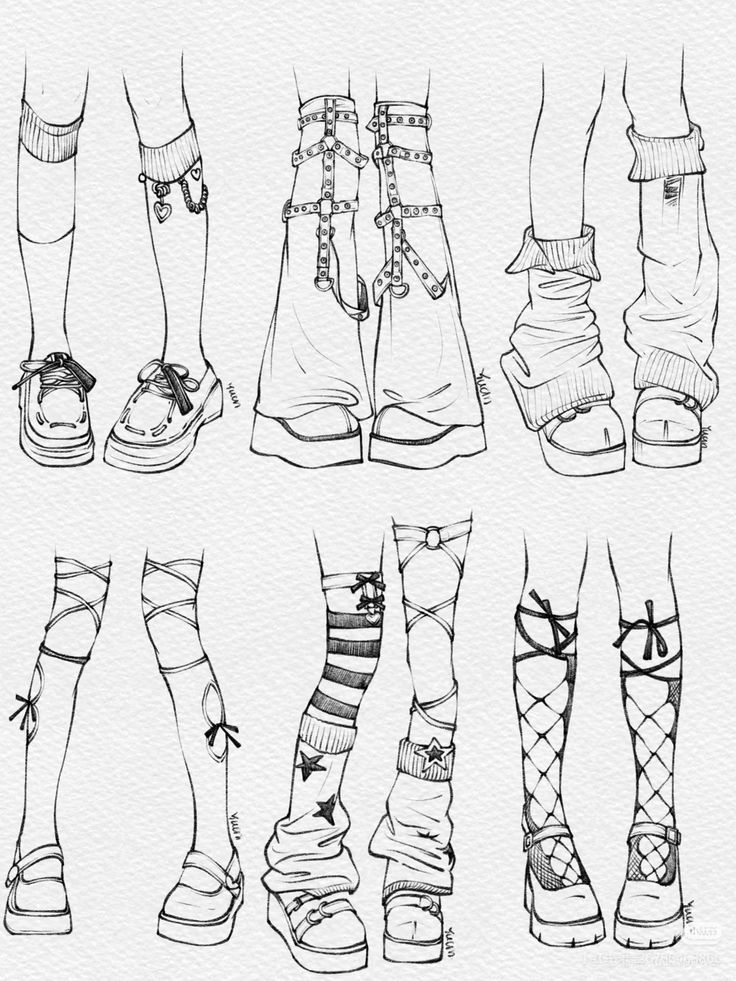
Shoes and accessories finish the outfit and add personality. Shoes can be simple flats, sneakers, boots, or heels. Each type fits a different style and occasion, affecting the character’s overall vibe.
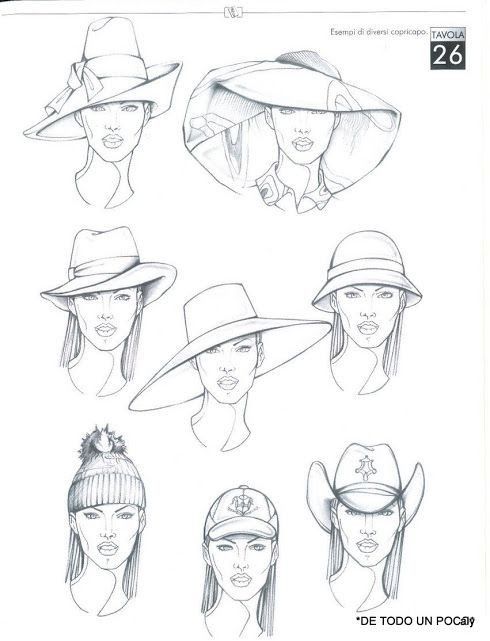
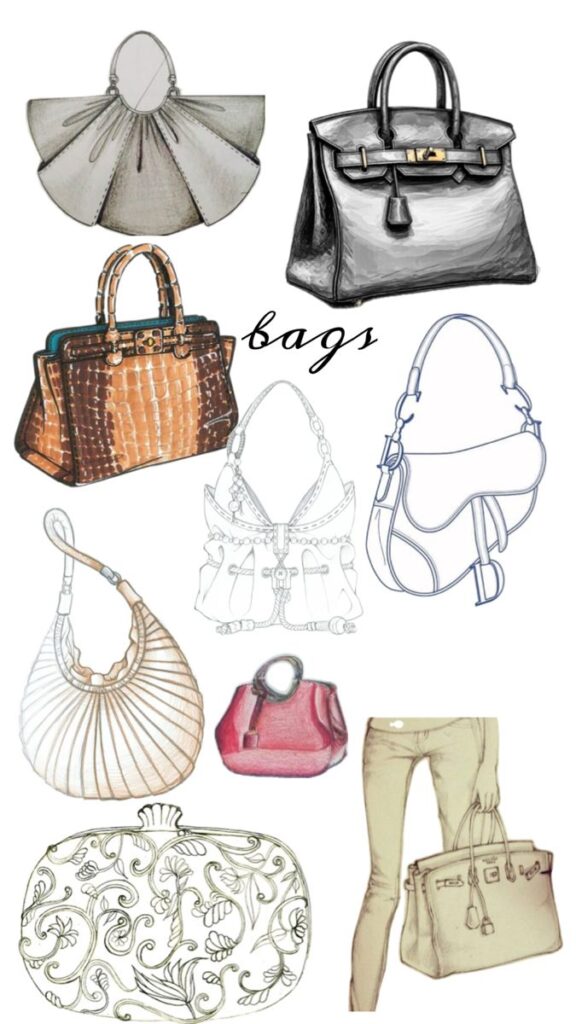
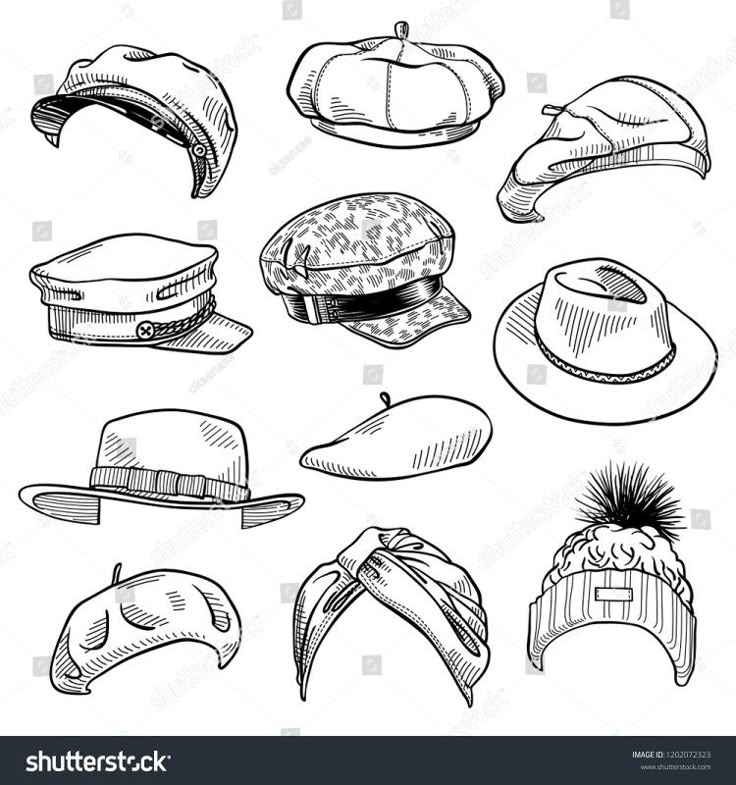
Accessories like hats, bags, scarves, and jewelry add small details that make the drawing interesting. These items can be used to show the character’s mood or style preferences. Patterns, colors, and sizes of accessories should balance with the rest of the outfit for a complete look.
Color Selection and Styling Tips
Choosing colors and styles carefully can make a cute outfit drawing stand out. Using harmonious palettes, combining patterns and textures thoughtfully, and adding small details all contribute to a polished look. These elements help bring personality and charm to fashion sketches.
Coordinating Cute Color Palettes
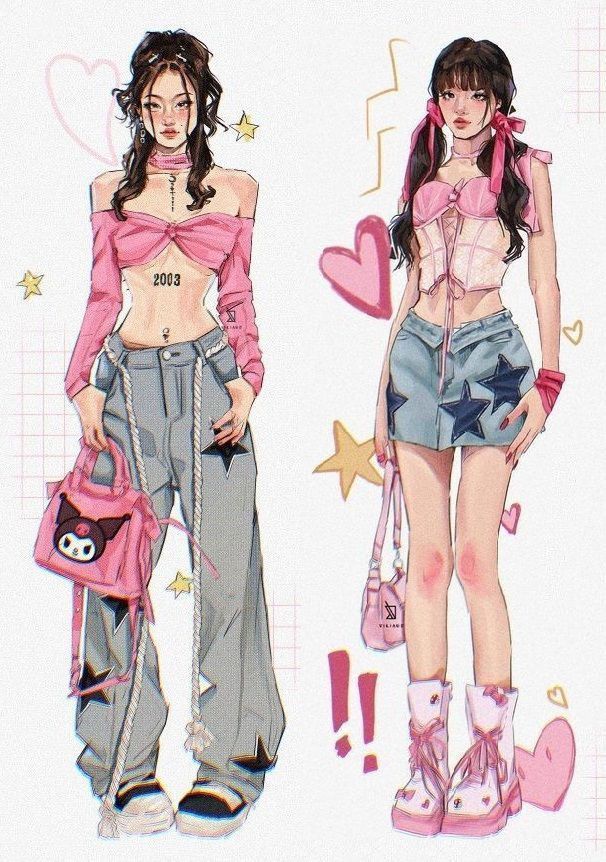
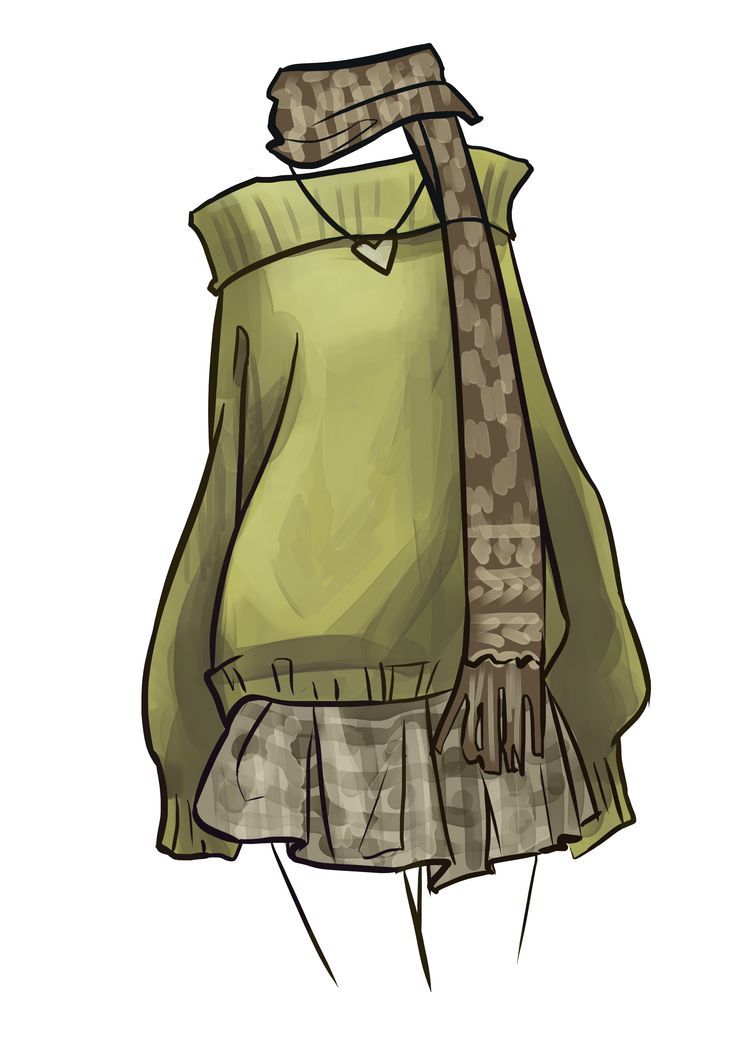
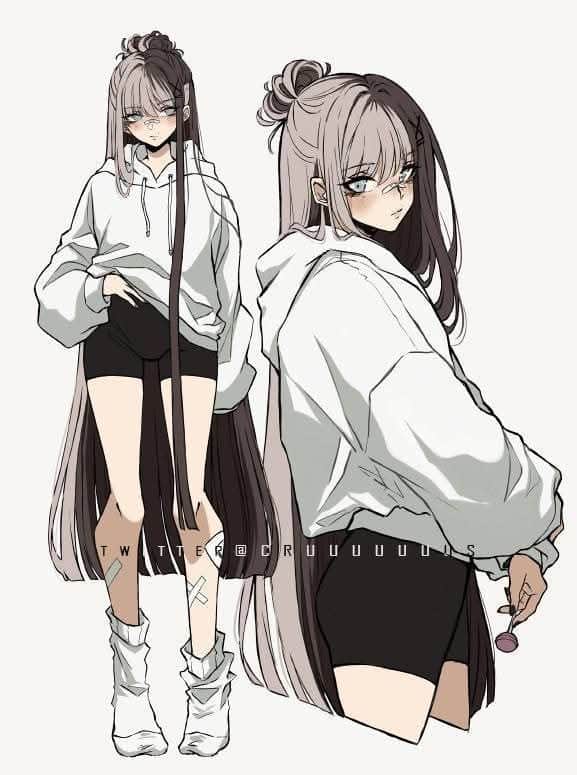
When selecting colors, it’s wise to pick palettes that work well together. Soft pastels like blush pink, mint green, and lavender create a gentle, cute vibe. For brighter looks, pairing coral, turquoise, and yellow can add energy without overwhelming the design.
A simple rule is to use two or three main colors plus a neutral like white, cream, or light gray. This keeps the drawing balanced and attractive. Tools like online color wheels help find complementary and analogous shades easily.
Trying out color blocks or shading techniques can also add depth and make fabric seem more real. Keeping colors consistent across accessories and shoes ties the outfit together.
Mixing Patterns and Textures
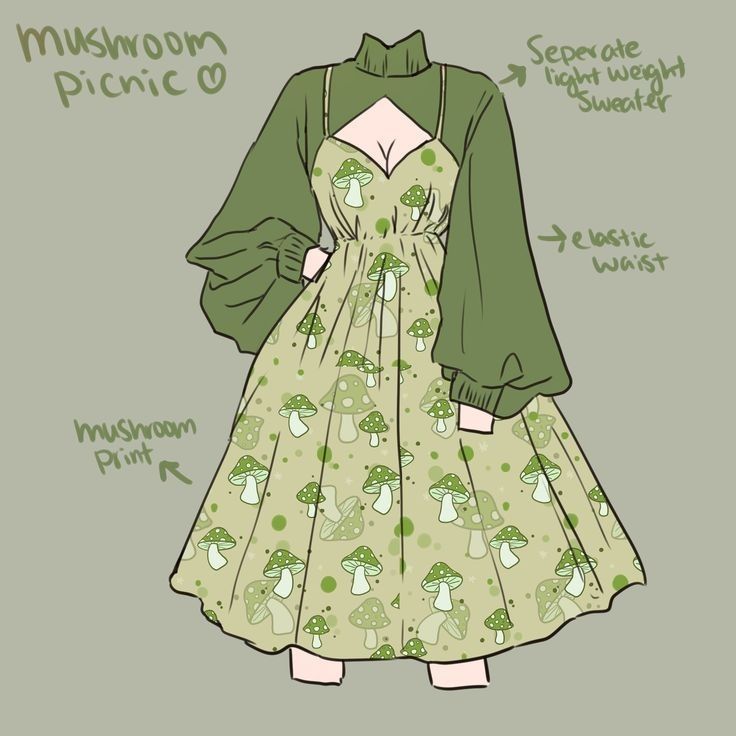
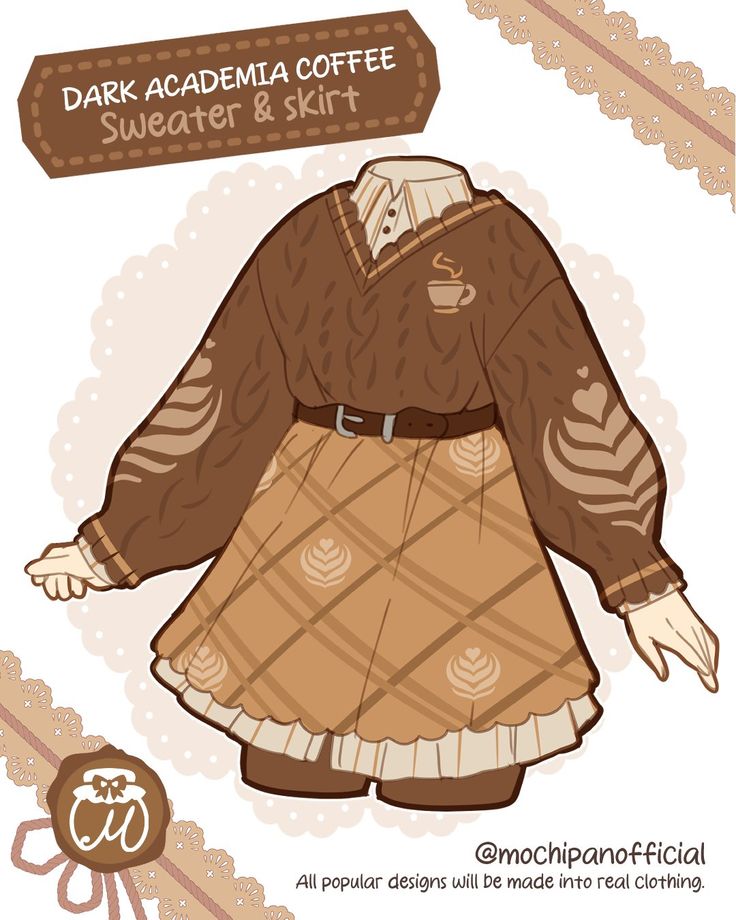
Combining different patterns needs care to avoid messiness. Pair small prints, like polka dots or tiny florals, with solid colors to let patterns pop without crowding the design.
Textures add another layer of interest. Drawing denim with rough shading, soft knitwear with smooth lines, and shiny leather with reflective highlights shows variety. Using contrasting textures, such as a fluffy skirt with a sleek jacket, gives the outfit life.
It’s helpful to sketch fabric folds and shadows to suggest how materials feel. This makes the outfit seem more believable and engaging.
Adding Charming Details
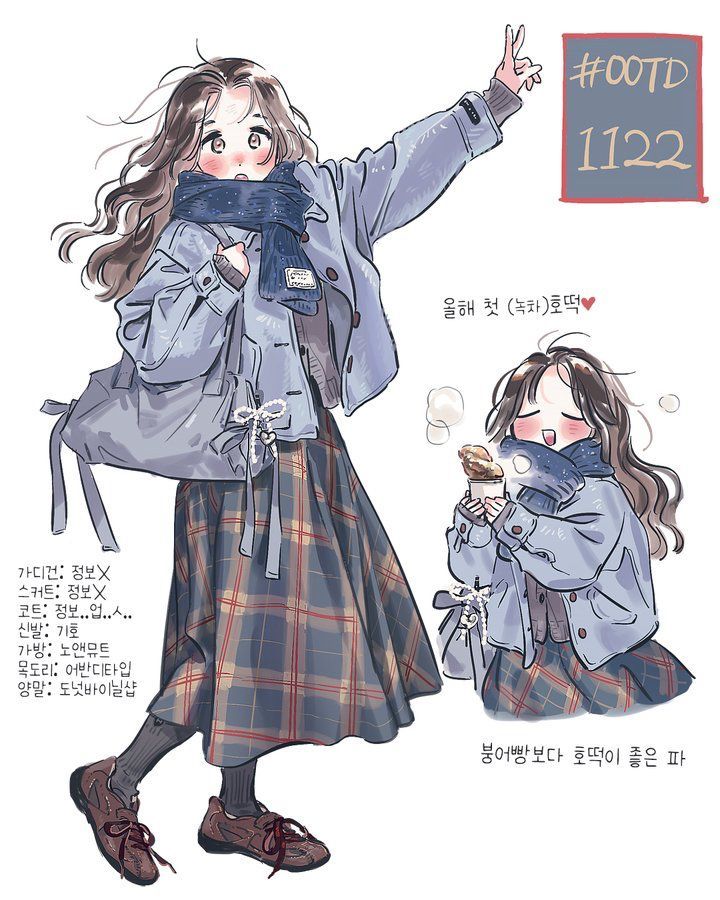
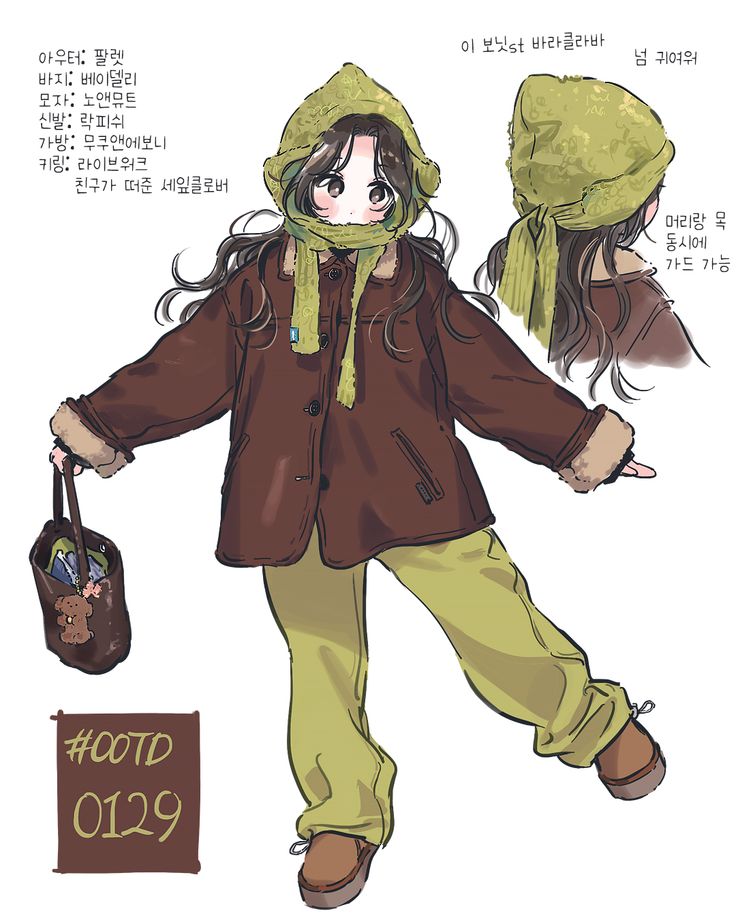
Little touches can turn a simple outfit into a cute masterpiece. Adding bows, ruffles, lace trims, or buttons makes clothes feel playful and unique.
Accessories like headbands, small bags, or delicate jewelry offer extra personality. Sometimes, drawing tiny heart or star motifs on shirts or socks adds a whimsical feel.
Choosing subtle color variations for these details keeps them noticeable but not distracting. They should enhance the main outfit, not overpower it. These small elements give a sense of care and creativity in the sketch.
Drawing Outfits for Different Occasions
Outfits change a lot based on where someone is going or the weather outside. Understanding these details helps to create drawings that feel real and fit well with different moments. Each type of outfit has special features to focus on.
Casual Daywear
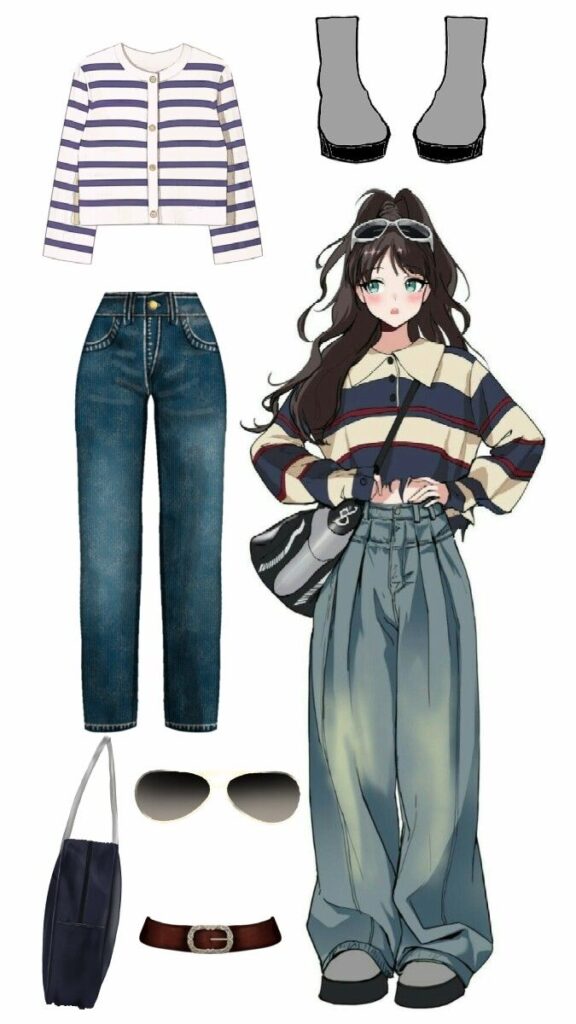
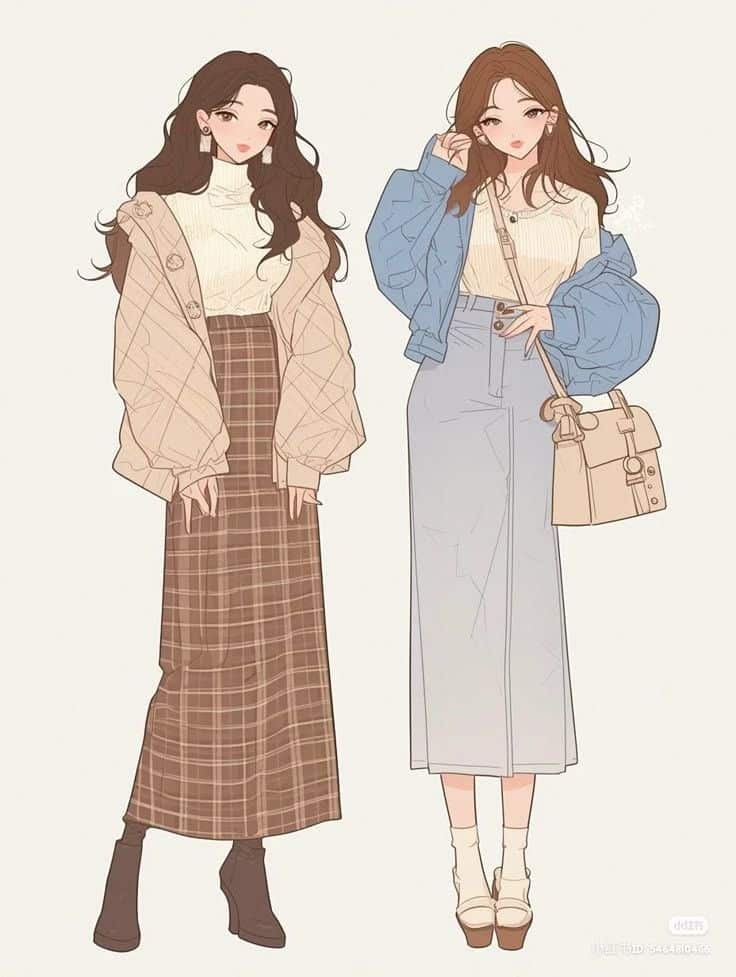
Casual daywear is relaxed but still stylish. It includes things like jeans, t-shirts, simple dresses, and sneakers. When drawing casual looks, artists should think about comfortable fabrics and loose fits. Layers like hoodies or light jackets add interest and make the drawing more dynamic.
Colors for casual outfits are often soft or neutral, but can include pops of bright shades to keep it fun. Accessories might be small, like a watch or a backpack. Simple hairstyles and natural makeup fit perfectly here. Drawing casual daywear gives a chance to play with everyday, wearable designs.
Party Looks
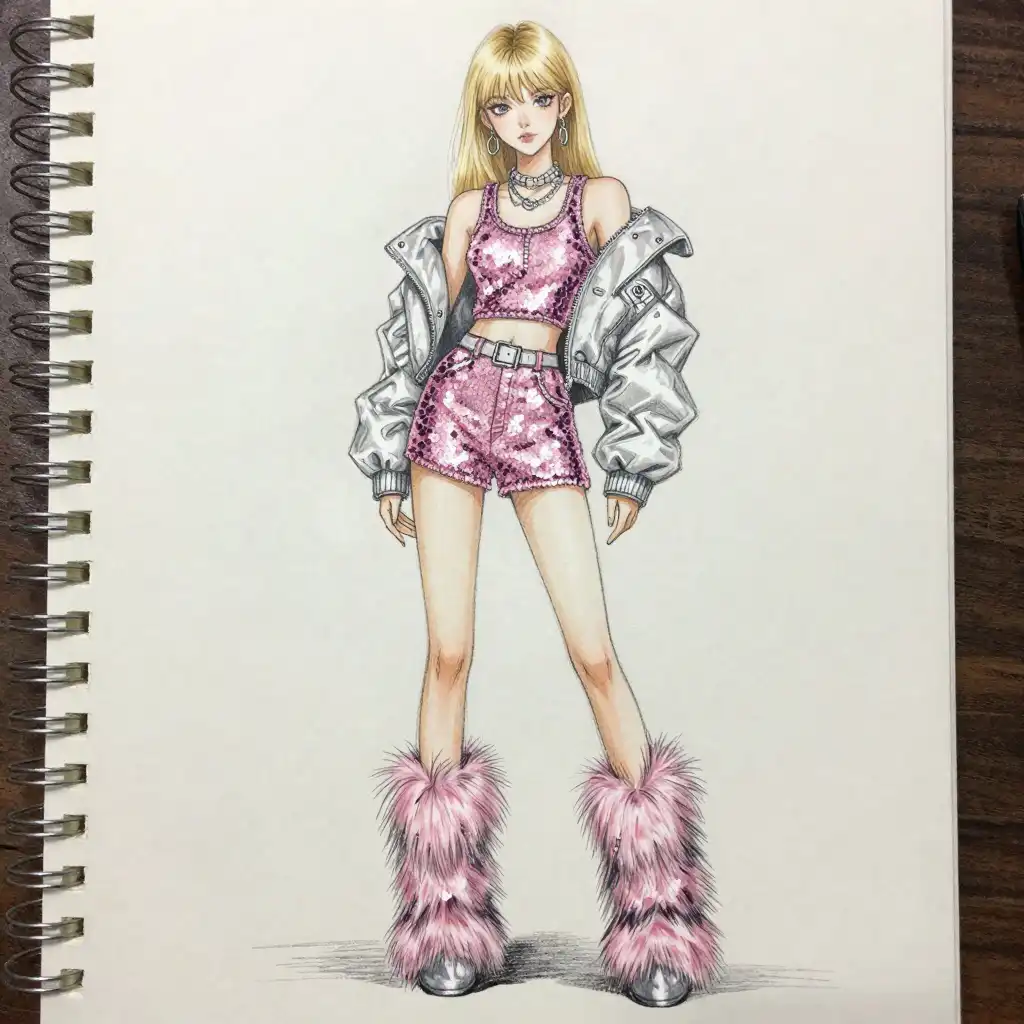
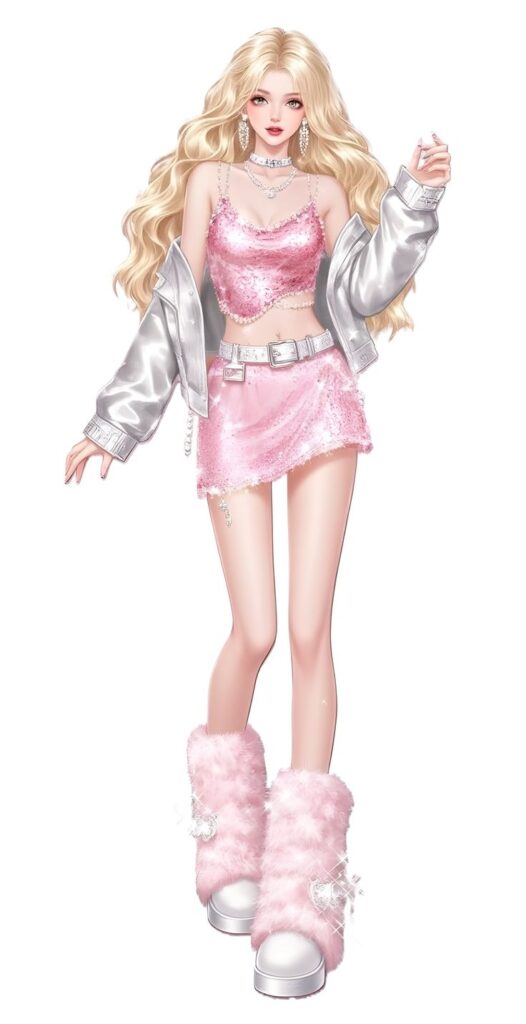
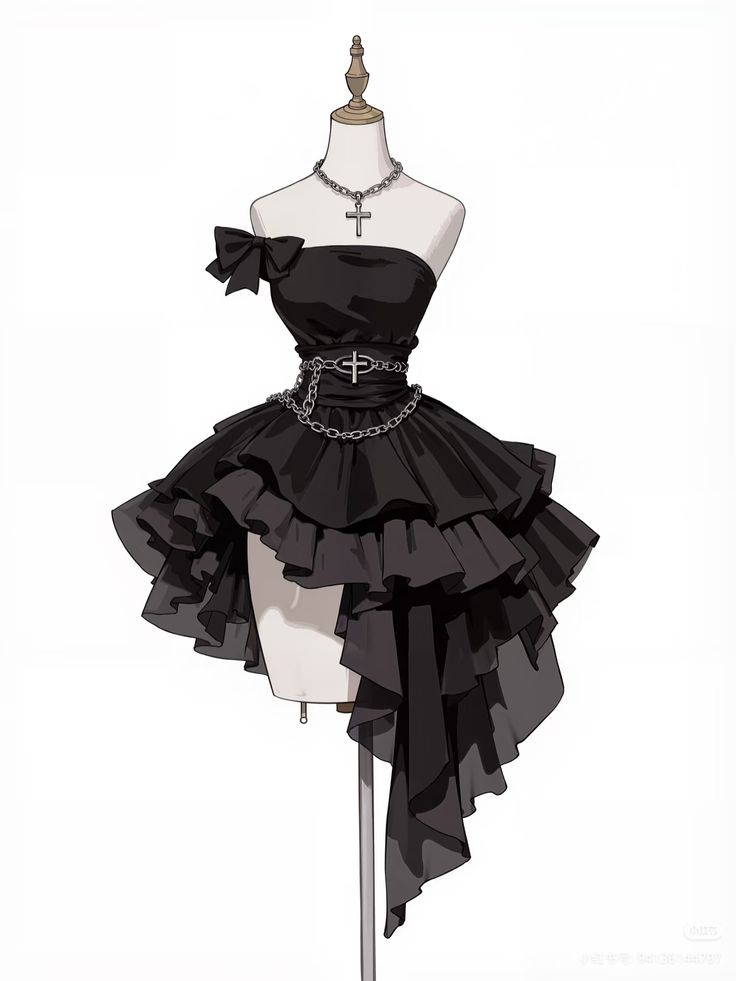
Party outfits are all about standing out. Shiny fabrics, bold colors, or detailed patterns can make an outfit pop in a drawing. Think about dresses with sequins, high heels, and statement jewelry. These elements show that the outfit is for something special rather than everyday wear.
Cut and fit are important here. Tight, flowing, or layered styles work depending on the vibe of the party. Hair and makeup are usually more polished or creative, which adds personality to the look. Capturing the energy of a party outfit means focusing on bright details and dramatic shapes.
Seasonal Styles
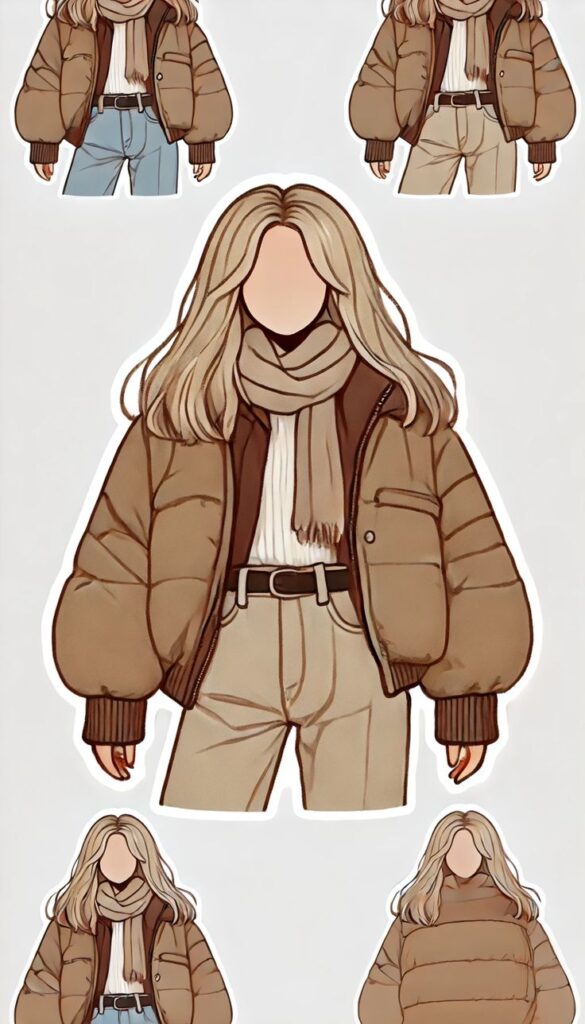
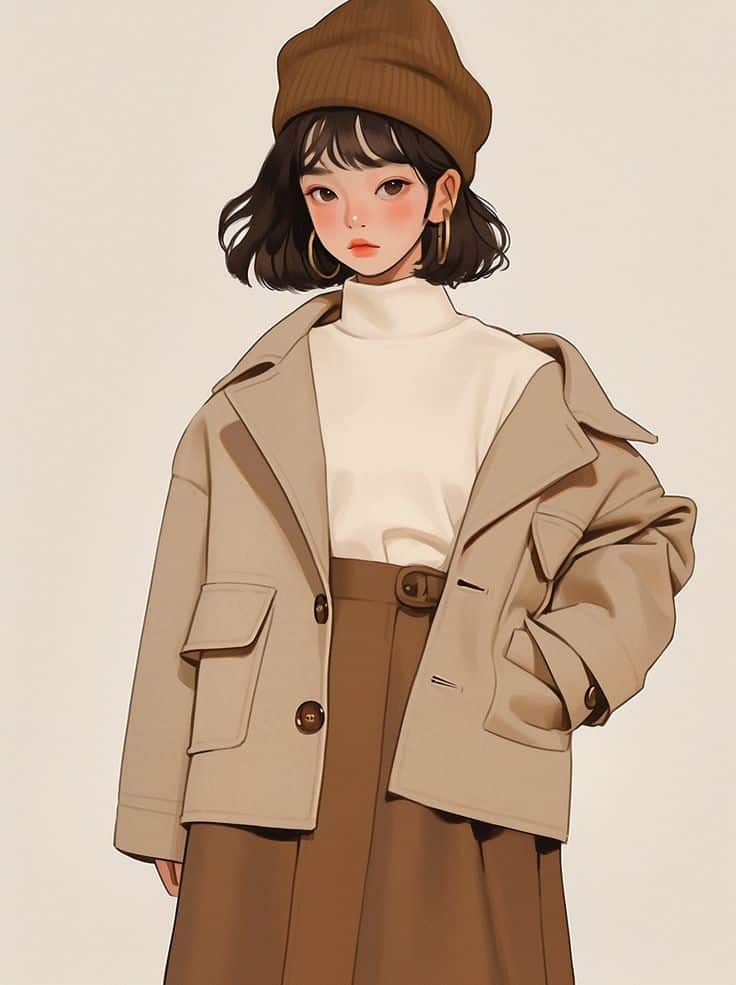
Seasonal styles change with the weather and holidays. For winter, thick coats, scarves, and boots keep characters warm and stylish. In summer, shorts, tank tops, sandals, and sun hats are usual choices. Spring and fall often mix layers, like light sweaters over blouses, with boots or sneakers.
Colors also shift with seasons—deep tones in fall and winter, pastels and brights in spring and summer. Accessories like gloves or sunglasses make the outfit feel complete. Seasonal drawing involves balancing warmth and fashion to fit the time of year clearly.
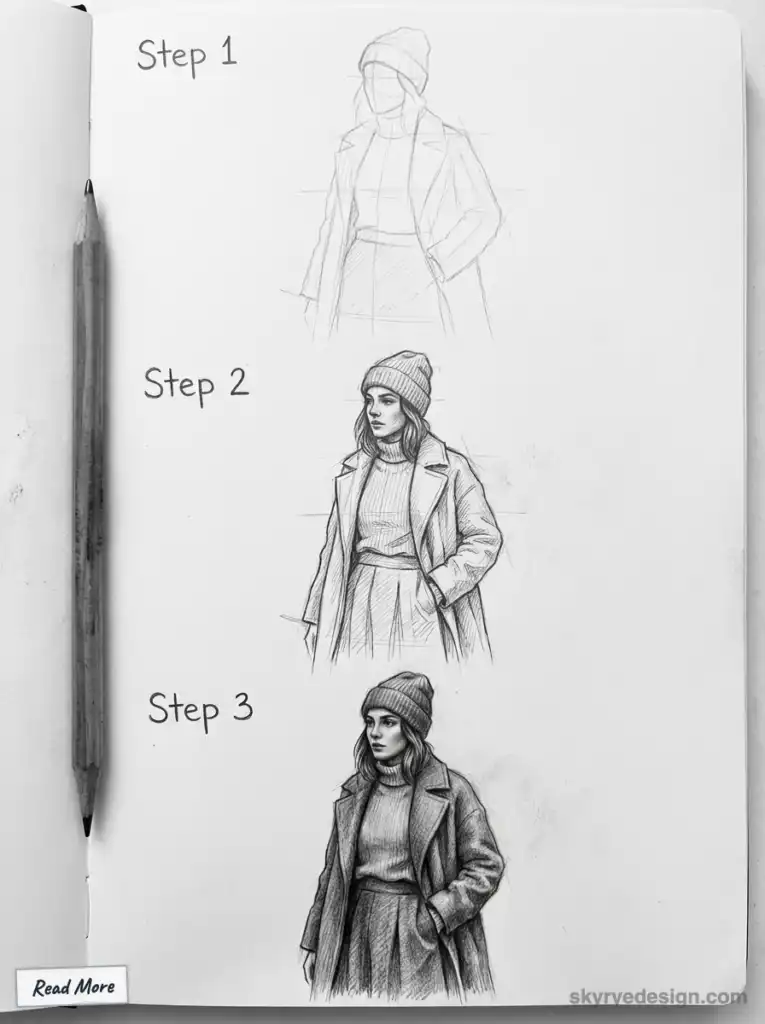
Enhancing Drawings With Expressive Poses
Expressive poses add life and energy to outfit drawings. They highlight how clothes move and show a character’s personality through body language. Using dynamic stances and matching facial expressions can make an outfit feel real and engaging.
Dynamic Poses for Fashion Drawings
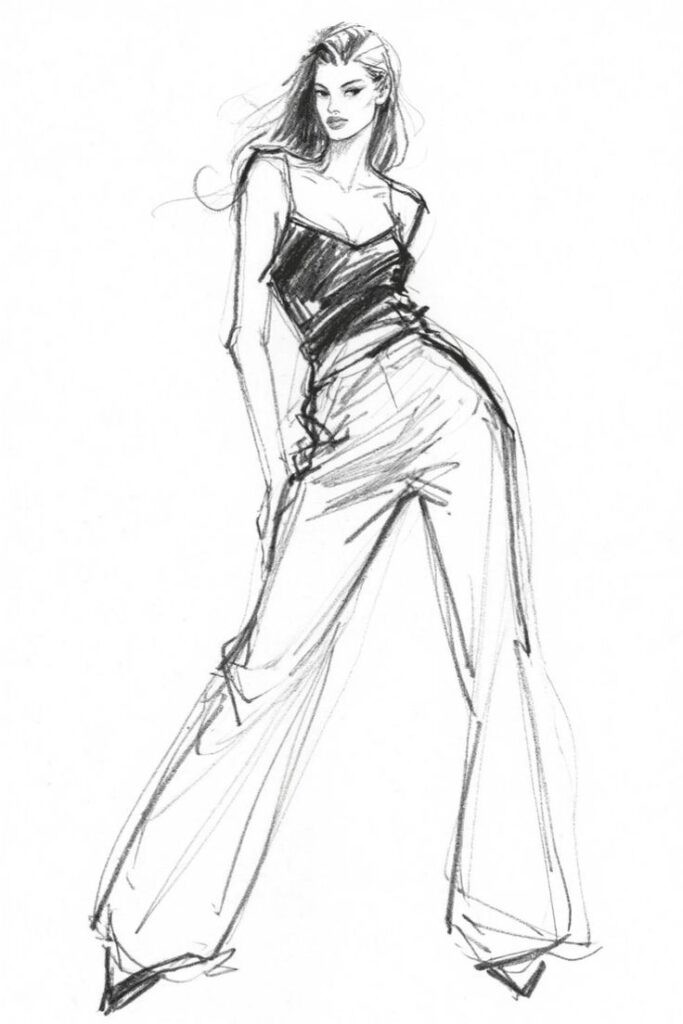
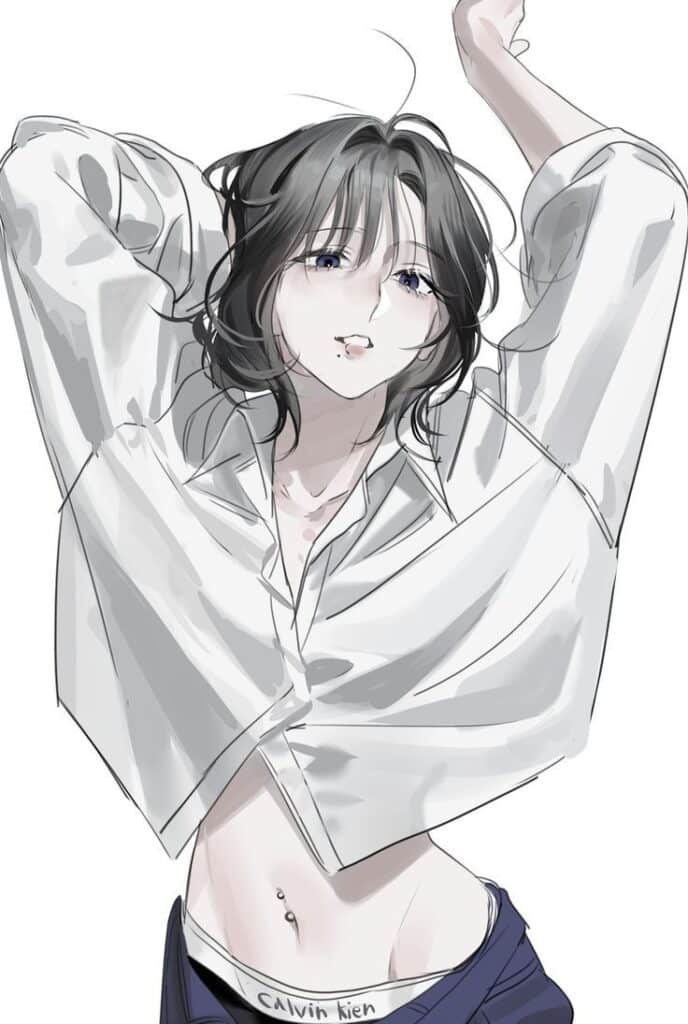
Dynamic poses show movement and personality in drawings. Instead of stiff, straight poses, artists use bends, twists, and shifts in weight. This helps display how fabric flows or fits on a body. For example, a character with one hand on their hip and a slight lean gives a confident, casual vibe.
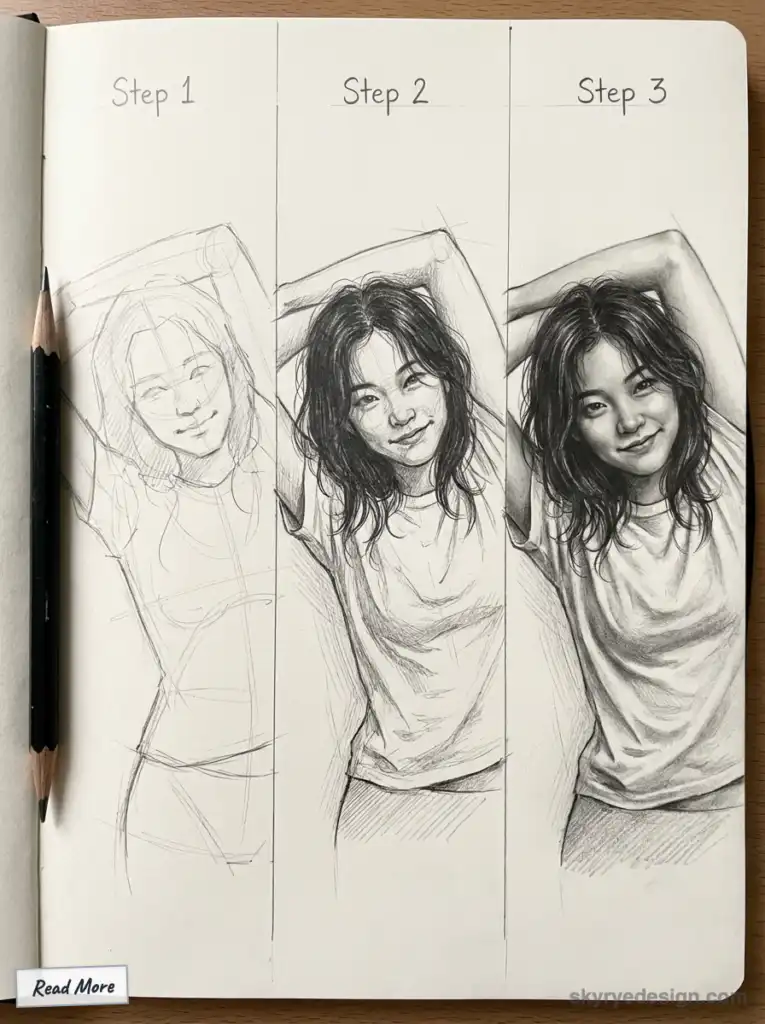
Using actions like walking, jumping, or twirling adds interest. It breaks the flat feel and shows how outfits look in real-life situations. Sketching quick gesture lines first can capture the flow. Then, clothing layers follow the body’s motion. This approach makes the outfit drawing feel natural and lively.
Facial Expressions and Outfit Mood
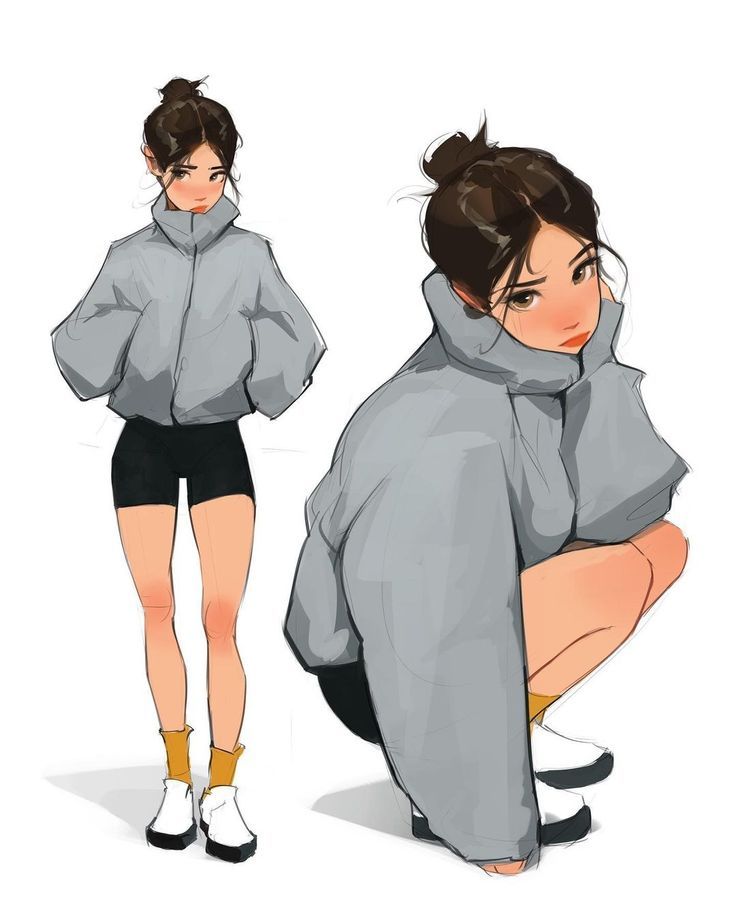
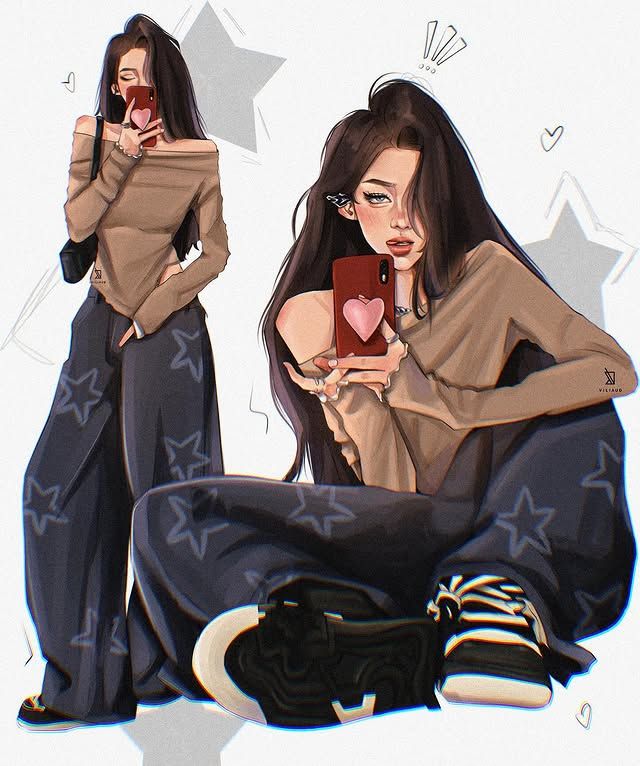
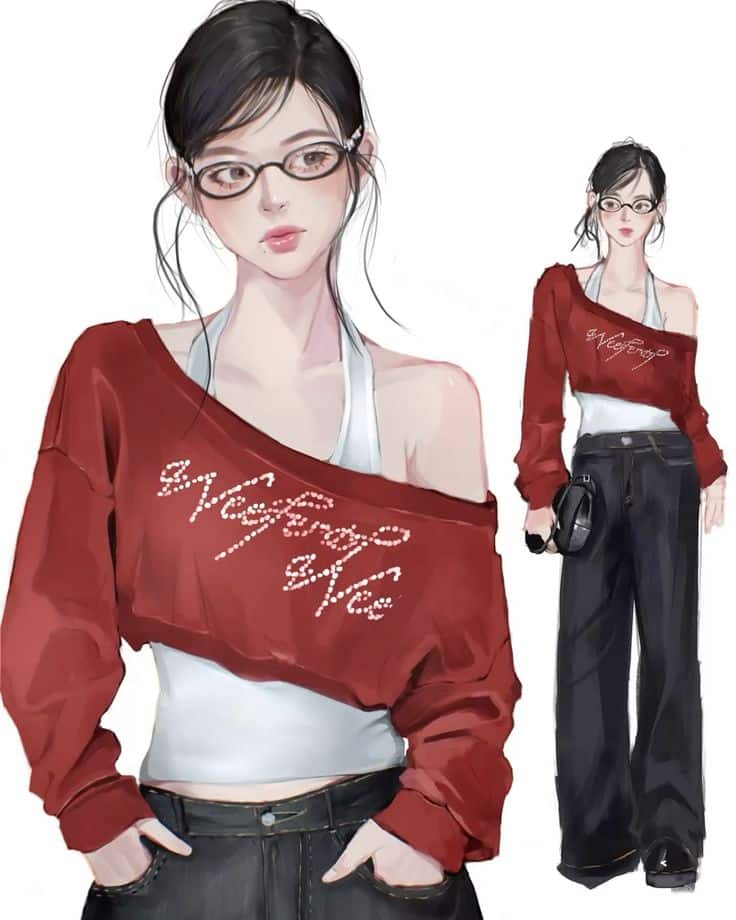
Facial expressions connect the outfit to the character’s mood. A smiling face pairs well with bright, cute clothes, while a serious expression suits sharper, more formal styles. Matching expression and outfit mood helps tell a story without words.
Artists can focus on eyes and brows, as these reveal emotion quickly. Soft eyes and a gentle smile can add sweetness to pastel dresses. In contrast, a strong gaze with set lips works for edgy or bold outfits. This small detail helps viewers feel the vibe behind the design, making the outfit more memorable.
Tips for Digital and Traditional Illustration
Creating cute outfit drawings requires attention to how colors, textures, and tools interact. Using the right materials and techniques can make outfits look more lively and believable. Choosing between digital and traditional methods often depends on the artist’s comfort and style.
Exploring Digital Art Tools
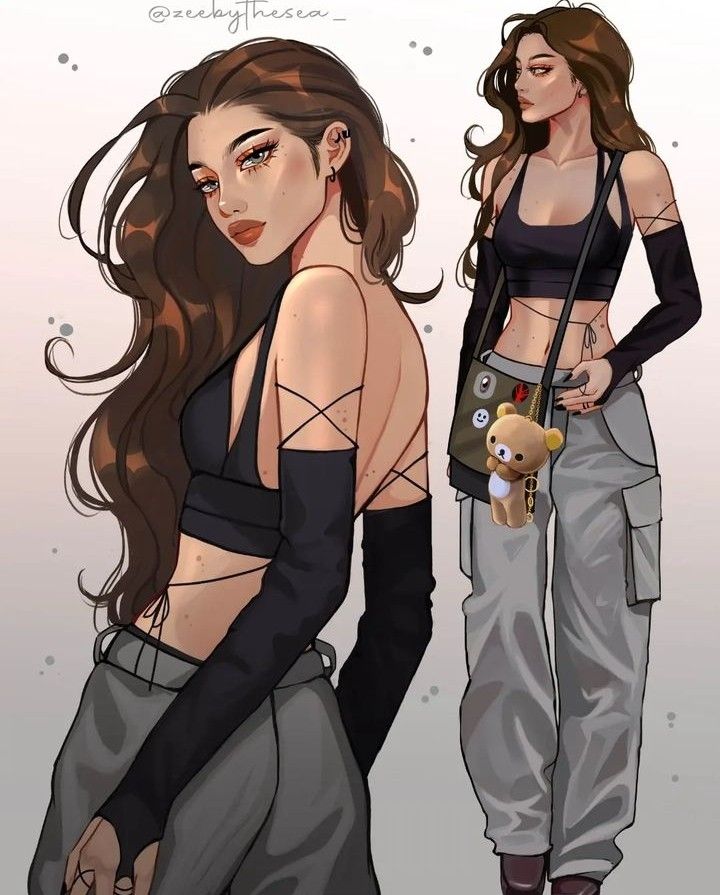
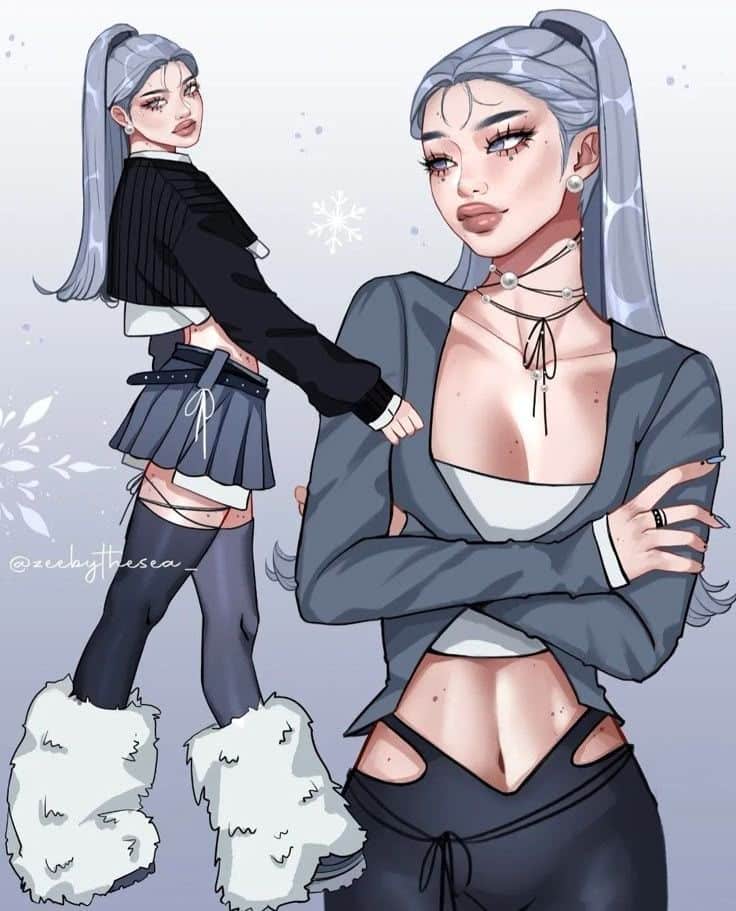
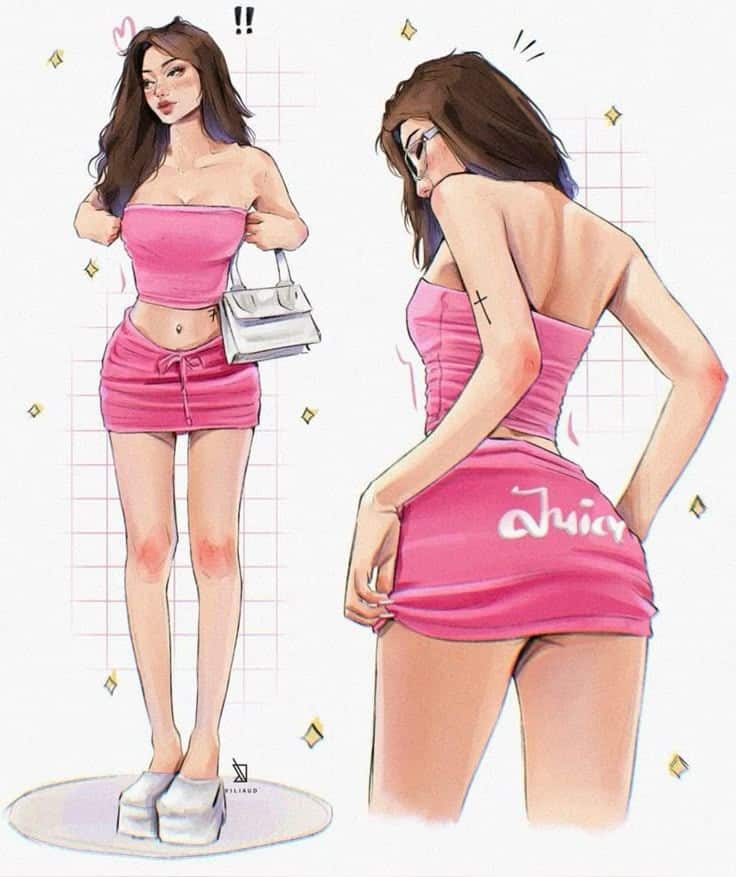
Digital art lets artists experiment freely with layers, brushes, and colors. They can use layers to separate parts of the outfit—like the shirt, skirt, or accessories—making it easier to change details without affecting the whole drawing.
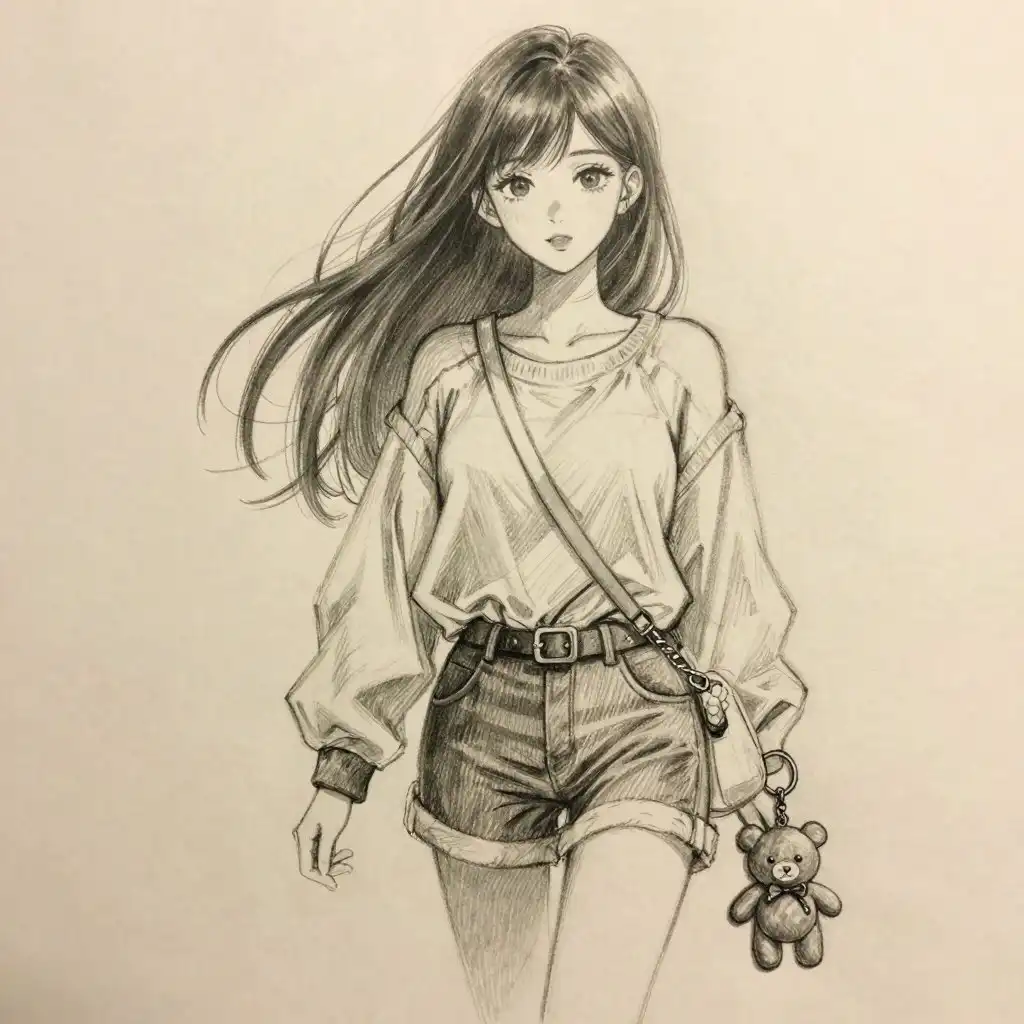
Brush customization is key. Soft brushes work well for smooth fabric textures, while textured brushes mimic fabric patterns like denim or lace. Color picking tools help match colors precisely, while blending modes add shadows and highlights naturally.
Many digital artists use software like Procreate, Clip Studio Paint, or Photoshop. Tablets with pressure sensitivity allow for varied line thickness, which brings more expression to the drawings. Undo and redo options also encourage trying new ideas without fear of mistakes.
Traditional Coloring Techniques
Traditional drawing uses pencils, markers, colored pencils, or watercolors to add color and depth. Layering is important—starting with light colors and gradually adding darker tones creates shading and dimension.
Artists often use blending tools, like a blending stump or a soft brush, to smooth pencil or pastel marks. Watercolors work well for soft, flowy clothing but need controlled layering to avoid colors bleeding too much.
Choosing the right paper matters. Smooth paper suits fine details, while textured paper works better for soft shading and rougher strokes. Artists usually outline outfits in ink or darker pencil to make drawings stand out before coloring.
Key tips: Build color slowly, keep shadows consistent, and pay attention to fabric folds to make clothes look natural.
FAQ
What basic sketching techniques help in designing outfits?
Start with simple shapes like circles and ovals for the body, use light pencil lines to adjust proportions, and add details like folds and fabric flow after establishing the basic form.
How can I find inspiration for cute outfit designs?
Look at current fashion trends, create mood boards with photos and fabric samples, and consider character personality, storyline, and season to generate fresh, stylish ideas.
How do I choose the right paper for outfit drawing?
Select smooth drawing paper or sketchpads with medium weight (80-100 gsm) for pencil sketches and colored pencils, and thicker paper (150 gsm or more) for markers or watercolors to prevent bleeding and warping.
What are some essential art supplies for designing outfits?
Essential supplies include pencils, erasers, fine liners, colored pencils, markers, watercolor paints, rulers, and blending tools, which help create detailed and vibrant outfit sketches.
How can I start drawing cute outfits for characters?
To begin drawing cute outfits, gather basic art supplies like pencils, erasers, and colored pencils, choose suitable paper, and learn simple sketching methods to create clean, appealing designs.
- 55shares
- Facebook0
- Pinterest55
- Twitter0
- Reddit0