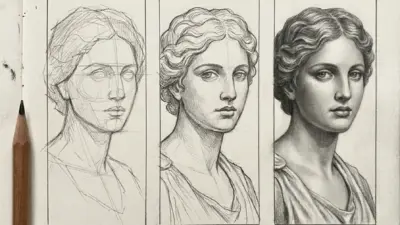
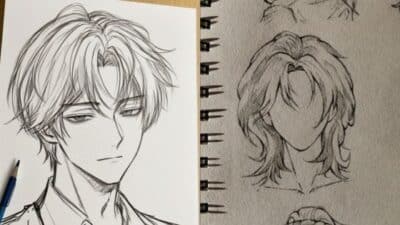
Diving head-first into the world of drawing people with charcoal is an exhilarating adventure that lets the raw emotion and depth of the human form shine through.
For a related guide, see Male Body Sketch Techniques for Accurate Anatomical Drawing.
Whether you’re looking to try out some new ideas with portraits or just fine-tune your technique, charcoal has got a lot to offer – particularly in the way of rich contrast and subtle , expressive lines. Below is a comprehensive guide on how to take your portraits and figure drawings to the next level using this classic medium.
Gather essential tools
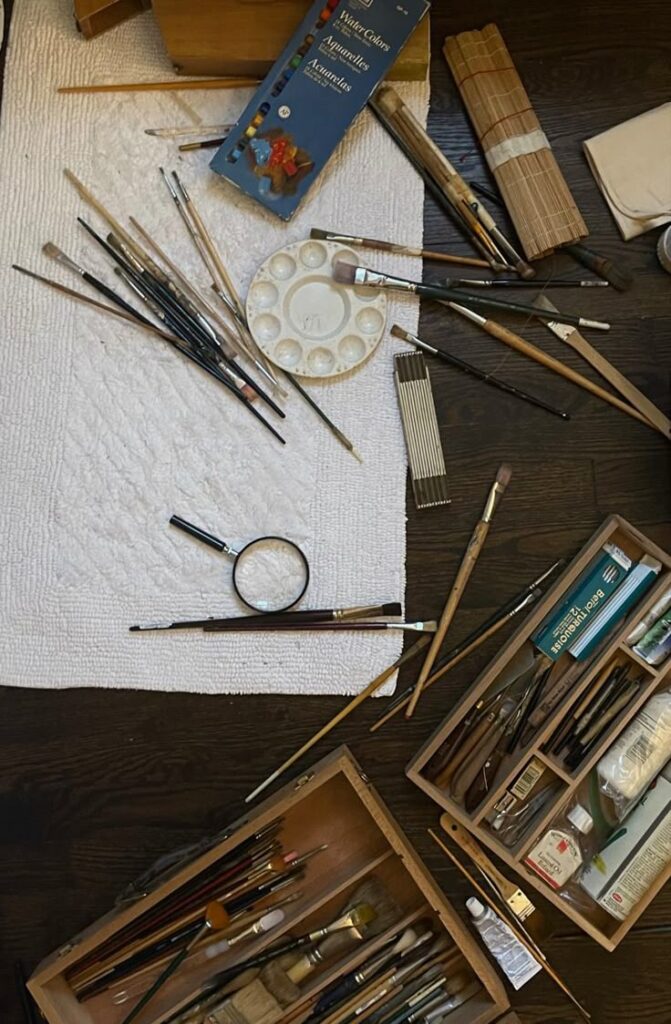
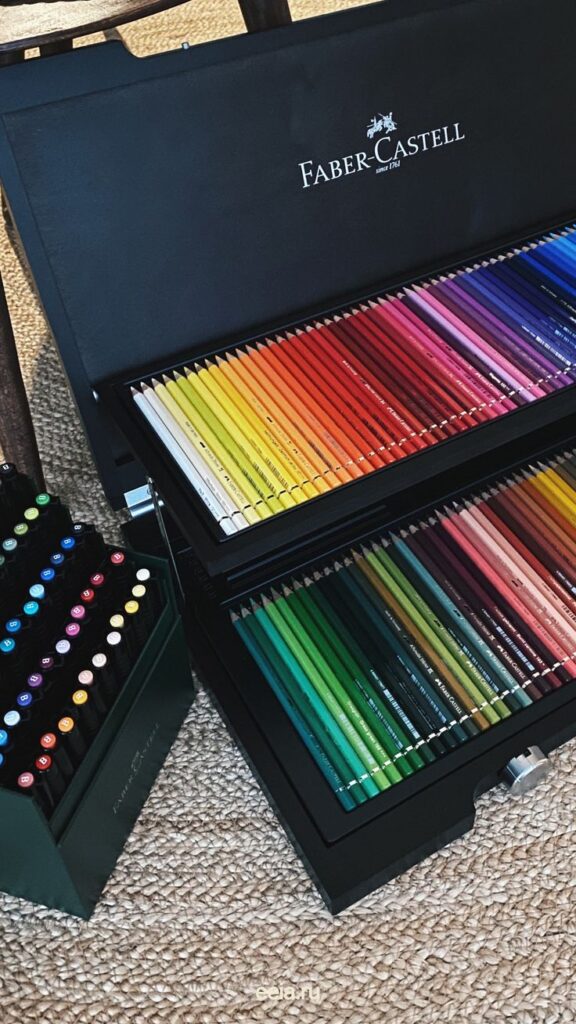
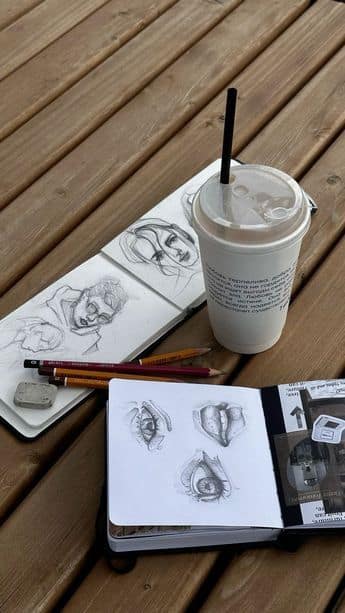
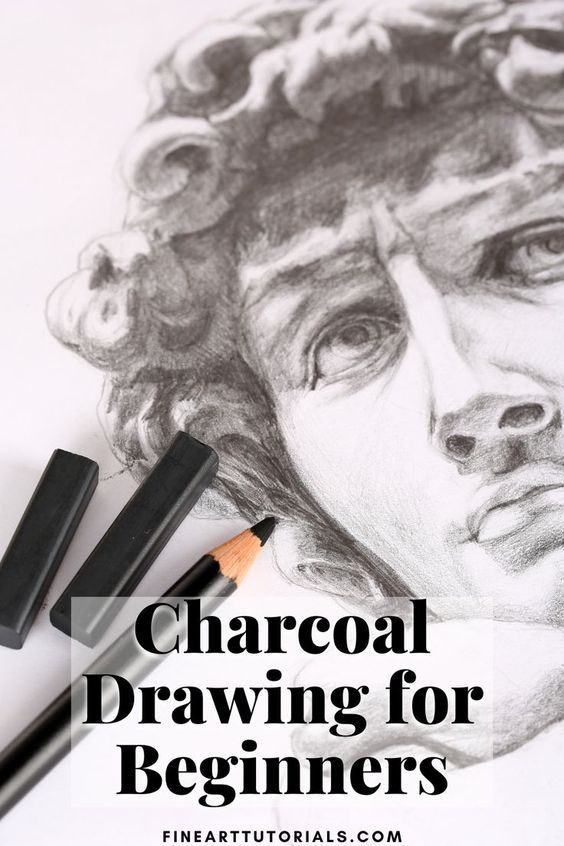
You’re going to save yourself alot of time and hassle if you pick the right charcoal tools and accessories from the start. Vine charcoal is nice & light and erases pretty easily, making it perfect for doing initial rough-out lines. Compressed charcoal is where you go for deeper blacks, and charcoal pencils are for when you need some precision for the really fine details.
Tool suggestions
- Vine charcoal (easily erasable, perfect for sketching)
- Compressed charcoal (medium or soft sticks)
- Charcoal pencils (General’s brand in HB or 2B are recommended School of Realist Art)
- Kneaded eraser and battery-powered eraser for highlights
- Blending stumps or brushes for precisely smoothing edges
Start your sketch with vine charcoal
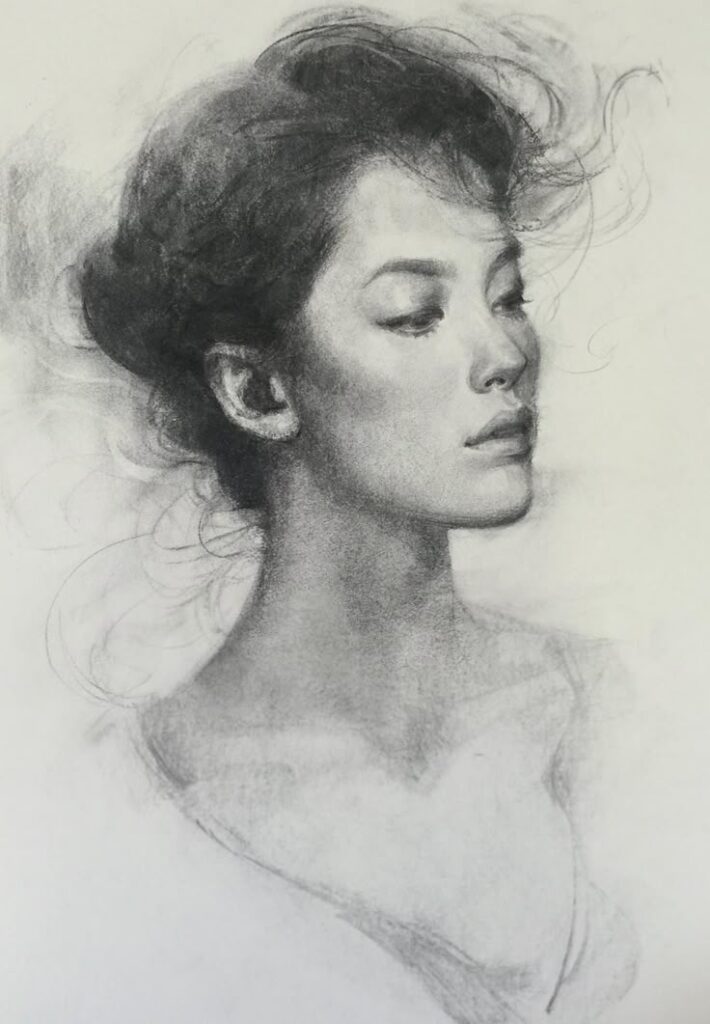
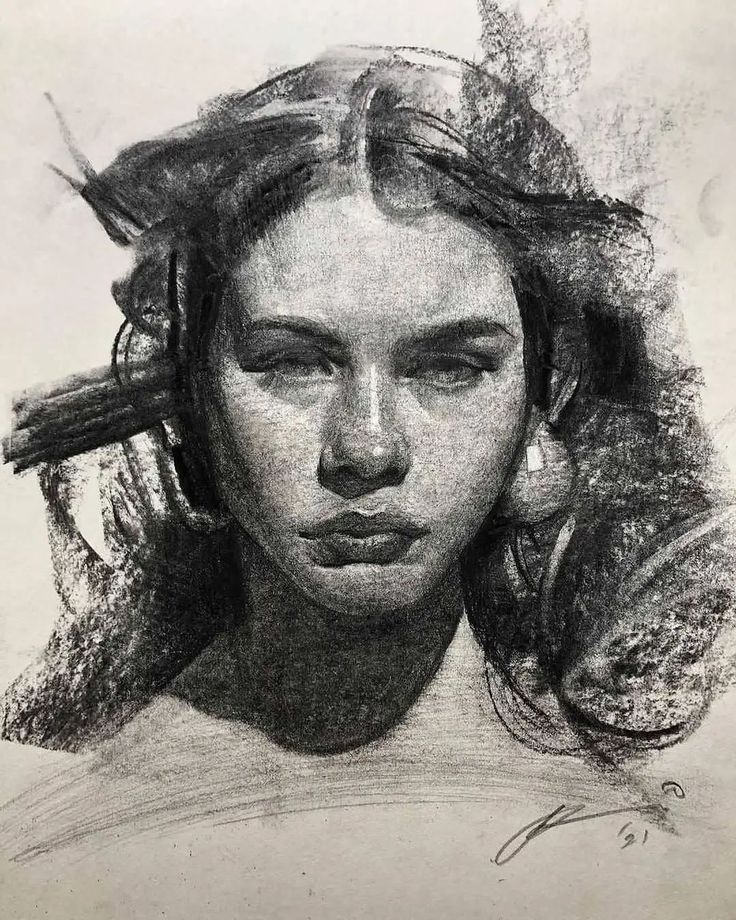
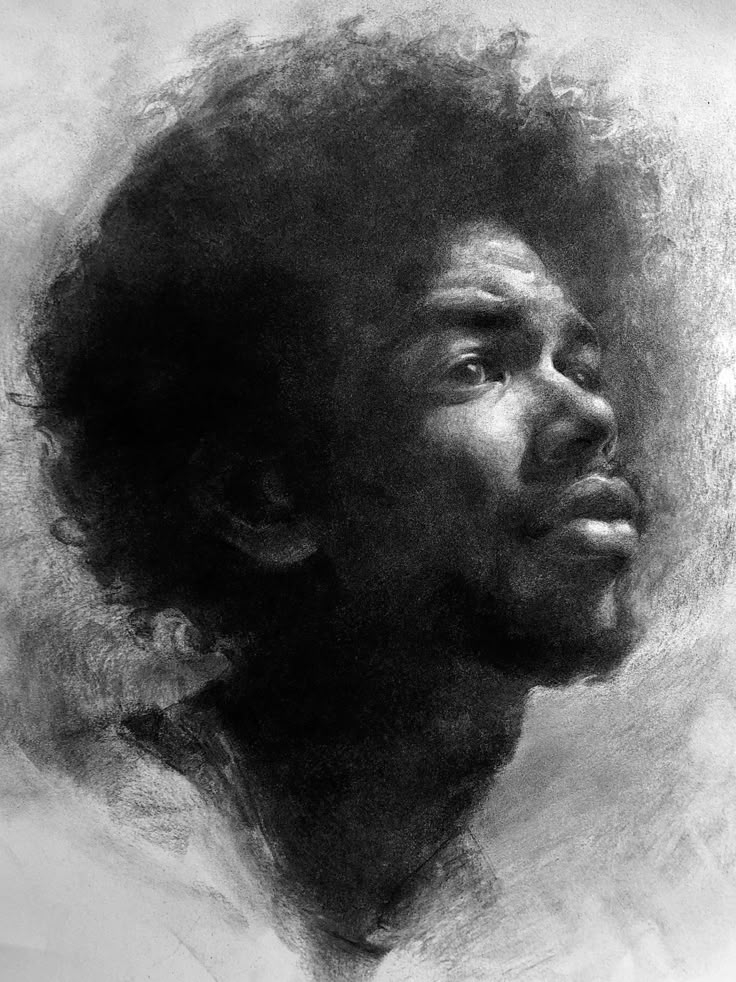
Vine charcoal is perfect for mapping out proportions and capturing the structure of the face or figure. It is forgiving, erases smoothly, and lets you make expressive strokes without creating heavy lines.
Why vine charcoal first
- Light and erasable, so you can adjust your sketch easily
- Avoids muddying the page early on
- Helps establish a clear framework for facial features or figure outlines
According to John Fenerov, applying too much pressure with vine charcoal can cause smudgy lines that obscure subtle details in your portrait (John Fenerov). So keep your touch gentle to maintain control.
Blend and shade carefully
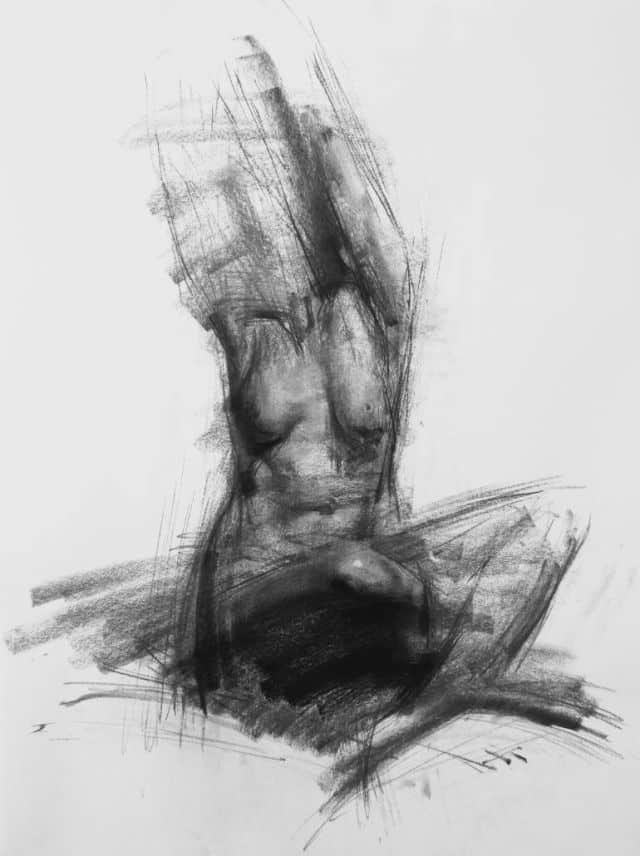
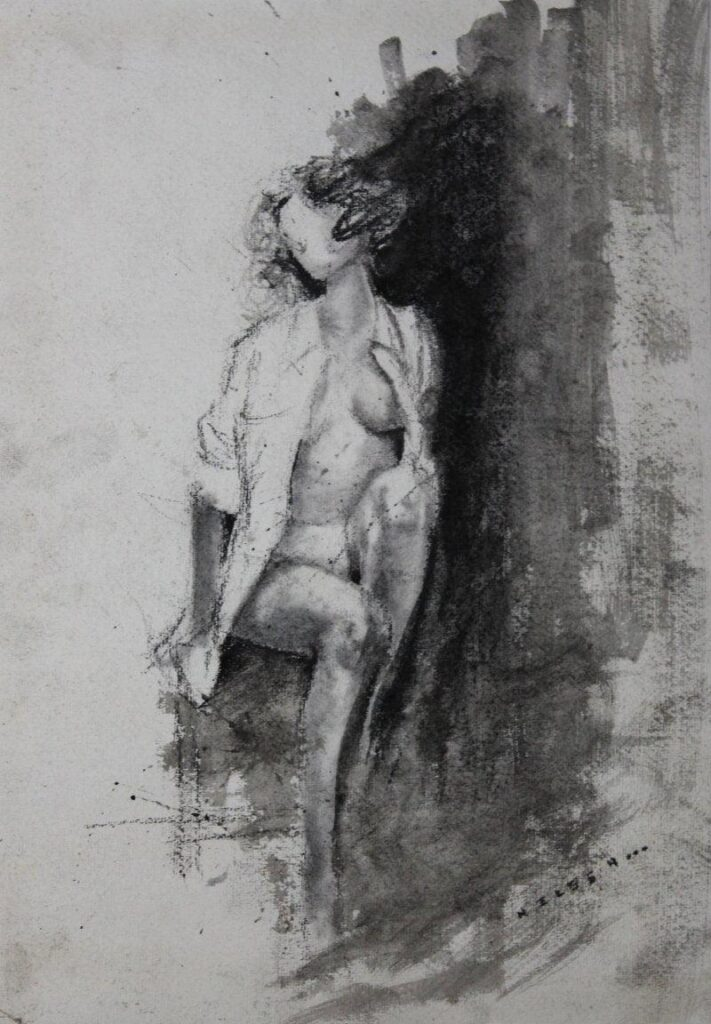
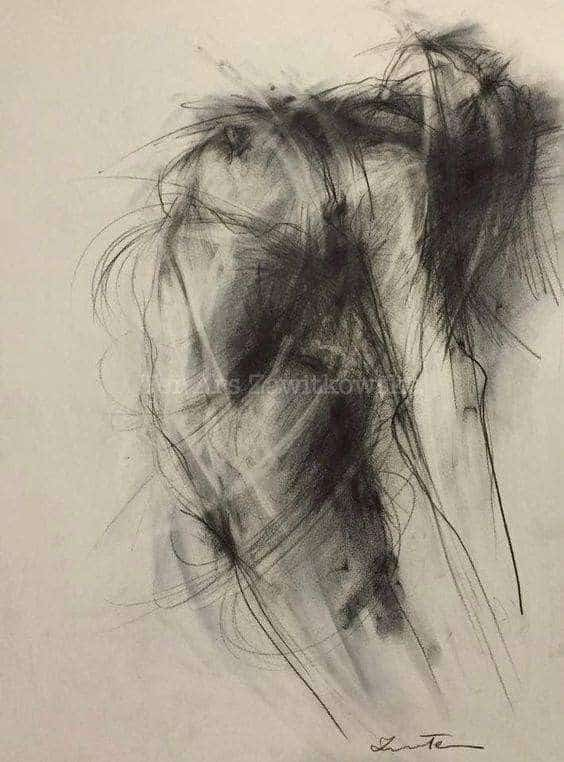
Charcoal techniques often hinge on how you blend. Since charcoal particles rest on the paper surface, they can be moved around with tools like brushes, blending stumps, and even tissues (without lotion).
Blending tools and tips
- Use a soft-bristle paintbrush for silky transitions in hair or cheeks (Strathmore Artist).
- Try a blending stump for sharper edges around eyes, nose, and mouth.
- Reserve tissues for smoothing large areas, but avoid overly lotion-infused tissues.
- Your fingertips offer spontaneity but watch for natural oils that can cause patchiness.
Overblending can flatten your drawing, leading to muddy values. Aim for a balanced blend, preserving crisp lines in key areas so your portrait remains eye-catching (John Fenerov).
Build contrast with compressed charcoal
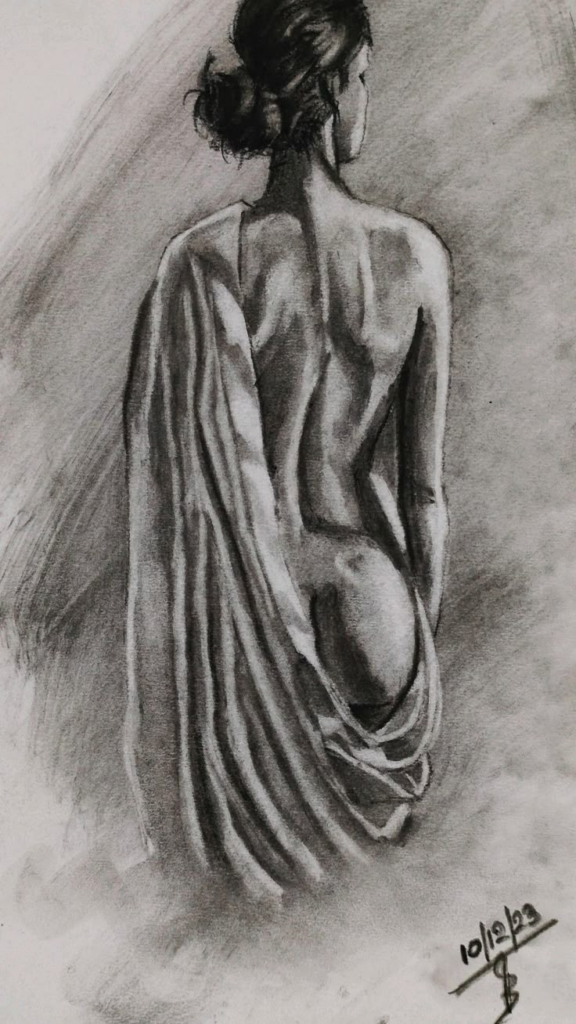
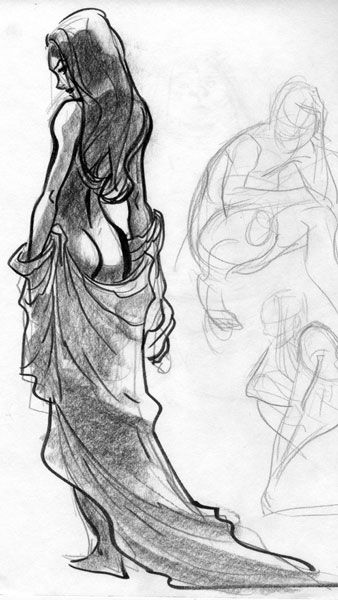
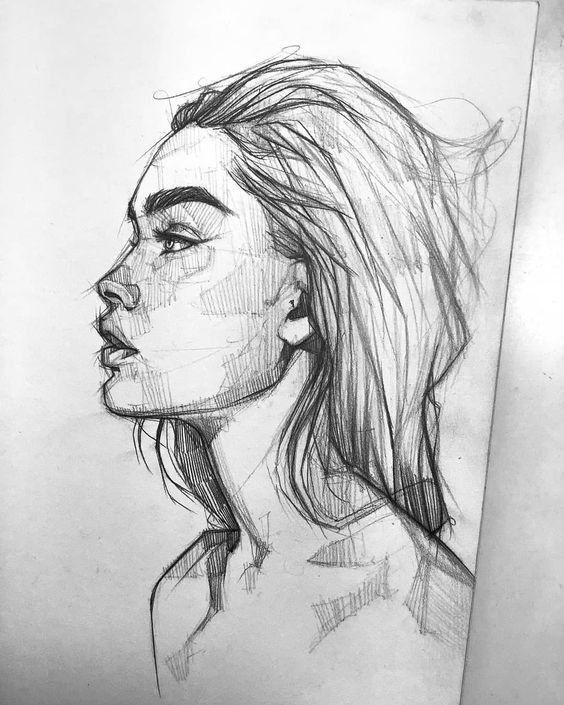
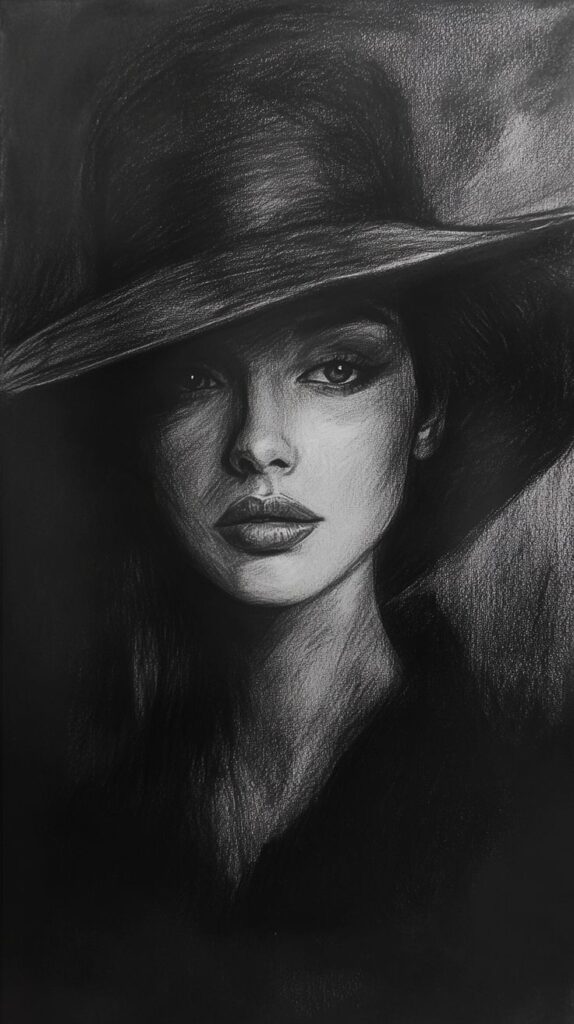
Once your sketch is in place, deepen shadows and refine facial features using compressed charcoal. This kind of charcoal delivers richer darks that make eyes, hair, and clothing details pop off the page.
Tips for adding depth
- Apply compressed charcoal in layers to achieve velvety blacks.
- Use a kneaded eraser to lift out highlights as you go.
- Combine vine and compressed charcoal to create dimensional mid-tones.
Many artists, such as Julio Reyes, view charcoal’s high contrast as “almost mystical,” capturing light and shadow in a dramatic way (Realism Today). Take advantage of this effect to breathe life into your portraits.
Preserve your art with fixative
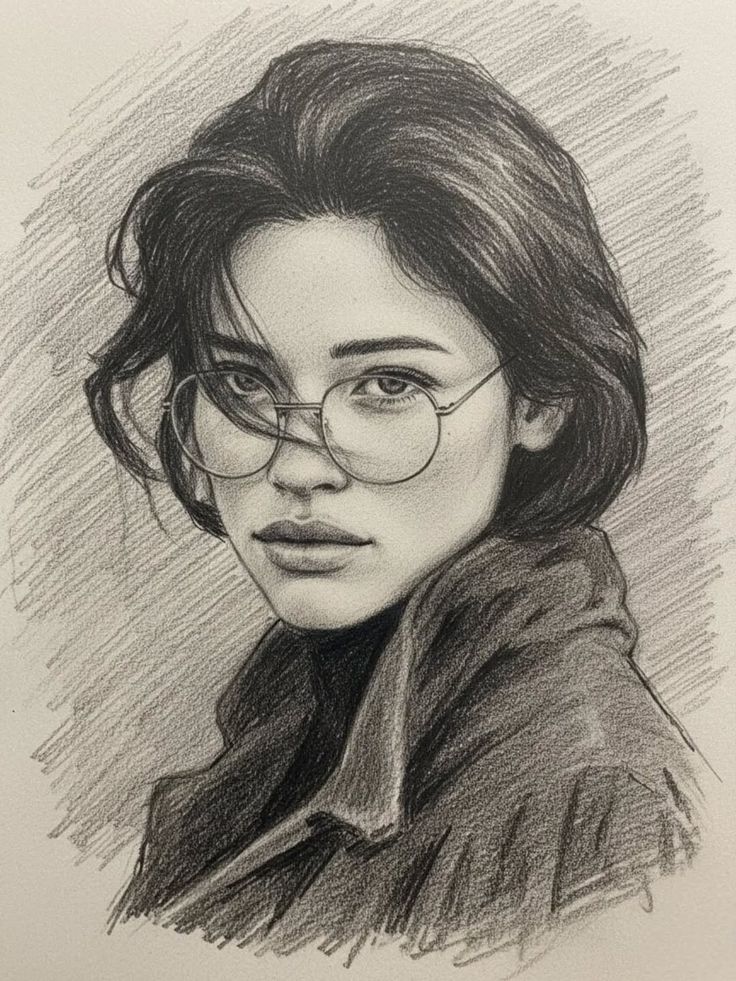
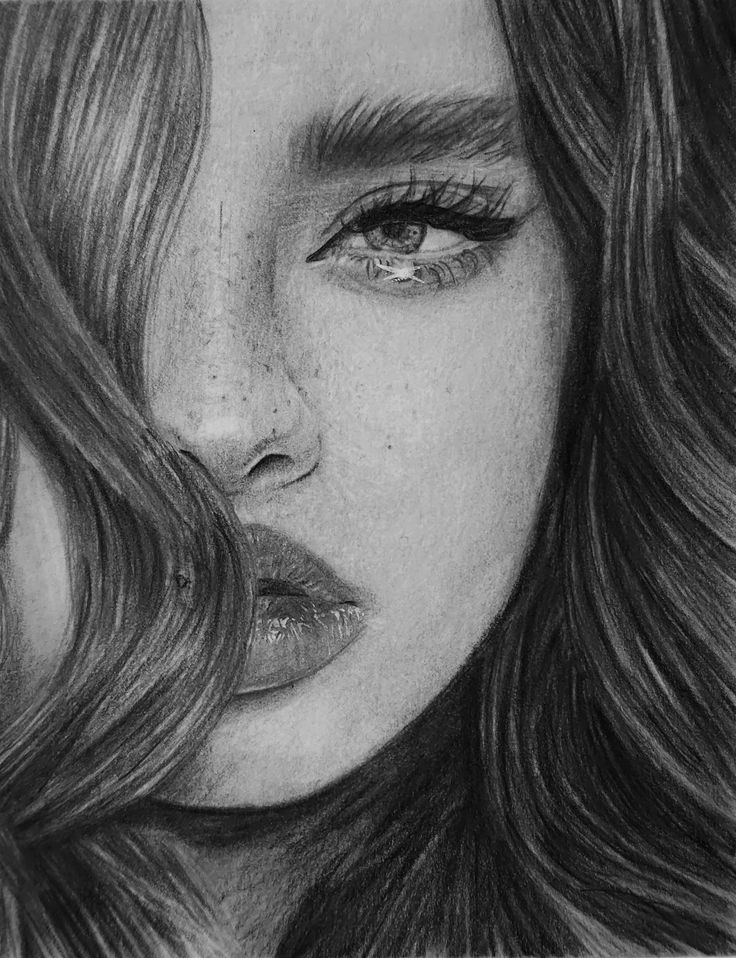
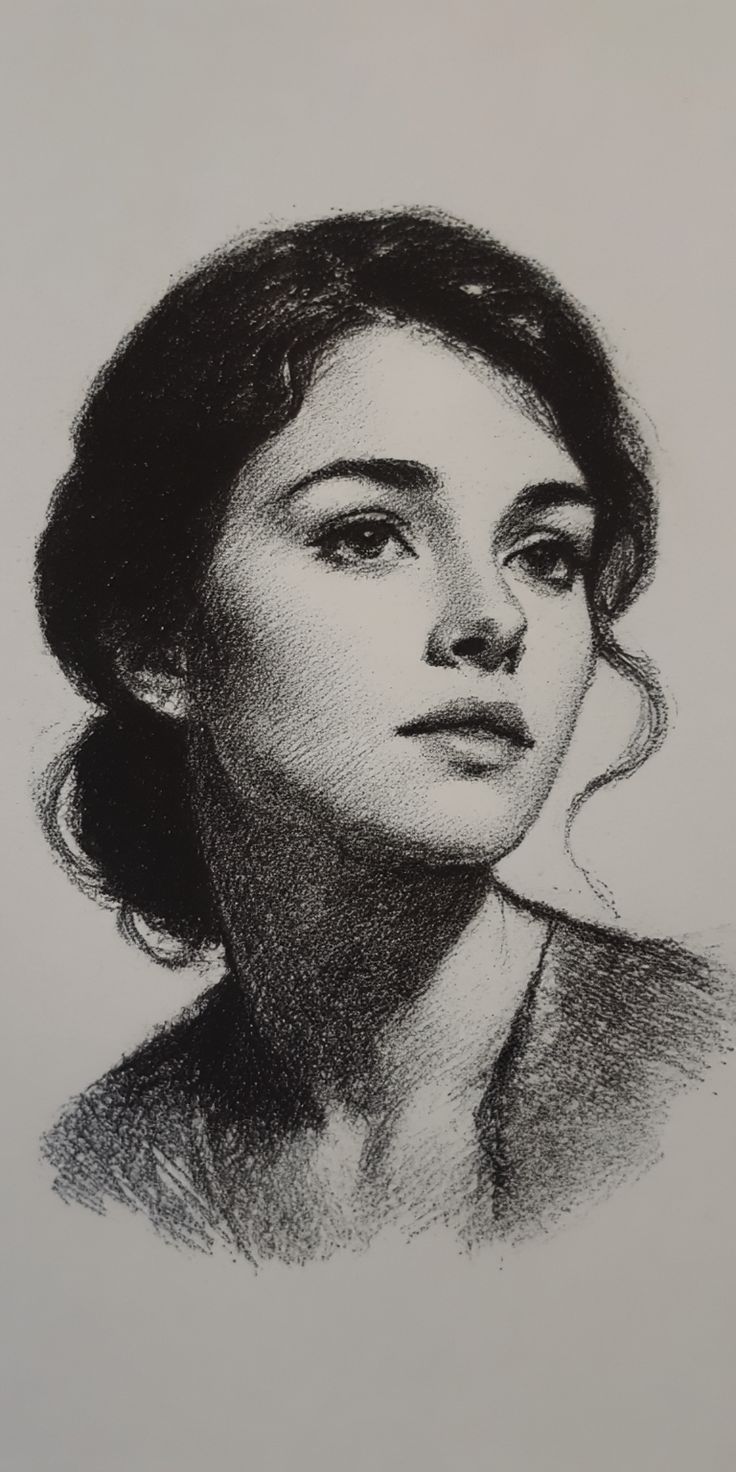
All your careful shading can easily smudge if you handle the paper or continue layering without protection. A fixative spray keeps the charcoal in place.
Application pointers
- Spray lightly from about a foot away.
- Test the fixative on scrap paper to avoid unexpected shine.
- Reapply after each major drawing stage for best results (Artists Network).
Skipping this step can lead to loss of delicate facial highlights and half-tones once you resume work or transport your art (John Fenerov).
Explore toned paper benefits
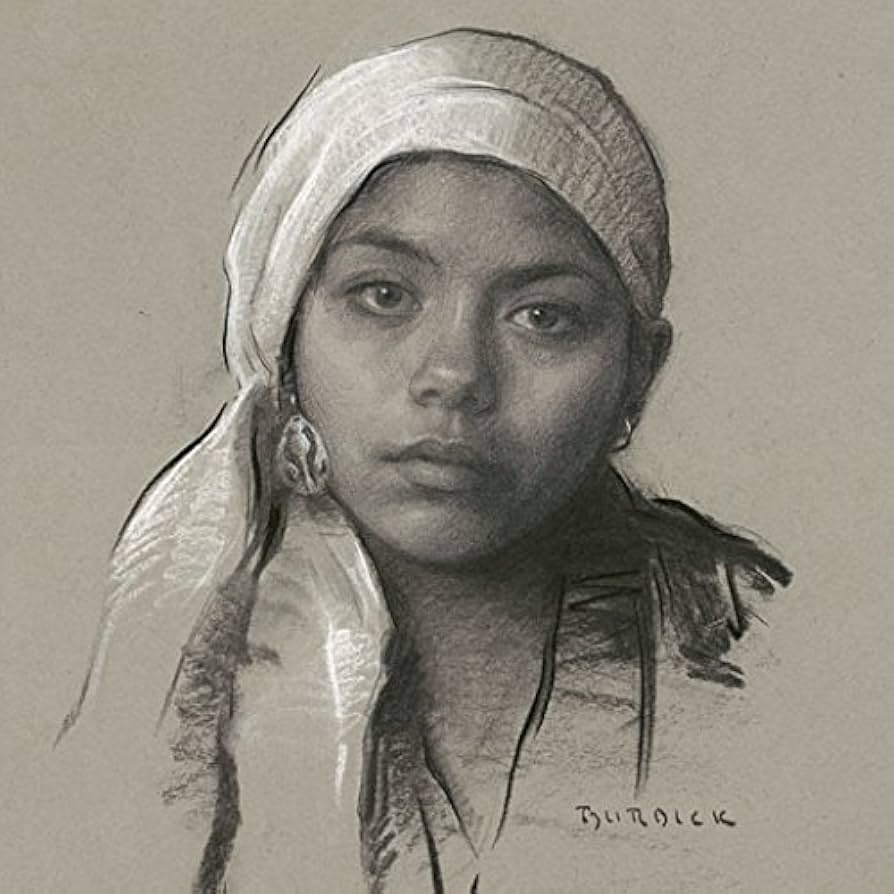
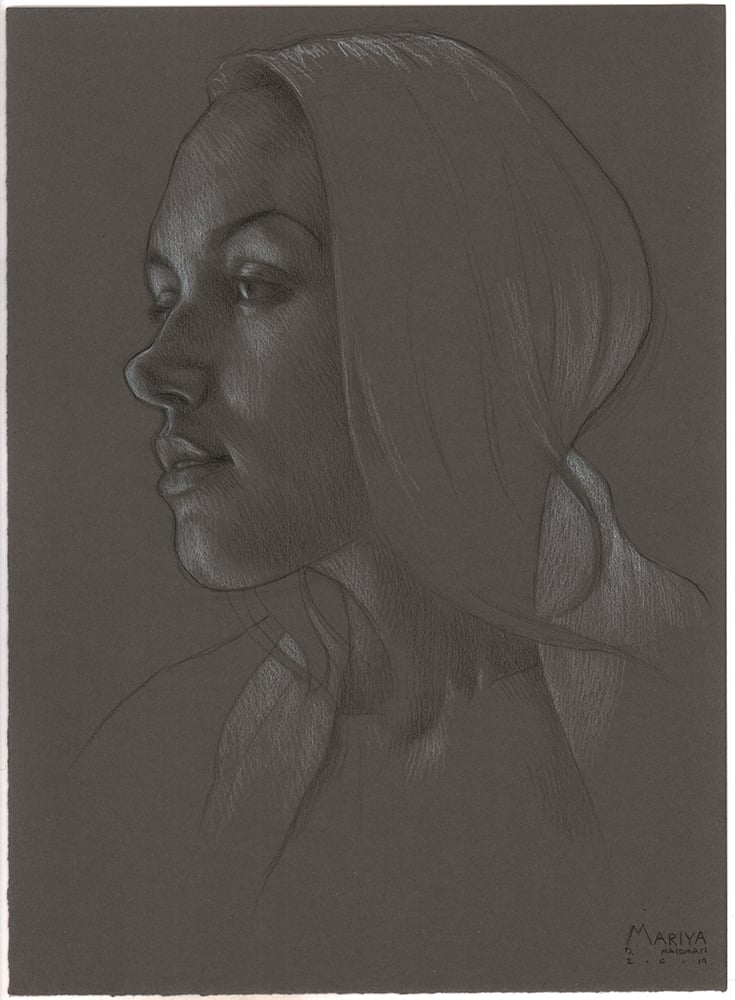
If you want dramatic portraits, toned paper such as gray or blue can provide an instant middle ground between highlights and shadows. You can lift charcoal to reveal brighter shapes and add dark accents to form striking contrasts.
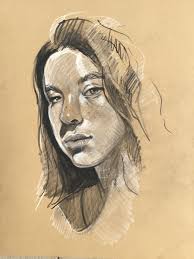
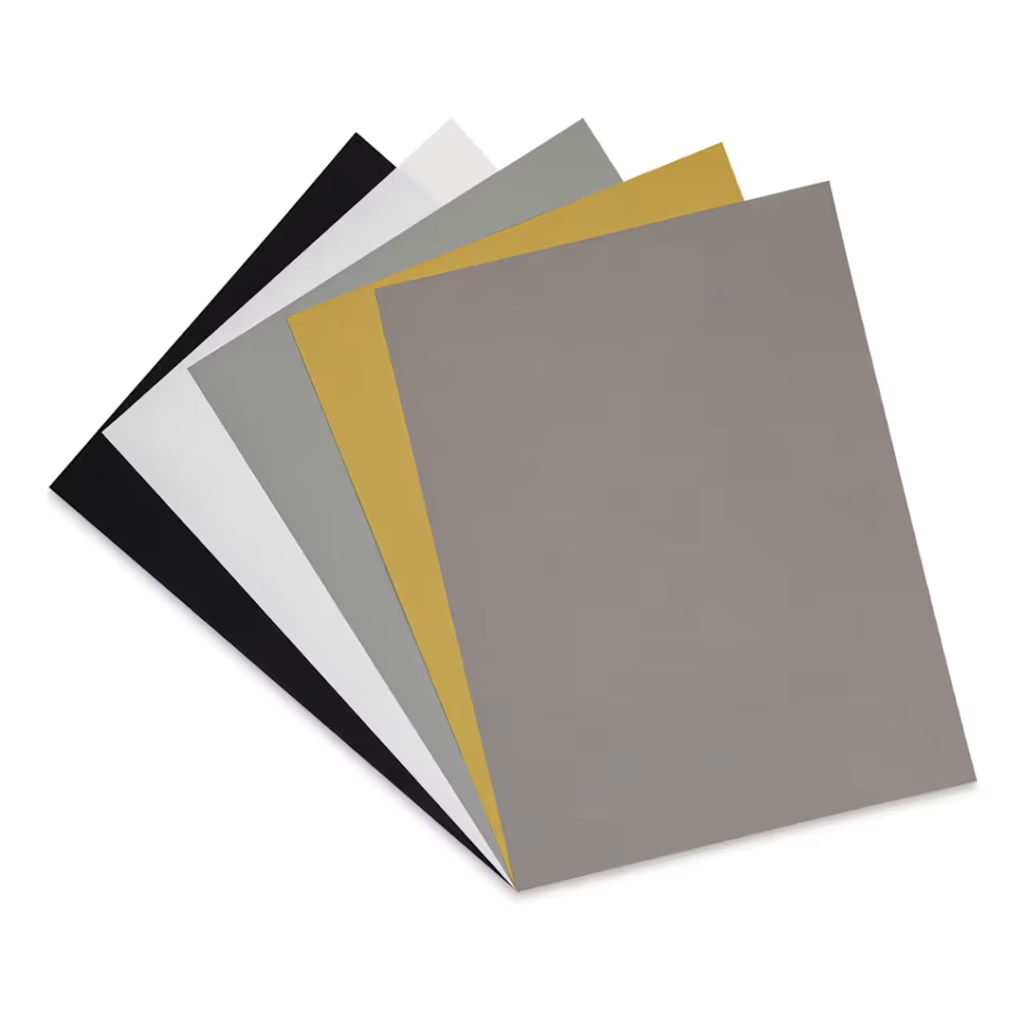
Why toned paper
- A ready-made mid-tone to help you gauge values
- Faster creation of highlights when you lift or add white charcoal
- Historically favored by classic artists for finely rendered figures (Artists Network)
Keep your drawing dynamic
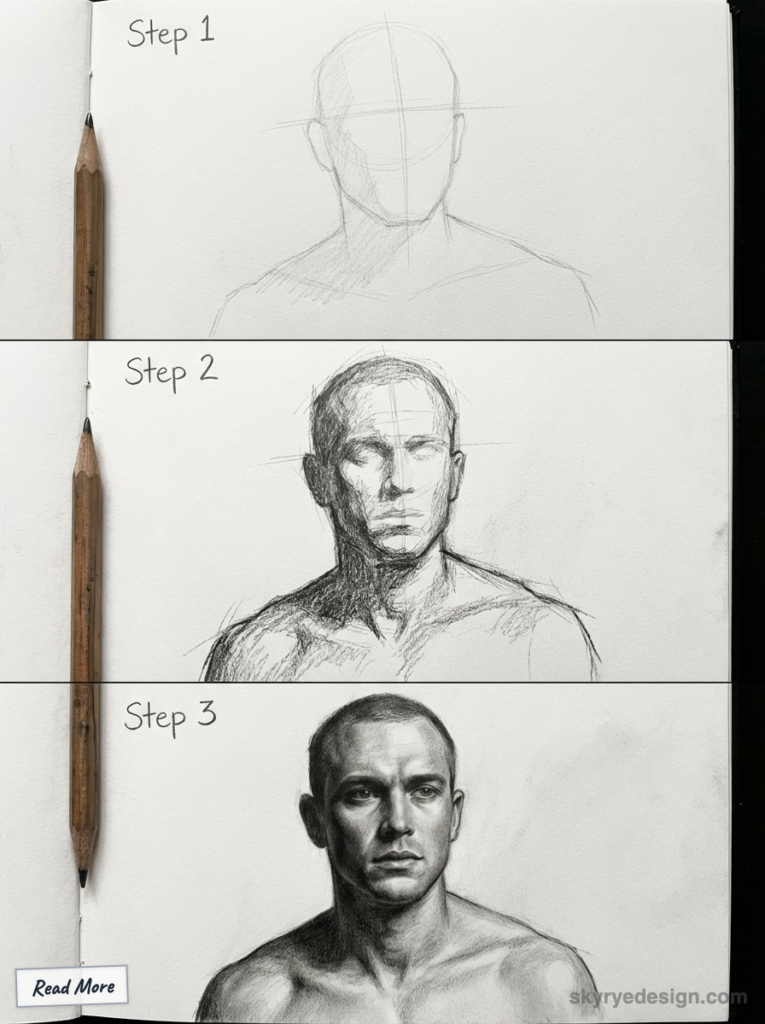
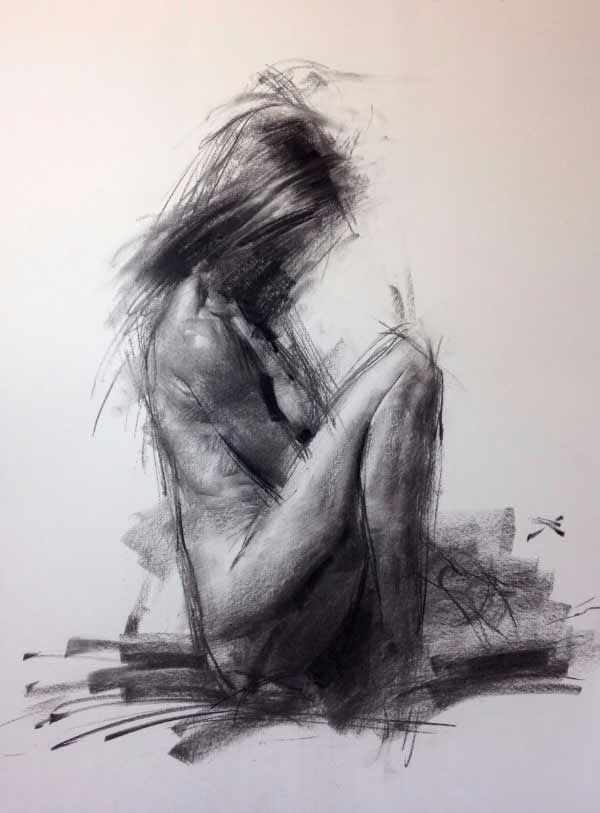
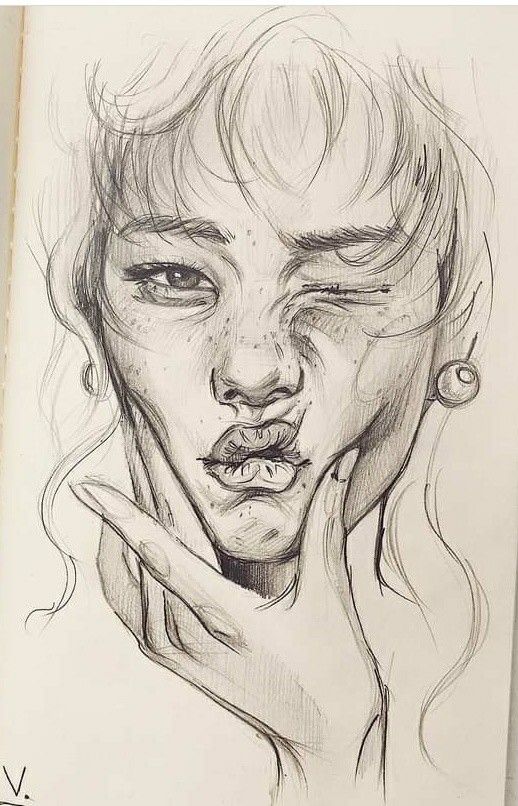
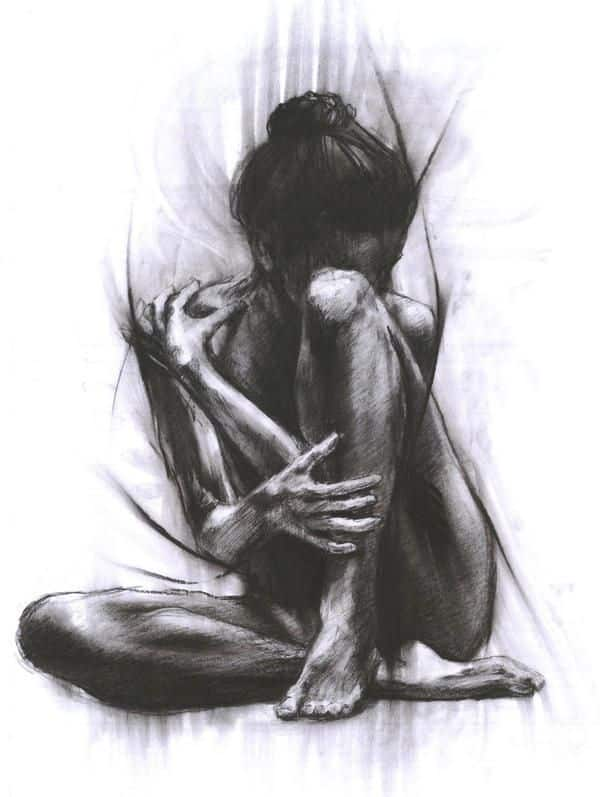
To draw people convincingly, practice capturing movement, anatomy, and expression. Charcoal’s gestural quality allows you to make bold marks quickly, which is useful for sketches that convey motion.
- Let yourself make loose, energetic strokes in early stages.
- Consider blocking in large value areas with charcoal powder and a broad brush.
- Map out movement first, then refine details. If you are curious about illustrating more poses, consider drawing people in motion.
Frequently asked questions
1. What paper is best for charcoal portraits?
Look for rough or textured paper that holds charcoal well. Papers like Canson Mi Tientes in gray or moonstone offer durability and tooth for layering and erasing without damaging the surface (School of Realist Art).
2. How do I avoid smudging once I finish?
Apply a workable or final fixative to lock in your charcoal layers. Spray lightly and evenly, and allow it to dry completely before handling your artwork.
3. Which is better for details, vine charcoal or pencils?
Vine charcoal is excellent for initial outlines and broad shading, but charcoal pencils are better for precision. Many prefer General’s charcoal pencils (HB or 2B) because they remain workable without getting sticky.
4. Can I combine charcoal with other mediums?
Yes, many artists blend charcoal with graphite or pastel to expand their value range or add color. Just be sure to use media that can coexist on the same paper texture.
5. How can beginners learn quickly?
Start with simple head or figure outlines and focus on proportions. You might also check out our guide on drawing people for beginners, then build up to more detailed projects.
Drawing people with charcoal gives you a unique opportunity to express volume, emotion, and texture all in one piece. By choosing suitable tools, blending thoughtfully, and preserving your work, you will see your portraits gain realism and depth. If you are looking for more ways to expand your collection or refine your craft, explore portrait drawing ideas or practice new poses from how to draw people step by step. Experiment with bold strokes, embrace the medium’s potential for dramatic contrast, and watch your creations come to life in charcoal.
- 12.9Kshares
- Facebook0
- Pinterest12.9K
- Twitter3
- Reddit0