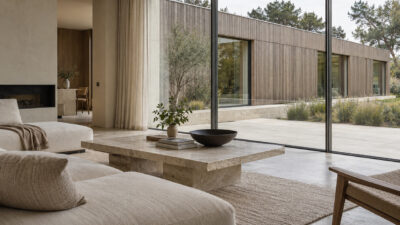
Luxury bathroom vanity units do more than hold a sink. They decide how the bathroom stores daily clutter, how the first sightline feels, how the mirror and lighting behave, and whether the room looks considered or simply expensive.
The best unit is not always the largest or the flashiest. It is the one that fits the wall, supports the plumbing, gives you enough usable storage, and brings the right material tone into the room. I usually judge a vanity by three things first: the silhouette, the counter material, and whether the drawers make sense for real daily use.
- Best luxury bathroom vanity units at a glance
- Why a vanity unit changes the whole bathroom
- What to check before buying a luxury vanity unit
- Top 5 luxury bathroom vanity units worth considering
- How to choose the right vanity unit for your bathroom
- Maintenance tips for luxury bathroom vanities
- How to make a bathroom look more luxurious on a tighter budget
- Useful references before you buy
- Related bathroom planning guides
- Luxury bathroom vanity units FAQ
- Q: What are luxury bathroom vanity units?
- Q: Are luxury bathroom vanity units worth investing in?
- Q: What is the best material for a luxury bathroom vanity?
- Q: Are wall hung vanity units better for small bathrooms?
- Q: What size bathroom vanity unit should I choose?
- Q: Who makes the best high-end bathroom vanity brands?
- Q: How do you maintain marble or stone vanity tops?
- Final thought
This guide compares five vanity unit styles worth investing in, with practical notes on materials, sizing, installation, upkeep, and the small design choices that make a bathroom feel properly finished.
Best luxury bathroom vanity units at a glance
For this page, the strongest GSC phrase is luxury bathroom vanity units, but the broader search intent also includes luxury bathroom vanities, high end bathroom vanities, floating bathroom vanity ideas, and double sink bathroom vanity layouts. The article now answers that mixed buying-and-design intent directly.
| Vanity style | Best for | Design note |
|---|---|---|
| Marble top vanity | Hotel-style bathrooms and formal suites | Choose a stone you are willing to maintain, not only photograph. |
| Oak vanity sink unit | Warm modern bathrooms | Works beautifully with pale stone, soft lighting, and quieter tap finishes. |
| Wall hung vanity unit | Small bathrooms and clean modern layouts | Check wall support and pipe routes before ordering. |
| Double vanity with drawers | Shared ensuites and busy mornings | Drawer planning matters more than an extra wide countertop. |
| Stone colour floor standing vanity | Bathrooms that need visual weight | Good when the room needs presence without a dark cabinet. |
Why a vanity unit changes the whole bathroom
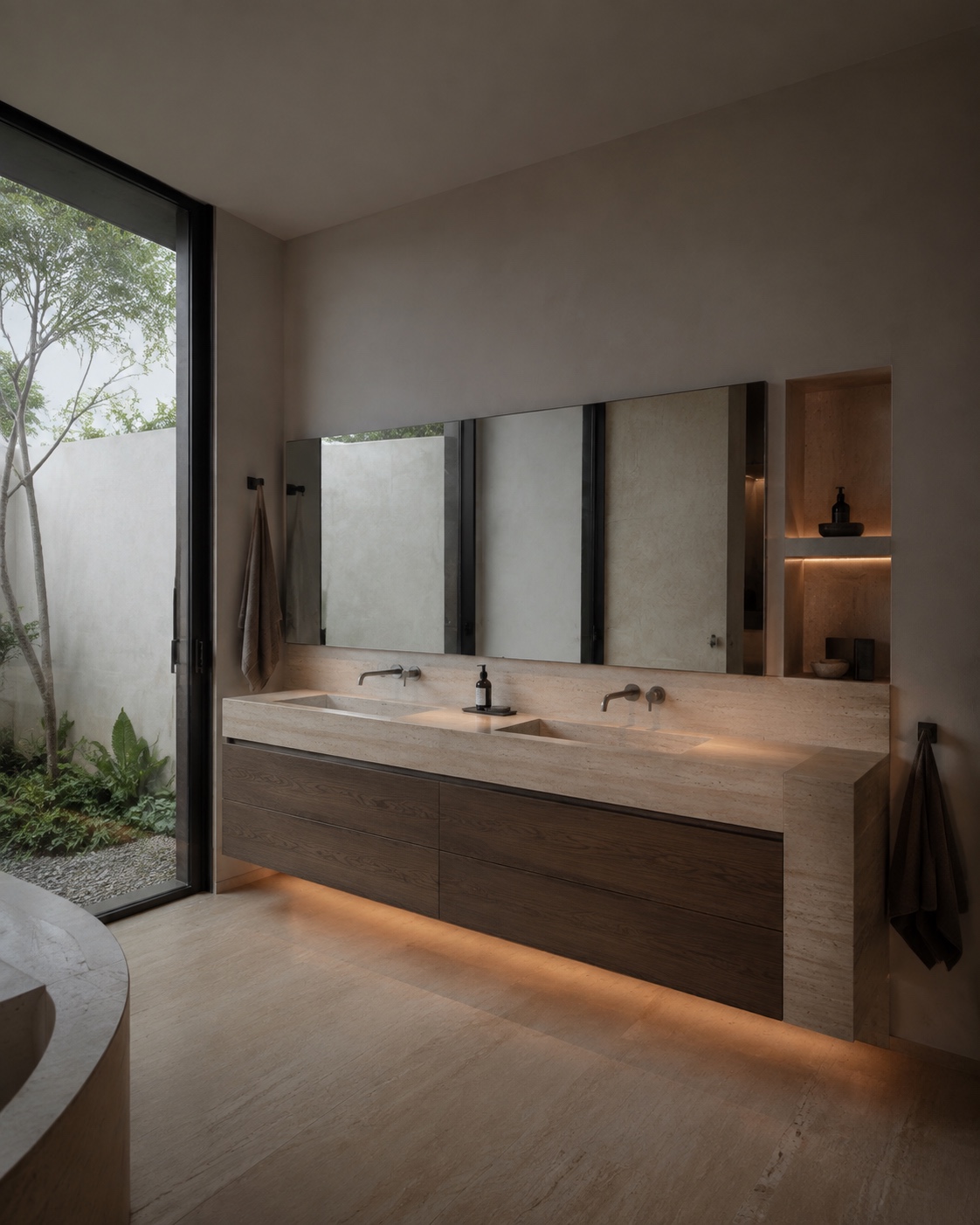
A vanity sits at eye level, hand level, and routine level. You use it in the morning, see it reflected in the mirror, and notice it every time the counter gathers bottles, towels, or soap marks. That is why a weak vanity can make a finished bathroom feel under-designed, even when the tiles are expensive.
A strong vanity does three jobs at once. It gives the room a visual anchor, hides the small mess of daily life, and handles water without swelling, staining, or looking tired after one season. This is where luxury becomes practical rather than decorative.
It sets the room’s proportion
A wide double vanity can make a large bathroom feel balanced. A wall-hung unit can make a compact room feel lighter. A stone floor standing unit can add visual weight where the rest of the bathroom is very pale. Proportion is the part people feel before they can explain it.
It controls daily storage
Open shelves look calm in a product photo, but drawers usually work better in a real bathroom. Toothpaste, hair tools, razors, face wash, spare towels, and cleaning cloths all need a place to go. In a luxury bathroom, the counter should not be doing the job of the storage.
It affects resale and repair logic
A good vanity can lift a bathroom quickly, but installation matters. Before a heavy top, floating unit, or double sink layout is ordered, check wall support, water shut-offs, trap position, and service access. The deeper planning work belongs with luxury bathroom design planning, not after the unit arrives.
What to check before buying a luxury vanity unit
Choosing by image alone is risky. The vanity has to fit the room, fit the plumbing, and fit the routine. A beautiful 1200 mm double vanity can still be wrong if the door clips the drawer or the waste pipe forces a chopped-up storage interior.
| Buying check | What to look for | Why it matters |
|---|---|---|
| Material | Stone, sealed marble, quartz, porcelain, oak, or moisture-resistant cabinetry | A vanity lives beside water, steam, toothpaste, perfume, and cleaning products. |
| Storage | Deep drawers, dividers, soft-close runners, and usable bottle height | Daily clutter disappears only when the storage matches real routines. |
| Installation | Floor standing, wall hung, or semi-recessed with accessible plumbing | A luxury vanity still needs service access and proper support. |
| Scale | Clearance at doors, shower screens, drawers, and walkways | A beautiful unit feels wrong if it blocks movement. |
| Lighting | Mirror lights or sconces placed for face light, not only ambience | The vanity is where grooming happens, so shadow control matters. |
Materials and durability
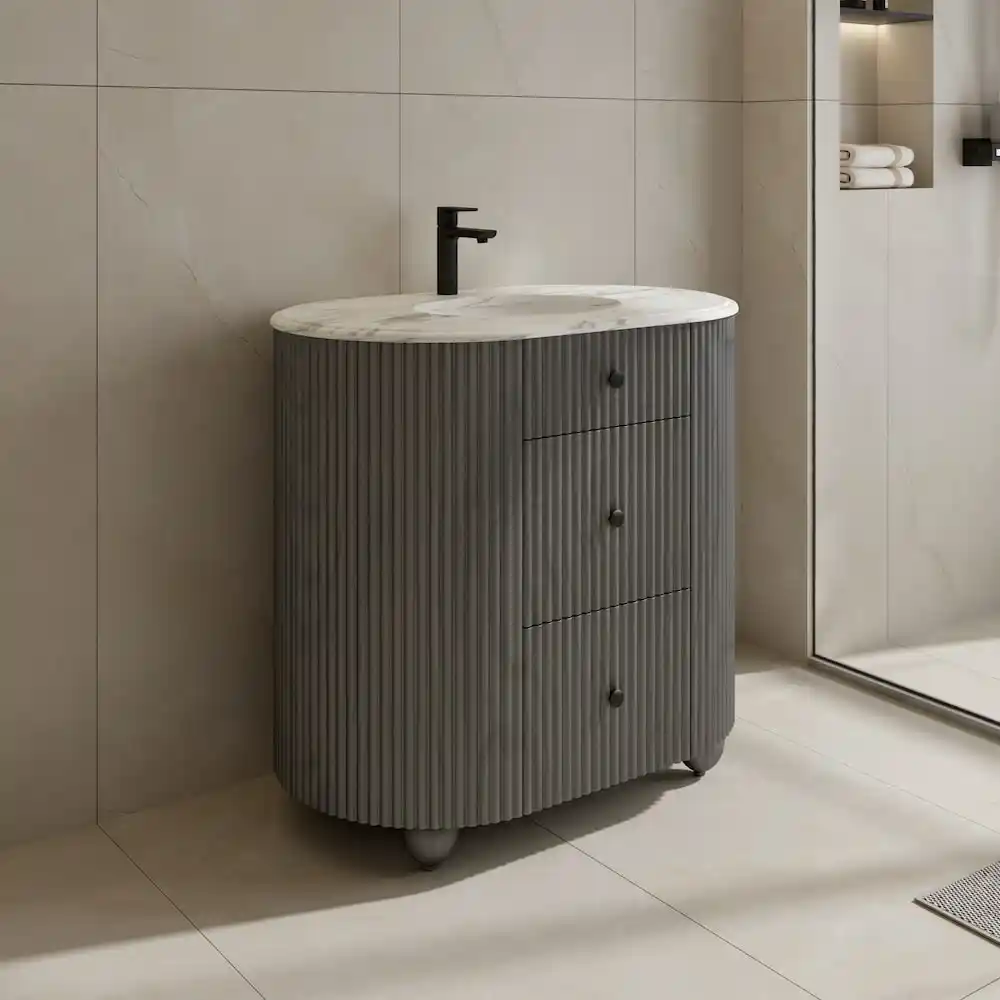
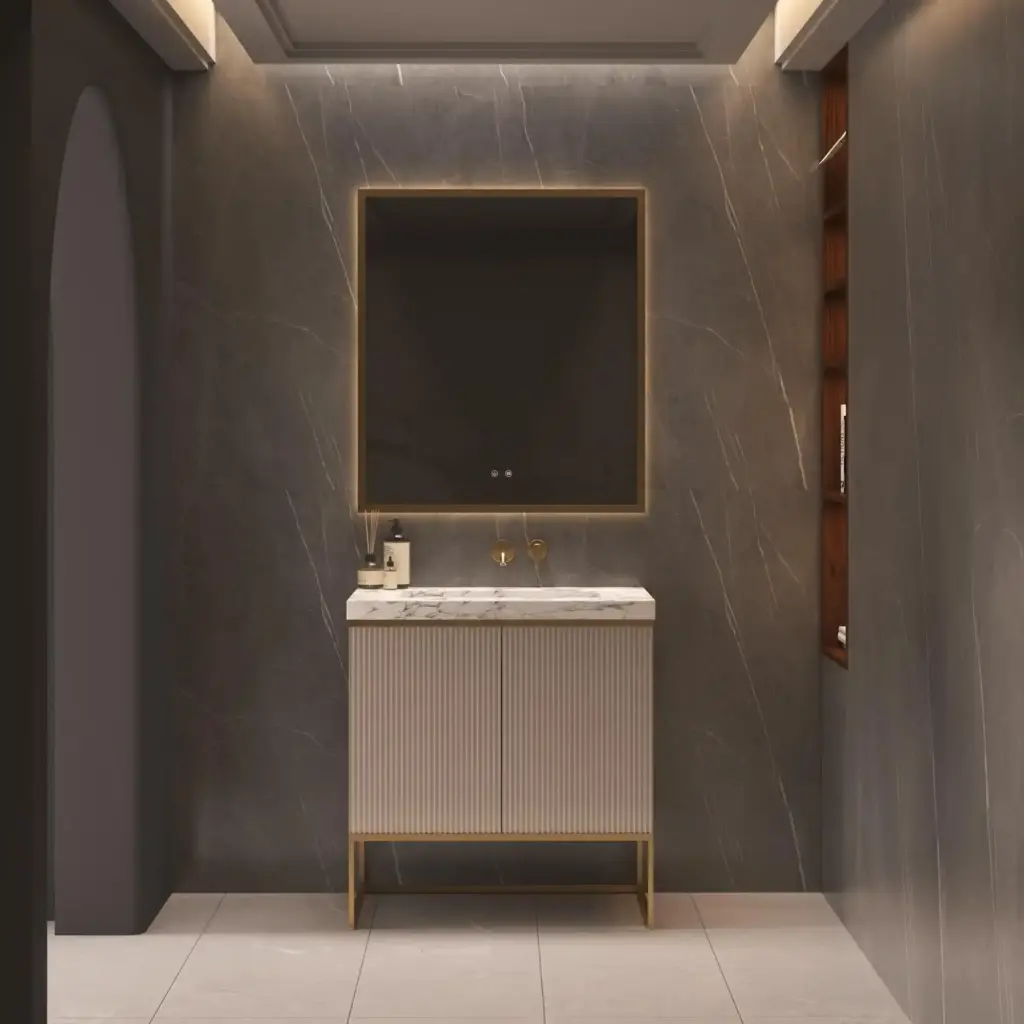
Luxury is easy to see in a stone top or fluted timber front, but durability is quieter. Look for sealed edges, moisture-resistant boards, strong drawer runners, and finishes that can tolerate cleaning. Natural marble is gorgeous, but it asks for more care than quartz, porcelain, or engineered stone.
Size and layout
Measure more than the empty wall. Check drawer swing, basin projection, towel rail position, shower screen movement, and whether two people can pass each other if the bathroom is shared. In smaller rooms, wall-mounted vanities for small bathrooms can be the better route because the visible floor keeps the room breathing.
Installation and access
A floating bathroom vanity looks clean because the support and plumbing disappear. That means the hidden work has to be better, not worse. A heavy stone vanity needs the right fixing points, and any concealed trap or shut-off should still be reachable without damaging the finished wall.
Top 5 luxury bathroom vanity units worth considering
These are not only product styles. Think of them as design directions. Each one changes the room in a different way, and each one has a maintenance or installation trade-off worth knowing before you buy.
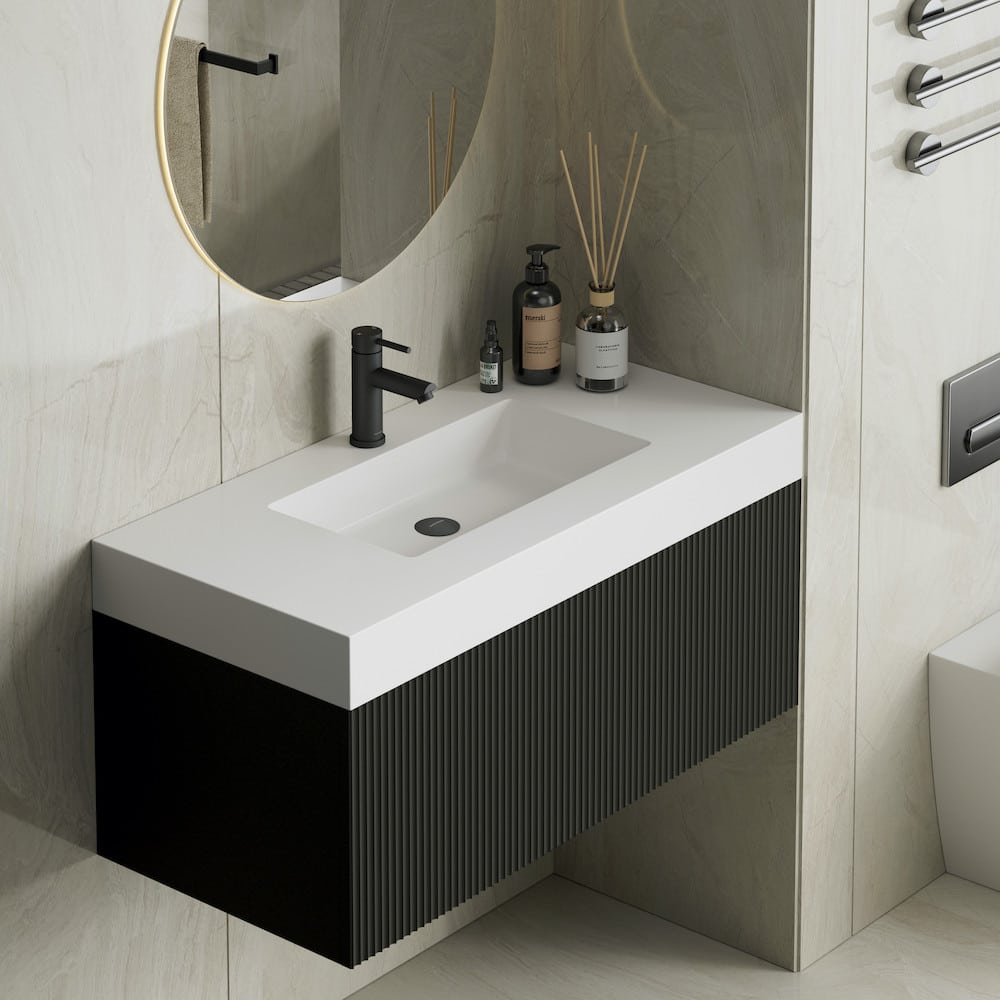
1. Marble top vanity unit
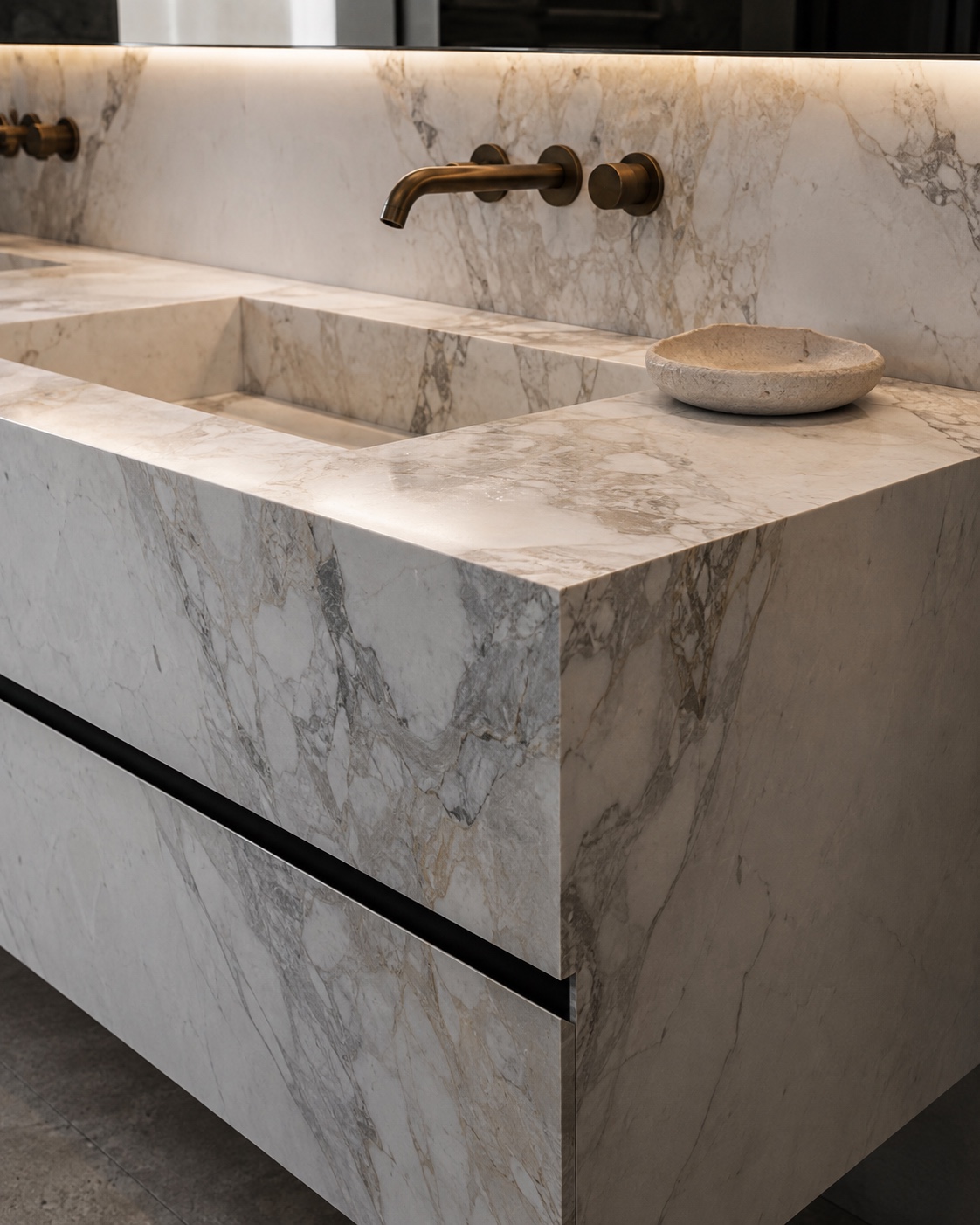
A marble top vanity unit is the obvious luxury move, but it works best when the rest of the bathroom is restrained. Let the veining do the work. Pair it with simple cabinet fronts, quiet wall tile, and taps that do not compete with the stone.
Description: this style suits hotel-inspired bathrooms, guest suites, and primary bathrooms where the vanity is meant to be the first object you notice. It feels formal, cool, and permanent, especially with under-mount basins or an integrated stone sink.
Features
- Natural marble or marble-effect stone top
- Often paired with wall-hung or floor standing cabinetry
- Works with brass, black, nickel, or chrome fittings
Pros
- Timeless visual value
- Each slab has its own pattern
- Makes a simple bathroom feel more considered
Cons
- Needs gentle cleaning and sealing advice
- Can stain or etch if treated casually
- Usually costs more to fabricate and install

2. Oak vanity sink unit
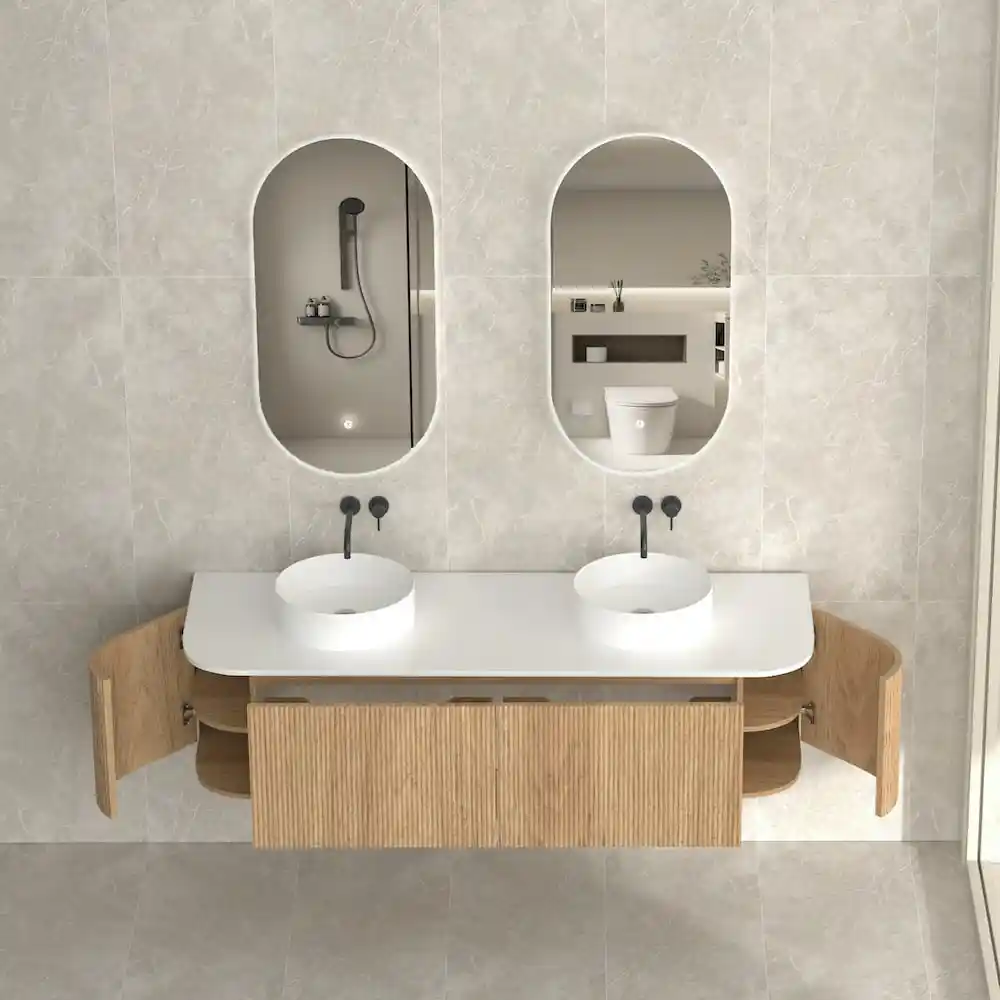
Oak vanity sink units are the warmest option in this list. They make a bathroom feel calmer and less clinical, especially when the room already has white sanitaryware, pale stone, or grey tile.
Description: an 800 mm oak vanity is a sweet spot for many homes. It is wide enough for useful drawers but not so large that it overwhelms a modest bathroom. The finish works especially well with stone basins, rounded mirrors, and soft wall lighting.
Features
- Solid oak, oak veneer, or high-quality oak-effect fronts
- Available with integrated or countertop basins
- Easy to pair with neutral bathroom tiles
Pros
- Adds warmth and texture
- Softens modern bathrooms
- Works with white, stone, black, and brushed brass finishes
Cons
- Needs moisture protection around edges
- Poor veneers can lift in damp rooms
- Timber tone must be checked against flooring and doors
For a commercial example, the existing article reference to wood vanity units now sits here in the product section instead of the intro.
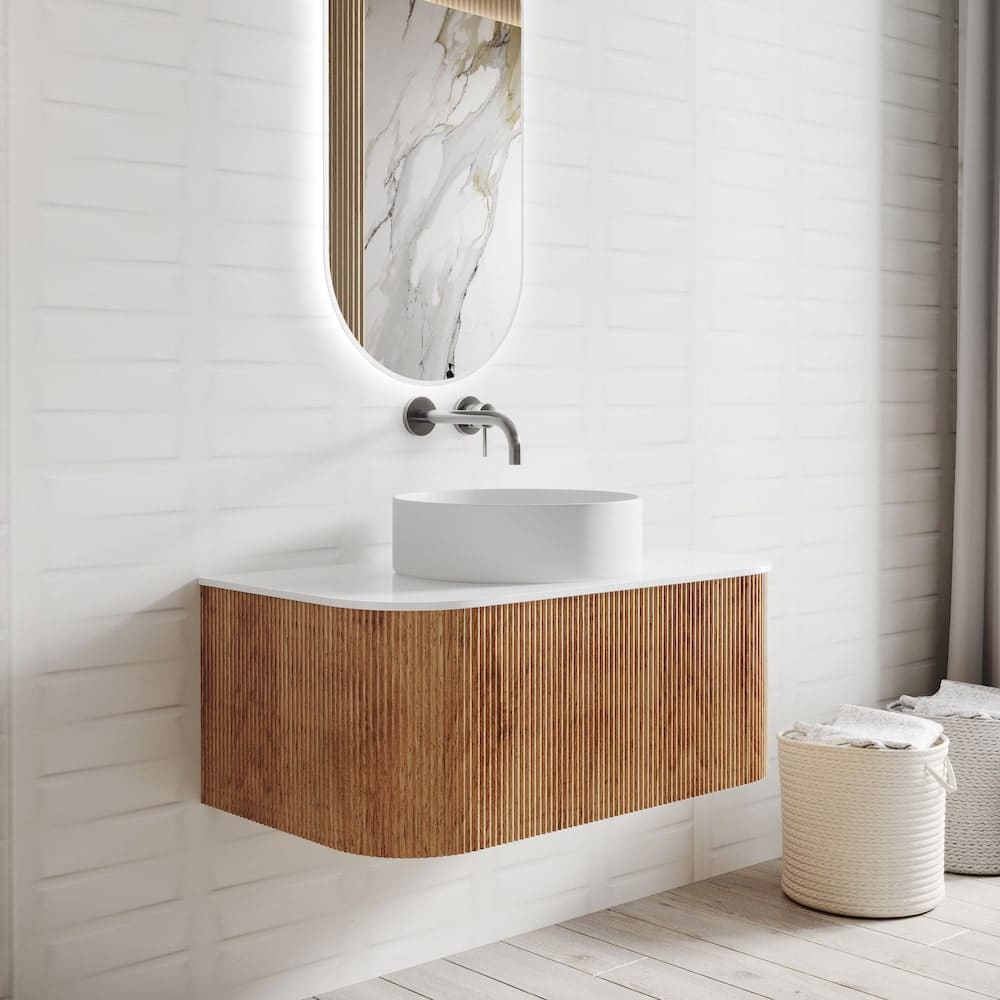
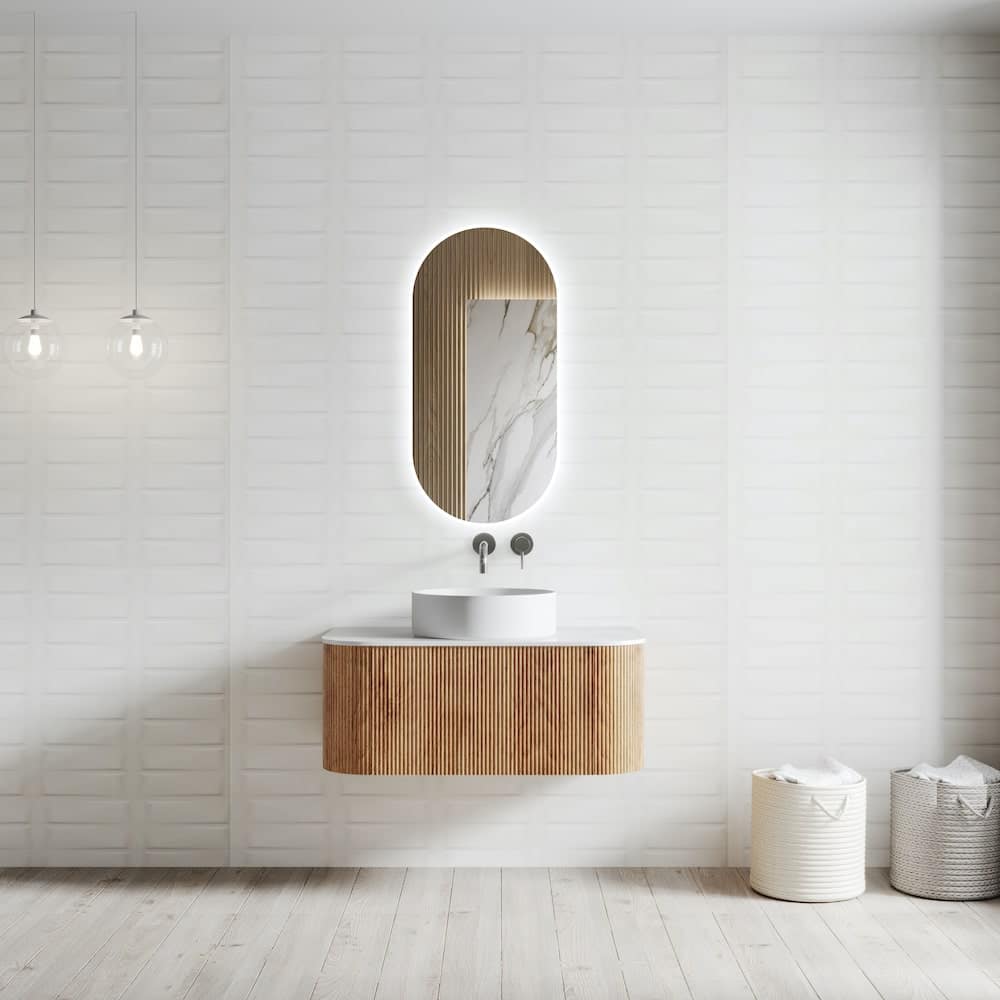
3. Luxury wall hung vanity unit
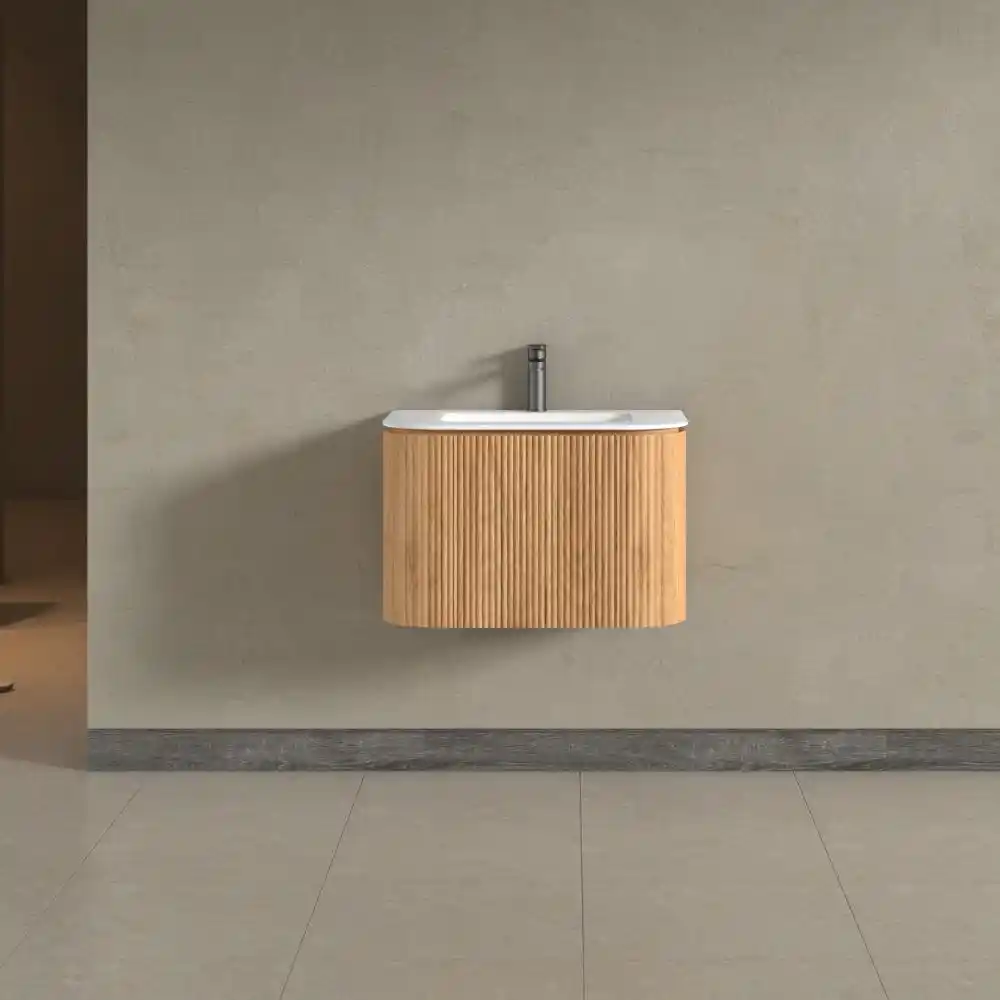
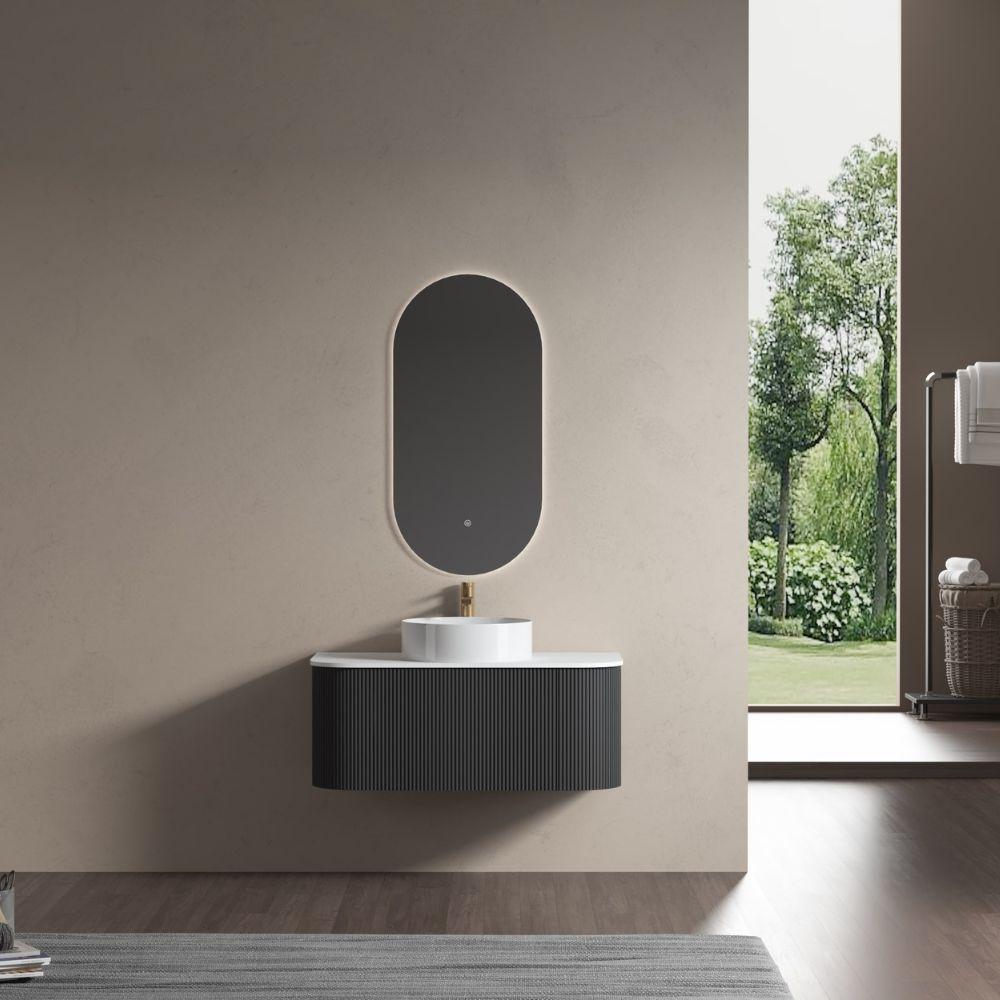
Wall hung vanity units are the best choice when the bathroom needs air and floor visibility. They make compact bathrooms feel bigger and make cleaning simpler, which matters more than people expect in daily use.
Description: this style suits modern apartments, narrow ensuites, and bathrooms where the floor finish is part of the design. A 600 mm unit can work in a small room, while wider floating units suit larger modern layouts.
Features
- Cabinet fixed to a reinforced wall
- Visible floor below the unit
- Often designed with deep drawers and an integrated basin
Pros
- Makes the room feel lighter
- Easier to clean beneath
- Works well with under-vanity LED lighting
Cons
- Needs strong wall support
- Pipe positions are less forgiving
- Very heavy stone tops may need extra planning

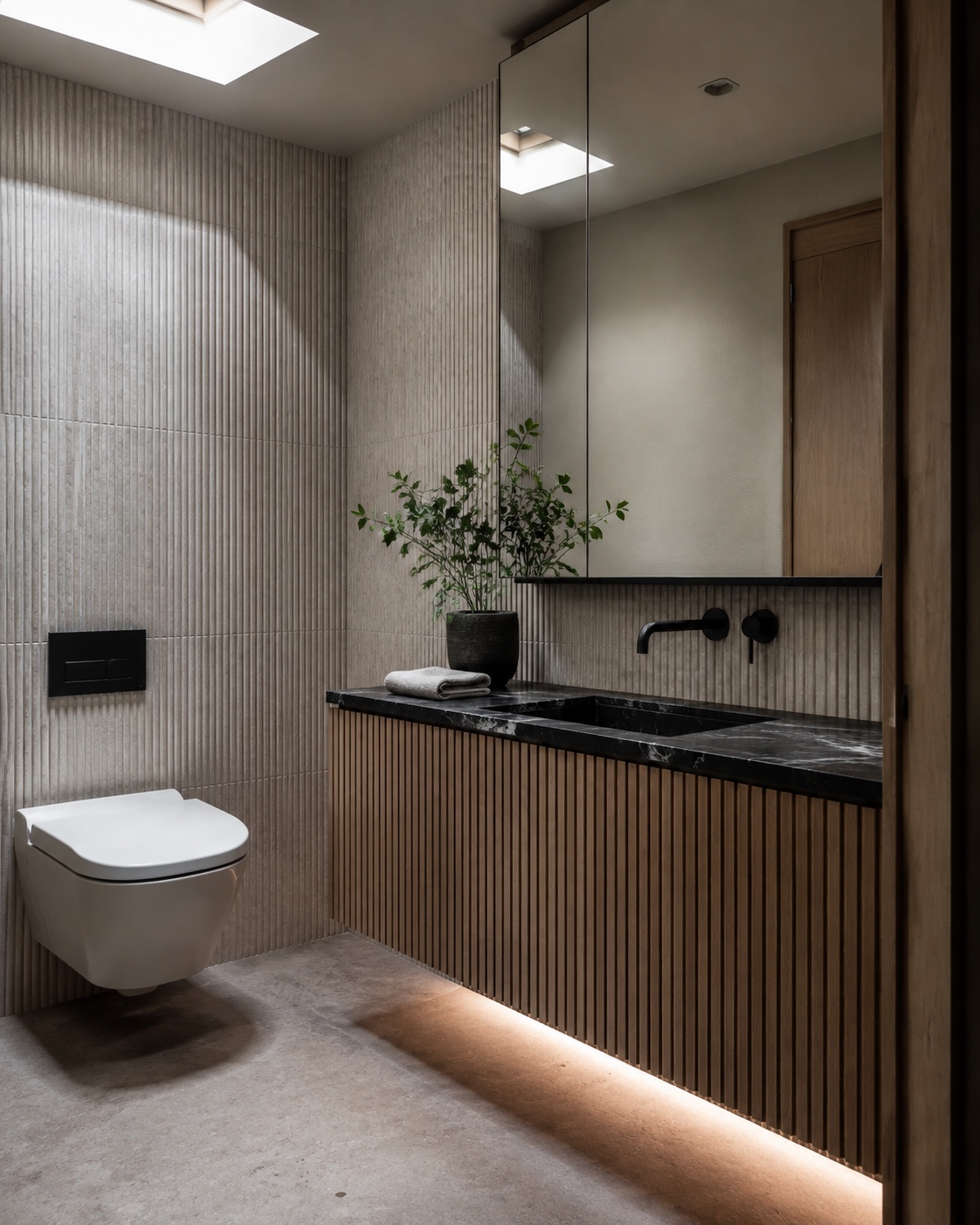
4. Double vanity unit with drawers
A double vanity is not automatically better. It is better when two people genuinely use the room at similar times and the drawer plan gives each person a sensible zone.
Description: this style belongs in larger ensuites, family bathrooms, and shared spaces where counter space and storage reduce friction. Look for full-extension drawers, separated zones, and enough counter between basins for daily items.
Features
- Two basins or one long integrated basin
- Wide drawer banks
- Often 1200 mm, 1400 mm, or wider
Pros
- Better for shared routines
- More storage without adding tall cabinets
- Can visually balance a large wall
Cons
- Needs more plumbing coordination
- Can look bulky in a small room
- Costs more in top, cabinet, and installation work
The existing commercial reference to a double sink vanity with stone basin is now placed with the double-vanity discussion where it makes sense for the reader.
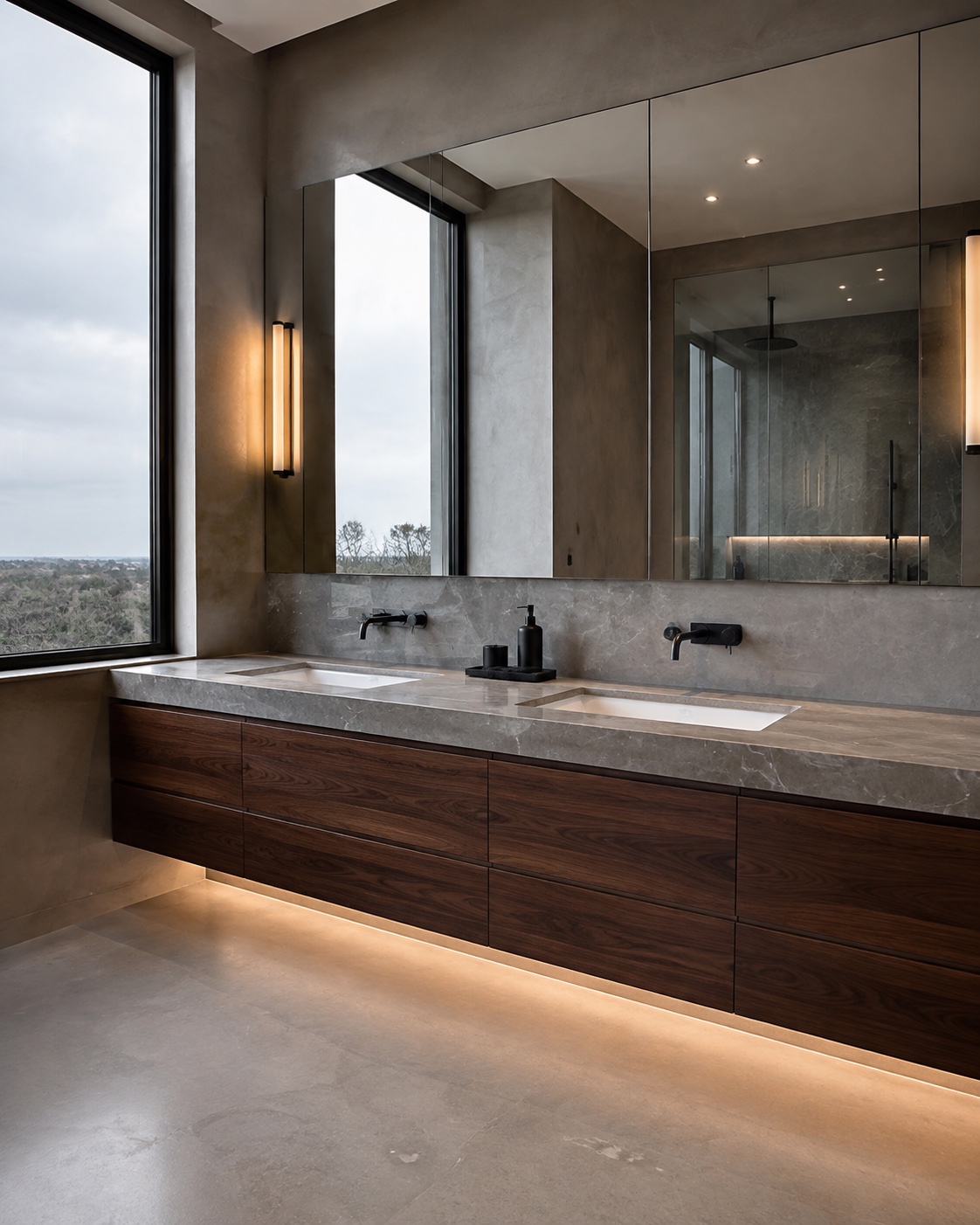
5. Stone colour floor standing vanity unit
A stone colour floor standing vanity is a good compromise when you want visual weight without a dark timber or black cabinet. It feels settled, architectural, and slightly softer than a full marble statement.
Description: choose this style for bathrooms with pale walls, large mirrors, and minimal decoration. The floor contact gives the unit presence, while the stone tone keeps it from feeling like ordinary fitted furniture.
Features
- Floor standing cabinet
- Stone, taupe, greige, or warm neutral finish
- Often paired with integrated handles or slim metal pulls
Pros
- Feels substantial
- Hides plumbing more easily than some floating units
- Pairs well with limestone, travertine, microcement, and warm tile
Cons
- Heavier visual footprint
- Harder to clean underneath
- Needs careful toe-kick or plinth detailing
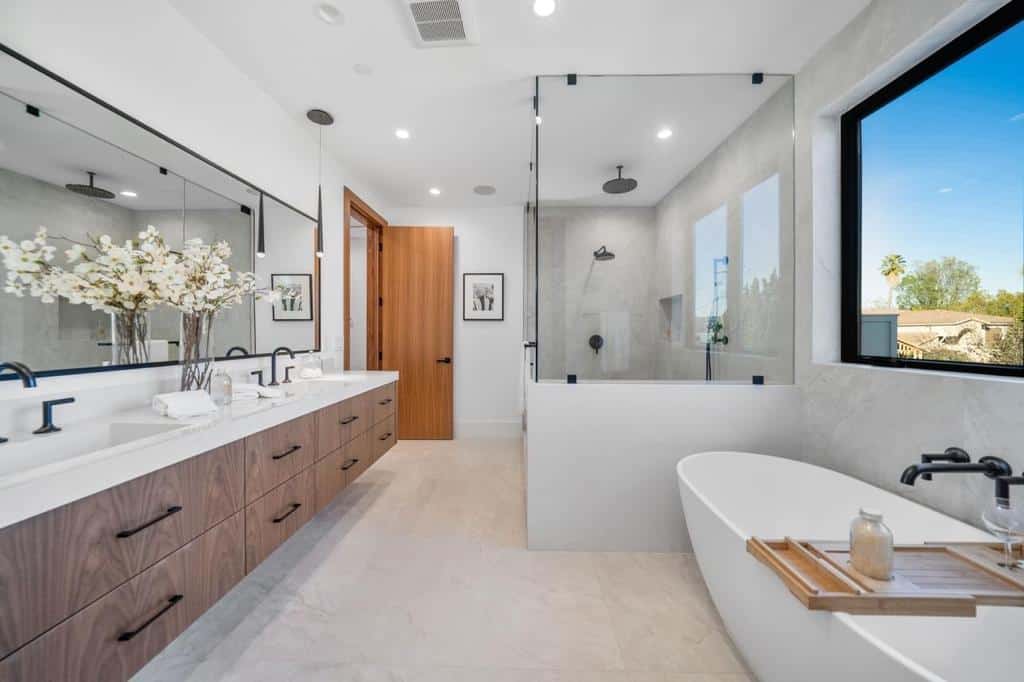
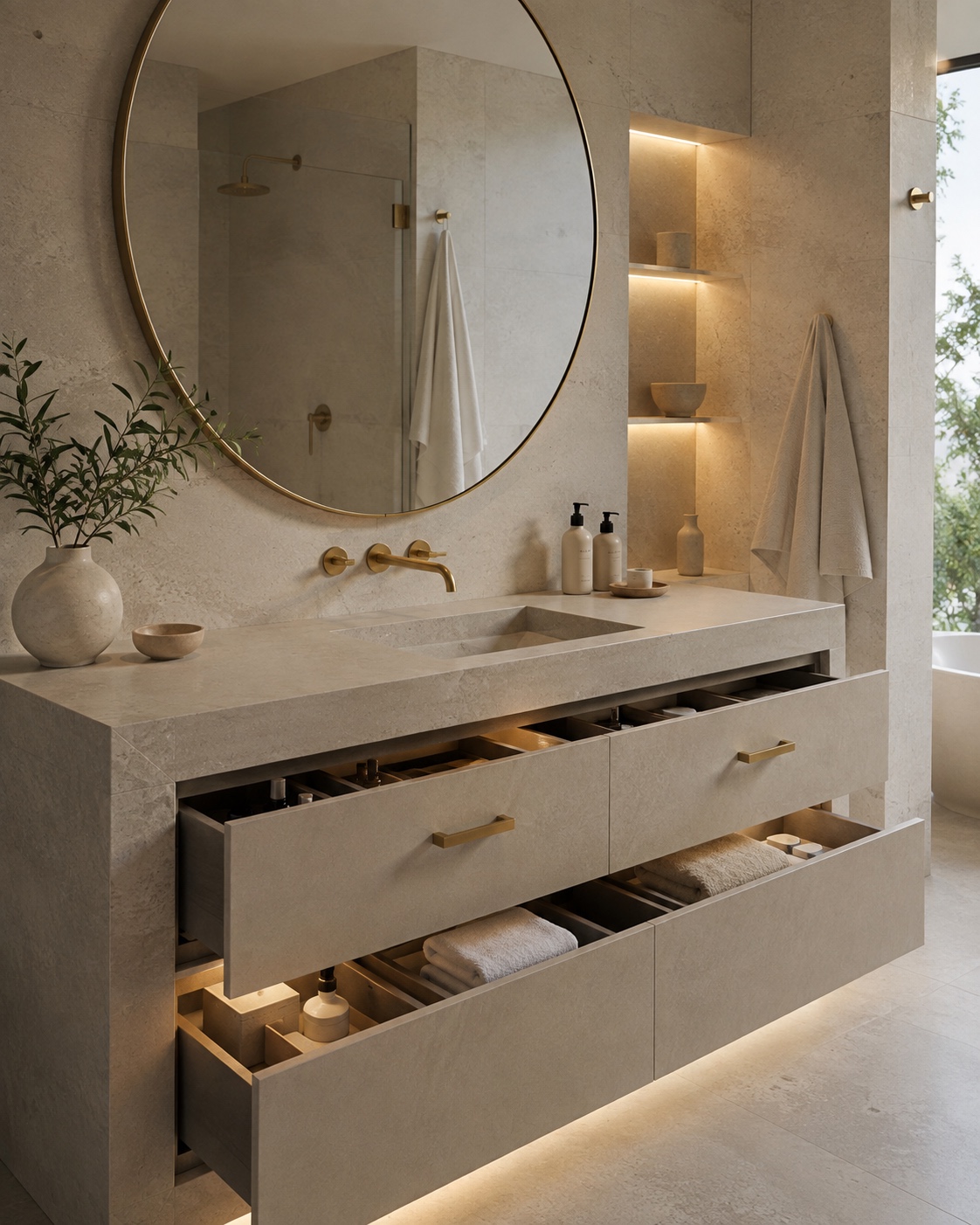
How to choose the right vanity unit for your bathroom
Start with the room, then choose the vanity. A luxury vanity should solve a specific problem: not enough storage, weak focal point, poor lighting, awkward plumbing, or a bathroom that feels unfinished.
For a compact room, choose a wall-hung vanity, a soft corner profile, and one strong storage zone. For a shared ensuite, choose a double sink bathroom vanity only if the width gives each person breathing room. For a calm spa-style space, an oak or stone-tone unit usually works better than a glossy statement cabinet.
If the whole room still needs direction, pair this guide with bathroom vanity styles that maximise storage, white oak bathroom vanity picks, and floating vanity installation notes. Those three articles cover storage logic, timber warmth, and floating installation details without forcing one answer on every bathroom.

Maintenance tips for luxury bathroom vanities
Luxury should not mean fragile. It should mean the materials are chosen honestly and cared for in the way they need. Marble wants a gentler routine than porcelain. Oak wants dry edges. Black finishes want soft cloths, not harsh abrasives. Brass and nickel age better when cleaners are not left to sit on them.
- Wipe standing water around the basin instead of leaving it overnight.
- Use pH-neutral cleaners on stone and marble tops.
- Check silicone joints, tap bases, and waste areas for early moisture marks.
- Keep drawer interiors dry and ventilated.
- Avoid placing hot tools directly on lacquer, timber, or stone surfaces.
- Match faucets with EPA WaterSense bathroom faucet guidance when water use is part of the brief.
How to make a bathroom look more luxurious on a tighter budget
If the budget will not stretch to a full custom vanity, put the money where it shows and where it lasts. A simple cabinet can look much better with a good counter, clean handles, a quiet basin shape, and properly placed mirror lighting.
Vanity lighting is the detail I would not rush. Poor face light makes even an expensive unit feel wrong, so use bathroom lighting design before choosing sconces or mirror strips. For tap finish decisions, compare with modern bathroom faucets instead of matching everything by instinct.

Useful references before you buy
If you are comparing product options, keep commercial examples in one sensible place rather than scattering them through the intro. The current article now keeps the existing Royale Stones references here: bathroom vanity units for category browsing, bathroom tiles for tile pairing, wood vanity units for a wood-led vanity example, and double sink vanity with stone basin for a larger double sink vanity with stone basin.
For practical performance checks, I would also compare tap choices with EPA WaterSense bathroom faucet guidance, ventilation with ENERGY STAR ventilating fans, and broader high-end bathroom furniture examples such as Duravit bathroom furniture examples. These links are not a substitute for measuring your own room, but they help ground the design decision in real products and standards.
Related bathroom planning guides
Use these next when the vanity decision touches storage, lighting, faucets, or hidden installation work.
- bathroom vanity styles that maximise storage: useful when storage is the main reason for upgrading.
- white oak bathroom vanity picks: good for warmer, wood-led bathrooms.
- wall-mounted vanities for small bathrooms: the next read if floor space is tight.
- floating vanity installation notes: helpful before committing to a wall-hung unit.
- bathroom lighting design: important because vanity lighting affects daily use.
- modern bathroom faucets: useful when pairing tap finish with the vanity.
- luxury bathroom design planning: worth reading before moving pipes or hanging a heavy stone unit.
Luxury bathroom vanity units FAQ
Q: What are luxury bathroom vanity units?
A: Luxury bathroom vanity units are basin-and-storage pieces made with better materials, cleaner proportions, stronger hardware, and more thoughtful detailing than standard bathroom cabinets. The best examples combine a durable worktop, useful drawers, good basin placement, moisture-resistant construction, and a finish that supports the wider bathroom design.
Q: Are luxury bathroom vanity units worth investing in?
A: They are worth investing in when the vanity improves daily storage, holds up to moisture, and anchors the room visually. A cheap vanity can date quickly or fail around water. A well-made unit in stone, oak, lacquer, or a strong composite can make the bathroom feel planned rather than patched together.
Q: What is the best material for a luxury bathroom vanity?
A: Engineered stone, sealed marble, quartz, porcelain, solid oak, and high-quality moisture-resistant cabinetry are the safest luxury choices. Marble looks beautiful but needs gentle maintenance. Oak adds warmth but must be sealed well. For busy family bathrooms, a durable stone or porcelain top usually gives the best balance of appearance and upkeep.
Q: Are wall hung vanity units better for small bathrooms?
A: Wall hung vanity units are often better for small bathrooms because they keep more floor visible and make cleaning easier. They still need proper wall support, accurate pipe positions, and enough drawer depth. If the wall cannot carry the weight, a compact floor standing unit may be the better long-term choice.
Q: What size bathroom vanity unit should I choose?
A: Start with the clear width, door swing, shower opening, and circulation space, then choose the vanity. A 600 mm unit suits many compact bathrooms, 800 mm gives more comfortable storage, and 1200 mm or wider works well for double sink layouts. The vanity should feel generous without blocking movement.
Q: Who makes the best high-end bathroom vanity brands?
A: There is no single best brand for every bathroom. Look for brands or makers with moisture-resistant construction, strong drawer runners, replaceable hardware, good stone or basin options, and clear installation details. For a luxury project, the build quality and fit for your room matter more than the logo on the cabinet.
Q: How do you maintain marble or stone vanity tops?
A: Wipe water and soap residue quickly, use a pH-neutral cleaner, avoid harsh acids, and follow the supplier’s sealing advice. Marble can etch from toothpaste, perfume, and acidic cleaners. Engineered stone and porcelain are usually easier, but every vanity top lasts longer when water is not left sitting around the basin.
Final thought
The best luxury bathroom vanity units feel calm because the hard decisions have already been made. The size fits the wall, the drawers fit the routine, the material suits the moisture level, and the installation leaves enough access for the bathroom to age well.
That is the point of investing here. A vanity is not just the cabinet below the sink. It is the object that turns a bathroom from a set of expensive finishes into a room that works every morning.
- 21shares
- Facebook0
- Pinterest18
- Twitter3
- Reddit0