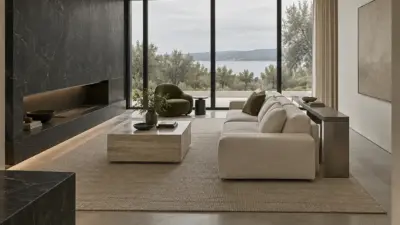
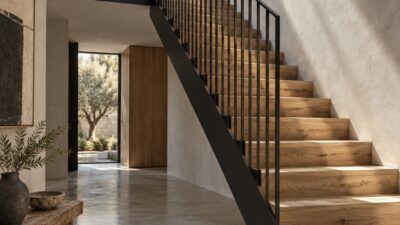
The countryside aesthetic works best when it feels observed, not staged. In a British or English setting, that means hedgerows, damp stone, wool textures, cottage gardens, old books, muddy greens, and houses that look as if they have been repaired and loved for generations.
- What is the countryside aesthetic?
- How the British countryside aesthetic evolved
- Natural details that shape the countryside aesthetic
- British countryside architecture and cottage details
- Countryside aesthetic in books, film, and visual culture
- How to use the countryside aesthetic without making it look fake
- Related countryside design ideas to explore
- Useful references for British countryside details
- Countryside aesthetic FAQ
- Q: What is the countryside aesthetic?
- Q: How do you create a British countryside aesthetic at home?
- Q: What colors fit an English countryside style?
- Q: Is countryside aesthetic the same as cottagecore?
- Q: What architectural details define a British countryside house?
- Q: Can a modern home use the countryside aesthetic?
For interiors and exteriors, the trick is restraint. Choose natural materials, muted color, and a few details with age before adding pattern. Tartan, tweed, floral prints, timber, slate, brick, and weathered garden paths can all belong here, but only if they feel useful rather than decorative noise.
I read this style through silhouette first: roof pitch, window depth, garden edge, and the way a path meets a door. Once those bones feel right, the softer layers such as baskets, ceramics, throws, and flowers start to make sense.
What is the countryside aesthetic?
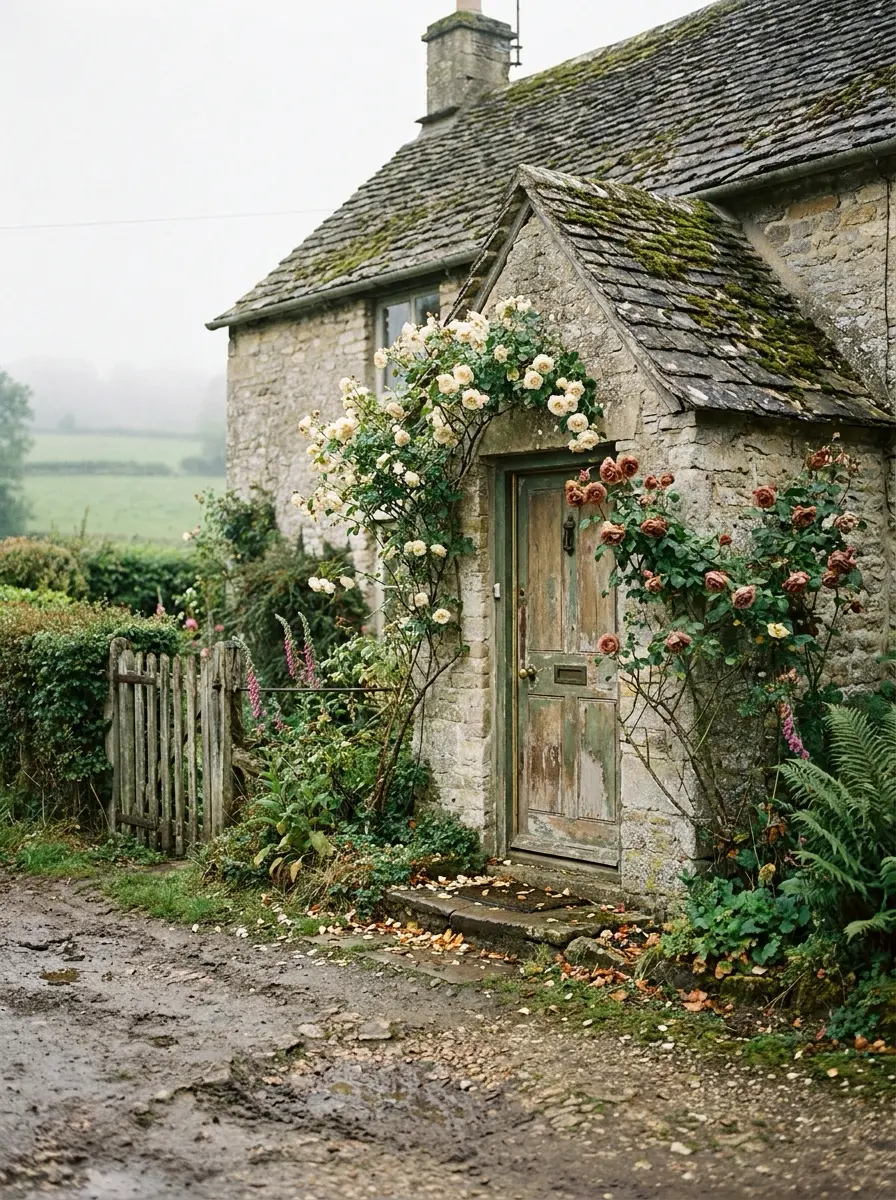
The countryside aesthetic is a rural visual style built around nature, age, comfort, and quiet practicality. In British countryside style, the strongest cues are stone cottages, hedgerows, rolling fields, gardens that look slightly wild, warm textiles, antiques, and colors borrowed from the land rather than from a trend board.
| Element | What to look for | Why it works |
|---|---|---|
| Landscape | Hedgerows, fields, lanes, water, old trees | The setting gives the style its softness and sense of time. |
| Architecture | Stone, brick, thatch, slate, chimneys, deep windows | Local materials make the house feel rooted instead of themed. |
| Interiors | Wool, linen, timber, books, ceramics, soft lamps | Texture matters more than perfect matching. |
| Color | Sage, moss, cream, oxblood, heather, warm gray | Muted tones keep the look calm and believable. |
| Mood | Collected, practical, slightly weathered | A little imperfection is what stops the aesthetic from feeling fake. |
How the British countryside aesthetic evolved
The British countryside has undergone significant transformations shaped by cultural movements and legislative changes. This section explores the influence of Romanticism, which idealized nature, and the Enclosure Acts, which fundamentally altered the landscape and use of land.
Romanticism and the pastoral ideal


During the Romantic period, spanning the late 18th to the early 19th century, artists and writers celebrated the beauty of the British countryside. This era marked a shift towards appreciating nature’s emotional and aesthetic value, often portraying pastoral themes in literature and art.
Prominent figures like William Wordsworth and John Constable focused on idyllic scenes that evoked feelings of nostalgia and tranquility. Their works emphasized the juxtaposition between nature and industrialization, advocating for a return to simpler, rural lifestyles.
The Romantic ideal fostered a deeper connection to the landscape, reinforcing the belief that nature was a source of inspiration and moral purity. These sentiments influenced landscape design, resulting in picturesque gardens and rural retreats that mirrored the era’s aesthetic values.
Enclosure, hedgerows, and rural structure
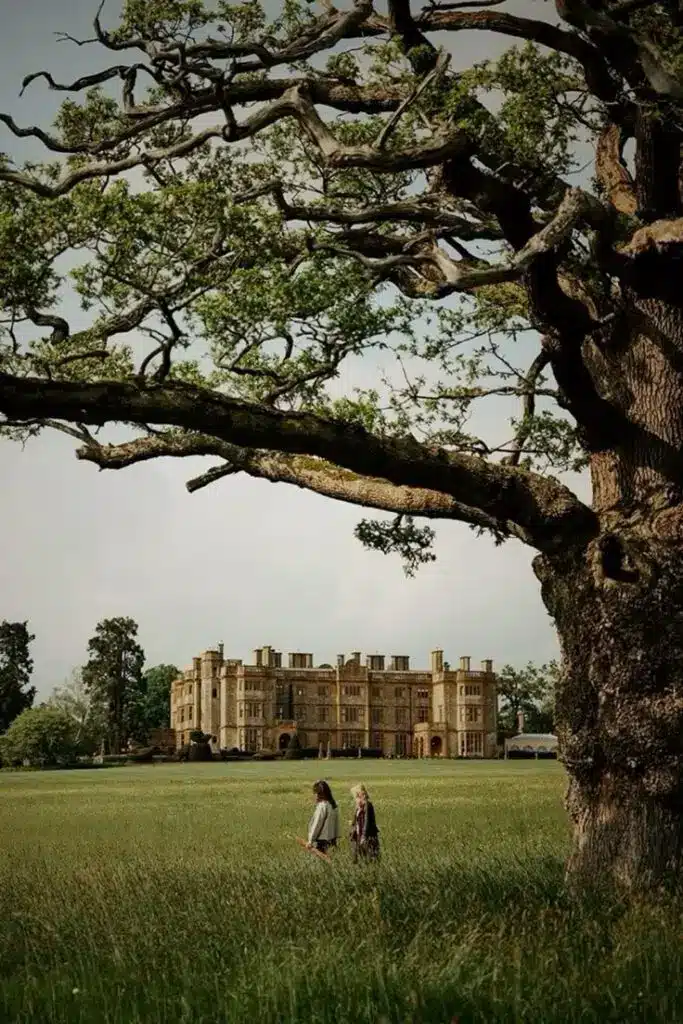

The Enclosure Acts, enacted from the 18th century onwards, played a crucial role in reshaping the British countryside. These laws allowed landowners to consolidate and enclose common lands, drastically altering traditional farming practices.
As a result, open fields were replaced with privately owned plots, leading to increased agricultural efficiency. This transformation eliminated the communal use of land, impacting rural communities and altering the social fabric of the countryside.
The landscape itself changed dramatically, with hedgerows and fences becoming common features. The enclosed land often emphasized agricultural productivity over natural aesthetics, reflecting a shift in priorities. Consequently, many rural inhabitants experienced displacement, further complicating the relationship between people and the land.
Natural details that shape the countryside aesthetic
The British countryside boasts a rich tapestry of natural elements that contribute to its unique aesthetic. From diverse plant life to captivating geographical features, this landscape is shaped by a harmonious blend of flora, fauna, and geographic formations.
Flora: hedgerows, gardens, and native planting


Hedgerows are a quintessential feature of the British countryside. These dense, leafy boundaries serve both functional and ecological purposes. They provide a habitat for various species and act as natural fences between fields. Often consisting of native plants like hawthorn, blackthorn, and elder, hedgerows play a crucial role in biodiversity.
Countryside gardens also reflect the rich flora of the region. Many gardens feature native wildflowers, herbs, and traditional plants. Cottage gardens, known for their informal layout, showcase colorful blooms like roses, foxgloves, and lupins. This variety not only enhances beauty but supports local pollinators and other wildlife.
Fauna: wildlife, horses, sheep, and rural rhythm


The fauna of the British countryside is equally diverse. It hosts a range of native wildlife, including rabbits, deer, and a variety of birds such as skylarks and yellowhammers. Conservation efforts help protect these species and their natural habitats, promoting a balanced ecosystem.
Farm animals contribute to the rural charm as well. Sheep and cows are common sights grazing on lush pastures. Breeds like the Herdwick sheep or Guernsey cows exemplify the agricultural heritage of the area. These animals support local farming economies and connect people to their food sources.
Geography: rolling hills, paths, rivers, and ponds
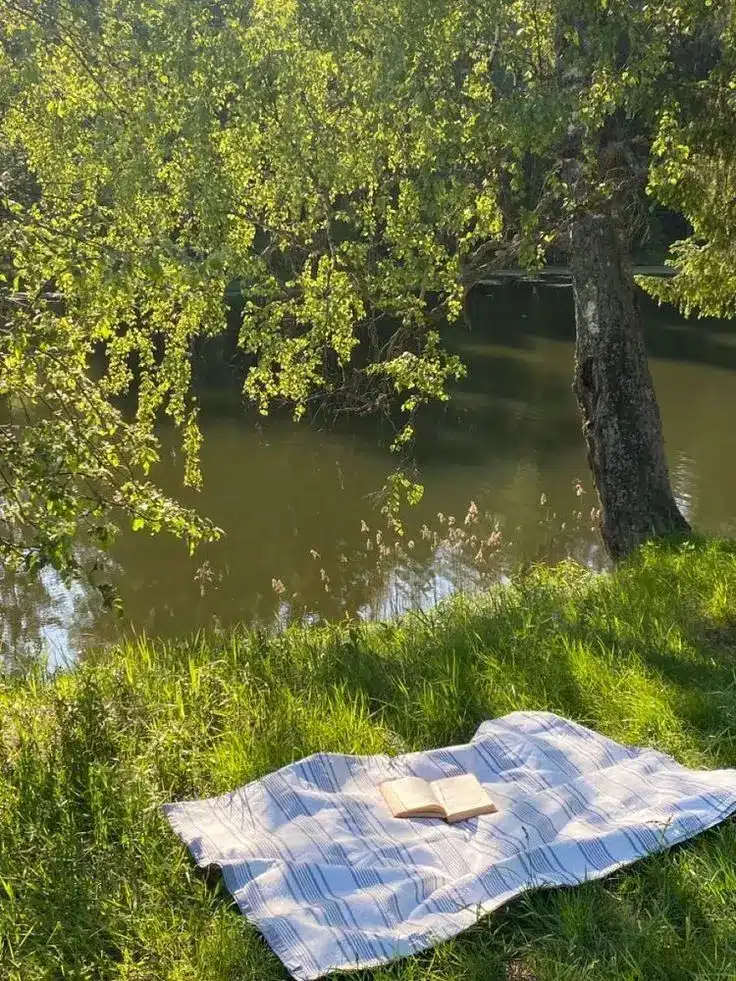

The landscape features rolling hills and expansive fields that characterize the British countryside. These hills often provide stunning vistas that are perfect for walks and hikes. Areas like the Cotswolds are famous for their picturesque hills, offering a serene escape into nature.
Water bodies, including rivers and lakes, add to the scenic beauty. The River Thames, for instance, flows through charming villages, enhancing the rural experience. Ponds and streams are also vital for local wildlife, providing essential resources for many species. This blend of geographical features creates a picturesque environment that invites exploration and appreciation.
British countryside architecture and cottage details
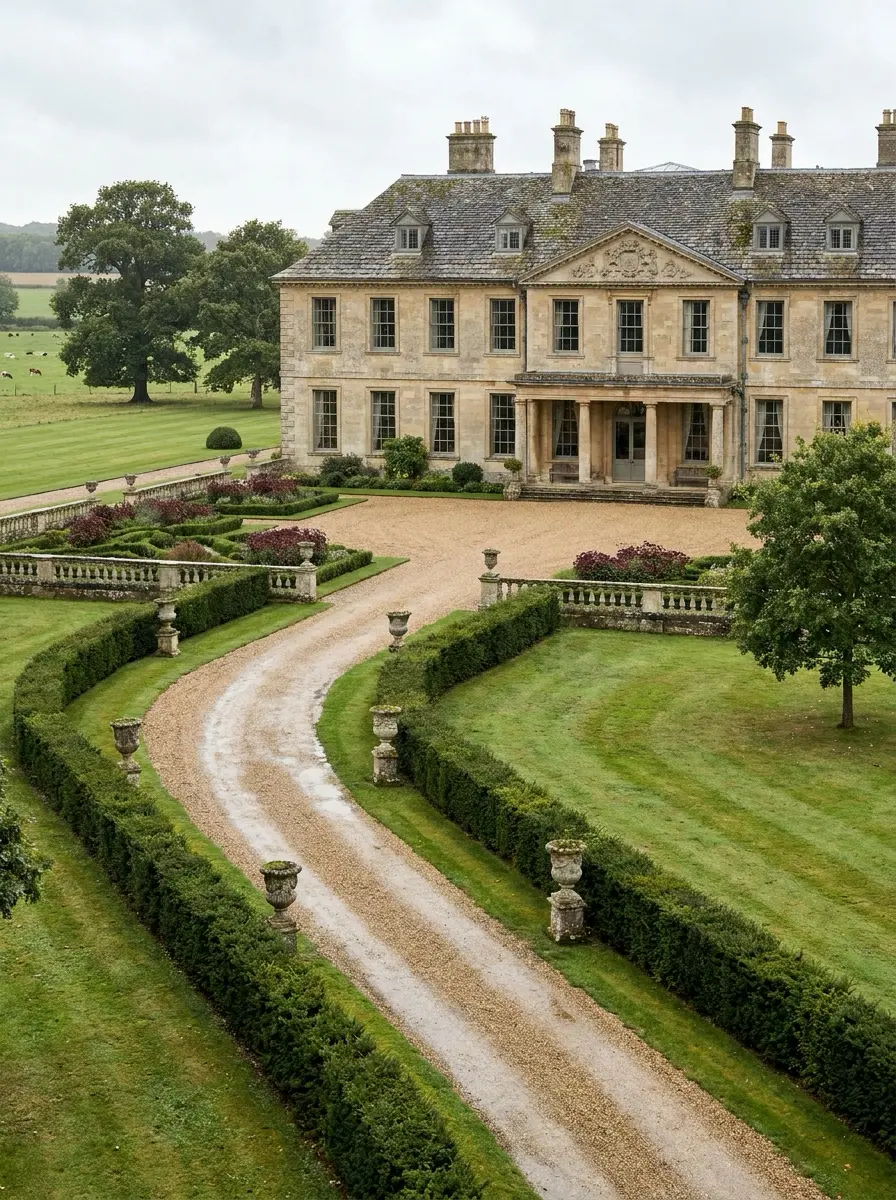
The architectural features of British countryside aesthetics reflect a rich tapestry of regional styles and historical significance. From quaint cottages to majestic ruins, these structures embody the charm and character synonymous with the countryside.
Cottage styles across different regions
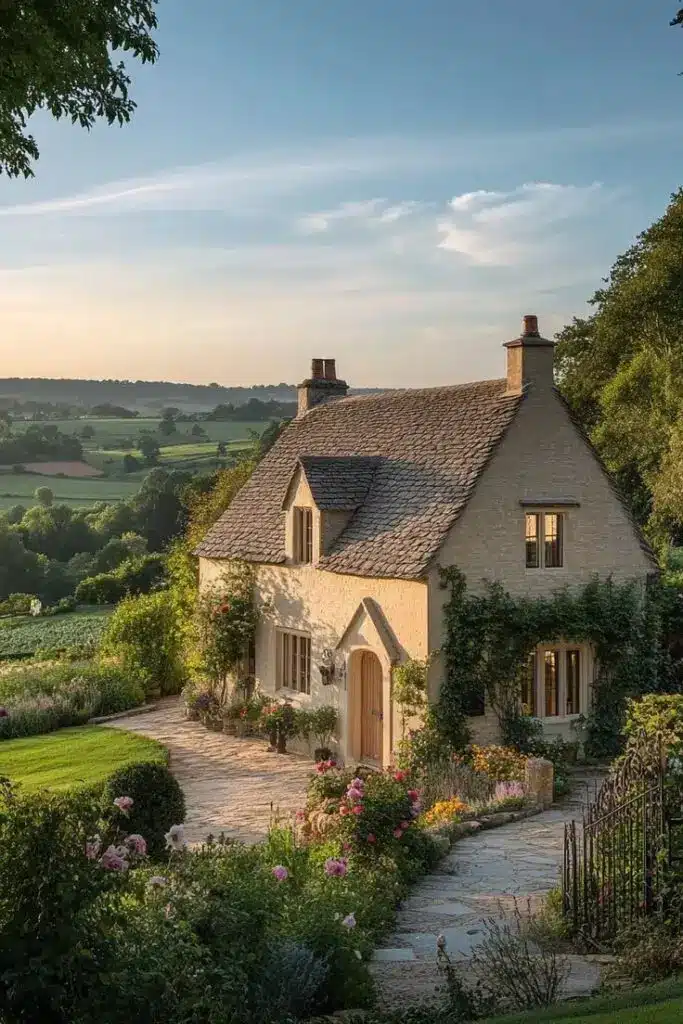

Cottages vary significantly across the British landscape, showcasing unique regional characteristics.
- Cornish Cottages: Known for their granite walls and thatched roofs.
- Cotswold Stone Cottages: These are often characterized by their honey-colored stone exteriors and steeply pitched roofs.
- Yorkshire Dales: Here, traditional dry-stone walls and robust slate roofs are prominent, blending seamlessly with the surrounding landscape.
Each style is not only functional but also tells a story about the local culture and materials available. The intimate scale and inviting aesthetics of these cottages make them emblematic of the British countryside.
Historical landmarks, ruins, and manor houses


The countryside is dotted with historical landmarks and ruins that echo the past.
- Ruins of Abbeys and Castles: These often weathered structures create dramatic contrasts with the lush greenery surrounding them.
- Manor Houses: Featuring grand facades and landscaped gardens, these homes represent a bygone era of aristocracy.
Each landmark conveys a sense of history that enriches the countryside experience. The architectural detailing in these structures often showcases craftsmanship that has stood the test of time, making them alluring for both residents and visitors.
Countryside aesthetic in books, film, and visual culture
The cultural significance of the British countryside aesthetics is profound, influencing various art forms and media. This section explores its impact on literature and its vibrant representation in film and television.
Literature and the countryside mood


Literature has long celebrated the British countryside, often portraying it as a symbol of beauty and tranquility. Authors like Thomas Hardy and George Eliot have crafted narratives deeply rooted in rural settings. These works often reflect the complexities of rural life, intertwining themes of nature and human experience.
The countryside serves as a backdrop for exploring social issues, showcasing the contrast between urban and rural life. In contemporary literature, writers often evoke nostalgia and a longing for simpler times, connecting readers to the serene landscapes and rich traditions of rural Britain.
Countryside in film and television


Film and television further amplify the allure of the British countryside through visual storytelling. Productions like “Pride and Prejudice” and series such as “Doc Martin” highlight the scenic beauty of rural locations.
These media forms celebrate quintessential British landscapes, often portraying the countryside as a character in its own right. The aesthetics of lush green hills and quaint villages help communicate themes of community, tradition, and identity. Additionally, countryside settings often provide a stark contrast to urban dramas, enhancing the emotional depth of narratives.
Through this lens, the countryside becomes more than just a setting; it reflects cultural values and collective memory.
How to use the countryside aesthetic without making it look fake
The quickest way to flatten this style is to buy a set of matching rustic props. A better route is to choose one strong architectural or garden cue, then let the smaller details support it.
| If your space has… | Lean into… | Avoid… |
|---|---|---|
| A plain modern exterior | Soft planting, gravel, timber, aged pots | Fake stone cladding or too many signs |
| A small room | Warm lamps, wool texture, books, one floral print | Heavy curtains and oversized dark furniture |
| A garden path | Irregular edges, herbs, lavender, clipped hedges | Perfect symmetry that feels hotel-like |
| A cottage-style facade | Muted trim, climbing plants, simple hardware | Overdecorating every window and wall |
Related countryside design ideas to explore
Use these next-step guides when you want to move from the general countryside aesthetic into a specific room, garden, exterior, or house-style decision.
- English cottage style for cottage bones, low ceilings, stone, and collected rooms.
- cottagecore living when you want a softer, more romantic rural layer.
- country decor for home for rustic materials, baskets, wood, and practical comfort.
- interior design styles if you need to compare English cottage with rustic, traditional, and maximalist rooms.
- front yard landscaping ideas for paths, planting, edging, and curb appeal.
- modern pergola designs popular in the UK for garden structures that still feel soft and rural.
- country home exterior updates before changing siding, trim, windows, or porch details.
- simple house plans for compact layouts that can carry cottage or rural character.
- top house styles when separating cottage, farmhouse, bungalow, and traditional forms.
Useful references for British countryside details
For a style this rooted in real places, references help. These sources are useful when you want the aesthetic to feel connected to landscape, materials, and preservation rather than only to mood-board imagery.
- National Trust Cotswolds guide for real village, stone, and landscape context.
- CPRE countryside work for broader UK countryside conservation context.
- RHS hedge guidance for why hedgerows matter in gardens and wildlife corridors.
- Historic England thatch advice for traditional roof materials and repair context.
Countryside aesthetic FAQ
Q: What is the countryside aesthetic?
A: The countryside aesthetic is a soft rural style built around nature, age, comfort, and practical beauty. In a British or English setting, it usually means stone cottages, hedgerows, muddy greens, worn wood, wool, books, garden paths, and rooms that feel collected rather than showroom-perfect.
Q: How do you create a British countryside aesthetic at home?
A: Start with muted natural colors, then add texture: linen, wool, old timber, stone, baskets, ceramics, and floral or checked patterns. The room should feel layered and useful. A bench by the door, muddy-boot storage, garden flowers, and softer lighting often do more than expensive decor.
Q: What colors fit an English countryside style?
A: The safest palette is borrowed from the landscape: sage, moss, cream, warm white, muddy brown, soft blue, heather, oxblood, and weathered stone gray. Keep the contrast gentle. If every color looks freshly opened from a paint tin, the room will feel too new.
Q: Is countryside aesthetic the same as cottagecore?
A: They overlap, but they are not identical. Cottagecore is often sweeter and more romantic, with florals, baking, handmade details, and a storybook mood. The British countryside aesthetic can be more grounded: country houses, old gardens, wax jackets, stone walls, antiques, and practical rural materials.
Q: What architectural details define a British countryside house?
A: Look for local stone or brick, slate or thatch roofs, deep window reveals, climbing plants, hedgerows, cottage gardens, chimneys, and weathered paths. The best details feel shaped by climate and use, not just decoration added to a plain box.
Q: Can a modern home use the countryside aesthetic?
A: Yes, but edit it carefully. Keep the modern layout clean, then add countryside cues through planting, natural materials, warm lighting, older furniture, textured textiles, and a softer color palette. One antique table or stone path can work better than copying a whole cottage.
- 306shares
- Facebook0
- Pinterest306
- Twitter0
- Reddit0