

Most people think about a window as glass in a hole in the wall. However, the trim around it, the casing, the sill, and the surround, decides how the opening reads. It is the frame, not the glass, that communicates attention to design. Consider Window trim ideas: how new windows change light, curb appeal, and interior detail, when planning a design.
This matters more right now than it used to.
However, many homeowners replace windows for light, comfort, or energy performance, skipping the trim decision.
- Why window trim matters more than homeowners think
- Start with the house style before choosing a window detail
- Exterior window trim ideas that improve curb appeal
- Interior trim details that change how a room feels
- How new windows change natural light
- Comfort and performance without turning the article into a replacement ad
- Room-by-room window trim ideas
- Mistakes that make new windows look wrong
- FAQ
- Trim is the detail that finishes the window
Thus, get the trim right alongside the glass, and a window upgrade reads as an architectural improvement.
If you get it wrong, even excellent new glass can look dropped into the wall.
Without thoughtful detailing, it seems rushed.
I see this gap constantly in project photos people send me for feedback. However, Window trim ideas: how new windows change light, curb appeal, and interior detail illustrate that, even with beautiful glass. The glass gets all the budget conversation. The trim is what everyone actually looks at from ten feet away. It gets almost none of it.
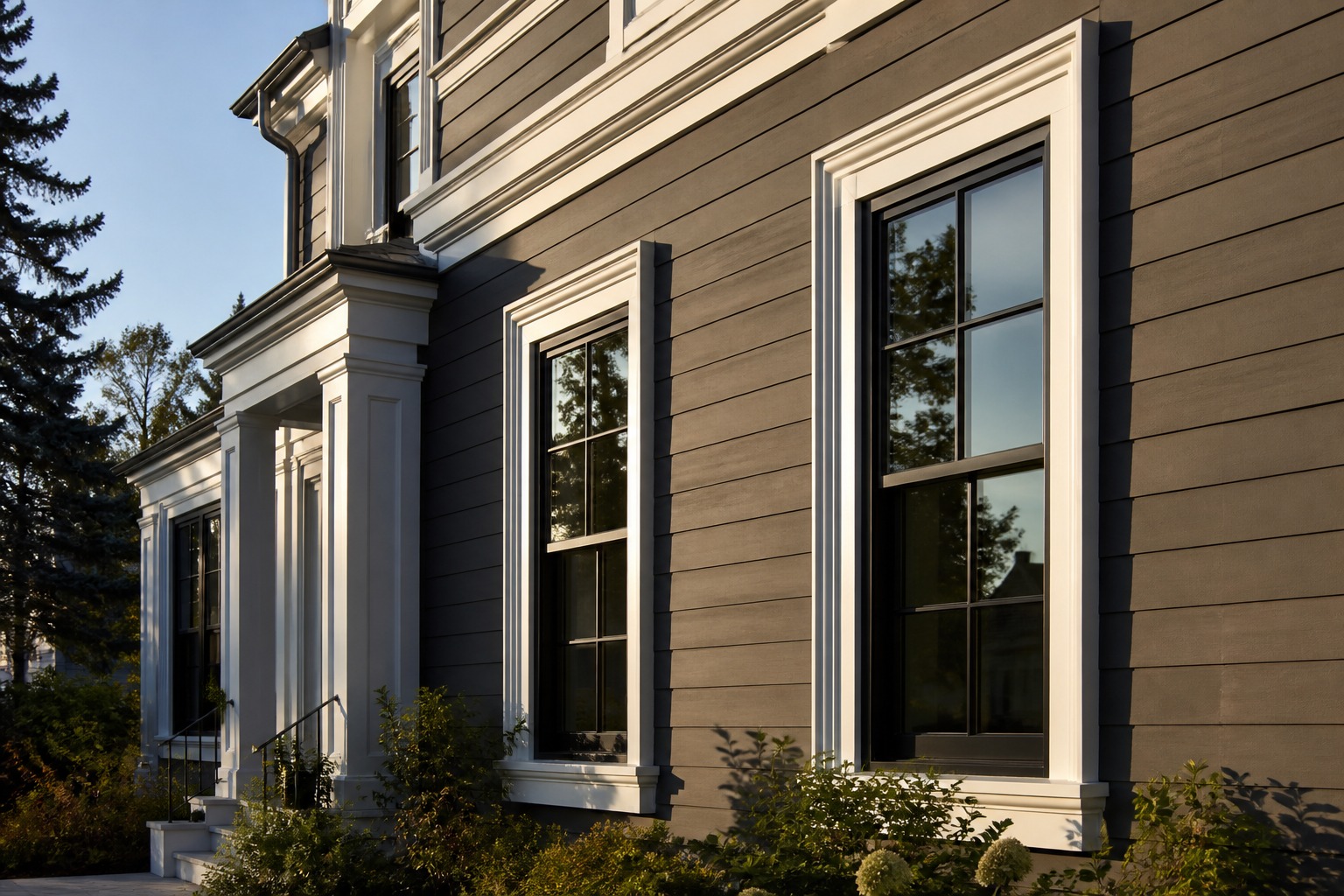
Why window trim matters more than homeowners think
Frames, casing, sill lines, reveals, and visual weight
Every window has four components doing distinct visual jobs: the frame holding the glass. Additionally, these include the casing wrapping the opening, the sill along the bottom, and the reveal where wall meets window. However, most people register these as one blurred unit, ‘the window,’ but each piece carries its own weight. For this reason, from across a room or street, light reads differently with each part. Window trim ideas: how new windows change light, curb appeal, and interior detail influence overall perception.
I’ve written more broadly about how these choices shape a whole home’s presentation in home window design, and trim is the layer of that conversation people skip past most often, going straight from “what glass” to “what color” without stopping at the proportions in between. Visual weight is the term I keep coming back to: a heavier casing anchors a window into a facade or wall, while a lighter one lets the glass itself do more of the talking.
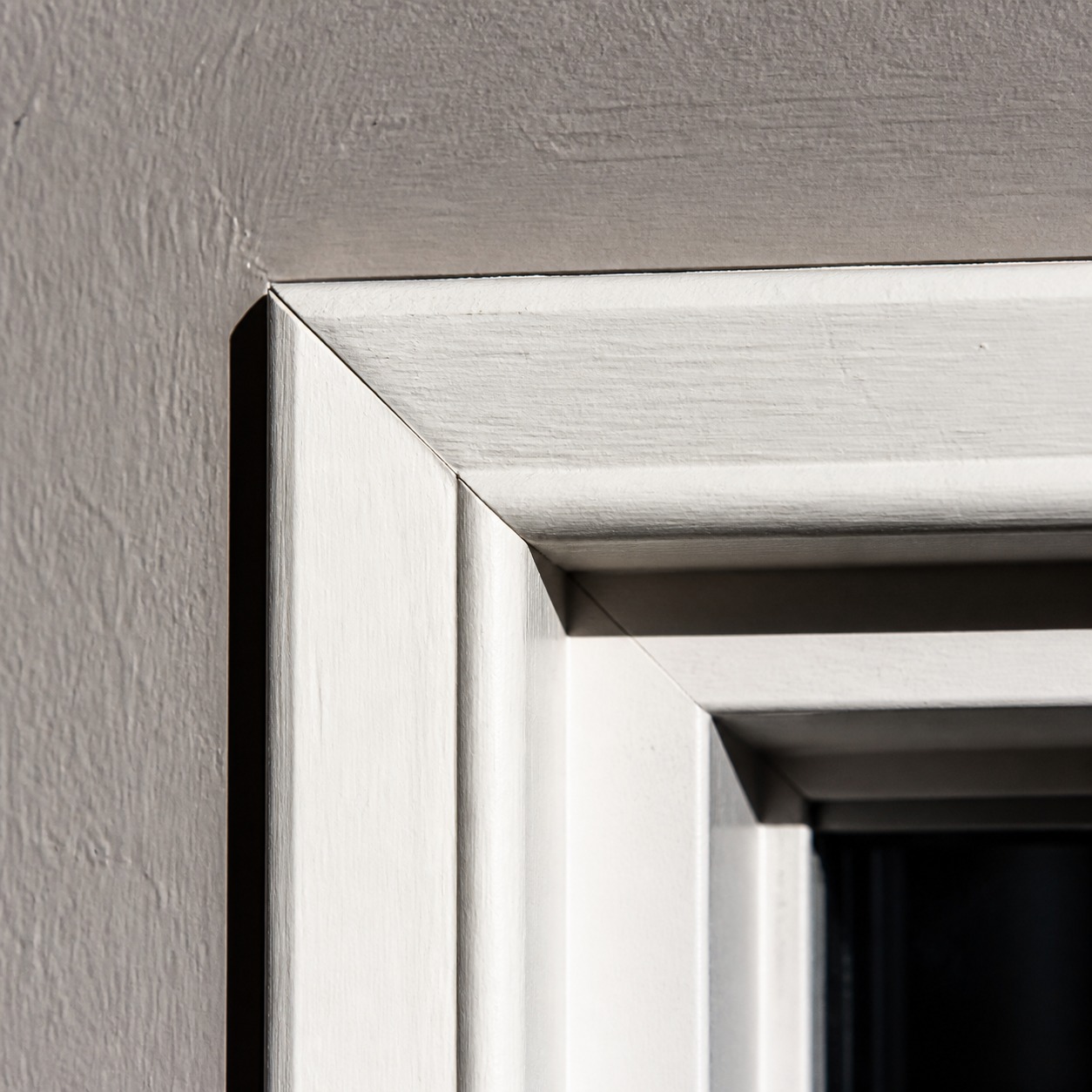
Reveal depth deserves particular attention.
A shallow reveal reads as thin and slightly unfinished on most traditional and transitional homes.
Furthermore, a deeper reveal, even an extra inch or two, casts a genuine shadow line.
That shadow does more visual work across a whole facade than most people would guess.
From looking at a single window in isolation, the effect isn’t clear.
Start with the house style before choosing a window detail
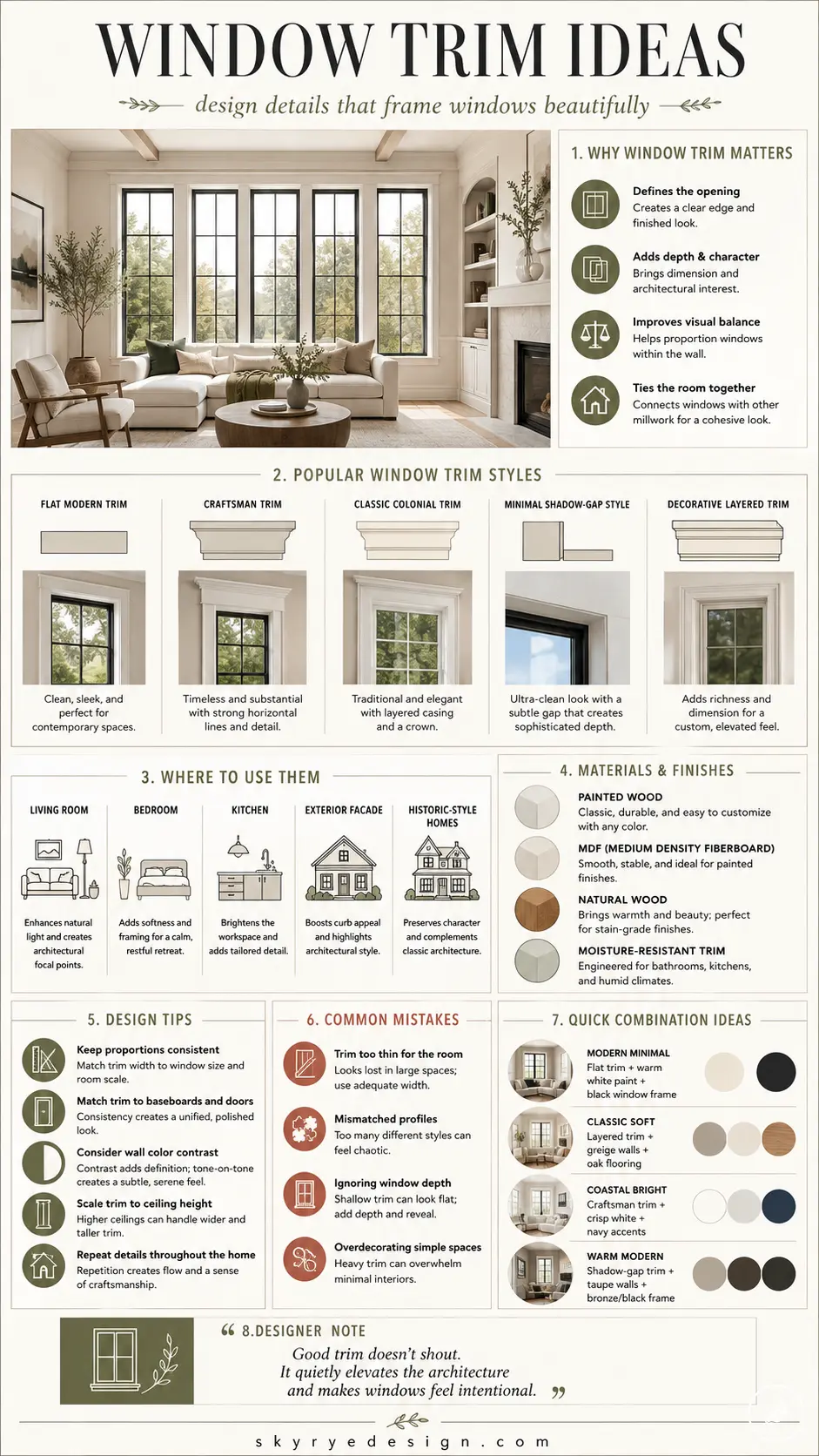
Traditional, craftsman, farmhouse, modern, transitional, and period homes
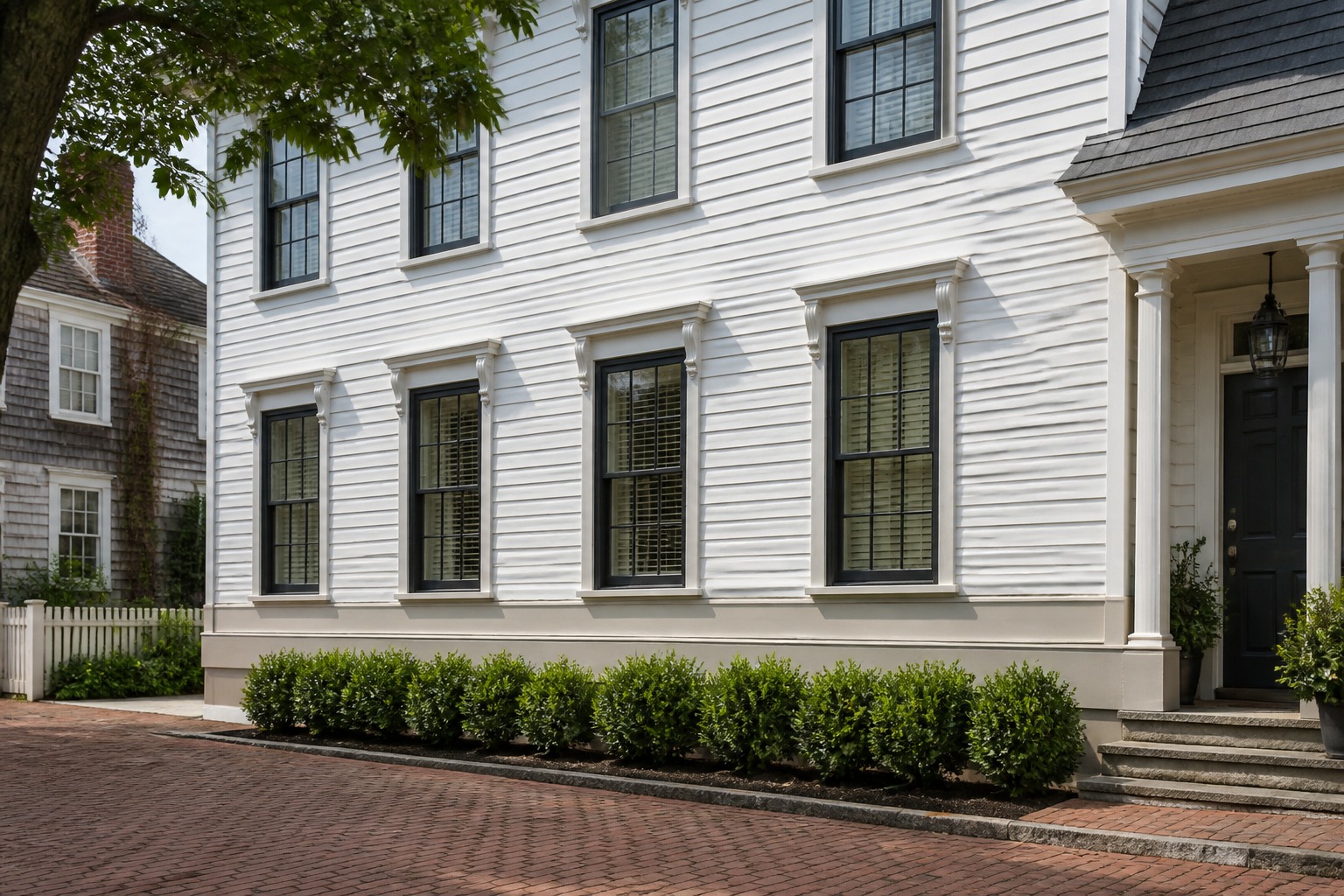
Trim detail has to answer to the house it’s on before it answers to any trend. A traditional colonial wants classic proportions: moderate casing width, a defined sill, and symmetry between windows across the facade.
Craftsman and farmhouse styles lean into chunkier, more substantial trim, often painted a contrasting white or off-white against a darker body color, with visible joinery detail that reads as handmade even when it isn’t.
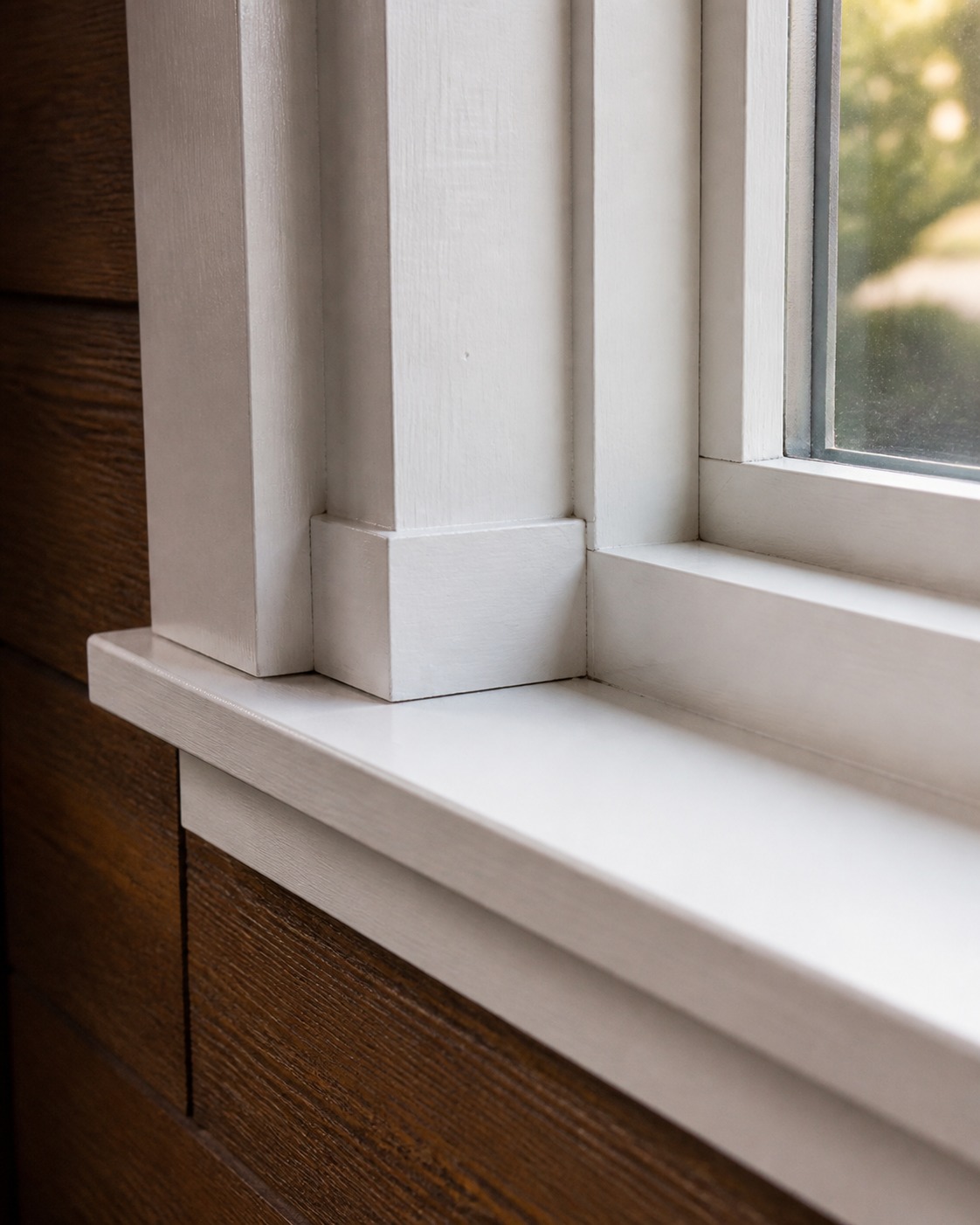
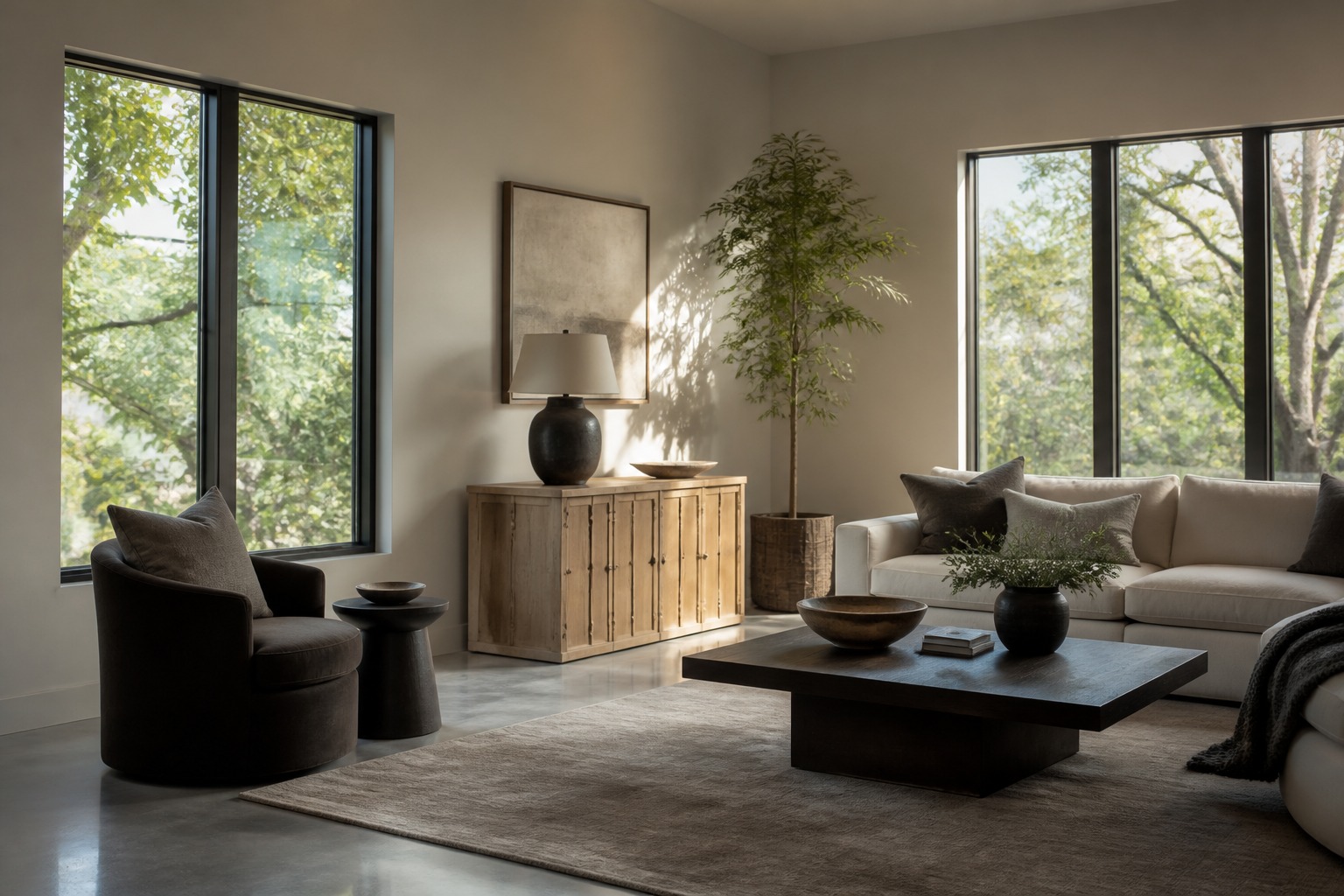
Modern homes flip the logic entirely, often minimizing trim almost to the point of disappearing it, using flush or near-flush reveals so the window reads as a clean opening in a plane rather than a framed feature. I go deeper into how that minimal approach actually gets engineered, not just styled, in exploring the different types of modern window architecture. Transitional homes sit between the two extremes, borrowing traditional proportions with simplified detailing, and period homes generally reward matching the trim profile that would have been original to that decade rather than importing a detail from somewhere else entirely.
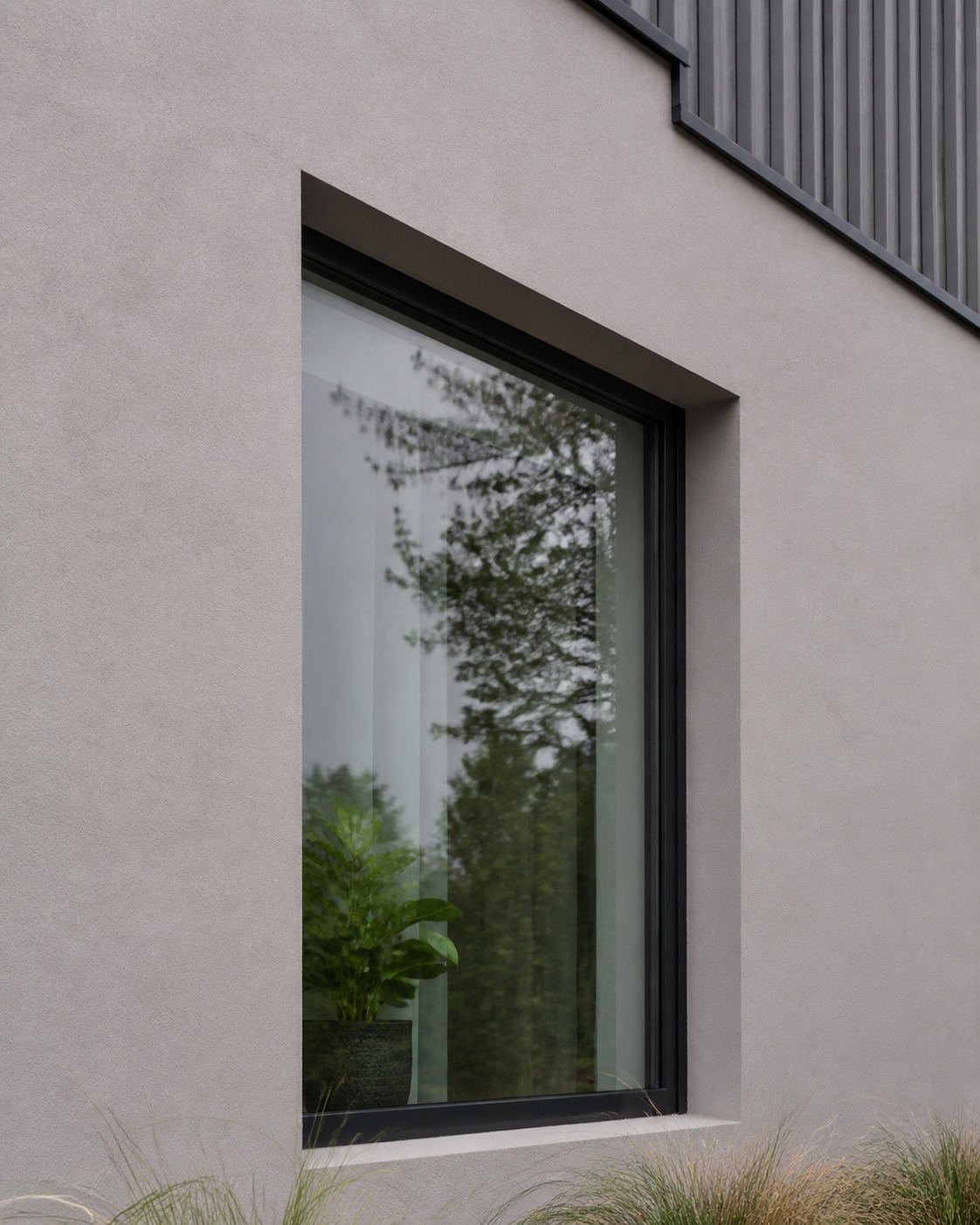
Getting the period right takes more than a quick glance at a neighboring house. A 1920s bungalow and a 1960s ranch both count as “older” in casual conversation, but their original trim proportions, casing width, sill projection, corner detail, differ enough that borrowing one for the other reads as subtly wrong even to someone who couldn’t name the specific mismatch. When in doubt, look at any original, unmodified trim still surviving somewhere else on the same house, a side window, a porch detail, before deciding what a replacement should match.
Exterior window trim ideas that improve curb appeal
Contrast trim, matched trim, deeper surrounds, shutters, mullions, and cleaner proportions
Contrast trim, a lighter casing against a darker body color or the reverse, is the single fastest way to sharpen a facade’s read from the street, since it outlines every window opening and gives the whole elevation a clearer rhythm. Matched trim, painted the same color as the body, does the opposite intentionally, letting the window openings recede so other elements, roof line, entry door, landscaping, carry more visual weight instead.
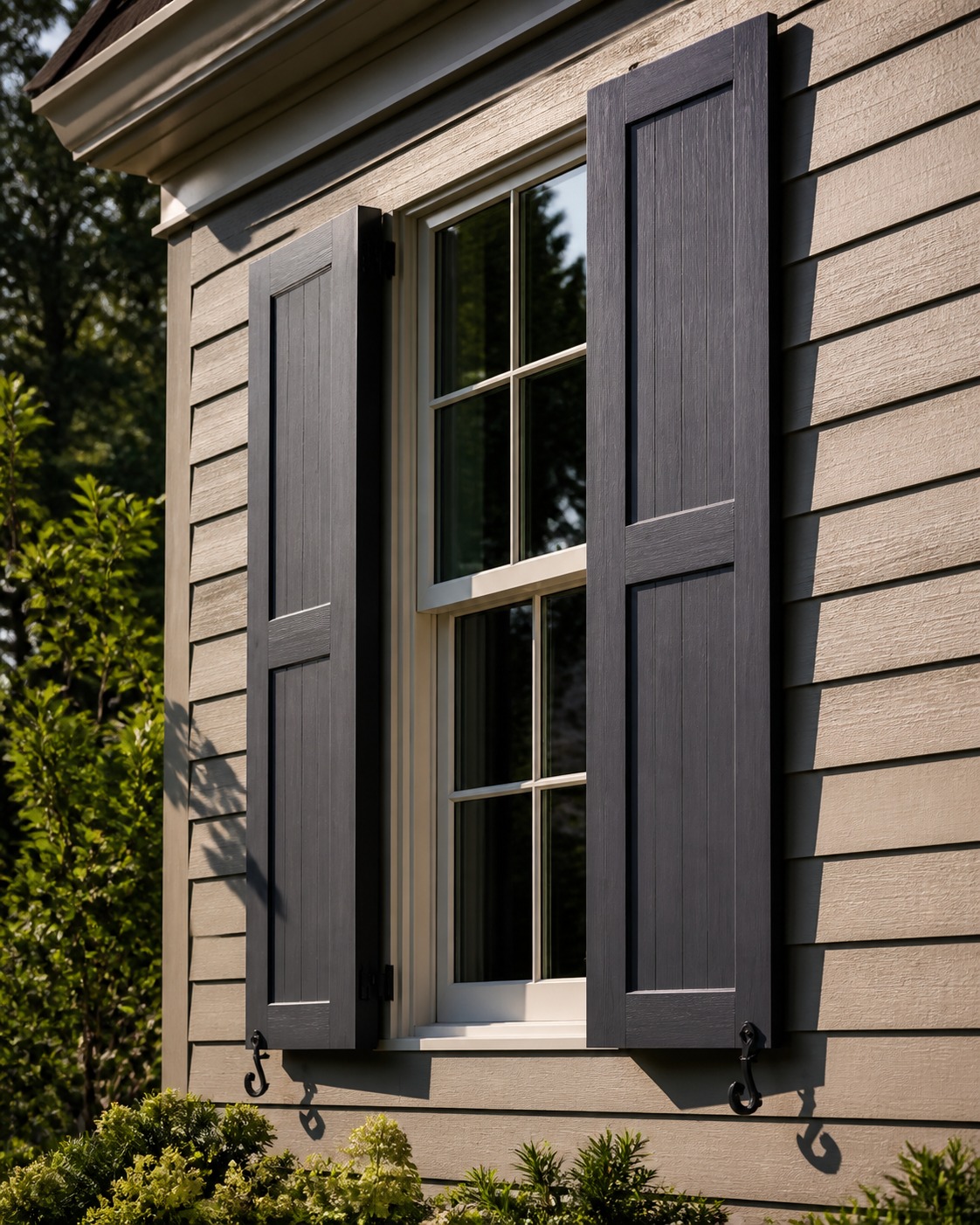
Deeper surrounds add real shadow line even in flat light, which matters on facades that otherwise read as visually thin. Shutters, when they’re sized correctly to actually cover the window opening if closed rather than the decorative half-width version so common on new builds, add another layer of proportion and shadow.
Mullions, the dividers within a single pane of glass, deserve real thought rather than default settings: too many on a small window reads as busy, too few on a large traditional-style window can look under-detailed for the house it’s on. Small exterior details compound fast here, and I’ve covered how much the small gaps and joints around an opening affect the finished read in home exterior details and small gaps, which is worth a look before finalizing any exterior trim plan.
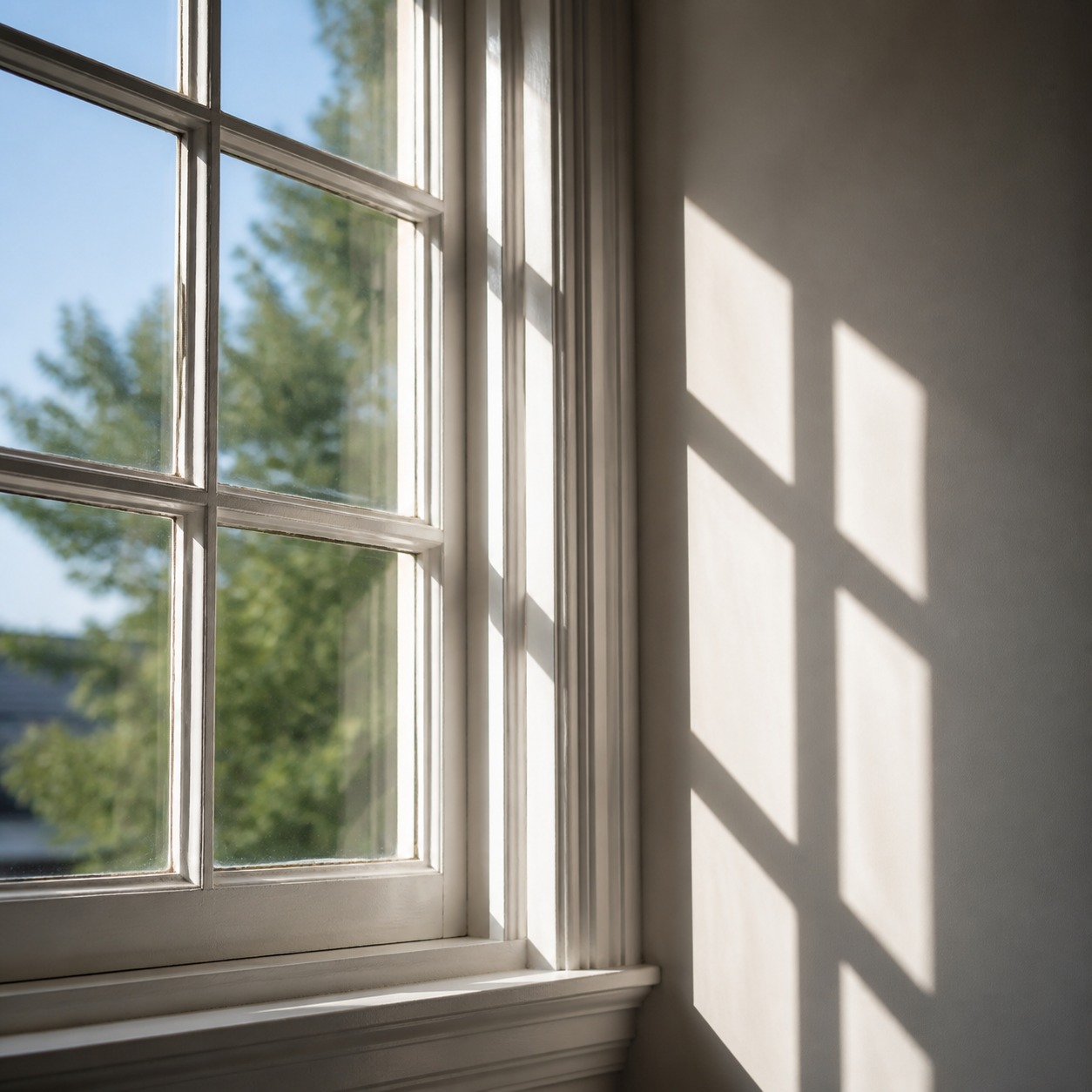
Proportion between window height and width matters just as much as the trim profile wrapped around it, and it’s worth checking before committing to a specific trim style. A tall, narrow window generally wants a trim proportion that emphasizes its verticality rather than fighting it with a wide, heavy top casing that visually shortens the opening. A wider horizontal window benefits from the opposite emphasis, letting the trim reinforce the window’s actual shape instead of working against it.
Interior trim details that change how a room feels
Slim casing, painted trim, natural wood, deep sills, curtain alignment, and cleaner wall edges
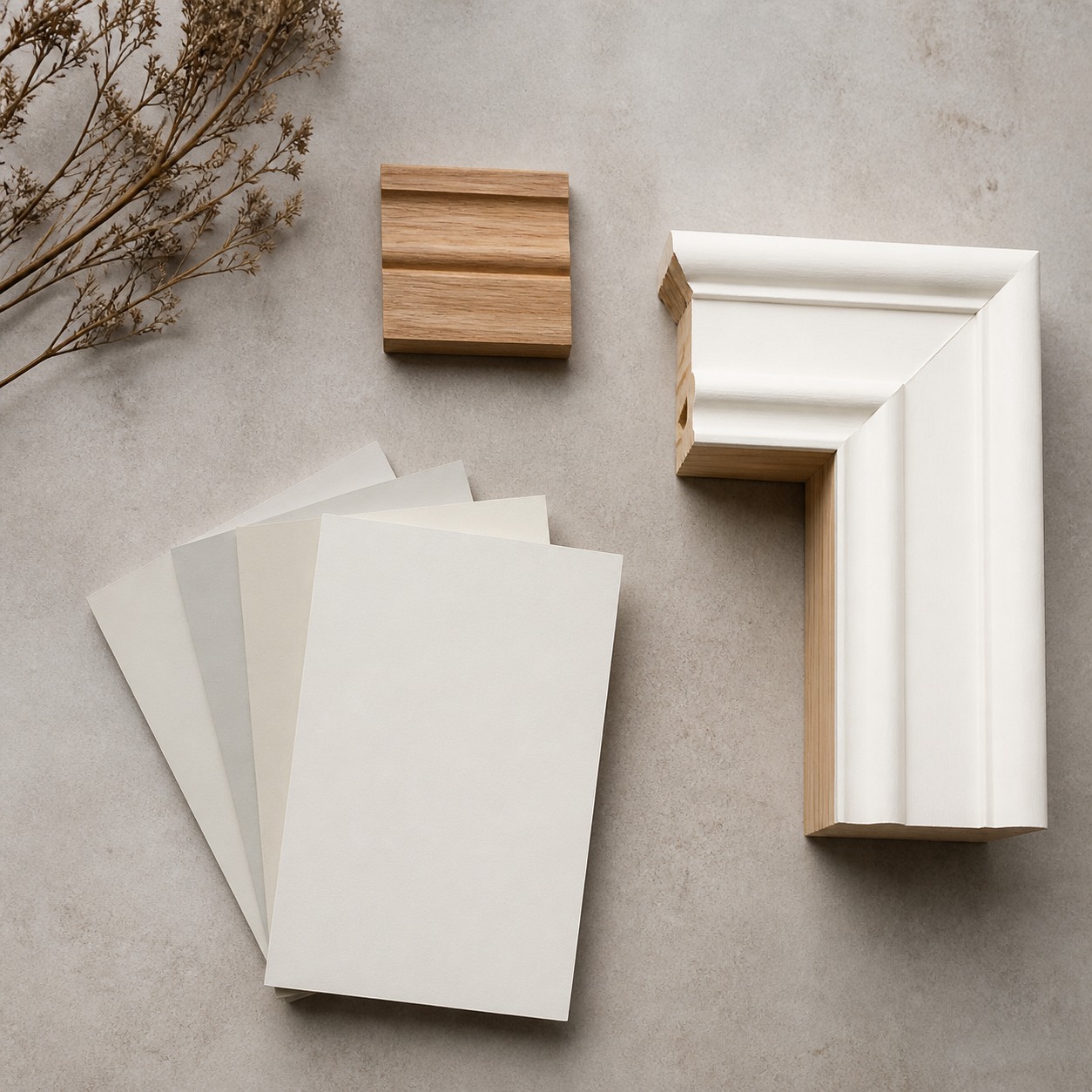
Interior trim choices work on a room the same way exterior trim works on a facade, just at closer range and under different lighting conditions. Slim, minimal casing suits a room that wants the window itself, and the view through it, to stay the focus rather than the frame around it. A more substantial casing, especially painted crisp white against a colored wall, adds architectural presence to a plain room without touching furniture or paint elsewhere.
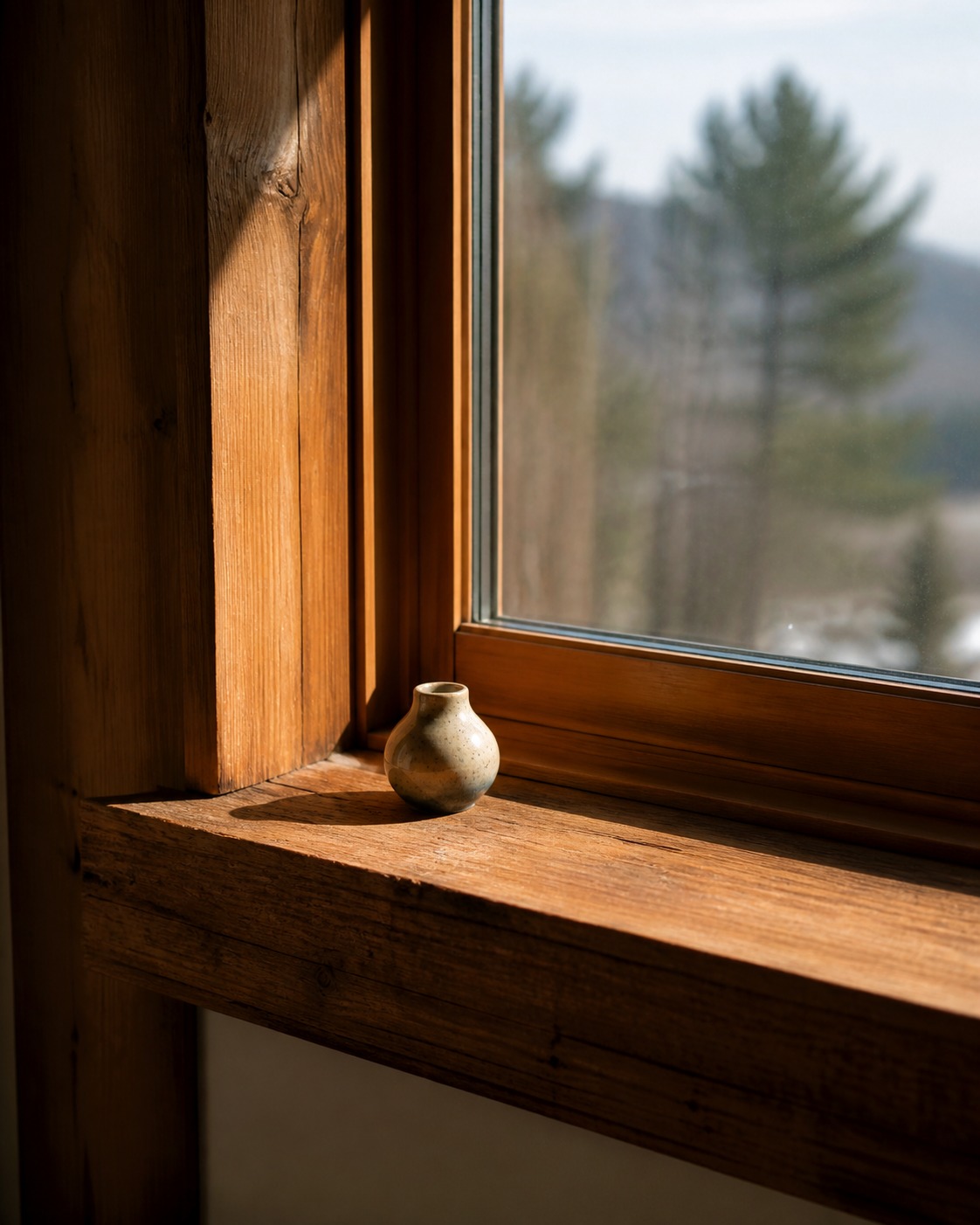
Natural wood trim, left unpainted or lightly finished, brings warmth that painted trim can’t match, though it needs a room whose other wood tones, floor, furniture, doors, actually coordinate with it rather than fighting it. Deep sills do quiet functional work as a display shelf or seat, and they read as more substantial and considered than a shallow, purely functional sill. I go into how natural light and interior detailing interact more broadly in the role of natural light in modern house design, since trim depth and window placement are really one connected decision rather than two separate ones. Curtain alignment matters more than people expect too: hardware mounted just above the casing, extending slightly past the window’s width, makes a room feel taller and the window feel larger than mounting hardware directly on the frame ever does.
Wall edge treatment right where drywall meets casing is a detail worth checking on any repaint or re-trim project, since a clean, crisp edge reads as considerably more finished than one where paint has bled slightly onto the trim or a hairline gap has opened up over time. This is a genuinely small fix, a bead of caulk and careful cut-in painting, that has an outsized effect on how finished a room feels once it’s addressed.
How new windows change natural light
Glass clarity, frame thickness, pane size, window placement, and glare control
Older glass yellows and hazes subtly over decades in ways most homeowners stop noticing because the change happens so slowly. New glass restores a clarity that genuinely changes how a room reads, often more than people expect from “just” replacing the glass itself. Frame thickness matters just as much: a slimmer modern frame profile lets more actual glass area sit within the same rough opening, which measurably increases the light reaching the room without changing the wall opening at all.
Pane size and placement decide how that light actually behaves once it’s inside. A single large pane reads as more contemporary and lets light in with less visual interruption, while divided panes scatter light into smaller pools and read as more traditional. I’ve written specifically about optimizing this relationship in daylighting strategies in architecture, which covers placement and orientation alongside the glass itself. Glare control deserves its own mention, since more light isn’t automatically better light: a west-facing room with a large new window can go from dim to uncomfortably bright in late afternoon without some plan for filtering that light, whether that’s an overhang, interior treatment or glass coating suited to the exposure.
Window placement height relative to eye level and furniture changes how much of that improved light actually gets used. A window that starts too high above a seating area wastes its best light on empty wall space, while one positioned to align with where people actually sit or work delivers the same glass area with noticeably more functional benefit. This is worth checking against actual furniture layout before finalizing new window positions, not just against the wall’s available opening.
Comfort and performance without turning the article into a replacement ad
Drafts, failed seals, noise, energy glazing, and when replacement becomes design-relevant
This piece is about trim and detail, not a sales pitch for new glass, but performance and design decisions do eventually meet at one point: when a window’s condition is bad enough that no trim or paint decision can fix what’s actually wrong. Drafts around a closed window, a fogged double-glazed unit that never clears, or street noise that feels closer than it should are functional problems first, and no amount of casing detail solves them.
I’ve covered the specific signs worth watching for in signs it’s time to update your windows, and the energy side of that same decision in the importance of window energy ratings during home upgrades. Once a window has crossed into genuine replacement territory rather than a cosmetic refresh, that’s exactly the moment trim decisions matter most, not least, since a full window swap is the one point in a home’s life when frame profile, casing depth and reveal detail can all be reconsidered together rather than working around an existing opening. If you’re at the comparison stage for an actual replacement, a company like Windows Direct USA is a reasonable place to start pricing styles and glazing options once the design decisions in this piece have narrowed down what you’re actually looking for.
Noise deserves a specific mention since it’s the performance issue people notice constantly but rarely trace back to the window itself. A double-glazed unit with a failed seal loses acoustic performance along with its thermal performance, and a home near a busy street can go from tolerably quiet to noticeably louder over a few years without anyone realizing the windows were the reason. If a room has gotten audibly louder without an obvious change outside, the seal condition on that room’s windows is worth checking before assuming the street traffic itself has simply increased.
Room-by-room window trim ideas
Living rooms, kitchens, bedrooms, bathrooms, stairwells, and street-facing rooms
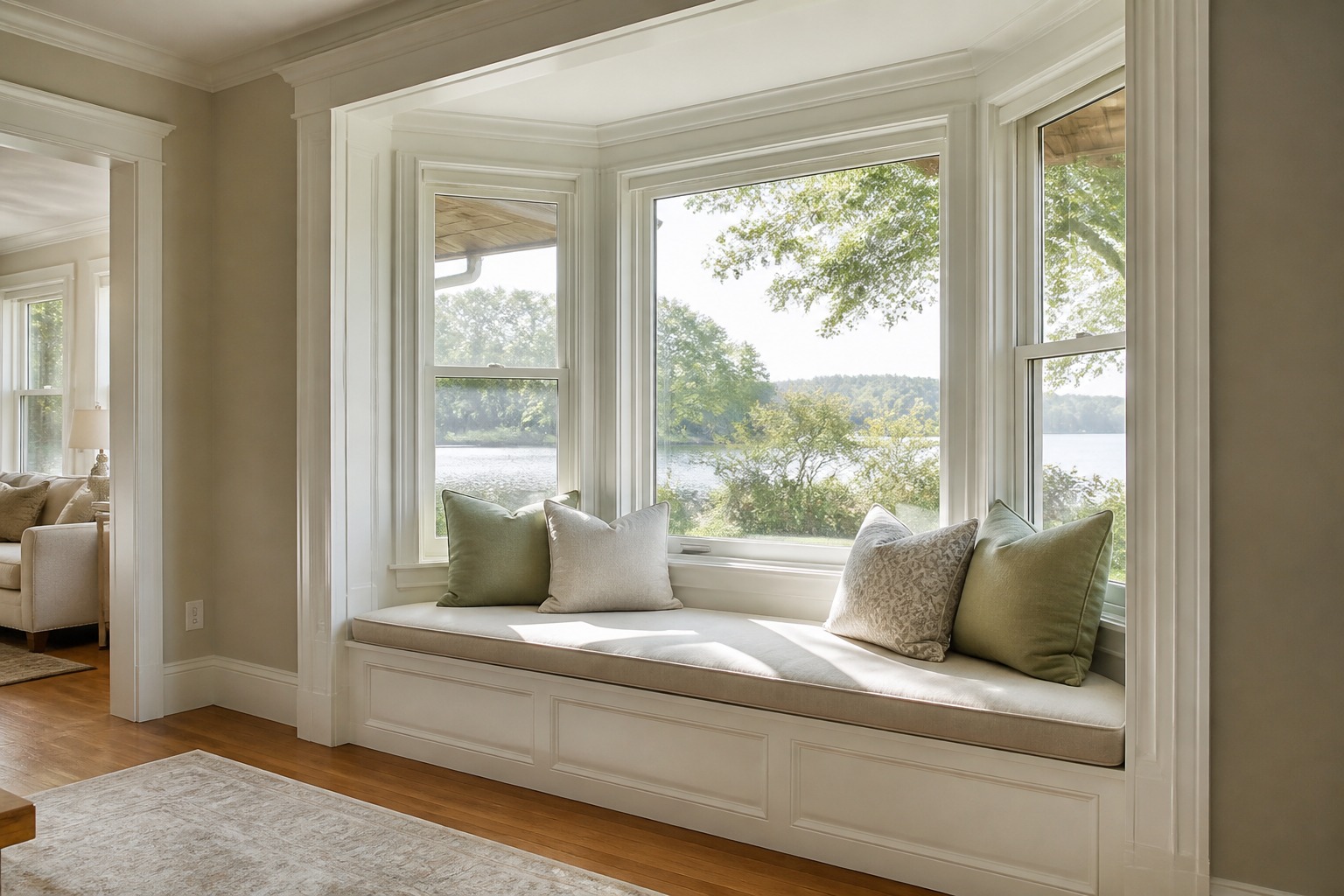
A living room, especially one with a bay or larger picture window, rewards more generous trim, since it’s usually the room a house is designed to show off first. I’ve gone deep on that specific window type in bay windows: timeless enhancements that give light, space and efficiency, which covers trim and seat detail specifically for that configuration. Kitchens usually want simpler, more durable trim given splash-back proximity and moisture, with a deeper sill often doing double duty as a small display or plant shelf above the sink.
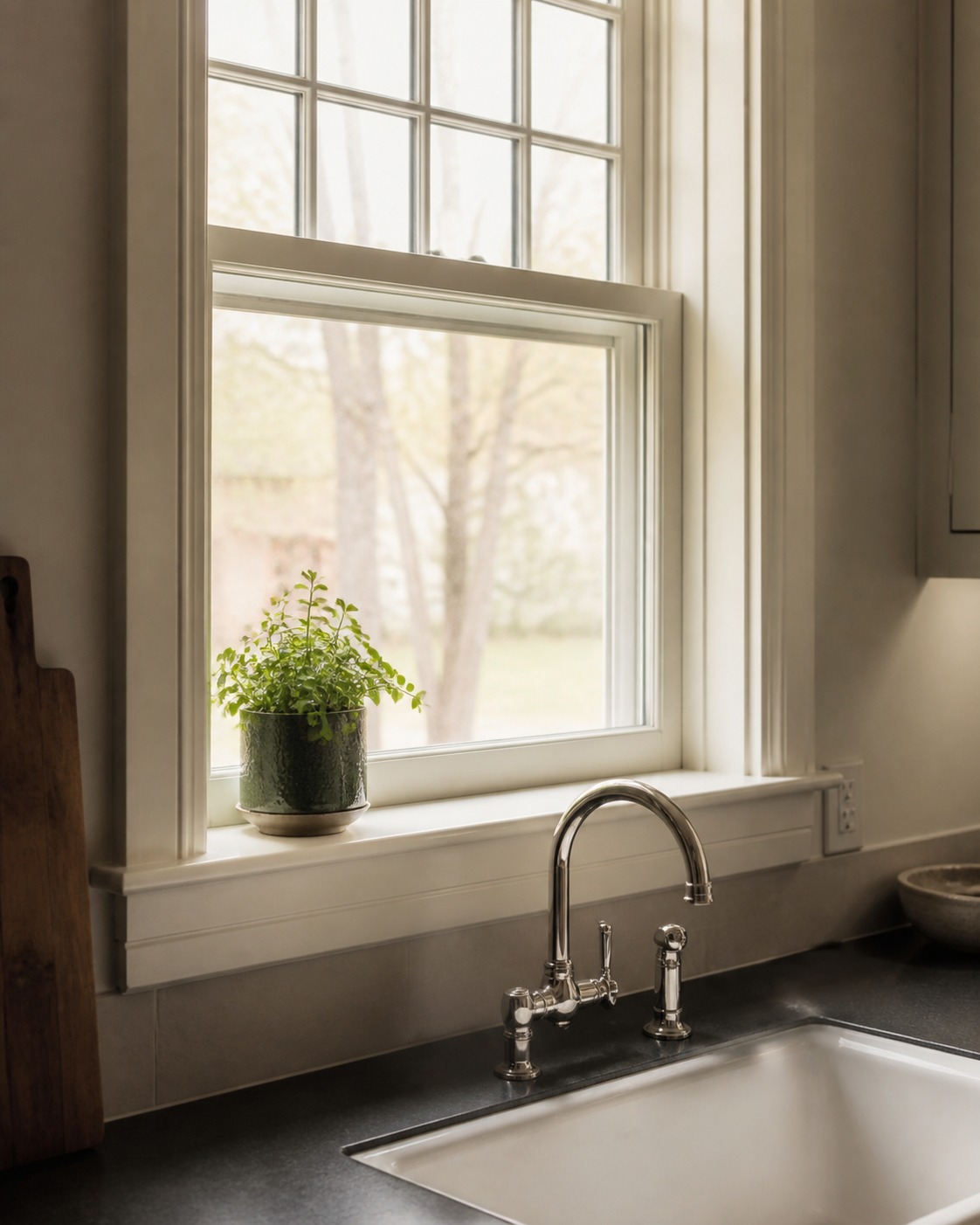
Bedrooms benefit from trim that supports blackout or privacy treatments cleanly, mounted with enough clearance that hardware doesn’t crowd the casing. Bathrooms need trim and glass treatment that balances privacy with light, often through texture or placement rather than heavy window coverings that trap humidity against the frame.
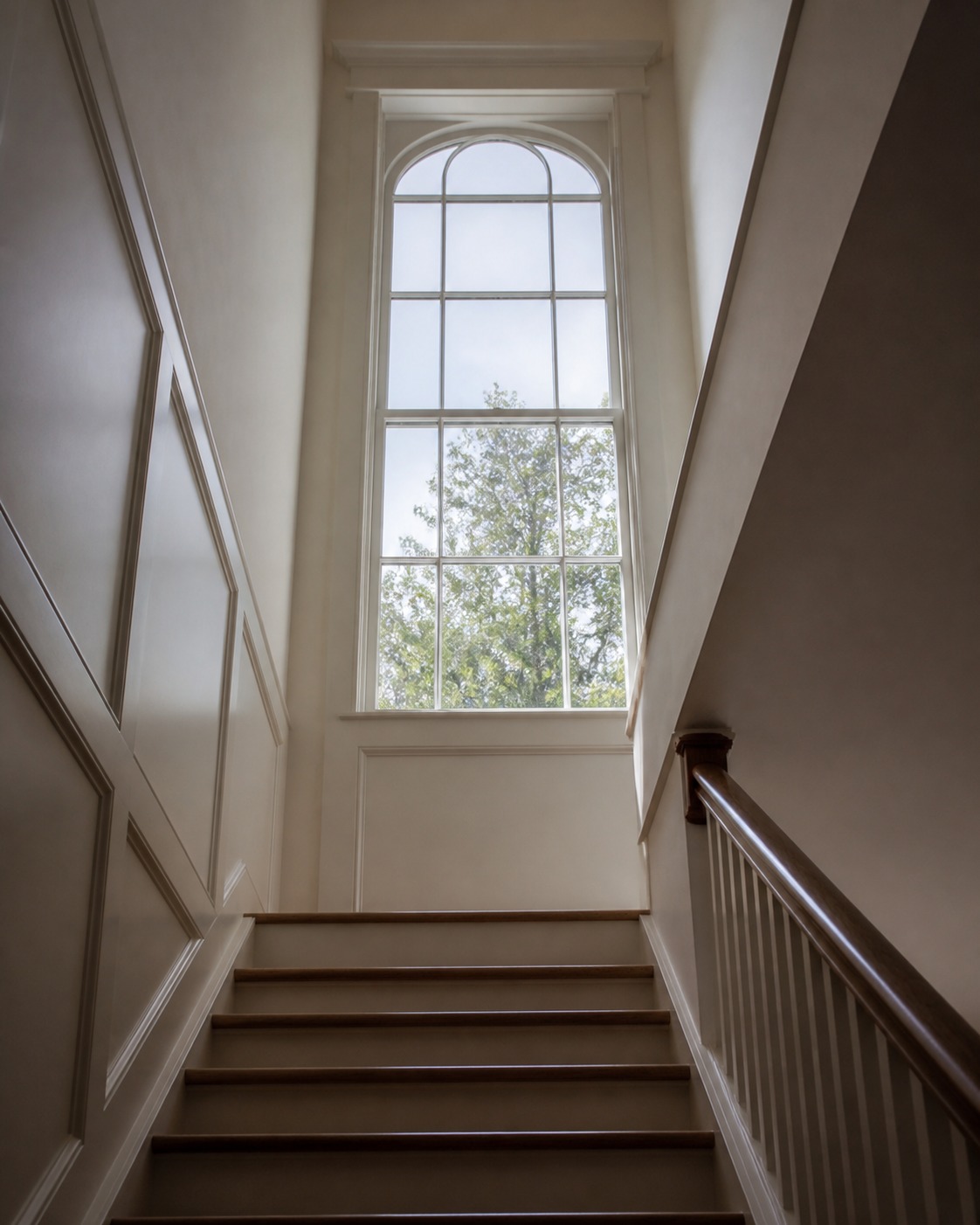
Stairwells, frequently home to a home’s tallest or most architecturally distinct window, deserve trim proportioned to that scale rather than treated as an afterthought matching smaller windows elsewhere. Street-facing rooms carry the most curb-appeal weight of any interior trim decision, since their exterior trim is doing double duty, working for the room inside and the facade outside simultaneously.
Home offices and studies deserve a mention on their own, since screen glare has become a genuinely common complaint that traces straight back to window placement and treatment. A desk positioned facing a bright, untreated window fights glare on a monitor all day, while the same desk positioned perpendicular to that window, with trim and treatment designed to filter rather than block the light entirely, avoids the problem without sacrificing the room’s natural light.
Mistakes that make new windows look wrong
Mismatched styles, weak exterior alignment, too much contrast, ignored sill details, and wall-to-wall sameness
The most common mistake is choosing a window style that doesn’t match the house’s period or architectural language, a sleek modern frame profile on a traditional colonial, or ornate divided-light windows on an otherwise minimal contemporary build. The mismatch reads immediately even to people who couldn’t articulate why something feels off. Weak exterior alignment is nearly as common: new windows set slightly differently within their openings than the old ones, throwing off symmetry across a facade that used to read as balanced.
Too much contrast trim across every window on a busy facade can overwhelm a house that would read better with more restraint, particularly on smaller homes where every window competing for attention leaves nothing to actually rest the eye on. Ignored sill details, a sill that doesn’t get repainted, re cut or properly finished during a broader window project, stick out visually once everything else around them looks fresh.
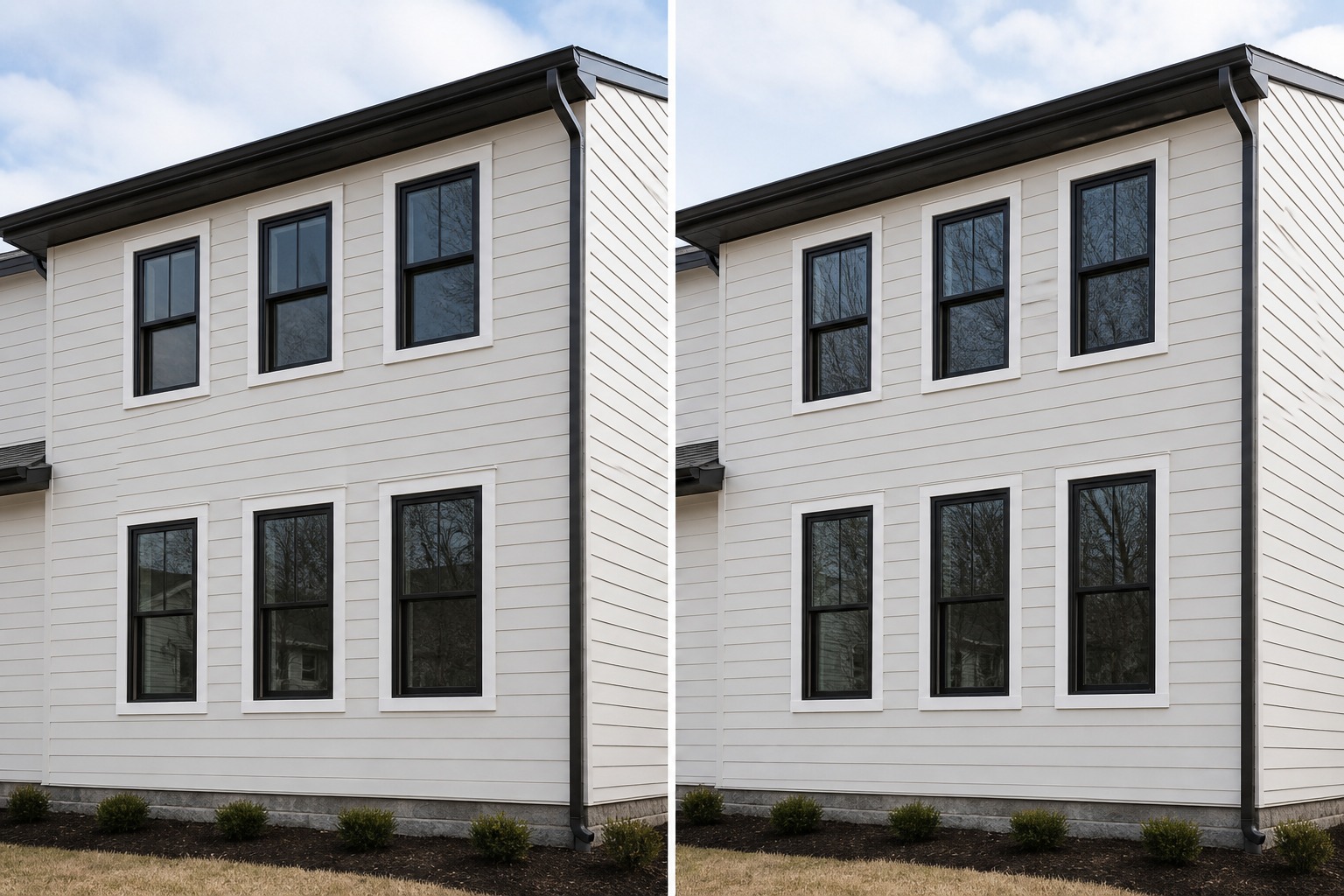
And wall-to-wall sameness, identical trim treatment on every window regardless of room function or exterior context, misses the chance to let a few key windows, a living room bay, a stairwell feature, actually stand out. For a broader sense of how these small missteps show up in real projects, these before-and-after facade redesign cases are a useful gut check before finalizing a trim plan.
The fastest way to catch most of these mistakes before they’re permanent is a simple one: stand across the street and look at the whole facade together before committing to trim on even a single window. Almost every mismatch on this list is invisible up close at any individual opening and completely obvious once you can see how all the windows relate to each other and to the house as a whole.
FAQ
What is the best window trim style for a modern home?
Modern homes generally suit slim, minimal casing or flush reveals that let the glass and frame read as a clean plane rather than a heavily framed feature. Deep, ornate trim tends to conflict with the simplified proportions modern architecture is built around, even when the trim itself is well executed.
Does window trim improve curb appeal?
Yes, often more than people expect relative to its cost. Trim defines the rhythm and proportion of a facade, and contrast or well-proportioned trim can sharpen how a house reads from the street without touching the roof, siding or landscaping at all. It’s frequently the highest-impact, lowest-cost improvement available on an otherwise dated exterior.
Should window trim match walls or contrast?
Both are valid choices depending on the effect you want. Matched trim lets window openings recede so other architectural features carry more visual weight, while contrast trim outlines each opening and creates a stronger, more graphic read across the facade or a room. Consider the house’s existing detail level before deciding, since a facade with a lot going on already may not need contrast trim adding further visual noise.
Can new windows make a room brighter?
Yes, through several separate mechanisms. Clearer new glass restores light transmission lost to old glass’s gradual yellowing, slimmer frames increase the actual glass area within the same opening, and better placement or larger panes can change how much daylight reaches deeper into a room.
When should windows be replaced instead of just repainted or re-trimmed?
Replace rather than re-trim once functional problems appear: persistent drafts, a fogged double-glazed unit, seals that have failed, or a frame too warped or rotted to hold paint properly. Cosmetic refreshes work well when the window still performs correctly and the issue is purely how it looks.
Trim is the detail that finishes the window
Window trim is one of the cheapest architectural decisions available on a home, and one of the most consistently overlooked. Start with the house’s own style before picking a detail, treat exterior and interior trim as connected decisions rather than separate projects, and let each room’s actual use guide how much trim presence it deserves.
Do that alongside any new glass or frame decision, rather than as an afterthought once the windows are already installed, and the finished result reads as a house where every opening was actually designed, not just filled.
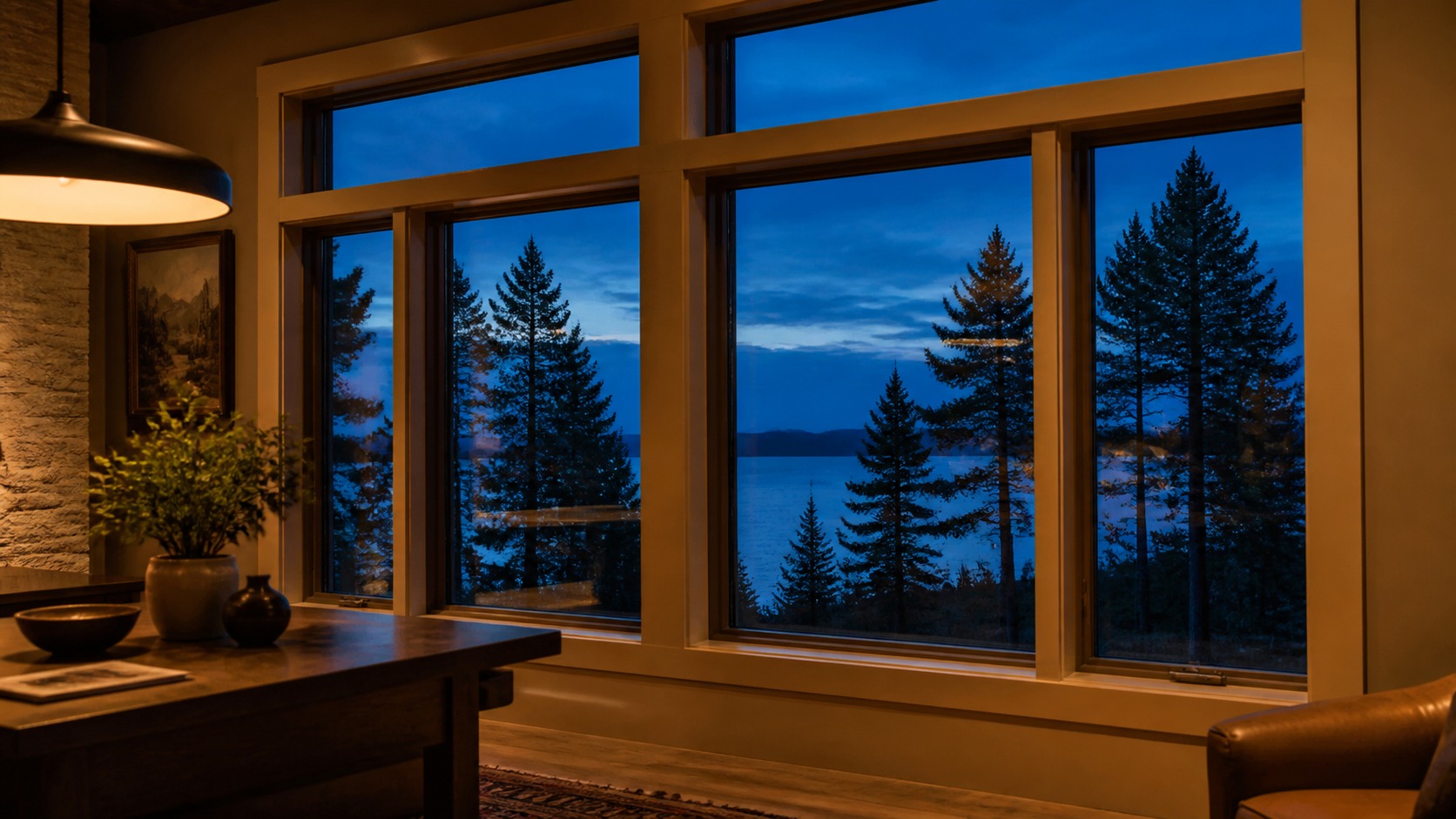
Walk your own facade the way a visitor would, from the street, before deciding anything, and do the same from inside each room before choosing interior casing. That short exercise tells you more about which trim decisions actually matter on your specific house than any general style guide, this one included, ever could on its own.
- 61shares
- Facebook0
- Pinterest61
- Twitter0
- Reddit0