I grew up watching my father approach our house the way I later learned to approach design projects: methodically, patiently, one eye on what looks right and another on what holds up. He replaced the front door not because it was broken, but because he said a house that looks cared for from the street gets treated better by everyone, including its owners.
I didn’t fully understand that until I started working on spatial design and began seeing properties the way an architect does: as systems where every surface, every junction, every material choice either adds or subtracts from the whole.
- Value compounds quietly, then shows up all at once
- What buyers actually respond to: coherence over cost
- Improvements that change how a home feels to live in
- Energy efficiency: the improvement that pays you back twice
- Curb appeal: the five-second test that sets every viewing
- Preventive maintenance: the upgrade nobody photographs
- What every smart upgrade shares
- Frequently Asked Questions
- What architectural home upgrades have the best ROI?
- Do architectural home upgrades really increase property value?
- What is the first improvement I should make before selling?
- Are energy efficiency upgrades worth the cost?
- What home improvements do buyers actually notice?
- How does deferred maintenance affect property value?
- Is landscaping a good investment for home value?
Property improvements are rarely about one dramatic change. They’re a series of considered decisions, each small, that compound over years into a fundamentally different asset. I’ve seen this in client projects across Germany and Ukraine, and experienced it directly. The right intervention at the right moment changes not just how a property looks but how confidently it sits in the market.
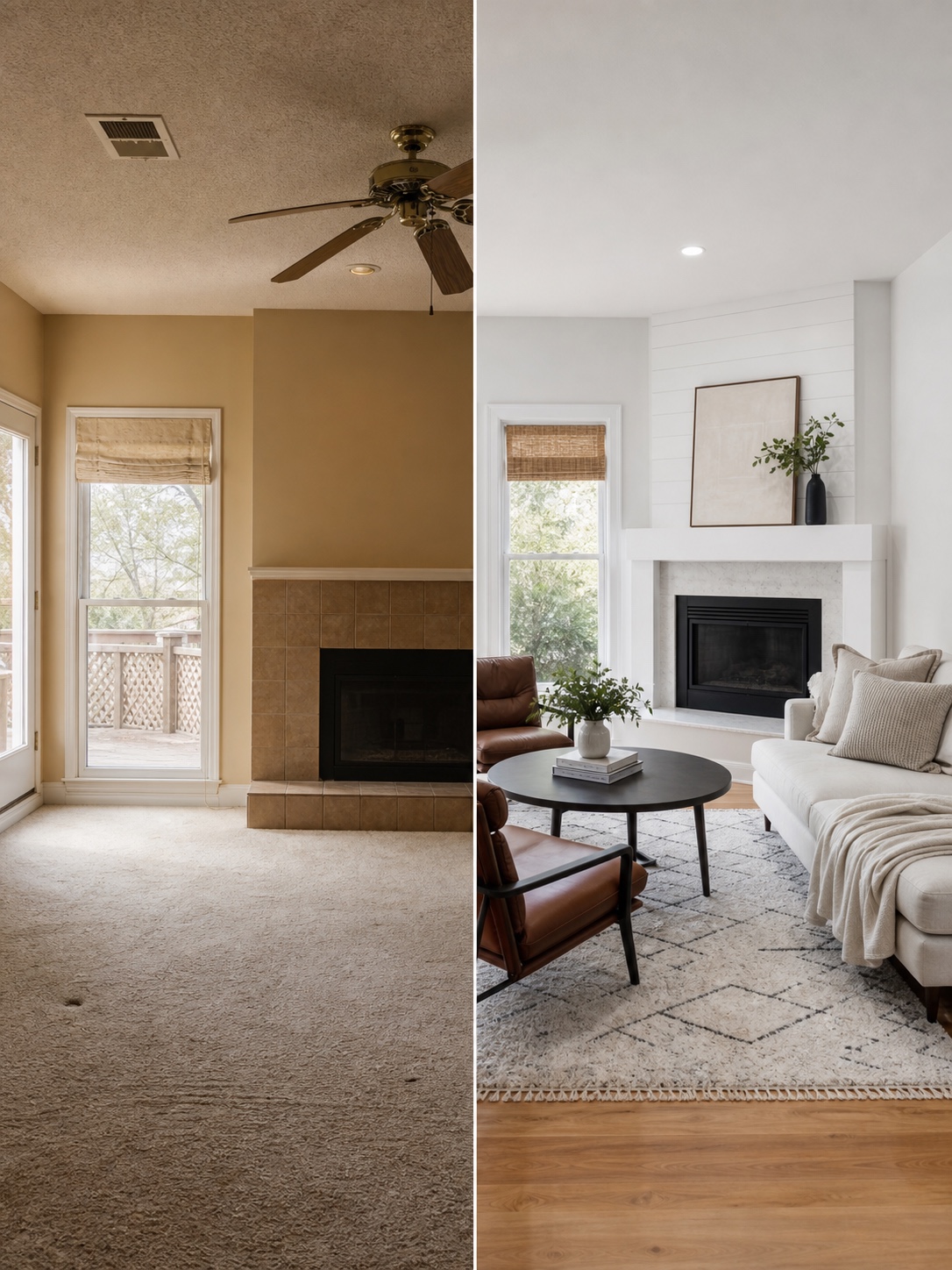
Here’s what actually drives the return, and why the order of decisions matters as much as the decisions themselves.
Value compounds quietly, then shows up all at once
Quality accumulates in properties the same way it does in design work. A single upgrade doesn’t move the needle much. But a front door replaced in 2019, flooring updated in 2021, windows swapped in 2023 add up to something a buyer in 2026 reads as move-in ready. The sum is worth more than the parts suggest.
Realtors and appraisers know this. Properties with documented improvement histories are valued more favorably than comparable ones with no maintenance record, and the gap isn’t small. Buyers pay for certainty: they want to know the roof is solid, the heating is modern, the kitchen won’t need gutting the year after they move in. Documented improvements buy that certainty, and buyers price it in.
The Remodeling magazine Cost vs. Value report shows exterior improvements returning 70% to 90% of their cost at resale. Kitchen and bathroom renovations typically return 60% to 80%. These aren’t losses. They’re the cost of keeping an asset competitive.
The comparison problem at sale time
When a property hits the market, it’s stacked against every other listing at a similar price point. Buyers today have dozens of properties on their phone before they schedule a single viewing. If your photos show dated fixtures and worn surfaces next to listings with updated interiors, the viewings don’t come.
I’ve worked on briefs that were essentially: make this property competitive enough to show. Not a full renovation. Just enough targeted work to get it into the consideration set. The properties that went through that process sold faster and at better margins than their unimproved neighbors.
What buyers actually respond to: coherence over cost
There’s a gap between what homeowners think will impress buyers and what buyers actually respond to. Owners overvalue large structural changes. Buyers respond more to finish quality and visual coherence than to size or renovation scope.
For a room-by-room version of the same logic, this interior design ROI guide for property investors shows how finishes, staging, lighting, and flooring decisions can support rent, resale, or flip strategy.
The team at Outer Banks Real Estate Sales put it plainly: in competitive markets, small details make an enormous difference. Replacing outdated fixtures, refinishing cabinets, improving storage: individually minor, together they create a polished atmosphere that encourages stronger offers. I’d put it in design terms: coherence is what buyers buy. A kitchen where cabinet style, hardware, countertop material, and lighting fixture all speak the same visual language reads as considered, even if every element is modest. Expensive appliances in a mismatched room read as confused.
Hardware: the highest-ROI improvement nobody talks about
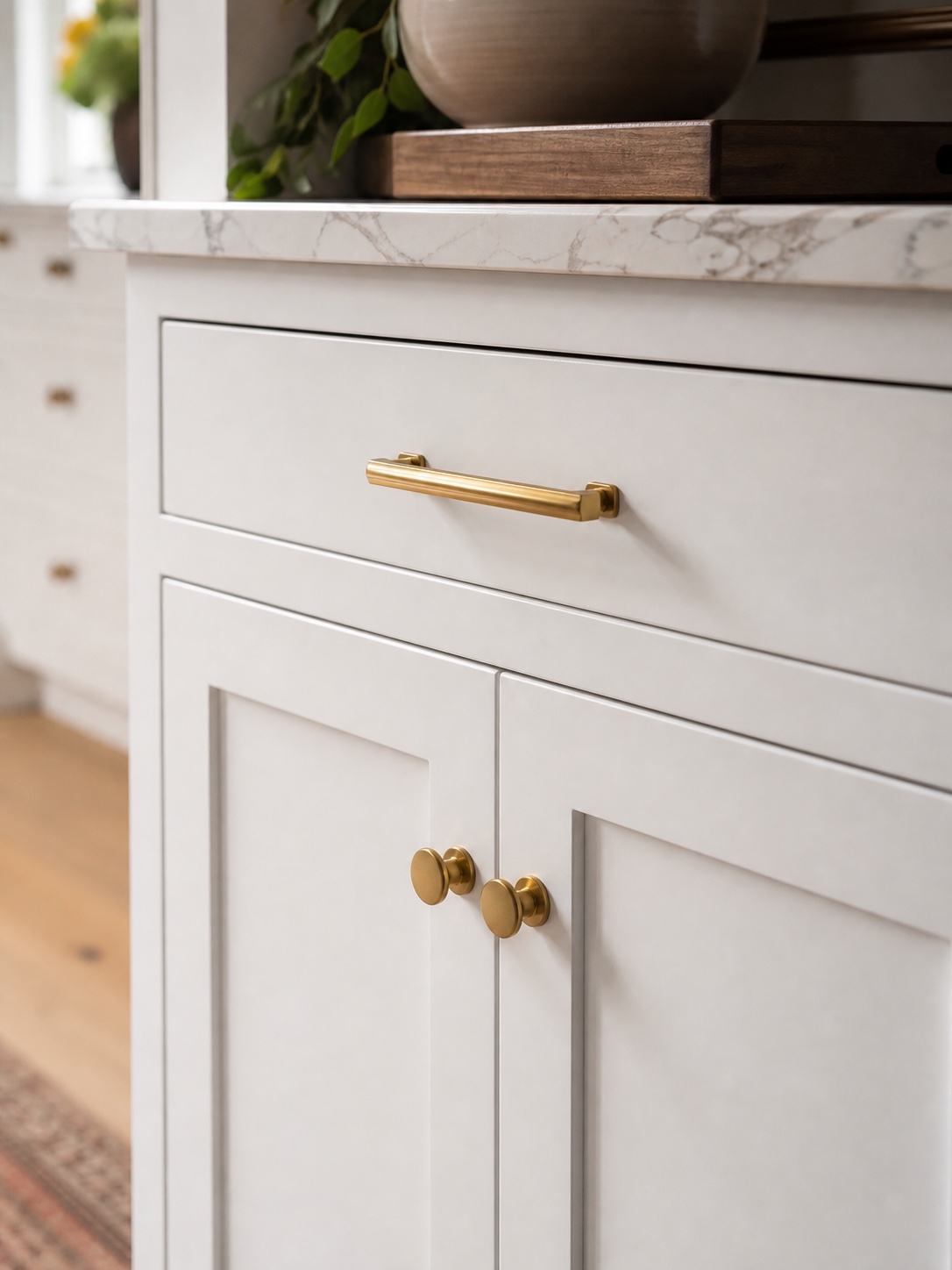
One of the strongest ROI improvements I’ve seen across project types is hardware replacement. Door handles, cabinet pulls, light switches, tap fittings. Buyers touch these during viewings. Old hardware feels loose and dated. It signals nothing has been updated. New hardware in a consistent finish, brushed brass, matte black, satin nickel, costs a few hundred dollars and changes the character of an entire room.
Paint is the other. Not just any paint, the right neutral, applied with clean lines at skirting boards and ceiling junctions. I’ve walked through properties where the paint job added or subtracted what felt like 10% from the perceived value of the space. Light matters. Proportion matters. Paint changes both.
Before spending on any visible upgrade, fix the paint first. A fresh coat on properly prepped walls is the highest-return investment per dollar of any interior improvement. If the paint reads poorly, nothing else compensates for it.
Improvements that change how a home feels to live in
Not every upgrade is about exit strategy. Some changes matter most because they fix things that create daily friction, and most homeowners have stopped noticing the friction.
People say the kitchen is fine, then describe cooking as stressful because there’s nowhere to set anything while the stove is on. They say the bedroom is comfortable, then mention they wake up cold every winter because the window seal failed years ago. The friction is real. It just became invisible.
Storage is almost always a design problem, not a space problem
Cramped homes usually have enough square meters. They have poorly organized square meters. Built-in shelving, wardrobe systems that actually work, kitchen pantry solutions, under-stair storage: none of these are expensive, but they transform how a space feels within days of implementation.
When I work on spatial layout problems, I start with what accumulates: shoes, coats, bags, tools, seasonal items. Where do those things go now? Usually everywhere, which means nowhere specific. Give each category one correct place and the whole space reads differently.
Built-in storage is one of the quieter upgrades buyers notice because it changes how a room works every day. For closets and dressing areas, a planned wardrobe room organization setup can feel more valuable than another decorative finish.
Thermal comfort: the invisible improvement with visible effects
Thermal comfort is the upgrade that most directly affects how much people want to spend time in a space. A room that holds temperature consistently, warm in winter without drafts, cool in summer without constant air conditioning, is a room people choose. A room that doesn’t is one they pass through.
Insulation improvements, secondary glazing, draught-proofing at frames: none of it photographs well. All of it changes how the space feels. And it compounds with energy costs, which makes it worth double.
Energy efficiency: the improvement that pays you back twice
The cost calculation on energy efficiency has shifted in the last five years. When utility costs were lower, payback periods were long enough that many owners deprioritized these upgrades. At current energy prices, that math is different.
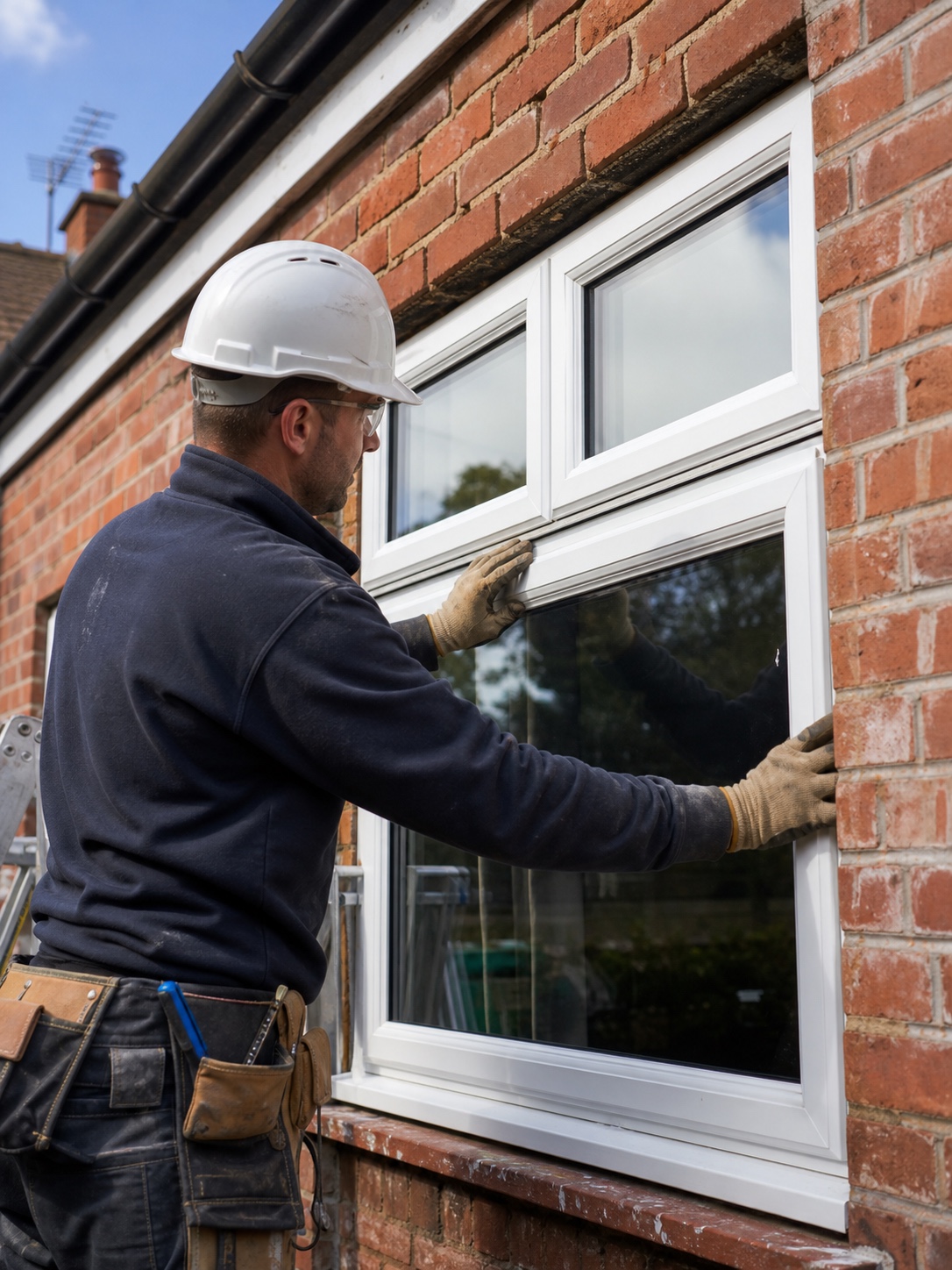
Replacing single-glazed windows with double glazing in a 120-square-meter home typically cuts heating costs by 10% to 20% annually, with payback periods now ranging from eight to twelve years. LED lighting reduces lighting energy use by 75% compared to incandescent bulbs, with immediate payback. Heat pump systems, now incentivized through government rebates in most markets, reduce heating bills by 30% to 50% where properly specified.
Getting the sequence right matters. Improvements today that deliver the fastest return require matching the upgrade to the property’s actual weak points. A poorly insulated roof makes window replacement less effective. The correct order: air sealing and insulation first, then glazing, then heating system. Each investment in that sequence makes the next one more effective.
Energy ratings as a marketable asset
In most European markets and a growing number of North American ones, Energy Performance Certificates are now standard in property listings. A higher rating is a direct marketable advantage. Buyers with green mortgage products can access lower interest rates on higher-rated properties, which expands the pool willing to pay full price.
I’ve seen two properties on the same street, comparable in size and age, with a meaningful sale price gap because one had solar panels and updated insulation that pushed its energy rating two bands higher. The improvement cost was recouped entirely in the differential. That’s a clean return.
Curb appeal: the five-second test that sets every viewing
There’s a concept in product design called the first-impression window: the short period during which someone forms an initial judgment that colors everything afterward. For physical products, that’s five to fifteen seconds. For a property, it’s the moment someone pulls up outside or loads the first listing photo.
My father was right. The front of a house tells you how much the owner cares about the whole thing. Peeling paint, an overgrown path, a door that doesn’t match anything: these read as signals of neglect that carry inside, even when the interior is perfectly maintained. Curb appeal is the first data point in every buyer’s ongoing assessment.
Front door and exterior paint: where the money goes
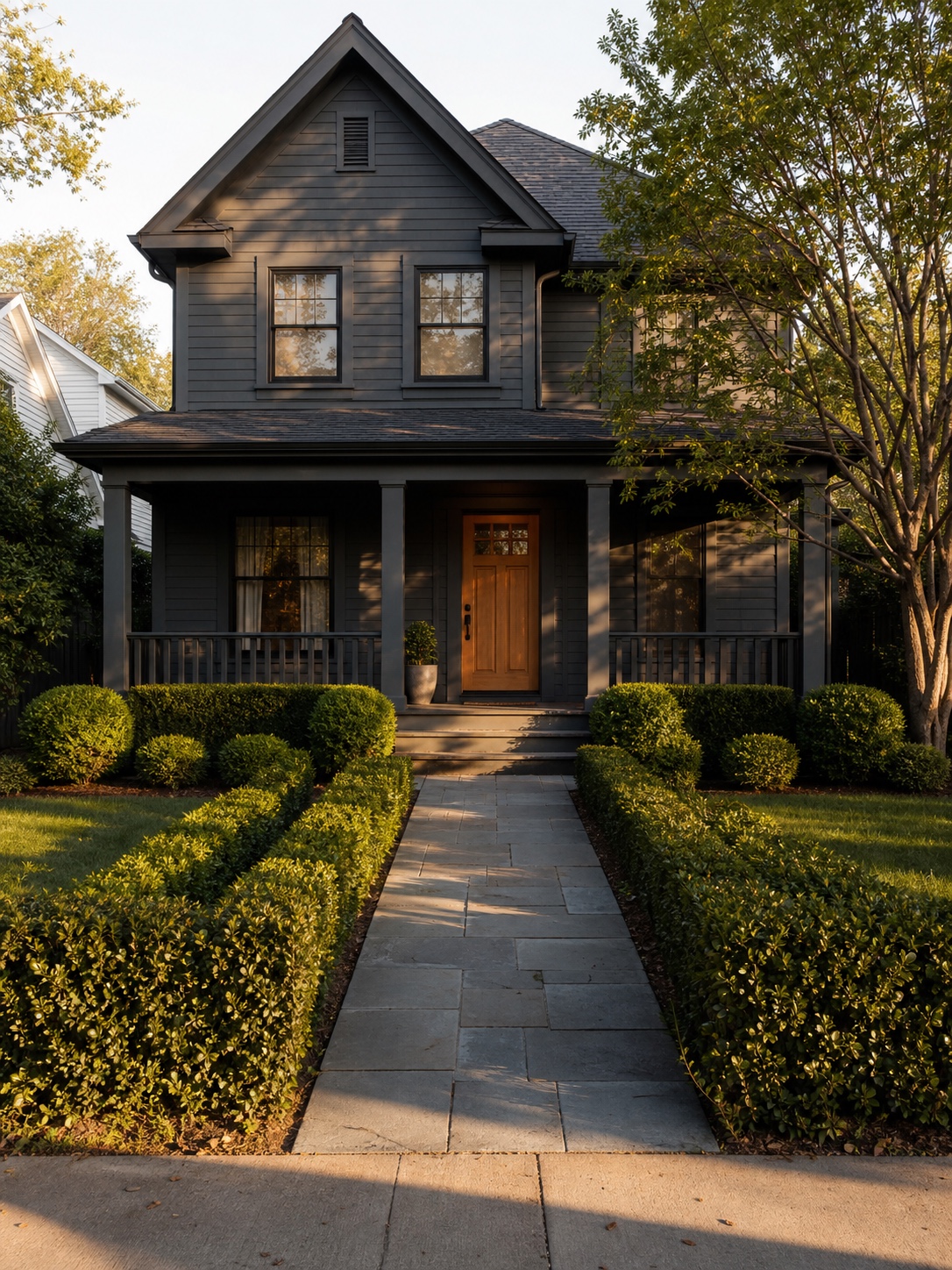
Front door replacement consistently sits near the top of cost-versus-value analyses. A well-chosen door, in a color that works with the facade material, with hardware that matches the window frames, changes the character of a facade for a concentrated spend on the one element every visitor focuses on first.
Exterior paint is the other. Fresh render or clean painted brick with crisp frames photographs dramatically better than faded or patchy exteriors. Property discovery happens through listing photos now. Photographability has become a real metric for improvement decisions.
Landscaping that looks like a decision, not an accident
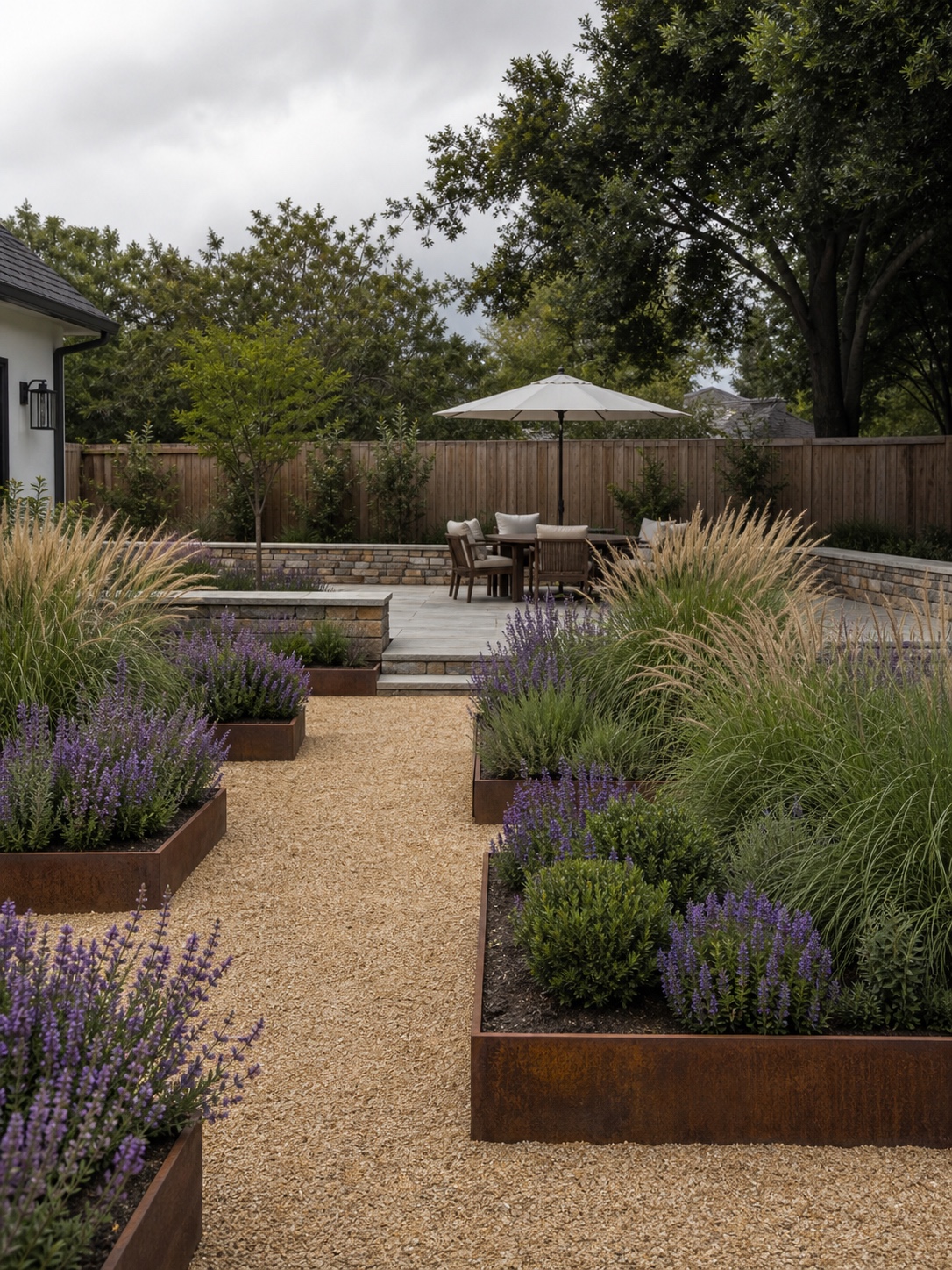
Landscaping covers everything from a full garden redesign at several thousand dollars to a cleanup with bark mulch and structured planting at under a hundred. What matters is intention: does the outdoor space look like someone made deliberate choices, or does it look like things grew?
Clean edges between lawn and planting beds. A defined path to the door. Two or three plants repeated at intervals to create rhythm. These are spatial design principles applied to gardens, and they work for the same reason they work in interiors: structure reads as quality even when the individual components are modest.
Preventive maintenance: the upgrade nobody photographs
There’s a category of property improvement that never appears in listing descriptions but protects everything else: maintenance. Roof repair before a leak develops. Plumbing before a joint fails. Electrical panel updates before the system can’t support modern loads.
I think about this the way I think about design systems: the infrastructure nobody sees is what allows everything visible to function. A property with a compromised roof is one where every visible improvement is at risk. Money spent on surface upgrades can be destroyed by water ingress in a single winter.
Why deferred maintenance is always more expensive
A small roof leak costs a few hundred dollars to fix. Left two years, it reaches several thousand once the timber structure is affected. Left five years, it can compromise an entire house section. The repair cost grows faster than the delay period suggests, and it’s non-linear.
The right approach is treating maintenance as a recurring budget line, not a reactive fund. A property where problems get caught small holds its value. One that gets attention only when something fails is always recovering from the last crisis.
Documentation: the asset nobody thinks to create
Keeping records of every improvement, every system replaced, every contractor used, with dates and receipts, is an underused selling tool. In markets where buyers use inspectors and take condition seriously, a complete maintenance file transfers the certainty that improvements create into a tangible form buyers can review.
I keep project documentation on every client engagement. It protects the work and the client. The same logic applies to homeownership. The home is a long-duration project. Document it accordingly.
What every smart upgrade shares
Whether it’s paint on the front door or a complete heating system replacement, every well-chosen property improvement does the same thing: makes the asset more functional, more appealing, and more resilient. The returns show up in different ways across different improvements, but they show up.
The worst property decisions I’ve seen share one pattern: improvements made reactively, after failure, driven by urgency. The best are planned, sequenced by impact, and executed so each investment strengthens the next.
That plan also needs a market ceiling. Before approving a large scope, use neighbourhood property data to compare completed sales, planning decisions, and infrastructure signals with the finished value you expect.
A home rewards the same mindset good design rewards: patience, attention to detail, and the discipline to fix things properly. That approach doesn’t just hold value. It builds it.
ROI is easier to judge when upgrades solve daily problems too. This guide to home upgrades for health and efficiency puts comfort, water quality, plumbing reliability, and kitchen function into the same decision frame.
Frequently Asked Questions
What architectural home upgrades have the best ROI?
Exterior improvements consistently return the most: front door replacement (70-90% ROI), exterior paint or render, and garage door upgrades. Inside, kitchen hardware updates, bathroom fixture replacement, and added insulation perform strongly. The Remodeling magazine Cost vs. Value report updates these figures annually by market.
Do architectural home upgrades really increase property value?
Yes, but the increase depends on what you improve and where. Homes with updated kitchens, bathrooms, and exterior finishes sell faster and at higher prices than comparable unimproved properties. Energy efficiency upgrades now add measurable value in most markets because energy ratings appear directly on listings.
What is the first improvement I should make before selling?
Paint, almost always. A fresh coat in a clean neutral, applied with crisp lines at skirting boards and ceiling junctions, is the highest-return investment per dollar of any interior work. After that: curb appeal. Front door, exterior lighting, and path clarity. These are what buyers form their first impression from, in photos and in person.
Are energy efficiency upgrades worth the cost?
At current energy prices, yes. Double glazing typically cuts heating costs by 10-20% annually. LED lighting pays back immediately. Heat pumps, often incentivized through rebates, reduce heating bills by 30-50%. Beyond savings, a higher energy performance rating is a direct marketable advantage in most European markets and increasingly elsewhere.
What home improvements do buyers actually notice?
Buyers respond most strongly to visual coherence and finish quality, not to cost. A kitchen where cabinet style, hardware, countertop, and lighting all match reads as high quality even if every element is modest. Updated hardware is tactile: buyers touch handles and pulls during viewings, and dated hardware signals nothing else has been maintained either.
How does deferred maintenance affect property value?
It compounds non-linearly. A small roof leak costs a few hundred dollars to fix immediately. Left two years, it reaches thousands once the timber structure is affected. Left five years, it can compromise an entire house section. Buyers and inspectors find these problems, and properties with deferred maintenance sell at a discount or fall out of contract at inspection.
For buyers comparing upgrade potential across several properties, home purchase timing can matter as much as the renovation list, since a calmer market gives you more room to inspect, negotiate, and price future work honestly.
Is landscaping a good investment for home value?
Intentional landscaping, yes. What matters is not the budget but the intention: clean lawn edges, a defined path to the front door, and two or three plants repeated at intervals create rhythm that reads as quality. The same design principles that work indoors apply outside. A disciplined, modest planting scheme outperforms an expensive but chaotic garden.
Related design note: Original timber floors are one of those ROI upgrades that read better in person than on a spreadsheet. For a design-led look at wood floor sanding in high-end interior design, this guide breaks down finish choices, timing, and the professional details that protect the result.
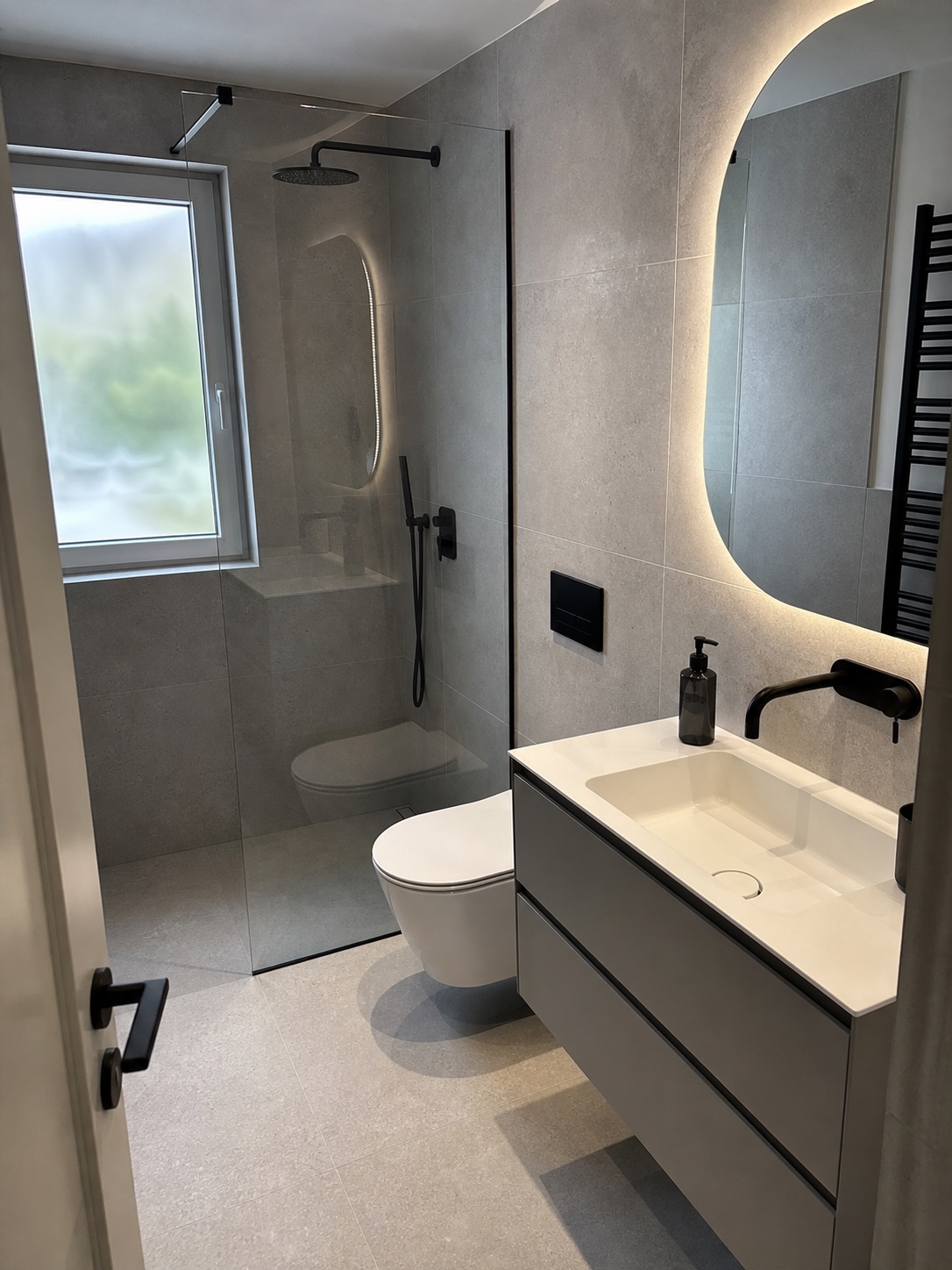
Upgrading key spaces like bathrooms yields the highest returns. Learn how to execute a budget-friendly bathroom remodel to optimize your resale value.
Architects use detailed physical models to pitch high-yield design revisions to residential clients during the planning phase.
For exterior upgrades with real site impact, drone imagery for landscape upgrades can help compare current conditions, grading, planting, and finished value.
Even minor spatial changes can yield high satisfaction scores. Try incorporating smart bathroom organization ideas to maximize your daily comfort and home value.
A driveway is one of the exterior surfaces that can quietly change both curb appeal and long-term maintenance. If paving is part of the upgrade plan, compare the written specification against this asphalt paving cost guide before you accept a quote.
- 1.8Kshares
- Facebook0
- Pinterest1.8K
- Twitter0
- Reddit0