A roof does its job so quietly that you forget it’s there, until a stain shows up on the ceiling shaped like something you can’t quite name. Planning a roof refresh can feel like opening a can of worms: which color, which material, which contractor, how much is this actually going to cost.
I’ve spent fifteen years matching color and proportion for a living, first on cars, then on buildings, and the questions that matter here are closer to automotive design than most homeowners expect.
- Why a roof refresh is an exterior design decision
- Signs it’s time to plan the project
- Start with the house, not the shingle sample
- Roof colors and shingle styles that feel intentional
- Budget without letting cost choose the design
- Questions to ask a roofing contractor before work starts
- Prepare for project day without stress
- Keep the new roof looking designed
- FAQ
- Bring the plan together
This checklist covers the planning stage only, before a single shingle comes off, so you can make decisions calmly instead of scrambling once the crew arrives.
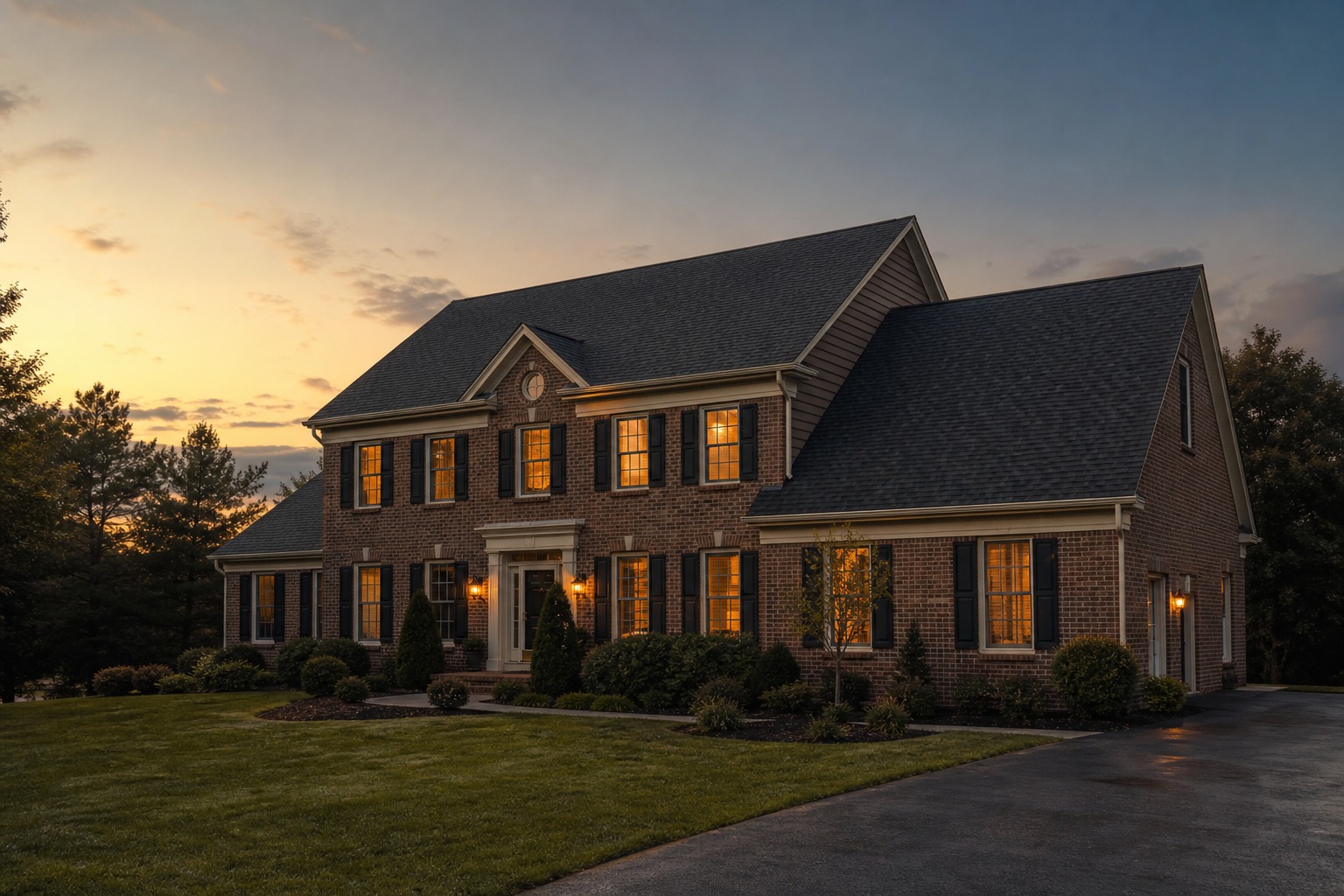
Nobody really teaches this part. Most people learn it by standing in a parking lot squinting at sample chips, then hoping the color still looks right once it’s forty feet up and lit by afternoon sun instead of a showroom bulb. I went through that exact exercise for my own place earlier this year, so the order below is less theory and more the sequence I actually worked through, mistakes included.
Why a roof refresh is an exterior design decision
The roof as the largest visual plane on the house
Stand across the street from any house and measure with your eyes, not a tape. On most single-family homes, the roof plane takes up more visual area than the siding, the windows and the front door combined. I learned to read proportion this way in Turin, sketching car bodies where one wrong panel line throws off an entire silhouette. A house works the same way. Get the roof wrong and no amount of trim paint or landscaping fixes the imbalance.
I drive past a Tudor-style house near my studio that had a mustard-yellow roof installed a few years back, on a home built almost entirely around dark brick and black window frames. The shingles themselves were fine quality. The color fought everything else on the house, and it’s the first thing you notice from half a block away, which is exactly the problem: a roof mistake doesn’t hide.
How shingles, color and texture change curb appeal
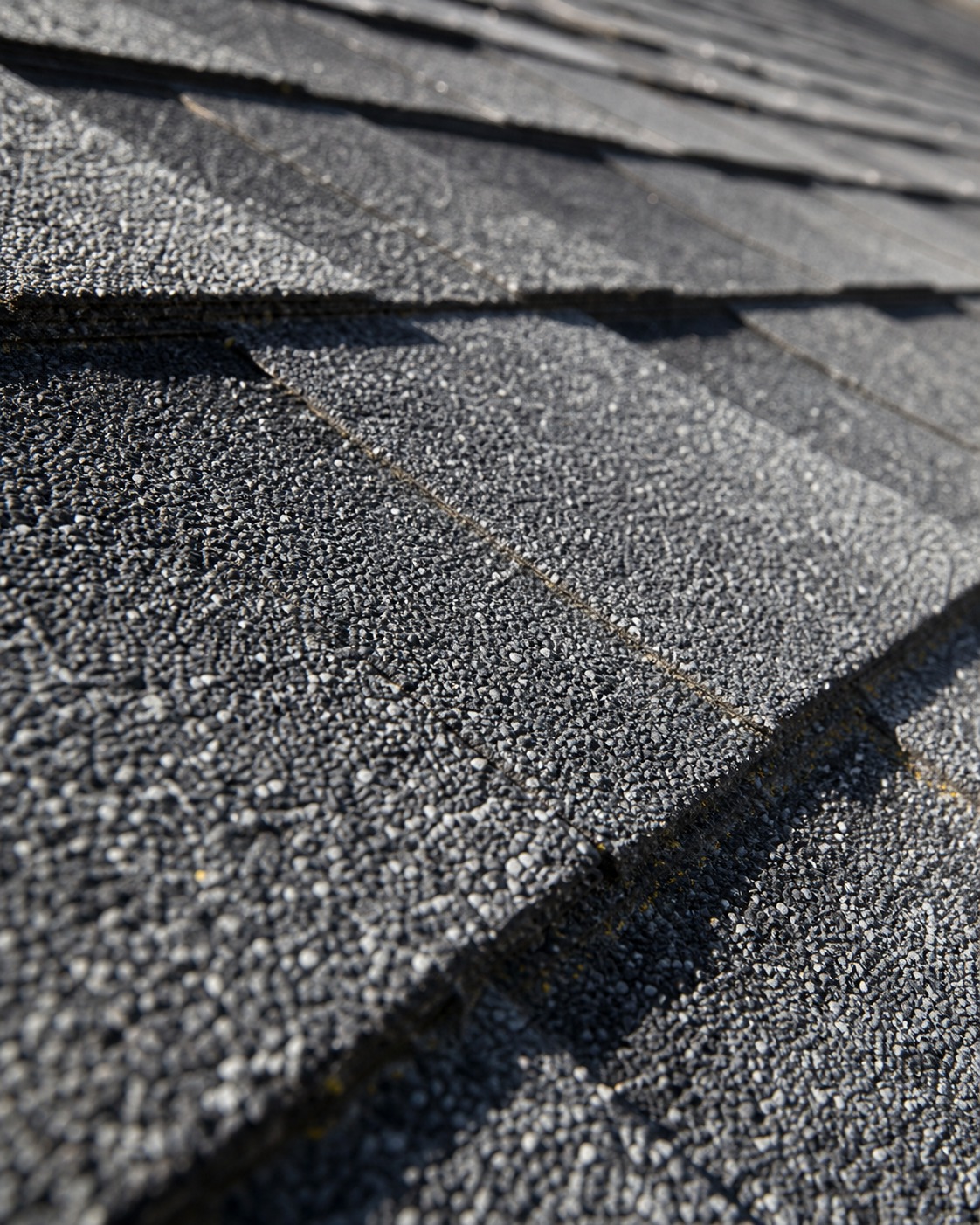
Color sets the mood before anyone reads a single other detail. Texture is what a passerby notices second: the difference between a flat, chalky asphalt shingle and one with real dimensional shadow lines. Both choices sit on top of a house that was likely designed decades before you owned it, and I’ve covered creative roof designs that boost curb appeal in more depth elsewhere, but the short version is that the refresh has to respect proportions that are already fixed.
How this differs from a general roof design or roof replacement guide
This isn’t a tour of roof styles or a rundown of every material on the market. I’ve written about the broader principles of roof design separately, and this piece stays narrow on purpose. It’s the planning checklist for the weeks before a crew shows up, when the decisions you make, or skip, determine whether the finished roof looks designed or just installed.
Signs it’s time to plan the project
Curling shingles, granules, stains and soft warning signs
Cracked or curling shingle edges, dark streaks running down a slope, granules collecting in the gutters like coarse sand. Any one of these on its own isn’t an emergency. Together, or paired with a musty smell in the attic, they’re your cue to start planning rather than waiting for a leak to make the decision for you.
Binoculars work better than a ladder for this first pass. Walk the perimeter of the house, look at each slope from a few different angles, and check the valleys where two roof planes meet; that’s usually where wear shows up first. If the roof is past fifteen years old and you’ve never had it looked at, that alone is reason enough to schedule an inspection, even if nothing looks obviously wrong from the ground.
When a refresh becomes restoration or replacement
A refresh assumes the deck underneath is sound and you’re updating the surface: color, maybe the shingle profile, maybe a section of flashing. If a contractor finds soft spots in the decking, moss spreading under the shingles, or damage on more than one slope, you’re no longer talking about a cosmetic update. That’s a replacement conversation, and knowing the difference before you get a quote keeps a rushed sales pitch from upselling you into scope you don’t need, or talking you out of scope you do.
I’d rather walk into that first meeting knowing the words. “Deck” means the plywood or OSB base under the shingles, not the shingles themselves. “Underlayment” is the moisture barrier between deck and shingle. If a contractor mentions either one is compromised, ask them to show you, in person or in a photo, before you agree to anything beyond the original scope of the visit.
What to document before calling a contractor
Before anyone climbs a ladder, take your own photos: each roof slope, the gutters, any stains on interior ceilings, and the approximate age of the roof if you know it. I keep a simple folder for every project, personal ones included, a habit that goes back to my first car sketches. Contractors trust homeowners who show up with documentation instead of a vague description, and it speeds up the first visit considerably.
Start with the house, not the shingle sample
Brick, siding, trim and landscape colors
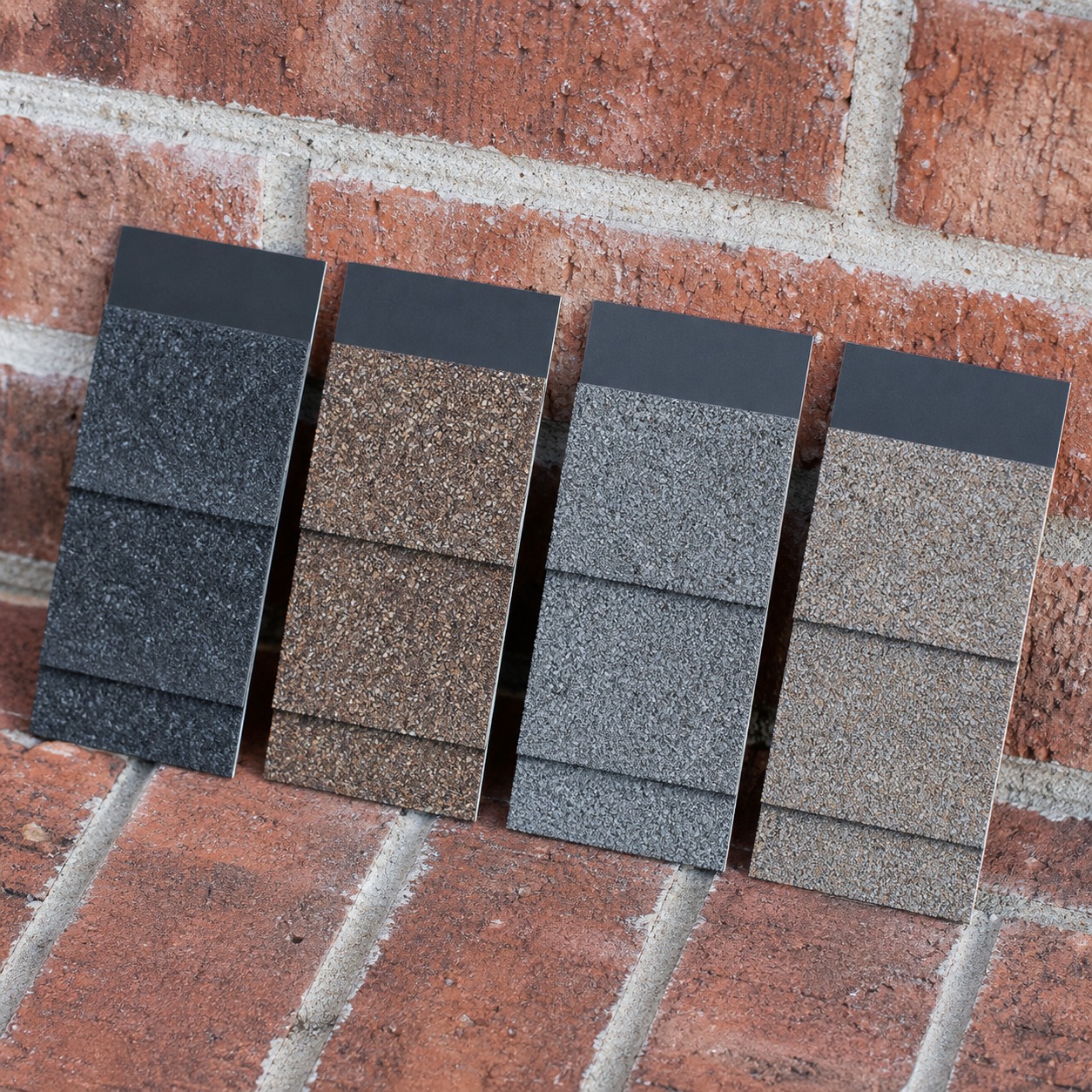
Pull actual sample chips or photograph your brick, siding and trim in daylight before you look at a single shingle board. Undertones matter more than most people expect. Warm red brick can fight a cool blue-gray shingle even when both look neutral on their own under showroom lighting.
A quick way to check: hold a shingle sample flat against a brick or siding sample in open shade, not direct sun and not indoors. If one looks slightly pink or orange and the other looks slightly blue, that’s the undertone clash showing up before installation instead of after. It’s a five-minute test that saves a full re-roof down the line.
Roof pitch, porch lines, gutters and overhangs
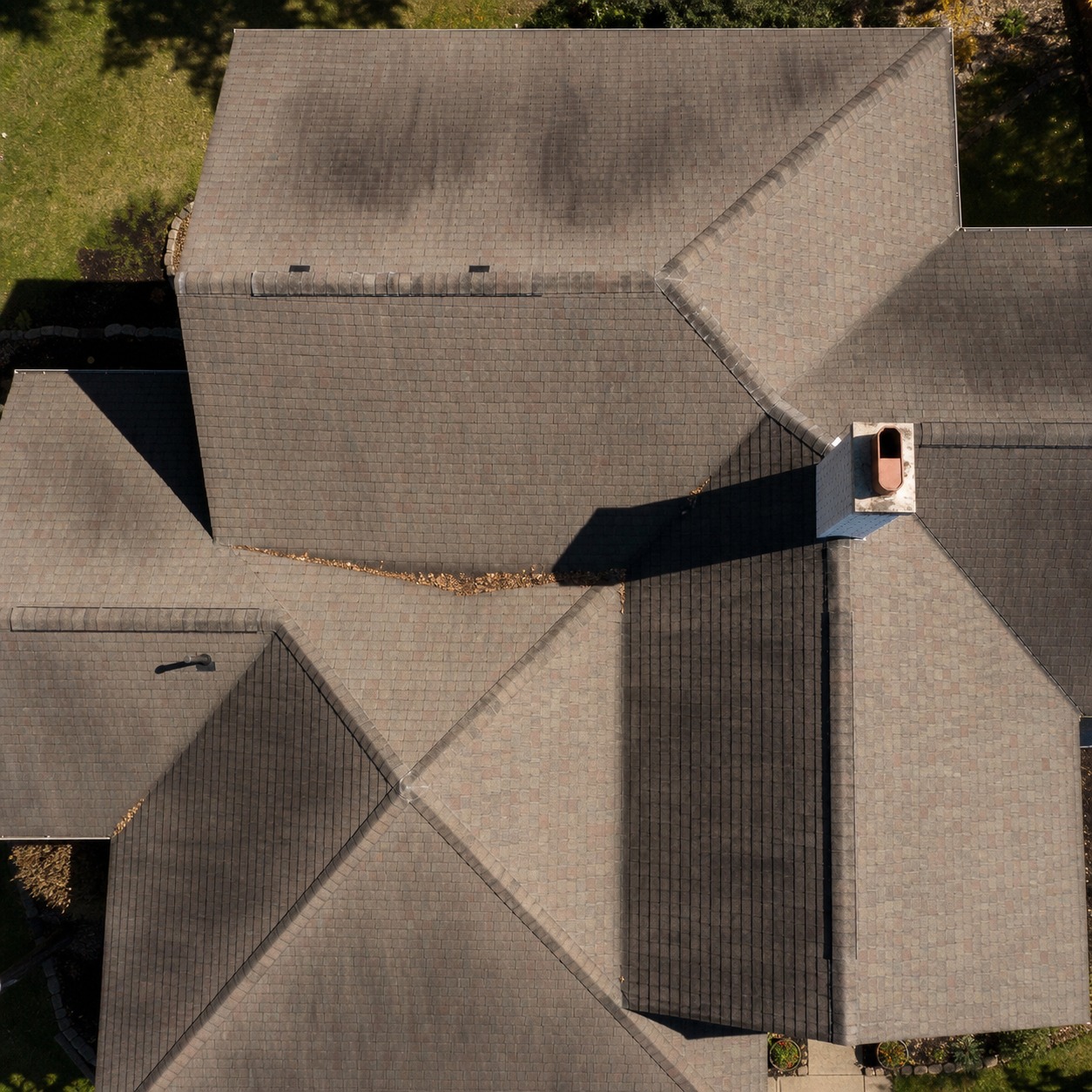
A steep roof pitch shows far more shingle surface than a low-slope one, so texture and color read differently up close than they do from the street. Overhangs, porch rooflines and gutter color all interact with the main roof plane. I treat this the way I’d treat a car’s greenhouse and beltline: every line has to agree with the ones around it, or the whole form looks unresolved.
Why a street-view photo helps you choose better
Stand across the street, take a photo of the whole house, and hold sample chips up against that photo rather than against the house itself. Distance flattens color the same way it flattens a car’s paint under showroom light versus open daylight. My Mazda’s Soul Red Crystal looks almost black in a dim garage and genuinely red in full sun; roof shingles behave the same way, just less dramatically.
Roof colors and shingle styles that feel intentional
Charcoal, brown and weathered gray for classic homes
Charcoal, brown and weathered gray remain the safest, longest-wearing choices for brick colonials, craftsman bungalows and most traditional siding. They’re not boring so much as quiet, and a quiet roof lets the rest of the house’s detailing do the talking.
Contrast for light siding and white exteriors
Light-colored siding, especially white or pale gray, can carry more contrast on the roof than a dark-sided house can. A near-black roof over white siding reads sharp and current rather than heavy, as long as the trim color bridges the two.
Architectural shingles vs flat asphalt shingles
Architectural shingles cost more than flat three-tab asphalt, but the dimensional shadow lines are the difference between a roof that reads as flat gray from the street and one with visible texture and depth even from a passing car. I’ve broken down the tradeoffs in more detail when choosing the right roofing design for your home, but if budget allows only one upgrade in this whole project, I’d put it here before I’d put it into a fancier color.
When metal, tile or specialty materials belong in the conversation
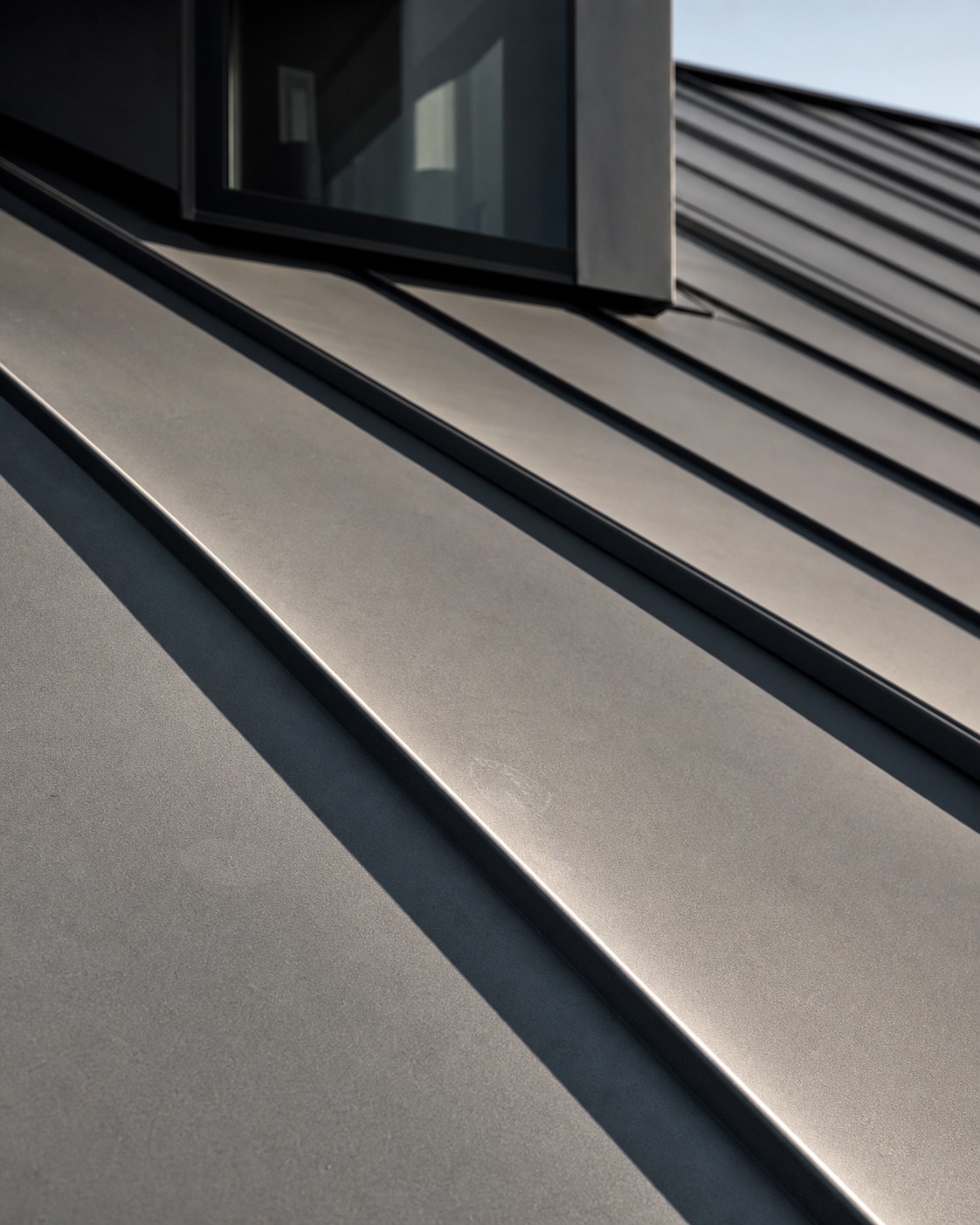
Standing-seam metal, clay tile and slate each bring a different silhouette and a very different price tag. They usually make sense on architectural styles built for them (a modern build with clean roof lines, a Spanish-style home with genuine barrel tile roots) rather than as an upgrade bolted onto a house designed around asphalt shingles.
Metal roofing has picked up interest lately for its lifespan and the way it sheds snow, and it can look genuinely sharp on a contemporary house with simple, uninterrupted rooflines. Put the same metal panels on a house with dormers, gables and a lot of roof geometry, and the seams start fighting each other instead of reading as a clean plane. Match the material to the roof shape you already have, not the shape you wish you had.
Budget without letting cost choose the design
Materials, labor, disposal, cleanup and contingency

Ask any estimate to break out materials, labor, tear-off and disposal, and cleanup as separate line items, then add roughly ten to fifteen percent on top for the surprises decking always seems to hide. Roofs are consistent about one thing: they hide problems until the old material comes off.
Also ask how the contractor prices a per-sheet replacement rate for rotten decking, so a surprise doesn’t turn into a surprise number too. A fair rate quoted up front, before the crew finds anything, tells you a lot about how the rest of the project will go.
Repair vs replacement vs design upgrade
A repair fixes a single failure. A replacement resets the clock on the whole roof. For a closer look at where that line sits, I’ve written about when to specify a complete roof replacement versus a targeted repair. A design upgrade, meaning a better shingle profile or color mid-replacement, adds a modest amount on top of a replacement you were already paying for. If you’re already committed to a full tear-off, that’s the moment to spend the extra few hundred dollars on architectural shingles instead of settling for the builder-grade default.
Where to spend for visible value
Spend where the eye actually lands: the main street-facing slopes, ridge caps and any section visible from the sidewalk or driveway. Save on sections only a drone or a ladder will ever see, as long as the underlying material performs the same regardless of visibility.
Questions to ask a roofing contractor before work starts
Samples, warranty, ventilation, flashing and underlayment
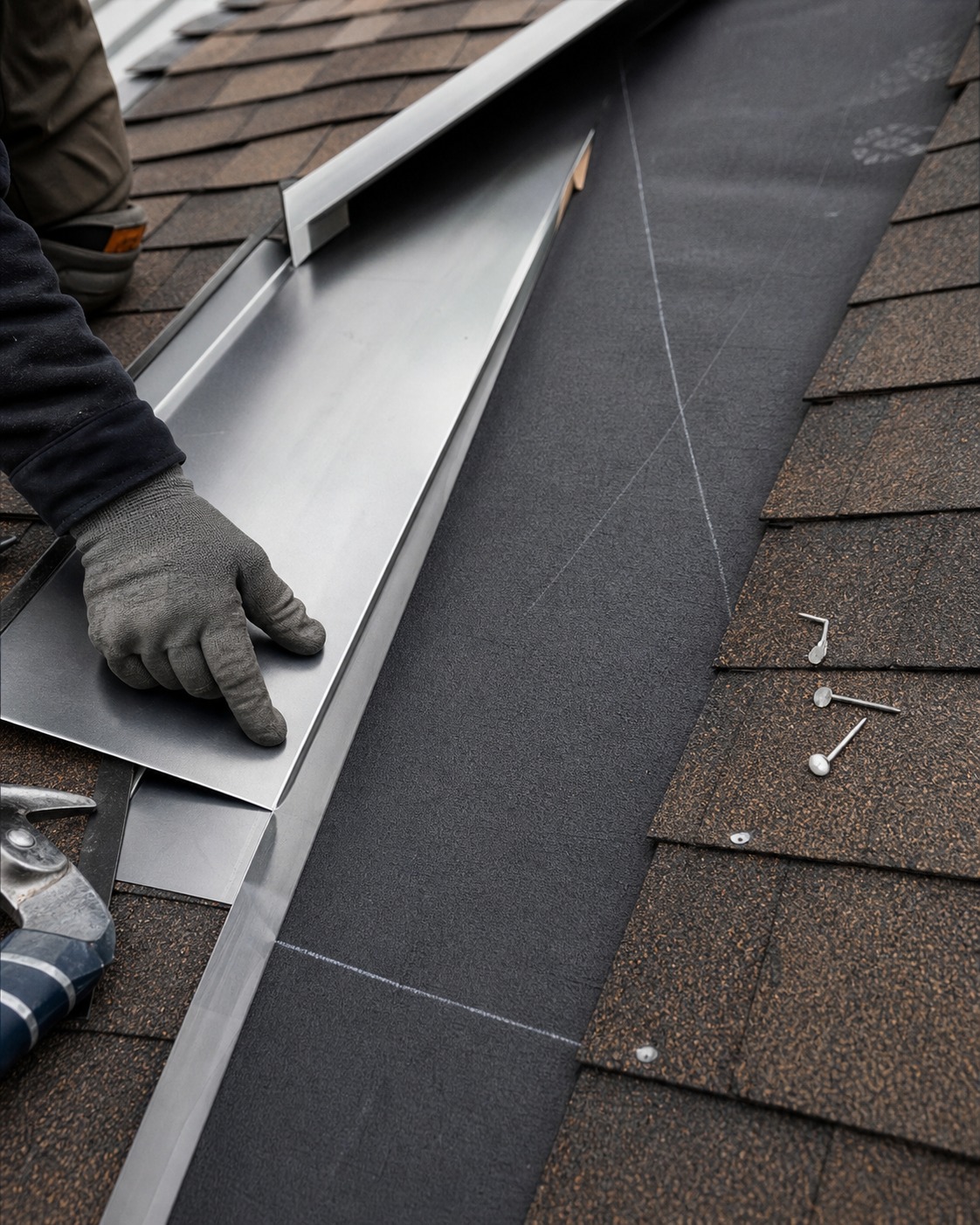
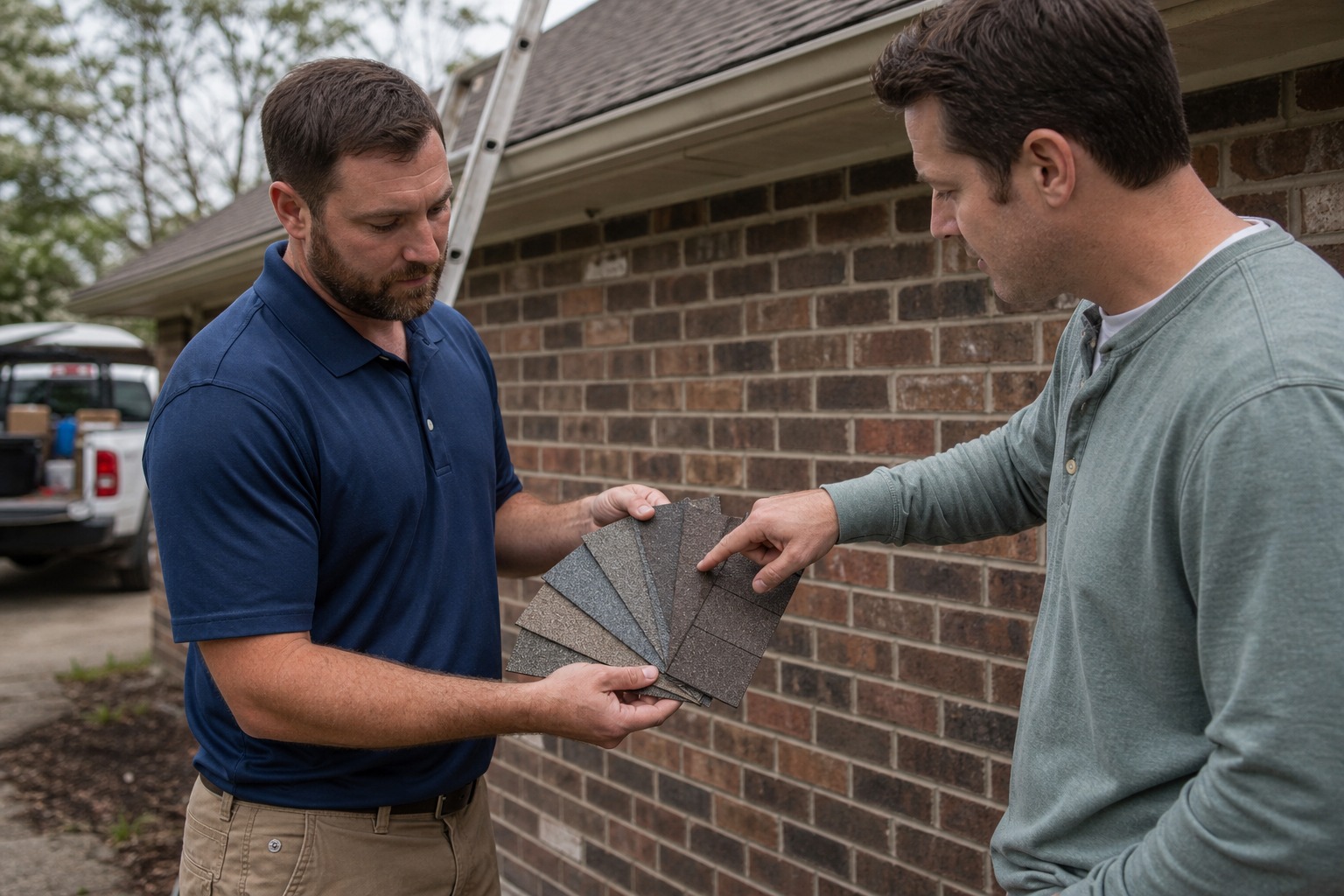
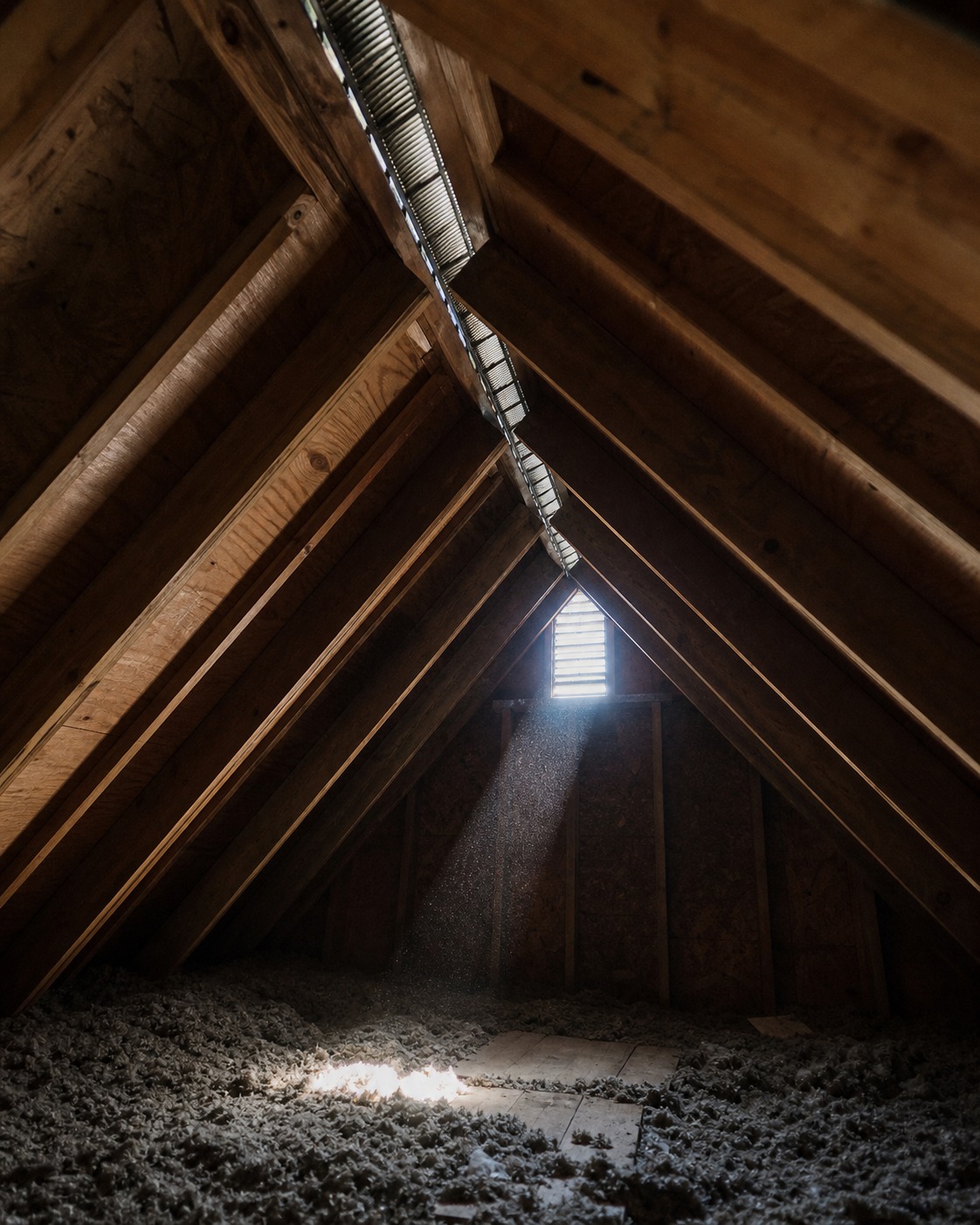
A good roofing contractor will bring physical samples to your house rather than asking you to choose from a printed catalog under fluorescent light. Ask what the warranty covers on material versus labor, and read up on how to avoid voiding your roof warranty before you sign anything, since the wrong ventilation setup or a skipped inspection can quietly cancel coverage you thought you had. Ask how they handle attic ventilation, and whether flashing and underlayment are included or billed separately. Flashing failures cause more leaks than worn shingles ever do, so this one question can save you a callback two winters from now.
Timeline, weather delays and cleanup expectations
Ask how long the project runs if weather cooperates, what the plan is if it doesn’t, and how cleanup is handled each day rather than only at the end. Roofing crews that tarp exposed decking overnight and magnet-sweep for nails daily are the ones I’d trust with my own driveway.
How to compare estimates beyond the final price

Line up estimates by scope, not just by the number at the bottom. Two quotes that look close on price can cover wildly different amounts of flashing, decking replacement allowance and cleanup responsibility. The cheaper number often just moved a line item somewhere you’ll pay for later.
Prepare for project day without stress
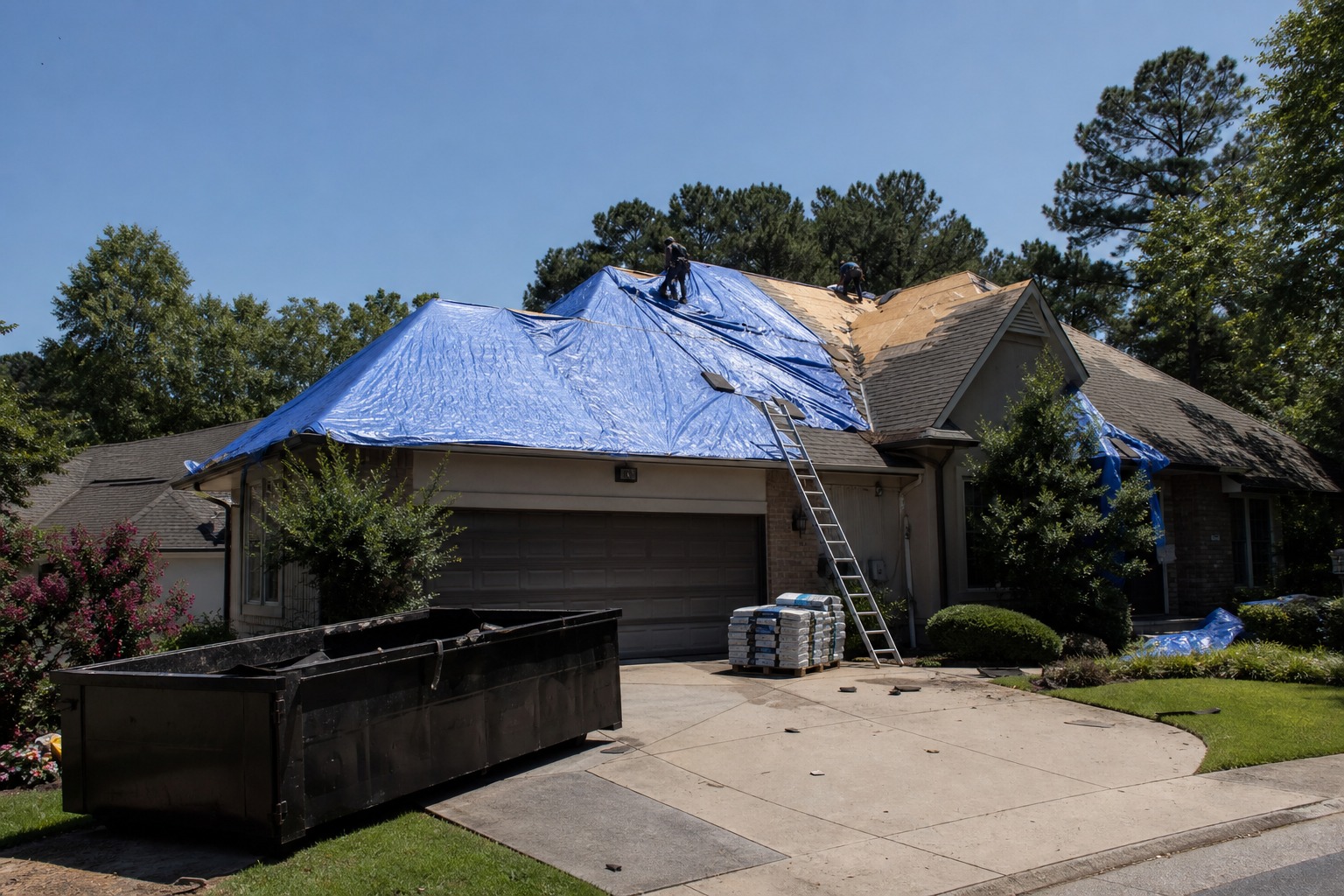
Protecting attic storage, driveway access and landscaping
Clear the driveway so crews have room for a dumpster, a delivery truck and ladders. Move anything fragile out of the attic if dust bothers you, and cover patio furniture, grills and potted plants near the house. None of this is complicated, but skipping it turns day one into an avoidable scramble.
If you work from home, plan around the noise instead of fighting it. Pounding overhead makes video calls rough, so I’d block that day out or find a coffee shop for the morning. Pets react to roof noise in strange ways too. A quiet room with a fan running, or a day at a friend’s place, beats a stressed dog pacing the house for eight hours straight.
Communicating with neighbors
A short heads-up to neighbors, especially in close-set housing, buys a lot of goodwill when the compressor starts at seven in the morning. I still remember the courtesy note my own contractor left in mailboxes before a project near my studio in Kyiv. It cost nothing and it worked.
What should happen after installation
Expect a walk-through where the crew shows you the finished slopes, confirms the magnet sweep for stray nails, and hands over warranty paperwork on the spot, not “we’ll email it.” If any of that doesn’t happen, ask for it before the crew leaves the site.
Keep the new roof looking designed
Gutter cleaning, branch trimming and storm checks
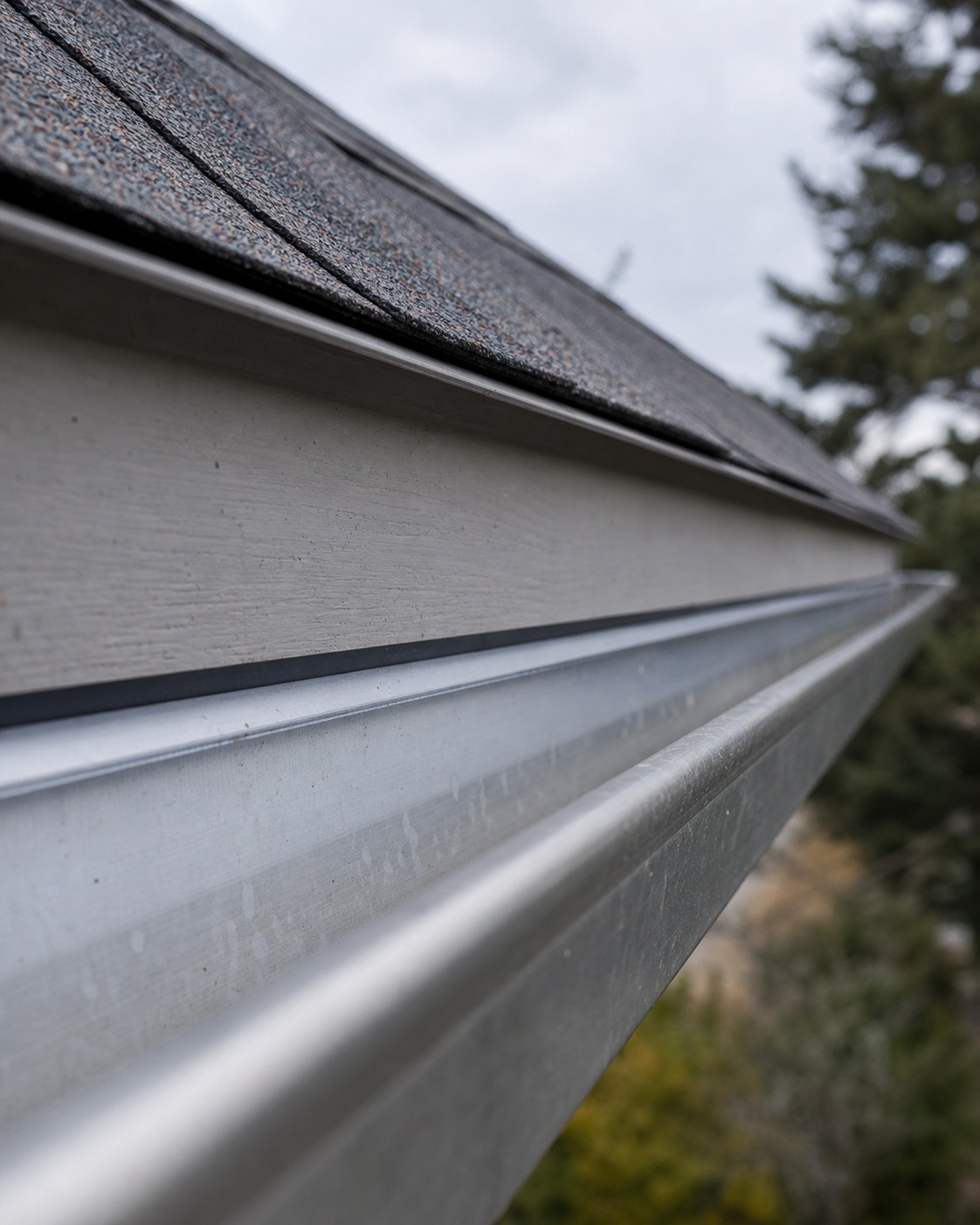
Clear gutters twice a year so water actually leaves the roof instead of backing up under the shingle edge. Trim branches that hang over the roofline. They scrape granules loose every time the wind moves them, which quietly shortens the life of a brand-new roof.
Records, photos and warranty paperwork
Keep the estimate, the final invoice, the warranty and a few photos of the finished roof in one folder, physical or digital. If you sell the house, that folder answers half the buyer’s questions before they’re asked.
Seasonal roof maintenance checklist

A short seasonal check works better than an occasional deep audit: gutters clear in spring and fall, a visual scan after any major storm, and a five-minute look from the ground each season for missing or lifted shingles. Nothing here requires a ladder if you’re not comfortable on one. Binoculars work fine.
I also take a phone photo of each slope once a year, same angle every time, and drop it in the same folder as the original estimate and warranty. Side by side, a year of photos shows granule loss or a lifted shingle long before it becomes a ceiling stain, and it costs nothing but two minutes on a clear day.
FAQ
What is a roof refresh?
A roof refresh means planning and updating the visible parts of a roof (color, shingle profile, sometimes a partial repair) without necessarily doing a full tear-off replacement. It sits between routine maintenance and a complete roof replacement, and the planning steps overlap with both.
How do I choose a roof color for my house?
Start with your brick, siding and trim, photographed in daylight, not the shingle sample alone. Hold sample chips against a street-view photo of your house rather than against a small swatch, since color reads differently at a distance than it does close up under showroom light.
Do architectural shingles improve curb appeal?
Yes. The dimensional shadow lines on architectural shingles read as texture and depth from the street, where flat three-tab shingles read as one flat color. If your budget allows one upgrade during a roof refresh, this is usually the highest-value one.
When should I repair instead of replace a roof?
Repair makes sense when the issue is limited to one section and the roof still has a reasonable amount of life left. Replacement makes more sense once you’re paying for repeated patch jobs, or once a contractor finds soft decking or damage spread across more than one slope.
What should I ask a roofing contractor before a roof refresh?
Ask about physical samples, what the warranty covers, how ventilation and flashing are handled, the project timeline, and daily cleanup expectations. Comparing estimates by scope rather than by price alone usually reveals more than the number at the bottom of the page.
How often should a roof be inspected?
Once a year is a reasonable default, plus a check after any major storm with hail or high wind. If your roof is past the fifteen-year mark, or you’re planning a refresh soon, an inspection before you start collecting quotes gives you real numbers to plan a budget around instead of guesswork.
Bring the plan together
A roof refresh doesn’t need a spreadsheet or a design degree, just a plan that starts with your house instead of a shingle catalog. Photograph what you have, understand what you’re actually looking at when a contractor points at the deck, and spend the extra bit of budget where the street can actually see it. Do that, and the new roof looks like it was designed for the house instead of dropped onto it.
I went through this planning process slower than I needed to, mostly because I kept second-guessing the color against brick that changes tone depending on the hour. That’s normal. Give yourself the same week or two I took, get the photos and the samples lined up before the first contractor call, and the rest of the project moves a lot faster than the planning did.
- 3shares
- Facebook0
- Pinterest3
- Twitter0
- Reddit0